
The whole place is surrounded by mountains and forest, and the atmosphere is really peaceful. It’s a great spot to walk around and just clear your mind.
The temple itself has a beautiful old-world feel, and you can really sense the history. It doesn’t feel overly commercialized.
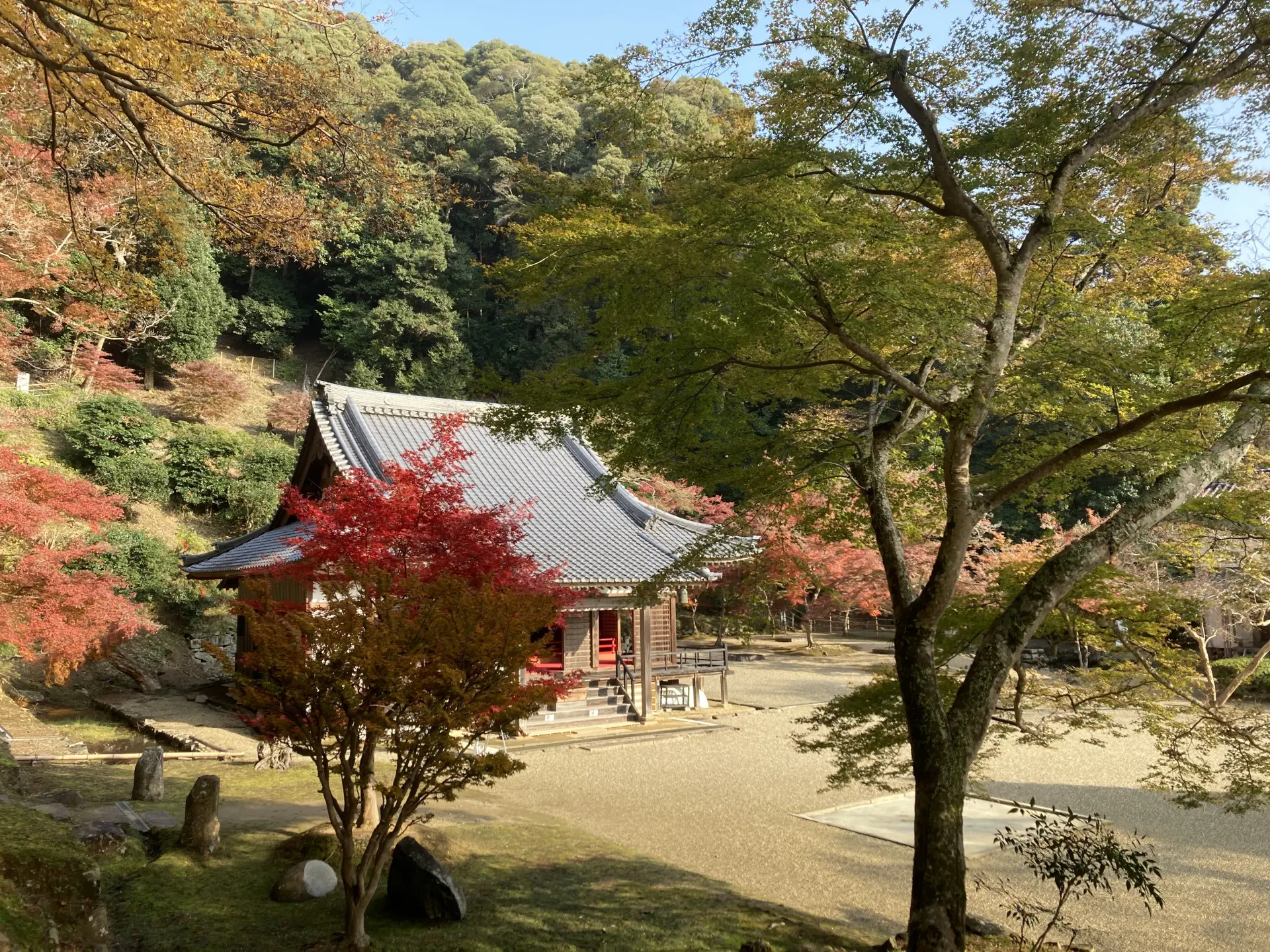
It’s especially gorgeous during the fall foliage season, when the whole temple grounds are covered in red leaves. The photos come out amazing.
Verified [Verified] denotes information that has been published with confirmation of its owing parties.
Shoryakuji Temple
An ancient temple known as Nishiki no Sato, famed for autumn leaves and as the birthplace of Japanese sake.
4.07
2
Nestled in the mountains of Nara City, this temple stands beside the clear flow of the Bodaisen River. Founded in 992 during the Heian period by imperial order of Emperor Ichijo, it is the head temple of the Bodaisan Shingon sect and was once a grand temple complex with as many as 86 sub-temples. Today, the main hall, bell tower, and the guest hall of Fukujyuin still remain, while moss-covered stone walls and the sound of the stream evoke its former glory.
In autumn, Approx. 3,000 maple trees cover the temple grounds, painting the mountainside in a brocade of red and yellow. Because of this beauty, it is known as “Nishiki no Sato” and is also popular as a famous spot for fall foliage. The view from the Fukujyuin Garden, where the pond, trees, and temple buildings come together in elegant harmony, is designated as a city cultural property.
It is also known as the birthplace of Japanese sake. The traditional “Bodaimoto” brewing method, handed down since ancient times, is still carefully preserved today, and a sake festival is held in winter. Wrapped in the aroma of sake drifting through the temple grounds, visitors can enjoy a truly special moment while experiencing ancient brewing culture firsthand.
Highlights
-
A head temple founded in the Heian period, where moss-covered stone walls and a clear stream still convey the atmosphere of earlier times.
-
In autumn, Approx. 3,000 maple trees color the grounds, creating spectacular fall foliage worthy of the name “Nishiki no Sato.”
-
The view from Fukujyuin Garden, where temple buildings and nature are woven together, is a beauty designated as a national cultural property.
-
Known as the birthplace of Japanese sake, it still carries on the traditional “Bodaimoto” brewing method.
-
The winter sake festival offers a special chance to enjoy fragrant sake and experience ancient brewing culture.
Photos
-
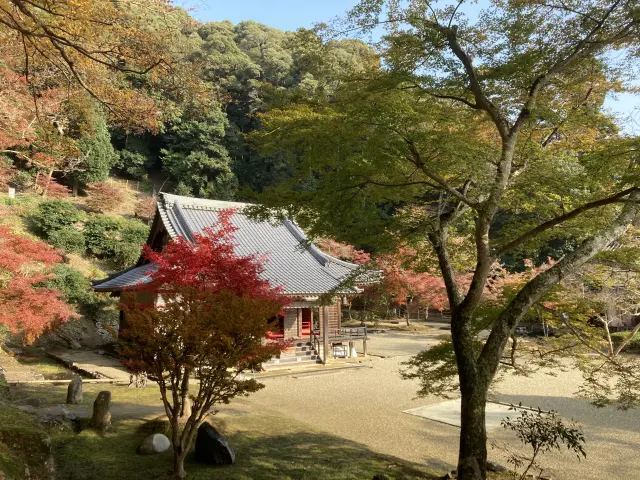
The dignified main hall standing on the temple grounds was rebuilt in 1916
-
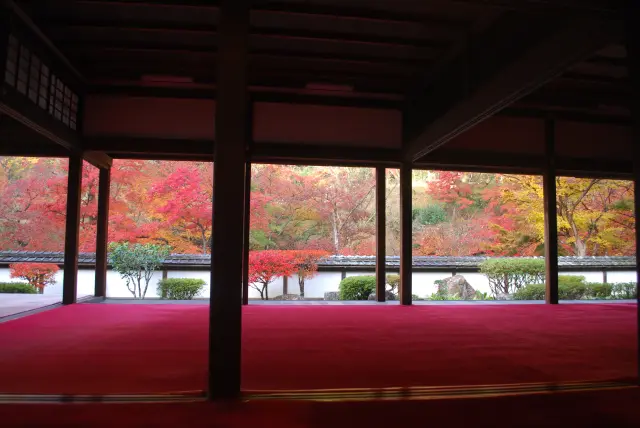
Also famous for its autumn leaves, the view from the Fukujyuin guest hall looks just like a painting
-
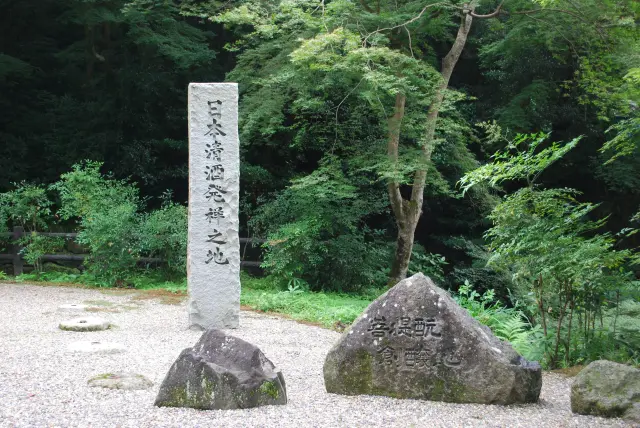
Also known as the birthplace of Japanese sake, the annual sake festival draws many visitors
Official FAQs
Frequently Asked Questions have been vetted and answered directly by each listing.
Q
Do you offer goshuin temple stamps?
A
Yes.
Q
Is there a parking lot?
A
Yes. (Paid only during the fall foliage season: 500 yen per car)
Q
Are there coin lockers?
A
No.
Reviews
2
Some reviews are AI-translated.
-
-
It’s tucked away in the mountains, with a quiet, serene setting and trees surrounding the temple, so just walking around feels really relaxing.
The temple isn’t very large, but the atmosphere is solemn and peaceful, with a sense of being far away from the noise of everyday life.
If you visit in the fall, the autumn leaves make the whole scenery absolutely beautiful. It’s the kind of place that’s perfect for a slow walk and a calm, reflective moment.
Details
- Name in Japanese
- 正暦寺
- Postal Code
- 630-8413
- Address
- 157 Bodaisencho, Nara City, Nara
- Phone
- 0742-62-9569
- Closed on
- December 30, 31
- Hours
- 9:00am–4:00pm (from November 3 to the first Sunday of December, until 5:00pm)
- Admission
- Regular admission: adults 500 yen, elementary school students 200 yen; special admission: adults 800 yen, elementary school students 300 yen
- Access
- Approx. 25 minutes by car from Kintetsu Nara Station on the Kintetsu Nara Line
- Official website
- Official website (Japanese)
Popular Articles