








Welcome to
“GOOD LUCK TRIP”
Discover the Japan You Never Knew - with GOOD LUCK TRIP, your multilingual travel guide.
Sightseeing Place


 Editors’ Choice
Reviews

-
Wajima Morning Market
蘇自強
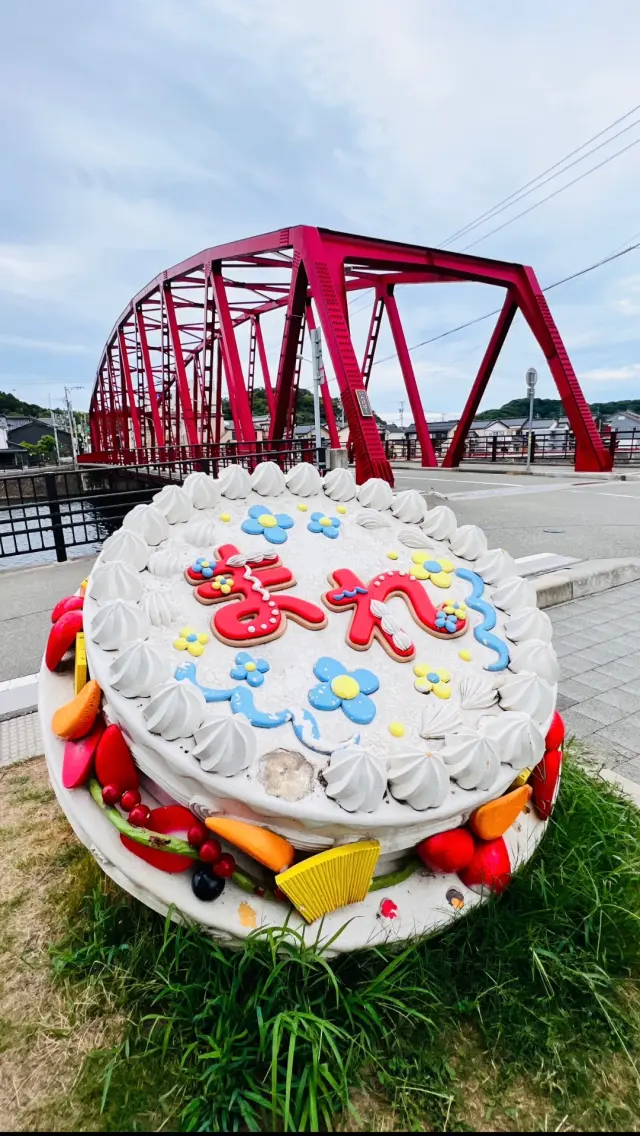
In mid-October, I visited the Wajima Morning Market. As someone who loves morning markets, I had admired this famous market for a long time! It was just after 10, and the crowds seemed to have already thinned out. I stopped at a stall selling fruit and rice balls. The woman running it smiled shyly, and I shyly asked, “Can I help?” She smiled and said, “Then I’ll go get some more fruit from the truck. Please watch the stall for me.” I never imagined I would become the shopkeeper so easily! “Welcome!” Then I noticed a pile of bills and coins in a cardboard box inside the stall. That must have been the morning’s earnings. She trusted me, a traveler from out of town, that much! I was touched by her simple sincerity! When she returned, I told her, “It’s very windy, but none of the money blew away!” We chatted about everyday things while calling out to customers! Every time I called out, she laughed! We even sold a rice ball along the way! Later, I bought some fruit from her and reluctantly left. Two or three months later, in January 2024, a major earthquake struck here, and the entire morning market was destroyed! I was heartbroken and full of regret! I regretted not getting her contact information! This was the saddest trip I’ve ever taken!
-
Zao Fox Village
 黃國棟
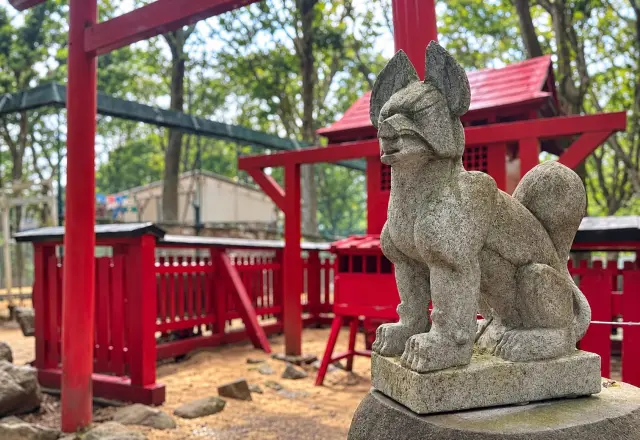
When visiting Miyagi Prefecture in Japan’s Tohoku region, how could you miss the incredibly unique Zao Fox Village? More than 100 foxes live here, and you can watch them roam freely, rest, and even chase one another around the grounds. Seeing their daily lives up close is really novel and interesting! You can take a shuttle bus from the Shiroishi-Zao Station or Shiroishi Station area. It costs about JPY 1,000 each way, and admission is around JPY 1,500. There aren’t many shuttle departures, and seating is limited, so be sure to check the schedule in advance and plan your round-trip transportation so you don’t have to rush! Besides all the adorable foxes, there are other animals to observe, as well as a paid experience where you can hold a fox. People who love small animals will probably find it very special. However, we visited in the summer, which happened to be shedding season for the foxes. Many of them had thinner coats and didn’t have the round, fluffy appearance they do in winter, which was a little disappointing for photos. The grounds were also smaller than expected, so I recommend combining your visit with other nearby attractions. If, like me, you’re most excited to see cute, fluffy foxes or even want to capture dreamy photos of them walking through the snow, visiting in winter may be more likely to meet your expectations! This time, I got to check off the special experience of observing foxes up close, and it was definitely a very different stop on my trip through Japan’s Tohoku region!
-
Lake Shikaribetsu
Queena
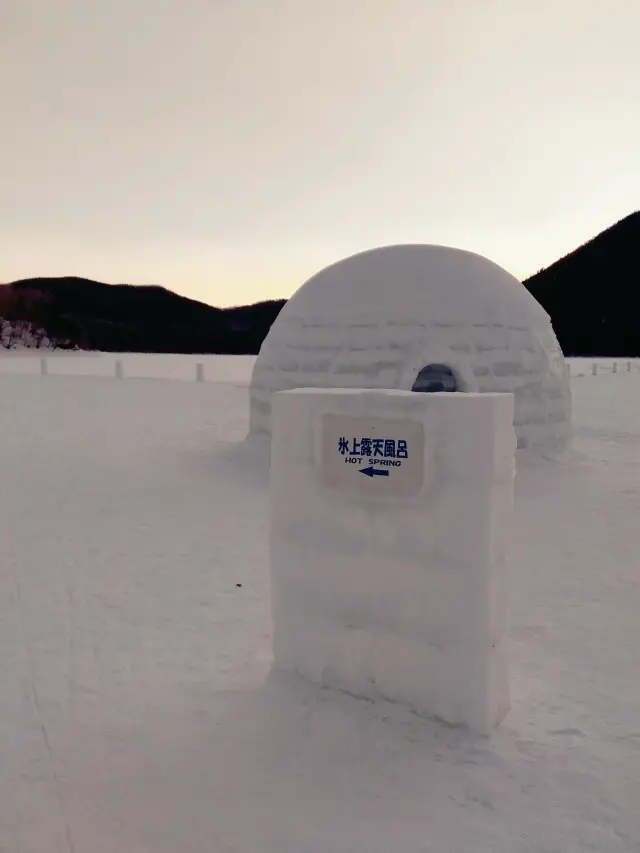
“Lake Shikaribetsu Ice Village Volunteer Activity” The early morning sunlight falls across the endless white snow. Walking on the frozen Lake Shikaribetsu feels like being in a fairy-tale wonderland. I met many friendly staff members and fellow volunteers here, all working toward one goal: the ice village. The ice chapel, where lovers who have walked hand in hand for 10 years make promises for their future. One home, two people, three meals, four seasons—the ice in winter and the lake in summer. The one thing that never changes is our love for this place. The ice hot spring, with its piping-hot water and warm friendships. One person asks, “Would you climb the mountain and stack ice blocks with me?” “Sure.” Supporting your dreams and making your wishes come true. A friendship that feels even more like family than family. After returning home, where there’s no snow to build an ice hut, I think back on everything that felt like a dream—and on the friend willing to go all out with me. The ice bar, where you carve an ice block into a cup. The owner said, “However big you want your cup, carve it yourself.” A cup you make yourself has the most warmth. Although you can’t take it down the mountain, the warmth of the alcohol remains deep in your heart. The “Lake Shikaribetsu sake” that belongs up here in the mountains is irreplaceable. It tastes better than down below! It’s okay if you don’t understand. Say it a few more times and you will. Language begins with listening, speaking, reading, and writing, but body language begins with a smile. Conversations that feel like dancing, and the knowing smiles when you understand each other’s language, are truly moving. The power of nature is irreplaceable. My body, mind, and spirit were filled with energy here. It turns out snowflakes really are flat, just like in animated movies—only even more beautiful.
-
Teshima Art Museum
Di
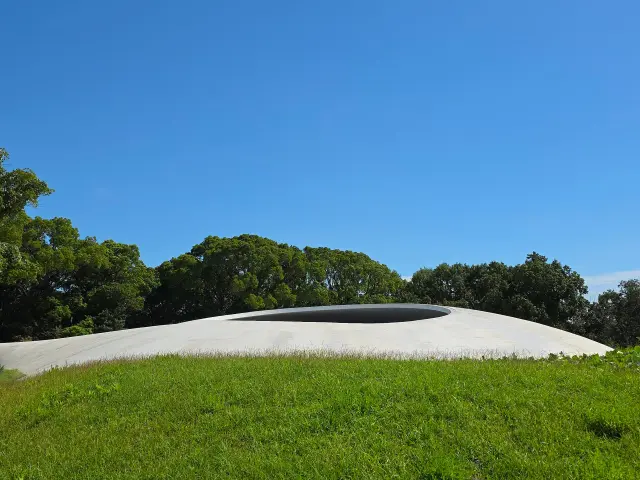
Listen, it’s the sound of the wind When water is given life, the wind also takes shape What would it look like? Between the lush green terraced rice fields and the deep blue sea, a white, drop-shaped concrete building stands on a small hill Striking yet harmonious Blending perfectly into its surroundings After taking off my shoes and stepping inside the museum My first impression was—silence There were only hushed conversations and the sounds of insects and birds nearby A peaceful kind of silence, I think The wind blows through the ribbon hanging from the opening above as you listen to nature’s whispers And to your own voice Watching the droplets on the ground move, over and over again I couldn’t help but start wondering where life ultimately comes from - Unlike traditional museums, the Teshima Art Museum doesn’t house many works by famous artists, yet it was the place where I felt most at ease during my entire Setouchi Triennale trip Definitely don’t miss it~ (It’s also a great place for a nap - ★A few tips for the peak festival season★ ▪︎Avoid Naoshima’s closing day ▪︎Be sure to buy tickets as soon as they go on sale to increase your chances of getting your preferred time slot (the same goes for rental cars; otherwise, your only chance may be to take the first ferry) ▪︎If you choose to take the bus, I highly recommend buying a one-day pass through the app The navigation and bus schedules in the official app are astonishingly accurate ▪︎If you’re making a round trip from Takamatsu, arriving at the port 1–2 hours early to wait for the ferry is a rule for survival!!!
-
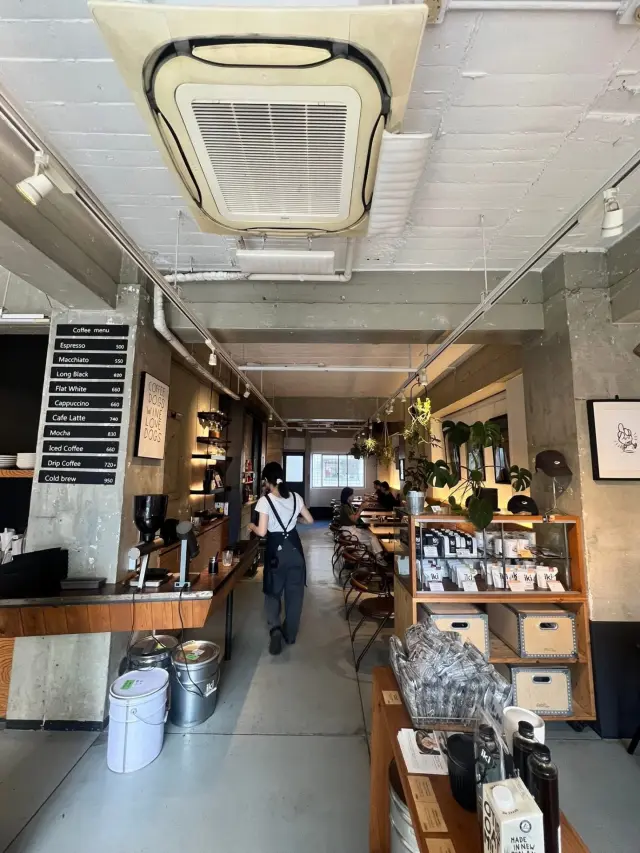
iki ESPRESSO
 Norton Liang
Why are there so few reviews? I really love this place. 1. Space and decor style (Industrial & Organic Harmony) A combination of industrial style and warmth: The space retains its original concrete walls, beams, columns, and exposed pipes, creating a clean, modern industrial feel. At the same time, plenty of warm wooden tables and chairs, booth seating, and warm-toned indirect lighting soften the cold, hard feel of the concrete. Greenery throughout: Hanging planters and small green potted plants on the tables not only bring natural vitality to the space, but also create a soothing, relaxing atmosphere. Semi-open layout and high ceilings: Folding glass doors open to the outside at the entrance, along with counter-height seating (Take Away area), bringing natural light indoors. The dine-in area is spacious, with enough room between tables to feel relaxed and not crowded. 2. Food highlights: Classic Australian and New Zealand-style brunch (Brunch Culture) Eggs Benedict / Salmon Benedict Toast (Photo 2): The base is a firm, tangy natural sourdough or European-style bread topped with sautéed spinach and smoked salmon. It is topped with poached eggs and a generous amount of golden hollandaise sauce, broiled until lightly browned, then finished with microgreens. Visually, it has plenty of layers and appealing colors, making it a classic example of upscale Australian and New Zealand-style brunch. 3. Coffee and drink characteristics (Specialty Coffee) Australian and New Zealand coffee menu (): The menu includes classic Australian and New Zealand coffee options such as Flat White, Long Black, Espresso, and Cold Brew. Drink details and brand impression (): They offer professionally extracted cold brew/ice-drip coffee or iced black coffee, served with a simple, stylish custom sleeve printed with the “iki ESPRESSO” logo. 4. Summary: Why do I like it so much? iki ESPRESSO successfully combines Kiyosumi-Shirakawa's distinctive slow-paced cultural atmosphere with the casual comfort of Australian and New Zealand cafés. Whether it's the refined, delicious food, the high-quality coffee, or the space's blend of industrial aesthetics and cozy greenery, everything makes you want to spend a comfortable, leisurely afternoon here.
-
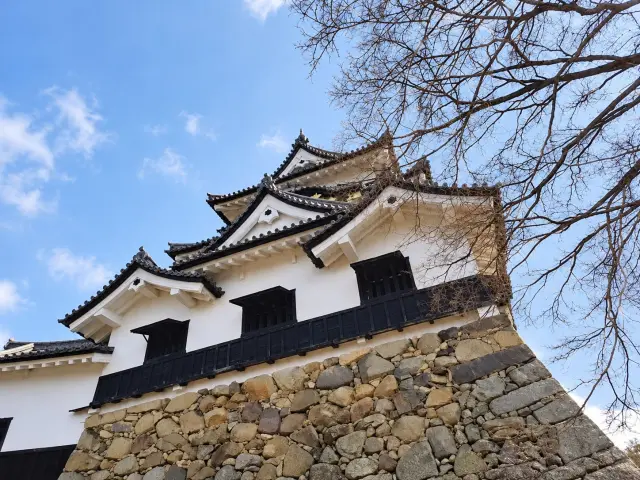
Hikone Castle Ruins (Special Historical Site)
 Holly
I actually had only two goals for this visit to Hikone Castle: Hikonyan and the legendary staircase that's nearly 90 degrees steep. To make the schedule go more smoothly, we specifically came in the morning, hoping to catch Hikonyan's 11:00 performance. Hikone Castle itself is a National Treasure of Japan. Construction began in 1604 and took about 20 years to complete. The castle, once ruled by the Ii family as feudal lords, still retains much of its historic appearance. I originally didn't have many expectations for the castle itself, but once I went inside, even just walking from the entrance toward the castle grounds made me realize that it was actually quite large. There's a fair distance from the entrance to the castle keep. The path into the castle grounds is actually pretty steep, but once I climbed up and looked down, the whole view suddenly gave me a strange sense of traveling through time, as if I had really stepped into the castle grounds of the past. Then it was time to wait for the staff to lead Hikonyan out to meet everyone. All I can say is that as soon as Hikonyan appeared, everyone there instantly went wild! Hikonyan was already adorable, and the staff member in the costume kept acting cute, so I couldn't stop taking pictures. I was snapping away almost the entire time. The only unfortunate thing was that we couldn't take pictures directly with Hikonyan that day. We could only take photos from a distance or pose with the nearby signboard. Still, I was already very satisfied just to see Hikonyan in person. After seeing Hikonyan, it was time to take on the extremely steep staircase leading up to the castle keep. Hikone Castle has an original three-story compound-style keep, and the stairs inside have an incline of around 60 to 62 degrees. Even before reaching the legendary staircase, the other stairs inside the castle were already very steep. When I finally saw the staircase leading to the very top, it honestly looked even more extreme than I'd imagined. There was just a rope beside it serving as a handrail, with staff at the top and bottom watching out for visitors' safety. I felt like I was basically crawling up on all fours. After climbing to the top of the keep, the view outside was truly beautiful. Apparently, you can see Lake Biwa when the weather is clear. Unfortunately, although the weather was pretty good that day, there were still some clouds, so Lake Biwa wasn't very clear. Still, being able to look out over the surrounding scenery from that height made me feel that the difficult climb hadn't been for nothing. But the real challenge wasn't over yet. Climbing up the stairs was already painful, but going down was a different kind of torture. I kept feeling like I might tumble down at any moment, and at one point I even thought rolling down might be faster! But that was just a thought. I still clung desperately to the rope and slowly made my way down one step at a time. I have no idea what position I was in as I went down anymore. I only remember trying very hard to make it down alive. Besides the castle keep, there's also Genkyuen Garden, a daimyo garden next to Hikone Castle. Unfortunately, because it was winter, the garden scenery was rather plain. However, we unexpectedly came across a Japanese couple taking wedding photos. The bride was wearing an iro-uchikake wedding kimono and looked truly beautiful, which added another pleasant surprise to the trip.
-
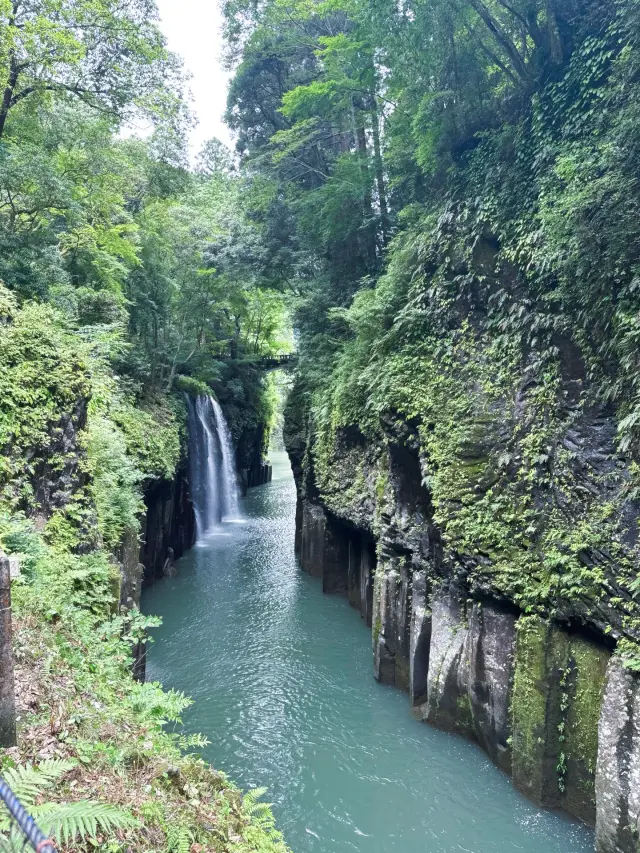
Takachiho Gorge
Skimuraki Zin
The trail stretches along the Gokase River gorge, flanked by towering cliffs dozens of meters high, made of columnar basalt formed when lava from Mount Aso's eruptions cooled. The finely detailed patterns running vertically along the rock walls look as if they were carved with knives and axes, revealing the magnificent power of nature shaped over millions of years. As you walk through, sunlight filters through the lush green canopy and falls on the clear, emerald-green water. Surrounded by rugged boulders and dense trees, with the faint roar of flowing water in the background, every step feels like walking through a painting. After crossing the rustic and elegant Shinbashi Bridge, you reach Takimidai, the main observation point along the trail. From here, you get a wider, more complete view of Manai Falls—the pure white stream drops straight through a gap in the cliffs like a ribbon of white silk into the deep green pool below. Even from a distance, you can still feel its surging power and the remote, mystical atmosphere of this land of legends. Looking down at the gorge, usually filled with sightseeing boats, the absence of boats at that time instead gave it a more pristine and tranquil beauty. Two weeks earlier, I had gotten up right on time specifically to book a boat ride at Takachiho Gorge and was lucky enough to get one of the tickets that sold out in seconds. I've been to Kyushu several times, but Takachiho Gorge was the one place I had never visited. I was looking forward to rowing through the magnificent gorge toward Manai Falls and feeling the spray from the 17-meter-high waterfall beside me. Unexpectedly, the day before departure, I was notified that the water level was too high and the boat rides had been canceled. It was a little disappointing, but every trip leaves you with a reason to come back next time.
-
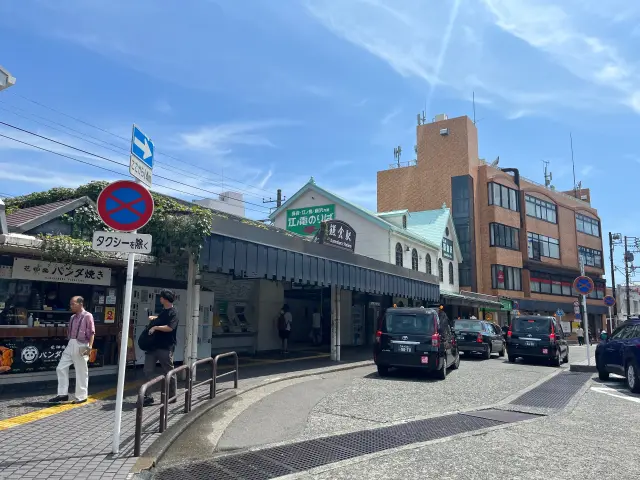
Komachi Street
妮妮
This August, I went back to Komachi Street in Kamakura to look for Lino Drops, a nearby shop that makes accessories from sakura shells. The shop also thoughtfully provides product cards in Chinese for gift recipients. I chose a pair of sakura shell earrings as a souvenir for myself. The Toshimaya main store is also here, with lots of special signature dove-themed merchandise. Everything is so cute that it's hard to choose. Since it was already August when I visited, I was delighted to see a new strawberry milk soft-serve shop on Komachi Street! My family has always been really into strawberry flavors🍓 Overall, I was very satisfied, and it didn't leave me thirsty afterward〜 If you like matcha flavors, Komachi Street has that option too〜 If you want to avoid the crowds, I recommend taking the JR train to Kamakura on a weekday morning and leaving some time to explore Komachi Street. You might discover small shops that make you want to come back again and again.
-
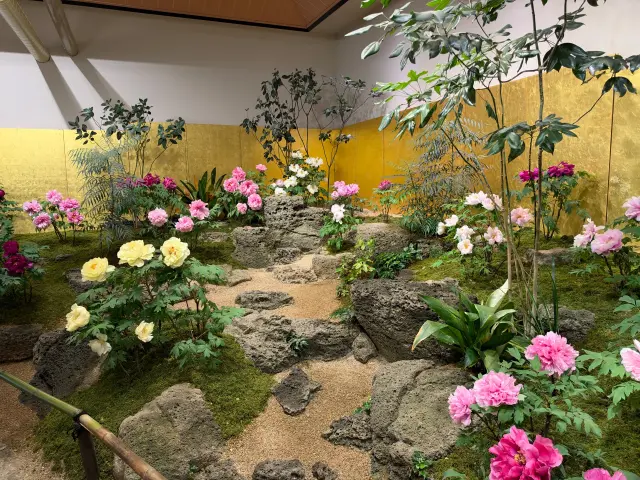
Yushien Garden
Koko
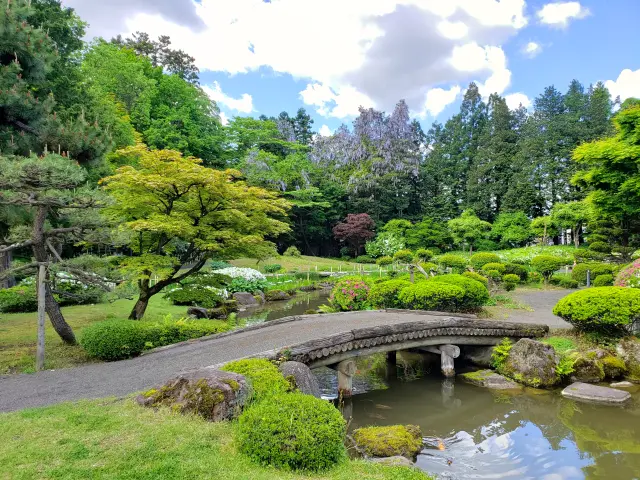
Before the trip, I hadn't planned on visiting Yushien Garden because it was the off-season, but my family wanted to see the red spider lilies, so we added it to our itinerary, and I unexpectedly really liked it. For 2026, the official website said the special red spider lily display would run from 9/18-23, and I saw a Google Maps review saying the flowers still looked good on 9/23. We took the bus from Matsue on 9/24 (transit cards are accepted). There weren't many people, and only three of us got off at Yushien Garden. Admission can be paid with PayPay, and the staff thoughtfully gave us a Chinese brochure. Although we had already visited the crowded Adachi Museum of Art, known as Japan's No. 1 garden, Yushien Garden was very pleasant to walk around because there weren't many people. The pines, peonies, and red spider lilies all looked like paintings. It's perfect for people who enjoy quietly taking in the scenery. There was also a Kobitos scavenger hunt going on, which was very cute. The shop after the indoor peony area had tasteful items that were a great value, with more selection than the shop at the outer entrance. The view from the teahouse at the end was beautiful. Off-season admission to Yushien Garden is JPY 1,000 for adults. It's ideal for travelers who enjoy peace and quiet, and you can leisurely see everything in about two hours. For the return trip, we took the bus back to Matsue from where we had gotten off. I hope to visit again when the peony pond display is in full bloom.
-
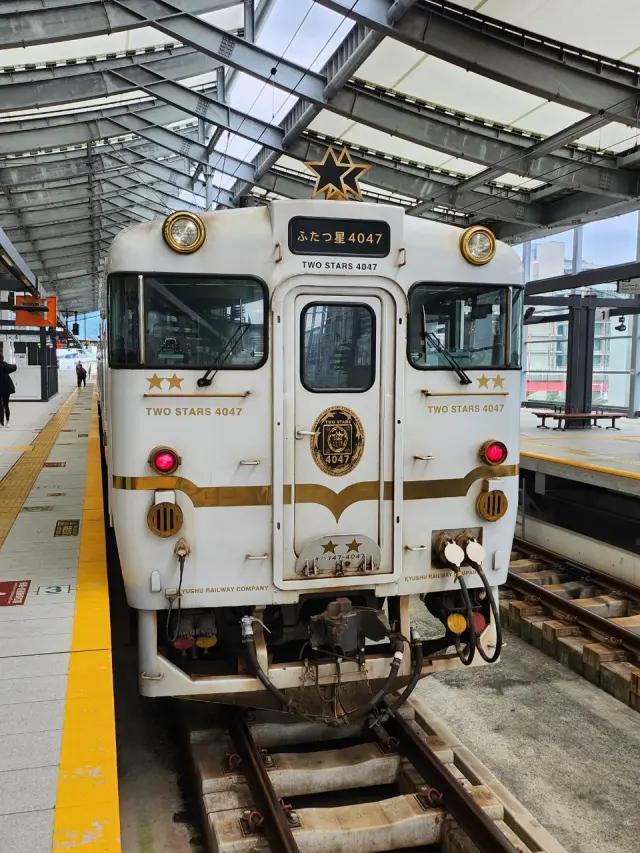
JR KYUSHU RAIL PASS
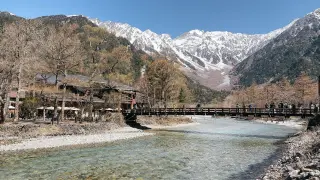 一個漸漸喜歡上慢旅的人
If you're fascinated by unique trains like I am, then when visiting Kyushu, the kingdom of railways, a JR KYUSHU RAIL PASS is definitely the best key to unlocking a dream trip. Since I wanted to ride all of Kyushu's unique sightseeing trains on this trip, getting the All Kyushu pass turned out to be the best-value decision of the journey. Each of Kyushu's unique trains (D&S sightseeing trains) has a one-of-a-kind spirit. On this trip to Aso, I took the Aso Boy! on the way there, covered in playful dog illustrations; on the return trip, I switched to the Kawasemi Yamasemi, with its elegant, understated wooden interior designed for adults. From Hakata to Saga, I briefly experienced the luxurious 36+3, whose refined private tatami rooms and Japanese craftsmanship felt truly prestigious. On the way to Amakusa, I boarded the retro, jazz-themed A-TRAIN and enjoyed a specialty cocktail, which made the ride slightly tipsy and romantic. The most unforgettable of all was the Two Stars 4047 racing along the Ariake Sea. Its white cars reflected against the clear sky and ocean scenery, looking like a dream. On the way to Yufuin, the green Yufuin no Mori is another classic that shouldn't be missed. These unique trains not only offer exclusive local meals and commemorative postcards you can stamp, but also limited-edition souvenirs to collect. Finally, here's my practical advice: After booking in Taiwan, if you want to avoid the one- or two-hour lines often found at major stations like Hakata or Kumamoto, consider exchanging your pass at a Midori-no-Madoguchi ticket office in a less crowded small or medium-sized station along your itinerary. It can save valuable time. I recommend visiting Kyushu and fully experiencing a journey on its unique trains.
-
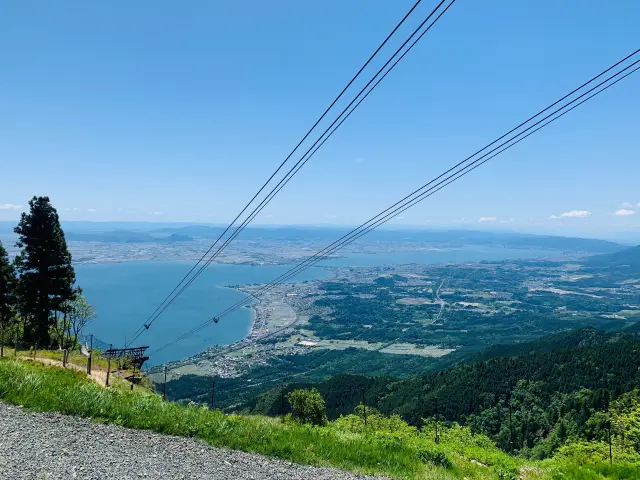
Biwako Valley
 hdwf2002
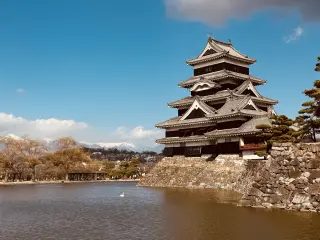
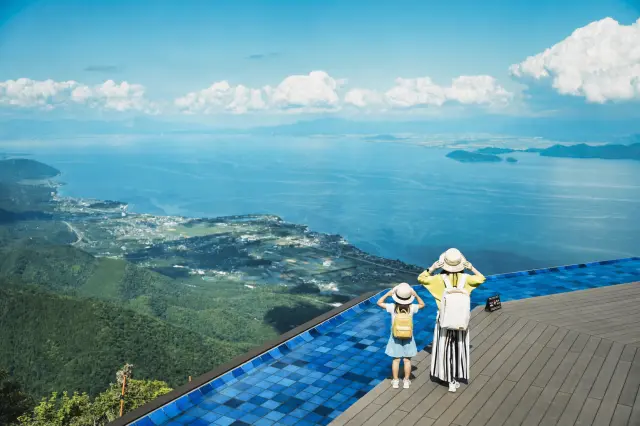
Biwako Valley is a great place to look out over Lake Biwa. From JR Shiga Station, you need to take a shuttle bus to the ropeway station. At 1,100 meters above ground level, it offers skiing in winter and is highly recommended as a summer getaway from the heat in Japan. The temperature at the top is instantly 4–6 degrees cooler, making it very comfortable. You can sit on the observation deck for free and enjoy panoramic views of Lake Biwa, or pay to enter the observation café at the summit, which is heated when it's cold. After enjoying the lake views, you can also head farther into the mountains for the chairlift and art installations and recreational facilities. Most importantly, these are also free to use. Just be sure to check the times for the ropeway down and the shuttle bus. If they don't line up well, you may have a long wait, or you may need to walk or take a taxi back to the station.
-
Washuzan
 雨妤魚
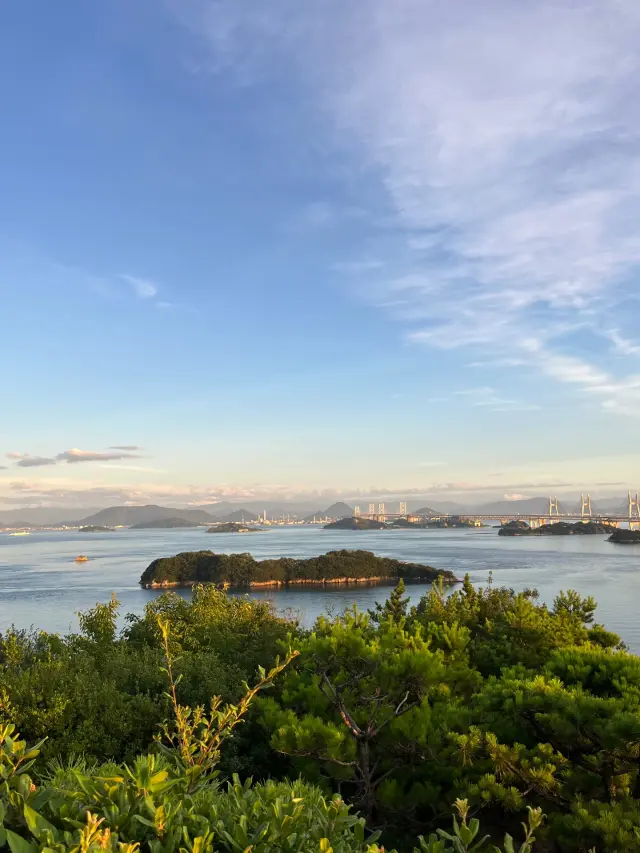
I've been to Kojima Bus Station twice. The first time, I wanted to go to Ojigatake to watch the sunset, and I chose between Ojigatake and Washuzan. But while I was looking up how to get back down, I found that Ojigatake was more convenient, except there were no more buses... I don't know whether I hadn't done enough research or got something wrong at the time. Anyway, I didn't make it to Ojigatake, and I was afraid I wouldn't be able to get back if I went to Washuzan... It put me in such a bad mood that even three delicious meals couldn't have cheered me up. (I really love sunrises and sunsets.) So this time, I researched the transportation super carefully, and I actually found out that Washuzan has a sunset bus! So I made up my mind to rush back from Tottori and watch the sunset to make up for last time. (If Tottori had a better spot, I definitely would've gone there, but Tottori is really so remote...) Anyway, in the end I really did get on the sunset bus as I'd hoped! Overall, it was pretty good. The older driver was also very cute and even made a huge heart sign at us! The only downside was that the mountain road was really bumpy, and there were no restrooms along the way, so you really should go before leaving. But the driver seemed like he really didn't want me to go, maybe because he was afraid I'd make us late? But there were still about ten minutes left. So I went anyway, and luckily I did! After arriving at Washuzan, the scenery before my eyes really felt like a painting. I'll just post the beautiful scenery in this review. (I'll put the beautiful sunset in the Seto Ohashi Bridge review. Honestly, I was a little moved. It wasn't simply thinking, wow, it's so beautiful. It was because I'd gone through so much and taken so many detours, rushing all the way back from Tottori, storing my luggage, finding the limited express train, and really worrying that I'd be late. In the end, I finally saw the sunset I'd wanted to see for so long! I'm so glad I came. No regrets now ٩(˃̶͈̀௰˂̶͈́)و
-
Wakayama Electric Railway Kishigawa Line
 周黛西
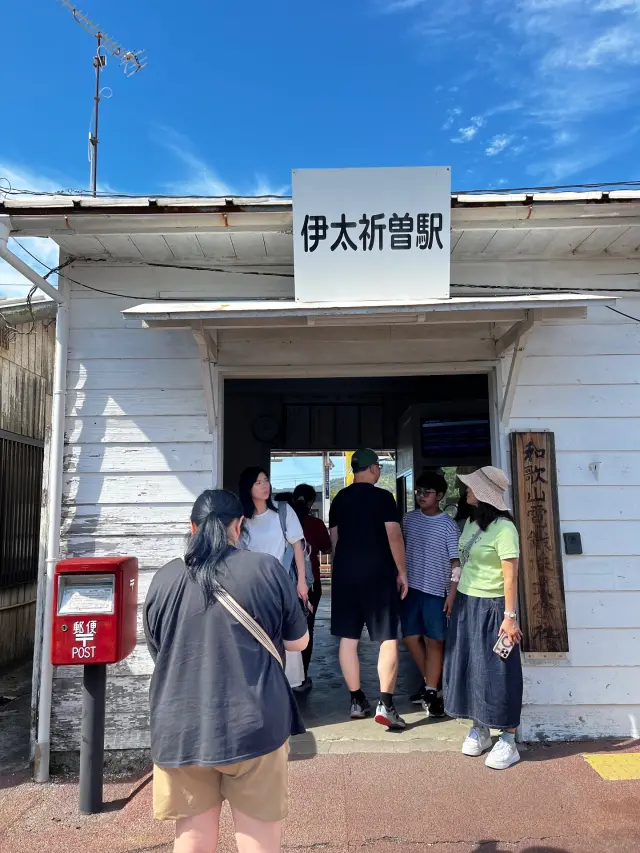
Drawn by a calico cat stationmaster, I came to Idakiso Station (GOTAMA was on duty) and boarded the luxurious cat-themed train to Kishi Station. Kishi Station became famous after the cat stationmaster Tama began serving there. The first cat stationmaster, Tama, who took office in 2007, has since become an angel. The current successor is the fourth-generation Tama, 6TAMA, carrying on the cat stationmaster's adorable image and friendliness. The station's design also incorporates many cute cat elements. The roof is shaped like cat ears, and the walls feature cat patterns. The overall design is full of childlike charm, with lots of cute cat details inside and outside the station. Travelers who come because of its fame get excited as soon as they step off the train. It truly is a must-visit stop for cat lovers. The cute and lovable calico cat stationmaster not only raised Kishi Station's profile but also boosted local tourism. With cat-themed decorations and facilities, Kishi Station successfully became a famous Wakayama attraction. It not only revitalized the area but also brought widespread fame to this once sparsely visited station. Kishi Station is more than just a transportation hub; it's also a successful example of using creativity to promote local development. Today, its unique charm and warm atmosphere draw countless visitors who come to experience this little cat station filled with love and endless creativity. The souvenir shop inside Kishi Station is packed with a dazzling variety of products. Next to Tama Cafe, it is also themed around the legendary cat stationmaster Tama and sells creative Tama merchandise. I wanted to buy every single item and take it home 😆😆. Across from Kishi Station is Kinokawa City's tourist exchange center, Kirari, which also has a very cute exterior. The second-floor windows look like a pair of adorable doll eyes. Inside is an information center offering travel information and transportation guides, making it easy for visitors to learn about nearby attractions and how to get around. I fell in love with Wakayama on my first visit. Next, I'll slowly check off the other attractions〜
-
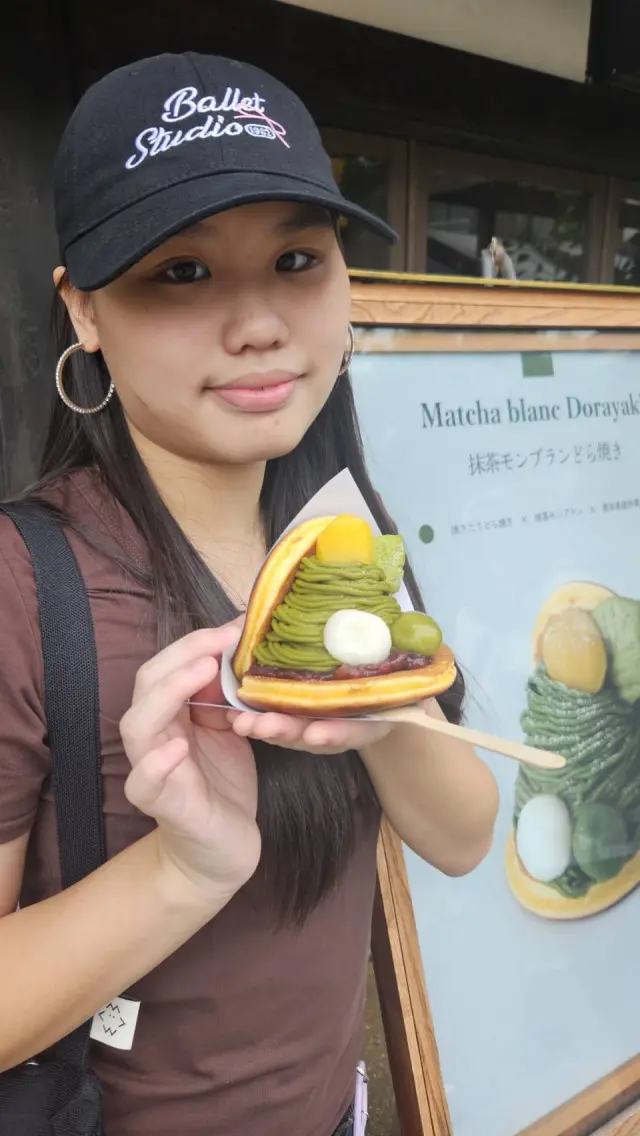
Yunotsubo Kaido
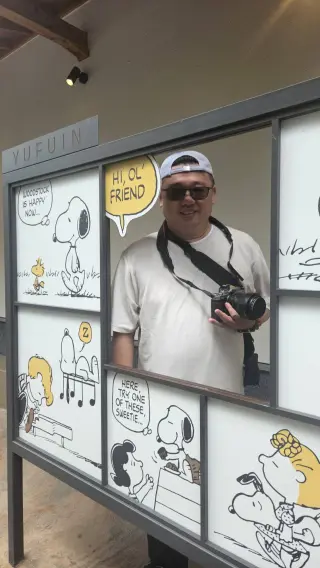 陳泰任
Yunotsubo Kaido After leaving the dreamlike Kinrin Lake in Yufuin, I took a relaxed stroll along nearby Yunotsubo Kaido. It felt like stepping into another magical world full of imagination. The street is lined with all kinds of unique shops, from delicate goods and local souvenirs to an amazing variety of sweets and snacks. Each one feels like a carefully designed fairytale scene, making you want to explore them one after another. The themed shops with immersive experiences were especially fun. They were lively and playful, sometimes reminding me of the magical world of Harry Potter, and other times making me feel like I had walked into the familiar picture-book worlds of Snoopy and Miffy from childhood. The sweet, tempting aroma of dango along the way made the walk even happier. The seasonal Mont Blanc dorayaki from Yufuin Kikuchi was especially impressive. The chestnut flavor blended beautifully with the delicate dorayaki, and it looked so exquisite, almost like a piece of art, that I almost didn’t want to take a bite. The charm of Yunotsubo Kaido is not just shopping and browsing. It’s a journey where sights, flavors, and childhood memories come together. Each carefully made souvenir brings home not only something delicious, but also a sweet and unforgettable memory from the trip.
-
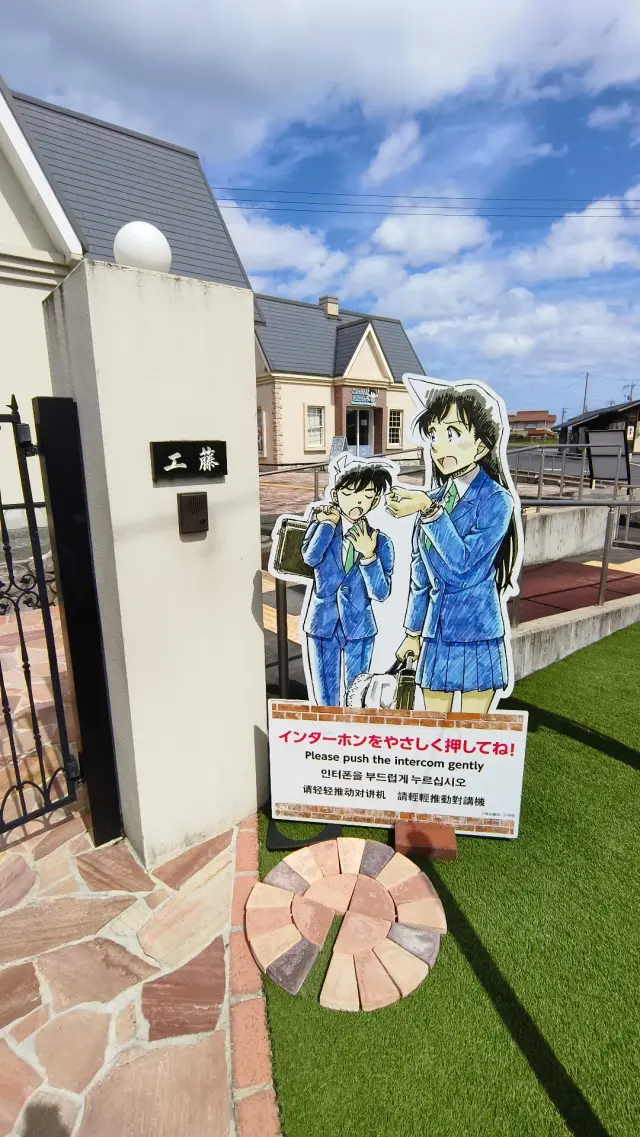
Gōshō Aoyama Manga Factory
很難瘦胖子
This is a must-visit spot for Conan fans. The moment you step out of JR Yura Station, it feels like you’ve truly entered the world of Detective Conan. Inside and outside the station, familiar characters are everywhere. As you walk slowly along “Conan Street,” you’ll come across statues and murals of Conan, Ran Mouri, Ai Haibara, Kaito Kid, and more. It’s only about a 15–20 minute walk, but fans may easily spend an hour taking photos and hunting for little details, not wanting to leave. Once you arrive at the Gosho Aoyama Manga Factory, it feels even more like stepping into the creator’s imagination. You can see valuable original manuscripts, character designs, and stories behind the work, along with plenty of interactive experiences. It brings back the excitement of falling in love with Conan for the first time. The nearby Beika Shopping Street is also worth taking your time to explore. From the buildings and food to the exclusive merchandise, there are little surprises everywhere that only fans will fully appreciate. This isn’t just a place for photos. It’s a pilgrimage town where Conan fans will keep saying, “I know this!” and “So this really exists!” I’d recommend planning at least half a day here. But for true Conan fans, even a full day might not feel like enough.
-
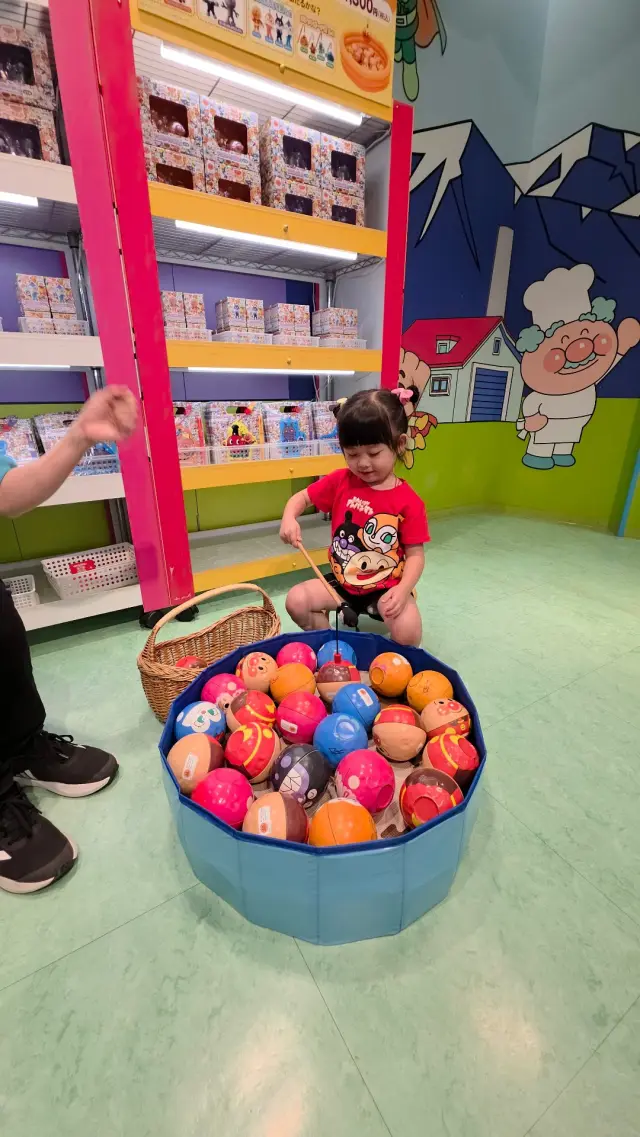
Nagoya Anpanman Children's Museum & Park
Queenie
In May, I traveled to Nagoya with my little one, and the thing we were most looking forward to was visiting Nagoya Anpanman Children's Museum & Park. This place is truly a paradise for kids. The park is clean, comfortable, and full of bright colors. You can see Anpanman and other adorable characters everywhere, so my child was excited from the moment we walked in. There are plenty of indoor play areas, outdoor attractions, and themed restaurants full of playful charm. Whether you’re playing, taking photos, or having a meal, you’ll come away with lots of great memories. It was raining heavily that morning, so I was worried it might affect our plans. Luckily, the rain stopped in the afternoon, and the outdoor show we had been looking forward to went on as planned. Seeing the characters interact so warmly with the kids made my little one laugh nonstop. We played from morning until the afternoon and still didn’t want to leave. It’s a fantastic spot for families with children. If you’re traveling independently in Nagoya with kids, I highly recommend setting aside a full day here. I’m sure both adults and children will leave with unforgettable and happy travel memories.
-
Chichibu Pilgrimage Circuit
Jing Hsu
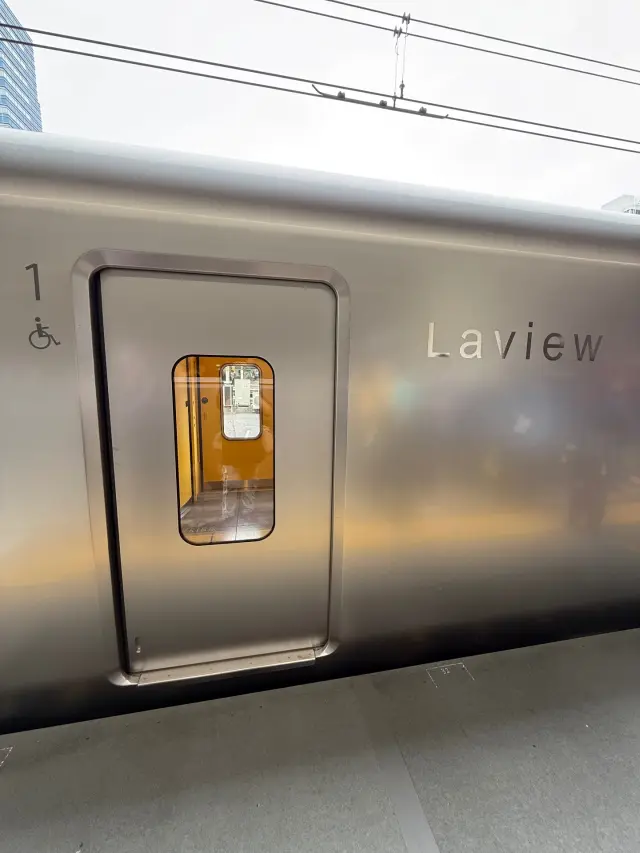
Over the past two years, we’ve started planning our trips around Japan’s sightseeing trains and then arranging the rest of the itinerary around them. For those of us who don’t drive, it’s an especially convenient and comfortable way to travel. We were lucky enough to book the only sightseeing train that runs from Chichibu to Tokyo, the "52 Seats of Happiness," for Sunday, 2026/06/07 at 4:00 PM, departing Chichibu for Shinjuku. Since we wanted to make it a day trip and also choose the French dinner service with live onboard music, this is the itinerary we ended up with: At 9:00 in the morning, we took the Laview train from Ikebukuro Station, which first launched in March 2019. The ride took about 70 minutes. As soon as we arrived in Chichibu and exited the station, we saw the hot spring festival collaboration with Beitou in Taiwan. Right next to it was an area filled with all kinds of souvenirs and food. About a five-minute walk away is Chichibu’s most famous ramen shop, and my personal number one, "Chindatsu." After a satisfying meal, we strolled through the thoughtfully designed streets. The shops along the way were all decorated in such a warm and charming style. In about 15 minutes, we reached Chichibu Shrine. It shares the cultural motif of the three cute monkeys with Nikko Toshogu Shrine, but its traditional shrine architecture paired with brighter colors gives it a very different feel. After soaking in the spiritual atmosphere, we passed a supermarket that was amazing for shopping, then headed to the hot spring facility next to the station. The large public bath overlooks the mountains, and there are also stone slabs where you can lie down and relax, which was perfect for easing the fatigue from walking 20,000 steps a day over the past few days. The "52 Seats of Happiness" train is arranged like a French restaurant, and the meal was made with fresh, delicious ingredients. The authentic French sauces were impressively well done, and the live violin performance by a highly skilled musician was the perfect finishing touch to this trip.
-
THE YUKAWA Ichijoh Branch
Fion Tsai
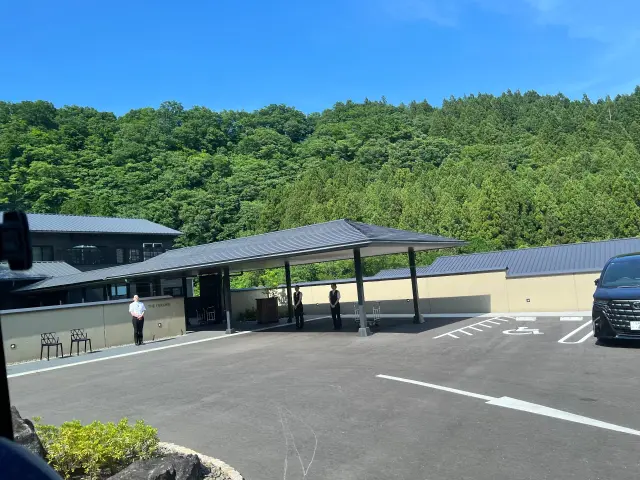
When we arrived at the station, we felt a little nervous, wondering whether anyone would be there to pick us up. However, our worries quickly proved unnecessary. Before long, we saw the driver approaching us with a warm smile. He kindly offered to take our luggage and reassured us that a staff member would be available to communicate in our language, so there was no need to worry. This immediately left us with an excellent first impression. Upon arriving at the hotel, we received a truly Japanese-style warm welcome that made us feel incredibly comfortable and cared for. We enjoyed a welcome drink in the lounge while our host thoughtfully introduced the hotel’s facilities and bar, encouraging us to relax and fully enjoy our stay. We were then escorted to our room, and everything felt effortless and inviting. We spent a wonderfully peaceful time in our room. Sitting on the terrace doing absolutely nothing, listening to the birds singing and the gentle sound of the stream, soaking in the hot spring bath, and sipping tea while reclining on a lounge chair-it was the perfect way to unwind and completely relax. The dining experience was equally impressive. The meals were carefully prepared according to our preferred dining times, and the staff had thoughtfully inquired about any dietary restrictions beforehand. Surrounded by beautiful scenery, we enjoyed first-class service, spacious surroundings, and a deep respect for our privacy. These aspects exceeded our expectations and made us feel truly valued. Our host was always quick to respond whenever we needed assistance, which was deeply touching. It reminded me of something I once read: the best service is not about constant attention, but about always being there when needed. On the second day, we enjoyed breakfast outdoors. After breakfast, we packed our luggage, reluctant to leave after such a wonderful two-day, one-night stay. As we departed, all the staff members, along with a lady who I believe was the owner, stood at the entrance to bid us farewell. I would like to thank her for creating such a beautiful property and for her meticulous attention to every detail. This was truly an exceptional experience. I wholeheartedly recommend it to anyone who loves nature, values privacy and quality, and is looking for a place to rejuvenate both body and mind. A stay here is something you will remember for a lifetime.
-
Tokorozawa Sakura Town
Rebecca Ĺïn
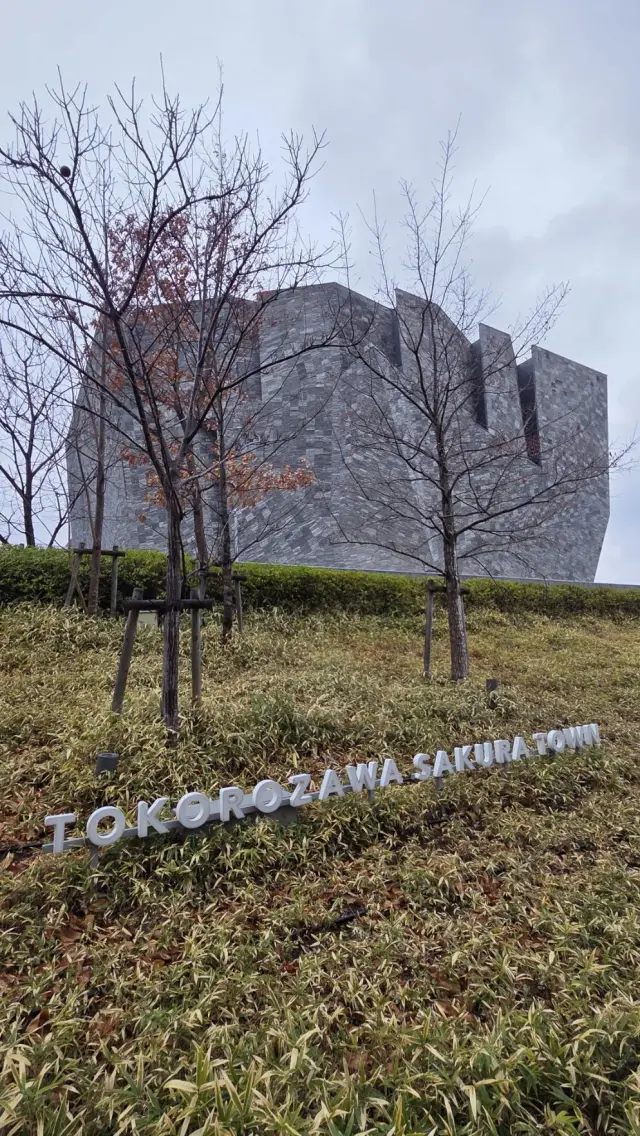
If you love art and architectural design, you definitely shouldn’t miss the Kadokawa Culture Museum (Rock Museum). There’s plenty of information on the official website, so it’s worth doing some research. I did a lot of prep for this solo trip, including the route, train tickets, online admission tickets, and working up the courage to go by myself. You may want to check whether your departure station has JR ticket service. I chose Ikebukuro Station because it’s closer to where I live. If you’re leaving the same day, you can just buy your ticket on-site. Since I booked early, I was able to purchase both the outbound and return tickets at once. After that, I bought the admission ticket online. Be sure to double-check that your train ticket is for the same day, because the admission ticket is nonrefundable! Train ticket: One ticket involves two segments with a transfer. The first part is from your departure station to Musashi-Urawa Station, then you transfer to Higashi-Tokorozawa Station. I recommend downloading Japan Transit Planner. On the day of travel, you can check the platform number there. When choosing the time, make sure it matches the fare of the ticket you bought. That’s the correct way to do it! Don’t accidentally buy a cheaper ticket and take a more expensive train. If nobody checks, you may get away with it, but if you do get inspected by chance, the penalty can be several times the fare. The ticket is valid only for that day, but you can use it at any time that day. Admission ticket: There are two types. One is just for the 1F light manga and light novel area. The other includes 1F and 2F, including the Rock Museum Shop & Cafe, which is also the entrance hall, as well as the 4F Bookshelf Theater and book street, and the 5F Musashino Gallery and corridor. The 3F is a free restaurant area. If you want to see the exhibition floors, you need to buy an additional ticket. There are actually three sides of Kadokawa’s signature Rock that you can photograph. When I visited, it happened to be a Japanese holiday, so there were lots of food trucks and lots of people outside. Unfortunately, it was rainy, wet, and cold. If it had been sunny, I could have taken even more beautiful photos. The lighting in the Bookshelf Theater changes often, so everyone’s photos will look a little different. Photography is prohibited on-site, so please keep that in mind. Visiting Kadokawa also fulfilled one of my dreams!
-
Hoshino Resort Aomoriya
Zin
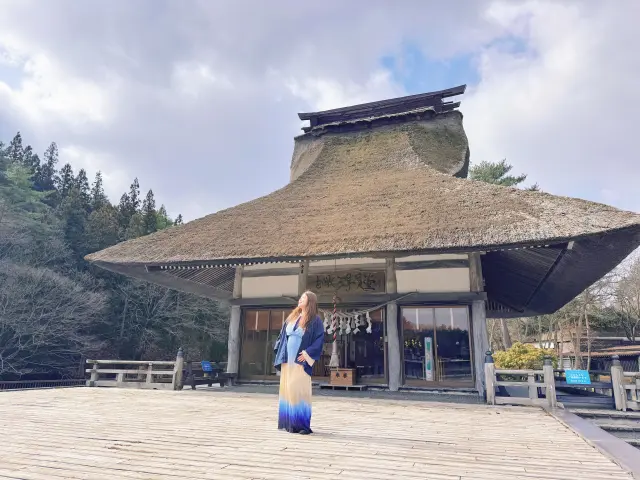
Aomoriya is a place that packs Aomori culture into one resort. The ponies greeting guests and the warm, peaceful tatami rooms made a great impression. At night, “Michinoku Matsuriya” recreates the lively atmosphere of the Aomori Nebuta Festival. The kids loved the apple juice tap and kept going back for cup after cup. The buffet dinner was incredibly abundant and full of Aomori特色: sweet, fresh shrimp, thick raw scallops, and freshly grilled miso giant scallops... everything was delicious. Both the Ukiyu and Motoyu hot springs had a wonderful atmosphere, and the water quality was excellent. They even had a moon-shaped bathtub, a large bath for children, kids’ bathing chairs, and even a crib in the changing room, so little ones could enjoy the hot spring experience too.

Recommend








Latest Articles



Things to Do




Eating Out




Shopping

Accommodation



Goods








Getting Around





Events & Festivals

Recommended Articles






Travel Guides to Destinations

Travel Itineraries


Special Features

















eBook

Tokyo 23 Wards (digest version)

Saitama Guide

JAPAN LUXE SHOPPING Feb. Issue

JAPAN LUXE SHOPPING Sept. Issue

TOKYO LUXE SHOPPING Apr. Issue

A sustainable trip to protect the future of the islands

Luxe Tours through Tohoku, Japan

TOKYO NGHT OUT GUIDE

TOUR YAMAGATA GUIDE

TONE NUMATA BREWERIES AND WINERY