
Kappo
A cornerstone of Japanese cuisine, where you savor seasonal flavors and a chef’s skill without being bound by a fixed format.
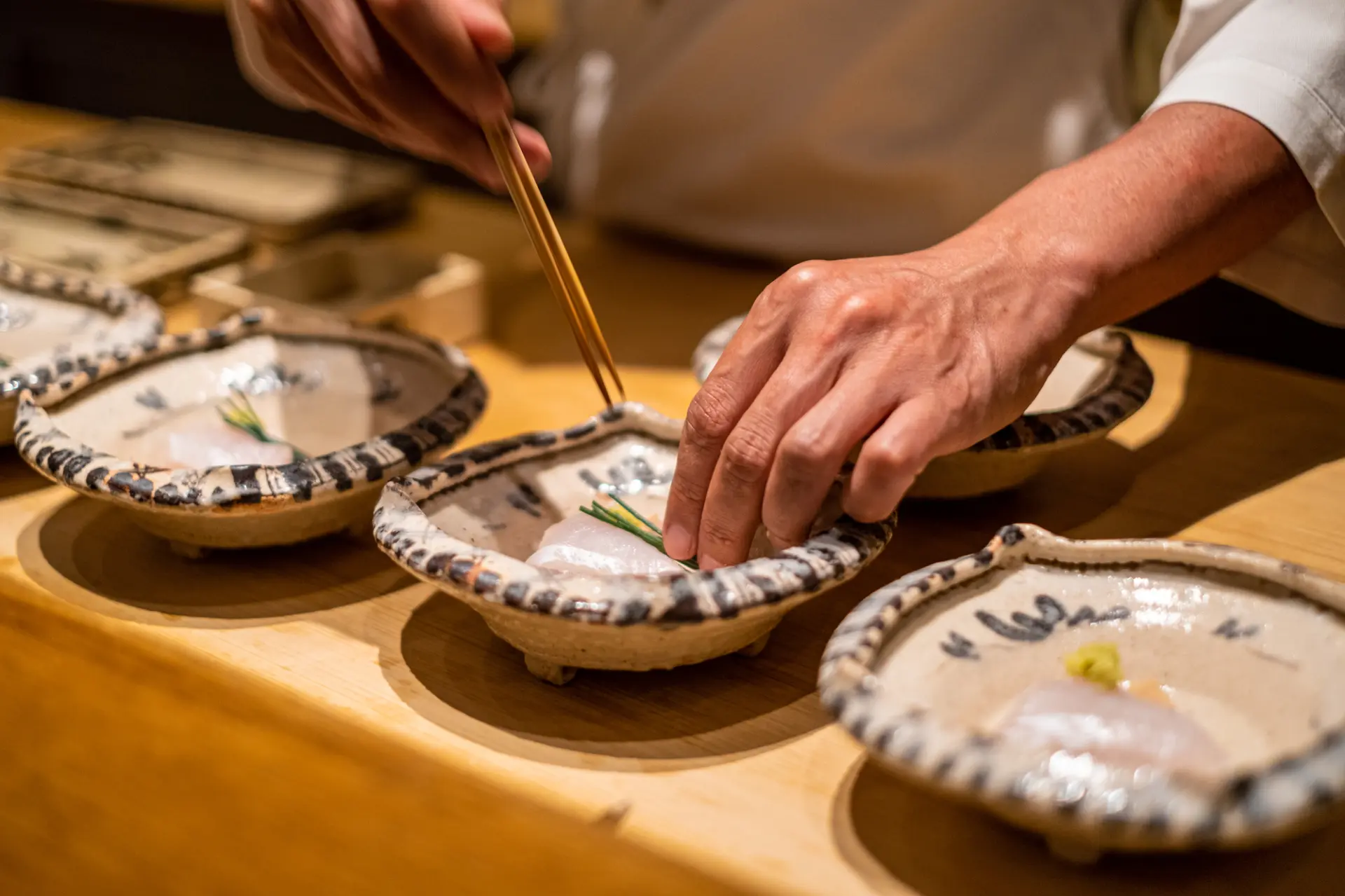
Kappo is a term derived from the fundamental cooking actions of “saku” (to cut) ※1 and “niru” (to simmer) ※2. Today, it refers to a Japanese dining style in which the chef prepares seasonal ingredients right in front of you and serves the dishes one by one. It typically features a counter-centered setting where you can enjoy your meal while taking in the sound of the knife and the aromas from the kitchen. Rather than being bound to a set course menu, the meal is flexibly composed based on the guest’s preferences and the flow of the dining experience.
The history of kappo begins in the late Edo period (approx. 1780–1868). At the time, the word “kappo” was used to refer to cooking in general. As dining out became more common, it became established as a term for Japanese restaurants where chefs showcased their skills. Over time, kappo evolved into a style rooted in traditional Japanese cuisine, centered on a counter setting where guests can directly enjoy the chef’s technique and a sense of the seasons. Ingredients used in kappo focus on seasonal seafood and vegetables, with each chef using their own judgment to bring out the best in each ingredient. Seasoning also tends to be restrained. While kaiseki and kaisei place importance on the beauty of the meal’s overall structure, kappo pursues the level of completion in each individual dish. Seasonal touches are also reflected in the tableware and presentation.
Modern kappo comes in many forms while preserving tradition. Options range from omakase-focused restaurants to kappo where you can choose your dishes. In places like hotels, some meals also incorporate elements of kaiseki or kaisei. Kappo continues to evolve as a way to experience the freedom and depth of Japanese cuisine.
-
1 Refers to cutting and dividing ingredients using a knife and other tools
-
2 Refers broadly to cooking ingredients by applying heat
Highlights
-
A highly improvisational style of Japanese dining, with the menu composed at the chef’s discretion.
-
A form of Japanese cuisine that developed alongside the growth of dining out in the late Edo period.
-
Influenced by kaiseki and kaisei, and established with an emphasis on flexibility.
-
Pursues excellence through seasonal ingredients, knife skills, and precise heat control.
-
Enjoyed with all five senses in a counter-centered setting.
Photos
-
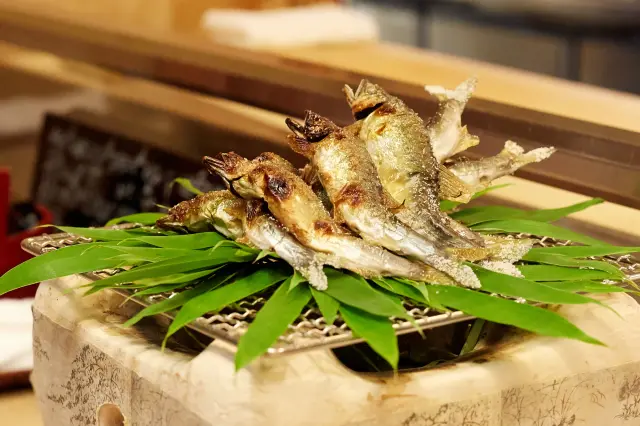
Served using cooking methods that let you better enjoy the flavors of seasonal ingredients
-
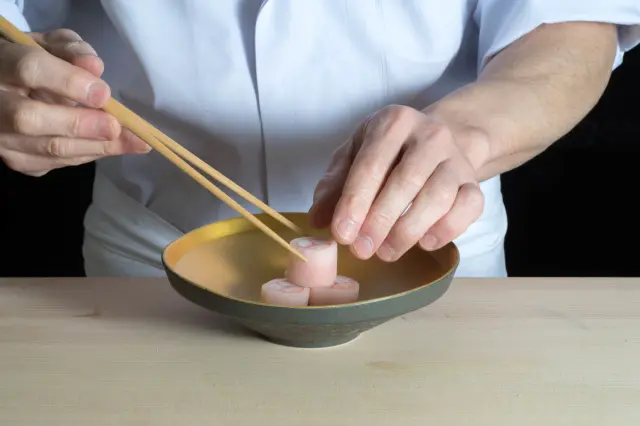
Pursuing the highest level of completion in each dish
-
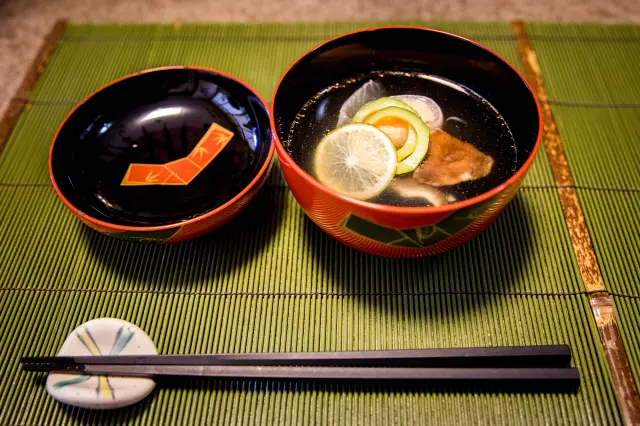
Seasonal touches are expressed through presentation and tableware
-
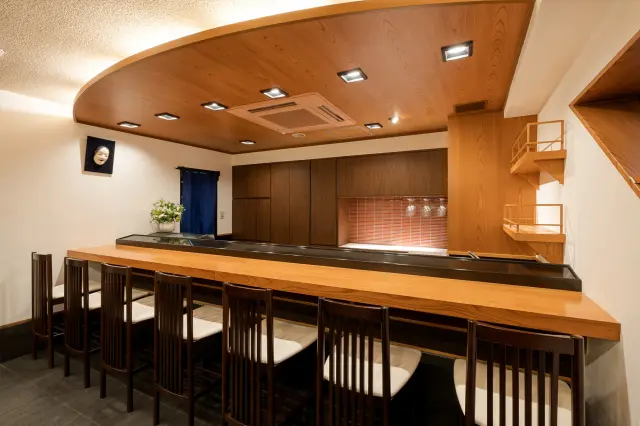
Even today, the counter style remains the standard
-
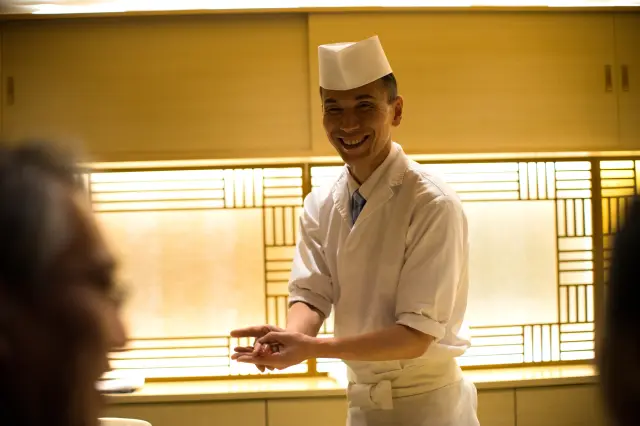
Another appeal is the close distance between guests and the chef
-
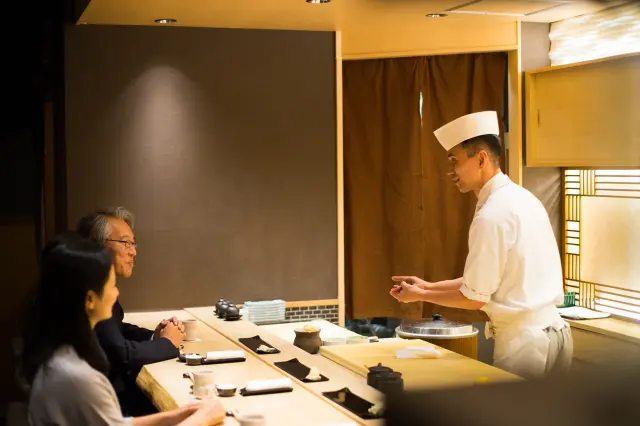
Ingredients and menus may also be arranged based on requests
Details
- Name in Japanese
- 割烹(かっぽう)
- Ingredients
- Mainly seasonal seafood and vegetables
Popular Articles