

Gifu Castle Travel Guide: Nobunaga Oda’s Base for Unifying Japan
Gifu Castle is said to be so heavily fortified that “whoever controls Mino controls the nation.”
It’s also known as the place Nobunaga Oda made his base for unifying Japan.
If you’re visiting spots connected to Nobunaga Oda, this is a castle you’ll definitely want to see.
Let’s take a look at the history and highlights of Gifu Castle.
![[Gifu City Sample Itinerary] An Unforgettable Trip in Gifu, the City Tied to the Legend and Warlord Oda Nobunaga.](https://static.gltjp.com/glt/data/article/21000/20590/20240130_152022_e2509bbc_w640.webp)
What is Gifu Castle Like?
Gifu Castle was built on the summit of Mt. Kinka (elevation 1,079 ft) in Gifu City, Gifu Prefecture.
One of Japan’s Top 100 Castles, it stands as a symbol of Gifu City.
Mt. Kinka is also famous for hiking, and you may spot squirrels, Japanese field mice, tanuki, and brown-eared bulbuls.
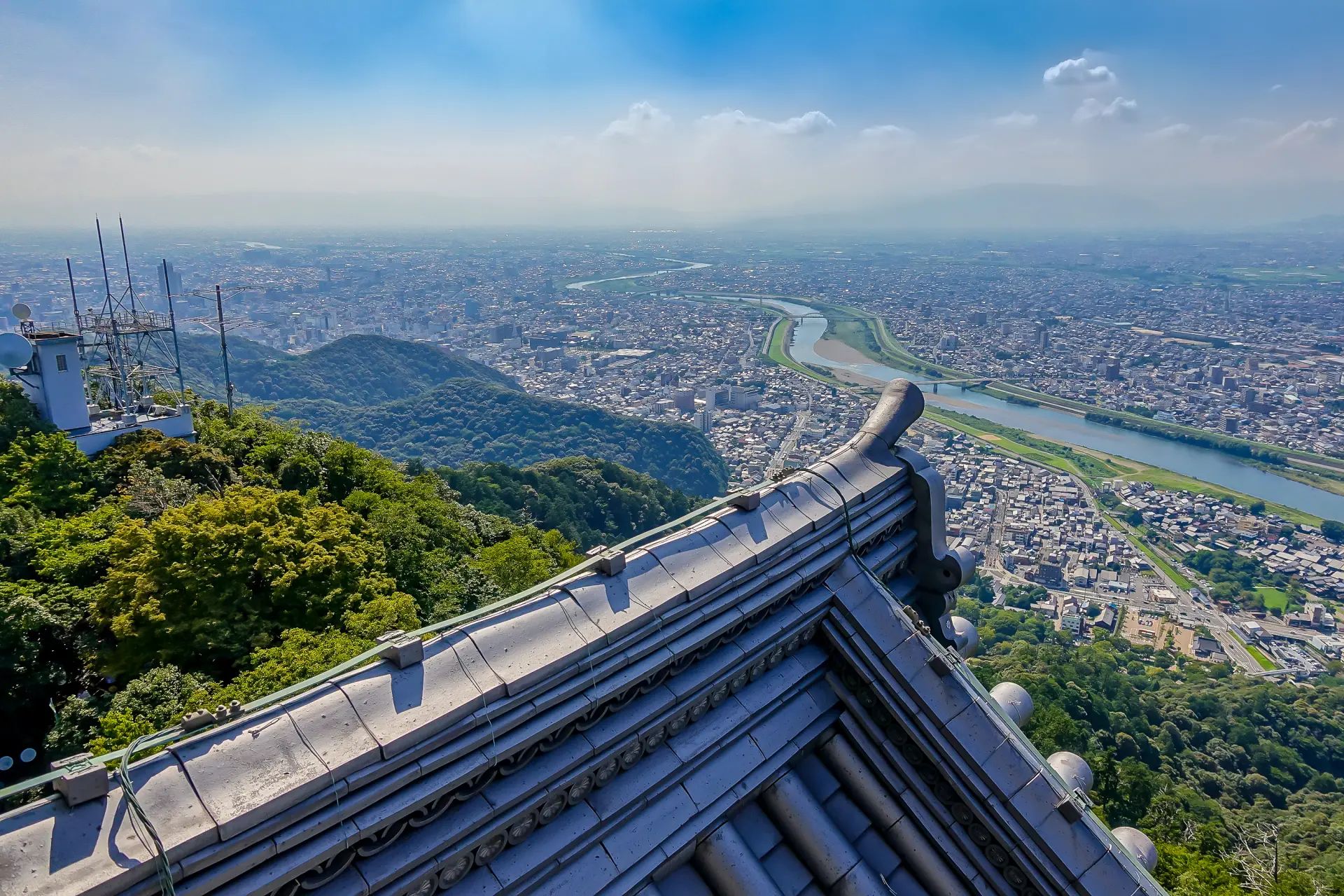
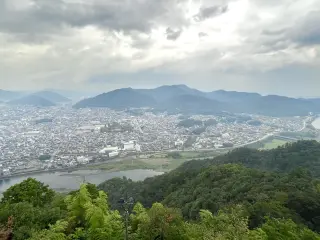
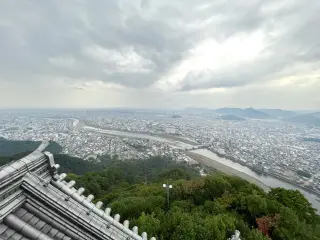
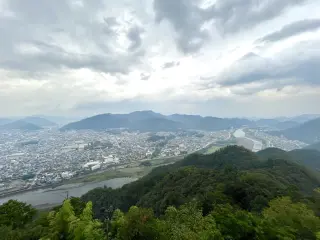
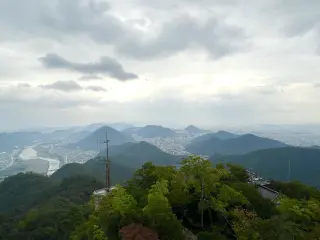
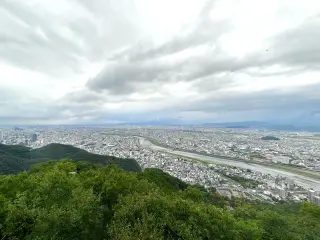
The biggest draw of Gifu Castle is the view from the observatory.
If you take the ropeway from the base, you can save time and energy getting to Gifu Castle.
In 2015, it was registered as Japan Heritage No. 1 by the Agency for Cultural Affairs, boosting its reputation as a mountaintop castle.
Beyond the views from the keep, there are plenty of highlights, including the two-tier stone walls beneath the Ninomongate found in 2018, earthen ramparts, and rows of massive stones.
At the shop by the ropeway station, you can buy a goshuin for Gifu Castle.
It also features the Oda clan crest, so be sure to stop by and pick one up.
During event seasons, you may be able to get a premium version with the crests of the Oda, Saito, and Akechi clans, plus gold lettering.
The History of Gifu Castle
Gifu Castle was once called Inabayama Castle.
It began in 1201, when an official of the Kamakura shogunate established a fortress on Mt. Kinka.
In the 15th century, it was developed by Dosan Saito, and in 1567 Nobunaga Oda became the lord of the castle and renamed it Gifu Castle.
It then became the castle Nobunaga Oda used as his base for unifying Japan.
After Nobunaga Oda’s death, it was abandoned in 1601 by order of Ieyasu Tokugawa.
In 1910, Japan’s first replica keep was reconstructed.
Though it was reduced to ashes in the 1943 war, donations from local residents helped complete the current reinforced-concrete keep in 1956, with three tiers and four floors.

Access to Gifu Castle
To get to Gifu Castle, take a Gifu Bus from JR Gifu Station or Meitetsu Gifu Station.
Board the N80 route or the City Loop Line (counterclockwise) and get off at Gifu Park / Museum of History. The ride takes 15 minutes.
From the bus stop, head to Gifu Castle by ropeway or on foot.
It takes a 3-minute walk from the bus stop to the ropeway’s Sanroku Station (base station).
Routes and travel times are as follows.
| Transportation | Route | Travel Time |
|---|---|---|
| Ropeway | 4 minutes from “Sanroku Station” to “Sanchou Station,” then an 8-minute walk after getting off | 12 minutes |
| On foot | There are four hiking routes on Mt. Kinka, 1.1 km–2.3 km | 40–60 minutes |
From the bus stop, it takes 30 minutes to reach Gifu Castle by bus plus ropeway, or Approx. 55–75 minutes by bus plus walking.
There are some steep sections, so if you’re not used to hiking, the ropeway is recommended.
Gifu Castle Hours and Admission
Please refer to the table below for Gifu Castle admission and Hours.
Note that only on January 1, Hours are 6:30am–4:30pm.
- Hours
-
・March 16–October 16 9:30am–5:30pm
・October 17–March 15 9:30am–4:30pm - Admission
-
・Adults (16 and up): 200 yen
・Children (ages 4 to under 16): 100 yen
Breathtaking Views and History! 5 Highlights of Gifu Castle
Gifu Castle, which has also appeared in Taiga dramas, is packed with spots you won’t want to miss.
Here are some highlights worth visiting, from the observatory and night views to history-rich facilities and beautiful fall colors.
1. “Gifu Castle Upper Observatory” with a 360-degree panoramic view
The upper levels of Gifu Castle serve as an observatory, with views over the city and the Nagara River.
A 360-degree panorama stretches from Mt. Ena to the east and Mt. Ibuki to the west, from the Nobi Plain in the south to the Japanese Alps in the north.
At sunset, the scenery glows an astonishing golden hue.

2. Beautiful seasonal night views: “Gifu Castle Panorama Night View”
City lights that feel completely different from daytime.
You can enjoy the panorama night view only during Golden Week, summer vacation, and the fall outing season.
Weather also affects it, and it is not held on weekdays from September to November.
Be sure to see the jewel-like nightscape for yourself.

3. “Gifu Castle Museum,” a must for Nobunaga Oda fans
Gifu Castle Museum sits next to the east side of Gifu Castle.
A building once used as a storage facility for rice, salt, and miso was restored in 1975 in the style of a castle corner turret, and it now exhibits arms and armor from the Sengoku to Edo periods.
Costumes and wax figures used in Taiga dramas are also on display.
There are also materials related to Nobunaga Oda and Dosan Saito, so stop by if you’re interested.

4. “Tenka Daiichi no Mon” honoring Nobunaga Oda’s achievements
Tenka Daiichi no Mon is not an actual historic site, but a kabukimon gate built to honor Nobunaga Oda’s achievement as he set out from Gifu Castle toward unifying Japan.
A kabukimon gate consists of a horizontal beam placed across two pillars; this one is 4 m tall and 5.5 m wide.
It was installed on the summit of Mt. Kinka on the way to Gifu Castle in 1990 and renovated in 2020 due to age-related deterioration.

5. Fall foliage that turns the Gifu Castle area deep red
Gifu Castle was selected as one of Gifu Prefecture’s best fall foliage spots in the “Hida-Mino 33 Selections.”
Depending on the weather, the best time to see the leaves is usually from early to late November.
At Gifu Castle, you can see three types: Japanese maple, ginkgo, and lacquer tree.
The park below and the wider Mt. Kinka area turn bright red with maples, making for a scenic stroll.
If you’re sightseeing at Gifu Castle, autumn is recommended for the fall colors.

3 Sightseeing Spots Near Gifu Castle
Around Gifu Castle, you’ll also find plenty of places where nature and history come together.
Here are some spots connected to Nobunaga Oda that you can visit along with Gifu Castle.
1. Gifu Park
A park at the foot of Mt. Kinka, topped by Gifu Castle, and loved as a relaxing place for locals and visitors.
This area is said to have been the residence of Dosan Saito and Nobunaga Oda, lords of Gifu Castle during the Sengoku period, and you can see valuable historical assets such as “stone walls from Dosan’s era” and the “ruins of Nobunaga Oda’s residence,” which is still being excavated (as of July 2021).

2. Gifu Nagaragawa Ukai (Cormorant Fishing)
Ukai is a traditional fishing method that skillfully uses cormorants to catch river fish.
Fishing from an ubune boat, the master fisherman controls the birds while handling up to 12 tethers.
You can watch these refined techniques—made possible by the bond between the fisherman and the cormorants, cared for like family—from the boat.
In Nobunaga Oda’s era, ukai evolved into something to be watched and admired.
It’s said that Nobunaga invited guests to ukai as a form of hospitality.
In the Edo period, it was protected by the shogunate, and later three sites along the Nagara River became imperial fishing grounds.

3. Inuyama Castle
Its keep is one of only five castles in Japan designated as a National Treasure, and it’s famous for being considered the oldest surviving keep in Japan, with features of an early watchtower-style keep.
It is said to have been built in 1537 during the Muromachi period by Nobunaga Oda’s uncle, Nobuyasu Oda. Known as a “fortress of strong defense,” it stands on a small hill protected by the Kiso River behind it.
Together with the castle town, it became an important hub for trade, politics, and the economy.
Because it sat on the border between Owari and Mino, in the Sengoku period Nobunaga Oda, Toyotomi Hideyoshi, and Ieyasu Tokugawa all tried to seize it, and the lord of the castle changed again and again.
In the Edo period, it was granted to Masanari Naruse, chief retainer of the Owari Domain, and the keep is said to have taken on its present form.

3 Popular Places to Eat Near Gifu Castle
After enjoying the ropeway ride up and exploring the castle town below, treat yourself to local food in the area.
With everything from Japanese cuisine to Western dishes and sweets, you’ll find a wide range of options—perfect for a refreshing break between sights and an even fuller day of sightseeing.
1. Le Pont de Ciel
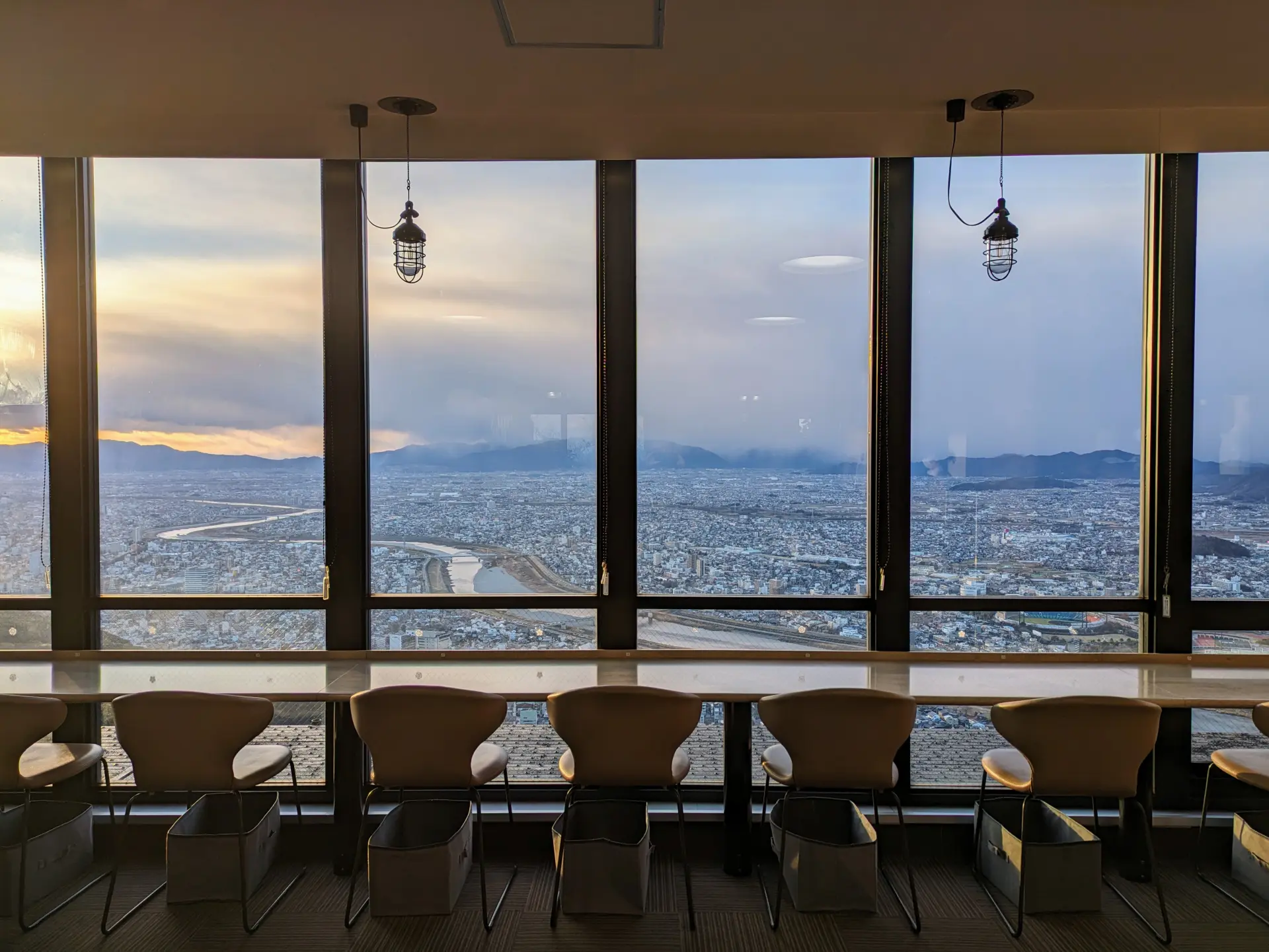
A restaurant near the summit station of the Gifu Kinkazan Ropeway, which connects Gifu Park with the summit of Mt. Kinka, where Gifu Castle stands.
From your seat you can enjoy sweeping views over Gifu City, and the open-air “Nobunaga Terrace” is also popular for dining.
It’s also open at night during the ropeway’s night service period, so you can enjoy dinner with beautiful night views.
2. Kitei Minoichi
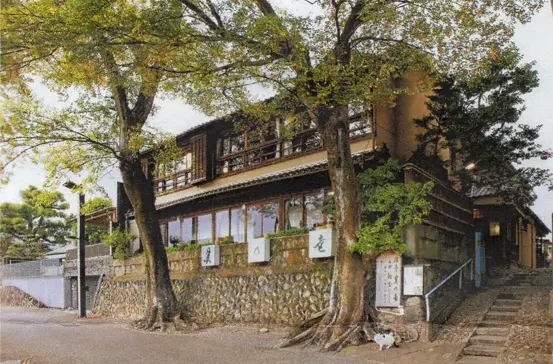
An elegant, atmospheric traditional Japanese restaurant on the north bank of the Nagara River.
Originally an inn, the historic building is over 90 years old, with a two-story wooden structure featuring verandas and railings in a classic Japanese architectural style.
From each private room, you can open the shoji screens to enjoy views of the Nagara River and Mt. Kinka, making it a perfect choice for business entertaining and special celebrations.
3. Wagashidokoro Ryokusuian Kawaramachi Branch
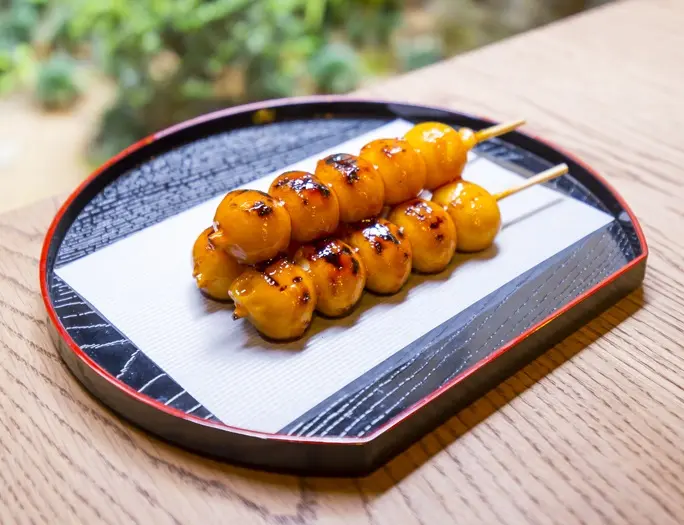
A Japanese sweets shop near Nagaragawa Onsen, directly across from the Ukai Information Center.
With five locations in Gifu Prefecture, this Kawaramachi branch offers both dine-in and takeout.
In this hot spring area, it’s also used as a rest stop for travelers and a place to shop for souvenirs.
Reviews
3.67
Some reviews are AI-translated.
-
You can really feel Oda Nobunaga’s presence here.
The sense of history is very strong, and anyone who likes the Sengoku period will really get something out of visiting. -
Gifu Castle is located on Mt. Kinka, and it's known for being easy to defend and hard to attack. If you don't want to tire yourself out, you can just take the ropeway up.
-
After taking the ropeway, there's still an uphill walk before you reach the top. You really get that Nobunaga's Ambition vibe, looking down over the city of Gifu from above.
FAQ about Gifu Castle
Q
Who built Gifu Castle, and when?
A
In 1567, Nobunaga Oda renovated the fortress and built the castle keep.
Q
Who were the lords of Gifu Castle?
A
There were 22 in total until it was abandoned, including Nobunaga Oda and Dosan Saito.
Q
What is the relationship between Gifu Castle and Nobunaga Oda?
A
Because it was located in the center of Japan, he made Gifu Castle his base for unifying the country.
Summary
That wraps up the history and highlights of Gifu Castle—what did you think?
Because it’s a famed castle beloved by Nobunaga Oda, you can really feel the flow of history here.
Enjoy not only the breathtaking views from Gifu Castle, but also the history that comes with them.
Gifu Prefecture also has plenty of other fascinating places to explore besides Gifu Castle.
If you’re sightseeing in Gifu, check out this article as well for a carefully selected list of must-visit spots.