

One of Niigata’s Top Power Spots! A Travel Guide to Yahiko Shrine
With a history of more than 2,400 years, Yahiko Shrine is one of Niigata’s most famous power spots.
It is especially known for blessings related to love and relationships. There is also plenty to see, including historic buildings and beautiful natural scenery.
It’s no exaggeration to say this is a must-visit spot when sightseeing in Niigata.
In this article, we’ll introduce the basic information and highlights you should know before visiting Yahiko Shrine, along with the best season to go and nearby sightseeing spots.
What is Yahiko Shrine Like?
Yahiko Shrine stands at the foot of Mt. Yahiko in central Niigata Prefecture.
It has the highest shrine ranking in Niigata and is considered one of the prefecture’s top power spots.
The shrine’s enshrined deity is Iyahiko no Okami, also known as Ame no Kagoyama no Mikoto.
This deity is said to have developed Echigo, now present-day Niigata Prefecture, and is believed to grant blessings such as business prosperity.
Yahiko Shrine has many highlights, but the Otorii, said to be the largest ryobu torii gate in Japan, is especially famous.
Looking at Mt. Yahiko through the torii gate, you’ll likely feel the area’s sacred atmosphere.
Scattered throughout the shrine grounds are 25 structures designated as nationally important tangible cultural properties, including the main sanctuary.
A stroll through the grounds lets you feel the culture woven through more than 2,400 years of history.
Another highlight not to miss is the Goshinbyo mausoleum at the summit of Mt. Yahiko.
When visiting Yahiko Shrine, be sure to enjoy the harmonious scenery of Mt. Yahiko and the historic buildings, as well as the spectacular views from the mountain.

The Origins of Yahiko Shrine
The shrine is said to have begun when Ame no Kagoyama no Mikoto, who developed Koshi no Kuni, now the area from present-day Fukui Prefecture to Yamagata Prefecture, was enshrined by his child, Ame no Itsutane no Mikoto.
A shrine building was established by Emperor Sujin, and the shrine buildings were repeatedly repaired and expanded by successive emperors and shoguns.
Although many buildings were destroyed in a major fire in 1912, all of them had been rebuilt by 1916.

Access to Yahiko Shrine
Here’s how to get to Yahiko Shrine from JR Niigata Station, a major transportation hub for sightseeing in Niigata.
If you are coming from Niigata Airport, which offers many international flights, take a bus from the airport to JR Niigata Station, then follow the route below to arrive in Approx. 2 hours.
- Route
-
1. Take the Joetsu Shinkansen Toki No. 320 bound for Tokyo from JR Niigata Station
2. Get off at Tsubame-Sanjo Station and transfer to the JR Yahiko Line
3. Get off at Yahiko Station, the last stop, then walk Approx. 15 minutes to the shrine - Travel Time
- Approx. 1 hour 30 minutes
Visiting Hours and Admission for Yahiko Shrine
The shrine grounds, except for the Treasure Hall, are open year-round, and worship is possible at any time.
Please refer to the table below for the Treasure Hall’s hours, closed days, and admission fees.
- Hours
- 9:00am–4:00pm
- Closed on
-
Monday
※1. If Monday is a national holiday, closed the following day
※2. Closed in January and February - Admission
-
Adults: 300 yen
University and high school students: 200 yen
Junior high and elementary school students: 100 yen
What Is the Best Season to Visit Yahiko Shrine?
If you’re planning to visit Yahiko Shrine, spring is the best season.
The grounds include Sakura-en, a cherry blossom garden with more than 50 varieties of cherry trees that bloom at different times.
You can enjoy many kinds of cherry blossoms, including Somei Yoshino and yaezakura, in a beautifully Japanese setting.
5 Must-See Highlights of Yahiko Shrine
The shrine grounds are packed with highlights, including historic buildings and even stones used for fortune-telling.
The Otorii gate and the Goshinbyo mausoleum, located a little away from the main grounds, are also not to be missed.
From here, we’ll introduce some of the many highlights of Yahiko Shrine, focusing on the ones you absolutely shouldn’t miss.
1. Otorii
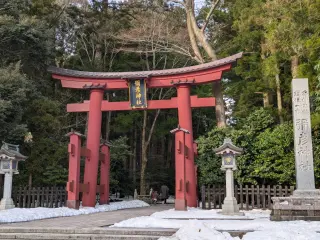
The Otorii stands along the approach to Yahiko Shrine.
It is a type of torii known as a ryobu torii and is the largest of its kind in Japan.
A ryobu torii is characterized by its stable structure, with lower supporting pillars placed in front of and behind the two main pillars. At 30 meters tall, it is an impressive sight and sure to surprise you with its scale.
The Otorii was built in 1982, modeled after the Ichino Torii at the entrance to Yahiko Shrine.
It’s also interesting to compare the Otorii with the Ichino Torii.

2. Goshinbyo
Located at the summit of Mt. Yahiko, the Goshinbyo enshrines the main deity Ame no Kagoyama no Mikoto and the goddess Tsumado no Okami.
Because the deity and goddess are enshrined together, it is famous as a power spot for blessings related to love and relationships.
The Goshinbyo has a sacred atmosphere and a powerful presence that leaves visitors in awe.
From the summit, you can enjoy sweeping views of the Sea of Japan and the Echigo Plain, as well as the beautiful night view of the Echigo Plain, selected as one of Japan’s 100 best night views.
You can reach the summit by hiking trail, but taking the ropeway from the foot of the mountain is the recommended option.

3. Omokaru no Ishi
Omokaru no Ishi is a stone used to tell good or bad fortune based on how heavy it feels when lifted.
It is said that if you lift it while making a wish in your heart and it feels light, your wish will come true, but if it feels heavy, it will not be granted yet.
Omokaru no Ishi is also called Hinotama Ishi, and the following legend remains associated with it.
Long ago, Tsugaru Nobuhira, the second lord of the Hirosaki Domain, encountered a violent storm while sailing on the Sea of Japan, and when he vowed to dedicate a torii gate to Mt. Yahiko, he escaped shipwreck.
Later, because he had not yet dedicated the torii, a mysterious phenomenon occurred in which two fireballs flew around inside his castle. In a panic, he is said to have dedicated both the torii and the fireball stone to Yahiko Shrine.
Try lifting Omokaru no Ishi, with its fascinating legend, and see whether your wish may come true.

4. Main Sanctuary and Worship Hall
The grand worship hall features a traditional Japanese irimoya-zukuri roof. Behind the worship hall stands the main sanctuary, where the deity is enshrined.
Standing with Mt. Yahiko behind them, the main sanctuary and worship hall create a divine atmosphere and a strong spiritual presence.
Although the shrine buildings, including the main sanctuary, were lost in a fire in 1912, they were rebuilt over the course of five years.

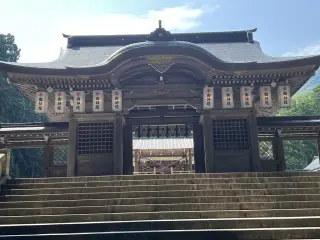
5. Zuishinmon Gate
Zuishinmon Gate is a gate that enshrines guardian deities who protect the sacred precincts from evil.
As the entrance to the sacred grounds, its solid and imposing appearance is powerful and naturally inspires a sense of reverence.
On either side of the gate are the brother deities Osage and Osabe, who protect Yahiko Shrine.
When passing through the gate, be sure to take a look at these guardian brothers.

Enjoy Street Food in the Monzen Town of Yahiko Shrine
Around Yahiko Shrine, you’ll find a monzen town filled with shops selling local Yahiko food and souvenirs.
Along with street-food favorites such as Japanese sweets, there are also many places perfect for lunch, serving dishes like udon and seafood.
One street food item especially worth trying is Shiro Panda-yaki.
These panda-shaped cakes are filled with sweet bean paste and come in a wide variety of flavors, including chunky red bean paste and chocolate.

3 Nearby Sightseeing Spots to Visit Along with Yahiko Shrine
Here are some spots you should visit together with Yahiko Shrine.
All of them are connected to Yahiko Shrine, so visiting them together should make your trip even more enjoyable.
1. Mt. Yahiko
The main peak of the Yahiko mountain range, facing the Sea of Japan near the center of the Niigata Plain.
It has an elevation of 634 meters, the same as Tokyo Skytree.
You can walk from Yahiko Station to the trailhead, and it takes Approx. 1 hour 30 minutes from the Omotesando trailhead to the summit.
The trail is well maintained and relatively easy to walk, making it suitable for beginner hikers and families with children.
There is also the Yahiko Ropeway and the Yahiko Skyline toll road for cars, making it easy to reach the summit.

2. Yahiko Park
This park was created in 1918 and is located just a short walk from JR Yahiko Station.
Its vast grounds of Approx. 40,000 tsubo offer scenery full of Japanese charm, and it is loved by a wide range of visitors, from locals to tourists.
Among the varied landscapes scattered throughout the park, including tunnels, waterfalls, and streams, the most popular area is Momiji Valley.
Known as a famous autumn foliage spot, its view of colorful leaves and the vermilion Kangetsu Bridge is truly spectacular.

3. Yu Shrine
An auxiliary shrine located at the edge of Yahiko Park, outside the grounds of Yahiko Shrine.
It is said that Yahiko Onsen was discovered at the place where Yu Shrine now stands.
The enshrined deities are Onamuchi no Mikoto and Sukunahikona no Mikoto, who are also known as gods of hot springs.
There is a legend that if you borrow a stone from the shrine grounds and rub the affected part of your body with it, your illness will heal.
Be sure to extend your trip here along with Yahiko Shrine and Yahiko Park.

3 Popular Restaurants Near Yahiko Shrine
After visiting Yahiko Shrine, head a little farther out to the area around Tsubame-Sanjo Station and enjoy Niigata cuisine.
It’s a great area for a stop on your trip, with many distinctive and popular restaurants.
From here, we’ll introduce a carefully selected list of especially popular restaurants around Tsubame-Sanjo Station.
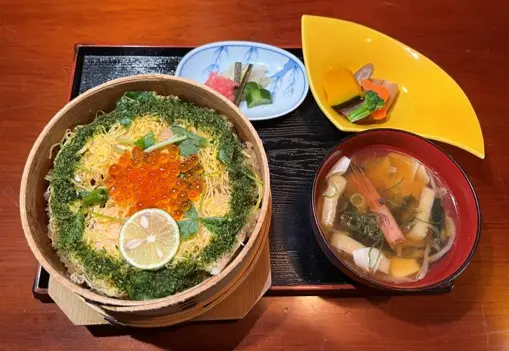
1. Kappo, Oshokuji Yoshidaya
A dining spot located in the Yahiko Onsen area of Niigata. This long-established restaurant has continued for five generations since opening in the early Showa period, and is known for dishes made with local ingredients such as fresh fish landed at nearby fishing ports.
The restaurant’s signature dish, especially recommended for first-time visitors, is the Original Yahiko Special Wappa Meshi Set, made with specially cultivated local Koshihikari rice called “Iyahikomai,” steamed in its container with a special broth and topped generously with salmon and salmon roe.
2. Kojimaya Sohonten Tsubame-Sanjo Branch
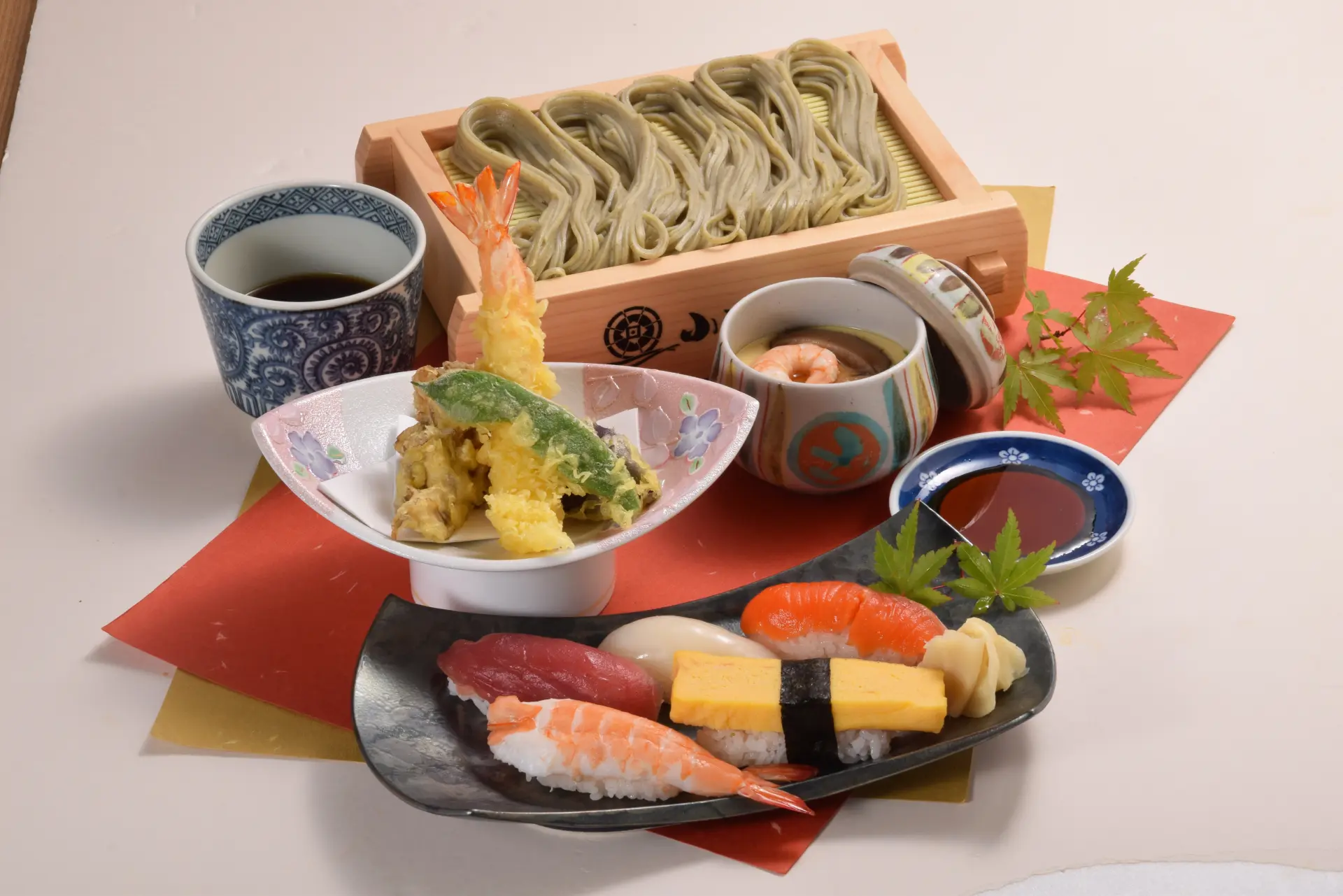
Kojimaya Sohonten is a long-established soba restaurant that has been operating for more than 100 years in Tokamachi City, Niigata Prefecture.
Through soba-making that makes the most of local ingredients and traditional techniques, it continues to share the taste of Niigata’s food culture, hegi soba.
The restaurant’s specialty is hegi soba, made with funori seaweed as a binding ingredient.
It is known for its springy texture and smooth finish. The natural flavor of the seaweed enhances the taste of the soba and gives it a satisfying bite.
3. Tonkatsu Sanjo
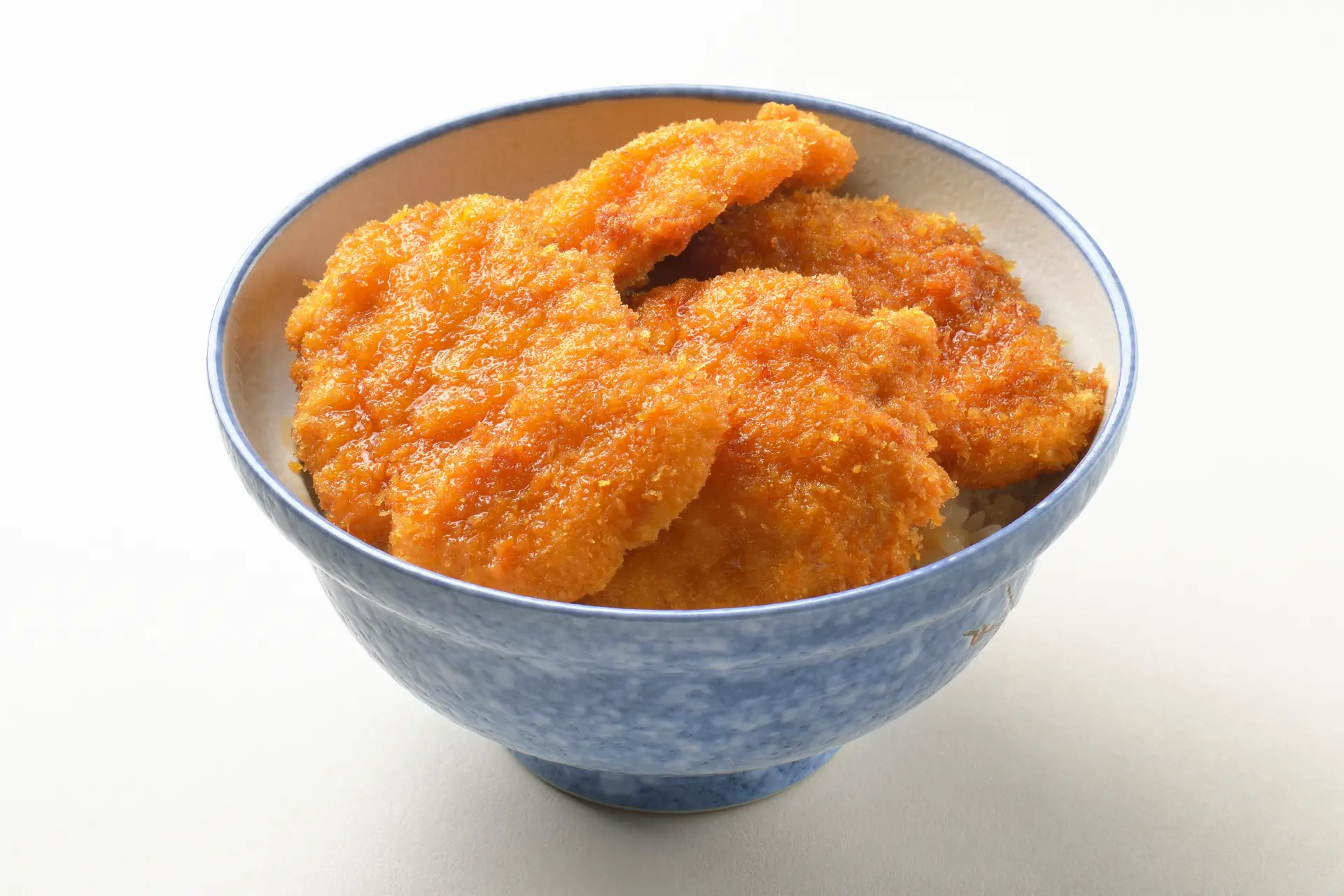
Tonkatsu Sanjo is located in Sanjo City, Niigata Prefecture.
It is a long-established tonkatsu restaurant with more than 40 years of history.
The classic menu item is Niigata tare katsu-don, a bowl of rice topped with pork cutlet dipped in a sweet and savory soy sauce-based sauce.
In addition, there are four kinds of katsu-don in total: hire tare katsu-don, chicken tare katsu-don, and egg-bound katsu-don, along with the standard version.
Adding shredded cabbage or grated daikon radish as toppings is also popular.
3 Recommended Places to Stay Near Yahiko Shrine
After visiting Yahiko Shrine, staying one night at Iwamuro Onsen is highly recommended.
Here are three especially recommended hot spring inns scattered around Iwamuro Onsen.
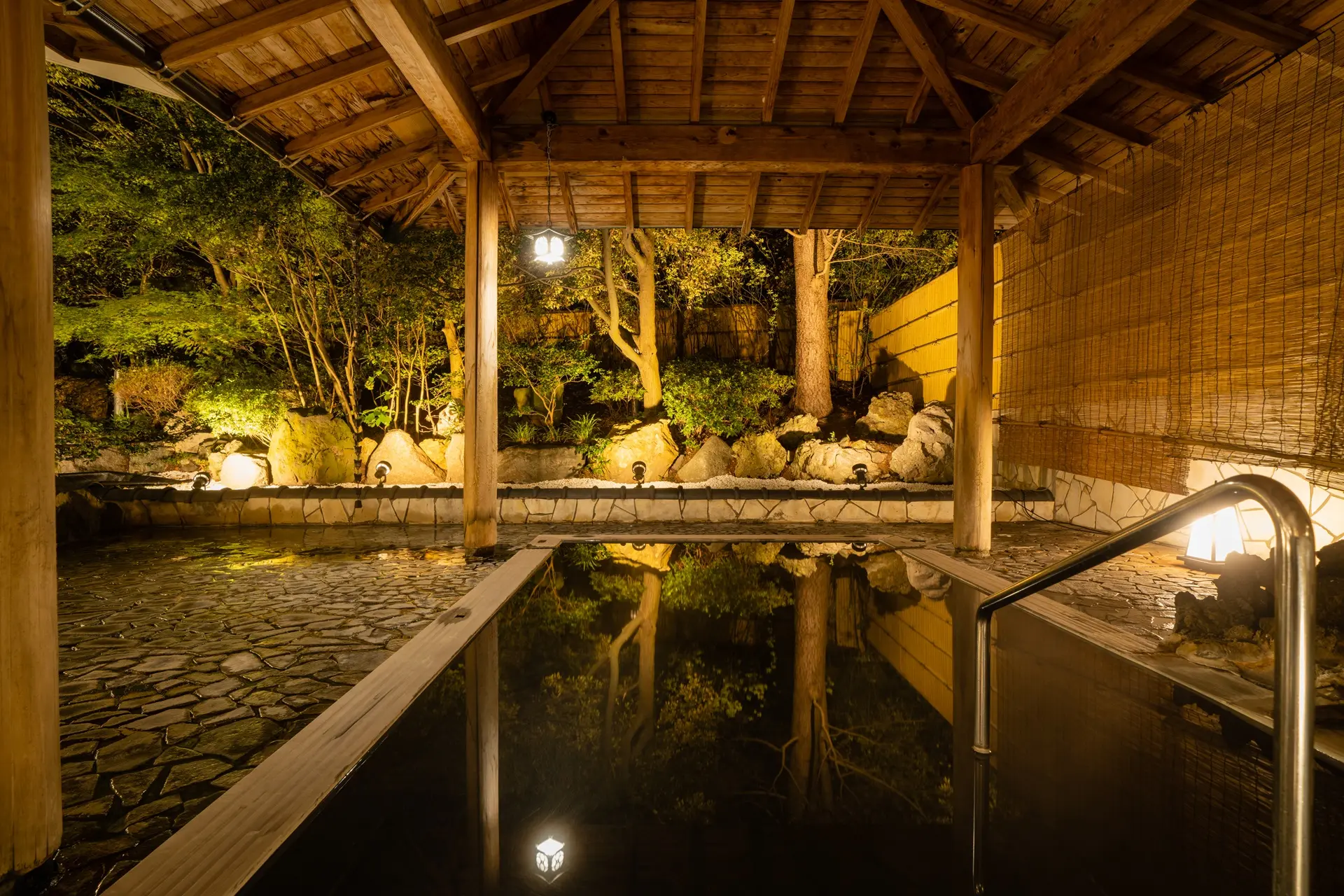
1. Hoh, an Inn with Sweeping Views of the Echigo Plain and Yahiko Mountain Range
A long-established ryokan founded in the early Meiji period, located in Iwamuro Onsen, Niigata’s hidden retreat with a 300-year history.
At its large public bath and open-air bath, among the biggest in the area, you can enjoy Iwamuro Onsen’s distinctive black spring water flowing directly from the source.
The mineral bath “Arashi no Yu,” which warms the body to the core with steam from as many as 15 kinds of natural minerals, is also highly regarded.
There are 50 guest rooms in total, mainly Japanese-style rooms built in the shoin style.
Many rooms overlook a 1,000-tsubo garden and the Yahiko mountain range, allowing you to enjoy the changing beauty of the Japanese garden and satoyama landscape throughout the seasons and times of day without leaving your room.
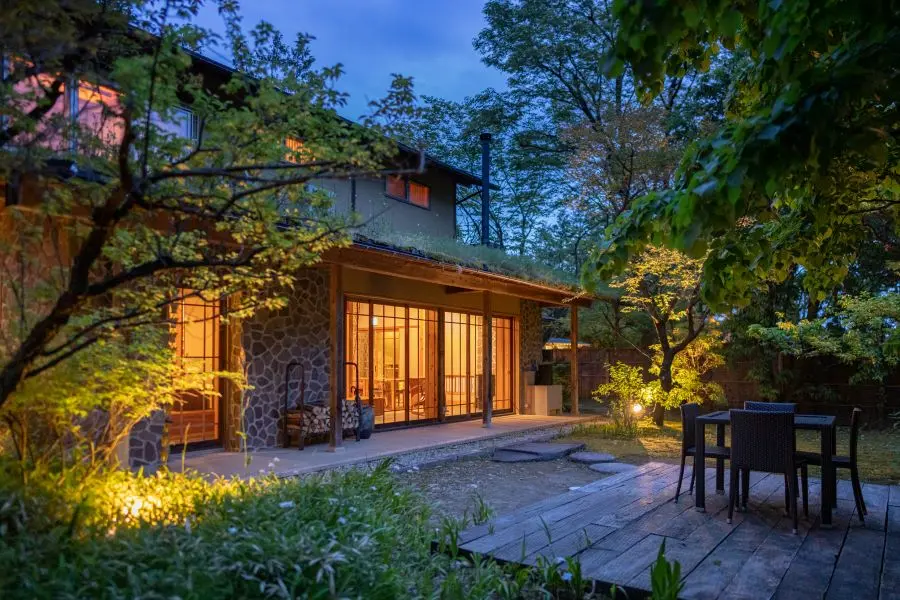
2. Shaga no Sato Yumeya
A historic inn opened in 1988 in Iwamuro Onsen, Niigata’s hidden retreat.
Born as a sister property of the long-established ryokan Fujiya, which has continued since the early Meiji period, it offers a luxurious space with just 11 rooms in total, including 10 rooms in the sukiya-style main building and one detached villa.
Each guest room has its own unique character and features spacious interiors with traditional Japanese design.
This setting combines comfort and atmosphere, offering visitors a sense of calm and relaxation.
3. Koshi no Yado Takashimaya
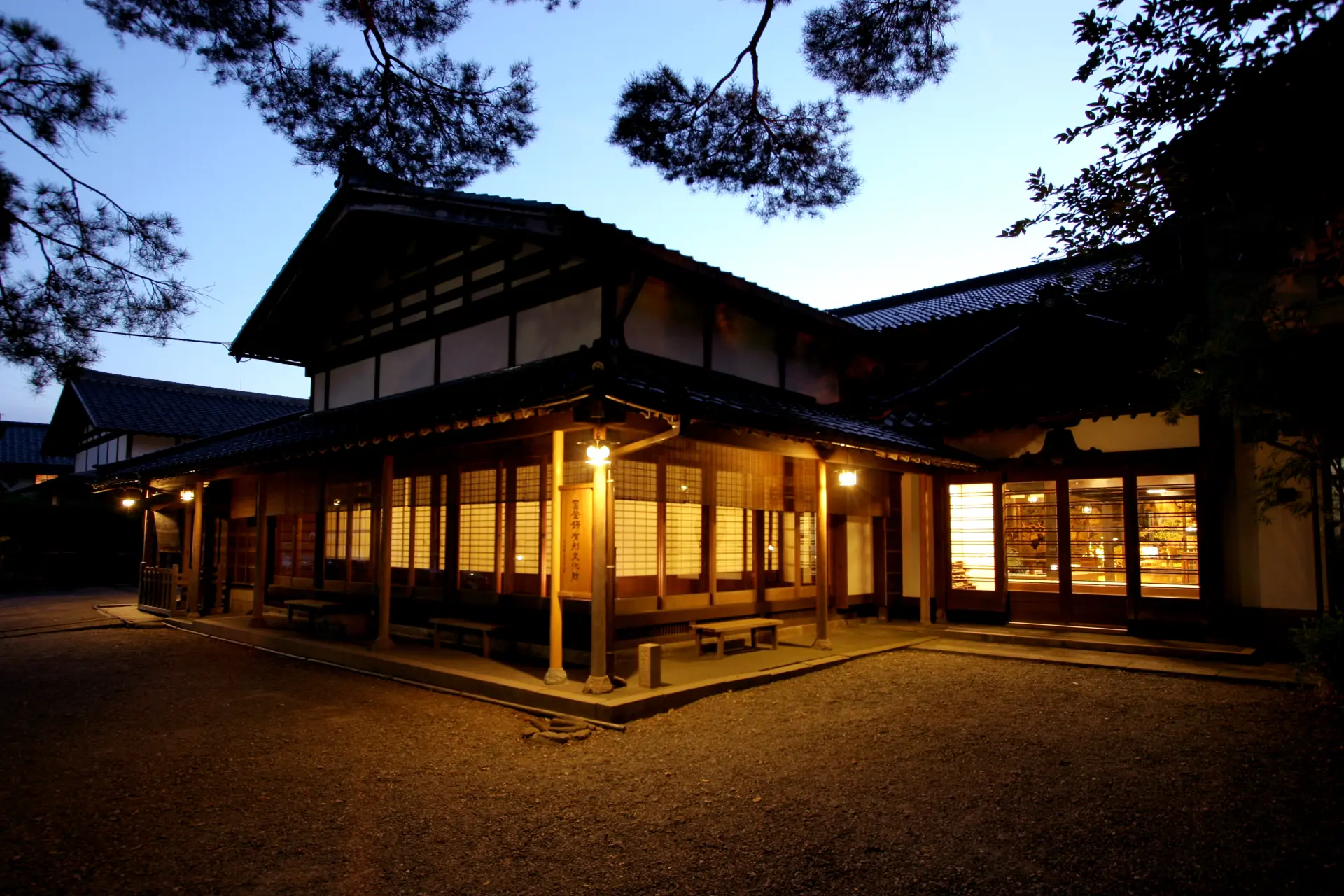
One of Niigata’s finest traditional inns, said to have welcomed Emperor Meiji for a rest stop.
Iwamuro Onsen, where the inn is located, is a historic hot spring area that opened in 1713.
It is also close to Yahiko Shrine and prospered as a hot spring stop along the Hokkoku Kaido route.
The main building is a 260-year-old village headman’s residence built in the Edo period, and it is designated as a nationally registered tangible cultural property.
The garden, decorated with bamboo groves, old pine trees, and seasonal flowers, is also stunning, and it is beautifully lit up at night.
Reviews
4.18
Some reviews are AI-translated.
-
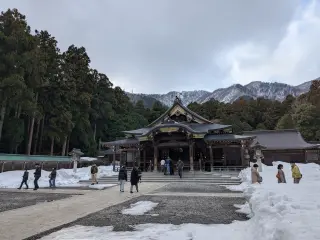
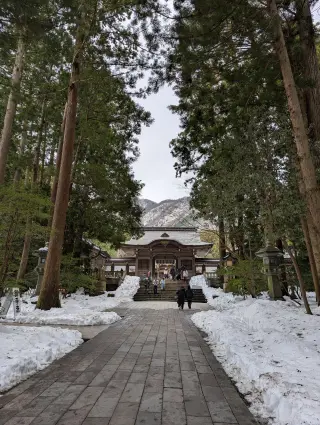
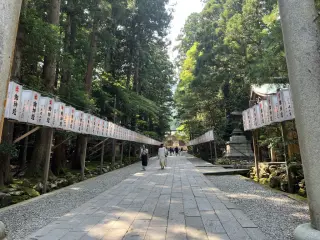
Stepping into Yahiko Shrine felt like entering sacred ground.
As soon as I started down the approach, crisp, chilly air greeted me. Towering trees line the path, and it’s quiet yet solemn.
The moment I passed through the Zuishinmon gate, the worship hall lined up with the outline of Mt. Yahiko behind it, and the whole atmosphere felt especially holy. -
After walking along the approach lined with ancient giant trees, you'll reach the shrine grounds. This is definitely a must-visit spot when touring Niigata!
-
The environment is peaceful and the air is fresh. It's a power spot in Niigata.
FAQ about Yahiko Shrine
Q
Which deity is enshrined at Yahiko Shrine?
A
Many deities are enshrined in the shrine buildings on the grounds, but the main deity is Iyahiko no Okami, also known as Ame no Kagoyama no Mikoto.
Q
What blessings is Yahiko Shrine known for?
A
It is known for blessings related to business prosperity and love and relationships.
Q
What kinds of blessings do the amulets at Yahiko Shrine offer?
A
They are said to bring blessings such as peace in the home and recovery from illness.
Summary
In this article, we’ve introduced the appeal and highlights of Yahiko Shrine, along with useful information to know before your visit.
Using this article as your guide, you should be able not only to receive the blessings of Yahiko Shrine, one of Niigata’s top power spots, but also to fully enjoy its many highlights.
If you’re sightseeing in Niigata, be sure to read this article as well, which brings together Niigata’s classic sightseeing spots and restaurants.