
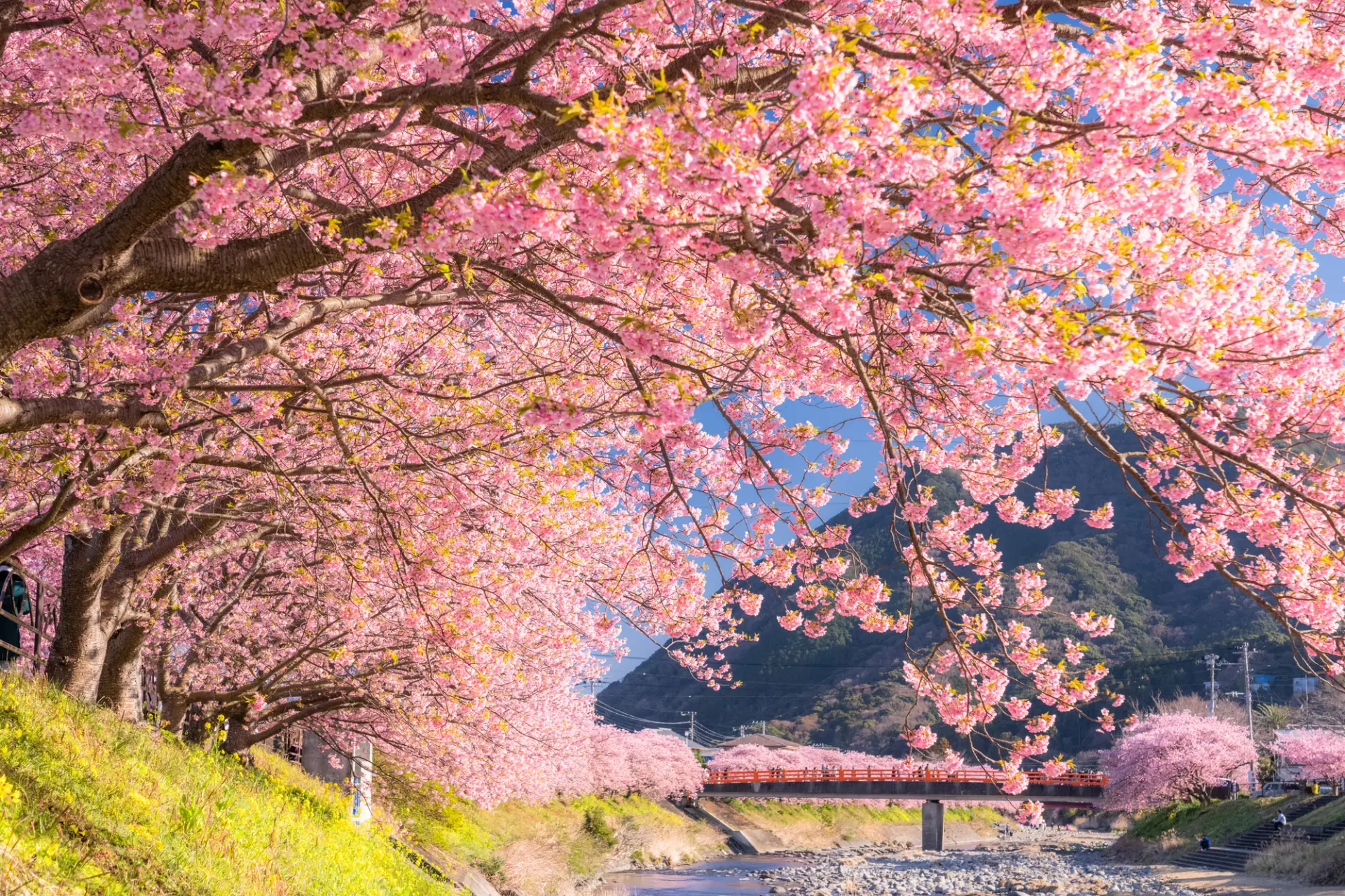
Don’t Miss Peak Bloom: A Model Itinerary for Enjoying Kawazu Cherry Blossoms in Izu
Cherry blossom season in Japan draws attention from around the world, and famous sakura spots across the country bustle with large crowds of tourists.
Somei Yoshino is a representative variety that blooms from late March to April while moving north across the Japanese archipelago, but Kawazu-zakura blooms over a month earlier than Somei Yoshino and is popular for its vivid color.
In the southeastern Izu Peninsula, the birthplace of Kawazu-zakura, cherry blossom festivals are held in February, and you can experience early-spring hanami.
Let’s take a look at tips for fully enjoying Kawazu-zakura, along with a model itinerary.
What Is Kawazu-zakura Like?
Kawazu-zakura (Kawazuzakura) is a variety that blooms earlier than Somei Yoshino, Japan’s representative cherry blossom, and it produces abundant pale-pink flowers.
It was discovered in 1955 in Kawazu Town, Shizuoka Prefecture, and today it can be seen across Japan.
For cherry blossoms, full bloom is considered when around 80% of the tree is in bloom, but Kawazu-zakura is impressive enough even at around 60%, so it reaches its best viewing period even before full bloom.
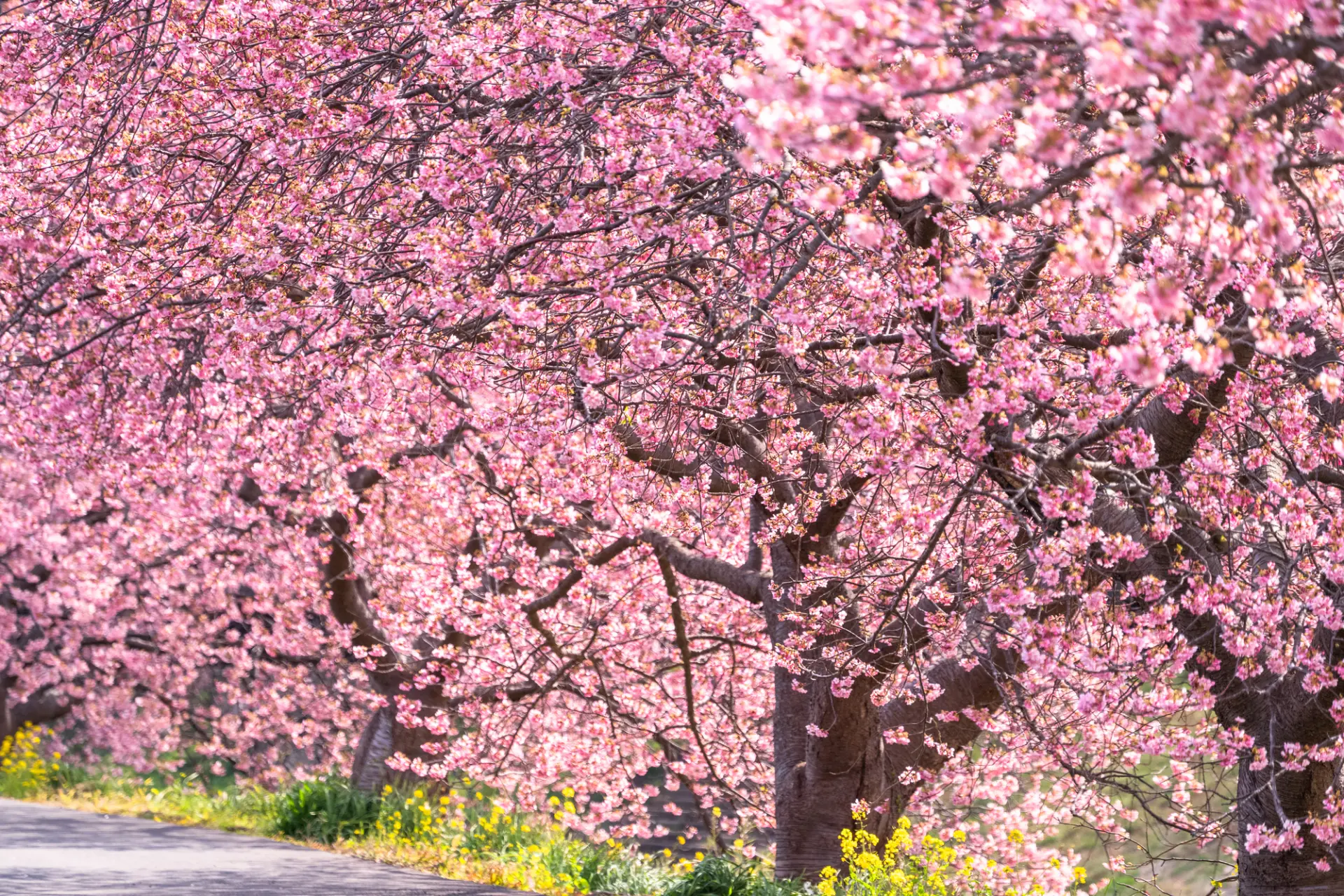
After Somei Yoshino reaches full bloom, if temperatures rise or the weather turns bad with rain or wind, the petals fall in no time, but Kawazu-zakura blooms last longer.
After the peak full-bloom period, fresh green leaves start to grow, and the pink of the trees can look muddier as yellow-green mixes in, but it’s still plenty enjoyable up close.
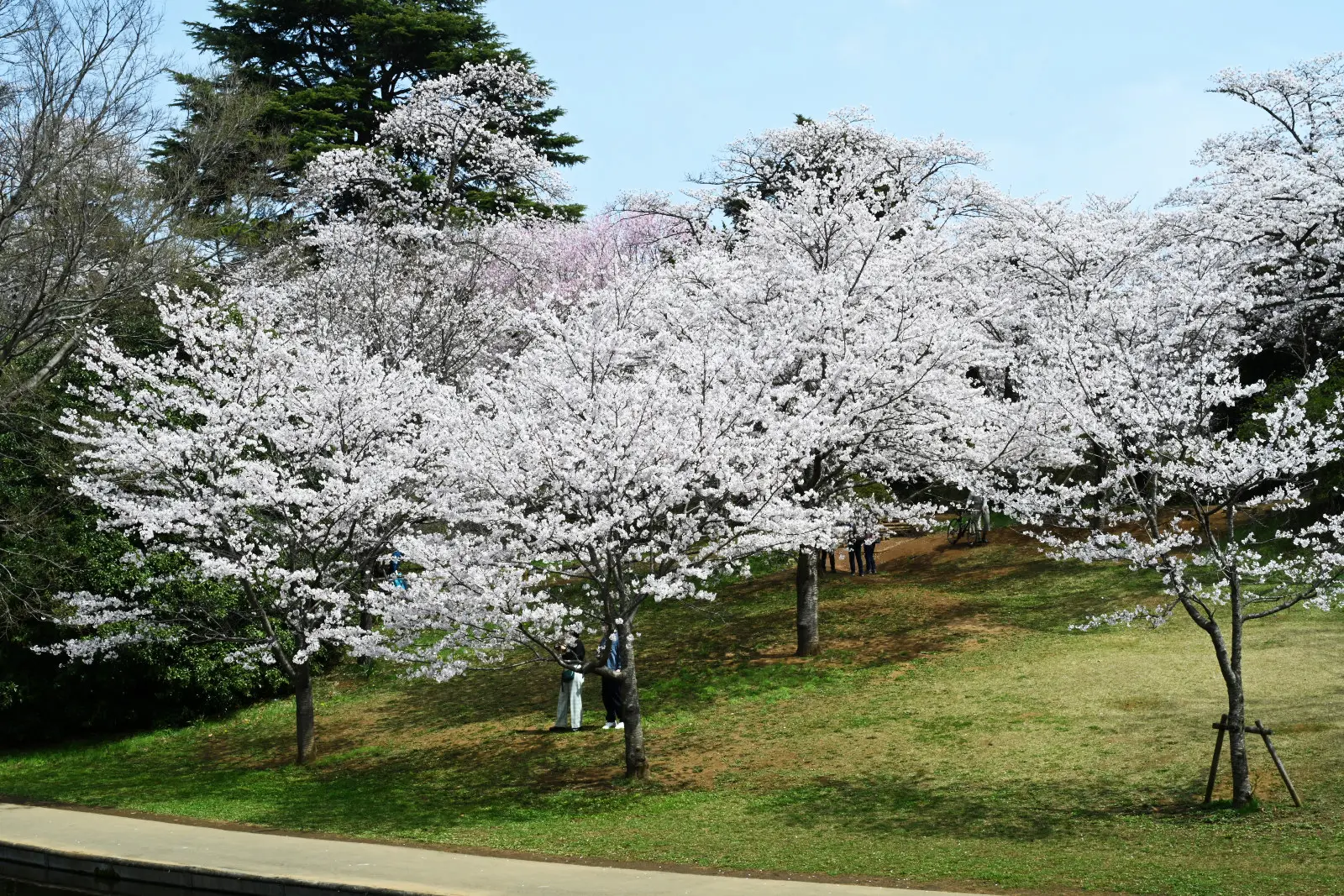
When Is the Best Time to See Kawazu-zakura?
Kawazu-zakura starts blooming in early February, and you can watch it bloom for nearly a month.
The best-viewing period, when the rows of Kawazu-zakura turn a vivid red-pink, varies depending on the year’s weather.
In Kawazu, the full-bloom announcements were made on February 26 in 2022, February 17 in 2023, February 12 in 2024, and February 28 in 2025.
In 2025, when spring temperatures were low, the full-bloom announcement came more than two weeks later than the previous year, and the Kawazu Cherry Blossom Festival was extended.
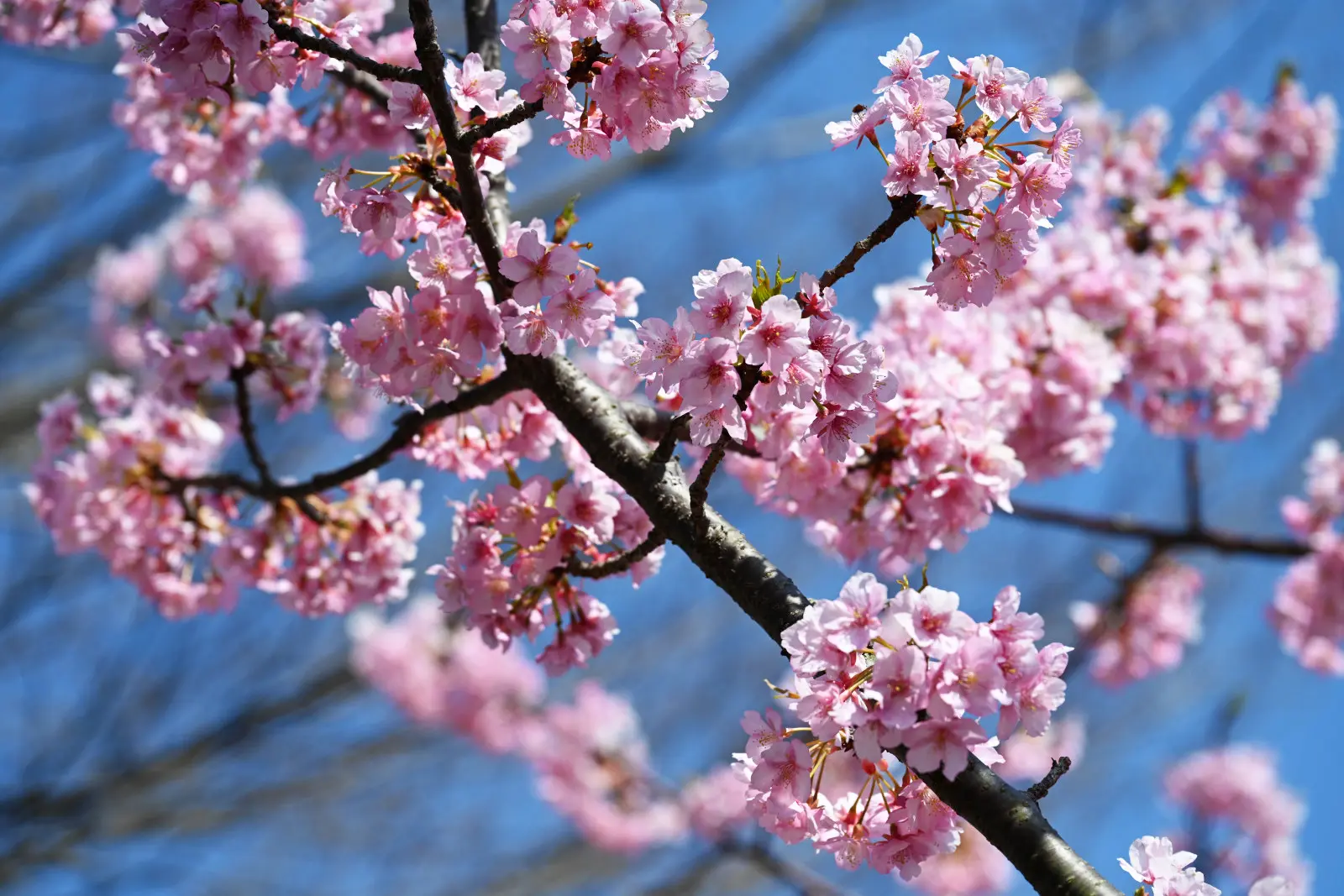
Normally, mid-February offers good color and fuller blooms, but it’s difficult to predict the exact best timing.
If you can adjust your travel dates, check local bloom updates and aim to visit around the 50–60% bloom stage.
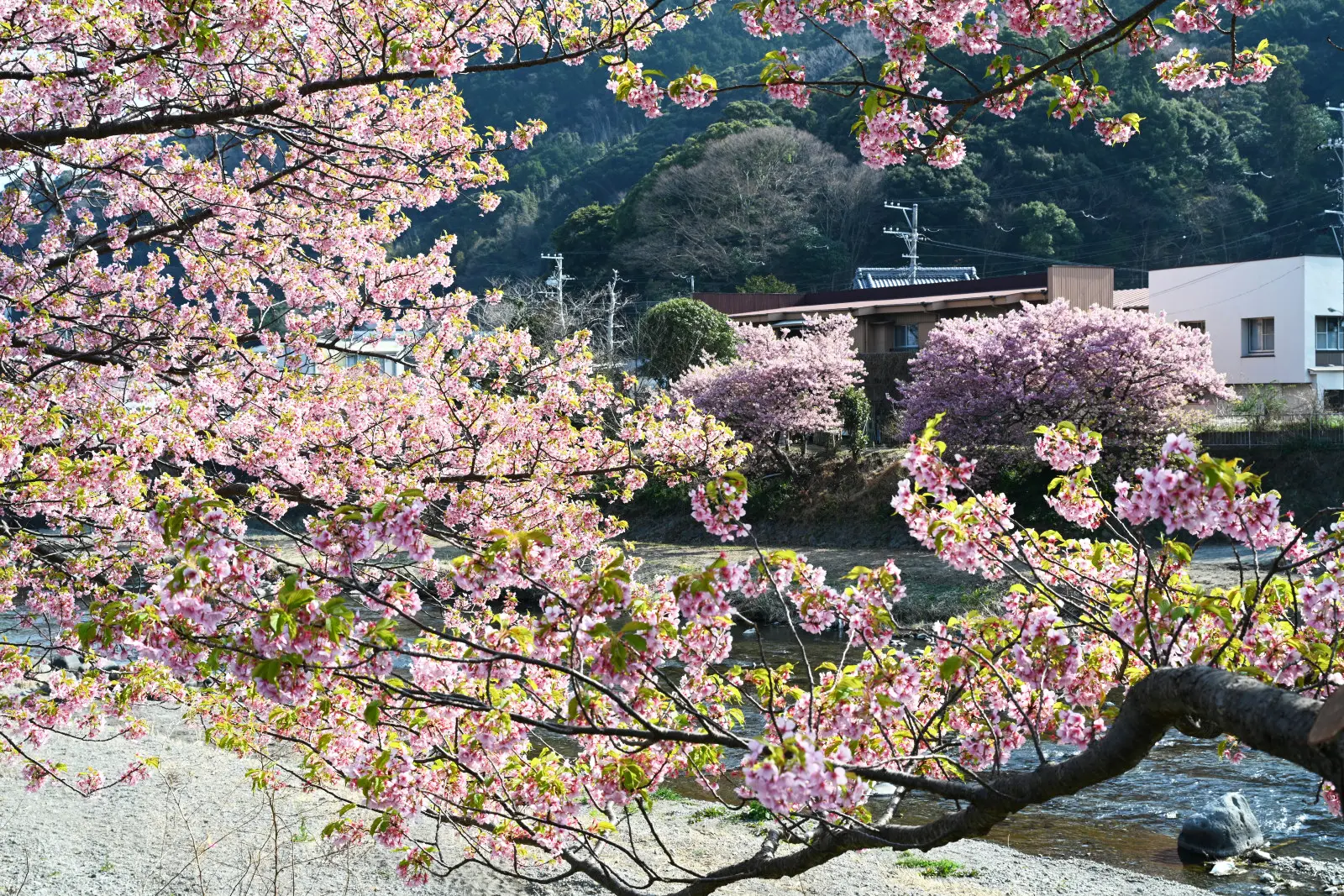
Where Are the Best Places to See Kawazu-zakura?
Kawazu Town in Kamo District, Shizuoka Prefecture is the most famous in Japan: nearly 850 trees line the Kawazu River, and there are as many as 8,000 trees across the town.
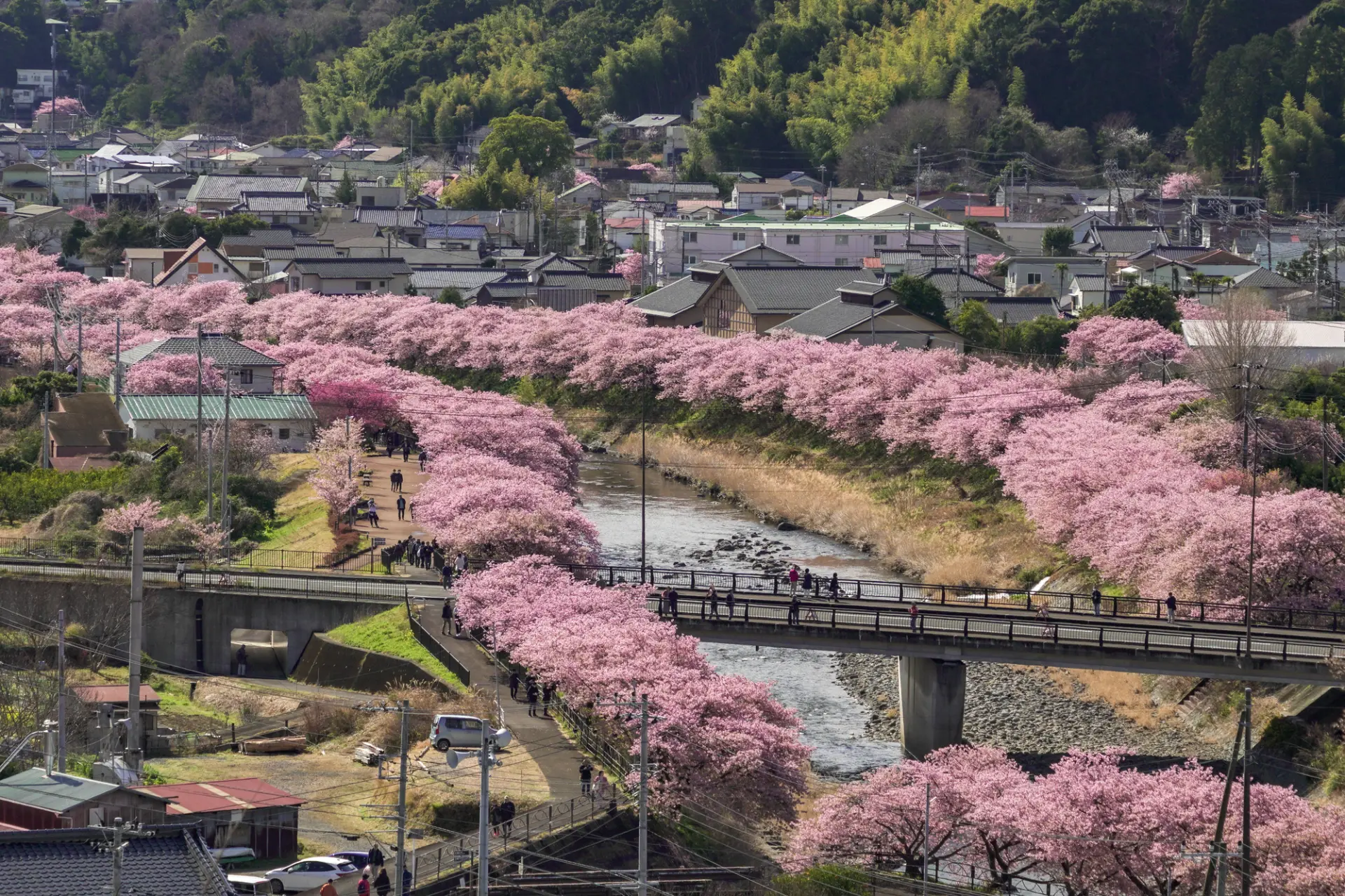
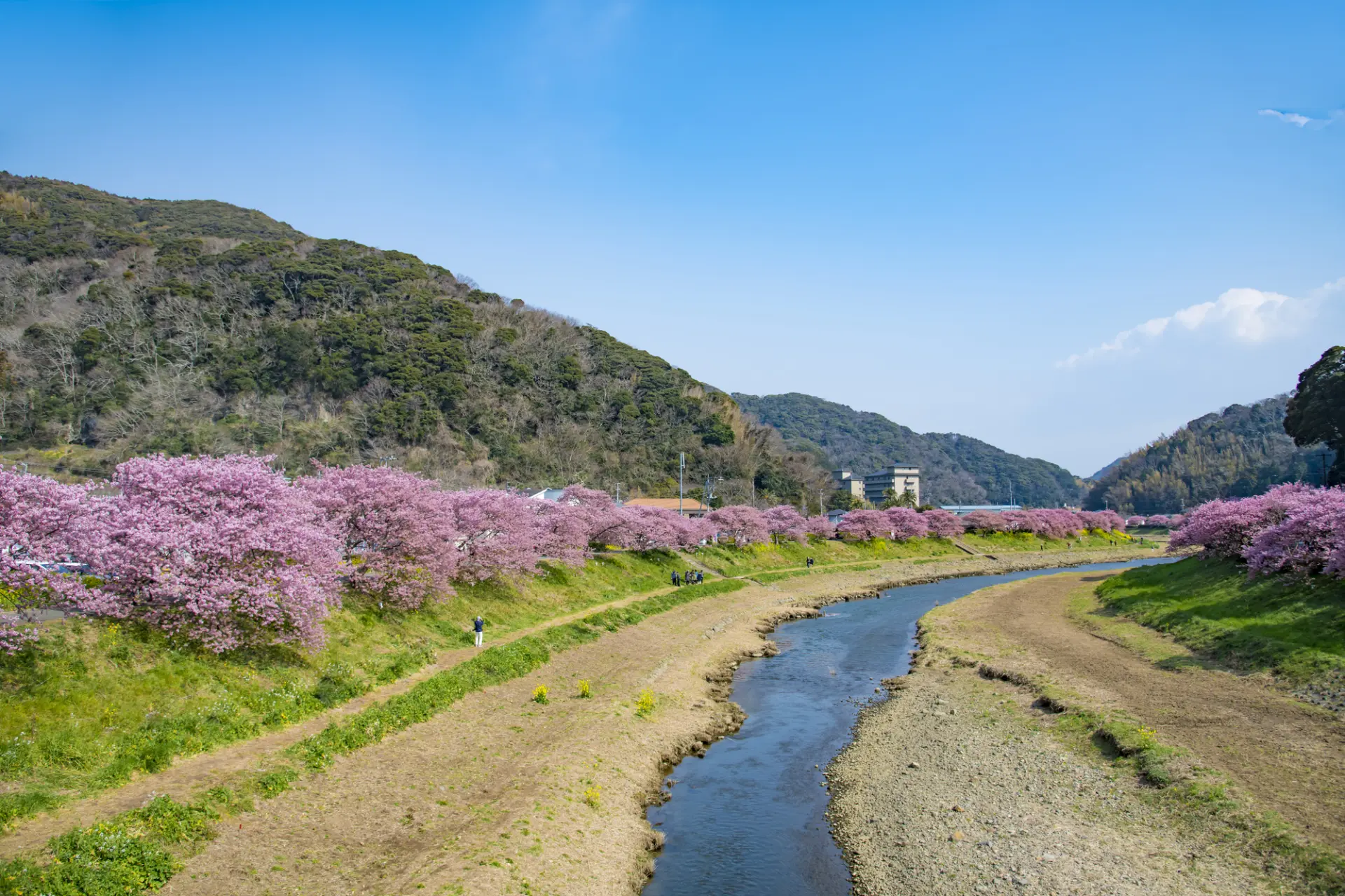
Another place where you can enjoy lush Kawazu-zakura scenery, alongside Kawazu, is Minami-Izu Town in Kamo District, Shizuoka Prefecture.
Along the Aono River that runs through the center of town, there are around 800 Kawazu-zakura trees, and downstream, Somei Yoshino has also been planted.
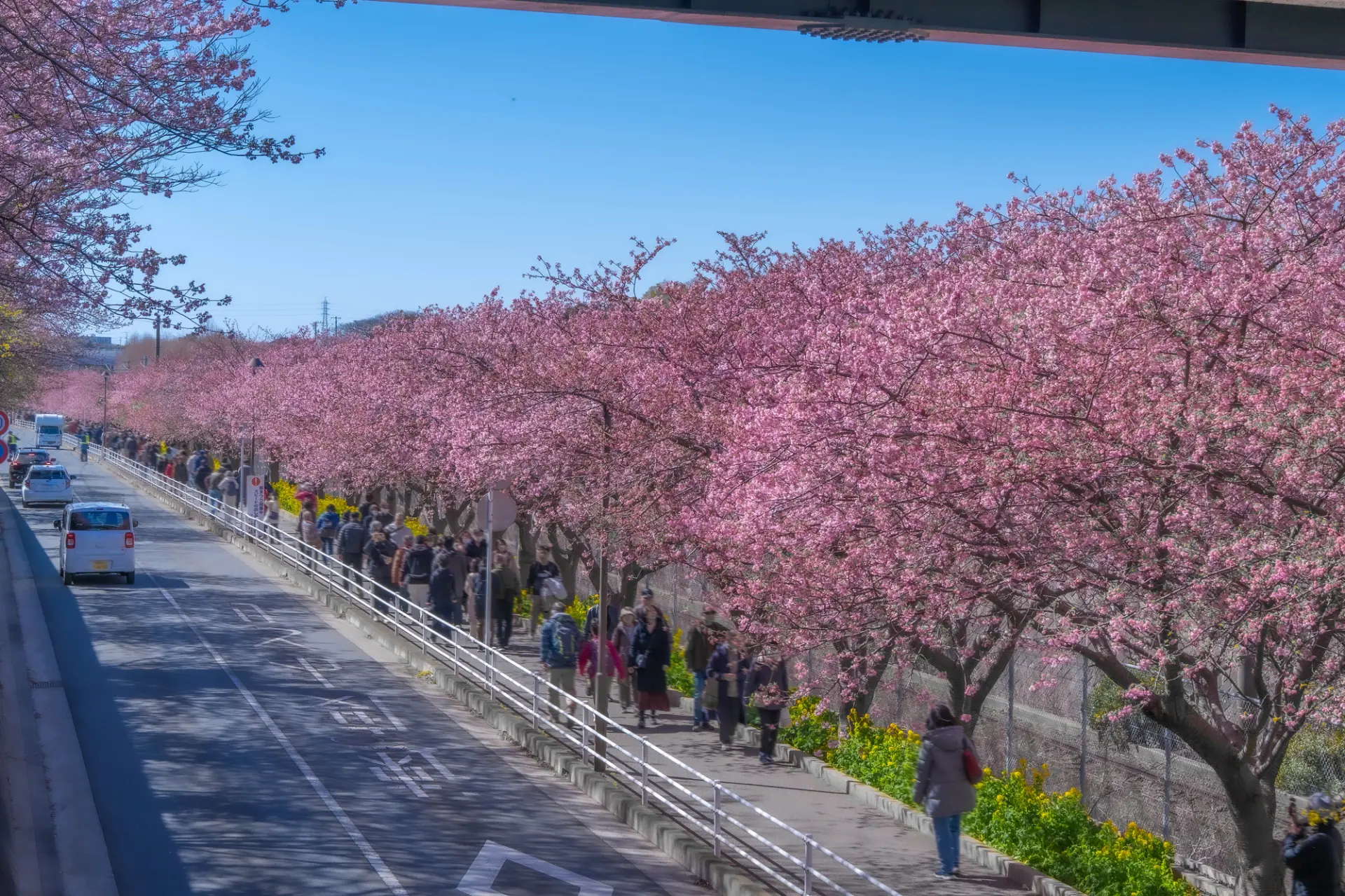
Elsewhere in the Kanto region, popular spots with cherry blossom festivals include Miurakaigan Station in Kanagawa Prefecture (Approx. 1,000 trees) and Nishihirabatake Park in Matsuda Town, Ashigarakami District, Kanagawa Prefecture (Approx. 360 trees, with views of Mt. Fuji).
In this article, we recommend Kawazu Town and Minami-Izu Town, where the climate stays mild even in winter and you can enjoy Kawazu-zakura from early February.
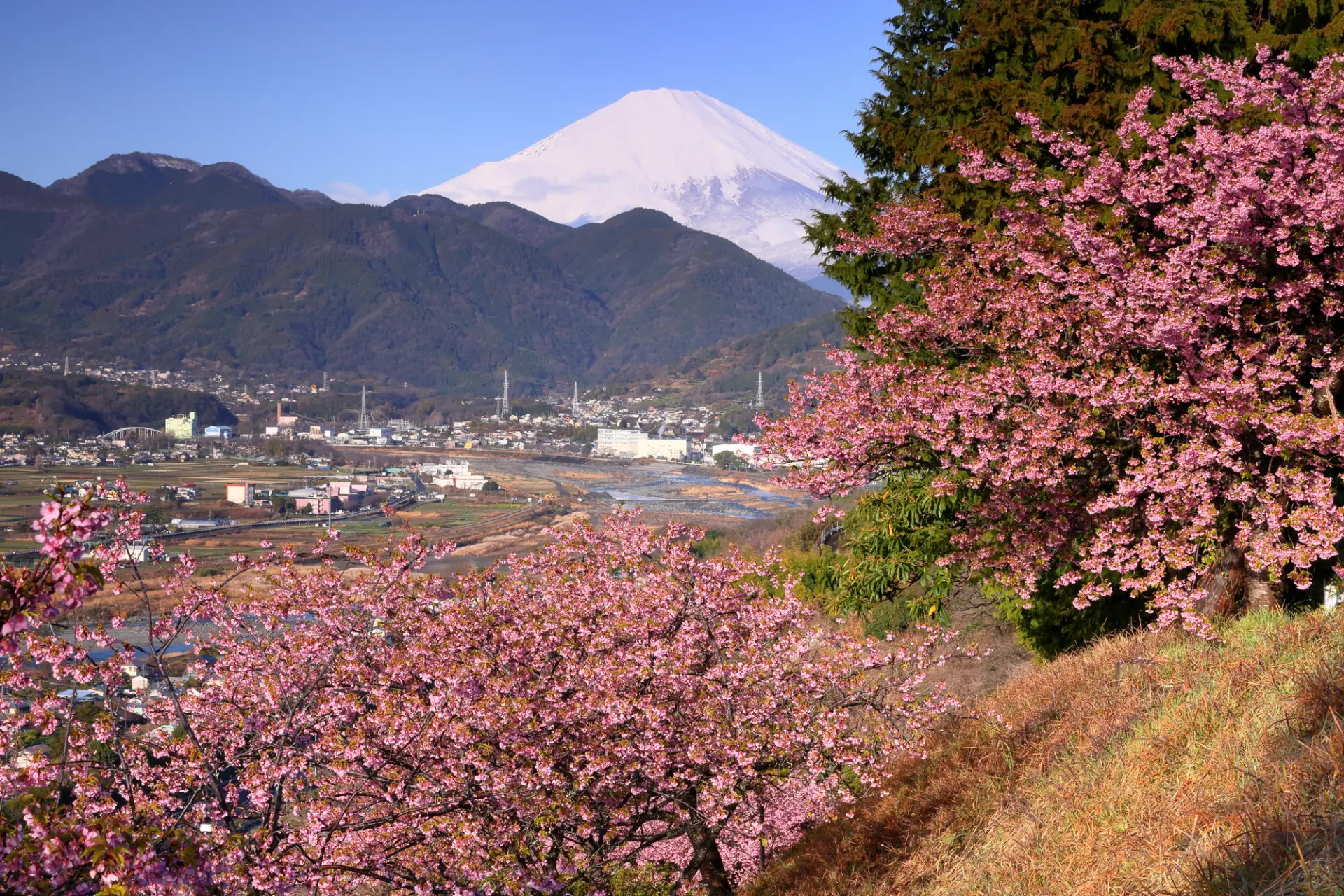
Getting to Kawazu and Minami-Izu: Take the JR Limited Express Odoriko
Kawazu Town and Minami-Izu Town are located in the southeastern part of the Izu Peninsula, and you can access them via JR lines and the Izu Kyuko Line.
The nearest station for Kawazu Town is Kawazu Station, and for Minami-Izu Town it’s Izukyushimoda Station; from there, transfer to a local bus.
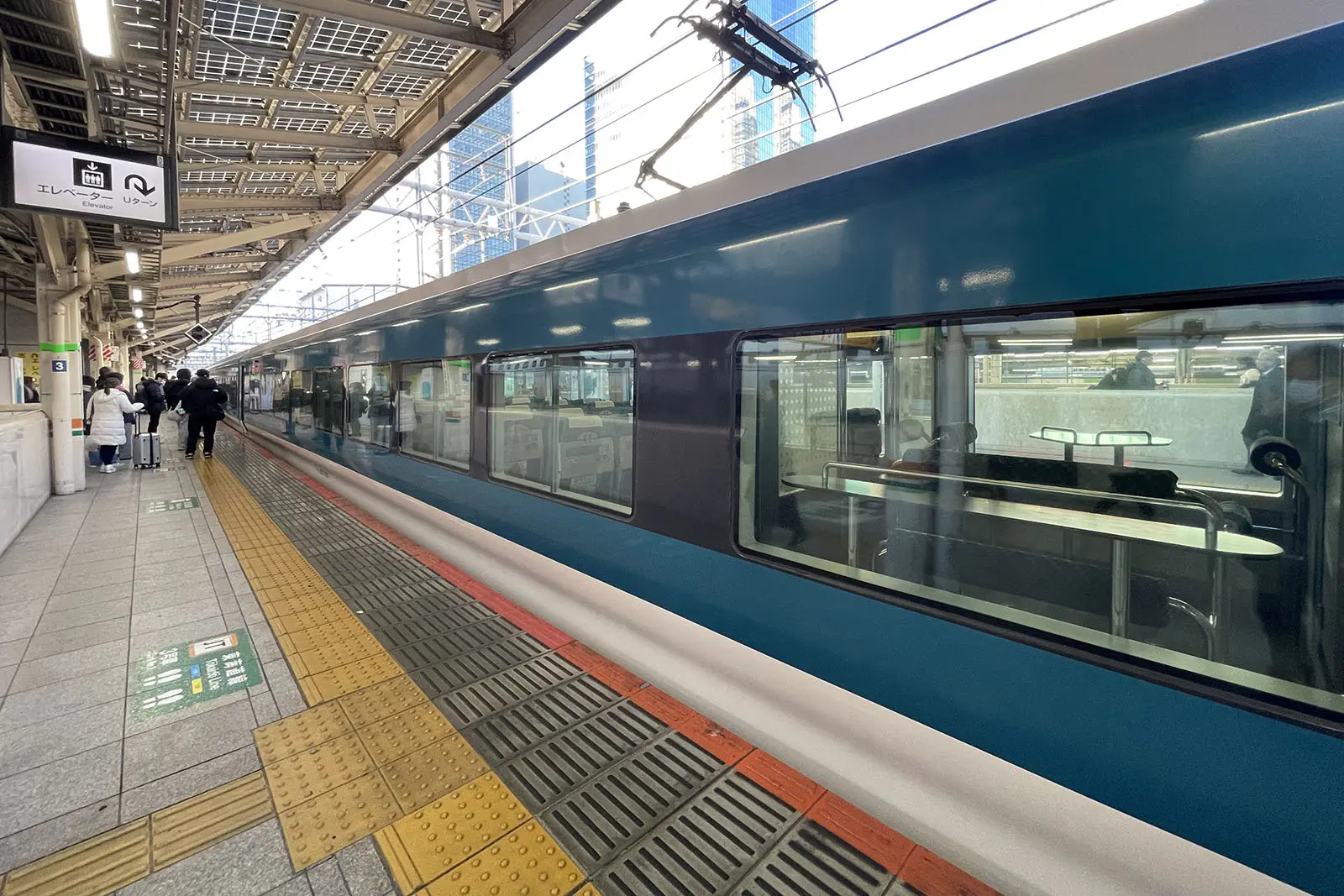
From Tokyo Station, the JR Limited Express Odoriko runs daily and offers direct service to both Kawazu Station and Shimoda Station, making it a convenient option.
In addition to Tokyo Station, you can also board from Ikebukuro and Shinjuku, with services operating on Saturdays, Sundays, and holidays.
Odoriko Travel Times from Each Station and Operating Days
| Departure Station | Travel Time to Kawazu | Travel Time to Izukyushimoda | Operating Days |
|---|---|---|---|
| Tokyo | Approx. 2 hr 30 min | Approx. 2 hr 40 min | Daily, with extra services |
| Ikebukuro | 2 hr 45 min | Approx. 3 hr | Saturdays, Sundays, and holidays |
| Shinjuku | 2 hr 34 min | 2 hr 47 min | Saturdays, Sundays, and holidays |
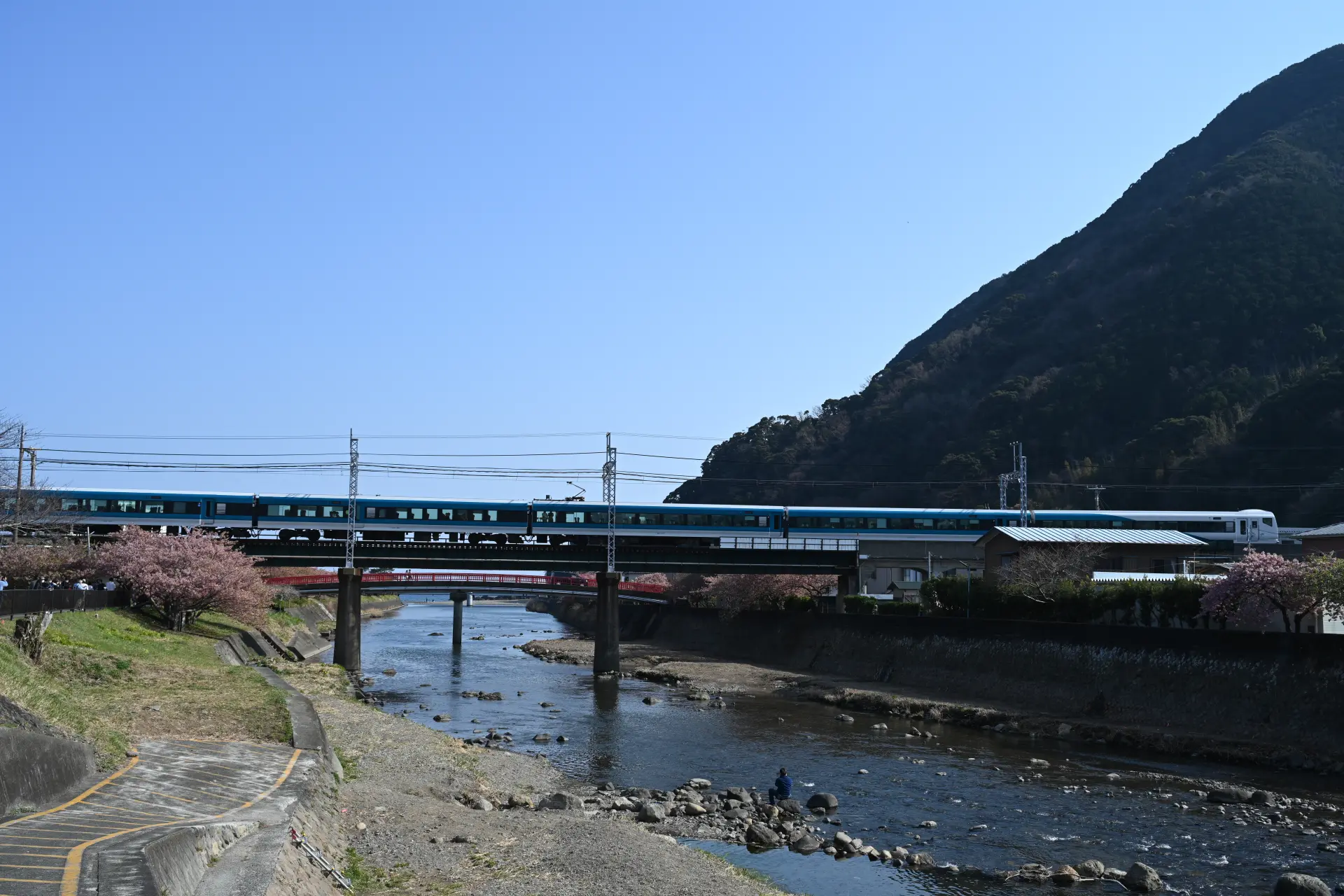
Saphir Odoriko: A Special Train Where Every Car Is Green Class
On the Odoriko route, there’s also the Saphir Odoriko, a limited express with all seats in Green Class.
It runs one round trip daily, and on Saturdays, Sundays, and holidays from December through February of the following year, one extra outbound and one extra inbound service are added.
While the regular Odoriko Green Car has four seats per row (2+2), Saphir Odoriko offers a more spacious layout with three seats per row (2+1).
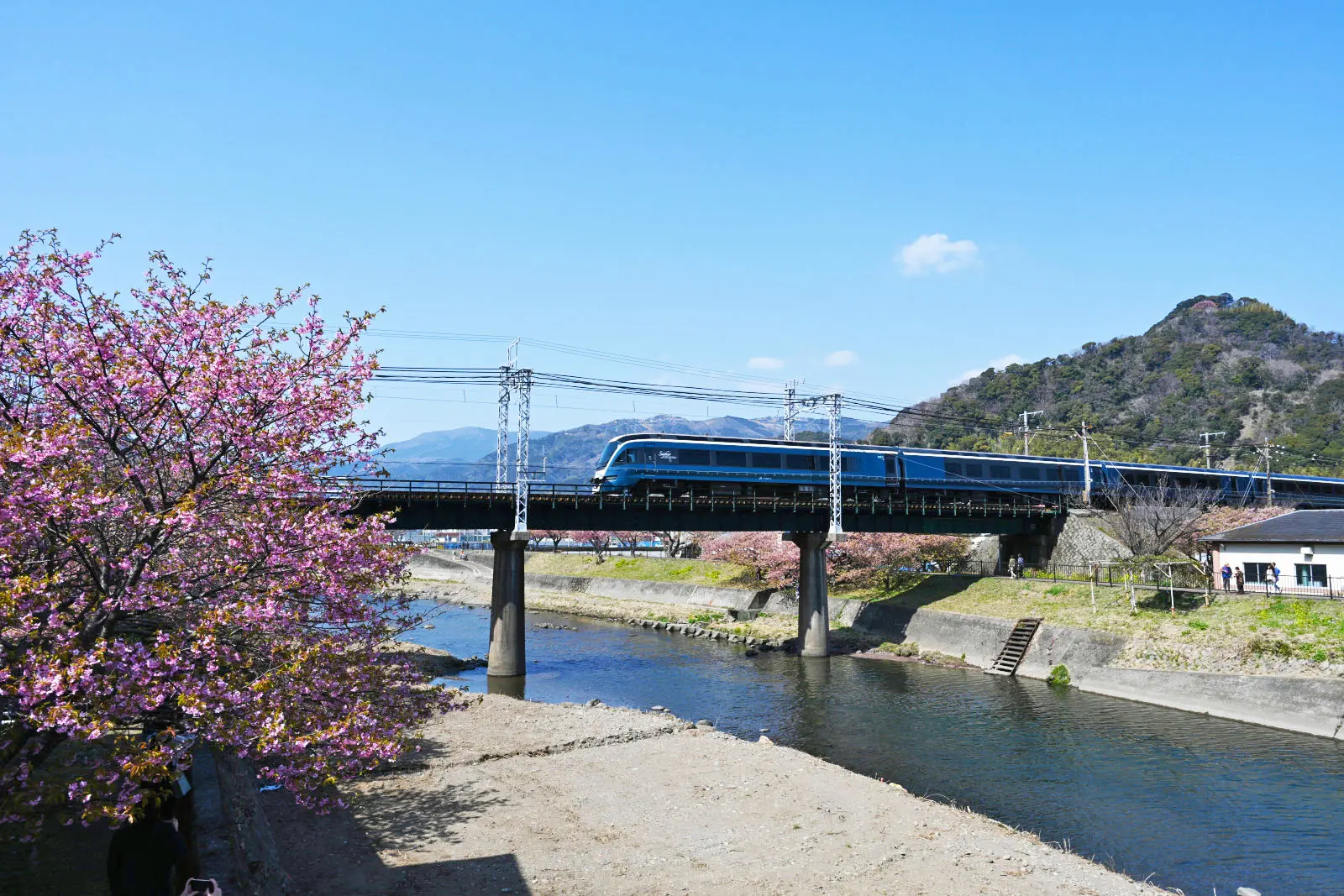
Car No. 1 is a special car called Premium Green, with a 1+1 seating layout per row.
The leather seats, designed to feel like they wrap around each passenger, can rotate to face the window, so you can fully enjoy the views.

To Reach Minami-Izu, Transfer to a Bus in Shimoda
To get to Minami-Izu’s Kawazu-zakura highlights, you’ll need to get off at Izukyushimoda Station and transfer to a local bus.
Travel time from Kawazu Station to Izukyushimoda Station is Approx. 10 minutes by Limited Express Odoriko, or Approx. 13 minutes via the Izu Kyuko Line.
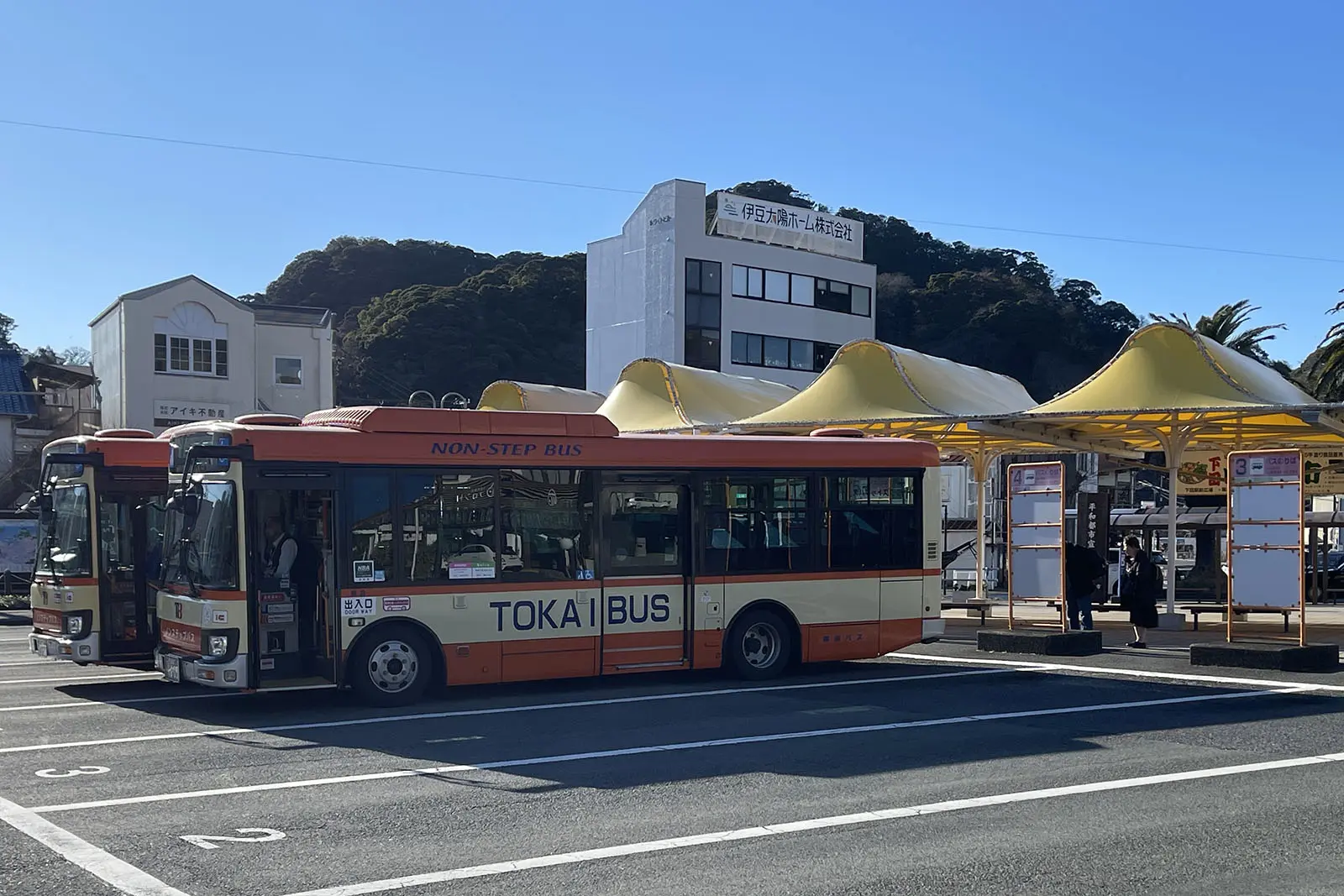
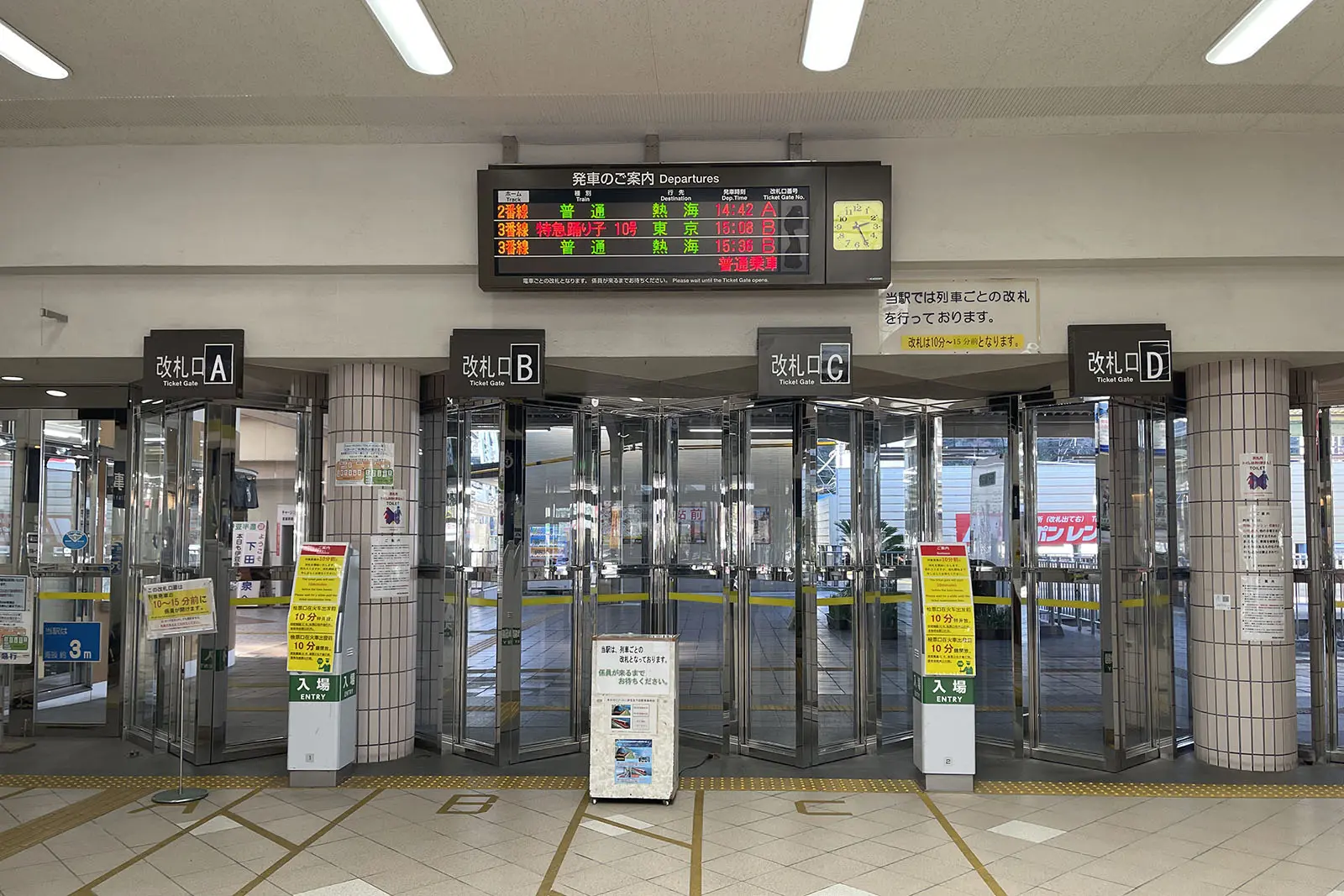
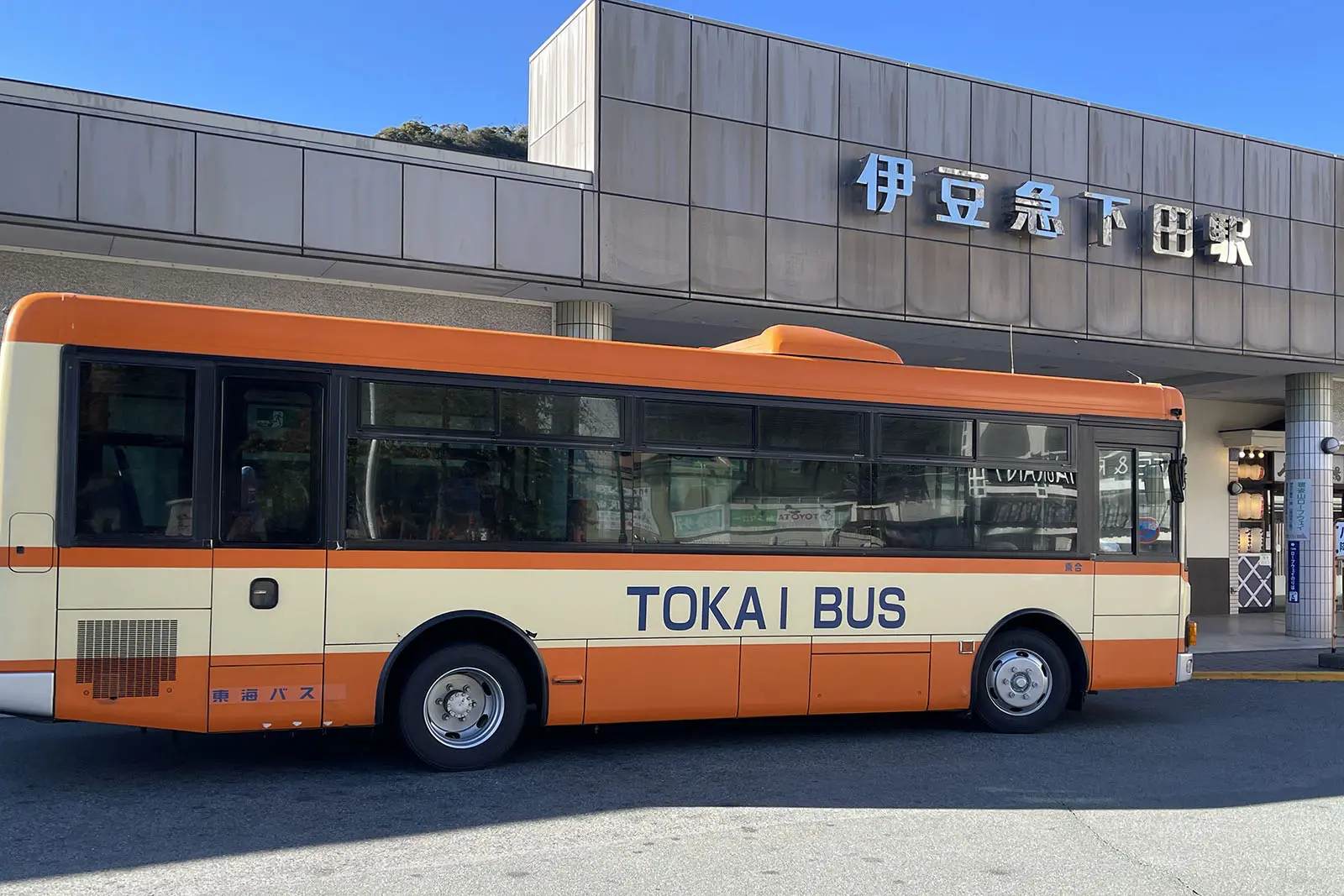
To head toward the Aono River area where Kawazu-zakura blooms, take the Tokai Bus bound for Shimokamo from Bus Stop No. 3 in front of Shimoda Station; it takes Approx. 25 minutes.
Full Festival Vibes: Enjoying Kawazu-zakura in Kawazu
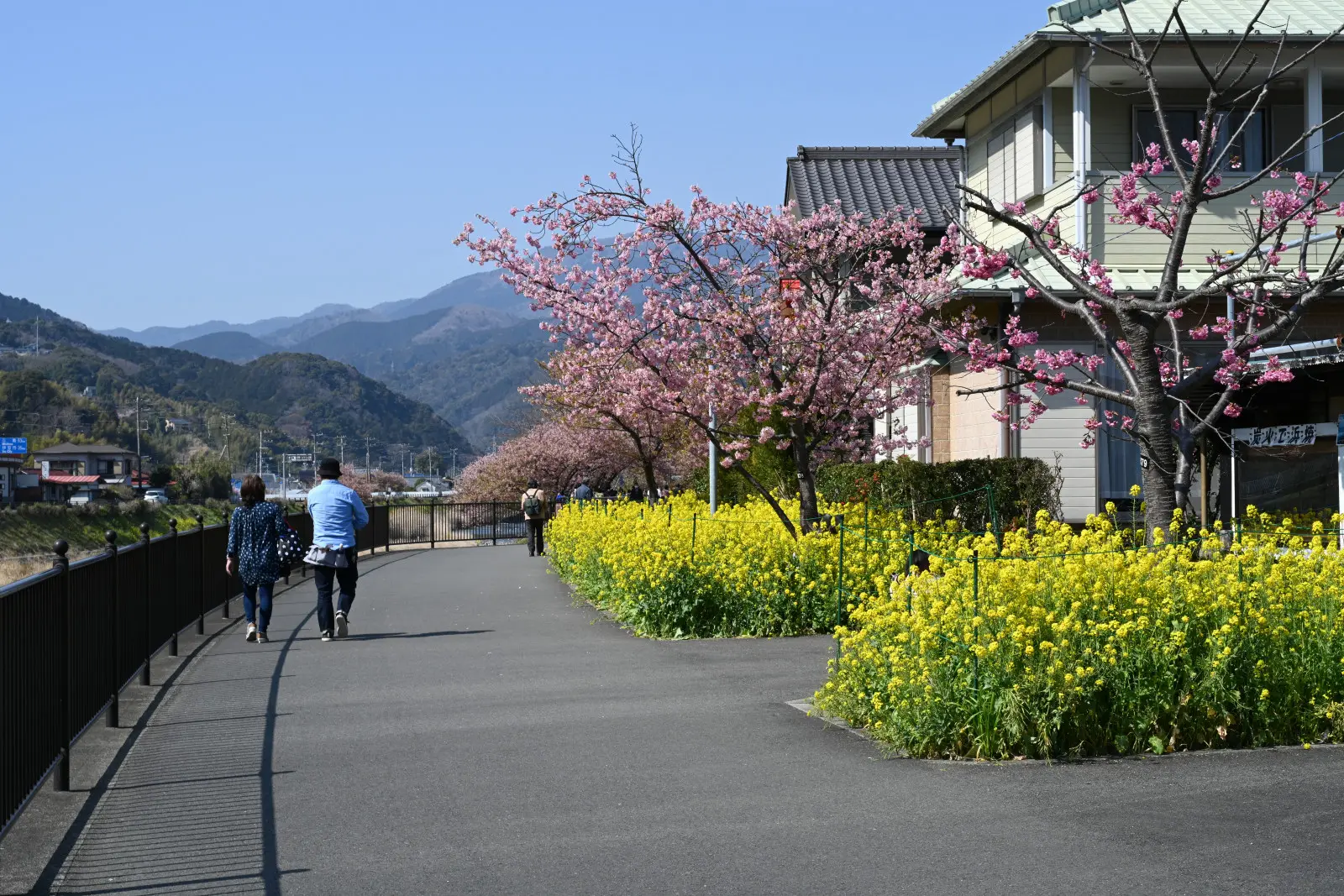
Kawazu, the birthplace of Kawazu-zakura, is at its liveliest during the Kawazu Cherry Blossom Festival.
The festival is usually held from early February to early March; in 2026, the 36th edition runs from February 7 to March 8.
During this period, various events are held, and cherry blossoms are also lit up from 6:00pm–9:00pm.
Day-Trip Model Itinerary to Kawazu from Tokyo
During Kawazu-zakura season, extra trains also run on Saturdays, Sundays, holidays, and in late February, but this model itinerary uses trains that operate daily.
If you’re traveling on a Saturday, Sunday, or holiday when you can use extra services, you can take the 7:30am departure from Tokyo Station (Odoriko 51) and the 5:06pm departure from Kawazu Station (Odoriko 66), giving you over two extra hours for cherry blossom viewing.
*Timetable information is current as of January 2026. Be sure to confirm before heading out locally.
9:00am Depart Tokyo Station
Take the 9:00am Limited Express Odoriko 1 from Tokyo Station to Kawazu Station.
11:28am Arrive at Kawazu Station
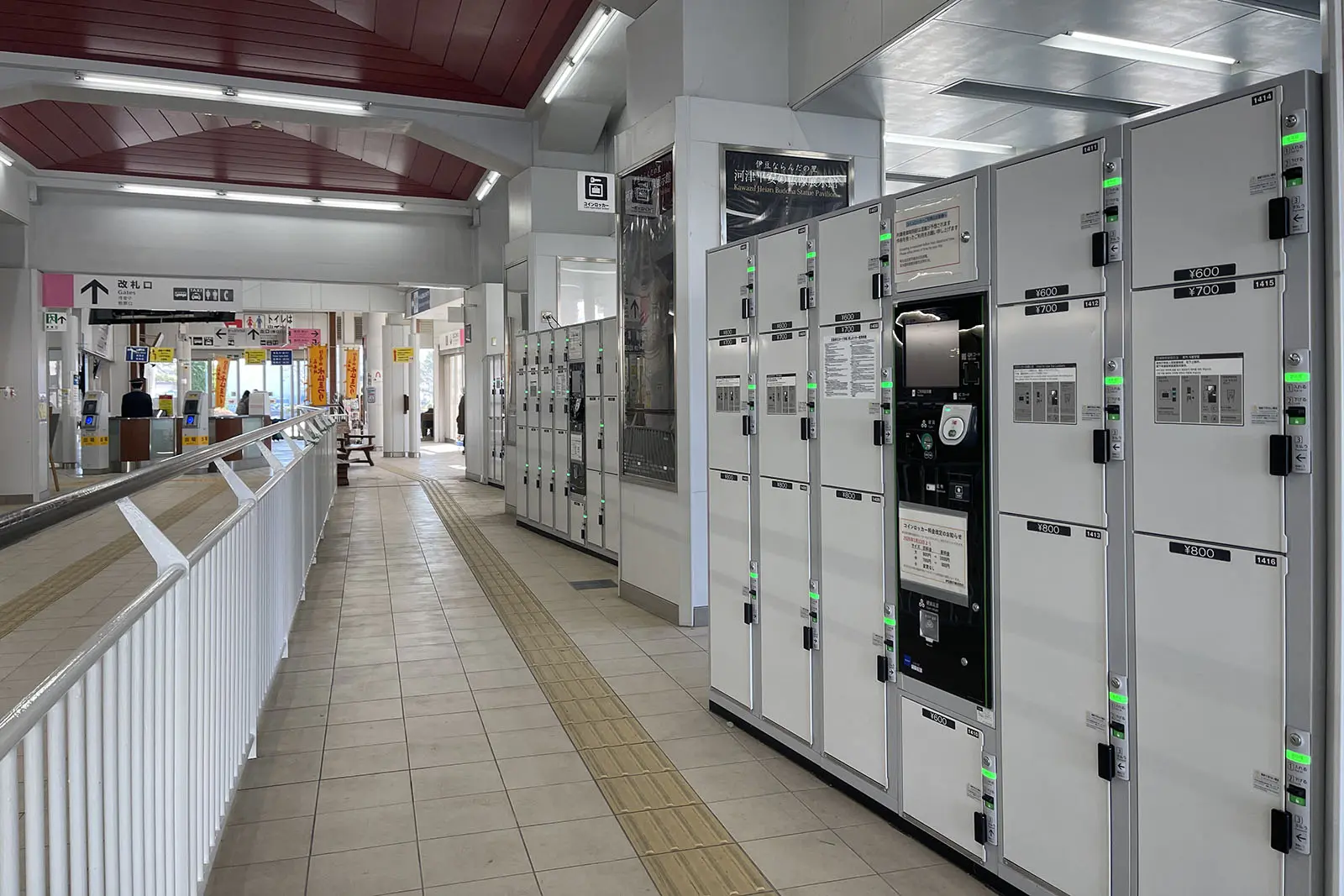
Store any bags you don’t need to carry in a locker, and stop by the restroom.
11:40am Head to the Kawazu River
After exiting the station, head toward the river with the tracks on your right, then go up to the embankment path.
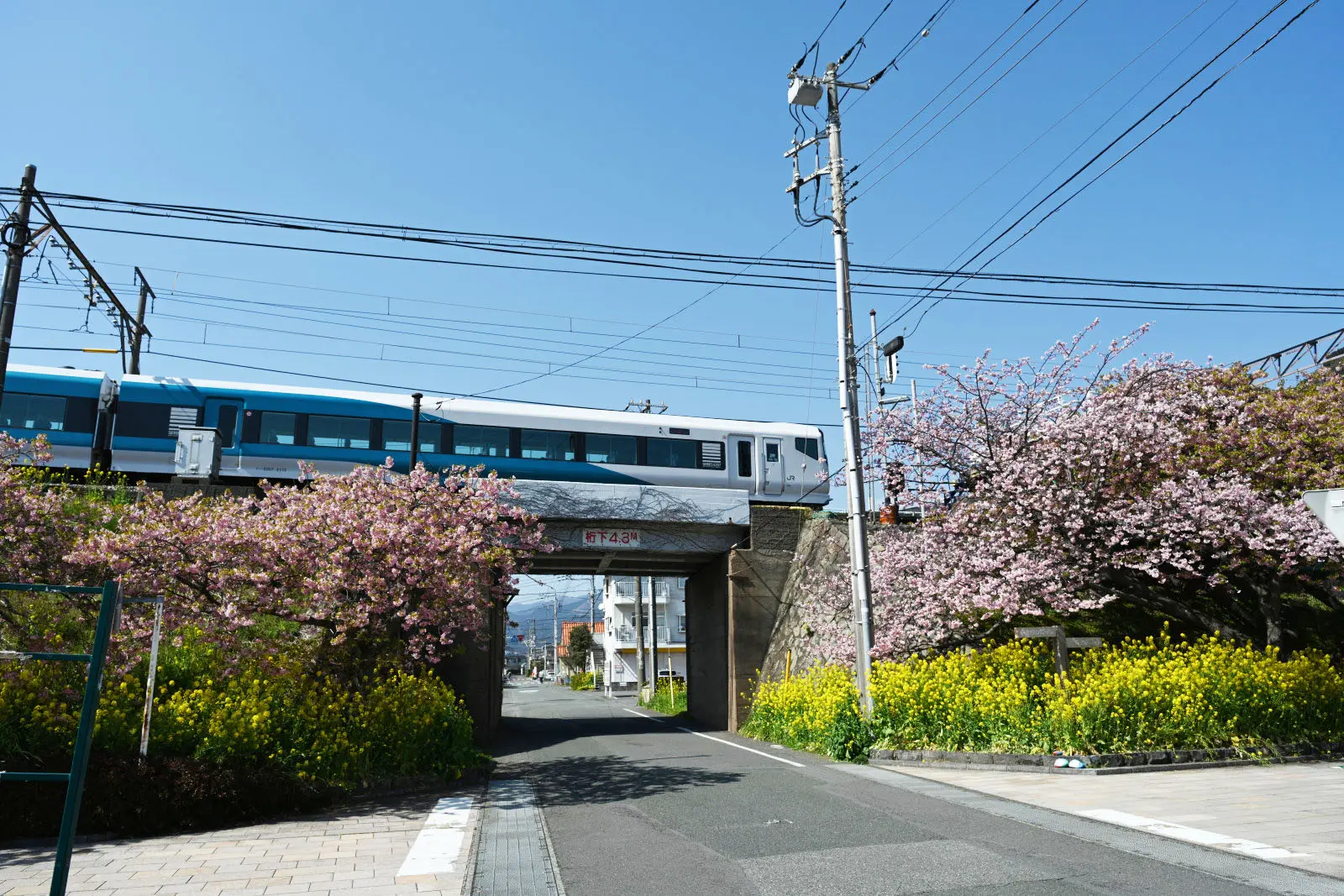
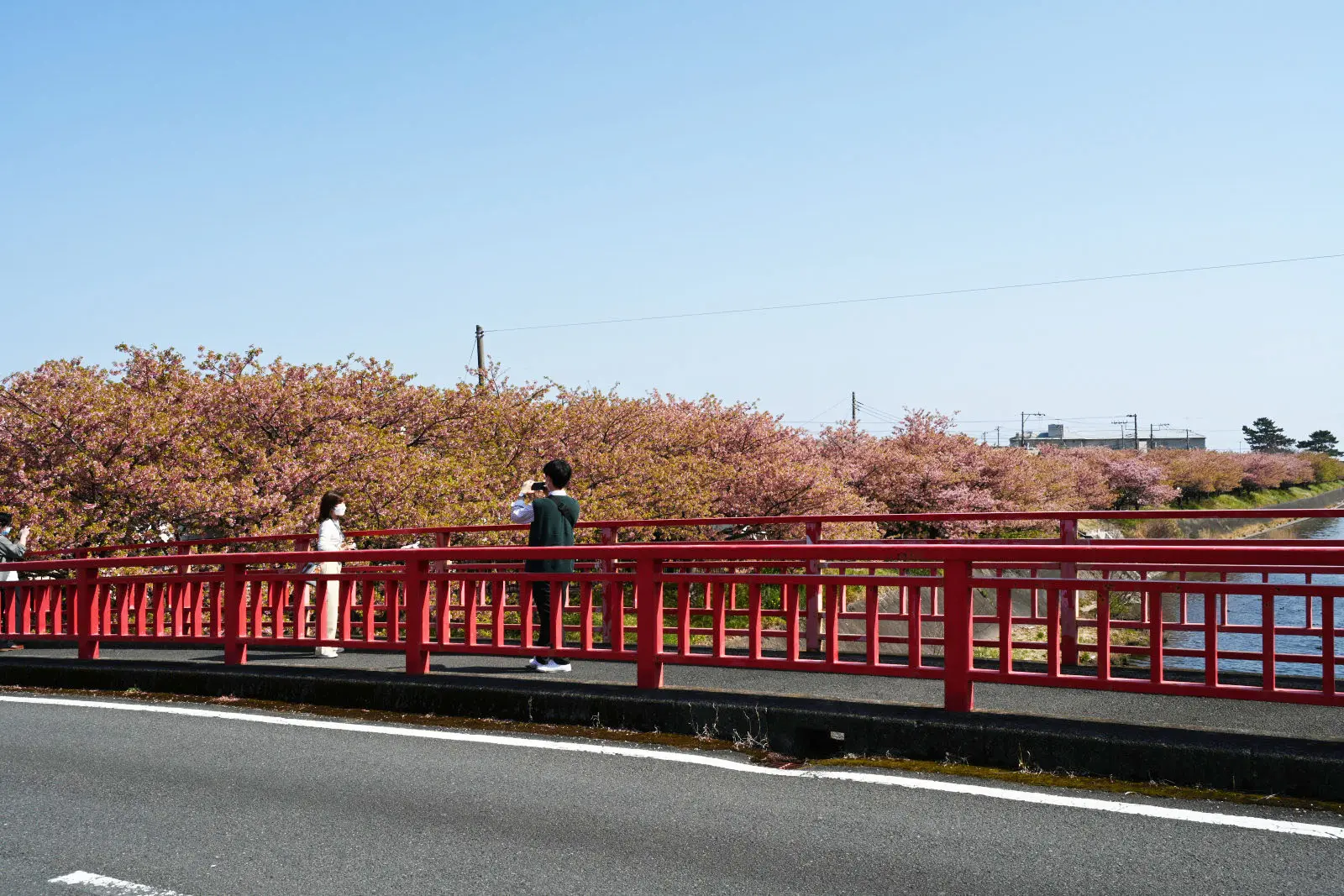
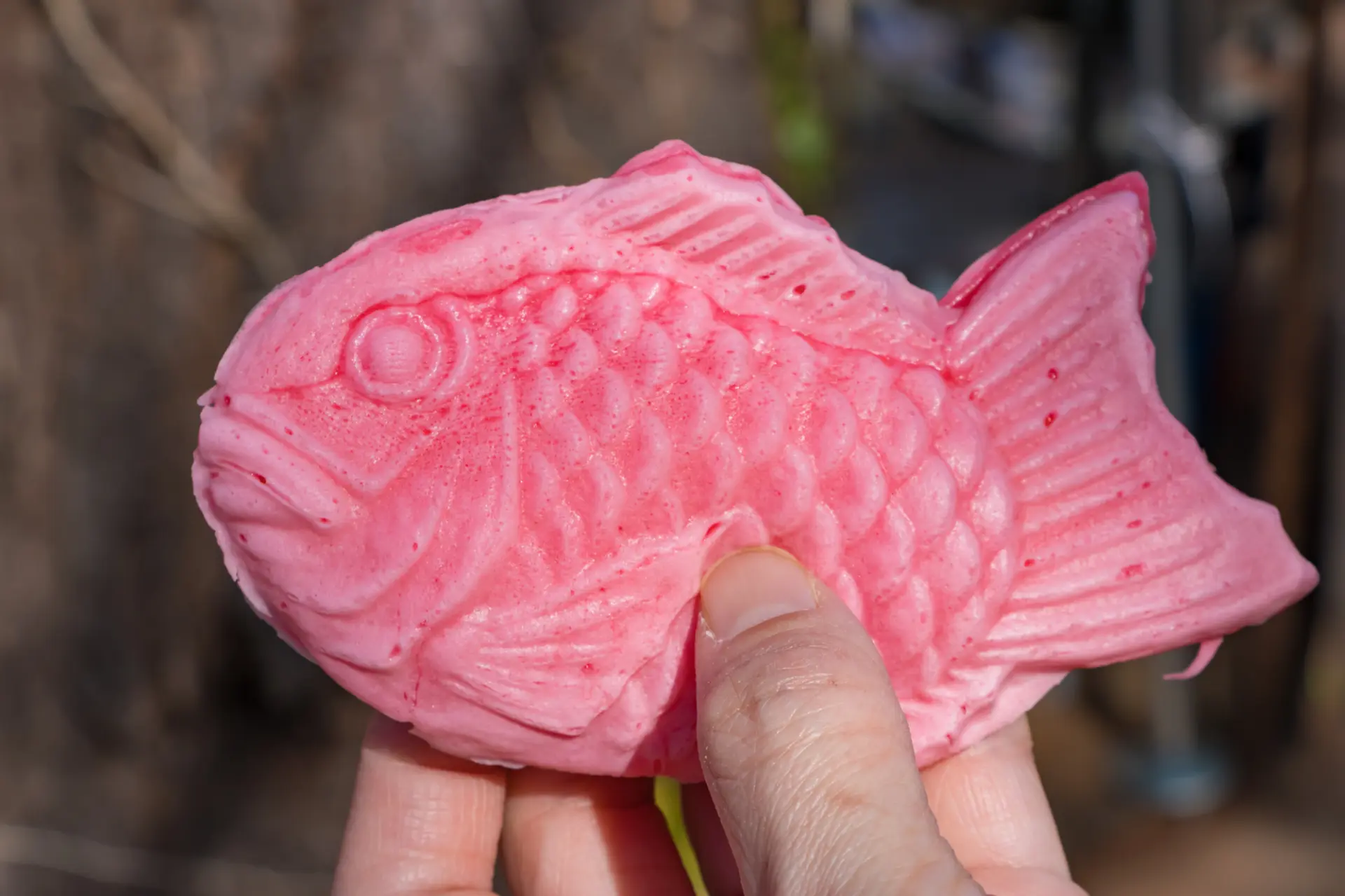
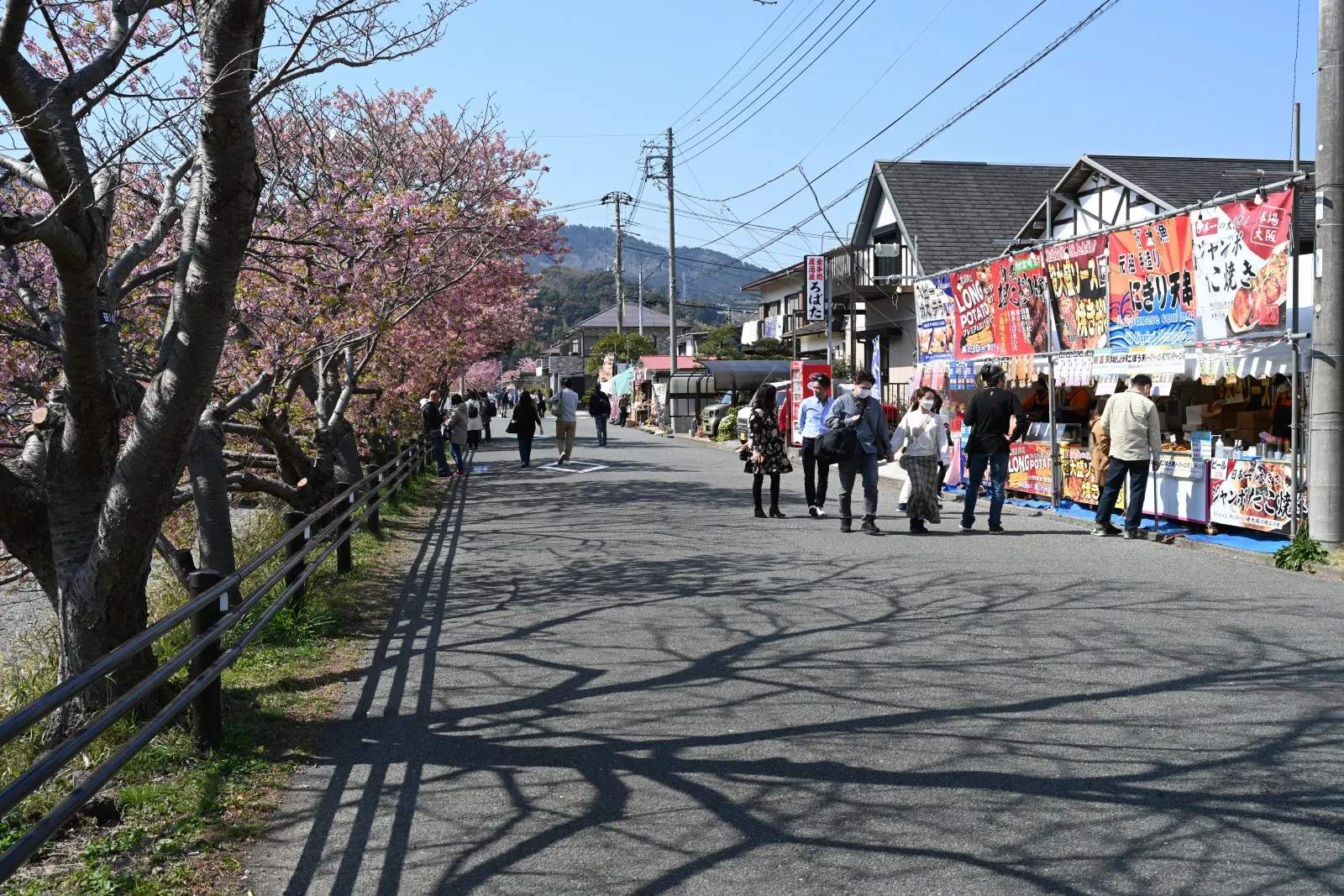
Food stalls line the embankment path: some have seating, while others offer snacks you can eat as you walk.
There are also stands selling local produce, dried fish, and souvenirs, so pick up anything you like.
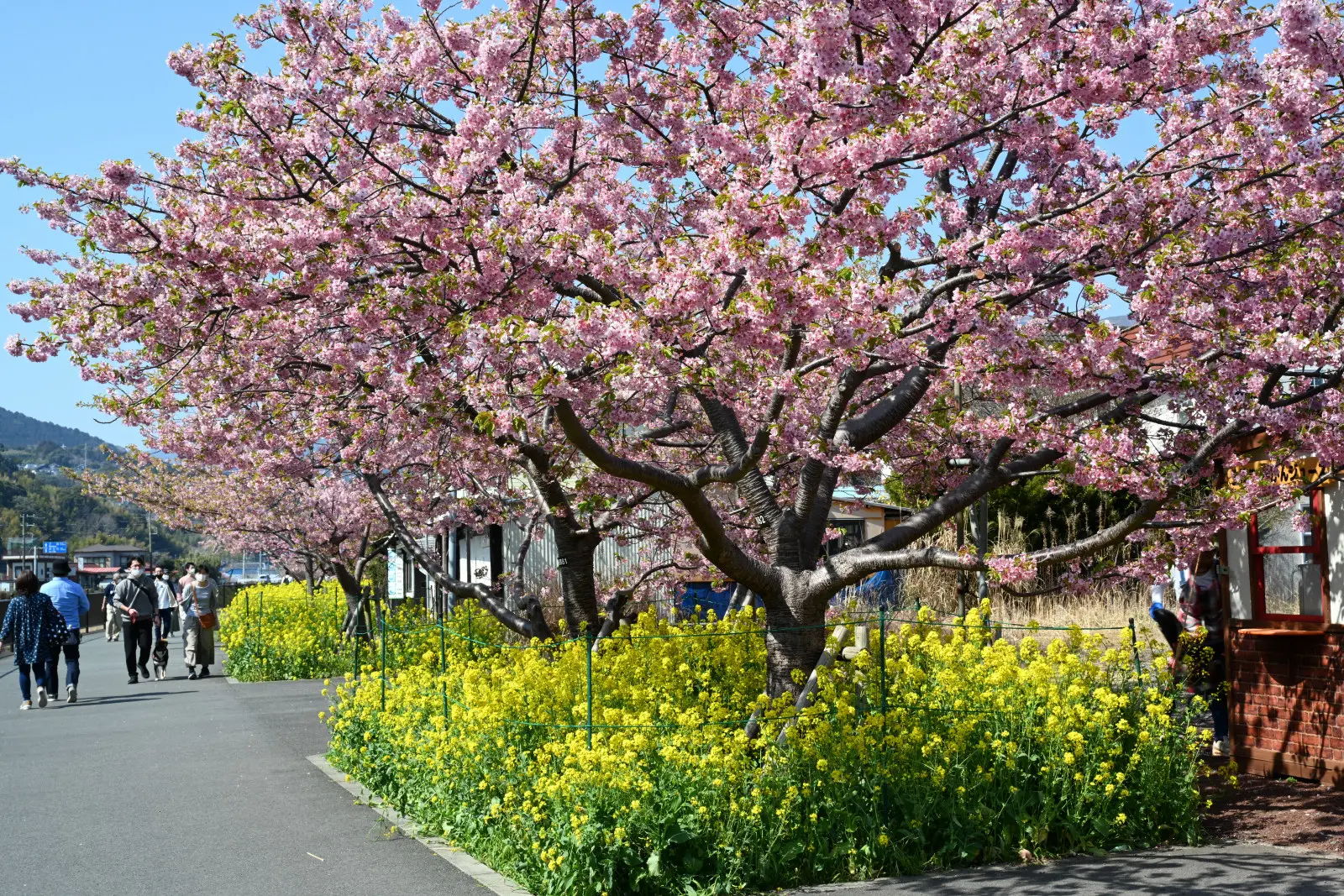
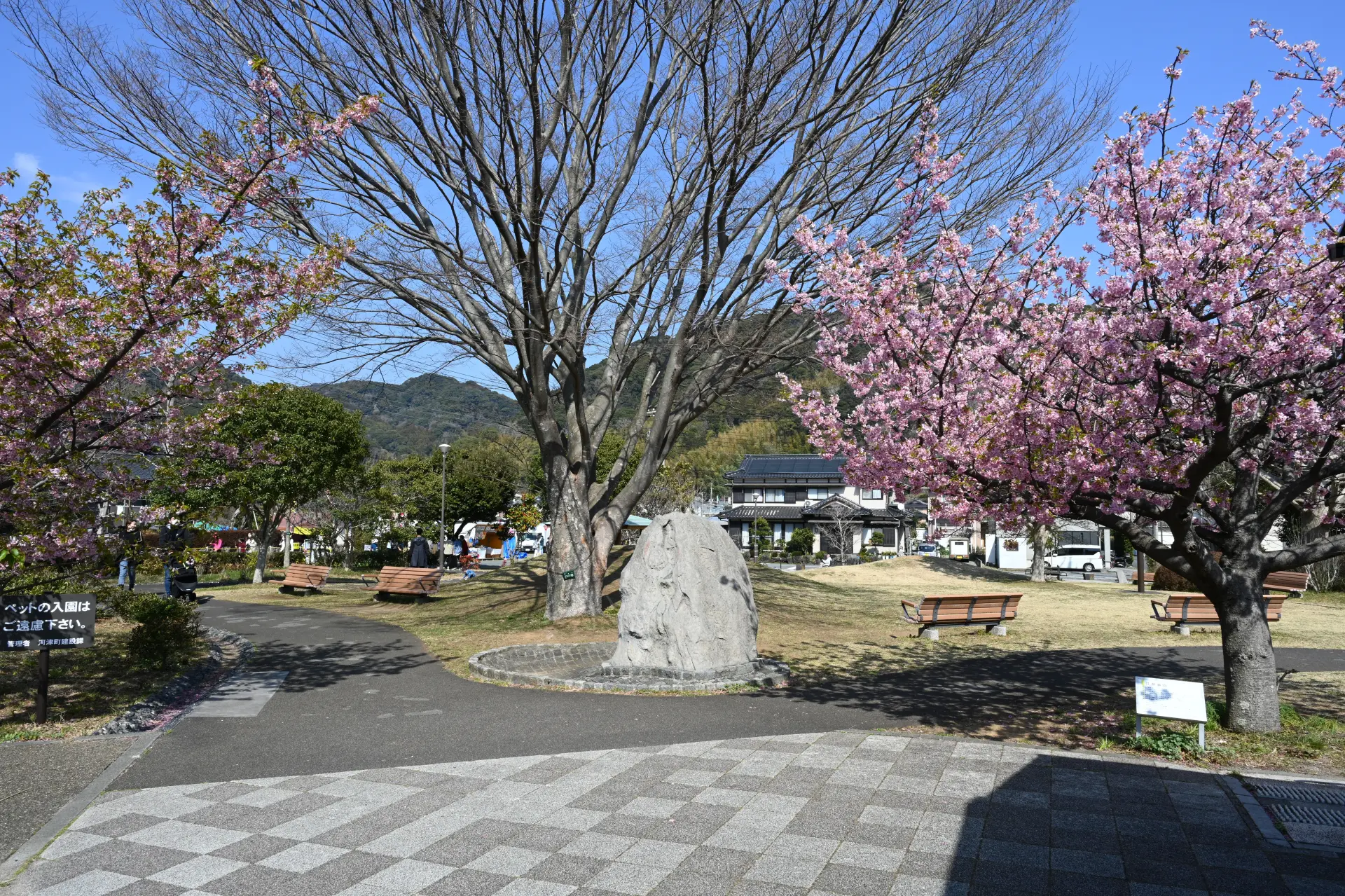
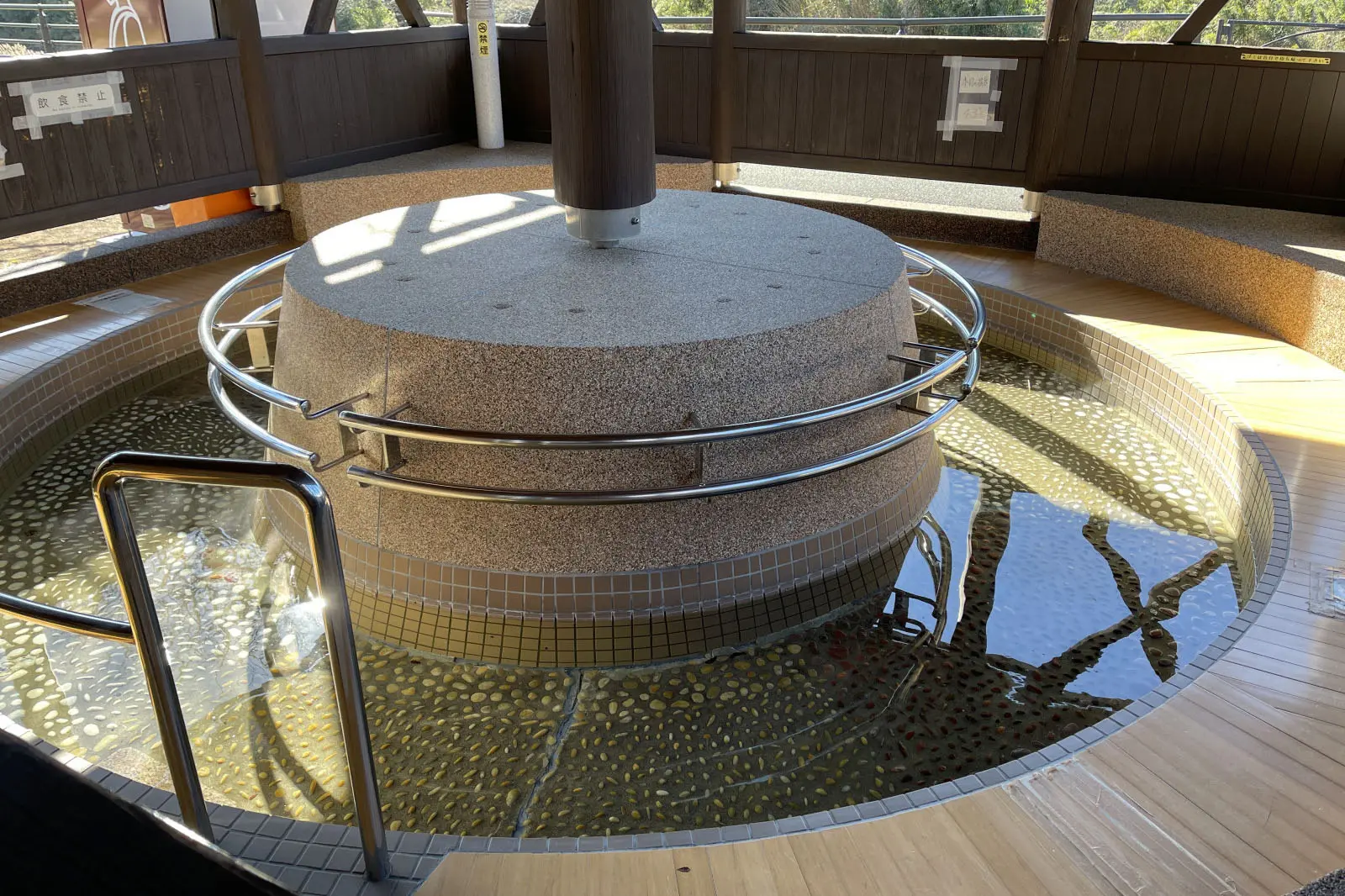
There are also footbath spots at Sasahara Park (around a 10-minute walk from the station) and Mine Onsen (around a 30-minute walk), so if you’re feeling tired, it’s a nice place to take a break.
Footbaths don’t provide foot mats or towels, so bring your own towel.
1:10pm Cross to the Other Bank at Hosen Bridge
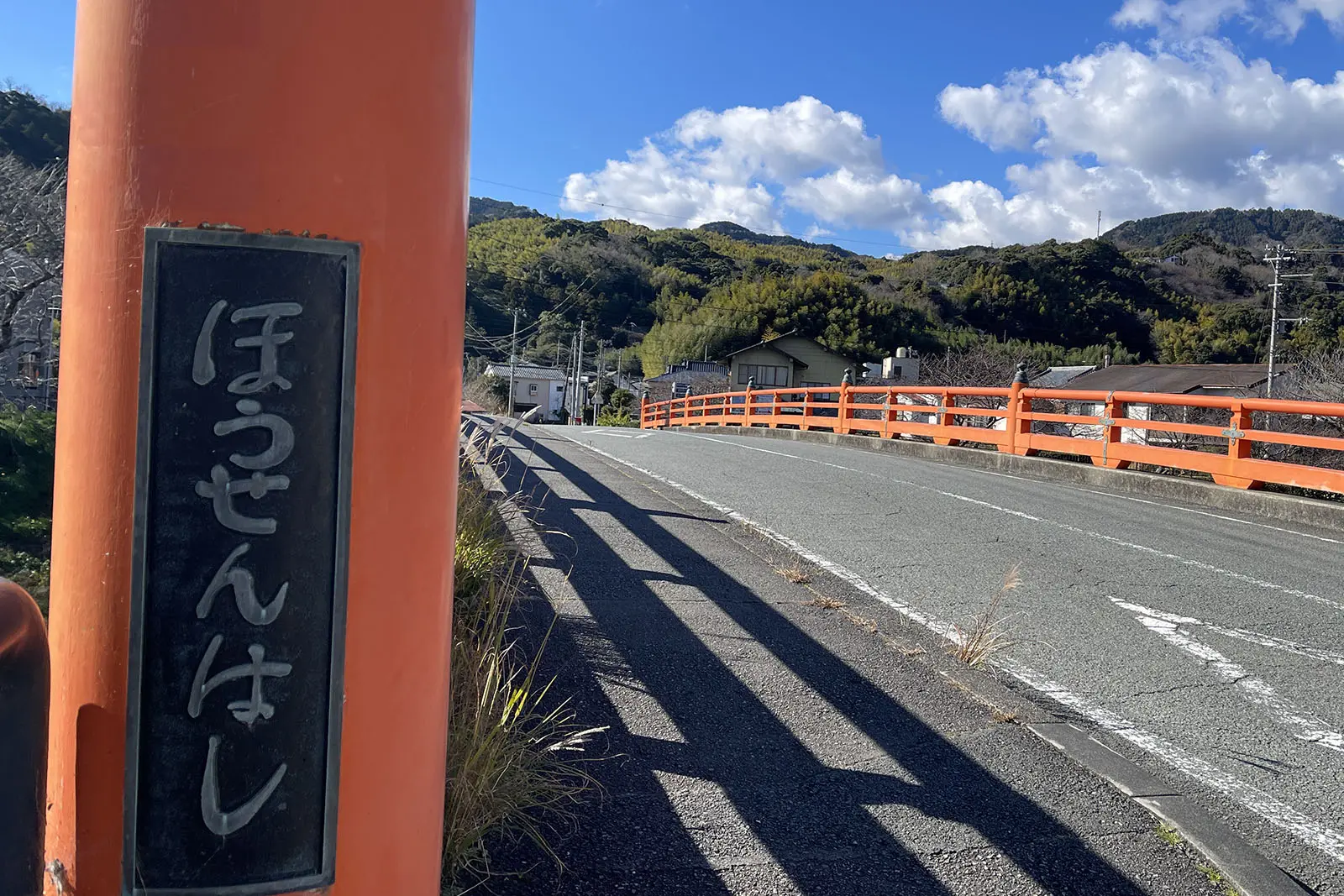
Approx. 1.6 km from the station, turn left at Hosenbashi (Hosen Bridge) with its vermilion railings, cross to the other bank, and continue walking upstream along the river.
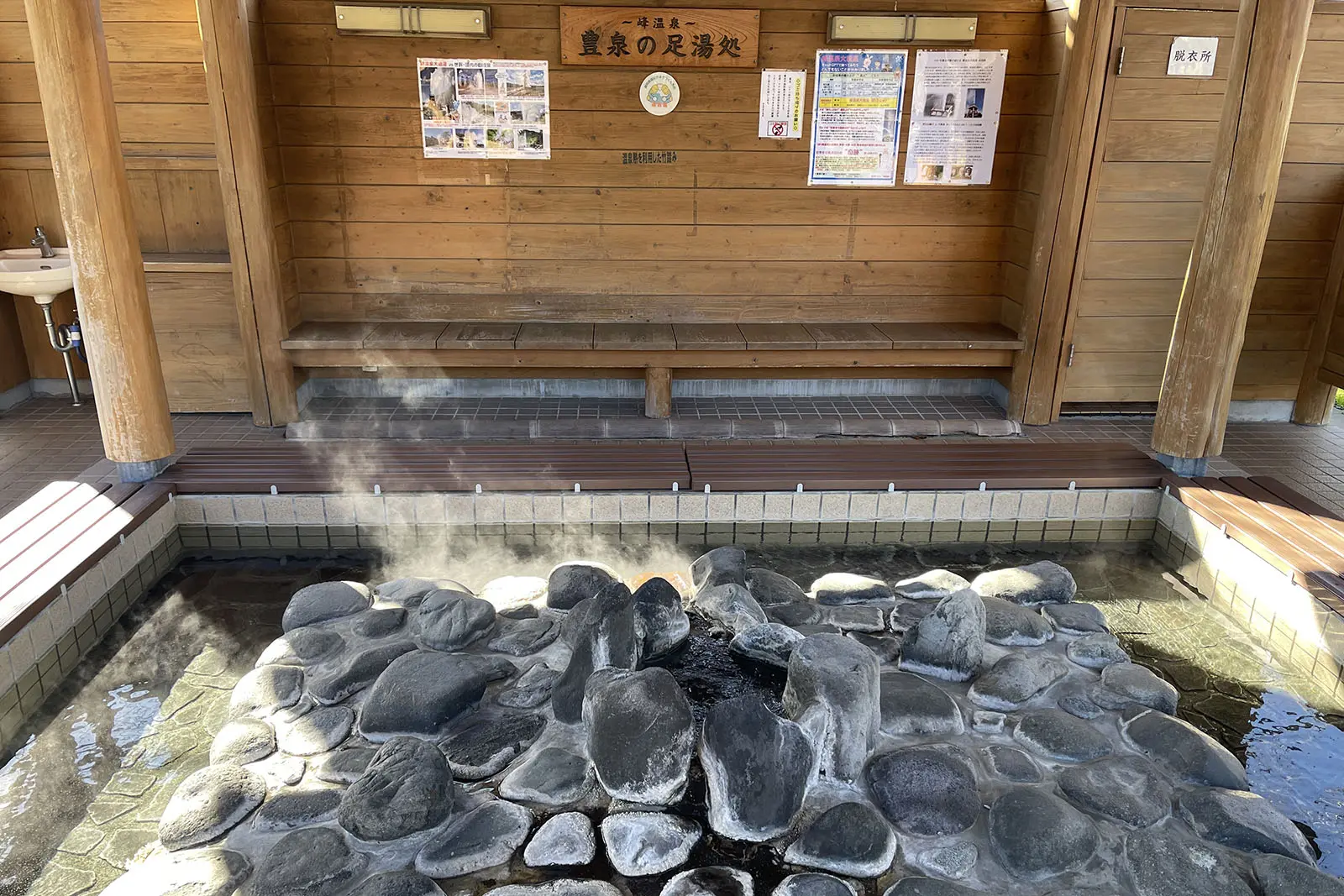
Soon you’ll see “Mine Onsen: Hosen Footbath” and a public restroom. If the footbath isn’t crowded, it’s a great place to take a breather.
It’s Approx. 1.8 km from the station to here; then take the road just ahead and head to Mine Onsen Daifunto Park.
1:20pm Mine Onsen Daifunto Park
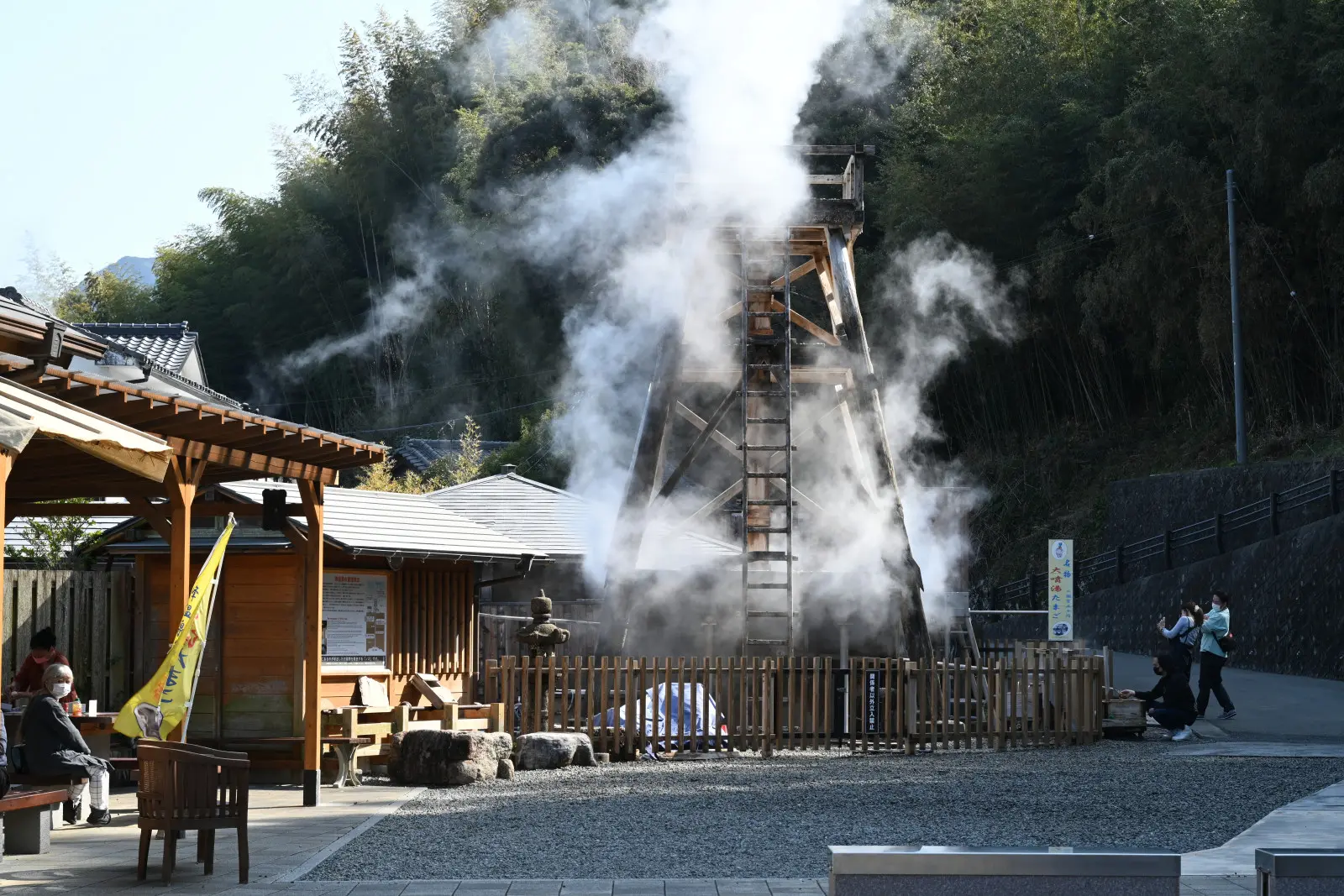
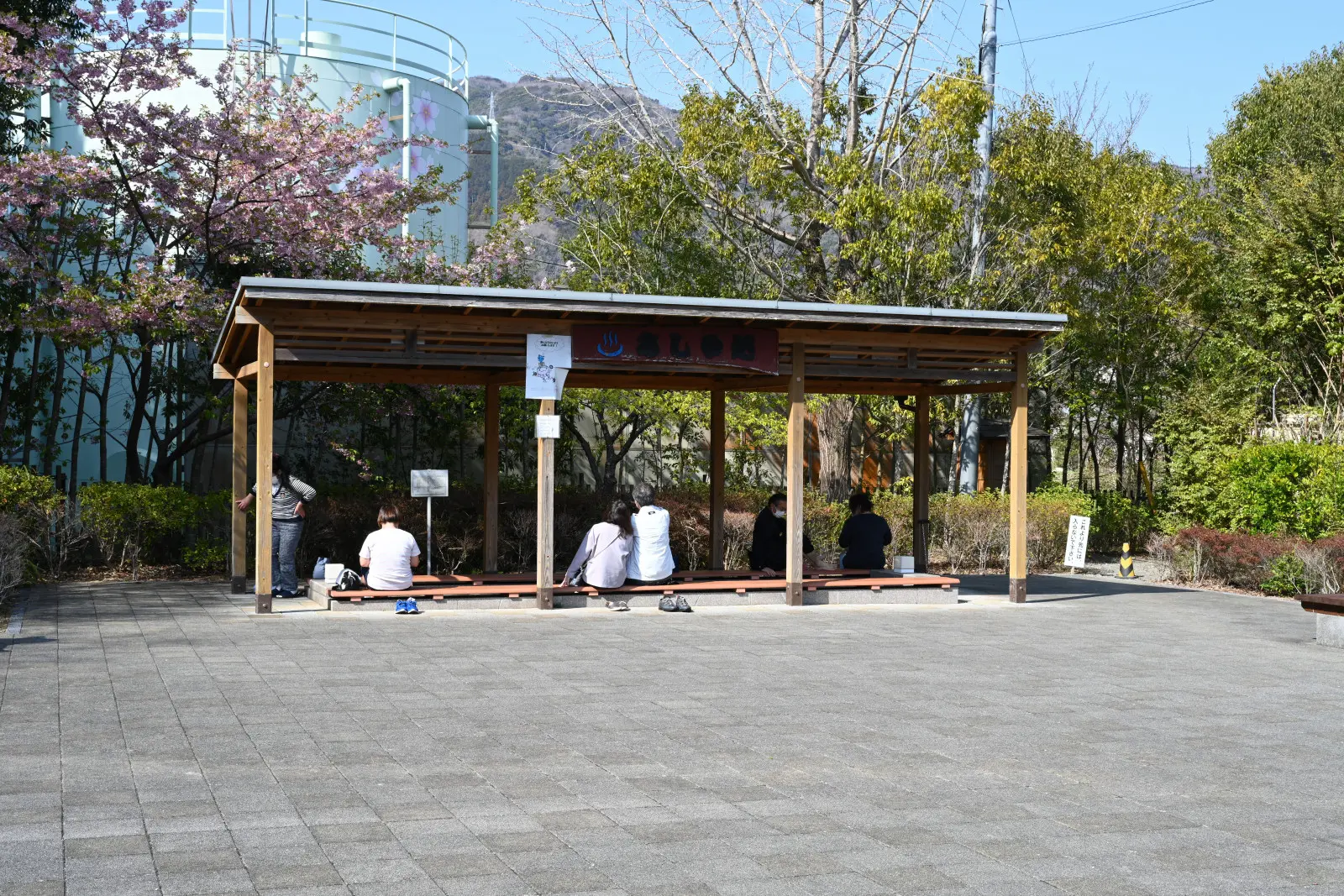
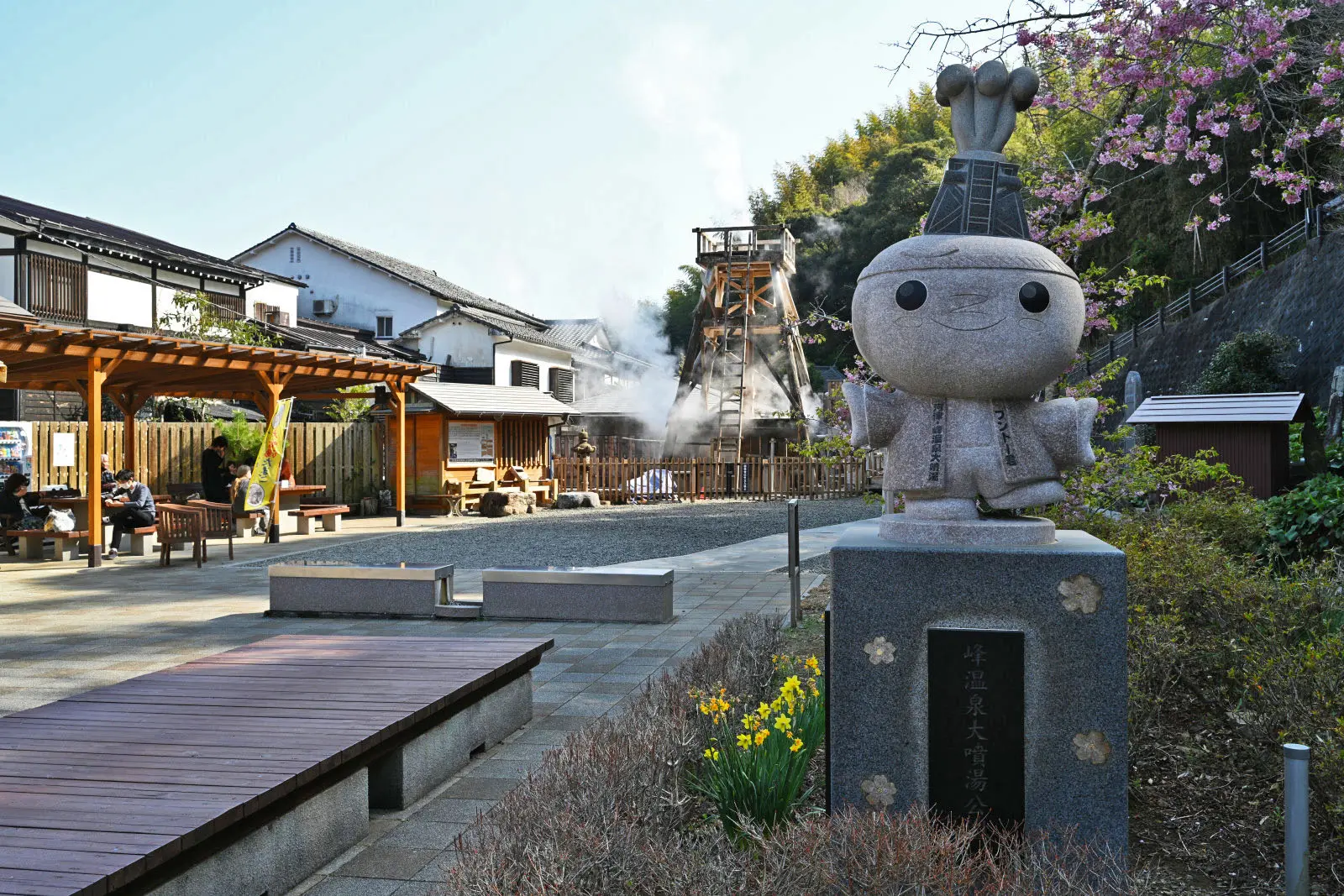
At Mine Onsen Daifunto Park, you can watch hot spring water gush up every hour from 9:30am to 3:30pm, and there’s also a shop where you can grab a snack.
With benches and a footbath, it’s a good turnaround point for a rest.
2:30pm–3:00pm Around Kawazu Station
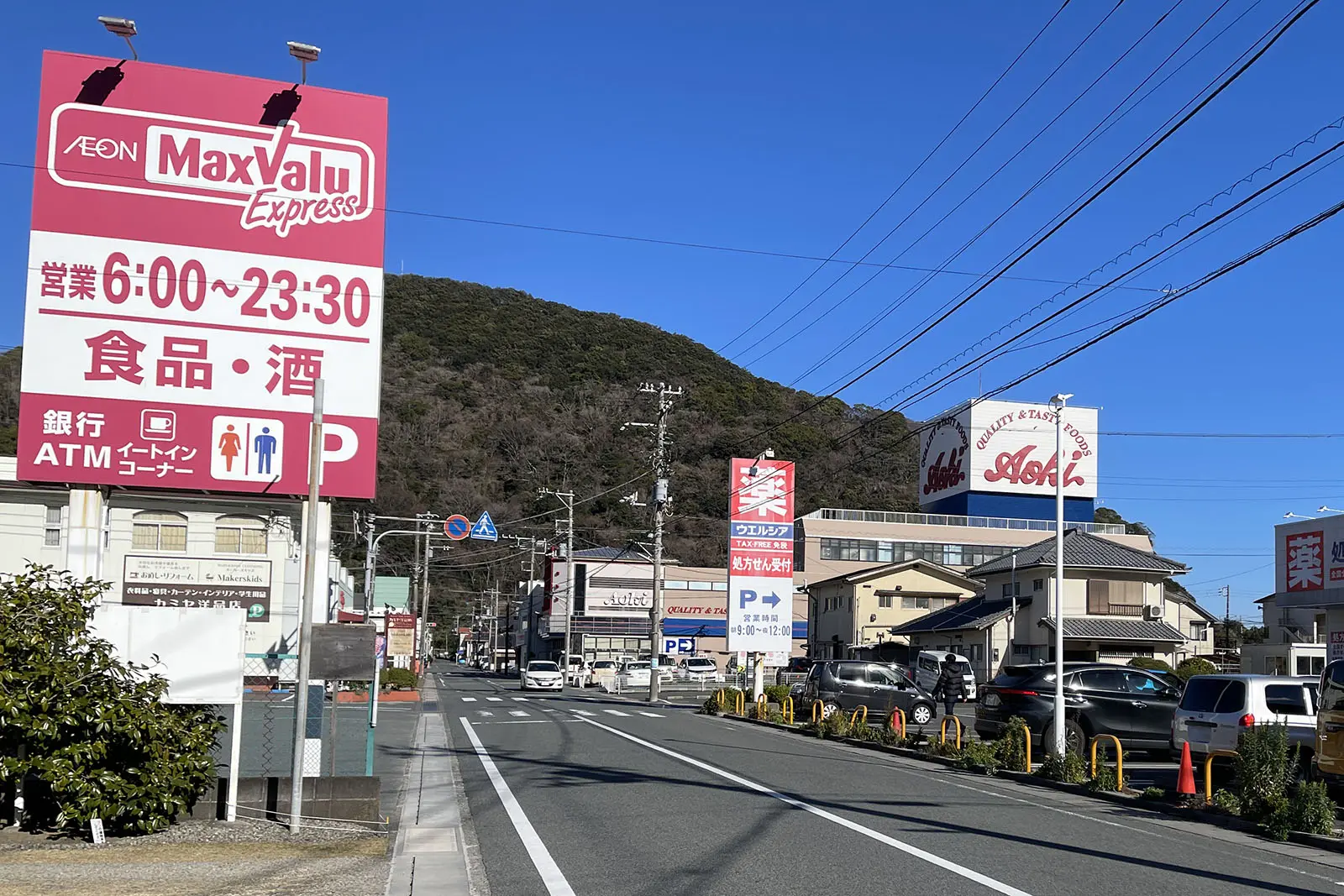
If you want to buy souvenirs, stop by a supermarket around Kawazu Station.
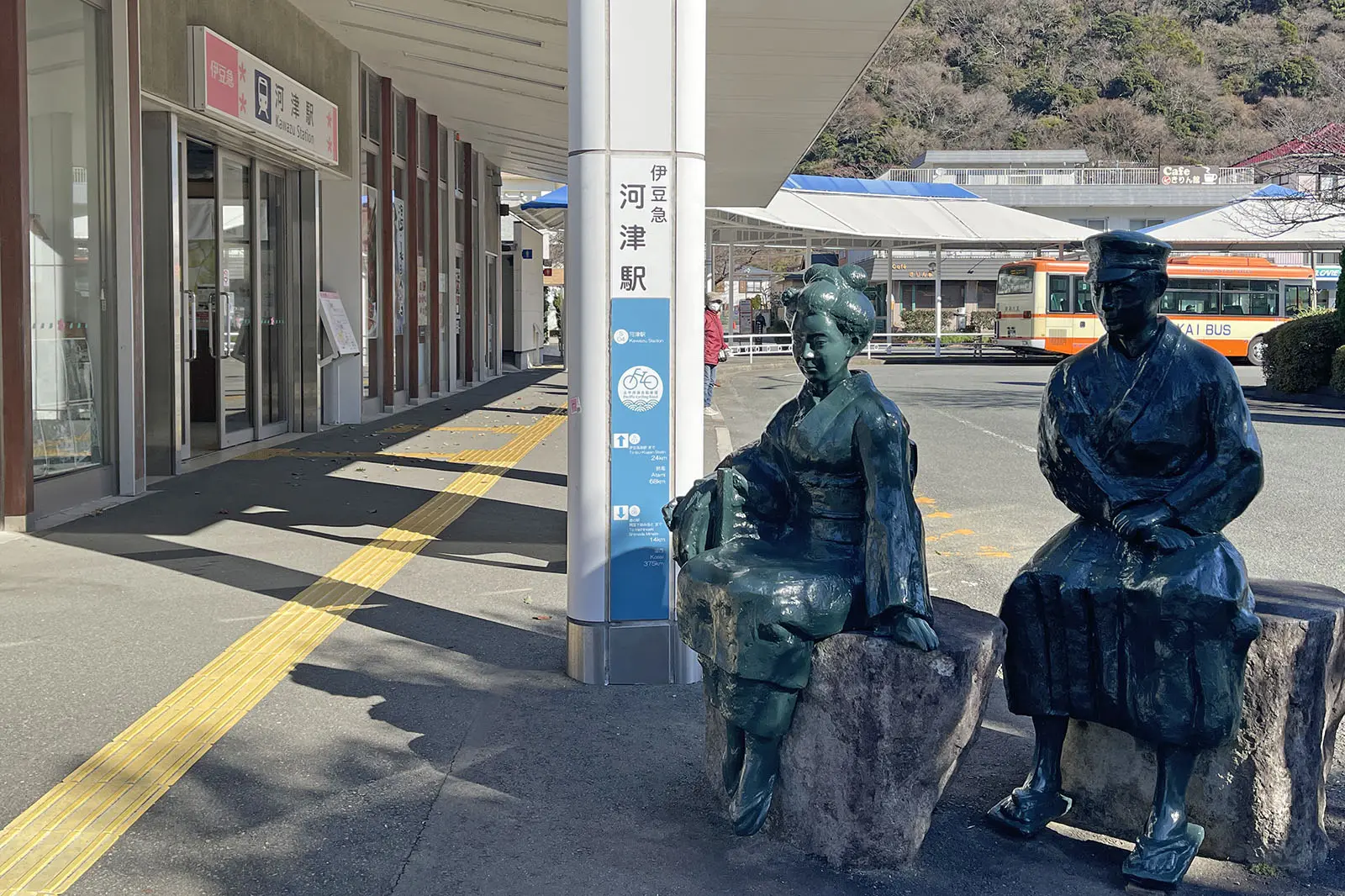
3:21pm Depart Kawazu Station
Board the 3:21pm Odoriko 10; you’ll arrive at Tokyo Station at 5:48pm.
Where to Stay and Eat in Kawazu
Kawazu has beaches and is busy with tourists in summer as well.
There are accommodations near the Kawazu River where Kawazu-zakura blooms, but there are no large hotels, so it gets very crowded during Kawazu Cherry Blossom Festival season.
In 2026, we were still able to find vacancies even in mid-January, but in most years rooms fill up quickly, so book as soon as you make your plans.
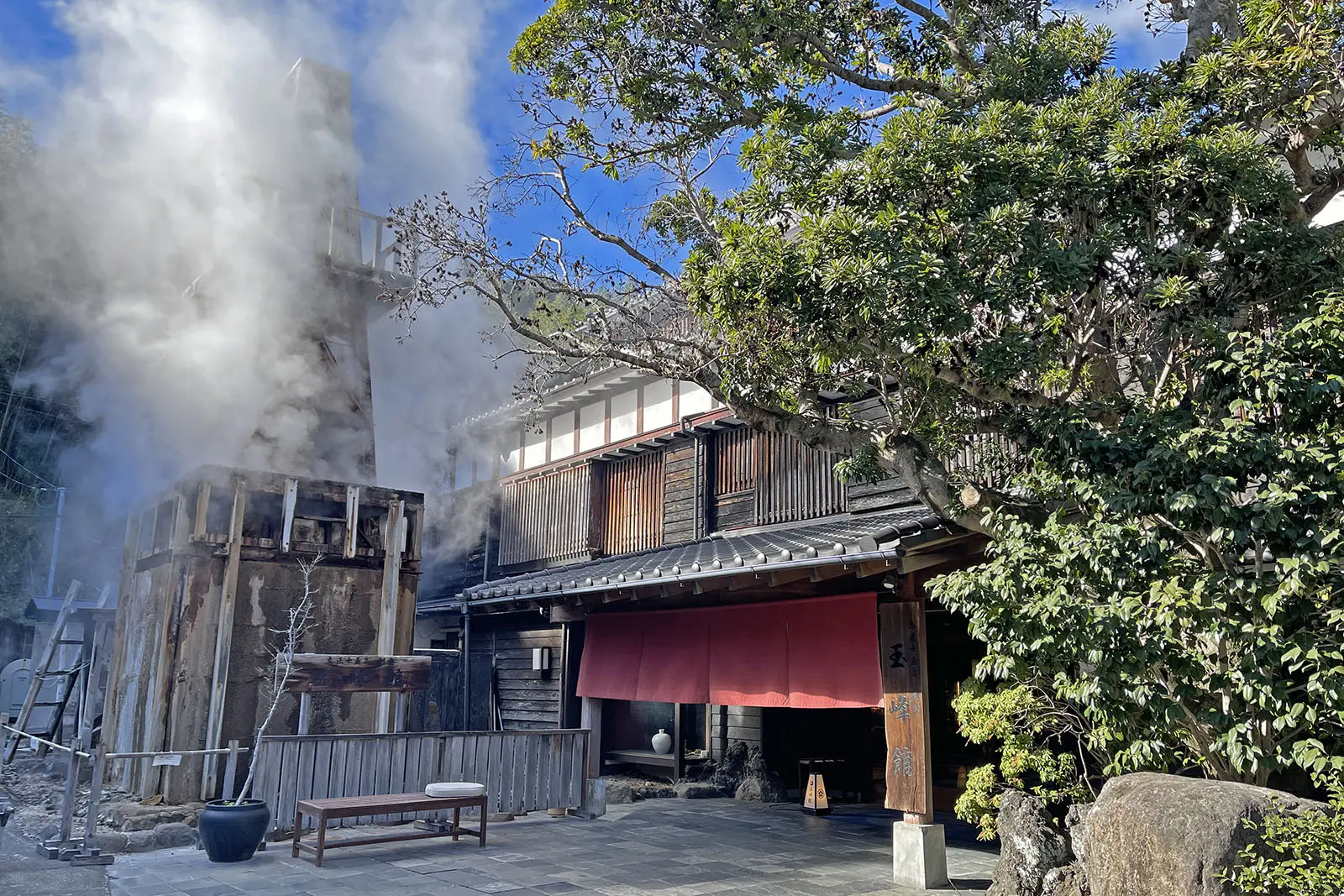
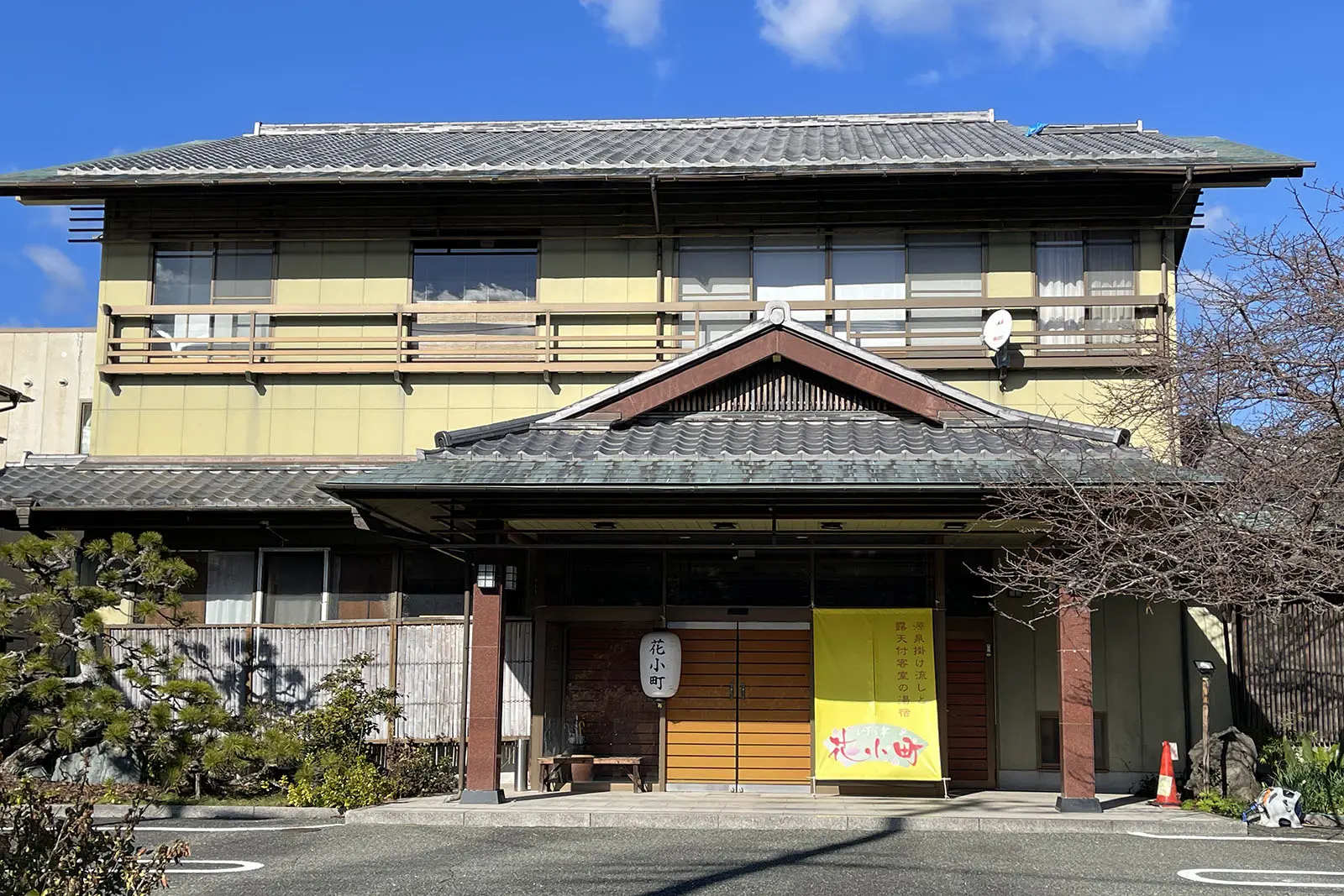
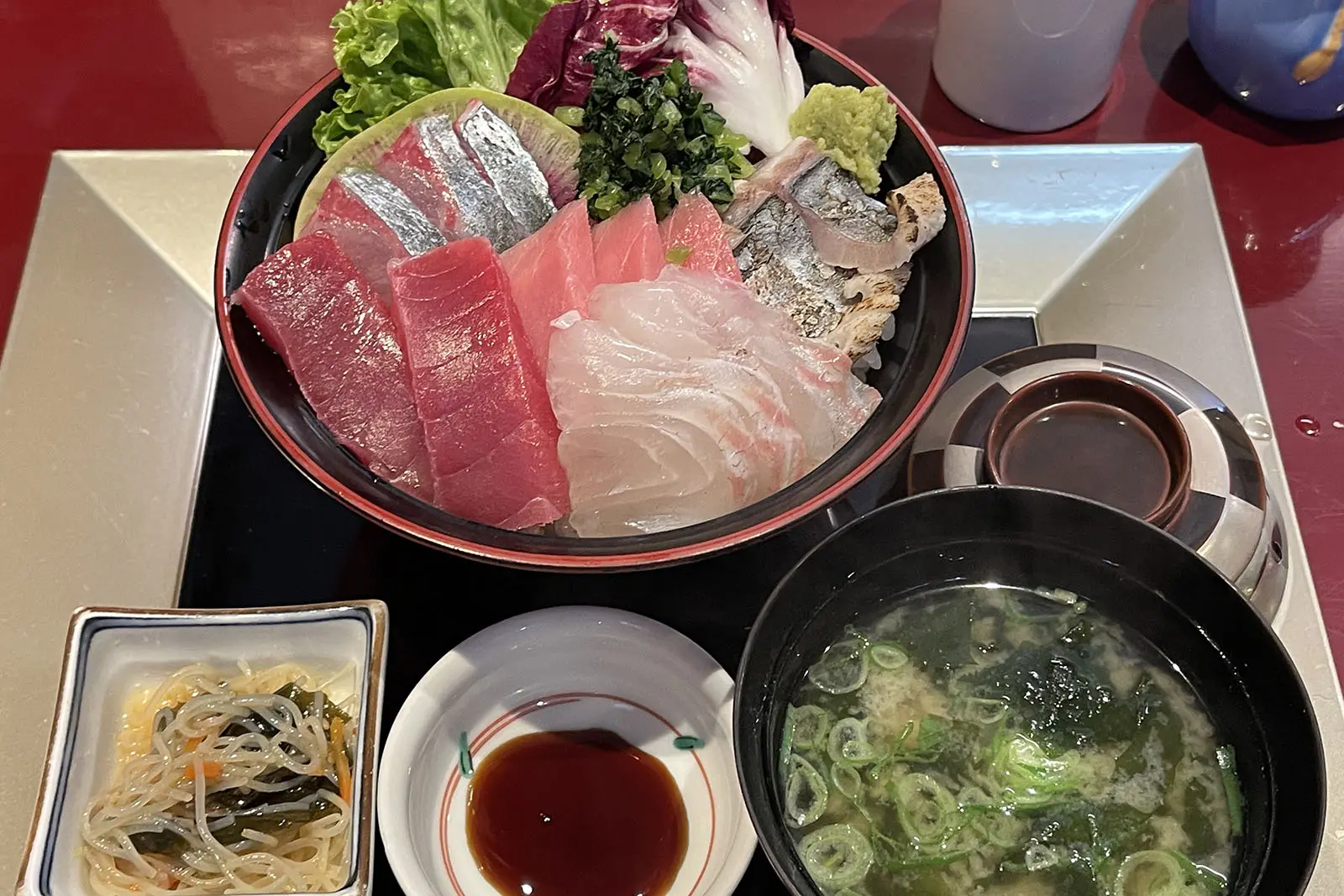
During the festival, you can enjoy meals at many food stalls, but if you’d rather sit down and eat at a restaurant, it’s best to shift your lunch time a bit.
Many places serve dishes featuring fresh local seafood, including Izu Peninsula specialties like kinmedai (splendid alfonsino).
A Relaxed Walk Away from the Crowds: Enjoying Kawazu-zakura in Minami-Izu
Like in Kawazu, Minami-Izu’s cherry blossom rows are planted along the river, and you can enjoy a walk along the embankment while looking out over the water.
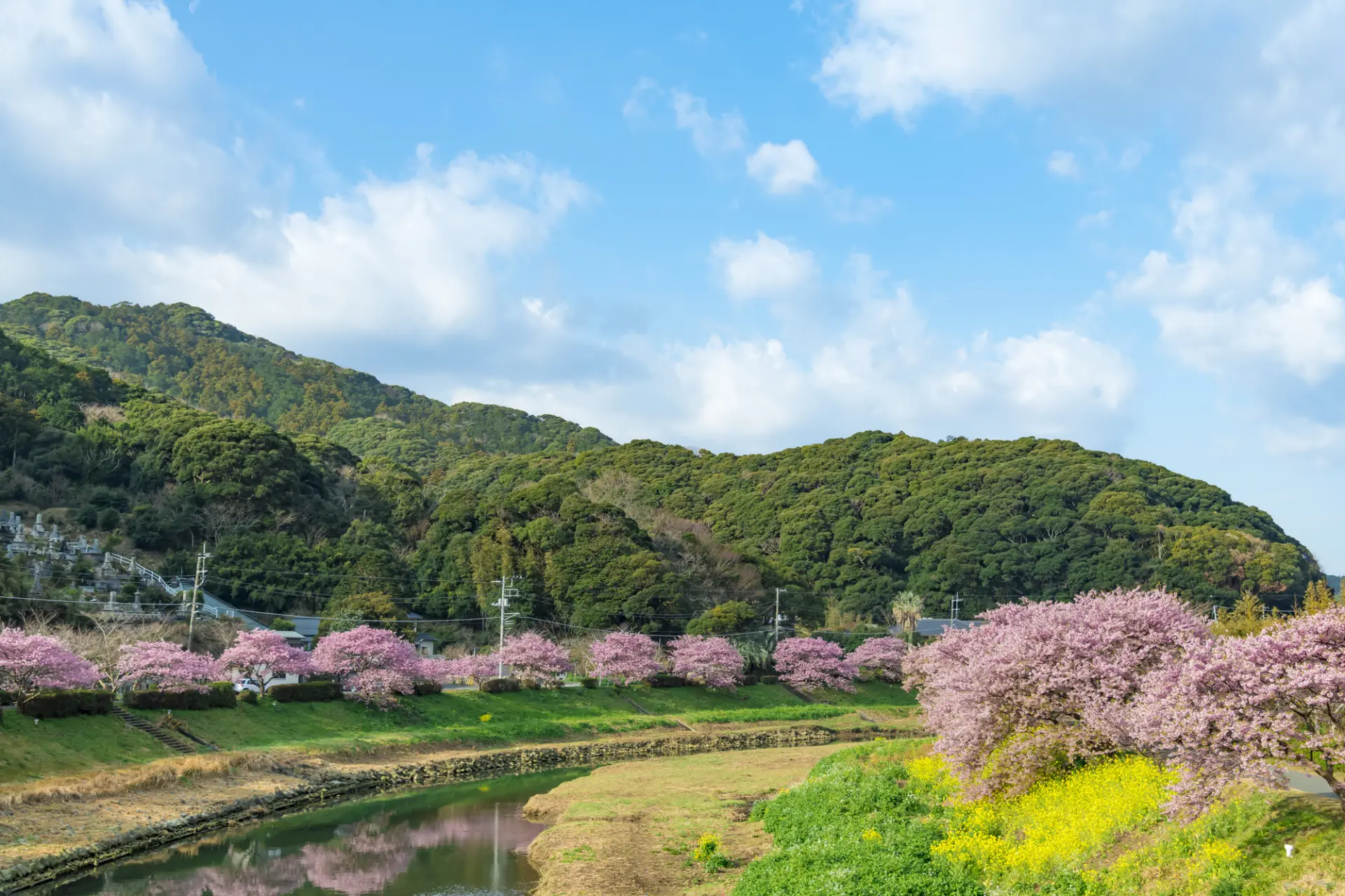
In photos, the two may not look very different, but Minami-Izu has fewer tourists than Kawazu, so you can enjoy the blossoms in a calmer setting.
Also, the path on top of the embankment has very few fences, and there are many places where you can walk down to the riverbed for a stroll.
If you want to shoot landscape photos centered on Kawazu-zakura, we recommend visiting Minami-Izu Town, where fewer man-made structures and fewer people tend to appear in your shots.
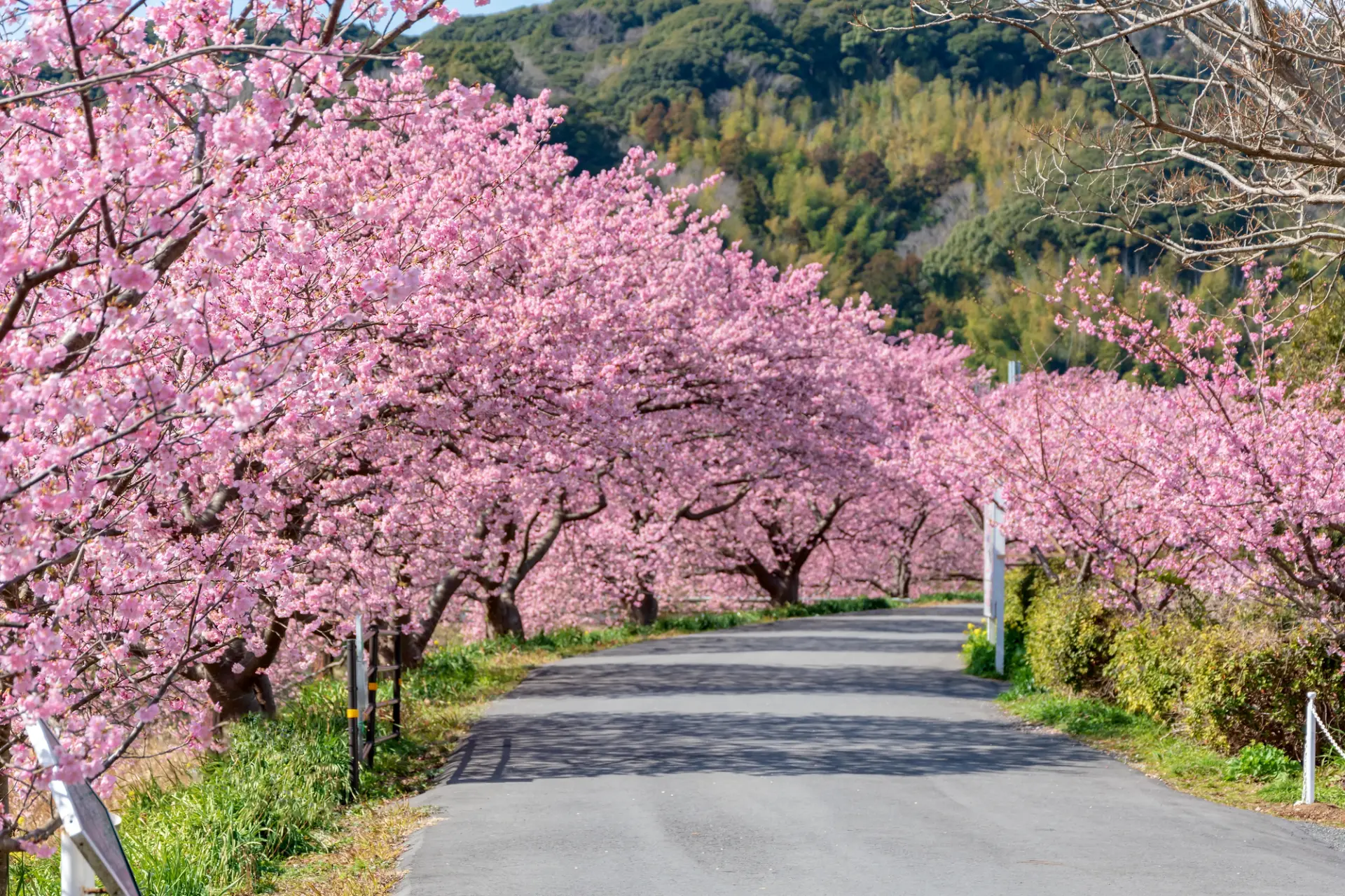
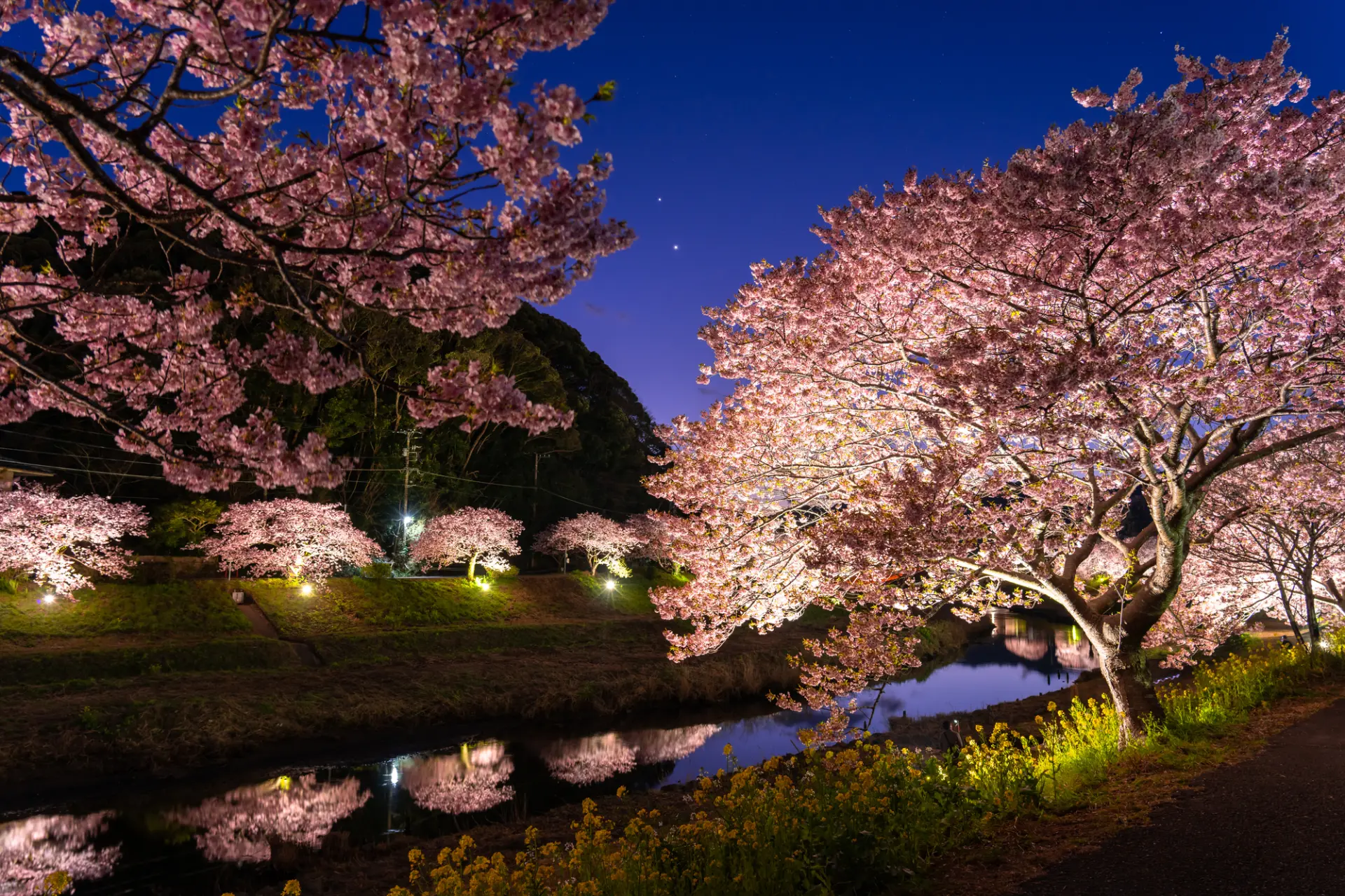
Minami-Izu also holds a cherry blossom festival called the Minami Cherry Blossoms and Rapeseed Blossom Festival; the 28th edition in 2026 runs from February 1 to March 10.
During this period, blossoms are also lit up from 6:00pm–9:00pm, but food stalls are limited to the roadside station area (in 2026).
Day-Trip Model Itinerary to Minami-Izu from Tokyo
This Minami-Izu model itinerary also uses trains that operate daily.
If you can use extra services, you can take the 7:30am departure from Tokyo Station (Odoriko 51) and the 4:55pm departure from Izukyushimoda Station (Odoriko 66).
*Timetable information is current as of January 2026. Be sure to confirm before heading out locally.
9:00am Depart Tokyo Station
Take the 9:00am Limited Express Odoriko 1 from Tokyo Station to the final stop, Izukyushimoda Station.
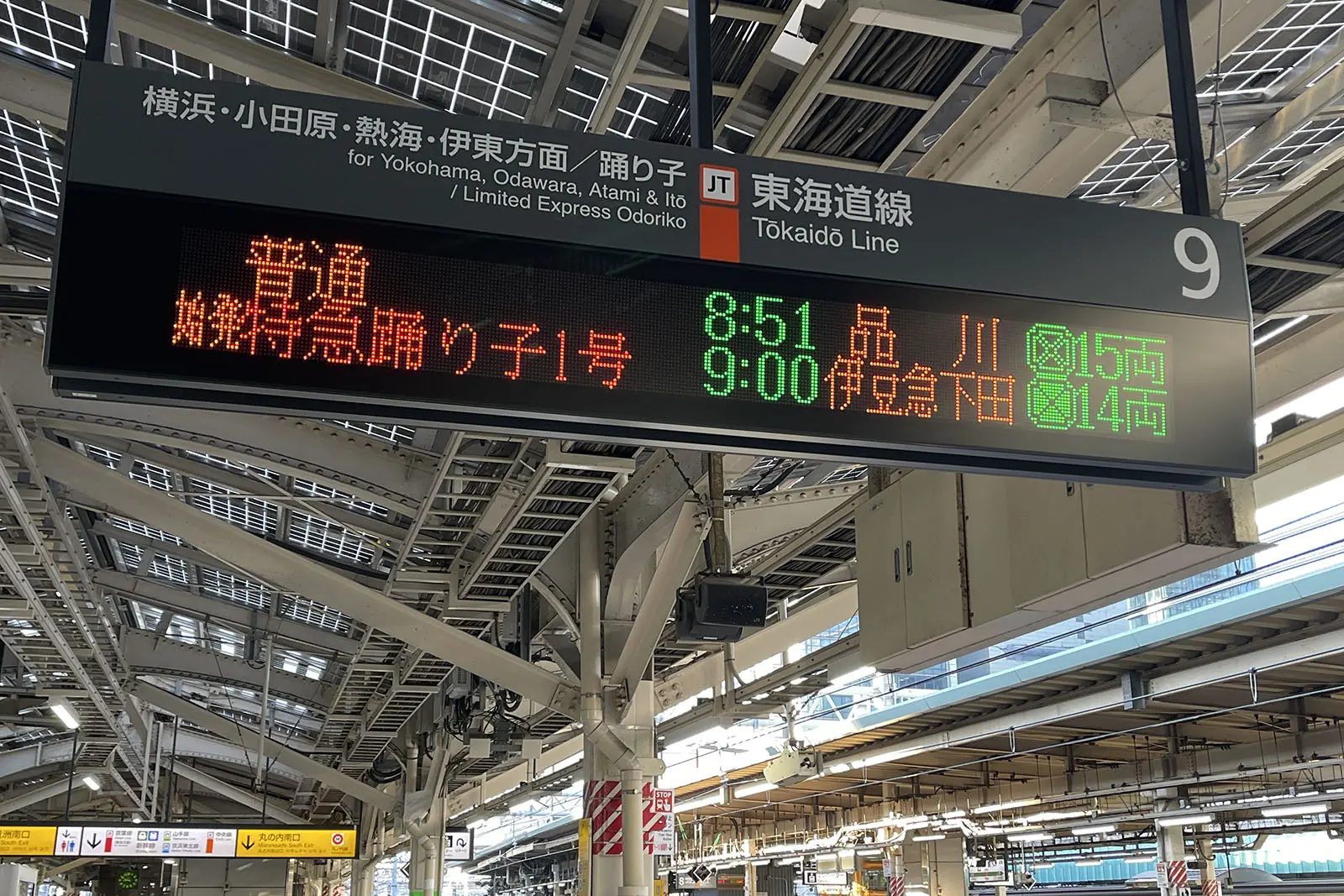
11:39am Arrive at Izukyushimoda Station
You’ll arrive at Izukyushimoda Station at 11:39am, and you’ll have only 16 minutes to make the bus connection—so move quickly.
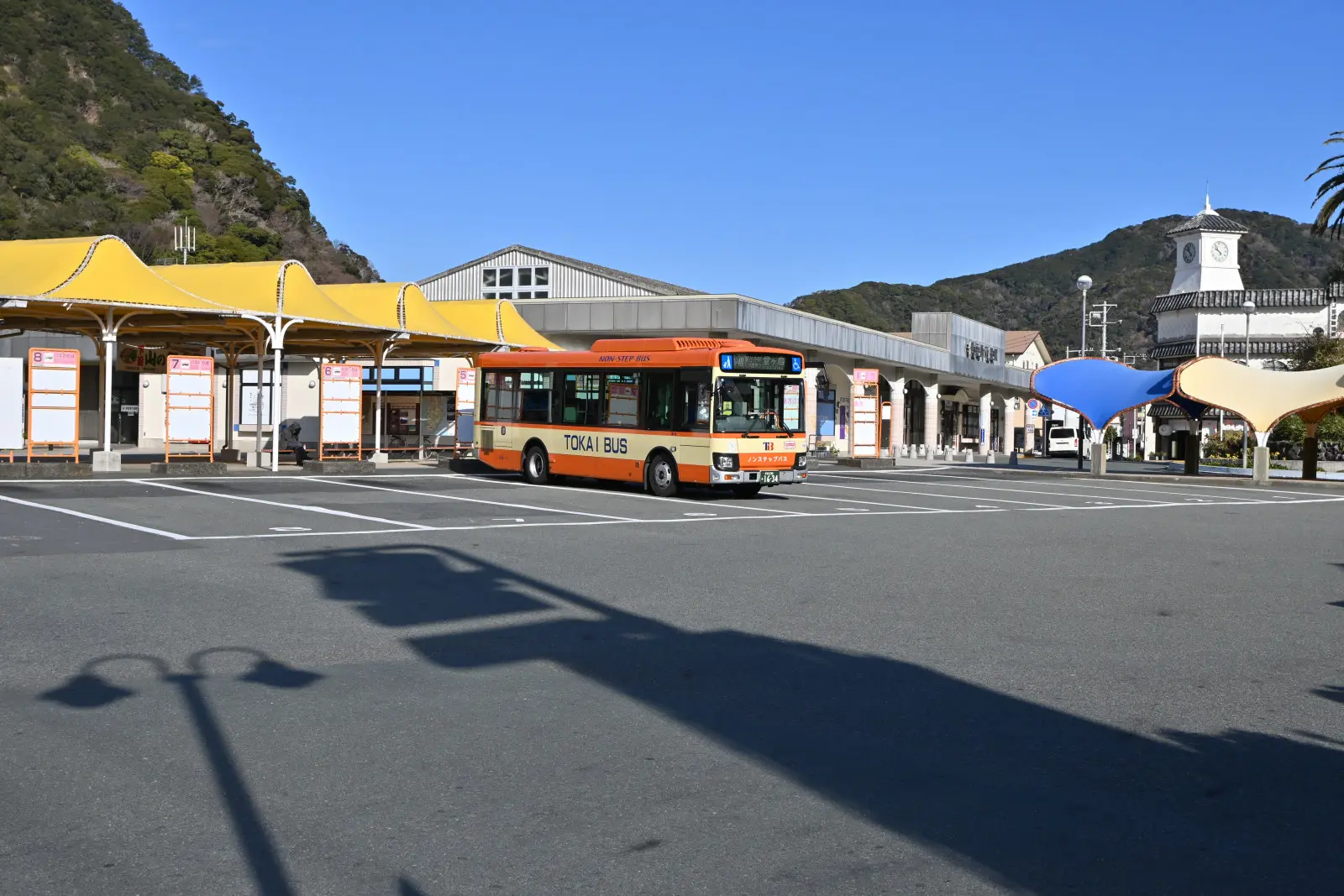
11:55am Board the Tokai Bus Bound for Shimokamo
From Bus Stop No. 3 in front of the station, board the bus bound for Shimokamo.
If you miss this bus, the next one departs at 2:05pm—over two hours later.
If you miss the 11:55am bus, take a taxi to the Shimokamo area.
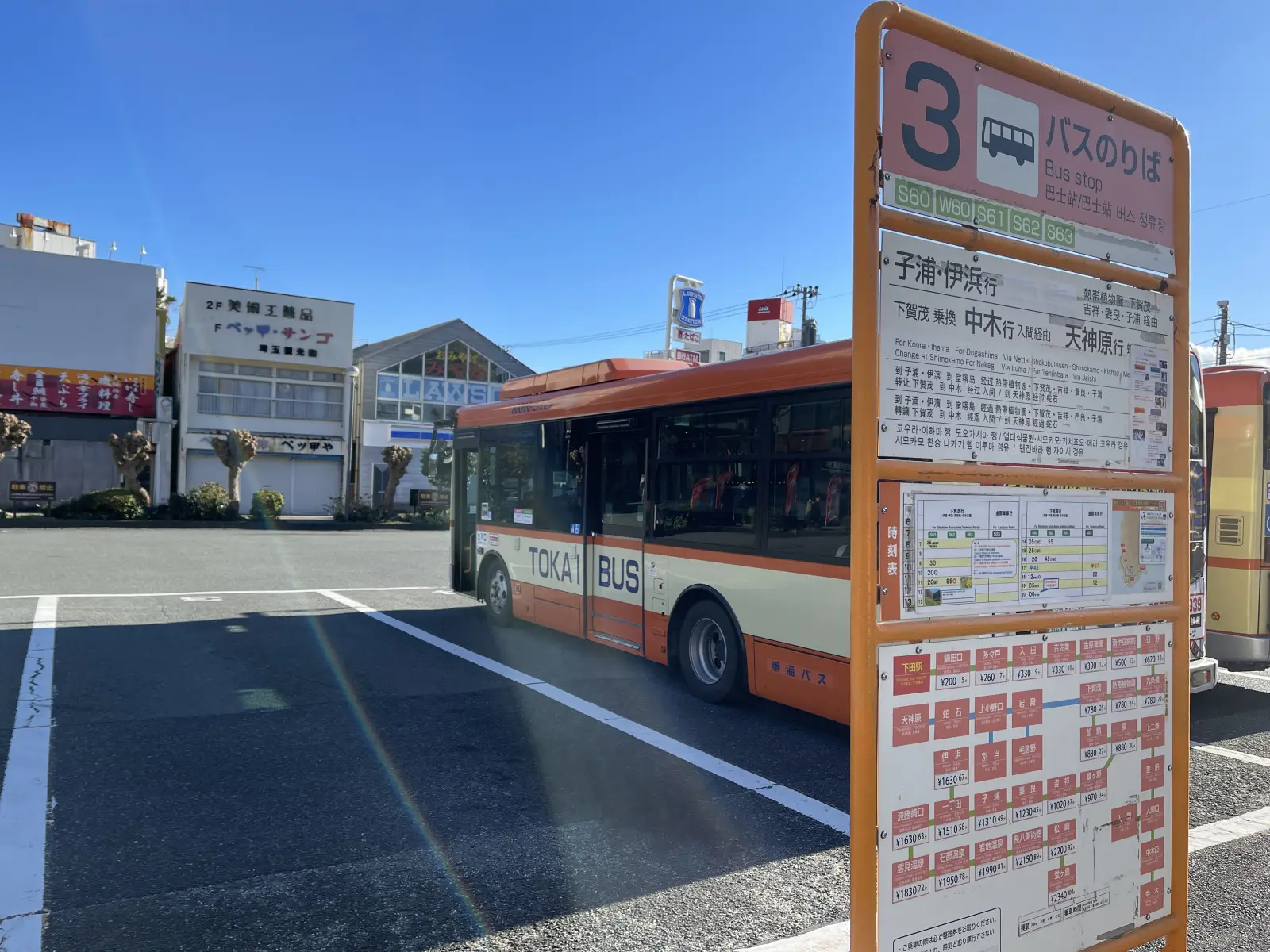
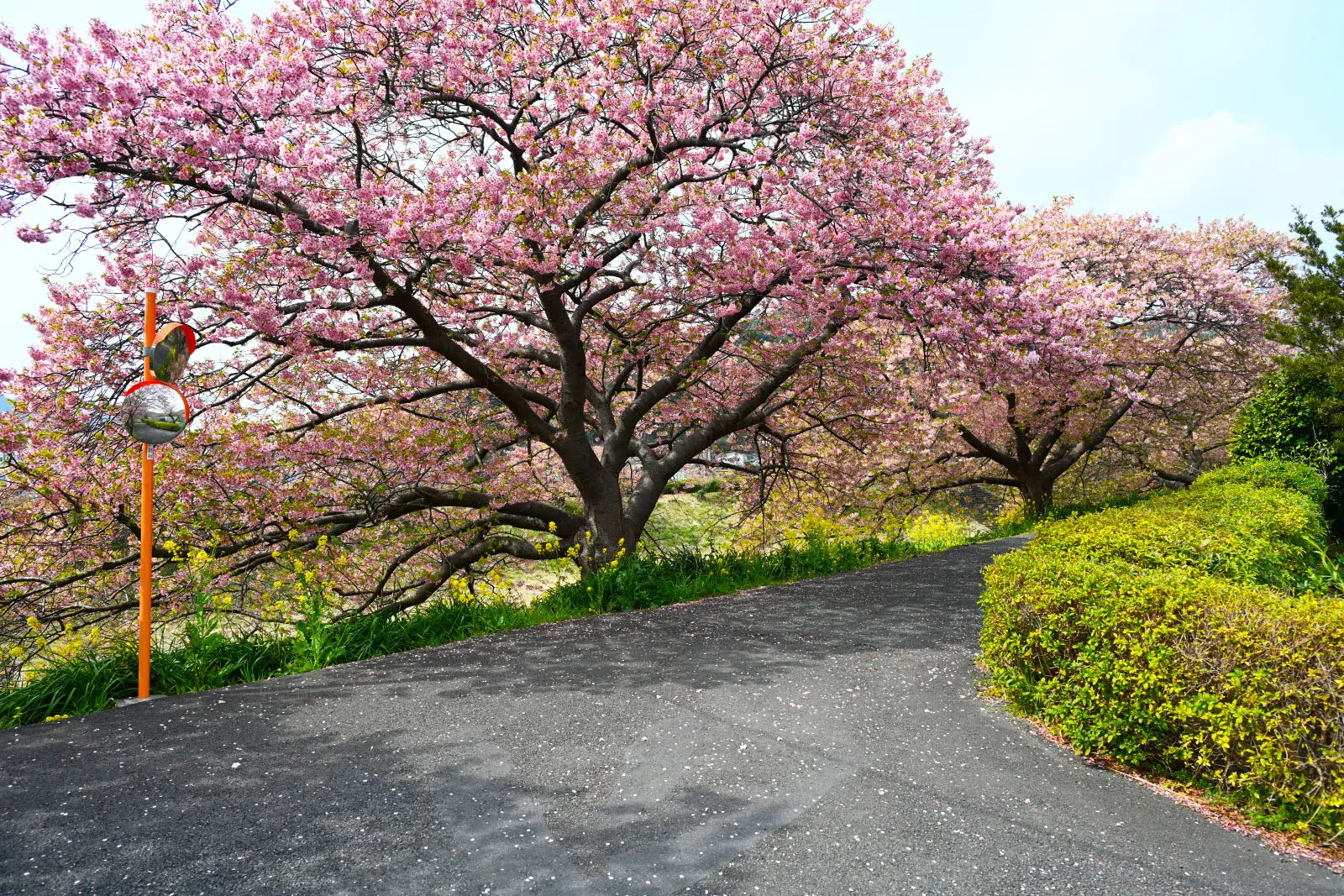
12:20pm Get Off at the Final Stop, Shimokamo
Walk in the direction the bus was heading (upstream) and head first to Maehara Bridge.
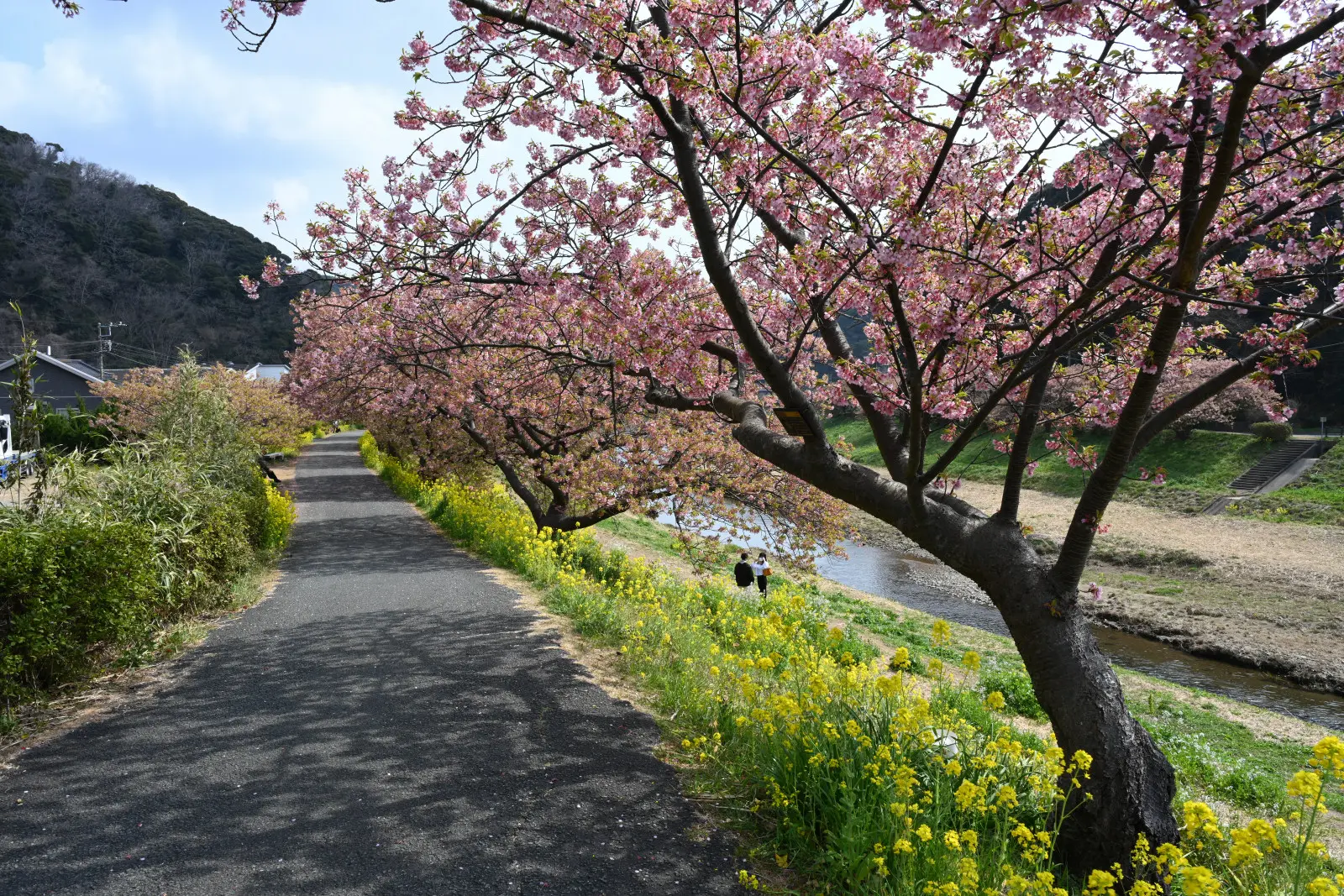
Don’t cross the bridge—keep the river on your right and walk downstream along the path on top of the embankment.
This area has many spots that feel like a tunnel of blossoms, making it perfect for photos.
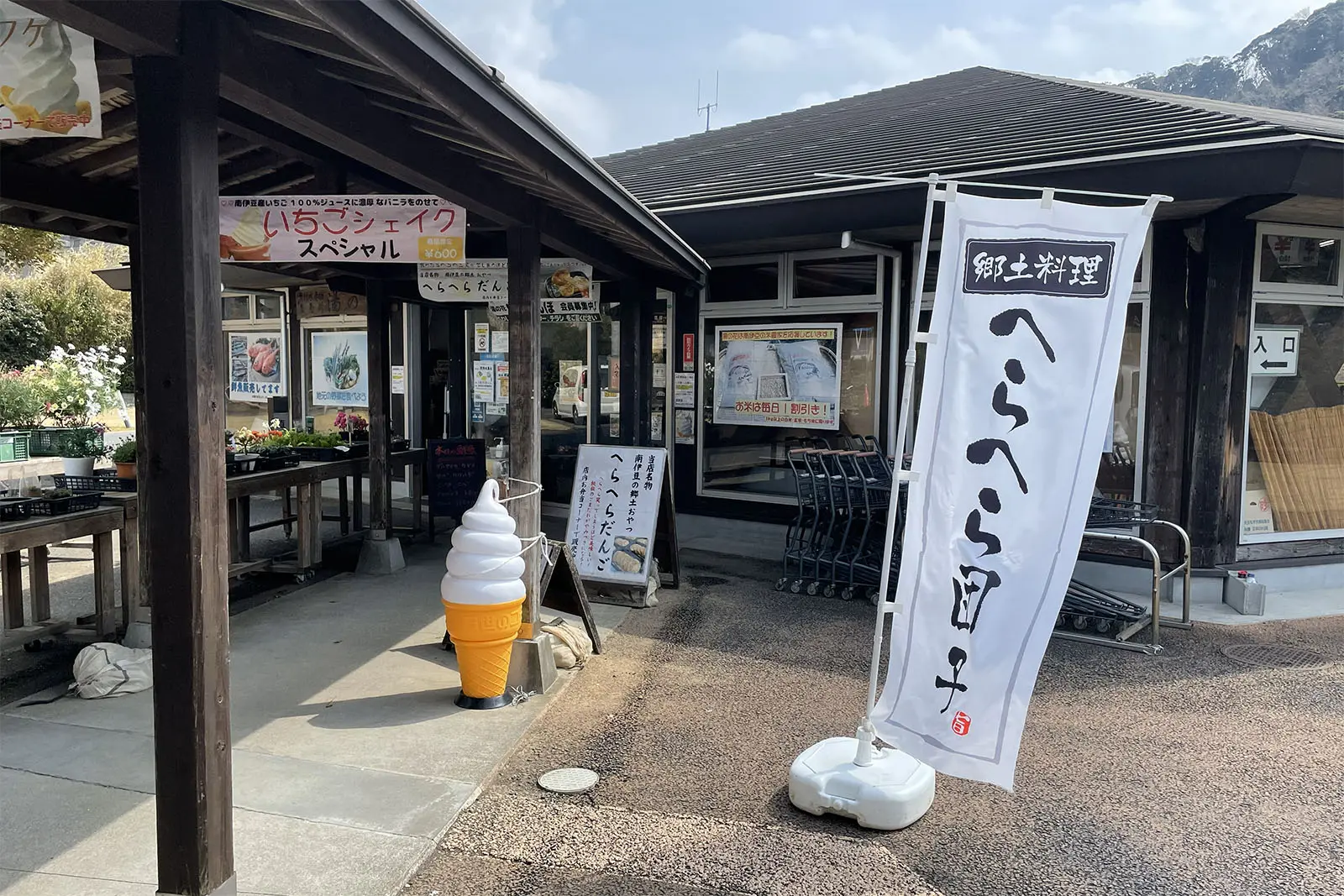
1:10pm Stop by the Roadside Station “Shimokamo Onsen Yunohana”
It’s located on the way to the rapeseed fields, so it’s a good place to take a break at the roadside station “Shimokamo Onsen Yunohana.”
During the festival, food trucks and stalls set up here, so you can also eat lunch.
1:50pm Walk from the Roadside Station “Shimokamo Onsen Yunohana” to the Hino Rapeseed Fields
Walk downstream along the river and head to the Hino rapeseed fields, about a 20-minute walk away.
The Kawazu-zakura trees thin out around Miyamaebashi, but after passing Aonogawa Furusato Park, your final destination—the rapeseed fields—is just ahead.
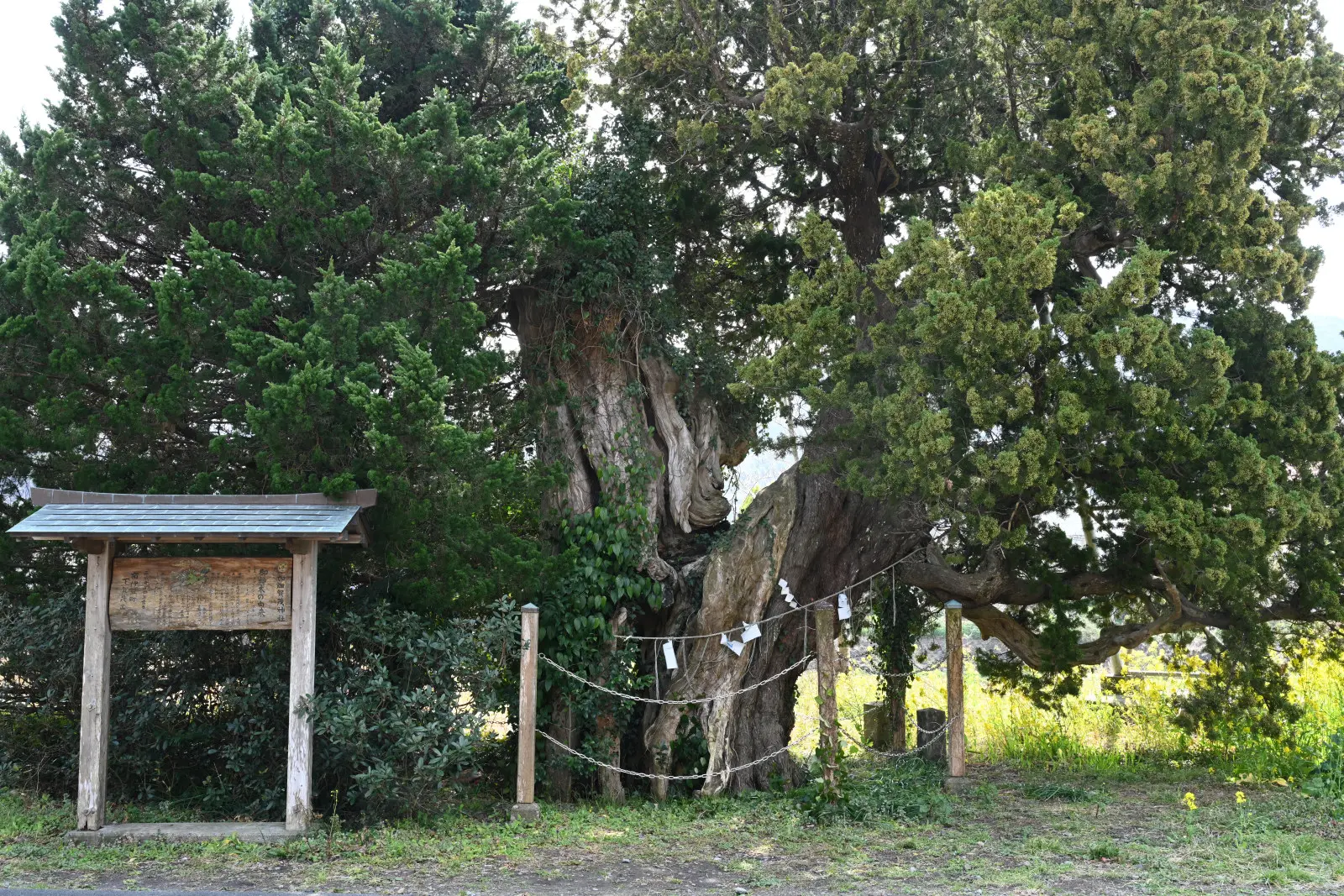
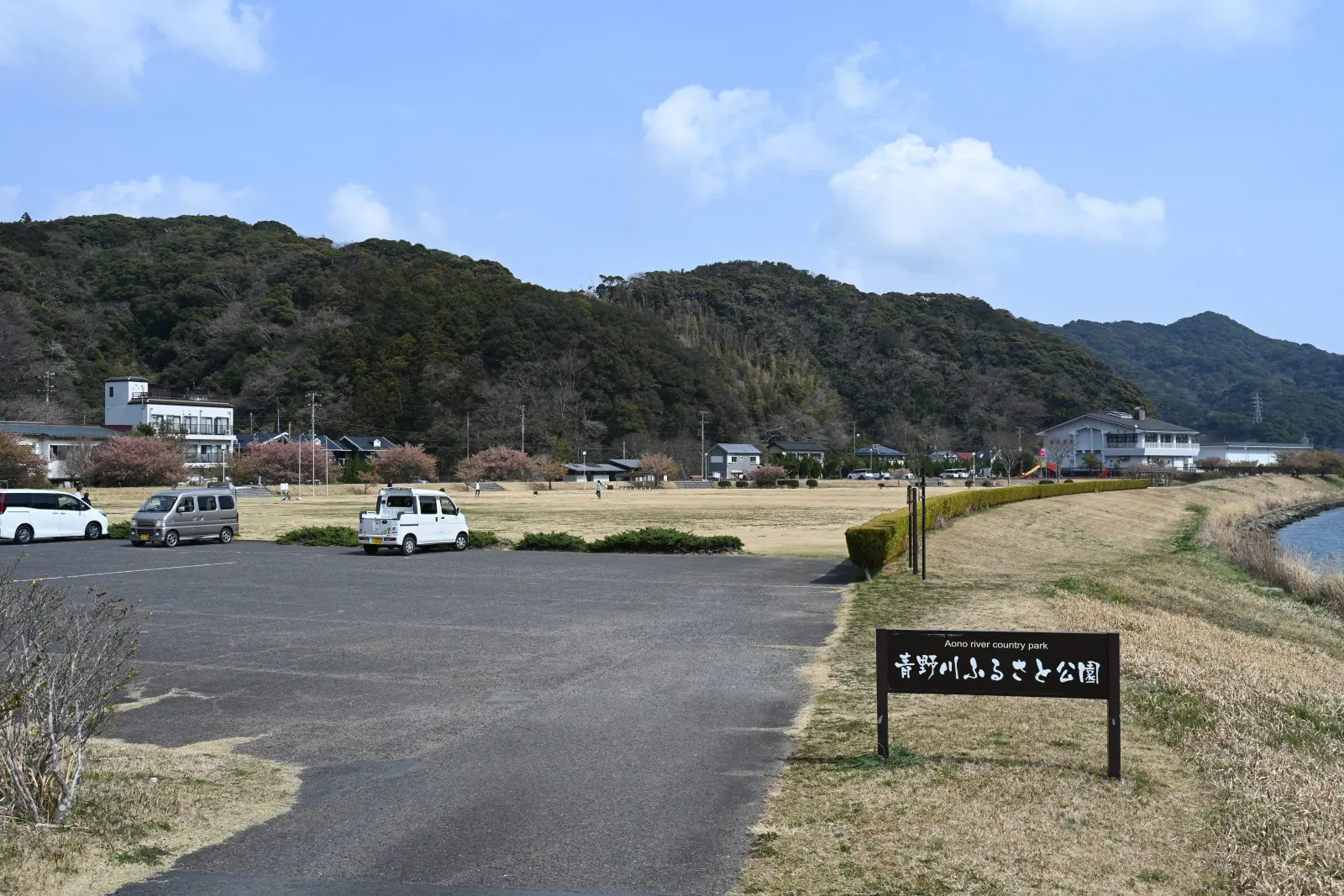
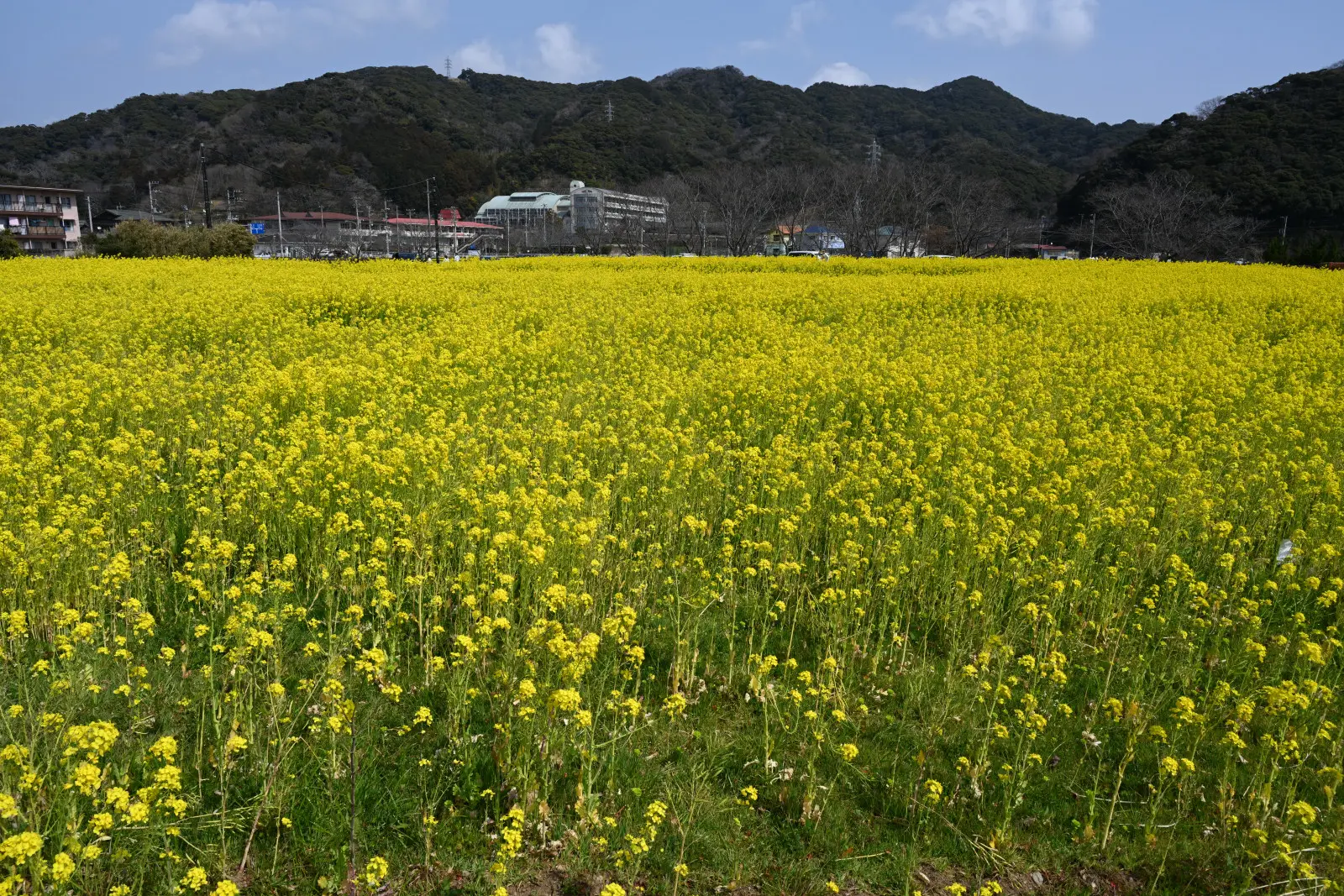
2:15pm Hino Rapeseed Fields
These vast rapeseed fields are maintained by local farmers and also serve as one of the festival venues for the Minami Cherry Blossoms and Rapeseed Blossom Festival.
Walking in along the river, you may already be amazed just by the field near the parking area, but if you continue, a rapeseed field far larger than you imagined will come into view.
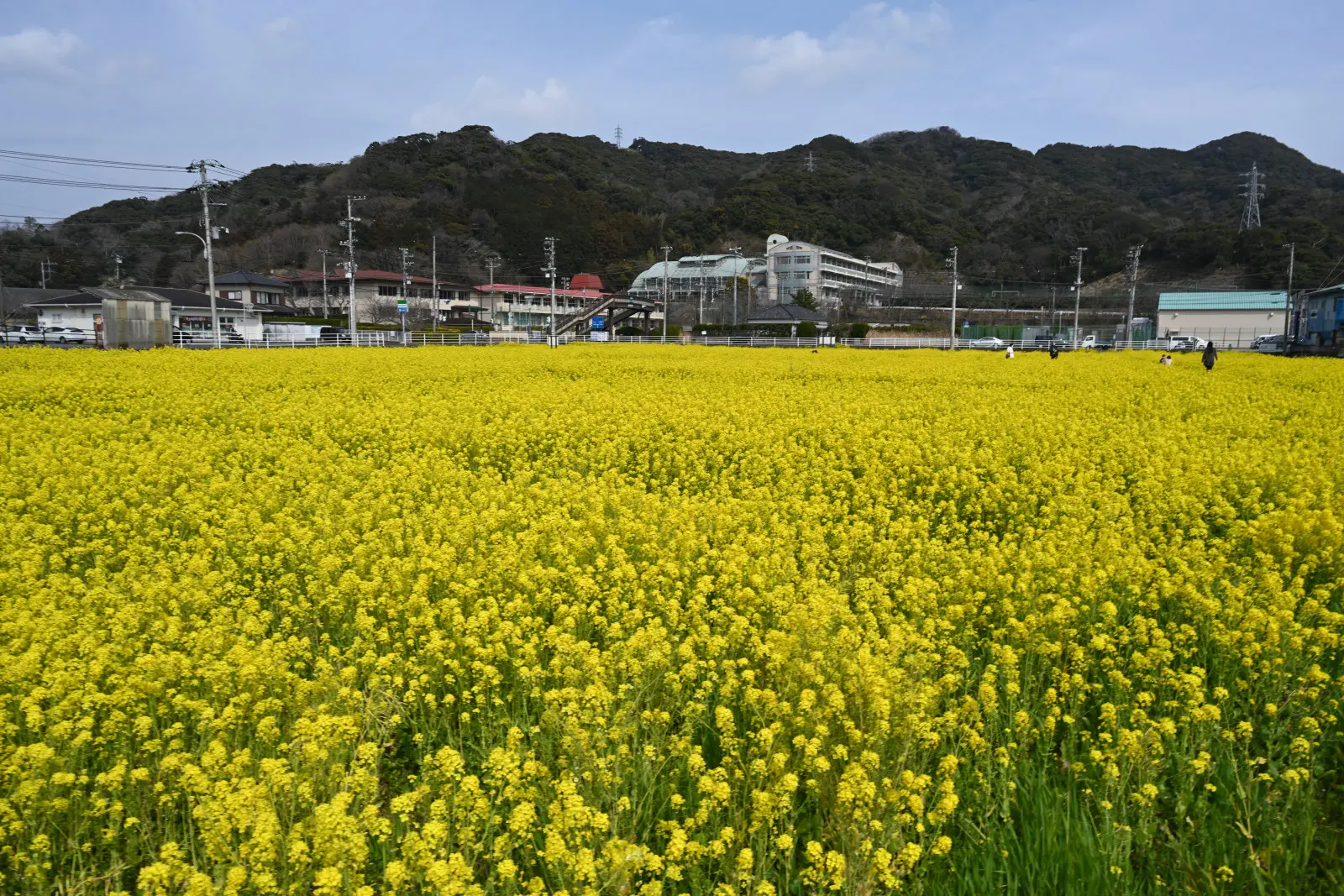
The rapeseed fields spread across land that’s one level lower than the road, and you can also spot people walking through them.
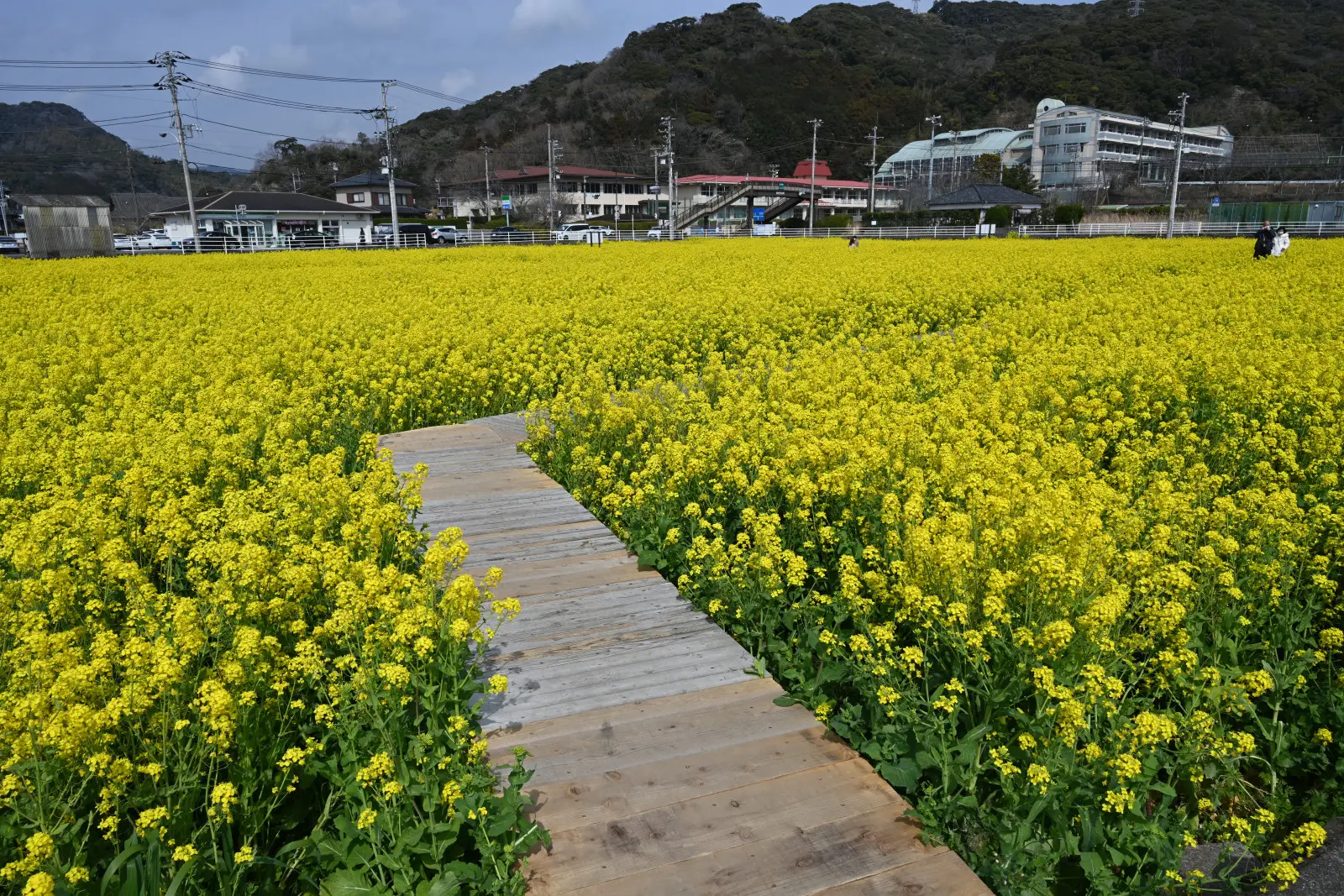
What looks like a path may actually be an area trampled by visitors, so when entering the fields, follow the boardwalk.
From Hino Bus Stop, Head to Shimoda
Board the 2:35pm bus bound for Shimoda and arrive at Shimoda Station at 2:55pm.
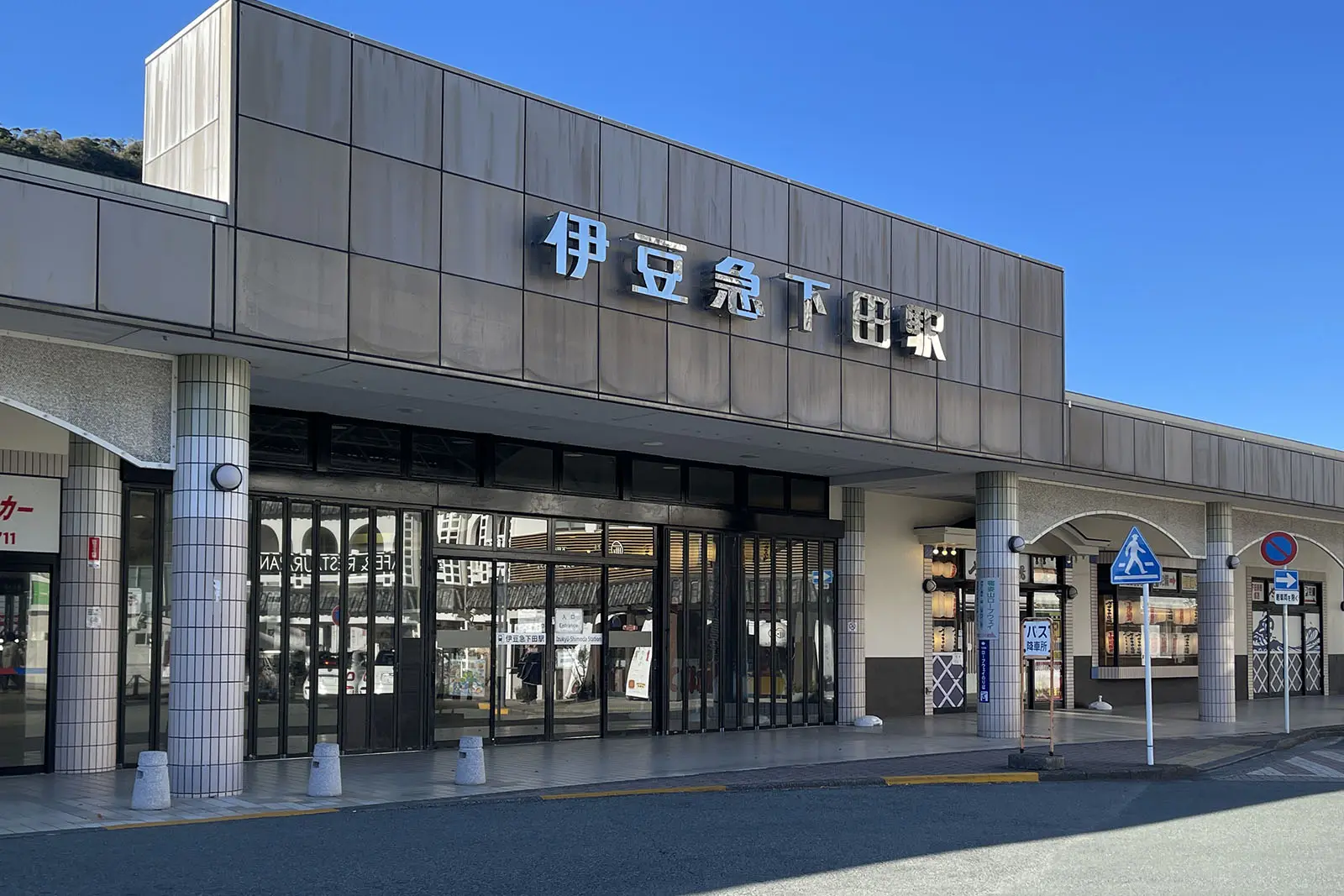
3:08pm Depart Izukyushimoda Station
Board the 3:08pm Odoriko 10; you’ll arrive at Tokyo Station at 5:48pm.
Where to Stay and Eat in Minami-Izu
There are a few onsen ryokan along the Aono River, a key Kawazu-zakura viewing area, but they’re all small, so it’s best to book early.
In Minami-Izu, accommodations are concentrated around Yumigahama, but if you plan to sightsee Kawazu-zakura by bus, you’ll need to transfer in Hino.
There are over a dozen restaurants between the Shimokamo and Hino areas, but they aren’t located along the river, so it’s difficult to drop into a place you spot while enjoying the blossoms.
Also, many restaurants close on one of Monday through Thursday, so if you’re visiting on Tuesday, Wednesday, or Thursday, check the opening hours and location of the places you want to go in advance.
Many food trucks and stalls at the roadside station also close on Tuesday, Wednesday, or Thursday, and during bad weather.
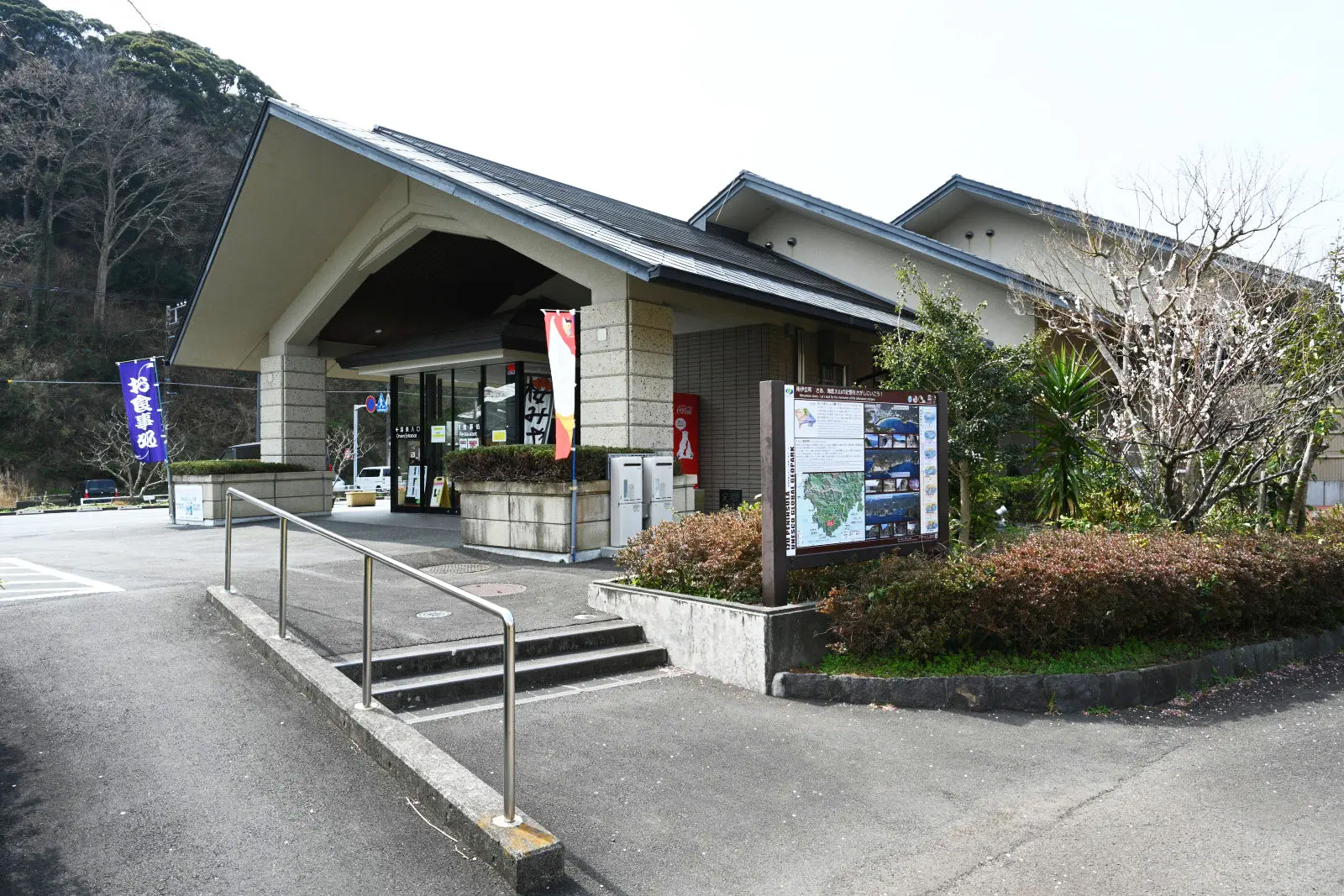
A convenient dining option is the “Gin no Yu Kaikan Restaurant,” located less than a 10-minute walk from Maehara Bridge, the starting point of the model itinerary.
It’s closed on Wednesdays, but during the cherry blossom festival it stays open from 11:00am to 8:00pm (Last food order at 7:00pm) without a break.
To Enjoy Both Kawazu and Minami-Izu Blossoms, Staying in Shimoda Is Recommended
To see Kawazu-zakura and also enjoy local attractions, hot springs, and cuisine, we recommend staying one night in Shimoda and visiting both Kawazu and Minami-Izu.
There are accommodations and restaurants near the Kawazu-zakura rows in Kawazu and Minami-Izu, but there aren’t many, and during peak season in February, both lodging and dining spots can get extremely crowded.
Shimoda, on the other hand, tends to have more availability even during Kawazu-zakura season, and with more restaurants, it’s easier to choose where to eat without too much trouble.
Shimoda is Japan’s first opened port, where Perry arrived and the Treaty of Peace and Amity (Treaty of Kanagawa) was concluded.
At the time, the townscape, scenery, and people introduced in the United States were essentially Shimoda itself, making it a representative image of Japan.
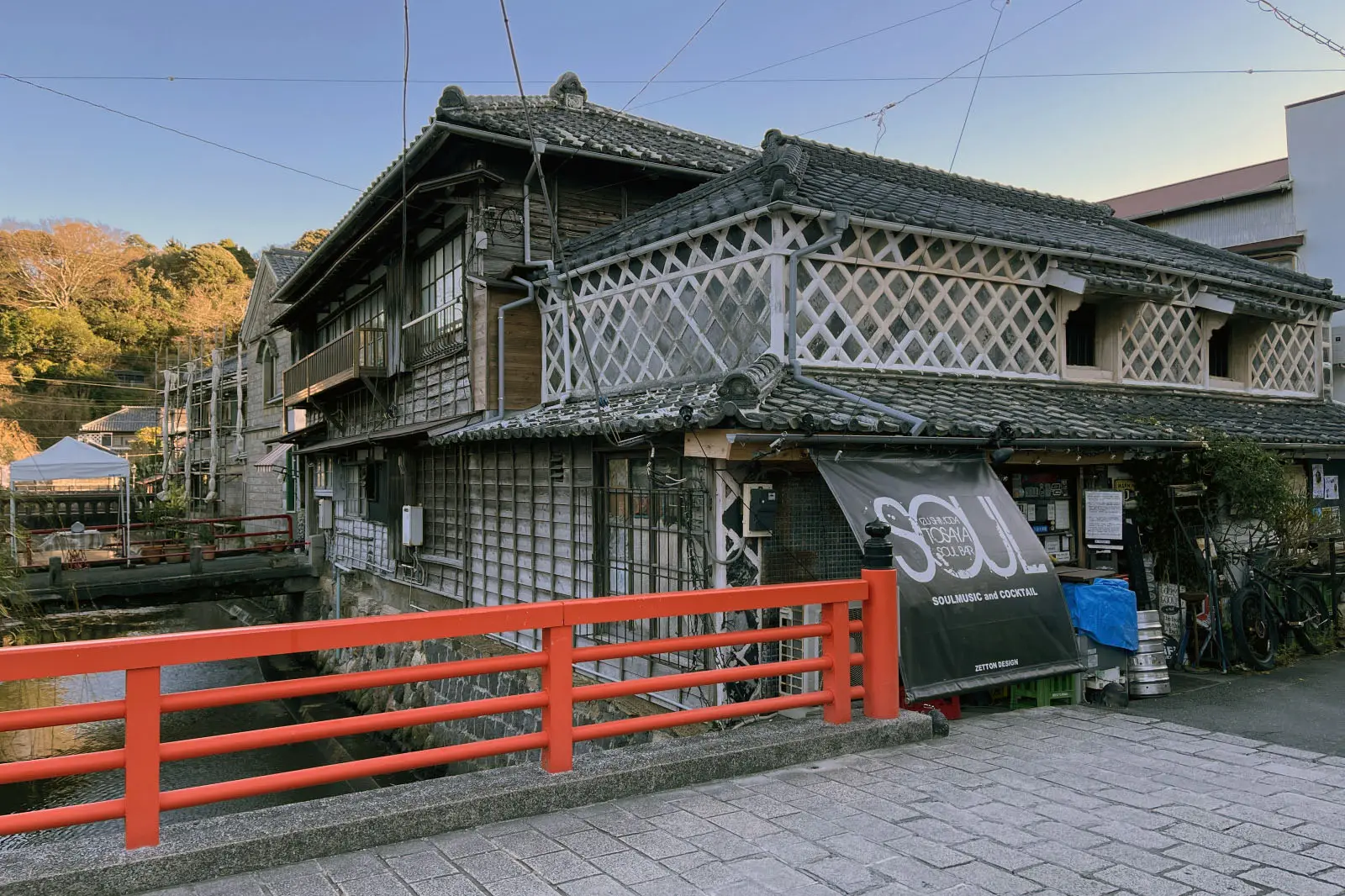
Shimoda has so many highlights—town strolls, and temples that served as bases for foreign delegations at the time the port opened—that you can’t see it all in just half a day.
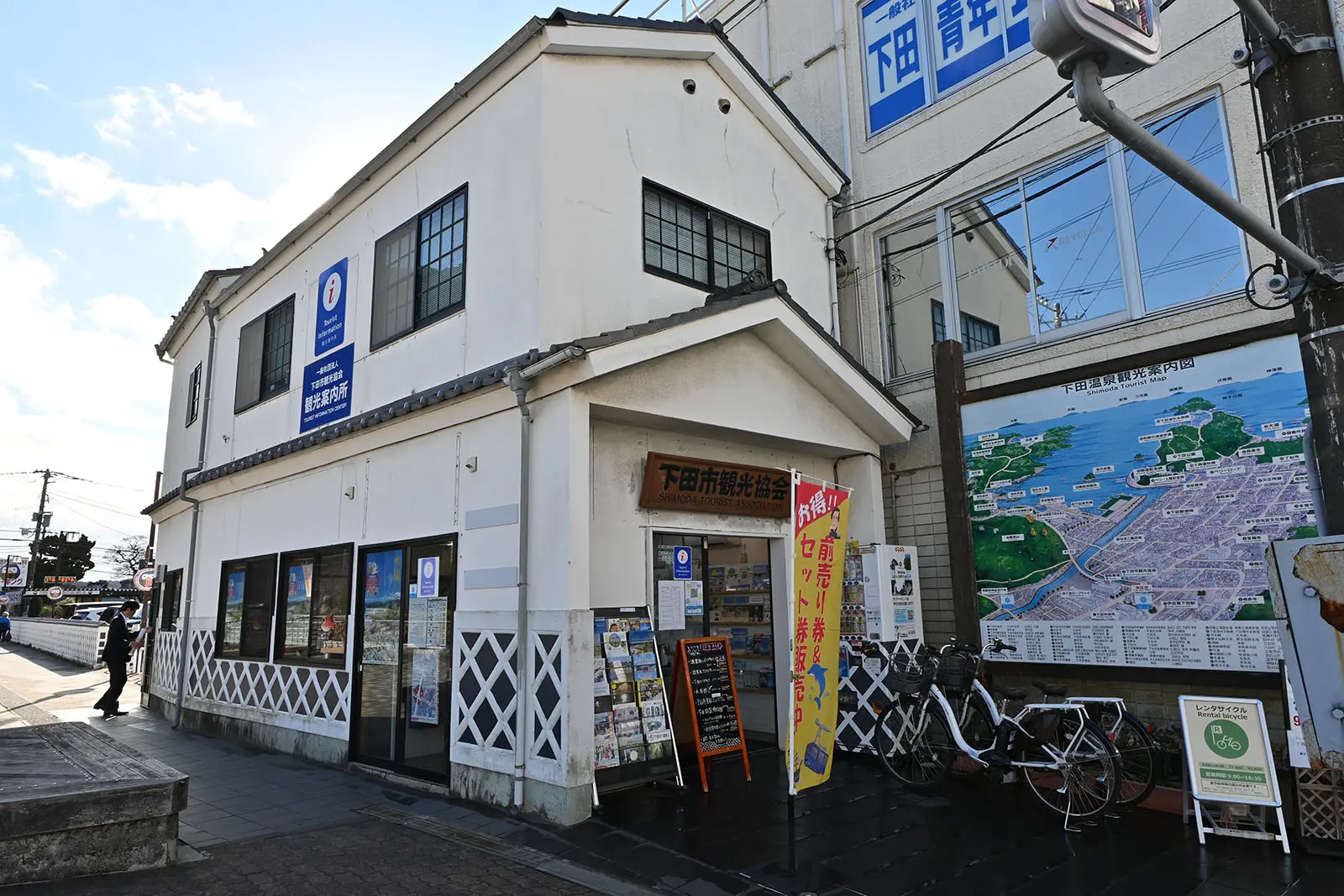
3 Recommended Places to Stay in Shimoda
If you’re visiting by public transportation, choosing a place within a 10-minute walk from the station is convenient in many ways.
Business hotels are clustered near Izukyushimoda Station, while resort-style hotels are scattered around the harbor and seaside areas with ocean views.
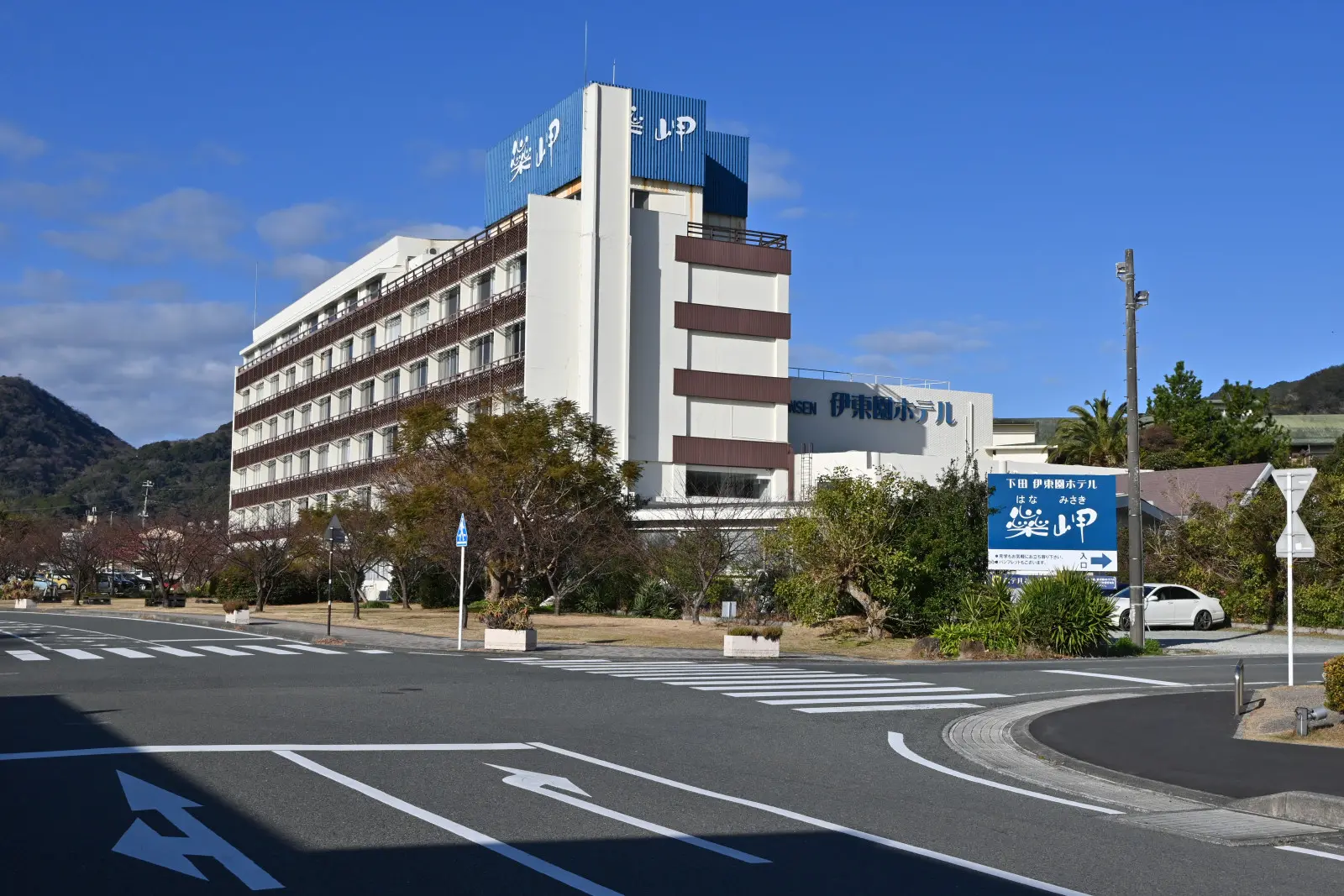
1. Shimoda Itoen Hotel Hanamisaki
A great-value stay facing the harbor, offering one night with two meals plus all-you-can-drink beverages at dinner, for a budget of around 10,000 yen per person.
It’s about a 10-minute walk from Izukyushimoda Station, and across the road is the roadside station “Kaikoku Shimoda Minato.” It’s also close to the boarding point for cruises around Shimoda Port.
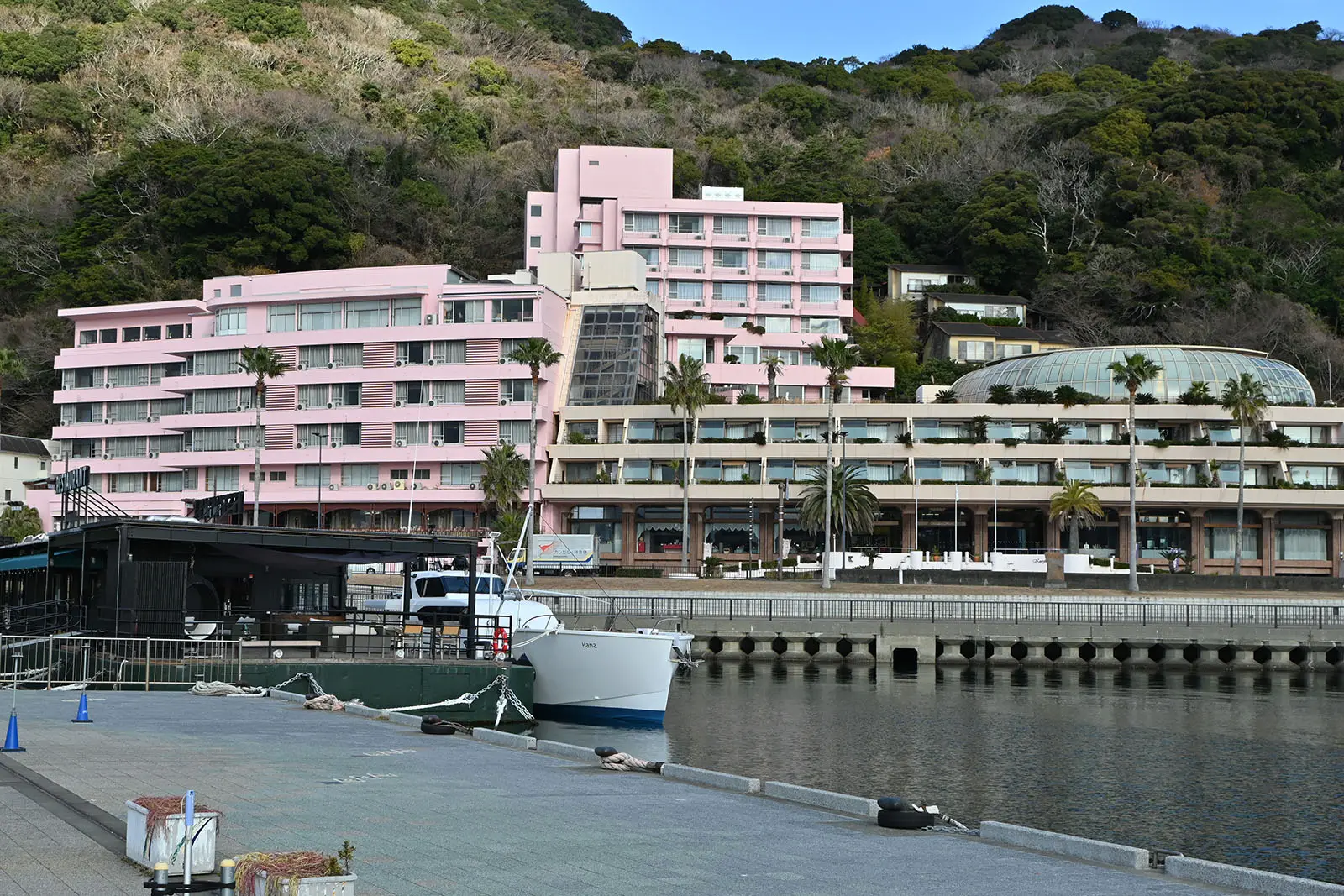
2. Kurofune Hotel
A resort-style hotel where every room has an ocean view, overlooking Shimoda Bay.
Facilities are extensive, including rooms with open-air baths, pet-friendly rooms, an indoor pool, and a large public bath with sea views.
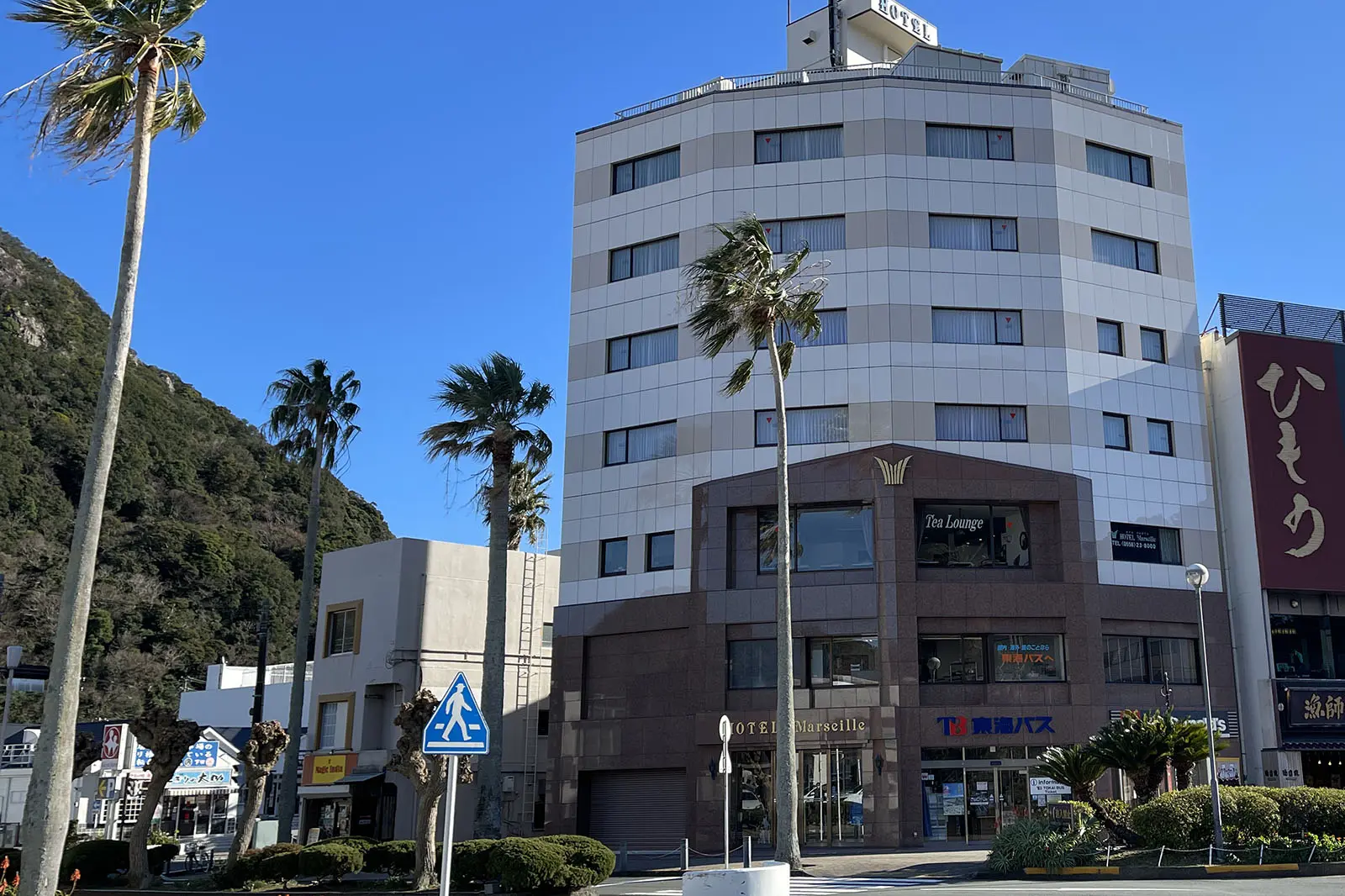
3. Hotel Marseille
A business hotel directly in front of Izukyushimoda Station—an excellent base for sightseeing.
Weekday February rates are under 10,000 yen per person (with a free light breakfast), and since there are many restaurants around the station, you won’t have trouble choosing where to eat.
3 Recommended Places to Eat in Shimoda
Restaurants are concentrated from Izukyushimoda Station down to the Perry Road area in the south of town.
Along with Japanese restaurants serving kinmedai dishes and sashimi, you’ll find a wide range of options such as Western restaurants and cafes—so many that it’s hard to decide where to go.
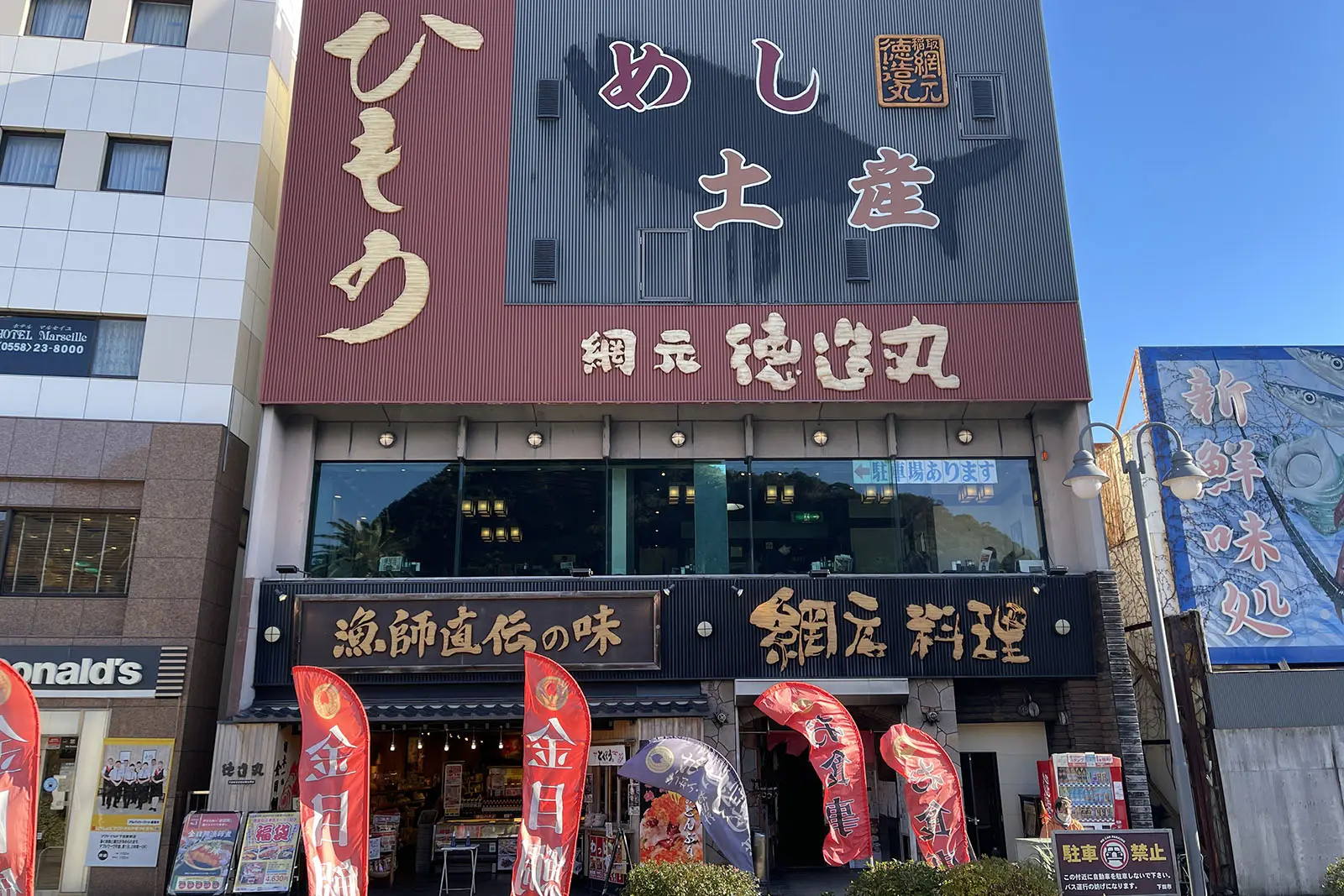
1. Amimoto Ryori Tokuzomaru (Shimoda Branch)
A Japanese restaurant located right in front of Izukyushimoda Station, immediately to the right of Hotel Marseille; the first floor also houses a seafood shop called “Kaisenya,” where you can buy souvenirs.
Kinmedai menus are especially popular, including the “Kinmedai Zukushi Set,” a full-course meal of kinmedai (simmered, sashimi, shabu-shabu, and arajiru soup).
Normally it’s open for lunch and dinner, but during the cherry blossom festival it operates continuously from 9:00am–5:45pm (Last food order at 5:00pm)
.
2. Ichiba no Shokudo Kinmetei
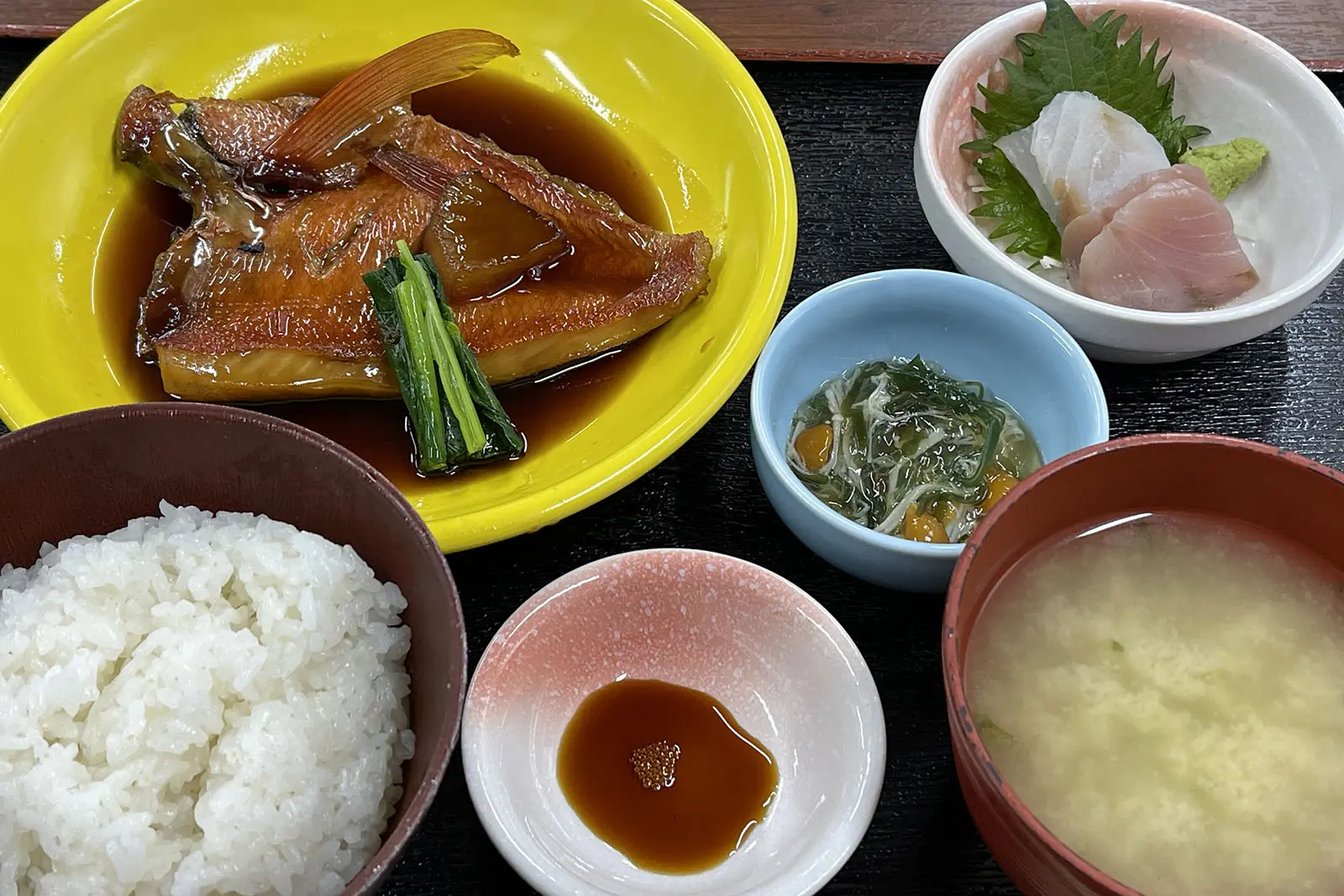
A popular spot attached to the Shimoda Fish Market, located across from the roadside station “Kaikoku Shimoda Minato” at Shimoda Port.
Open for breakfast and lunch, and you can eat simmered kinmedai starting at 7:00am.
Kinmedai dishes typically cost at least 2,000 yen per person, but here many menu items are 1,870 yen including tax, making it easier on your wallet.
3. Hiranoya
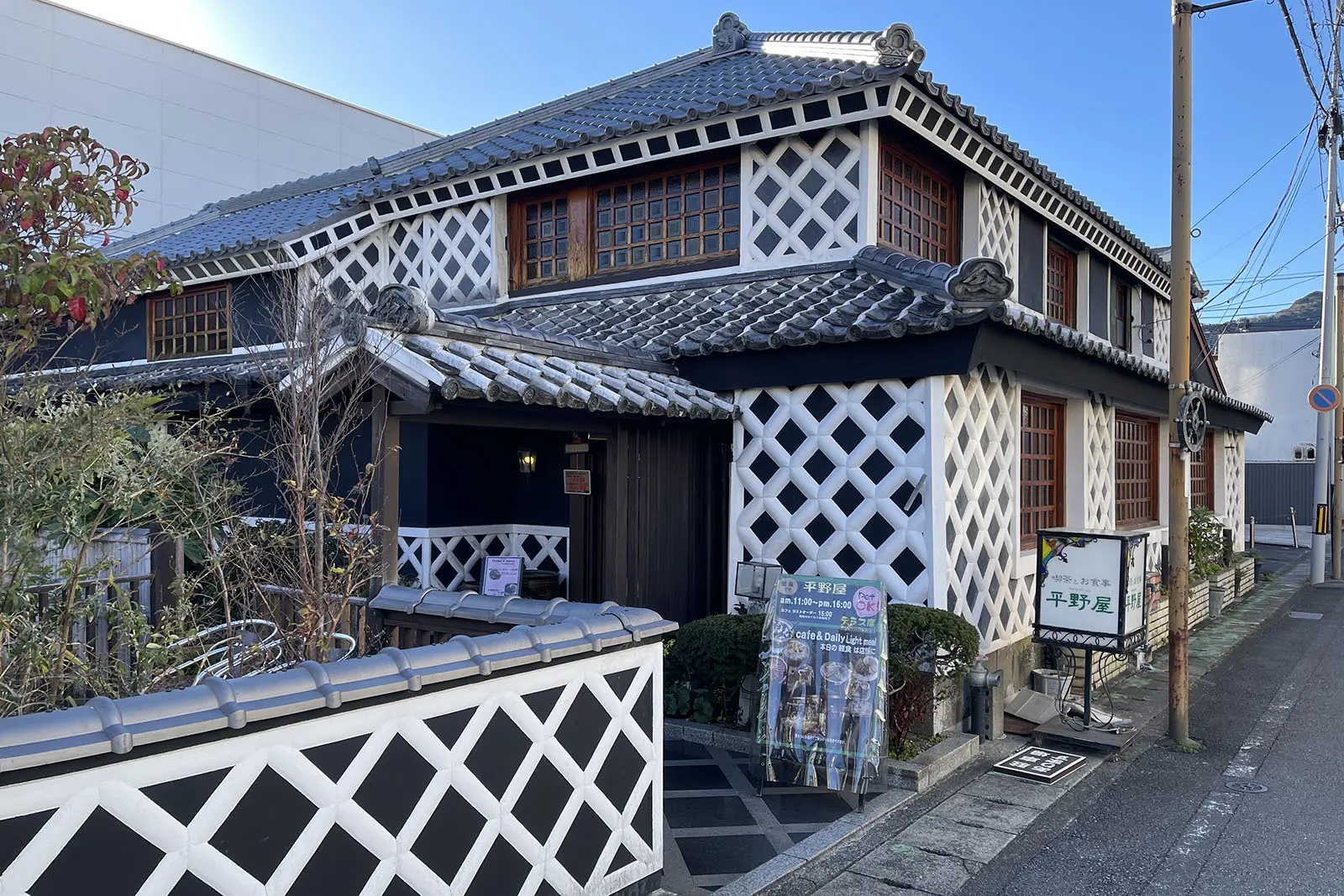
Open from 11:00am–4:00pm, it’s a great place for lunch or cafe time.
It’s set in an Edo-period building that was used as a ketsubosho (trade office), and you can relax in its atmospheric interior.
Along with cafe items, there are also filling dishes like steak and hamburger steak.
Two Days of Kawazu-zakura: A 1-Night, 2-Day Model Itinerary from Tokyo with a Stay in Shimoda
Here’s a 1-night, 2-day model itinerary starting and ending at Tokyo Station, staying in Shimoda and visiting both Kawazu and Minami-Izu.
As with the day-trip plans, if you can use extra services, you can take the 7:30am departure from Tokyo Station (Odoriko 51) and the 4:55pm departure from Izukyushimoda Station (Odoriko 66), giving you nearly an extra 1 hour and 30 minutes of time on both Day 1 and Day 2.
*Timetable information is current as of January 2026. Be sure to confirm before heading out locally.
Day 1: 9:00am Depart Tokyo Station
Take the 9:00am Limited Express Odoriko 1 from Tokyo Station to Kawazu Station.
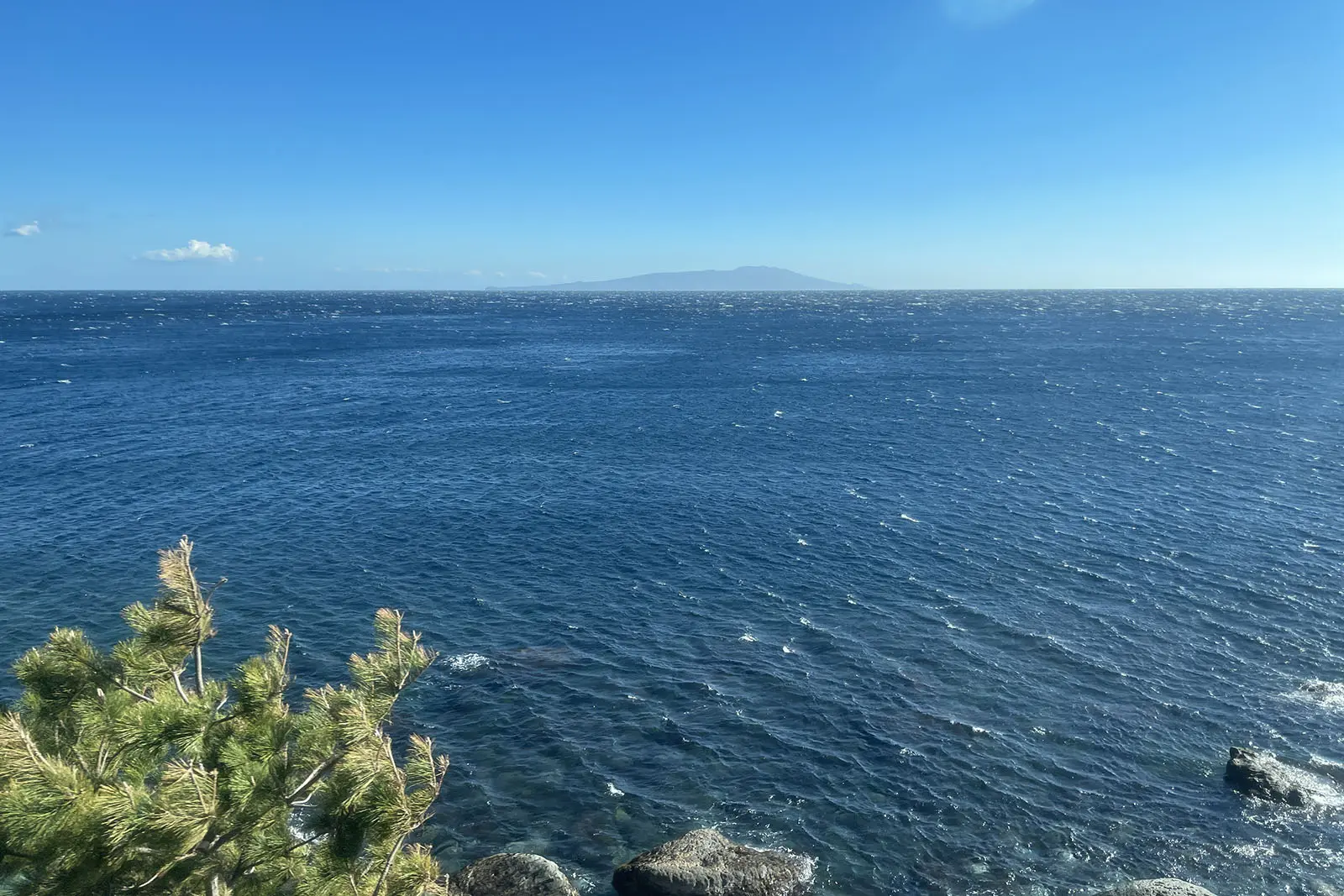
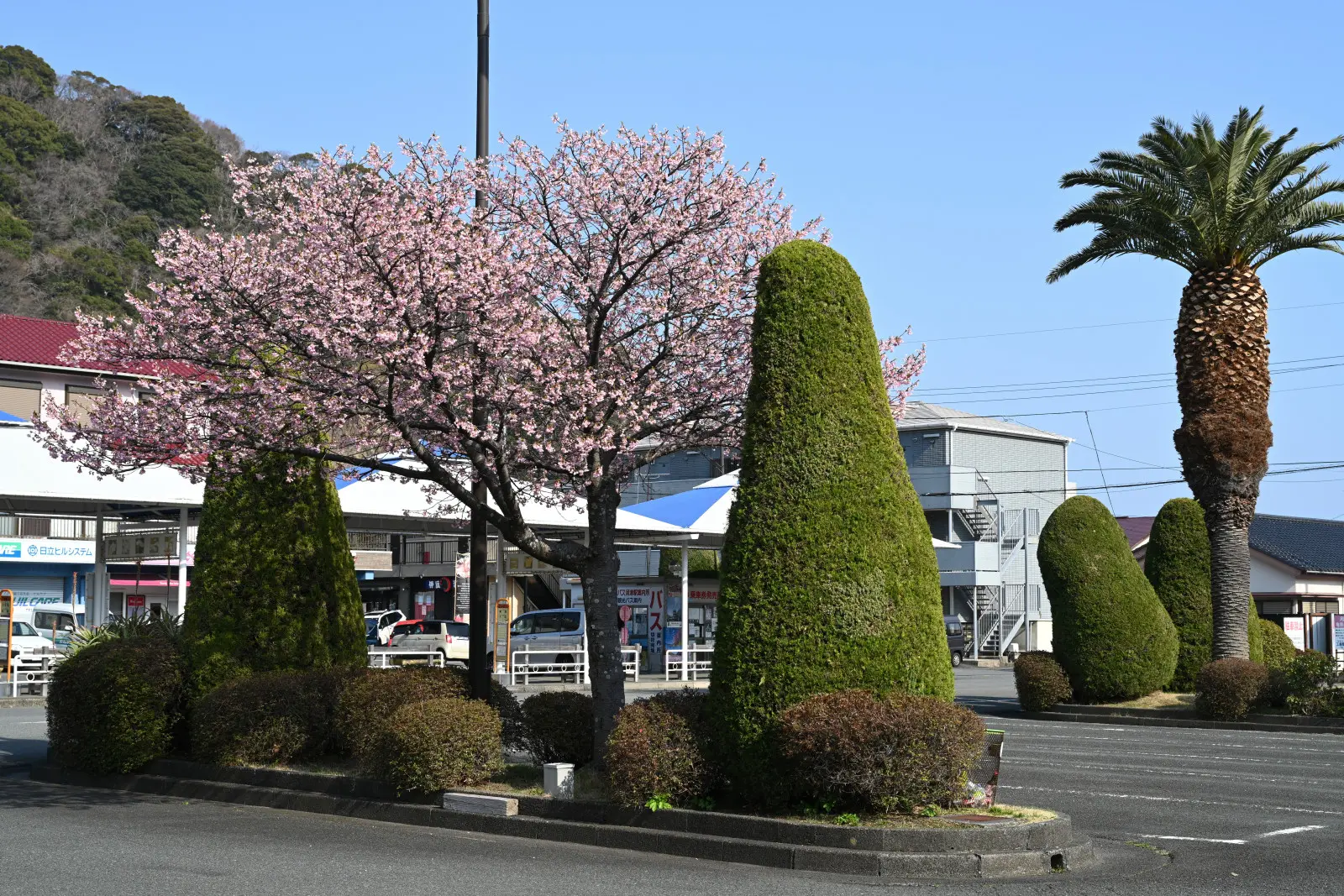
11:28am Arrive at Kawazu Station
Store any bags you don’t need to carry in a locker, and stop by the restroom.
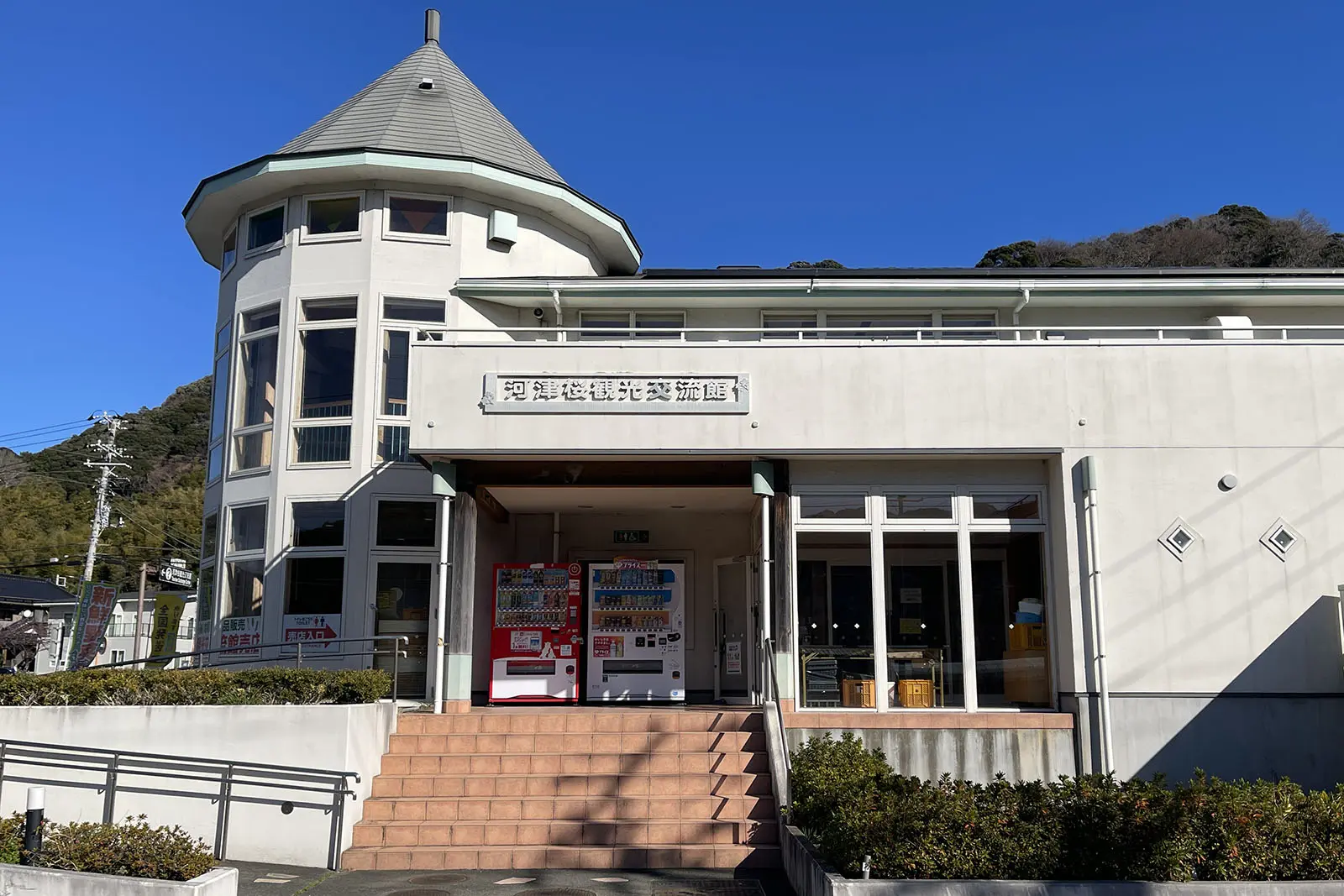
11:40am Kawazu Sakura Tourist Exchange Center
First, stop by the Kawazu Sakura Tourist Exchange Center to gather information.
In addition to the tourist information desk, it also has a shop and eateries, and you can use the restrooms.
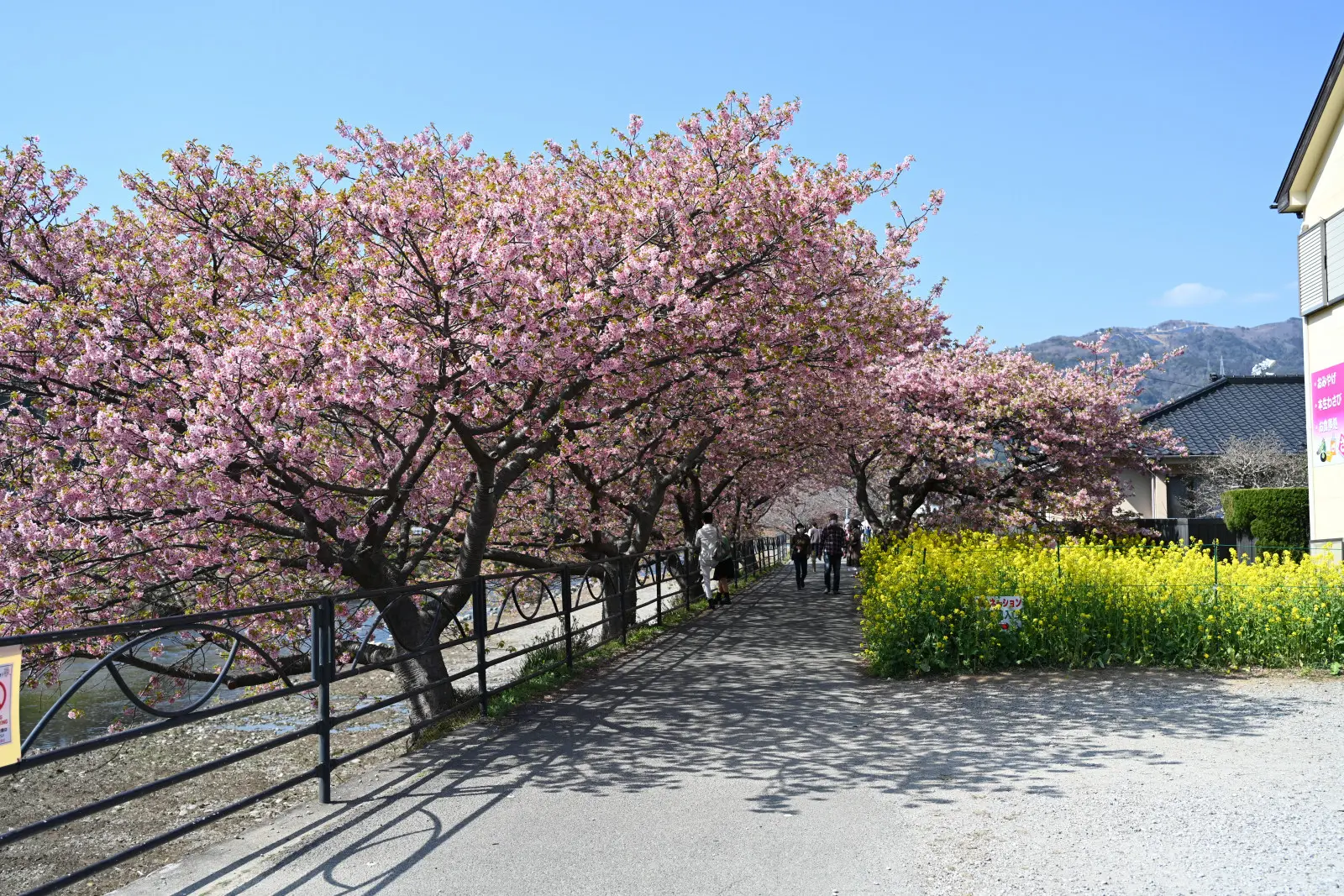
11:50am Head to the Kawazu River and Walk Upstream
If you’re hungry, it’s fine to eat at a nearby restaurant around the Kawazu Sakura Tourist Exchange Center or in the riverside area, but if the weather is nice, start by taking in the Kawazu-zakura.
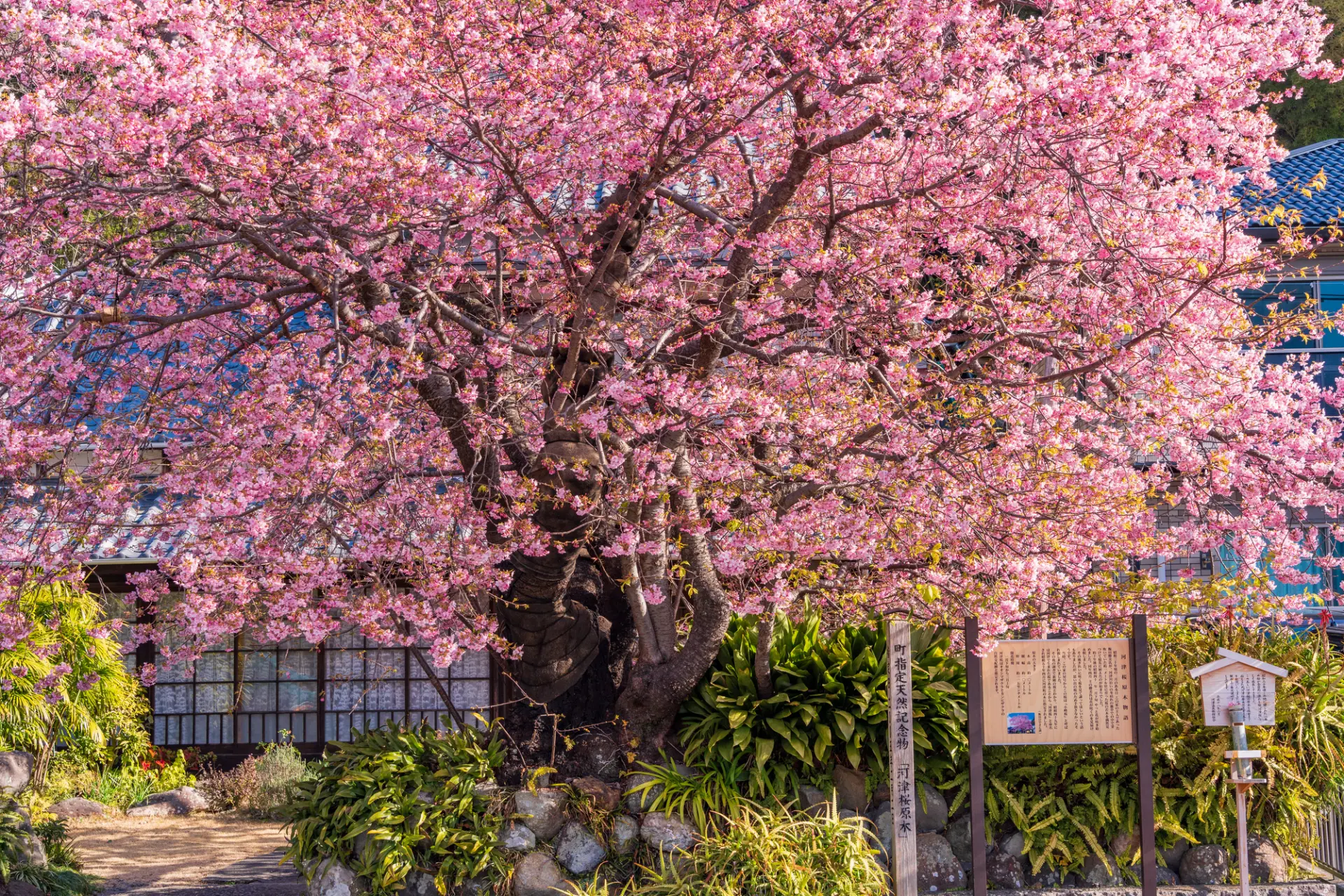
1:45pm Head to the Original Kawazu-zakura Tree
Once you reach Hosenbashi (Hosen Bridge) along the river, head away from the river to see the original Kawazu-zakura tree.
The original tree discovered in 1955 first bloomed in 1966 and was named Kawazu-zakura (Kawazuzakura) in 1974.
In 1975 it was designated the town tree of Kawazu, and in 2005 it was designated a natural monument of Kawazu.
Even today it still blooms each year at the private home where it was found, standing as an impressive tree over 10 m tall and wide.
2:00pm Cross to the Other Bank at Hosen Bridge
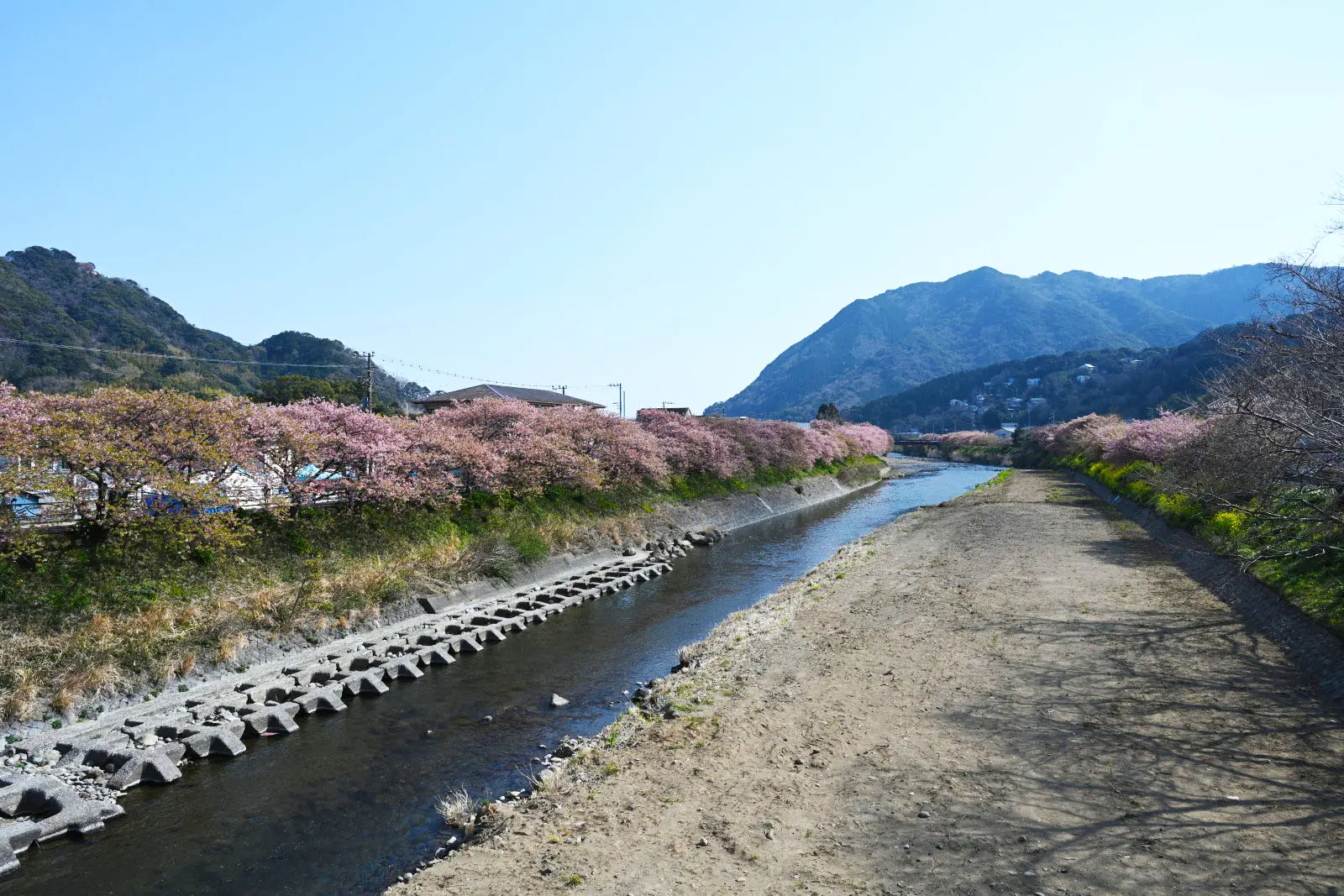
Cross to the other bank at Hosenbashi (Hosen Bridge) with its vermilion railings, then continue walking upstream along the river.
By this point there are fewer stalls, and you’ll be able to view Kawazu-zakura from the riverbed.
2:05pm Odoriko Onsen Kaikan
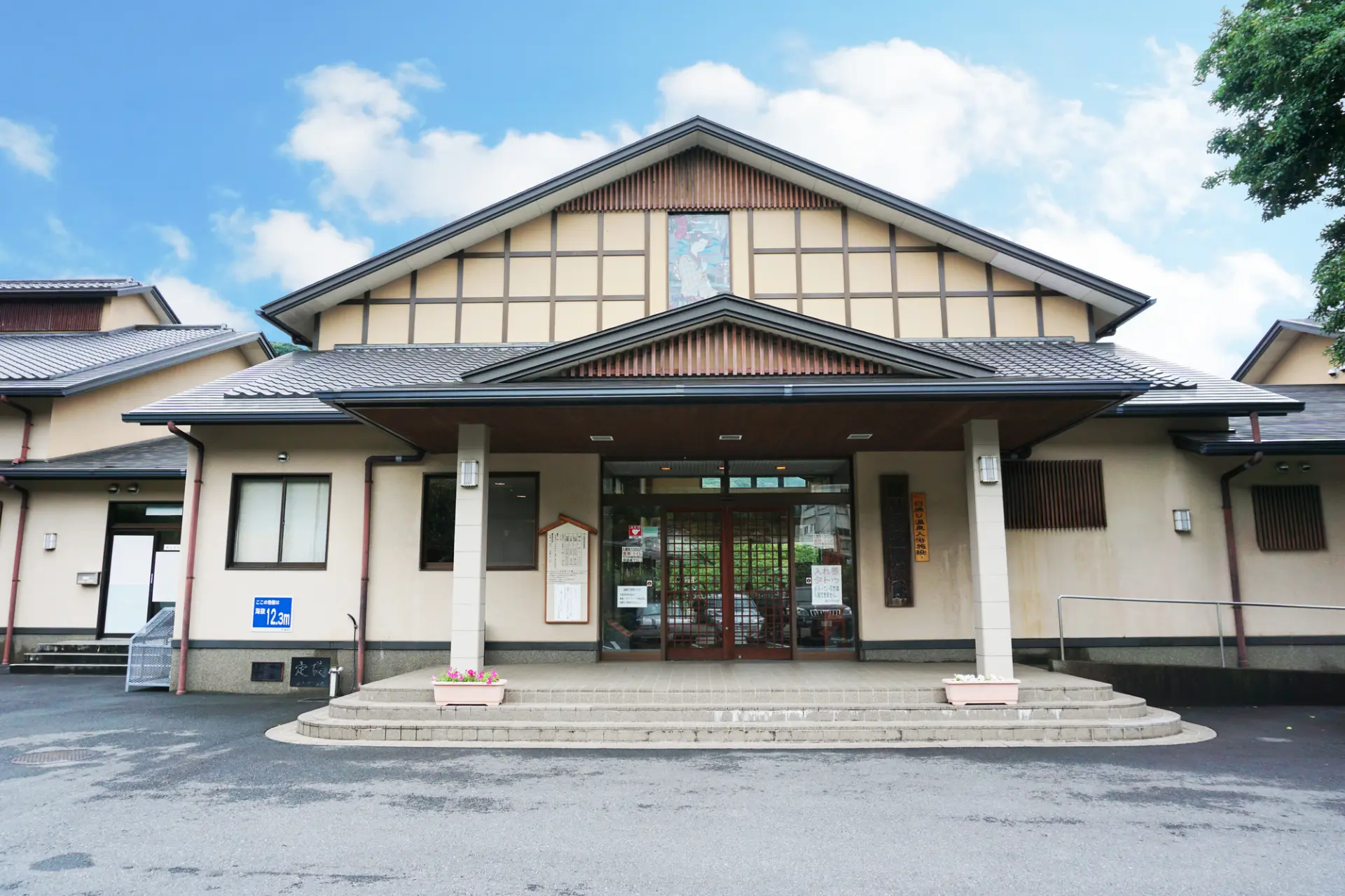
A few minutes on foot from the bridge, you’ll reach Odoriko Onsen Kaikan, where you can enjoy Mine Onsen hot spring water.
This onsen facility lets you soak in an open-air bath while enjoying cherry blossoms, and it also has a large tatami休憩 space and a dining area.
3:20pm Mine Onsen Daifunto Park
It’s located about a 3–4 minute walk from Odoriko Onsen Kaikan.
From 9:30am to 3:30pm, you can watch hot spring water gush up every hour, so it’s worth stopping by.
4:00pm Travel from Kawazu Station to Izukyushimoda Station, Stay Overnight in Shimoda
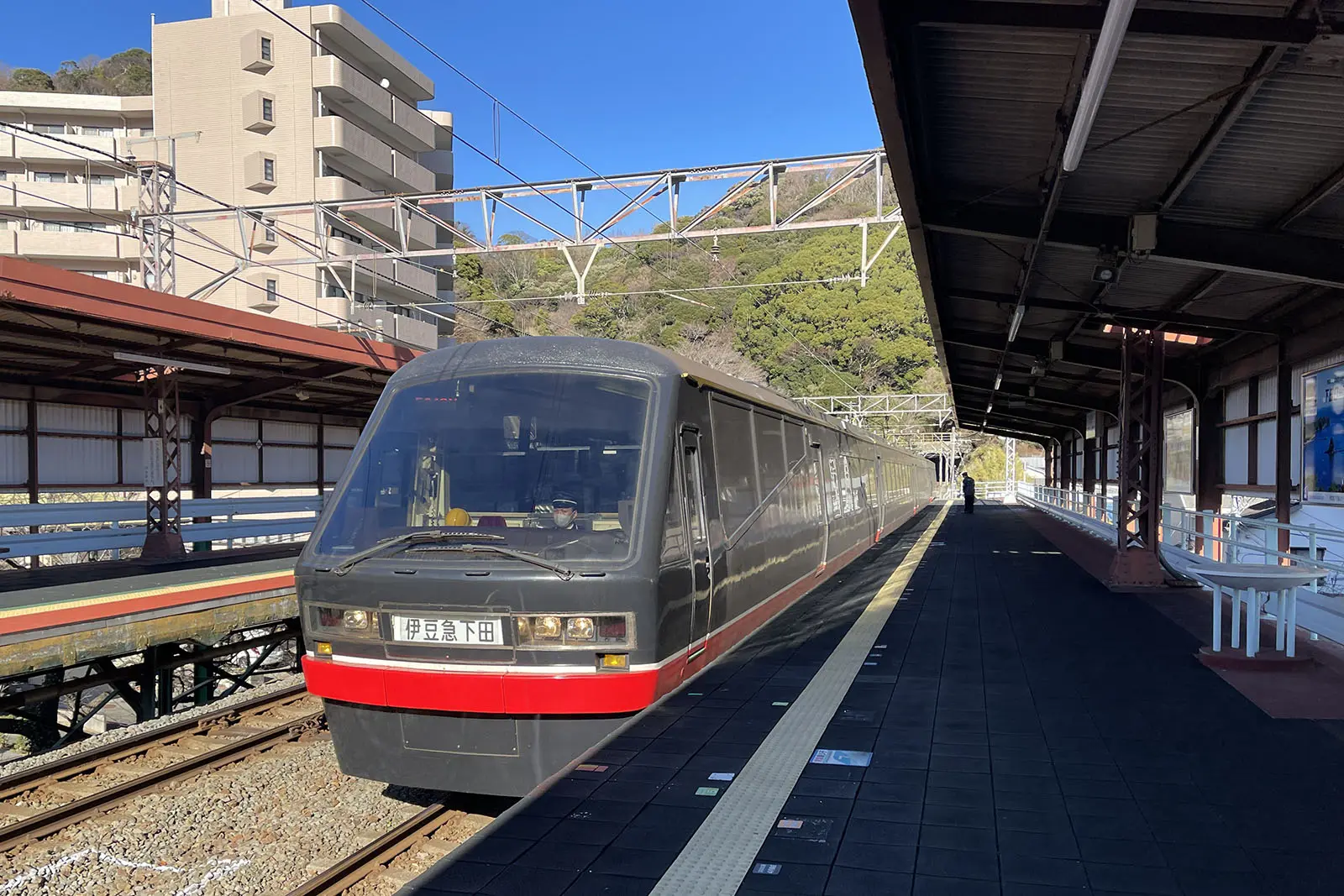
Take the Izu Kyuko Line train departing at 4:03pm or 4:41pm to Izukyushimoda Station.
The ride takes Approx. 13 minutes, so you’ll arrive at Shimoda Station at 4:16pm or 4:54pm, respectively.
Stay at a hotel in Shimoda.
Day 2: 9:30am Depart Shimoda Station
From Bus Stop No. 3 in front of the station, board the bus bound for Shimokamo.
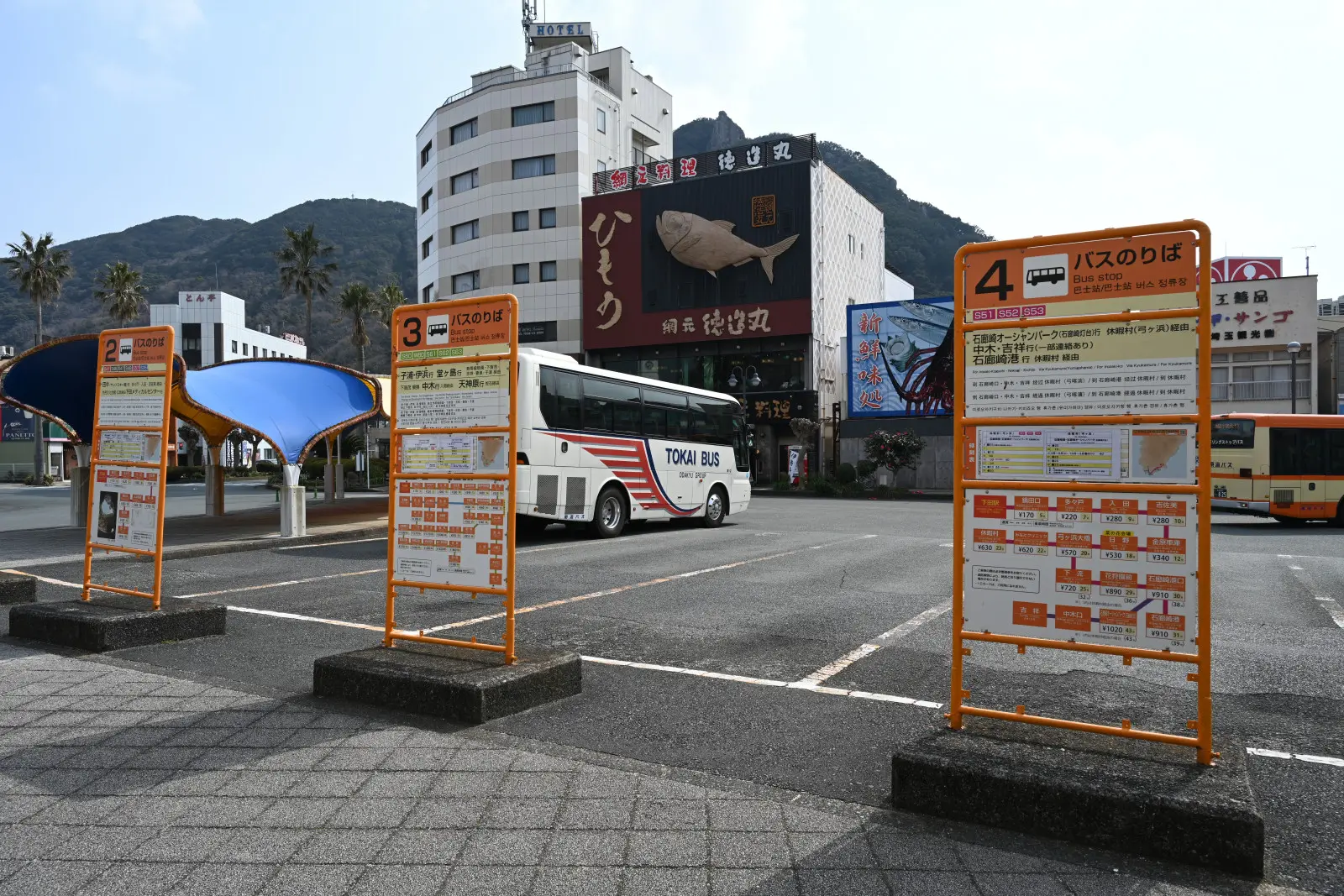
9:55am Get Off at the Final Stop, Shimokamo
Walk in the direction the bus was heading (upstream) and head first to Maehara Bridge.
Don’t cross the bridge—walk downstream along the riverside path on the right bank.
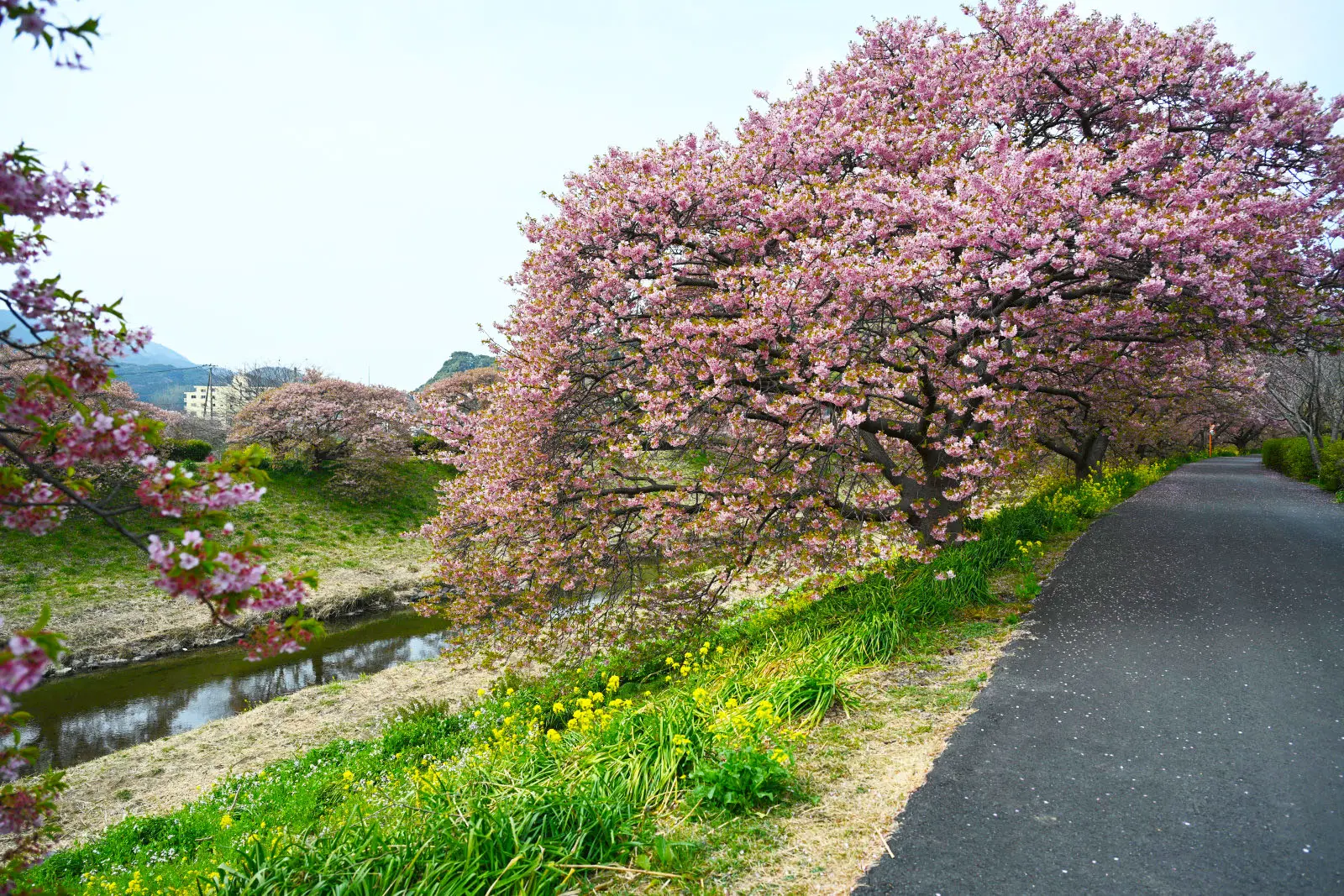
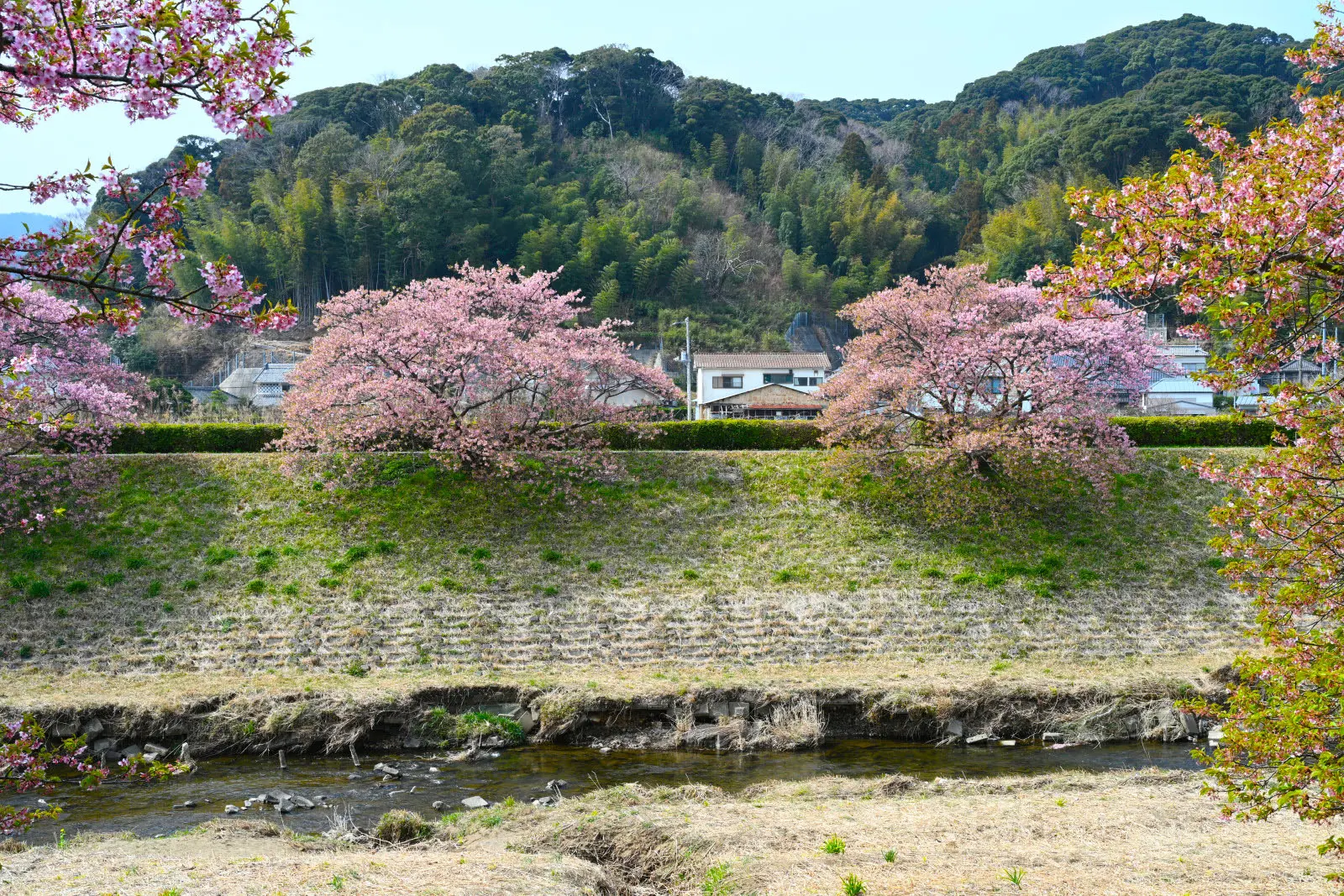
11:20am Roadside Station “Shimokamo Onsen Yunohana”
It’s located Approx. 1 km from Maehara Bridge, and it’s a good place to take a breather at the roadside station “Shimokamo Onsen Yunohana.”
During the cherry blossom festival, food trucks and stalls set up here, so you can also eat lunch.
It’s about 1.8 km to the final destination, the rapeseed fields, so it’s best to start walking again after 12:00pm.
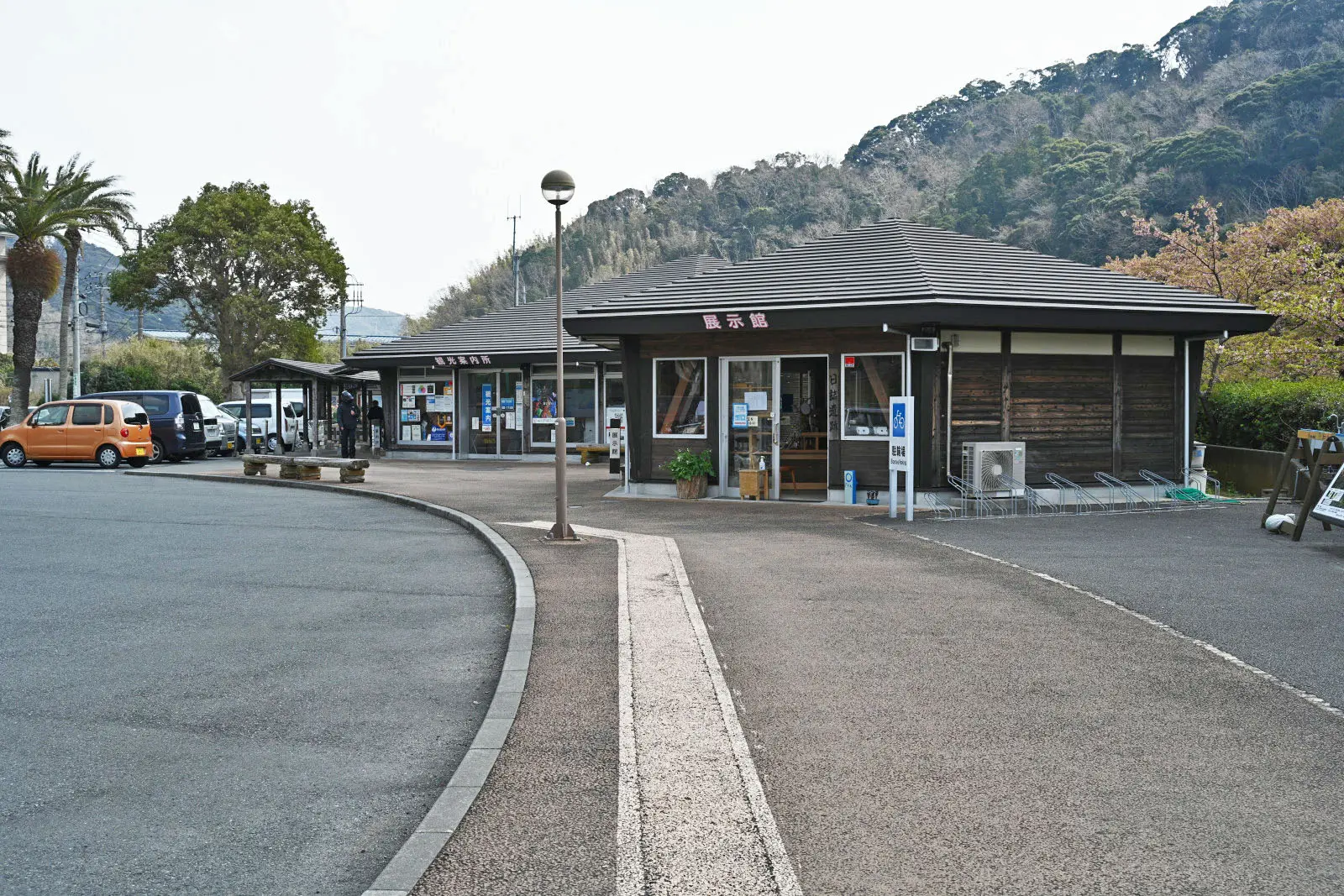
12:30pm Hino Rapeseed Fields
These vast rapeseed fields are maintained by local farmers, and from January to March you can enjoy this breathtaking view for a longer period than Kawazu-zakura.
From Hino Bus Stop, Head to Shimoda
Board the 12:50pm bus bound for Shimoda and arrive at Shimoda Station at 1:10pm.
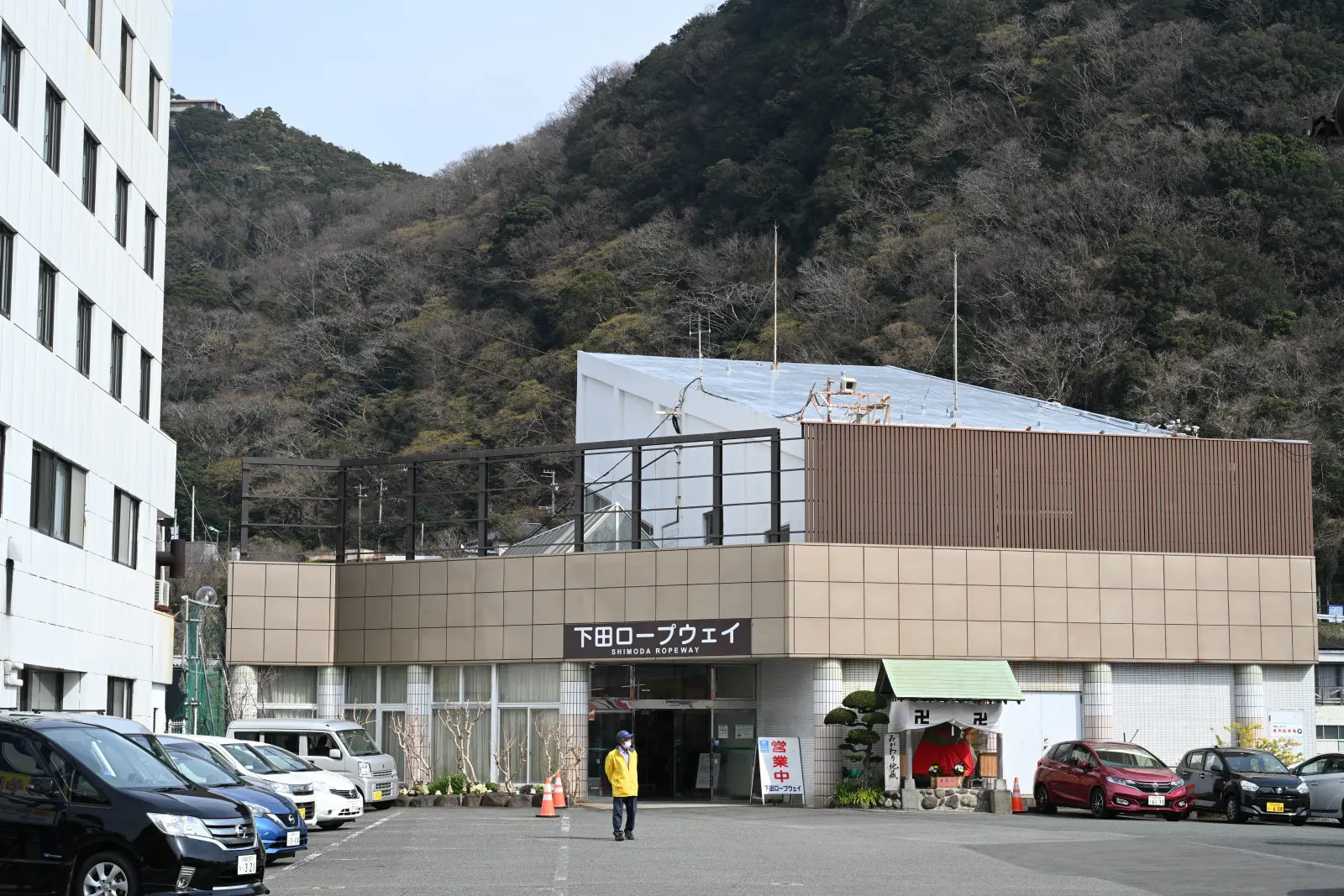
1:30pm Take the Shimoda Ropeway to Nesugatayama
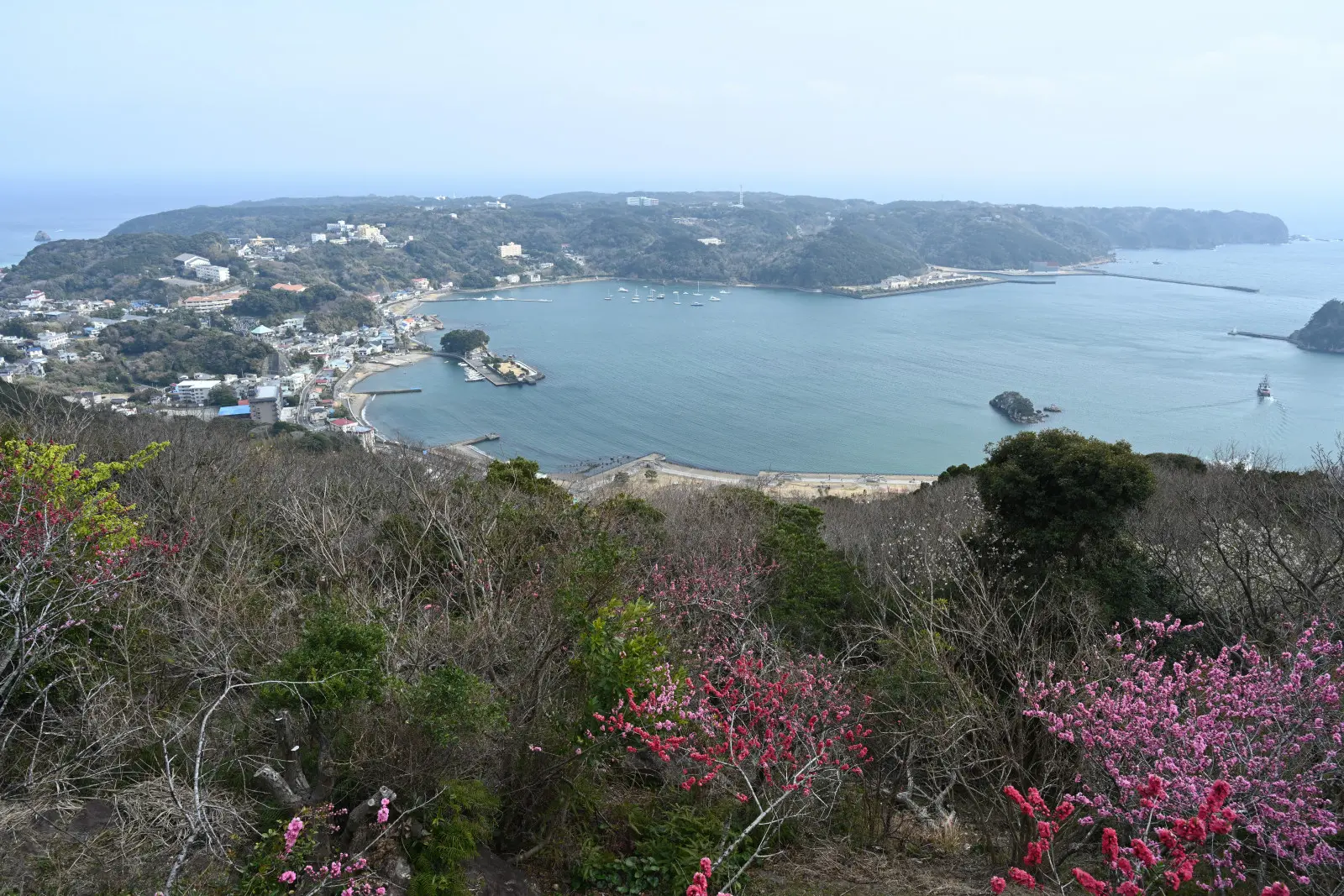
Take the 1:30pm ropeway up to Nesugatayama, then return on the 2:30pm departure from the summit station.
The ropeway ride takes around 3 minutes 30 seconds, and hiking trails extend from the summit station, letting you visit multiple viewpoints.
3:08pm Depart Izukyushimoda
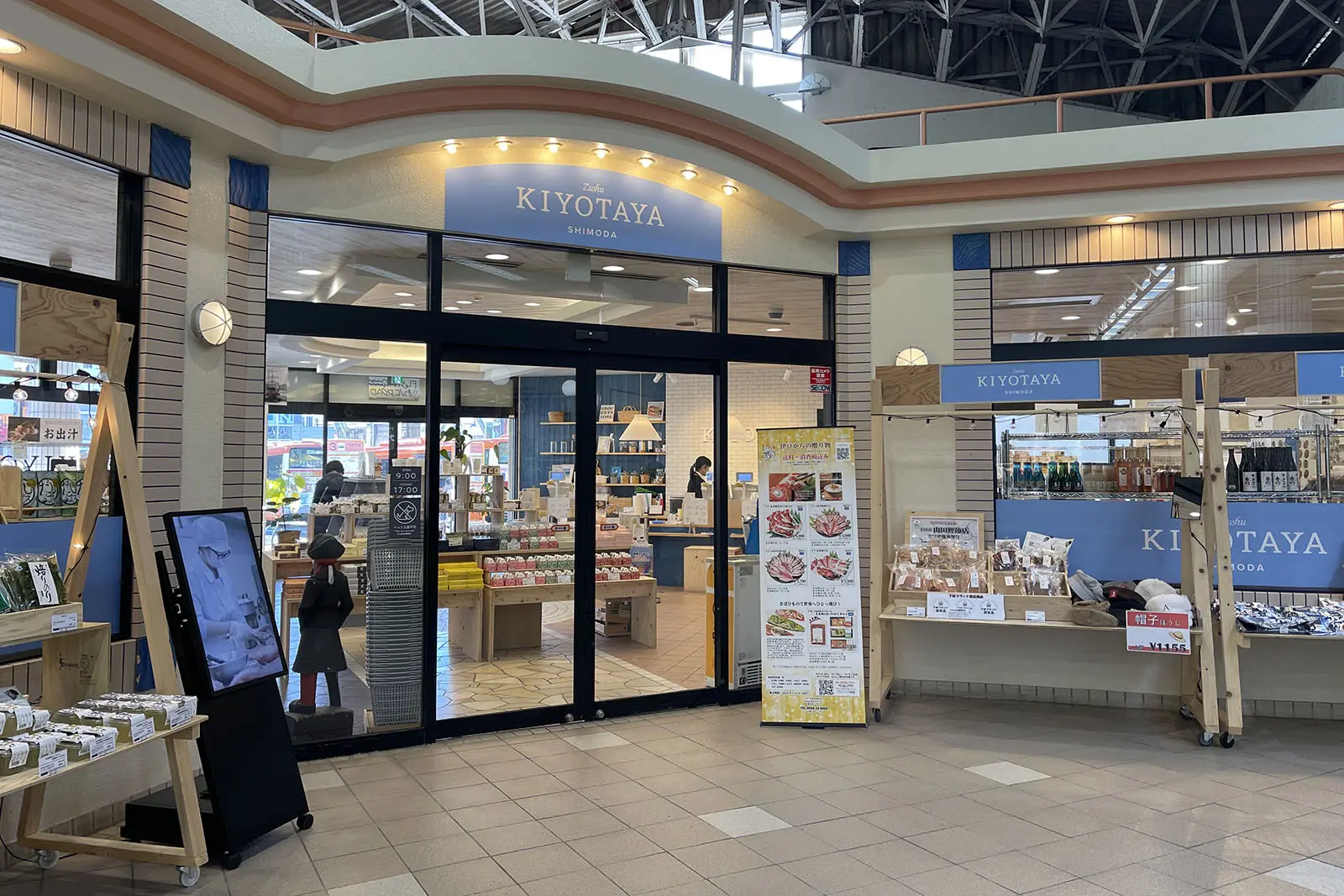
Izukyushimoda Station has a well-stocked souvenir shop called KIYOTAYA, so it’s also a good place to buy Izu souvenirs all at once.
Board the 3:08pm Odoriko 10 and arrive in Tokyo at 5:48pm.
FAQ about Kawazu-zakura Sightseeing
Q
Where should I see Kawazu-zakura? Where are the best spots?
A
Kawazu-zakura trees are planted all over Japan, so you can see them in many different places.
The best-known spots are places with Kawazu-zakura rows, and the 대표 locations are Kawazu Town and Minami-Izu Town in Kamo District, Shizuoka Prefecture.
Q
When does Kawazu-zakura bloom, and how can I check it?
A
They start blooming in early February, with the best viewing period in mid to late February.
The timing varies depending on the year’s weather, but famous spots such as Kawazu Town and Minami-Izu Town post bloom updates once February begins, so check the Kawazu Town bloom updates or Minami-Izu Town bloom updates.
Q
What festivals are held during the best viewing period for Kawazu-zakura?
A
In 2026, Kawazu Town will hold the Kawazu Cherry Blossom Festival from February 7 to March 8, and Minami-Izu Town will hold the Minami Cherry Blossoms and Rapeseed Blossom Festival from February 1 to March 10.
Q
What can I do besides cherry blossom viewing?
A
Both Kawazu Town and Minami-Izu Town have naturally gushing hot springs—one of only three such sources on the Izu Peninsula—so you can fully enjoy onsen bathing.
During the festivals, you can also enjoy various events, evening illuminations, and food from stalls.
Q
I want to visit Kawazu Town and Minami-Izu Town by car.
A
The Izu Peninsula has many roads with stunning views, so a road trip is appealing, but if you visit the festival venues on Saturdays, Sundays, or holidays, you may struggle with traffic jams and finding parking, so we recommend traveling by train.
Q
Can I still enjoy Kawazu-zakura outside the festival period?
A
Because Kawazu-zakura has a long blooming period, there’s a good chance you can enjoy the flowers even before or after the festivals.
However, outside the festival period, food stalls won’t be set up, so you won’t be able to enjoy eating as you walk.
Summary
Kawazu-zakura is a flower that lets you feel the arrival of spring and the vitality of trees early, while the air is still a bit chilly.
There are many ways to enjoy the area, but once you arrive, focus first on seeing the blossoms.
If you put hanami off, the weather can turn with even a small delay, or crowds can surge in and make it hard to view them calmly.
If you’re visiting as a day trip from the Tokyo area, it’s difficult time-wise to enjoy onsen bathing or the illuminations.
The lively riverside scenery is great, but taking a slow walk in the morning—when there are still fewer tourists—can also become a wonderful memory.
Stay at least one night and savor Japan’s early cherry blossom season.

Author
Photographer & Writer
Hiroaki Oyamada
A photographer and writer who loves nature and is passionate about sharing the emotions and inspiration found through travel.