
Nishiki Market Travel Guide: How to Enjoy Kyoto’s Kitchen, Packed with 400 Years of History, to the Fullest!
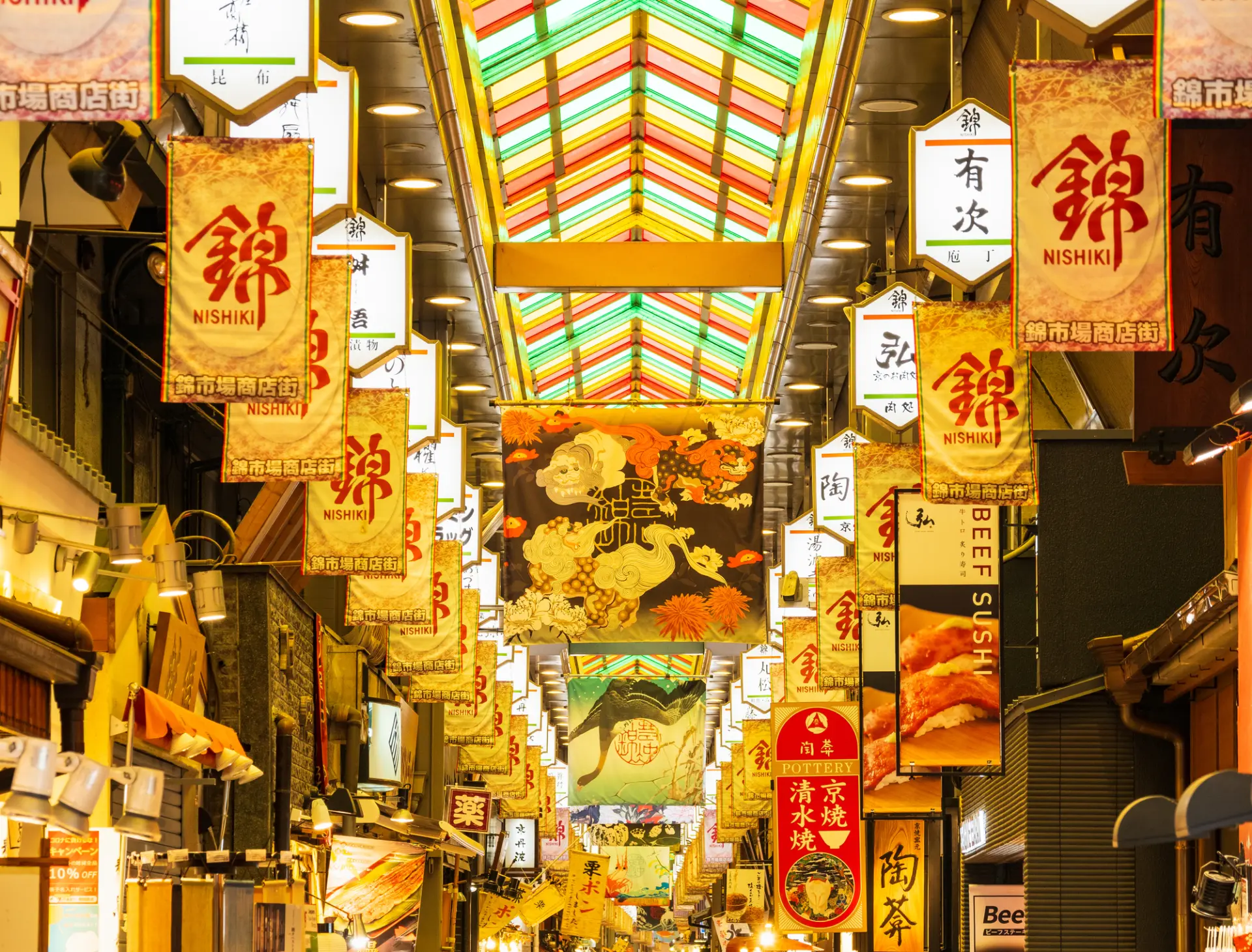
Located in the heart of Kyoto City, Nishiki Market is one of Japan’s leading shopping streets, with Approx. 400 years of history.
Under the arcade roof, specialty shops are packed side by side, bringing together fresh seafood, Kyoto vegetables, pickles, and other ingredients that support Kyoto’s food culture.
The calls of shop owners create the lively atmosphere of a traditional market, and the area also offers many cultural highlights that make it captivating even for a simple walk.
This article introduces how to enjoy Nishiki Market, along with recommended gourmet spots and important manners to know before you go.
It’s put together so even first-time visitors can make the most of their visit, so be sure to read to the end.
What is Nishiki Market Like?
Located one street north of Shijo Street in Nakagyo Ward, Kyoto City, Nishiki Market is a shopping street with Approx. 400 years of history.
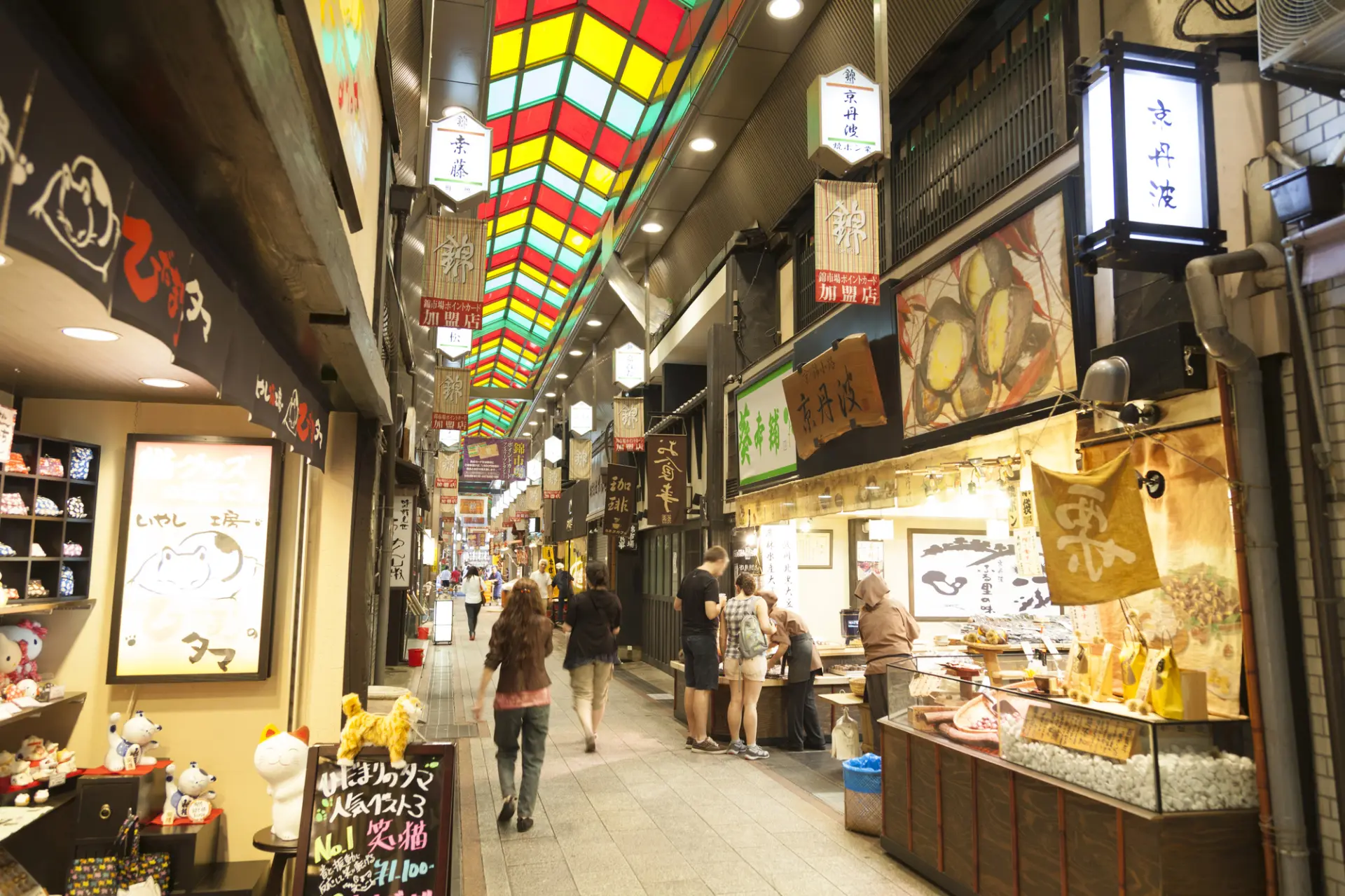
Along its Approx. 390 m arcade, around 130 specialty shops sell fresh seafood, Kyoto vegetables, pickles, obanzai, and more, earning it the nickname “Kyoto’s Kitchen.”
High-quality goods are displayed along the stone-paved street, and it stays lively year-round with everyone from professional chefs to domestic and international tourists.
You can also ask shop staff about specialist knowledge and how to enjoy the food, making it a great place to experience Kyoto’s unique food culture.
Another part of its charm is the distinctive atmosphere created by long-established shops preserving traditions passed down through generations alongside stores with a fresh new sensibility.
Allow Approx. 1 to 2 hours for your visit, and if you want to avoid the crowds, it’s best to come around 10am to 11am.
Access to Nishiki Market
The main nearest stations to Nishiki Market are Shijo Station on the Karasuma Subway Line, and Karasuma Station and Kyoto-Kawaramachi Station on the Hankyu Kyoto Line.
From any of them, you can reach one of the entrances in 5 to 10 minutes on foot.
Here, we’ve summarized access from Kyoto Station, a major base for sightseeing in Kyoto, by transportation method.
The subway is especially recommended, as it is easy for international visitors to use.
| Transportation | Route | Travel Time | One-way Fare |
|---|---|---|---|
| Subway | Take the Kyoto Municipal Karasuma Line from Kyoto Station, get off at Shijo Station, then walk Approx. 8 minutes from Exit 1 | Approx. 15 minutes | 220 yen |
| City Bus | Take Kyoto City Bus 4, 7, or 205 from the Kyoto Ekimae bus stop, get off at Shijo Kawaramachi, then walk Approx. 5 minutes | Approx. 20 minutes | 230 yen |
| Taxi | Take a taxi from the Kyoto Station Karasuma Exit taxi stand and get off near Nishiki Market | Approx. 10 minutes | Approx. 1,200 yen |
*On foot, it takes Approx. 35 minutes.
What is the best season to visit Nishiki Market?
Nishiki Market is basically open year-round and stays lively in every season.
You can visit anytime, but spring and fall are especially recommended for their mild weather and comfortable walking conditions.
From March to May, you can enjoy it together with cherry blossom viewing and temple and shrine visits, and there is a great selection of spring vegetables and cherry blossom-themed sweets.
In fall, Kyoto becomes especially vibrant during the autumn leaves season, and seasonal Kyoto vegetables and fish come into season, making gourmet-hopping even more enjoyable.
[No Eating While Walking] 3 Things to Know Before Visiting Nishiki Market
Here are the basic manners you should know before visiting Nishiki Market.
These are essential so locals and tourists can share the space comfortably and respectfully.
Not knowing the rules is no excuse, so be sure to keep them in mind and follow them carefully.
1. Never eat while walking
At Nishiki Market, one of the most important rules is not eating while walking.
The shopping street is narrow, and this rule helps prevent congestion, trouble between visitors, and sanitation issues.
The official policy clearly prohibits it, and purchased food must be eaten at the storefront or inside the shop.
Be careful not to block passersby or drop food, and either take your trash with you or throw it away in the place designated by the shop.
In short, “buy it and eat it there,” then “clean up after you finish before moving on”, as long as you follow that cycle, there’s no problem.
2. Be considerate of others when taking photos
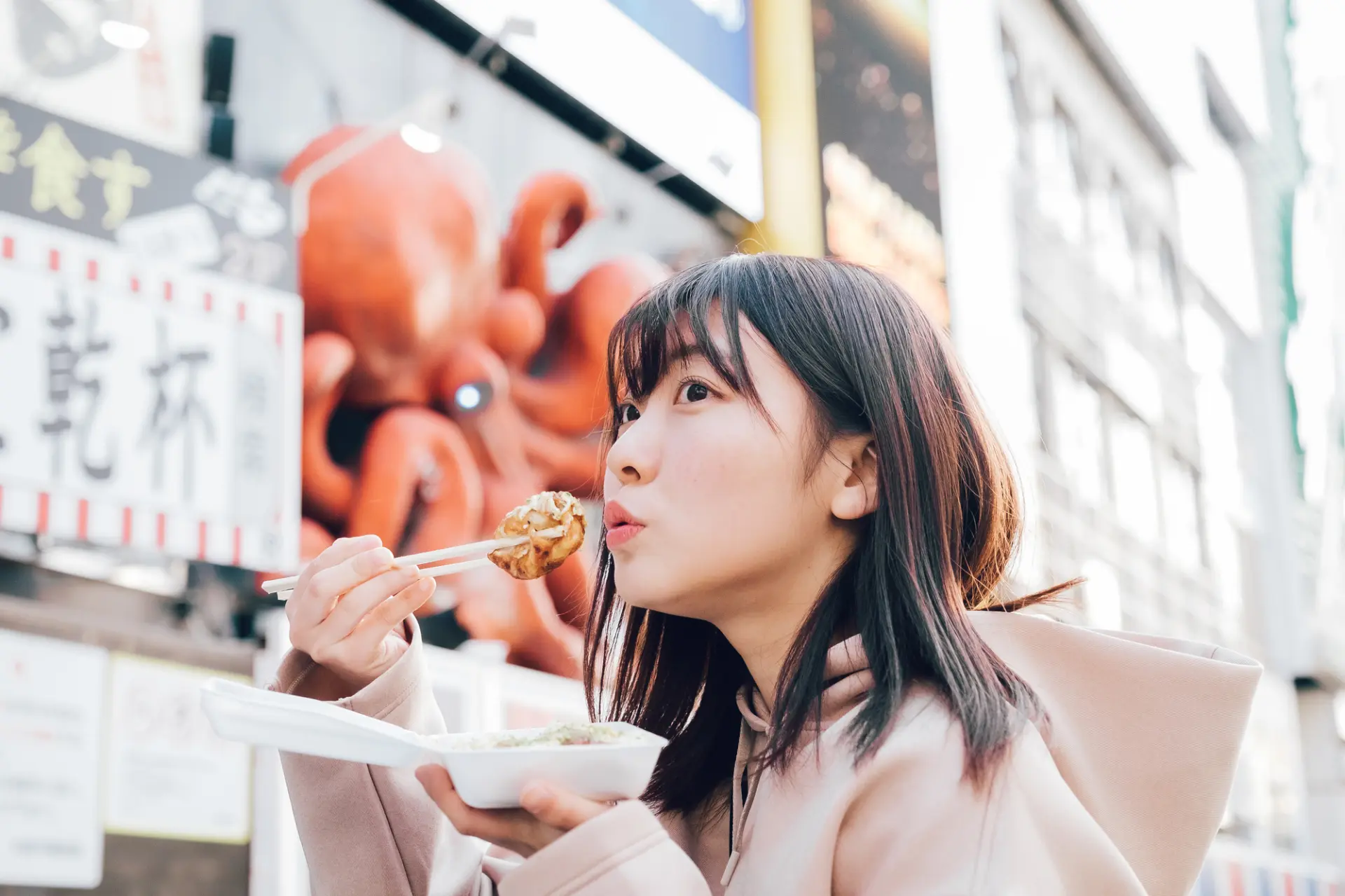
Nishiki Market is full of photogenic spots and tempting food, so it’s easy to get carried away.
That’s why it’s important to prioritize consideration for others as you walk and be mindful not to disrupt the space.
Some shops prohibit photos of their storefronts or merchandise, so it’s good manners to ask staff before taking pictures.
Taking photos without permission can cause trouble, inconvenience the shop, and make people uncomfortable when a camera is pointed at them without consent.
Also, once you have permission, keep in mind that you are being allowed to take photos, and be careful not to capture other people in your shots.
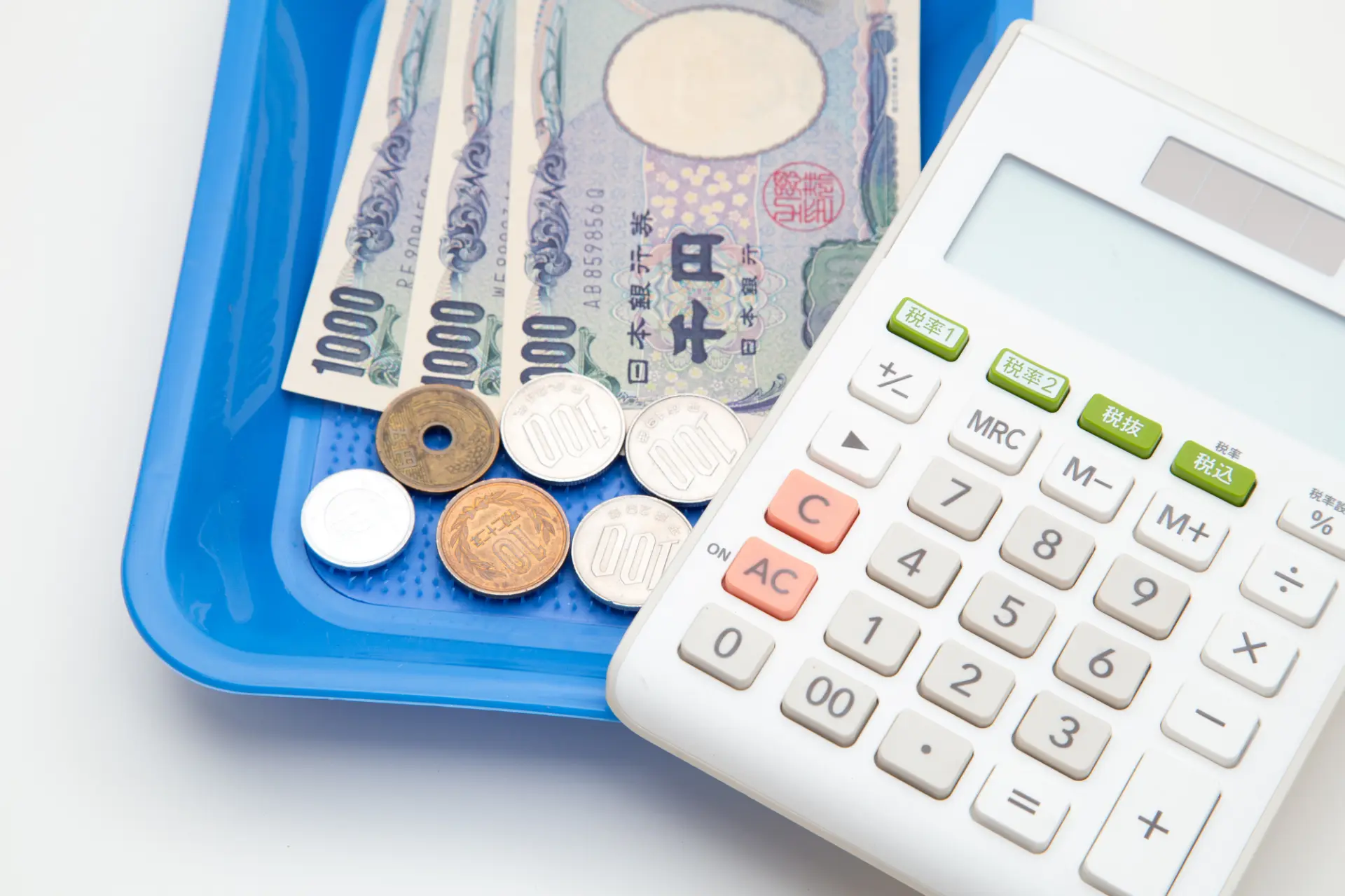
3. Prepare cash in advance
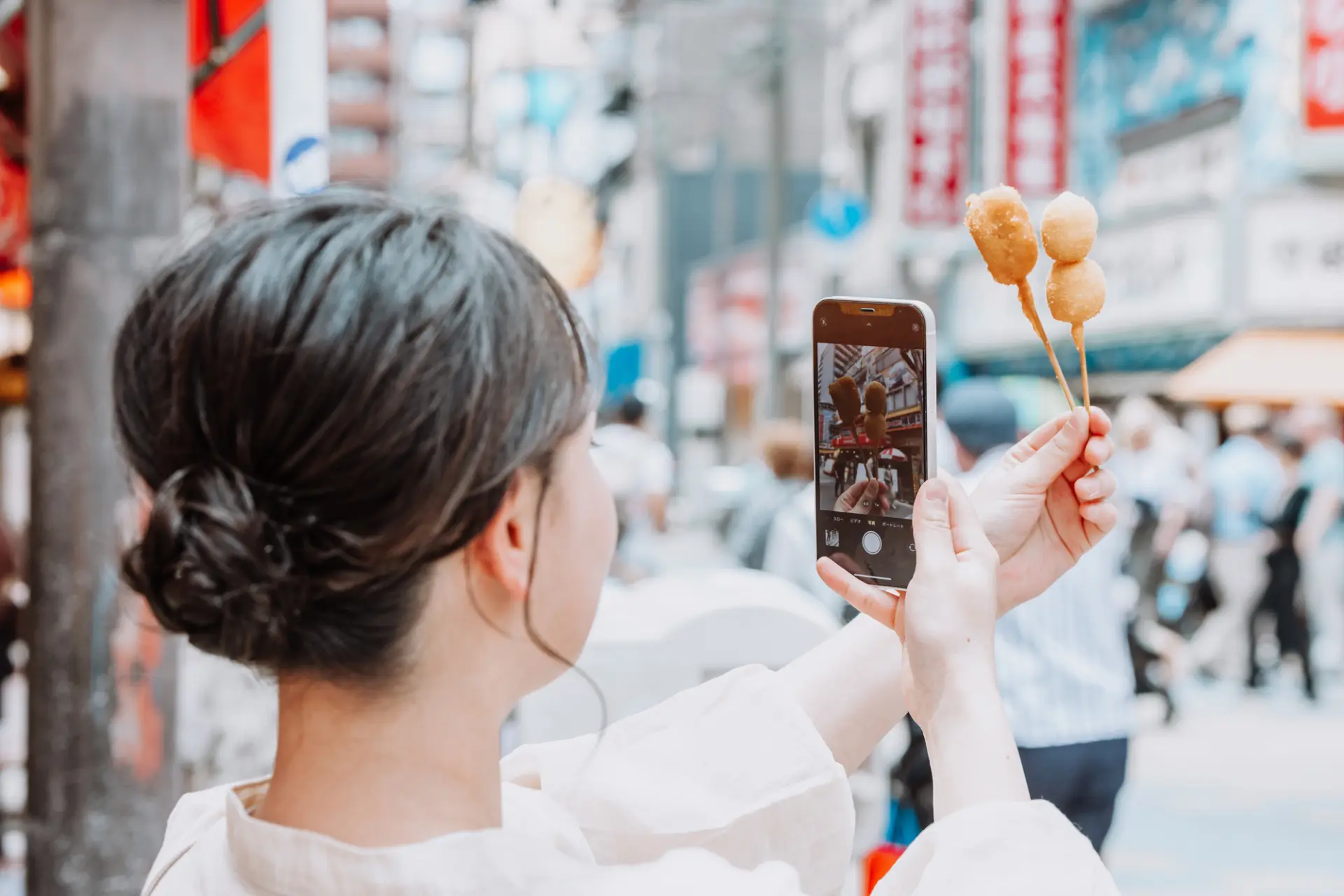
Payment methods vary by shop at Nishiki Market, but many long-established and smaller stores still accept cash only.
Also, items like skewers, fried foods, and sweets generally cost only a few hundred yen, so small payments come up often.
Cash makes checkout smoother, and it can also help avoid trouble during busy times and keep the register line moving efficiently.
To avoid the disappointment of not being able to buy something because you don’t have cash, prepare a few 1,000-yen bills and some coins in advance.
3 Ways to Fully Enjoy Nishiki Market
Every walk through Nishiki Market brings new shops, aromas, sounds, and encounters, making the stroll itself part of the experience.
As you take in its historic atmosphere, you may feel as if you’ve stepped into everyday life in Kyoto.
You can have a great time just wandering, but here are three ways to enjoy it even more deeply.
Of course, finding your own personal favorite is part of the fun too.
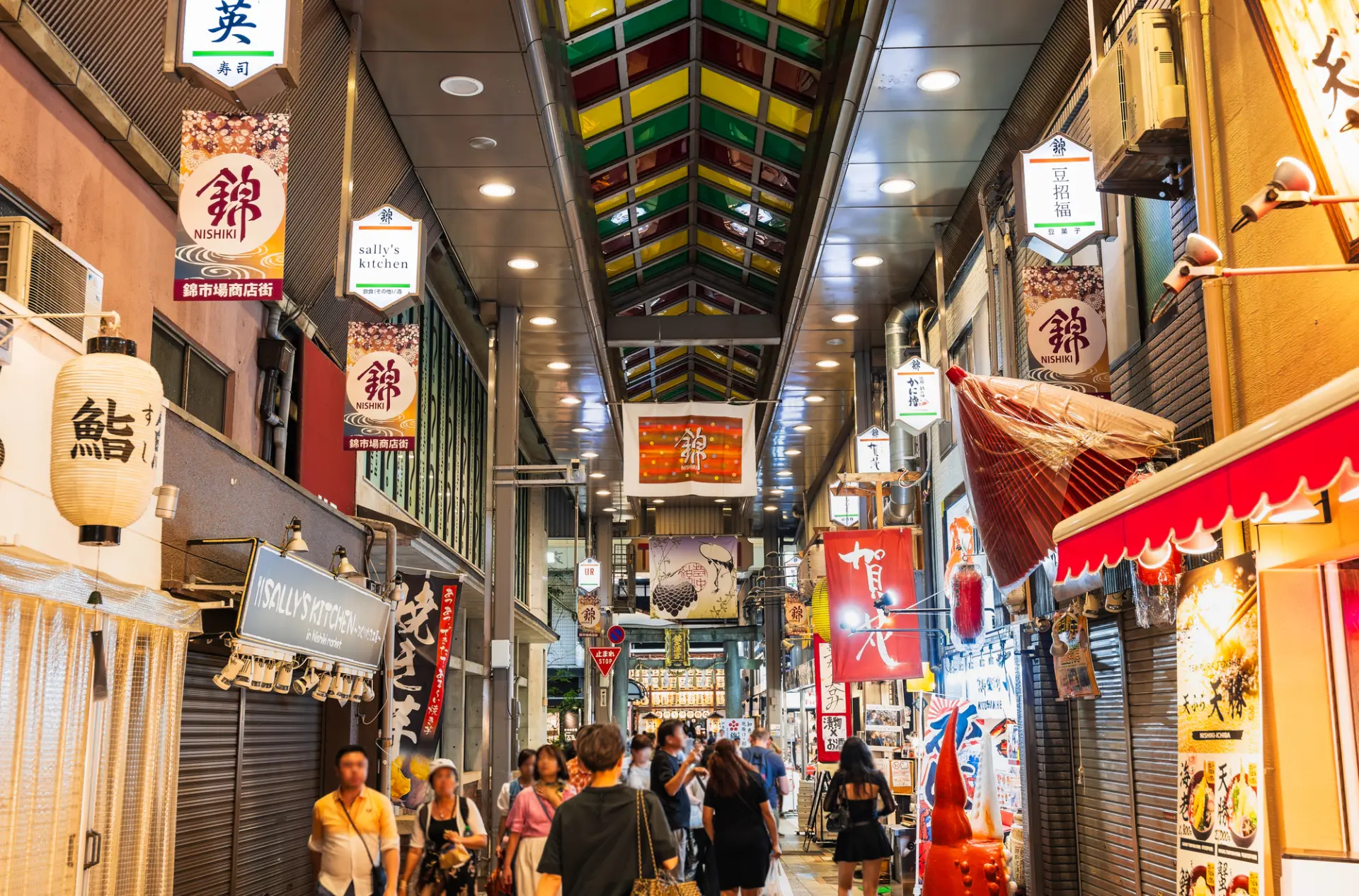
Enjoy the history and atmosphere of Nishiki Market
Nishiki Market was officially recognized by the Edo shogunate in 1615, but it is said that its history goes back as far as the Heian period (794–1185).
Even today, the town names Higashiuoya-cho, Nakauoya-cho, and Nishiuoya-cho remain along Nishikikoji Street, preserving traces of that era.
At long-established shops, techniques and flavors passed down through generations are still alive, while the voices of shop owners, drifting aromas, and colorful ingredients create a unique rhythm throughout the market.
As you walk under the arcade, you’ll spot old wooden signs and cooking tools that have been used for many years, giving you a feel for the roots of daily life in Kyoto.
If you pay attention to these layers of history and atmosphere, you’ll be able to enjoy the market more deeply with all five senses.
Savor Kyoto’s unique food culture
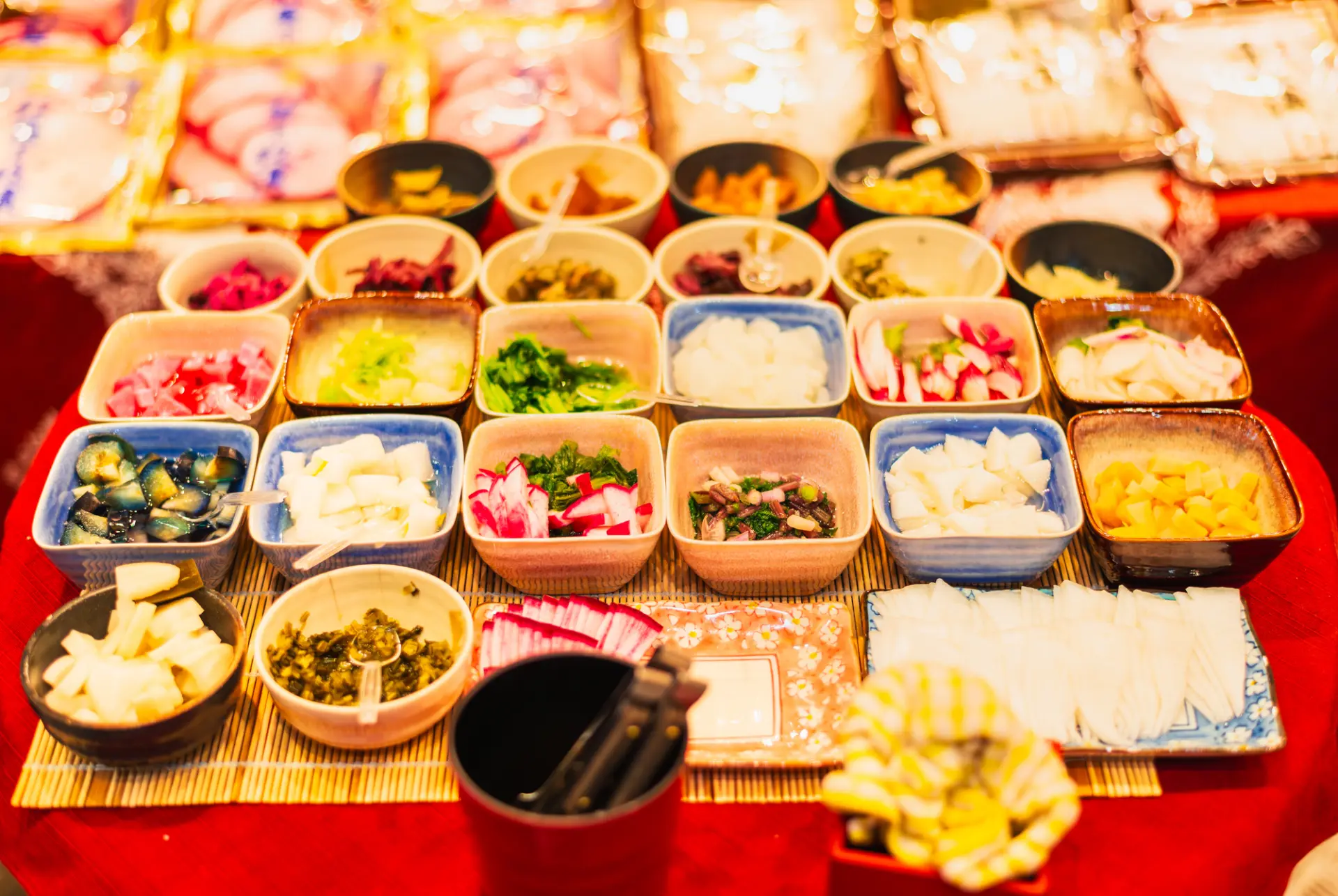
One thing you can’t miss when enjoying Nishiki Market is Kyoto’s unique food culture.
Traditional ingredients such as Kyoto vegetables, tofu, pickles, and fresh seafood, raised or prepared in an environment blessed with abundant groundwater, are gathered here in fresh condition, letting you discover authentic flavors rooted in daily life.
Kyoto cuisine is basically about making simple use of quality ingredients, and is known for its refined, delicate sweetness, umami, and texture.
The seasons are also an important element, and because seasonal foods are available throughout the year, the experience changes depending on when you visit.
There’s real pleasure in comparing the craftsmanship of each shop, and visiting 4 or 5 places will give you a deeper sense of the richness and variety of Kyoto’s food culture.
Enjoy souvenir shopping
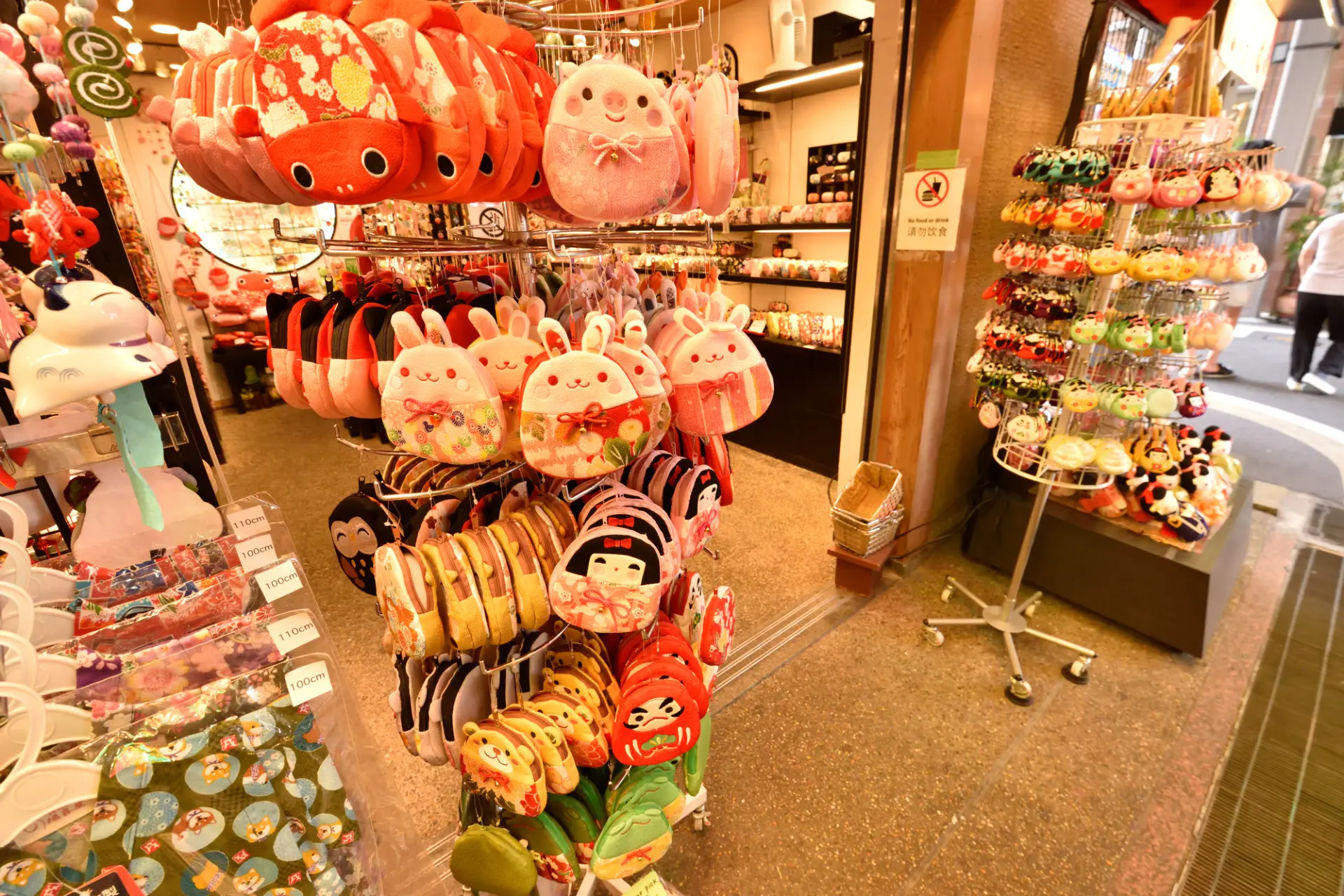
Nishiki Market is strongly associated with gourmet food, but it also has another side as a shopping spot filled with items you can only find here.
From sweets to practical goods and unique limited-edition items, the range is broad, making it easy to find souvenirs that match the occasion and the person you’re buying for.
Some foods can be sampled, so each step brings a new discovery, and even the process of deciding what to choose becomes part of your travel memories.
Another highlight is that by buying beautifully packaged items or products full of artisan skill, you can take a piece of Kyoto home with you.
5 Recommended Gourmet Spots at Nishiki Market
From here, we’ll introduce five recommended gourmet spots at Nishiki Market.
These popular shops are particular about their ingredients and cooking methods, and let you enjoy Kyoto-style flavors in a short time.
We picked places from different genres so you can choose based on your taste and mood.
Be sure to stop by any shop that catches your eye.
Hanayori Kiyoe
Hanayori Kiyoe, a shop and light meal spot, is located near the entrance on the Kyoto-Kawaramachi side.
At the storefront, you can buy seasonings including the premium olive oil “Kiyoe,” as well as fried foods made with Kiyoe.
A major feature of every menu item is its light, clean finish that makes it easy to eat.
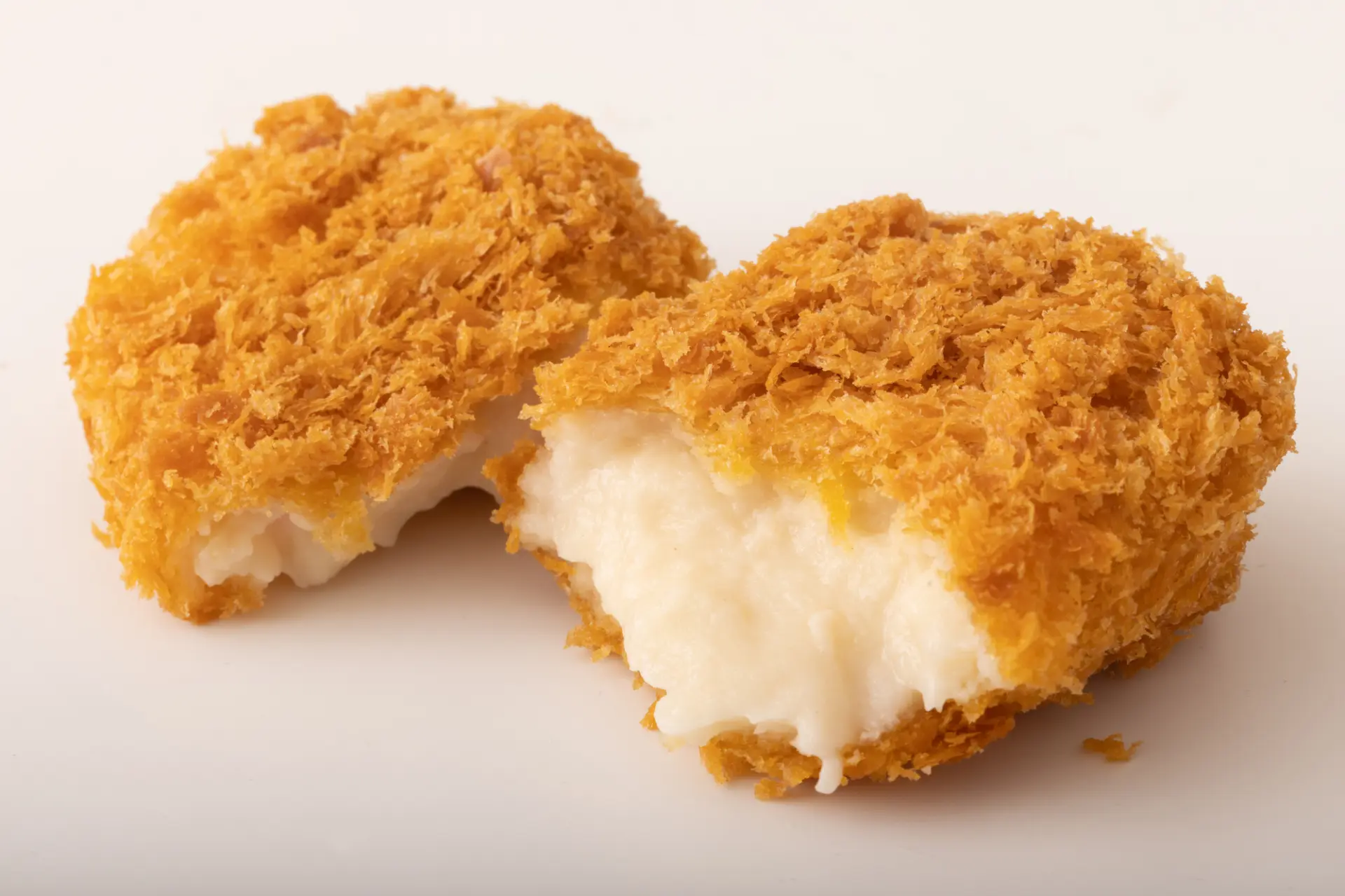
Among them, the recommended item is the yuba cream croquette, a Nishiki Market specialty made with a soy milk base.
The shop proudly calls it the most delicious croquette in Kyoto, with an exquisite balance of crispy outside and soft, creamy filling.
Konnamonja
Konnamonja is a tofu specialty shop directly operated by Kyoto Tofu Fujino, located at the corner of Sakaimachi Street.
The shop offers healthy menu items including tofu made with 100% domestically grown soybeans and focused on safety and quality, as well as yuba and sweets.
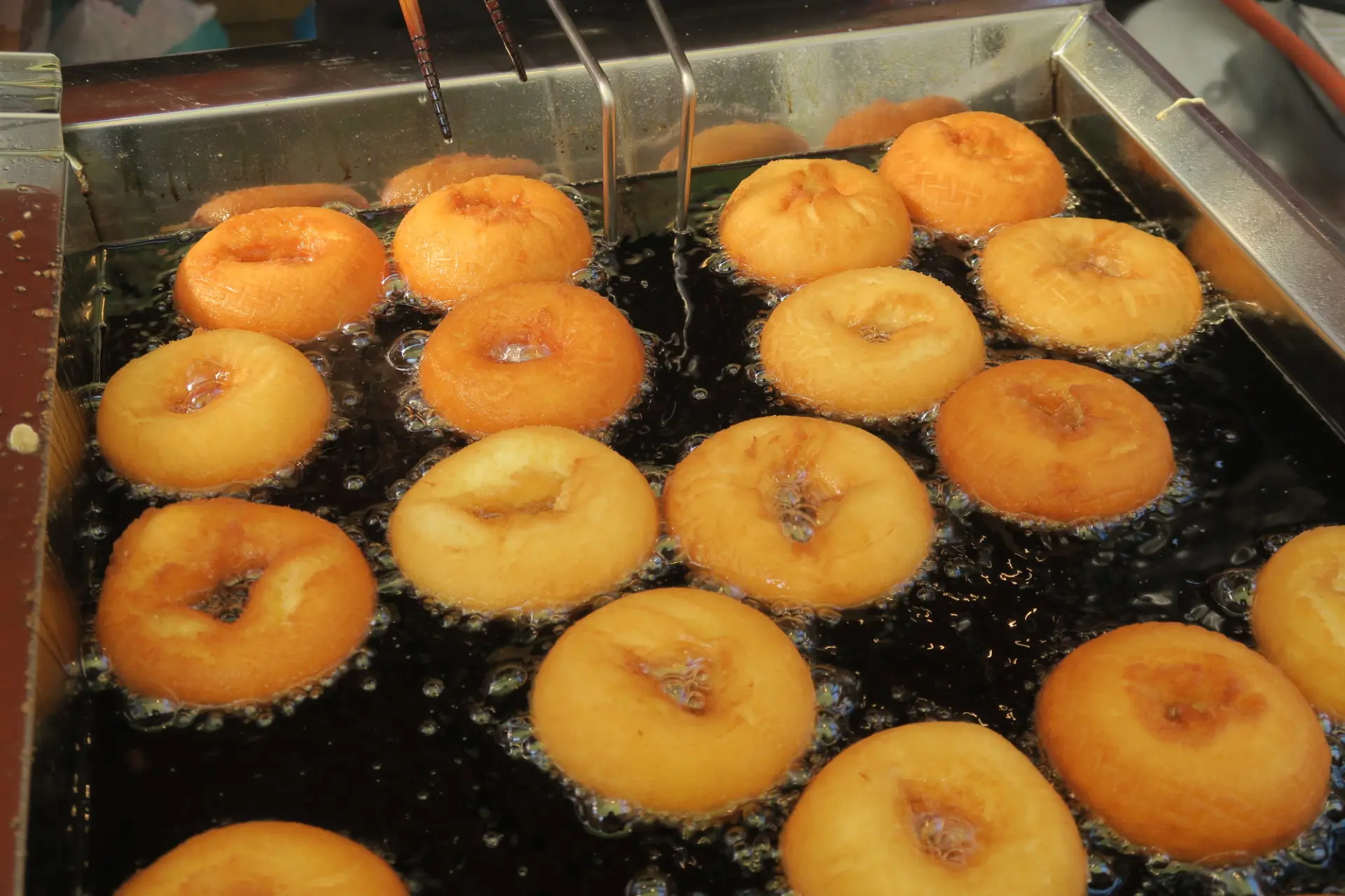
Its popular food item is the soy milk donut, which has been sold for more than 30 years since the shop first opened.
It is known for its moist, fluffy texture, low oiliness, bite-sized shape, and mild sweetness.
One of its charms is that you can enjoy them fresh and hot while watching them being fried at the storefront.
KAI
KAI is a specialty shop for furikake, delicacies, and snacks to go with drinks.
Its appeal lies in its lineup of distinctive products, led by the “Shocking Sesame” furikake series, which won a Gold Award at the Omotenashi Selection 2021.
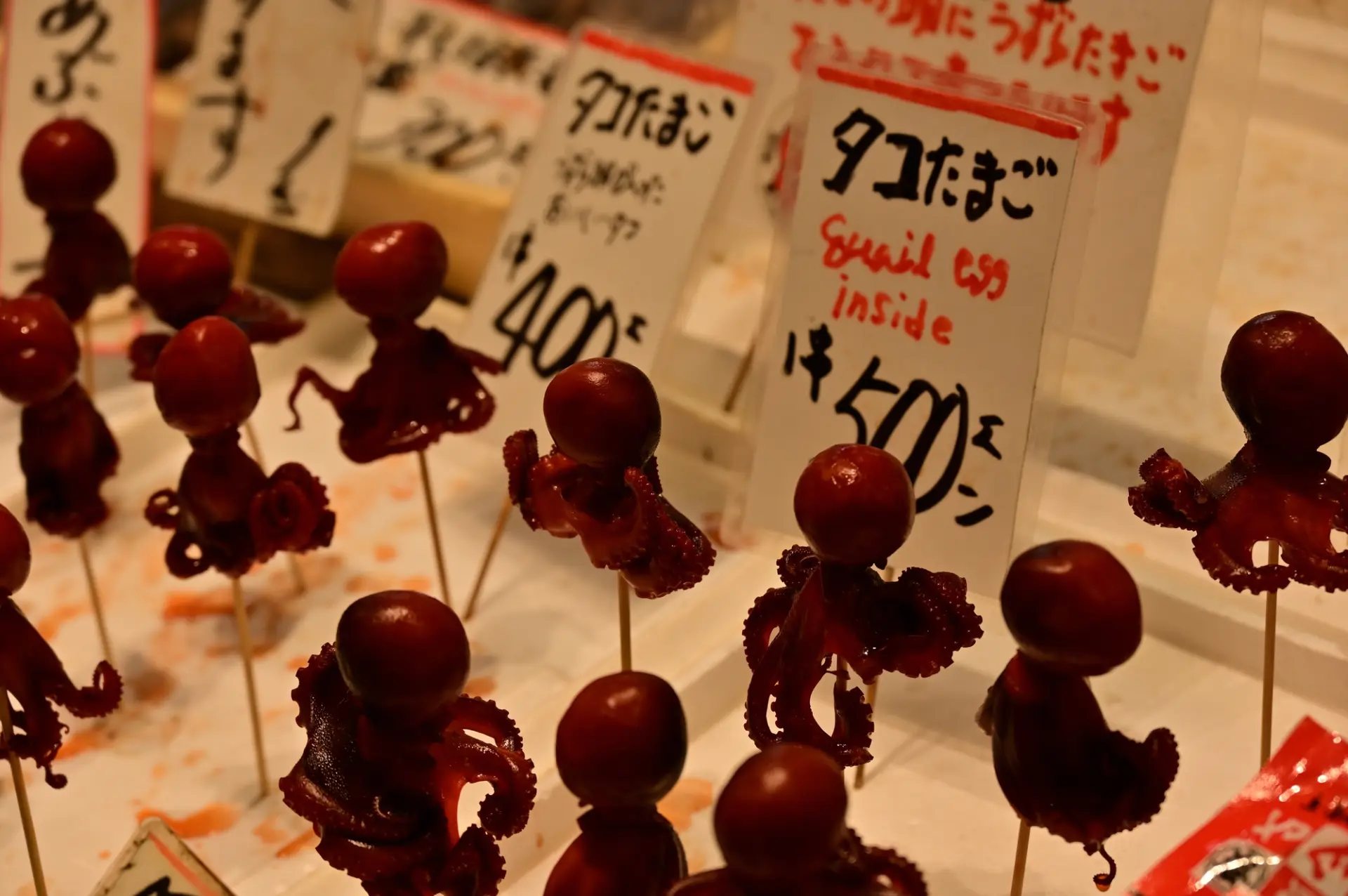
One item gaining attention on social media and in the media is “Tako Tamago,” baby octopus stuffed with a quail egg in its head.
Not only is it visually unique, but the octopus is also slowly simmered in a soy sauce-based sauce until tender, and many people say it becomes addictive after one bite.
It’s also nice that it comes in three sizes: medium, large, and extra large.
Uoriki
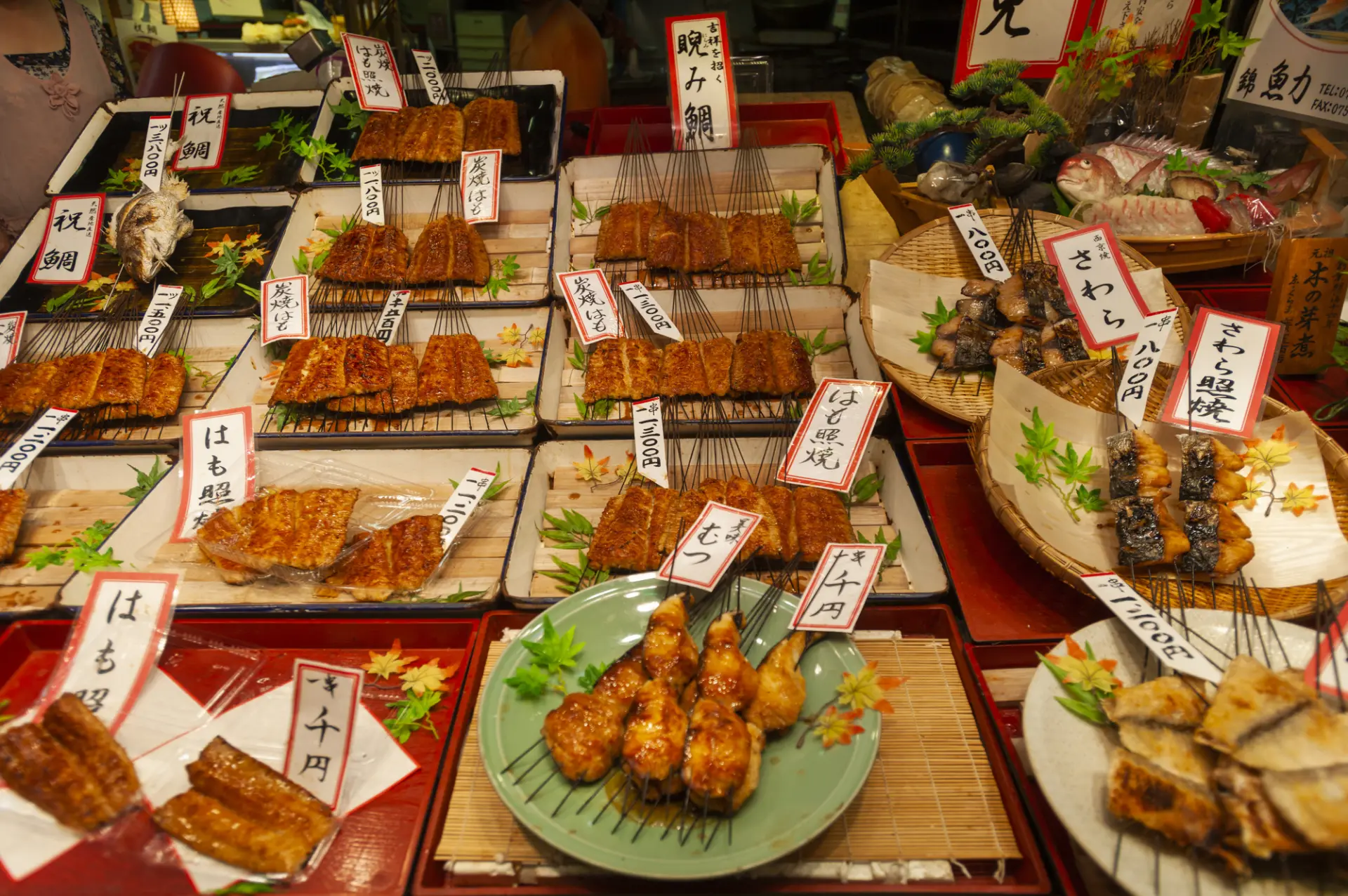
Located near the center of Nishiki Market, Uoriki is a long-established grilled fish specialty shop that has been in business since 1919.
Fried and grilled dishes made with fresh seafood are lined up at the storefront, and the savory aroma drifting through the area naturally makes passersby stop.
The shop is especially known for its focus on pike conger, a premium ingredient, and its tempura sourced from Shimonoseki is crispy and fluffy, substantial in volume yet light on the palate, and absolutely delicious.
At 600 yen per skewer, it’s reasonably priced, and the grilled scallops and fried pike conger, which pair well with alcohol, are also popular.
Miki Keiran
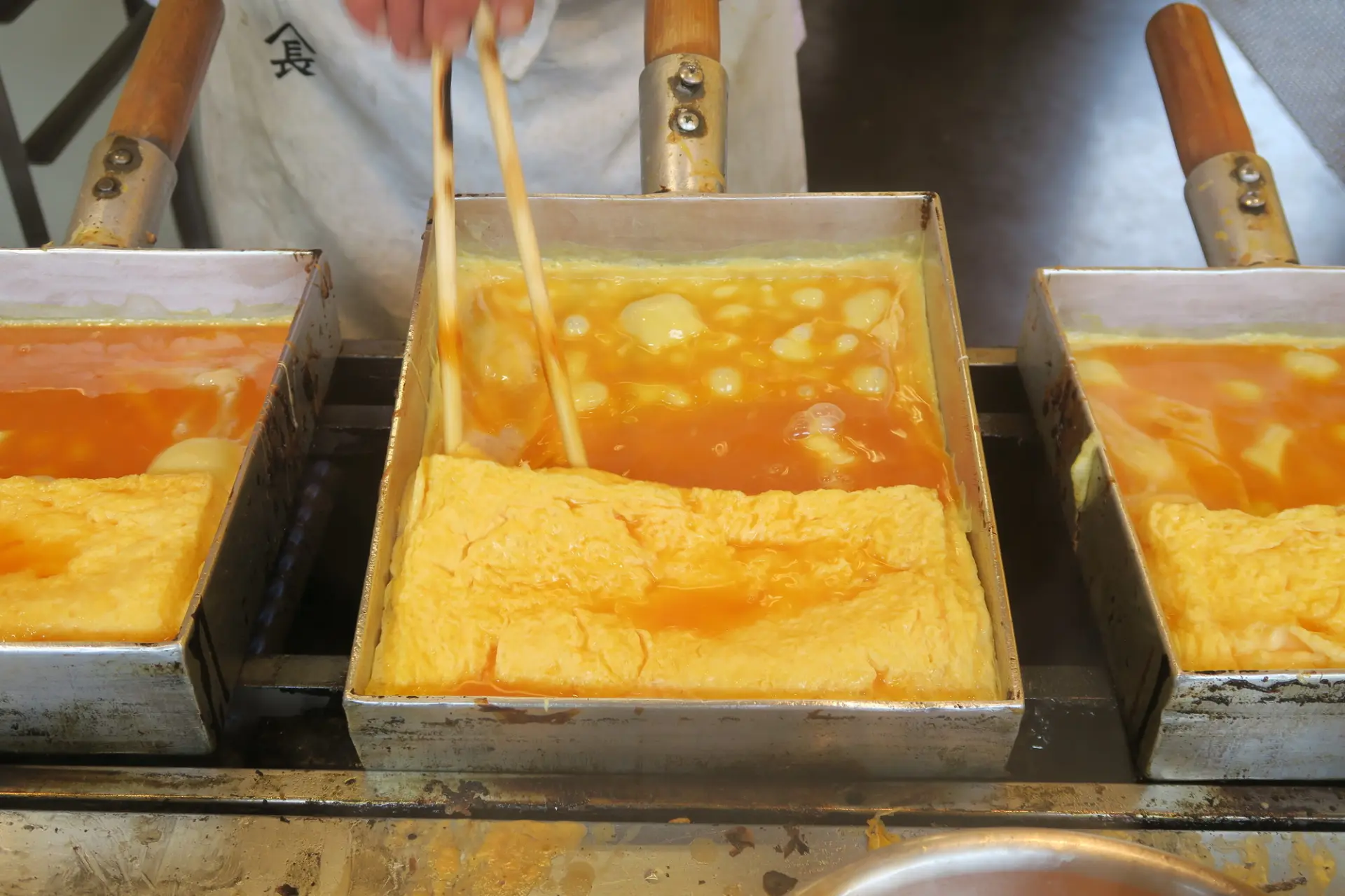
Miki Keiran is a dashimaki tamago specialty shop founded in 1928.
Its biggest feature is that fresh eggs are infused with a secret broth carefully made from premium ingredients such as Rishiri kelp, bonito flakes, and herring, then finished by hand using the traditional “Kyomaki” technique.
Soft and fluffy, with elegant umami spreading across your mouth, its deep flavor, possible only at the place of origin, has long been loved by both locals and tourists.
Homemade sweets such as petit cream puffs and yolk bean paste buns are also well regarded and are recommended when you want a light snack.
3 Recommended Shops for Souvenir Shopping at Nishiki Market
Next, here are three recommended shops for souvenir shopping.
They offer products rooted in Kyoto’s traditions and local character, and you can find items that look great too.
They’re perfect not only for yourself but also as gifts, so if you’re unsure what to buy, try stopping by one of these shops.
SNOOPY Chaya Kyoto Nishiki Store
Located near Yanaginobanba Street, SNOOPY Chaya Kyoto Nishiki Store is a Snoopy-themed gift shop.
Opened in 2016, it has goods sales and takeout on the first floor, while the second floor is a Woodstock-themed shop.
Inside the shop, which has a Japanese atmosphere, you’ll find a wide range of character goods and many other items.
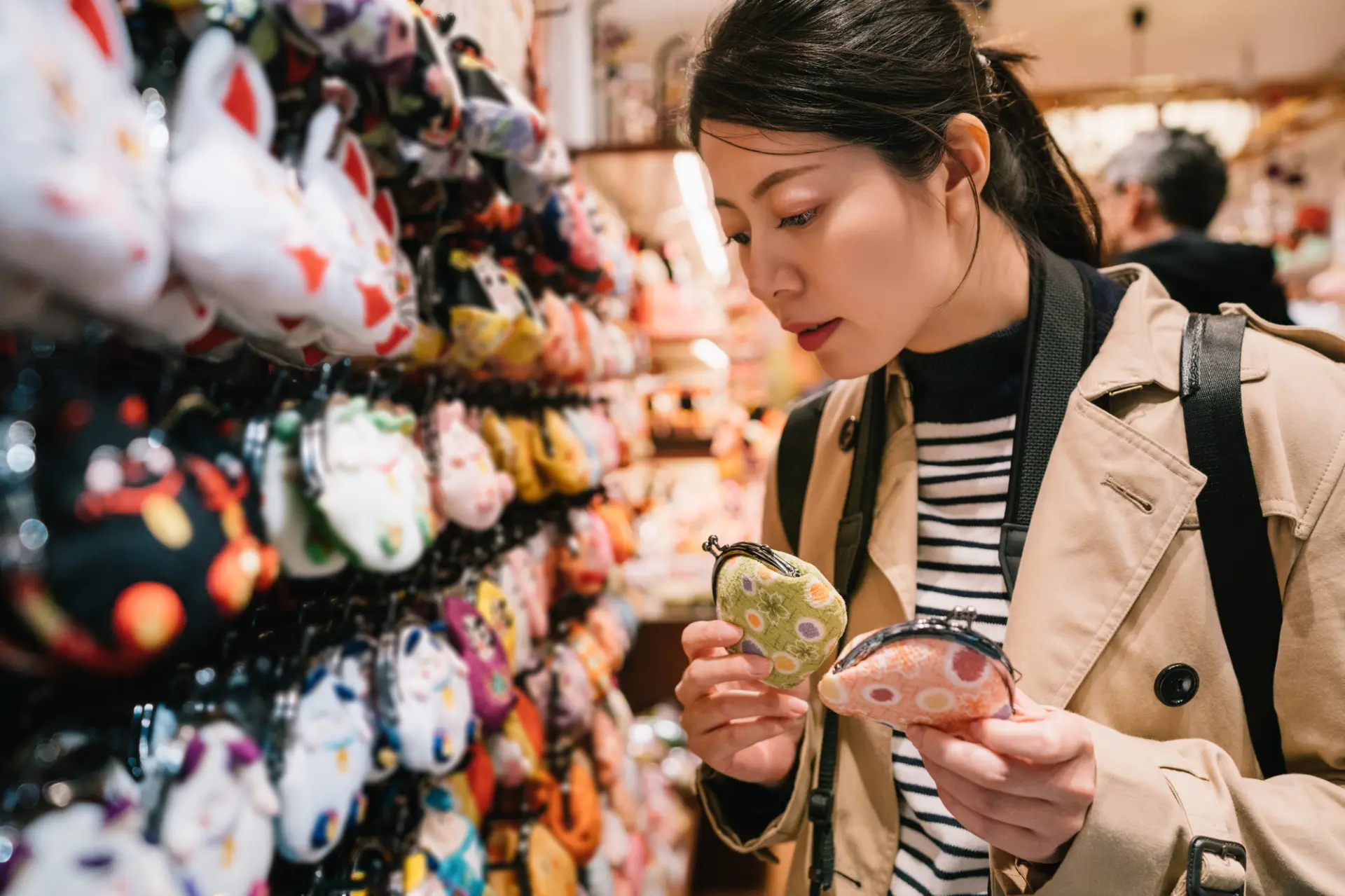
Recommended souvenirs include the cute-packaged Snoopy Mikasa (dorayaki), as well as Nishijin-ori clasp purses and Kiyomizu ware rice bowls that are exclusive to this store.
Ochanokosaisai
Ochanokosaisai is a chili pepper specialty shop located just by the west entrance on Sakaimachi Street.
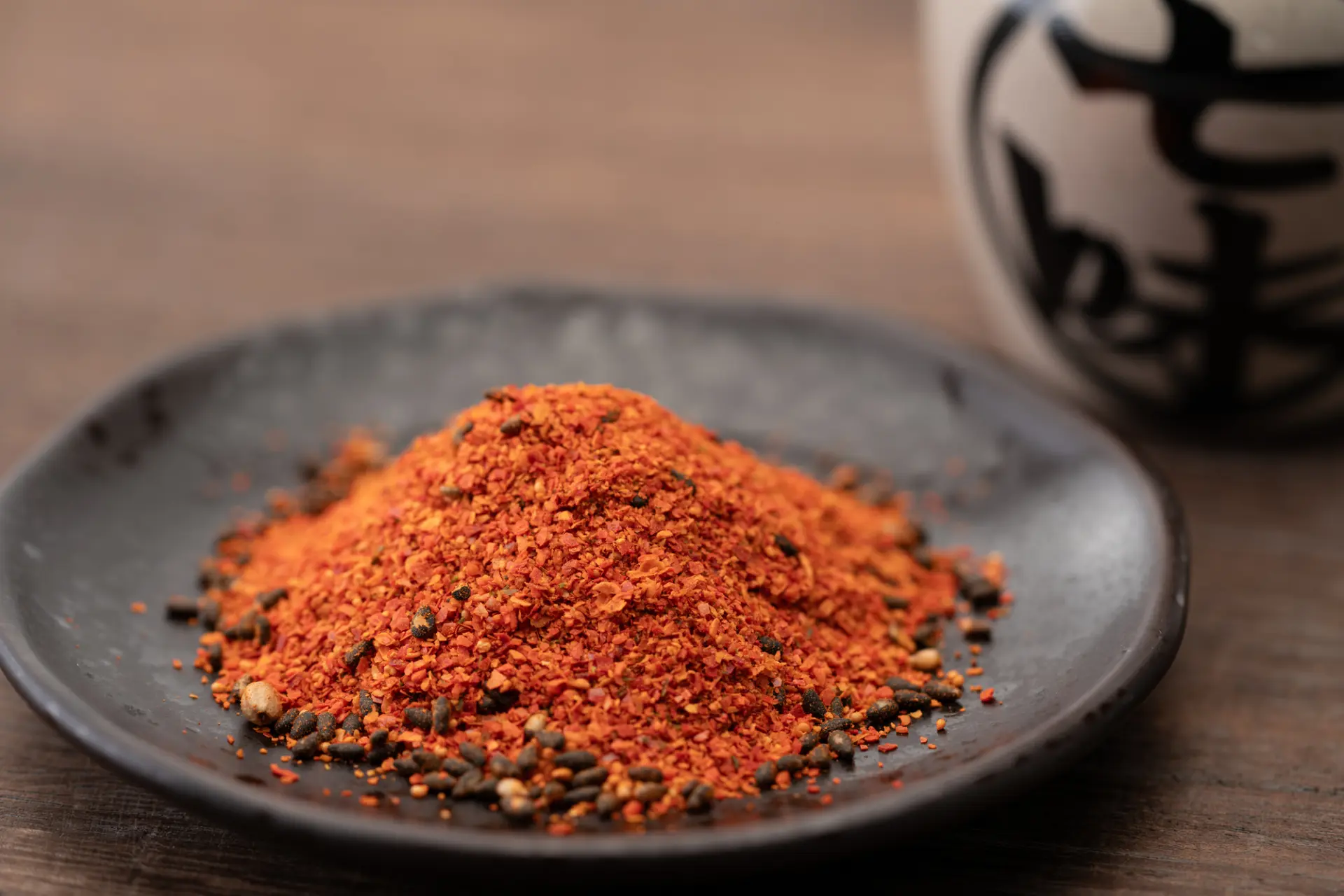
The storefront is lined with distinctive products made with quality ingredients such as domestically grown chili peppers, Japanese pepper, and green laver, giving a modern twist to Kyoto’s traditional shichimi culture.
Its biggest attraction is “custom-blended shichimi,” which can be mixed to suit your taste.
You can place detailed requests such as “please make it mildly spicy,” and create your own one-of-a-kind blend while sampling.
You can also ask the staff how to use it, making it easy for first-time visitors to choose, and it’s perfect as a gift too.
Nishiki Marun
Nishiki Marun is a shop in the center of Nishiki Market filled with all kinds of cute items.
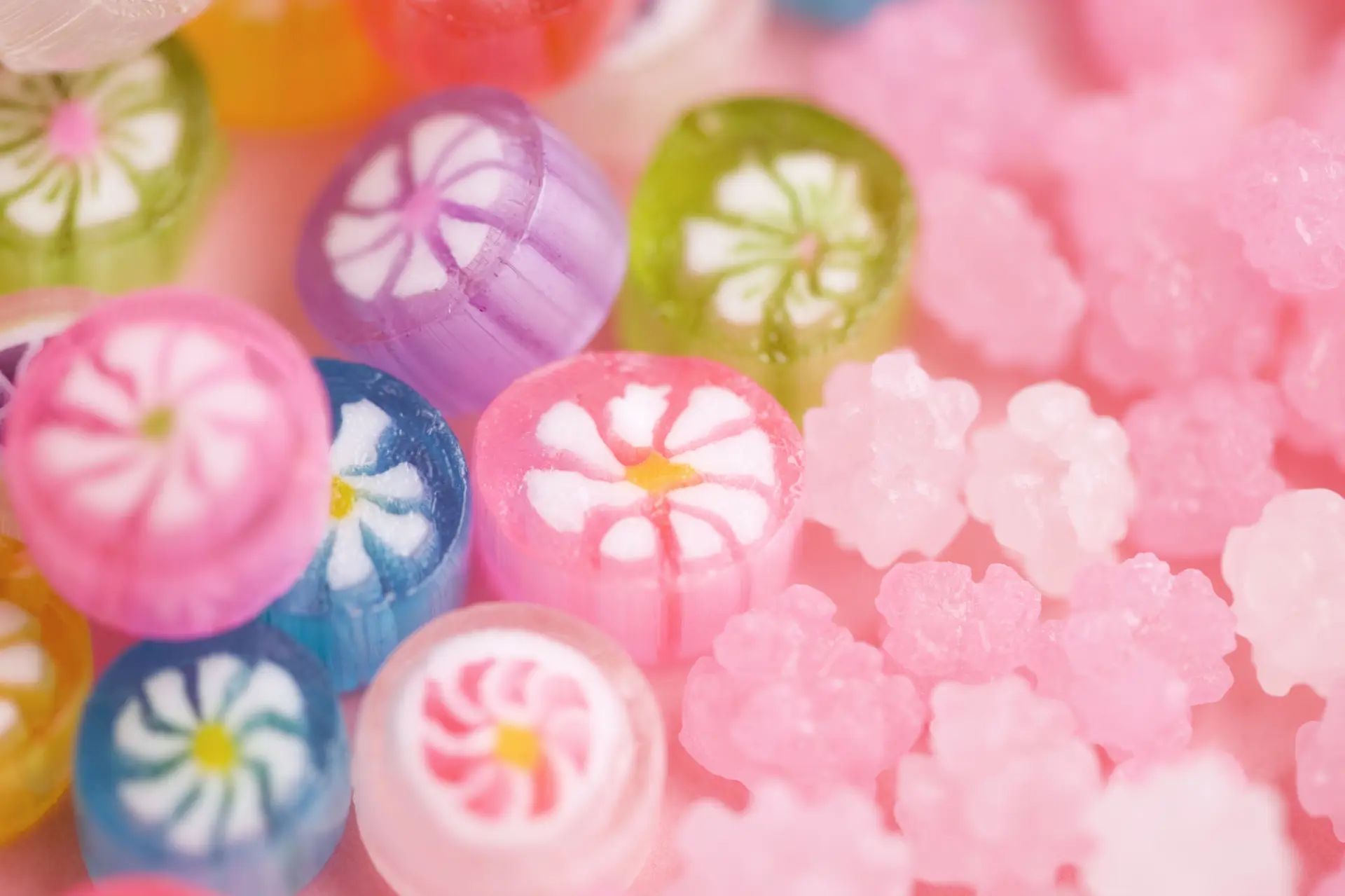
Inside the colorful and cheerful shop, you’ll find all sorts of delightful products, including colorful konpeito and Kyoto candy, Japanese-style earrings, local sake, Kyoto-exclusive cosmetics, and more.
Even just browsing feels like a treasure hunt.
Another charm is the availability of individually wrapped items and boxed sets, so you can choose according to the person and occasion.
Especially recommended are the Instagram-worthy “Toronyan” dream bottle sweets assortment and the original cookies made in the shop’s own workshop.
2 Charms of Nishiki Market That Tourists Often Overlook
The appeal of Nishiki Market goes beyond gourmet-hopping and souvenir shopping.
Here are two ways to enjoy it that many tourists tend to overlook.
They let you experience Kyoto’s history and atmosphere while also enjoying the contrast with the lively market, so don’t miss them.
1. Nighttime shutter art
After the shops close, the daytime bustle of Nishiki Market settles down, offering a very different way to enjoy the area.
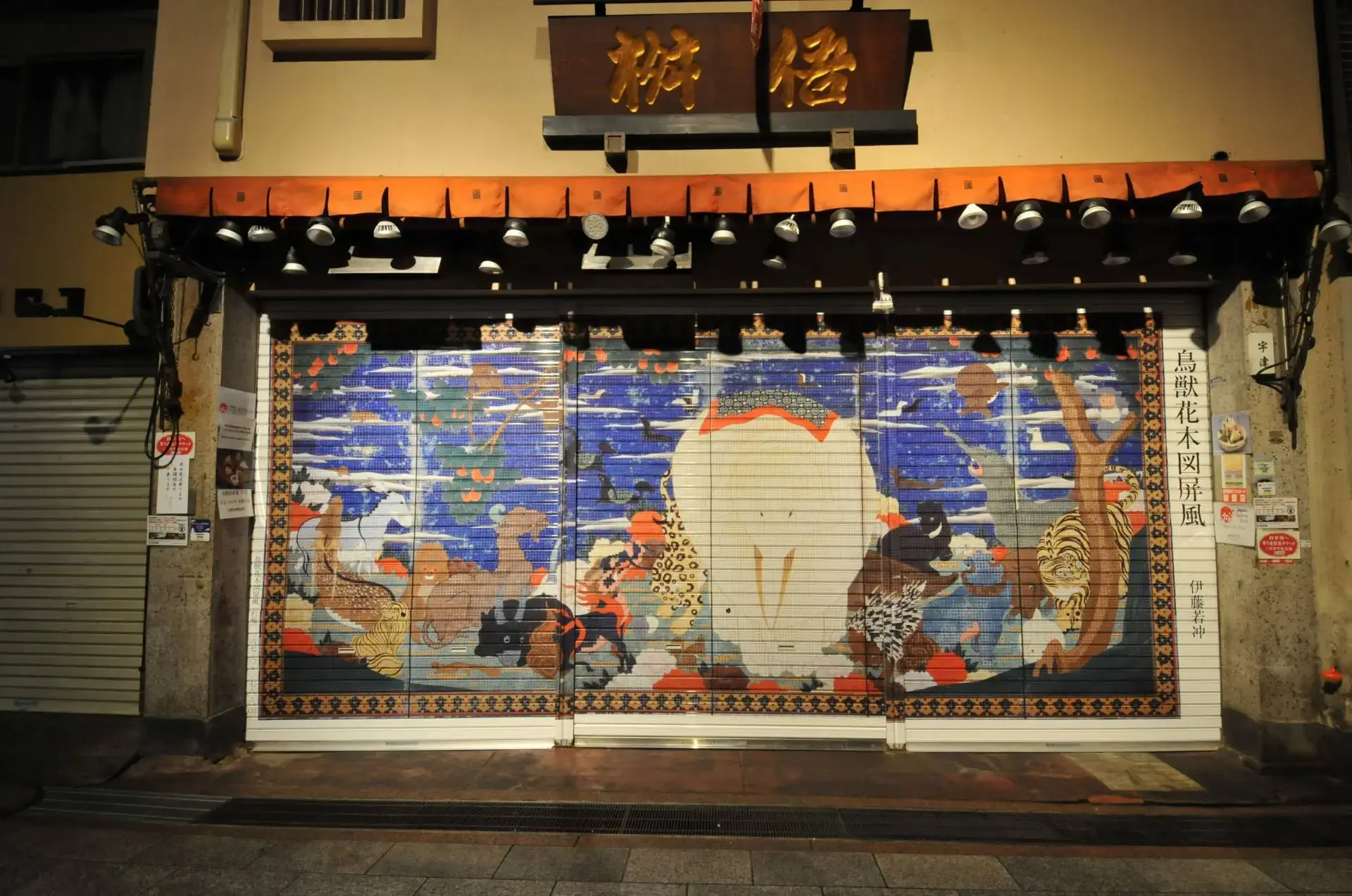
What appears then is “shutter art,” featuring famous paintings by the brilliant artist Ito Jakuchu.
Jakuchu was born and raised in Nishiki Market and also worked hard to help preserve it, and these works were created in 2016 as a tribute to him.
Representative works such as Birds, Animals, and Flowers in the Tree and Rooster in the Snow are painted on the shutters of Approx. 50 shops, turning the Approx. 390 m street into something like an art museum.
Jakuchu’s paintings are originally vivid in color and full of life, and their appeal stands out even more in the quiet of the night.
Viewing the works in this unique atmosphere where history and art naturally blend together will make your trip even more fulfilling.
2. Nishiki Tenmangu Shrine
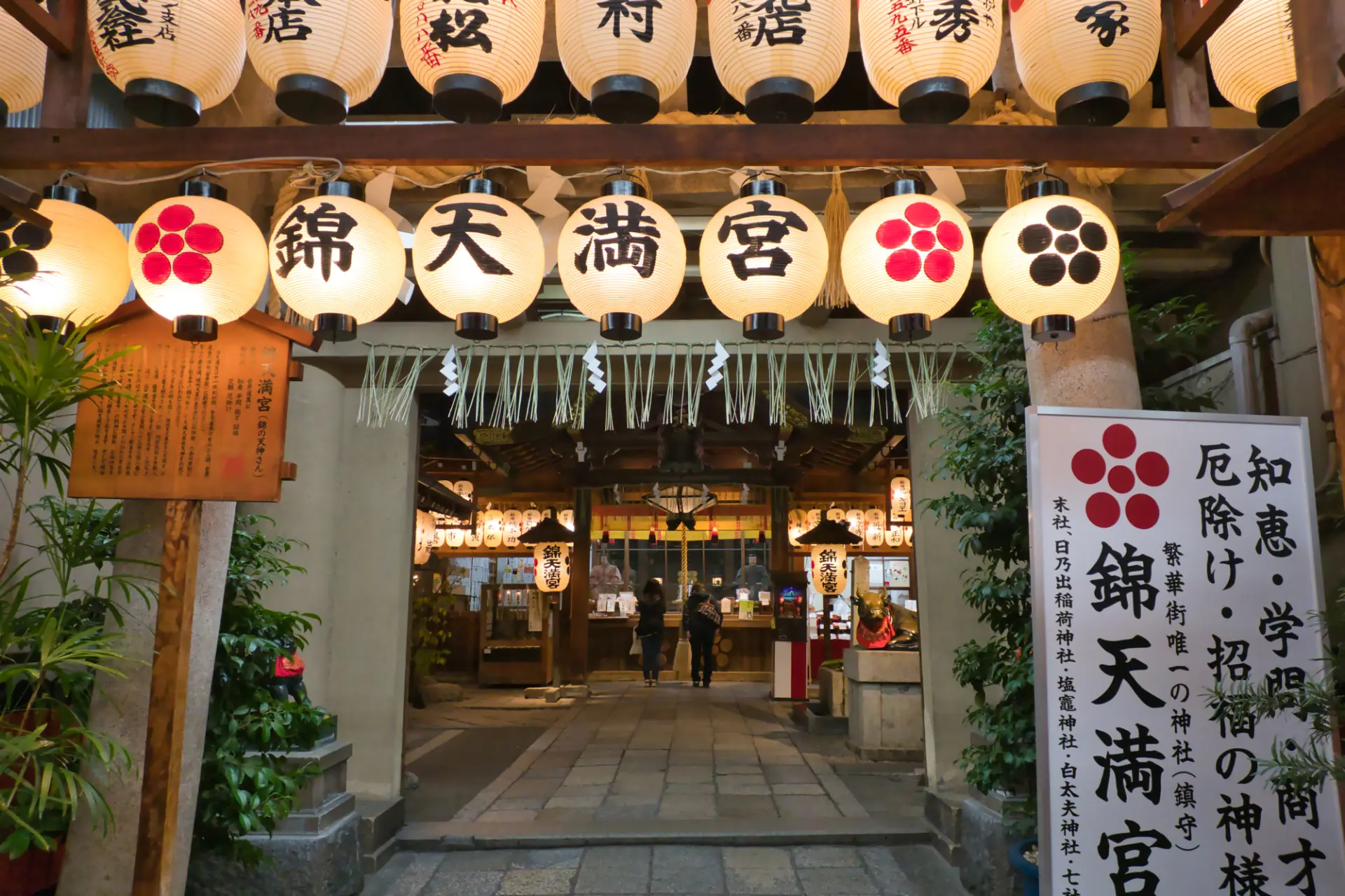
Nishiki Tenmangu Shrine is a historic shrine quietly standing at the eastern end of Nishiki Market in the busy Shin Kyogoku shopping area.
Founded in 1003, it is very old and enshrines Sugawara no Michizane, the deity of learning.
Locally known as “Nishiki no Tenjin-san,” it is said to bring blessings not only for academic success but also for prosperous business and protection from misfortune.
The grounds are full of things to see, including its distinctive stone torii gate that looks as if it is embedded into a building, and the “Karakuri Mikuji,” where a mechanical lion delivers your fortune slip.
Sacred spring water called “Goshinsui,” which stays at 62.6 to 64.4 degrees Fahrenheit throughout the year, wells up here, and you can also draw some while you visit the shrine.
Be sure to stop by at the end of your walk.
3 Popular Tourist Spots Near Nishiki Market
Finally, here are some popular sightseeing spots around Nishiki Market.
Each one is full of history and charm, and that is what makes them such appealing places to experience Kyoto’s character.
Since they are all close by, visiting them together with Nishiki Market will help you enjoy your trip even more.
1. Yasaka Shrine
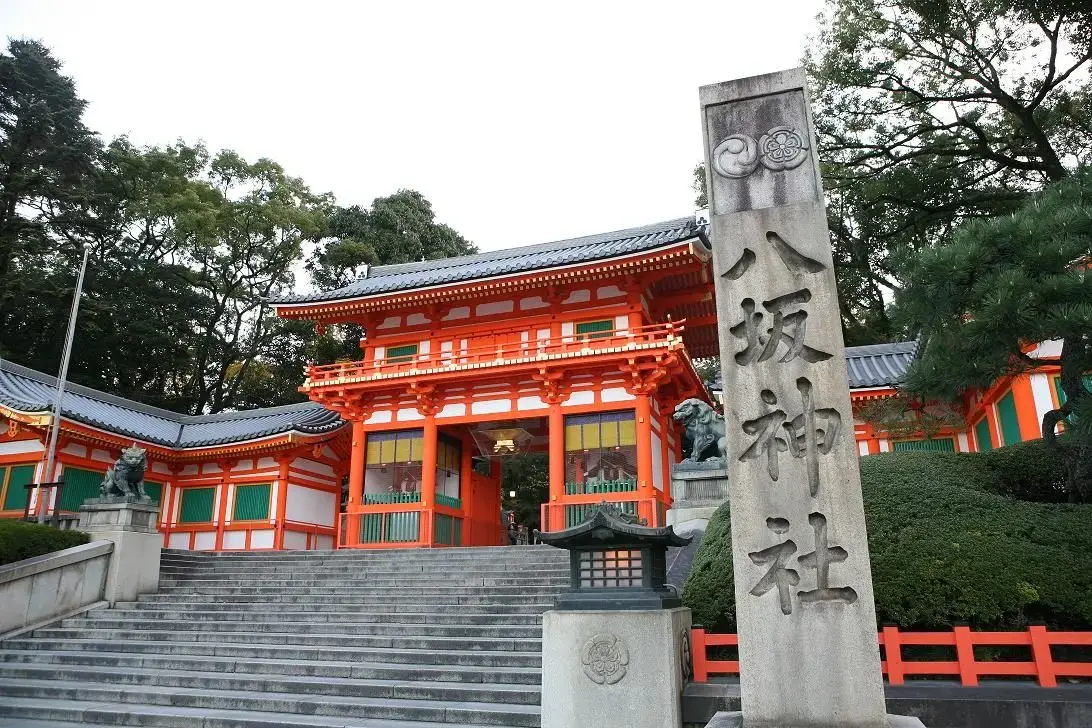
The enshrined deities are Susanoo-no-Mikoto, Kushiinadahime-no-Mikoto, and Yahashira-no-Mikogami, and it is the head shrine of Approx. 2,300 related shrines across Japan, including Yasaka Shrines and shrines dedicated to Susanoo-no-Mikoto. Its origin is said to date back to 656, when a deity from Gozusan in the kingdom of Silla was enshrined here. Since ancient times, it has been revered under the names Gion Kanshin-in and Gion-sha, and even today locals affectionately call it “Gion-san.”
![[Yasaka Shrine Travel Guide] A Famous Kyoto Power Spot for Beauty, Connections, and Good Fortune](https://static.gltjp.com/glt/data/article/21000/20409/20251120_221812_a1149194_w640.webp)
2. Pontocho
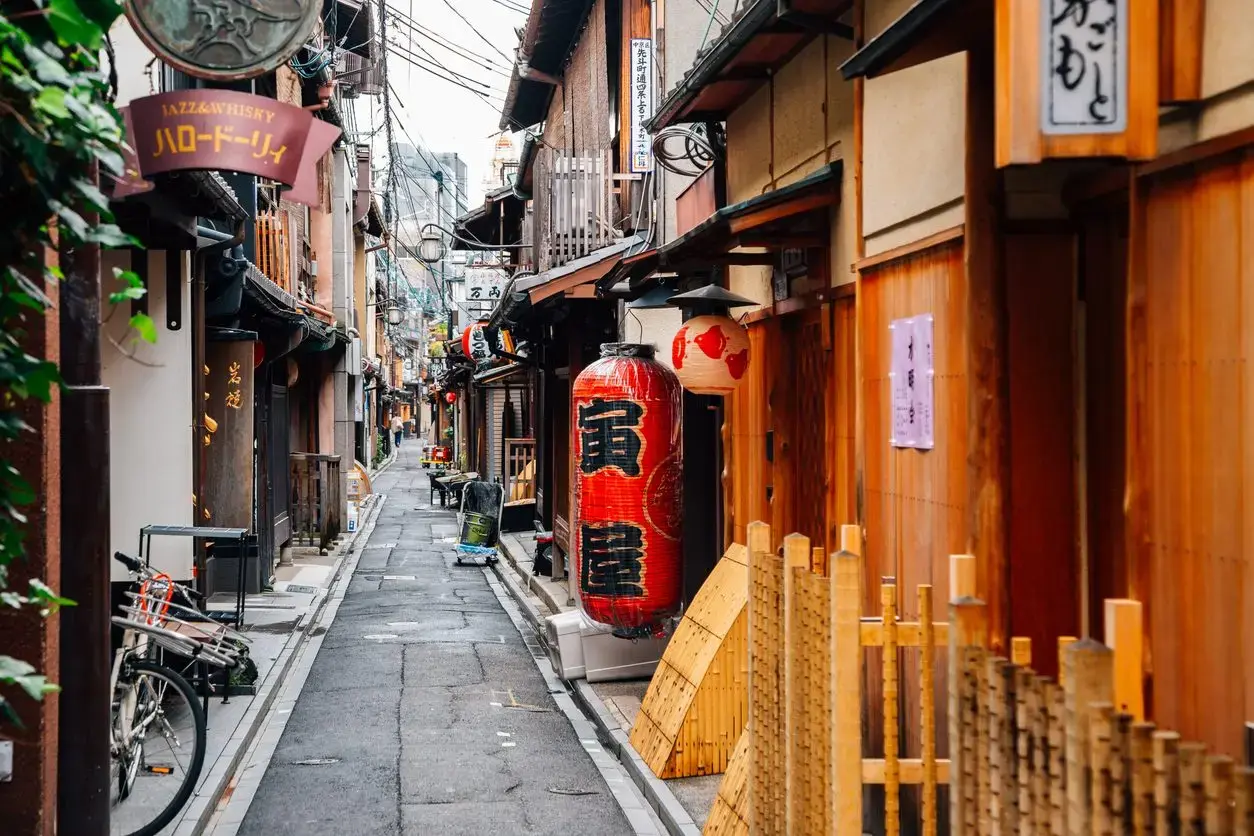
Pontocho Street runs north to south between the Kamo River and the Takase River, and it was originally a sandbank in the Kamo River.
In the early Edo period, the Takase River was dug and connected with Fushimi, after which the area began to prosper as a logistics hub. By the late Edo period, it had become a bustling entertainment district, and once performances of “Kamogawa Odori” began in the Meiji era to promote the area abroad, its status as a hanamachi district was fully established.
Today, from Shijo Street to near Sanjo, a variety of restaurants line its atmospheric narrow alley, and at night, together with the glow of the shop lights, it becomes even more attractive.
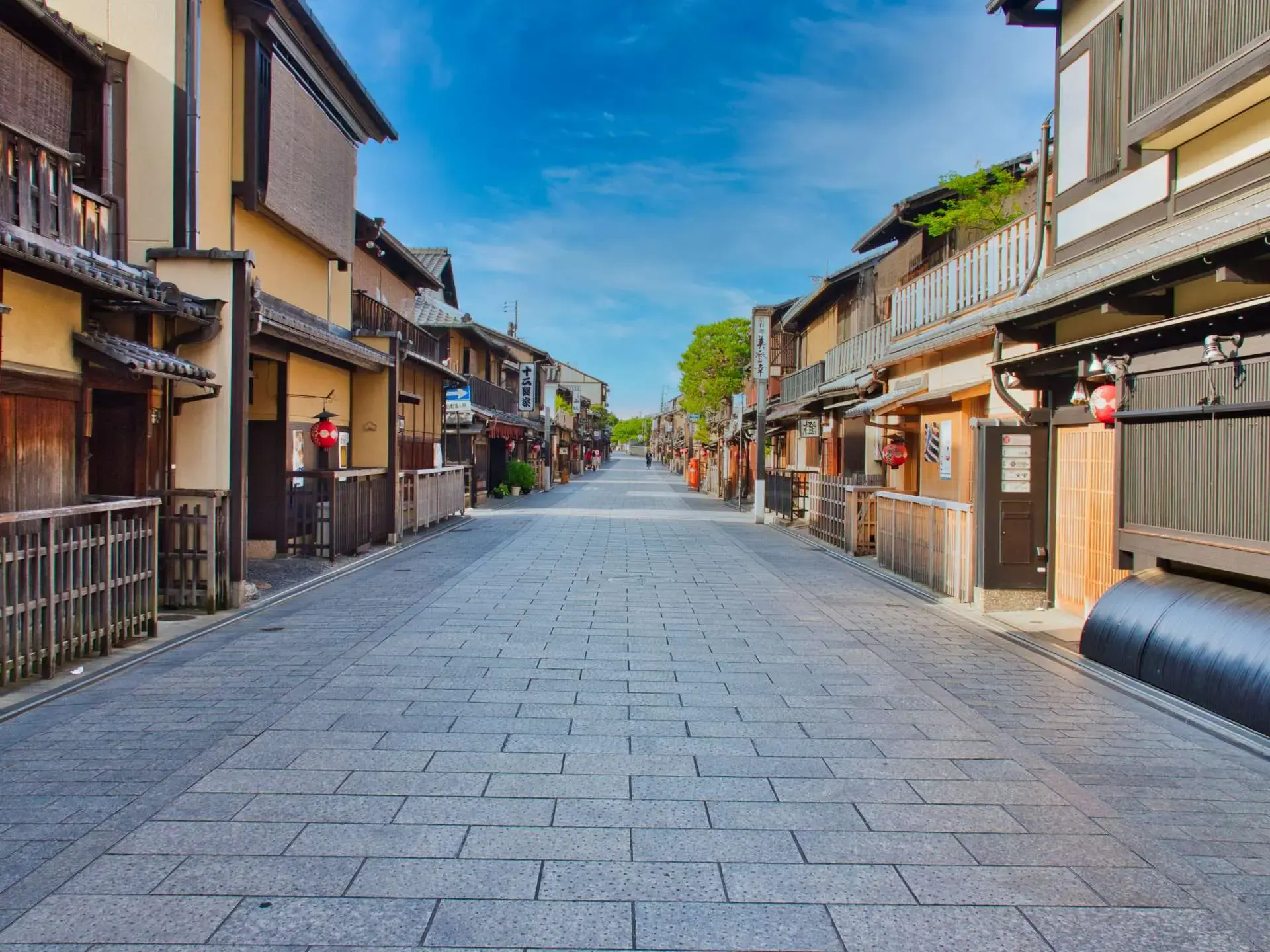
3. Hanamikoji Street
Hanamikoji Street is the main street running north to south through Gion, from Sanjo to Kenninji Temple.
Despite being called a “koji,” or alley, it has a relatively wide road lined with shops, creating a lively streetscape crowded with many tourists. The area that best preserves the old-fashioned atmosphere of a teahouse district is especially the section south of Shijo Street. Originally, teahouses that had been located on Shijo Street and north of it were gathered to the south from the Meiji to Taisho periods, resulting in the townscape seen today.
FAQ about Nishiki Market
Q
What are Nishiki Market’s Hours and Closed on days?
A
They vary by shop, but many are open from 9am to 5pm (6pm) and are closed on Wednesdays.
Q
How long does it take to explore Nishiki Market?
A
If you include stopping at gourmet spots and shopping, you should allow Approx. 1 to 2 hours.
Q
Is eating while walking prohibited at Nishiki Market?
A
Yes. To help prevent trouble, eating and drinking while walking is prohibited. Please eat the food you purchase in front of the shop or in the eat-in space provided inside.
Q
Are there coin lockers around Nishiki Market?
A
Basically, there are none inside Nishiki Market. For large luggage, it is recommended to use the coin lockers at Kyoto Station or Shijo Station, or leave it at your hotel.
Summary
This article has introduced the overview and appeal of Nishiki Market, focusing especially on its recommended gourmet spots.
At Nishiki Market, goods that support Kyoto’s food culture and daily life come together, and simply walking through the lively shopping street stimulates all five senses.
The stroll itself is enjoyable and offers a valuable experience that will stay in your travel memories, so be sure to visit.
Also check out this article, which comprehensively covers Kyoto transportation information, highlights by area, and model courses.