



First Time in Kyoto? Where Should You Go?
Kyoto Prefecture Travel Guide
Kyoto flourished as Japan's capital for a thousand years, and countless temples, shrines and historic streetscapes remain today. Along with World Heritage temples, shrines and castles, the city is filled with sights that convey the history of the ancient capital, drawing visitors from Japan and around the world.
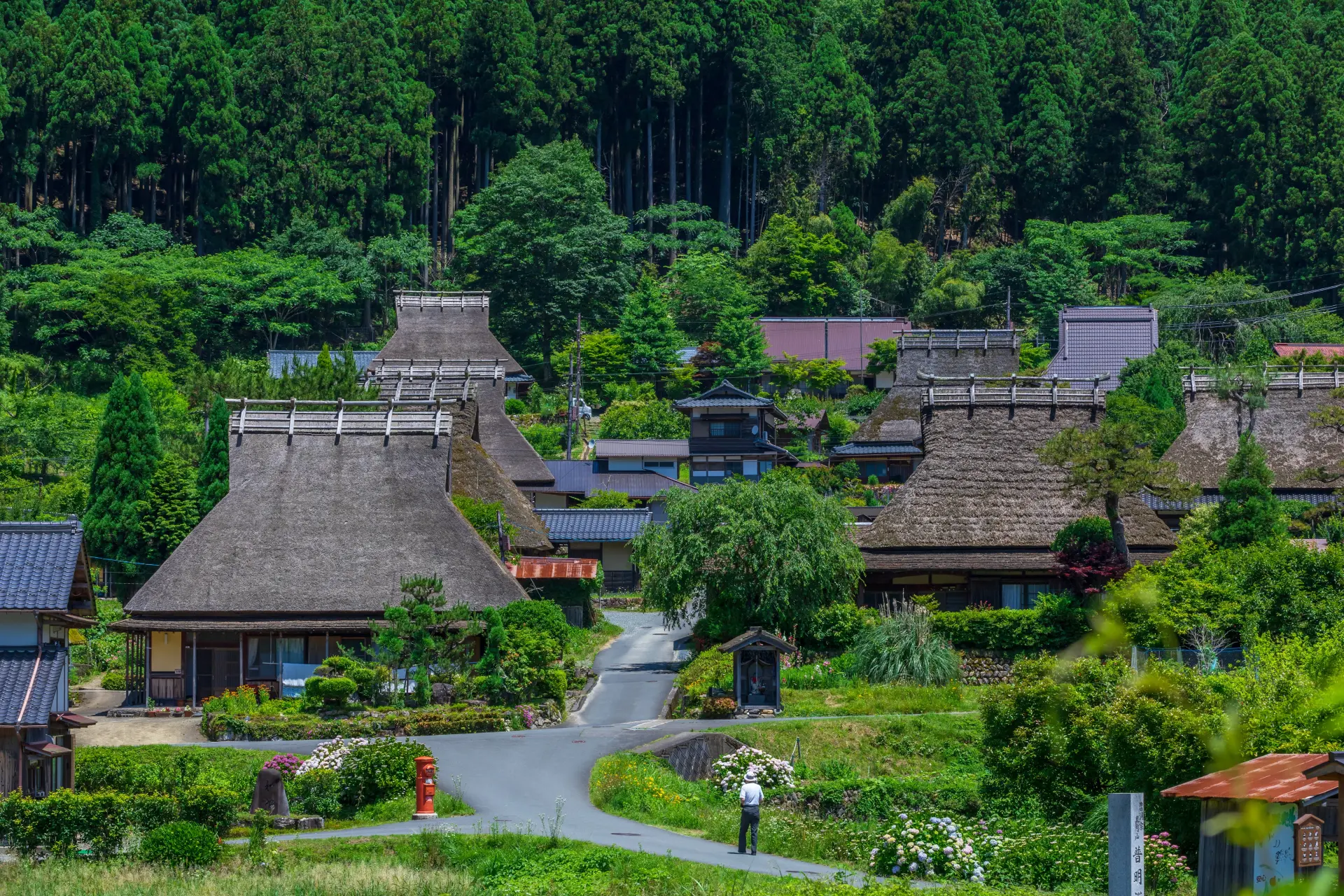
Distinctive destinations are scattered throughout the prefecture as well: Uji, known for its tea; Amanohashidate, one of Japan's three great views; and Miyama, where thatched-roof villages remain. Seasonal landscapes and regional cuisine add to the appeal, and every destination reveals a different face of Kyoto.
An Ancient Capital Where the Millennium City Meets the Sea
Explore Kyoto by Area

-
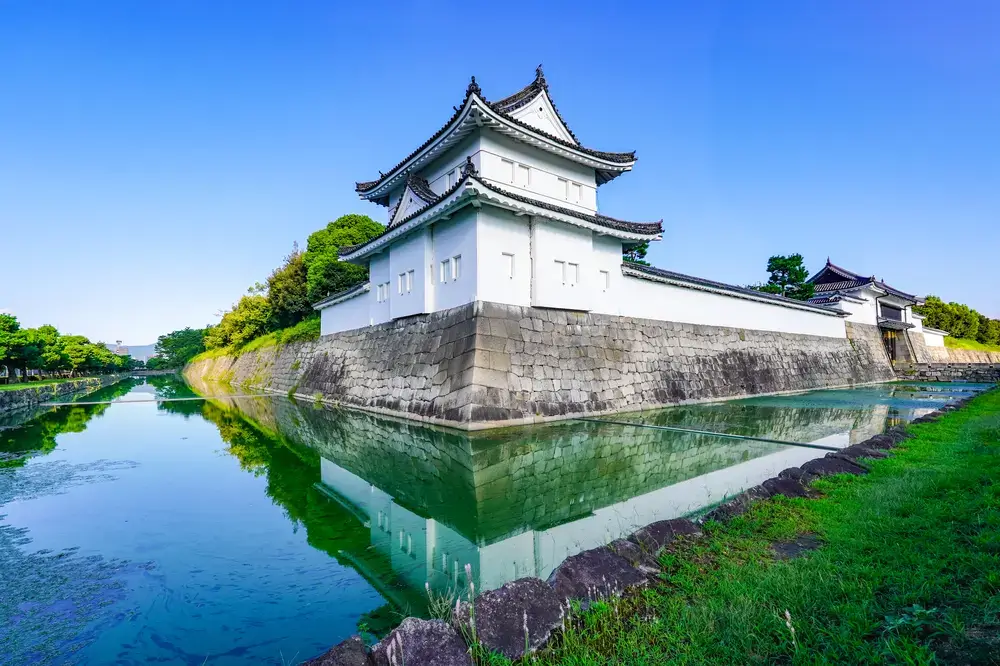
Kyoto Station, Shijo Kawaramachi, Kyoto Imperial Palace Shimogyo, Nakagyo & Kamigyo Wards
The heart of Kyoto, stretching from Kyoto Station — the city's gateway — to Shijo Kawaramachi with its department stores and restaurants, and on to landmarks such as the Kyoto Imperial Palace and Nijo Castle. Nishiki Market offers street food and shopping, and excellent transport links make the area an easy base for sightseeing in Kyoto.
-
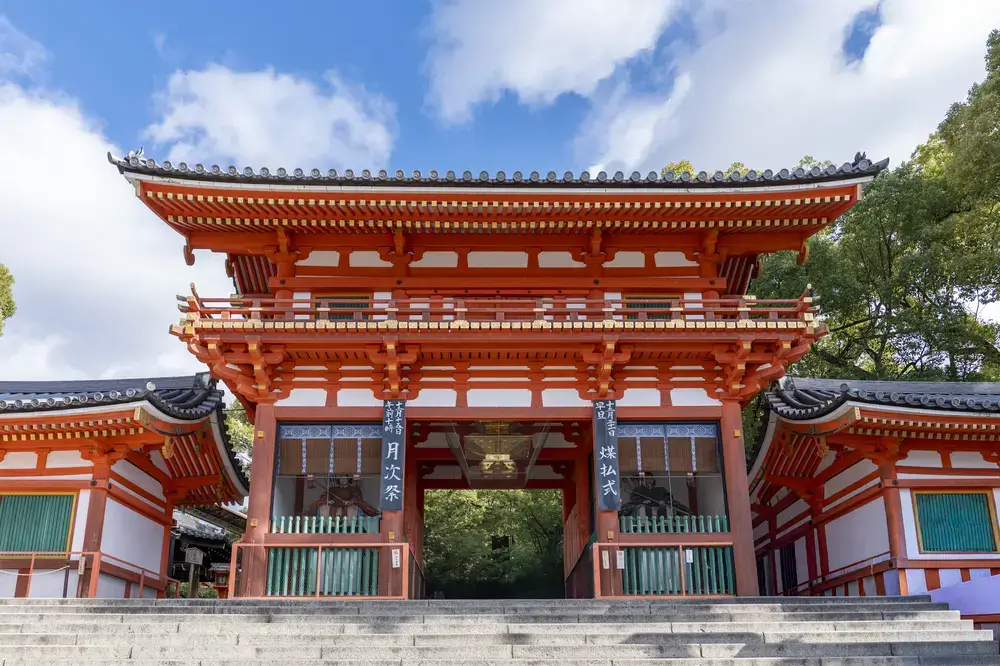
Gion, Higashiyama, Yamashina Higashiyama & Yamashina Wards
Home to Gion with its stone-paved lanes and machiya townhouses, along with iconic temples and shrines such as Kiyomizu-dera and Yasaka Shrine. Walking the atmospheric streets of Higashiyama brings history and culture close at hand, while Yamashina offers sites such as Bishamon-do and Daigo-ji, where the beauty of each season is never far away.
-
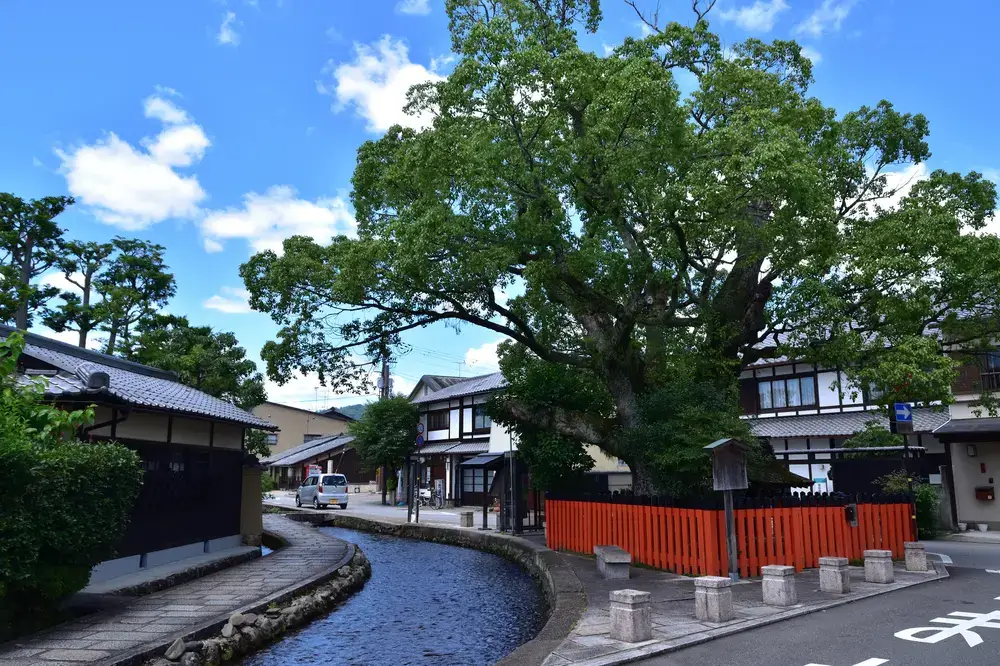
Kinkakuji Temple, Kamigamo Kita Ward
Northern Kyoto, where many of the city's best-known temples and shrines remain, including Kinkakuji Temple, Kamigamo Shrine and Kitano Tenmangu. Kitayama is dotted with shops and restaurants, and heading further north leads to rich natural scenery — an area for town walks and nature strolls as much as for temple visits.
-
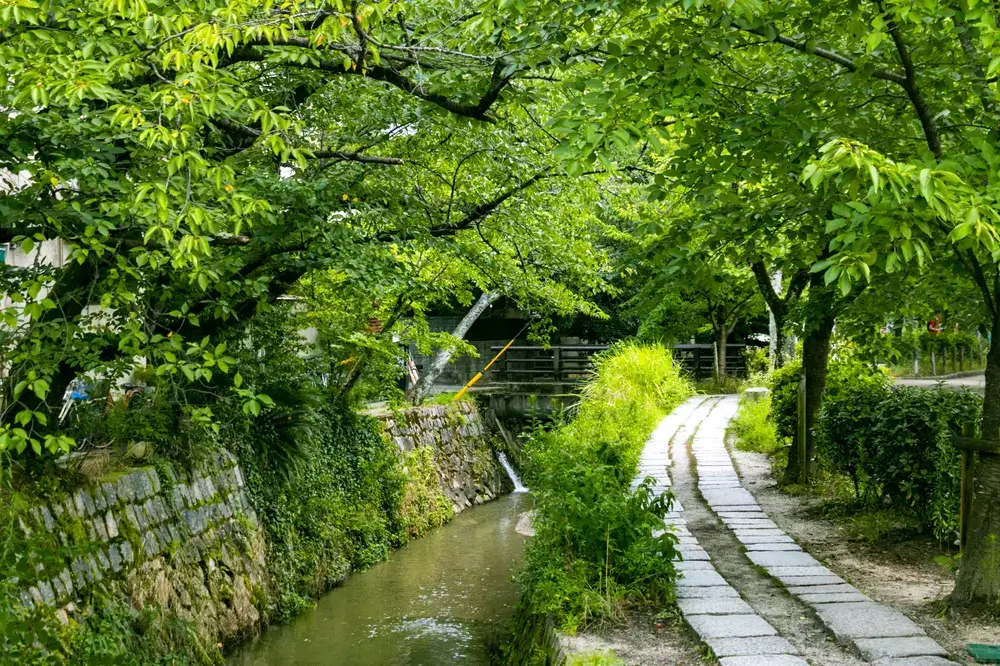
Okazaki, Ginkakuji Temple, Ohara Sakyo Ward
A varied area running from Okazaki, with its art museums and Heian Jingu Shrine, through northern Higashiyama — known for Ginkakuji Temple and the Path of Philosophy — to the rural landscapes of Ohara, Kurama and Kibune. Cultural facilities, temples and shrines, and walks in nature give each district a distinctly different face.
-
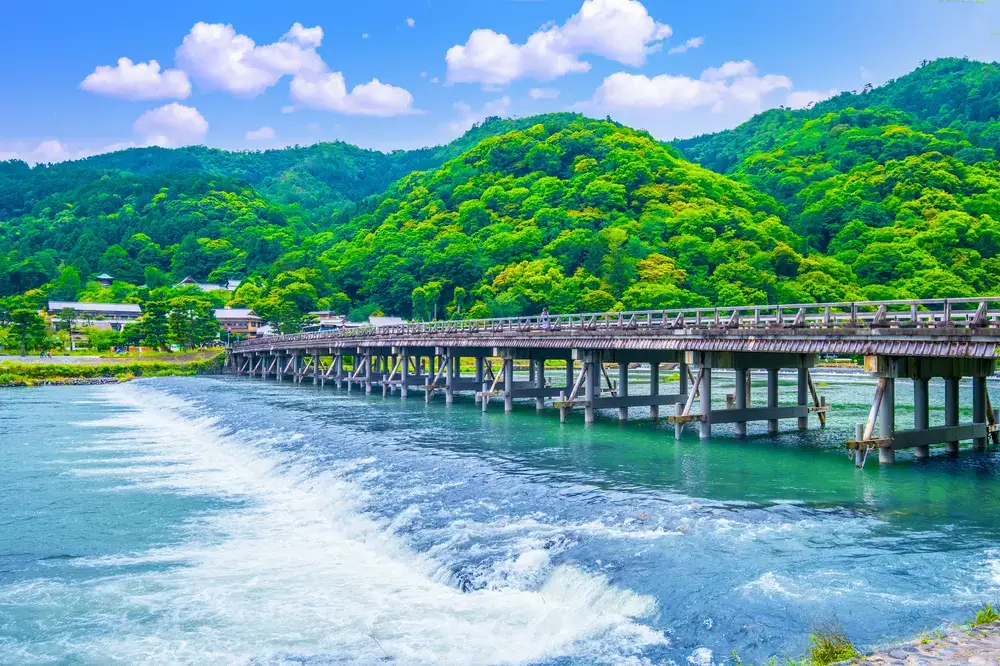
Arashiyama, Sagano, Nishiyama Ukyo & Nishikyo Wards
An area taking in Arashiyama and Sagano — known for Togetsukyo Bridge and the bamboo grove path — and Nishiyama, where temples stand quietly among the hills. Landmarks such as Tenryu-ji, Daikaku-ji and Kokedera combine abundant nature with the atmosphere only Kyoto has, and the scenery changes dramatically with cherry blossoms, fresh greenery and autumn leaves.
-
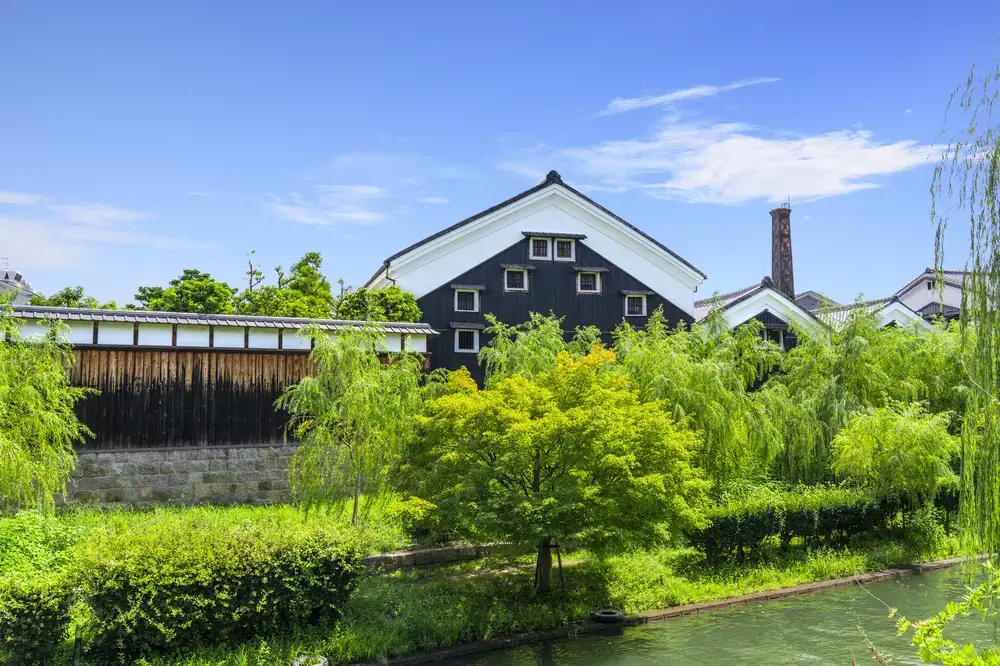
Fushimi, Rakunan Fushimi & Minami Wards
Alongside landmarks such as Fushimi Inari Taisha and To-ji Temple, this area is home to the sake brewery district of Fushimi, one of Japan's three great sake-producing areas. Storehouses line the Uji River canal in an atmospheric townscape where brewery visits and sake tasting await — a chance to experience the sake culture Kyoto has nurtured alongside its temples and shrines.
-
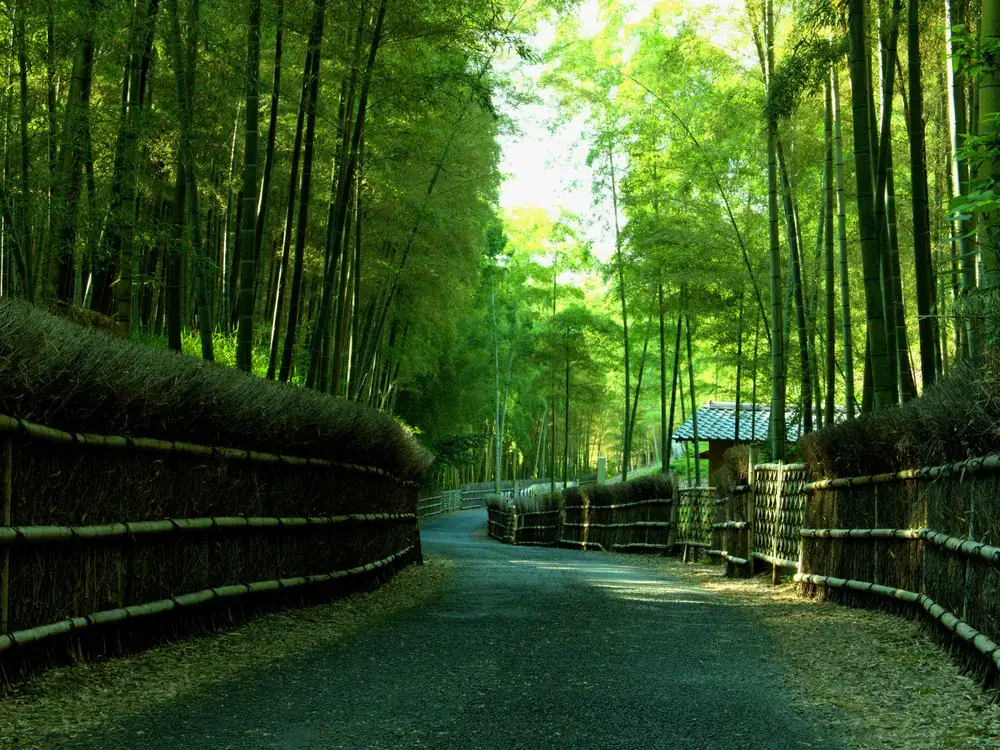
Nagaokakyo, Otokuni Muko, Nagaokakyo & Oyamazaki
Southwestern Kyoto Prefecture, centred on Nagaokakyo — once the site of the imperial capital — where old shrines, temples and historic sites remain. Visit Nagaoka Tenmangu, Komyo-ji and the Oyamazaki Villa Museum of Art, or enjoy the bamboo scenery of the Take no Michi path in Muko. It is also an easy trip from central Kyoto.
-
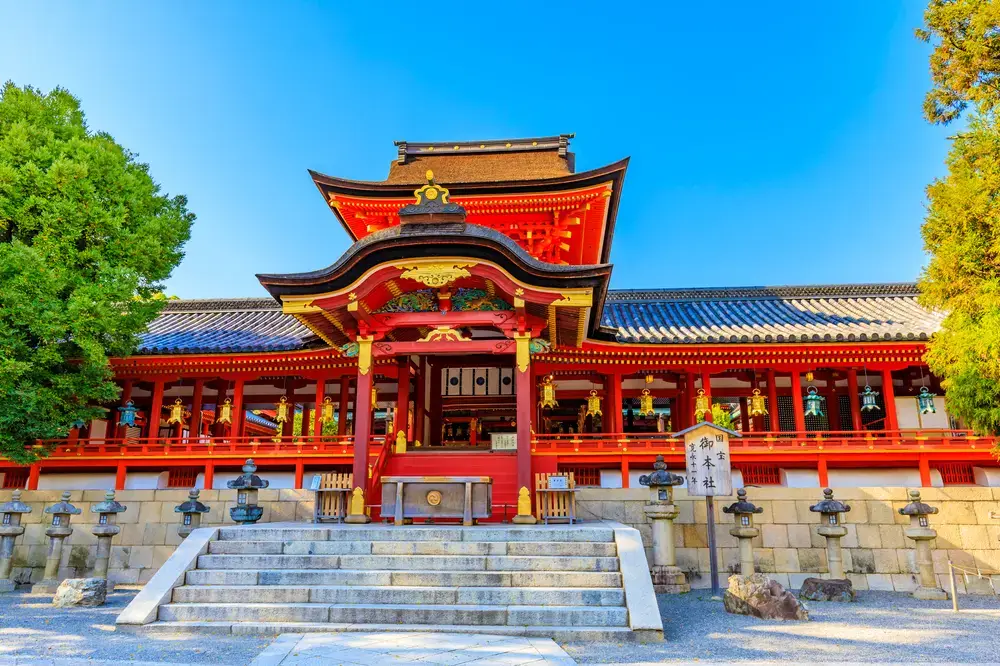
Uji, Joyo, Yawata Uji, Joyo, Yawata, Kumiyama, Ide & Ujitawara
Southern Kyoto Prefecture shows many faces: Uji, home to Byodo-in and Ujigami Shrine; Yawata, known for Iwashimizu Hachimangu; the green surroundings of Joyo and Ide; and Ujitawara with its spreading tea fields. Uji tea culture and peaceful rural scenery offer a gentler pace than the city centre.
-
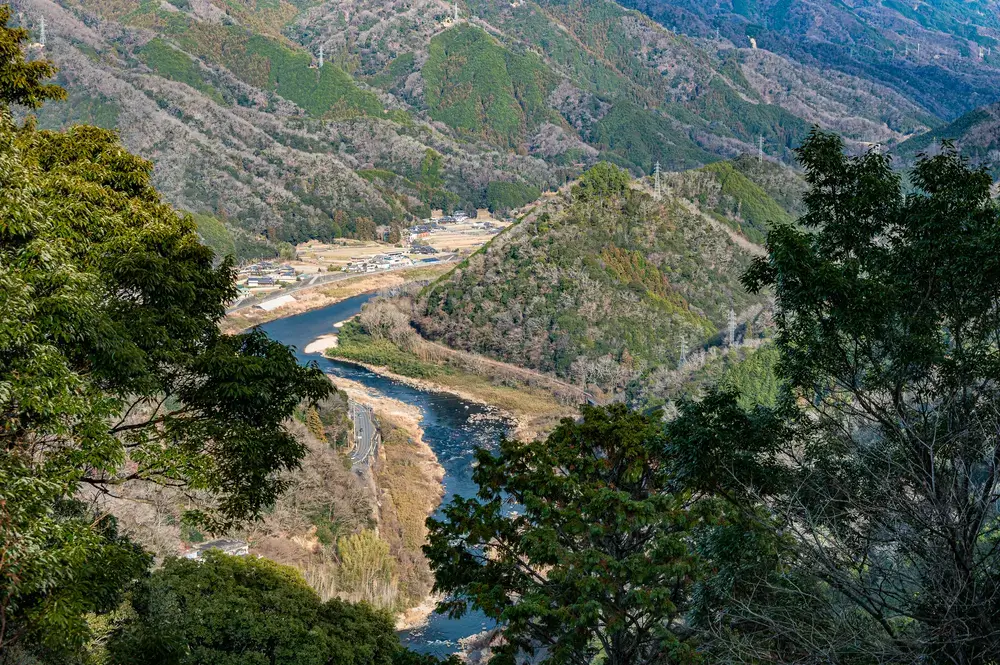
Kyotanabe, Kizugawa, Minamiyamashiro Kyotanabe, Kizugawa, Kasagi, Wazuka, Seika & Minamiyamashiro
An area in southern Kyoto Prefecture where the Kizu River and the surrounding mountains create a tranquil landscape. Natural scenery such as Mount Kasagi and the tea fields of Wazuka is joined by landmarks including Ikkyu-ji and Joruri-ji, offering riverside and mountain-village calm quite different from the city.
-
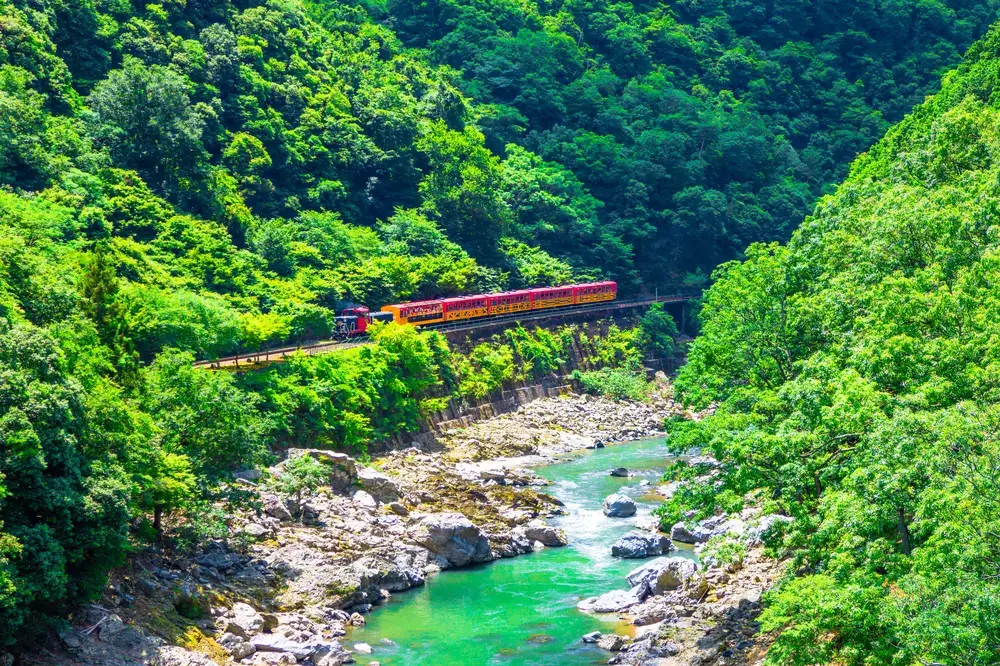
Kameoka, Nantan Kameoka, Nantan & Kyotamba
Central Kyoto Prefecture, defined by mountains and satoyama countryside. Kameoka is known for the Hozu River and Yunohana Onsen, Nantan for the thatched village of Miyama Kayabuki no Sato, and Kyotamba for its rich local produce — each district offers a different kind of trip, and all are well suited to a relaxed stay in nature.
-
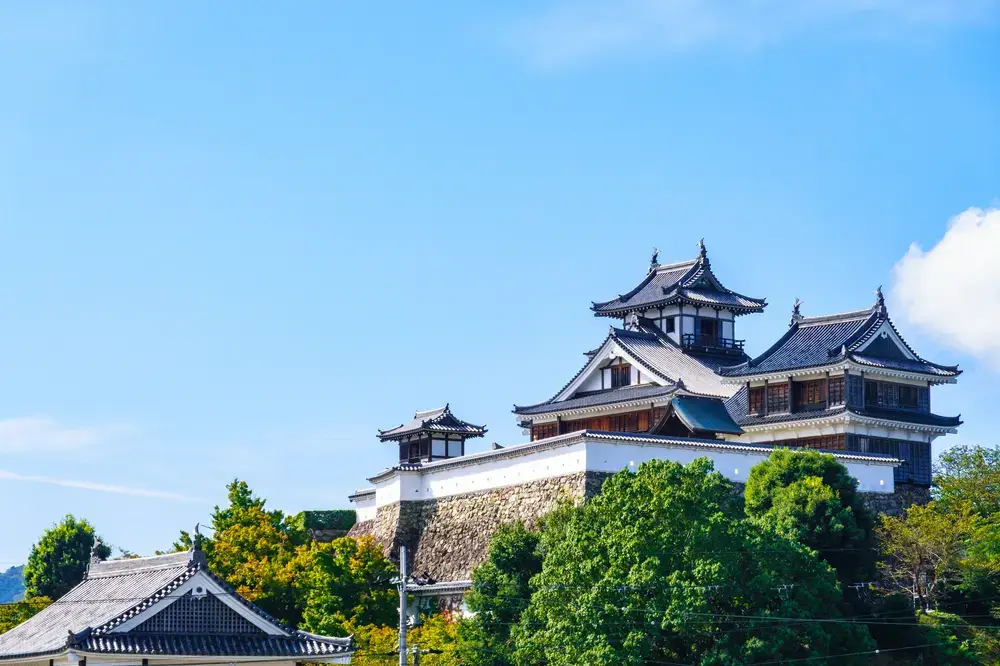
Fukuchiyama, Ayabe Fukuchiyama & Ayabe
An area combining Fukuchiyama, where the atmosphere of a castle town lingers around Fukuchiyama Castle associated with Akechi Mitsuhide, and Ayabe, surrounded by mountains and farmland. In Ayabe, the Gunze Museum and other sites trace the region's modern industrial history, while satoyama scenery remains on the outskirts — a place to travel slowly and take in the history and daily life of northern Kyoto Prefecture.
-
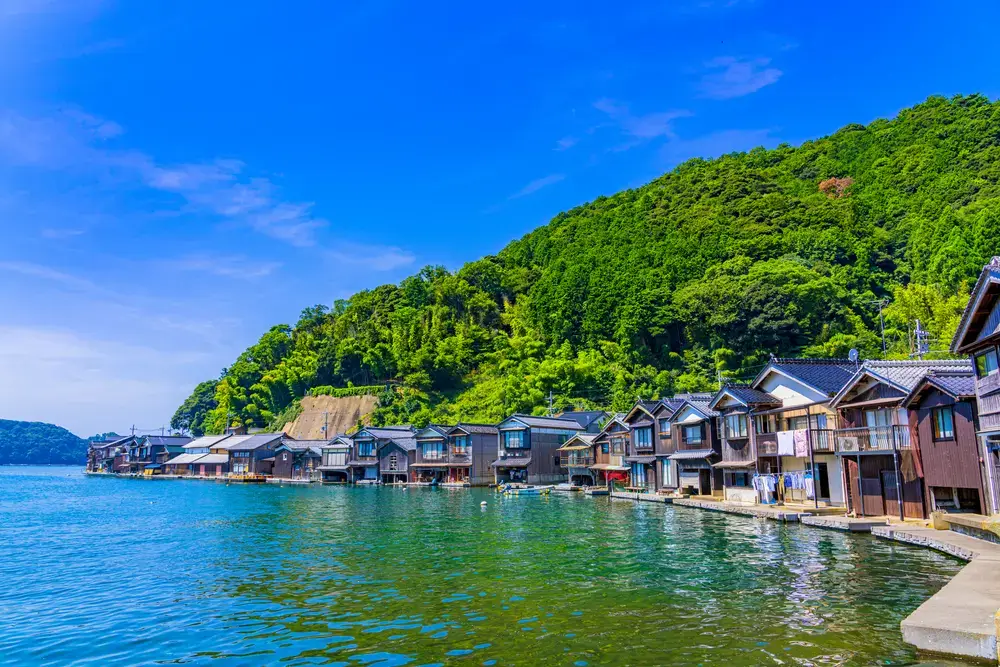
Amanohashidate, Maizuru, Tango Maizuru, Miyazu, Kyotango, Ine & Yosano
Spread across northern Kyoto Prefecture facing the Sea of Japan, this area is blessed with scenery where the sea and mountains meet. Amanohashidate, one of Japan's three great views; Maizuru with its striking red-brick townscape; Ine, where boathouses line the shore; and Kyotango with its varied coastline — each district has its own character, and together they embody the landscapes of the "Sea of Kyoto".
GOOD LUCK TRIP Recommends
Must-Visit Attractions for Your First Trip to Kyoto
-
 Kinkakuji, Kamigamo1. Kinkaku-ji
A golden pavilion nestled in the greens of Kitayama.
-
 Fushimi, Rakunan2. Fushimi Inari Taisha
“1000 Toriis(gate)” presents a grand spectacle with the beauty of a mysterious vermilion color.
-
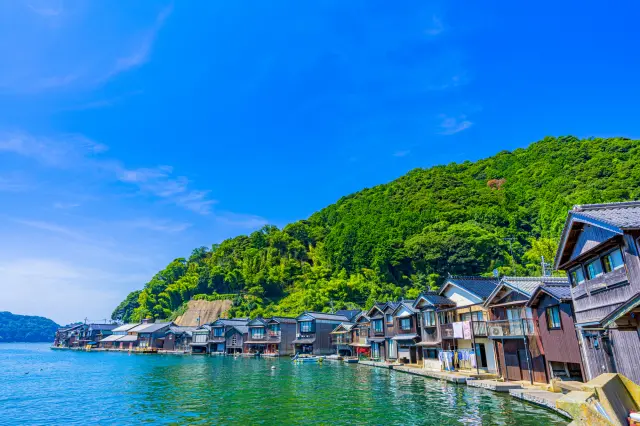
 Amanohashidate, Maizuru, Tango3. Ine no Funaya
Located along Ine Bay, where fishing is thriving, this is a rare building in Japan where the first floor is connected to the sea.
-
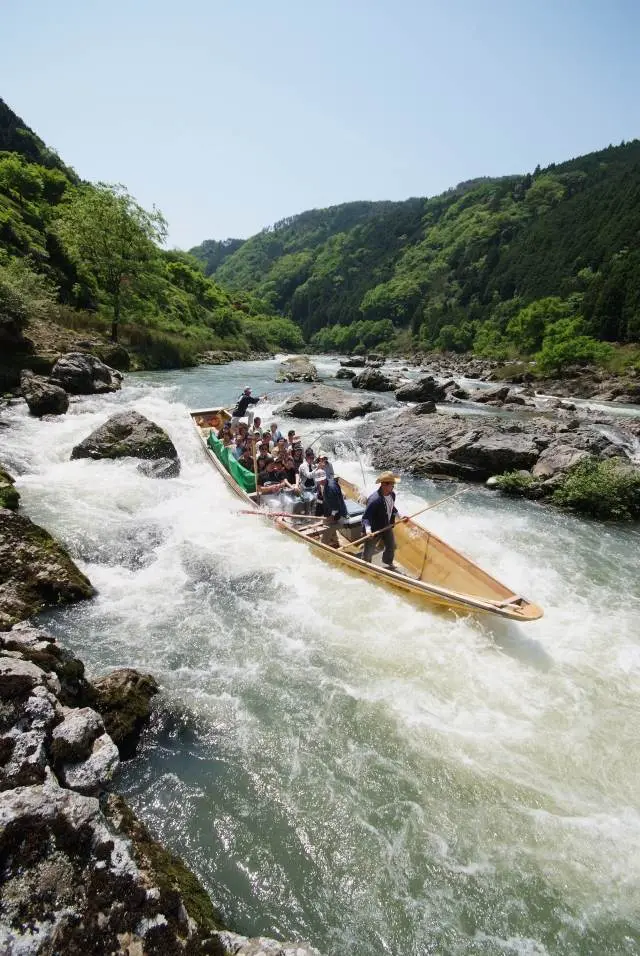 Kameoka, Nantan4. Hozugawa River Boat Ride
A thrilling trip on a boat down the current in Hozu Gorge.
-
 Amanohashidate, Maizuru, Tango5. Maizuru Brick Park
A photogenic multipurpose facility utilizing former naval warehouses.
Kyoto Attractions
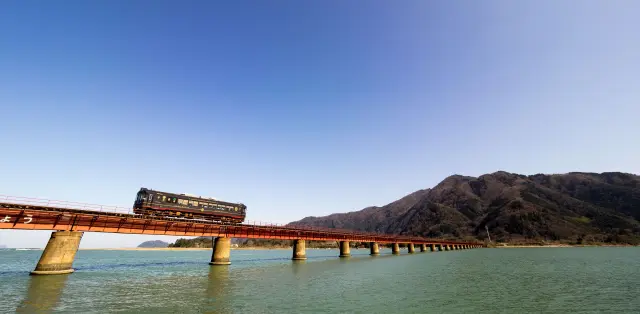

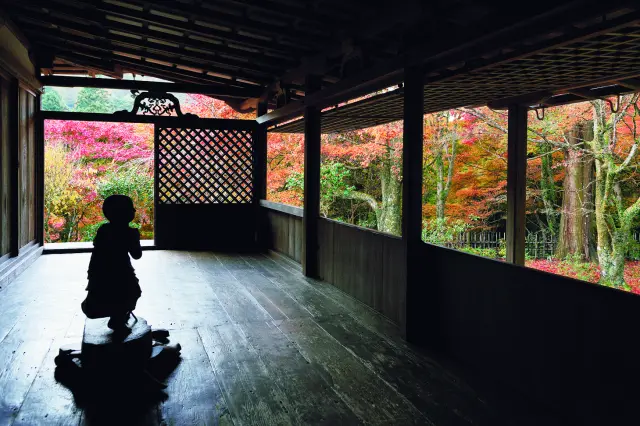
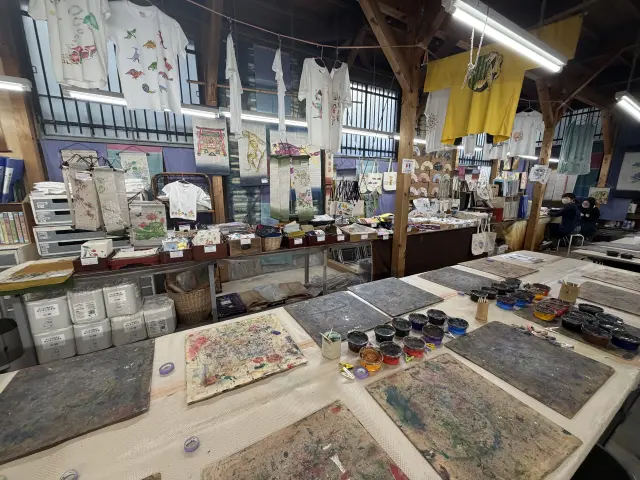


GOOD LUCK TRIP Recommends
5 Best Things to Do in Kyoto
-
1. Stroll the Historic Streets of Gion and Higashiyama
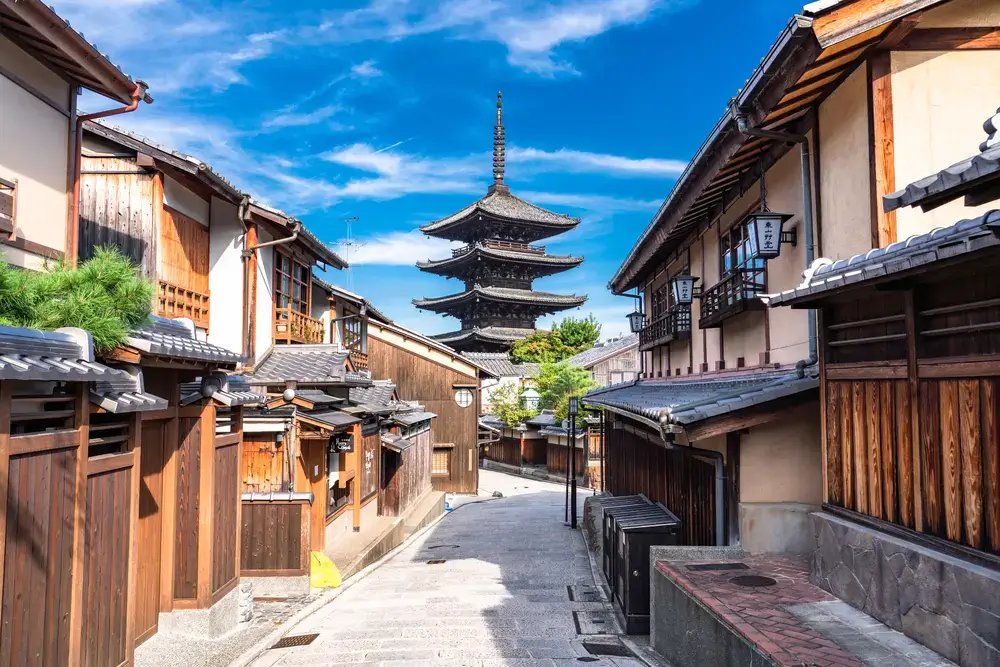
For a walk that feels quintessentially Kyoto, head to Gion and Higashiyama, where stone-paved lanes and elegant machiya townhouses remain. Wandering the old alleys, stopping at long-established shops and sweet parlors as the mood takes you is part of the pleasure. Take in streetscapes that still evoke the ancient capital and savor an atmosphere found only in Kyoto.
-
2. Discover the History and Culture of the Ancient Capital at World Heritage Sites
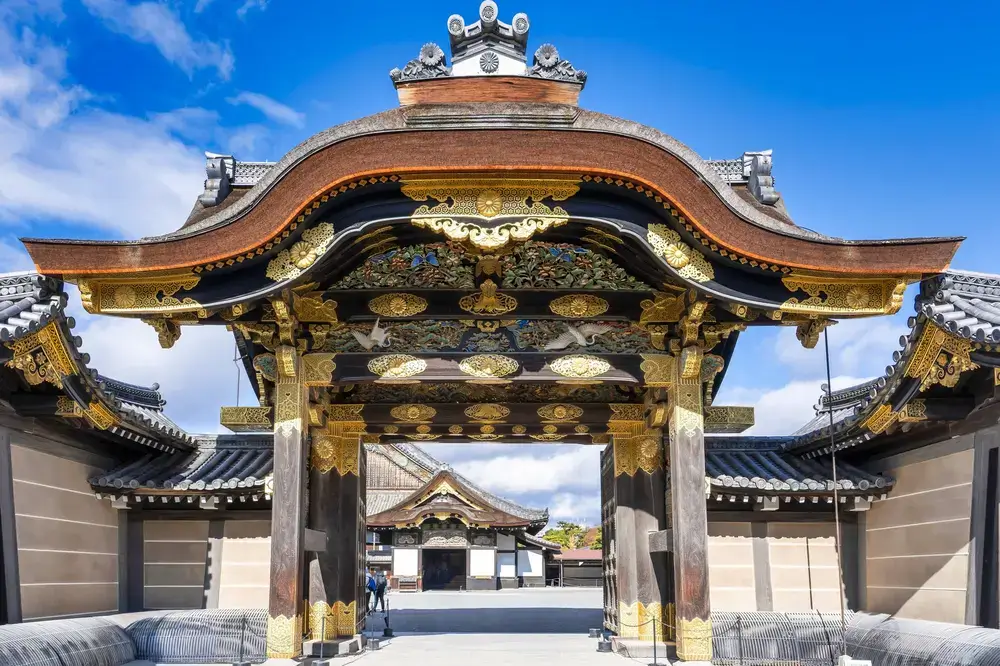
Kyoto is home to numerous World Heritage sites that carry its long history into the present. Visiting historic architecture and refined gardens brings you into contact with culture and an aesthetic sense passed down through the ages, deepening your understanding of the heritage Kyoto has nurtured.
-
 Kyoto Station, Shijo Kawaramachi, Kyoto Imperial PalaceNijo-jo Castle
This is a symbol of the power of Tokugawa Ieyasu in Kyoto. There are numerous valuable remains and attractions, including the national treasure Ninomaru-goten Palace.
-
 Okazaki, Ginkakuji, OharaGinkaku-ji
The serene atmosphere is the essence of Higashiyama culture.
-
 Arashiyama, Sagano, NishiyamaRyoanji Temple
A Zen temple is listed as a world heritage site famous for its dry landscape garden "Stone Garden '' of 15 stones. The strolling garden, which retains the remnants of the Heian period, is a spectacular sight known as a famous spot for autumn leaves.
-
-
3. Discover the Many Charms of Uji, Home of Japanese Tea
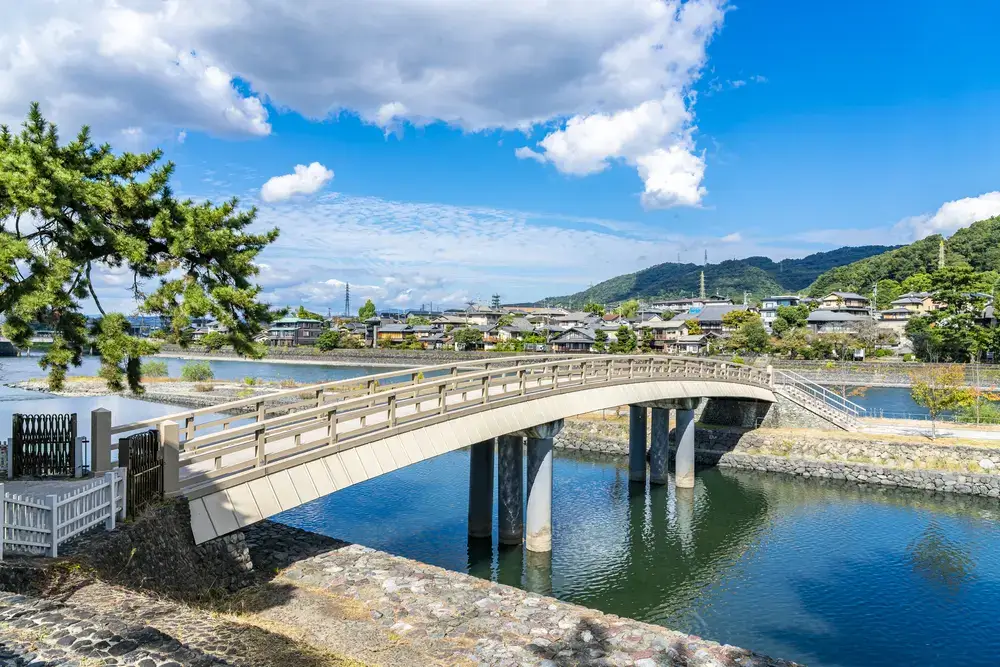
In Uji, one of Japan's leading tea-producing regions, you can savor fragrant Uji tea and take part in a variety of tea-related experiences. With World Heritage sites and places connected to The Tale of Genji, tea and sightseeing together offer a deeper sense of Uji's culture and history.
-
 Uji, Joyo, YawataUjigami Shrine
A sacred power spot revered since ancient times.
-
 Uji, Joyo, YawataUjicha-tea Dojo ”Takumi no Yakata”
Enjoy a cup of Uji-cha tea brewed by yourself while admiring the natural and clean scenery of the beautiful Uji River.
-
 Uji, Joyo, YawataThe Tale of Genji Museum, Uji City
Experience the world of "The Tale of Genji" and the elegance of Heian culture.
-
-
4. Enjoy Food and Sake from Across Kyoto
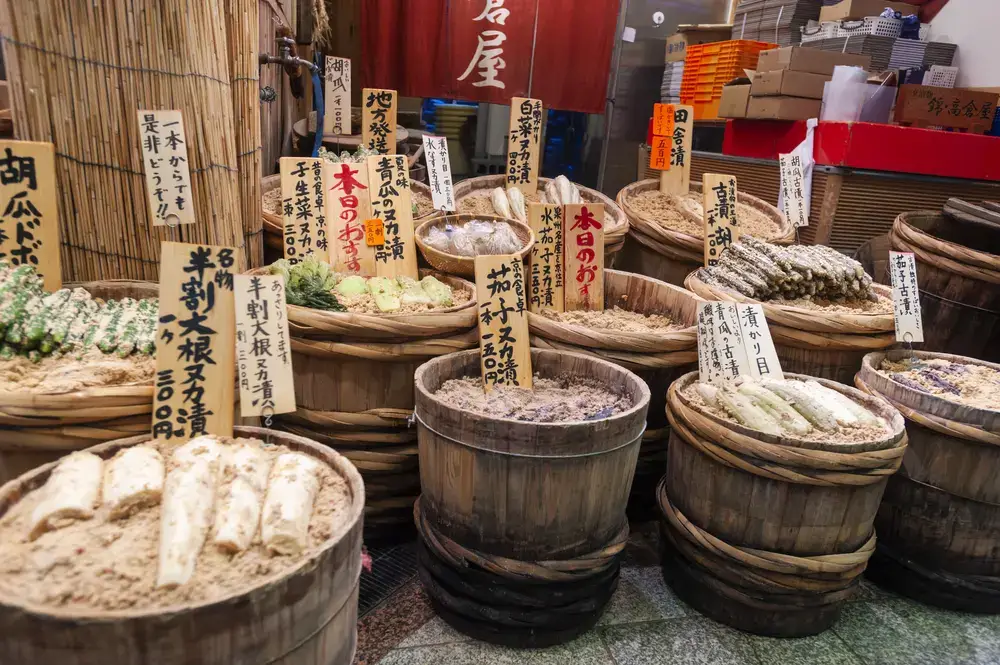
Kyoto offers different culinary delights in every district: the market known as Kyoto's kitchen, the sake of Fushimi, and fresh seafood from the Sea of Japan. Hunt for seasonal ingredients and local specialties at the market, learn about sake brewing, or taste the day's catch — each corner of Kyoto has flavors all its own.
-
 Kyoto Station, Shijo Kawaramachi, Kyoto Imperial PalaceNishiki Market
All the ingredients only Kyoto can offer! The market has supported Kyoto gourmet food for over 400 years.
-
 Amanohashidate, Maizuru, TangoMichi-no-Eki Maizuru Port Tore Tore Center
You can enjoy Maizuru seafood prepared right in front of you.
-
 Fushimi, RakunanGekkeikan Okura Sake Museum
A museum of Gekkeikan with a history of about 380 years since its establishment in Fushimi, which is the major sake production area in Japan.
-
-
5. Experience Kyoto's Four Seasons in Nature
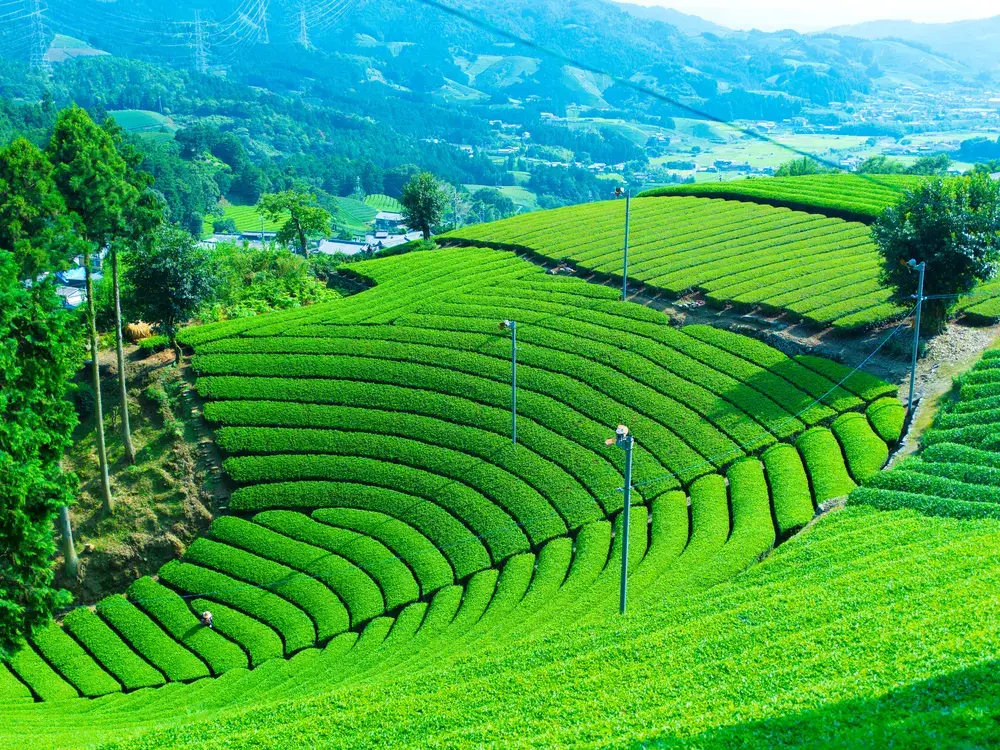
Lush valleys, beautiful tea fields, coastlines overlooking the Sea of Japan — varied natural scenery awaits throughout Kyoto. Watching the landscape shift with fresh greenery and autumn colors while experiencing each area's own nature is a joy of travel. Discover a side of Kyoto quite different from its city streets.
-
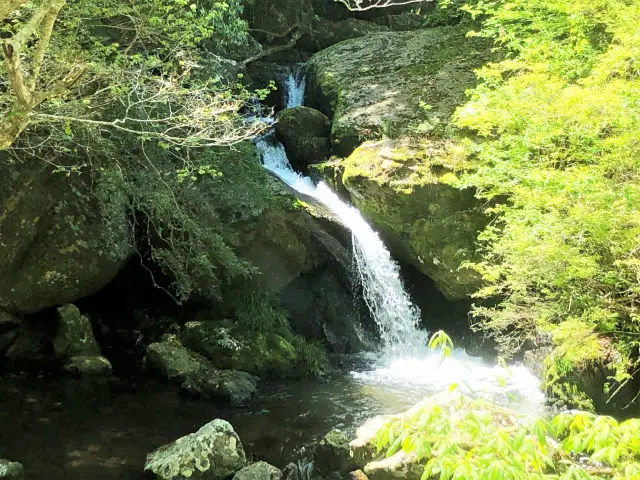 Kameoka, NantanKyoto Prefectural Rurikei Natural Park
Where the wind speaks and the valley soothes. A quiet seasonal paradise.
-
 Kyotanabe, Kizugawa, MinamiyamashiroWazuka Tea Fields
Enjoy the beautiful tea fields that evoke Japan’s classic rural scenery.
-
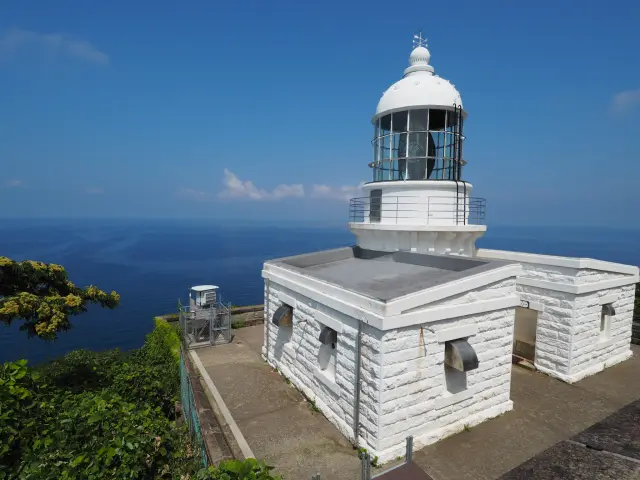 Amanohashidate, Maizuru, TangoKyogamisaki Cape and Kyogamisaki Lighthouse
The northernmost cape on the Tango Peninsula, home to a nationally designated Important Cultural Property lighthouse.
-
Kyoto Feature Articles



![[Complete Guide to Kyo-Yuzen] Dyeing My Own One-of-a-Kind Piece in Kyoto](https://static.gltjp.com/glt/data/article/22000/21403/20260624_023109_0efed51d_w640.webp)
Must-Try Local Food in Kyoto!
Kyoto Food Guide
-
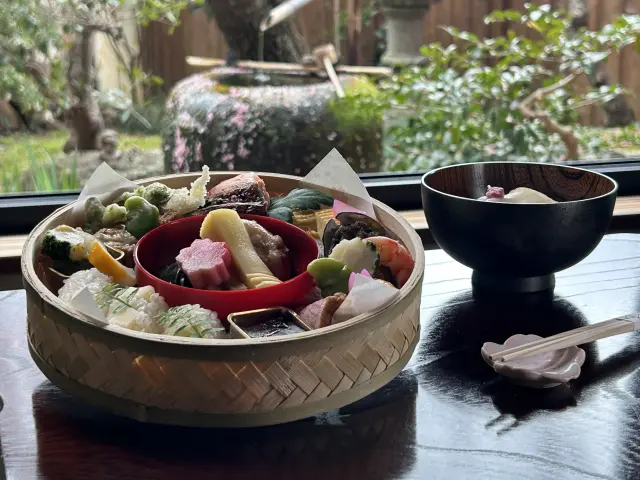
1. Kyo-ryori (Kyoto Cuisine)
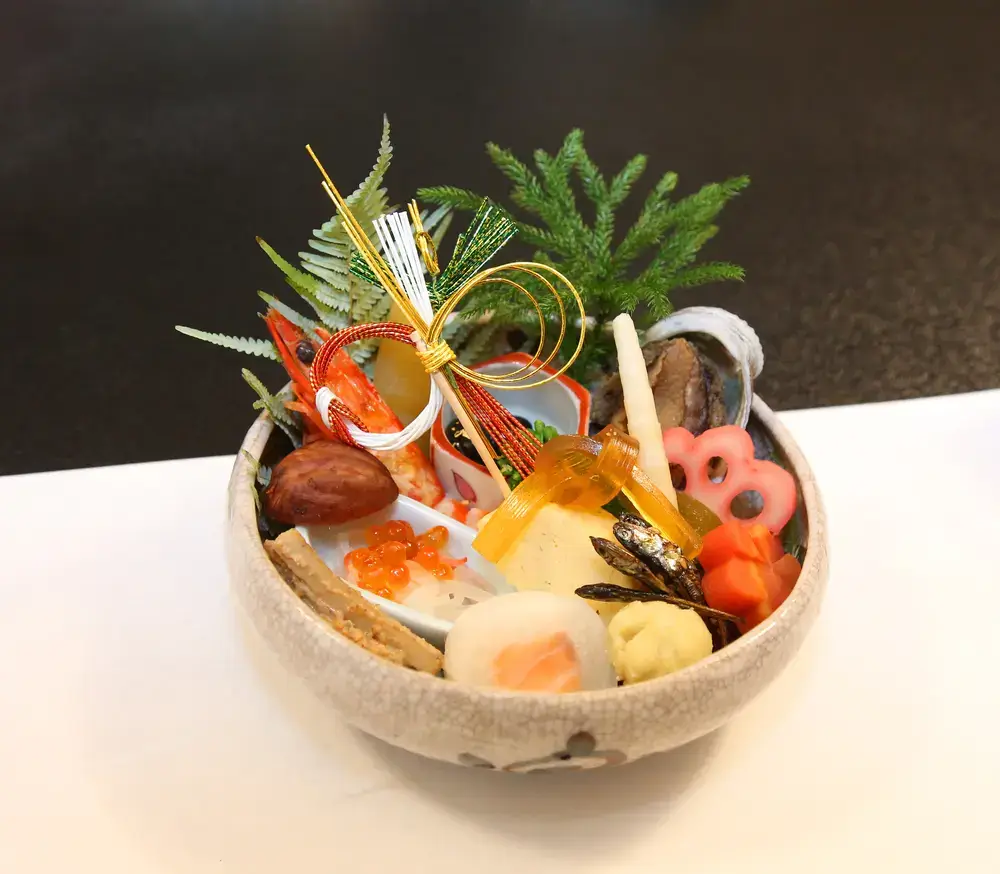
A traditional cuisine nurtured through Kyoto's long history. Delicate flavors that draw on seasonal ingredients and dashi are its hallmark, while the beautiful plating and choice of vessels reflect an aesthetic sense unique to Kyoto.
-
2. Yudofu (Simmered Tofu)
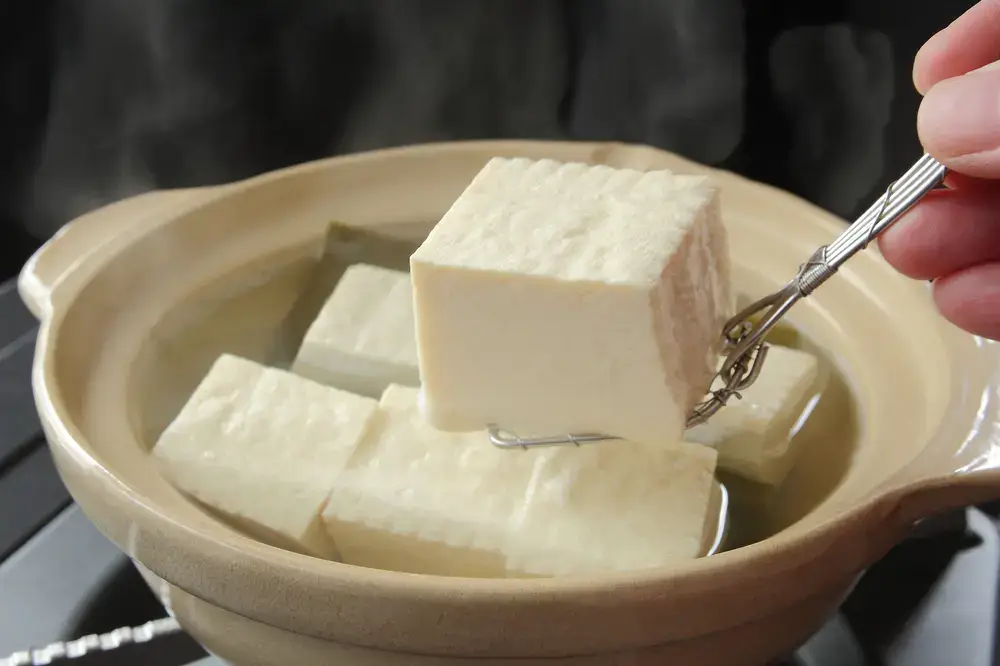
Tofu gently warmed in kombu broth and eaten with condiments and dipping sauce — a Kyoto classic. This simple dish highlights the flavor and silky texture of the tofu itself, and specialty restaurants can be found throughout the city, especially around Nanzen-ji.
-
3. Nishin Soba (Herring Soba)
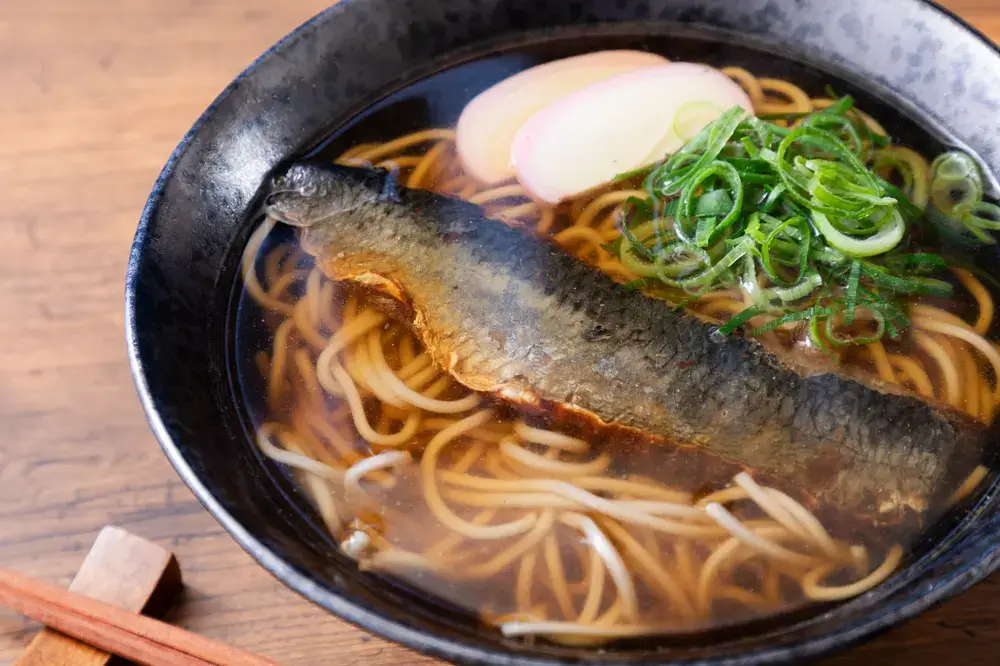
Dried herring brought by kitamaebune trading ships, simmered in a sweet-savory sauce and served atop soba — a specialty said to have originated in Kyoto. The tender herring lends its richness to a broth of kombu and light soy sauce, a flavor long loved in Kyoto.
-
4. Uji Tea & Matcha Sweets
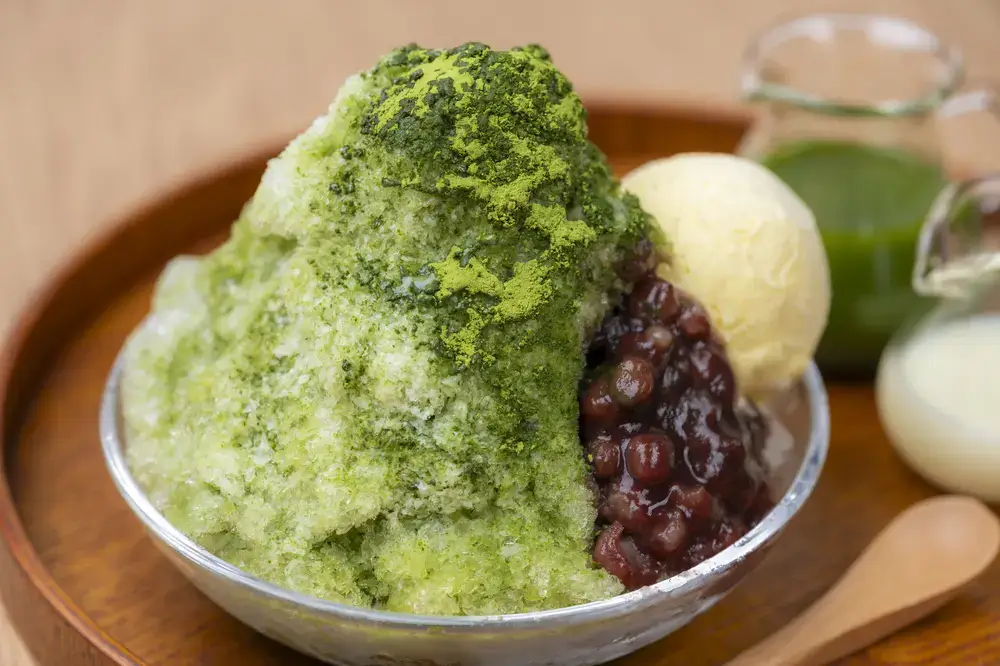
Uji tea is produced mainly around Uji, one of Japan's foremost tea regions. Beyond savoring its aroma and umami, the wide range of matcha sweets — parfaits, ice cream and wagashi — is one of the pleasures of a Kyoto visit.
-
5. Tango Crab Cuisine
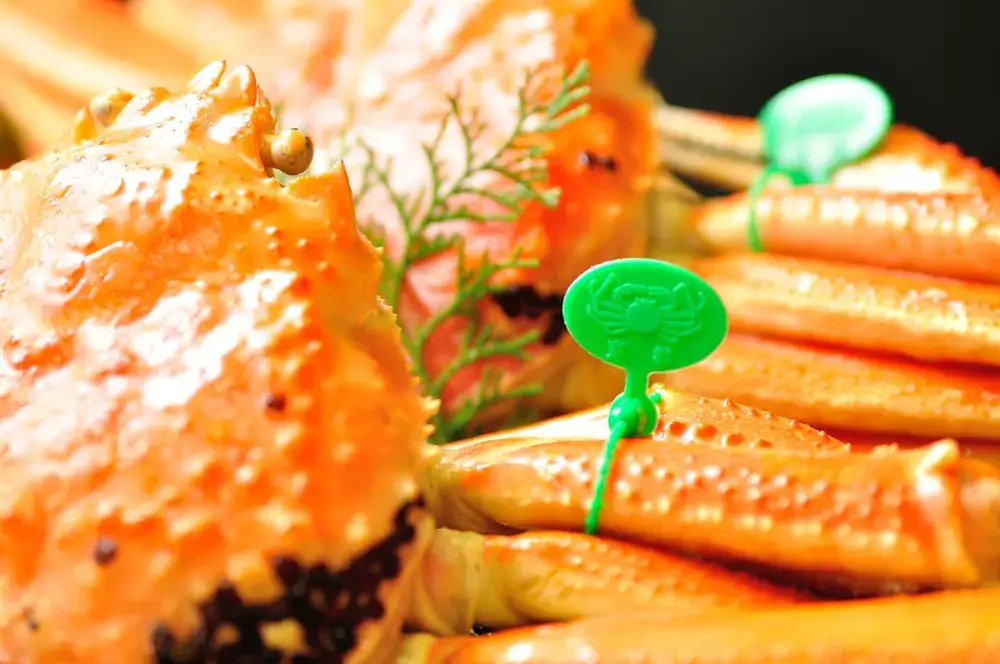
Crab is the signature winter delicacy of Tango. Taigi crab, landed at Taiza Port, is especially prized as a branded crab known for its freshness and rarity. Enjoy the season's finest as sashimi, grilled, in hot pot and more.
Where to Eat in Kyoto


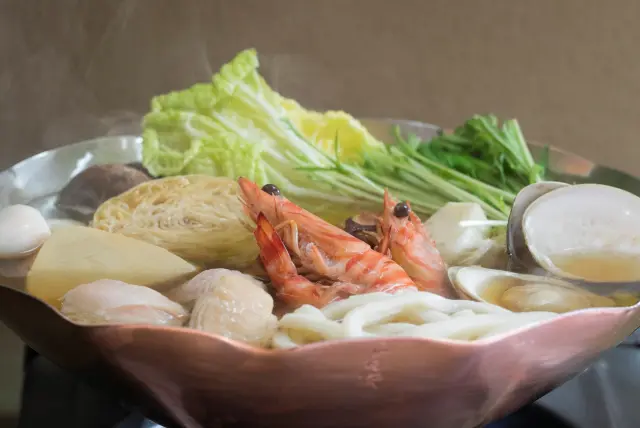

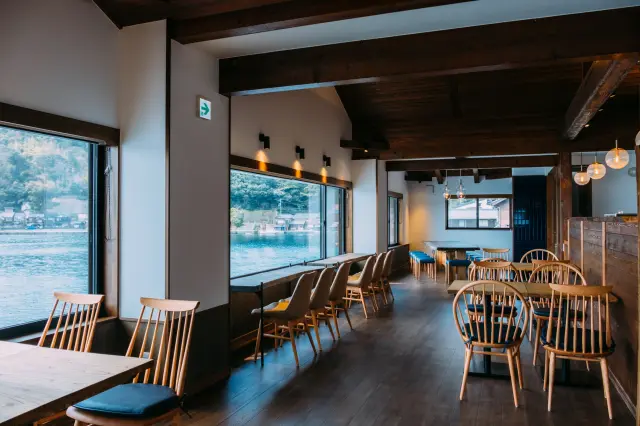


Travel Ideas
Kyoto Itineraries
A 2-Day Itinerary of Kyoto's Classic Sights for First-Time Visitors
A two-day itinerary taking in Kyoto's signature sights, with history, culture and plenty of walking.
Day 1 covers Kiyomizu-dera, Gion and Nishiki Market before heading to Arashiyama. Day 2 runs from Fushimi Inari Taisha out to Uji, visiting Byodoin, Iwashimizu Hachimangu and the sake brewery district of Fushimi.
Here is an itinerary that pairs Kyoto's streetscapes, temples and food with a trip out to Uji and Yawata.
Day 1
- 8:30 Start at JR Kyoto Station
- 9:10 Enjoy the cultural treasures and city views at Kiyomizu-dera Temple
- 10:00 Stroll through Gion, where Japanese tradition and history come alive
- 10:40 Shop for souvenirs and sample street food at Nishiki Market
- 11:40 Enjoy hand-rolled sushi at AWOMB Karasuma Main Store
- 13:10 Imagine the lives of emperors and nobles at Kyoto Gyoen National Garden
- 15:40 Savor the atmosphere of the Sagano Bamboo Grove Trail
- 16:20 Take in the seasonal scenery at Togetsukyo Bridge
- 17:50 Unwind in the refined comfort of Kyoto Tower Hotel
Day 2
- 8:30 Start at JR Kyoto Station
- 8:50 Take photos at the Senbon Torii of Fushimi Inari Taisha
- 10:40 Experience the beauty of the Pure Land at Byodoin
- 11:50 Walk through Uji and enjoy its streets and food
- 15:20 Take in the solemn atmosphere of Iwashimizu Hachimangu
- 16:20 Sample sake at Fushimizu Sakagura Koji
From Countryside to Coast: A 3-Day Drive Through Miyama, Amanohashidate and Ine
A three-day rental-car itinerary from Kyoto's countryside to the Sea of Japan.
Day 1 visits the World Heritage site of Kozan-ji Temple on Mt. Toganoo before heading to Miyama Kayabuki no Sato. Day 2 explores Amanohashidate, one of Japan's three great views, and Day 3 drives from Ine no Funaya out to the Tango Peninsula.
Here is an itinerary that pairs beautiful countryside and coastal scenery with living local culture, revealing a side of Kyoto quite unlike the city.
Day 1
- 9:00 Pick up a rental car near Kyoto Station and set off
- 10:00 Visit the World Heritage site of Kozan-ji Temple on Mt. Toganoo
- 12:00 Arrive at Miyama Kayabuki no Sato. After lunch, stroll the village visiting the Miyama Folk Museum and Chii Hachiman Shrine
- 15:15 Browse for souvenirs at Michi-no-Eki Miyama Fureai Hiroba
- 15:45 Visit the Kyoto Tamba Kogen Quasi-National Park Visitor Center
- 16:30 Head to your accommodation in Miyama
Day 2
- 9:00 Depart from your accommodation
- 11:00 Arrive at Amanohashidate and enjoy a seafood lunch nearby
- 12:15 Visit Chion-ji Temple
- 13:00 Marvel at one of Japan's three great views from Amanohashidate View Land
- 14:15 Walk the pine-lined sandbar of Amanohashidate
- 16:30 Head to your accommodation near Amanohashidate
Day 3
- 9:00 Depart from your accommodation
- 9:20 Visit Moto-Ise Kono Shrine
- 10:00 Enjoy a different perspective from Amanohashidate Kasamatsu Park
- 11:30 Stroll Ine no Funaya and stop for lunch
- 13:30 Shop for souvenirs at Michi-no-Eki Funaya no Sato Ine
- 15:00 Drive the Tango Peninsula and take in the views at Kyogamisaki Cape and Kyogamisaki Lighthouse
- 18:30 Arrive back near Kyoto Station and return the rental car
Discover Kyoto by Season
Best Places to Visit Throughout the Year
Cherry blossoms and vivid azaleas bring scenery found only in spring. From atmospheric streetscapes to areas rich in nature, enjoy Kyoto in spring amid a profusion of flowers.
-
 Okazaki, Ginkakuji, OharaPhilosopher's Path
A 2-km walkway leading from Ginkakuji Temple to Kumano-Nyokuouji Shrine.
-
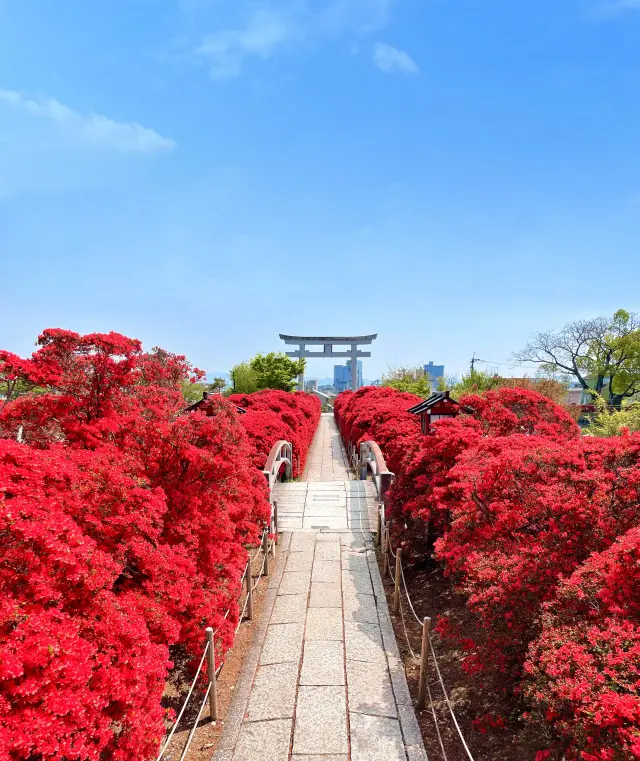 Nagaokakyo, OtokuniNagaoka Tenmangu Shrine
A shrine associated with Sugawara no Michizane, where Kirishima azaleas burst into bloom in spring.
-
 Kameoka, NantanOhno Dam Park
A scenic park along the dam lake, beautifully adorned with cherry blossoms in spring and vibrant autumn leaves in fall-lovingly maintained by the local community.
Kyoto Weather and What to Wear in Spring
Spring warms up gradually, though March still carries the chill of winter and mornings and evenings can be cold. From April the weather turns comfortable, and by May there are more days when the afternoon grows warm. Temperatures differ between the city, the mountains and the north of the prefecture, so layers you can easily add or remove work best.
| Month | March | April | May |
|---|---|---|---|
| Temperature | 8.8℃ | 14.4℃ | 19.5℃ |
Shrines wrapped in fresh green maples, wind chimes ringing coolly, and chilly limestone caves — Kyoto has many places worth visiting in the hot season. Take in the coolness with your eyes, ears and skin and enjoy a side of Kyoto unique to summer.
-
 Okazaki, Ginkakuji, OharaKifune Shrine
With a history of more than 1,300 years, it is one of the oldest shrines in Japan and the head shrine of about 2,000 water god shrines in Japan. It is also known as Kyoto's best spot for matchmaking.
-
 Uji, Joyo, YawataShojuin Temple
Built around 800 years ago, this ancient temple is located in Ujitawara Town. Check out the “Furin (Wind chime) Festival” held every summer.
-
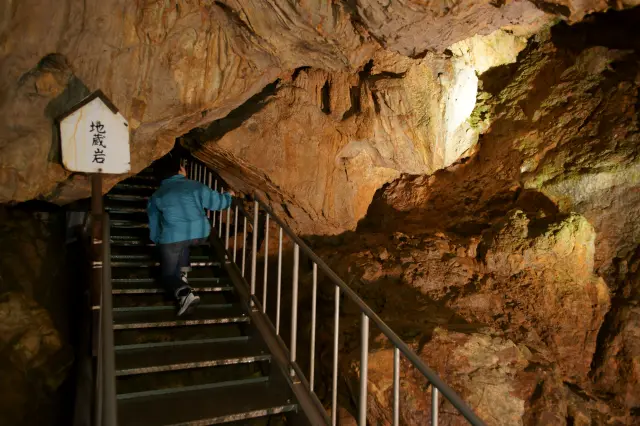 Kameoka, NantanShizushi Limestone Cave Park
A nature-rich park offering cave exploration and outdoor activities.
Kyoto Weather and What to Wear in Summer
June brings the rainy season, with more rain and humidity. Intense heat continues through July and August, and Kyoto city, set in a basin, gets especially hot and humid. Wear breathable clothing, use a hat or parasol against the strong sun, and drink water frequently while sightseeing.
| Month | June | July | August |
|---|---|---|---|
| Temperature | 23.3℃ | 27.3℃ | 28.5℃ |
Ancient temples framed by brilliant foliage and sightseeing trains winding through color-drenched valleys — autumn in Kyoto offers many faces of the season. Visit temples or watch from a train window; there are countless ways to experience Kyoto in fall.
-
 Okazaki, Ginkakuji, OharaZenrin-ji (Eikando)
One of the famous spots for vivid vermilion fall foliage in Kyoto.
-
 KyotoSagano Romantic train
The Trolley train runs through the magnificent nature along the Hozu River.
-
 Amanohashidate, Maizuru, TangoNariaiji Temple
A temple near the breathtaking Amanohashidate, known for granting wishes.
Kyoto Weather and What to Wear in Autumn
September still holds onto summer's heat, and short sleeves are fine on many afternoons. October gradually cools, when a long-sleeved shirt or light jacket comes in handy. In November the chill deepens, especially mornings and evenings, and the north and mountains can turn quite cold — a jacket or coat is reassuring.
| Month | September | October | November |
|---|---|---|---|
| Temperature | 24.4℃ | 18.4℃ | 12.5℃ |
Relaxing in a hot spring overlooking the Sea of Japan, visiting a shrine for the New Year, or attending a winter event set against the snow — winter in Kyoto offers many pleasures. The cold season brings landscapes and experiences you will find at no other time.
-
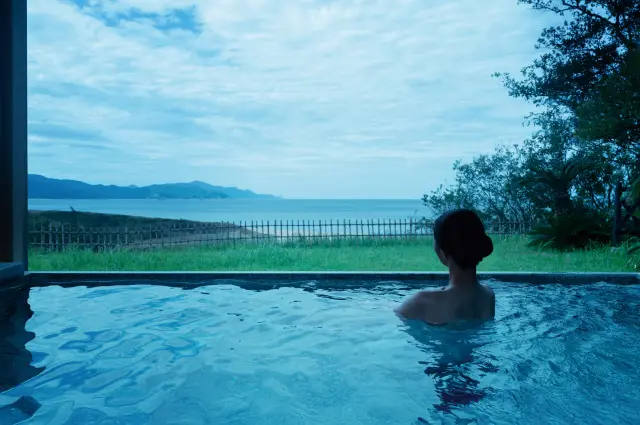 Amanohashidate, Maizuru, TangoYuhigaura Onsen
A popular hot spring resort known for beautiful sunsets over the sea and its “beauty-enhancing waters.”
-
 Uji, Joyo, YawataIwashimizu Hachimangu
The second most prestigious shrine after Ise Jingu.
-
 Kameoka, NantanMiyama’s Thatched Village Winter Lantern Festival
Enchanted Kyoto evenings at Miyama’s “Kayabuki no Sato,” a dream-like preserved traditional villagescape.
Kyoto Weather and What to Wear in Winter
Winter is sharply cold, and in Kyoto city, set in a basin, there are many days when the chill seems to rise from the ground. Temperatures drop further in the north and mountains, where snow sometimes falls. A heavy coat or down jacket is essential, along with a scarf, gloves and other accessories to stay warm.
| Month | December | January | February |
|---|---|---|---|
| Temperature | 7.2℃ | 4.8℃ | 5.4℃ |
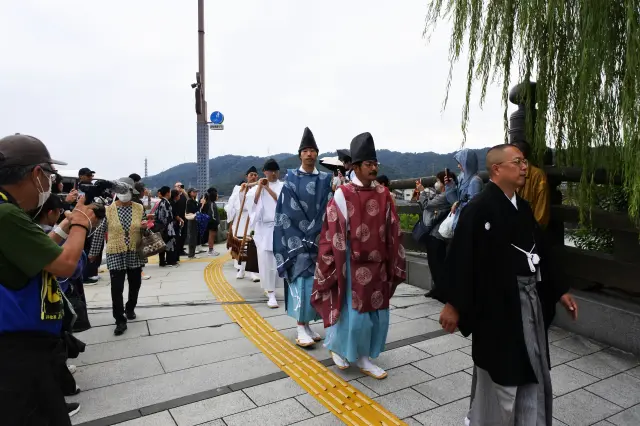
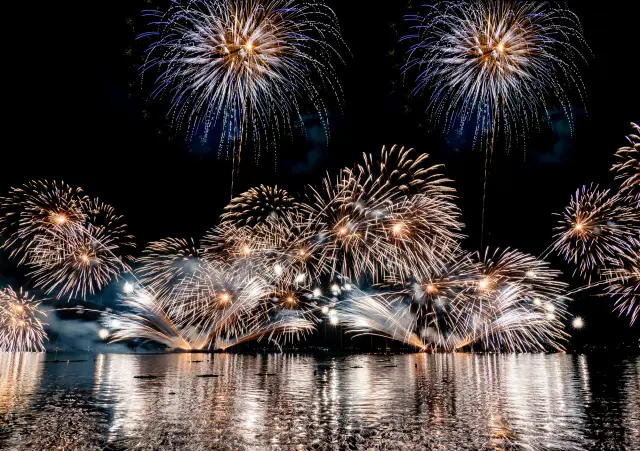
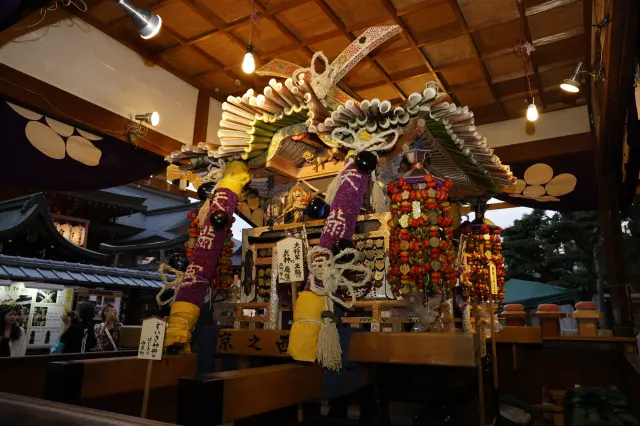
Kyoto Festivals & Events



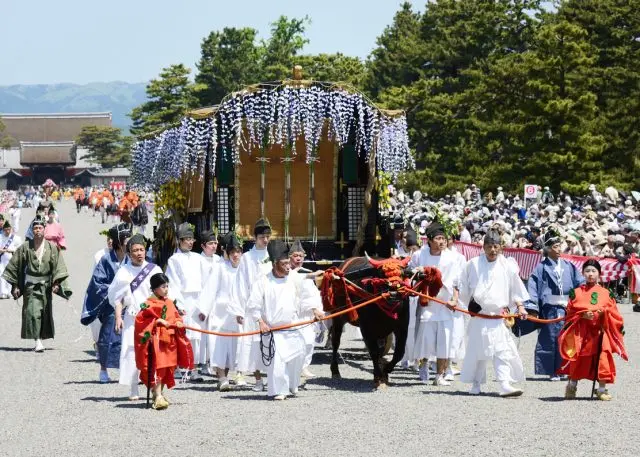

Explore the Best of Kyoto by Area and Theme
Recommended Spots in Kyoto by Area and Theme
No matching spots found.
Must-Buy Souvenirs in Kyoto
Kyoto Shopping & Souvenir Guide
-
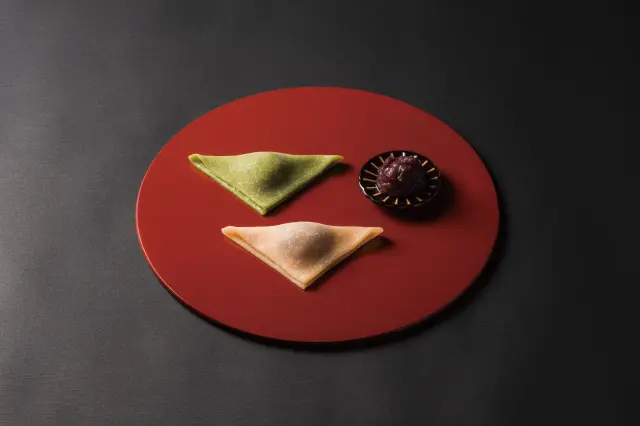
1. Yatsuhashi & Nama Yatsuhashi
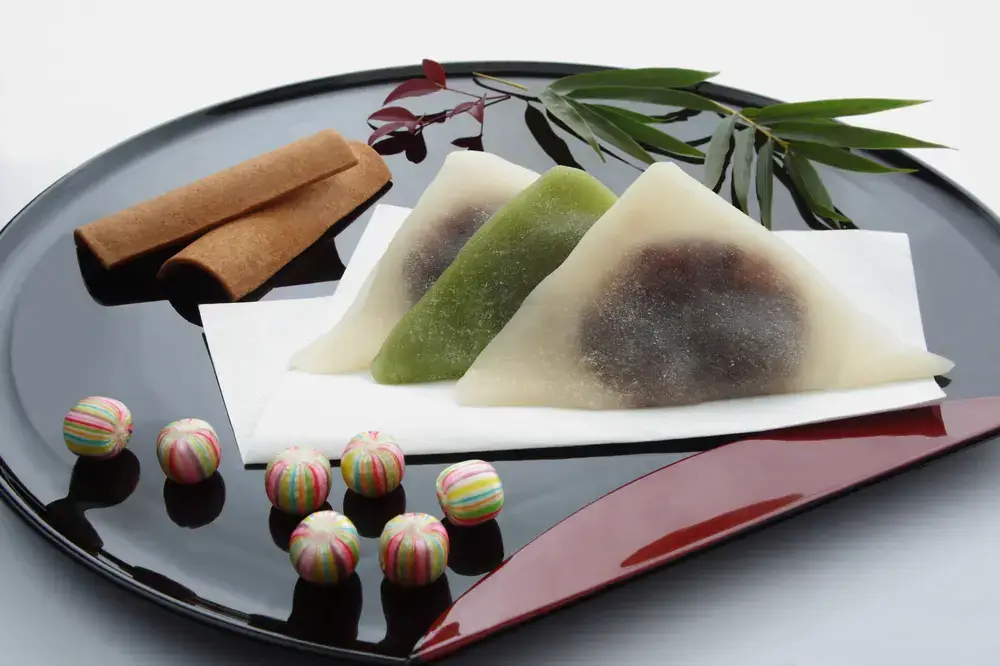
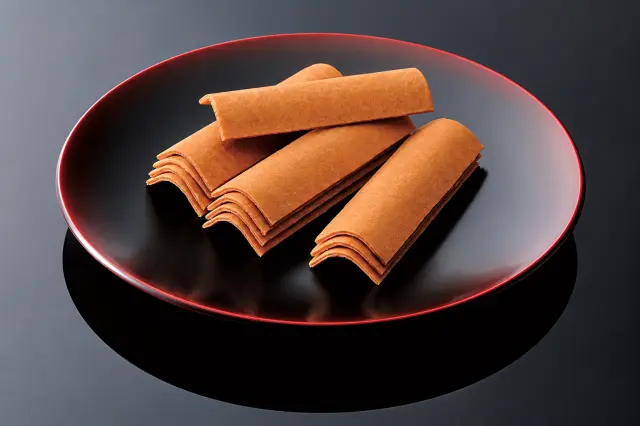
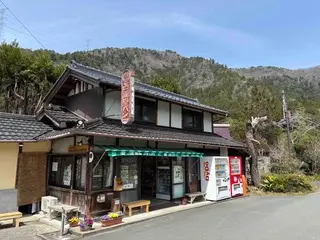
A traditional confection that represents Kyoto. Crisp yatsuhashi carries the fragrance of cinnamon, while soft nama yatsuhashi is prized for its tender dough, with many varieties wrapped around sweet fillings. A perennial favorite among Kyoto souvenirs.
-
2. Kyoto Pickles (Kyo-tsukemono)
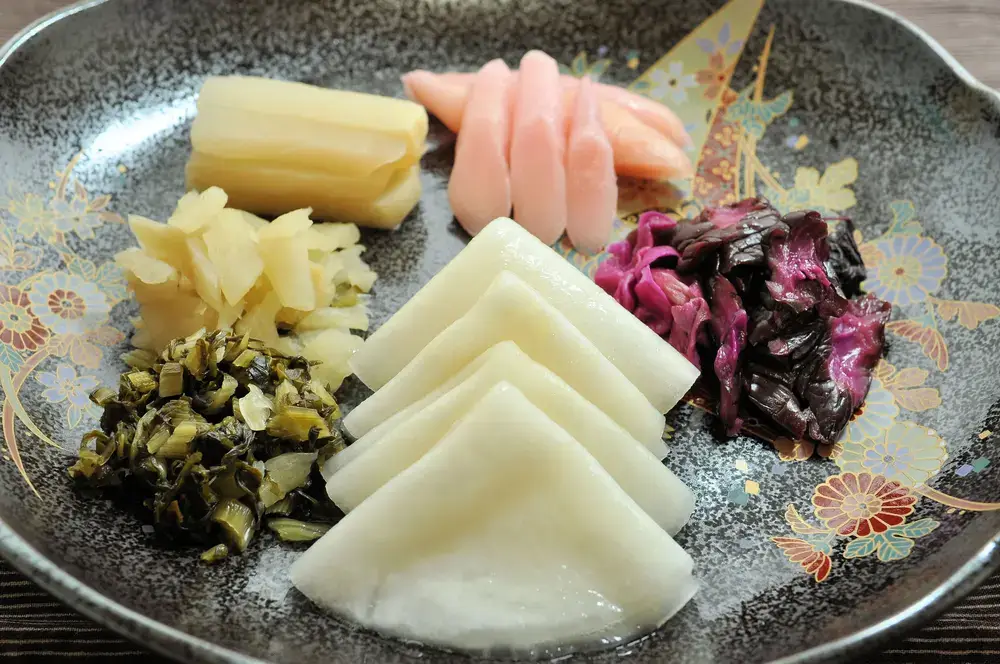
One of Kyoto's long-standing food traditions. Senmaizuke, suguki and shibazuke are just a few of the many varieties, each bringing out the character of the vegetable. Perfect with rice, and equally good with tea or sake.
-
3. Shichimi Togarashi (Seven-Spice Blend)
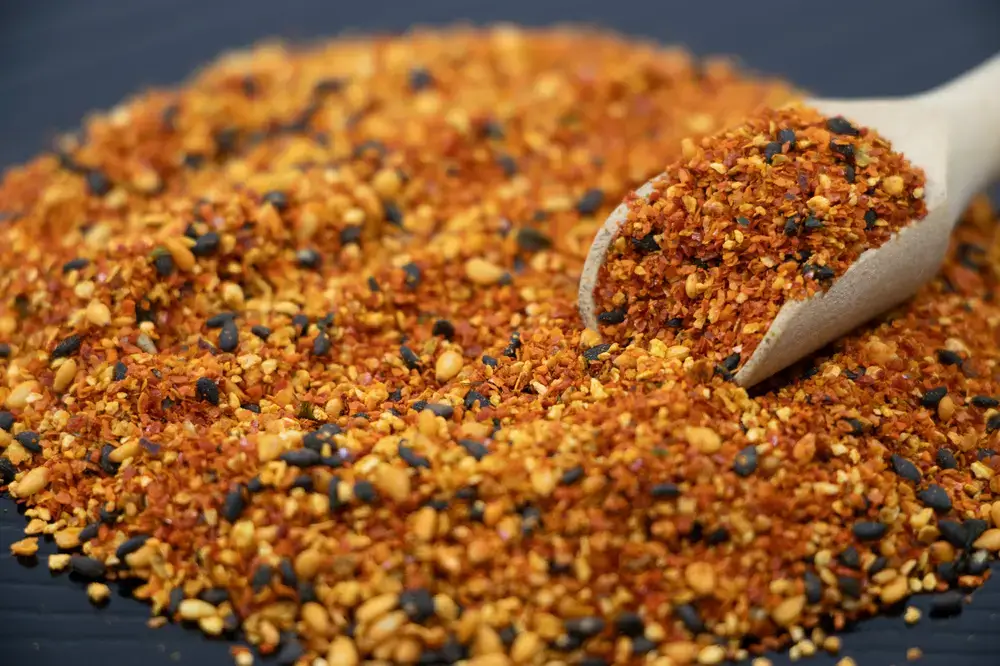
Kyoto is home to many long-established shichimi makers, each with its own balance of sansho fragrance, heat and ingredients. Light to carry and versatile in the kitchen, it makes an easy, distinctly Kyoto souvenir.
-
4. Uji Tea
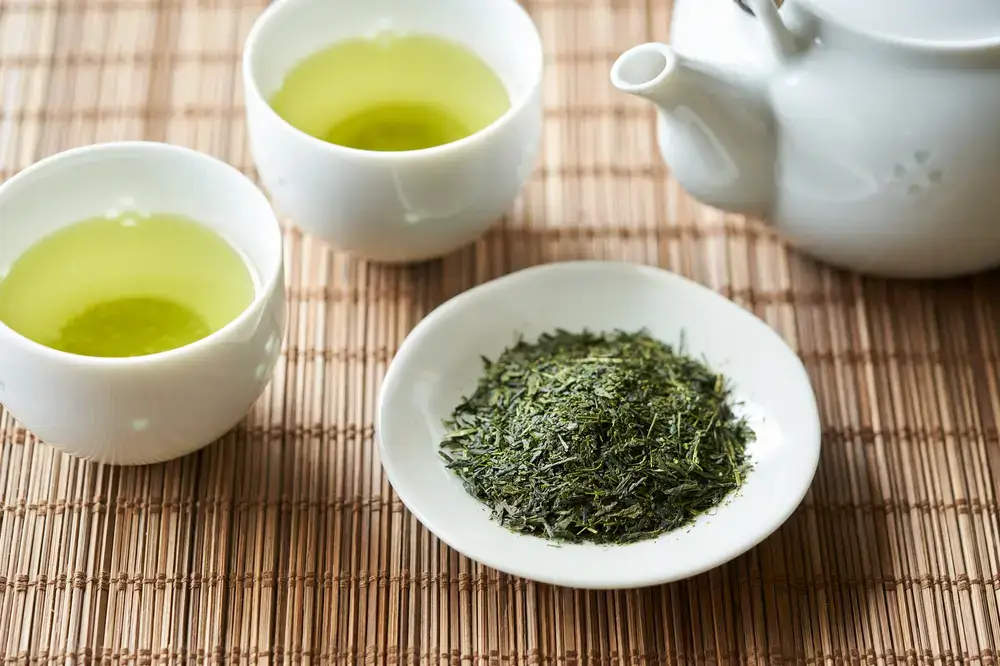
Uji tea has been cultivated in Uji, one of Japan's foremost tea regions. Sencha, gyokuro, matcha and more each offer their own aroma and flavor — a classic souvenir that lets you enjoy the taste of Kyoto long after your trip.
-
5. Kiyomizu-yaki & Kyo-yaki Ceramics
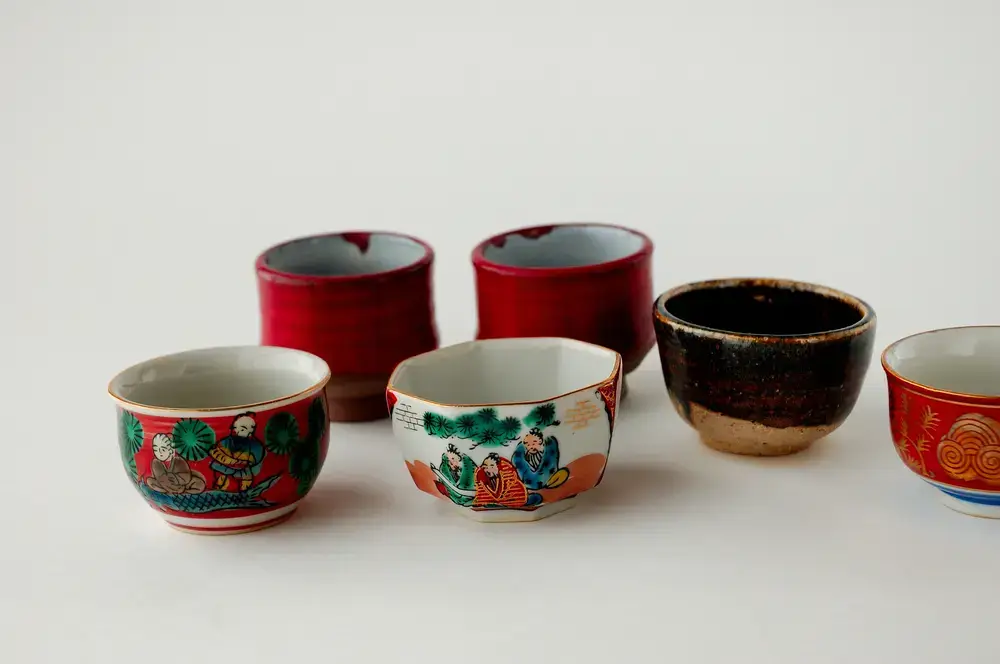
Traditional ceramics handed down in Kyoto. Styles range from richly painted pieces to quietly textured ones, with a wide selection of tea utensils and tableware. Find a piece you love and bring it into everyday use.
Kyoto Souvenirs


Shopping in Kyoto





Recommended Areas in Kyoto
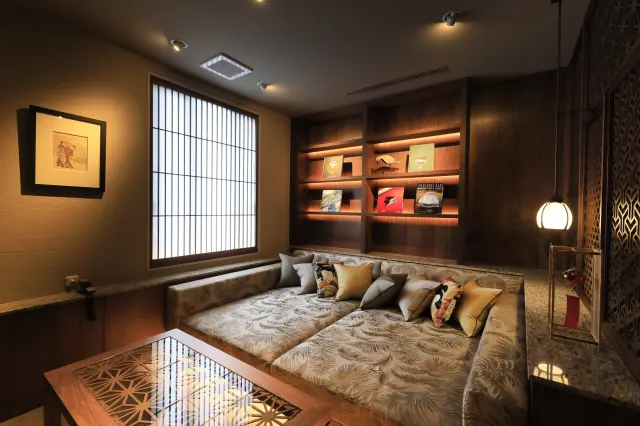
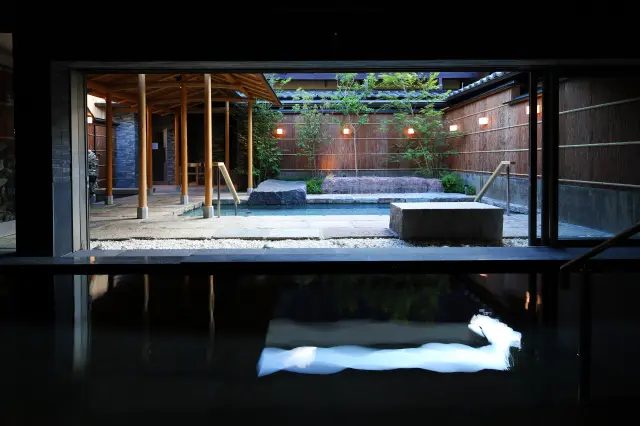
Kyoto Accommodation Guide
-
1. Around Kyoto Station
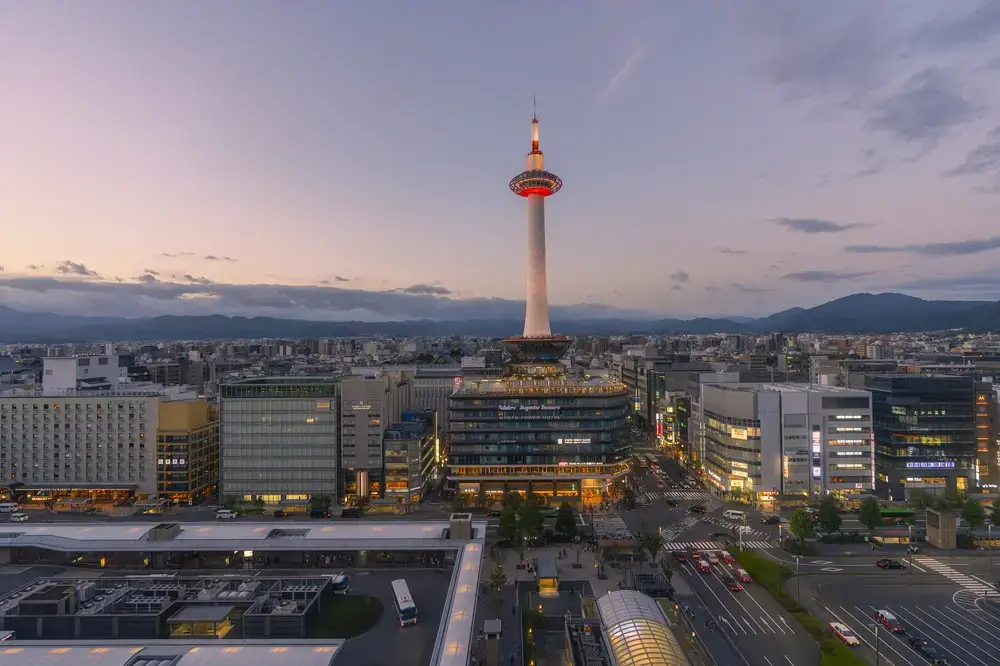
The gateway to sightseeing in Kyoto, served by the Shinkansen, JR, subway and Kintetsu lines. It offers easy access across the city and out to Uji and Arashiyama, making it a convenient base. Hotels, shopping complexes and restaurants abound near the station, and sights such as To-ji and Nishi Hongwanji are within walking distance.
-
2. Shijo Kawaramachi & Gion
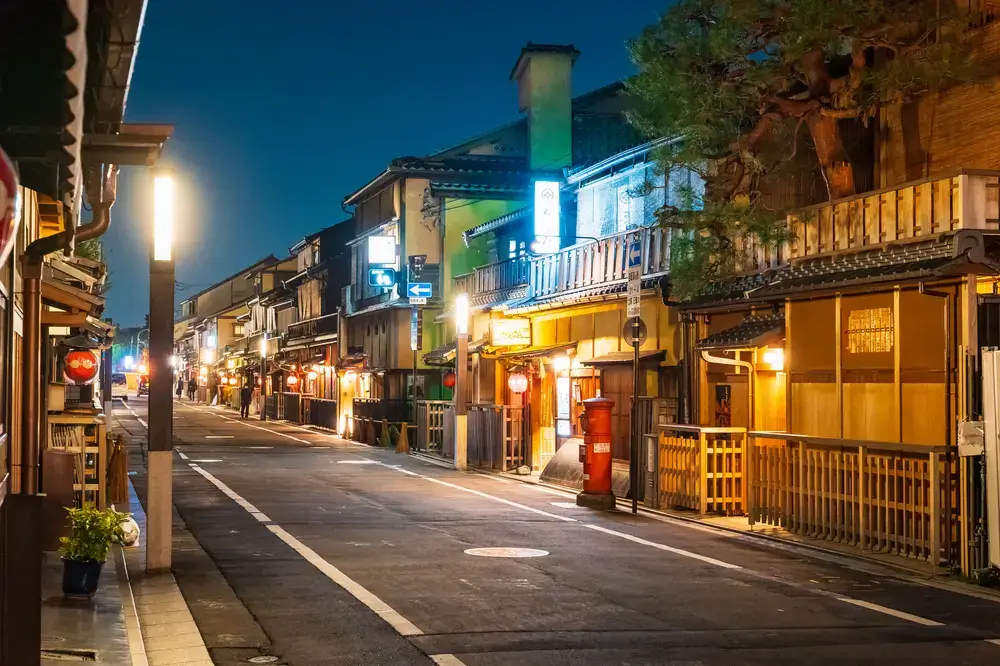
Centered on Shijo Kawaramachi, Kyoto's liveliest quarter, and Gion, where the city's traditional atmosphere lingers. Restaurants and department stores are plentiful, and Nishiki Market, Pontocho and Yasaka Shrine are all within walking distance. Beyond dining and shopping, being able to wander the streets into the evening is part of the appeal of staying here.
-
3. Arashiyama & Sagano
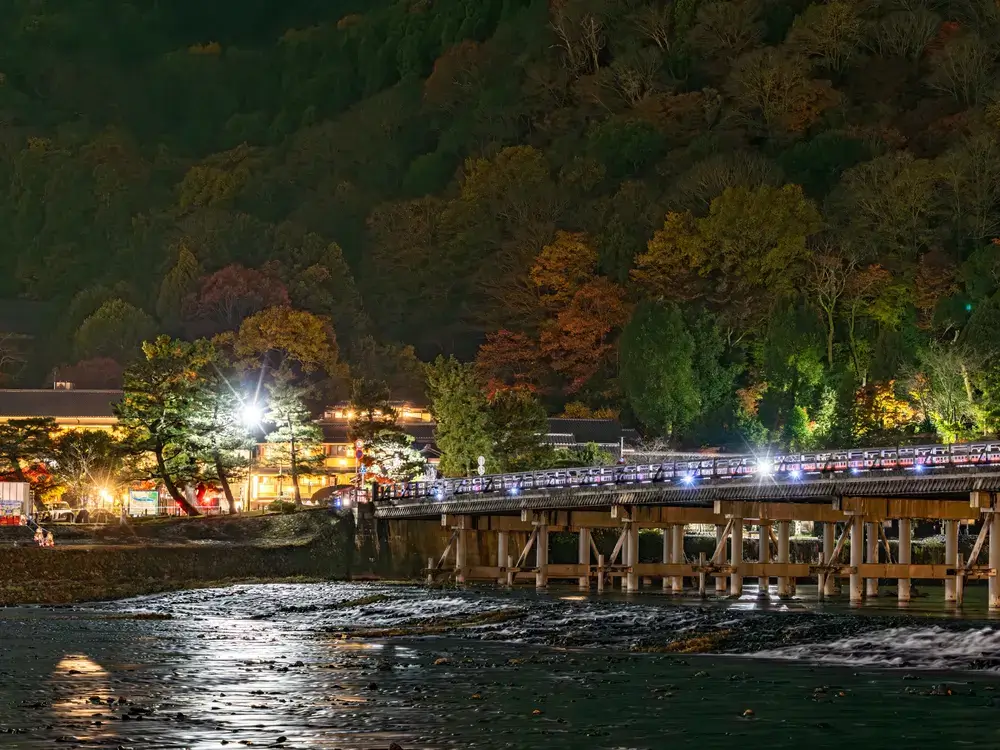
A popular area where Kyoto's iconic scenery gathers, from Togetsukyo Bridge to the bamboo grove path. Temples such as Tenryu-ji and Daikaku-ji are easy to reach, and ryokan and refined hotels are tucked among the greenery. Staying here means enjoying the streets at dawn and dusk, when few visitors remain and the mood is entirely different.
-
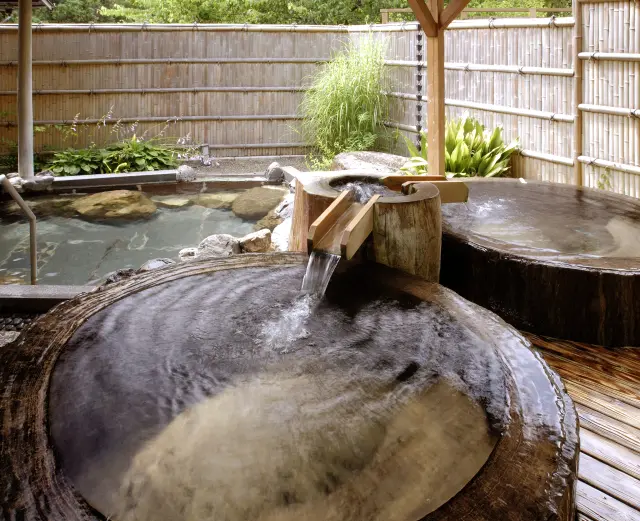
4. Kameoka & Yunohana Onsen
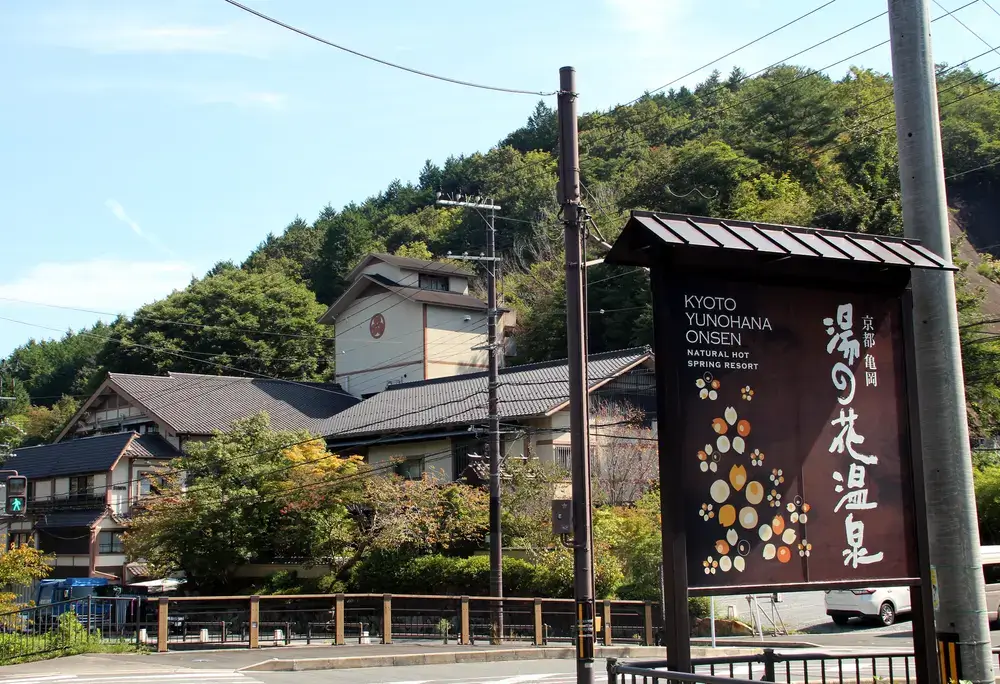
Kameoka is an easy trip from central Kyoto and surrounded by abundant nature. Yunohana Onsen, set among the hills, gathers ryokan and other lodgings where you can enjoy hot springs alongside seasonal cuisine. Combine it with sights such as the Hozugawa River boat ride for a relaxed stay away from the bustle of the city.
-
5. Amanohashidate & Tango
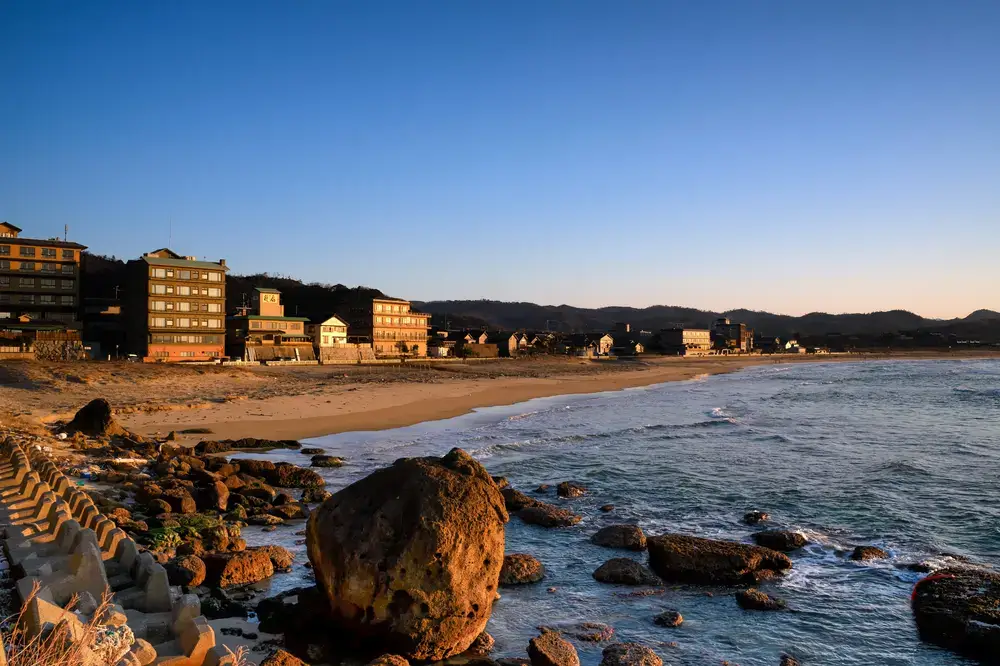
Lodging in northern Kyoto Prefecture, blessed with the scenery of the Sea of Japan and headlined by Amanohashidate, one of Japan's three great views. Ryokan and hotels cluster around Amanohashidate, while Kyotango has hot spring inns overlooking the sea. Enjoy fresh seafood and hot springs, and use the area as a base for exploring the "Sea of Kyoto" around Ine and the Tango Peninsula.
Where to Stay in Kyoto
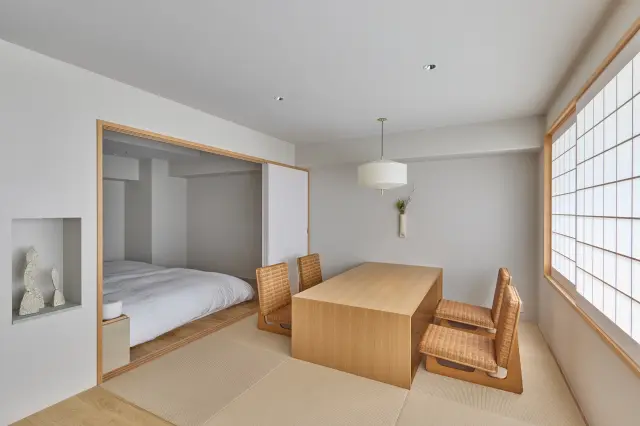



Essential Information for Visiting Kyoto
Kyoto Travel Basics & Transportation Guide

How to Get to Kyoto
|
From Tokyo (Tokaido Shinkansen) |
Tokyo Station → Kyoto Station | Approx. 2 hr 10 min |
|---|---|---|
|
From Nagoya (Tokaido Shinkansen) |
Nagoya Station → Kyoto Station | Approx. 35 min |
|
From Sendai (By Air) |
Sendai Airport → Osaka International Airport (Itami) | Approx. 1 hr 30 min |
|
From Hokkaido (By Air) |
New Chitose Airport → Osaka International Airport (Itami) | Approx. 2 hr |
|
From Fukuoka (Sanyo Shinkansen) |
Hakata Station → Kyoto Station | Approx. 2 hr 50 min |
|
From Okinawa (By Air) |
Naha Airport → Kansai International Airport | Approx. 2 hr 10 min |
- Osaka International Airport (Itami) to Kyoto Station takes about 50 minutes by airport limousine bus.
- Kansai International Airport to Kyoto Station takes about 1 hour 30 minutes by airport limousine bus.

- Name
- Kyoto Prefecture
- Capital City
- Kyoto City
- Main Airport
- There is no airport in Kyoto Prefecture; Osaka International Airport (Itami) and Kansai International Airport are the most convenient gateways.
- Major Railway Station(s)
- Kyoto Station
- Location
- North-central Kansai region
- Climate
- Around Kyoto city, summers are hot and humid and winters cold. The north of the prefecture has a Sea of Japan climate, with many snowy days in winter.
- Best Time to Visit
- Year-round. Each season brings its own scenery: cherry blossoms in spring, fresh greenery in early summer, autumn foliage, and snow-covered landscapes in winter. Temple visits, city walks and dining make Kyoto rewarding in any season.
- Time Zone / Language / Currency
- Same as mainland Japan: no time difference, Japanese, and the Japanese yen (JPY).
- Transportation
- JR, subway, private railways and local buses make it easy to reach central Kyoto, Uji, Arashiyama and other major sights. To explore the north of the prefecture, combining trains, buses and a car is most convenient.
- Access to Other Areas
- Trains provide easy access to Osaka, Nara and Shiga, making it simple to combine Kyoto with other destinations in Kansai.
- Travel Tips
- Popular sights and public transport in Kyoto city get crowded, especially during the cherry blossom and autumn foliage seasons. Be prepared for intense summer heat and winter cold.
- Must-See Attractions
- Kinkaku-ji, Fushimi Inari Taisha, Ine no Funaya
- Local Specialties
- Kyo-ryori, yudofu, nishin soba
Kyoto Travel FAQs
Q
How many days do I need to enjoy Kyoto?
A
For a first visit, two to three days is a good guide. Two or three days covers the classic sights in the city — Kiyomizu-dera, Kinkaku-ji, Fushimi Inari Taisha and Arashiyama — plus a trip to Uji. If you also want to see Amanohashidate, Ine and other parts of northern Kyoto Prefecture, allow three days or more.
Q
Can I get around Kyoto using only trains and buses?
A
The main sights in Kyoto city can all be reached by JR, subway, private railways and local buses. Uji and Kameoka are also accessible by train, but for touring northern Kyoto Prefecture — Amanohashidate, Ine and Kyotango — a rental car alongside trains and buses is convenient.
Q
Which areas of Kyoto do you recommend?
A
For traditional streetscapes and temples, Gion and Higashiyama are popular; for nature alongside historic sites, Arashiyama and Sagano are recommended. Uji offers Uji tea and World Heritage sites, while Amanohashidate and Tango bring coastal scenery and hot springs — each quite different from the city.
Q
What is the best season to visit Kyoto?
A
Kyoto is worth visiting year-round. Cherry blossoms in spring, fresh greenery in early summer, autumn foliage, snow-dusted temples and Sea of Japan delicacies in winter — every season has its own appeal. The blossom and foliage seasons are especially busy, so planning ahead is wise.
Q
How can I avoid the crowds in Kyoto?
A
Popular spots such as Kiyomizu-dera, Fushimi Inari Taisha and Arashiyama get busy depending on the time of day and season. Making use of the quieter early morning hours, and combining the subway and trains with buses, helps you travel more efficiently. Venturing beyond central Kyoto to Ohara, Yamashina or the south of the prefecture is another option.