

Oiwa Shrine has such an incredible spiritual vibe. The moment I walked in, I instantly felt calm and quiet inside.

Verified [Verified] denotes information that has been published with confirmation of its owing parties.
Oiwa Shrine
A sacred peak where gods gather, alive with 1,300 years of prayer.
3.24
1
A historic shrine mentioned in the Hitachi no Kuni Fudoki, one of Japan’s oldest written records. Ritual artifacts from the late Jomon period have been excavated from Mt. Oiwa and the shrine grounds, and it is said to have been revered as a sacred place where deities dwell for Approx. 3,000 years.
The shrine grounds spread across the western slope of the sacred mountain Mt. Oiwa, where 188 deities are said to reside, and because the approach continues all the way to the summit, many visitors come not only for regular worship but also for mountain pilgrimage.
In front of the Romon Gate (Great Niomon Gate) stands the sacred “Sanbon-sugi” cedar tree, estimated to be 600 years old, and the main shrine enshrines deities including Kunitokotachi no Mikoto and Okuninushi no Mikoto. There is also Kabire Jingu along the front approach, Saijinja Shrine within the grounds, and Sato Jinja Nakamiya along the rear approach.
Widely known as one of Ibaraki’s leading power spots, it is also famous for seasonal flowers, including Asian skunk cabbage (blooming from mid-March to early April) and rhododendrons (blooming from mid-April to early May). From autumn foliage to the crisp air of winter, you can enjoy the beauty of nature here throughout the year.
Highlights
-
A shrine with a long history, mentioned in one of Japan’s oldest written records and revered as a sacred place where deities dwell for Approx. 3,000 years.
-
The shrine grounds spread across the western slope of the sacred mountain Mt. Oiwa, where 188 deities are enshrined.
-
The approach continues to the summit of Mt. Oiwa, attracting many visitors for mountain pilgrimage as well as worship.
-
One of Ibaraki’s leading power spots, with the 600-year-old sacred “Sanbon-sugi” cedar tree and multiple shrine buildings.
-
You can enjoy seasonal flowers and scenery throughout the year, including Asian skunk cabbage, rhododendrons, and autumn leaves.
Photos
-

A historic shrine with more than 1,300 years of history
-
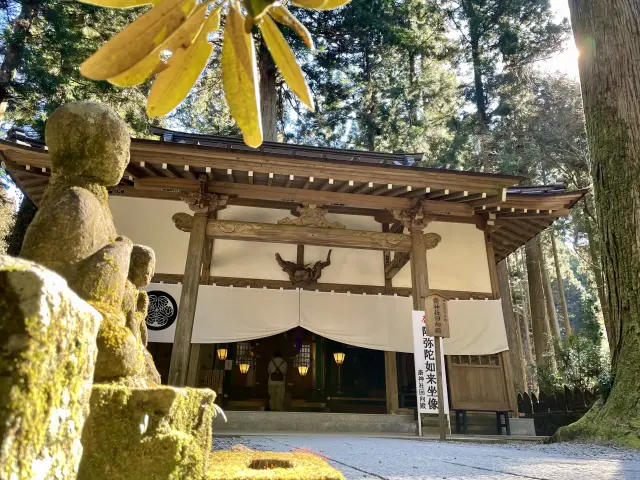
Saijinja Shrine, one of the auxiliary shrines within the grounds
-
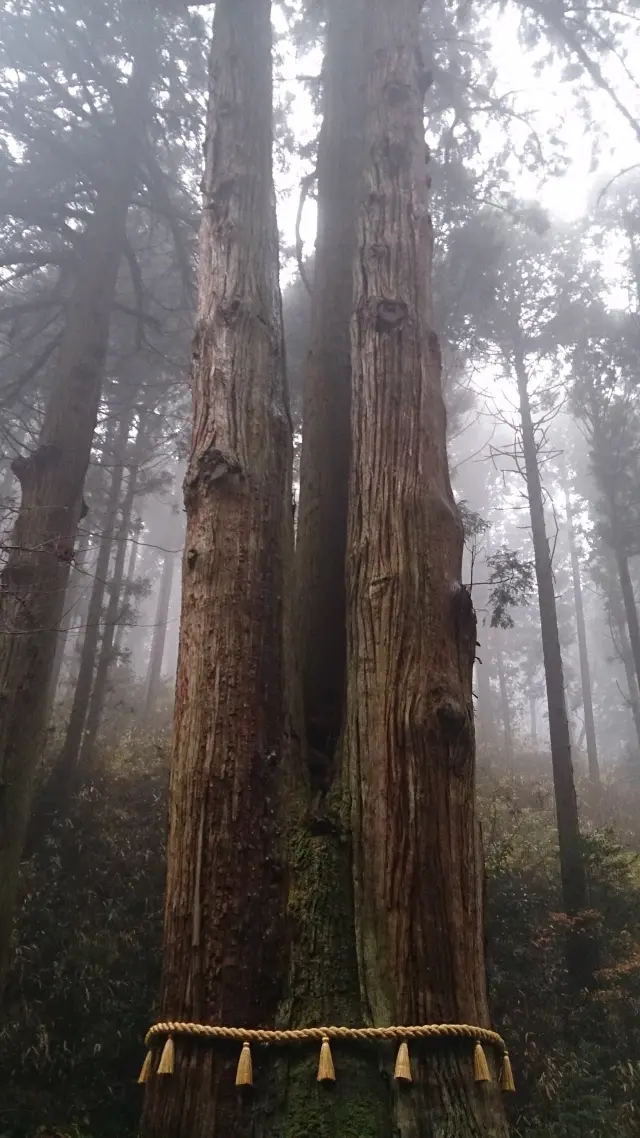
The sacred “Sanbon-sugi” cedar tree, estimated to be 600 years old
-

The shrine grounds spread across the western slope of the sacred mountain Mt. Oiwa
-

Asian skunk cabbage blooming around mid-March
-
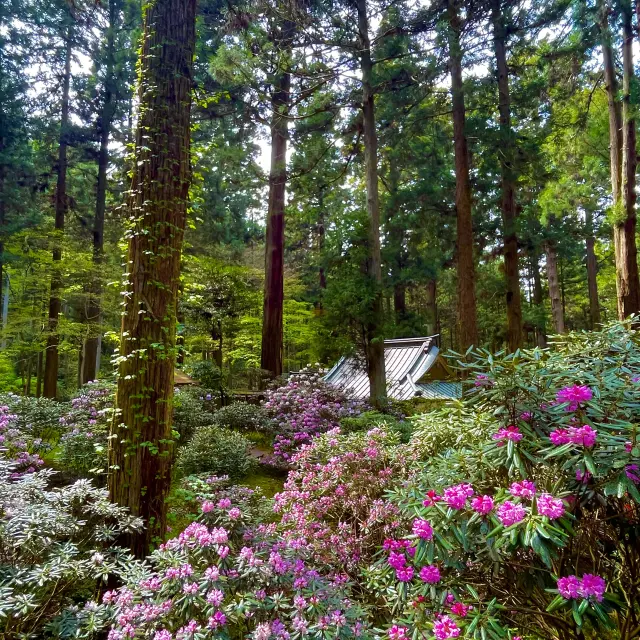
Rhododendrons admired for their delicate colors
Official FAQs
Frequently Asked Questions have been vetted and answered directly by each listing.
Q
Do you have goshuin stamp seals?
A
Yes, goshuin are available for Oiwa Shrine and Kabire Jingu (mountain pilgrimage required). On weekdays when no calligrapher is available, pre-written goshuin are offered. Limited-edition goshuin may also be available depending on the season.
Q
Is there a parking lot?
A
Yes, there is space for Approx. 200 standard vehicles, and parking is free. There are also spaces for Approx. 5 buses.
Q
Are there coin lockers?
A
No, there are not.
Q
Are there any sightseeing spots nearby?
A
Nearby attractions include Kamine Park and Zoo, Kirara no Sato, and Nishiyama Goten.
Reviews
1
Some reviews are AI-translated.
Details
- Name in Japanese
- 御岩神社
- Postal Code
- 311-0402
- Address
- 752 Iriyonama-cho, Hitachi, Ibaraki
- Phone
- 0294-21-8445
- Closed on
- None
- Hours
- 6:00 am–5:00 pm (shrine office 9:00 am–5:00 pm)
- Admission
- Free
- Access
- 1-minute walk from the “Oiwa Jinja Mae” bus stop on the Ibaraki Kotsu bus
- Official website
- Official website (Japanese)