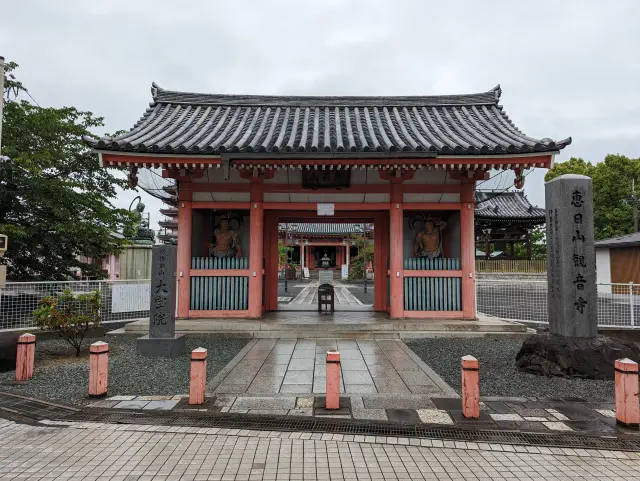
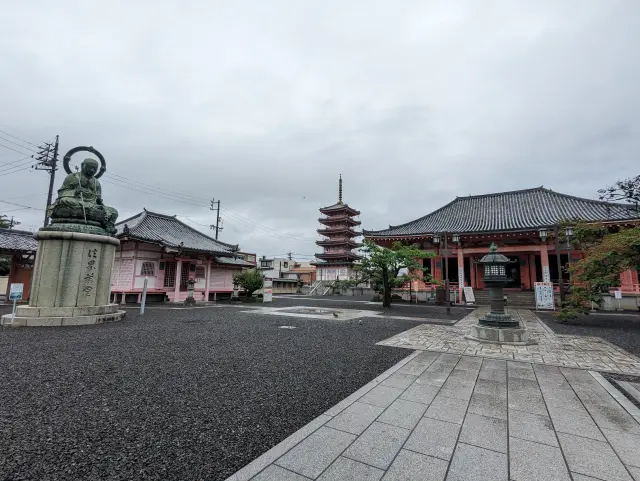
Tsukannon is considered one of the Three Great Kannon temples, along with Asakusa Kannon and Osu Kannon. But location-wise, if I hadn’t stayed near Tsu Station this time, I probably would’ve skipped it.
After actually visiting, compared with Asakusa and Osu, Tsukannon has a much quieter, more peaceful atmosphere for worship. It made it easier to really focus on the temple’s vibe and history.
金己田's Reviews Page 2/4
-
-
In Japan, roadside stations are a great way to get to know the local food.
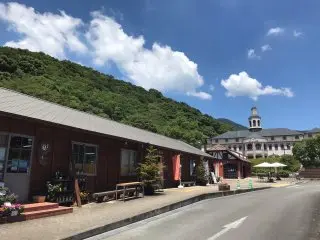
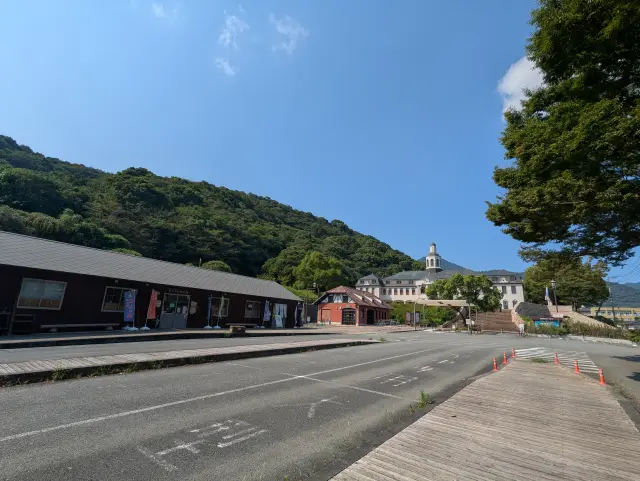
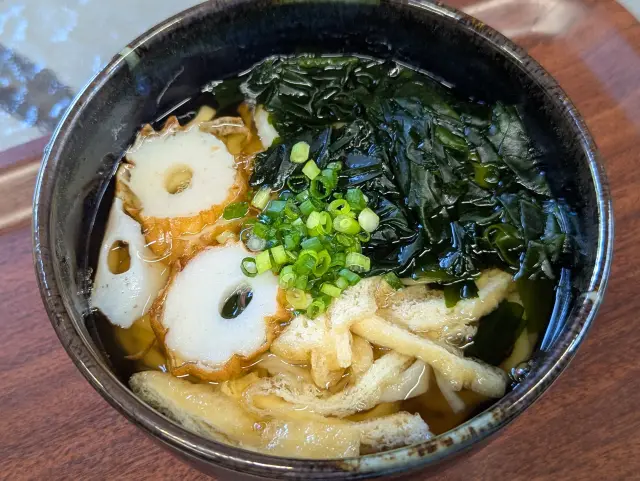
While doing the Tokushima pilgrimage, I took a little detour to Michi-no-eki Daiku-no-sato and tried a bowl of Naruto udon. Unlike Sanuki udon, the noodles are flat and irregular, more like plain wheat noodles. With a light, refreshing broth and local specialties like chikuwa fish cake and wakame, it was easy to keep taking bite after bite—even in the summer heat. -
-
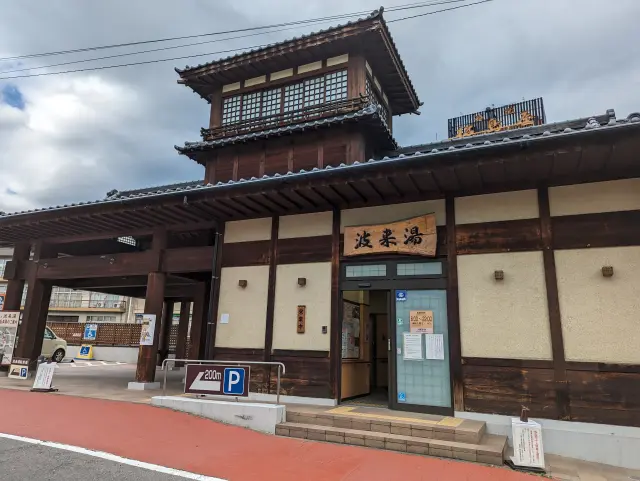
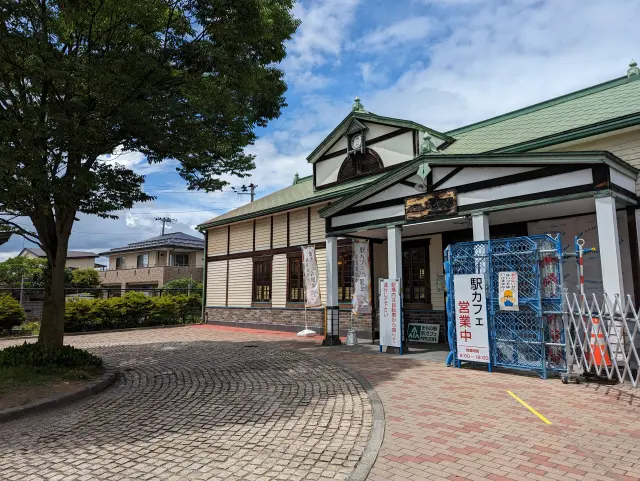
As soon as I got out of the station, I went straight to Haraiju and hopped into the nice, steaming hot spring. All my travel fatigue disappeared in an instant.
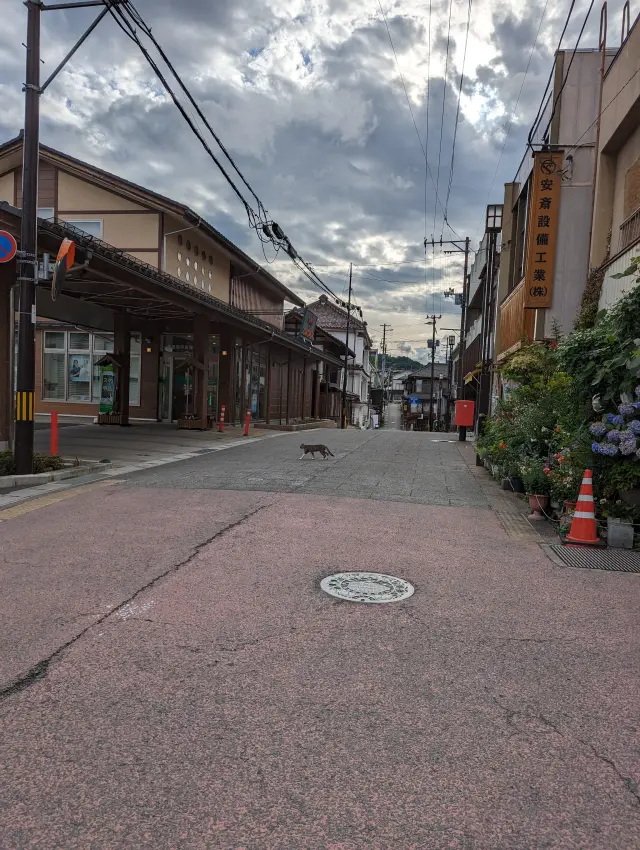
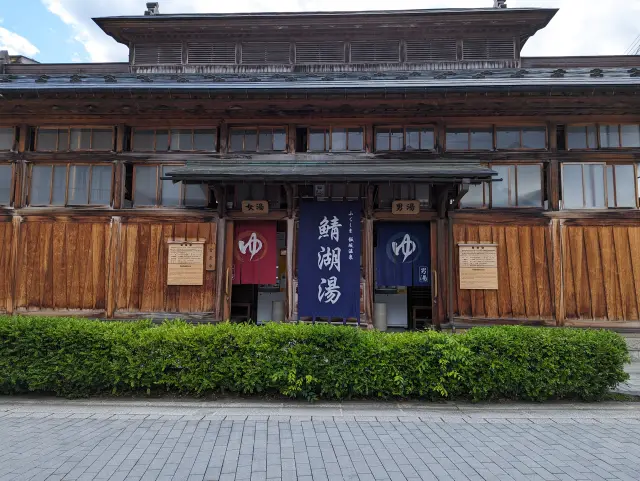
After the bath, I strolled around the onsen street. The sloped roads and historic buildings had such a great vibe.
I seriously love Iizaka Onsen! -
-
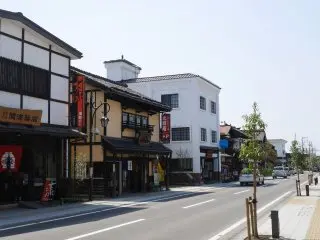
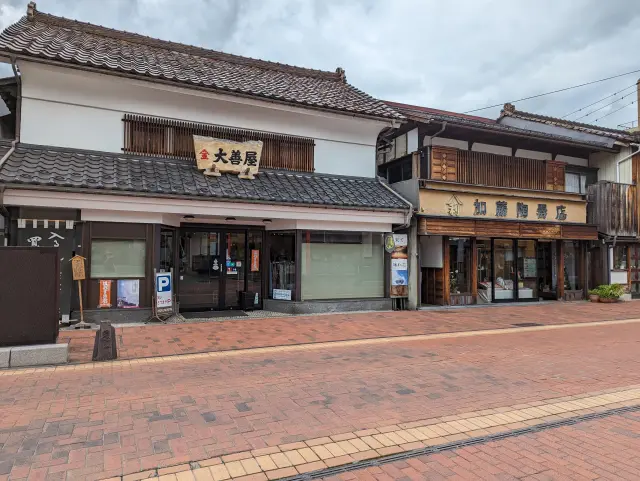
Stepping out of Nanukamachi Station felt like traveling back in time.
I loved the vibe of the street—quiet, lived-in, and not overly commercialized. -
-
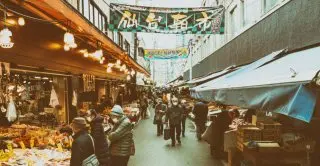
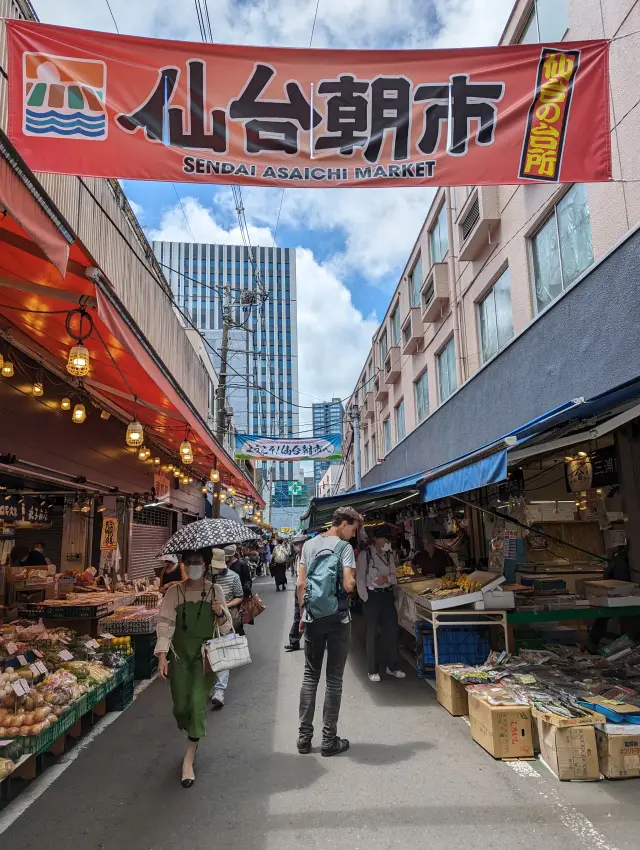
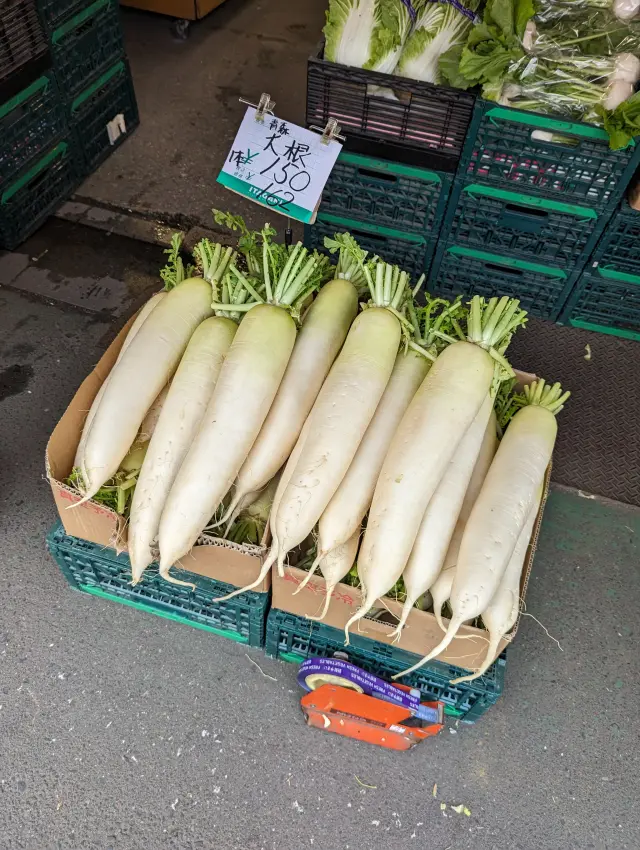
Sendai Asaichi Morning Market is a small local produce market. The streets are clean with no bad smells, and the seasonal fruits and veggies are neatly displayed.
Walking through the market and getting a feel for local everyday life is one of the best parts of traveling. -
-
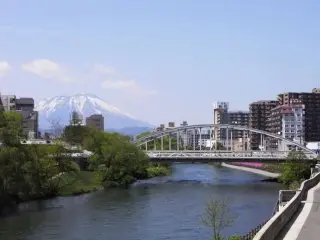
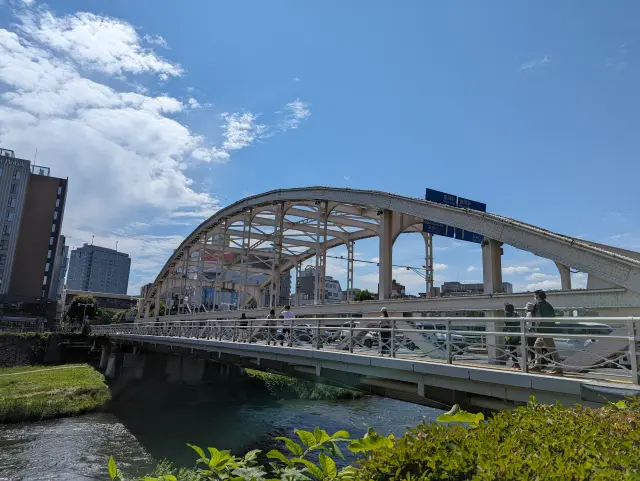
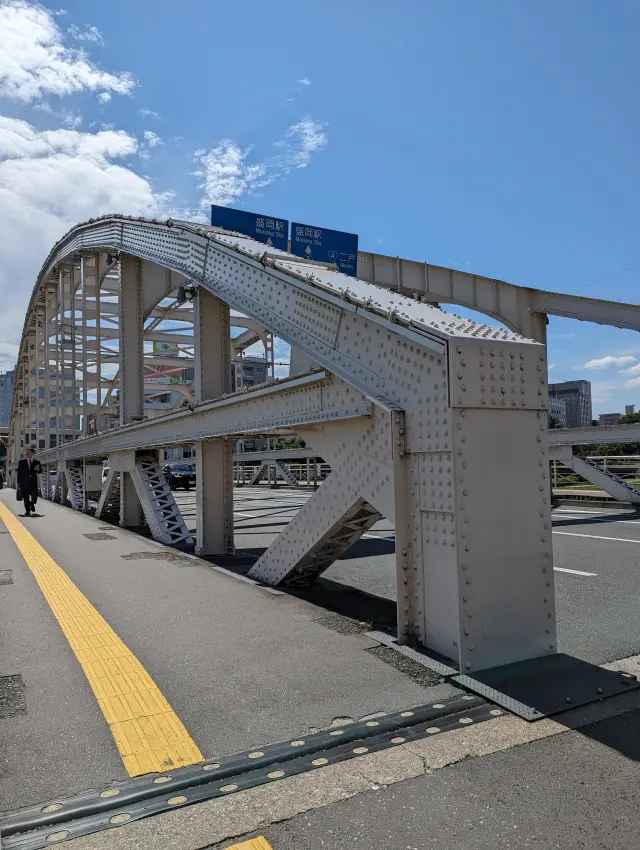
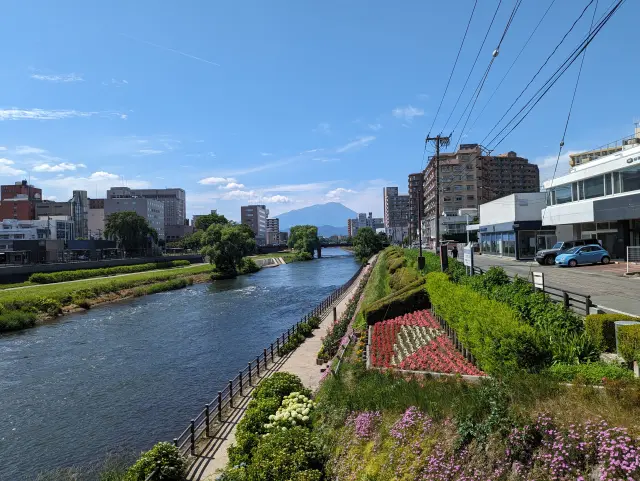
On the way from Morioka Station to downtown, you pretty much have to cross Kaiunbashi Bridge.
It feels like a symbol of Morioka, and the view of Mt. Iwate from the bridge is absolutely worth seeing! -
-
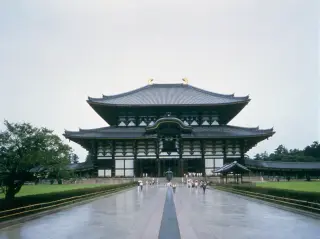
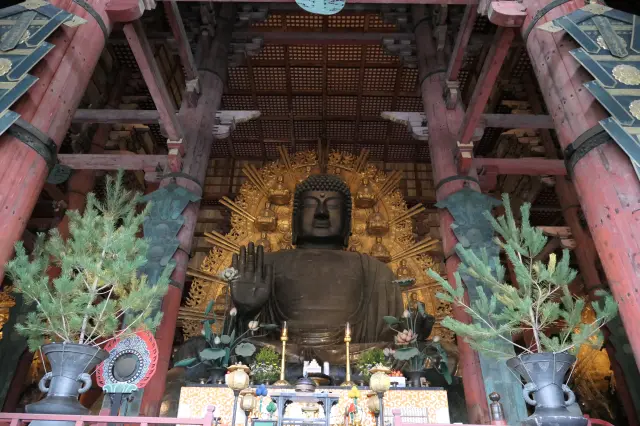
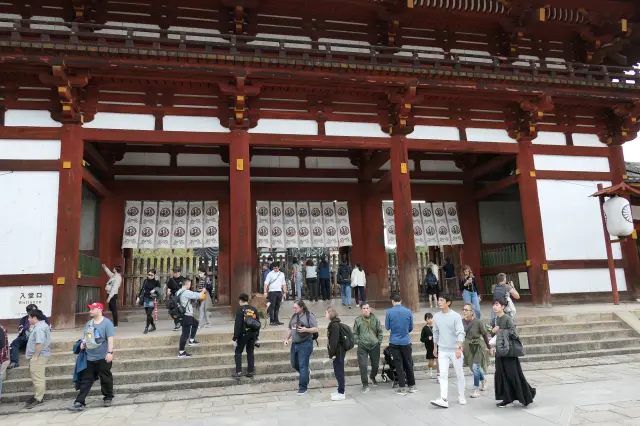
When people talk about Nara, Todai-ji always comes to mind. I visited Nara years ago but, for some reason, didn’t get to go inside. This trip finally made up for that regret.
The moment I stepped into the Daibutsuden (Great Buddha Hall), the Great Buddha instantly grabbed my attention. Tourists from all over the world were gathered in front of it, all hoping to see it up close.
With such a solemn expression, it felt like it could embrace everything. I couldn’t help but bow in respect. -
-
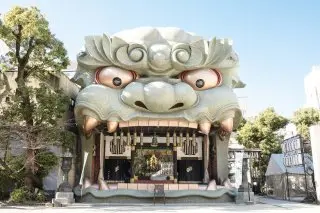
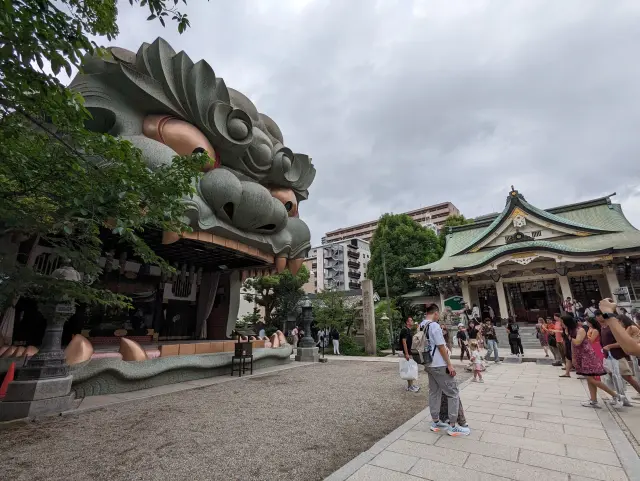
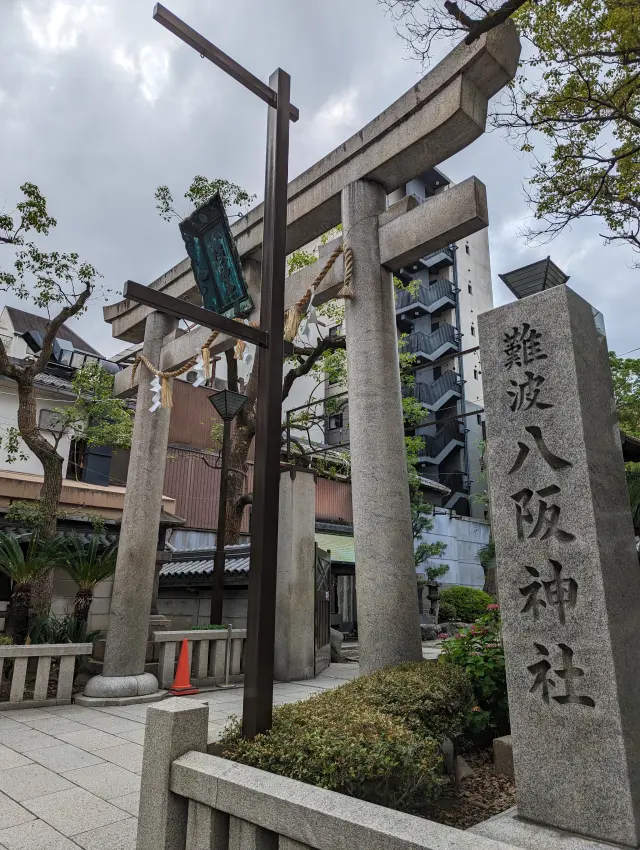
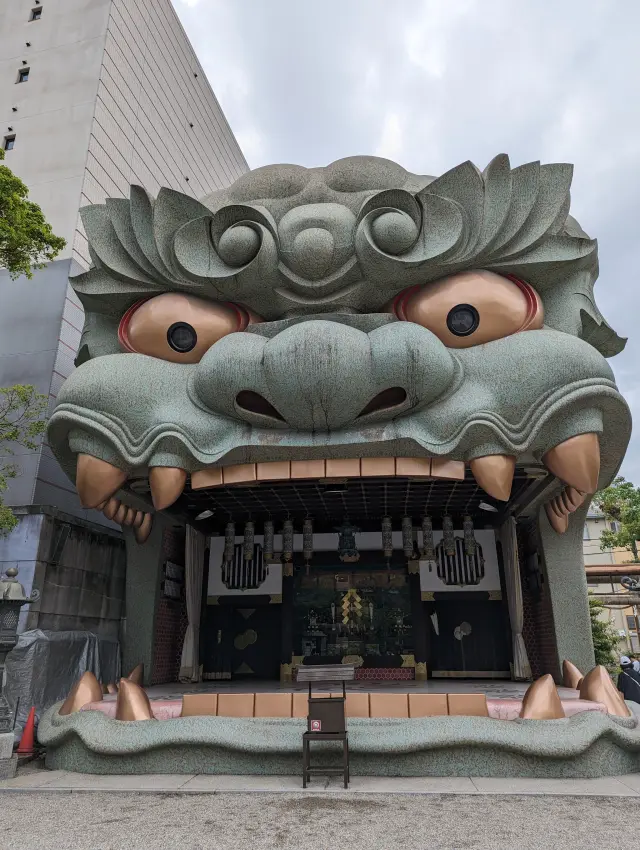
If you’re talking about symbols of Osaka, besides Shinsaibashi, Namba Yasaka Shrine has to be up there!
Tucked away in a quiet alley, that lion with its mouth wide open is seriously impressive. It’s said to ward off bad luck for people who’ve come from far away—then you can soak up a ton of good energy and head on to your next stop! -
-
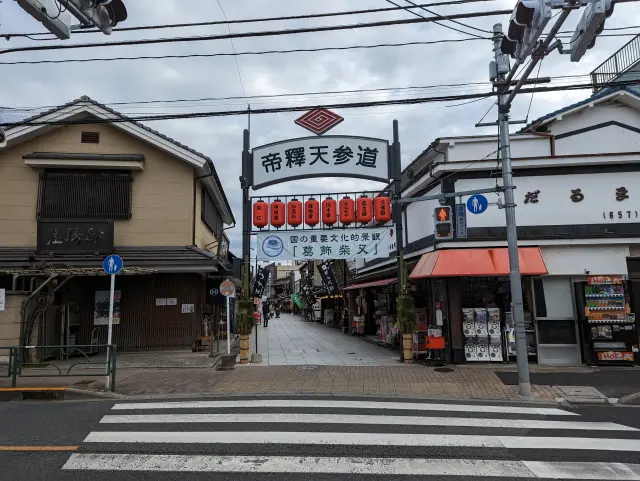
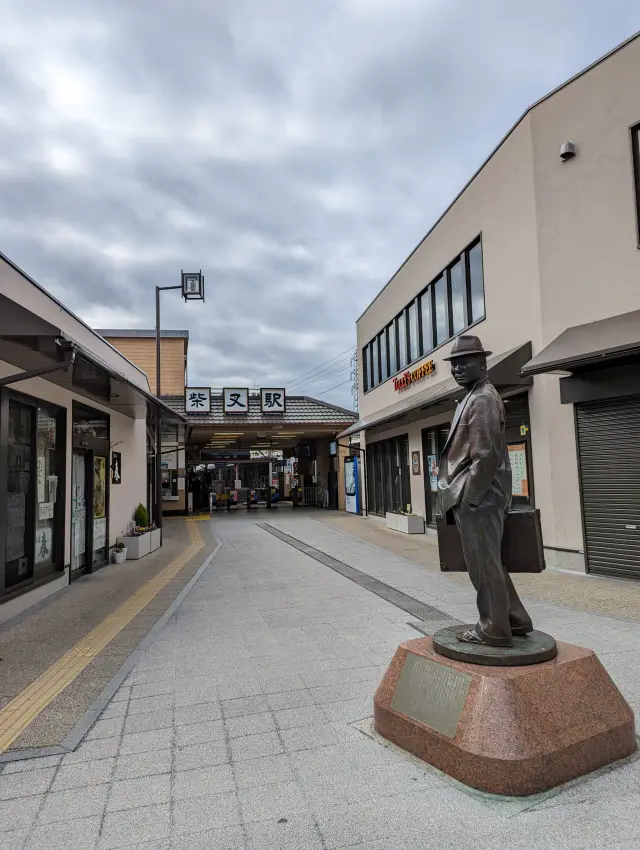
After watching Ariyoshi-kun’s “Shoujiki Sanpo,” I put “Shibamata Old Town” on my list for my next Tokyo trip!
It’s so cool to feel traditional Japan right in the middle of a huge city—the mix of old and new is exactly what makes Tokyo so charming.
The moment you step out of the station, you can really feel that classic downtown (shitamachi) vibe. This area was also a filming location for the Japanese movie series “Otoko wa Tsurai yo.” Foreign visitors might not totally relate, but that scene where the main character, Torasan, says goodbye to his sister gives Shibamata a little extra nostalgic feel. -
-
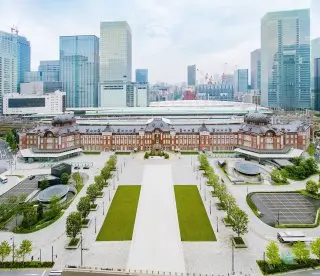
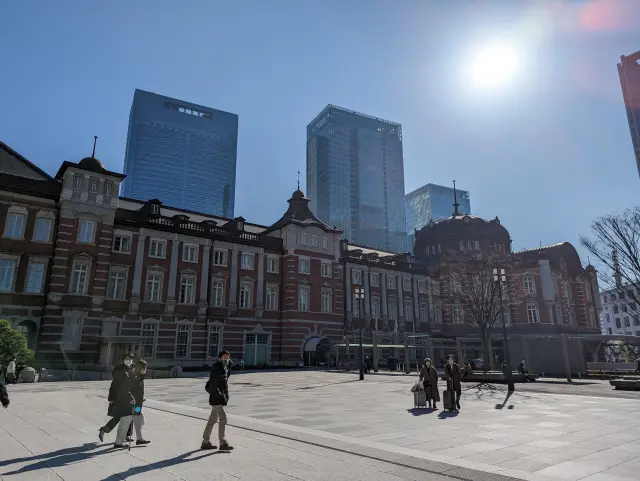
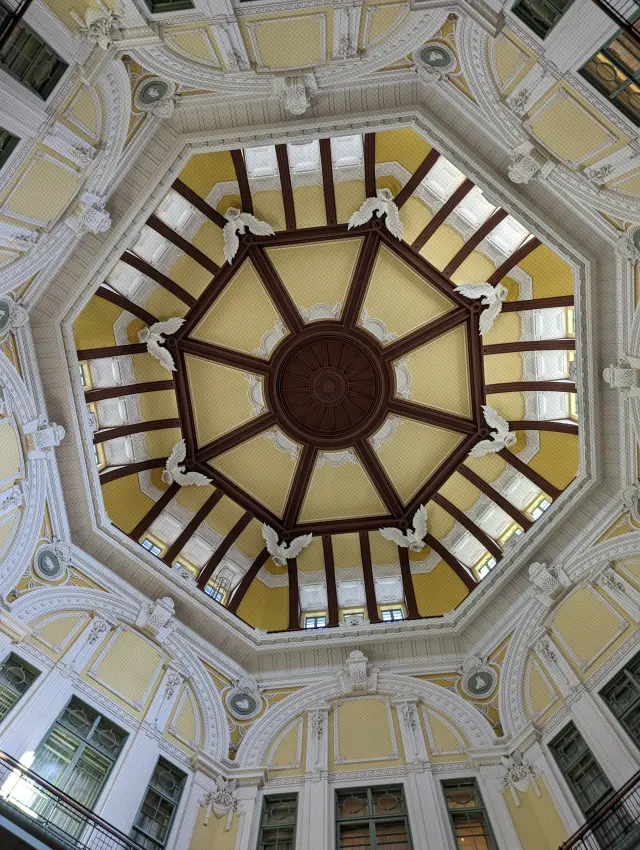
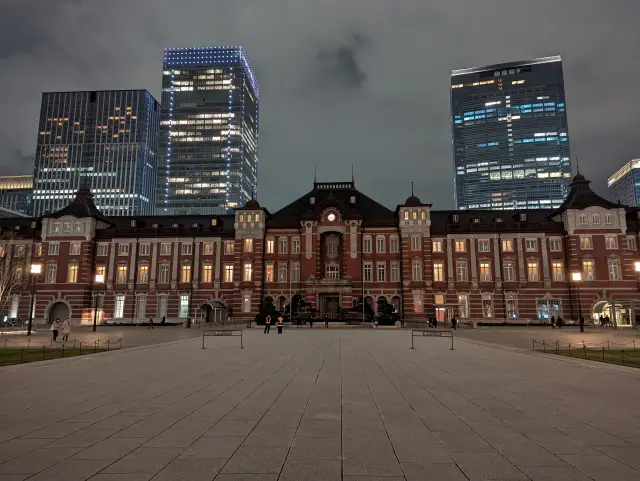
When you think of Tokyo, besides Tokyo Tower, it’s got to be Tokyo Station, right?
Surrounded by all the skyscrapers in Marunouchi, I can’t help wondering how much history Tokyo Station has witnessed since it opened in 1914.
I took this photo in Marunouchi Square, and it really captures Tokyo’s mix of tradition and innovation. For me, getting to Tokyo Station feels like I can finally say, “I’m home!”—it’s just so comforting. -