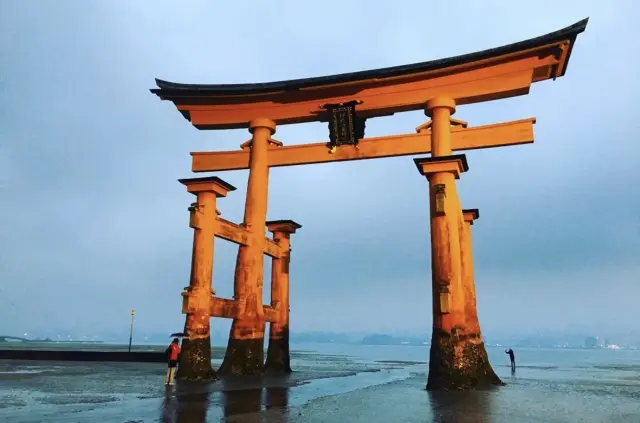
The most breathtaking thing about the great torii gate in the sea at Itsukushima Shrine on Miyajima is how dramatically the scenery changes with the tides throughout the day.
At high tide, this massive vermilion structure seems to float on the deep blue sea, set against the greenery of Mt. Misen in the distance, creating an incredible sense of elegance and sacredness. When the water recedes and the tide reaches its lowest point, you can walk right up to it.
Up close, you can really feel the powerful presence of this all-wooden torii, which has stood for centuries relying on its own weight. The most fascinating detail is on the thick camphorwood main pillars. At low tide, when you get close, you’ll see that the natural cracks in the wood and gaps around the barnacles are packed with Japanese coins pushed in by visitors making wishes! From a distance, they look almost like metallic scales, faintly glittering in the sunlight. The grandeur of the natural tides and the unusual traces left by people’s wishes come together to create the torii’s most unique and thought-provoking sight.
Itsukushima Shrine | Review by Gina C
Other Reviews by Gina C
-

Shirakawa-go (Historic Village)
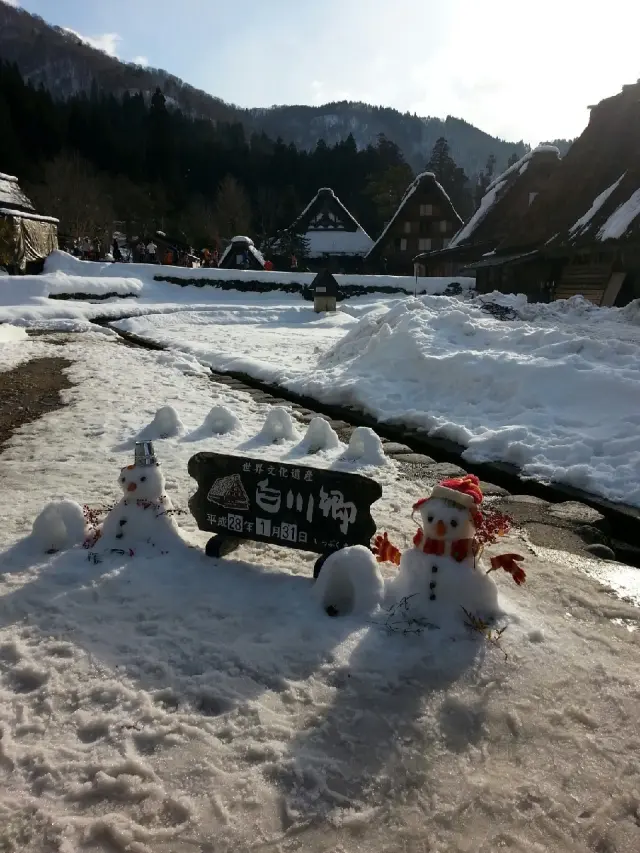
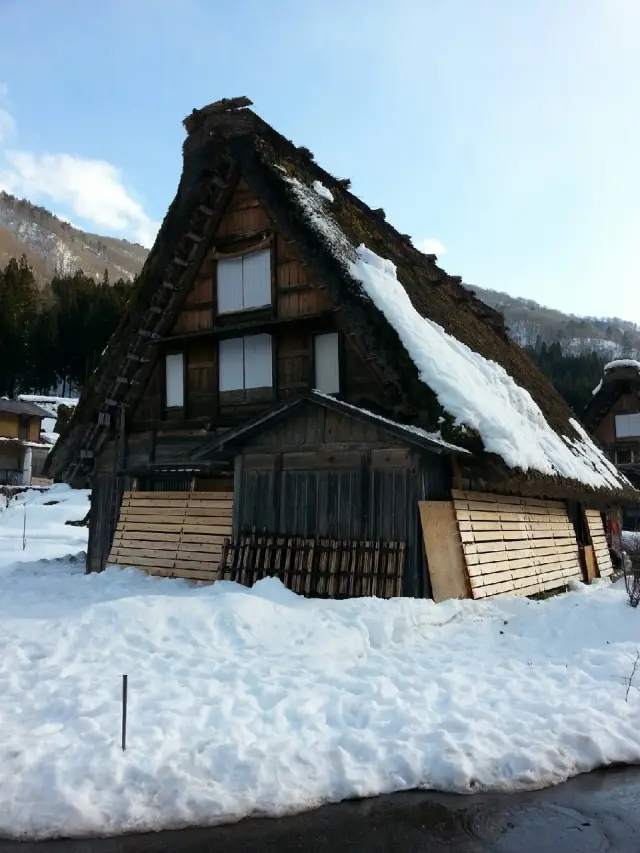
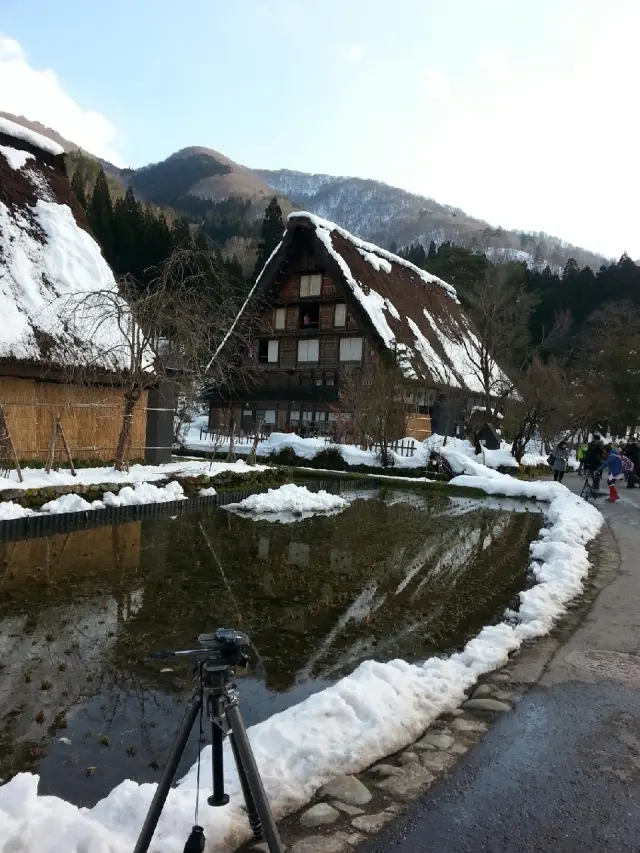
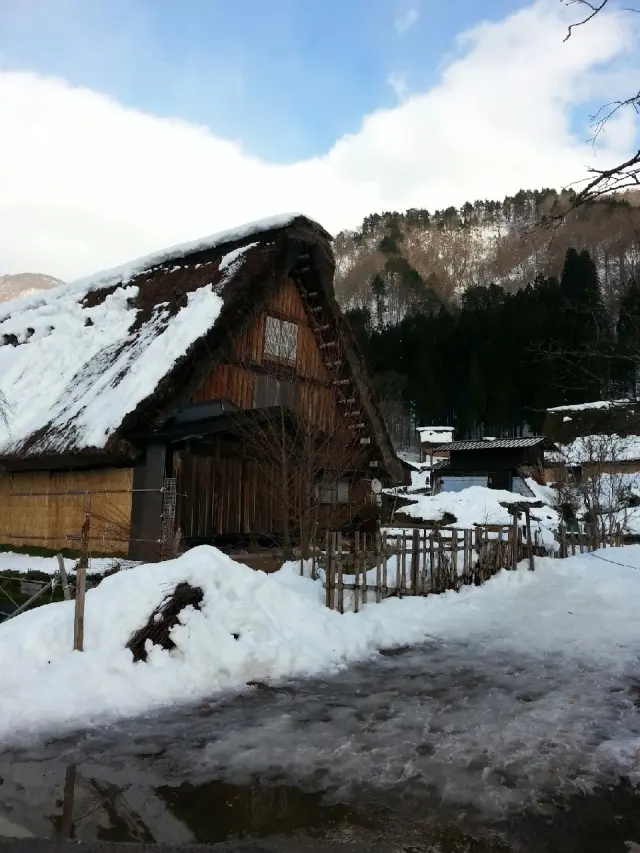
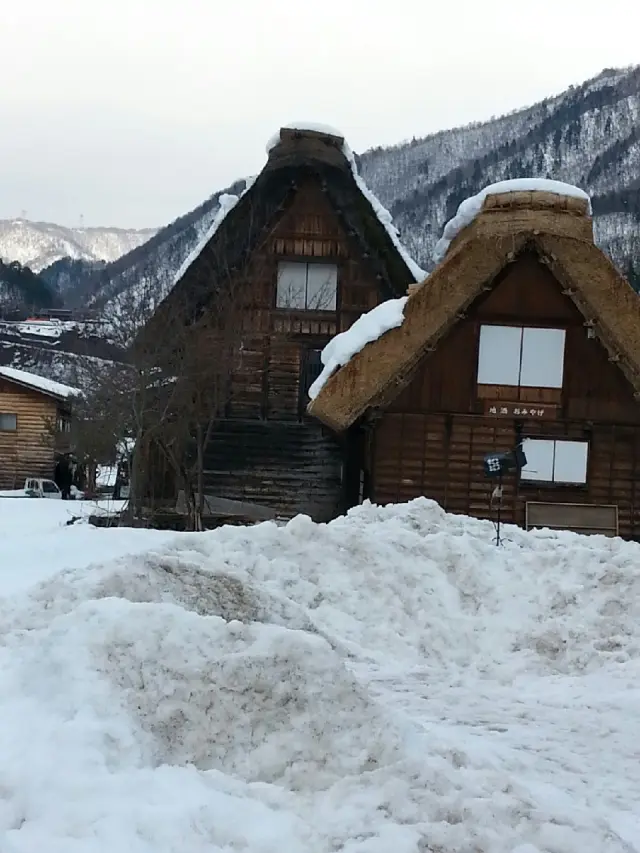
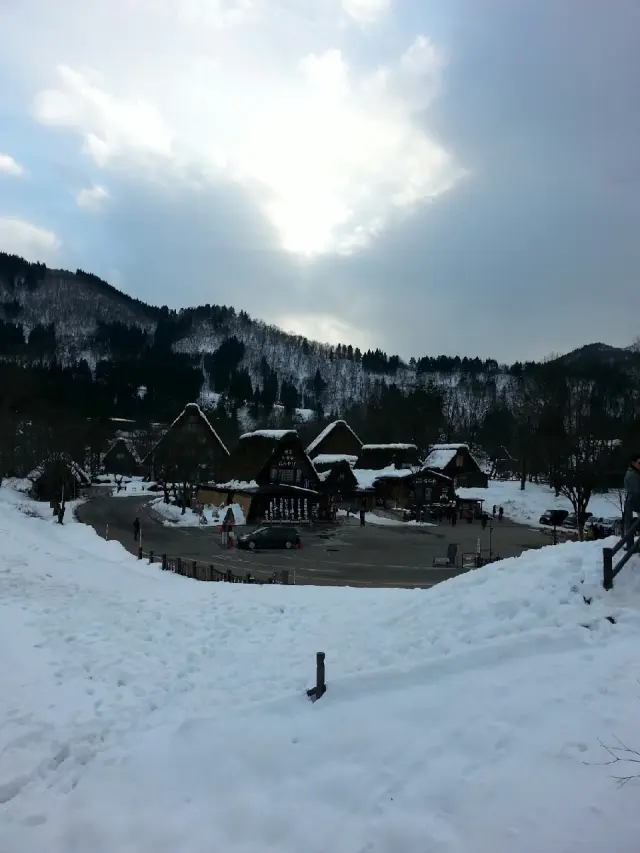
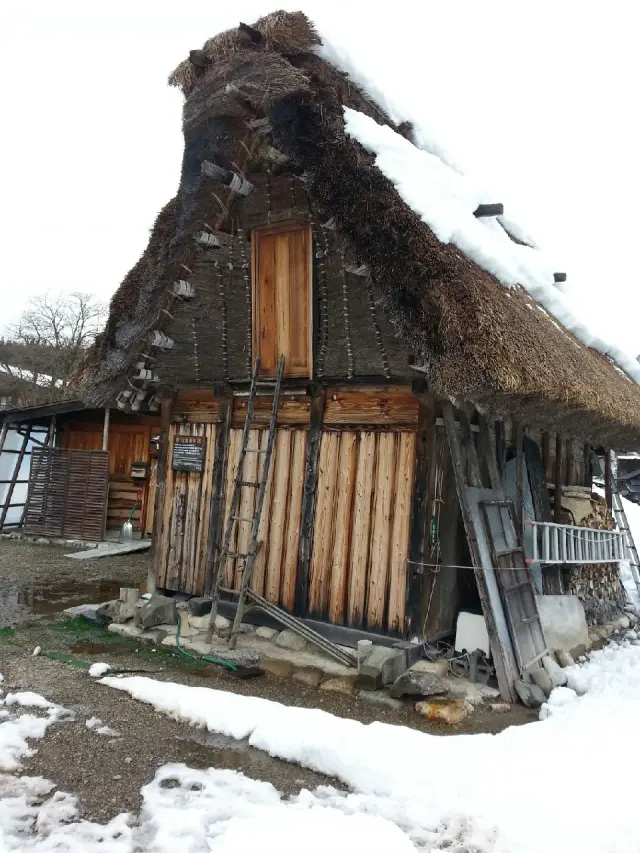
Shirakawa-go, a beautiful area where traditional Japanese scenery still exists, is home to the largest number of still-standing traditional “gassho-zukuri” Japanese homes. As of 2016, there are around 100 buildings still standing, both large and small. It is the largest remaining historic settlement in Japan, and it is preserved as a Group of Traditional Buildings in the register of Cultural Properties of Japan.
The gassho-zukuri village of Shirakawa-go feels like stepping into a small village from a fairy tale. Traditional thatched-roof houses are neatly scattered throughout the valley, creating a strong sense of rural Japan. Seeing the entire village from a distance with the surrounding mountains was truly beautiful.
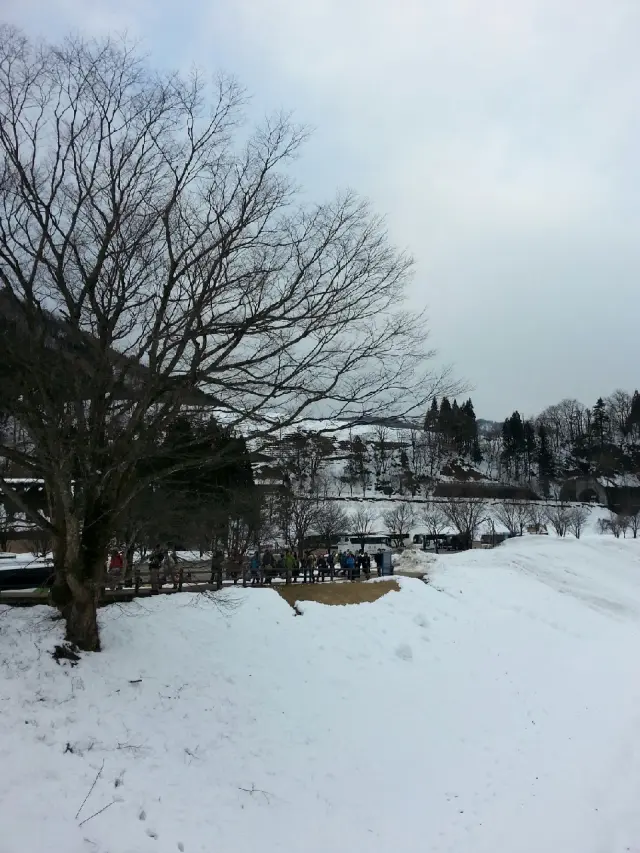
This time, I walked through Shirakawa-go and slowly strolled along the village paths. I was able to admire the historic gassho-zukuri buildings up close and experience the area's relaxed way of life. I kept stopping to take photos along the way because every angle had its own charm, making it hard to leave.
What I loved most about this trip was the peace and simplicity of Shirakawa-go, which is completely different from the bustle of Tokyo and Osaka. -
-
Taito Ward Sumida Park
This park in Taito Ward extends along the western bank of the Sumida River. On the other hand, the park that extends along the eastern bank is the Sumida Ward Sumida Park. In this park, which boasts a site of over 10 hectares, many cherry trees are planted centered around the "Sakura Square".
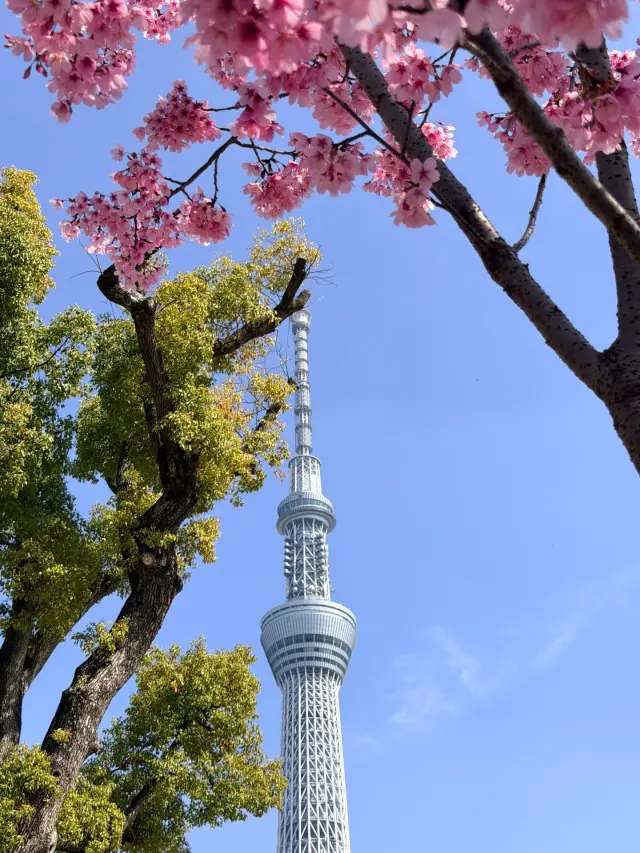
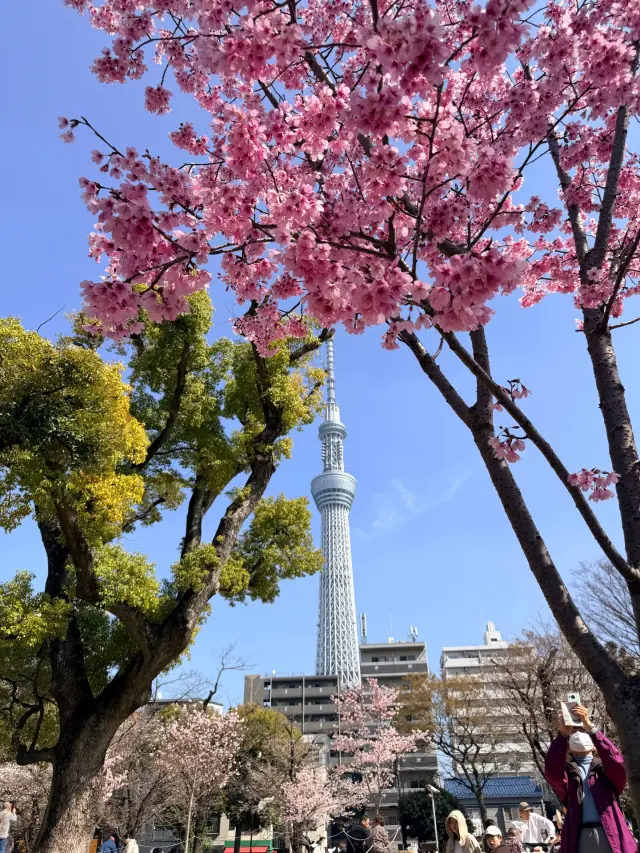
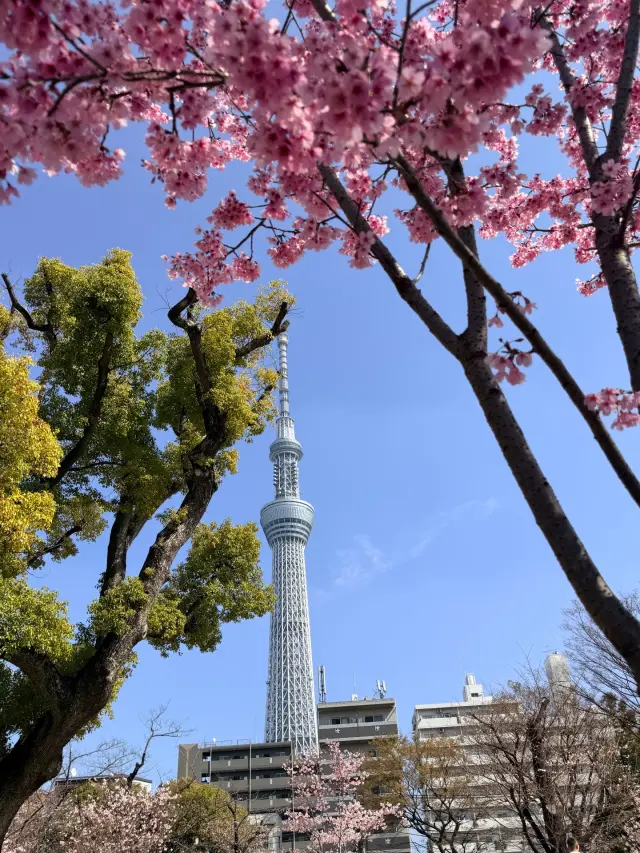
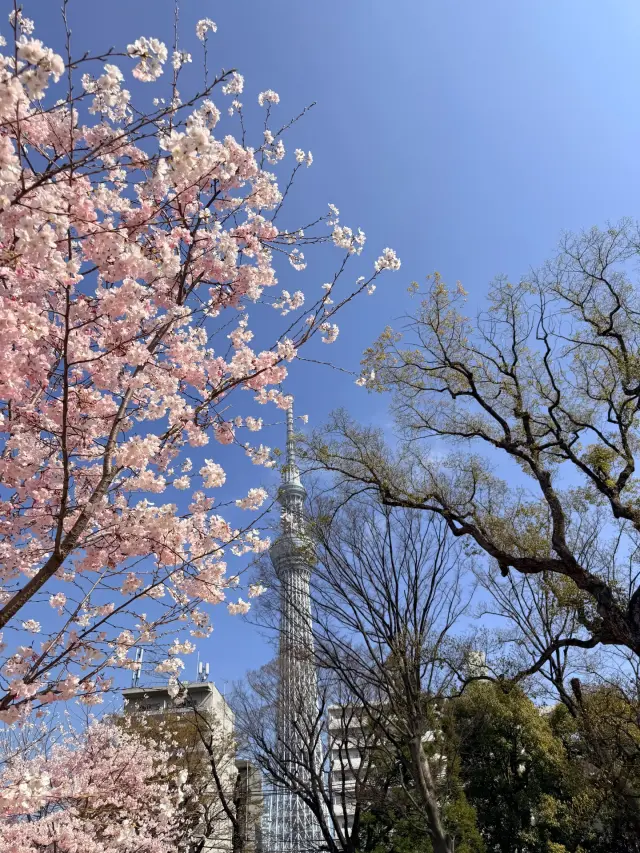
Taito Ward Sumida Park is located along the Sumida River and is a great place in Tokyo for taking a walk, viewing flowers, and enjoying the city scenery. Walking along the riverbank, you can see the Sumida River and Tokyo Skytree complementing each other, making for a beautiful view.
This time, I took a walk through the park in person. Feeling the riverside breeze and watching the boats slowly pass by made everything feel more relaxed. The greenery along the way was very pleasant, and during cherry blossom season, you can enjoy views filled with cherry blossoms, creating a wonderful atmosphere for photos. -
-

Black Thunder
This chocolate snack is very popular for its affordable price of 40 yen and deliciousness. Cocoa cookie and plain biscuit are coated with chocolate. You can taste the light bitterness of a cocoa cookie matched with the sweetness of chocolate. Crunchy texture and the volume which can fill your stomach lightly pleases you.
I think Black Thunder's biggest appeal is that it's simple and delicious, as well as affordable and easy to carry, making it a great souvenir from Japan. When shared with family and friends, it easily becomes a little snack that everyone reaches for.
-