
A Travel Guide to Kiyotsu Gorge: Spectacular Scenery Where Nature Meets Art
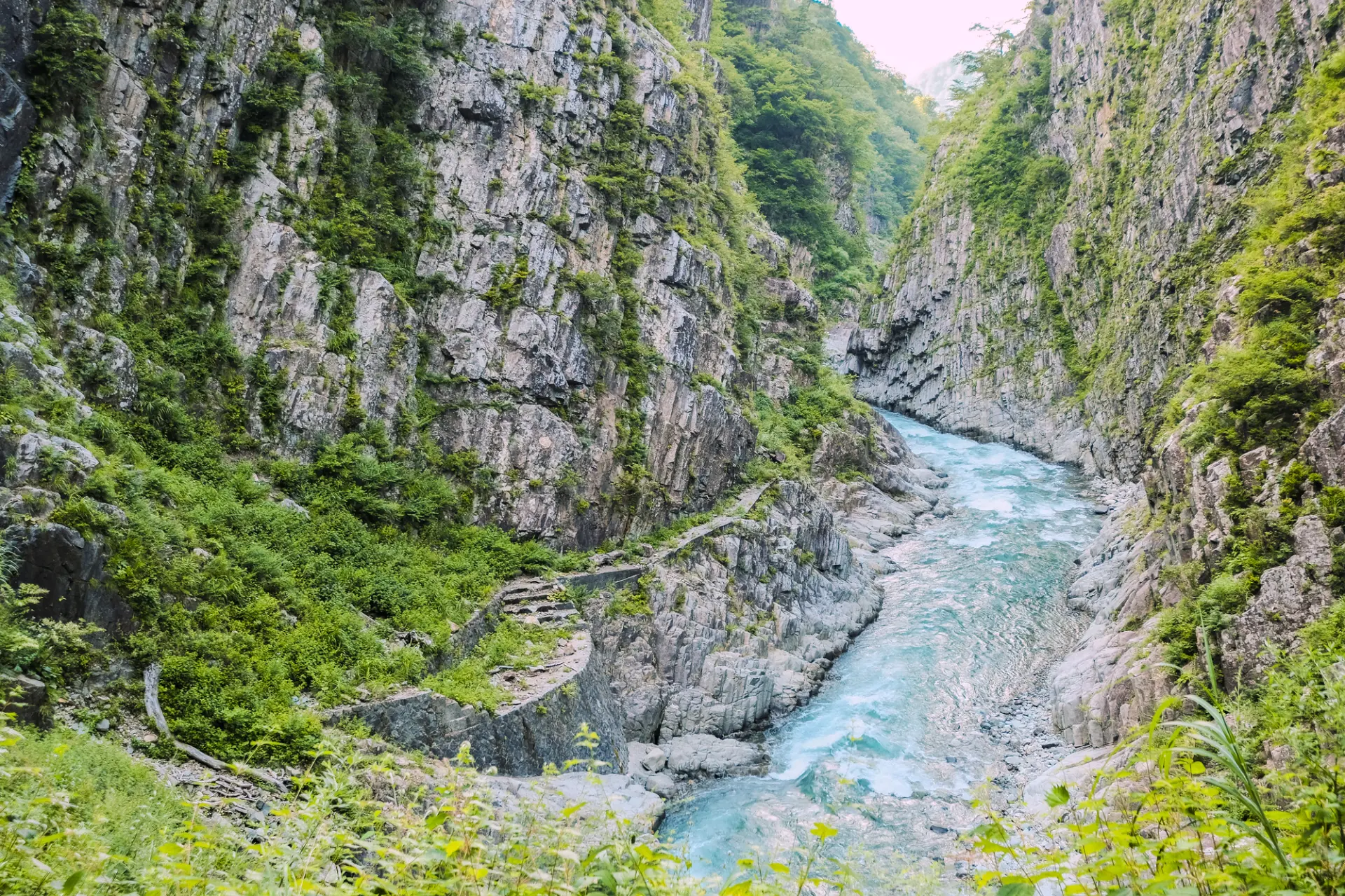
Kiyotsu Gorge is known for its steep rock cliffs.
Beyond its beauty as a canyon, the photo spot Kiyotsu Gorge Tunnel—where you can enjoy art and nature at the same time—is also a major draw.
Enjoy the collaboration of seasonal nature and art.
To help you create memories at Kiyotsu Gorge like you’ve never experienced before, we’ll introduce all of its highlights.
What is Kiyotsu Gorge Like?
Kiyotsu Gorge was formed by the Kiyotsu River, which flows from Koide in Tokamachi City, Niigata Prefecture, to Yagisawa in Yuzawa Town, Minamiuonuma District. It stretches 12.5 km.
Alongside the Kurobe Gorge in Toyama and Osugidani in Mie, it’s one of Japan’s three great gorges.
The V-shaped gorge that straddles the Kiyotsu River was created by stunning columnar joints.
Take in the rugged rock faces and emerald-green clear stream, beautifully set off by the surrounding nature.
To enjoy the gorge scenery even more, head to the Kiyotsu Gorge Tunnel.
The Kiyotsu Gorge Tunnel was renovated following an art festival in 2018.
What used to be a substitute for the old promenade trail has been completely transformed into an art piece.
At the tunnel entrance, the “Periscope” houses a cafe and shop on the first floor, with a footbath on the second. If you’re tired from walking, be sure to stop by.
However, it closes in winter, so be sure to check in advance.


Access to Kiyotsu Gorge
Here’s how to get to Kiyotsu Gorge from JR Niigata Station, a key transportation hub for sightseeing in Niigata. You’ll travel by train and bus.
Since the schedule differs between weekdays and weekends/holidays, be careful not to mix them up.
- Route
-
1. Take the JR Joetsu Shinkansen and get off at Echigo-Yuzawa Station
2. Transfer to the express bus (bound for Morimiyanohara) and get off at the Kiyotsu Gorge Entrance bus stop
3. Approx. 30-minute walk from the bus stop - Travel time
- Approx. 1 hour 45 minutes
What’s the Best Season to Visit Kiyotsu Gorge?
The recommended season to visit Kiyotsu Gorge is fall.
The dramatic autumn foliage is best from mid-October to early November.
Enjoy a view that’s completely different from the fresh greenery season.
Winter scenery is also beautiful, but access can be difficult depending on the weather, so plan carefully.

Must-See Natural Sculptures Colored by the Seasons: 3 Highlights of Kiyotsu Gorge
Kiyotsu Gorge is also designated as a National Place of Scenic Beauty and Natural Monument.
Here are some natural formations you should definitely look out for.
1. Kiyotsu Gorge’s biggest highlight: columnar joints
Columnar joints are regular, pillar-like geological formations.
As lava and magma cool and solidify, their volume decreases.
As they shrink, they form cracks that turn into pentagonal or hexagonal columns.
These are then revealed through river erosion and land uplift.
Columnar joints are nature’s art, created by the Earth itself.
The overwhelming power and strength are not the result of any human intervention.
At Kiyotsu Gorge, immerse yourself in the incredible beauty created by the clear stream, columnar joints, and surrounding nature.

2. A beautiful collaboration of autumn leaves and columnar joints
At Kiyotsu Gorge, many trees—such as Japanese maples, Japanese oak, konara oak, and sumac—turn color.
The area around the columnar joints is dyed in various shades, including yellow and orange.
It’s like a natural object painted with pigments.
Leaves colored in yellow and red also tint the surrounding mountains, creating a wonderful contrast with Kiyotsu Gorge.

3. The dreamy, snow-covered Kiyotsu Gorge in winter
When Kiyotsu Gorge is covered in snow, a silver-white world stretches out before you.
The snow-dusted scenery is endlessly beautiful and fleeting.
You can see it from mid-December to February, and it’s so romantic it’ll take your breath away.
If you’re visiting Kiyotsu Gorge in winter, don’t forget a waterproof coat or jacket with a hood, rain boots, and gloves.
However, heavy snowfall may lead to winter closures, so be sure to check the weather.

Packed with Photogenic Spots! 5 Highlights of the Kiyotsu Gorge Tunnel
The Kiyotsu Gorge Tunnel was built so visitors could enjoy Kiyotsu Gorge safely.
At Kiyotsu Gorge, an avalanche occurred in 1984, followed by a rockfall accident in 1988, and the promenade trail was closed to traffic.
After that, in 1996, the Kiyotsu Gorge Tunnel was constructed as an alternative to the promenade trail by people who wanted to see the beauty of Kiyotsu Gorge. The tunnel is 12.5 m high and 750 m long.
It was renovated during an art festival in 2018 and reborn as a photogenic spot.
Inside are three observation points, with a Panorama Station installed at the far end.
In addition to its spectacular views that let you feel the seasons, the Panorama Station is also a popular photo spot.
If you want to enjoy Kiyotsu Gorge, you can’t skip a visit to the Kiyotsu Gorge Tunnel.
Now, let’s take a closer look at what makes the tunnel so special.
1. The “entrance” to the Kiyotsu Gorge Tunnel, where many people take a commemorative photo
The tunnel entrance features a design inspired by columnar joints, with diagonal patterns.
Since it’s also a popular photo spot, be sure to take a commemorative picture here.

2. The “First Observation Point,” where you can observe columnar joints up close
From the First Observation Point, you can view the rock surface of the columnar joints up close.
They’re basically hexagonal columns, but depending on the spot, you might find square or pentagonal ones too.
Because it’s the simplest space, you can feel the greatness of Kiyotsu Gorge even more closely.

3. Can you feel the artistry even in the restrooms? The “Second Observation Point”
From the Second Observation Point, you can see the columnar joints just like from the First Observation Point.
The key feature is the metal-colored restroom in the center.
The stalls at the back let you see outside from the inside, while the inside can’t be seen from outside, thanks to a one-way mirror design.
Try using this artistic restroom too.

4. A space that gives you a strange sensation: the “Third Observation Point”
The Third Observation Point’s highlight is the performance of art and columnar joints together.
On the tunnel wall, there are mirrors installed and lit by backlighting.
It’s like a time machine space that connects to the future.
You might feel a strange sensation, as if you’ve merged with nature.

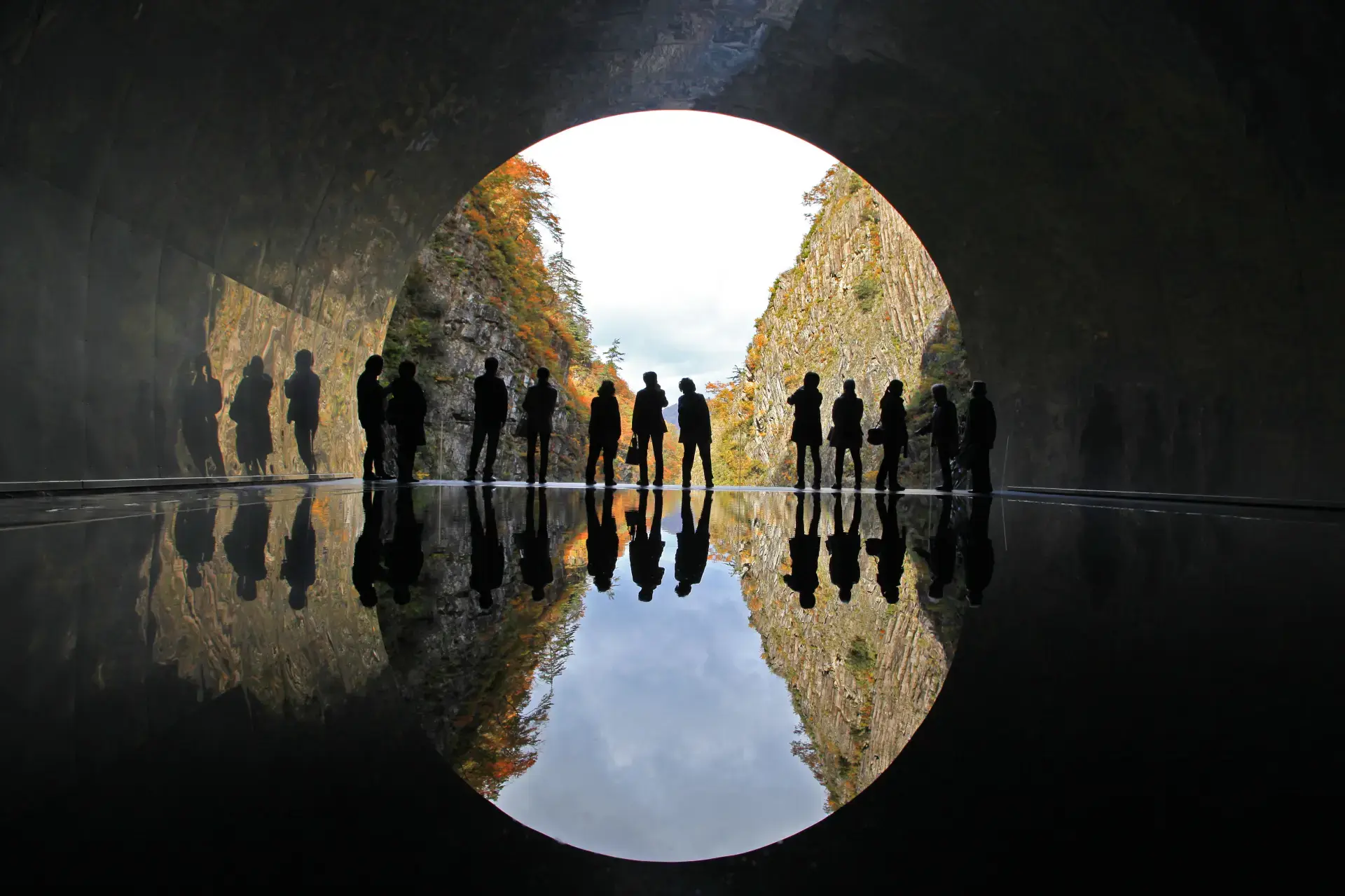
5. Kiyotsu Gorge’s most popular photo spot: the “Panorama Station”
At the Panorama Station, the entire floor is a water mirror.
Because of this, the outside scenery reflects on the surface, creating a beautiful view like a scene from a movie.
You can also feel Kiyotsu Gorge’s changing seasons, making it the most popular photo spot.
The edges are 0.5 cm to 2 cm deep.
You don’t have to worry about your shoes getting wet, but if you’re concerned, bring a towel.

3 Spectacular Scenic Spots in Niigata to Visit Along with Kiyotsu Gorge
There are many nature-rich sightseeing spots around Kiyotsu Gorge.
They offer a graceful beauty you won’t see elsewhere, with scenery that soothes the soul.
After fully enjoying Kiyotsu Gorge, be sure to visit them too.
1. Hoshitoge Rice Terraces
These rice terraces in the Matsunoyama and Matsudai areas of Tokamachi City were selected for “100 Best Rural Villages in Japan.” The sight of Approx. 200 rice paddies lined up along the mountainside is a spectacular view that truly symbolizes Niigata, Japan’s rice country.
Many people may also remember the opening footage of the NHK Taiga drama Tenchijin.
The best season is fall. When water is added to the fields after the rice harvest, they become “water mirrors.”
Early in the morning, if you’re lucky, you may even see a sea of clouds.
Beyond fall, the scenery changes through the seasons: spring with beautiful fresh greenery, summer with lush green rice plants, and winter blanketed in white snow.

2. Hyoko Suikin Park
A man-made lake in Suibara, Agano City, famous as a migration site for swans. Every year in early October, the first group arrives from Siberia to spend the winter. They stay at Hyoko until late March, and at the peak around late November, you can see over 5,000 swans here.
Designated a National Natural Monument as the “Swan Migration Site of Suibara,” it was also registered under the Ramsar Convention (an international treaty to protect wetlands and ecosystems for waterbirds) in 2008.

3. Uwasekigata Park
Uwasekigata Park, spread out at the foot of Mount Kakuda, has a lagoon where wild birds live within its vast grounds, making it a place where you can spend relaxed time in nature.
It’s Approx. a 10-minute drive from Makimachi’s downtown area, and easy to reach by bus from Niigata Station, yet it covers Approx. 263,000 square meters—perfect for casually enjoying the great outdoors.
Inside the park, there’s an Approx. 2-hectare canola flower field and Approx. 450 cherry trees, and in spring you can see bright canola flowers and cherry blossoms in full bloom at the same time.
With vivid yellow and pink stretching as far as the eye can see, you’re sure to capture social media-worthy photos.

3 Recommended Places to Stay Near Kiyotsu Gorge
After visiting Kiyotsu Gorge, known for its dramatic canyon scenery, you may want to unwind with a leisurely stay in Echigo-Yuzawa, an area blessed with hot springs and nature. Easy to reach from Kiyotsu Gorge, it offers a wide range of accommodations, from quiet onsen inns ideal for rest and recuperation to well-equipped resort hotels, so you can choose what best fits your travel style.
Here are some especially recommended places to stay.
1. Mizugaorinasu Echigo no Yado Hotel Futaba
A Japanese-style ryokan located on a hill in Echigo-Yuzawa Onsen, Niigata, known for its wide variety of bathing facilities such as open-air baths and cave baths.
With a convenient location Approx. a 5-minute drive from Yuzawa IC on the Kan-Etsu Expressway and a 7-minute walk from JR Echigo-Yuzawa Station, you can fully enjoy Echigo-Yuzawa’s famous hot springs.
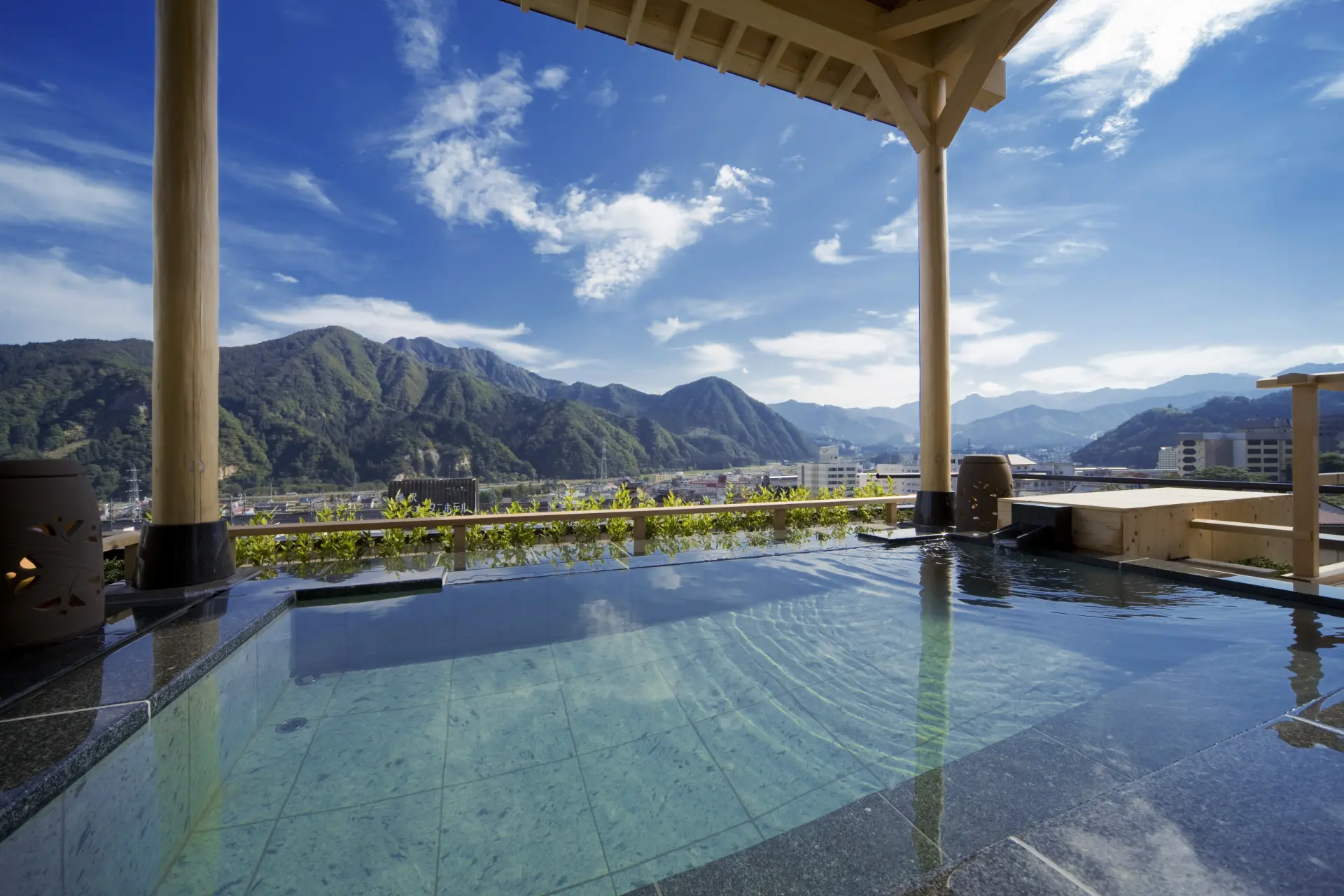
The onsen facilities include Sora no Yu, Yama no Yu, and Sato no Yu, with Sora no Yu being the top-floor panoramic large bath overlooking the Tanigawa mountain range.
2. NASPA New Otani
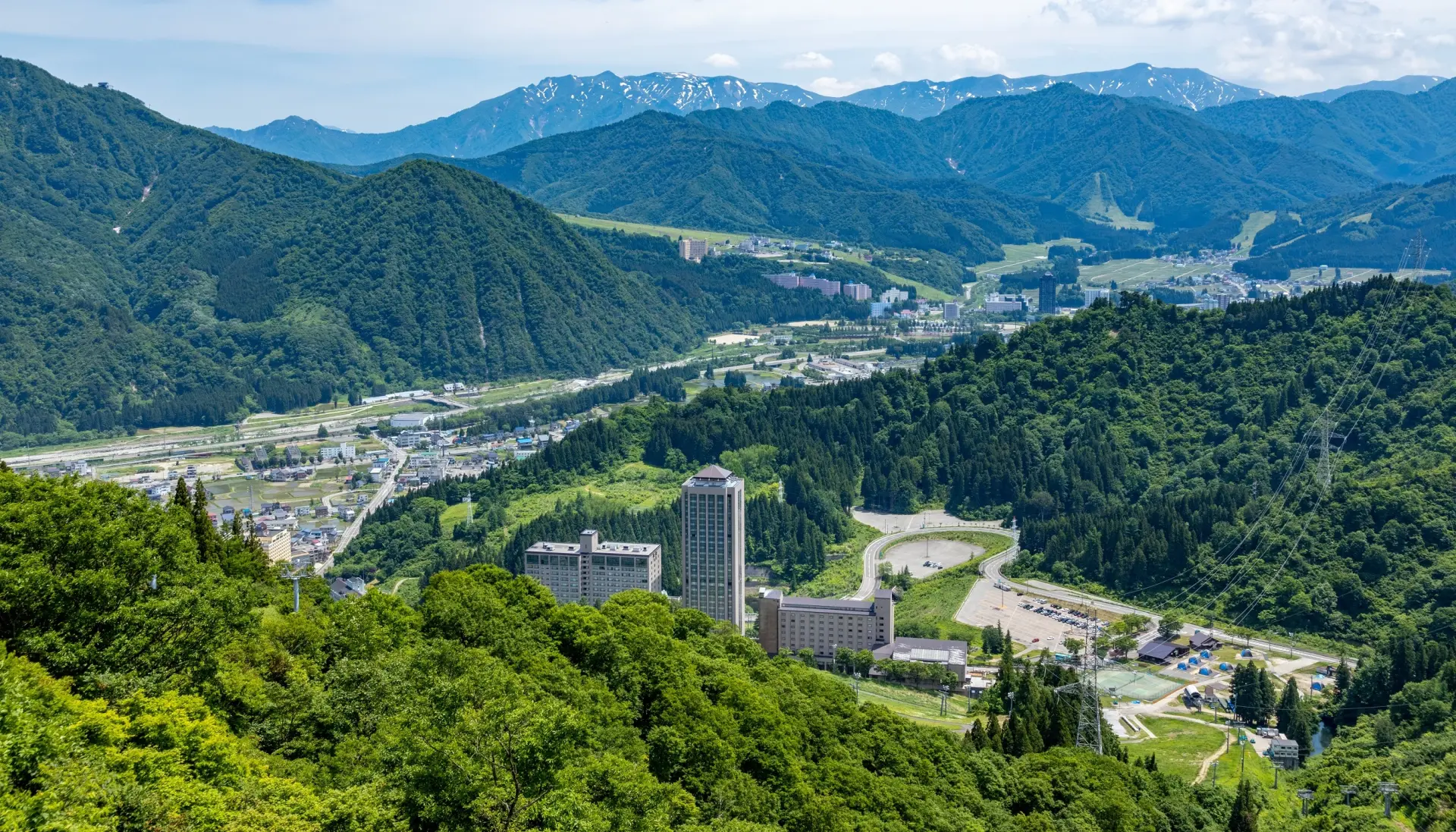
A four-season resort hotel in Yuzawa Town, Niigata, and the only Hotel New Otani property surrounded by nature.
In winter, the ski-only NASPA Ski Garden opens with direct access from the hotel, where everyone from beginners to advanced skiers can enjoy skiing and snow activities.
With a wide range of guest room types, including family rooms and Japanese-style rooms, it’s ideal for relaxing and recovering from travel fatigue.
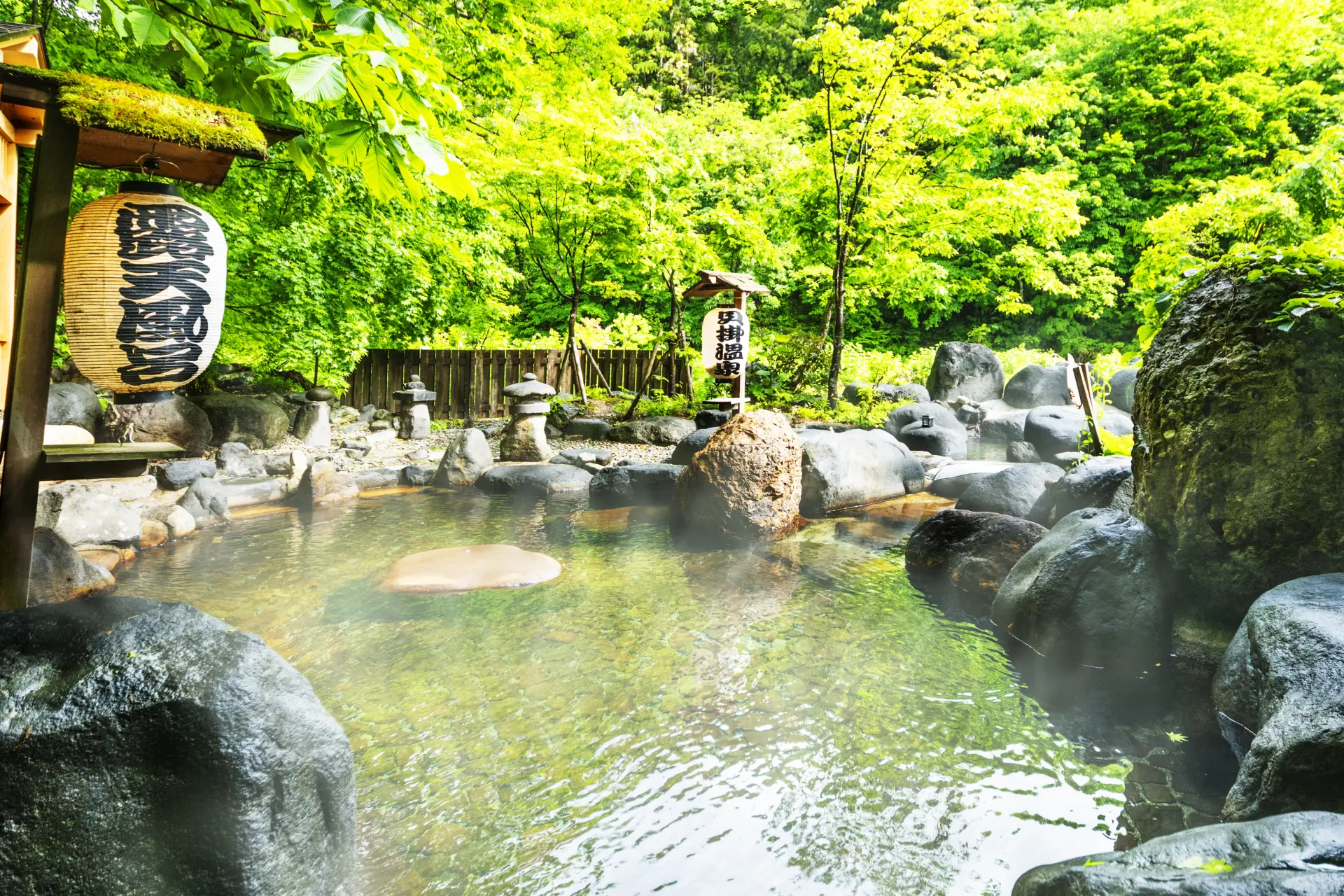
3. Me no Onsen Okuyuzawa Kaikake Onsen
Kaikake Onsen is said to have a 700-year history, and since the Edo period it has been known for its benefits for eye conditions.
Surrounded by the mountains of Okuyuzawa, this nature-rich area lies farther up a steep road, where a charming manor-style inn stands as if you’ve time-traveled.
The guest rooms are in a two-story wooden building, centered around the main building built in 1896, along with an entrance building and annexes—each offering a relaxing Japanese-style space filled with the warmth of wood.
FAQ about Kiyotsu Gorge
Q
Where is the Kiyotsu Gorge Tunnel located?
A
It’s in Kiyotsu Gorge in Tokamachi, Niigata Prefecture.
Q
Can you access Kiyotsu Gorge in winter?
A
Yes, but transportation services may be suspended depending on the weather.
Summary
Kiyotsu Gorge is packed with Instagrammable photo spots.
The sculptural beauty created by art and nature brings new scenery to life.
At the Panorama Station in the Kiyotsu Gorge Tunnel, anyone can capture undeniably photogenic shots.
Beyond Kiyotsu Gorge, Niigata Prefecture is full of attractions and great food.
If you’re looking for places to visit, use this article as a reference too.