

Nikko Toshogu Shrine Travel Guide:Top Highlights, How Long to Visit, and a Model Itinerary-Fully Explained!
Nikko Toshogu Shrine, part of the UNESCO World Heritage site “Shrines and Temples of Nikko,” is a Shinto shrine dedicated to Tokugawa Ieyasu (1543–1616), the legendary leader who brought an end to Japan’s Warring States period.
One of Japan’s most iconic sightseeing destinations, it draws countless visitors with its opulent buildings, many designated as National Treasures and Important Cultural Properties.
This article clearly introduces the highlights, unique appeal, and best ways to enjoy Nikko Toshogu Shrine—so even first-time visitors can make the most of their trip.
What is Nikko Toshogu Shrine Like?
A signature sightseeing spot in Nikko City, Tochigi Prefecture, this shrine is also known as a powerful spiritual spot.
It serves as the head shrine of Toshogu shrines found across Japan, including Ueno Toshogu Shrine.
The enshrined deity is Tosho Daigongen, the deified form of Tokugawa Ieyasu.
Throughout the grounds, you’ll find magnificent structures showcasing the extraordinary craftsmanship of master artisans.
Of the shrine’s 55 buildings, 8 are designated National Treasures and 34 are designated Important Cultural Properties.
Among them, the Sleeping Cat, the Three Wise Monkeys, and the Yomeimon Gate are especially famous highlights, each with its own stories and legends.
Together with the nearby Rinnoji Temple and Futarasan Shrine, it is registered as the UNESCO World Heritage site “Shrines and Temples of Nikko.”

The History of Nikko Toshogu Shrine
Tokugawa Ieyasu, who died in 1616, was laid to rest in a Shinto-style funeral at Kunozan in Shizuoka.
The following year, in accordance with his last wishes, the second shogun Tokugawa Hidetada had his remains moved to Nikko, and Nikko Toshogu Shrine was established.
Originally a modest shrine, it underwent a major reconstruction in 1636 (the Kan’ei Grand Restoration) led by the third shogun Tokugawa Iemitsu, who deeply admired Ieyasu.
As a result, a lavish complex of buildings symbolizing the authority of the Tokugawa family was completed.
In 1999, it was registered as a World Heritage site in recognition of its outstanding architecture and artistry, as well as its sacred spaces harmonizing with nature.

How to Get to Nikko Toshogu Shrine
The closest stations to Nikko Toshogu Shrine are Tobu-Nikko Station (Tobu Railway) and Nikko Station (JR).
It’s Approx. 30 minutes on foot from either station, but taking a bus cuts the trip to Approx. 10–15 minutes.
There are several bus stops near the shrine—get off at “Omotesando” if you want to minimize walking, or at “Shinkyo” if you’d like to enjoy sightseeing along the way.
Access from Tokyo to the Nearest Station for Nikko Toshogu Shrine
There are several ways to get from Tokyo to Nikko.
The route via Utsunomiya from Tokyo Station by shinkansen is fast, but fares are higher than local trains or highway buses. Choose the option that best fits your schedule and budget.
| Transportation | Route | Travel Time | Fare (one way) |
|---|---|---|---|
| Shinkansen + JR Nikko Line | Tokyo Station → Utsunomiya Station → Nikko Station | Approx. 2 hours | Approx. 5,000 yen |
| Local trains | Tokyo Station → Nikko Station | Approx. 3 hours | Approx. 2,500 yen |
| Highway bus | Shinjuku Station → Nikko Station | Approx. 3 hours | Approx. 2,500 yen |
| Car | Central Tokyo → Nikko | Approx. 2 hours | Tolls: Approx. 4,300 yen |
The New Limited Express “Spacia X” Connecting Asakusa Station and Tobu-Nikko Station
The “Spacia,” a limited express that has long connected JR Shinjuku Station and Tobu-Nikko Station, has evolved into the new limited express train, “Spacia X.”
It links Asakusa Station with the Nikko and Kinugawa areas and also serves Tobu-Nikko Station. The trip from Asakusa Station to Tobu-Nikko Station takes Approx. 1 hour 50 minutes.
The exterior color is inspired by gofun (white pigment) used on the Yomeimon Gate at Nikko Toshogu Shrine.
The window frames also feature a design inspired by Kanuma kumiko woodwork, creating a refined look that still feels distinctly “Nikko.”
There are six seat types to choose from, including standard seats and box seating, plus a private “Cockpit Suite” at the very front for panoramic views and lounge seating with an attached café counter—so you can pick what fits your travel style.
At the café counter, you can also enjoy limited items such as Nikko craft beer, coffee, and sweets.
It’s a great choice not only if you want a quick, comfortable ride, but also if you’d like to travel at a relaxed pace in a premium setting.

Heading to Nikko Toshogu Shrine? Consider Using “NIKKO MaaS”
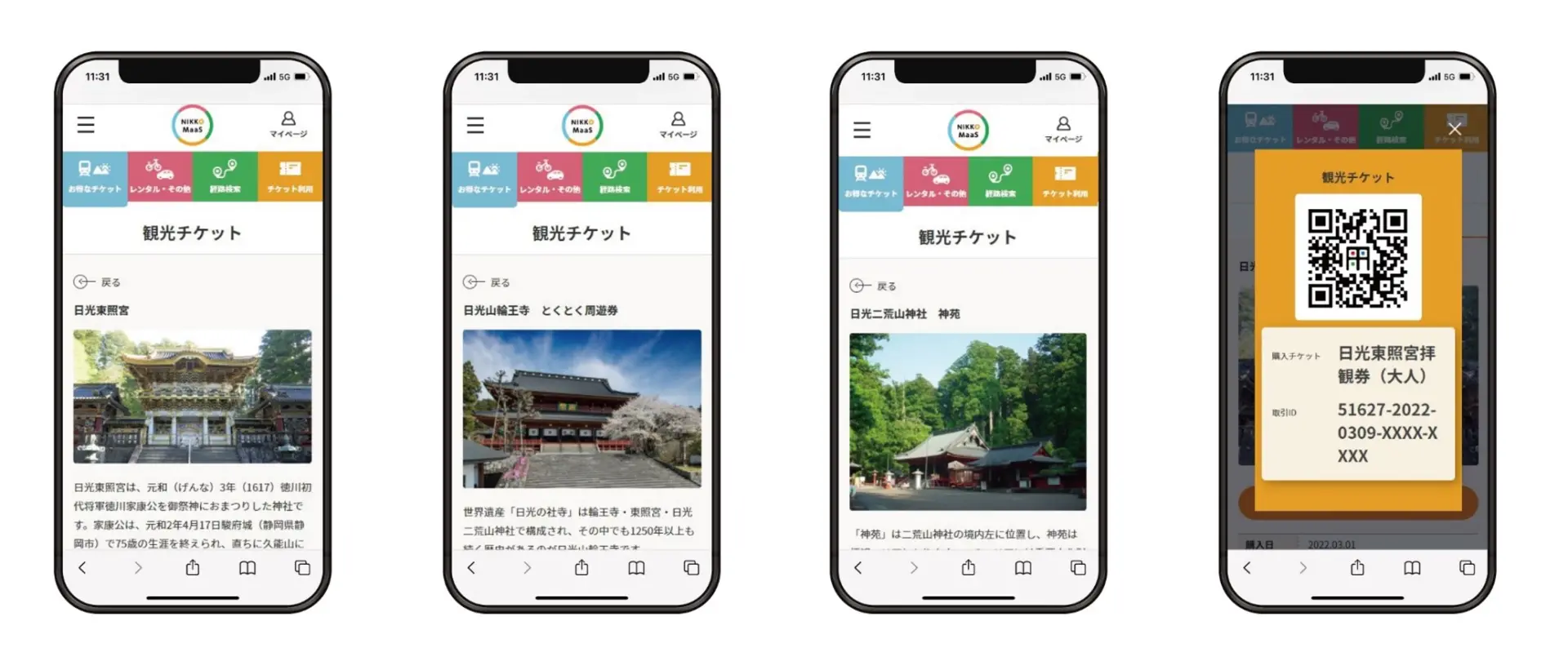
We also recommend using “NIKKO MaaS,” a digital sightseeing pass service that lets you book and use transportation and experiences in Nikko with just your smartphone.
There are five types of passes, and if you’re visiting Nikko Toshogu Shrine, the “Digital Nikko World Heritage Area Pass” is especially convenient.
It offers unlimited rides on trains and buses within designated sections, including Asakusa, Tobu-Nikko Station, and the “Nishi-Omotesando” bus stop.
You’ll also receive perks you can use at restaurants and souvenir shops around Nikko Toshogu Shrine.
In addition, you can purchase admission tickets for sightseeing spots—including Nikko Toshogu Shrine—right from your phone.
Being able to manage your transit pass and tickets in one place is another major advantage for smooth sightseeing.
Nikko Toshogu Shrine Hours and Admission
For Nikko Toshogu Shrine’s visiting hours and admission fees, please refer to the table below.
An on-site audio guide is available to clearly explain the grounds’ buildings and the shrine’s history, and it can be rented for 500 yen per day.
It’s rented out at the spot directly in front of you after you pass through the Omote-mon Gate, so be sure to take advantage of it.
- Hours
-
・April 1–October 31: 9:00 am–5:00 pm
・November 1–March 31: 9:00 am–4:00 pm
※Reception closes 30 minutes before the gates close - Admission
-
・Adults: 1,600 yen
・Elementary & junior high school students: 550 yen
What’s the Best Season to Visit Nikko Toshogu Shrine?
If you’re sightseeing at Nikko Toshogu Shrine, the fall foliage season (early November to mid-November) is especially recommended.
The vivid autumn maples pair beautifully with the shrine’s richly decorated architecture, creating scenery you can only enjoy in fall.
The surrounding area also has many famous foliage spots, including Lake Chuzenji and Irohazaka. Spending 1–2 nights and enjoying fall colors across the broader Nikko area is another great option.
On the other hand, if you want to avoid crowds, consider visiting in winter from early January to early March, or in early summer through summer from early June to September.
With relatively fewer visitors, you can worship in a calmer, more peaceful atmosphere.

How Long to Spend at Nikko Toshogu Shrine
Because there’s so much to see at Nikko Toshogu Shrine, how long you’ll need depends heavily on how much you plan to cover.
If you quickly visit only the main spots, plan on Approx. 1.5–2 hours.
If you take your time to appreciate the carvings and architecture and also visit the Okumiya (Inner Shrine), it will likely take 3–4 hours.
If you also tour Rinnoji Temple and Futarasan Shrine, even a quick visit to each site’s main spots will take at least 4–5 hours.
10 Must-See Highlights at Nikko Toshogu Shrine
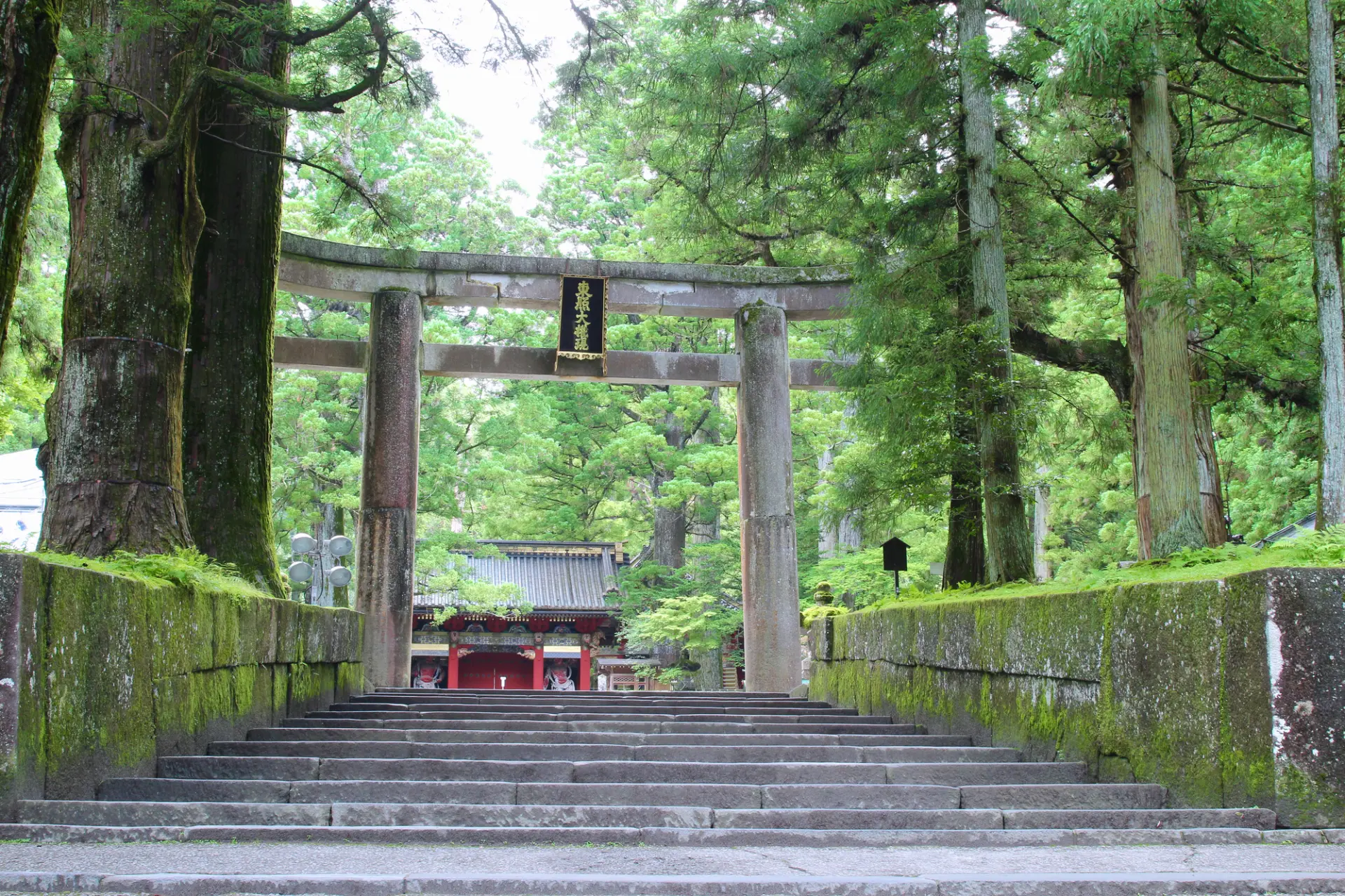
Nikko Toshogu Shrine’s greatest appeal lies in the exquisite decorations and carvings that adorn its buildings.
Beyond the grandeur of the architecture as a whole, take time to look closely at the many intricate details.
These beautiful carvings, created with the full mastery of Edo-period artisans, each carry deep meaning.
Understanding the stories behind the designs will help you appreciate Nikko Toshogu Shrine on a deeper level.
Below are the can’t-miss highlights among the many structures on the grounds.
1. The “Yomeimon Gate,” Often Called the Most Beautiful Gate in Japan
The Yomeimon Gate, designated a National Treasure, is famed as the most beautiful gate in Japan.
It features over 500 carvings, including sacred creatures such as dragons, kirin, and Chinese lions, as well as scenes based on Chinese legends. Because it’s said you could look at it all day without getting bored, it’s also known as the Higurashi-mon (“All-Day Gate”).
There are many highlights beyond the carvings, too—such as the “inverted pillar,” intentionally left imperfect based on the idea that “completion marks the beginning,” and the gleaming onigawara (ogre roof tile) at the top, said to watch over the gate to keep wrongdoers from entering.
After the major Heisei-era restoration completed in 2017, the Yomeimon Gate shines brighter than ever—and it’s not to be missed.

2. The “East and West Corridors,” Featuring Over 200 Carvings
The East and West Corridors are a U-shaped walkway extending left and right from the Yomeimon Gate, stretching 220 meters in total, and are designated a National Treasure.
Believed to have been created with prayers for peace, the corridors are especially known for their over 200 carvings along the walls, made using openwork carving (a technique that cuts through the base board to create patterns).
The fact that each carving is sculpted from a single board speaks to the exceptional skill of the artisans.
You’ll be impressed by the dynamic designs that make flowers and birds seem to leap out, along with the vivid colors.

3. The Famous “Three Wise Monkeys”: See No Evil, Speak No Evil, Hear No Evil
The Three Wise Monkeys—three monkeys each covering their eyes, ears, or mouth—are among Nikko Toshogu Shrine’s most famous carvings.
They are carved on the Sacred Stable (Shinkyu-sha), where the horses that serve the deities are kept; the building itself is also designated an Important Cultural Property.
Because monkeys were believed to protect horses, they were chosen as the motif.
The outer walls of the Sacred Stable feature 16 monkeys across eight panels, arranged like a story that uses a monkey’s life to represent a human life.
The Three Wise Monkeys appear in one scene and convey the life lesson: “See no evil, hear no evil, speak no evil.”
Be sure to look at the other panels as well and see what kind of story they tell.


4. The “Sleeping Cat,” Said to Symbolize the Peace Brought by Tokugawa Ieyasu
The “Sleeping Cat” is a carving on a small gate along the East Corridor leading to the Okumiya (Ieyasu’s mausoleum). It’s as famous as the Three Wise Monkeys and is also designated a National Treasure.
Depicting a cat peacefully sleeping beneath peonies, it is said to have been carved by the legendary sculptor Hidari Jingoro.
On the reverse side of the gate, you’ll also find two sparrows carved playing in a bamboo grove—another detail not to miss.
The front-and-back composition of the cat and sparrows is said to represent the idea that “because the cat is sleeping, the sparrows can live in peace.”
It’s widely known as a carving symbolizing Tokugawa Ieyasu’s achievement in ending the Warring States period and the arrival of a peaceful era.


5. The “Imagined Elephant,” One of Nikko Toshogu Shrine’s Three Great Carvings
Along with the Sleeping Cat and the Three Wise Monkeys, the “Imagined Elephant” is considered one of Nikko Toshogu Shrine’s three great carvings.
It was created by Edo-period painter Kano Tan’yu, who had never seen a real elephant and therefore depicted it from imagination—hence the name.
Its distinctive look, including golden tusks and three tails, differs from an actual elephant and highlights Kano Tan’yu’s imagination and artistry.
Comparing it with photos of real elephants makes its unique interpretation even more enjoyable.
This “Imagined Elephant” is carved on the Kamijinko, a building that stores valuable tools used for festivals.

6. The Five-Story Pagoda, Combining Beauty with Remarkable Earthquake Resistance
Rising 36 meters at the entrance to Toshogu, the Five-Story Pagoda is designated an Important Cultural Property.
Its most distinctive feature is a unique structural style in which the central pillar (shinbashira) is suspended.
The central pillar is separated from the main structure of the tower, hung from above by a chain, and its bottom floats Approx. 10 cm above the foundation stone.
Thanks to this design, when earthquakes or strong winds occur, the central pillar sways like a pendulum and vibrates at a different timing from the tower itself, offsetting and reducing the shaking.
Its earthquake resistance is said to be extremely high, and it reportedly suffered no damage during the Great East Japan Earthquake.
Another unusual feature is that the first through fourth stories are built in the Japanese style, while the fifth story uses a Chinese style.
The carvings of the 12 zodiac animals on the first story are also a highlight, revealing the artisans’ skill and sense of beauty down to the finest details.

7. The “Karamon Gate,” a Historic Gate Leading to the Main Shrine
The Karamon Gate stands as the only gate directly in front of the main shrine and plays an important role.
This prestigious gate—once reserved only for those of high rank—is designated a National Treasure.
Coated in gofun (white pigment) to create an all-white finish, it has a striking presence, and its curved karahafu gable roof immediately draws the eye.
Be sure to look closely at the pillars and doors made with imported marquetry from Southeast Asia, as well as the carvings of the sacred creatures tsutsuga and dragons.

8. A Shrine Built Like a Temple? The “Omote-mon Gate (Niomon Gate)”
Painted primarily in vermilion, the Omote-mon Gate is the first gate you pass through to enter Toshogu, and it is also known as the Niomon Gate.
Although this is a Shinto shrine, the gate has a typical Buddhist temple layout, with Nio guardian statues enshrined on the left and right sides of an eight-pillared gate (hakkya-mon).
This is said to be a remnant of the era of Shinbutsu-shugo (a form of worship in which Shinto and Buddhism were intertwined), and it is also designated an Important Cultural Property as a valuable example of architecture from that period.
Don’t miss the 4-meter-tall Nio statues, as well as the Chinese lion-dog (karajishi) statues on the inside of the gate.

9. The Main Shrine (Gohosha), Carved with Roughly Half of All the Shrine’s Sculptures
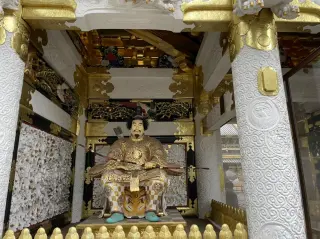
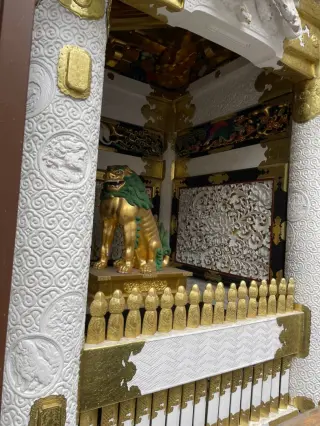
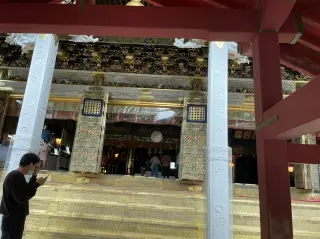
The Main Shrine (Gohosha) is built in the gongen-zukuri style, where the honden (main sanctuary), ishi-no-ma, and haiden (worship hall) are connected as one structure. It is also designated a National Treasure.
As the most important place within Toshogu, it is also known as the site where the annual Grand Festival (Reitaisai) is held.
The main sanctuary alone features 2,468 carvings—roughly half of all the carvings on the grounds—and many depict baku, creatures believed to eat nightmares and symbolize peace.
You’ll be overwhelmed by the extraordinary craftsmanship and the lavish array of decorations.

10. Okumiya (Inner Shrine)
Behind the Main Shrine is the Okumiya (Inner Shrine), designated an Important Cultural Property.
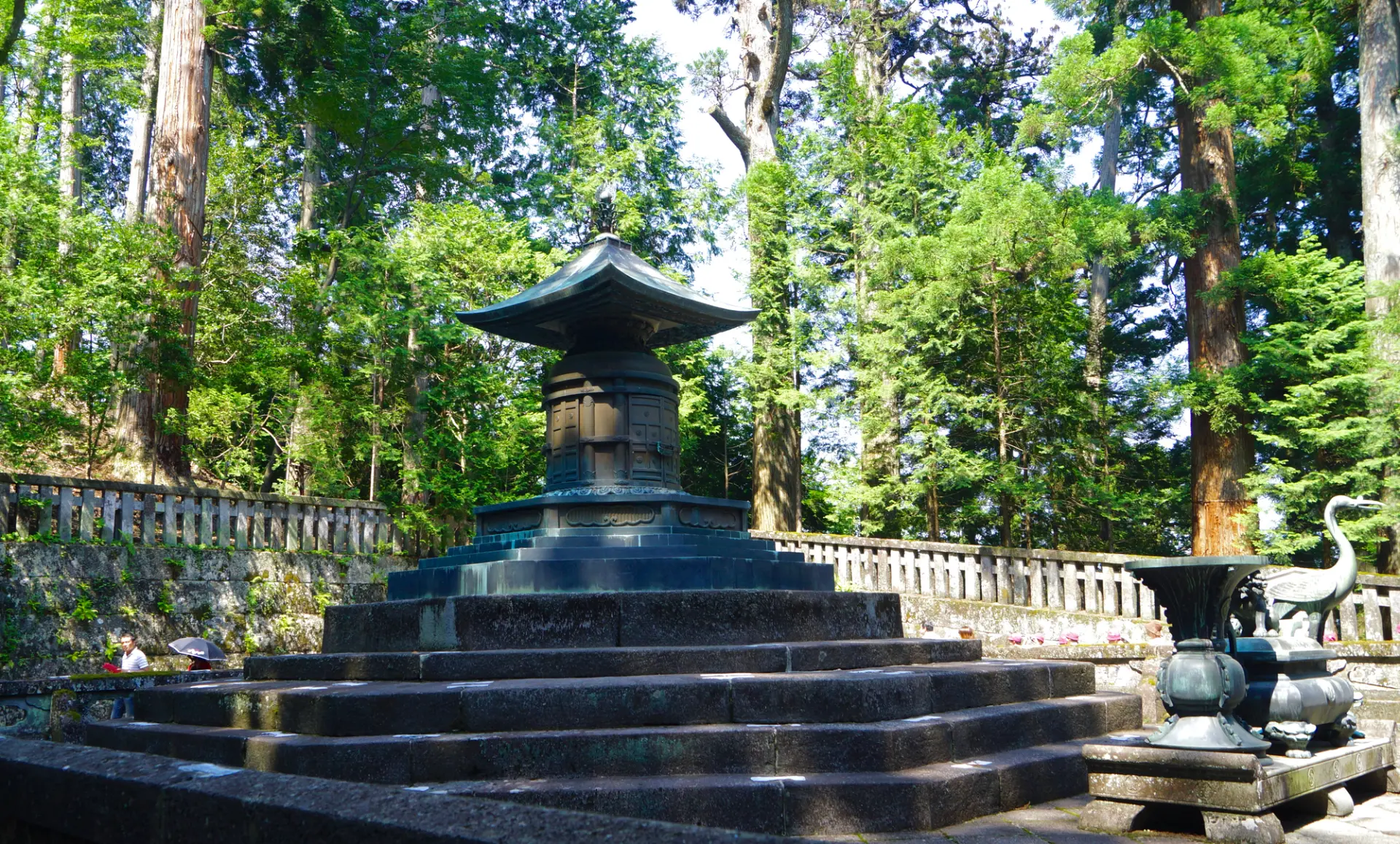
It consists of the Inuki-mon Gate, a worship hall, and the Goho-to (treasure pagoda), and it is known as Tokugawa Ieyasu’s mausoleum.
After passing through the gate adorned with the Sleeping Cat carving, you’ll climb 207 stone steps to reach Okumiya.
Along the way, there’s also a sign displaying Tokugawa Ieyasu’s precepts: “Life is like carrying a heavy load on a long road. Don’t rush.”—a glimpse into his outlook on life.
Near the Goho-to, you’ll also find the Kanae-sugi, a cedar tree said to make wishes come true, adding to the area’s deeply sacred atmosphere.
UNESCO World Heritage “Shrines and Temples of Nikko” to Visit Along with Nikko Toshogu Shrine
If you’re visiting Nikko Toshogu Shrine, we also recommend touring Rinnoji Temple and Futarasan Shrine, which are registered as part of the UNESCO World Heritage site “Shrines and Temples of Nikko.”
If you plan to explore all three sites at a relaxed pace, it’s best to allow at least 4–5 hours.
Nikko Futarasan Shrine
Nikko Futarasan Shrine is dedicated to the main peak of the Nikko mountain range—known as the Nikko Sanzan—as sacred mountains. It is also known for blessings related to good fortune and matchmaking.
The beautiful vermilion-lacquered wooden bridge Shinkyo, which marks the entrance to the Nikko Sannai area, is a structure belonging to Futarasan Shrine. It can be considered the gateway to the World Heritage site “Shrines and Temples of Nikko.”

Nikkozan Rinnoji Temple
Nikkozan Rinnoji Temple is a collective name for its halls, pagodas, and sub-temples as a whole. It is said to have begun when Shodo Shonin, the founder of Nikko, built Shihonryuji Temple.
The Sanbutsudo Hall is Nikkozan’s largest wooden structure and enshrines three Buddhist statues: Senju Kannon, Amida Nyorai, and Bato Kannon.
Another appeal is seasonal scenery: in spring you can see the Kongozakura cherry tree, estimated to be 500 years old, and in autumn you can enjoy the fall foliage at Shoyoen Garden.

Enjoy Outstanding Local Food in a Beautiful Setting! 3 Popular Restaurants Near Nikko Toshogu Shrine
After exploring Nikko Toshogu Shrine, enjoy lunch or dinner at one of the restaurants below.
Each place is known not only for delicious food, but also for thoughtfully designed spaces—so you can savor your meal with all five senses.
1. Meiji no Yakata
A stone Western-style restaurant in a Meiji-era building, located near the World Heritage site Nikko Toshogu Shrine.
It was originally built as a villa for the American trader F.W. Horn, who first introduced the phonograph to Japan. It is registered as a Tangible Cultural Property.
The most popular dish is omurice (omelet rice): rich chicken rice flavored with ketchup, fluffy, melting egg, and a carefully prepared demi-glace sauce.

2. Nikko Kanaya Hotel Main Dining Room
A restaurant at Nikko Kanaya Hotel, Japan’s oldest existing resort hotel, founded in 1873.
It marked its 150th anniversary in 2023. When the main building was remodeled into a three-story structure in 1936, the hotel lobby of the time was transformed into the Main Dining Room.
Decorative elements such as capital carvings and ornaments known as karyobinga are original pieces from long ago, and you can enjoy Kanaya Hotel’s traditional French cuisine in a classic atmosphere.

3. Nikko Yuba-maki Zen - ZEN
A Japanese-modern spot in a renovated traditional house along Nikko Kaido, near Nikko Toshogu Shrine.
The signature dish is Nikko yuba-maki, which wraps rice and local ingredients in Nikko yuba, a specialty of Nikko City, Tochigi Prefecture.
Owner-chef Naoki Saito, who trained in French and Japanese restaurants, pairs Nikko yuba with carefully selected ingredients—such as Mae-Nikko Kogen wagyu, Tochigi wagyu, and seasonal local vegetables—chosen with his own discerning eye.

Staying Overnight? 3 Recommended Places to Stay Near Nikko Toshogu Shrine
If you want to enjoy Nikko Toshogu Shrine in depth, we recommend allowing plenty of time, exploring at a relaxed pace, and staying overnight nearby.
The next day, consider visiting more sightseeing spots in Nikko and Oku-Nikko.
Here are three carefully selected accommodations, including hotels close to Nikko Toshogu Shrine and properties in locations convenient for exploring Oku-Nikko.
1. Nikko Kanaya Hotel
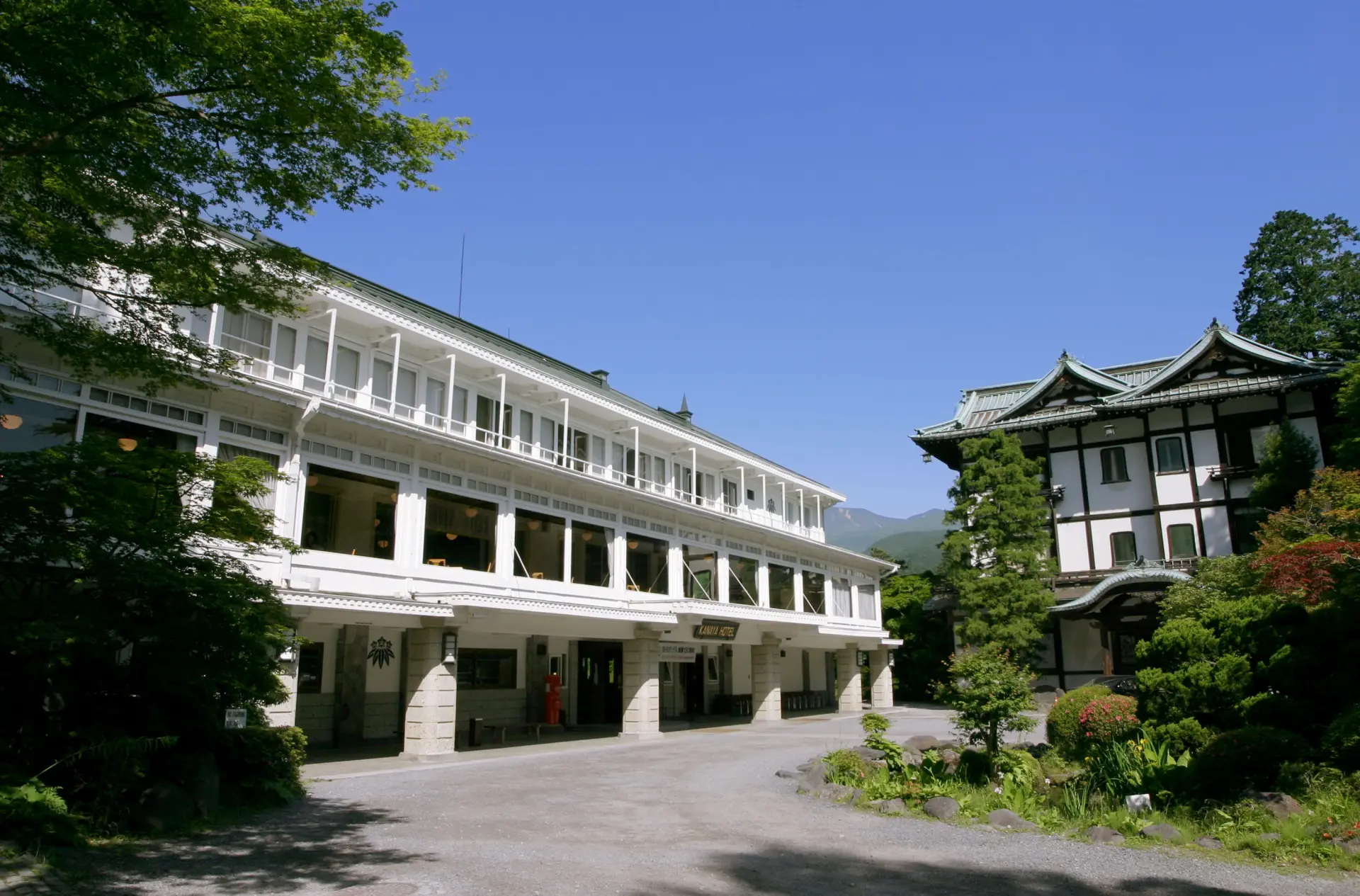
A long-established hotel founded in 1873 and known as Japan’s oldest existing resort hotel.
Its Western-style exterior incorporates Japanese furnishings and architectural elements throughout, and its historic prewar building is registered as a nationally designated Tangible Cultural Property.
Because the founder, Zenichiro Kanaya, served as a court musician (gagaku performer) for Nikko Toshogu Shrine, the hotel features carvings throughout that evoke the shrine, including the “Imagined Elephant.”
2. Fufu Nikko
The small luxury resort Fufu Nikko is in a prime location within walking distance of the World Heritage area, including Nikko Toshogu Shrine.
Its antique-inspired design makes an impression, making the most of a luxurious style that blends Japanese and Western elements.
All rooms are suites, with 24 rooms across six types. Each room has its own distinct color scheme and interior design.
Every room also features its own hot spring bath fed by the resort’s private source—an especially luxurious touch.
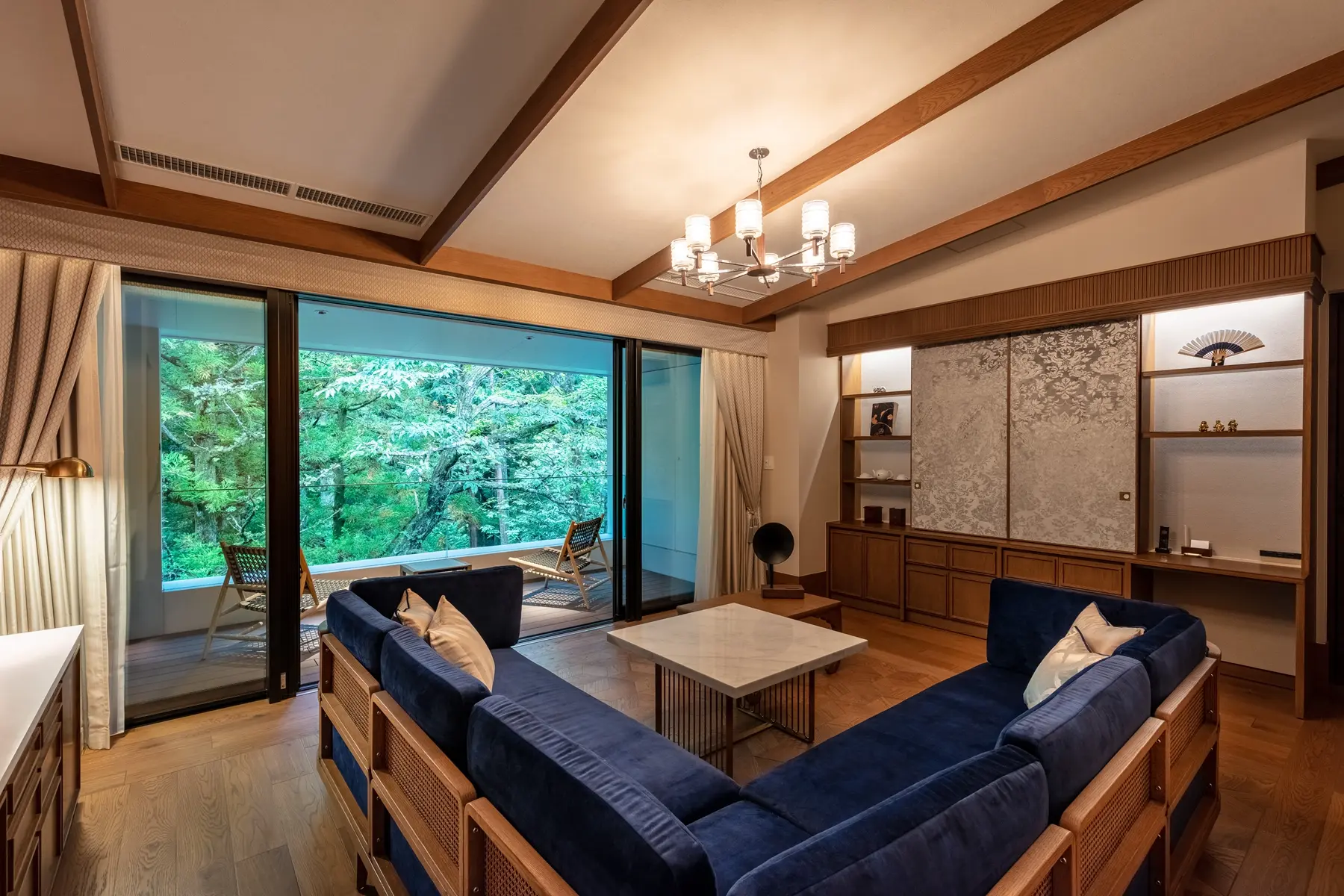
3. Kamenoi Hotel Oku-Nikko Yumoto
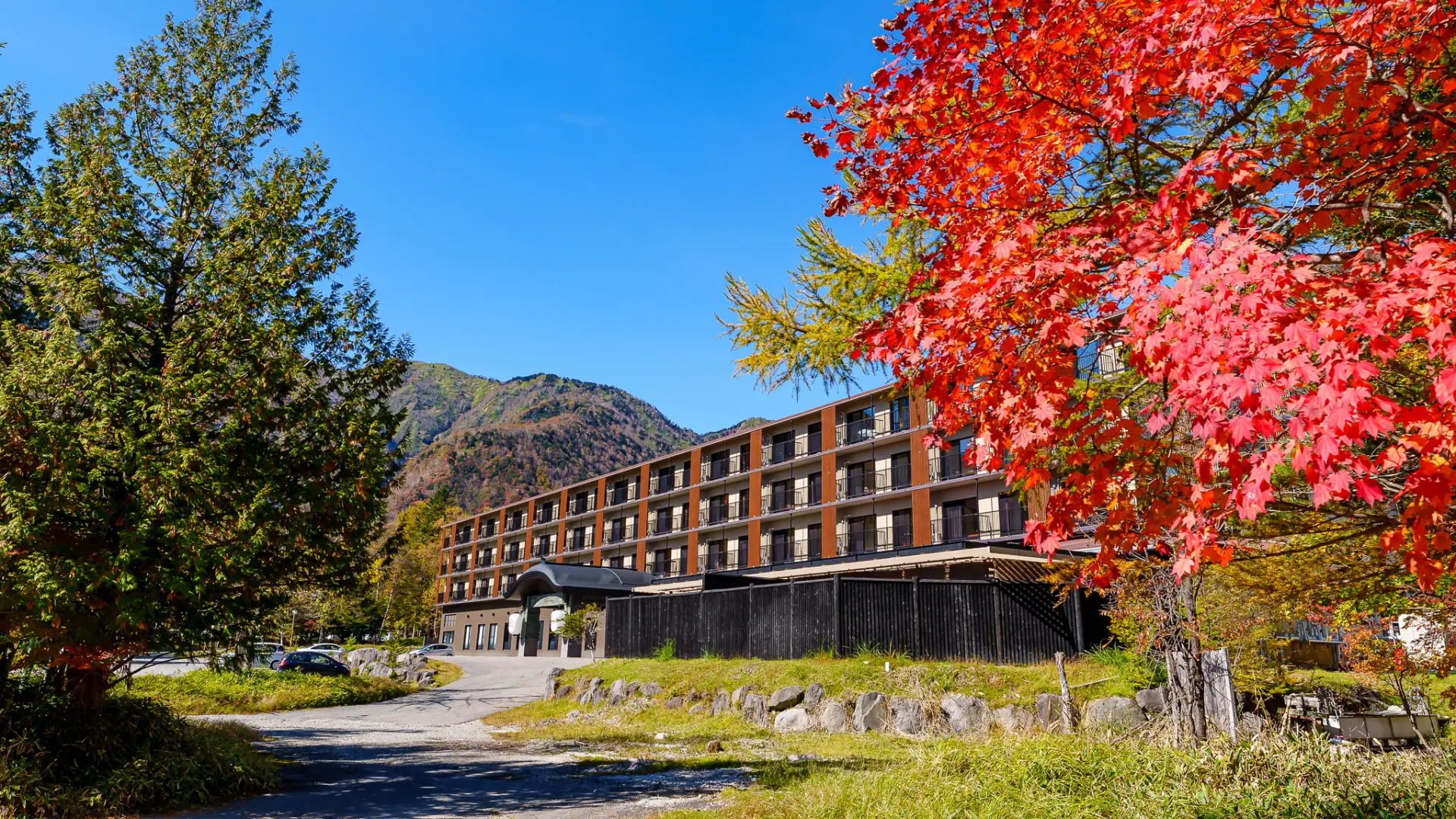
Kamenoi Hotel Oku-Nikko Yumoto sits by Lake Yunoko in the Oku-Nikko area of Nikko City, Tochigi Prefecture.
Surrounded by Oku-Nikko’s great outdoors, it’s an ideal place to unwind away from the bustle of everyday life.
One of its standout features is soaking to your heart’s content in the milky, cloudy waters known as nigori-yu, as the chloride spring turns milky white when exposed to air, in the large public bath and open-air bath.
In the open-air bath, you can soak under Oku-Nikko’s beautiful starry sky and enjoy deeply relaxing time.
A 2-Day, 1-Night Model Itinerary to Enjoy Nikko Toshogu Shrine and Nearby Spots
If you want to take your time exploring Nikko Toshogu Shrine’s many highlights, a 2-day, 1-night trip from Asakusa on the limited express “Spacia X” is a great option.
Day 1 focuses on the UNESCO World Heritage “Shrines and Temples of Nikko,” where you can soak up history and architectural beauty.
Day 2 features nature and relaxation, including Lake Chuzenji, Kegon Falls, and hot springs in Oku-Nikko.
Even with limited time, this itinerary lets you experience Nikko’s appeal to the fullest.
Day 1
Depart Tokyo’s Asakusa Station in the morning and ride the limited express “Spacia X” for Approx. 2 hours.
After arriving in Nikko, visit the World Heritage “Shrines and Temples of Nikko,” centered around Toshogu, and experience its history and art up close.
For lunch, enjoy authentic cuisine in a Western-style building from the Meiji era, then spend the afternoon visiting Rinnoji Temple and Futarasan Shrine.
In the evening, stay at a historic hotel such as Nikko Kanaya Hotel and take it easy.
- 7:50 am
- Board the limited express “Spacia X” from Asakusa, transfer to a bus at Tobu-Nikko Station, and head to the “Shinkyo” bus stop.
- 10:00 am
- Explore Nikko Toshogu Shrine in depth
- 1:30 pm
- Lunch at Meiji no Yakata
- 2:45 pm
- Visit Rinnoji Temple’s Sanbutsudo Hall
- 3:30 pm
- Visit Futarasan Shrine
- 5:00 pm
- Check in at Nikko Kanaya Hotel
Day 2
On Day 2, slow down and focus on nature and hot springs.
After breakfast at your hotel, enjoy the grand scenery of Lake Chuzenji and Kegon Falls.
At Oku-Nikko Yumoto Onsen, soak in the milky, cloudy nigori-yu waters and ease away travel fatigue.
It’s the perfect way to wrap up your trip while taking in Nikko’s natural beauty and hot spring culture.
- 8:00 am
- Have breakfast at the hotel and check out. Take a bus toward the Lake Chuzenji area.
- 10:00 am
- Sightsee around Lake Chuzenji and Kegon Falls
- 12:00 pm
- Lunch at Teuchi Soba Katsura
- 1:30 pm
- Day-use hot spring bathing at Oku-Nikko Yumoto Onsen
- 3:30 pm
- Return to Tobu-Nikko Station and head home
- 5:00 pm
- Check in at Nikko Kanaya Hotel
Reviews of Nikko Toshogu Shrine
4.72
Some reviews are AI-translated.
-
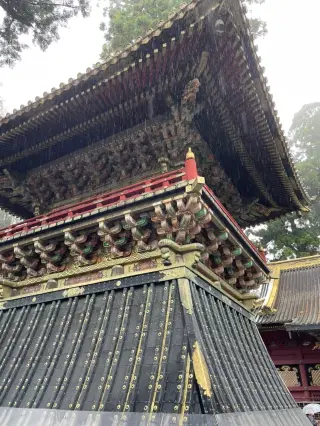
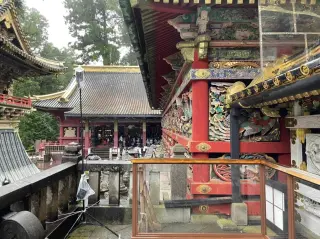
The level of detail is honestly incredible. The carvings are super intricate and gorgeous, and it feels very different from the usual simple style of most shrines. I couldn't stop looking around.
-
If you love traditional Japanese architecture, intricate carvings, and cultural history, this place is an absolute must-visit.
-
This is an important shrine from the Edo period. The architecture is elegant and dignified, with unique decorations and a strong sense of history.
FAQ about Nikko Toshogu Shrine
Q
When is the best time to see fall foliage at Nikko Toshogu Shrine?
A
From early November to mid-November.
Q
What is Nikko Toshogu Shrine famous for?
A
It’s famous for the Sleeping Cat, the Three Wise Monkeys, and the Yomeimon Gate, among others.
Q
Where did the name “Nikko Toshogu Shrine” come from?
A
It comes from enshrining Tokugawa Ieyasu in Nikko as Tosho Daigongen.
Q
Where can I get a goshuin seal at Nikko Toshogu Shrine?
A
You can get one at three places: the shrine office near the Yomeimon Gate, the shrine office near Okumiya, and the shrine office near Yakushiji Temple.
Summary
We’ve covered the top highlights, unique appeal, and best ways to enjoy Nikko Toshogu Shrine, a UNESCO World Heritage site and one of Japan’s most iconic destinations.
From its magnificent buildings and intricate carvings to the beautiful landscapes shaped by its rich natural surroundings, there’s always something to admire at Nikko Toshogu Shrine.
When you visit Nikko, take your time and experience its history and natural beauty for yourself.
You may also find this article helpful for more of Nikko’s popular sightseeing spots and local food.