
Photo: Keizo Kioku/Shintaro Miyawaki
The Complete Guide to the Setouchi Triennale 2025: Everything You Need to Know, from Essential Info to How to Get Around!
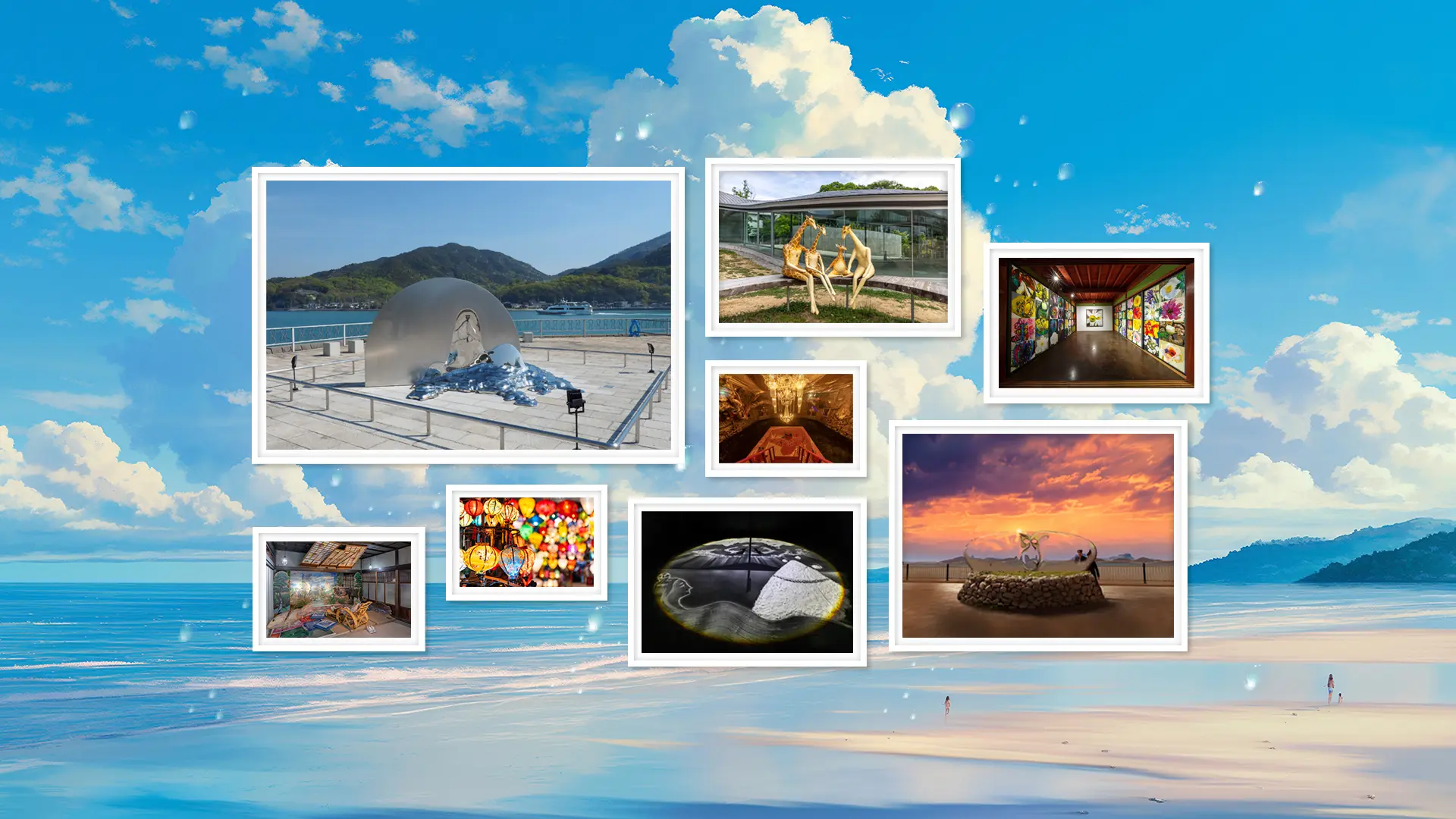
One of Japan’s largest art festivals, the Setouchi Triennale, will be held in three seasons starting April 18, 2025.
The venues span the coastal areas and islands of the Seto Inland Sea, showcasing works by artists from Japan and many other countries.
This article introduces everything you need to fully enjoy the Setouchi Triennale, from essential details to the appeal and artworks by season and venue, plus suggested itineraries and more.
What Is the Setouchi Triennale?
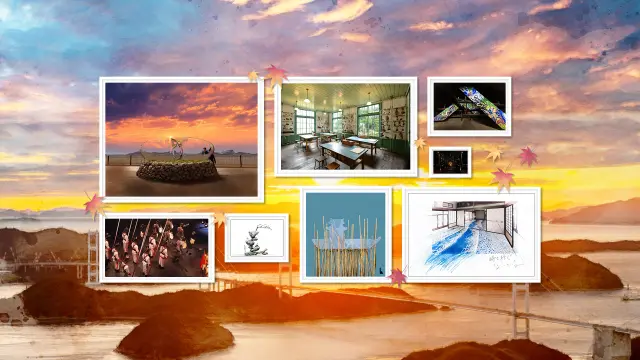
The Setouchi Triennale is a contemporary art festival held across 17 areas on the islands and along the coast of the Seto Inland Sea, Japan’s largest inland sea.
It has been held once every three years since 2010, and 2025 marks its 6th edition.
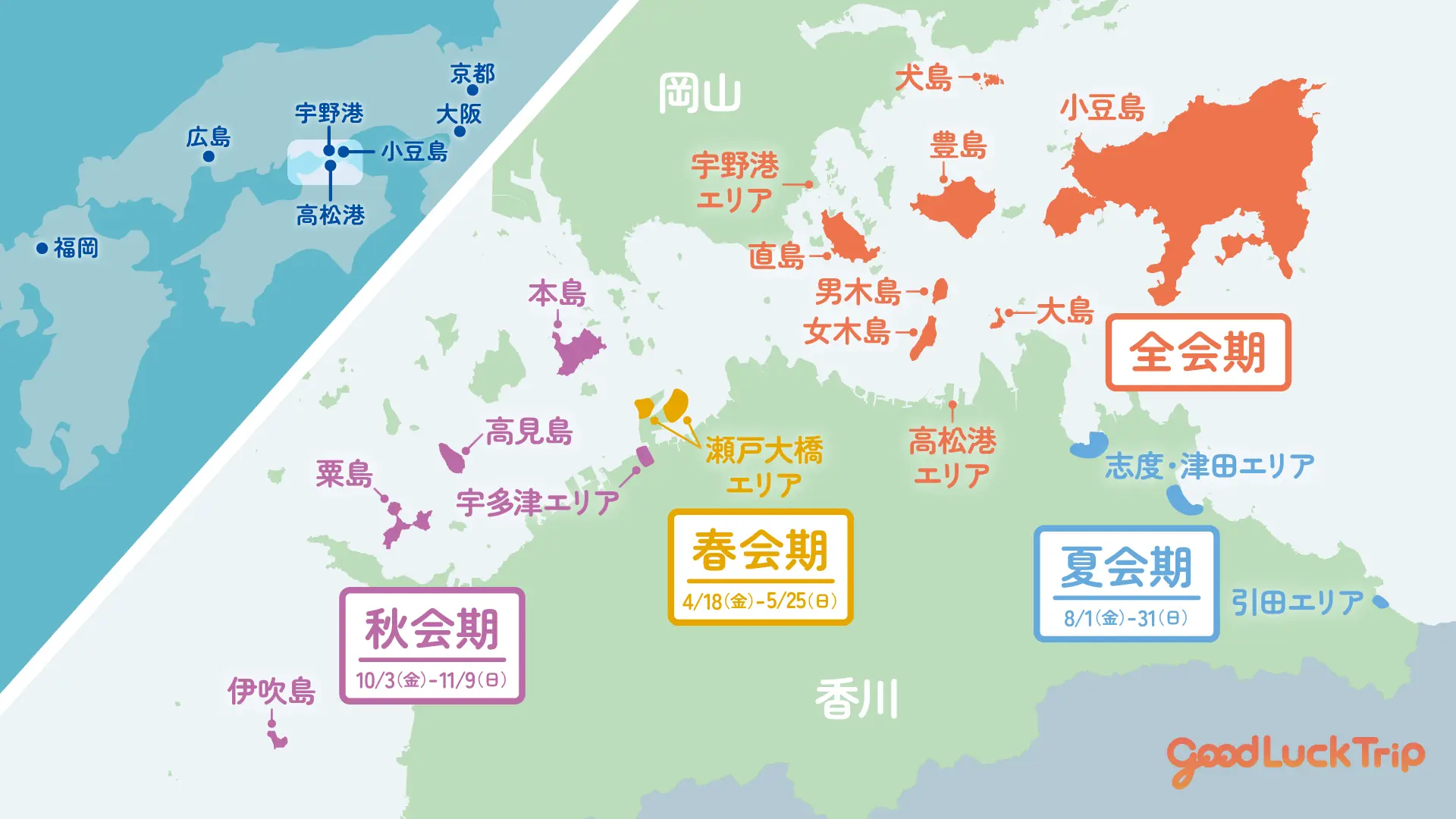
The Setouchi Triennale 2025 runs in the following three seasons.
- Spring Season
- April 18, 2025 – May 25, 2025
- Summer Season
- August 1, 2025 – August 31, 2025
- Fall Season
- October 3, 2025 – November 9, 2025
Across all seasons, 255 artworks will be exhibited, along with 7 projects and 25 events.
Artists come not only from Japan, but also from 37 countries and regions including Australia, the Netherlands, Taiwan, and China, with 222 groups participating.
It’s one of Japan’s signature art festivals, attracting approx. 1 million visitors from Japan and abroad during the event.
Many artworks and facilities in the venue areas remain on display even outside the festival dates.
If there’s a piece that catches your eye, be sure to visit the islands of the Seto Inland Sea even after the Setouchi Triennale ends.
Theme of the Setouchi Triennale
The Setouchi Triennale’s theme is “Restoration of the Sea.” The islands of the Seto Inland Sea were once places of free and prosperous living, but as Japan modernized, they became little more than transit routes. As depopulation and aging advanced, the islands gradually lost their original strength and appeal.
“Restoration of the Sea” is an effort to reclaim the value of these islands by revitalizing local communities through the power of art.
Many of the works exhibited at the Setouchi Triennale are created against the backdrop of that theme, as well as the islands’ history and culture.
To enjoy the festival more deeply, it’s also worth knowing what kind of place the Seto Inland Sea is.
What is the Seto Inland Sea Like?
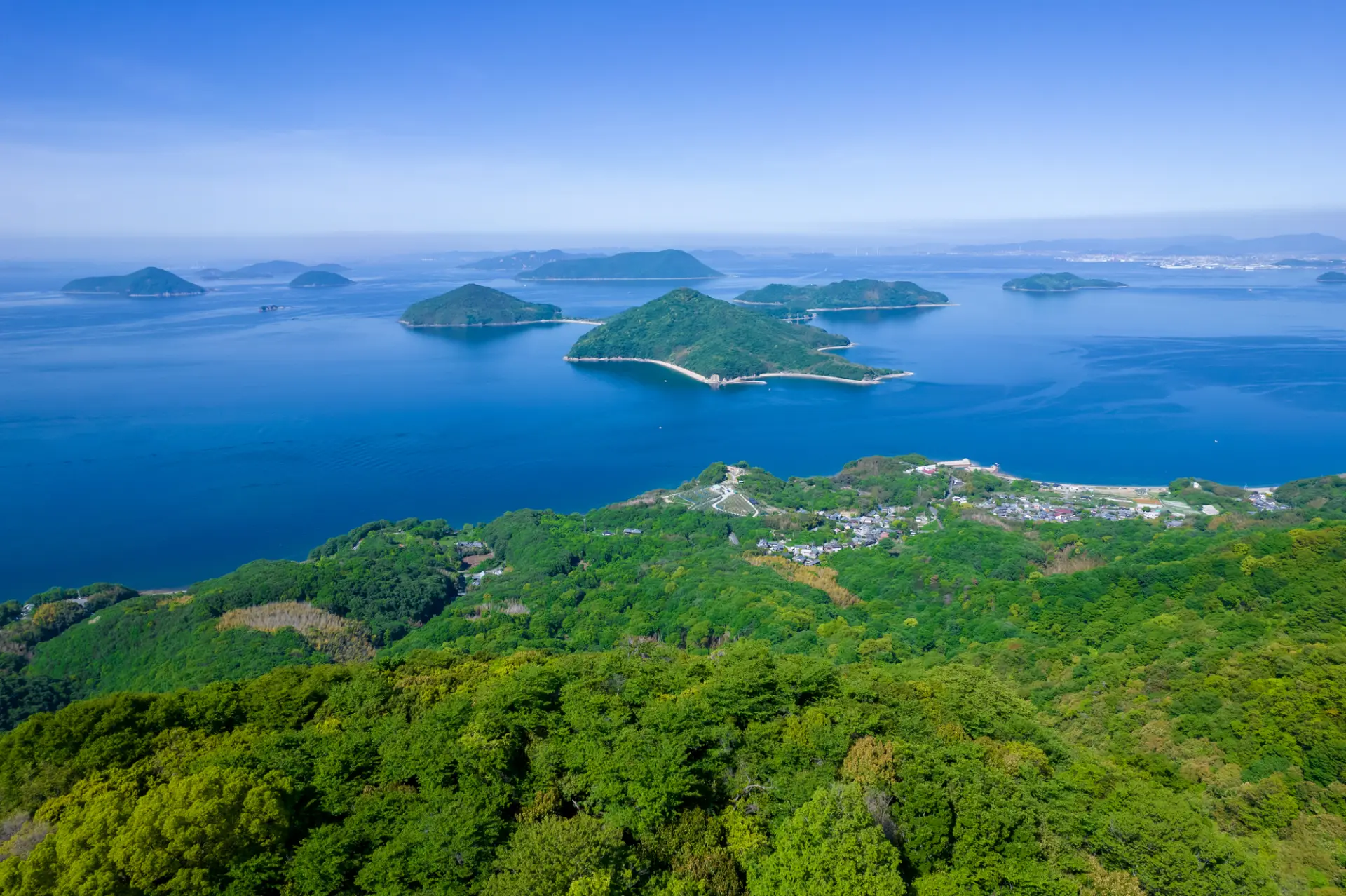
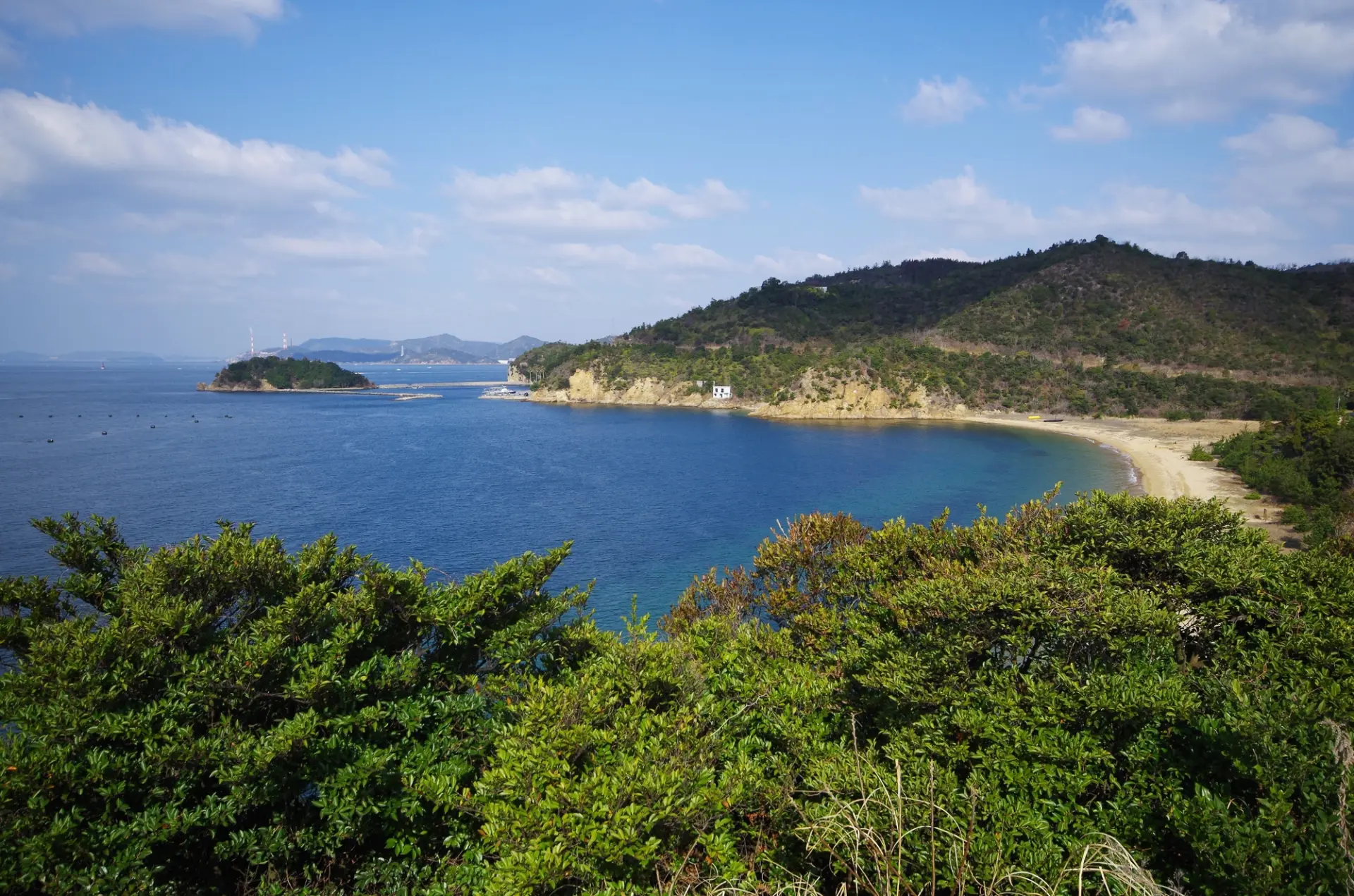
The Seto Inland Sea is an inland sea surrounded by Honshu, Japan’s largest main island, and by Shikoku and Kyushu to the southwest.
It’s known for its mild climate and abundant nature, and its “multi-island scenery,” created by countless islands, has captivated people for generations.
It was designated Japan’s first national park, and the islands and coastline are dotted with many spectacular viewpoints.
The Seto Inland Sea is home to 727 islands, of which around 150 are inhabited.
People have lived here since ancient times, shaping a unique history and culture.
Parts of that history and culture, along with old townscapes, remain, and in recent years, coexistence with contemporary art has been growing.
The area also offers ideal natural conditions, and it’s famous for delicious seafood such as sea bream and shrimp.
At the Setouchi Triennale, we hope you’ll experience not only the artworks, but also the many charms of these islands and coastal areas.
Setouchi Triennale Venues
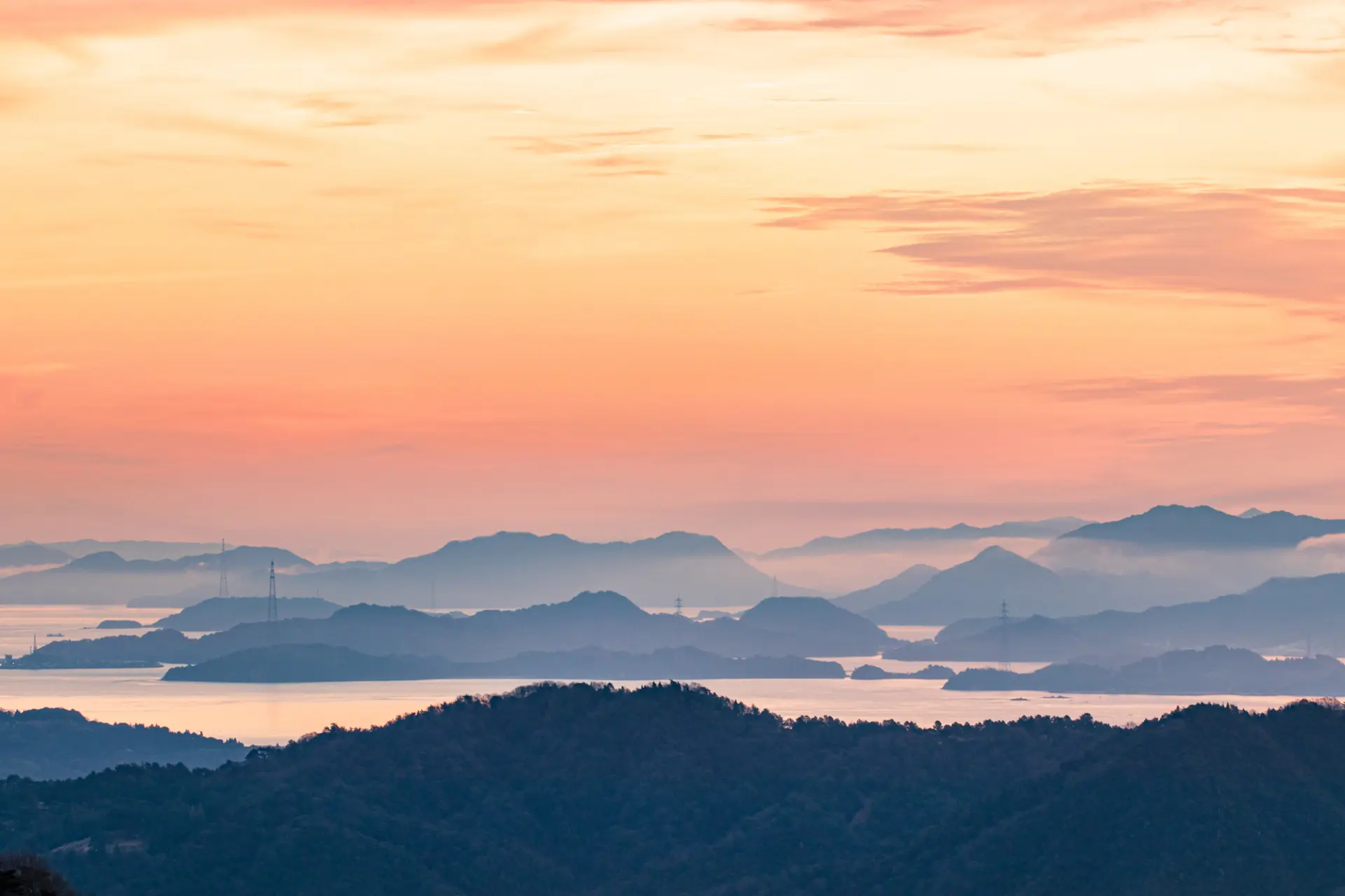
The Setouchi Triennale is held across the following 17 areas.
Note that depending on the season, some areas may not be part of the venues.
All of them are coastal or island areas in Okayama Prefecture or Kagawa Prefecture.
- All seasons
- Naoshima / Teshima / Megijima / Ogijima / Shodoshima / Oshima / Inujima / Takamatsu Port Area / Uno Port Area
- Spring Season
- Great Seto Bridge Area
- Summer Season
- Shido–Tsuda Area / Hiketa Area
- Fall Season
- Honjima / Takamijima / Awashima / Ibukijima / Utazu Area
Setouchi Triennale Tickets
To view artworks at the Setouchi Triennale, you’ll need either an “Artwork Viewing Passport” or an “Individual Admission Ticket.”
If you use individual tickets, you’ll pay an individual admission fee (from 500 yen per entry) at each facility, so we recommend the Artwork Viewing Passport, which allows you to view over 200 artworks and exhibitions.
Types and Prices of the Artwork Viewing Passport
There are two types of Artwork Viewing Passports. Both let one person view each open artwork and facility once on the Setouchi Triennale 2025 event days.
However, some artworks and facilities, such as the Chichu Art Museum and Teshima Art Museum, require an additional admission fee.
Admission is free for children ages 15 and under, and you can also pick up a stamp rally “Kids Passport” at information centers and other locations to enjoy artwork-hopping.
- All-Season Passport (valid for all seasons)
-
・Adults: 5,500 yen
・Ages 16–18: 2,500 yen *ID required - 1-Season Passport (usable for either Spring, Summer, or Fall)
- ・Adults (19+): 4,500 yen
How to Buy the Artwork Viewing Passport
There are three ways to buy the Artwork Viewing Passport.
The most recommended way is to buy the digital passport via the official Setouchi Triennale app.
- Digital passport
- Purchase via the Setouchi Triennale official app
- Paper passport
- Purchase at each information center during the festival
- Voucher (exchange ticket)
- Purchase at convenience stores, travel agencies, ticket agencies, and more
The official app not only lets you buy a passport, but also receive congestion and emergency updates for the Setouchi Triennale.
It supports not only Japanese, but also English, Chinese (Traditional and Simplified), and Korean, making it easy for international visitors to use.

Experience a “Journey” You Can Only Have at the Setouchi Triennale
The Setouchi Triennale takes place on islands that haven’t been fully developed as tourist destinations.
You’ll travel by ferry or high-speed boat, hopping from island to island, and it can feel like a true voyage by sea.
The travel itself becomes part of the experience, and the different pace of time from a typical trip is one of the Setouchi Triennale’s biggest draws.
As you walk the islands, you’ll see daily life alongside the art.
In cafés and minshuku (family-run inns), conversations naturally start with locals, and warm interactions you won’t find in major tourist hubs can become lasting memories.
Many of the artworks on display also reflect each island’s history, culture, and challenges.
Through works that reuse closed schools, old houses, and former fishermen’s huts, you can learn about each island’s character and background—an experience unique to the Setouchi Triennale.
Amid nostalgic, quiet, and simple island scenery, contemporary art blends right in.
As you sense the land’s memories and people’s lives through the works, art shifts from something you “view” into something that deepens your journey.
Because these places aren’t heavily touristed, things may not always go exactly as planned. But that unpredictability can actually make the trip even more rewarding.
You’ll find landscapes that aren’t in guidebooks—scenes that feel like they’re yours alone.
That’s the kind of journey you can have by taking part in the Setouchi Triennale.
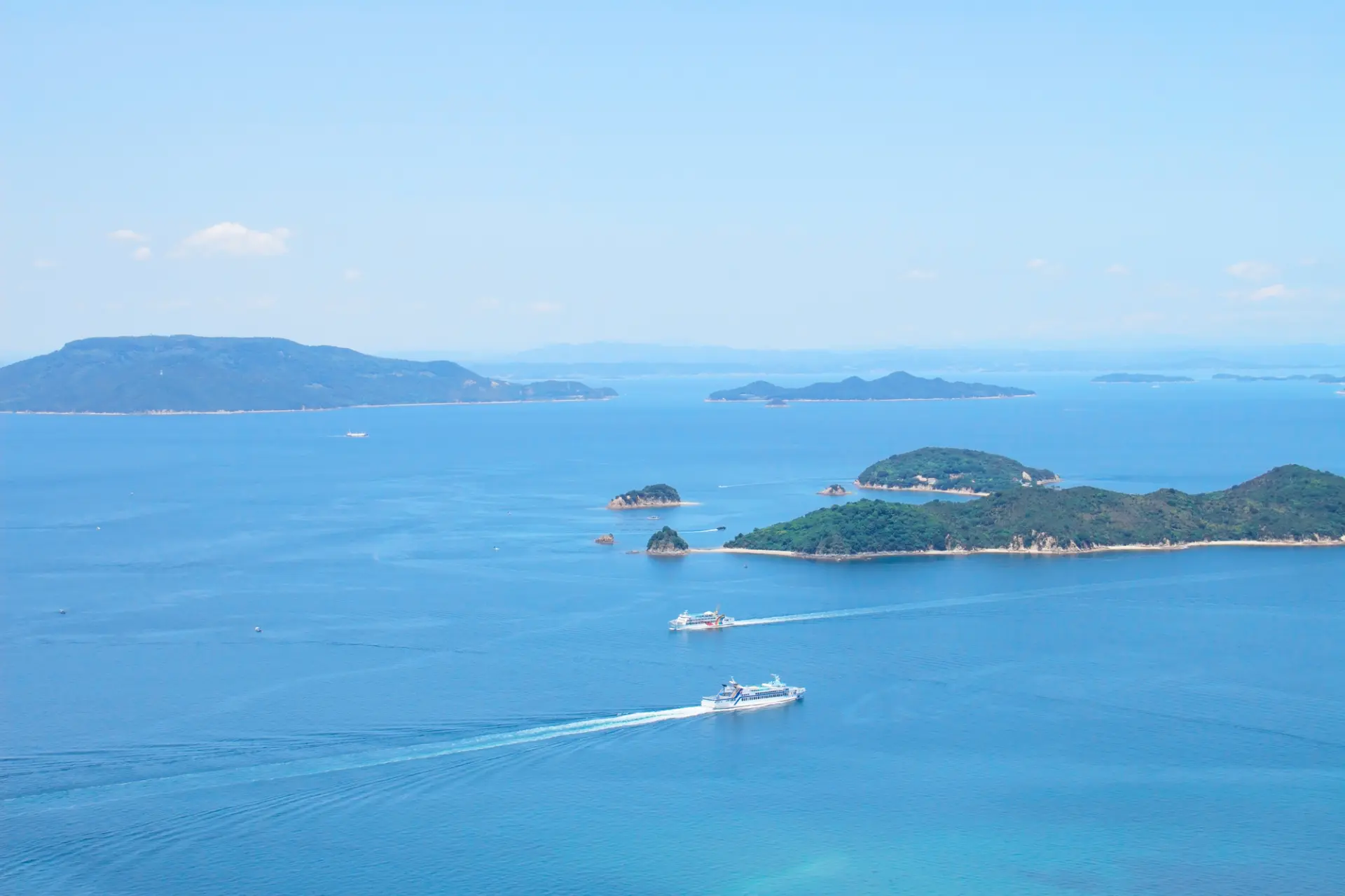
Nine Areas That Serve as Venues Throughout Spring, Summer, and Fall
Here, we’ll introduce basic information and a selection of artworks in the areas that serve as venues throughout all seasons.
Even though these areas host the festival across all seasons, some works may only be exhibited in specific seasons, so be sure to check the season schedule for any works you don’t want to miss.
1. The “Takamatsu Port Area,” the starting point for each venue
This area is both a gateway to Shikoku and the gateway to the Setouchi Triennale’s venues.
It’s located in Takamatsu City, Kagawa Prefecture’s central city. From Takamatsu Port, you can access Naoshima, Teshima, Megijima, Ogijima, Shodoshima, and Oshima directly.
In addition, artworks are scattered around the Takamatsu Port area, as well as Yashima and Shikoku Mura.
At Yashima, surrounded by sea and trees, nine artists have created mostly animal-themed sculptures that you can enjoy even outside the festival dates.
-
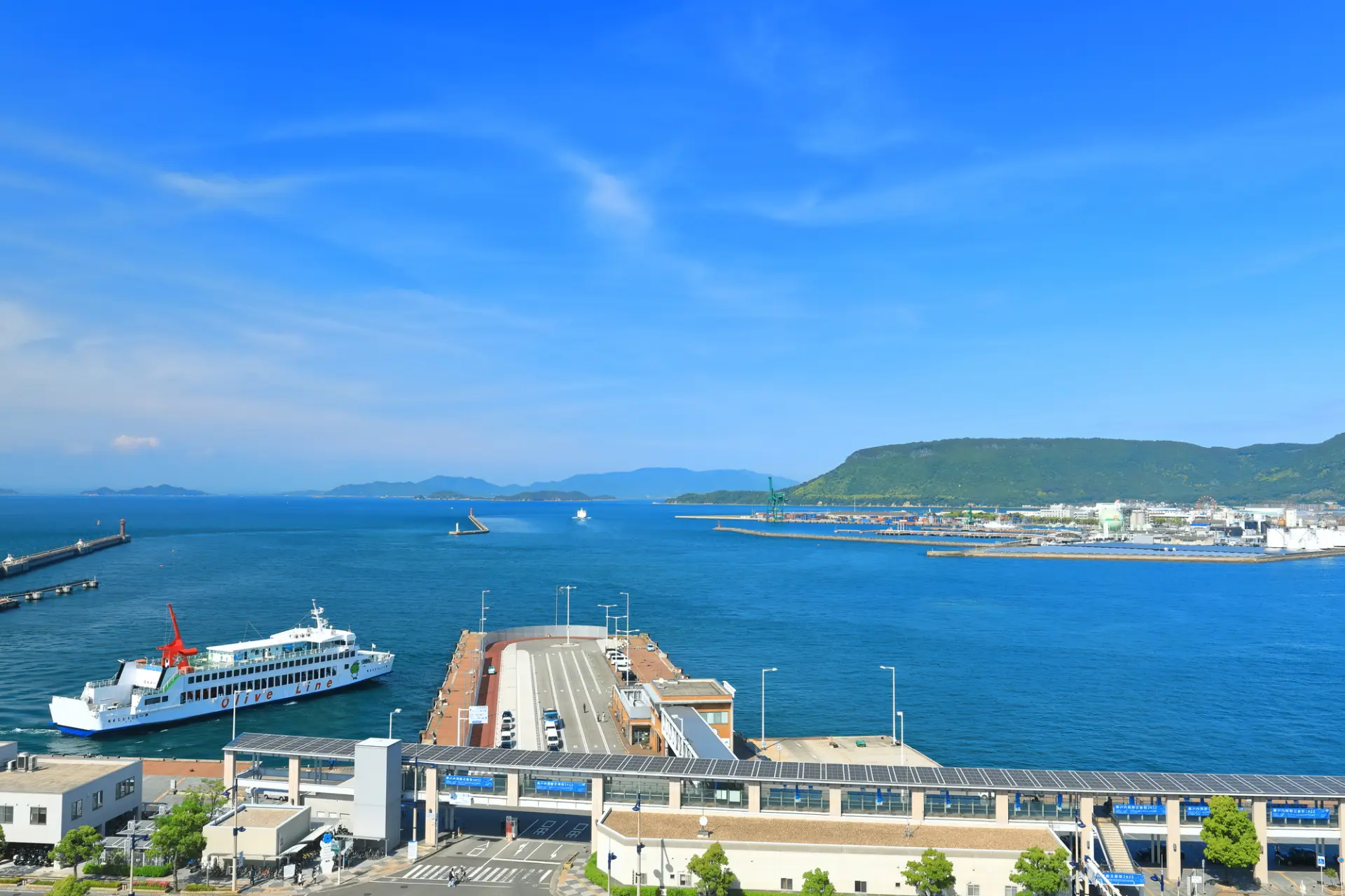
Takamatsu Port, the mother port of the Setouchi Triennale
-
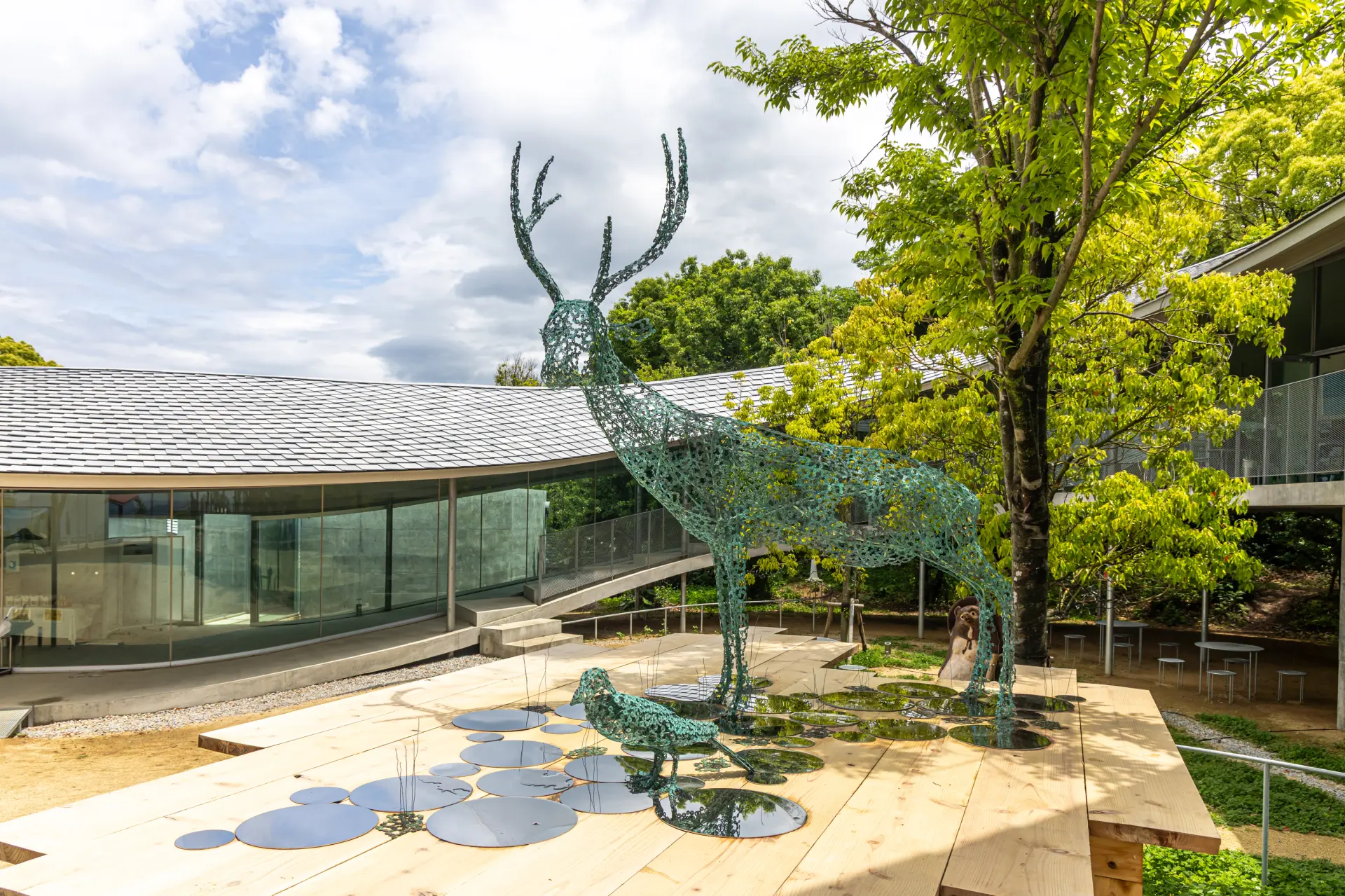
Yuji Nishijima, “Yashima Art Zoo — Beyond the Sea and Forest «Rin»”
-
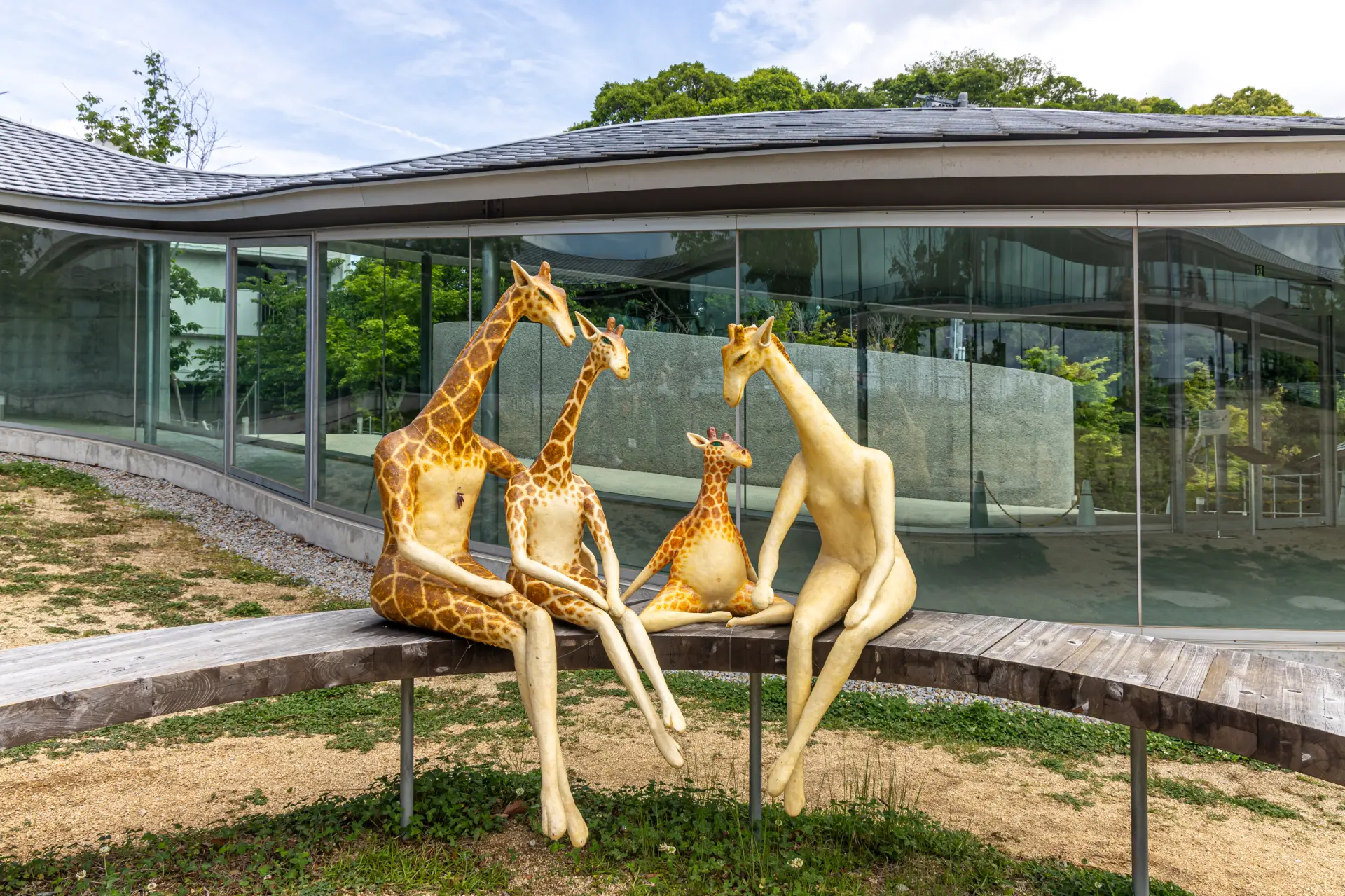
«Yashima Art Zoo — Beyond the Sea and Forest» Tomio Okayama “Animal Story” Photo: Shintaro Miyawaki
Access to the Takamatsu Port Area
Takamatsu is home to Takamatsu Airport, with domestic flights available from Tokyo and Okinawa.
It takes Approx. 1 hour 20 minutes from Tokyo and Approx. 1 hour 55 minutes from Okinawa.
International routes also operate regular flights to and from Taiwan, Hong Kong, South Korea, and China.
From Takamatsu Airport, you can take the Kotoden Bus “Takamatsu Airport Limousine Bus” to reach Takamatsu Port in Approx. 40 minutes.
Takamatsu City has strong public transportation, so it’s possible to get around sightseeing spots using just trains and buses.
Viewing Hours and Closures in the Takamatsu Port Area
- Hours
- Varies by artwork
- Closed on
- Open daily during the festival
Artworks on Display in the Takamatsu Port Area
The Takamatsu Port area features 24 artworks.
At Takamatsu Port, the “Takamatsu Port Project” sets up an information center, an official goods shop, and food booths to enjoy local flavors.
Some art can only be experienced during the festival, and here are a few highlights.
- UNHCR × Setouchi Triennale, Takashi Homma “SONGS—Refugee Voices Told Through Objects”
-
An exhibition co-hosted with UNHCR, the UN refugee agency.
Shining a light on each refugee’s story and strength, it presents works by Takashi Homma documenting their portraits and “treasured belongings,” among others. - «Vietnam Project» Cộng Moments—A Vietnam Market of Food, Handcrafts & Goods—
-
A market featuring Vietnamese crafts, goods, and food appears at Takamatsu Port.
With “Cộng,” meaning “together” in Vietnamese, as its theme, you’ll find a wide lineup of traditional family and village crafts woven over many years, along with distinctive, beautiful goods created by artisans and designers.
-
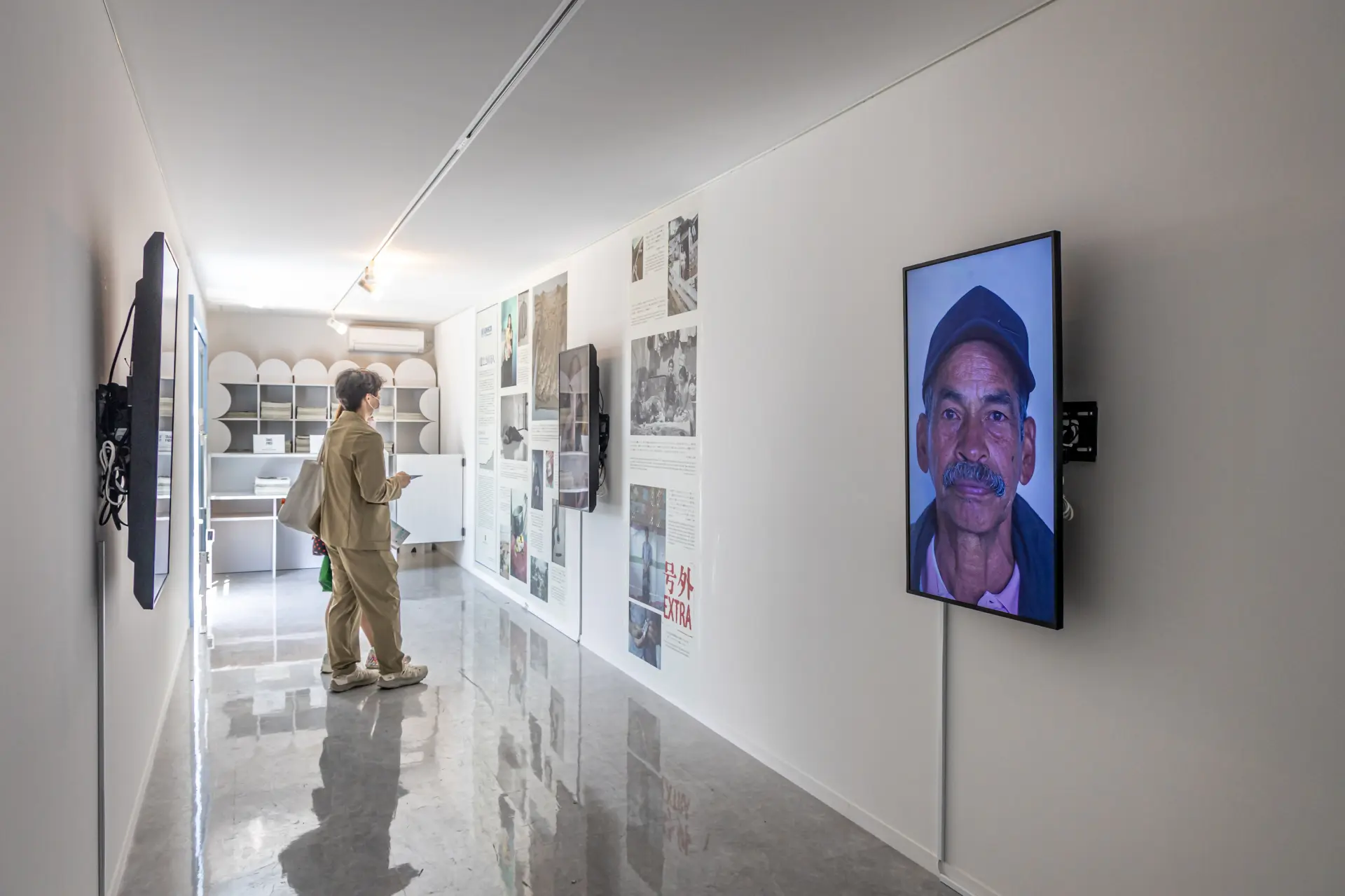
Takashi Homma “UNHCR × Setouchi Triennale, Takashi Homma ‘SONGS—Refugee Voices Told Through Objects’” Photo: Shintaro Miyawaki
-
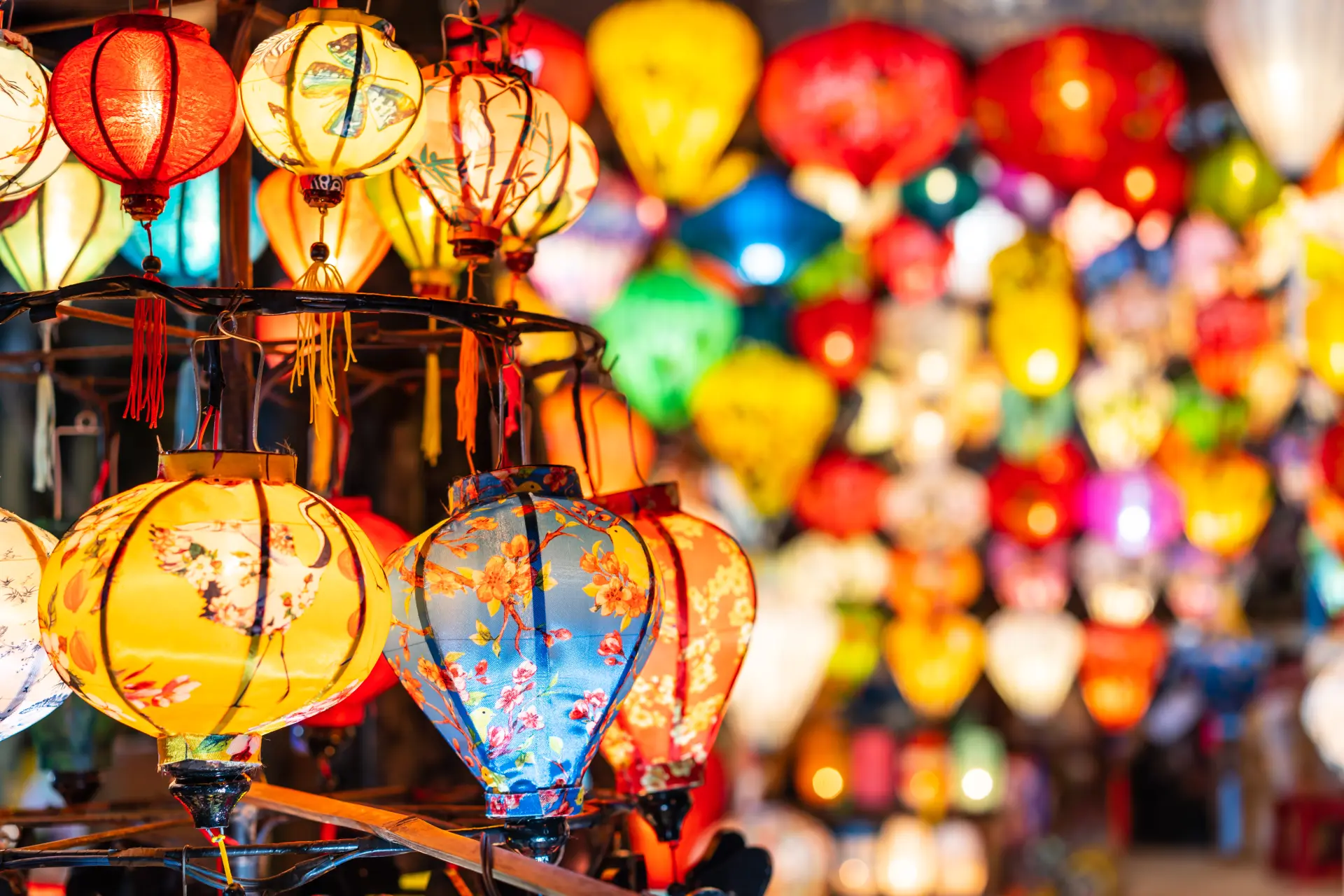
«Vietnam Project» Cộng Moments—A Vietnam Market of Food, Handcrafts & Goods— (Image)
2. The “Uno Port Area,” the gateway on the Honshu side
The “Uno Port Area” stretches across Tamano City at the southern tip of Okayama Prefecture. Uno Port is the gateway from Honshu to the islands of the Seto Inland Sea.
From Uno Port, you can access Takamatsu, Naoshima, and Teshima directly.
Artworks are also displayed around Uno Port and in the Tai area, connected by the “Triennale Shuttle Bus.”
Many works can be enjoyed even outside the festival, including pieces by artist Teppei Kaneuji and the “JR Uno-Minato Line Art Project,” designed to make travel time on the JR Uno-Minato Line more enjoyable.
-
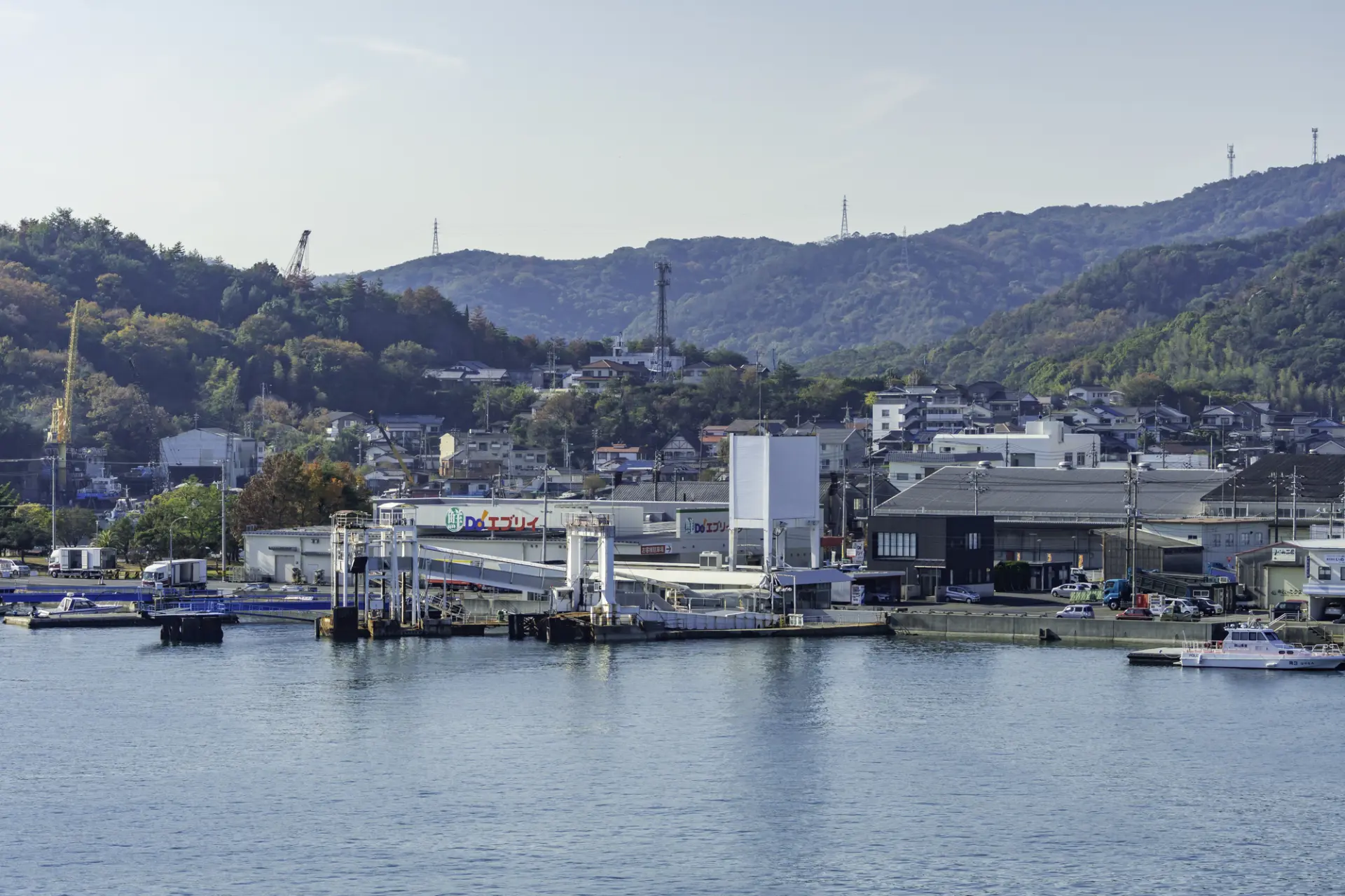
The gateway from Honshu to the Seto Inland Sea islands
-
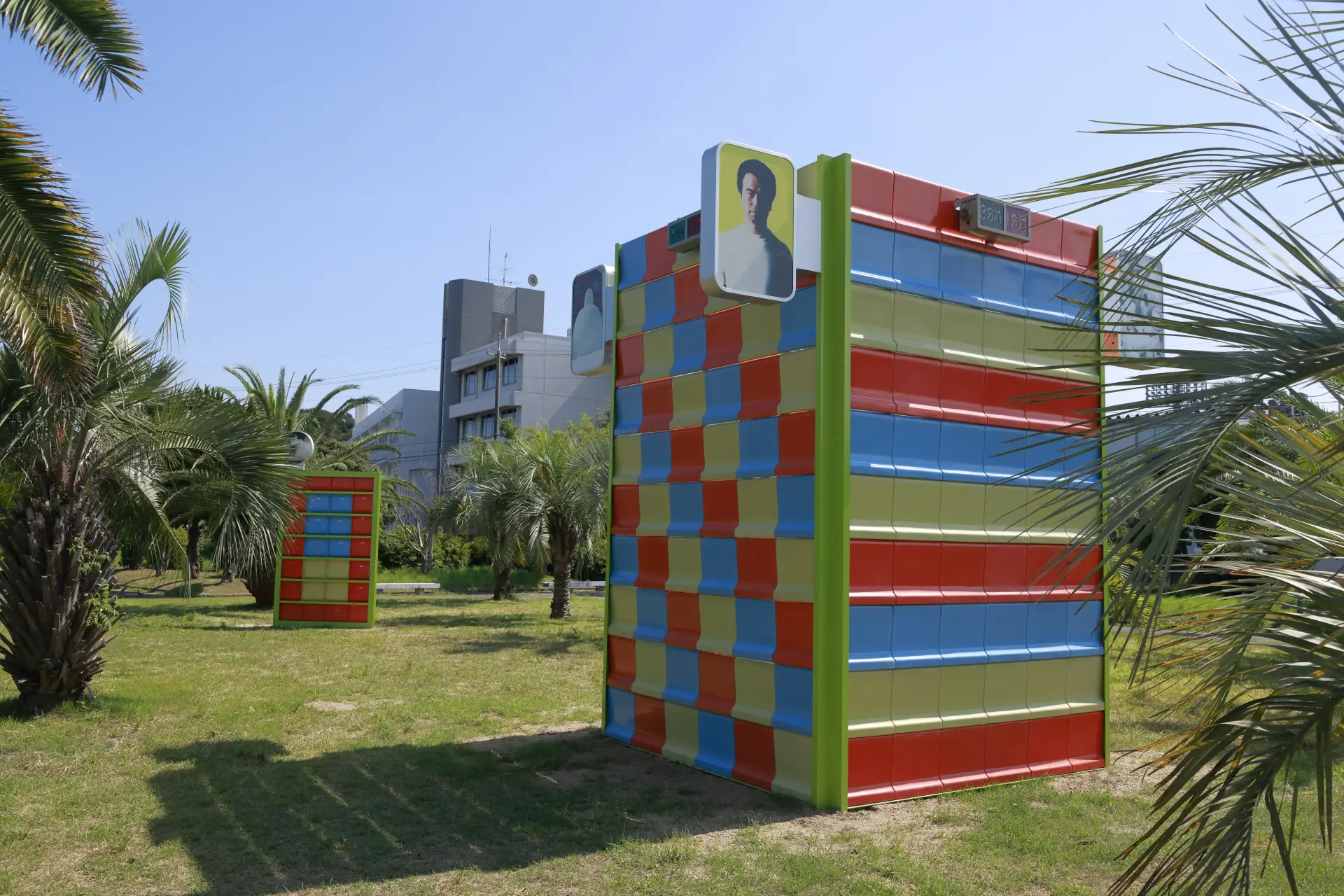
Teppei Kaneuji “S.F. (Seaside Friction)” Photo: Keizo Kioku
-
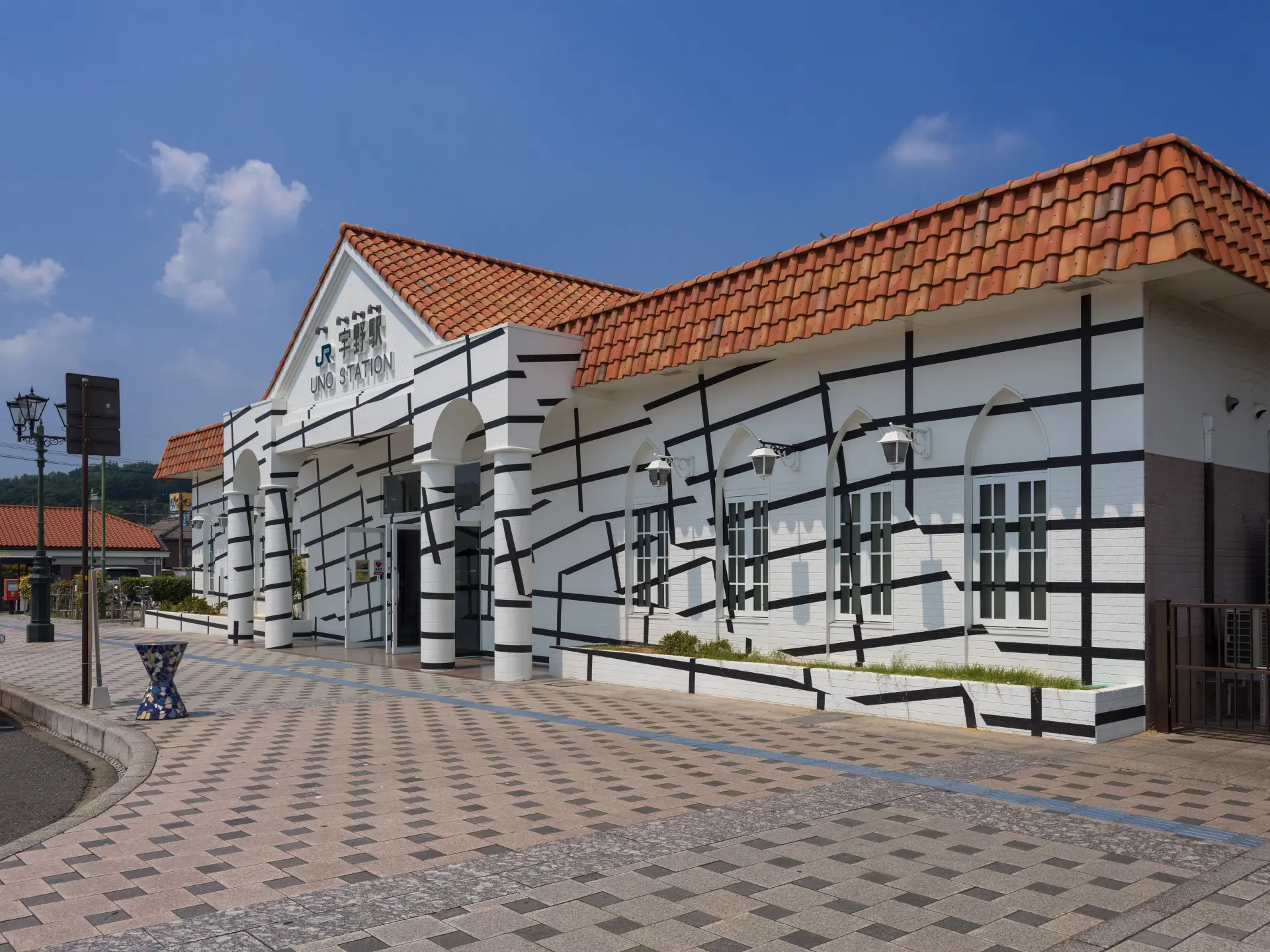
Esther Stocker “JR Uno-Minato Line Art Project” Photo: Yasushi Ichikawa
Access to the Uno Port Area
Okayama, where Uno Port is located, is served by Okayama Momotaro Airport, with access from Hokkaido, Tokyo, and Okinawa in Approx. 1 to 2 hours.
It also offers international routes, including regular flights to and from Taiwan, Hong Kong, South Korea, and China.
From Okayama Momotaro Airport to Uno Port, it takes Approx. 1 hour 20 minutes by transferring between a limousine bus and trains.
Viewing Hours and Closures in the Uno Port Area
- Hours
- 10:00am – 7:00pm
- Closed on
- Open daily during the festival
Artworks on Display in the Uno Port Area
The Uno Port area features 12 artworks.
Here’s a quick look at some works that can only be seen during the festival.
| Title | Artist | Overview |
|---|---|---|
| Salt of Life | SILT | Drawing on Tamano’s history of salt-making and Japanese mythology, the work explores the theme of “the sea, the earth, the sun, and life.” |
| Tide Return | mafmadmaf | A sound installation connecting the shifting coastline of Uno due to land reclamation with everyday life in Guangdong, China, the artist’s hometown—using the space, objects, and atmosphere of the former “Minato-yu” bathhouse as clues. |
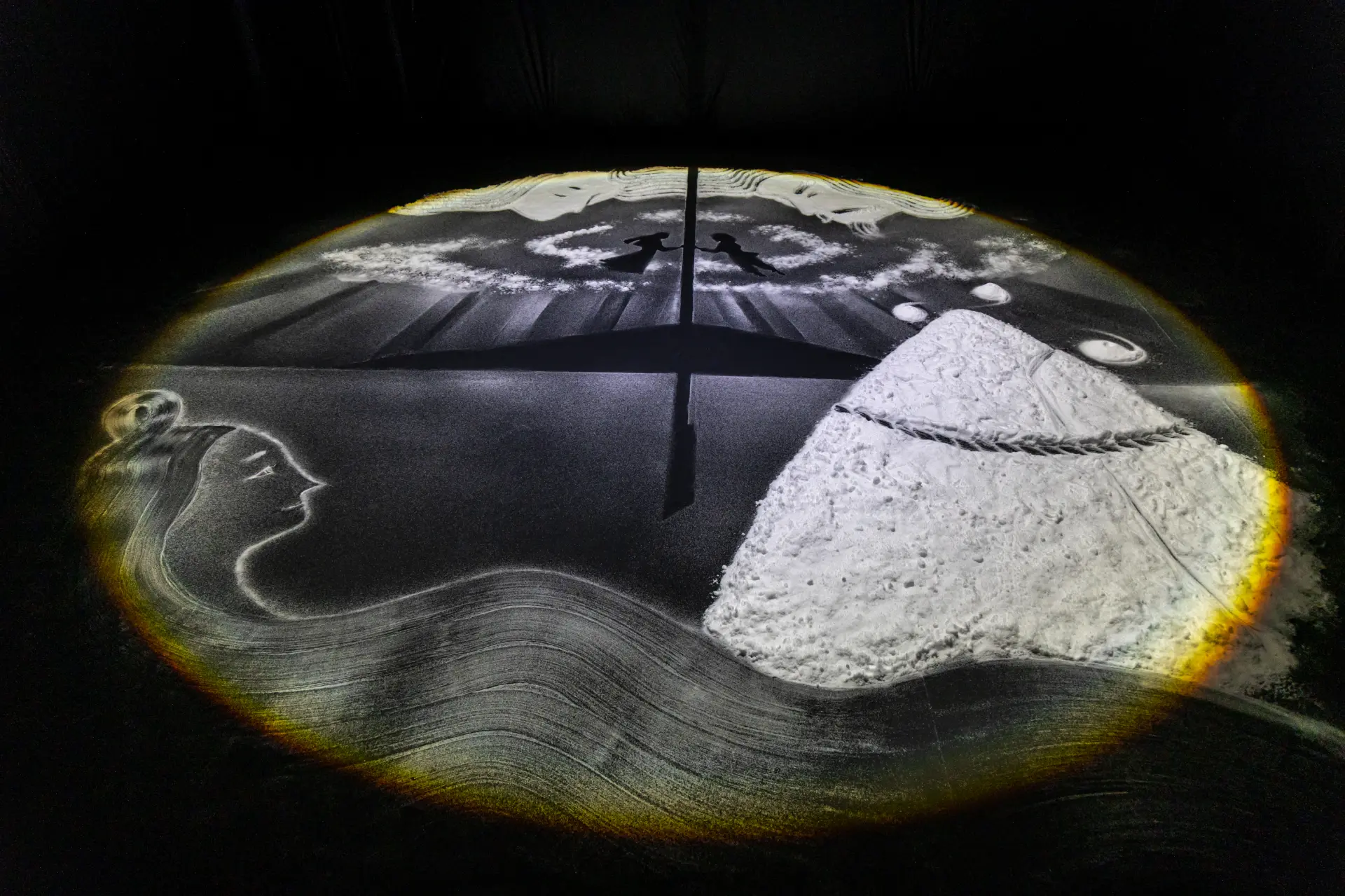
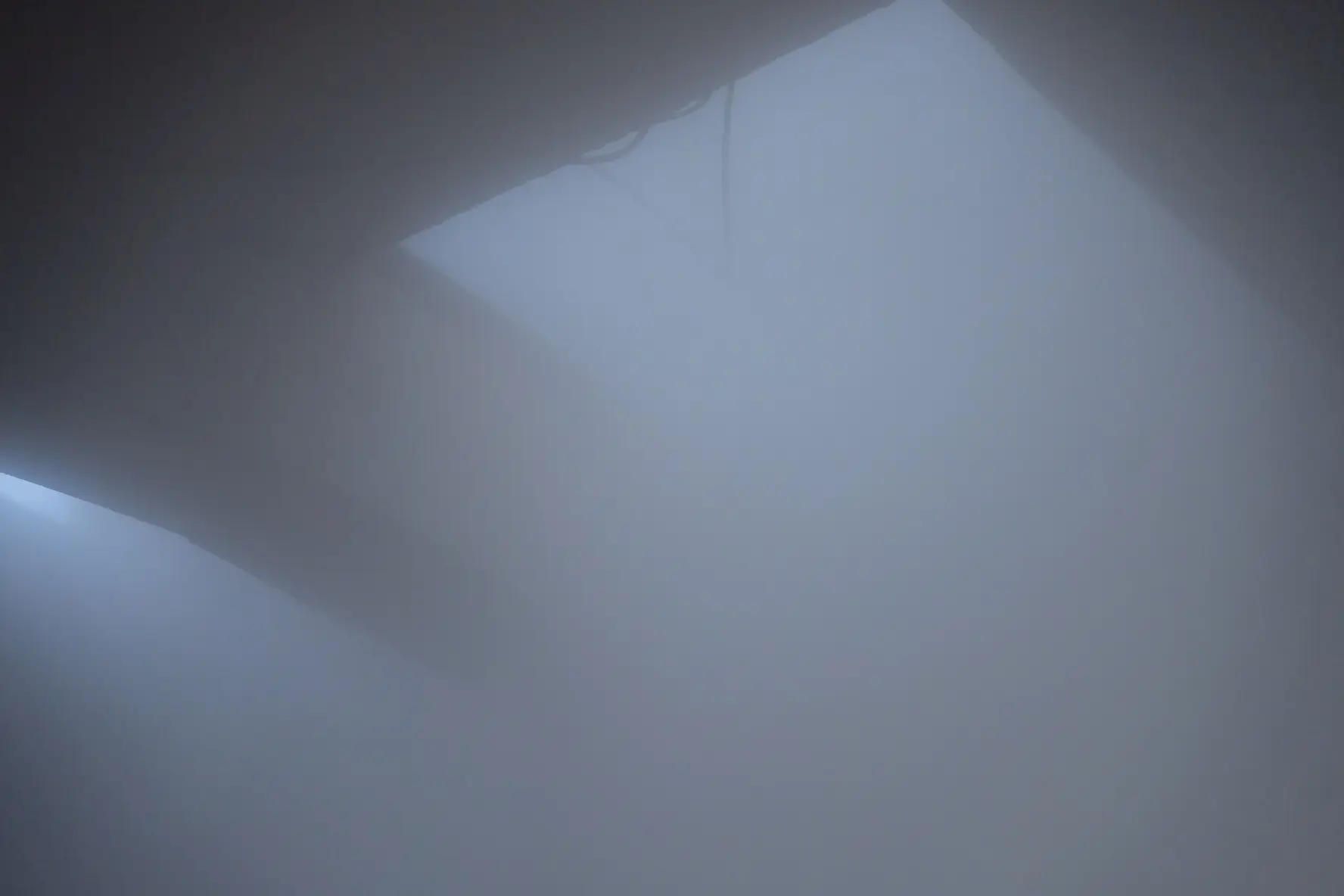
3. Naoshima, a “holy land” of contemporary art
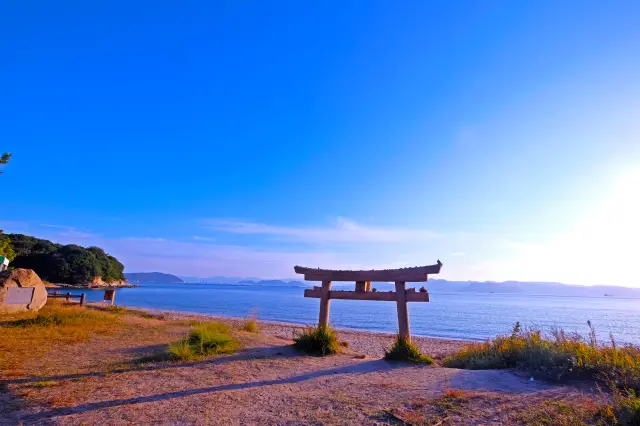
Naoshima floats between Kagawa and Okayama. It covers Approx. 8 km² and has a population of around 3,000.
It’s especially famous among the Seto Inland Sea islands and is known as a “holy land” of contemporary art.
Even outside the Setouchi Triennale, you can encounter art at many spots, including Yayoi Kusama’s “Red Pumpkin” and ANDO MUSEUM, which exhibits materials on architect Tadao Ando’s work and initiatives on Naoshima.
In spring 2025, the Naoshima New Museum of Art also opened, showcasing contemporary art.
Access to Naoshima and Transportation on the Island
The island has two ports—Miyanoura Port and Naoshima Port (Honmura)—served by ferries and high-speed boats.
From Takamatsu Port, it’s Approx. 50 minutes by ferry, and from Uno Port it’s Approx. 20 minutes.
Two bus lines operate on Naoshima: the Naoshima Town Bus, which stops at local bus stops for residents, and the Triennale Express Bus, which stops only at major sightseeing spots.
In general, we recommend the Triennale Express Bus, which shortens travel time.
Getting around by rental car, taxi, or rental bicycle is also possible.
Viewing Hours and Closures on Naoshima
Hours and closure days vary by artwork and may change depending on weather and other factors, so please check the museum open-day calendar below in advance.
Artworks on Display on Naoshima
A total of 23 artworks are exhibited on Naoshima during the festival.
They’re scattered across three areas: around Miyanoura Port and Honmura Port, and around the Benesse House Museum.
Most works can be viewed outside the festival dates as well, but the following work is only exhibited during the festival.
| Title | Artist | Overview |
|---|---|---|
| The Naoshima Plan “Water” | Hiroshi Sambuichi |
A place that helps you re-recognize the value of “moving materials inside the Earth,” centered on water. Through individual buildings, blocks, and waterways, the project brings into focus the island-wide “moving materials” like wind, water, and sun—an attempt to re-recognize their beauty, importance, and new value. |
-
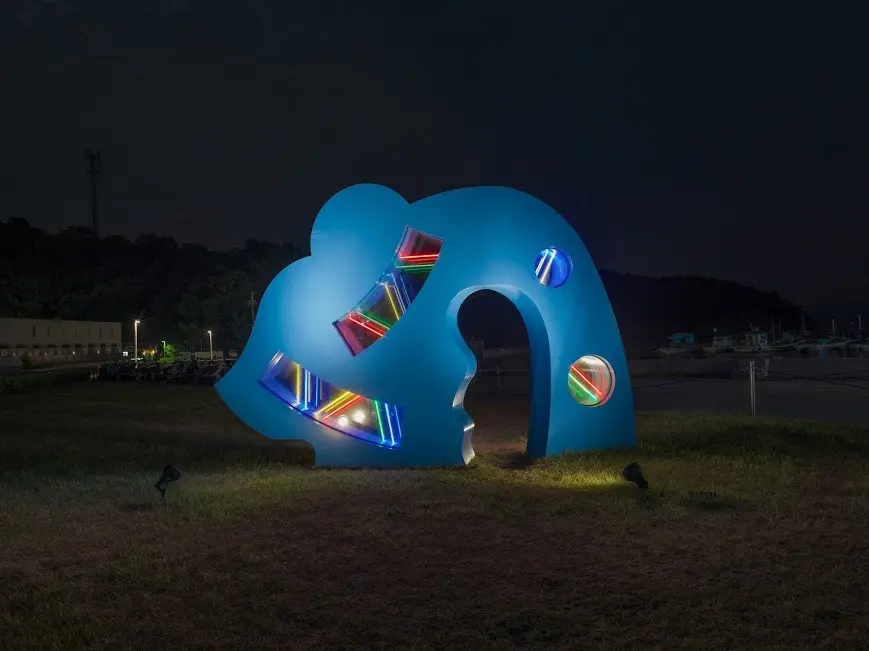
José de Guimarães “BUNRAKU PUPPET”
-
Haegue Yang “Ring of Fire - Yang’s Sun & Weerasethakul’s Moon Solar (Day)” Photo: Tsunemasa Omote
4. Teshima, rich in water and nature
Teshima, located east of Naoshima, is an island of Approx. 14.5 km² with a population of around 700.
The terraced rice fields on the island’s north side, built with stone walls, are an important place passed down by local residents.
Water that springs from the foot of Mt. Dan in the center of the island nourishes those terraces.
However, the island suffered environmental pollution and reputational damage from an illegal industrial waste dumping incident, but the terraced fields were restored following the opening of the Teshima Art Museum.
Teshima is gradually reclaiming its original identity as an island rich in water and nature.
Symbolizing that is the Teshima Art Museum, where works using architecture and water are exhibited.
There are also many works you can enjoy outside the festival dates, such as “Place for Sea Dreamers,” chairs where you can gaze out at the multi-island scenery.
-
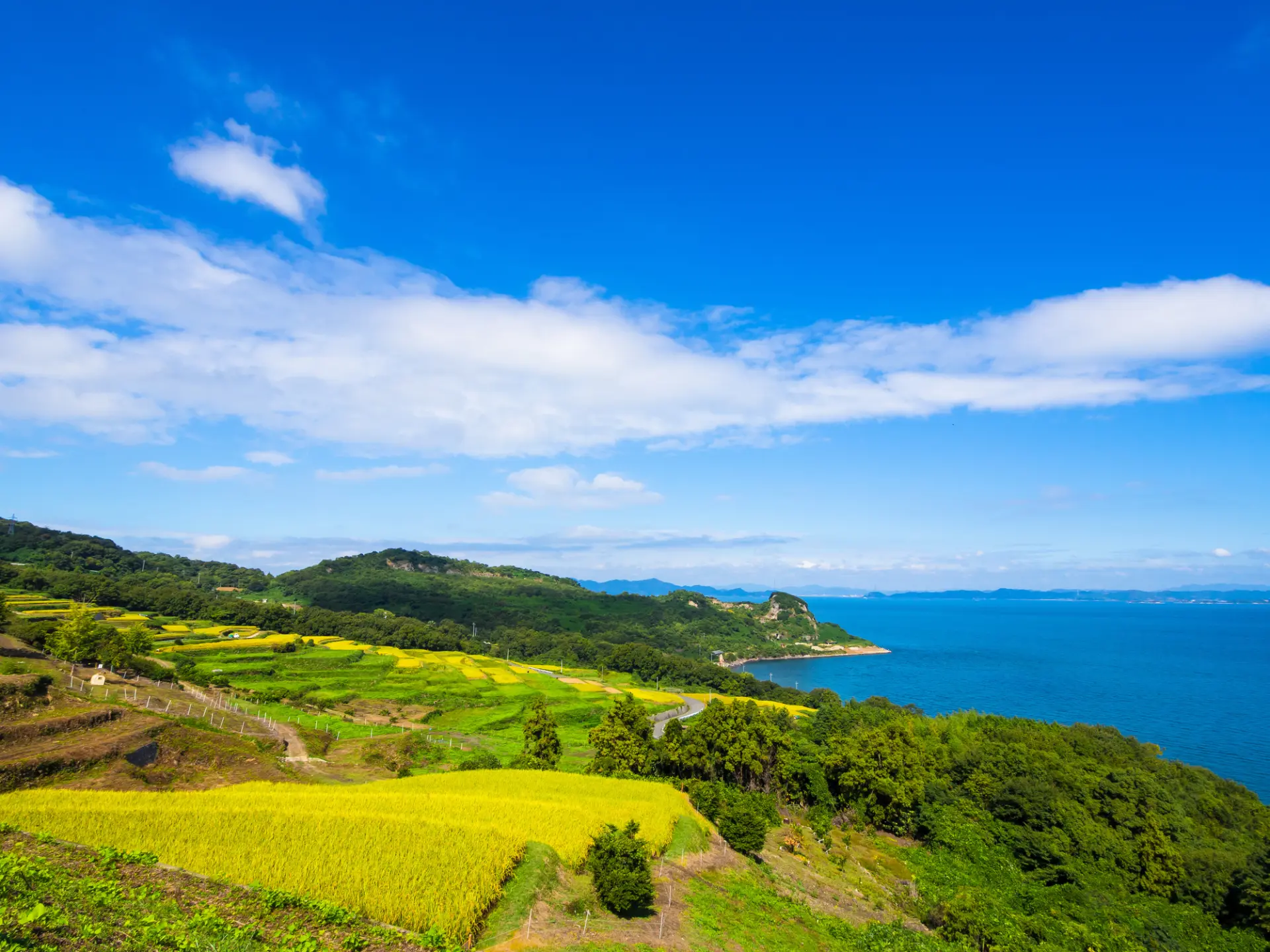
The terraced rice fields, an important place for Teshima residents
-
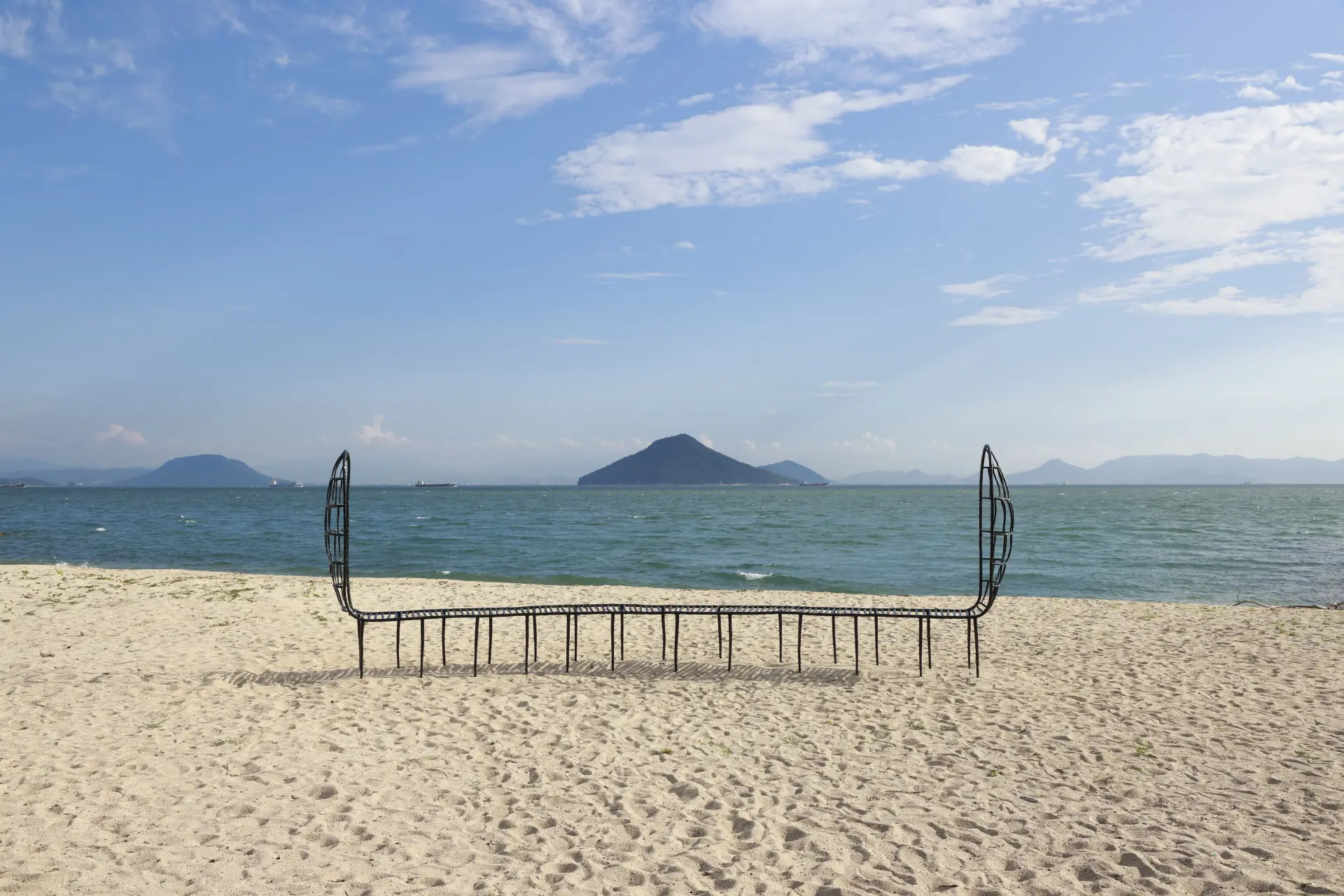
Heather B. Swann + Nonda Katsalidis “Place for Sea Dreamers” Photo: Keizo Kioku
Access to Teshima and Transportation on the Island
There are two ports on the island—Ieura Port and Karato Port—served by ferries and high-speed boats from Takamatsu Port, Uno Port, Naoshima, Shodoshima, and Inujima.
Ways to travel from Takamatsu Port to Teshima and Approx. travel times are as follows.
| Departure Point | Method and Approx. Travel Time |
|---|---|
| Takamatsu Port | Approx. 35 minutes by high-speed boat to Ieura Port |
| Uno Port | Approx. 25 minutes by passenger ship to Ieura Port |
Buses are the main form of transportation on the island.
There are two routes—from Ieura Port to Karato Port, and to Kosei Community Center—providing access to major spots. Rental bicycles are also available.
Viewing Hours and Closures on Teshima
- Hours
- Varies by artwork
- Closed on
-
Tuesdays
*If Tuesday is a public holiday, closed the next weekday
Artworks on Display on Teshima
A total of 13 works are displayed across various locations on Teshima.
Major works exhibited only during the festival include the following.
| Title | Artist | Overview |
|---|---|---|
| A Room Filled with Words Again | Jenna Lee | A work in which three installations—fire, spring water, and wind—interlink. |
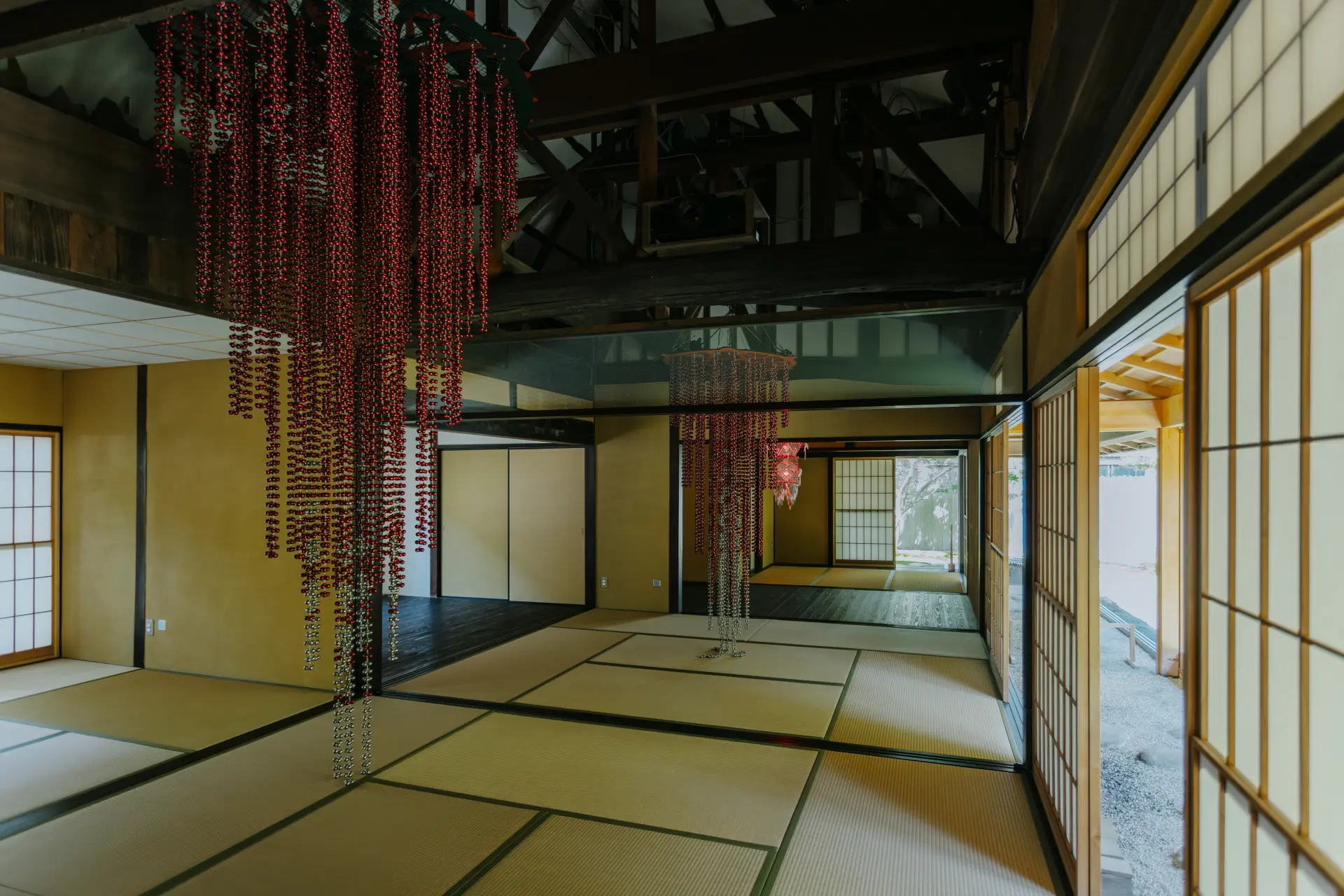
| Memory of Lines | Chiharu Shiota | Installs somen noodle-making machines used on Teshima, weaving them into the space with red thread. |
-
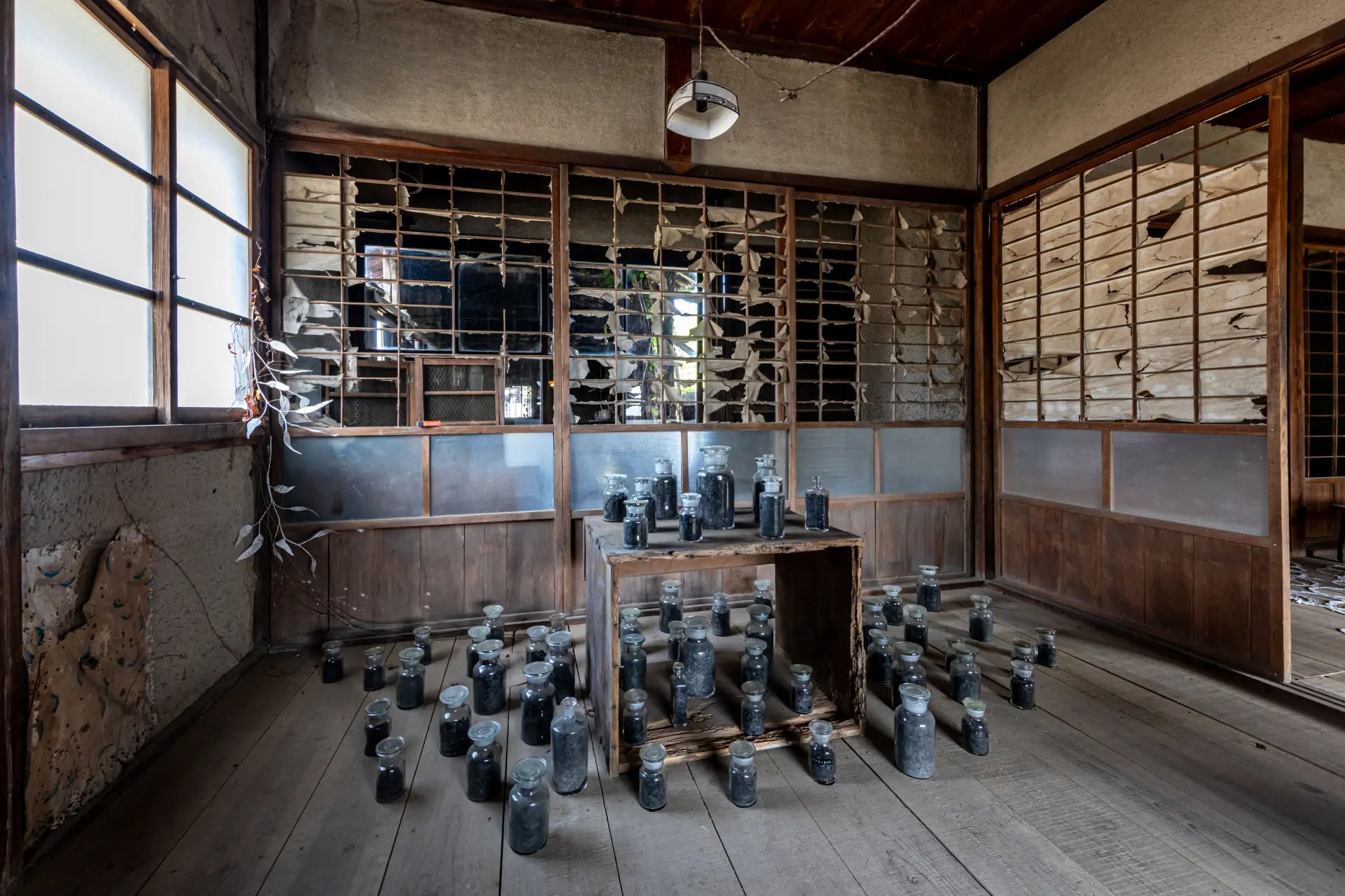
Jenna Lee “A Room Filled with Words Again” Photo: Shintaro Miyawaki
-
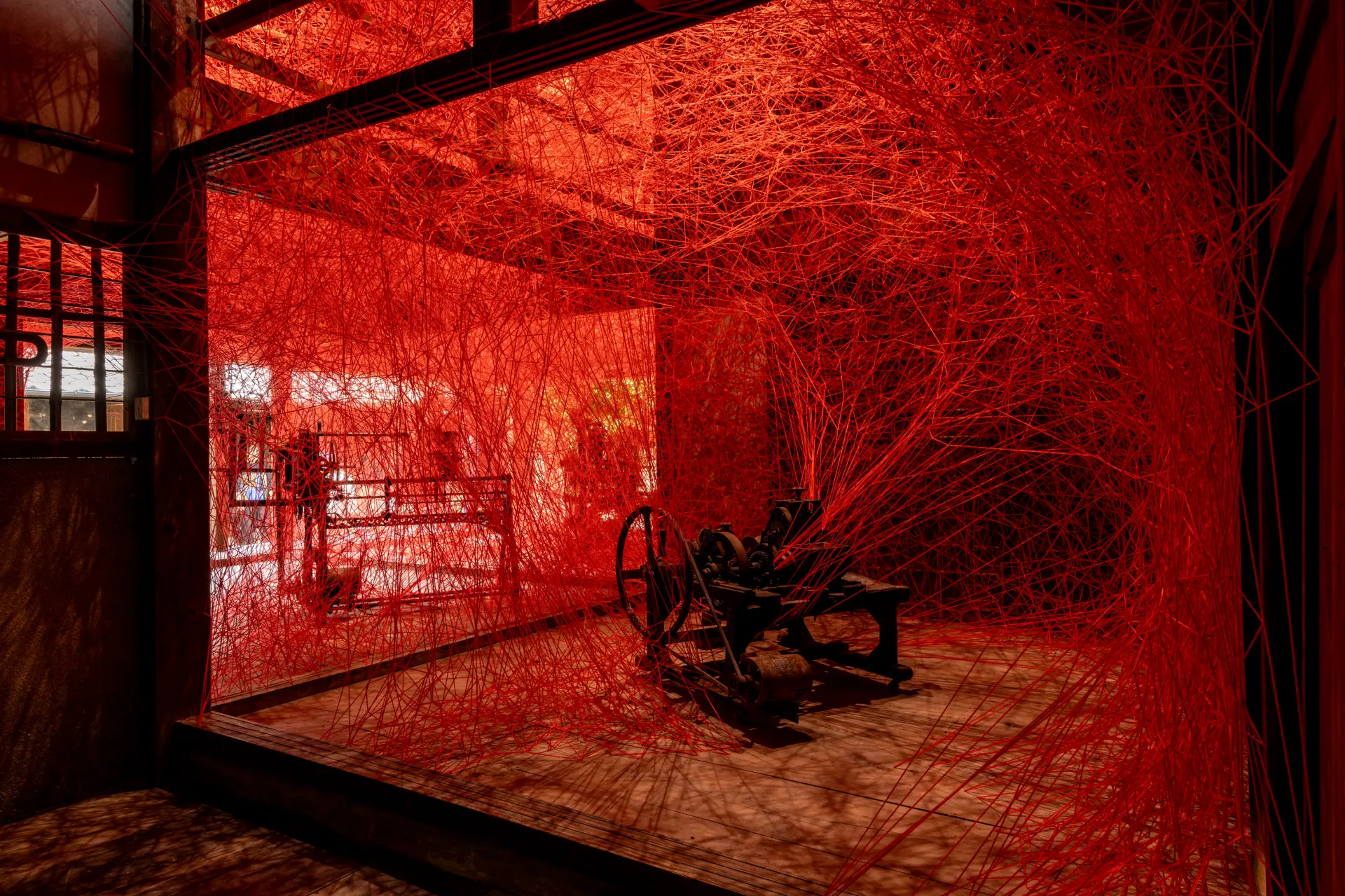
Chiharu Shiota “Memory of Lines” Photo:Shintaro Miyawaki
5. Megijima, said by some to be “Onigashima” from the Momotaro legend
Megijima is an island floating offshore from Takamatsu City, Kagawa Prefecture, with an area of Approx. 2.5 km² and a population of around 100.
In 1914, a cave was discovered at the summit of Mt. Washigamine, and after a theory was announced that Megijima was the “Onigashima” (Ogre Island) from the Momotaro legend, it began drawing many visitors.
The cave is open to the public as “Onigashima Great Cave,” featuring displays imagining how the ogres lived, plus art such as Kagawa’s traditional craft “onigawara” (ogre roof tiles) and cave wall paintings.
-
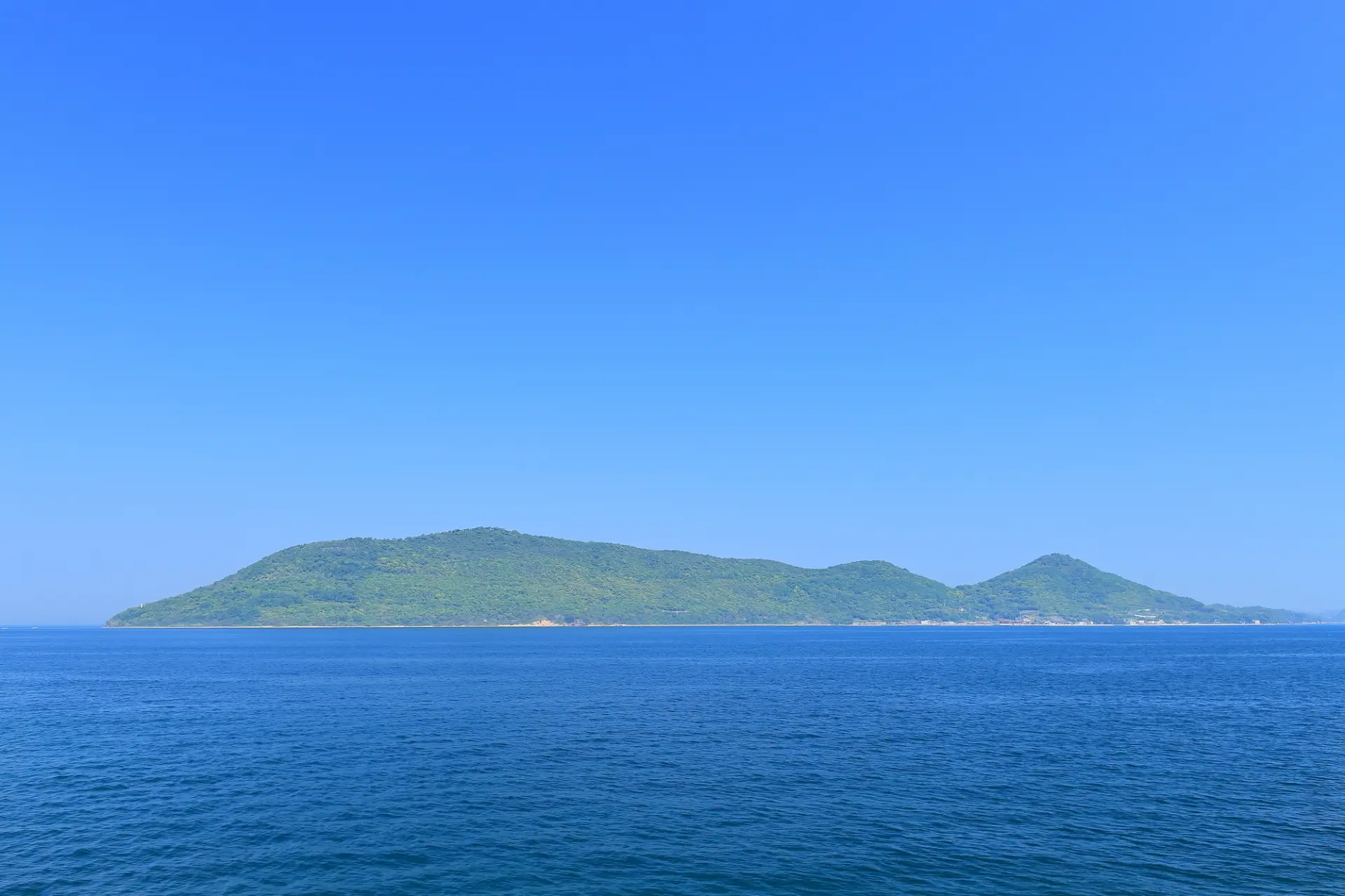
Megijima, said by some to be Onigashima from the Momotaro legend
-
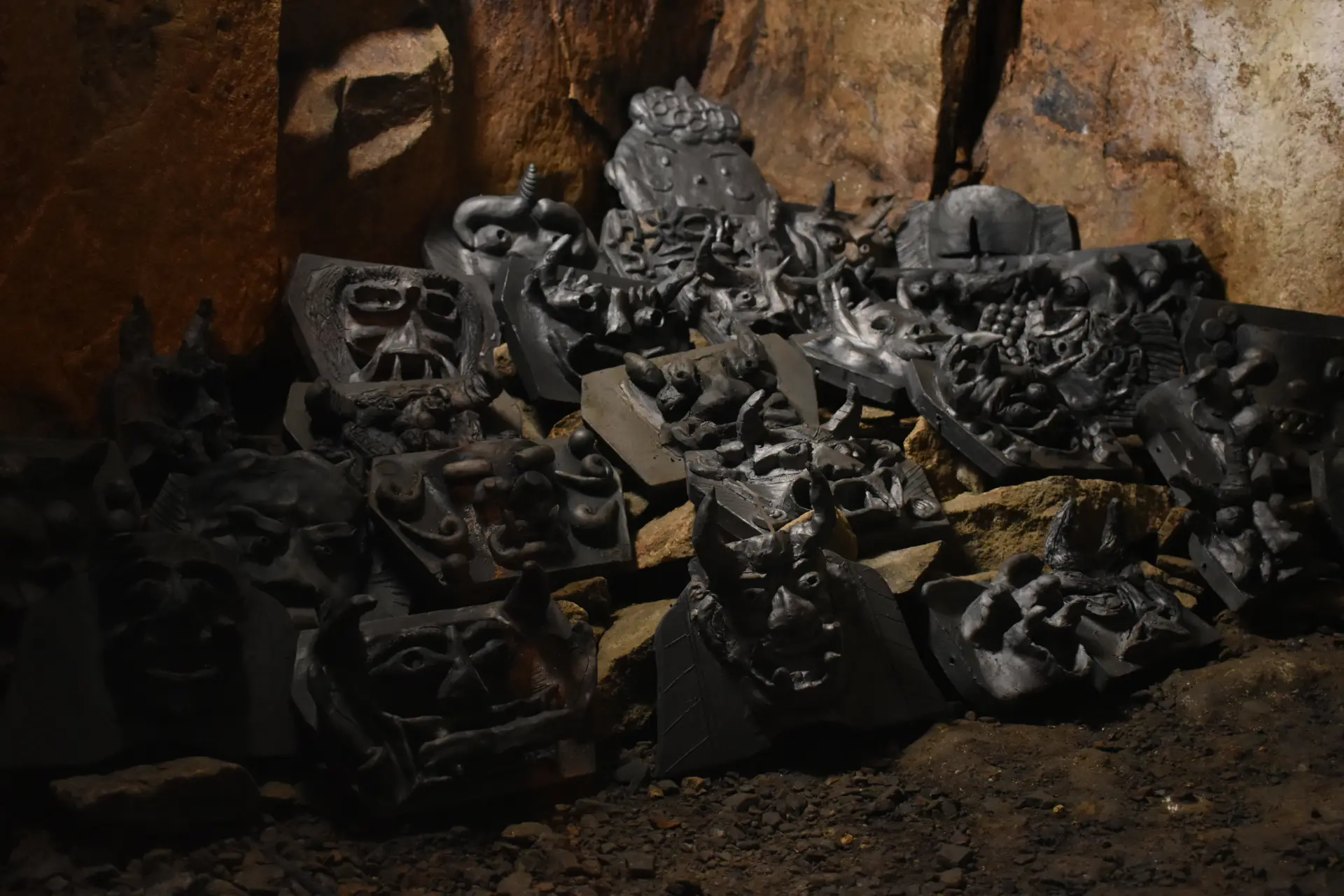
Oninoko Production “Oninoko Kawara Project 2”
-
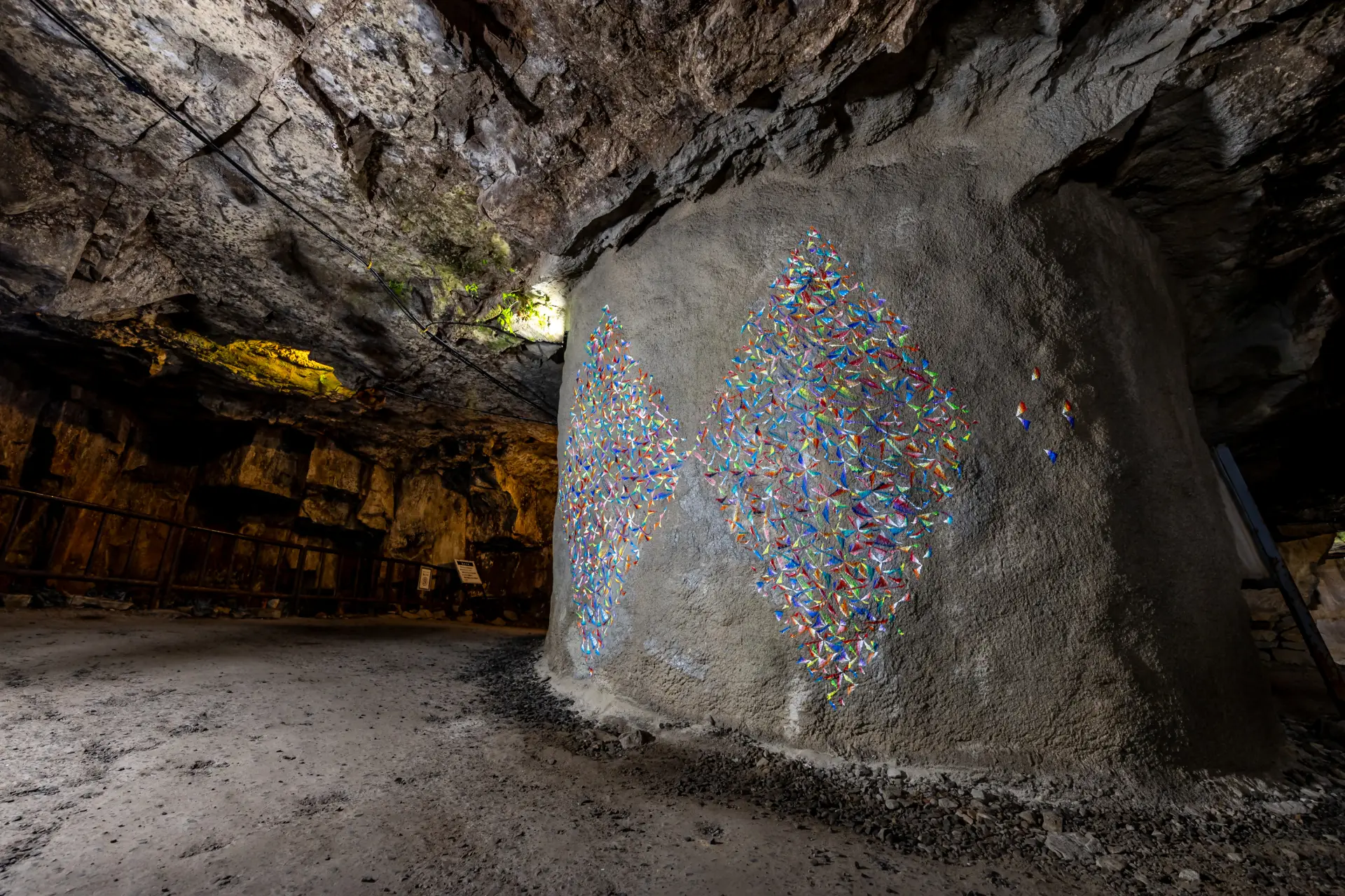
Goro Murayama “Generative Wall Drawing - Megijima / Onigashima Great Cave Murals” Photo: Shintaro Miyawaki
Access to Megijima and Transportation on the Island
Ferries from Takamatsu Port and Ogijima arrive at Megi Port on the island. From Takamatsu Port, it takes Approx. 20 minutes by ferry.
Buses run round-trip in sync with ferry arrivals/departures to “Onigashima Oninokan” (where artworks are displayed) and “Onigashima Great Cave.”
So after arriving by ferry, we recommend first taking the bus to Onigashima Great Cave.
Viewing Hours and Closures on Megijima
- Hours
- 9:20am – 4:30pm
- Closed on
- August 20, October 22, October 29
Artworks on Display on Megijima
Here’s a quick look at some artworks exhibited only during the festival.
Also worth noting is the “Small Shops Project” in the Megijima shopping street, where you can enjoy both art viewing and shopping.
| Title | Artist | Overview |
|---|---|---|
| The Stones Remember, and I Listen | Sarah Hudson | A series of paintings, sculptures, and video works inspired by stone walls—something shared between the artist’s roots in New Zealand’s islands and Megijima—tracing longing for islands and a sense of belonging at the same time. |
| Interpretation and Structure of Colors | Jakob Dahlgren | A work creating a small town of color and structure using various square objects that are no longer used on Megijima. |
| «Small Shops Project» Cafe Something Signs | Kaoru Harada |
Displays works exploring new perspectives on the boundary between reality and virtual space. During the festival, it is planned to operate as a café. |
-
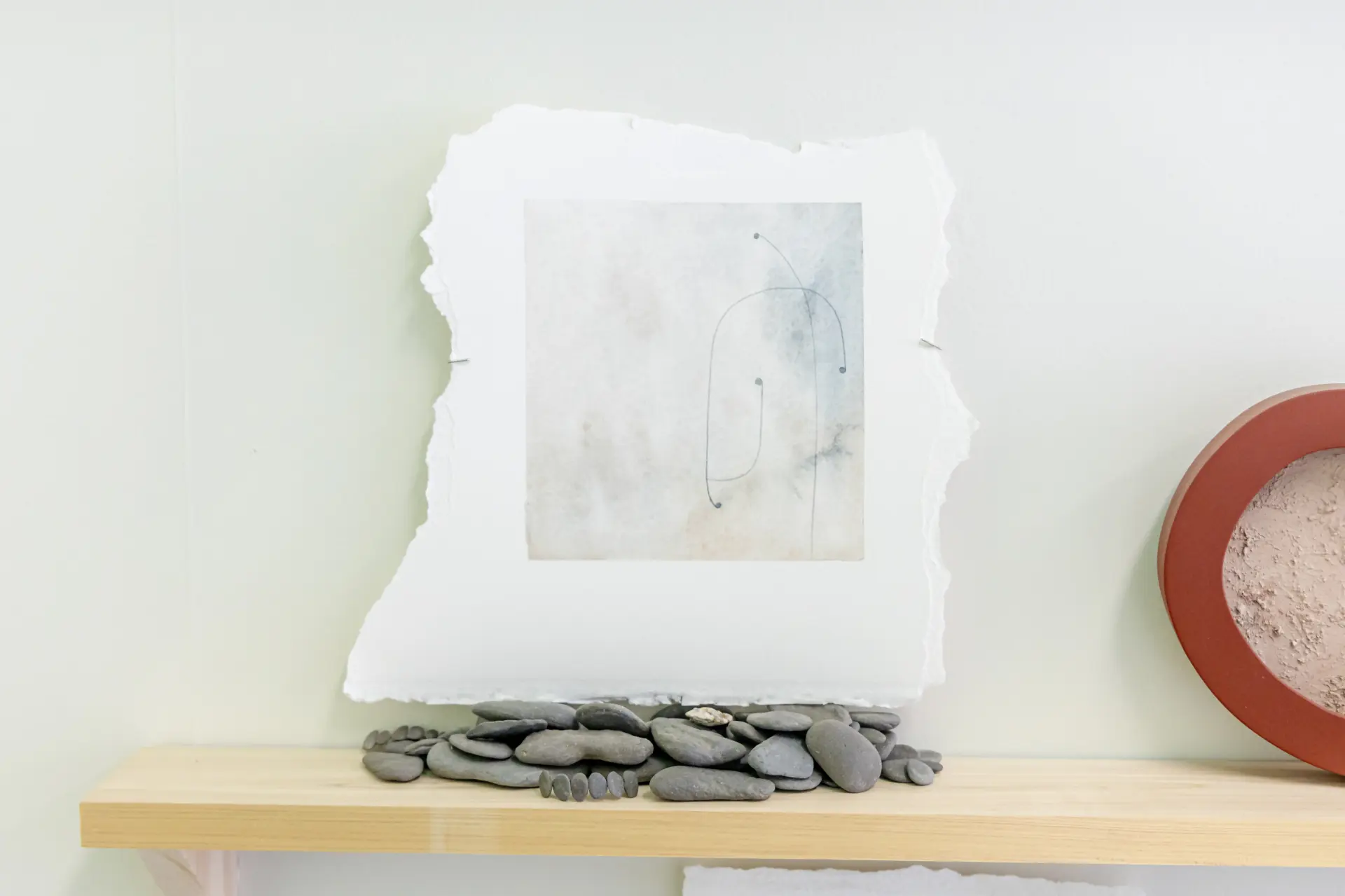
Sarah Hudson “The Stones Remember, and I Listen” Photo: Shintaro Miyawaki
-
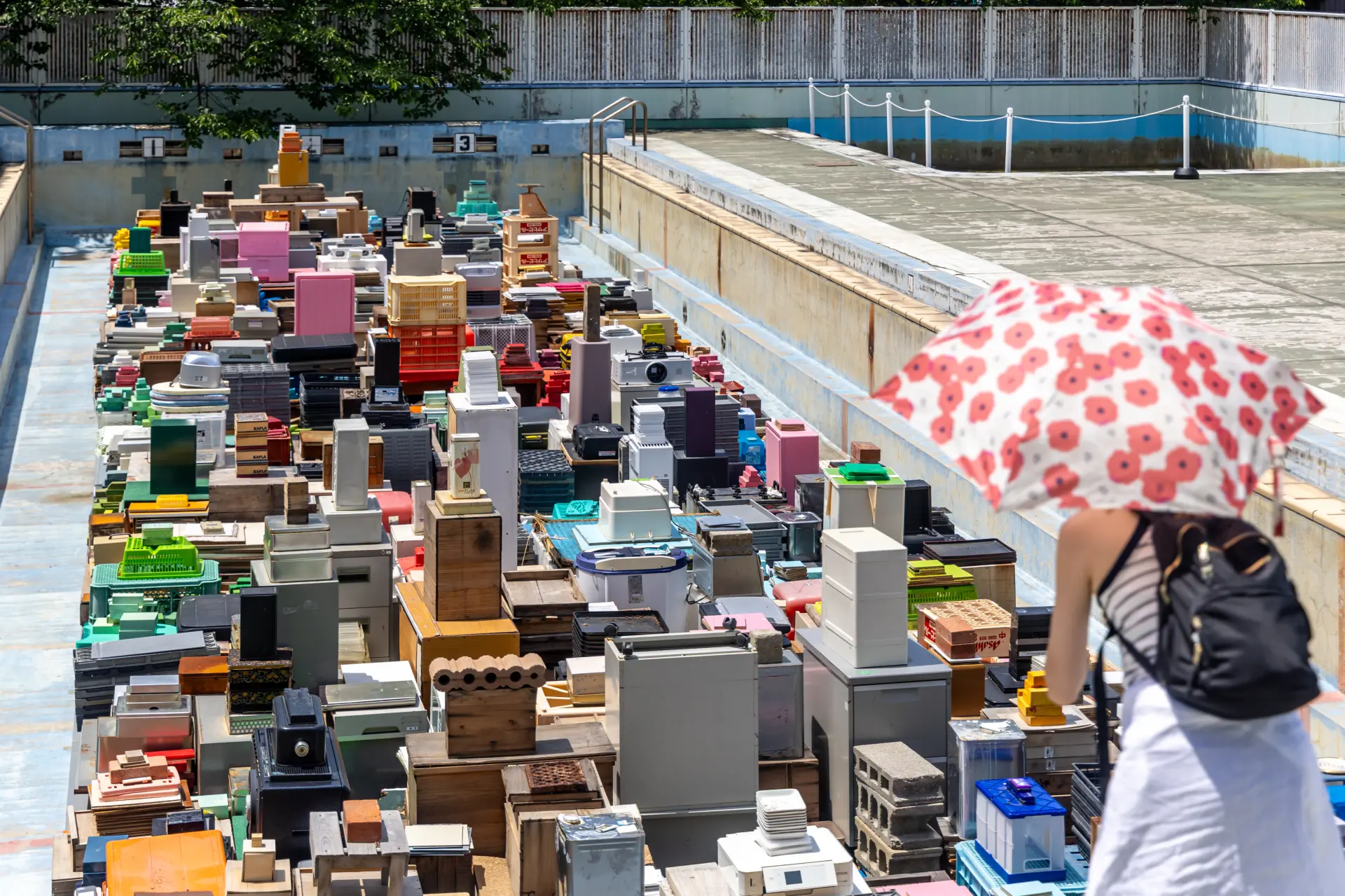
Jakob Dahlgren “Interpretation and Structure of Colors” Photo:Shintaro Miyawaki
-
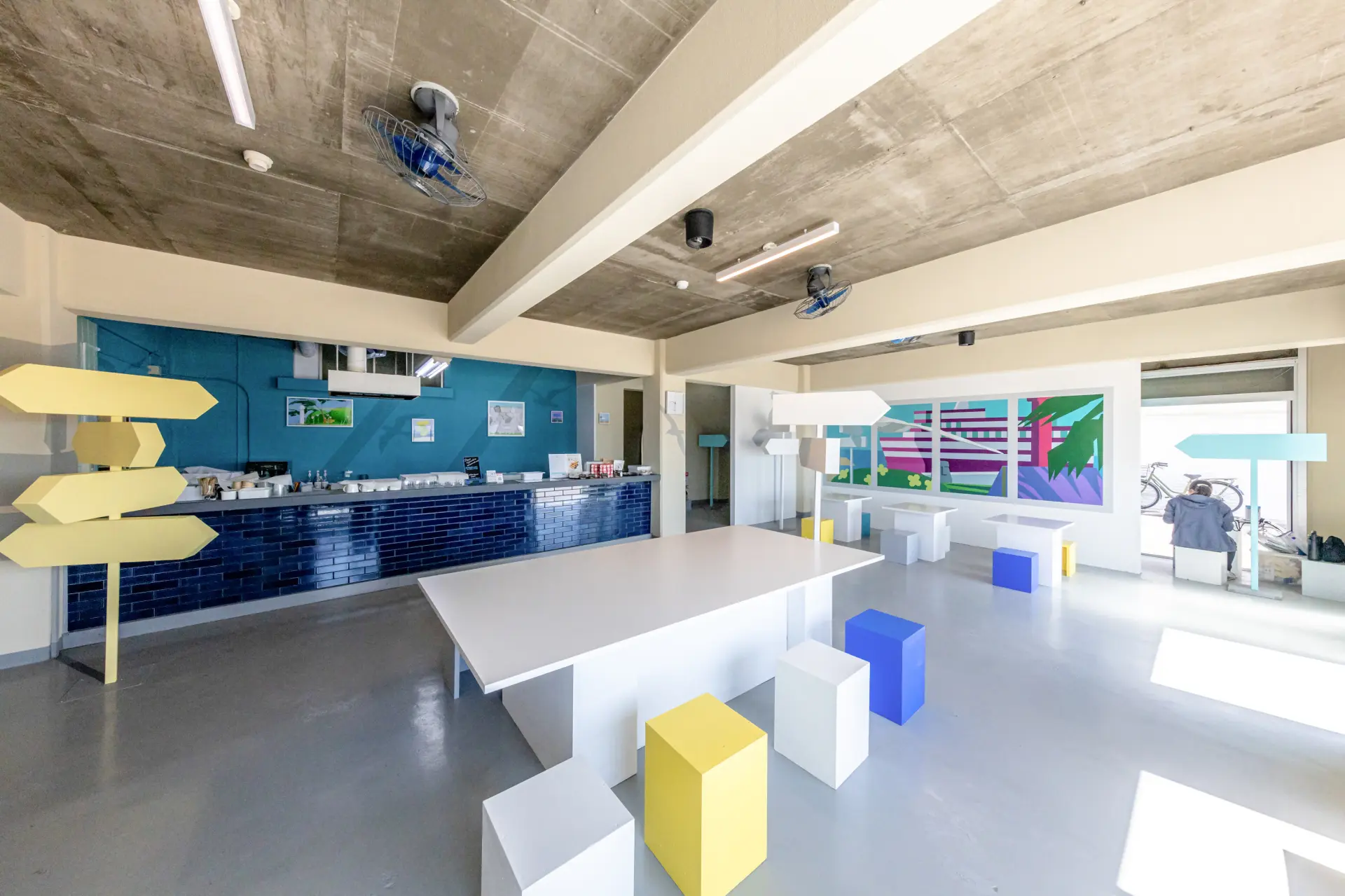
«Small Shops Project» Kaoru Harada “Cafe Something Signs” Photo: Shintaro Miyawaki
6. Ogijima, where the village creates a distinctive landscape
Ogijima lies about 1 km north of Megijima. It’s an island of Approx. 1 km² with a population of around 130.
In the island’s southwest, a hillside village forms a distinctive landscape.
Within the village, narrow paths and stairways crisscross like a maze, and cars can barely enter.
The unpainted stone lighthouse, standing Approx. 14 m tall, is rare nationwide and has even appeared in films.
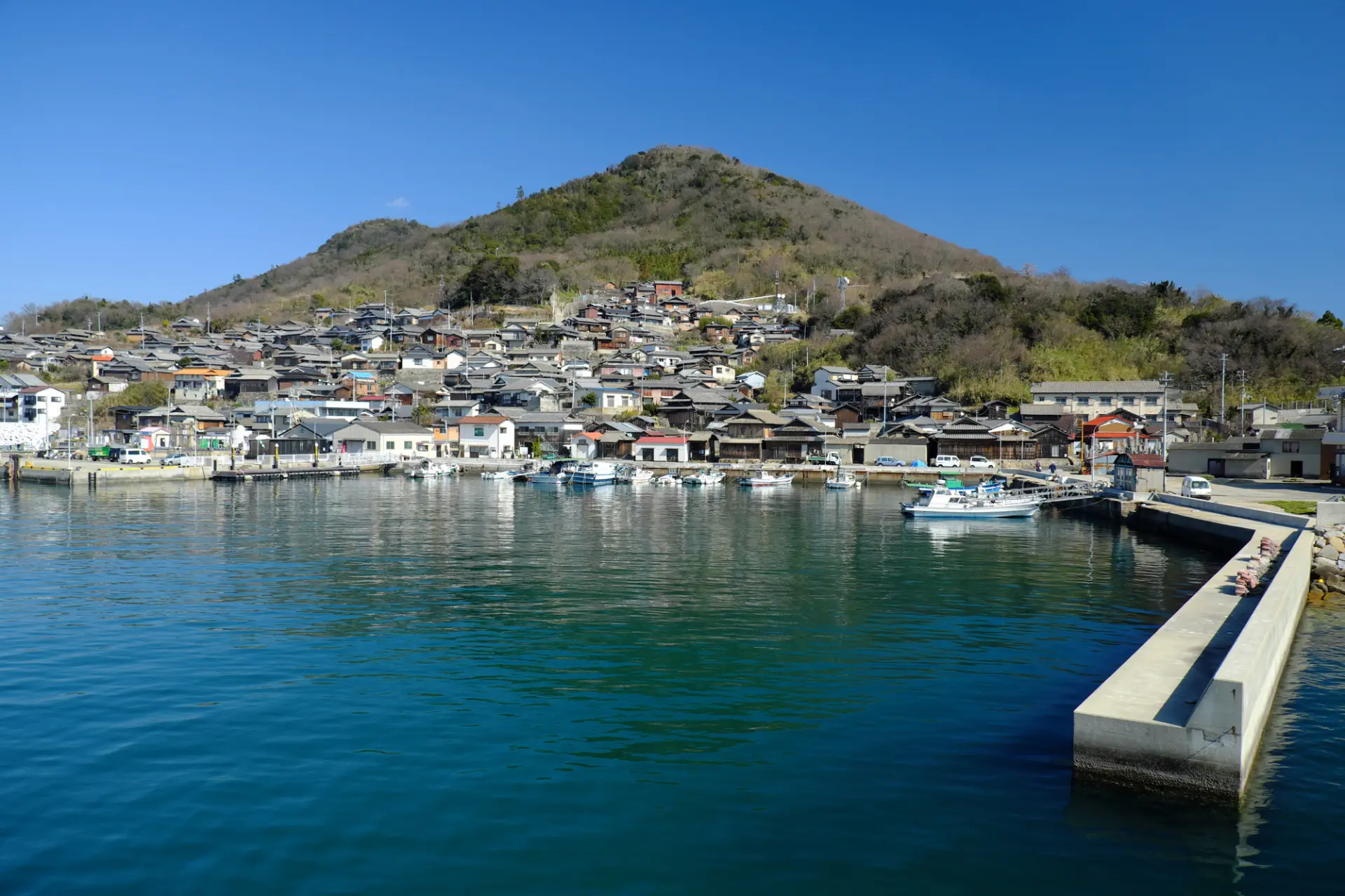
Access to Ogijima and Transportation on the Island
There is only one port on the island. From Takamatsu Port, it takes Approx. 40 minutes, stopping by ferry at Megijima along the way.
For that reason, we recommend visiting it together with Megijima.
There are no buses or taxis, so getting around is on foot only.
Most artworks are concentrated in the village area, so it likely won’t feel too inconvenient.
However, there are many steep slopes, so be sure to wear comfortable walking shoes.
Viewing Hours and Closures on Ogijima
- Hours
- 9:30am – 4:30pm
- Closed on
- August 20, October 22, October 29
Artworks on Display on Ogijima
Ogijima features 14 artworks. The sight of works scattered throughout the village is a must-see.
Here’s a quick look at some pieces you can only see during the festival.
| Title | Artist | Overview |
|---|---|---|
| Ogijima Future Project 2125: Ogijima Wheat and Future Archive | Showa 40 Nen Kai | In the Spring Season, it becomes the “Ogijima Wheat and Future Archive,” exhibiting a fictional 100-year history of Ogijima viewed from 100 years in the future, along with archival materials. In the Summer and Fall seasons, it will also screen video works. |
| Half Dreaming—The Me of the Future | Erina Matsui | Under the concept of “future Ogijima people,” the artist overlays 14 self-portraits by children attending the island’s elementary and junior high schools to create prints—bringing forth tomorrow’s “faces” no one has ever seen. |
| Our Island | Emily Fyffe |
A textile sculpture in the shape of Ogijima. The indigo fabric used is something strongly connected to the island. |
-
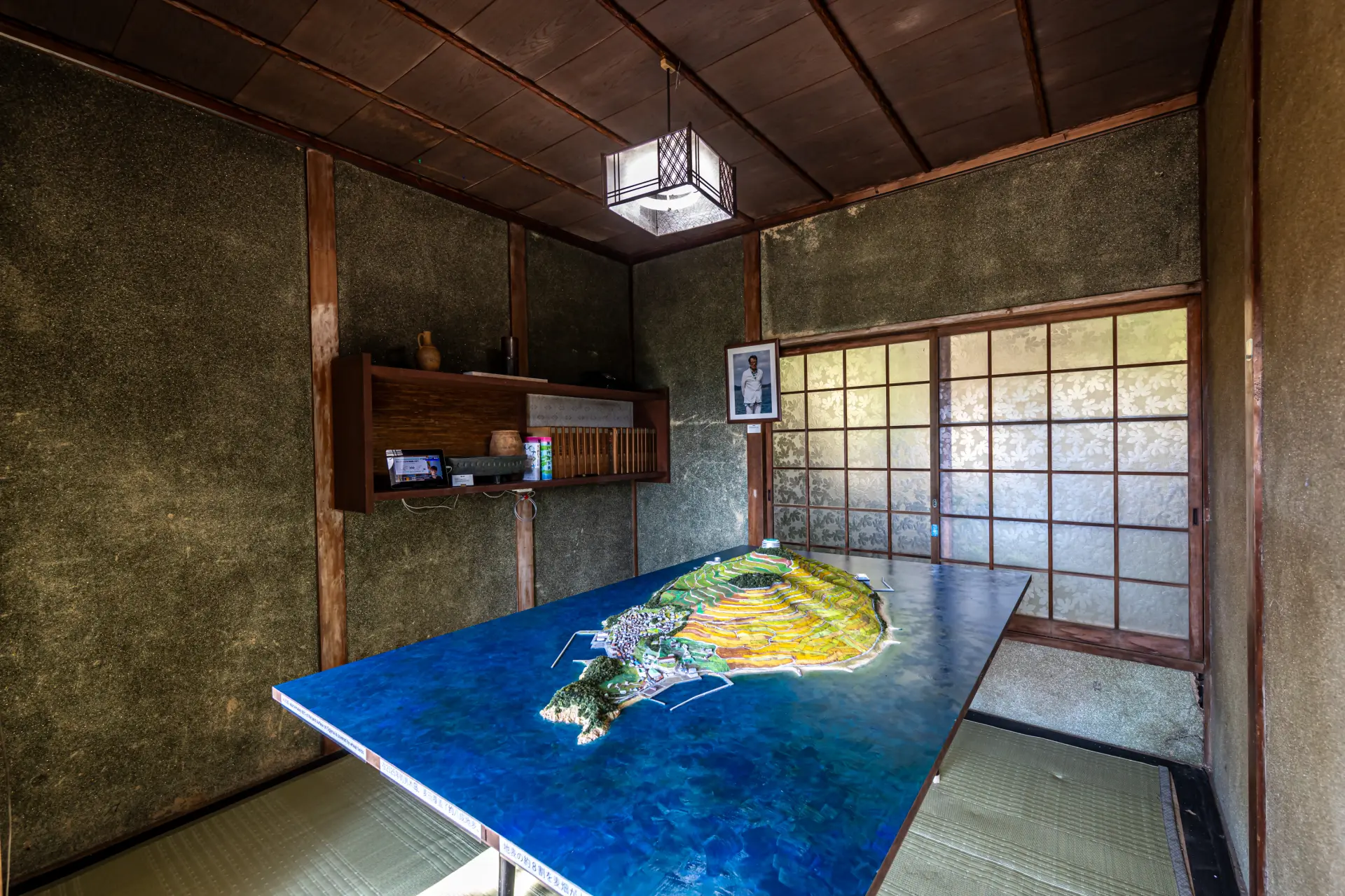
Showa 40 Nen Kai “Ogijima Future Project 2125: Ogijima Wheat and Future Archive” Photo: Shintaro Miyawaki
-
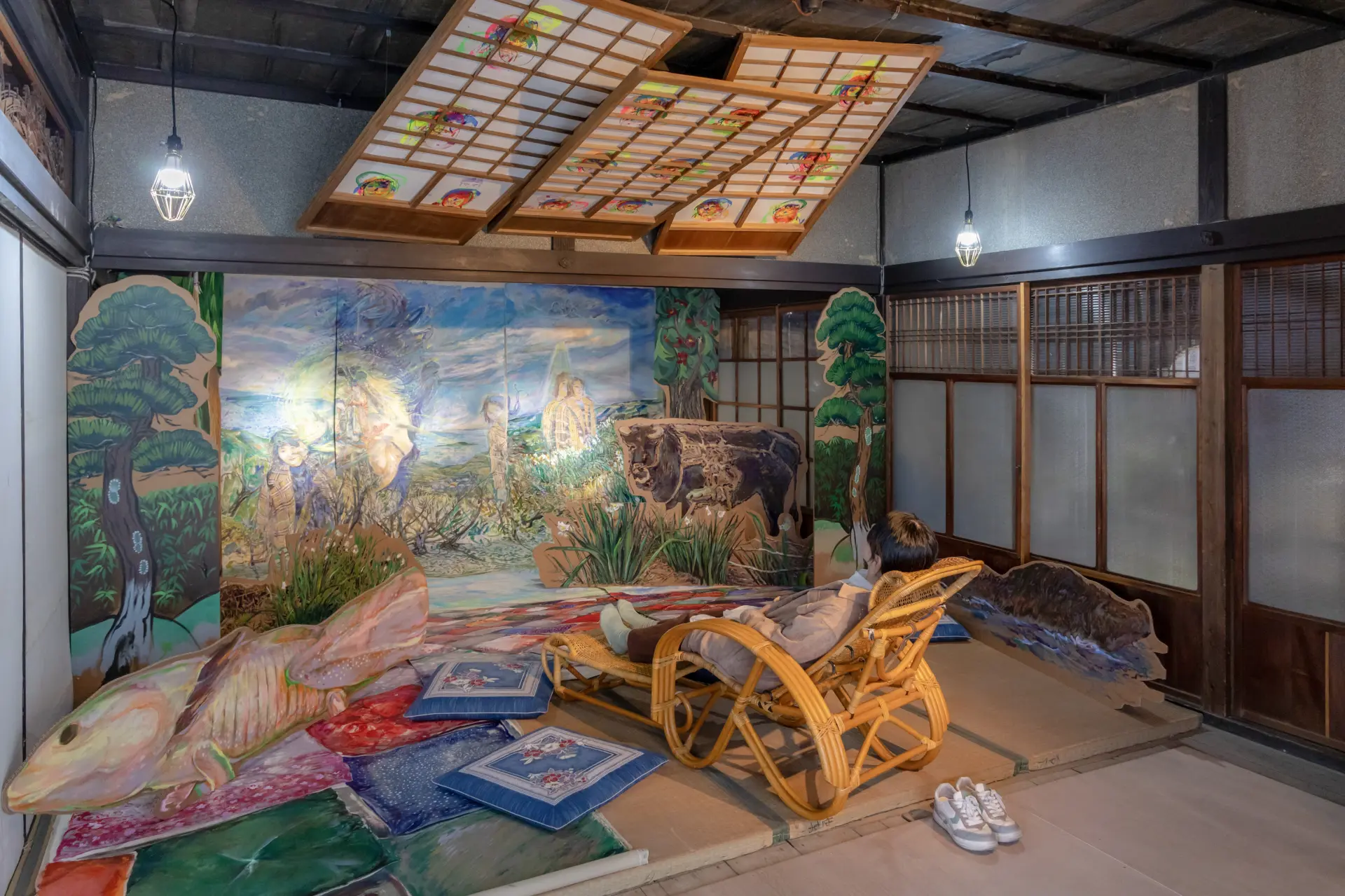
Erina Matsui “Half Dreaming—The Me of the Future” Photo:Shintaro Miyawaki
-
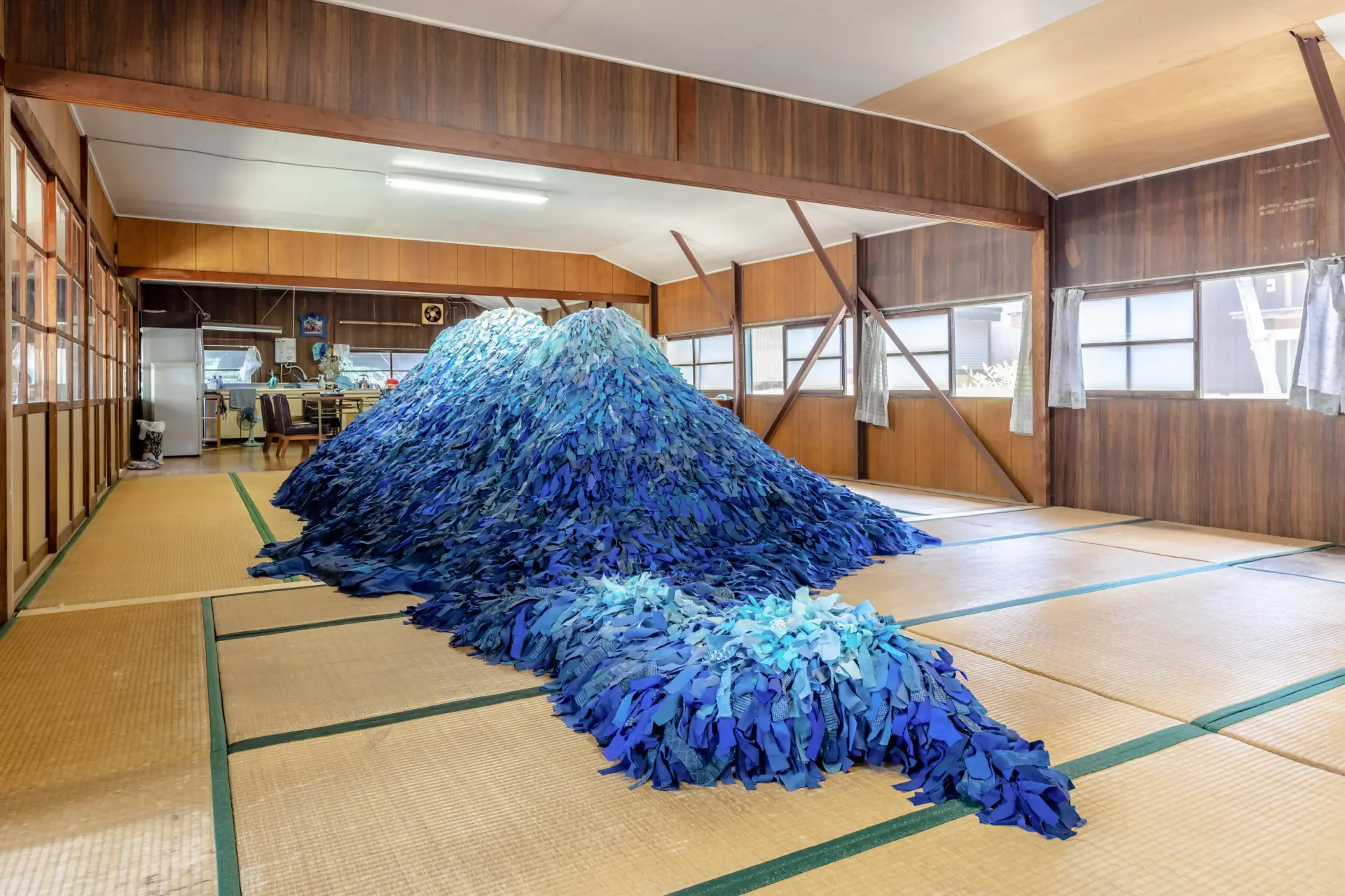
Emily Fyffe “Our Island” Photo: Shintaro Miyawaki
7. Shodoshima, dotted with a wide variety of sightseeing spots
Shodoshima is the largest venue area in the Setouchi Triennale, with an area of Approx. 153 km². It also has a relatively large population for an island, with around 26,000 residents.
With beautiful natural scenery and island-specific culture and industries, it’s also a popular travel destination.
Shodoshima is dotted with stunning viewpoints such as Kankakei Gorge, one of Japan’s three most beautiful gorges, and Angel Road, a sandbar path that appears from the sea only during low tide twice a day.
It also offers diverse attractions as a tourist destination, including traditional performing arts like Shodoshima Rural Kabuki, passed down for Approx. 300 years, and local foods featuring soy sauce, olives, and hand-stretched somen noodles.
Even outside the festival dates, you can see many artworks such as “Beauty at the Poles—An Endless Circle—,” inspired by Japanese lanterns, and the metal sculpture “Again …,” expressing Shodoshima’s nature-rich landscape.
-
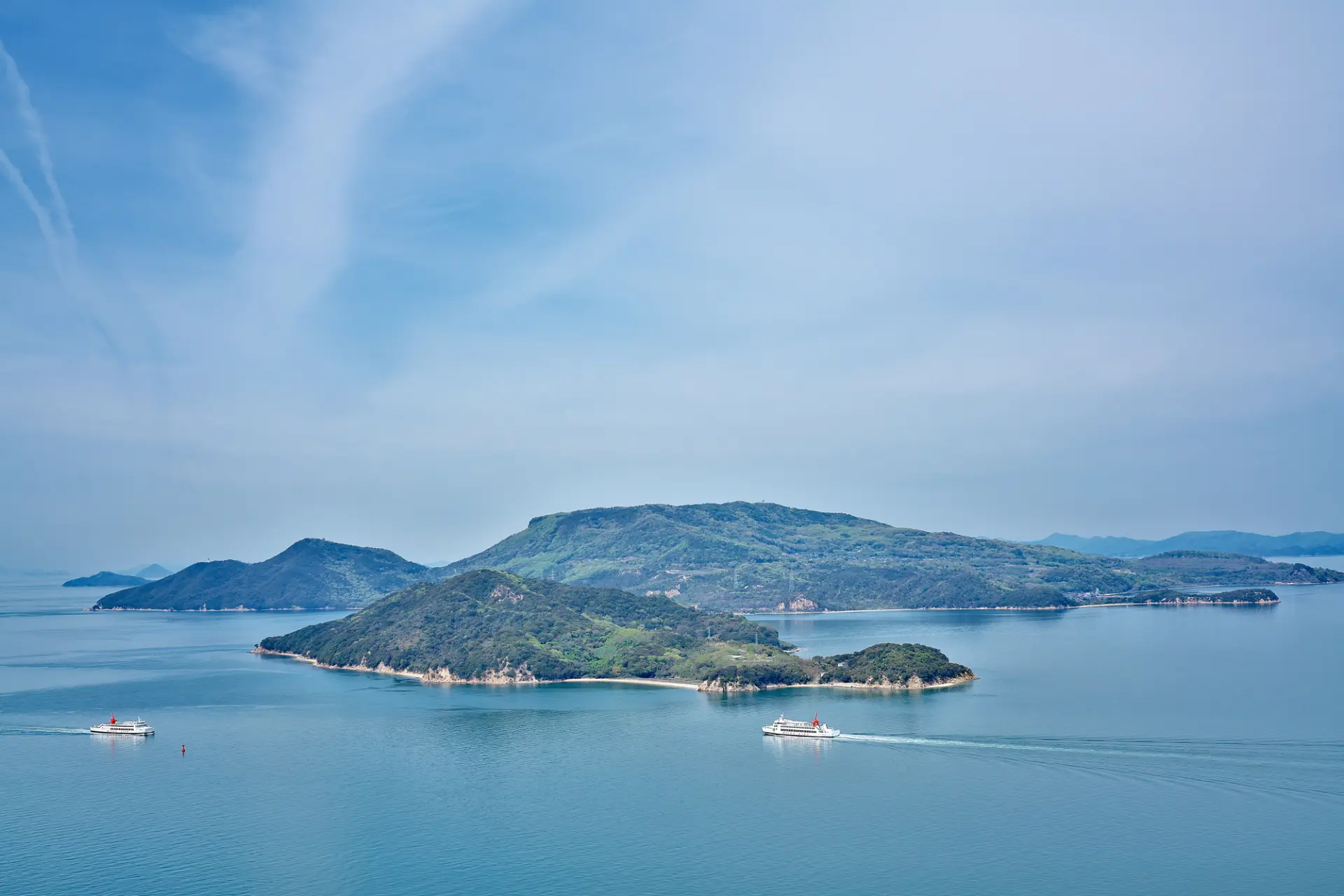
Shodoshima is also a popular travel destination with nature, culture, and industry
-
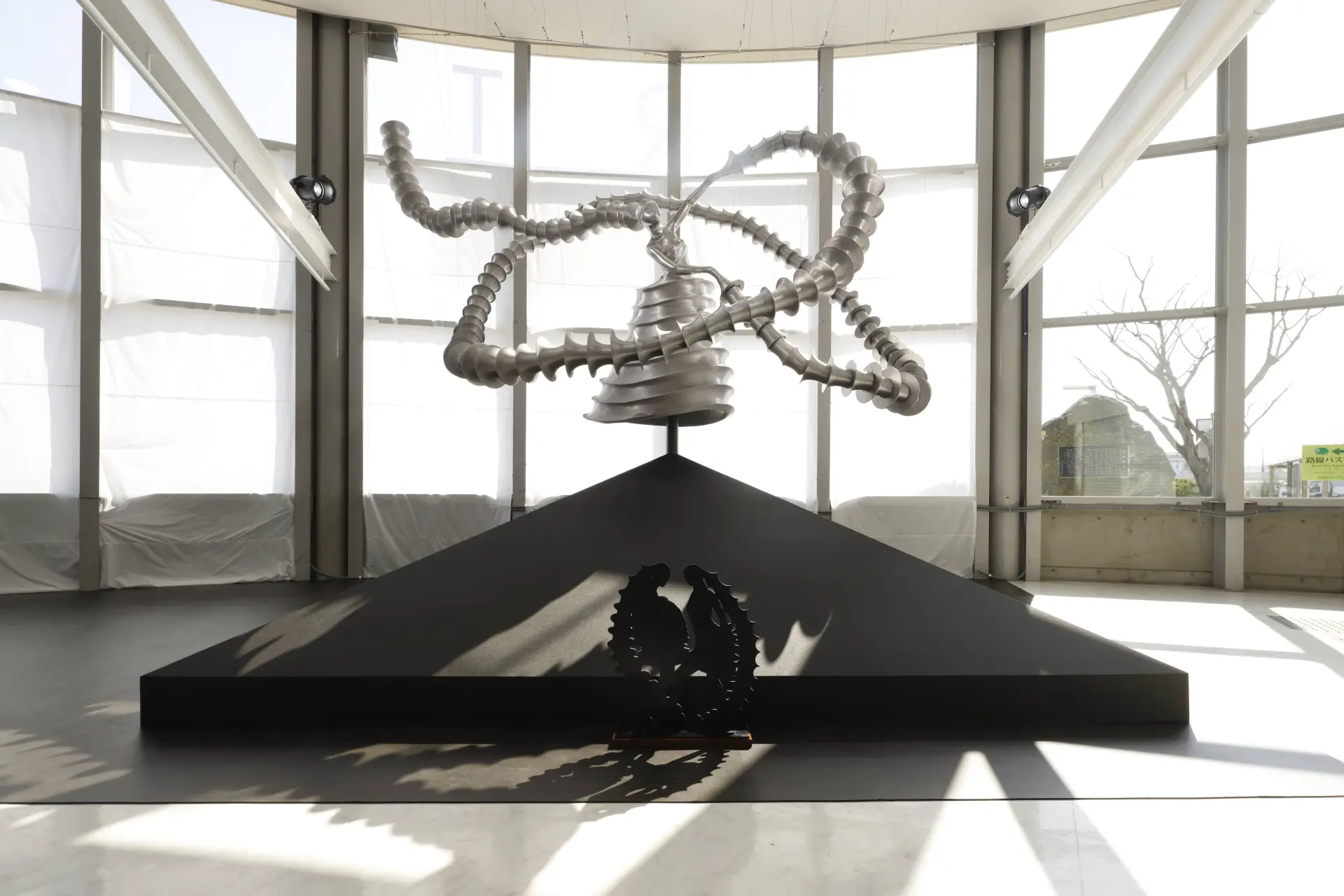
Junko Koshino “Beauty at the Poles—An Endless Circle—” Photo: Keizo Kioku
-
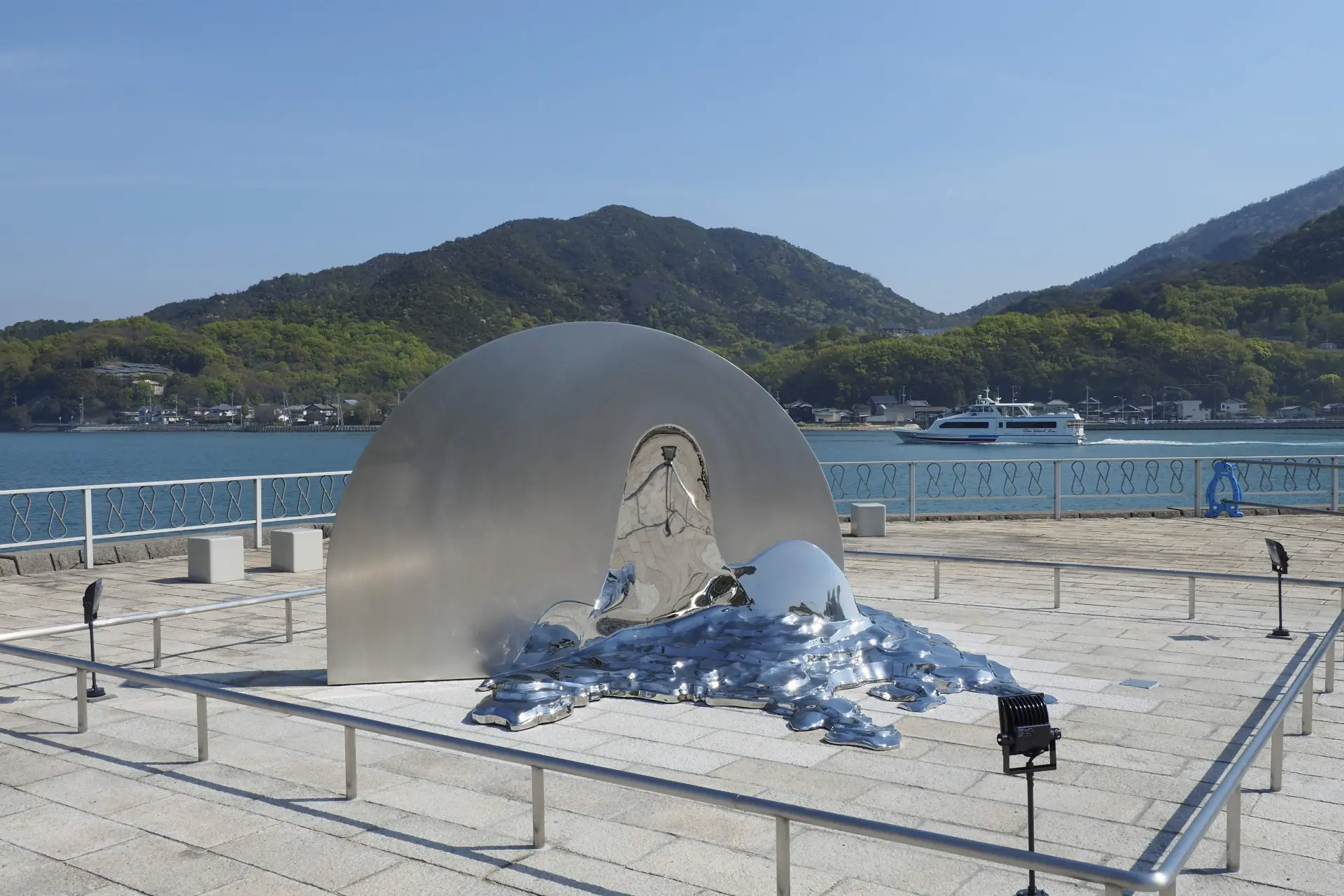
Kim Kyungmin “Again …” Photo: Keizo Kioku
Access to Shodoshima and Transportation on the Island
Shodoshima has multiple ports, but we recommend heading to Tonosho Port or Ikeda Port, which have more frequent services.
Since you’ll need to transfer ferries or passenger ships from Uno Port, access from Takamatsu Port is more convenient.
From Takamatsu Port to Tonosho Port, it takes Approx. 35 minutes by high-speed boat or Approx. 60 minutes by ferry.
Shodoshima has many bus routes, and during the festival, extra Triennale buses also operate.
So you can get around major spots and artworks using just buses and walking.
If you’re touring Shodoshima, we recommend buying the “1-Day Pass” that gives unlimited bus rides for one day, available through the official Setouchi Triennale app.
Viewing Hours and Closures on Shodoshima
- Hours
- Varies by artwork
- Closed on
- August 20, October 22, October 29
Artworks on Display on Shodoshima
Shodoshima has a large number of works on display, with a total of 40 artworks exhibited across the island.
Major works shown only during the festival include the following.
Also worth noting is the “Setouchi Asia Gallery,” a curated exhibition featuring artists from six countries.
In addition to the exhibition, you can also enjoy workshops by emerging artists and an on-site café.
| Title | Artist | Overview |
|---|---|---|
| A Ship Disappeared into the Golden Sea | Ryo Toyofuku | An old warehouse on Shodoshima is reborn as an undersea palace, covered with ponds, fountains, and gold-colored everyday items and shells. |
| Sea Vessel | Nobuho Nagasawa |
A work that visually expresses pulsation using a boat woven with optical fiber. Viewers can lie down inside the boat. |
| Embrace, Shodoshima | Wang Wen-Chih [王文志] | A work reflecting Shodoshima’s diverse charms, created with the wish that people from around the world can make their way to Shodoshima. |
-
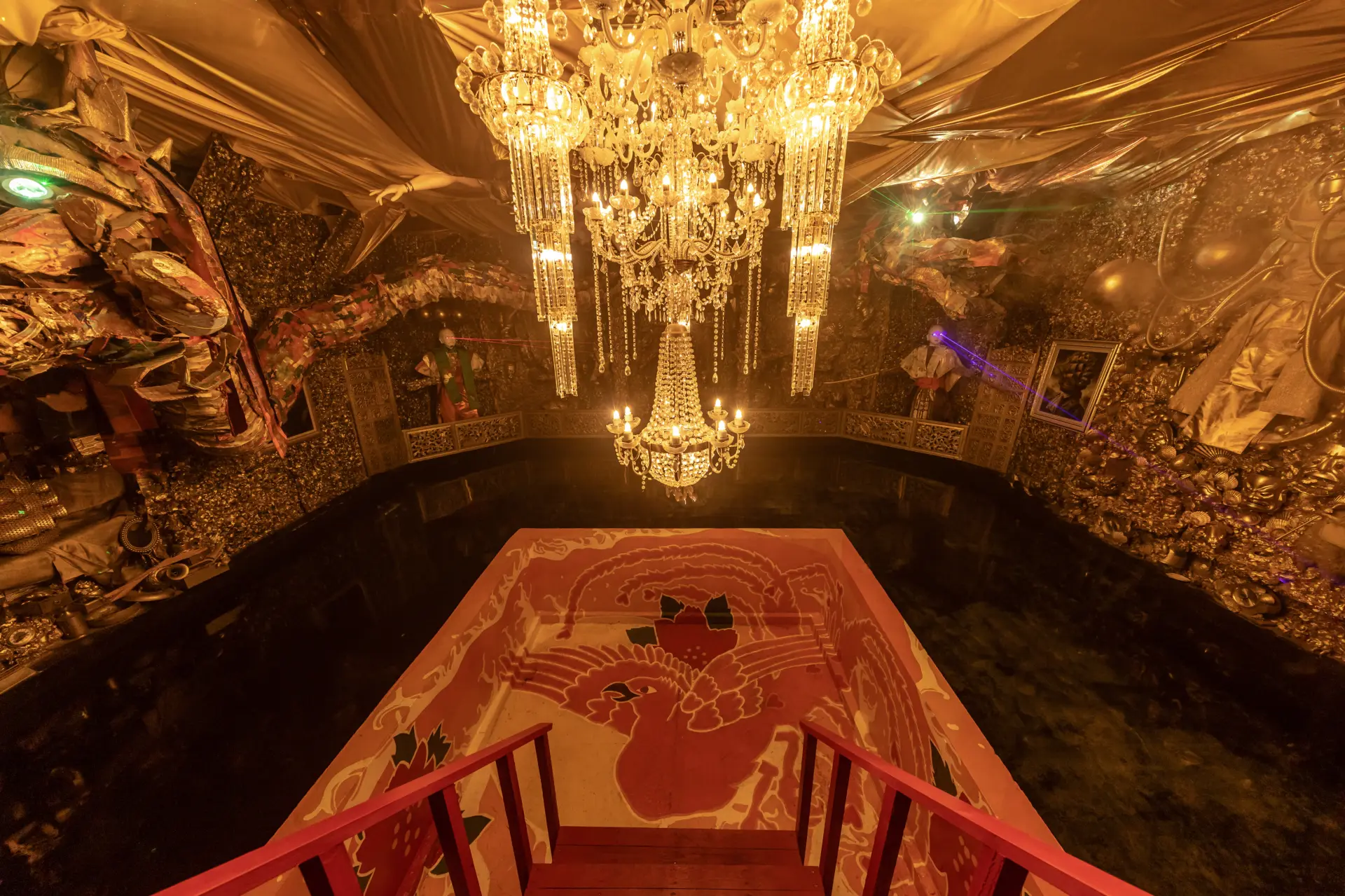
Ryo Toyofuku “A Ship Disappeared into the Golden Sea” Photo:Shintaro Miyawaki
-
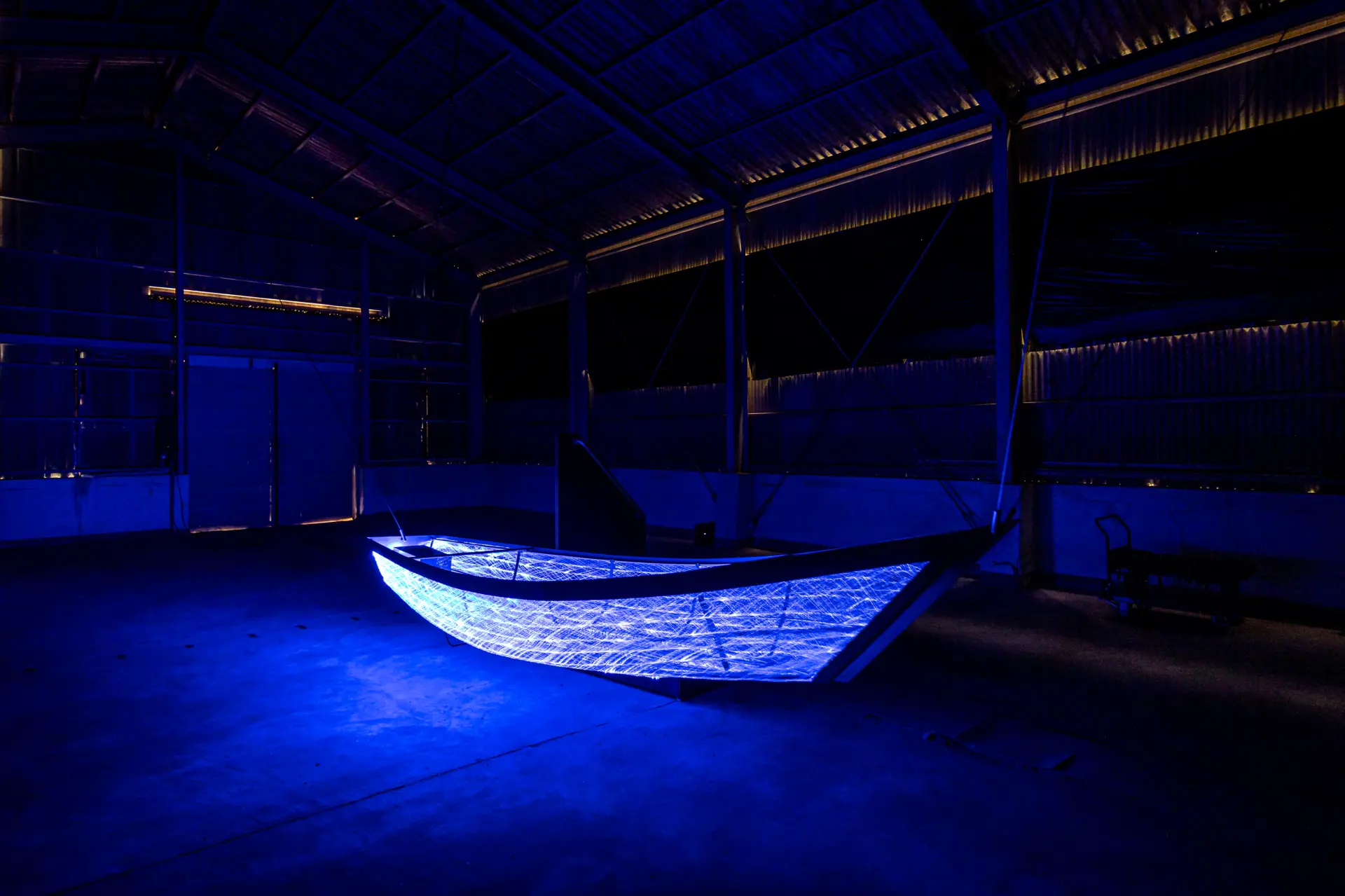
Nobuho Nagasawa “Sea Vessel” Photo:Shintaro Miyawaki
-
![Wang Wen-Chih [王文志] “Embrace, Shodoshima” Photo: Shintaro Miyawaki](https://static.gltjp.com/glt/data/article/22000/21079/20250724_171746_c2885ebd_w1920.webp)
Wang Wen-Chih [王文志] “Embrace, Shodoshima” Photo: Shintaro Miyawaki
8. Oshima, with a history of forced isolation of Hansen’s disease patients
Oshima is a small island of Approx. 0.62 km² floating just east of Ogijima and Megijima.
In 1909, the National Sanatorium Oshima Seishoen was established to house Hansen’s disease patients, and residents were forcibly isolated there until 1969.
Even afterward, discrimination and prejudice continued, and former patients who had no choice but to give up reintegrating into society still live at the sanatorium.
Since the first edition, the Setouchi Triennale has continued efforts to share accurate knowledge about Hansen’s disease and convey Oshima’s history.
There are also many works you can view outside the festival, such as “Blue Sky Aquarium,” which transforms buildings once used by residents into a pop-up picture book inspired by Oshima’s history.
-
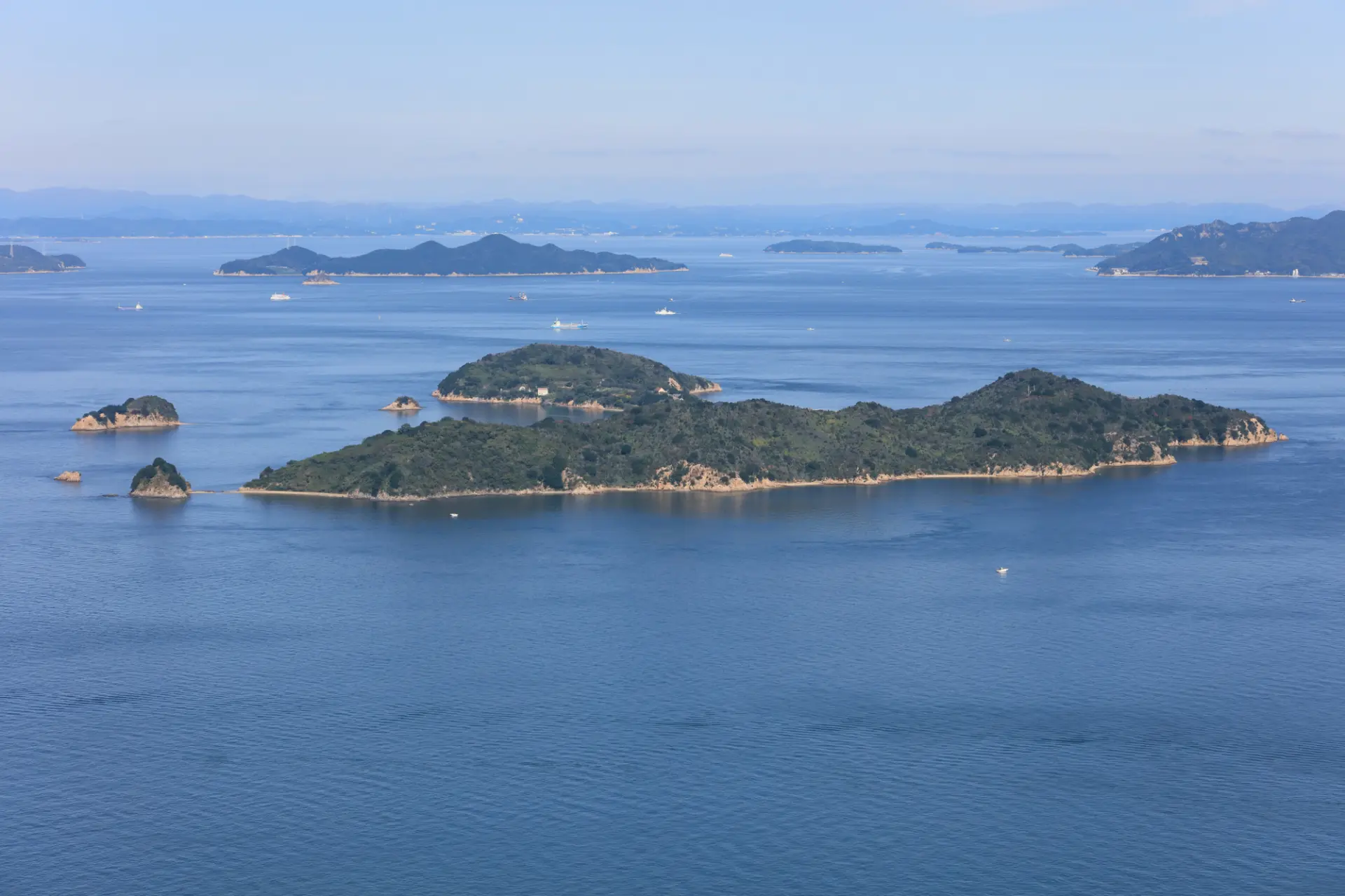
The small island of Oshima, Approx. 0.62 km²
-
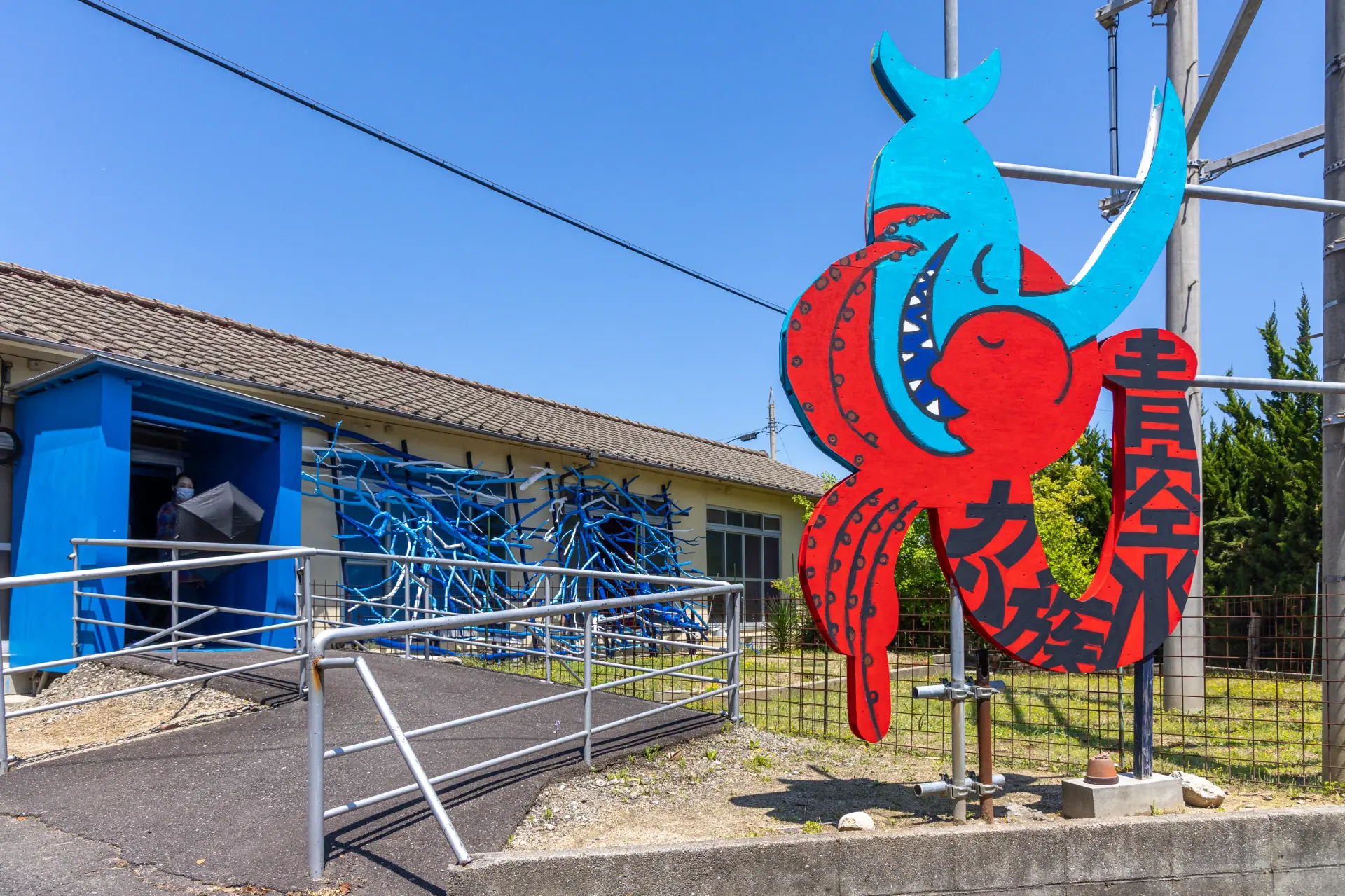
Seizo Tashima “Blue Sky Aquarium” Photo: Shintaro Miyawaki
Access to Oshima and Transportation on the Island
From Takamatsu Port to Oshima Port, it takes Approx. 30 minutes by passenger ship.
For the health of those living at Oshima Seishoen, please disinfect your hands when boarding, and on the ship, wear a mask and refrain from talking.
There are no buses on the island, so getting around is on foot only.
After you arrive, we recommend first joining the free “Koebi-tai” guide to learn about Oshima’s history.
Viewing Hours and Closures on Oshima
- Hours
- 10:30am – 3:45pm
- Closed on
- August 6, August 20, October 4, October 22, October 29
Artworks on Display on Oshima
Oshima features 14 artworks.
All of them offer ways to engage with Oshima’s history and the history of Hansen’s disease through art.
Here are a few highlights.
| Title | Artist | Overview |
|---|---|---|
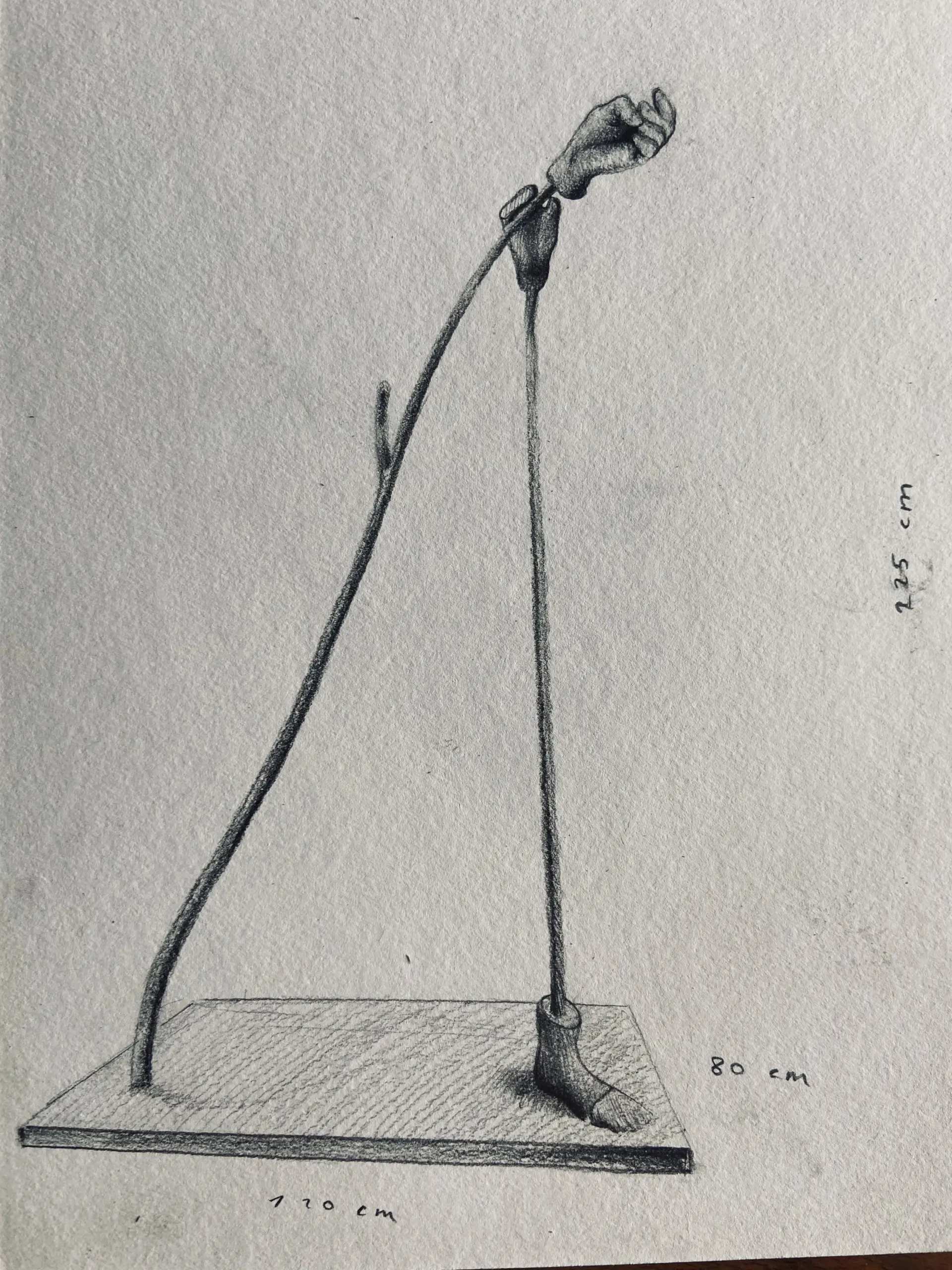
| Branches and Canes (Monument to Mutual Support) | Nikita Kadan |
Two black bronze rods resembling thin branches are paired, and at the top where they meet, sculptures of two clasped hands and supporting feet are installed. It commemorates the island’s tragic history and the community of people forced to live here against their will. |
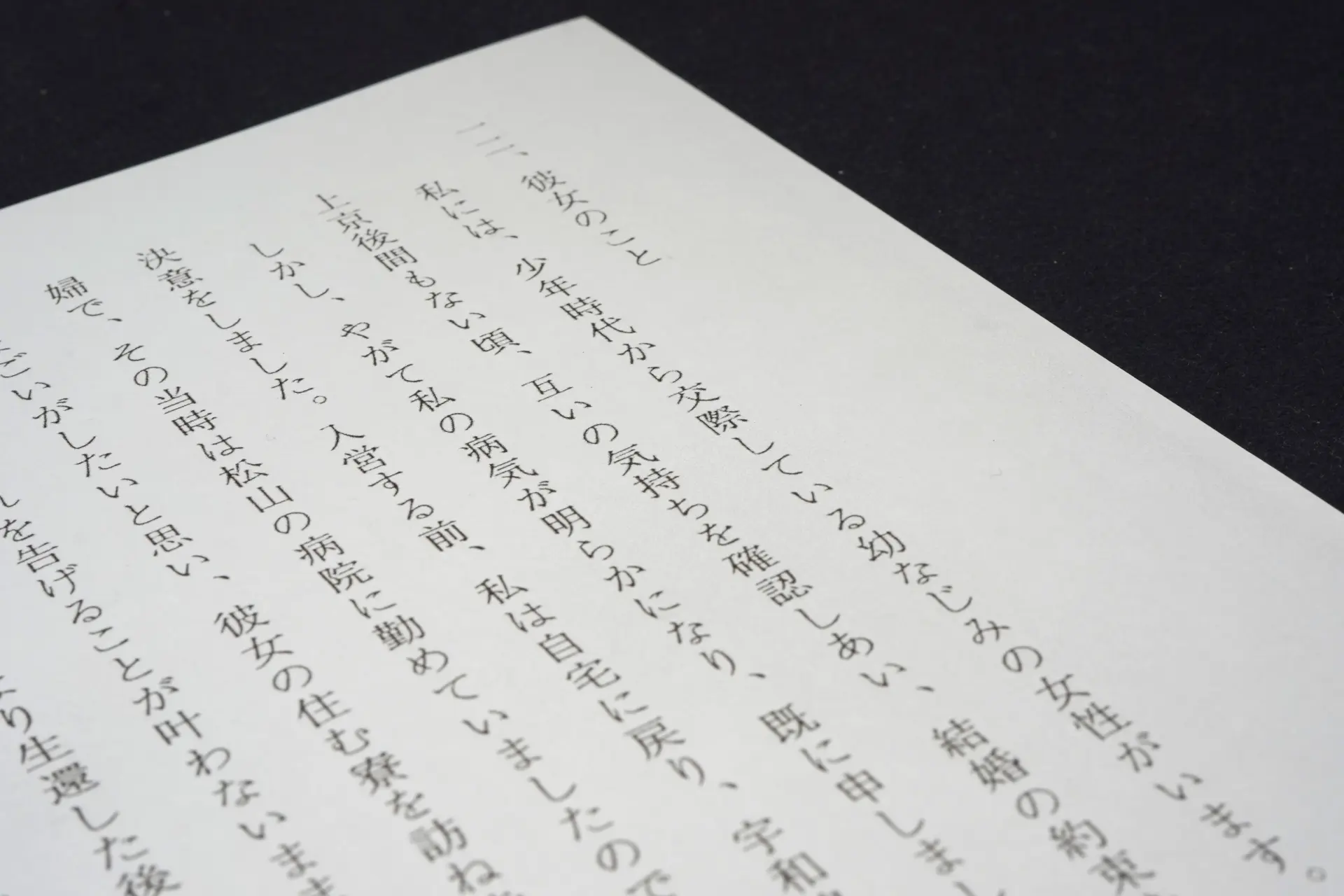
| We Became Husband and Wife, as If It Were Only Natural | Fuyuki Yamakawa | Makes visible the emotional bond that endured for a lifetime across the boundary of isolation, between the poet Masaiwa Mō and a woman in Oshima. |
9. Inujima, home to ruins recognized as a modern industrial heritage site
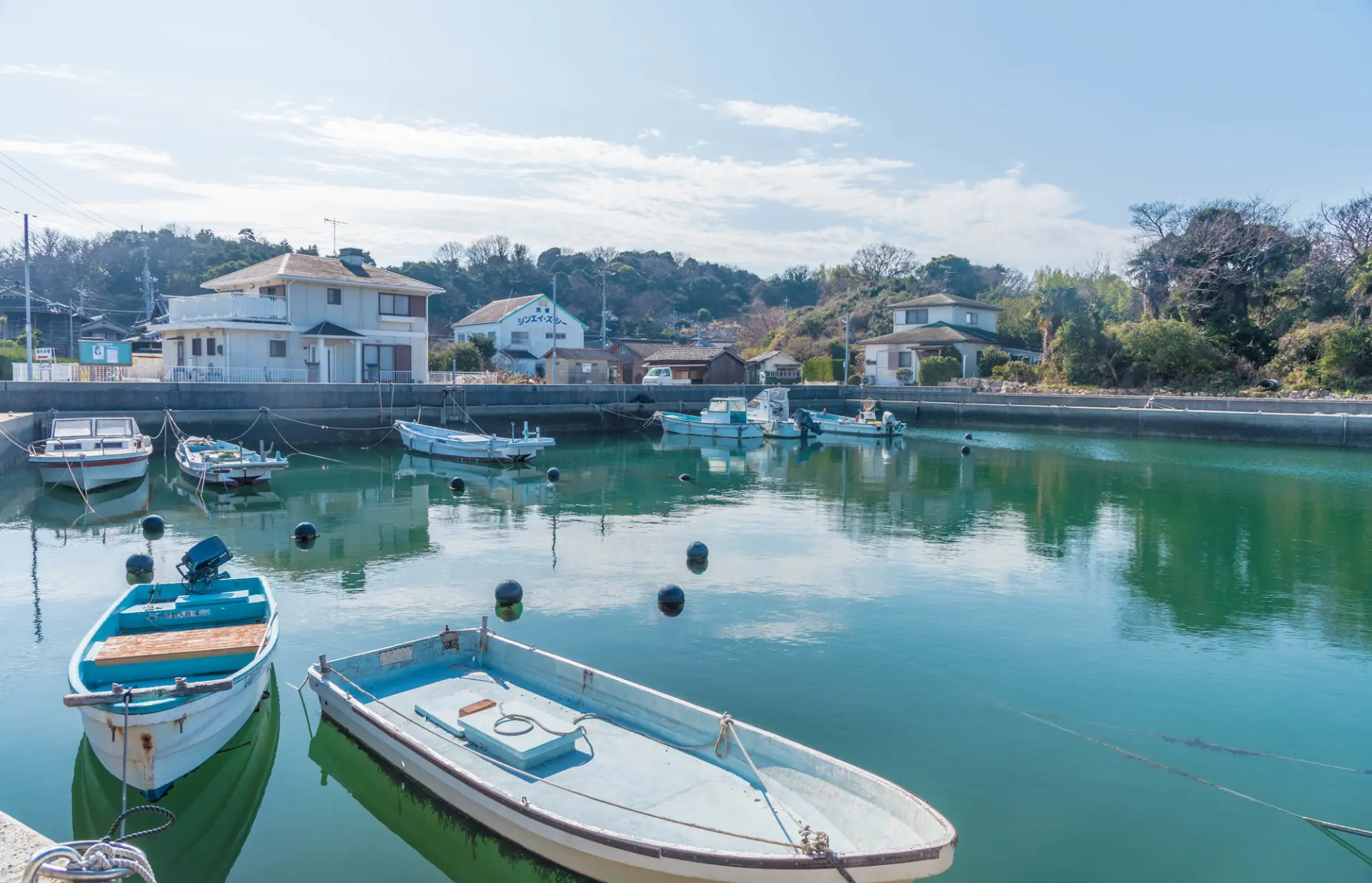
Inujima is the only inhabited island in Okayama City, Okayama Prefecture. It’s a small island of 0.54 km² with around 30 residents.
Stone quarrying flourished in the 1600s, and the island prospered after a refinery was built in 1909. But the refinery closed after just 10 years, and the population rapidly declined.
The refinery ruins have been preserved as a “modern industrial heritage” site and are used as a museum.
Access to Inujima and Transportation on the Island
There is only one port on the island: Inujima Port. You can reach it in Approx. 10 minutes by high-speed boat from Hoden Port in Okayama City. It’s also accessible from Naoshima, Teshima, Shodoshima, and other islands.
Since you can’t access Inujima directly from Takamatsu Port or Uno Port—key starting points for the Setouchi Triennale—we recommend visiting it together with Naoshima, Teshima, or Shodoshima.
There are no buses on the island, but it’s small enough to explore comfortably on foot.
Viewing Hours and Closures on Inujima
- Hours
- Varies by artwork
- Closed on
-
Tuesdays
*If Tuesday is a public holiday, closed the next weekday
Artworks on Display on Inujima
Inujima has 10 artworks scattered around the island.
All of them can be enjoyed outside the festival dates as well.
Be sure to check out the Inujima “Art House Project,” where contemporary art blends into the island village.
| Title | Artist | Overview |
|---|---|---|
| Inujima Seirensho Art Museum | Yukinori Yanagi |
A museum that utilizes the ruins of a copper refinery. It consists of architecture by Hiroshi Sambuichi and artwork by Yukinori Yanagi inspired by Yukio Mishima. |
| Inujima Life Garden | Kazuyo Sejima |
Revives land that had long gone unused as a botanical garden rooted in Inujima’s climate and culture. Through diverse programs, you can experience “everything plants can do.” |
| Inujima “Art House Project” S House / Contact Lens | Akika Kojin |
Inside S House, enclosed by transparent acrylic walls, countless circular lenses of various sizes float. They reflect the surrounding greenery, people’s daily lives, and the village scenery. |
-
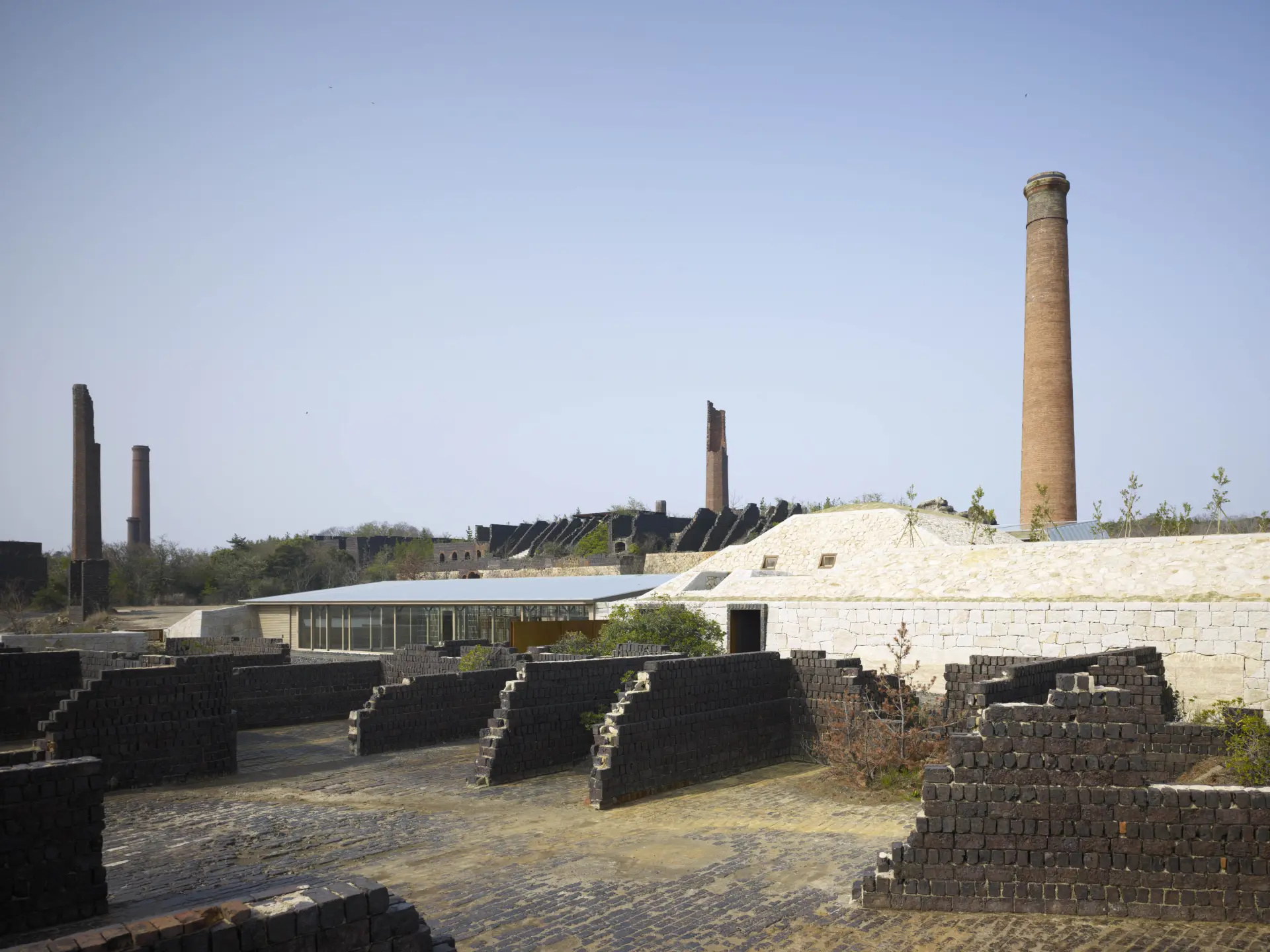
Yukinori Yanagi “Inujima Seirensho Art Museum” Photo: Taichi Ano
-
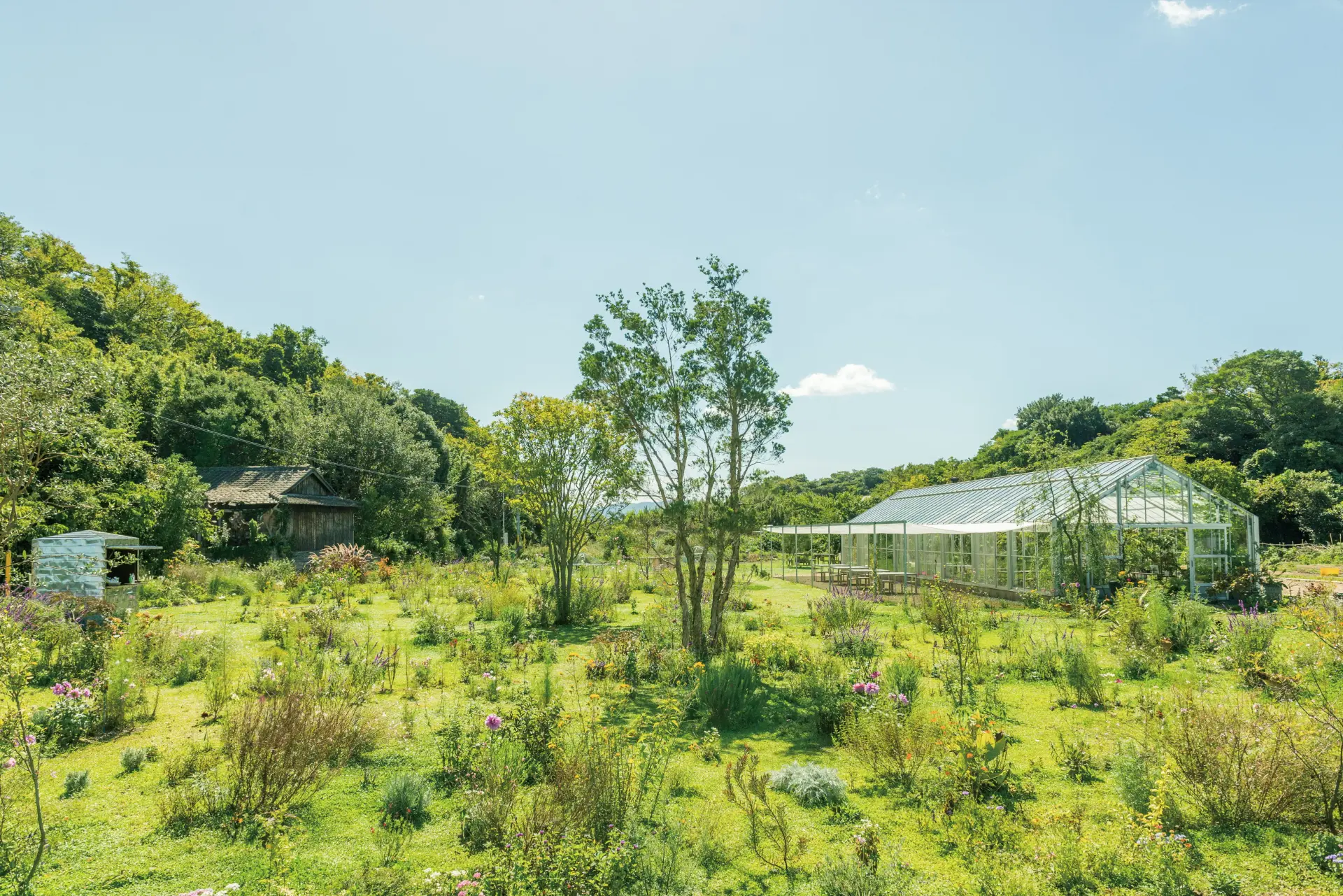
Kazuyo Sejima “Inujima Life Garden” Photo: Yoshikazu Inoue
-
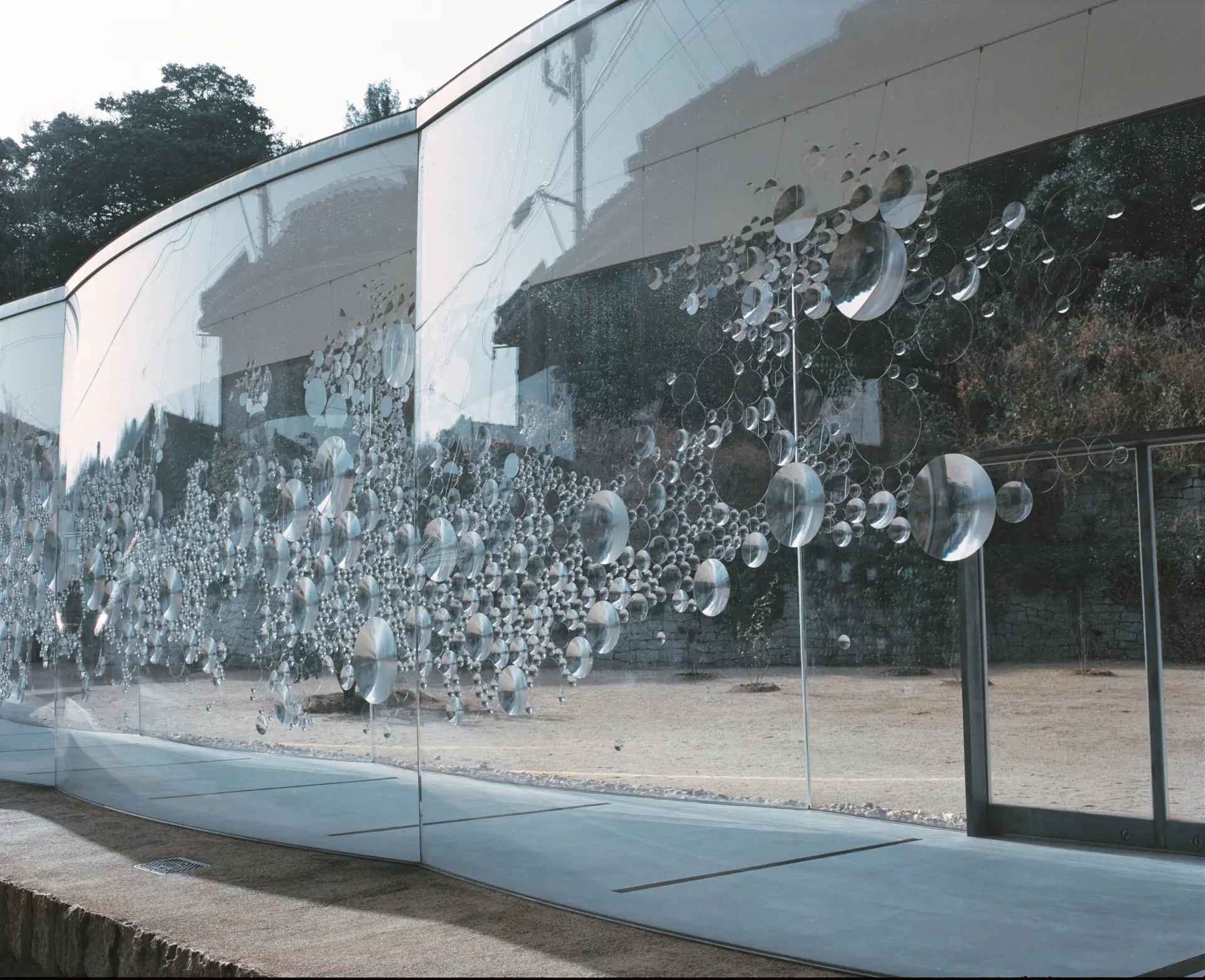
Inujima “Art House Project” S House Akika Kojin “Contact Lens” 2013 Photo: Takashi Homma
The “Great Seto Bridge Area,” added only in the Spring Season
The Great Seto Bridge connects Okayama on Honshu with Kagawa on Shikoku. It’s the collective name for six bridges spanning 9.4 km across the strait.
Different bridge types—including suspension bridges, cable-stayed bridges, and truss bridges—line up in a row, and as a combined road-and-rail bridge, it’s among the largest in the world.
The area at the Kagawa-side base of the Great Seto Bridge is called the “Great Seto Bridge Area,” where a variety of artworks are displayed.
Since many works can also be viewed after the festival, enjoy them together with the breathtaking scenery of the bridge and the Seto Inland Sea islands.
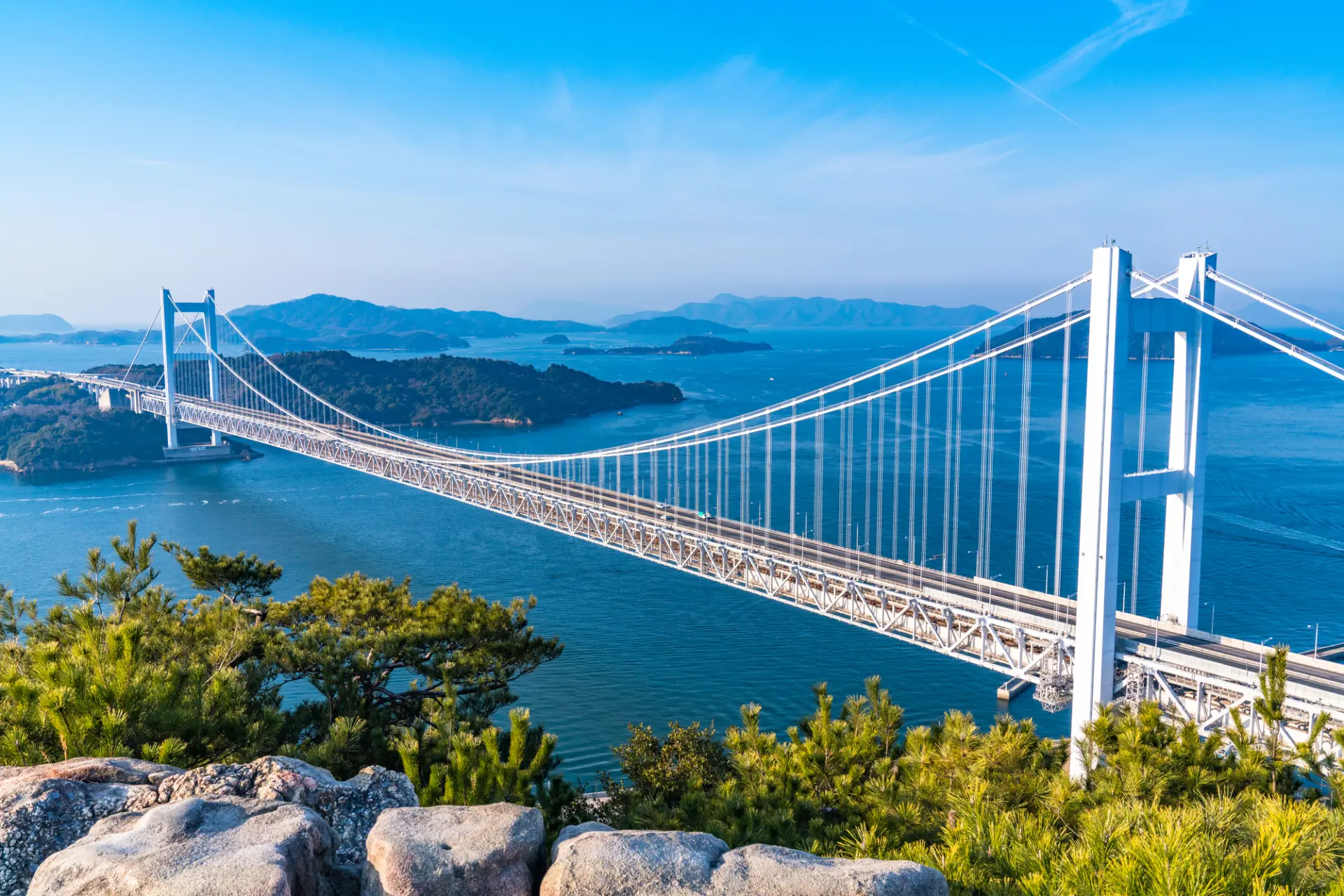
Access to the Great Seto Bridge Area and Getting Around
JR Sakaide Station, the nearest station on the Kagawa side, is Approx. 15 minutes from Takamatsu Station.
A Triennale shuttle bus also runs directly between JR Sakaide Station and the venues.
From Takamatsu Airport, a limousine bus takes Approx. 50 minutes.
In addition, Shamijima and Seijima—where artworks are displayed—are connected to the mainland, so you can travel by bus.
The area can be explored 충분ly via public transportation alone, but if bus schedules don’t align, use a taxi.
Viewing Hours and Closures in the Great Seto Bridge Area
- Hours
- 9:30am – 5:00pm
- Closed on
- Open daily during the festival
Artworks on Display in the Great Seto Bridge Area
The Great Seto Bridge Area features 21 artworks.
Here are a few works you can view only during the Spring Season.
| Title | Artist | Overview |
|---|---|---|
| «Seijima Project “SAY YES”» About That Island | Rika Aki | In the 3rd-floor music room of a junior high school, the work displays fishing gear and photos left behind in a relative’s now-vacant house. |
| Peering into Phantom Seas | Yoshiki Nanjo | An installation that evokes landscapes rooted in the islands and the history of how the Seto Inland Sea came to be. |
-
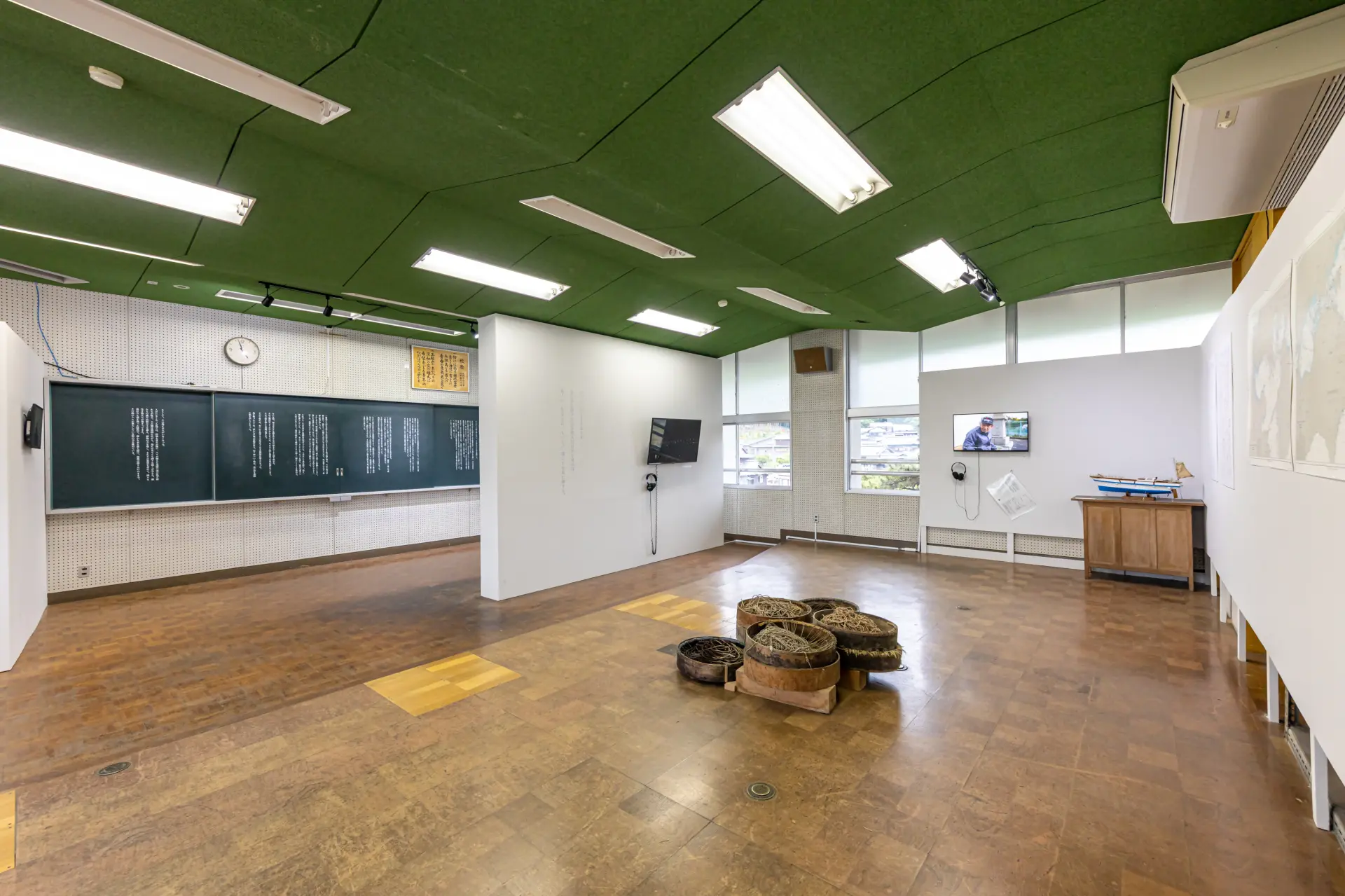
«Seijima Project “SAY YES”» Rika Aki “About That Island” Photo: Shintaro Miyawaki
-
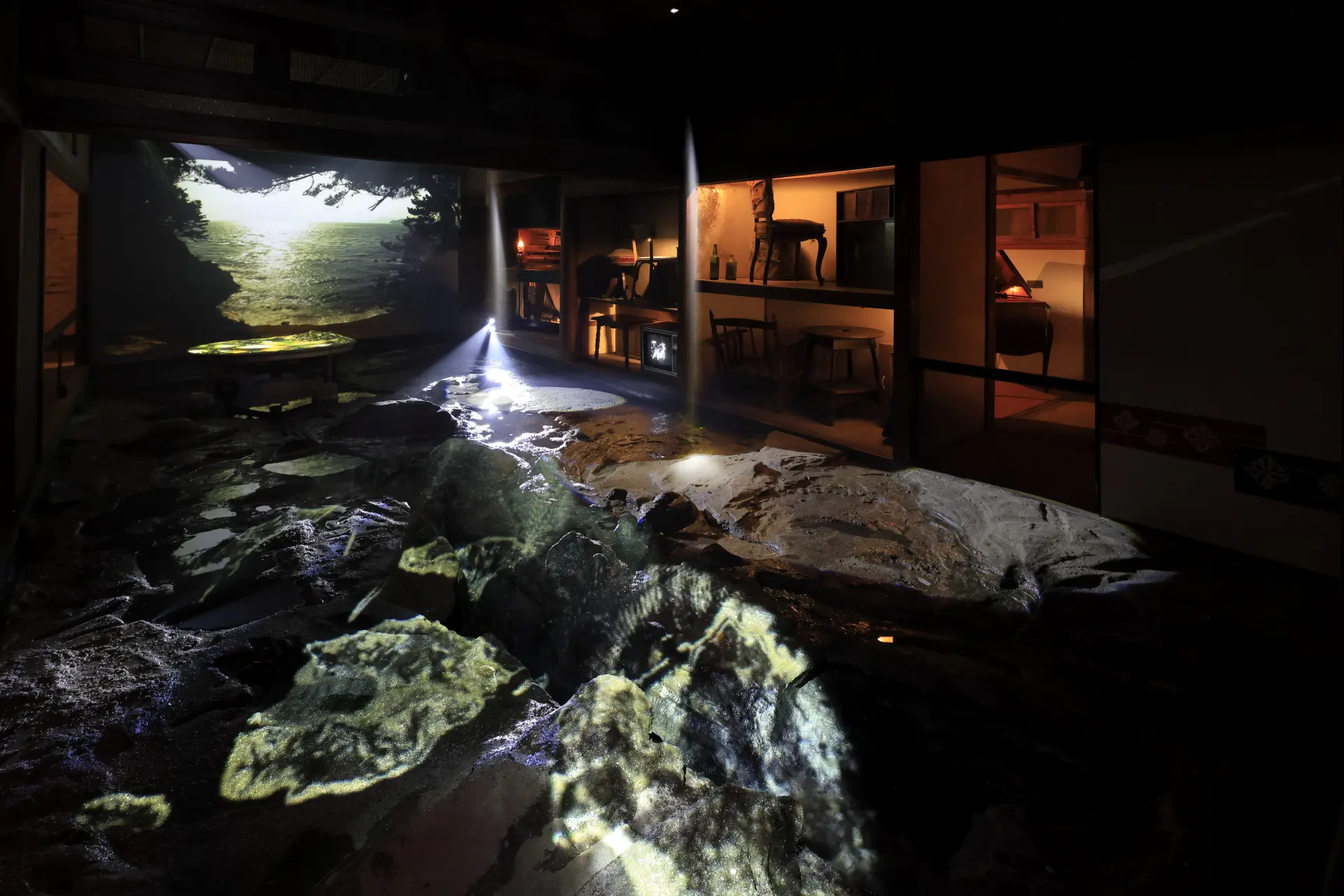
Yoshiki Nanjo “Peering into Phantom Seas” Photo: Keizo Kioku
Two Areas That Are Venues Only in the Summer Season
Only in the Summer Season, the following two areas are added as venues.
- Shido–Tsuda Area
- Hiketa Area
Both are coastal areas in Kagawa Prefecture, and you can reach them within 1 hour from JR Takamatsu Station by limited express train.
Here’s a quick introduction to some works in each area.
Works in the Shido–Tsuda Area
| Title | Artist | Work |
|---|---|---|
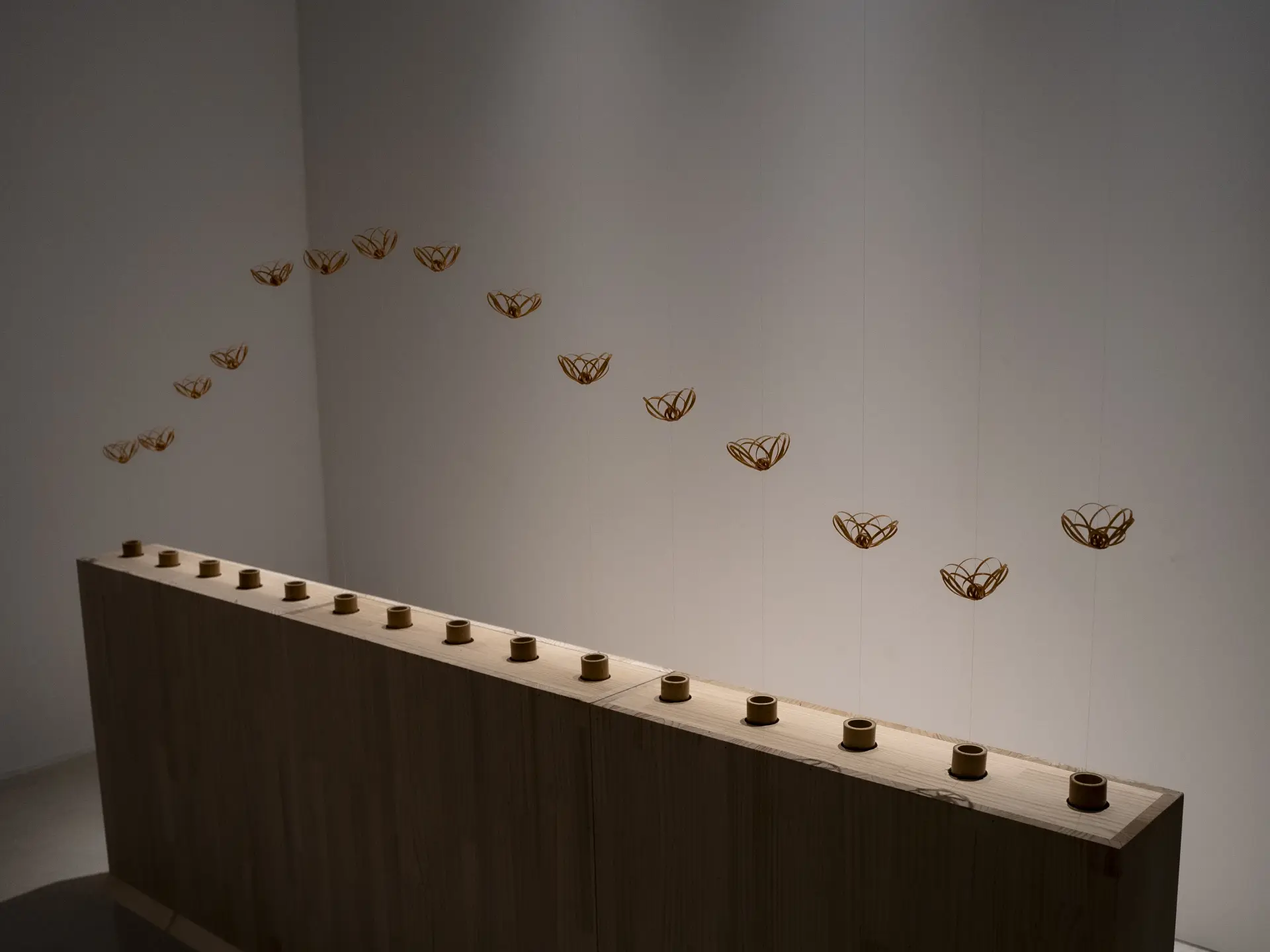
| Echoes as Air Flows | Yasuaki Kakehi | An interactive installation of modules that respond to viewers’ breath and surrounding wind, plus a network installation where blown breath reaches artworks in remote locations such as Honjima via a screen. |
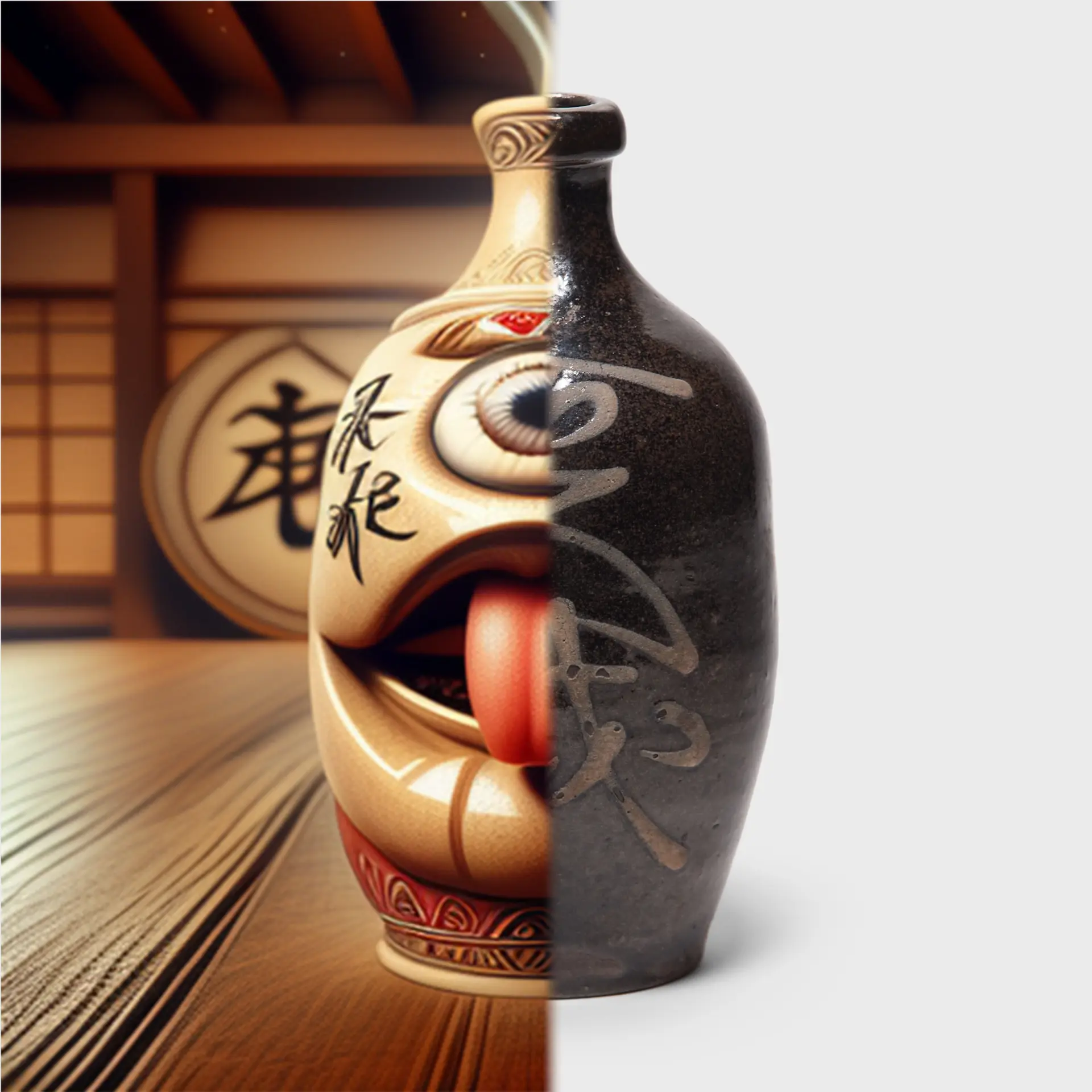
| Spirits Being Poured | Neil Mendoza | Through a “lens,” various tsukumogami (spirits said to dwell in tools) appear within a sake flask. AI imagines these mythical spirits and forms them into many shapes. |
Works in the Hiketa Area
| Title | Artist | Work |
|---|---|---|
|
KASAYA Social / Performance Space + Artwork |
Lux Media Collective |
Set in the former sake brewery Kasaya Residence, the work is inspired by nearby glove and soy sauce factories. With help from barrels, light, and time, it makes explicit the implicit processes of fermentation through the artwork. |
|
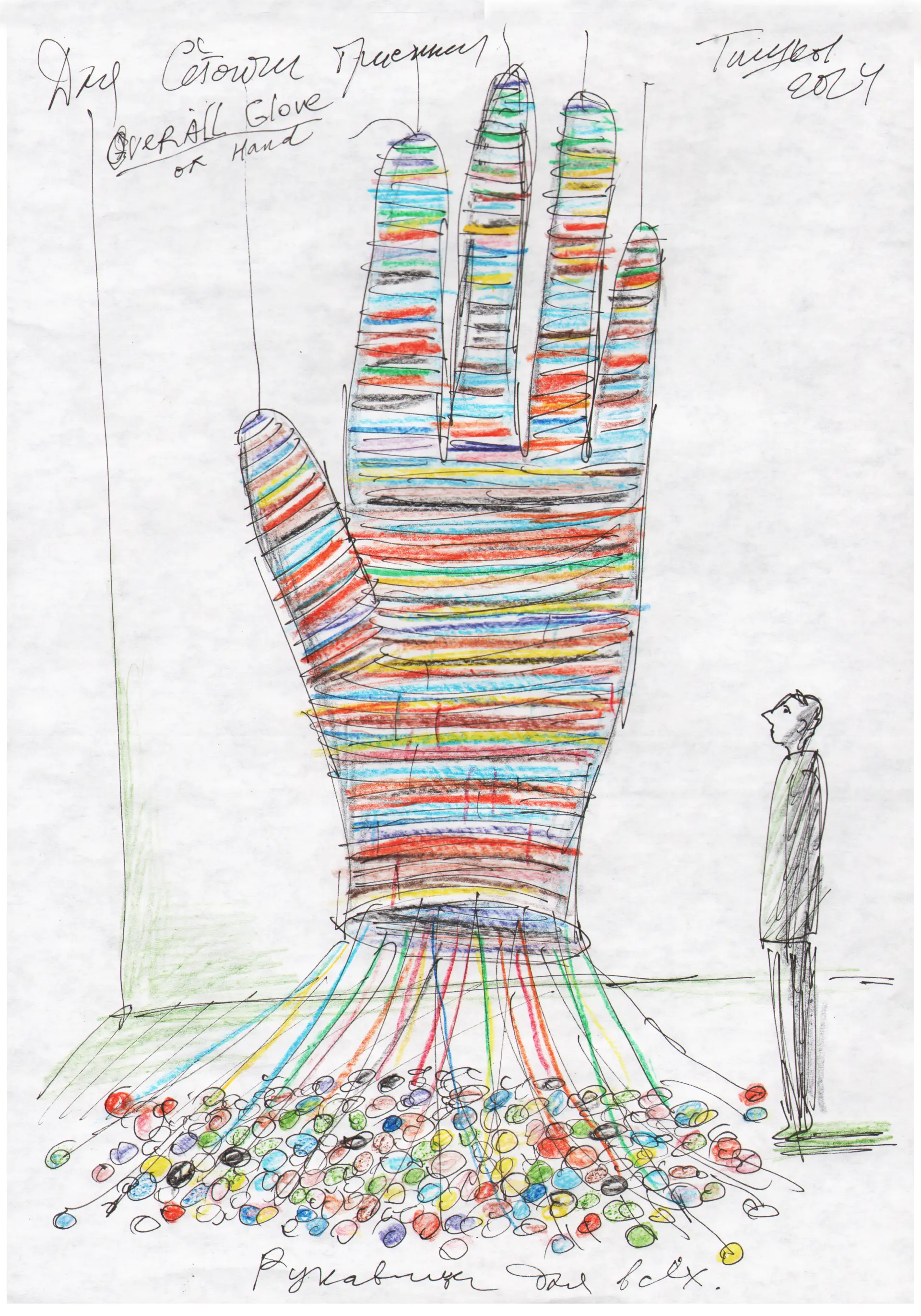
Everyone’s Hands Let’s Knit Gloves That Reach the Moon! |
Leonid Tishkov | A work knitted by local people using fabric from old clothes. The artist says old clothes represent people’s lives and memories. |
Five Areas That Are Venues Only in the Fall Season
Only in the Fall Season, the following five areas are added as venues.
- Utazu Area
- Honjima
- Takamijima
- Awashima
- Ibukijima
All are located in western Kagawa Prefecture and the western Seto Inland Sea.
Here are a few works exhibited in the areas above.
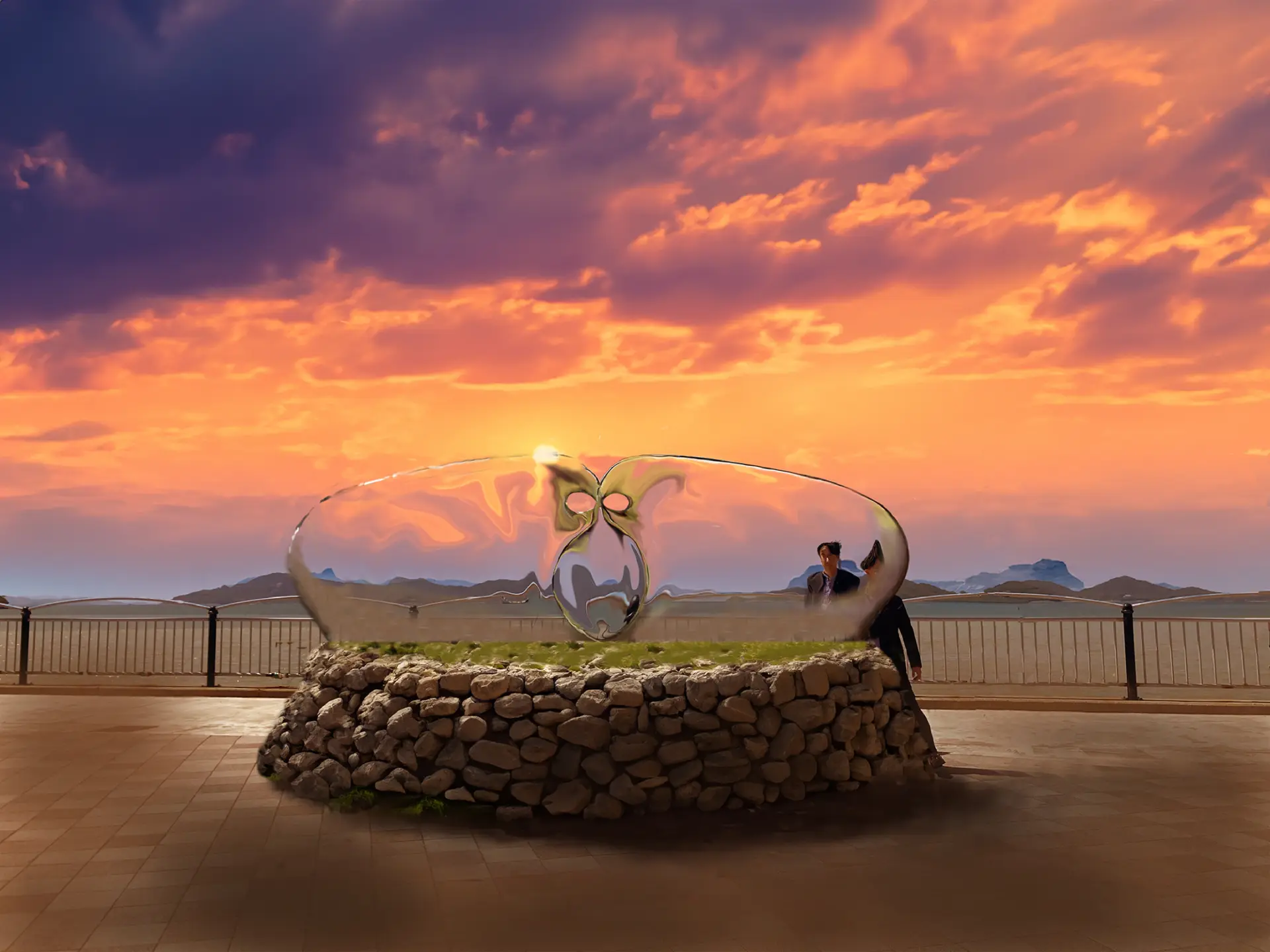
[Utazu Area] Toshitaka Nishizawa “Beyond Colorless Wings”
Using two acrylic panels like those used for aquarium tanks, the artist hand-carves them into organic forms and polishes them to a transparent finish.
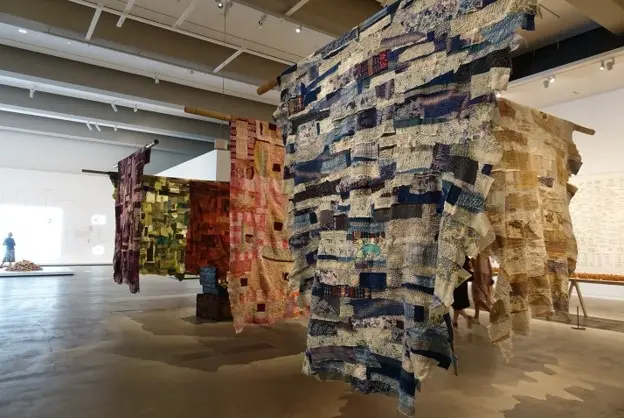
[Honjima] Jakkai Siriboot “Dispatch”
While visiting the islands of the Seto Inland Sea, the artist arrived at the theme of “loss and regeneration,” creating a large banner-like tapestry and installing it in a traditional house.
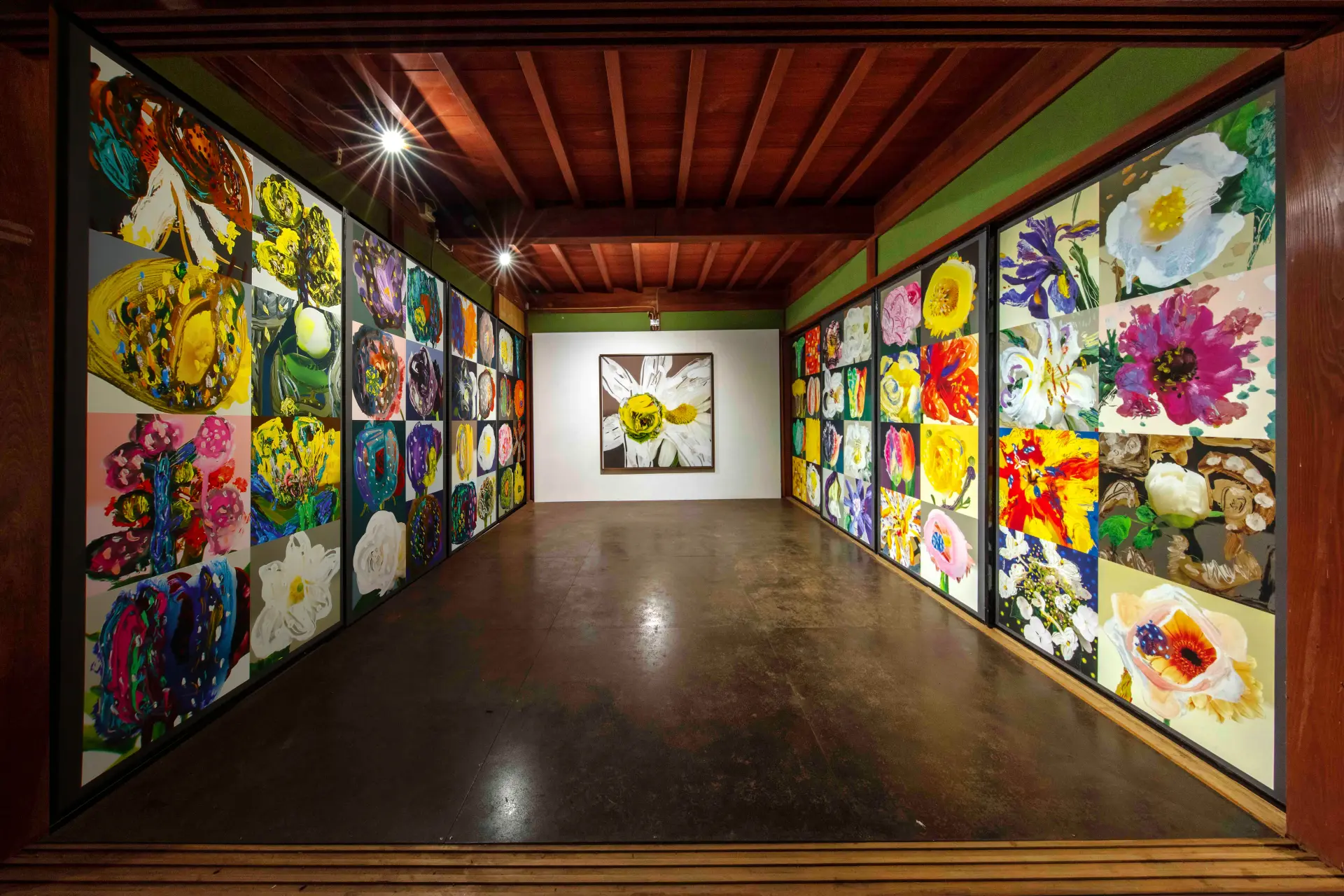
[Takamijima] Shigeaki Koeda “Voices of Flowers, Colors of the Heart 2025 / House of Pyrethrum”
Based on flowers encountered on Takamijima, the artist expresses them in colorful forms through photography, fusuma paintings, and ceramic objects.
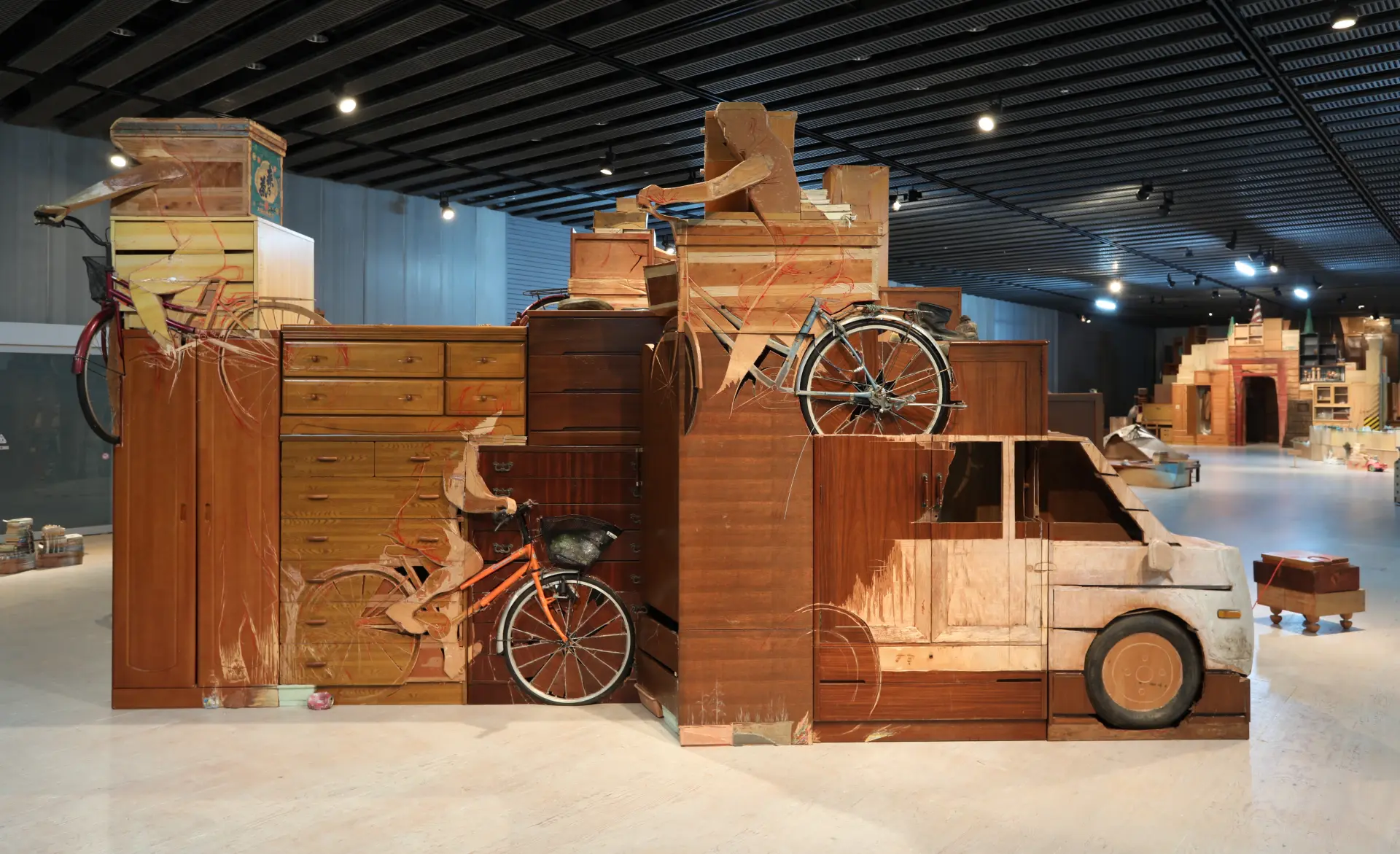
[Awashima] Fumiaki Aono “A Home to Return To - Setouchi Awashima Old House Accumulated Layers Brain Ocean Map Image 2025”
A project tracing the island’s memories using vacant houses and unused furniture, daily items, and vehicle remnants found on the island.
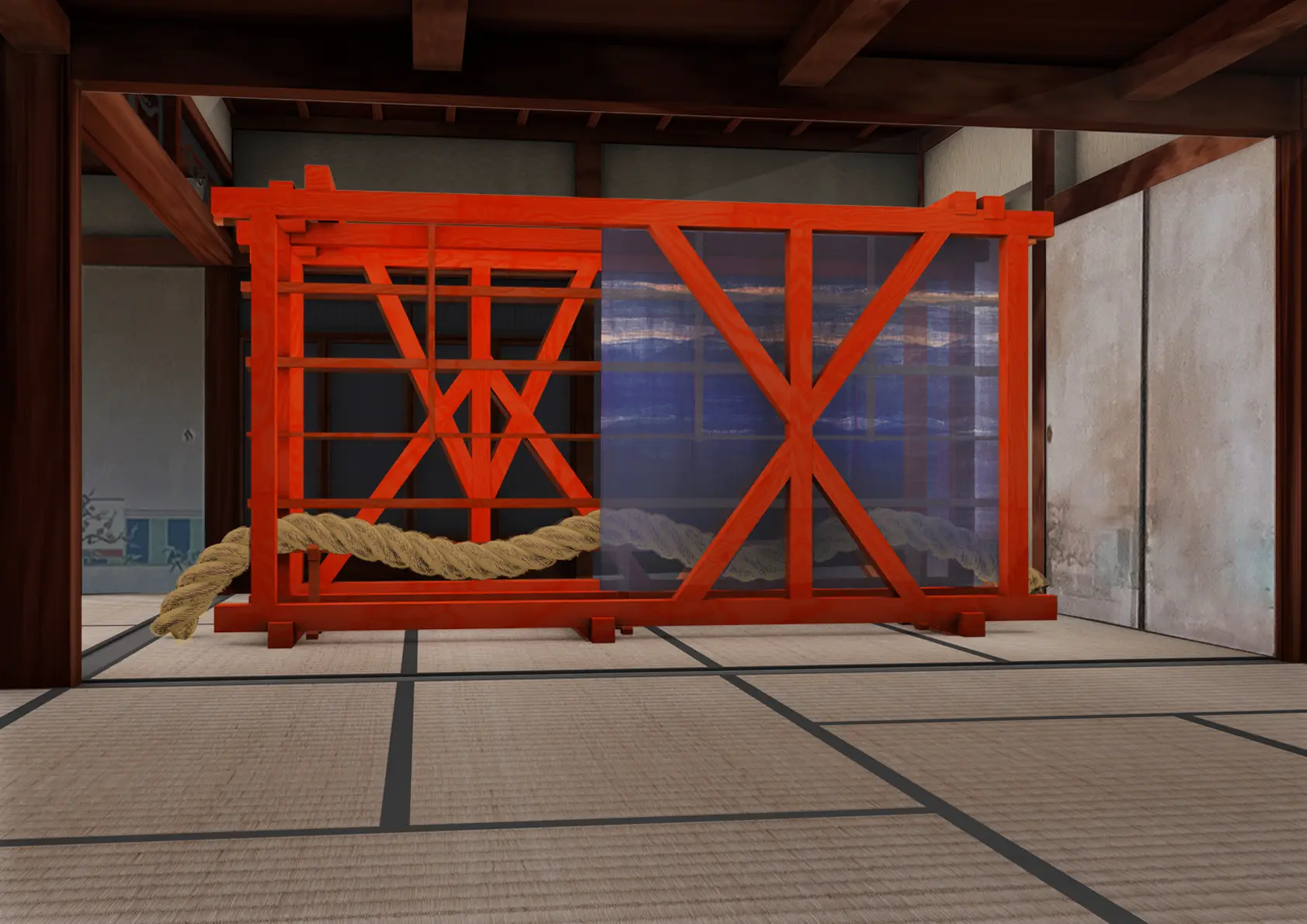
[Ibukijima] Olaf Holzapfel “Wild Prey”
An installation inspired by the German fairy tale “The Fisherman and His Wife,” composed of stage elements that incorporate three artisan techniques from Japan and Germany.
A 2-Night, 3-Day Model Itinerary for Shodoshima, Teshima, and Naoshima
With so many venue areas and artworks, it can be hard to know how to plan your trip.
In that case, use the model itinerary below as a reference.
It visits Shodoshima, Teshima, and Naoshima—venues throughout all seasons—so you can follow it in spring, summer, or fall.
Since Naoshima and Teshima are consistently crowded during the festival, we recommend reserving tickets for the Chichu Art Museum and Teshima Art Museum in advance.
Night 1
On Day 1, depart from Takamatsu Port—your gateway to the Seto Inland Sea—and take a ferry to Shodoshima.
Enjoy Shodoshima’s artworks and popular sightseeing spots.
- Depart Takamatsu Port by ferry (departs 9:30am)
- Arrive at Ikeda Port on Shodoshima
- View artworks in Tonosho Port and the Maze Town area
- View artworks in the Hidosan and Nakayama areas
- Sightsee at Kankakei Gorge
- View artworks around Fukuda Port
- View artworks in Shoyu no Sato and Sakate Port
- Stay overnight on Shodoshima
Night 2
On Day 2, tour areas where Teshima artworks are displayed.
Since you’ll stay overnight in Takamatsu City, the plan returns to Takamatsu Port via Shodoshima from Teshima.
Please plan with plenty of buffer time so you don’t miss your ferry.
- Depart Tonosho Port on Shodoshima by ferry (departs 8:40am)
- Arrive at Karato Port on Teshima
- View artworks in Karato-Oka and the Teshima Art Museum
- View artworks in Kosei
- View artworks in Ieura
- Board the ferry at Ieura Port on Teshima (departs 4:05pm)
- Transfer at Tonosho Port on Shodoshima to the ferry bound for Takamatsu Port (departs 5:30pm)
- Arrive at Takamatsu Port
- Stay overnight in Takamatsu City
Day 3
On Day 3, tour Naoshima’s works from the morning until 2:00pm, then finish your trip by viewing works in the Uno Port Area, which is open until 7:00pm.
- Depart Takamatsu Port by ferry (departs 8:12am)
- Arrive at Miyanoura Port on Naoshima
- View works around Benesse House and the Chichu Art Museum
- View works in Honmura
- View works in Miyanoura
- Depart Miyanoura Port on Naoshima by ferry (departs 2:55pm)
- Arrive at Uno Port
- View works in the Uno Port Area
Five Key Tips to Know for Enjoying the Setouchi Triennale
Most venue areas are islands, and few islands have extensive facilities and infrastructure.
Also, since you’ll often travel between areas by boat, you’ll need different preparations than a trip relying only on trains and buses.
To make the most of the Setouchi Triennale, use the tips below.
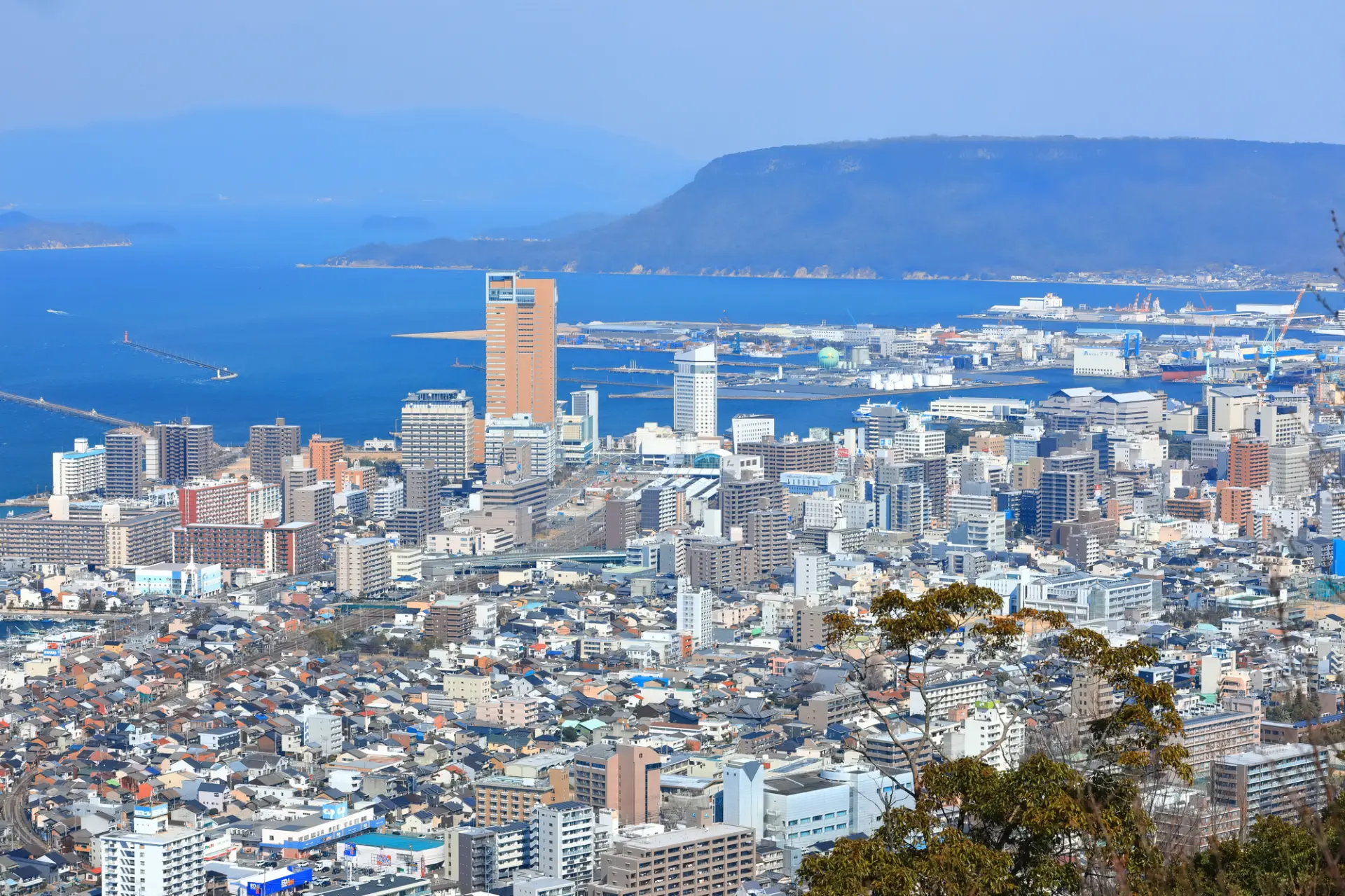
1. Use Takamatsu City (home to Takamatsu Port) as your base
If you’re visiting multiple Setouchi Triennale venues, we recommend basing yourself in Takamatsu City, which has Takamatsu Port with direct access to islands that serve as venues in all seasons.
You can also reach the Shido–Tsuda Area, added only in the Summer Season, within 1 hour from Takamatsu Station by train.
It’s also easy to access Marugame Port, Tadotsu Port, and Suda Port in Kagawa Prefecture, which provide access to the western Seto Inland Sea islands that serve as Fall Season venues.
In addition, Takamatsu City offers strong public transportation, plus plenty of shopping and dining, so you can enjoy food and shopping too.
The city also has many accommodations, making it easier to book than staying on the venue islands—another reason we recommend it.
It’s also a great perk that you can easily visit other sightseeing spots around Shikoku along with the Setouchi Triennale.
If you’re unsure where to stay or want to see many venues, stay in Takamatsu City, especially near Takamatsu Port.
2. Prepare with island-hopping by boat in mind
Since most venues are islands in the Seto Inland Sea, the main transportation will be ferries and high-speed boats.
Some routes have only a few departures per day, so check timetables and plan your itinerary in advance.
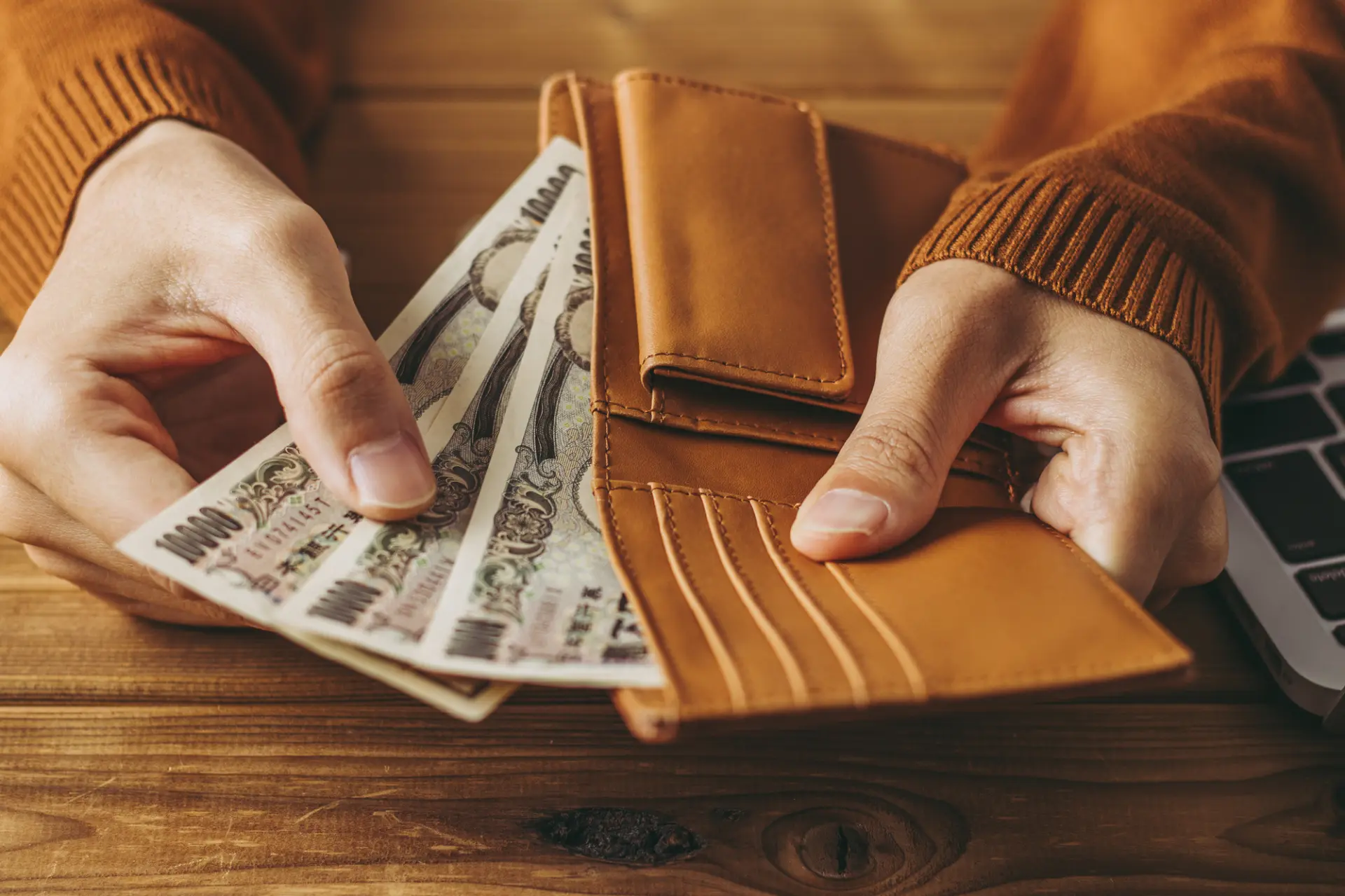
When taking boats, it’s also important to carry enough cash. Many operators accept cash only for tickets, and on the venue islands, there are few places that accept credit cards.
There are hardly any ATMs on islands other than Shodoshima and Naoshima, so keep track of your cash balance so you can buy tickets for your return trip.
Some routes get crowded during the festival, so especially in busy time slots like mornings and evenings, arrive at the port with plenty of time to spare.
3-day unlimited digital ferry pass (6 routes only)
If you’re visiting Naoshima, Teshima, Shodoshima, Megijima, and Ogijima, we recommend using the “3-day unlimited digital ferry pass (6 routes only),” which allows unlimited ferry rides for 3 days on the following routes during the Setouchi Triennale.
- Takamatsu - Naoshima (Miyanoura Port)
- Uno - Naoshima (Miyanoura Port)
- Uno – Teshima (Ieura Port) – Teshima (Karato Port) – Shodoshima (Tonosho Port)
- Uno – Megijima – Ogijima
- Takamatsu – Shodoshima (Tonosho Port)
- Takamatsu – Shodoshima (Ikeda Port)
*Not valid on high-speed boats or passenger ships
You can purchase it in the official Setouchi Triennale app, which also eliminates the need to buy tickets for each route.
3. Use the congestion forecast calendar and congestion status map
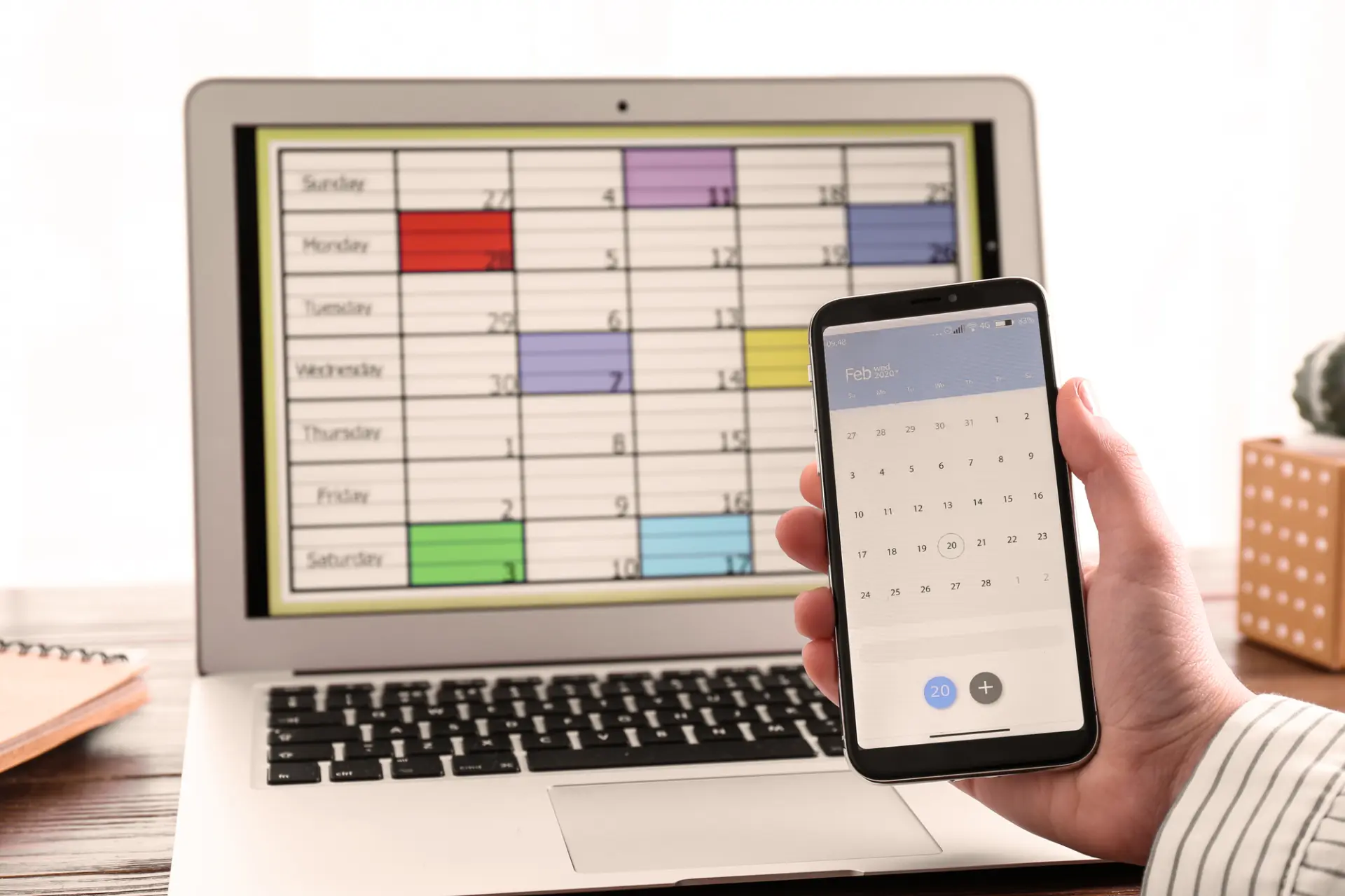
The official Setouchi Triennale website and app publish a calendar showing which dates are likely to be crowded, as well as a map showing real-time congestion.
If your schedule is flexible, avoid crowded dates and tour the venues at a more relaxed pace.
When visiting the Setouchi Triennale, be sure to use the congestion forecast calendar and congestion status map.
4. Keep the Setouchi Triennale etiquette in mind
Since the venue areas are communities where residents live their daily lives, please keep the following etiquette in mind.
- Greet local residents in a friendly way
- Avoid entering private property and taking photos without permission
- Be careful to avoid heatstroke in summer
- Allow extra time so you don’t miss boats or buses
- Since there are limited places to dispose of trash on the islands, take your trash with you
- On small islands with few facilities like shops, help each other out
5. Bring light snacks and drinks
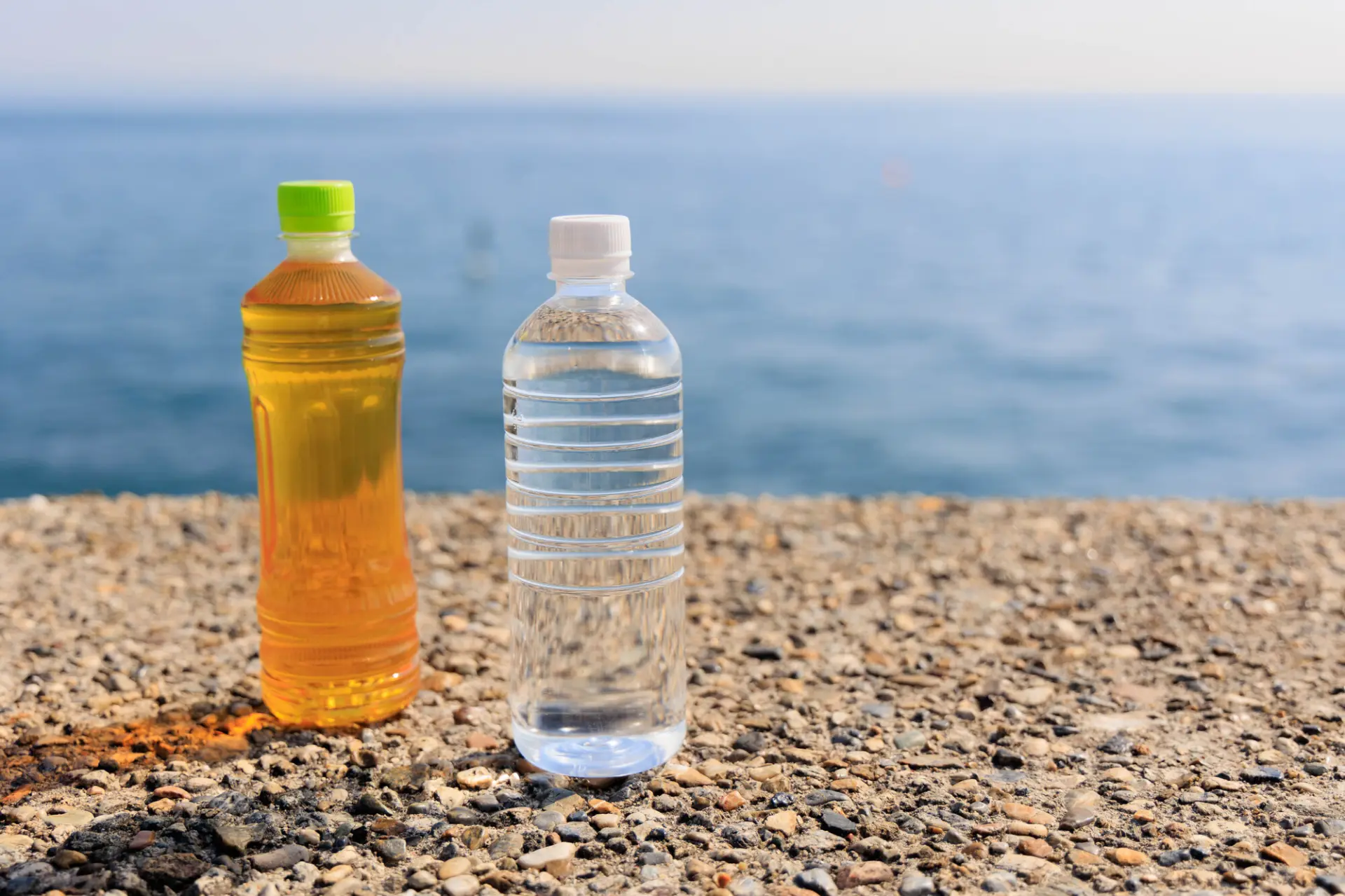
Some islands have very few convenience stores, kiosks, or vending machines, so be sure to prepare drinks before you cross over.
Also, please look up restaurants on the venue islands in advance and plan where you’ll eat.
To be safe in case you can’t get into a restaurant, it’s also reassuring to bring a light snack.
Perfect Souvenirs: Official Setouchi Triennale Goods
The Setouchi Triennale also offers a wide range of official merchandise.
In addition to keepsakes like magnets, pin badges, stickers, and postcards, there are plenty of items you can use in everyday life or while traveling.
Among them, T-shirts with rich color variations, a sacoche bag that sold out right after launch, and fragrances built around the concept of “wearing the Seto Inland Sea scenery” are especially popular.
Official goods can be purchased from the online shop, as well as official shops at Takamatsu Port and Naoshima.
-
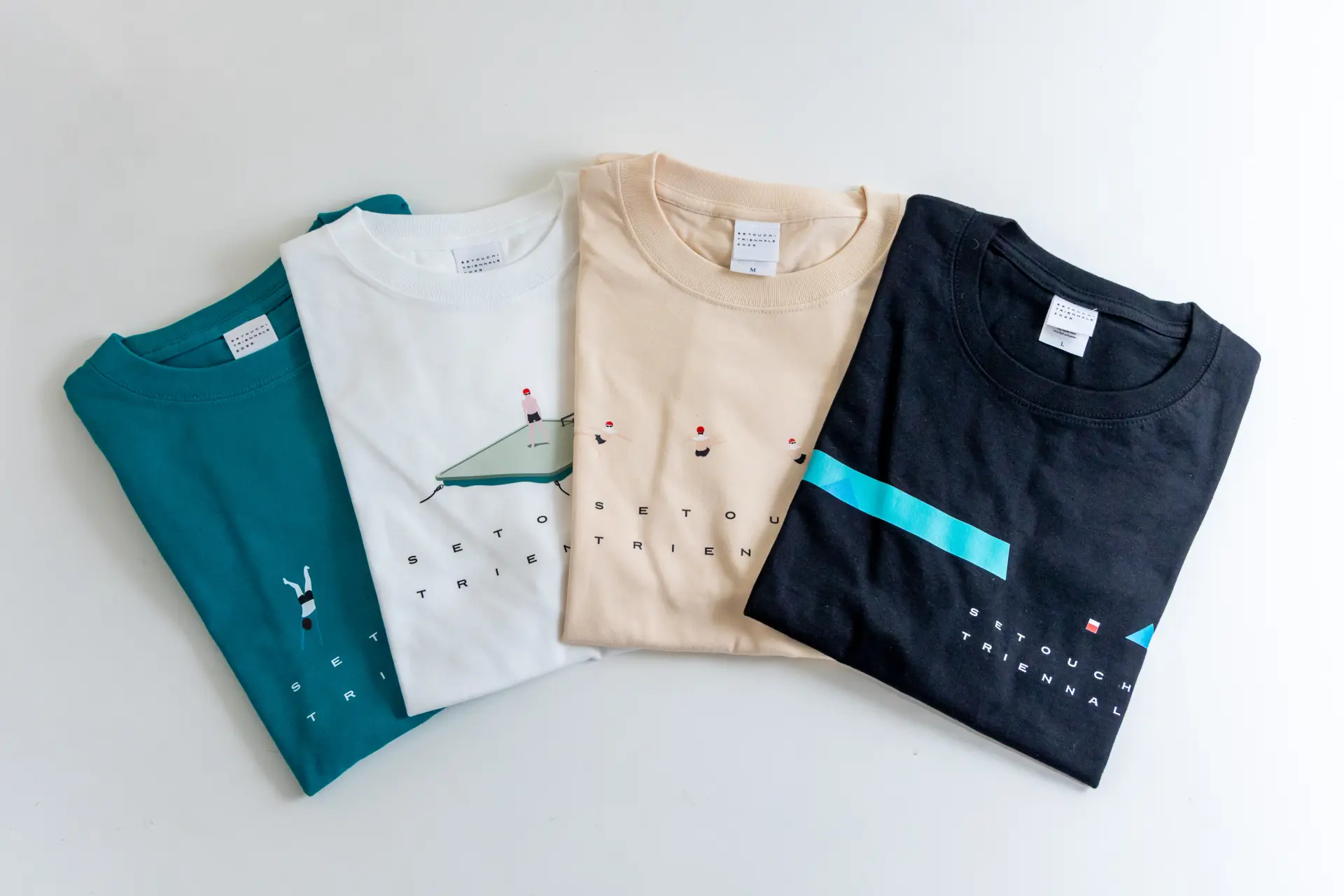
An official T-shirt featuring a cute boy illustration
-
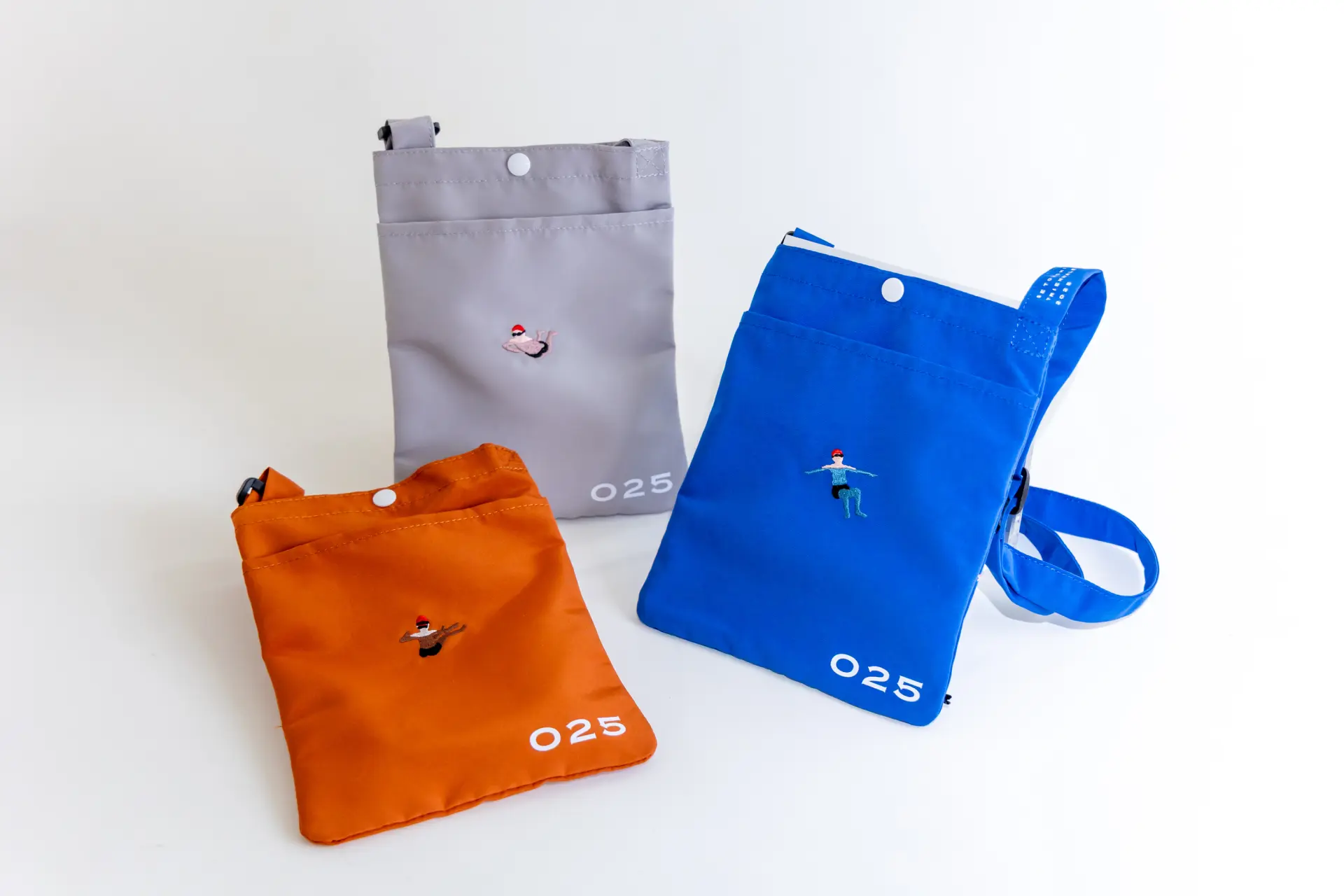
A sacoche bag in a travel-friendly size
-

A fragrance with a clean, airy scent
Takamatsu Port Official Shop “Umi no Ichiba”
- Address
- 1F, Takamatsu Port Passenger Terminal Building, 1-1 Sunport, Takamatsu, Kagawa Prefecture (View on Google Maps)
- Operating Period
- During the festival
- Hours
- 9:00am – 8:00pm
- Closed on
- None
Naoshima Official Shop (inside Umi no Eki “Naoshima”)
- Address
- 2249-40 Naoshima-cho, Kagawa Prefecture (View on Google Maps)
- Operating Period
- During the festival, and from July 19 to 31, and from September 1 to October 2
- Hours
- 9:30am – 6:00pm
- Closed on
- Mondays (if it’s a public holiday, the next weekday)
Setouchi Area Attractions to Visit Along with the Setouchi Triennale
The seven prefectures facing the Seto Inland Sea are sometimes collectively called the Setouchi area.
These prefectures offer not only the Seto Inland Sea’s multi-island scenery and seafood-based local cuisine, but also a wide range of attractions.
Here are a few destinations that are especially easy to combine with your Setouchi Triennale trip.
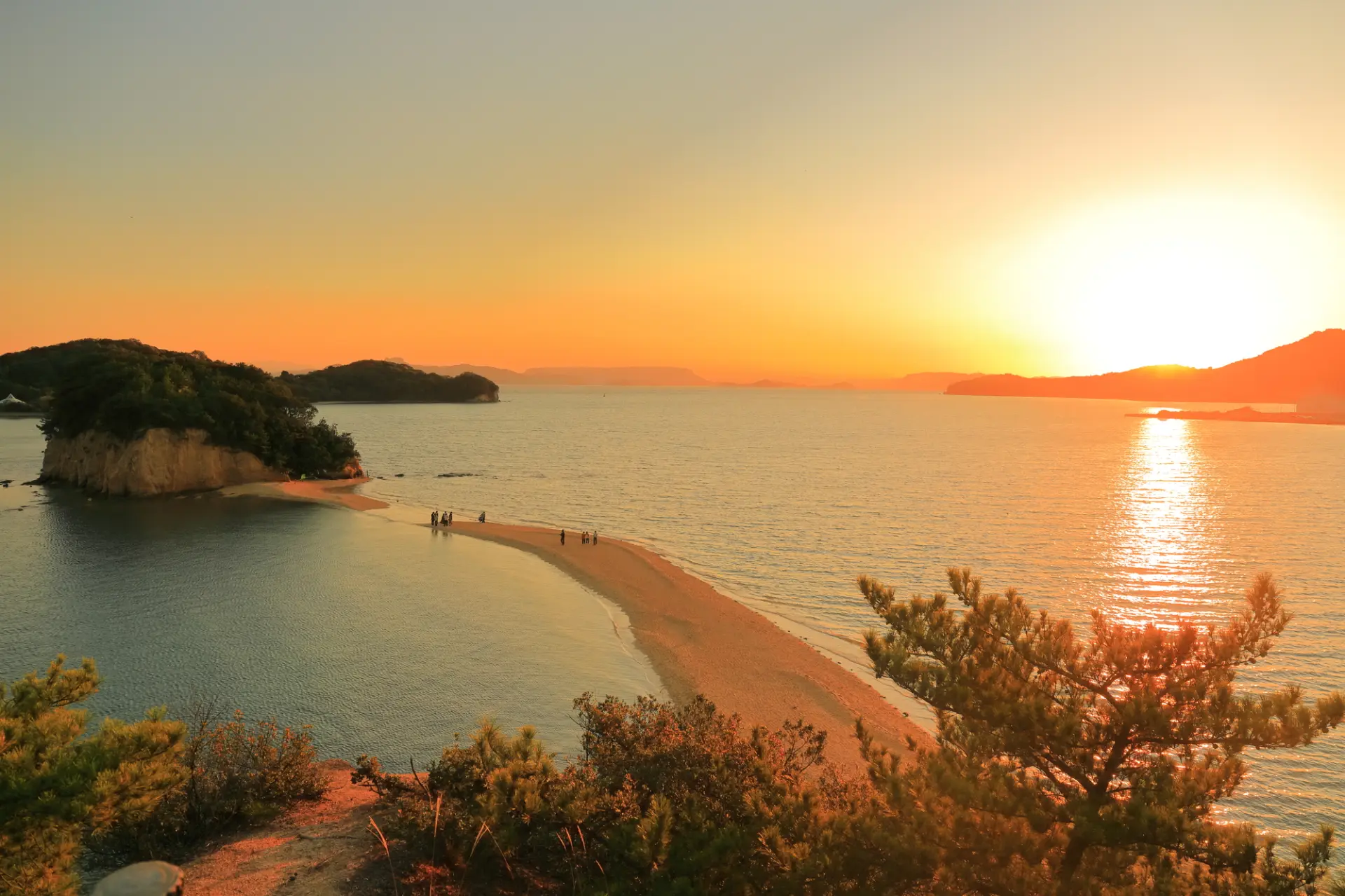
1. Kagawa, easy to build into your Setouchi Triennale plan
Kagawa Prefecture is home to Takamatsu Port, the Setouchi Triennale’s mother port.
It’s known as “Udon Prefecture,” ranking No. 1 in Japan for both udon production and consumption, so you should definitely try Sanuki udon.
Of course, that’s not all Kagawa has to offer.
With spots offering spectacular Seto Inland Sea views, plus historic buildings and gardens, it’s a great place to enjoy Japan’s beautiful scenery and traditional culture.
If you want to learn more about Kagawa’s charms and popular sightseeing spots, please also refer to the article below.
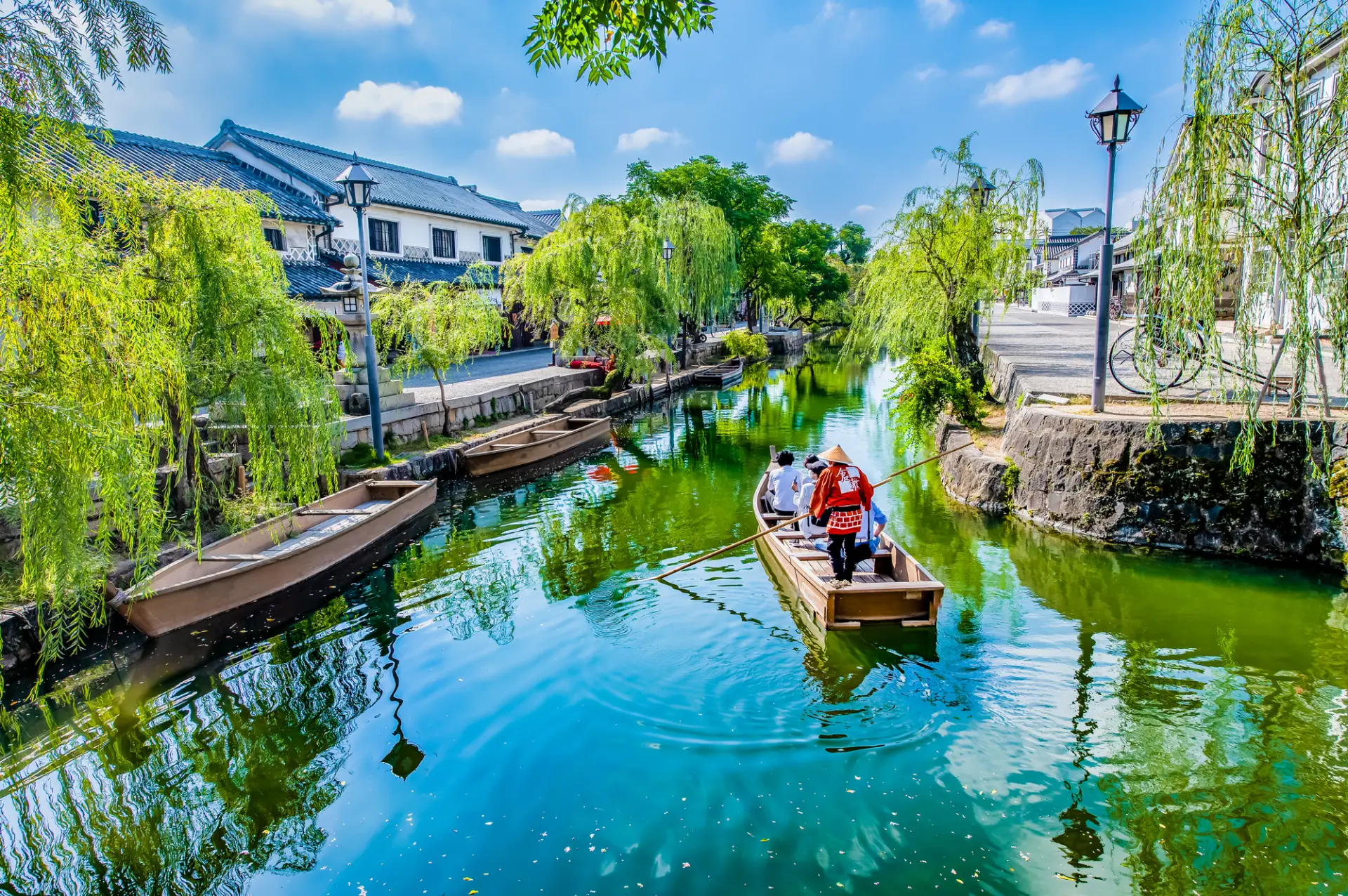
2. Okayama, easy to sightsee if you use Uno Port as your starting point
Okayama Prefecture, home to Uno Port, offers access to many venue islands, just like Takamatsu Port.
Okayama is packed with places where you can feel Japan’s history and culture, including Japanese gardens, old townscapes, castles, and shrines and temples.
There are also many items you can only get in Okayama, such as Bizen ware and denim made by Japanese artisans.
Why not visit some of Okayama’s popular sightseeing spots before or after stopping by Uno Port?
3. Hiroshima, easy to extend your trip from Okayama
Hiroshima, which borders Okayama and is accessible in under 1 hour by Shinkansen, is another appealing destination.
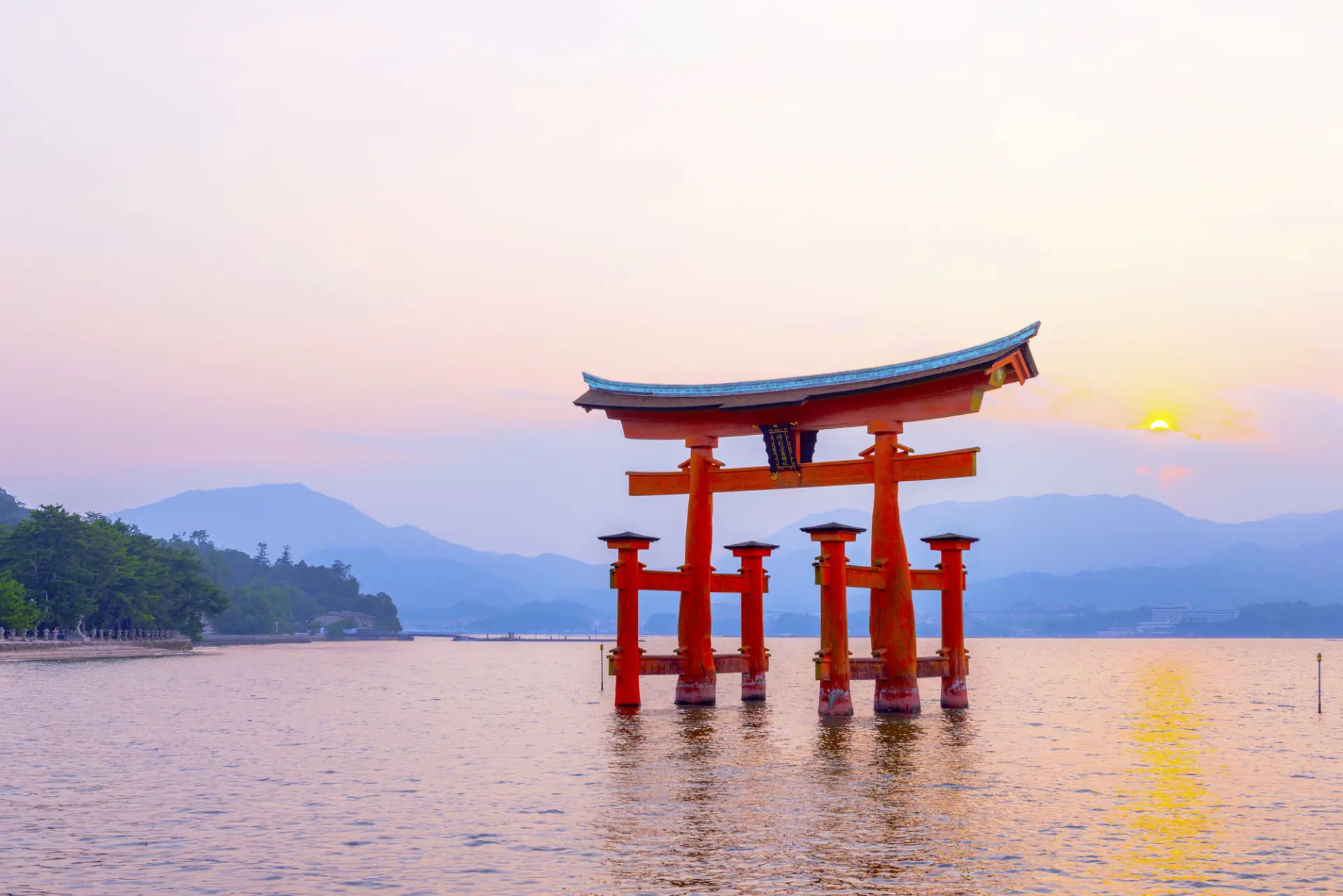
It’s home to two UNESCO World Cultural Heritage sites—the Atomic Bomb Dome and Itsukushima Shrine—offering a chance to feel its unique history, along with spectacular Seto Inland Sea views.
Hiroshima is also known for its wide range of local cuisine.
You’ll find Hiroshima-style okonomiyaki with different ingredients and preparation from Osaka, anago-meshi (rice cooked in dashi topped with grilled conger eel), and oyster dishes that make the most of rich umami and thick, meaty texture.
Use the article below, which introduces popular sightseeing spots and dining options, and add Hiroshima to your trip.
Two Great-Value Passes to Use If You’re Traveling Beyond the Venues
Here are two passes we recommend if you’re sightseeing in Okayama and Hiroshima in addition to Setouchi Triennale venues.
Use them to match your plan, and you’ll likely enjoy a better value trip.
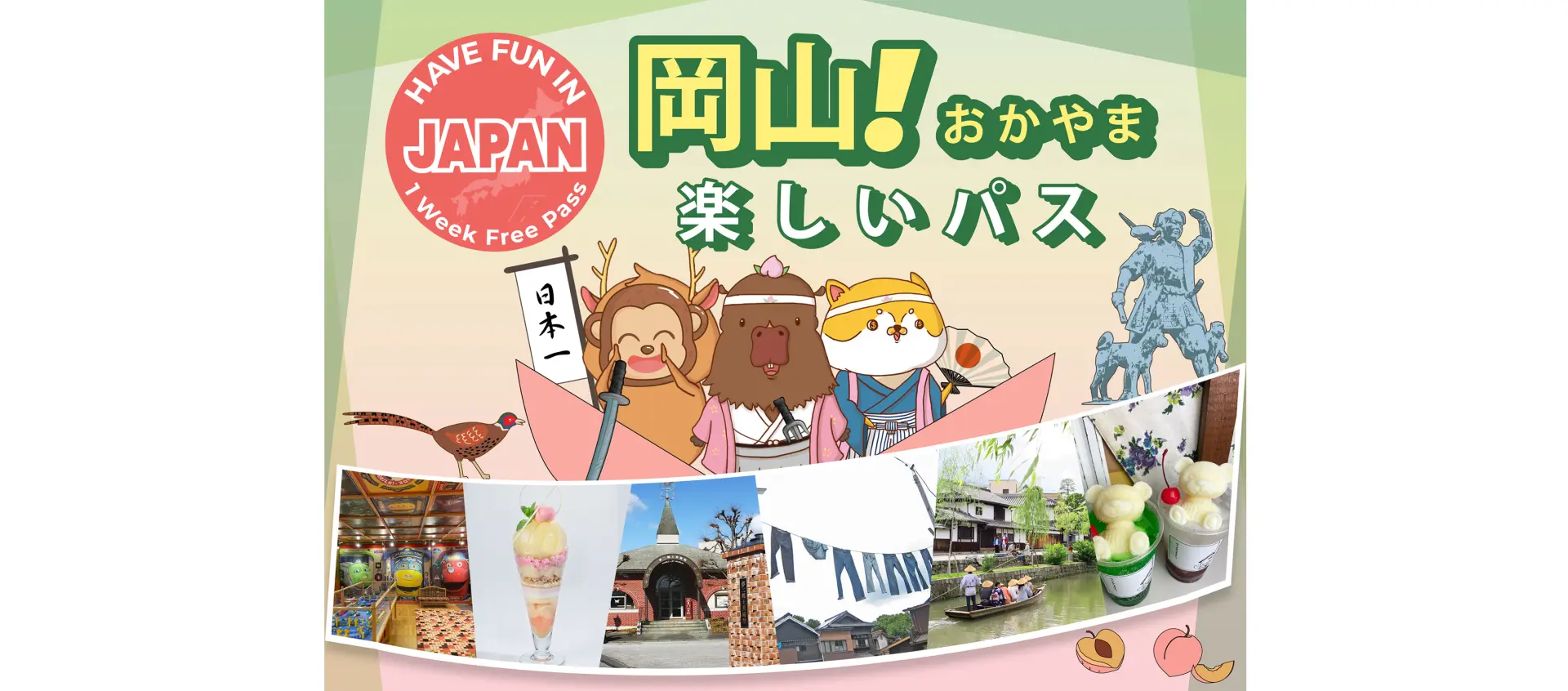
1. Fun Okayama Pass
A sightseeing pass that lets you choose and use three items from eligible facilities, including admission tickets to attractions, day-use bathing tickets for hot springs, 1-day bus passes, and coupons for cafés and shops.
In 2025, a set is also sold that includes a passport granting one-time viewing of all participating works at “Setouchi Triennale 2025,” held across ports and islands in Okayama and Kagawa.
2. Fun Hiroshima Pass
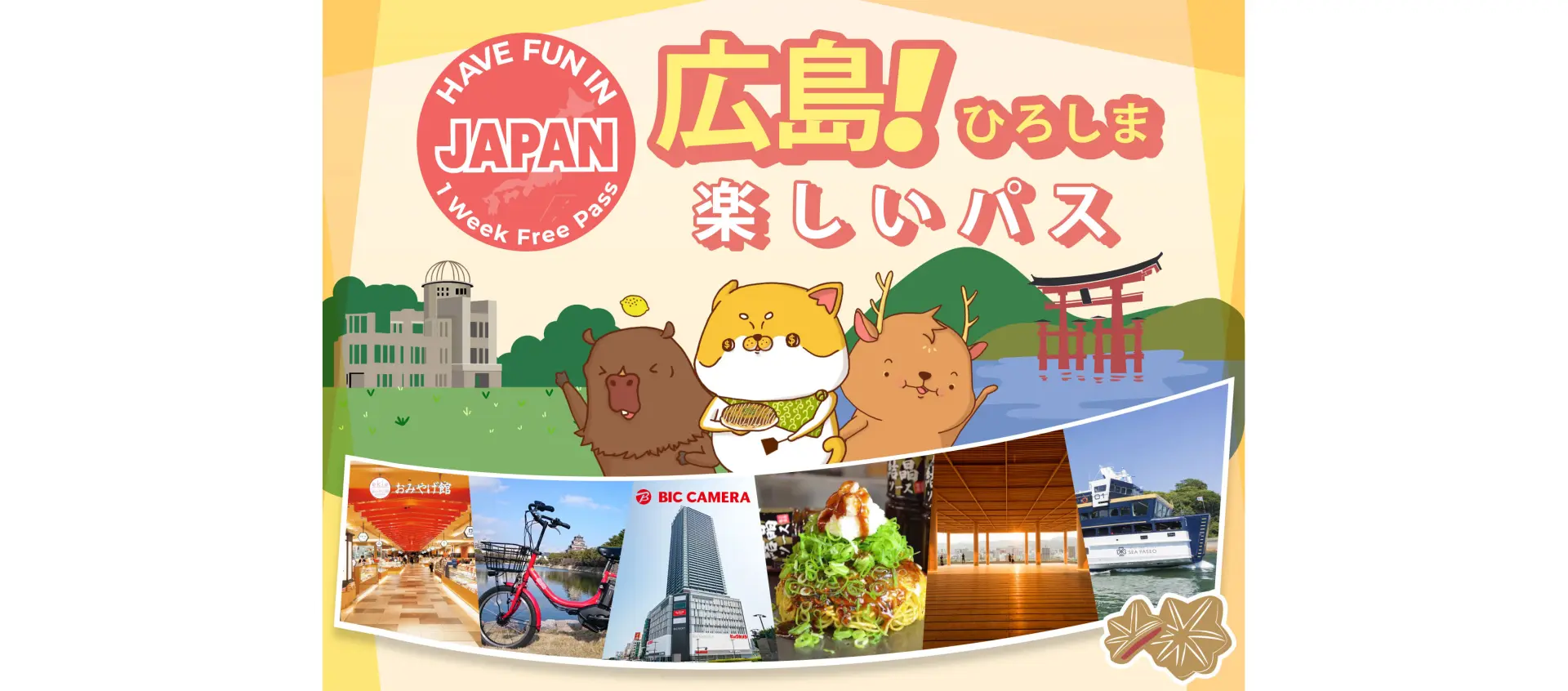
A sightseeing pass usable at a wide range of eligible facilities, including admission tickets and discount coupons for attractions like Orizuru Tower with panoramic city views, as well as gift certificates usable at a gourmet building filled with okonomiyaki shops, commercial facilities, and large electronics retailers.
It also includes a one-way cruise ferry ticket between Hiroshima Port and Kure Port, a discount coupon for high-speed boats to Miyajima, a 1-day pass for share bicycles within Hiroshima City, and a discount coupon for car rentals near Hiroshima Station.
FAQ about the Setouchi Triennale
Q
When is the Setouchi Triennale held?
A
It will be held in the Spring Season from April 18, 2025 to May 25, 2025, the Summer Season from August 1, 2025 to August 31, 2025, and the Fall Season from October 3, 2025 to November 9, 2025.
Q
Which islands are venues for the Setouchi Triennale?
A
Depending on the season, the main venues are islands in the Seto Inland Sea, including Naoshima, Teshima, and Shodoshima.
Summary
We’ve covered everything you need to know about the Setouchi Triennale, from essential details and a model itinerary to key tips for enjoying it.
Travel by boat to islands that haven’t been fully developed as tourist destinations, learn about their history and culture through contemporary art, and connect with local people—this is the kind of trip you can only experience at the Setouchi Triennale.
Not only will you enjoy contemporary art, but you’re also sure to discover new sides of Japan you haven’t known before.