


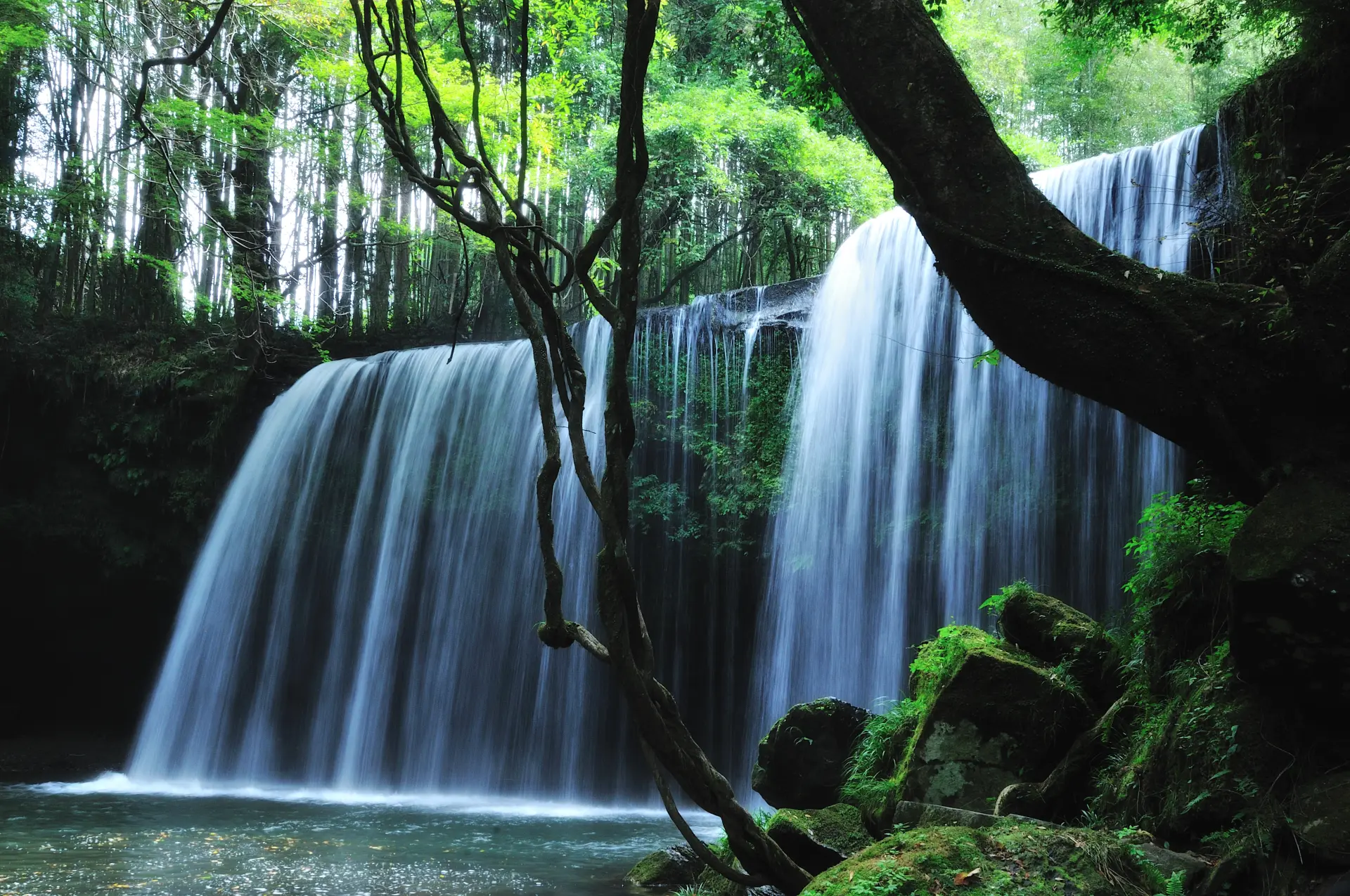


First Time in Kyushu? Where Should You Go?
Kyushu Travel Guide
Located in southwestern Japan, the Kyushu region has flourished since ancient times as a gateway for exchange with Asia. It is made up of seven prefectures—Fukuoka, Saga, Nagasaki, Kumamoto, Oita, Miyazaki, and Kagoshima—and this history of exchange lives on across the region today, from Dejima in Nagasaki, which served as a window for overseas trade during the Edo period, to the Arita ware of Saga.
Kyushu also has many active volcanoes, and majestic landscapes spread out before you, such as the vast caldera of Mt. Aso and Sakurajima rising from Kagoshima Bay. Hot springs born of volcanic activity are abundant too, and each hot spring area has its own atmosphere, from the townscape of Beppu with its rising steam to Kurokawa Onsen, where inns line a mountain valley. Whether you stroll through historic townscapes, gaze at magnificent nature, or relax in a hot spring, Kyushu offers many ways to enjoy a trip.
Find Where to Go Across Seven Distinctive Prefectures
Explore the Kyushu Region by Map

-
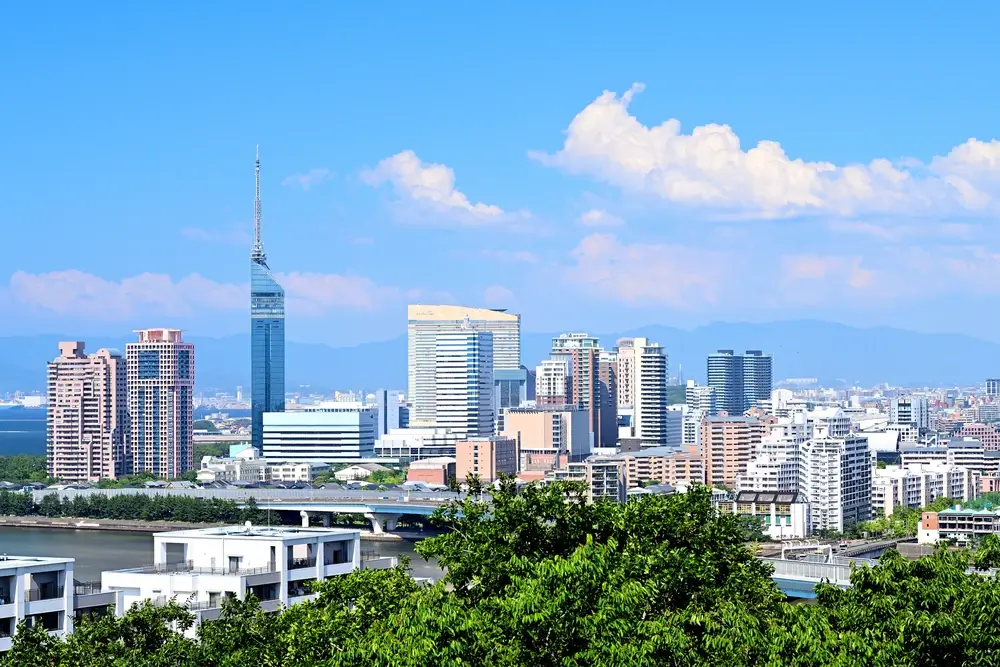
Fukuoka Prefecture
Home to Fukuoka City, the largest city in Kyushu, Fukuoka Prefecture has flourished since ancient times as a window for exchange with Asia. A transportation hub where an airport, shinkansen lines, and ports come together, it is also a center of economy and commerce. The downtown districts of Hakata and Tenjin are full of urban energy, and there are many historic sights as well, such as Dazaifu Tenmangu Shrine and Mojiko Retro, where Western-style buildings from the Meiji era remain.
-
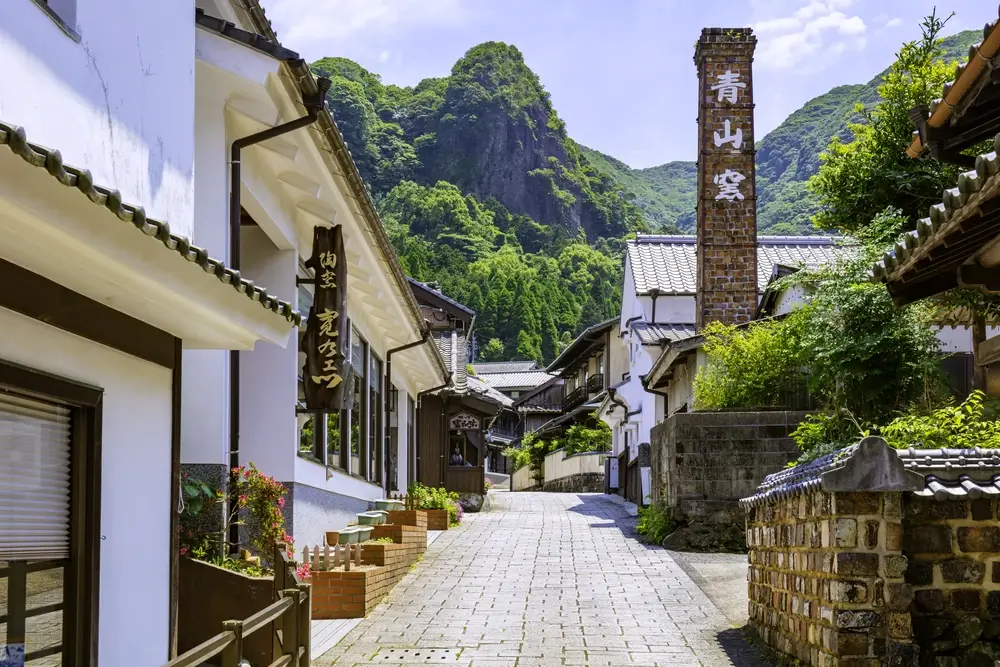
Saga Prefecture
Saga Prefecture faces two seas, the Genkai Sea and the Ariake Sea. History and traditional culture are alive here, from Yoshinogari Historical Park, which preserves the remains of a Yayoi-period moated settlement, to Arita and Imari, known as pottery-producing areas. Tidal flats spread across the Ariake Sea, while a varied coastline and beautiful scenery continue along the Genkai Sea.
-
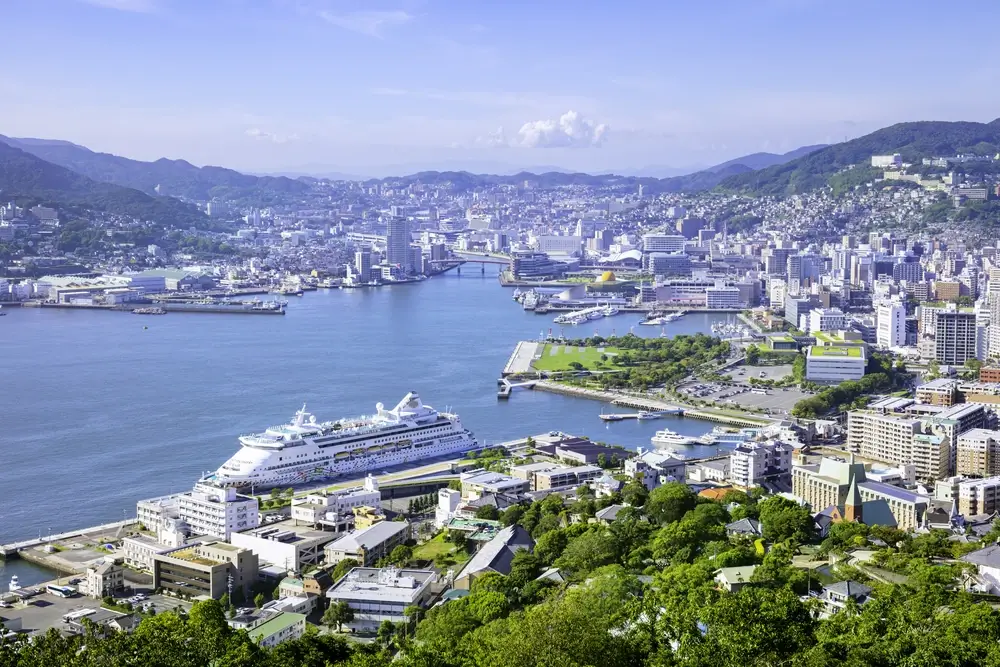
Nagasaki Prefecture
Located at the western edge of Kyushu, Nagasaki Prefecture is characterized by its many islands and intricate coastline. In the Edo period, Dejima served as a window for exchange with other countries, and townscapes with an exotic atmosphere still remain in Nagasaki City today. Its appeal lies in landscapes shaped by history and the sea, from historic buildings such as Glover Garden and Oura Catholic Church to the island-dotted sea of Kujukushima and the rich nature of the Goto Islands.
-
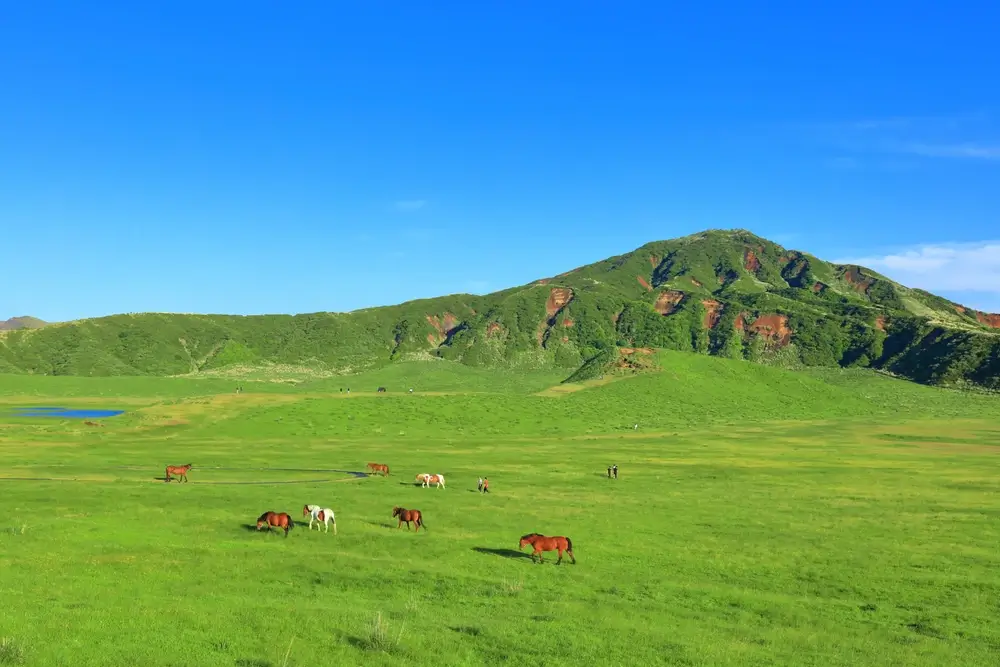
Kumamoto Prefecture
Located in the center of Kyushu, Kumamoto Prefecture is home to Mt. Aso in its eastern part. It is known for the majestic landscapes unique to Aso, including grasslands and one of the largest calderas in the world. Kumamoto Castle, built by Kato Kiyomasa, towers over Kumamoto City, and hot spring areas such as Kurokawa Onsen are scattered through the mountains. This is an area where you can feel both the atmosphere of a historic castle town and the blessings of the volcano.
-
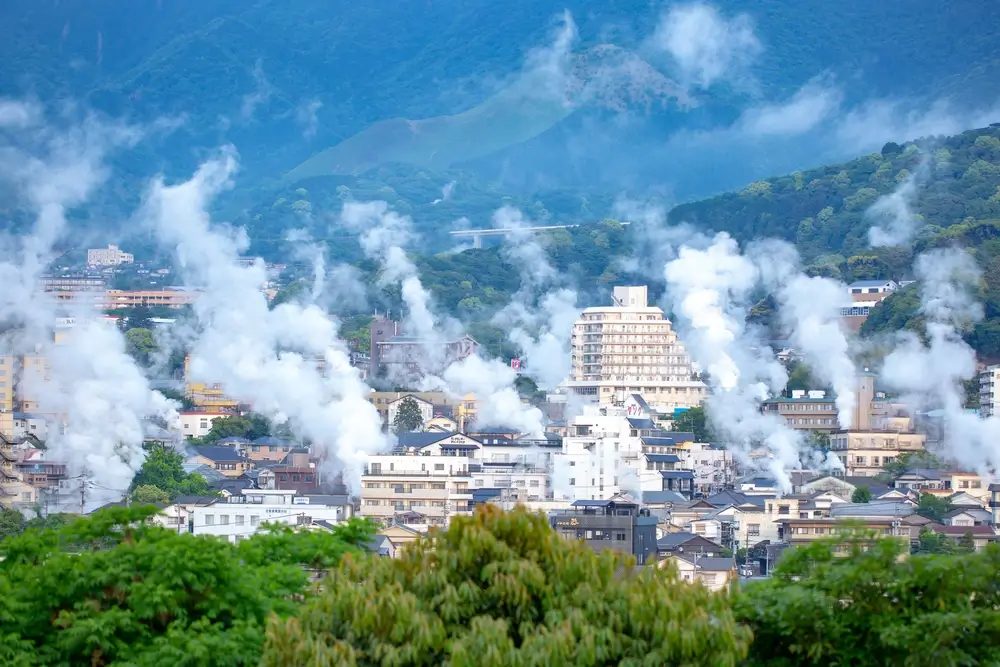
Oita Prefecture
Located in northeastern Kyushu, Oita Prefecture is known as one of Japan's leading hot spring destinations. In Beppu, steam rises from all over town, while Yufuin offers peaceful scenery with views of Yufudake. The Kuju Mountains rise inland, and historic townscapes remain in Hita and Kitsuki. With its rich nature and living hot spring culture, each area offers a different atmosphere to enjoy.
-
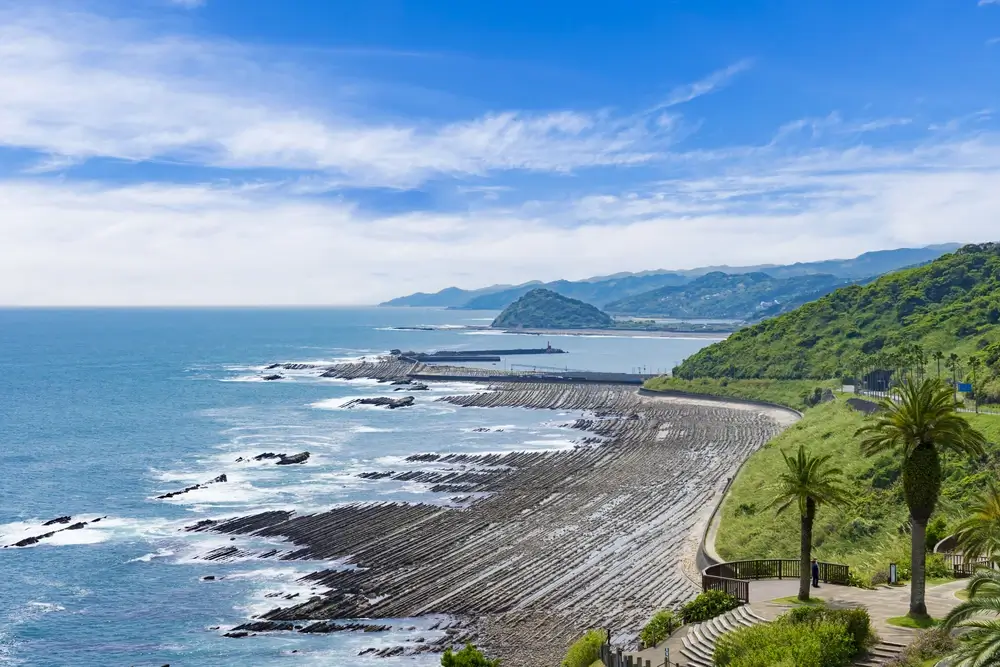
Miyazaki Prefecture
Located in southeastern Kyushu, Miyazaki Prefecture is blessed with a warm climate. Tropical-feeling scenery continues along the Nichinan Coast facing the Pacific Ocean, dotted with famous sights such as Aoshima and Udo Jingu Shrine. Takachiho in the north of the prefecture is known as a place associated with Japanese mythology, and traditional kagura is still passed down there. Its dramatic gorge lined with cliffs of columnar joints is another highlight.
-
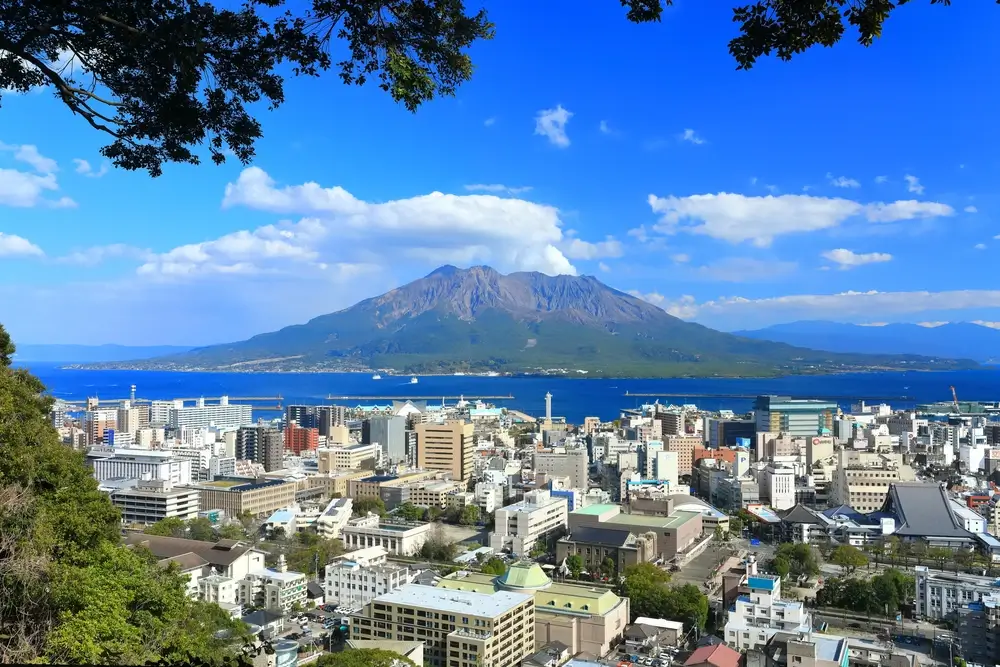
Kagoshima Prefecture
Located at the southern tip of Kyushu, Kagoshima Prefecture stretches a long way from north to south and has many remote islands. Sakurajima, which still sends up volcanic smoke today, rises from Kagoshima Bay, and hot spring areas are scattered around Ibusuki and Kirishima. Historic sites associated with the Satsuma domain remain throughout the prefecture, and to the south lies a chain of distinctive islands, including Yakushima, a World Natural Heritage Site, and Amami Oshima with its subtropical nature.
Must-Visit Attractions in Kyushu's Seven Prefectures
Kyushu has long had active exchange with other countries, and many buildings and historic sites that tell of this history remain. Natural scenery such as the majestic landscapes created by volcanic activity and gorges deep in the mountains is also a highlight. The signature sights of each prefecture bring together the history, culture, and rich nature unique to Kyushu.
-
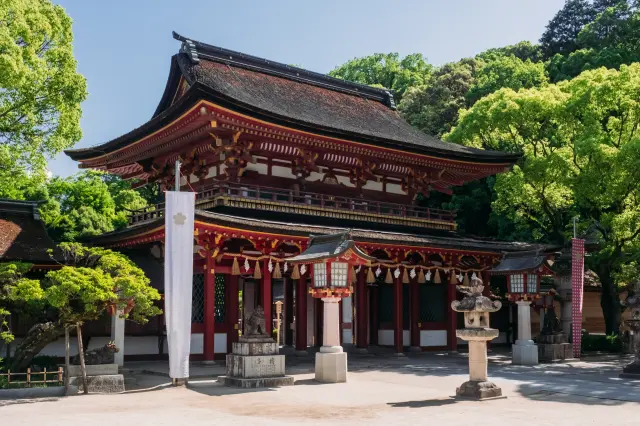 Aburayama, Dazaifu, ChikushinoDazaifu Tenmangu Shrine
The head shrine of 10,000 shrines across Japan, dedicated to the spirit of scholar Sugawara Michizane.
-
 SagaYoshinogari Historical Park
Travel back to the ancient world at this archaeological site, where you can even try making fire.
-
 NagasakiGlover Garden
An outdoor museum, reflecting the foreign settlement period.
-
 KumamotoKumamoto Castle
A renowned castle with more than 400 years of history and a symbol of Kumamoto Prefecture.
-
 OitaKokonoe “Yume” Otsurihashi
A thrilling walk through the sky, 173 m (568 ft) high and 390 m (1,280 ft) long.
-
 MiyazakiTakachiho Gorge
The photographer’s dream, a gorge of the National Place of Scenic Beauty.
-
 KagoshimaSengan-en, a Nationally Designated Place of Scenic Beauty
A daimyo garden loved by feudal lords and princesses.
5 Things to Do in the Kyushu Region
-
1. Experience Kyushu's Uniquely Diverse Hot Spring Culture
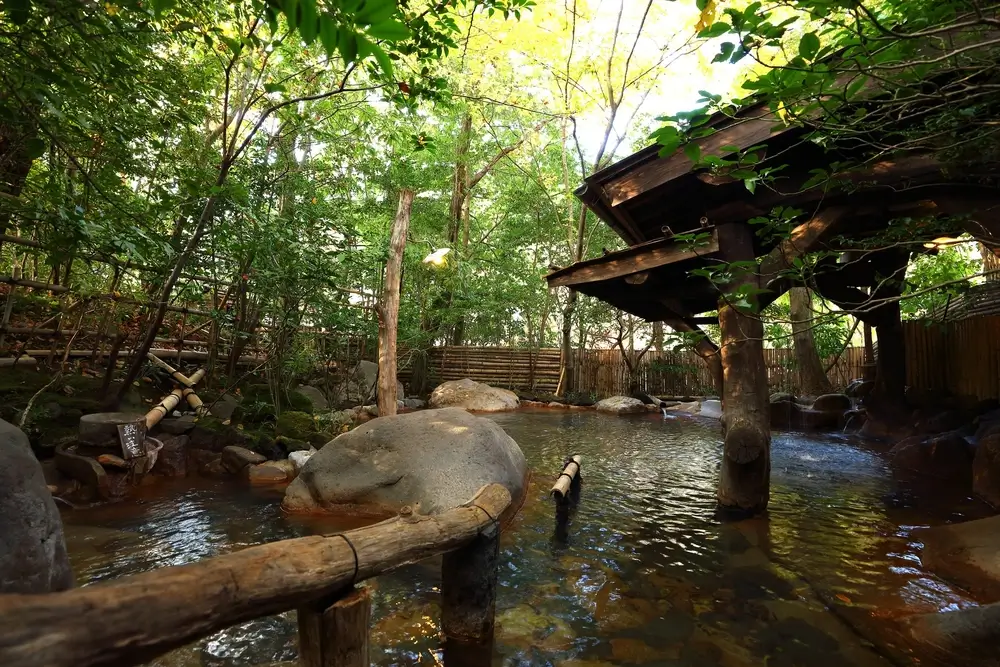
With its active volcanoes, Kyushu is a hot spring paradise that is home to some of Japan's leading hot spring areas. A different hot spring culture lives on in each place, from Beppu with its rising steam and Kurokawa with its inns lining a mountain valley to Ibusuki, known for its sand baths. The spring water, the color of the water, and the surrounding scenery also vary. There is more to enjoy than just soaking, such as strolling through onsen towns and tasting local cuisine.
-
2. Experience the Great Outdoors Created by Volcanoes
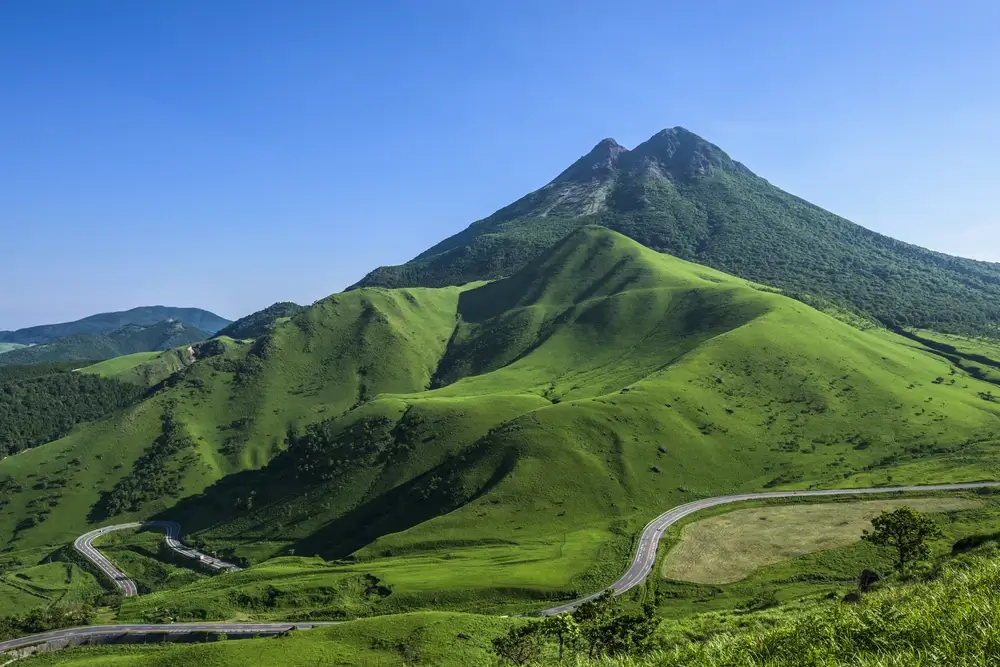
Mountains sending up volcanic smoke, and white steam rising from the ground. Across Kyushu, you can find landscapes where the activity of the earth can be felt up close. They take many forms, from rugged rock faces to lush green grasslands and rolling mountain ranges. From the dramatic scenery of volcanoes to the wide-open views of the highlands, you can experience nature in all its variety.
-
 KagoshimaSakurajima
An Island where People Live Alongside the Volcano. An Iconic Symbol of Kagoshima, Floating in Kagoshima Bay.
-
 NagasakiUnzen Jigoku
Explore Unzen Jigoku, surrounded by powerful geothermal vents and clouds of white steam, and experience it with all five senses.
-
 OitaYamanami Highway
A classic scenic drive that’s been selected as one of the “Japan’s Top 100 Roads.”
-
-
3. Discover the Pottery Culture Passed Down Across Kyushu
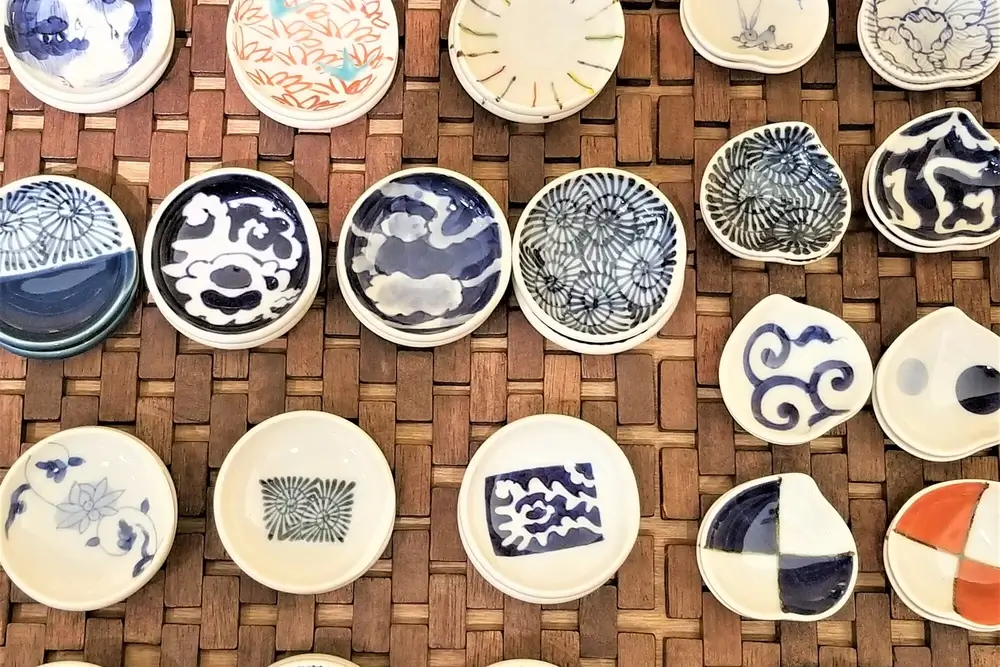
Pottery making has thrived in Kyushu since ancient times, and kilns and workshops are still scattered across the region. Walk through a pottery town and you will come across scenes that show how pottery culture is rooted in daily life: climbing kilns, historic townscapes, and colorful ceramics lined up under the eaves of shops. Watch artisans at work up close or search for a favorite piece, and enjoy the kind of time only a pottery town can offer.
-
 SagaArita Uchiyama District
Historic and quaint Arita’s main street lined with Arita ware potteries and shops.
-
 Kurume, Asakura, UkihaKoishiwara
Visit one of Fukuoka’s leading pottery villages in search of durable, rustic tableware designed to be used for years.
-
 KagoshimaMiyama, a village for Satsuma ware
A small village with Satsuma ware pottery studios.
-
-
4. Walk Through Historic Towns Where Foreign Cultures Live On
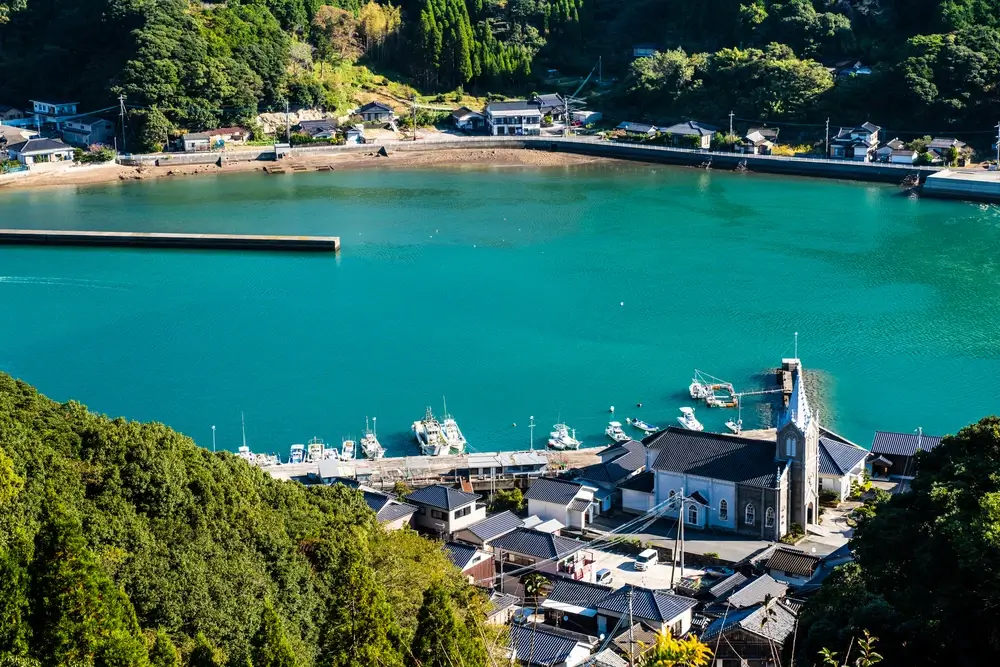
Kyushu has long been a window for exchange with other countries, and townscapes where you can feel foreign cultures still remain today. They take many forms, from Western-style buildings and stone-paved slopes to churches standing in fishing villages. Walk the back streets while looking at historic buildings, and you can experience the culture unique to Kyushu that grew out of this exchange with the wider world.
-
 NagasakiDejima (National Historic Site: Site of the Dejima Dutch Trading Post)
Get a glimpse of early 19th-century Dejima, the small artificial island that flourished as Japan's gateway for international trade.
-
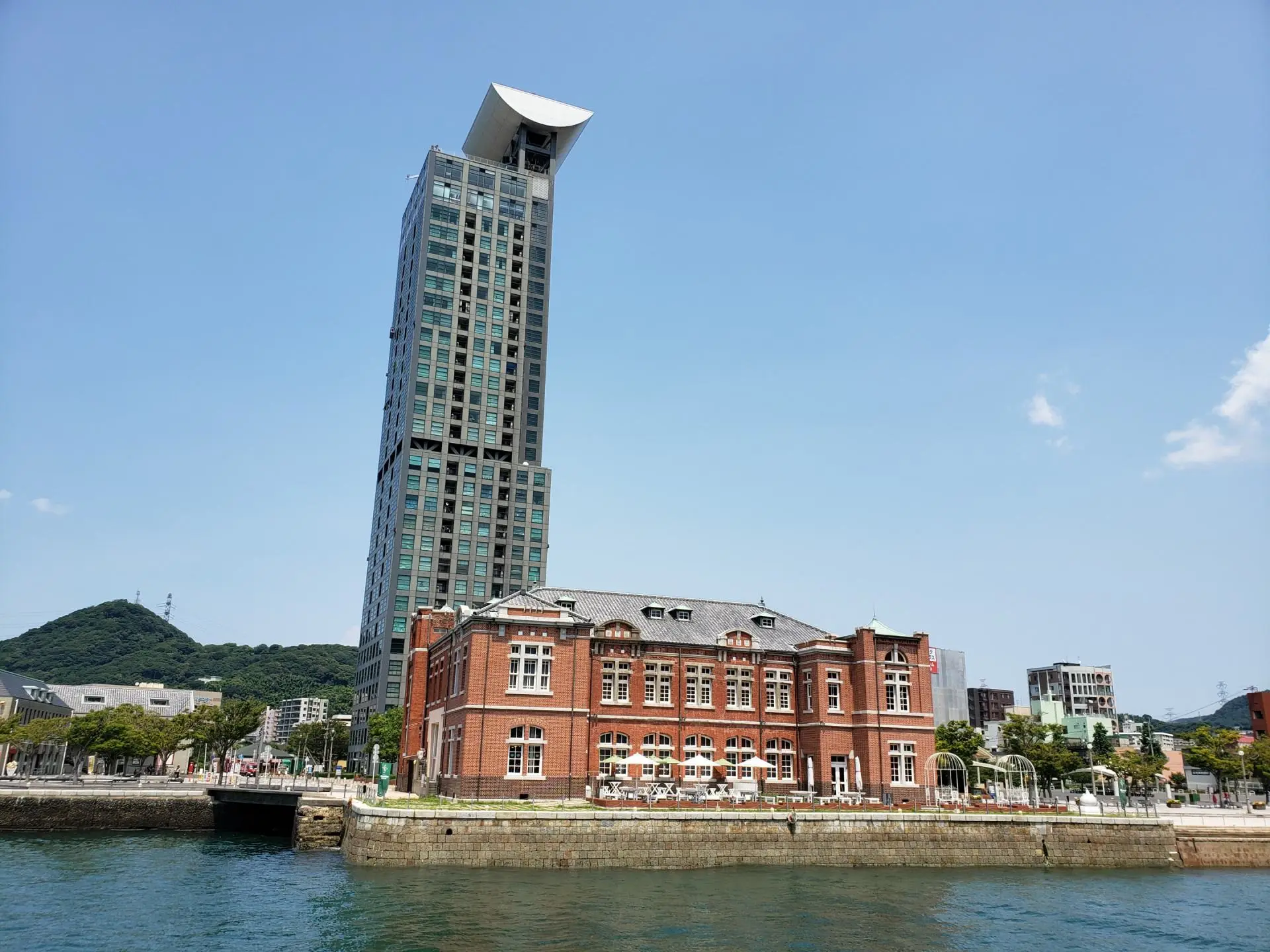 Mojiko, KokuraMojiko Retro
Visit a retro architecture and time-slip into the good old days.
-
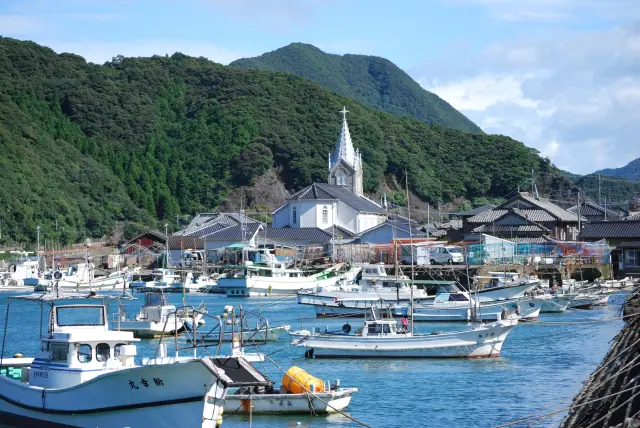 KumamotoAmakusa’s Sakitsu Village (Component of a UNESCO World Cultural Heritage Site)
A village with a history of Hidden Christian faith shaped by its fishing community.
-
-
5. Enjoy Distinctive Rail Journeys While Taking in Kyushu's Spectacular Scenery
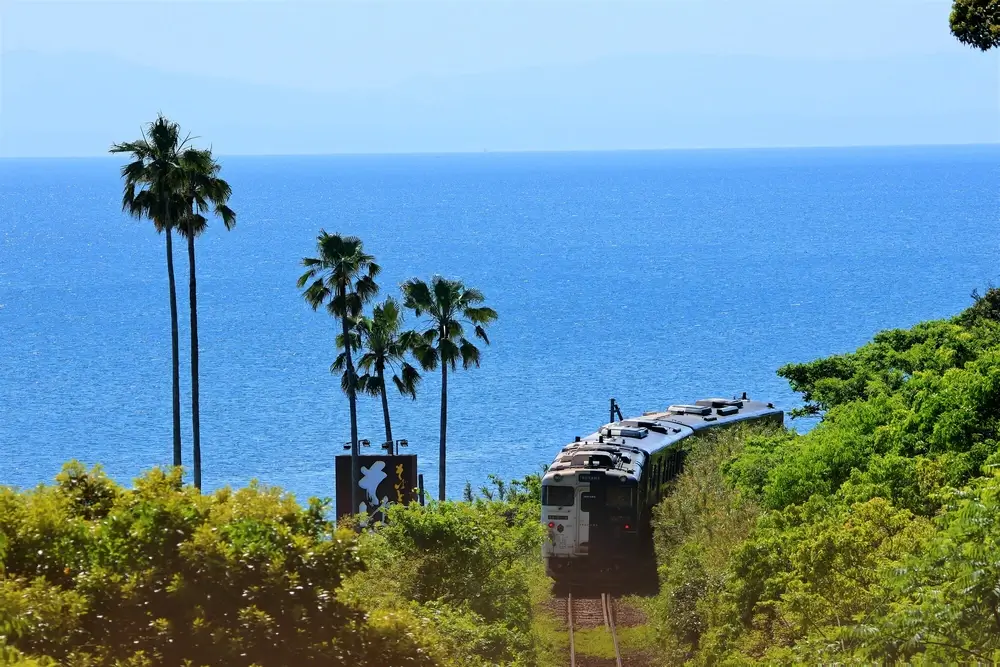
Kyushu's appeal lies in its varied scenery, from Sakurajima floating in Kinko Bay and the mountains of Aso to steep-sided gorges. The rides themselves are just as distinctive, with sightseeing trains running along the coast, local lines with views of the mountains, and open-air trolley trains. Watch the scenery go by from the window or feel the pleasant breeze, and enjoy the relaxed pace that only a train can offer.
-
 KagoshimaIBUSUKI NO TAMATEBAKO
A sightseeing train filled with treasures and travel delights, wrapped up in the Dragon Palace legend.
-
 MiyazakiAmaterasu Railway
The super cart to let you take in Takachiho nature.
-
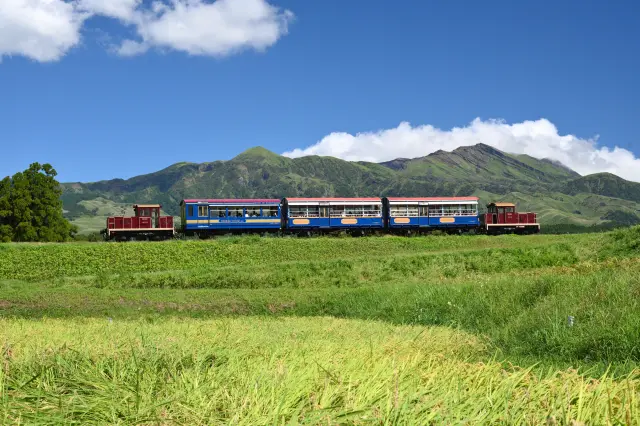 KumamotoMinamiaso Railway
Take a deep breath and refresh your mind aboard a trolley train that rides the wind through Aso.
-
World Heritage Sites in the Kyushu Region
-
1. Sites of Japan's Meiji Industrial Revolution: Iron and Steel, Shipbuilding and Coal Mining
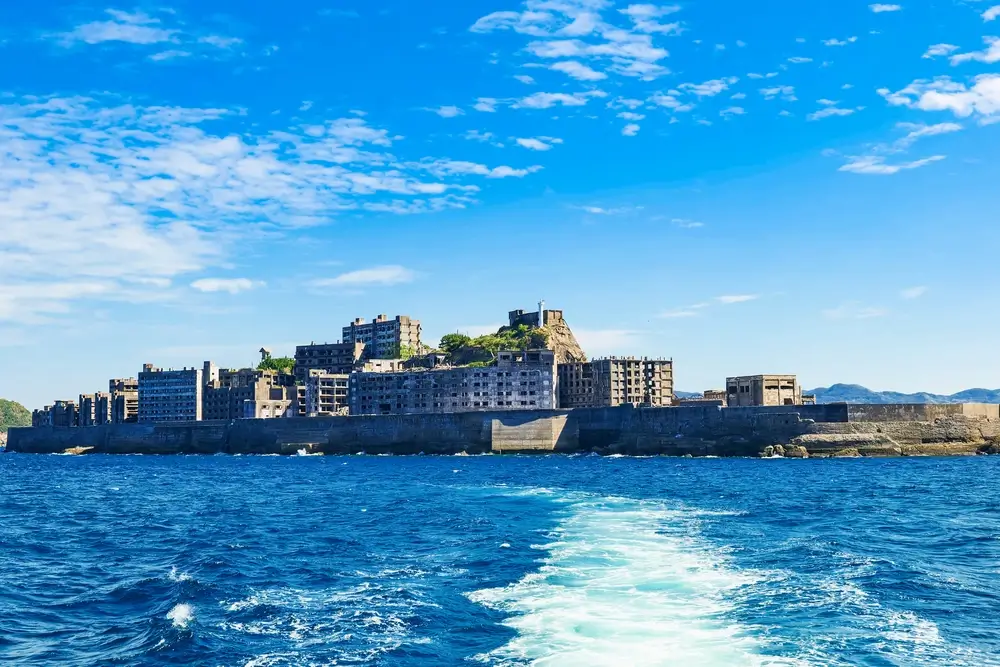
This World Cultural Heritage Site tells the story of how Japan industrialized from the end of the Edo period through the Meiji era. Registered in 2015, it consists of 23 component parts scattered across eight prefectures. In Kyushu, Gunkanjima (Hashima Island), which prospered as an undersea coal mining island, the Mietsu Naval Dock Site, which conveys shipbuilding technology, and Miike Coal Mines Mandako, which supported the coal industry, remain, letting you trace the course of Japan's modernization.
-
 NagasakiGunkanjima (Hashima Island)
An abandoned island and registered UNESCO World Cultural Heritage site.
-
 SagaMietsu Naval Dock Site
Experience the “invisible World Heritage Site” through full-scale models and a large screen!
-
 KumamotoMiike Coal Mines Mandako
A large-scale coal mine site registered as a world heritage.
-
-
2. Sacred Island of Okinoshima and Associated Sites in the Munakata Region
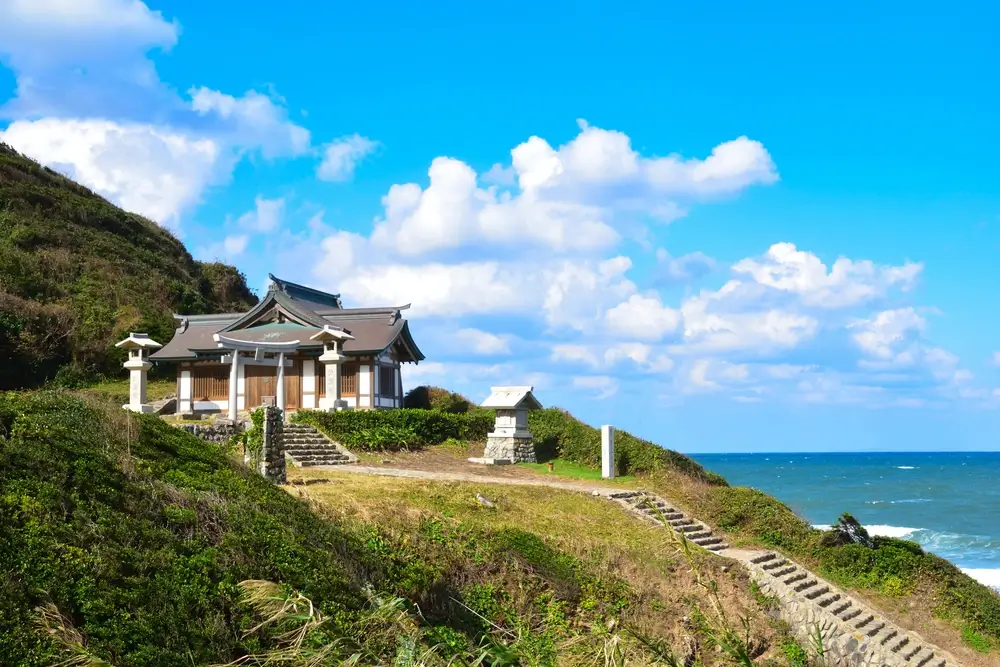
This World Cultural Heritage Site remains in the Munakata region, which has long been a stage for exchange across the sea. Registered in 2017, it is made up of eight component parts, including Okinoshima, Munakata Taisha Shrine, and the Shimbaru-Nuyama Mounded Tomb Group. Valuable votive offerings were discovered on Okinoshima, where rituals were held to pray for safe voyages. Together with Munakata Taisha Shrine and the tomb group, it conveys the history of exchange and faith by way of the sea.
-
 Munakata, Fukutsu, KasuyaMunakata Taisha
A historic shrine included in a UNESCO World Cultural Heritage Site.
-
 Munakata, Fukutsu, KasuyaShimbaru-Nuyama Mounded Tomb Group
One of the World Heritage Sites. A group of tombs of local ruling families that nurtured a tradition of faith that has continued from ancient times to the present.
-
-
3. Hidden Christian Sites in the Nagasaki Region
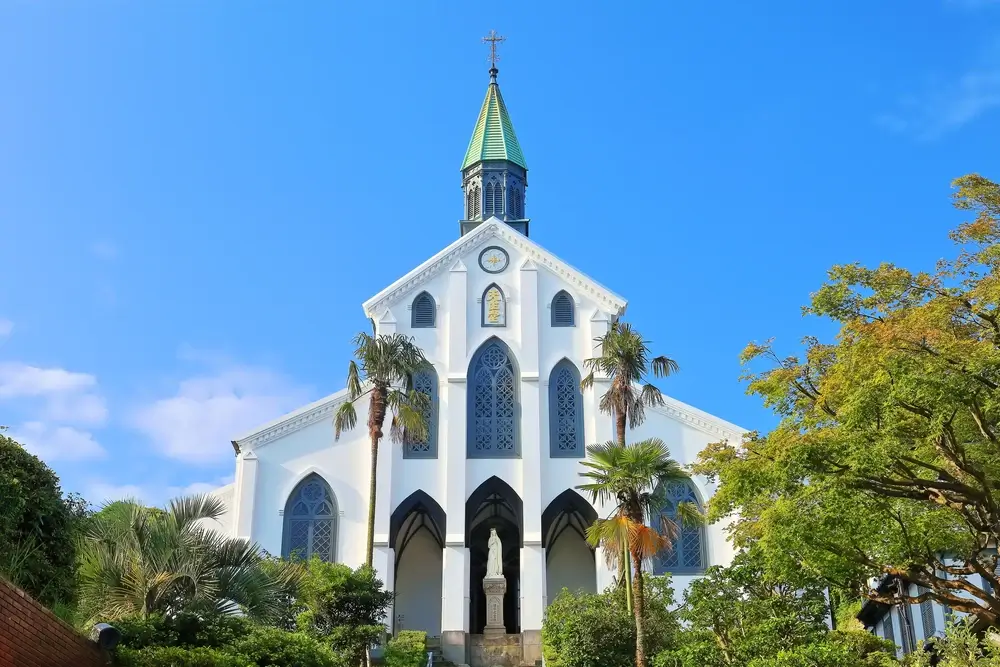
This World Cultural Heritage Site tells the history of the people who secretly kept their faith during the era when Christianity was banned. Registered in 2018, it is made up of 12 component parts scattered across Nagasaki and Kumamoto prefectures. At places such as Sakitsu Village in Amakusa, which shows how the faith was practiced during the ban, and Oura Catholic Church, which was built during the ban, you can learn about this distinctive religious culture and its history.
-
4. Yakushima
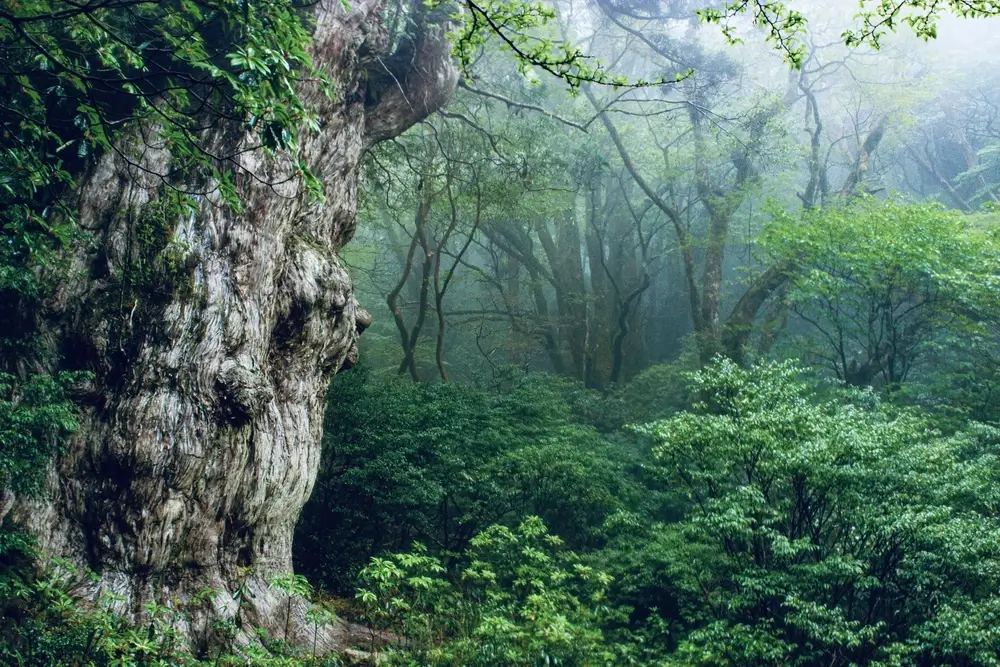
Located south of mainland Kagoshima Prefecture, this island preserves Yakusugi cedars thousands of years old and rich primeval forests. In 1993, about 20% of the island was registered as one of Japan's first World Natural Heritage Sites. Mt. Miyanoura, 1,936 m high, rises in the center of the island, and diverse natural environments extend from the coast to the mountains. Its appeal lies in mystical scenery nurtured over long ages, such as moss-covered forests and giant Yakusugi cedars.
-
5. Amami-Oshima Island, Tokunoshima Island, Northern part of Okinawa Island, and Iriomote Island
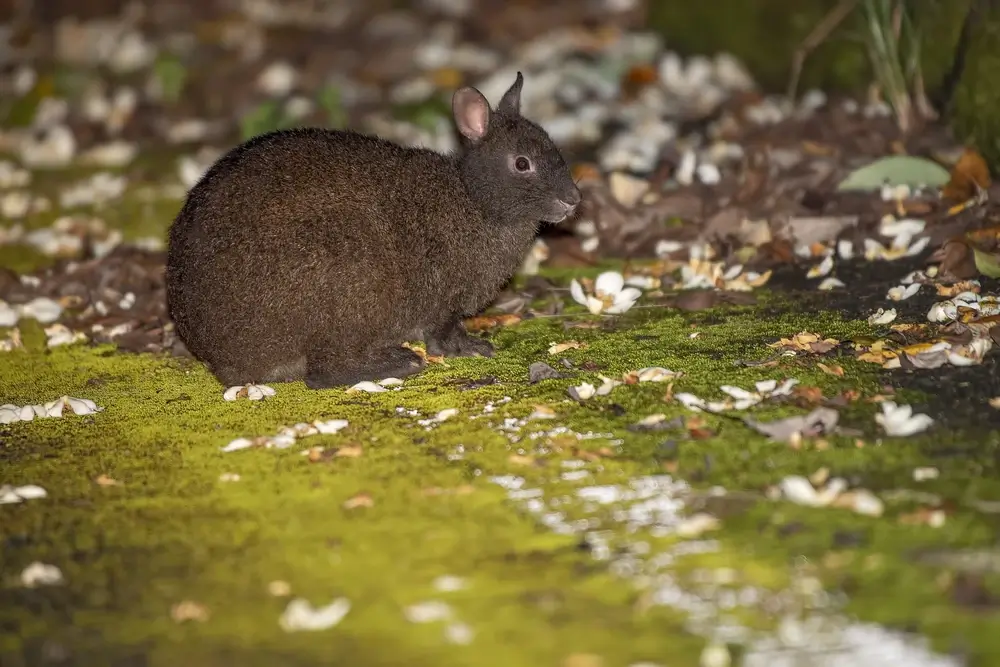
This World Natural Heritage Site consists of parts of Amami Oshima and Tokunoshima Island in Kagoshima Prefecture and of the northern part of Okinawa Island and Iriomote Island in Okinawa Prefecture. Registered in 2021, its subtropical forests are home to many rare plants and animals. Endemic species that have evolved in their own unique ways live here, such as the Amami rabbit, found on Amami Oshima and Tokunoshima Island, and the Tokunoshima spiny rat, found only on Tokunoshima Island, testifying to the richness of the area's biodiversity.


Iconic Festivals & Traditional Events of the Kyushu Region
-
1. Hakata Dontaku Port Festival (Fukuoka)
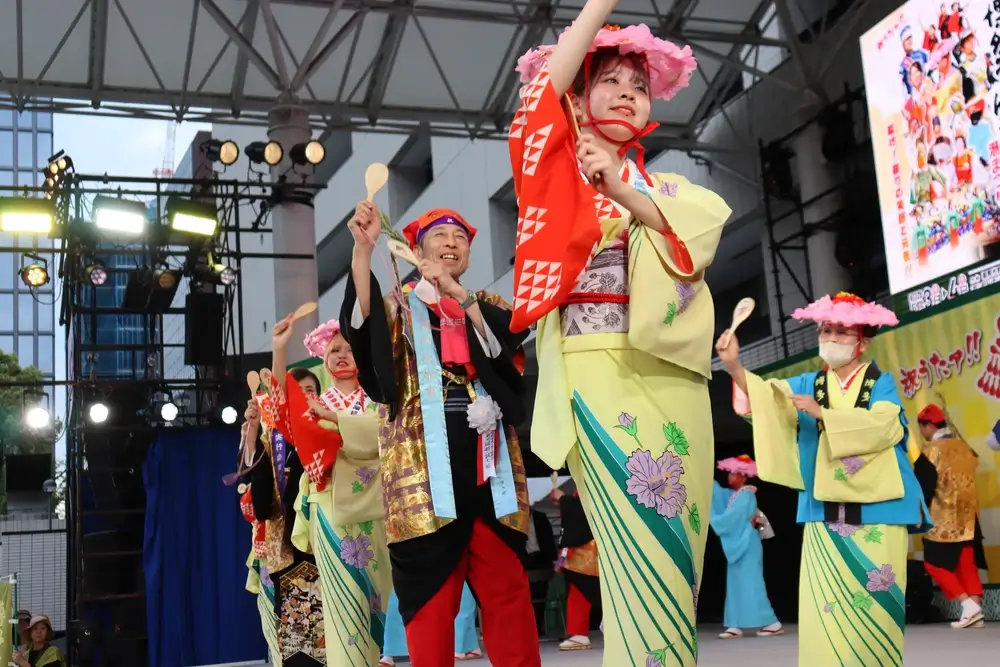
Held every year on May 3 and 4, this is Fukuoka's signature festival, in which the citizens themselves take part. It has its roots in Hakata Matsubayashi, which began at the end of the Heian period, and draws crowds of more than 2 million people. The stars of the festival are the colorful parades of the Dontaku-tai groups, dressed up in costumes of their own choosing. They march through the city clapping shamoji (rice paddles) together, and dances and musical performances are also presented on stages set up around the city.
-
2. Tobata Gion Oyamagasa (Fukuoka)
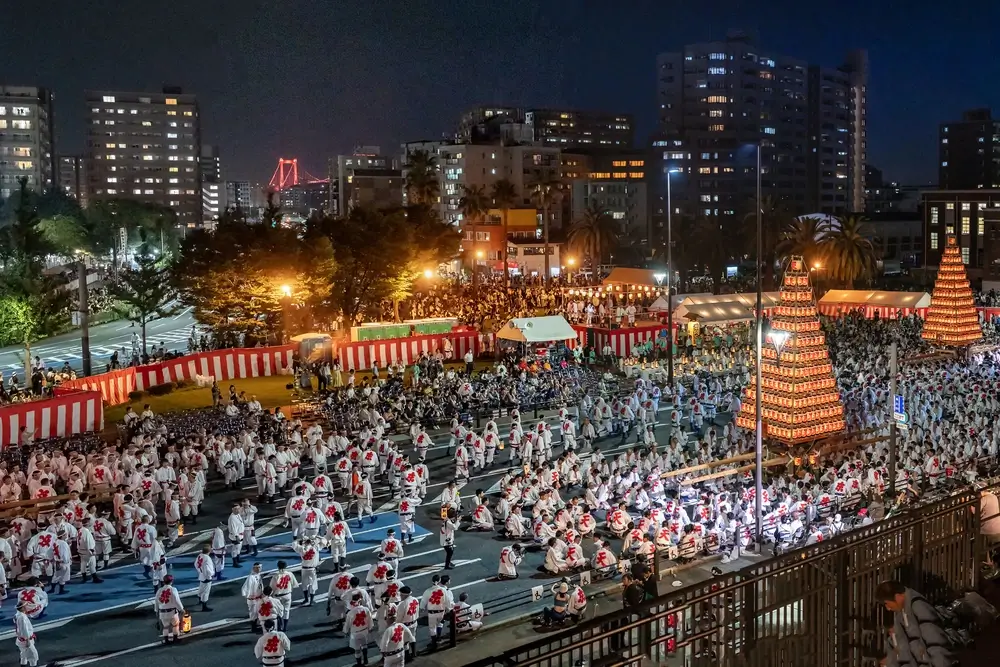
Registered as a UNESCO Intangible Cultural Heritage, this festival has a history of more than 220 years and is one of the three great summer festivals of Fukuoka Prefecture. The highlight is the competition event, where all eight yamagasa floats come together. When the banners and curtains are removed and the floats are transformed into lantern yamagasa, the godan-age, in which the upper five tiers are lifted up in one go, is a breathtaking sight. About 80 bearers carry each lantern yamagasa, which stands about 10 m tall and weighs about 2.5 tons, as they parade to calls of "Yoitosa, yoitosa!" The light of the lanterns, stacked in layer upon layer, brightens the night.
-
3. Karatsu Kunchi (Saga)
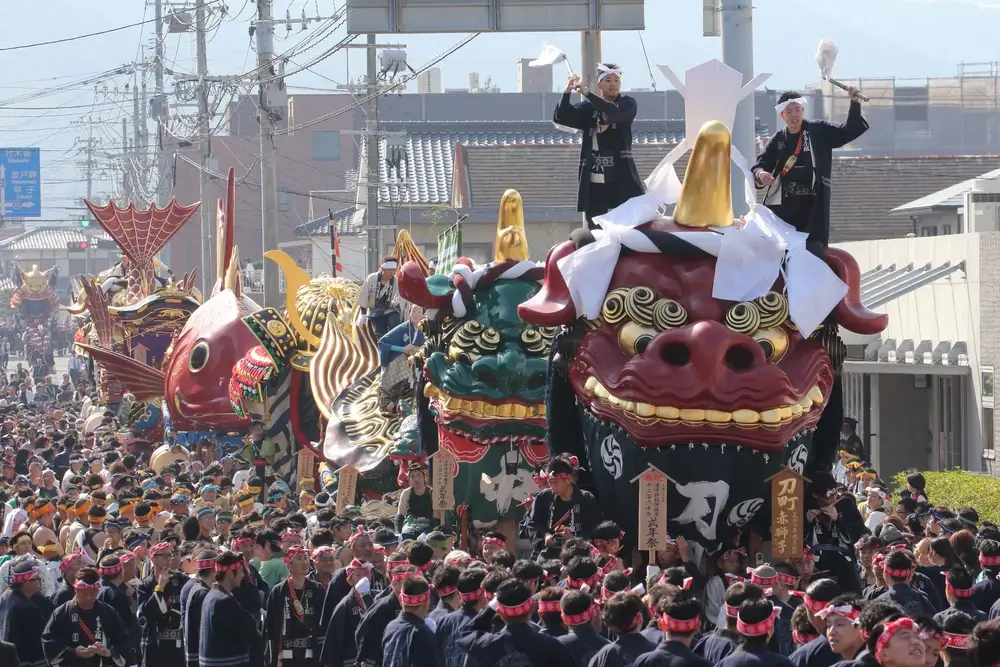
Held from November 2 to 4, this is the annual autumn festival of Karatsu Shrine. Fourteen hikiyama floats, decorated with designs such as lions and samurai helmets, parade through the former castle town. The festival music of flutes and drums and spirited calls ring out, and in the Yoiyama evening parade the floats are lit up by lanterns. At the Otabisho Shinko procession on the 3rd, the highlight is the sight of the floats being pulled one after another into the otabisho, the shrine's temporary resting place. It is designated an Important Intangible Folk Cultural Property of Japan and is also registered as a UNESCO Intangible Cultural Heritage.
-
4. Nagasaki Kunchi (Nagasaki)
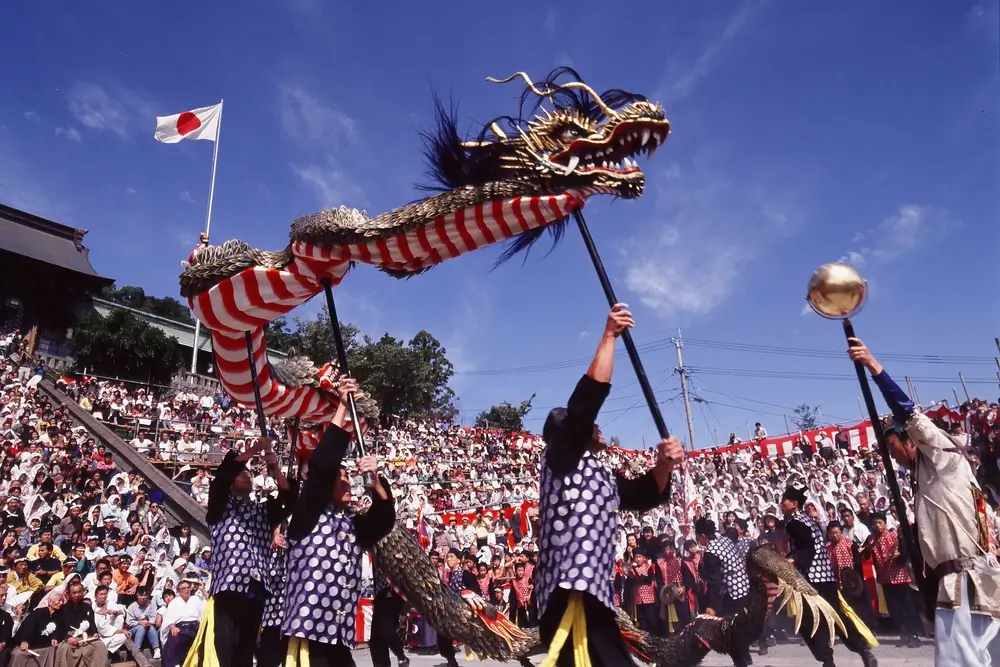
Begun in 1634 and held every year from October 7 to 9, this is the autumn grand festival of Suwa Shrine. The highlights are the original and dynamic dedicatory dances, such as the Jaodori (dragon dance), Kujira no Shiofuki (the spouting whale), and Kokkodesho. Many of the performances incorporate Dutch and Chinese culture. Around the city, niwasaki-mawari is also held, in which the dances are presented at businesses, private homes, and other places. The dedicatory dances are designated an Important Intangible Folk Cultural Property of Japan.
-
5. Yamaga Lantern Festival (Kumamoto)
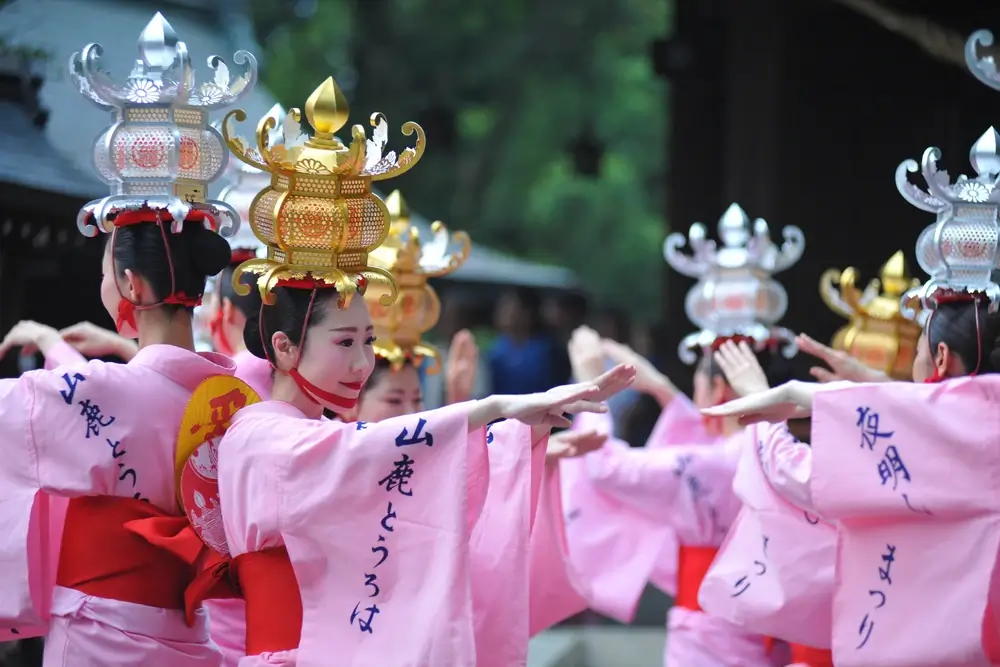
This summer festival is held every year on August 15 and 16 in Yamaga City. It is said to have begun as a Shinto ritual in which Yamaga lanterns were offered to Omiya Shrine. The kanatoro (golden lanterns) that women in yukata wear on their heads are made by skilled lantern makers from washi paper alone, without using any wood or metal. The women dance gracefully to the folk song Yoheho-bushi. Each year, in the Sennin Toro Odori (Thousand-Person Lantern Dance) on the night of the 16th, as many as a thousand women form ring upon ring around a yagura tower and dance, creating a dreamlike scene.
-
6. Hita Gion Festival (Oita)
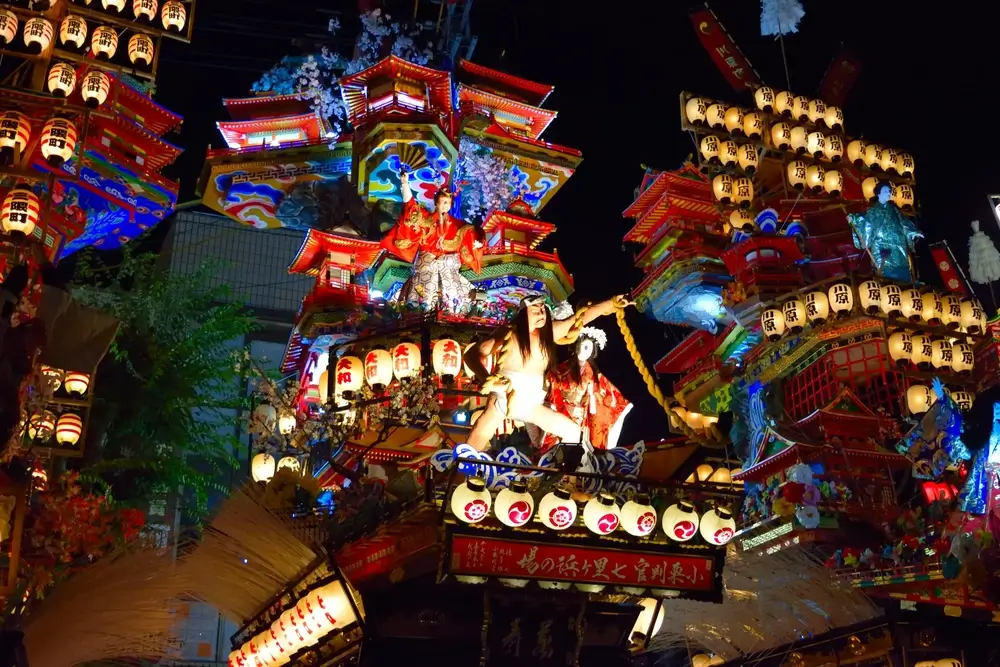
This traditional event in Hita City began from the Gion faith, with prayers for protection from epidemics. Yamaboko floats, decorated with dolls and lavish curtains and themed on scenes from kabuki and ningyo joruri puppet theater, parade through the town. Gion-bayashi festival music played on flutes, drums, and shamisen rings out, and in the evening Banyama parade, floats lit with lanterns make their way through the town. It is designated an Important Intangible Folk Cultural Property of Japan and is also registered as a UNESCO Intangible Cultural Heritage.
-
7. Takachiho Yokagura (Miyazaki)
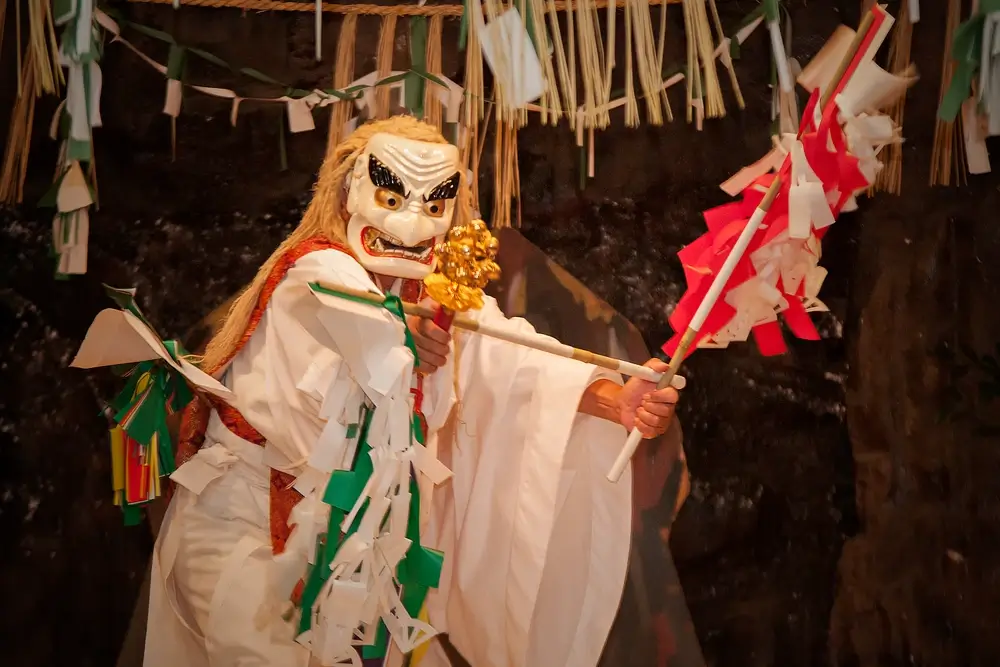
Takachiho Yokagura is designated an Important Intangible Folk Cultural Property of Japan. A traditional performing art passed down in the villages of Takachiho Town to pray for abundant harvests, it sees 33 kagura dances dedicated through the night in about 20 villages every year from mid-November to early February of the following year. At the Kaguraden hall of Takachiho Shrine, Takachiho Kagura, a performance of four representative dances for visitors, is presented every evening throughout the year.
Iconic Local Dishes of the Kyushu Region
-
1. Fukuoka | Gameni
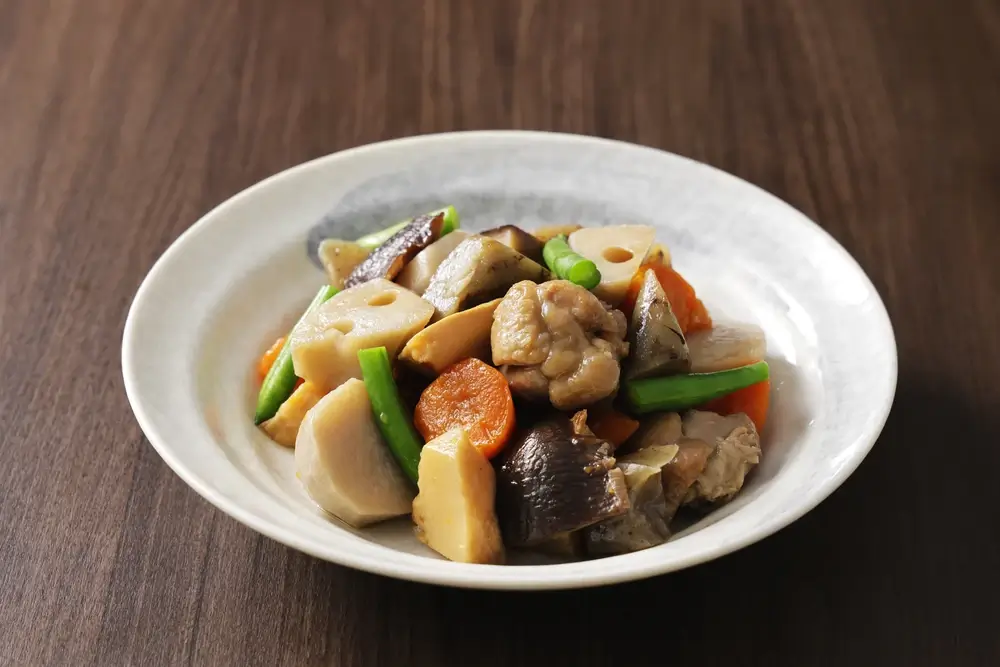
A dish of chicken, carrots, bamboo shoots, konjac, and other ingredients simmered together, also known across Japan as chikuzen-ni. One theory holds that the name comes from the Hakata dialect word gamekurikomu, meaning "to gather together." It has long been served at New Year and on celebratory occasions.
-
2. Saga | Ureshino Onsen Tofu
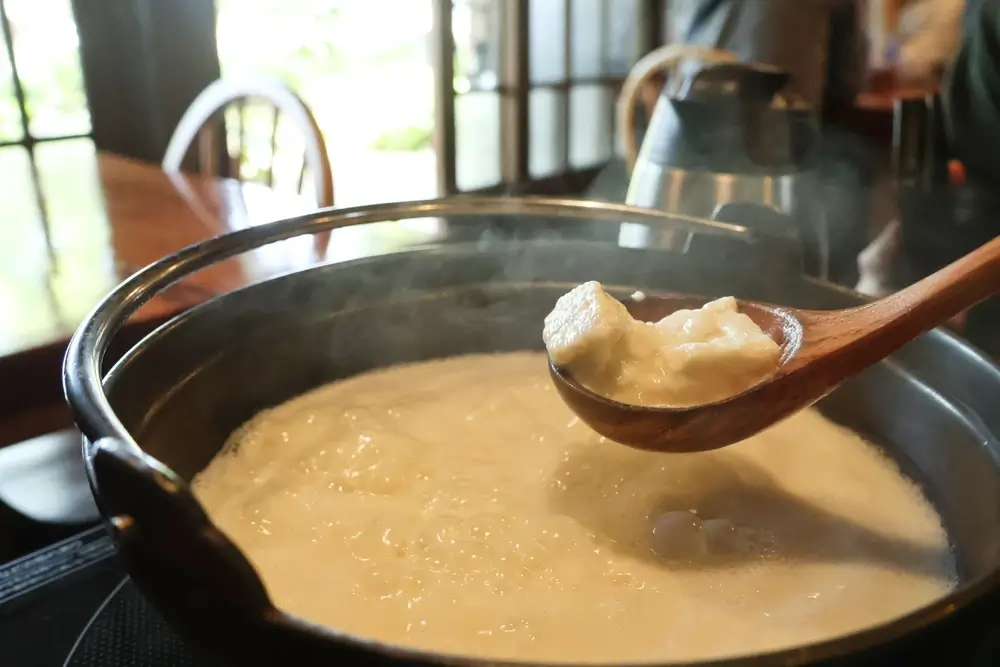
A specialty dish passed down at Ureshino Onsen since the Edo period. Simmering tofu in hot spring water makes the tofu so soft that it seems to melt and turns the broth a cloudy white. You can enjoy its uniquely fluffy texture and the natural sweetness of the soybeans.
-
3. Nagasaki | Guzoni
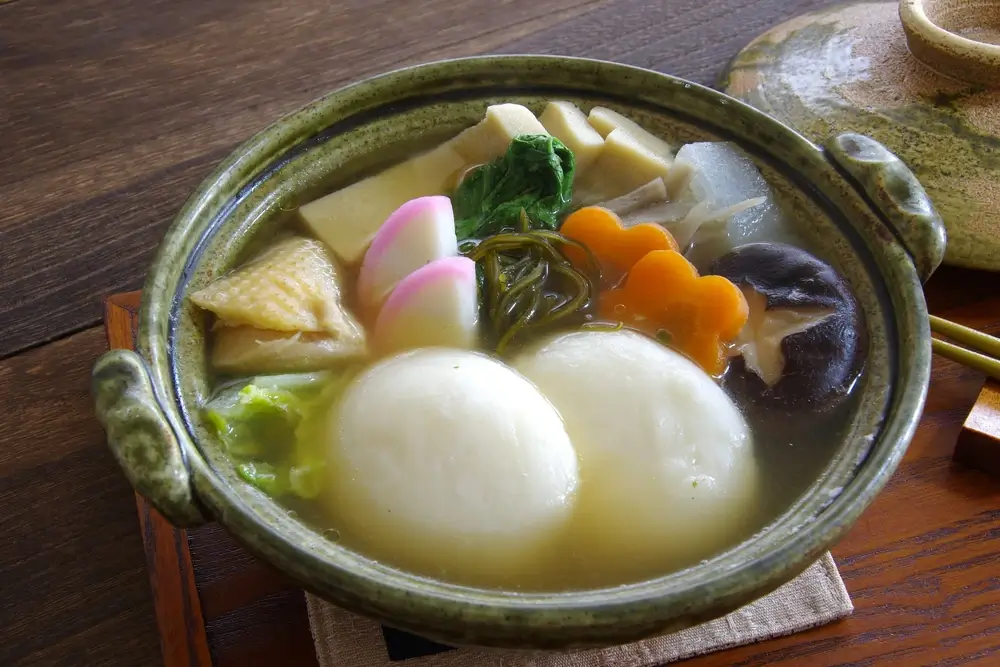
A hearty zoni soup passed down on the Shimabara Peninsula, made by simmering round mochi rice cakes with chicken, vegetables, seafood, and more. It is said to have originated during the Shimabara Rebellion, when Amakusa Shiro and his followers simmered and ate mochi with foods from the mountains and the sea. Locally, it has been eaten on days of celebration such as New Year and festivals.
-
4. Kumamoto | Karashi Renkon
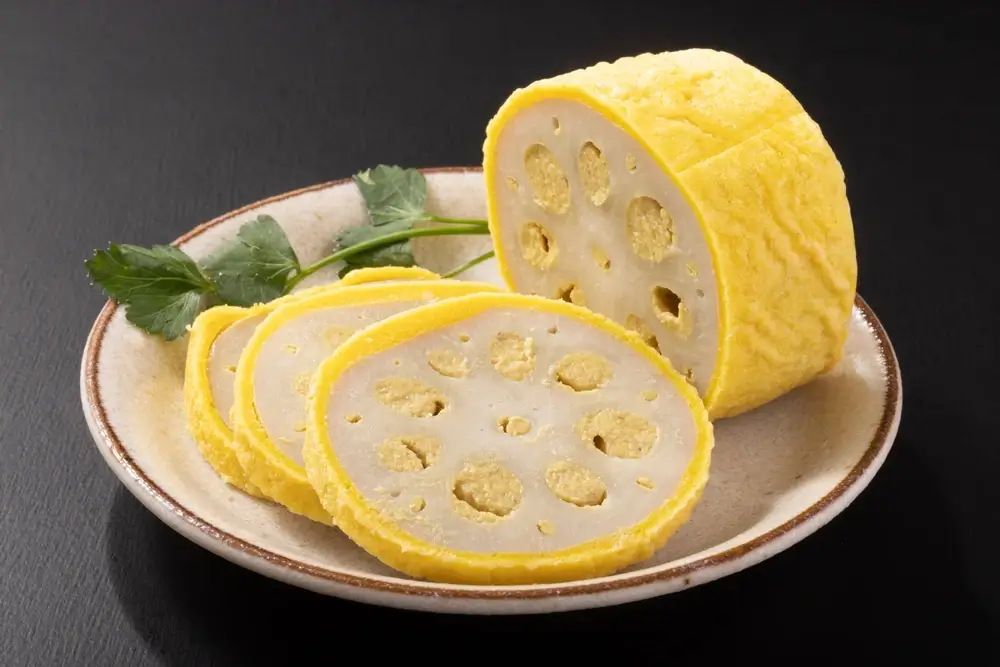
A specialty dish of Kumamoto, a lotus root-producing area. The holes of the lotus root are stuffed with mustard miso, and the root is then coated in batter and deep-fried. It is said to have been devised in the Edo period for Hosokawa Tadatoshi, the first lord of the Higo domain from the Hosokawa family. It is known for its sharp heat and crunchy texture.
-
5. Oita | Ryukyu
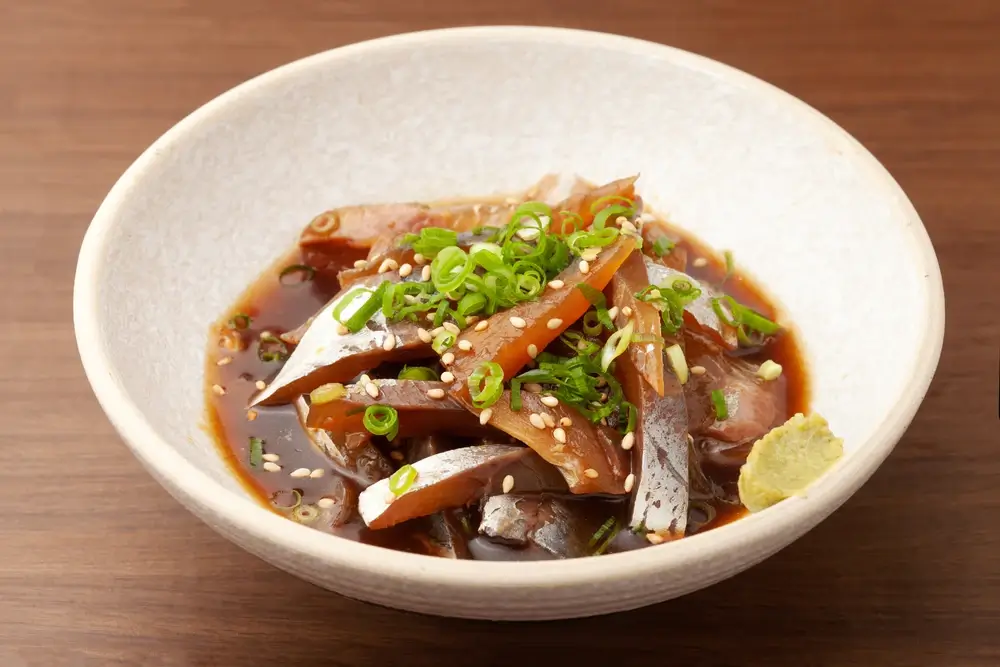
A dish of fish such as horse mackerel, mackerel, or yellowtail marinated in a soy sauce-based sauce with sesame seeds and aromatic garnishes. Passed down in the coastal areas in the south of the prefecture, it is also said to have been made by fishermen as a way to preserve leftover fish. Because it uses whatever fish is in season, it can be enjoyed all year round.
-
6. Miyazaki | Hiyajiru

A dish that has been eaten in Miyazaki during the hot summer. Fish, sesame seeds, and miso are ground together and dissolved in dashi stock, cucumber and aromatic garnishes are added, and the cold soup is poured over rice. It has been passed down as a meal for people working in the fields.
-
7. Kagoshima | Keihan
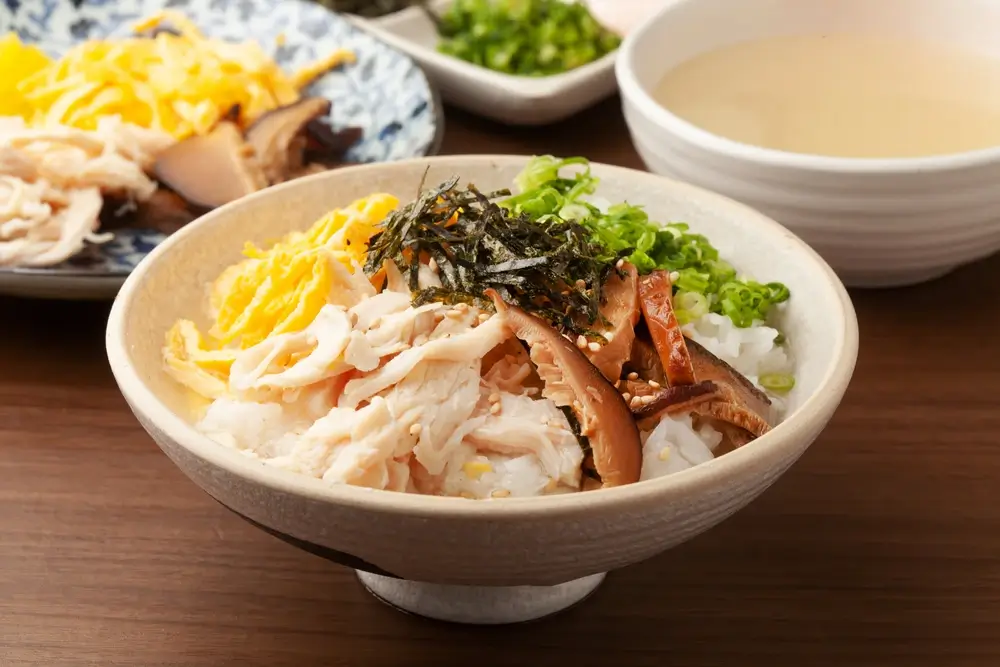
A dish passed down in the Amami area that was created to entertain officials of the Satsuma domain. Chicken, kinshi tamago (shredded thin omelet), dried shiitake mushrooms, and other toppings are placed on rice, and chicken stock soup is poured over the top. It used to be more like rice cooked together with chicken, but the soup style is now the standard.
Iconic Traditional Crafts of the Kyushu Region
-
1. Fukuoka | Hakata-ori (Hakata Textiles)

A silk textile from Hakata with a history of more than 780 years. It is characterized by its firm fabric, created by beating the weft threads tightly into the warp threads. Obi sashes made from it do not easily come loose once tied, and it has a history of being presented as a gift to the shogunate. Wallets and small accessories are also made.
-
2. Saga | Arita-yaki (Arita Ware)
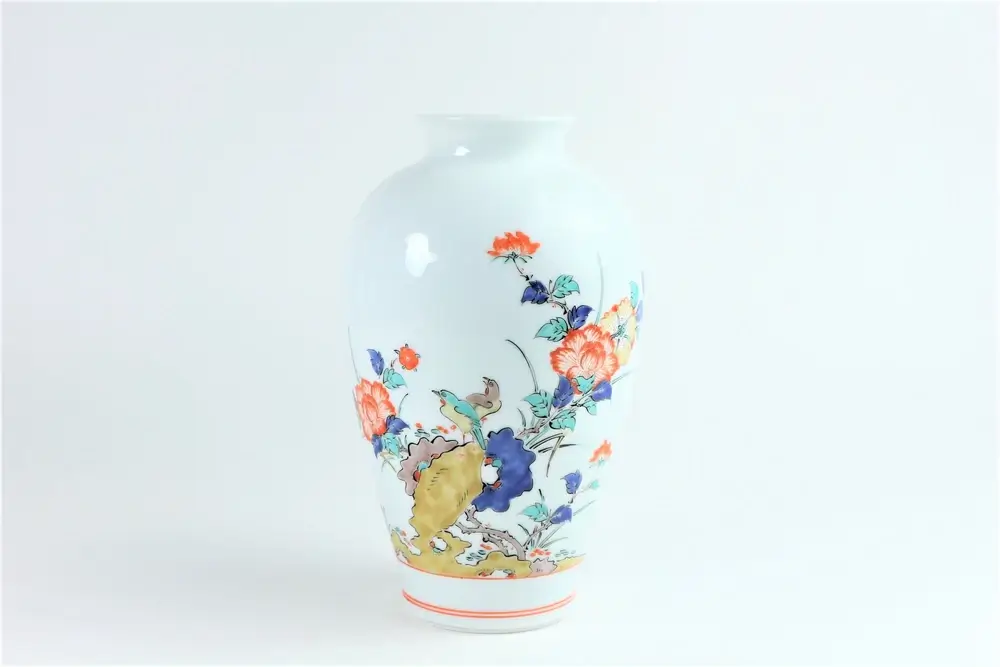
Porcelain with a history of about 400 years, made in and around the town of Arita, Saga Prefecture. The area is known as the place where porcelain was first fired in Japan, in the early 17th century. It is characterized by its varied decoration, from indigo-blue sometsuke underglaze painting to colorful overglaze enamels.
-
3. Nagasaki | Nagasaki Bekko (Nagasaki Tortoiseshell Work)
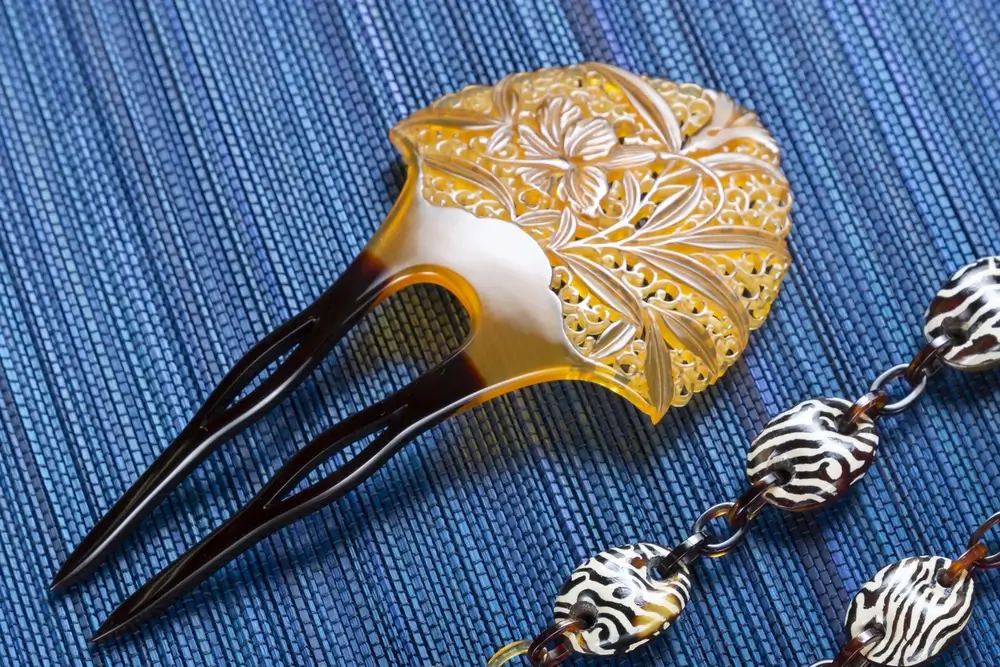
A traditional craft that has been made in Nagasaki since the late 17th century. The shell of the hawksbill, a species of sea turtle, is bonded together with heat and pressure and then polished. Known for its amber-colored luster and delicate workmanship, it is made into items such as kanzashi hairpins and necklaces.
-
4. Kumamoto | Yamaga Toro (Yamaga Lanterns)
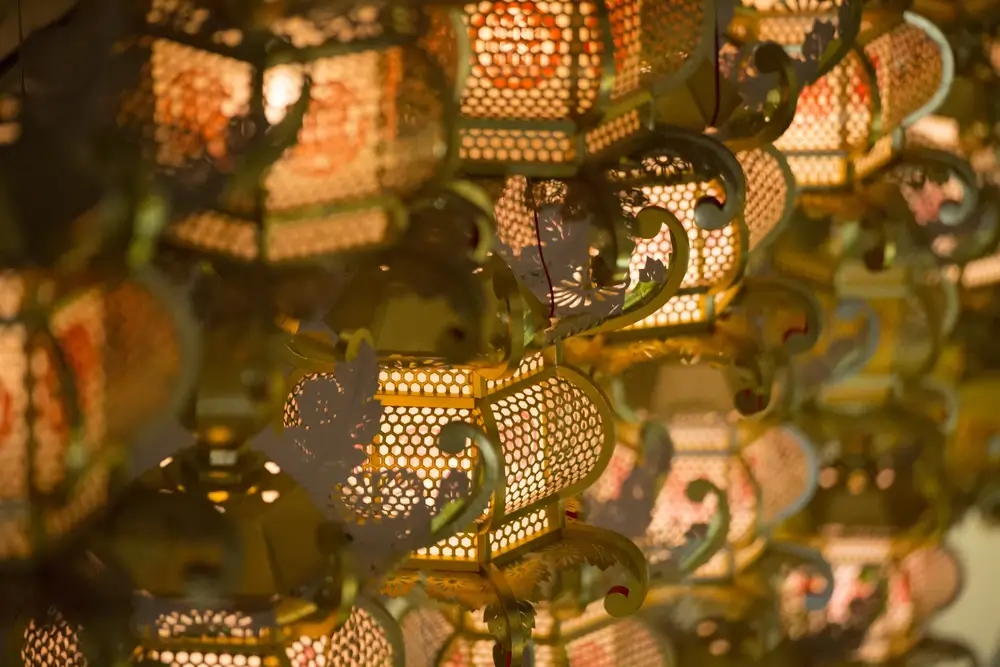
A traditional craft passed down in Yamaga City, made with only washi paper and glue. Without using any wood or metal, lantern makers cut, fold, and paste washi together to finish each piece. In addition to the kanatoro (golden lanterns), there are also works modeled on shrines, temples, and castles, and their delicate beauty of form is their appeal.
-
5. Oita | Beppu Take-zaiku (Beppu Bamboo Craft)
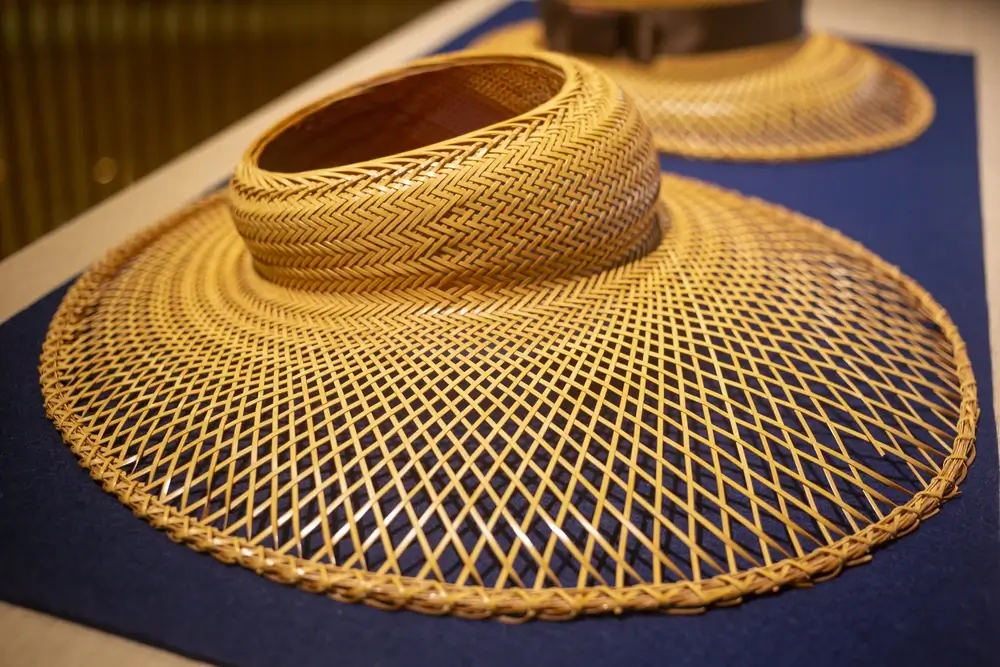
A traditional craft passed down in Beppu. Artisans weave takehigo, thin strips made by splitting bamboo finely, using a variety of techniques. The products are varied, including baskets, flower vases, and bags, and the beauty created by the intricate weave patterns is another characteristic.
-
6. Miyazaki | Hyuga Hamaguri Goishi (Hyuga Clamshell Go Stones)
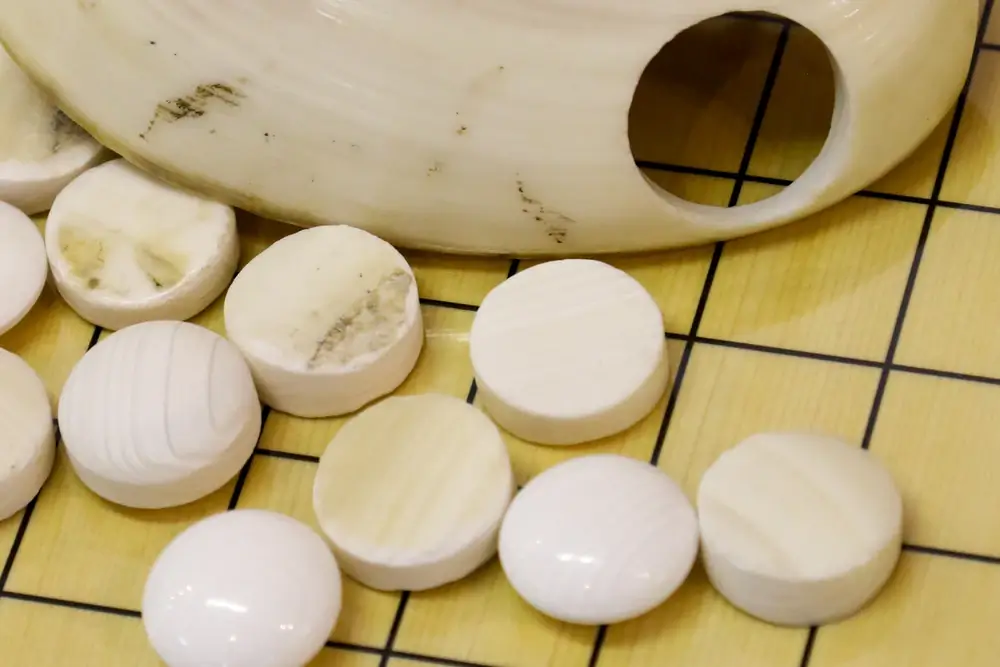
The craft of making Go stones from hamaguri clam shells, passed down in Hyuga City. The shells are cut into the shape of Go stones, and artisans polish them one by one. The white stones are known for their delicate striped patterns and smooth feel.
-
7. Kagoshima | Oshima Tsumugi
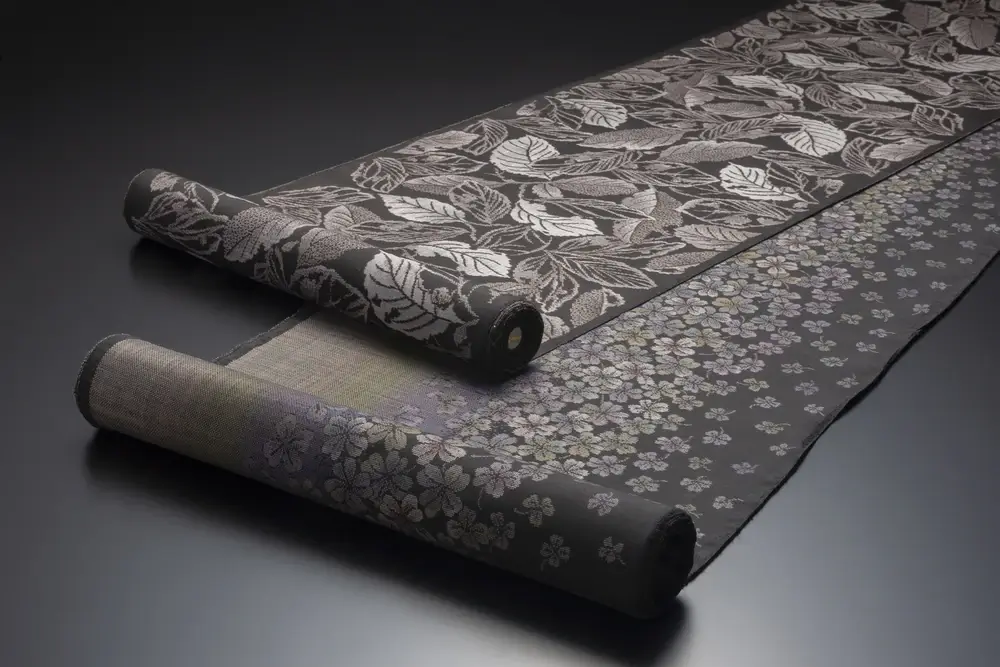
A silk textile that originated on Amami Oshima and is a signature craft of Kagoshima. It is characterized by its fine kasuri (ikat) patterns and light, supple texture. Intricate designs are created by dyeing the threads in fine sections and weaving them with great care. It is used for kimono, small accessories, and more.
Kyushu Region Travel Guide by Theme
In Kyushu, blessed with a warm climate, cherry blossoms reach their peak in various places from late March to early April each year. The hanami (cherry blossom viewing) scenery varies widely, from blossoms adorning historic castle ruins and vast gardens to solitary cherry trees blooming against a backdrop of mountains and rows of cherry trees tinged with the colors of spring. Feel the Kyushu spring along with the scenery created by cherry blossoms in full bloom.
-
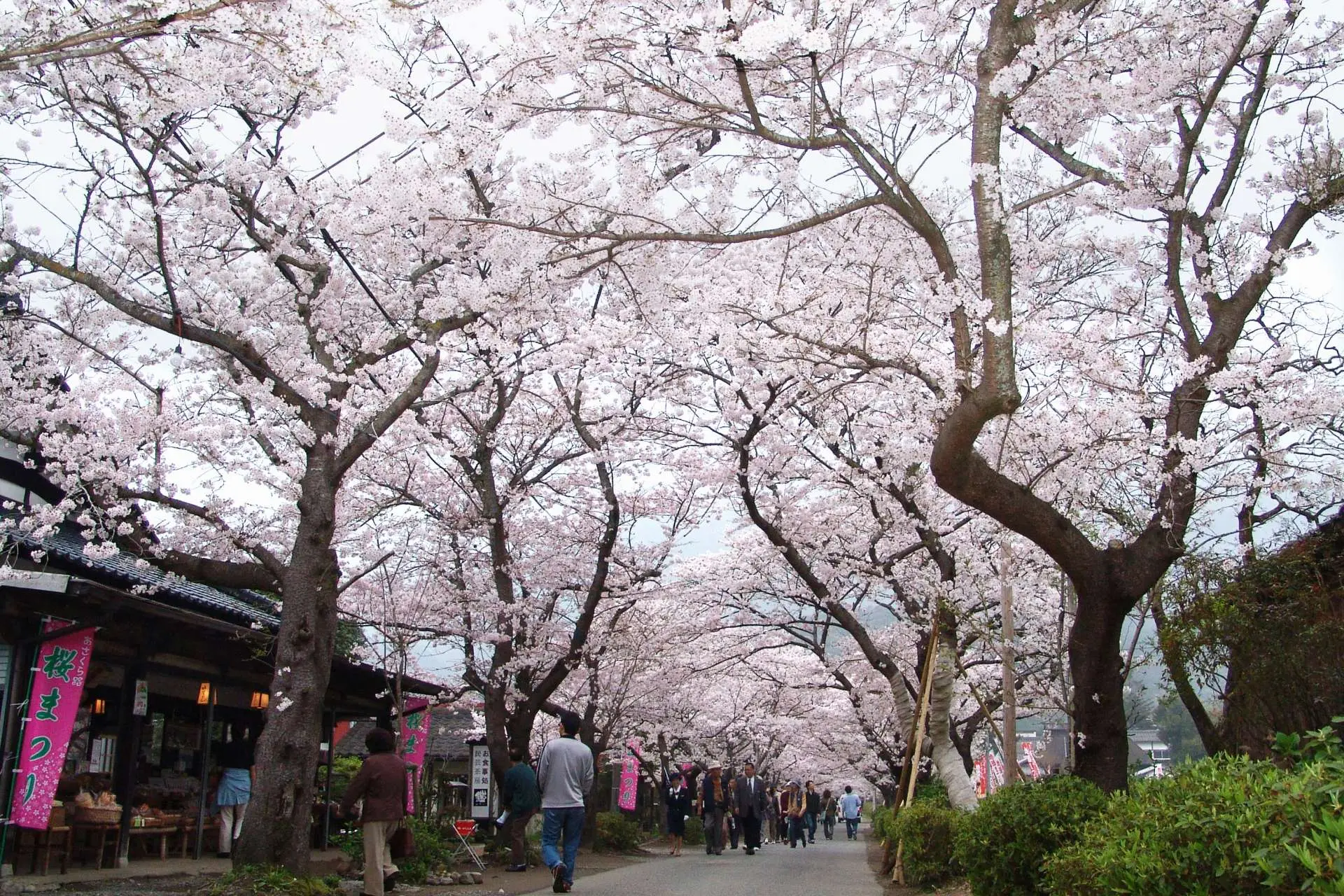 Kurume, Asakura, UkihaAkizuki Castle Ruins
The graceful castle town, reflecting the glory of “Chikuzen’s Little Kyoto.”
-
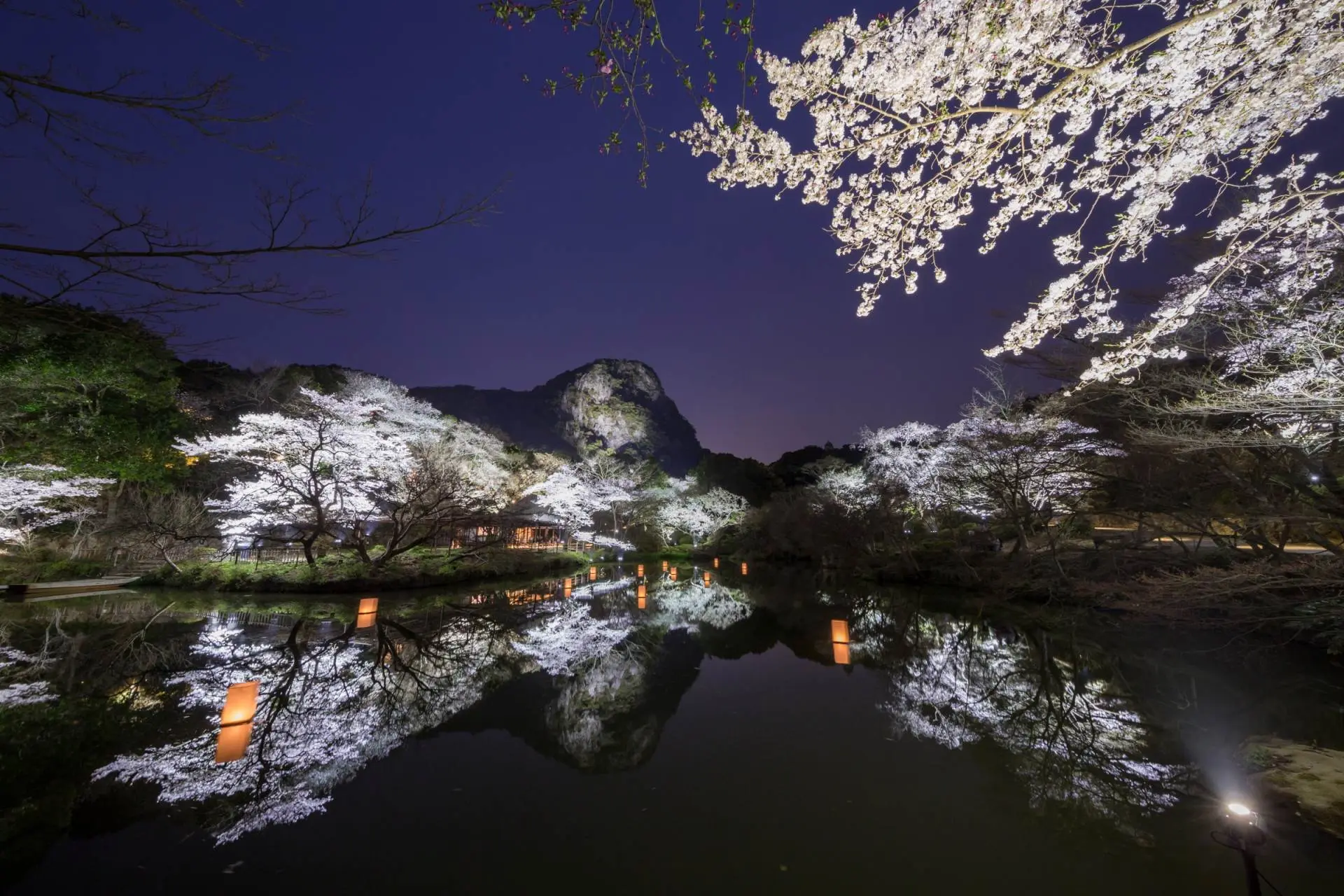 SagaMifuneyama Rakuen
123-acre garden with azalea, cherry and more beauty which belonged to a samurai.
-
 NagasakiOyama Park (Nagasaki Prefecture)
View cherry blossoms in full bloom and the surrounding islands from the hilltop observation deck.
-
 KumamotoIsshingyo Park
A park distinguished by the "Isshingyo no Ozakura," a roughly 400-year-old cherry tree that serves as its symbol.
-
 MiyazakiMochio Park
The cherry blossom tunnel, boasting unparalleled beauty in Kyushu, is splendid.
-
 KagoshimaTadamoto Park
Situated on a slight hill, this is Kagoshima's premier cherry blossom viewing spot.
From majestic mountains shaped by volcanic activity to intricately indented coastlines, Kyushu offers remarkably varied landscapes. The spectacular views created by nature are diverse, including sweeping panoramas over vast grasslands, mystical waterfalls surrounded by cliffs, and terraced rice fields lit by the sun setting into the sea.
-
 KumamotoDaikanbo
Take in a 360-degree panoramic view of Aso.
-
 SagaTerraced rice fields in Hamanoura
Enjoy a romantic moment in the beautiful terraced rice fields facing a small inlet in the corner of Genkai Town.
-
 NagasakiFunakoshi Observatory
The Funakoshi Observatory offers a magnificent view of a ria coast dotted with 208 islands of various sizes.
-
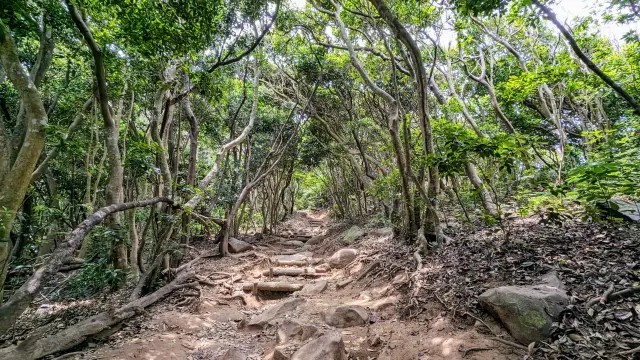 ItoshimaKeya no Oto Park
A popular spot known for its tree tunnel that looks like something out of an anime.
-
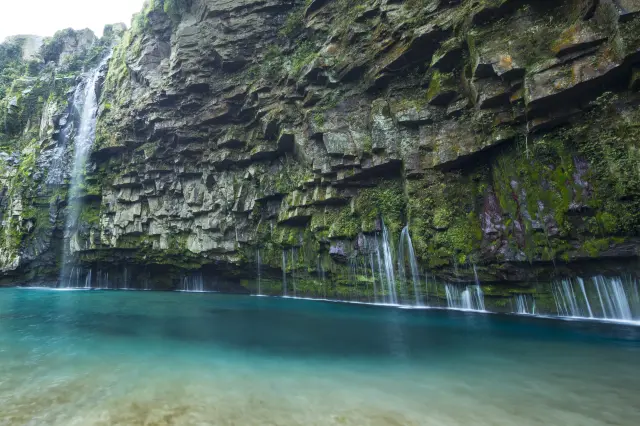 KagoshimaOgawa Falls
Take in the natural beauty of its emerald-green plunge pool.
In Kyushu, the autumn colors spread from the mountains to the plains from late October to early December each year. Highlights are scattered across the region, including gorges lined with strange rock formations, ropeways overlooking mountains in full color, and temples tinged with the colors of autumn. Red and yellow trees coloring mountain streams, waterfalls, and lake surfaces add vivid color to Kyushu's nature.
-
 OitaYabakei
A renowned spot for autumn leaves and one of the "Three Great Odd Views" of Japan, located in Nakatsu City, Oita Prefecture.
-
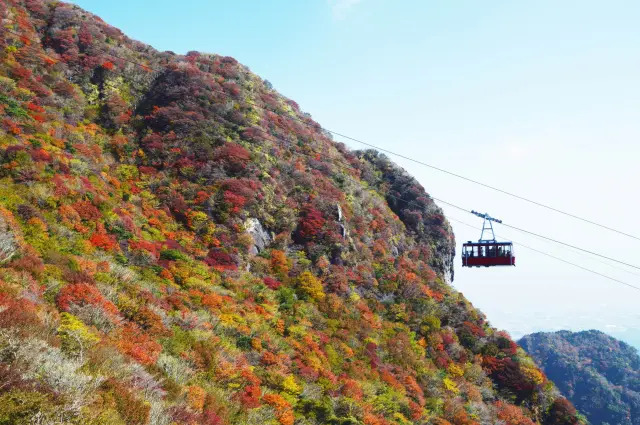 NagasakiUnzen Ropeway
Take an aerial stroll and enjoy Unzendake’s spectacular seasonal scenery.
-
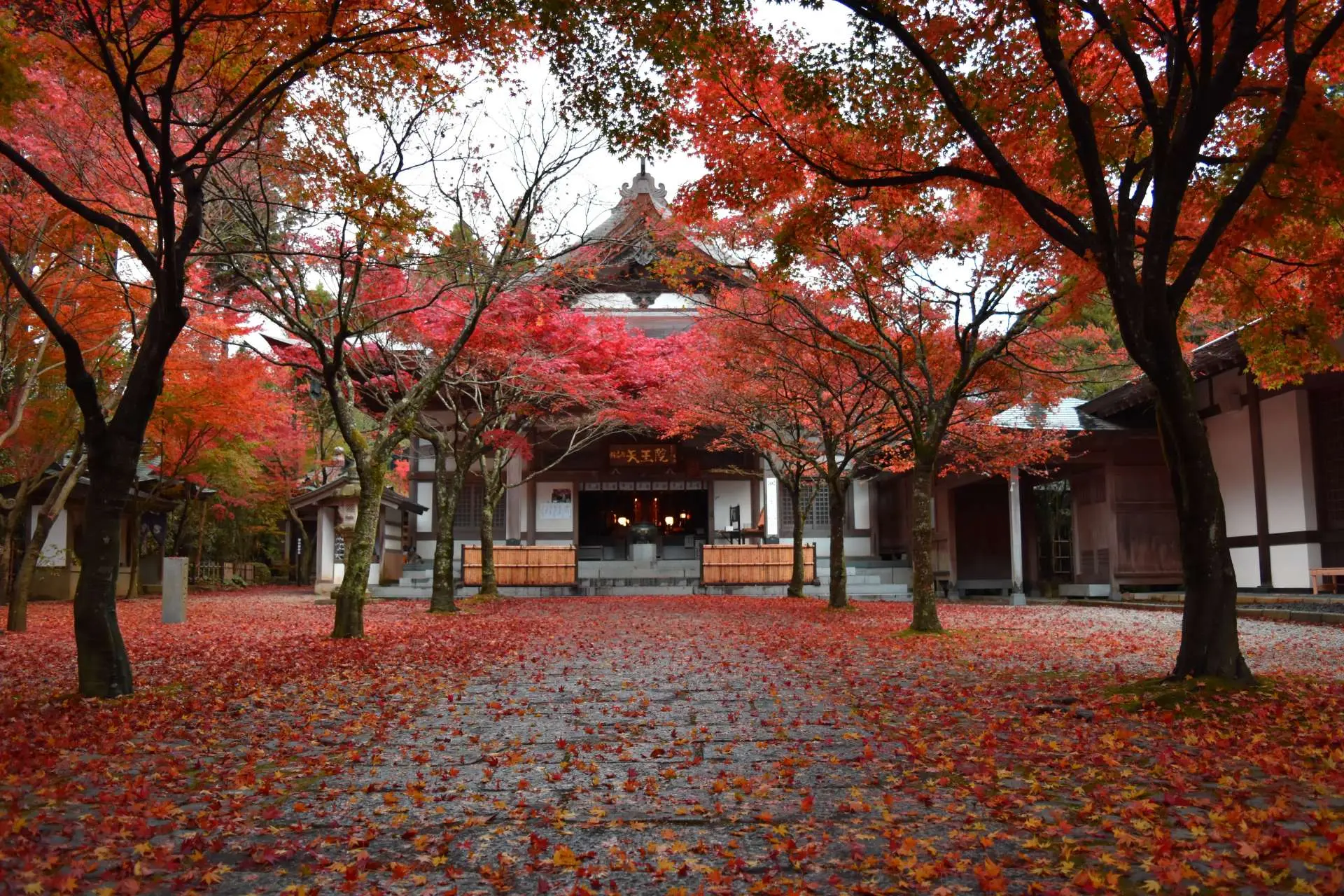 Munakata, Fukutsu, KasuyaNomiyama kannonji Temple
Nestled within the mountains, Nomiyama kannonji Temple is a renowned sanctuary celebrated for its vivid autumn foliage and its spiritual potency.
-
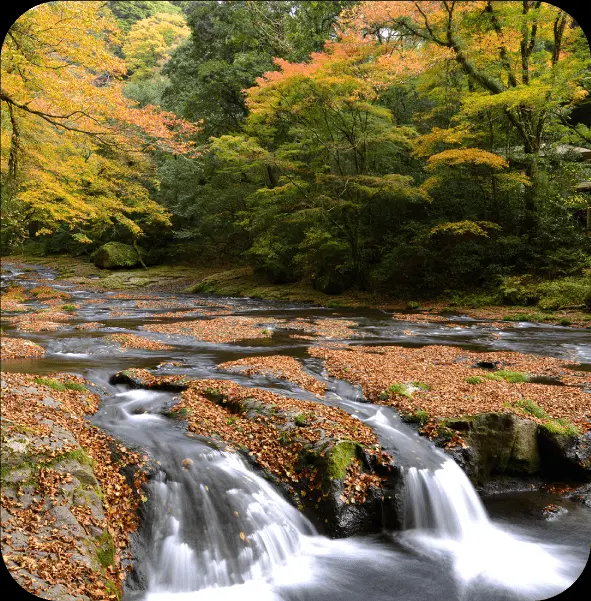 KumamotoKikuchi Gorge
A soothing retreat where crystal-clear waters and pristine forests gently unwind the mind.
-
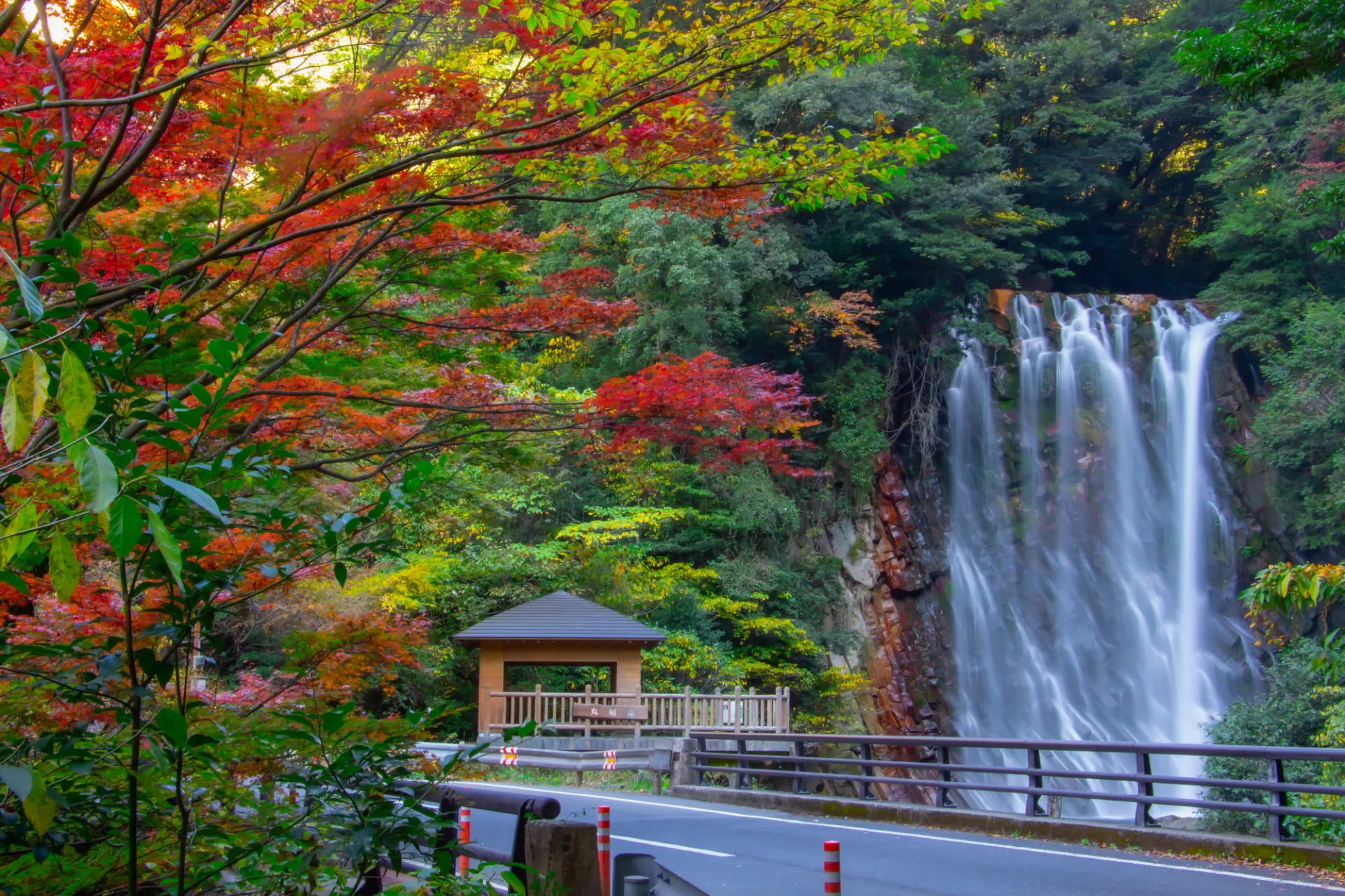 KagoshimaMaruo Falls
A “hot-spring waterfall” with a beautiful emerald-green pool, cascading like a bamboo blind.
-
 OitaKinrin Lake
A lake known for its scenic charm and mystical, morning mist.
Kyushu is dotted with islands large and small, and each island has its own distinct nature and culture. Each offers its own characteristic scenery, such as subtropical forests, white sand beaches and crystal-clear seas, and historic churches. Spend time surrounded by rich nature or learn about the way of life and history unique to the islands, and enjoy island trips full of character.
-
 NagasakiIki Island
A remote island in Nagasaki Prefecture dotted with spectacular scenery shaped by majestic nature and historic sites.
-
 KagoshimaYakushima
An island registered as a World Natural Heritage site, known for its abundant rainfall and rich natural environment.
-
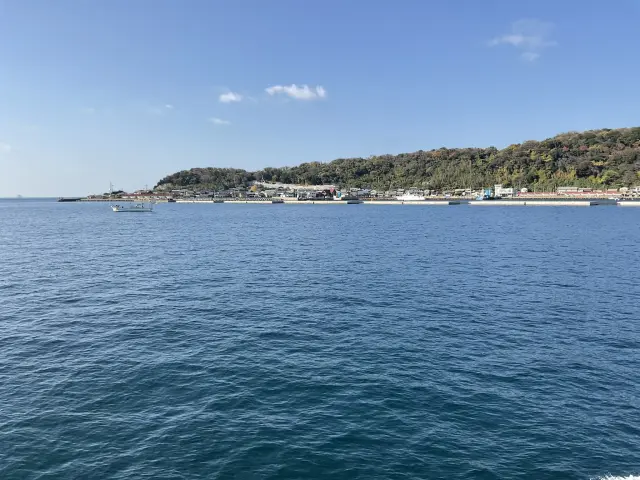 Munakata, Fukutsu, KasuyaAinoshima
A small island in Fukuoka where cats, nature, and history coexist.
-
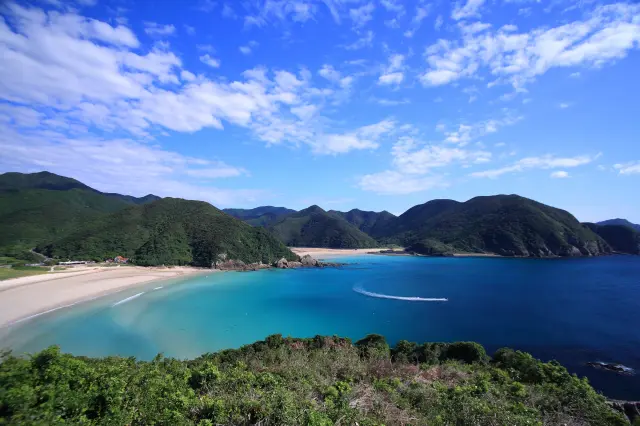 NagasakiGoto Islands (Shimo-Goto Area)
Travel-worthy beauty at this 150-point island chain, bursting with dazzling seascapes and historic World Heritage churches.
-
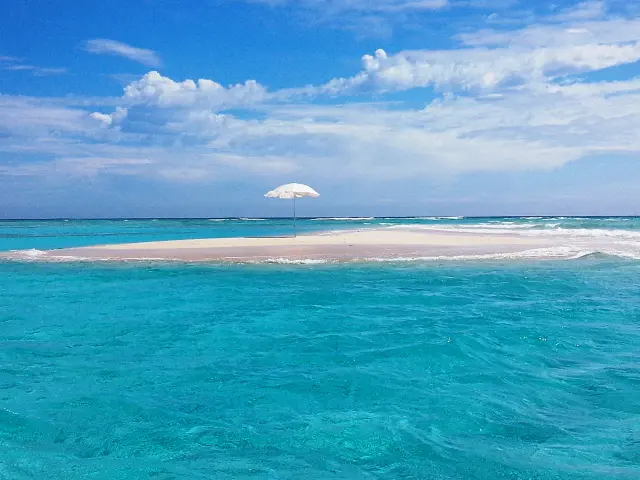 KagoshimaYoron Island
Be captivated by spectacular natural scenery, from an elusive sandbar to a star-filled night sky.
-
 KagoshimaAmami Oshima island
The south island where time passes leisurely.
Iconic Hot Spring Areas of the Kyushu Region
Steam rising from all over town, jigoku-mushi cuisine in which ingredients are steamed with hot spring steam, and sand baths where you are buried in sand to warm your body. In Kyushu, the blessings of the volcanoes are put to use not only for bathing but also in food and sightseeing. Part of the appeal is the wide range of ways to enjoy the hot springs, from touring the jigoku ("hells") where steam rises from the ground to trying mud baths and waters of various spring qualities.
-
 Oita1. Beppu Onsen
Japan's top hot spring destination by both water output and number of hot spring sources.
-
 Kumamoto2. Kurokawa Onsen
One of Kyushu’s most popular hot spring destinations, where the entire town works together to create a welcoming atmosphere.
-
 Kagoshima3. Ibusuki Onsen
A hot spring resort with over 1,000 sources, famous for the unique and globally rare "Ibusuki Sand Bath”.
-
 Saga4. Ureshino Onsen
Enjoy a relaxing bath and gourmet food in Ureshino Hot Springs, one of Japan’s Three Best Hot Springs for a Beautiful Skin.
-
 Oita5. Yufuin Onsen
Sophisticated onsen resort, touted as “Karuizawa in the east and Yufuin in the west.”
-
 Nagasaki6. Unzen Onsen
A hot spring village featuring beneficial waters drawn from volcanic "hells."
-
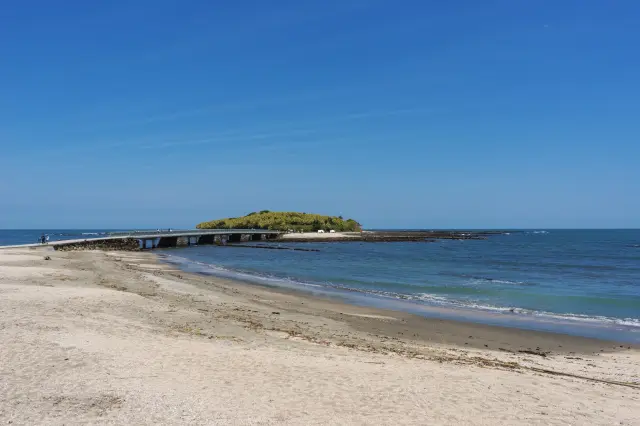 Miyazaki7. Aoshima Onsen
A tropical hot spring area where you can enjoy skin-beautifying waters, spectacular views, and leisure activities.
-
 Kagoshima8. Kirishima-Onsen Hot Spring Village
The hot spring village in the mountains is where you can enjoy the various qualities and effects of the various hot springs scattered throughout the area.
Kyushu Region Travel Basics & Access Guide

Getting Between Major Cities in Kyushu
|
Fukuoka – Saga (Limited Express Relay Kamome) |
Hakata Station – Saga Station | Approx. 40 min |
|---|---|---|
|
Saga – Nagasaki (Limited Express + Nishi-Kyushu Shinkansen) |
Saga Station – Nagasaki Station (transfer at Takeo-Onsen Station) | Approx. 1 hr |
|
Fukuoka – Kumamoto (Kyushu Shinkansen) |
Hakata Station – Kumamoto Station | Approx. 35–50 min |
|
Kumamoto – Kagoshima (Kyushu Shinkansen) |
Kumamoto Station – Kagoshima-Chuo Station | Approx. 45 min – 1 hr 5 min |
|
Fukuoka – Oita (Limited Express Sonic) |
Hakata Station – Oita Station | Approx. 2 hr – 2 hr 25 min |
|
Oita – Miyazaki (Limited Express Nichirin) |
Oita Station – Miyazaki Station | Approx. 3 hr – 3 hr 40 min |
|
Kumamoto – Miyazaki (Highway Bus Nanpu) |
Kumamoto Station (bus stop) – Miyazaki Station | Approx. 4 hr |
|
Miyazaki – Kagoshima (Limited Express Kirishima) |
Miyazaki Station – Kagoshima-Chuo Station | Approx. 2 hr – 2 hr 20 min |

- Prefectures
- Fukuoka, Saga, Nagasaki, Kumamoto, Oita, Miyazaki, and Kagoshima
- Location
- Located in the southwestern part of the Japanese archipelago, the region is made up of seven prefectures: Fukuoka, Saga, Nagasaki, Kumamoto, Oita, Miyazaki, and Kagoshima. It faces the Genkai Sea and the Hibiki Sea to the north, the Suo Sea and the Bungo Channel to the east, and the Pacific Ocean to the southeast, with the East China Sea stretching out to the west. Volcanoes and mountains, including Mt. Aso, run through its center, and islands large and small are scattered around it.
- Major Airports
- Fukuoka Airport and Kitakyushu Airport (Fukuoka), Kyushu Saga International Airport (Saga), Nagasaki Airport (Nagasaki), Aso Kumamoto Airport (Kumamoto), Oita Airport (Oita), Miyazaki Bougainvillea Airport (Miyazaki), Kagoshima Airport (Kagoshima)
- Major Railway Stations
- Hakata Station and Kokura Station (Fukuoka), Saga Station, Shin-Tosu Station, and Takeo-Onsen Station (Saga), Nagasaki Station and Sasebo Station (Nagasaki), Kumamoto Station (Kumamoto), Oita Station and Beppu Station (Oita), Miyazaki Station (Miyazaki), Kagoshima-Chuo Station (Kagoshima)
- Transportation
- The Kyushu Shinkansen connects Fukuoka, Kumamoto, and Kagoshima, while the Nishi-Kyushu Shinkansen serves travel toward Nagasaki. Limited express trains run toward Oita and Miyazaki, and highway buses are also available for travel between cities. A rental car is also convenient for visiting hot spring areas in the mountains and tourist spots that are hard to reach by public transportation.
- Spring Weather & What to Wear (Mar–May)
- You can feel the arrival of spring from March, and by May some days are as warm as early summer. Temperatures differ between the south and the north and between the lowlands and the mountains, so long sleeves are the basic choice, and a light jacket that lets you adjust to the temperature comes in handy.
- Summer Weather & What to Wear (Jun–Aug)
- The rainy season from June to July brings a lot of rain, and you also need to watch out for localized downpours. After the rainy season ends, strong sunshine and muggy heat continue, so breathable short sleeves are the basic choice, along with a hat, a parasol, or other protection against the heat.
- Autumn Weather & What to Wear (Sep–Nov)
- Lingering summer heat is intense in September, and the region can also be affected by typhoons. The heat eases in October, and mornings and evenings grow colder in November. Long sleeves are enough in early autumn, but in late autumn you will need a jacket or a light coat.
- Winter Weather & What to Wear (Dec–Feb)
- Many areas are relatively mild, but cold seasonal winds blow in the north, and snow also falls and settles in the mountains. Prepare for the cold with a winter coat in the cities, and with a down jacket, shoes with good grip, and the like in high-altitude areas.
- Travel Tips
- In Kyushu, be aware of heavy rain during the rainy season and of typhoons from summer through autumn. Bad weather can affect train and highway bus services, and flights and ferries to the remote islands may be canceled. Especially when visiting remote islands or mountain areas, check the weather forecast and the service status of transportation, and plan an itinerary with time to spare.
Kyushu Travel FAQs
Q
How many days do I need to explore Kyushu?
A
If you focus on one prefecture, 2 to 3 days is a good guideline. If you visit several prefectures, allow 4 days or more, and if you tour all of Kyushu, about a week gives you time to spare. On a short trip, narrowing your trip down to one area, such as northern Kyushu or southern Kyushu, lets you sightsee efficiently.
Q
Can I travel between prefectures in Kyushu by shinkansen alone?
A
The Kyushu Shinkansen connects Fukuoka, Kumamoto, and Kagoshima, and the Nishi-Kyushu Shinkansen runs from Takeo-Onsen Station to Nagasaki Station. You will need to combine different means of transportation depending on your destination, such as taking a limited express train or highway bus toward Oita and Miyazaki.
Q
When is the best time to visit Kyushu?
A
Spring and autumn, when the climate is mild, are easy seasons for sightseeing. Cherry blossoms are at their best in spring and autumn leaves in autumn, while swimming in the sea and visiting the remote islands are popular in summer and hot spring hopping in winter. The best time differs depending on the places you want to visit and the experiences you are after, so choose according to the purpose of your trip.
Q
When do I need to watch out for typhoons on a trip to Kyushu?
A
Typhoons most often approach from summer through autumn, and you need to be especially careful in August and September. Flight and ferry cancellations and train service suspensions can occur. For peace of mind, check the weather forecast and the service status of transportation not only before your trip but also during your stay.
Q
Can I visit Kyushu's remote islands on a day trip?
A
Depending on where you start from, some islands can be visited on a day trip, such as Ainoshima in Fukuoka Prefecture and Iki Island in Nagasaki Prefecture. For Yakushima, Amami Oshima, the Goto Islands, and similar islands, where the sights are spread over a wide area, staying overnight is recommended. It is a good idea to plan your itinerary with transportation on the island and boat and flight times in mind.