
Kurokawa Onsen Travel Guide: A Scenic Journey Through a Steam-Filled Hot Spring Village
“Kurokawa Onsen,” located in the Aso area of Kumamoto Prefecture, is one of Japan’s most popular hot spring towns.
With an impressive variety of seven different spring qualities, you can enjoy a diverse onsen-hopping experience thanks to each ryokan’s own source, distinctive baths, and unique styles.
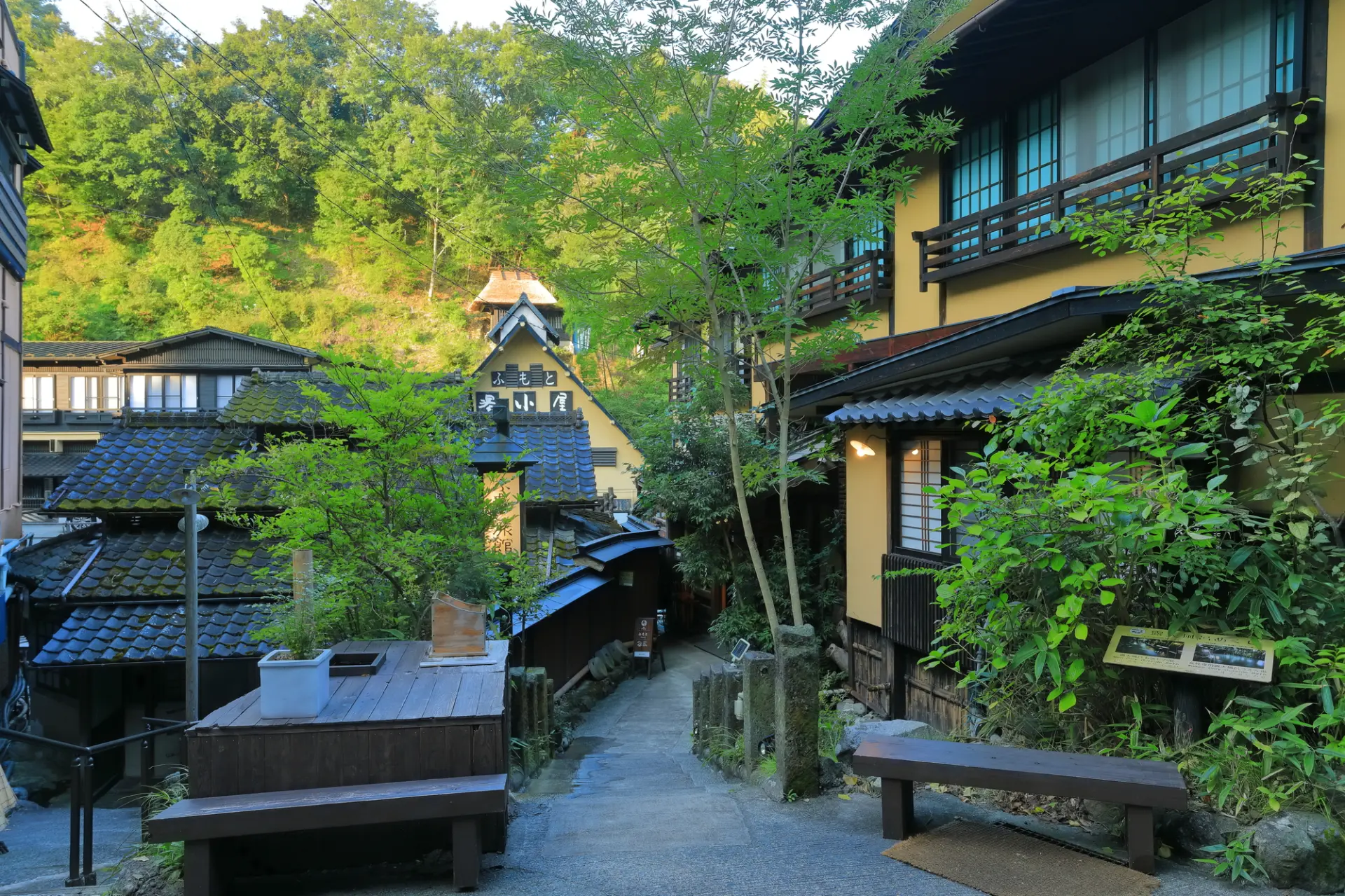
The satoyama scenery—woven together by stone-paved lanes, the charm of rising steam, and clear streams—is also beautiful, making it perfect for a laid-back stay.
In this article, we’ll mainly introduce Kurokawa Onsen’s highlights, appeal, and recommended accommodations.
We’ve gathered the essential information so even first-time visitors can fully enjoy it, so please read to the end.
What is Kurokawa Onsen Like?
“Kurokawa Onsen” is a hot spring town quietly nestled in the mountains of Minamioguni, Aso District, Kumamoto Prefecture.
Its history dates back to the mid-Edo period (1603–1868), but until the 1970s it had low name recognition and was at risk of disappearing.
However, initiatives carried out in collaboration by local ryokan from the 1980s to the 1990s bore fruit after 2000, and it grew into one of Japan’s leading hot spring destinations.
It is also highly regarded worldwide, and in 2009 it was featured in the Michelin Green Guide Japan (a travel guidebook for international visitors).
What makes Kurokawa Onsen special is its unique concept of viewing the entire town as one ryokan.
The calm, nature-blended satoyama scenery and the atmospheric streetscape along the steam-filled gorge feel cohesive, and you can enjoy the area even just by strolling around.
Another distinctive feature is the strong collaboration among ryokan, creating a culture where the entire town welcomes onsen guests.
Also, with seven types of hot spring water—such as sulfur springs, chloride springs, and acidic springs—you can enjoy a range of benefits and different feels on the skin as you go onsen hopping.
Access to Kurokawa Onsen
Since Kurokawa Onsen is far from train stations, you’ll access it by rental car, taxi, or bus.
Below is a table summarizing how to get to Kurokawa Onsen starting from Aso Kumamoto Airport and Fukuoka Airport, Kyushu’s main air gateways.
Both routes are direct, but there are only three buses per day and the last one leaves in the early afternoon, so it’s recommended to plan your schedule while checking your flight time.
| Starting point | Route | Travel time | Notes |
|---|---|---|---|
| Aso Kumamoto Airport | Take the Kyushu Odan Bus bound for Beppu Station from Aso Kumamoto Airport Bus Terminal, Platform 3, and get off at “Kurokawa Onsen” | Approx. 1 hour 55 min |
・10-minute break at Aso Station along the way ・Runs 3 times a day: 8:19am, 9:19am, and 1:04pm |
| Fukuoka Airport | Take the express bus bound for Kurokawa Onsen from Fukuoka Airport International Terminal Bus Stop (Access Hall), Platform 10, and get off at “Kurokawa Onsen” | Approx. 2 hours 30 min |
・No departures/arrivals from the domestic terminal ・Runs 3 times a day: 10:13am, 11:58am, and 1:23pm |
What’s the Best Season to Visit Kurokawa Onsen?
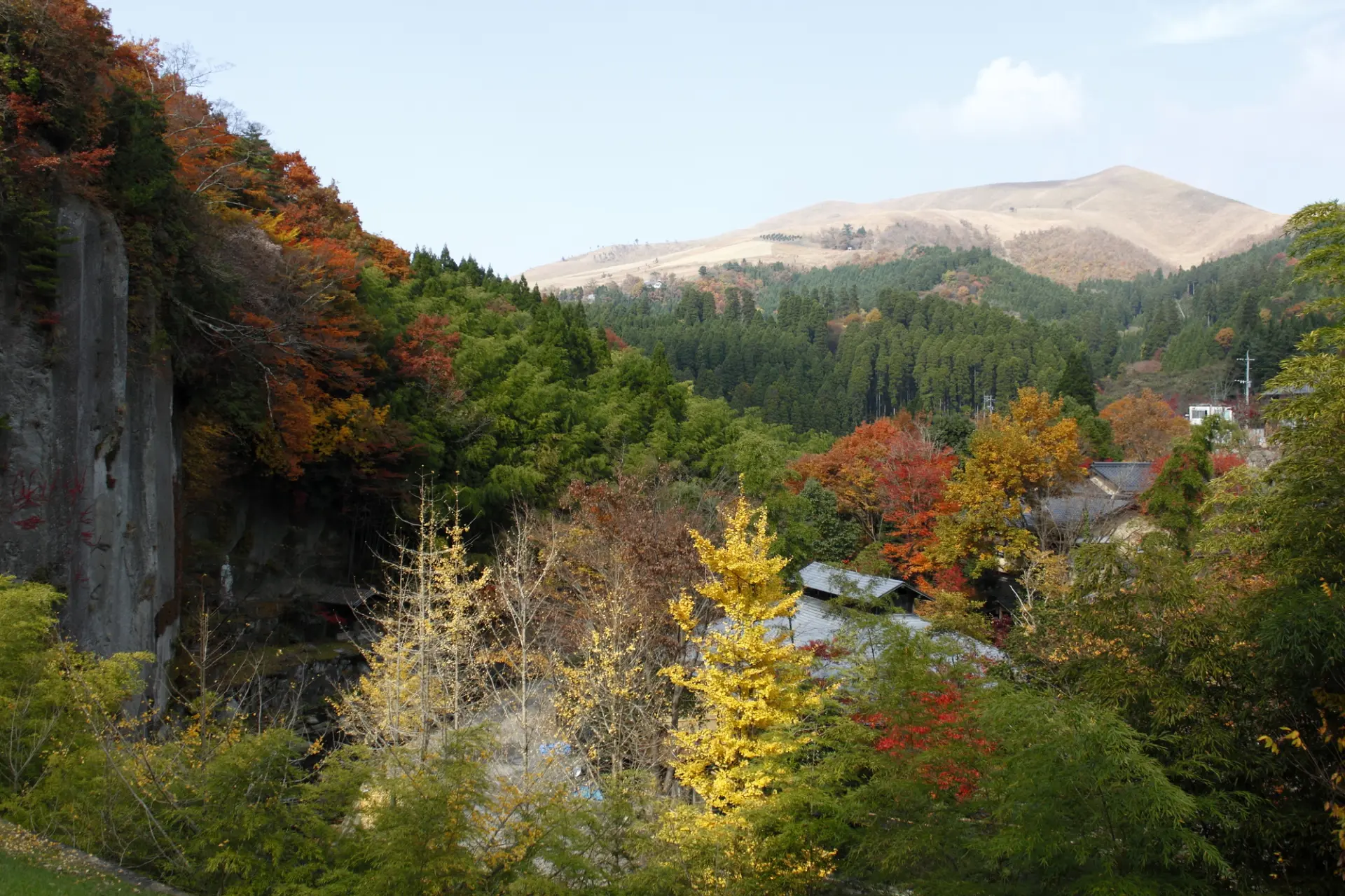
Kurokawa Onsen has its own charm in every season, but autumn is especially recommended for its beautiful fall foliage.
Every year from late October to mid-November, maple and ginkgo trees reach their peak, painting the onsen town and surrounding mountains in vivid reds and yellows.
You can enjoy a luxurious moment taking in the fall colors—such as nature walks on the promenade or visiting open-air baths where the scenery changes from one bath to the next.
Events rooted in the local community are also held, including the “Onsen Thanksgiving Festival” and “Morning Picnic.”
3 Ways to Fully Enjoy the Charm of Kurokawa Onsen
What we’re introducing next are recommended ways to enjoy Kurokawa Onsen that go beyond sightseeing or simply taking a bath—you’ll be able to savor the town’s atmosphere itself, woven together by nature, lights, and people.
As you experience Kurokawa Onsen’s unique charm and sense of refinement, you’ll also feel refreshed in both body and mind, making it perfect for creating travel memories.
1. Rent a Yukata and Stroll Through the Hot Spring Town
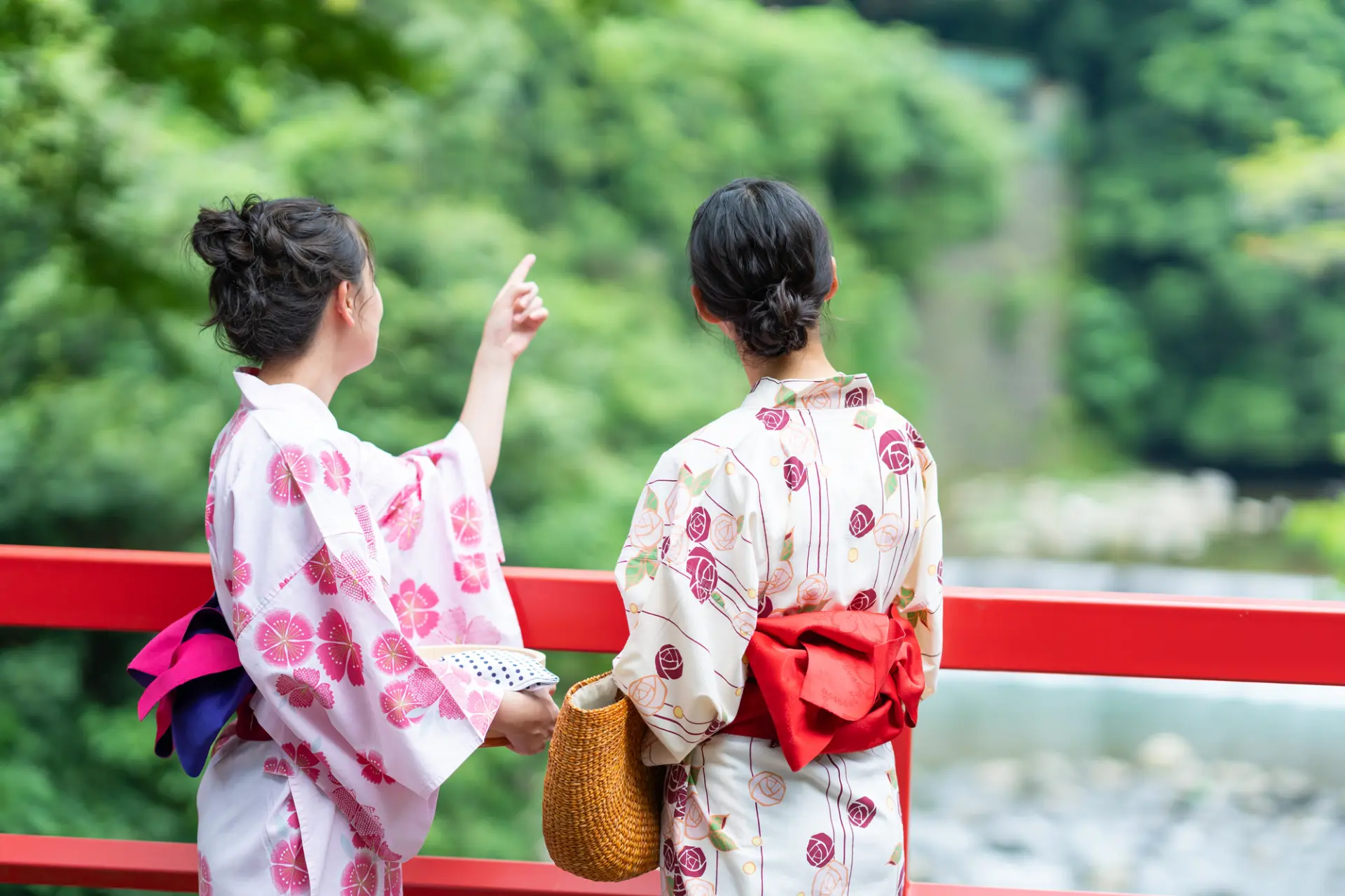
Strolling through the onsen town in a yukata instead of everyday clothes lets you feel more charm and a sense of escape from the ordinary.
Walking along stone-paved paths, over riverside bridges, and through steam-filled scenery naturally blends into the townscape and lifts your mood.
Surrounded by onsen charm and a calm atmosphere, each moment will likely become a special memory.
Note that the yukata rental service previously offered at the “Betchinkan Office” has been suspended since June 2025 (as of October 2025).
2. Enjoy Onsen Hopping with the Nyuto Tegata Pass
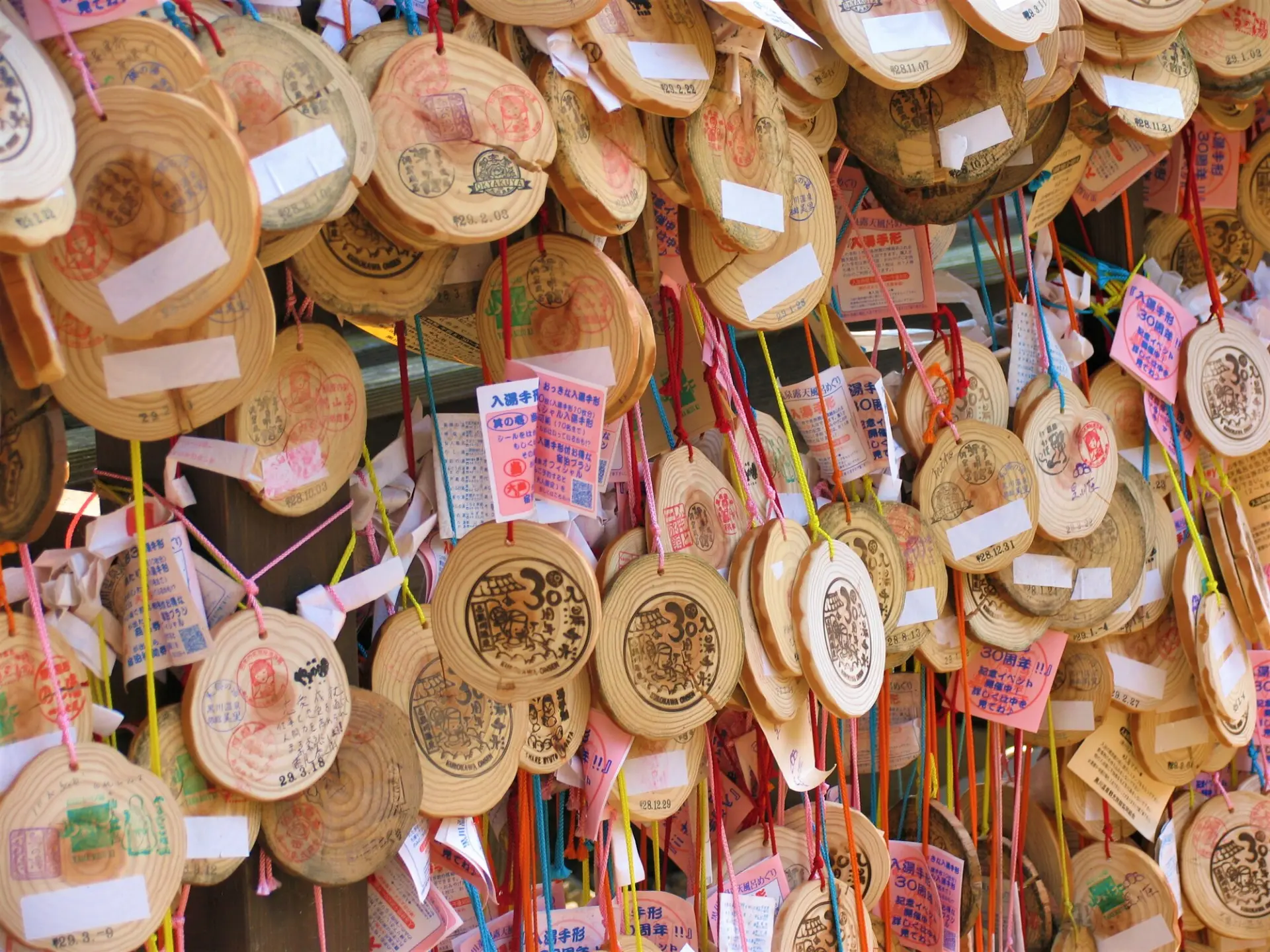
An unmissable Kurokawa Onsen experience is onsen hopping with the “Nyuto Tegata” pass.
The Nyuto Tegata is a round wooden bath pass made from Oguni cedar, allowing you to choose three facilities from around 25 participating ryokan for onsen hopping. *One use can be for dining or souvenirs
At 1,500 yen per pass for adults, it’s a better deal than paying separately, and another highlight is collecting each ryokan’s original stamp on your pass to create a one-of-a-kind souvenir.
You can also take the wooden pass home as a keepsake after using it.
Here’s how to use the Nyuto Tegata:
- Buy a Nyuto Tegata at a Kurokawa Onsen ryokan or at the ryokan association “Kaze no Ya”
- Show the pass at the front desk of the ryokan you want to visit (use the sticker on the back of the pass), have them stamp it, and take a bath
- Take the pass home or dedicate it at Jizodo, etc.
3. Enjoy the Dreamlike Winter Lights of Kurokawa Onsen Yuakari
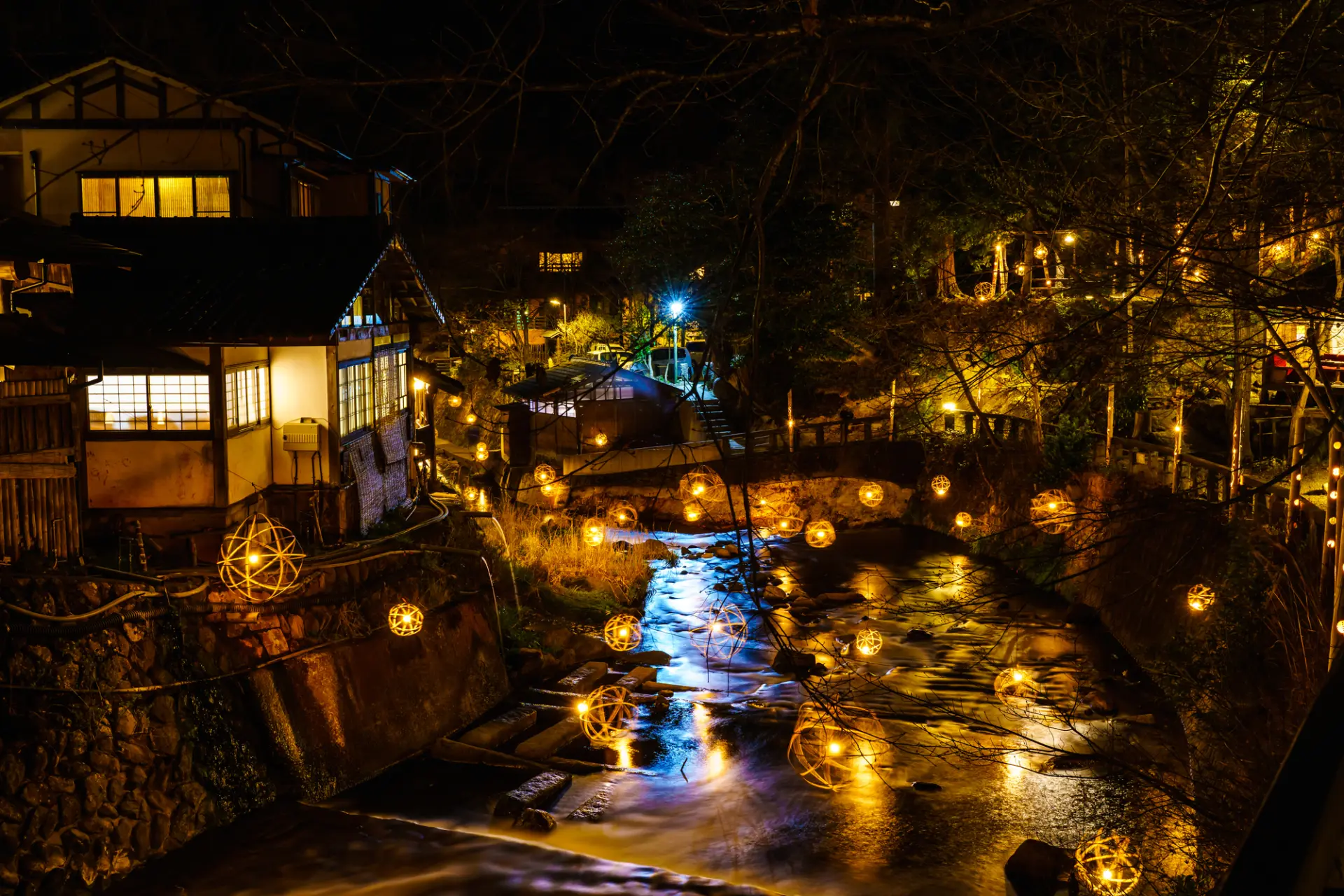
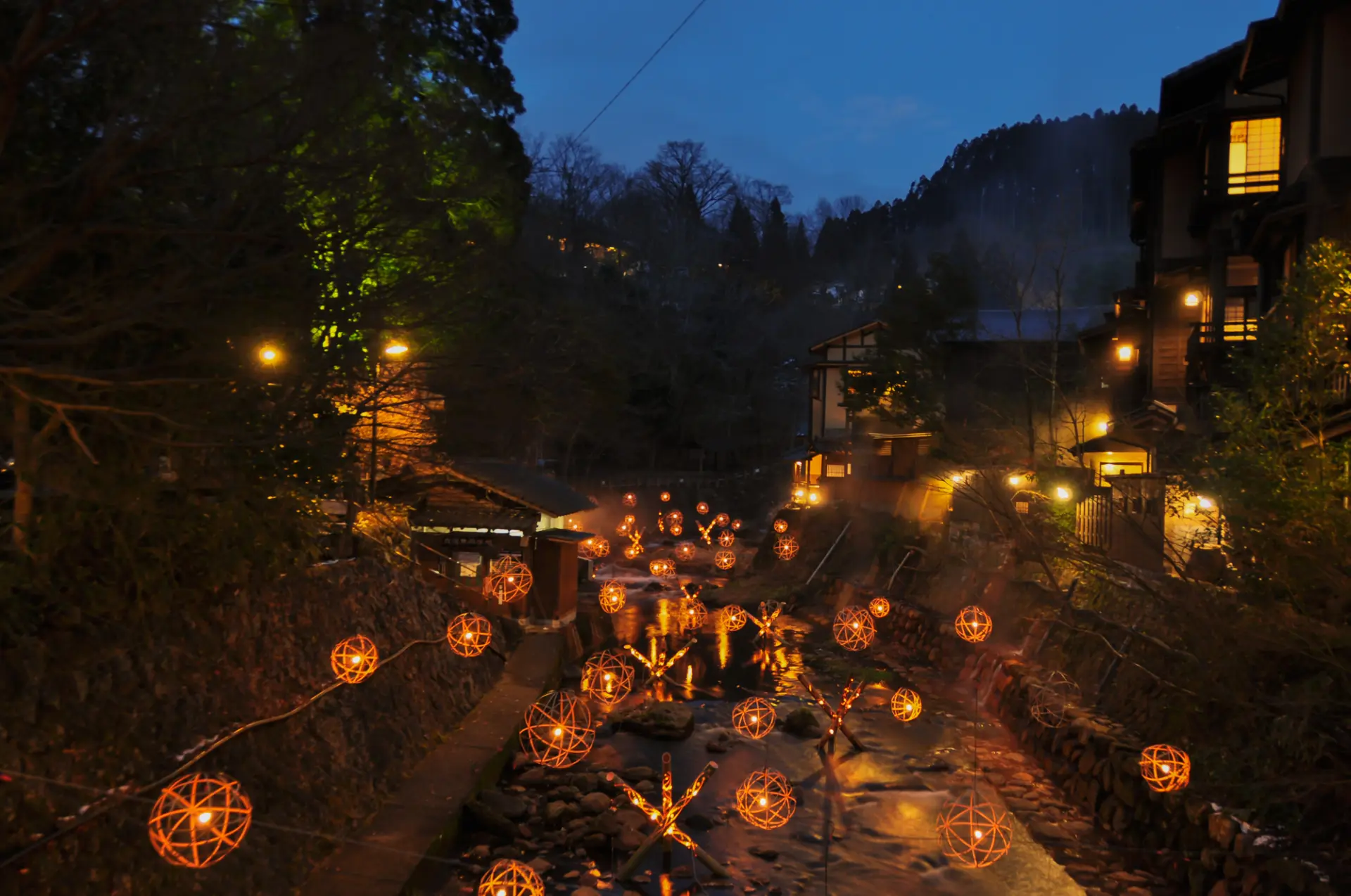
Kurokawa Onsen “Yuakari” is a winter illumination event held every year (mid-December to the end of March).
A seasonal tradition since 2012, it lights up four areas—Marusuzubashi Bridge to Kawabata Street, around Yamabiko Ryokan, in front of Betchinkan, and around the Kurokawa Onsen bus stop—from 5:00pm to 9:30pm for Approx. 4 hours 30 min.
The highlight is the fantastical scene created by around 300 spherical “Mari Toro” lanterns and “Tsutsu Toro” lanterns about 2 m tall, glowing along the riverside and wrapping the town in a soft light.
Each lantern is handmade one by one by locals and people involved, and the warm bamboo light reflects off the stone pavement and water’s surface to create a unique, heartwarming space.
If you take an after-onsen stroll in your yukata, the river sounds, steam, and quiet atmosphere combine to make the satoyama charm feel even stronger.
3 Must-See Spots in Kurokawa Onsen to Visit Between Baths
The highlights of Kurokawa Onsen introduced here are all central spots that strongly reflect the area’s charm and character.
Each is closely connected to history, legends, and daily life in its own way, helping visitors feel Kurokawa Onsen’s deeper appeal.
These are classic must-see places among the many spots around town, so be sure to stop by when you visit Kurokawa Onsen.
1. Marusuzubashi Bridge
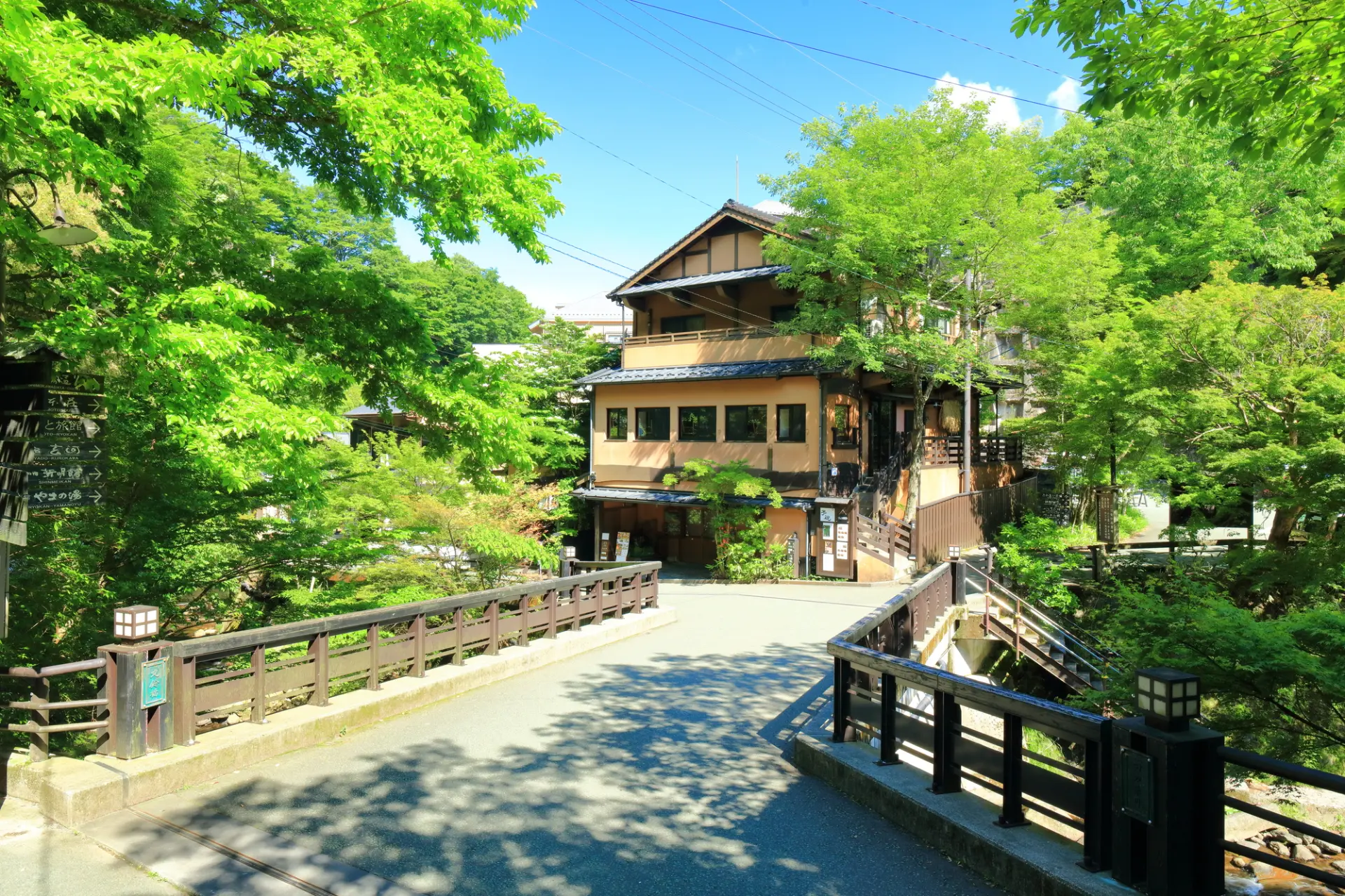
“Marusuzubashi Bridge” is a wooden bridge, 15.4 m long and 4.2 m wide, spanning the Tanohara River that flows through the center of the onsen town.
It’s a symbol of Kurokawa Onsen, with an onsen-town atmosphere created by the harmony between the bridge and surrounding buildings.
Since you can enjoy seasonal natural beauty and the hot spring town vibe at the same time, it’s also a popular photo spot.
Another draw is how the scenery changes from day to night: in the daytime, you’ll see the charm created by riverside steam and wooden ryokan, while after evening, the reflected lights on the water create a different look.
2. Jizodo
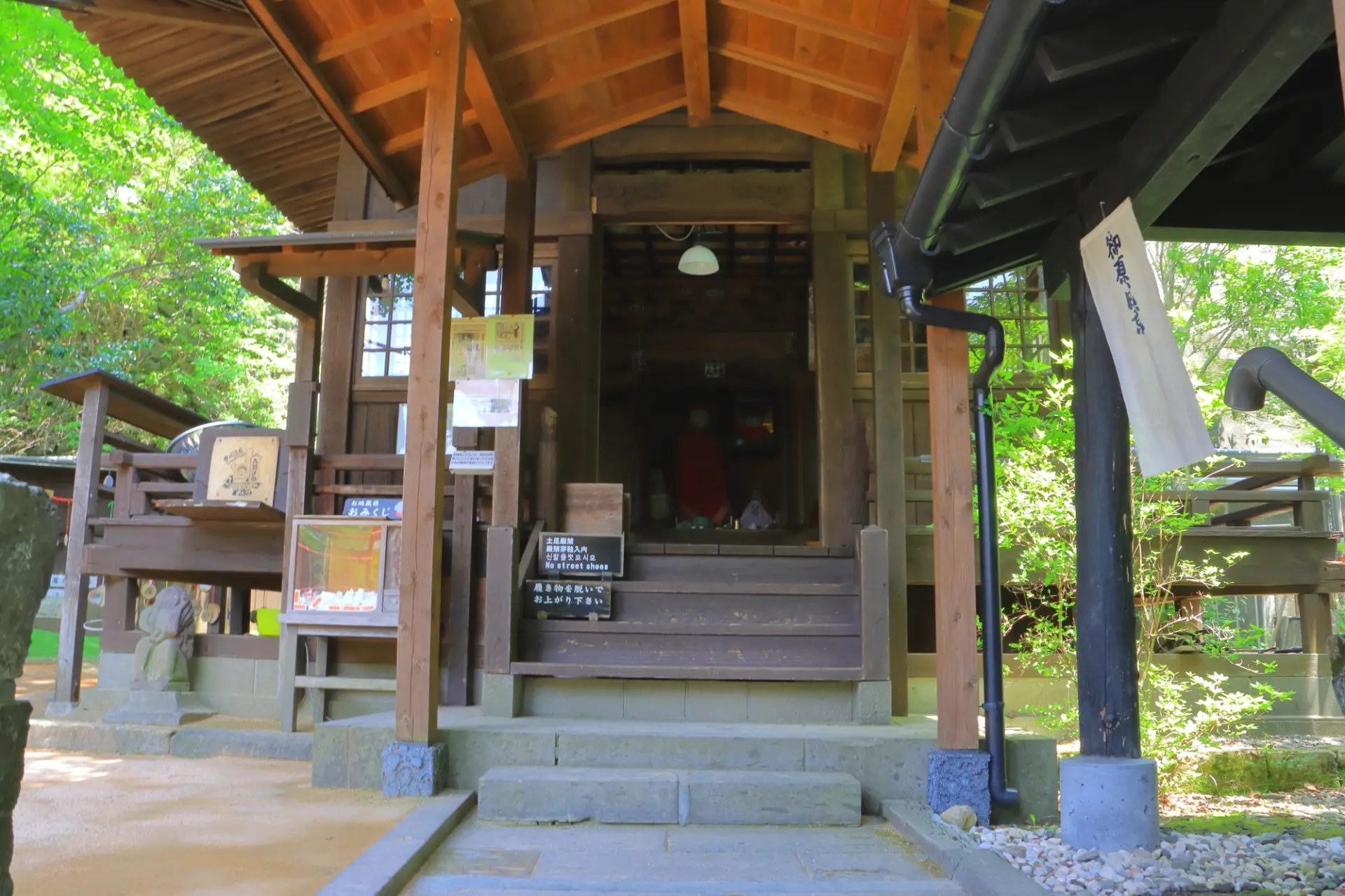
“Jizodo,” located in the center of the onsen town, is a historic spot that enshrines a headless Jizo statue featured in the legend of “Migawari Jizo.”
Established in the early Showa period (1926–1989), it is also said to be the birthplace of Kurokawa Onsen, and it serves as the dedication place for the onsen pass mentioned above, with many passes hanging inside the hall.
The restrained scene created by the small hall, trees, and river sounds is atmospheric, and you can feel Kurokawa Onsen’s history and spirit firsthand.
Also, right in front is the communal bath “Jizo-yu,” said in the legend to be where the hot water first sprang forth, so it’s recommended to stop by.
3. Kurokawa Shrine
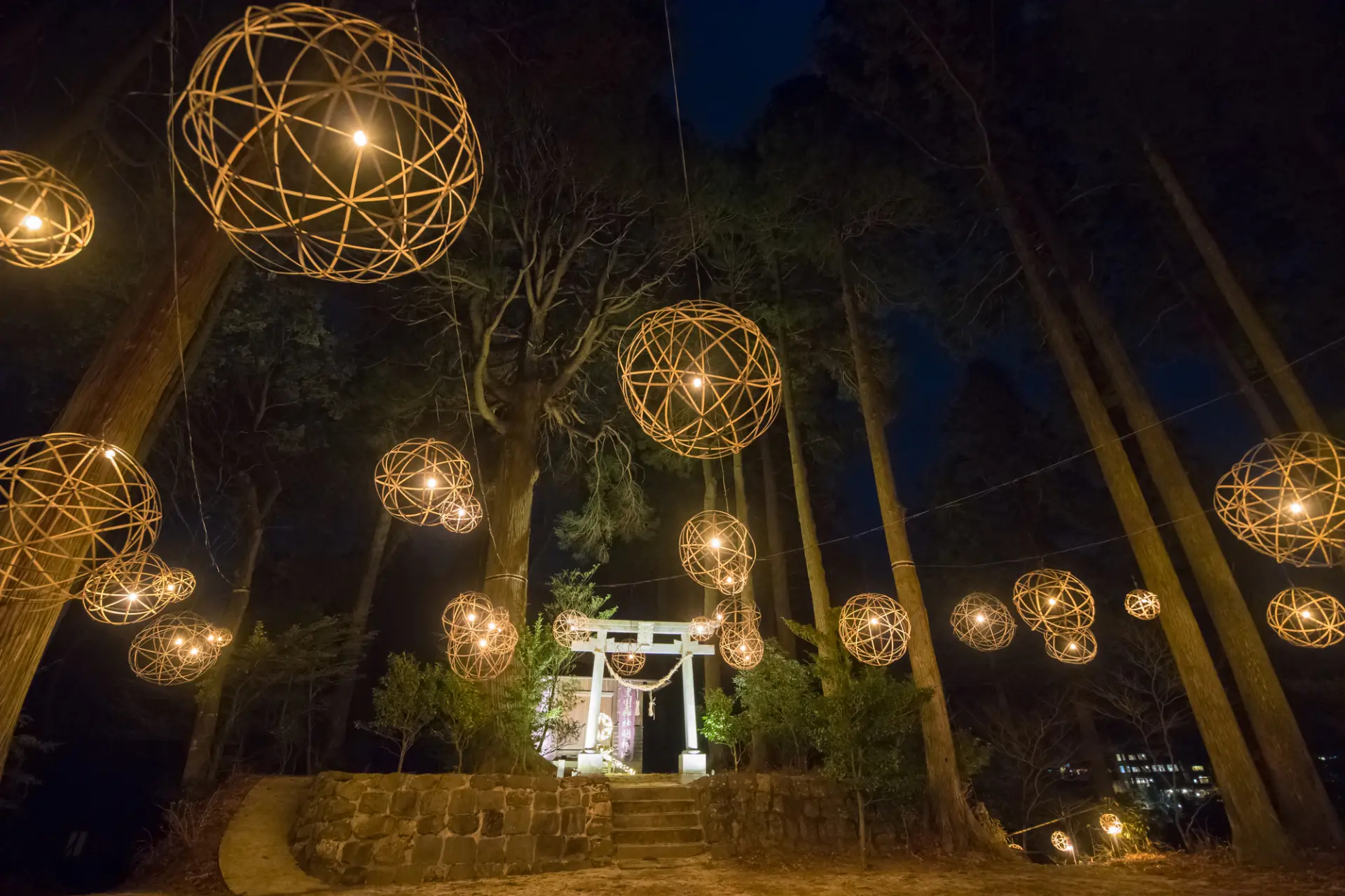
“Kurokawa Shrine” is a ujigami shrine (a shrine enshrining the local guardian deity), quietly located in a forest slightly tucked away on the north side of the onsen town.
Locals have long affectionately called it “Myojin-sama,” and every autumn, parishioners and people involved with ryokan gather to carry out rituals (replacing shimenawa ropes, cleaning the shrine grounds, etc.).
The grounds are a quiet space surrounded by giant cedar trees, and the torii gate on the approach and small hall create a sacred atmosphere.
In contrast to the lively town center, it’s perfect for stopping by between baths—or at the end—to calm your mind.
5 Recommended Places to Stay to Fully Enjoy Kurokawa Onsen
Here are recommended accommodations where you can enjoy onsen hopping in a quiet setting, set in locations that harmonize with nature.
These popular stays feature multiple hot springs with different vibes, letting you fully enjoy bathing alongside seasonal scenery.
Choose the one that’s right for you based on your travel style and who you’re traveling with.
1. Kurokawaso
Located about 1 km away from the Kurokawa Onsen town center, this inn offers a quiet stay away from the bustle.
Made up of a main building and detached villas, the guest rooms are distinctly Japanese in style while also featuring modern touches for a stylish feel.
Soft lighting sets a relaxing mood. The detached villas are standalone cottages with an irori hearth and open-air bath, like a hidden retreat that blends into nature.
2. Kurokawa Onsen Yamabiko Ryokan
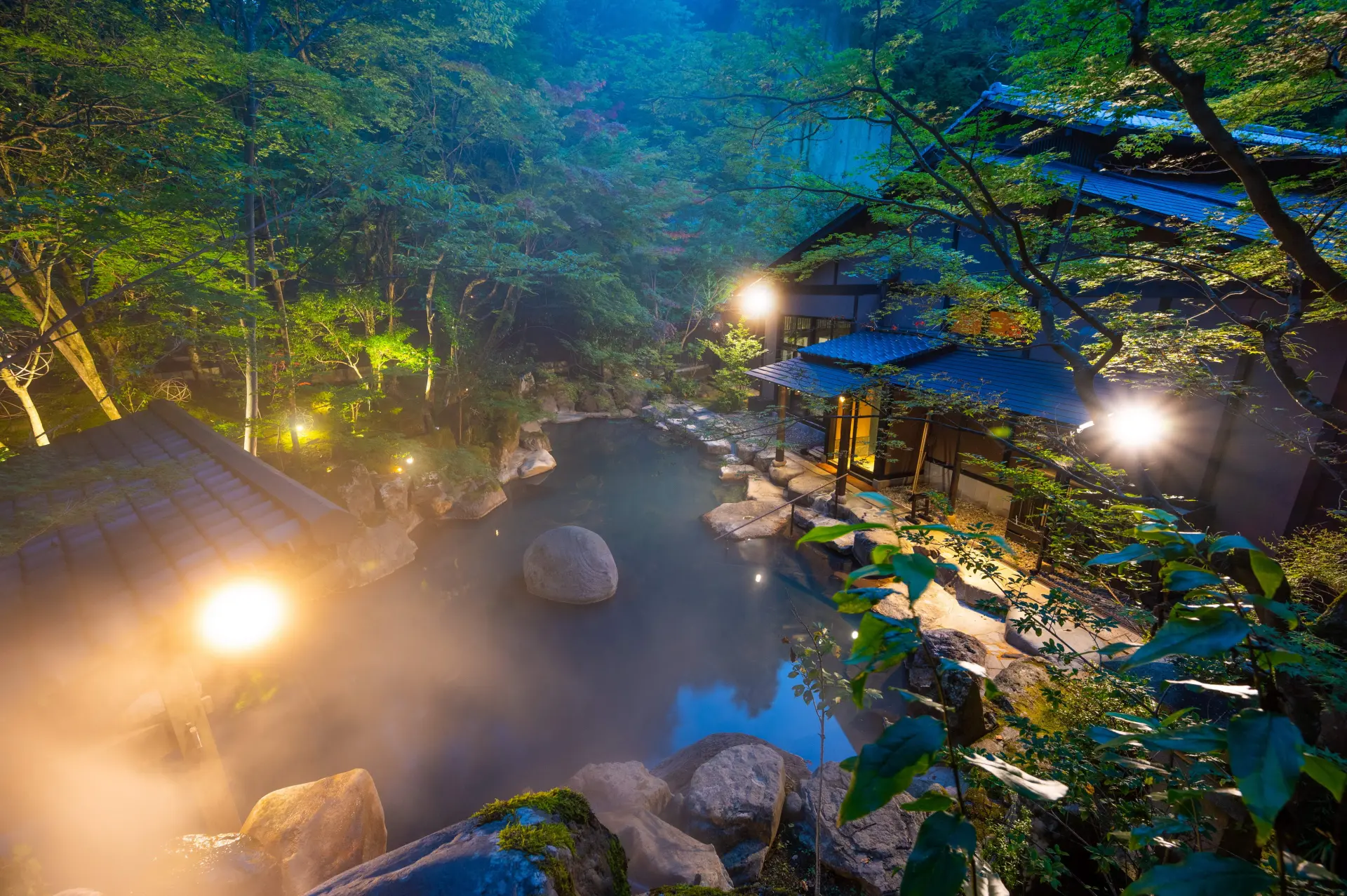
“Yamabiko Ryokan” is a hot spring ryokan built in a nature-rich location along the Tanohara River.
You can choose from three room types, with a total of 19 rooms, and relax in a calm atmosphere surrounded by deep greenery and a mountain stream.
The biggest highlight is that six distinctive private baths—including the hugely popular open-air bath “Sennin-buro,” known as one of the largest in Kurokawa Onsen—are available 24 hours a day for free.
Enjoy as much as you like, from the “Oyako Hinoki-buro” with a shallow tub to the highly open “Iwa-buro.” (No reservation required; wait if occupied)
Soaking while listening to the river, gazing at a sky full of stars, and feeling the seasonal atmosphere is perfect for relaxing both body and mind.
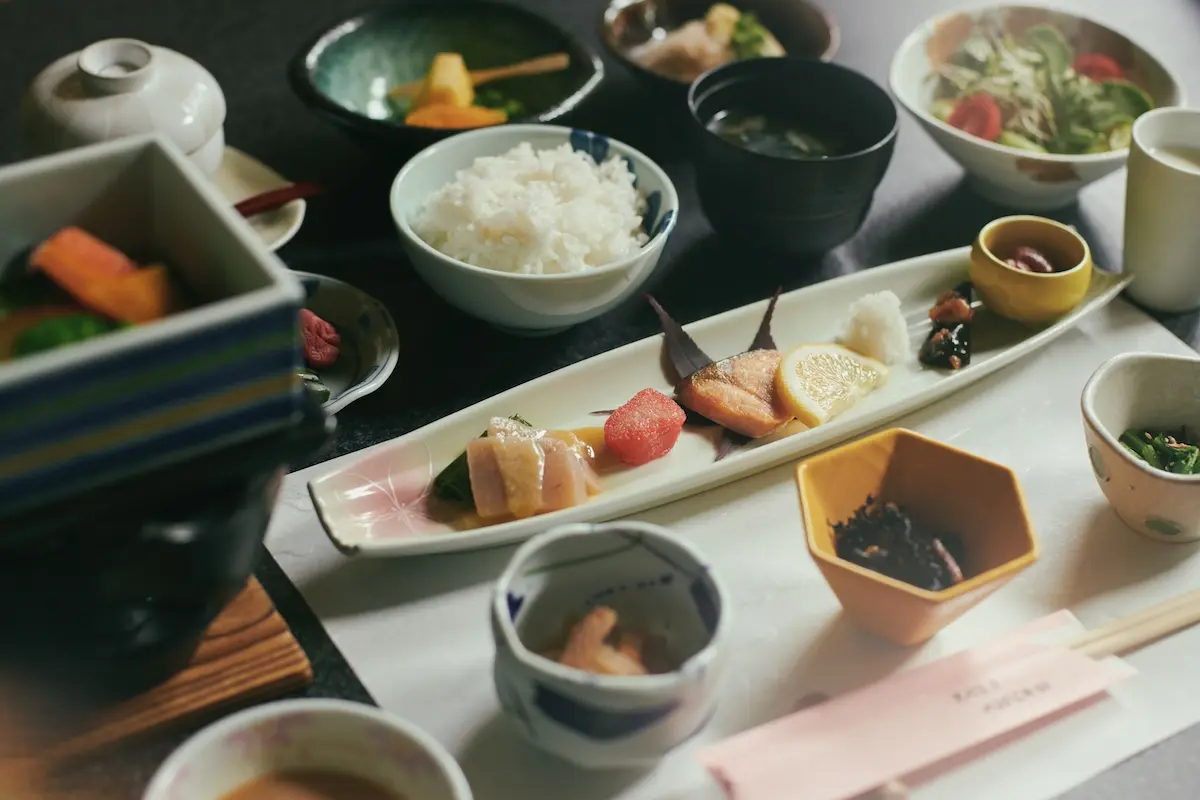
The kaiseki cuisine made with seasonal local ingredients is also well regarded, offering delicate flavors to savor.
3. Yukyo no Hibiki Yusai
“Yukyo no Hibiki Yusai,” located about a 5-minute walk from the town center, is a large hotel with over 50 guest rooms.
The pride of the inn is its seven types of free-flowing (kakenagashi) hot springs fed directly from the source.
Led by the most popular “Chikurin-buro,” where you can enjoy a fantastical light-up, and including “Sohinoki no Yu” and “Nagomi no Yu,” you can relax while feeling connected to nature.
The spring quality is chloride sulfate spring and sodium chloride spring, said to be effective for neuralgia, muscle pain, and frozen shoulder, and it also has a gentle feel on the skin.
Since each bath has a different concept-such as the scent of wood or views of the stream-you can enjoy a wide range of hot spring experiences even just by trying the baths inside the hotel.
In addition, the rooftop terrace features dome-shaped relaxation and photo spots, where you can cool off your warmed body after bathing under a sky full of stars.
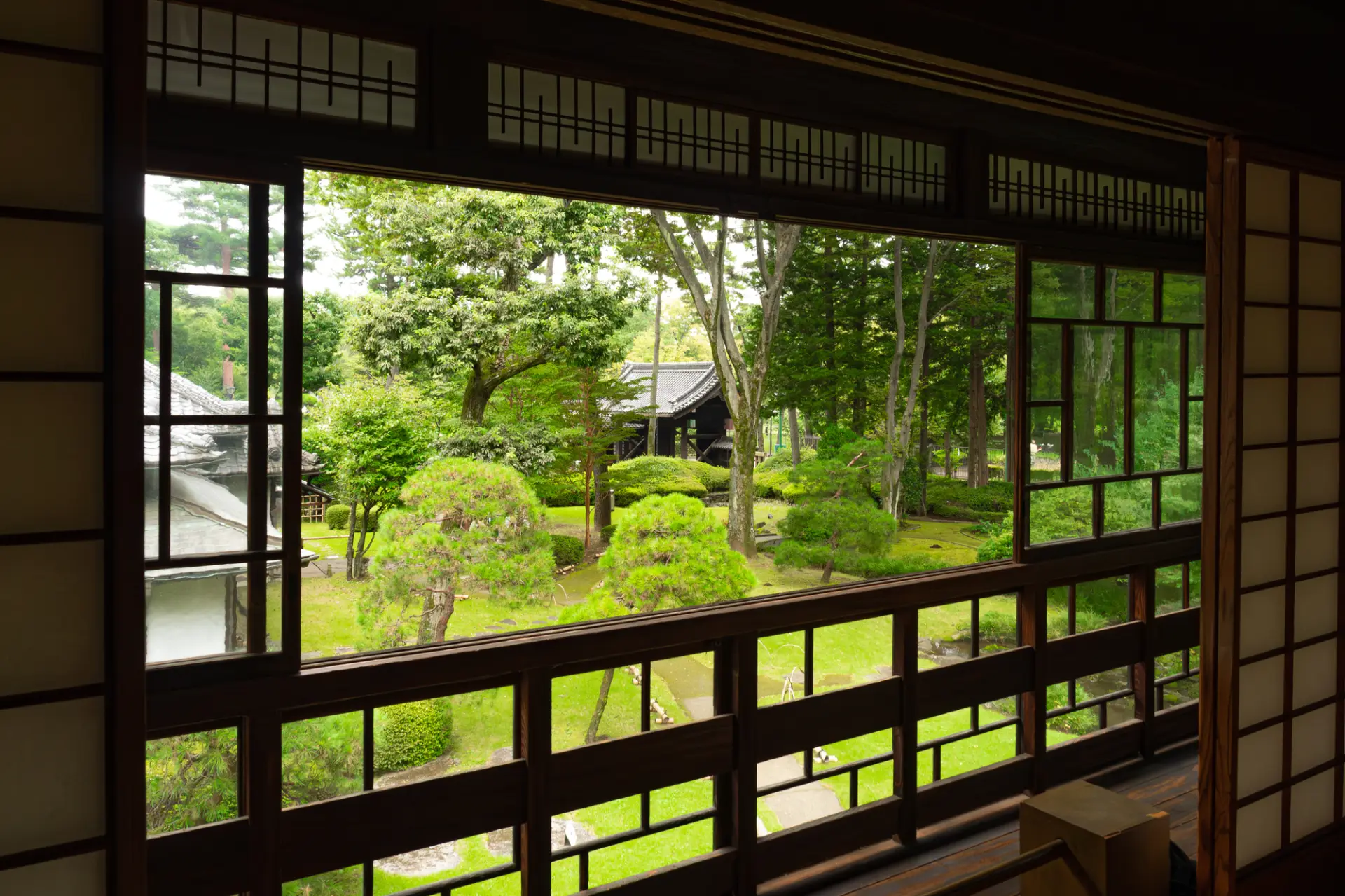
4. Kurokawa Onsen Ikoi Ryokan
“Ikoi Ryokan,” located in the heart of the onsen town, is a long-established ryokan with over 60 years of history.
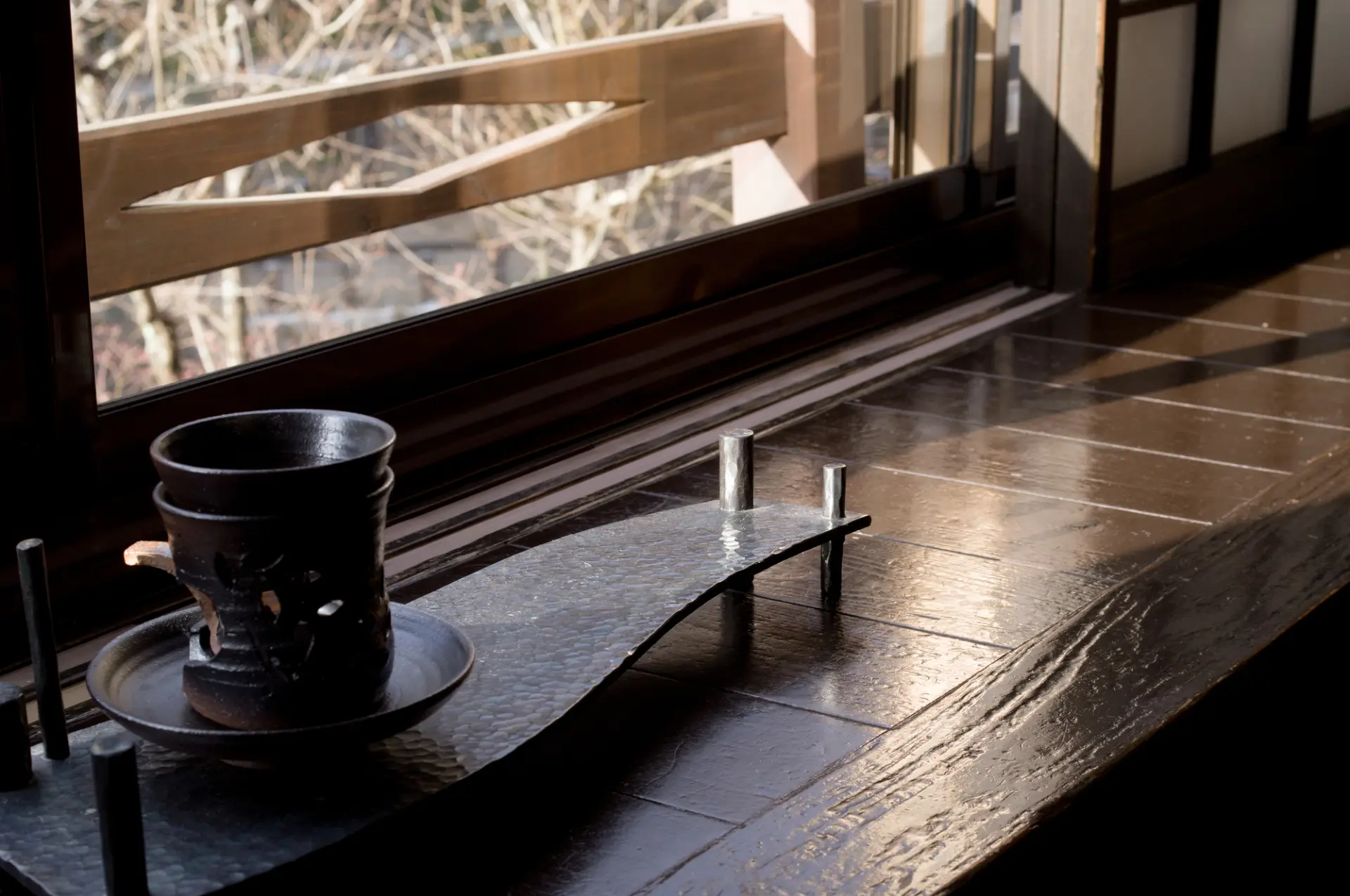
It features a nostalgic atmosphere that values traditional Japanese charm, with irori hearths, long wooden corridors, and thatched-roof-style bathhouses that evoke classic onsen vibes.
The simple, warm, and comfortable space feels like returning to your countryside family home, making it perfect for those seeking a quiet stay.
Its 13 hot springs are all natural free-flowing baths, and the clear, soft water is popular as “Bijin-yu,” said to glide smoothly over the skin.
In particular, the mixed-gender open-air bath “Taki no Yu,” the only one in Kurokawa Onsen selected for “Japan’s 100 Famous Hot Springs & Hidden Hot Springs,” offers an enchanting atmosphere created by the shadows of trees and the sound of falling water.
5. Kurokawa Onsen Ryokan Sanga
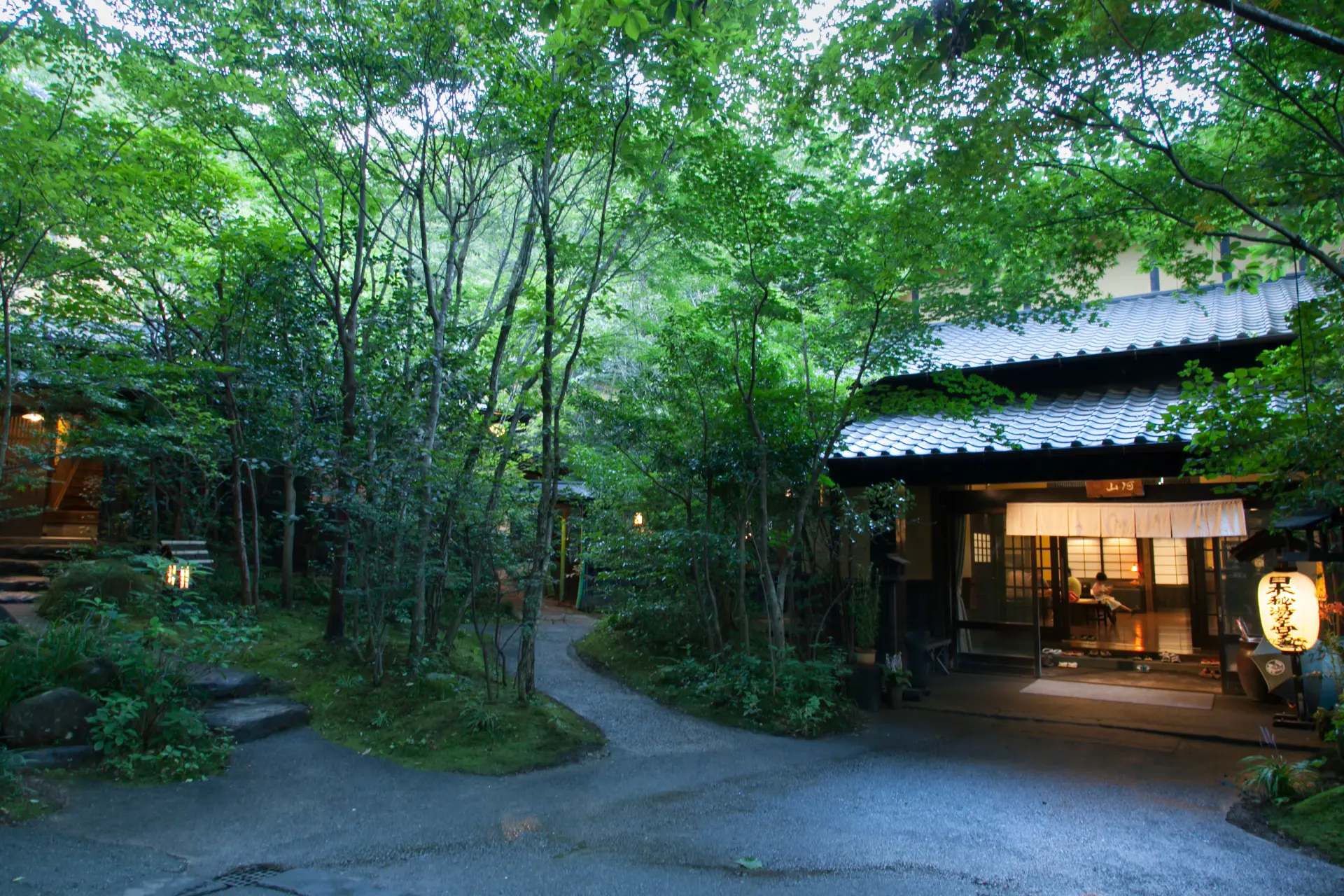
“Ryokan Sanga” is a hot spring ryokan that stands quietly like a hidden retreat deeper in the forest, a little farther from the mountainous Kurokawa Onsen town center.
One of Sanga’s proud features is its two different in-house hot spring sources: “Yakushi no Yu” and “Bihada no Yu.”
You can enjoy luxurious bathing with 100% free-flowing water.
These hot springs include seven baths in total, such as the men-only open-air bath “Moyai no Yu” and the women-only open-air bath “Shiki no Yu,” both available for day use, the guest-only indoor bath “Yakushi no Yu,” and the private bath “Rokushaku Oke-buro,” among others.
3 Popular Restaurants in Kurokawa Onsen for Breakfast or Lunch
Here are some popular restaurants you should know in Kurokawa Onsen.
These well-loved spots make generous use of fresh ingredients nurtured by Kurokawa Onsen’s rich natural surroundings, offering flavors unique to the region.
They close before evening, so it’s recommended to stop by for an early breakfast or lunch. Enjoy a meal at any place that catches your eye.
1. Warokuya
“Warokuya” is a sister restaurant of Okyakuya Ryokan, located at the center of the onsen town by the foot of Marusuzubashi Bridge.
It’s a cafe restaurant housed in a relocated old home from the Meiji period (1868–1912), with an eye-catching exterior.
The wood-warmed interior has a calm atmosphere, making it easy to drop in whether you’re solo or in a group.
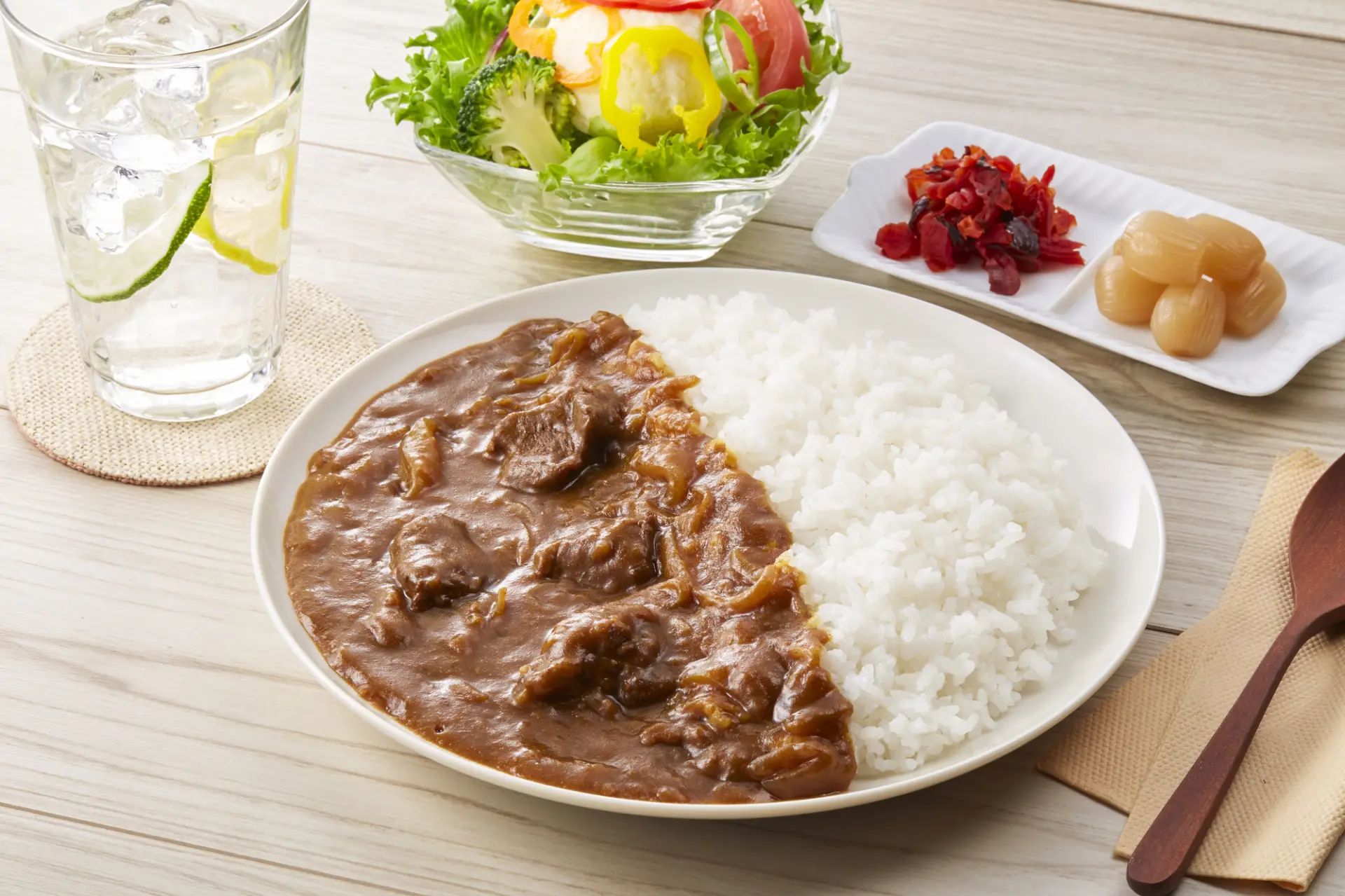
Its appeal lies in dishes made with the highly prized Aso brand beef “akaushi,” along with vegetables from its own farm.
The signature menu item, “Tenka Ippin Akaushi Gozen,” is a standout dish that lets you savor akaushi’s flavor to the fullest, served deliciously with two kinds of sauce. Another point is the attention to tableware, making it enjoyable from the first look.
“Warokuya Sanshu no Curry,” which lets you taste three types (white, black, and red) at once, and the lightly sweet “Warokuya Pudding” are also popular.
2. Tofu Kissho
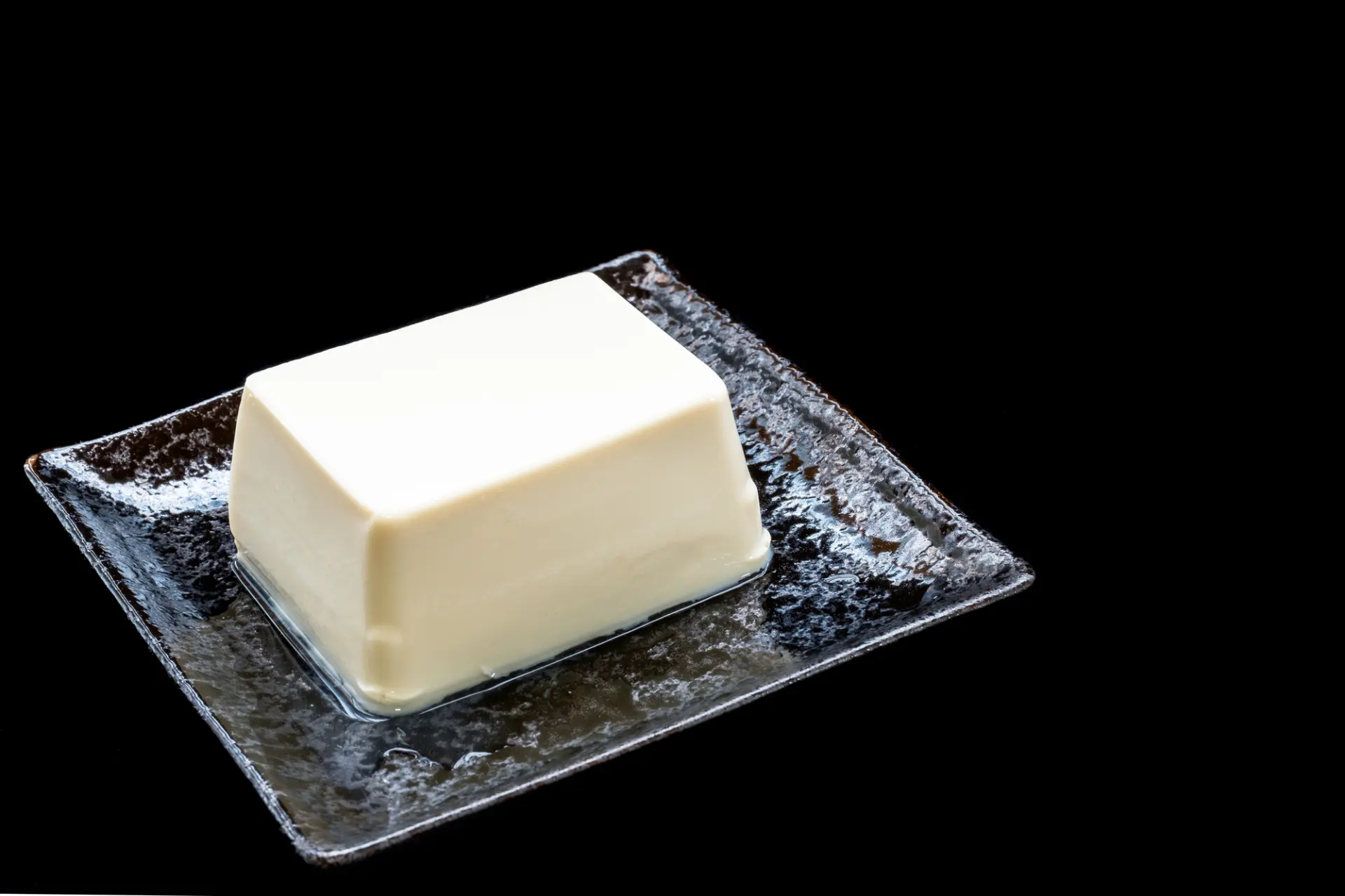
“Tofu Kissho” is a long-established tofu specialty shop with over 100 years of history in Kurokawa Onsen.
Its charm is tofu cuisine made with carefully selected ingredients, including spring water from the headwaters of the Chikugo River, large-grain Kumamoto-grown soybeans “Fukuyutaka,” and natural nigari coagulant.
Each tofu is handmade one by one using traditional methods, offering a soft yet springy texture and a pure soybean flavor.
A recommendation is the seasonal “Tofu Set Meal (Matsu, Take, Ume),” which changes throughout the year.
This healthy set meal includes tofu and konnyaku as the base, plus small side dishes, miso soup, and dessert—and you can get refills of rice and tofu, which is a nice bonus.
Also popular as a snack with drinks is their thick aburaage called “Kissho-age.”
The warm atmosphere of eating around an irori hearth also makes for a satisfying dining experience.
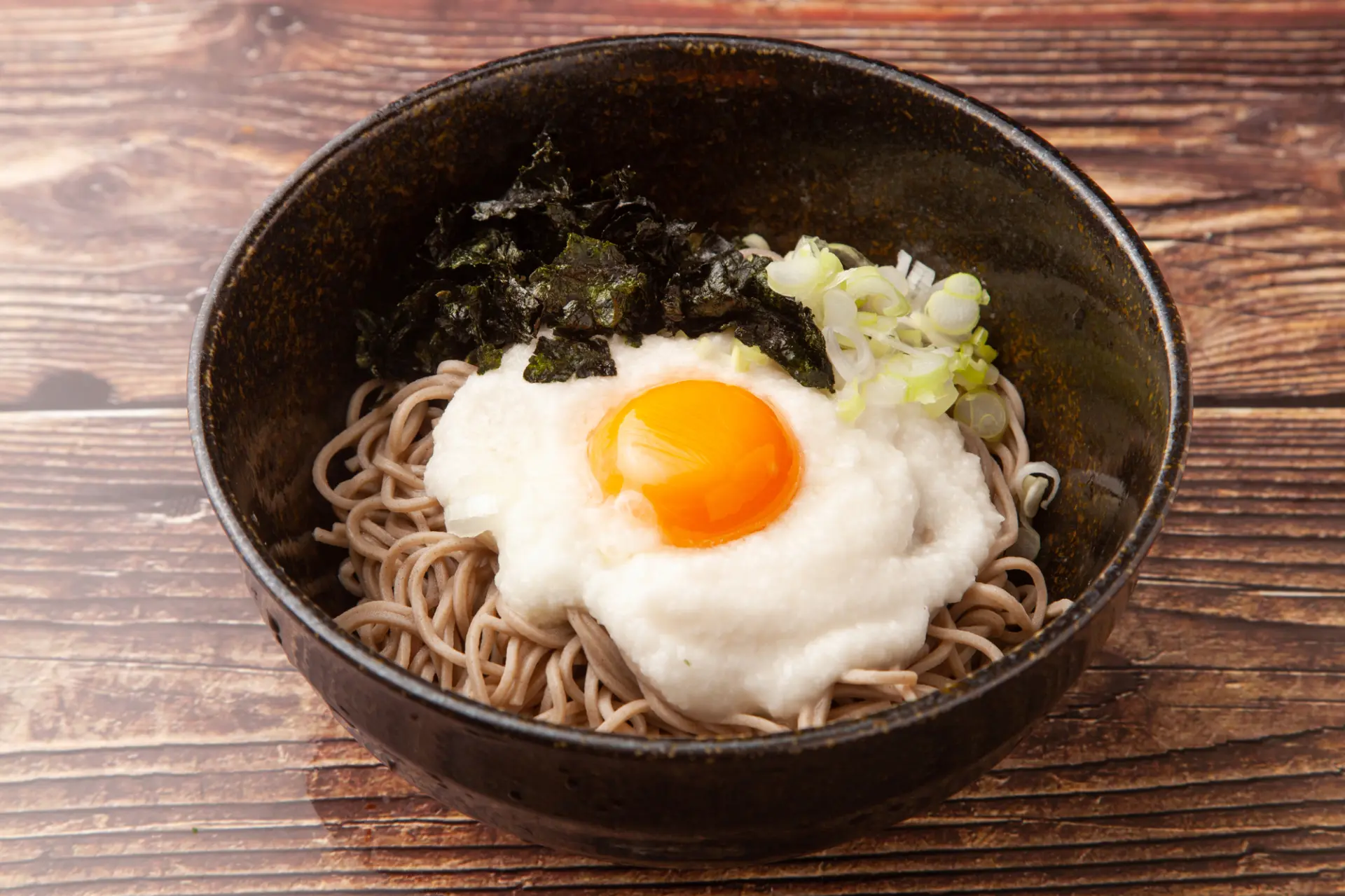
3. Sobaya Shala
“Sobaya Shala” is a handmade soba restaurant in a quiet, mountainous location.
Built in a kominka-style design that makes use of a traditional Japanese house, the interior matches the calm space and scenery, with views of moss and garden greenery from inside.
Its specialty is sotoini soba (buckwheat flour 10: binder 1), made by blending buckwheat flour from Aso and Nagano in a unique ratio and kneading it with pure groundwater.
You can enjoy soba’s natural aroma and firm bite, along with a great chew and smooth swallow, offering a distinct taste compared to others.
They’re also particular about ingredients beyond soba, including homemade pesticide-free rice and vegetables, as well as fresh Silkie chicken eggs, and every dish served is delicious.
Popular menu items include the luxurious set “Tsubaki Jidori” and the light, easy-to-eat “Genki Soba.”
5 Nearby Attractions to Visit with Kurokawa Onsen as Your Base
Finally, here are recommended spots around Kurokawa Onsen that you can reach by rental car.
These popular places let you enjoy rich natural beauty, seasonal landscapes, and a mysterious environment steeped in history.
Since you can have extraordinary nature experiences and visit power spots, be sure to plan a sightseeing itinerary to enjoy together with Kurokawa Onsen.
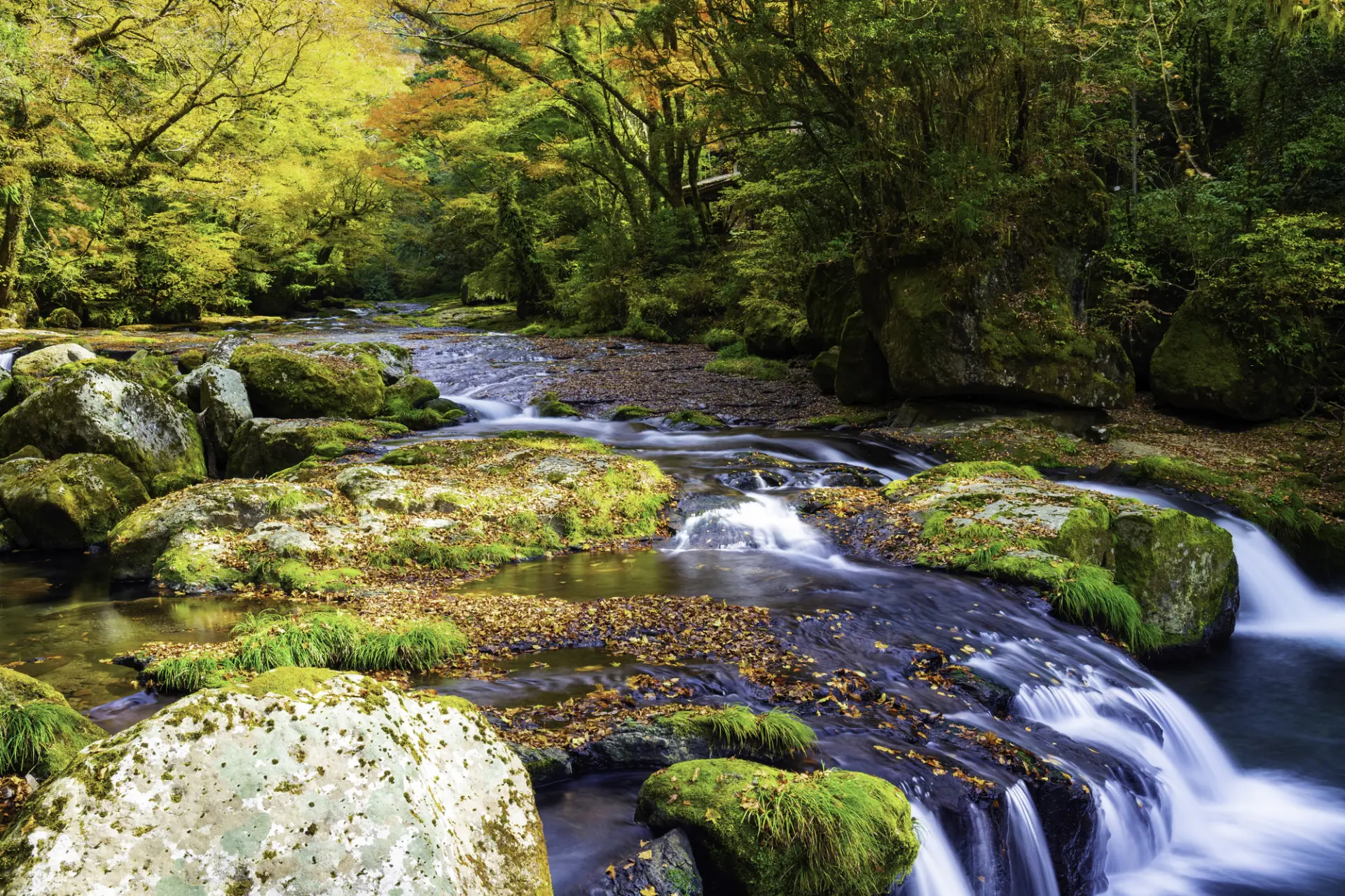
1. Seiryu no Mori
“Seiryu no Mori” is a forest park of around 80 hectares, located about a 5-minute drive from the Kurokawa Onsen town area.
With streams flowing through the park, it is divided into eight themed zones such as “Donguri no Mori” and “Kinoko no Mori,” and you can observe a wide variety of plants and seasonal wild birds.
Its fall foliage is especially spectacular, with vivid autumn leaves that feel like they invite you into another world.
There are also plenty of highlights among unusual rock formations, including “Suzume Jigoku” and “Koibitotachi no Oka.”
Since walking trails are well maintained, forest bathing while enjoying fresh air is also recommended.
2. Senomoto Plateau
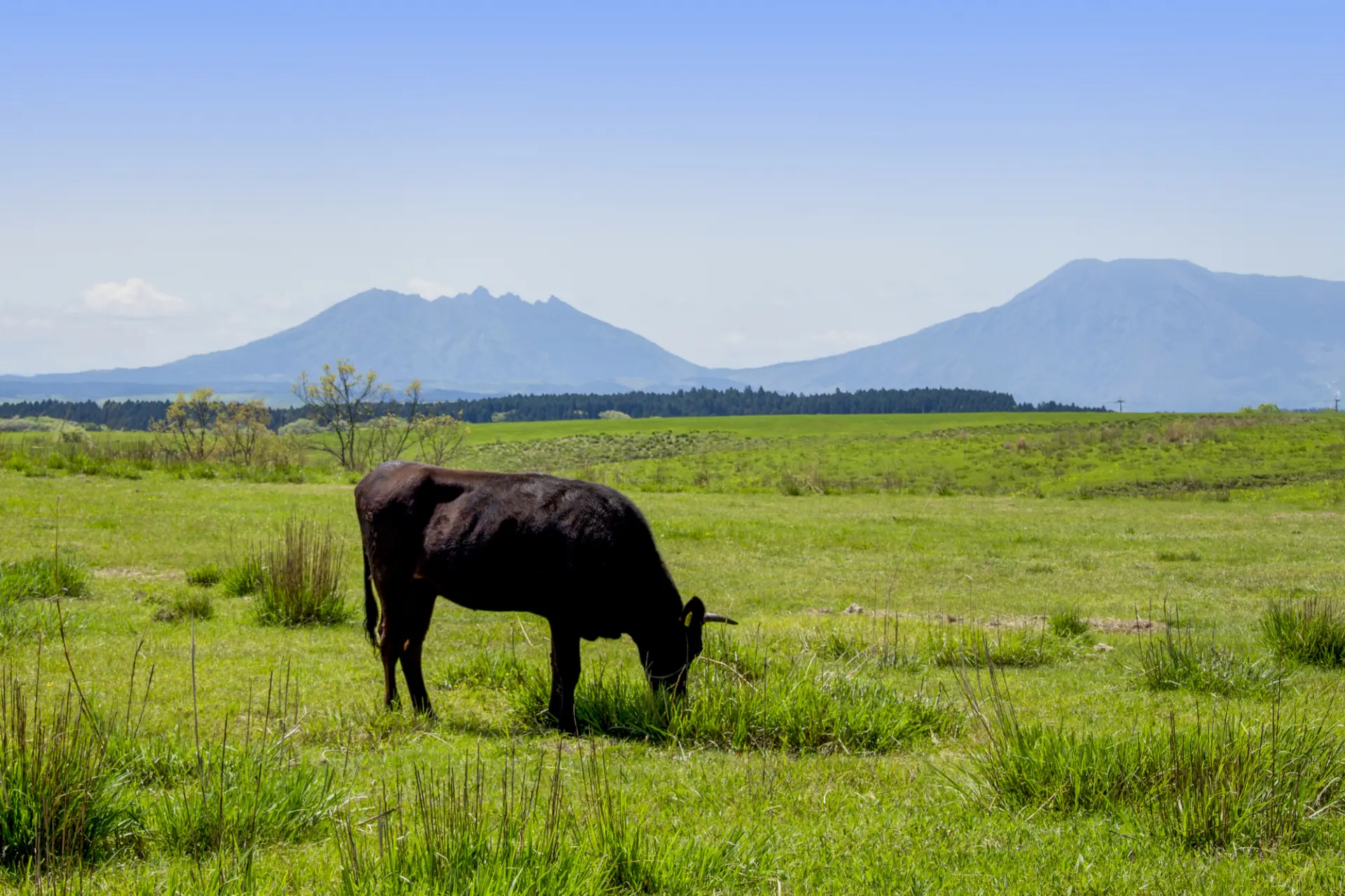
“Senomoto Plateau” is a highland area at an elevation of 850 m–900 m, located about a 20-minute drive from the Kurokawa Onsen town area along the Yamanami Highway.
Facilities such as rest houses, campsites, and hotels are available across the plateau, making it a base for nature walks and outdoor activities.
The highlight is its 360-degree panoramic view, ranked No. 1 in “Kumamoto’s 100 Scenic Green Landscapes.”
To the south you can see the Aso Five Peaks, and to the north the Kuju mountain range, while the grasslands in front change their look with the seasons.
In any season, you can enjoy open views and distant mountain ranges, and if you’re lucky, you may also see a sea of clouds in the Aso direction.
3. Mazeno Gorge
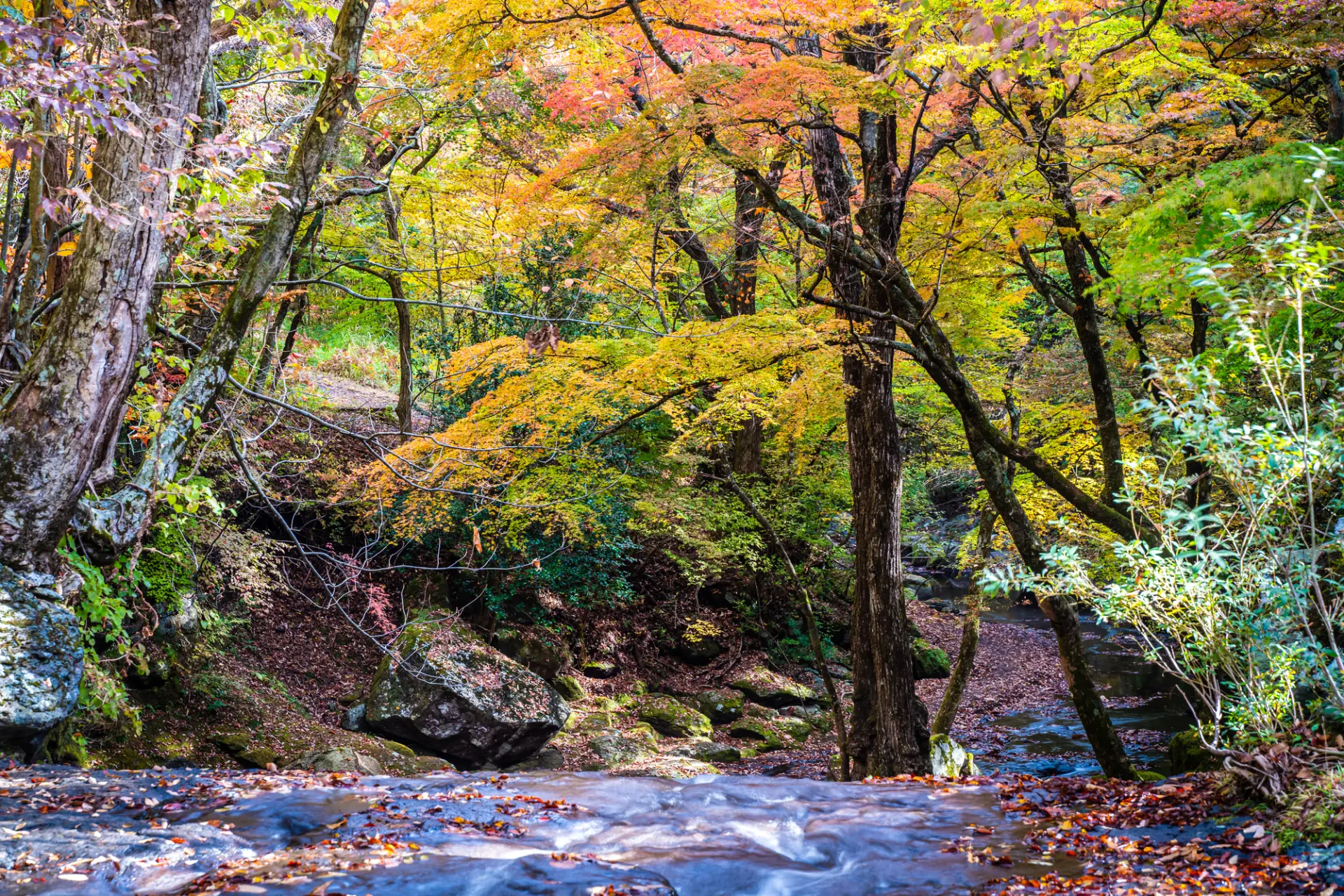
“Mazeno Gorge,” located about a 30-minute drive from the Kurokawa Onsen town area, is the headwaters of the Chikugo River spreading out at the foot of the Aso outer rim.
Since it is only open for a limited time in spring (Golden Week) and autumn (mid-October to late November), it’s nicknamed the “Secret Gorge.”
The appeal is the breathtaking scenery created by untouched nature, including a riverbed of huge slabs of rock, a clear stream that flows as if washing over rock faces, and broadleaf forests covering both banks.
Inside the gorge, waterfalls and stream viewpoints such as “Mazeno Falls” are scattered throughout, and you can enjoy trekking in a lush green environment with a remote, hidden-land feel that’s usually off-limits.
4. Oshitoishi no Oka
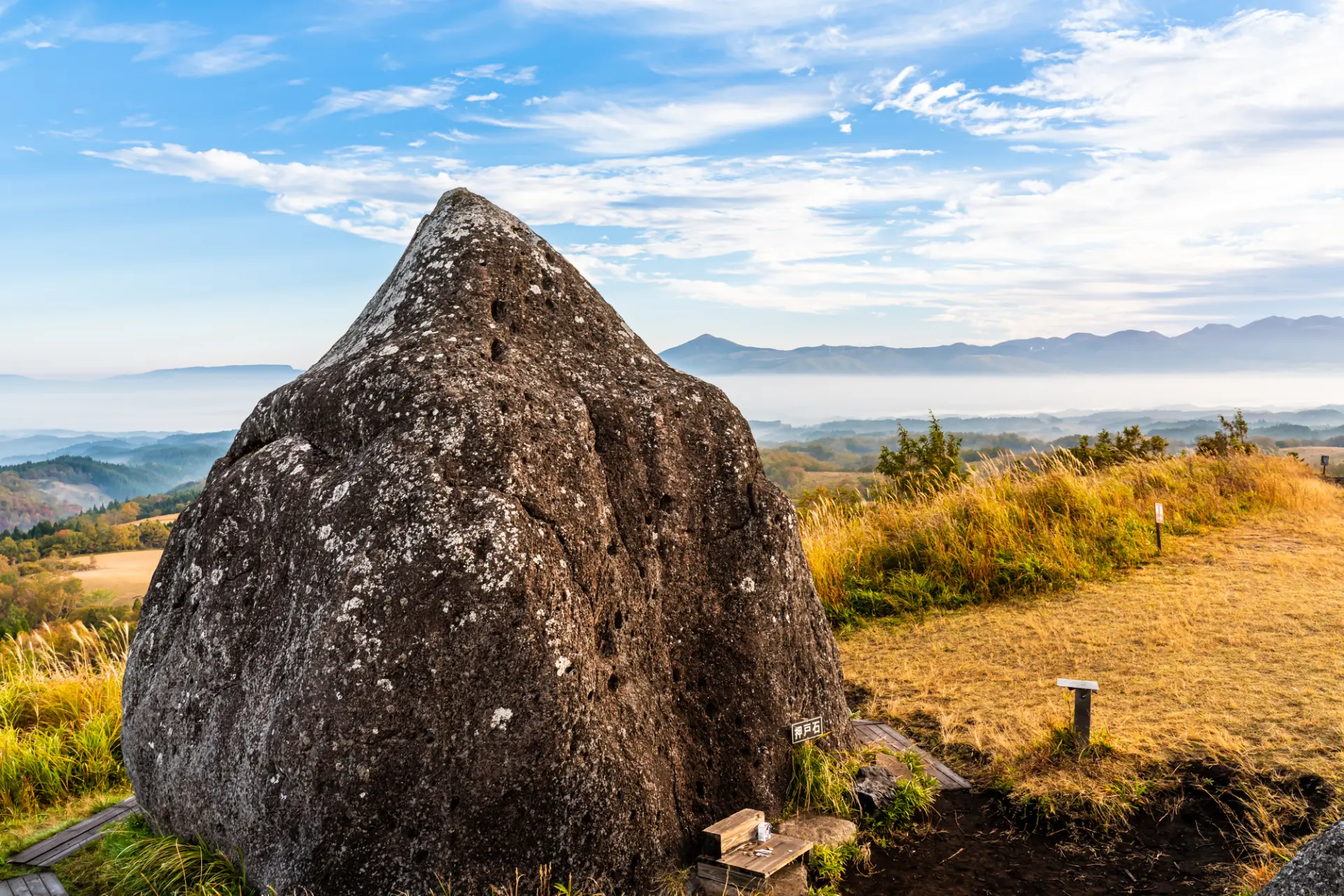
“Oshitoishi no Oka,” located about a 30-minute drive from the Kurokawa Onsen town area, is a rolling grassland hill at an elevation of Approx. 845 m.
From the top, a 360-degree panoramic view opens up, letting you enjoy natural beauty along with seasonal scenery.
The highlight is its distinctive landscape dotted with megaliths believed to be ancient ritual remains.
These include the single slab “Oshitoishi,” Approx. 5.5 m tall and 15 m around, as well as “Kagamiishi” carved with pictographs and “Hasamiishi,” said to mark time—mysteries of ancient times still linger here.
Since you can sense human intent in the placement and shapes of the stone alignment, it’s also fascinating from archaeological and folkloric perspectives.
5. Meoto Falls
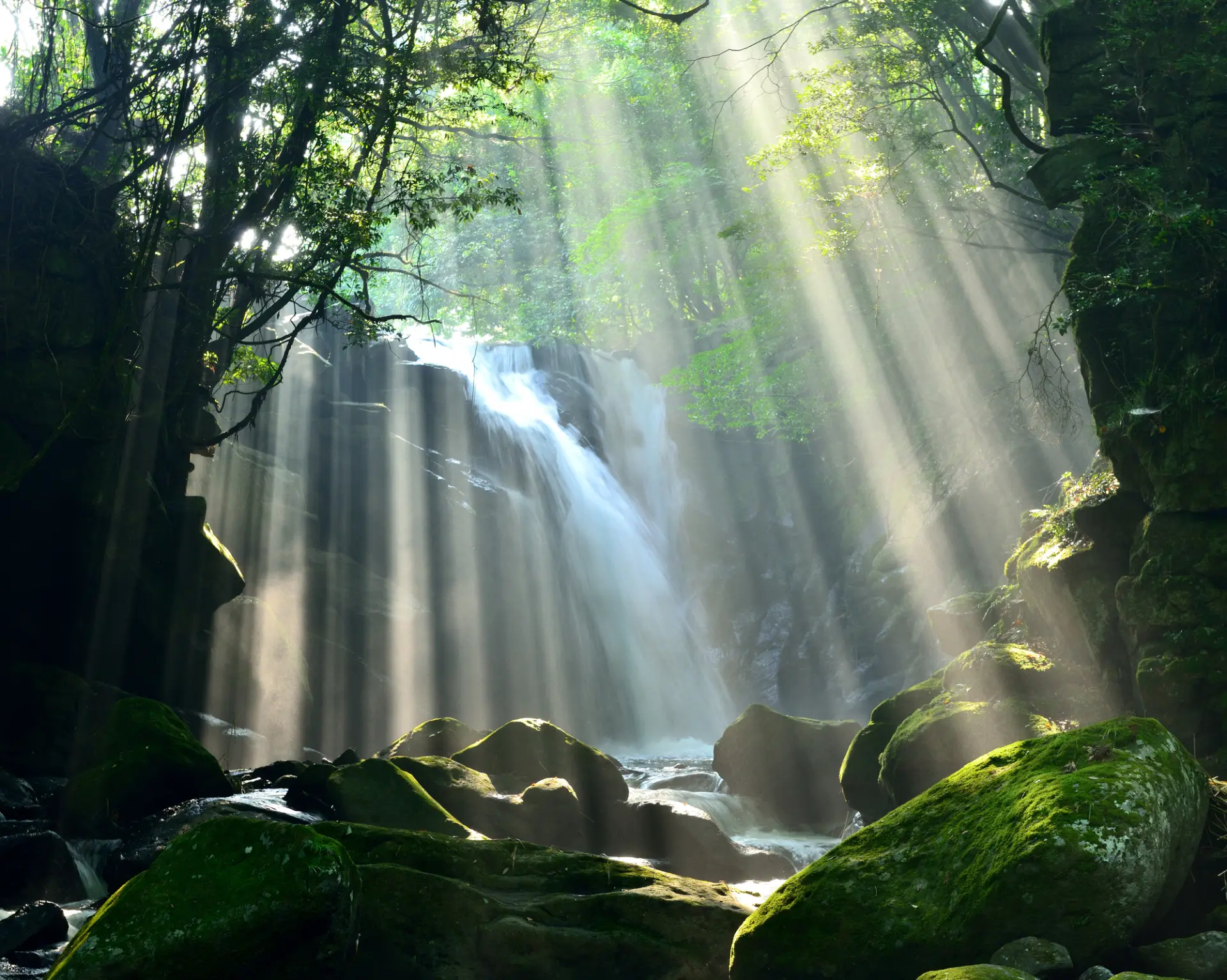
“Meoto Falls (Meotodaki),” accessible in about a 10-minute drive from the Kurokawa Onsen town area, is the collective name for the waterfalls at the point where the Tanohara River and the Oda River merge as falls.
The left side (as you face it) is called “Otoko Falls,” with a drop of Approx. 15 m, and the right side is called “Onna Falls,” with a drop of Approx. 12 m—the way the two flow down together creates a view worthy of the name “couple.”
The area around the falls is surrounded by Oguni cedar trees, and in the early morning, you can enjoy a mystical atmosphere with fantastical rays of light streaming in.
It’s also famous as the “Waterfall of Encounters” and the “Matchmaking Waterfall,” and many people visit to pray for success in love or a happy marriage.
Reviews
4.18
Some reviews are AI-translated.
-
This hot spring area has been rated two stars by the Michelin Guide and has always been super popular in Japan. I recommend visiting during the Lantern Festival season.
-
This quiet hot spring village is a peaceful escape from the hustle and bustle of daily life. It's the perfect place to relax and unwind.
FAQ about Kurokawa Onsen
Q
Are there any day-use facilities in Kurokawa Onsen?
A
Many facilities offer day-use bathing, including “Rekishinoyado Okyakuya,” which has the oldest history in Kurokawa Onsen, and “Ikoi Ryokan,” where you can enjoy onsen hopping across 13 types of baths.
Q
What are Kurokawa Onsen’s must-try local foods?
A
Well-known specialties include dishes made with the Kumamoto/Aso brand beef “akaushi,” Kumamoto’s local dish “dago-jiru,” and “soba” made with a focus on the water used.
Summary
We’ve introduced the appeal of “Kurokawa Onsen,” key points for enjoying it, and popular places to eat.
In Kurokawa Onsen, where ryokan line the gorge as if nestled together and the whole town feels unified like a single hot spring inn, you can fully enjoy a wide variety of onsen hopping.
Another feature is the rich nature all around, close at hand, letting you feel the seasonal atmosphere throughout the year.
Why not visit at least once and experience the soothing hot springs and satoyama scenery for yourself?
Please also read this article, which summarizes useful information for planning your Kumamoto trip, including classic sightseeing and shopping spots.