
Not Just Ise Jingu! 11 Must-Visit Popular Spots for Sightseeing in Ise
Located in southeastern Mie Prefecture, Ise is one of Japan’s premier travel destinations, where sacred history and tradition are still very much alive.
The city is built around a culture of faith centered on Ise Jingu, and through its historic pilgrimage routes, atmospheric streetscapes, and as many as 1,500 traditional events held each year, you can truly experience the “heart of Japan.”
Along with a great selection of local food, Ise also offers many breathtaking scenic spots shaped by nature, giving visitors plenty to see.
In this article, we’ll introduce the charms of Ise, with a focus on its most popular sightseeing spots.
It’s put together so even first-time visitors can enjoy the area, so use it as a guide when exploring Ise.
What is Ise Like?
Ise is one of Japan’s leading tourist destinations, located in the Ise-Shima region in southeastern Mie Prefecture.
It faces Ise Bay to the north, with the Miyagawa and Isuzu rivers flowing through the center, and is surrounded by mountains such as Mt. Asama and Mt. Kamiji, giving it an abundance of natural beauty.
The climate is relatively mild, with little snow even in winter, making it comfortable to visit year-round.
Its greatest appeal is the landscape where faith and daily life centered on “Ise Jingu” are still alive today.
Ise is often called the “spiritual hometown of the Japanese people” and has long been affectionately known as “Oise-san.”
Visitors from Japan and abroad are drawn to the quiet shrine grounds wrapped in forest, the dignified beauty of the shrine buildings, and the cultural continuity symbolized by traditional rituals and the Shikinen Sengu ceremony.
Another reason for its popularity is the abundance of fresh seafood such as spiny lobster, abalone, and conger eel, along with unique local dishes made with regional ingredients.
Be sure to try specialties such as “Ise udon (udon with thick, soft noodles and a dark sauce)” and “same no tare (a dried delicacy made from shark meat).”
Access to Ise
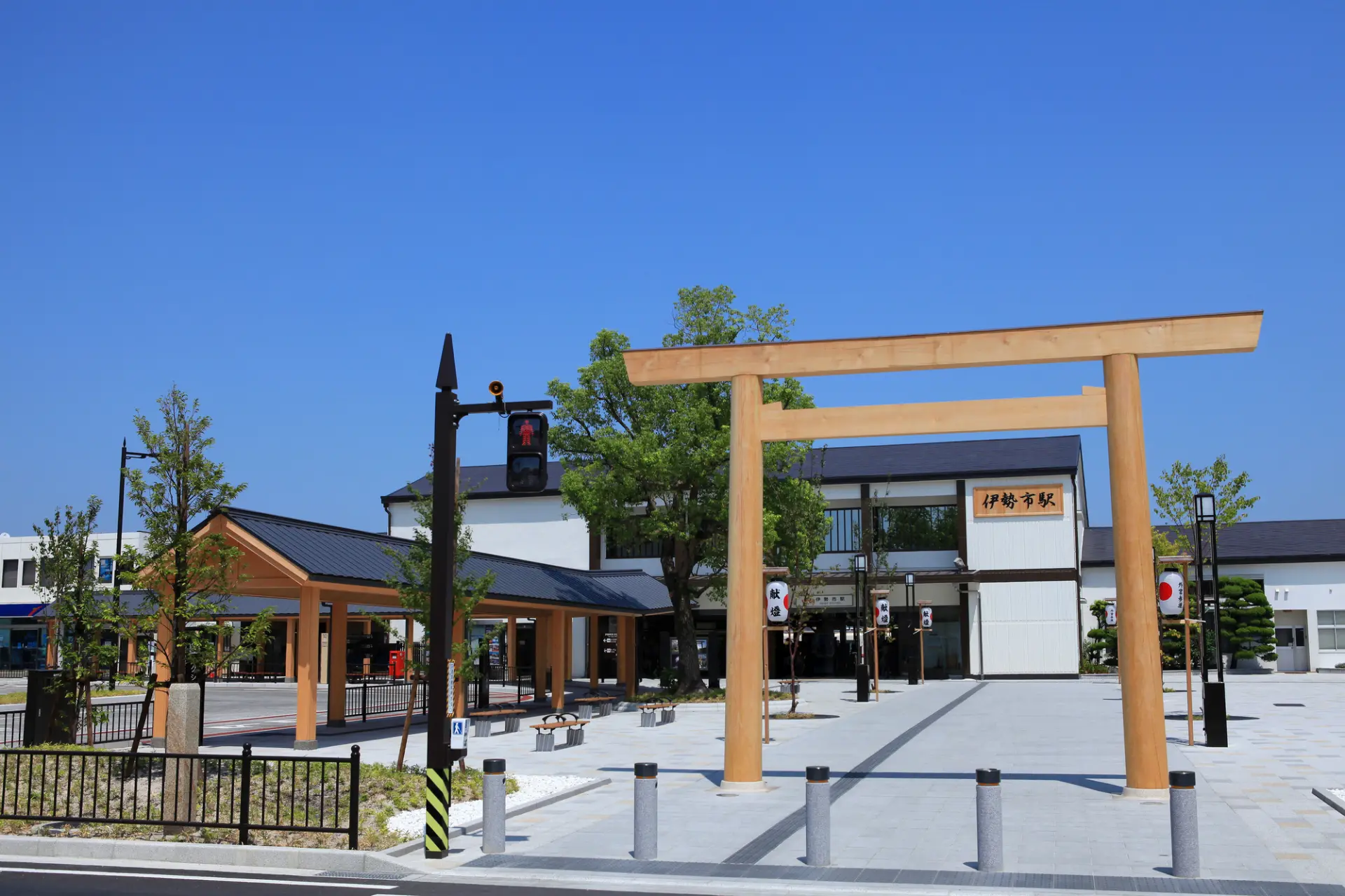
The main gateway for a trip to Ise City is Iseshi Station, the entrance to the Ise pilgrimage and the nearest station to Ise Jingu.
Two lines serve the station, the JR Sangu Line and the Kintetsu Yamada Line. They are connected inside the ticket gates, but the exits differ between the north and south sides.
Once you leave the station, you cannot return to the connecting passage, so be careful to choose the correct exit after arriving. Also keep in mind that the JR side is generally closer to the main sightseeing spots.
Below is a summary table showing how to get to Iseshi Station from Japan’s major cities: Tokyo, Osaka, Nagoya, and Fukuoka.
| Departure Point | Route | Travel Time |
|---|---|---|
| Tokyo Station |
1. Take the Nozomi Shinkansen from JR Tokyo Station and get off at Nagoya Station, then walk to the Kintetsu Nagoya Line 2. From Kintetsu Nagoya Station, take the Kintetsu Nagoya Line Limited Express (all reserved seats, limited express ticket required), get off at Iseshi Station, and arrive |
Approx. 3 hours 20 minutes |
| Osaka Station |
1. Take the outer loop of the JR Osaka Loop Line from JR Osaka Station, get off at Tsuruhashi Station, and transfer to the Kintetsu Osaka Line 2. From Kintetsu Tsuruhashi Station, take the Kintetsu Osaka Line Limited Express (all reserved seats, limited express ticket required), get off at Iseshi Station, and arrive |
Approx. 2 hours |
| Nagoya Station | Take the Kintetsu Nagoya Line Limited Express from Kintetsu Nagoya Station (all reserved seats, limited express ticket required), get off at Iseshi Station, and arrive | Approx. 1 hour 20 minutes |
| Hakata Station |
1. Take the Nozomi Shinkansen from JR Hakata Station and get off at Nagoya Station 2. From Nagoya Station, take the JR Rapid Mie on the Nagoya Line, get off at Iseshi Station, and arrive |
Approx. 5 hours |
Main Ways to Get Around Ise
Walking and buses are the main ways to get around sightseeing spots in Ise.
The area around Ise Jingu Geku can be reached in about 5 minutes on foot from Iseshi Station, and because it is relatively compact, it is recommended to enjoy the townscape and approach roads as you walk.
For Naiku and other spots, you can get around efficiently by using buses that operate from major stations such as Iseshi Station, Ujiyamada Station, and Isuzugawa Station.
In particular, the CAN Bus sightseeing loop bus connecting tourist spots between Ise and Toba, and the Sangu Bus, the only route bus to the Mt. Asama area, are very convenient.
What Is the Best Season for Sightseeing in Ise?
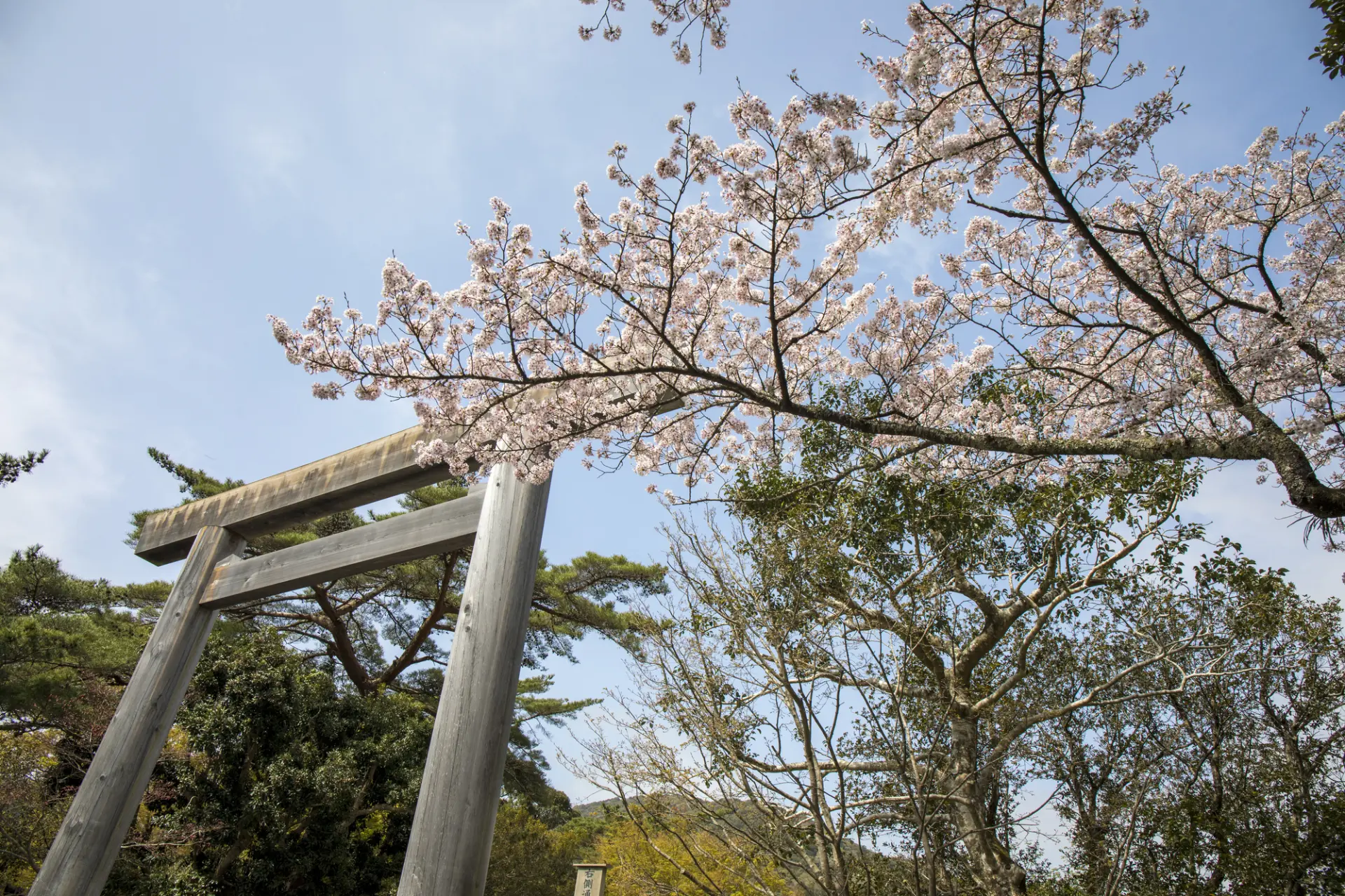
The best seasons for sightseeing in Ise are spring and fall, when the weather is mild and it is comfortable for shrine visits and strolling around town.
In spring, fresh greenery appears along the approach roads, and you can enjoy a relaxed walk along the Isuzu River and through Oharai-machi and Okage Yokocho.
Cherry blossoms further enhance the serene scenery of the shrines, making it great for photos, and it is also a pleasant time to enjoy outdoor street food.
In contrast, fall brings crisp, clear air and beautiful views of the sea and islands, along with vivid autumn leaves coloring the Jingu grounds.
It is also the season when seafood is at its richest, adding to the appeal with a wide variety of local flavors to enjoy.
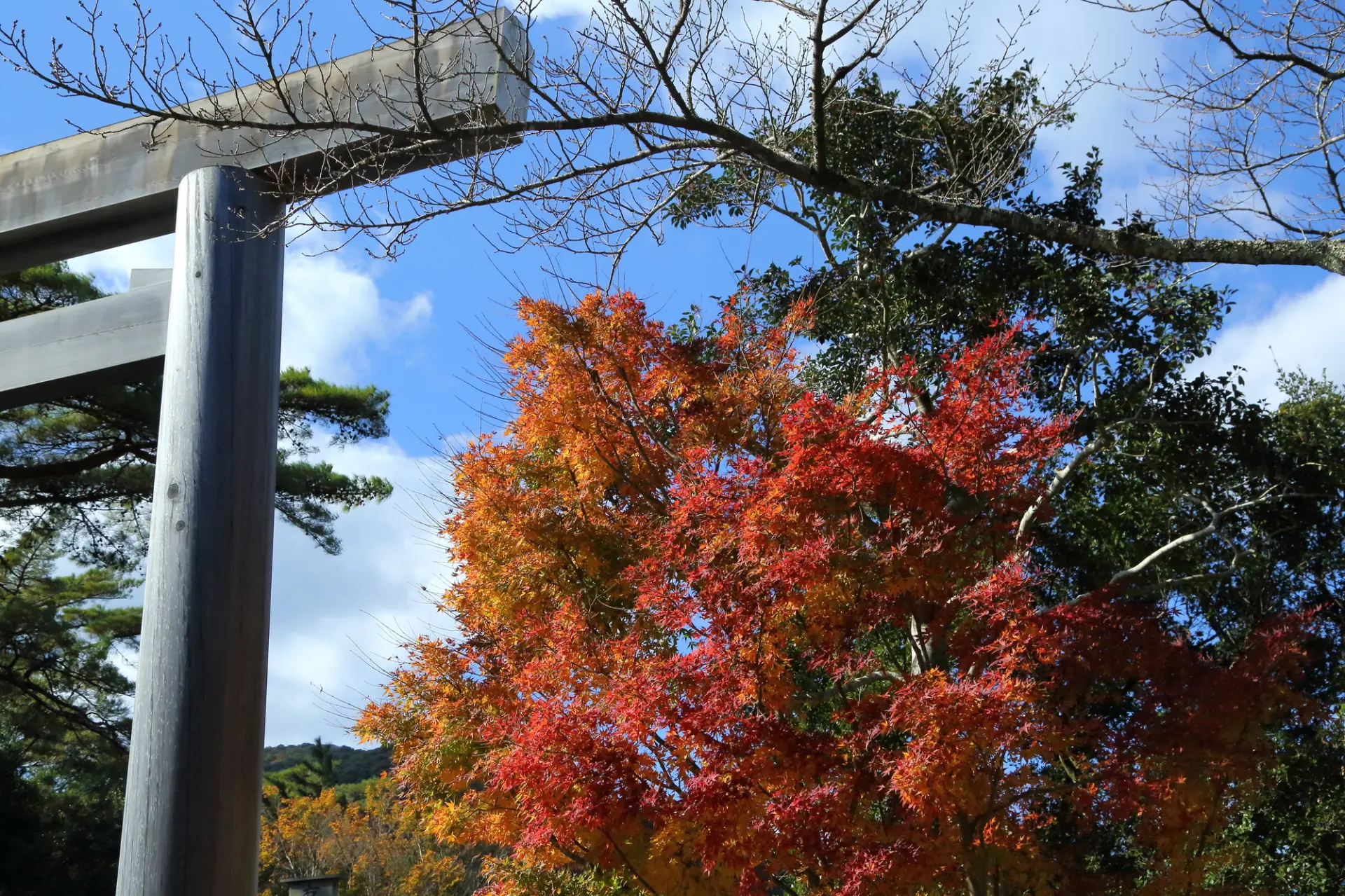
The Basics of Sightseeing in Ise: “Ise Jingu + the Surrounding Area”
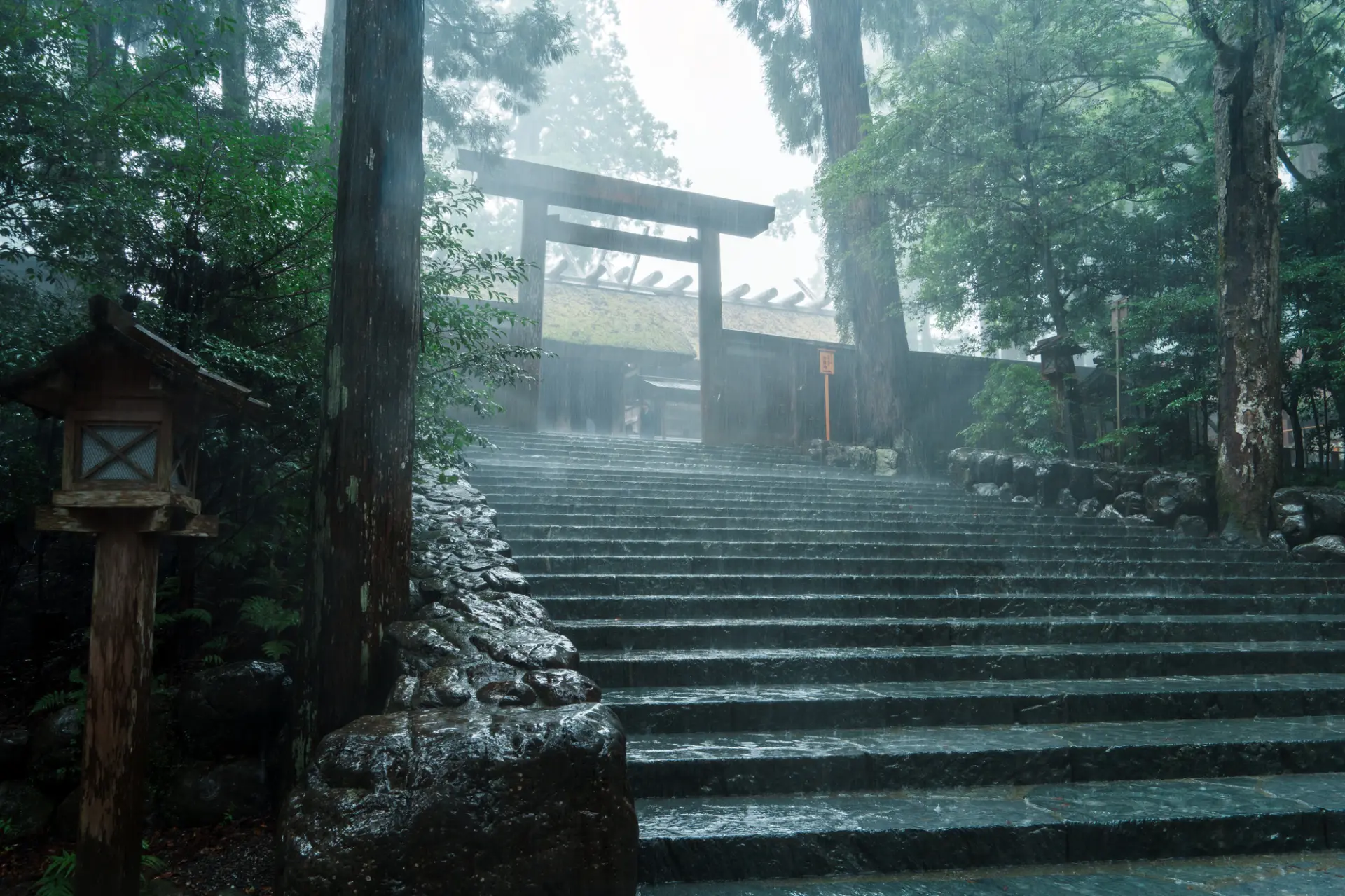
Many people visit Ise with “Ise Jingu” as their main destination, and the number reaches 7 to 8 million visitors a year.
The official name of Ise Jingu is simply “Jingu,” and it is regarded as the supreme shrine among about 80,000 shrines nationwide and the ancestral shrine of the Japanese people.
The traditional ritual called “Shikinen Sengu (rebuilding the shrine buildings and transferring the deity every 20 years),” which began in 690, is still carried out today, keeping history and tradition alive throughout the area.
Centered on Naiku (Kotai Jingu) and Geku (Toyouke Daijingu), it has a vast sacred precinct including 125 auxiliary and affiliated shrines, and has long been revered by both the Imperial family and the Japanese people.
Please refer to the table below for basic information on Naiku and Geku.
| Item | Naiku | Geku |
|---|---|---|
| Enshrined deity |
Amaterasu Omikami ※ Ancestral deity of the Imperial family and the highest deity in Japan |
Toyouke Omikami ※ Guardian deity of clothing, food, and shelter |
| Founded | Approx. 2,000 years ago | Approx. 1,500 years ago |
| Nearest station | Ujiyamada Station, Isuzugawa Station | Iseshi Station |
| Hours | 45 minutes–1 hour 30 minutes | 30 minutes–1 hour |
Naiku and Geku are about 5.5 km apart (around 1 hour on foot), and because the grounds are so extensive that they even have different nearest stations, visiting both properly takes from 3 hours to half a day.
It is considered the proper custom to visit Geku first and then Naiku.
There are also sightseeing spots nearby such as Sarutahiko Shrine and Isuzu Park, where you can enjoy shrine visits in a solemn atmosphere.
If you plan to visit Ise Jingu, be sure to also read the article linked below, which summarizes its basic information and details.

Oharai-machi and Okage Yokocho: Must-Visit Street Food Spots to Enjoy Along with Ise Jingu
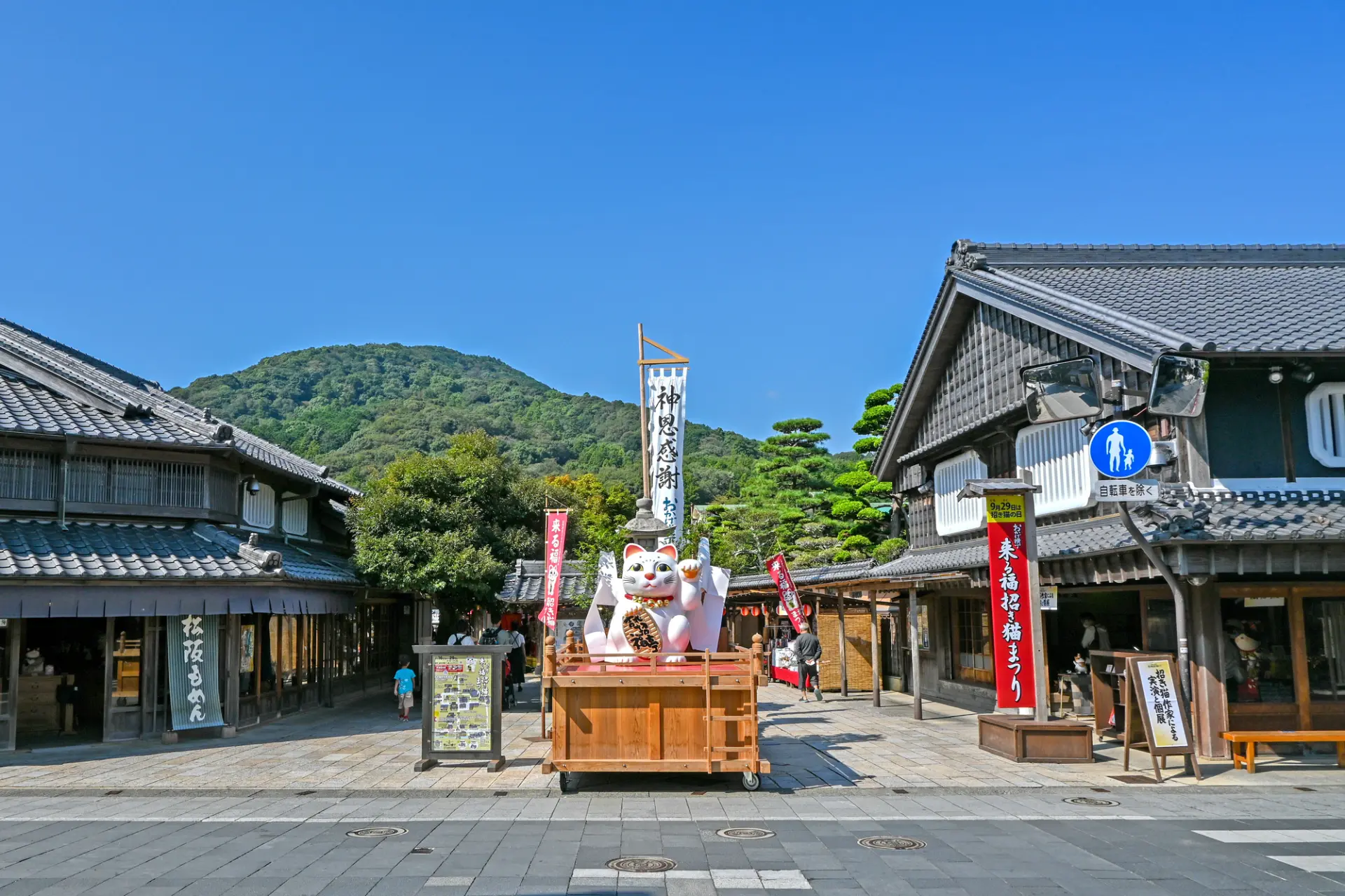
One place you should definitely visit together with Ise Jingu Naiku is “Oharai-machi and Okage Yokocho.”
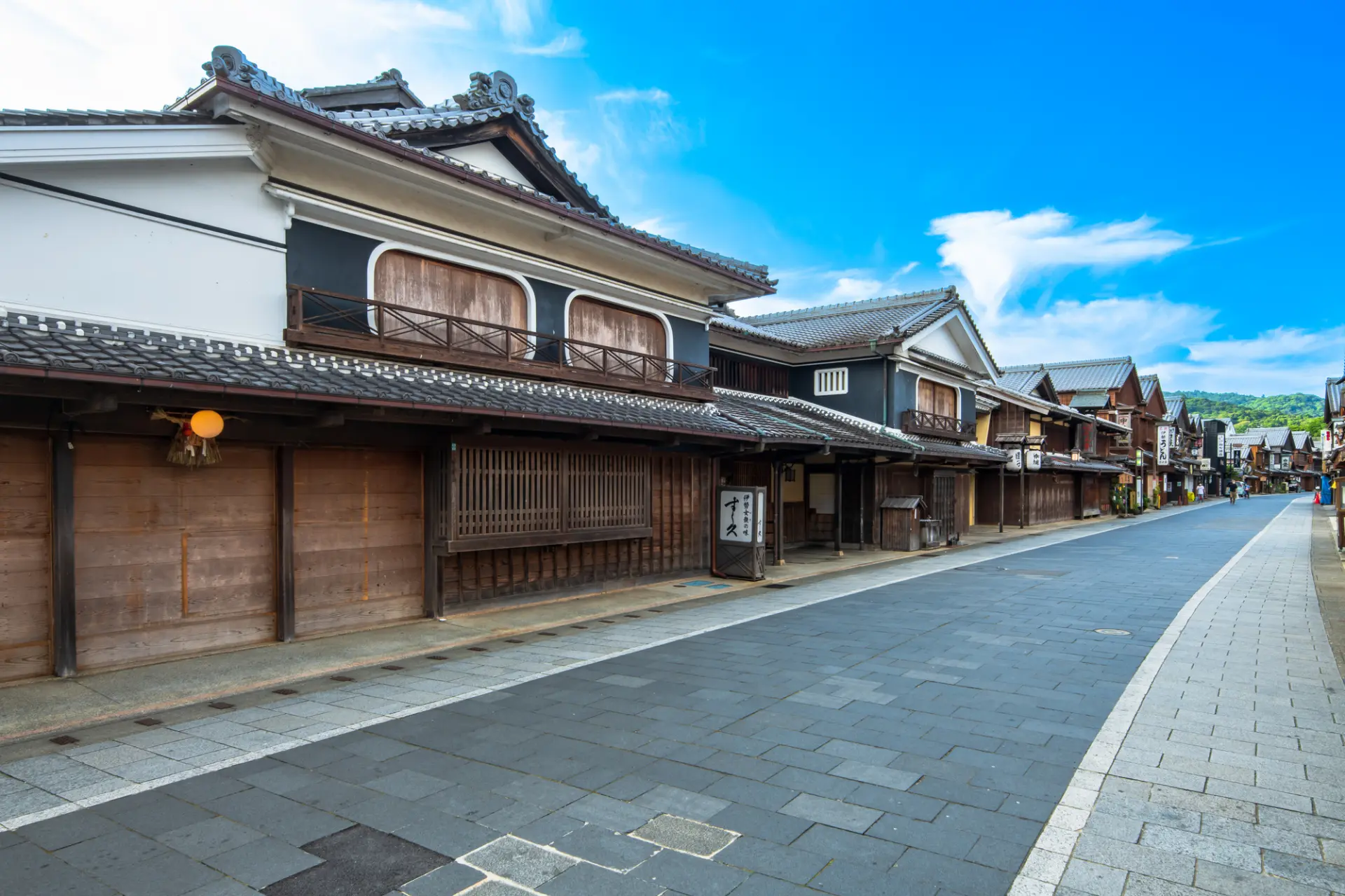
Oharai-machi is a beautiful street about 800 m long that stretches from Uji Bridge, right next to Naiku, toward Sarutahiko Shrine.
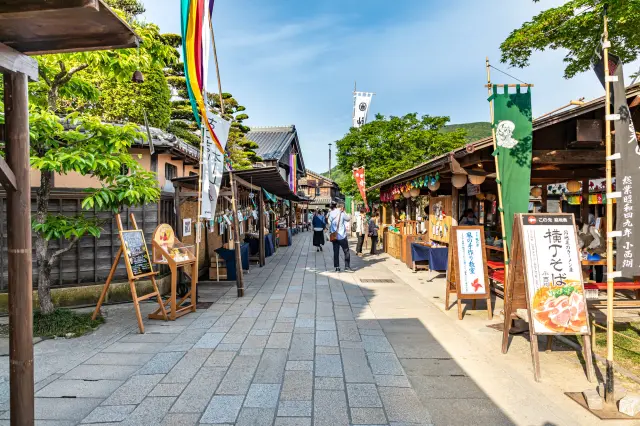
Along the stone-paved road lined with traditional gabled buildings in the kirizuma-tsumairi style, many restaurants and souvenir shops stand side by side, letting you enjoy strolling through town while still feeling the afterglow of your shrine visit.
Located in the middle of Oharai-machi is Okage Yokocho, where representative buildings from the Iseji route of the Edo period (1603–1868) to the Meiji period (1868–1912) have been faithfully recreated and relocated.
Its details have been carefully crafted, creating a retro atmosphere that feels as if you have stepped back in time.
Within a site of about 4,000 tsubo, around 50 shops are gathered, and in addition to strolling and sampling food, traditional performances such as kamishibai storytelling and Shinnon Daiko drumming are also held.
Both places let you experience the culture and everyday life that are unique to Ise, and another attraction is the chance to try a variety of local dishes.
In particular, be sure to try famous specialties such as Akafuku mochi, Ise udon, and hitsumabushi.
11 Popular Sightseeing Spots to Visit Along with Ise Jingu
Here are 11 popular spots recommended for sightseeing in Ise.
Each one is set in a location where nature and history blend together, offering layered attractions that include culture, entertainment, and food.
One of their defining features is that they let you experience scenery unique to Ise that will stay with you long after your trip.
Each offers a different experience, so be sure to visit any spots that catch your interest along with Ise Jingu.
1. Kashikojima Espana Cruise
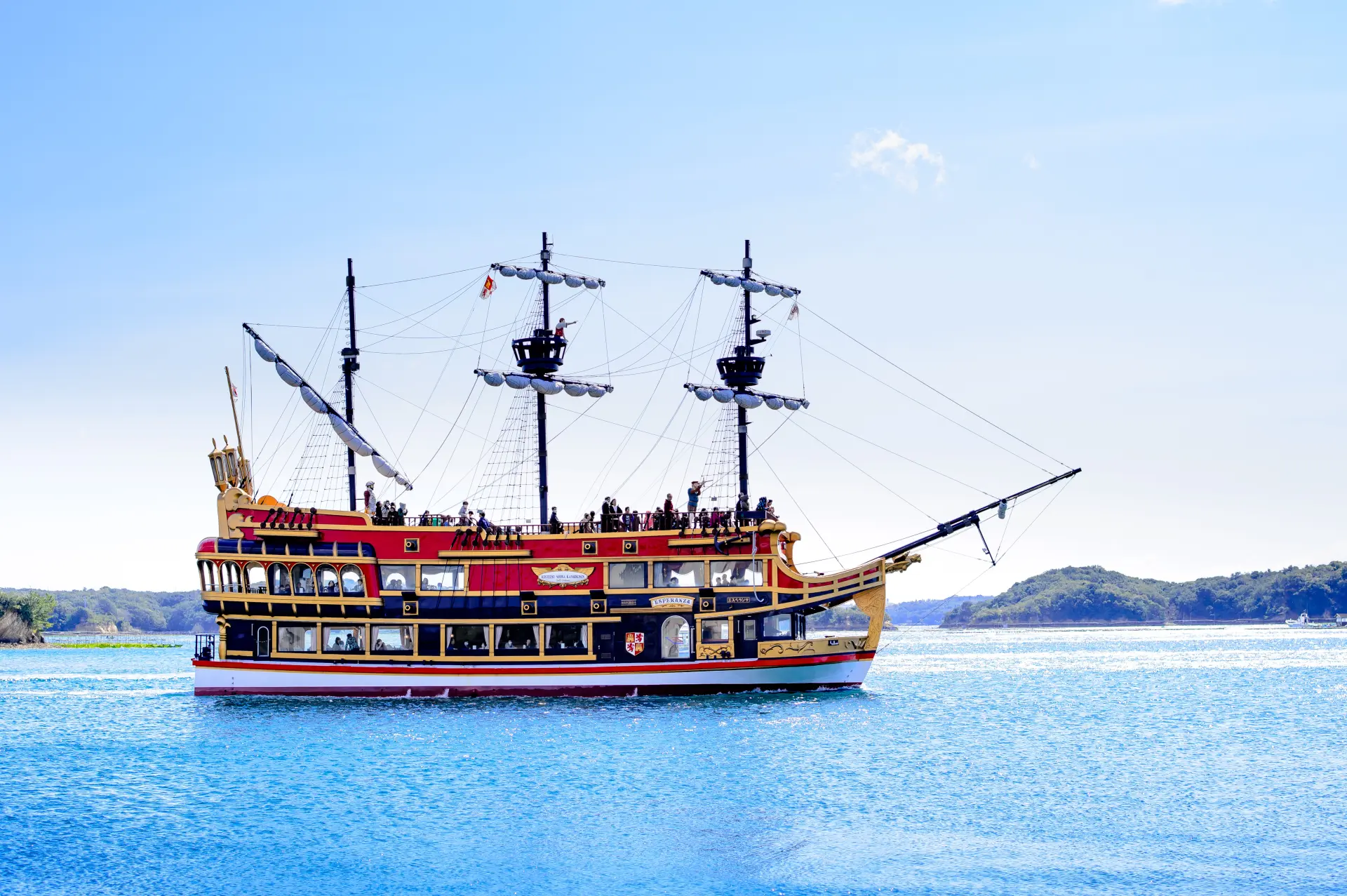
This sightseeing boat departs from Kashikojima, cruises around Ago Bay for about 35 minutes, stops for a visit to a pearl model factory, and then returns to Kashikojima Port, for a total trip time of Approx. 50 minutes.
The sightseeing ship Esperanza, modeled after vessels used during Spain’s Age of Discovery, is a sailing ship-style boat with three masts and an observation deck.
Drinks are served on the second floor of the boat, and there is also a special room called Isabella for a more elegant cruise experience (an additional special room fee is required on top of the fare).
2. Sarutahiko Shrine
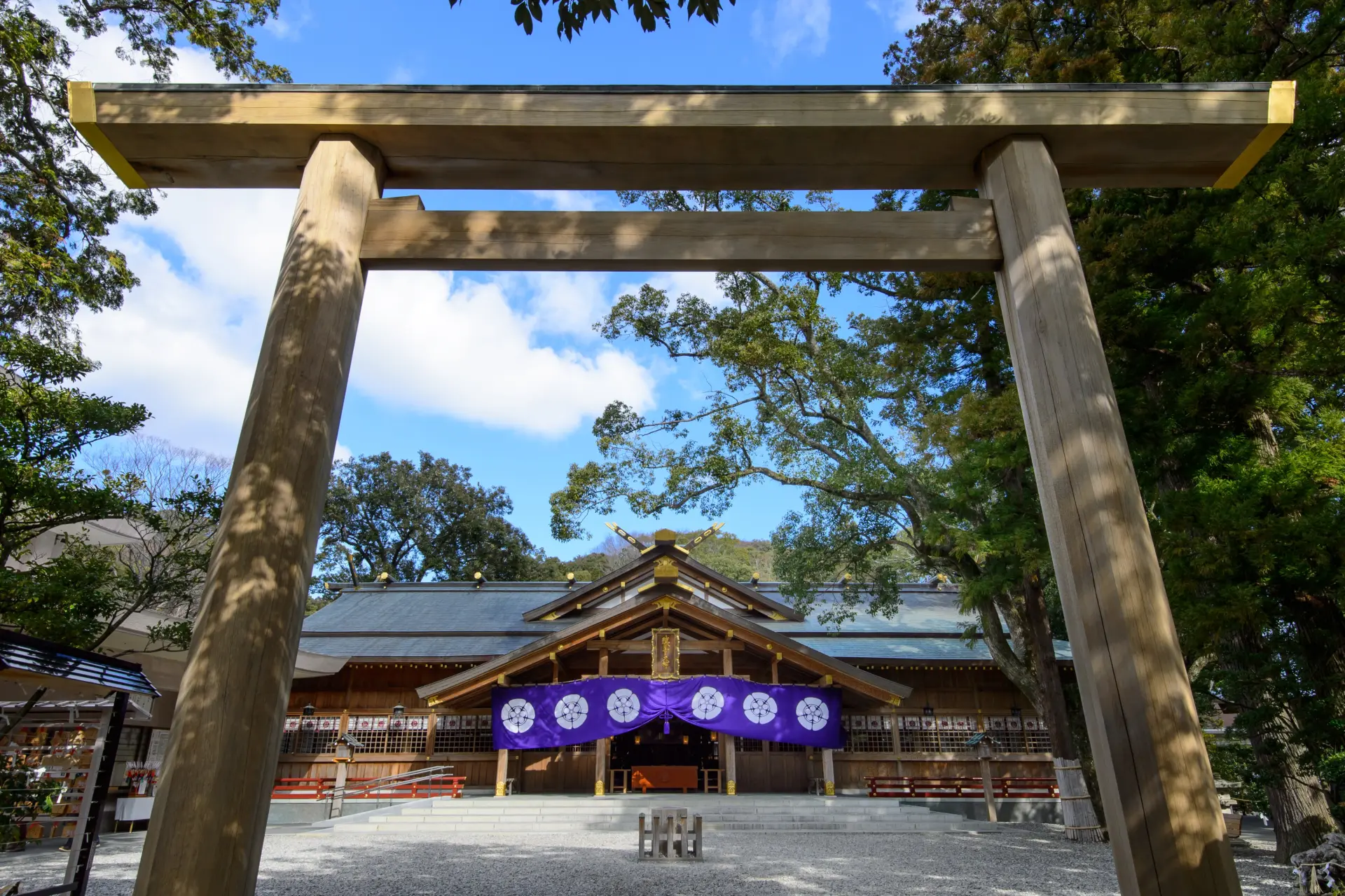
This shrine enshrines Sarutahiko Okami, a deity said to appear at the beginning of things and guide everything in a good direction.
It also has deep ties to Ise Jingu, as Ota no Mikoto, a descendant of Sarutahiko Okami, is said to have recommended the upper reaches of the Isuzu River as the site for Ise Jingu Naiku.
Within the grounds is Sarume Shrine, dedicated to Ame-no-Uzume-no-Mikoto, who is said to have performed kagura when Amaterasu Omikami hid herself in the cave.
3. Ise Sea Paradise
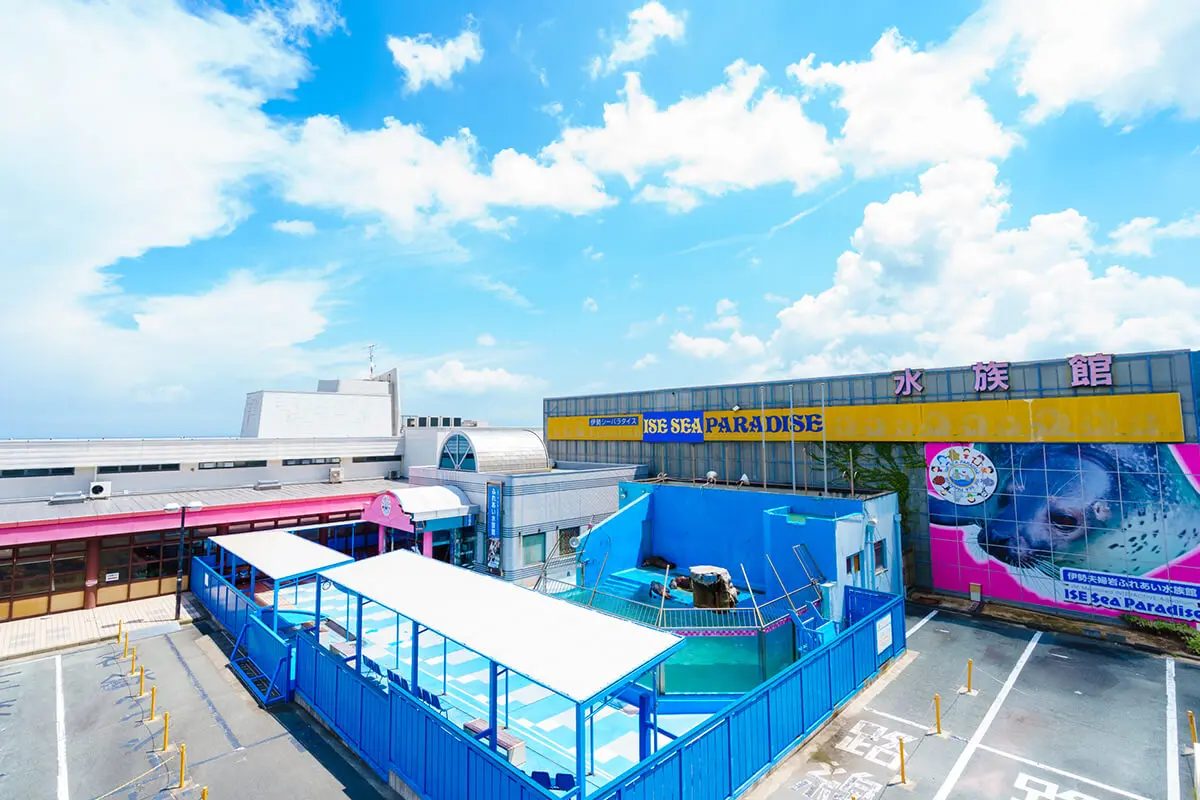
Ise Sea Paradise is an aquarium in Ise City located near Meoto Iwa, the “Wedded Rocks,” where two rocks of different sizes float in the sea.
This facility is popular for its “zero distance” encounters with a wide variety of marine animals and fish.
In addition to performances such as sea lion shows, walrus walking time, and Steller sea lion feeding time, one of its attractions is the large number of events where you can actually touch the animals.
4. Ise Meotoiwa Meoto Yokocho
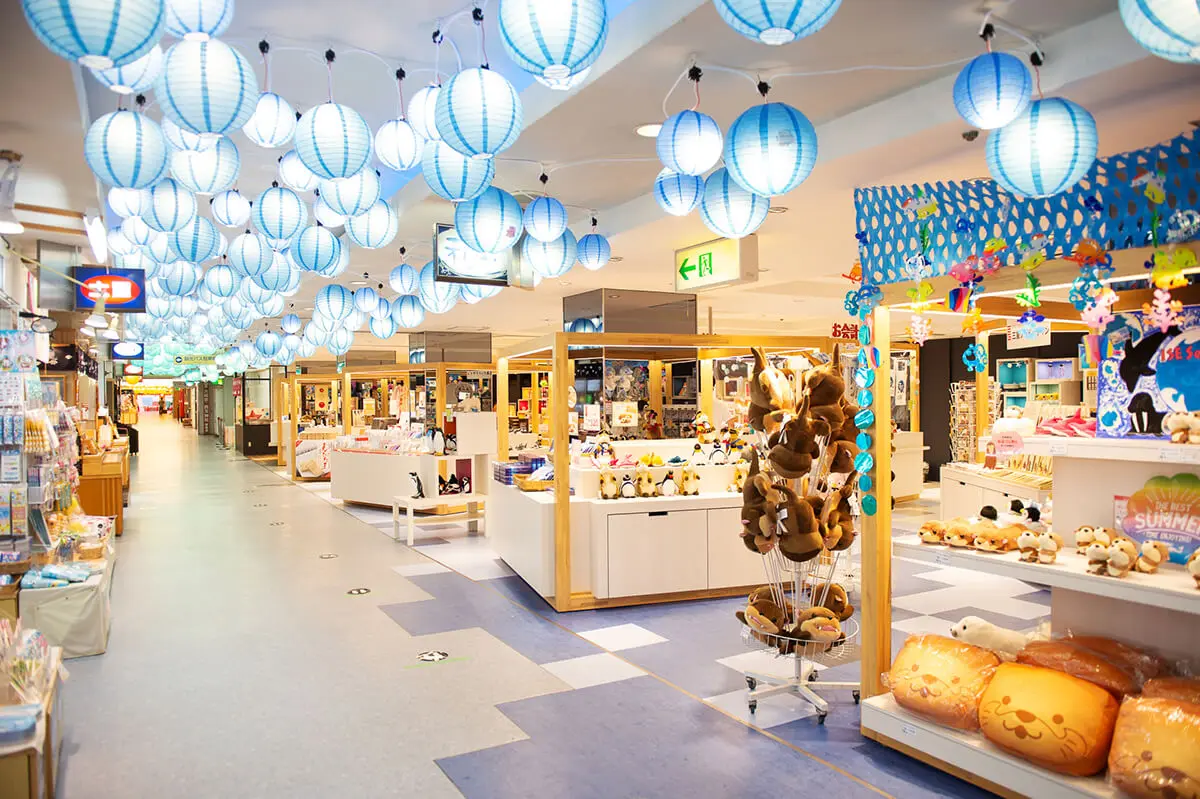
One of the largest indoor shopping facilities in the Ise-Shima area, attached to Ise Sea Paradise, the popular aquarium known for its “zero distance” exhibits.
The approximately 180 m street directly connected to Ise Sea Paradise is lined with around 20 shops offering Ise specialties, souvenir stores, and hands-on experience facilities.
There is also a great selection of easy-to-eat handheld foods, making it fun to snack as you walk around.
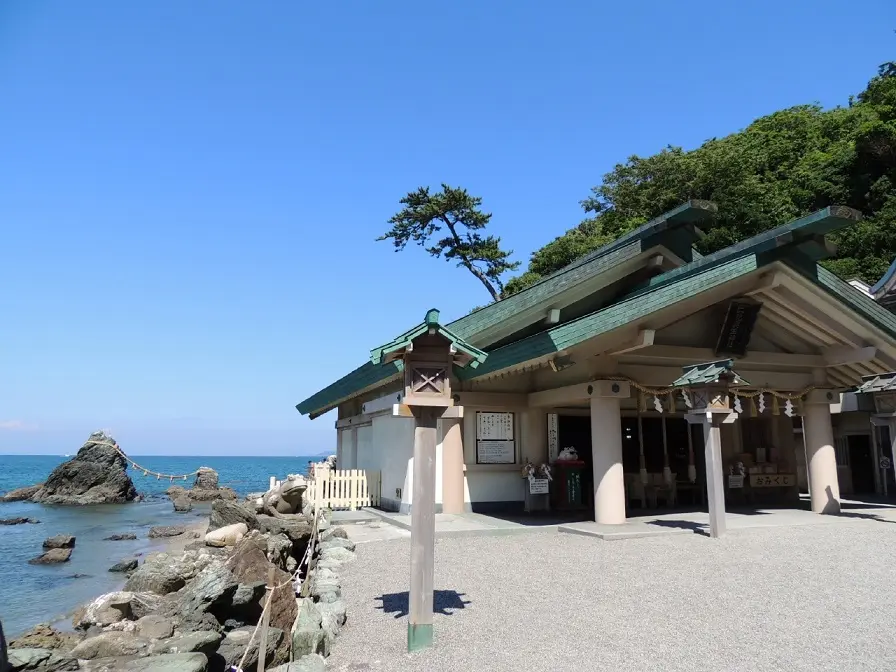
5. Futamiokitama Shrine
This shrine enshrines Sarutahiko Okami and is said to bring blessings for matchmaking, marital harmony, and traffic safety.
Since ancient times, there has been a custom called “Hama-sangu,” in which people purified themselves in the seawater of Futamiura before visiting Ise Jingu, and many bathed in the tide to cleanse body and mind.
Today, even without entering the sea, it is said that receiving the Muku Shioharai purification ritual at the shrine serves as a substitute for this cleansing.
An ideal plan is to visit Futamiokitama Shrine first and then visit Jingu with a purified heart.
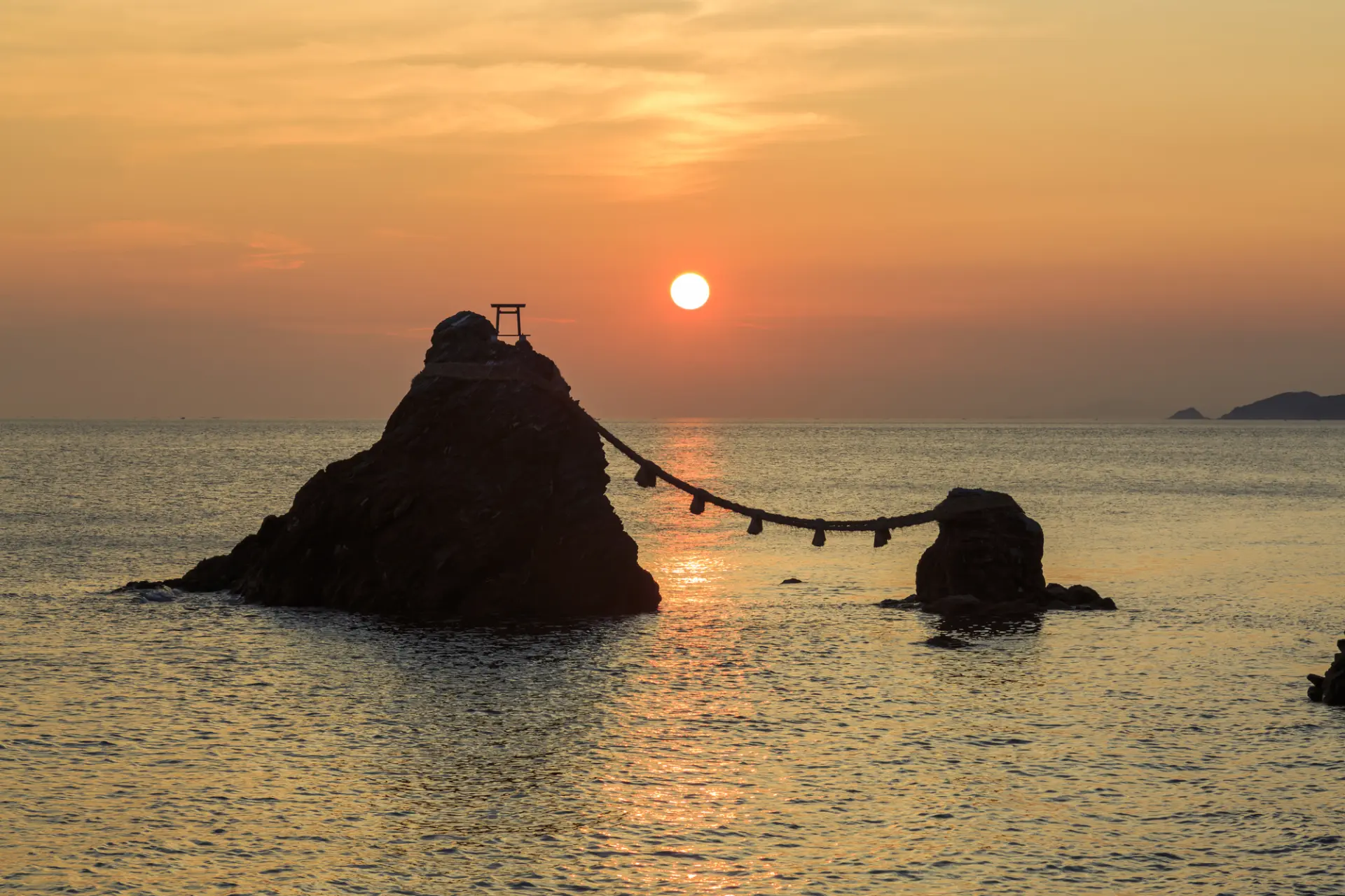
6. Meoto Iwa
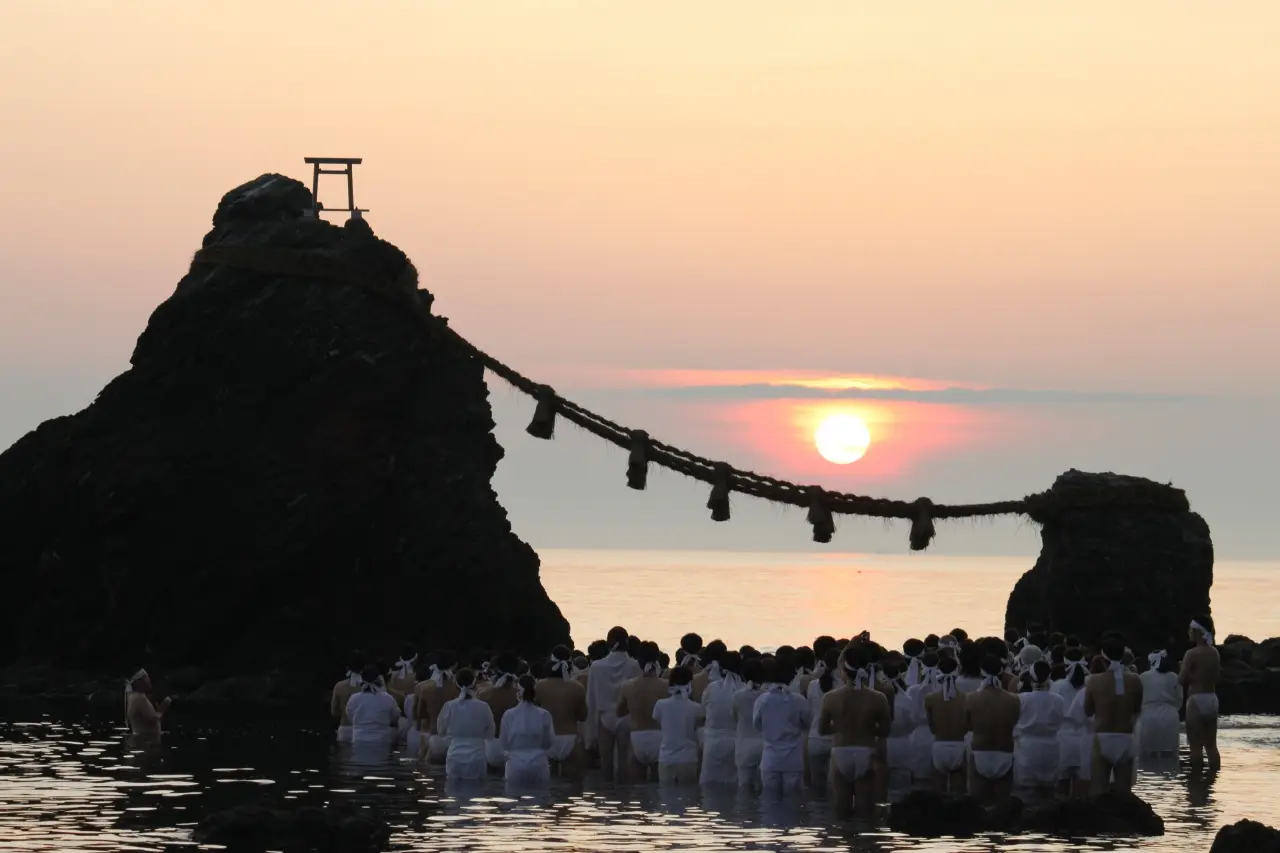
Famous for the sight of two rocks standing side by side off the coast of Futamiura: the 9 m-tall male rock and the 4 m-tall female rock.
They are considered a symbol of marital harmony and are also a popular spiritual spot visited by women wishing for a good match and by couples.
They are regarded as a torii gate for worshipping Okitama Shinseki, a sacred stone lying 700 m offshore, as well as the sunrise, and have been an object of faith since ancient times. Meoto Iwa can be viewed from the approach to Futamiokitama Shrine.
7. Ise-Shima Skyline
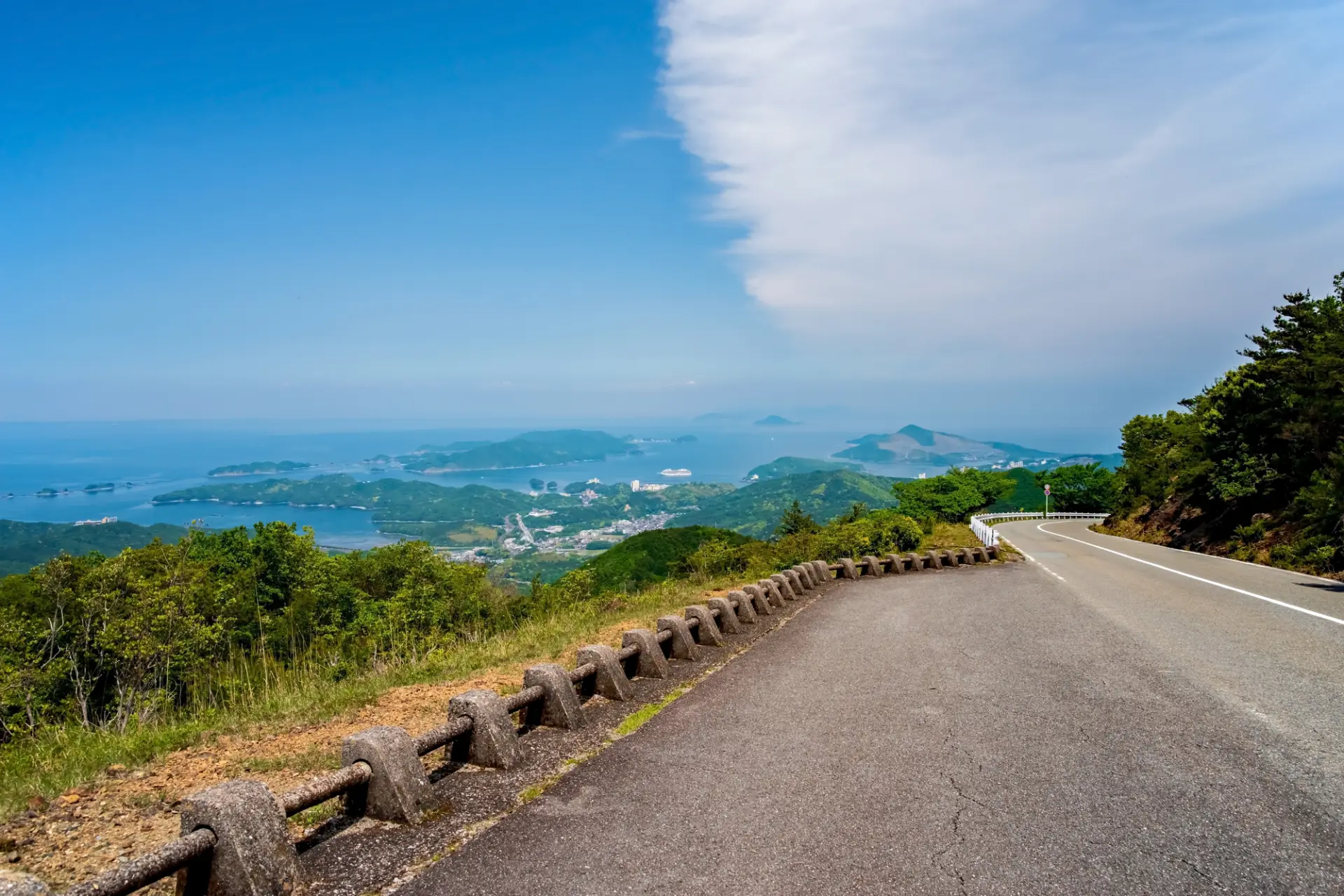
A 16.3 km-long scenic drive connecting Ise and Toba (also known as the “Sky Driveway”).
Its main attraction is the spectacular view over Ise Bay and the beautiful islands of Ise-Shima as it crosses Mt. Asama, which rises to 555 m above sea level.
There are also several observation points along the route where you can enjoy refreshing driving together with beautiful natural scenery.
At the summit, there is an observation deck with a 360-degree panoramic view, a scenic footbath, and a shop where you can buy souvenirs.
There are also plenty of highlights, including the lovers’ landmark “Sky Post” and Kongoshoji Temple, a famous temple said to protect the northeast demon gate of Ise Jingu.
8. Tomoiki no Kuni Ise Ninja Kingdom
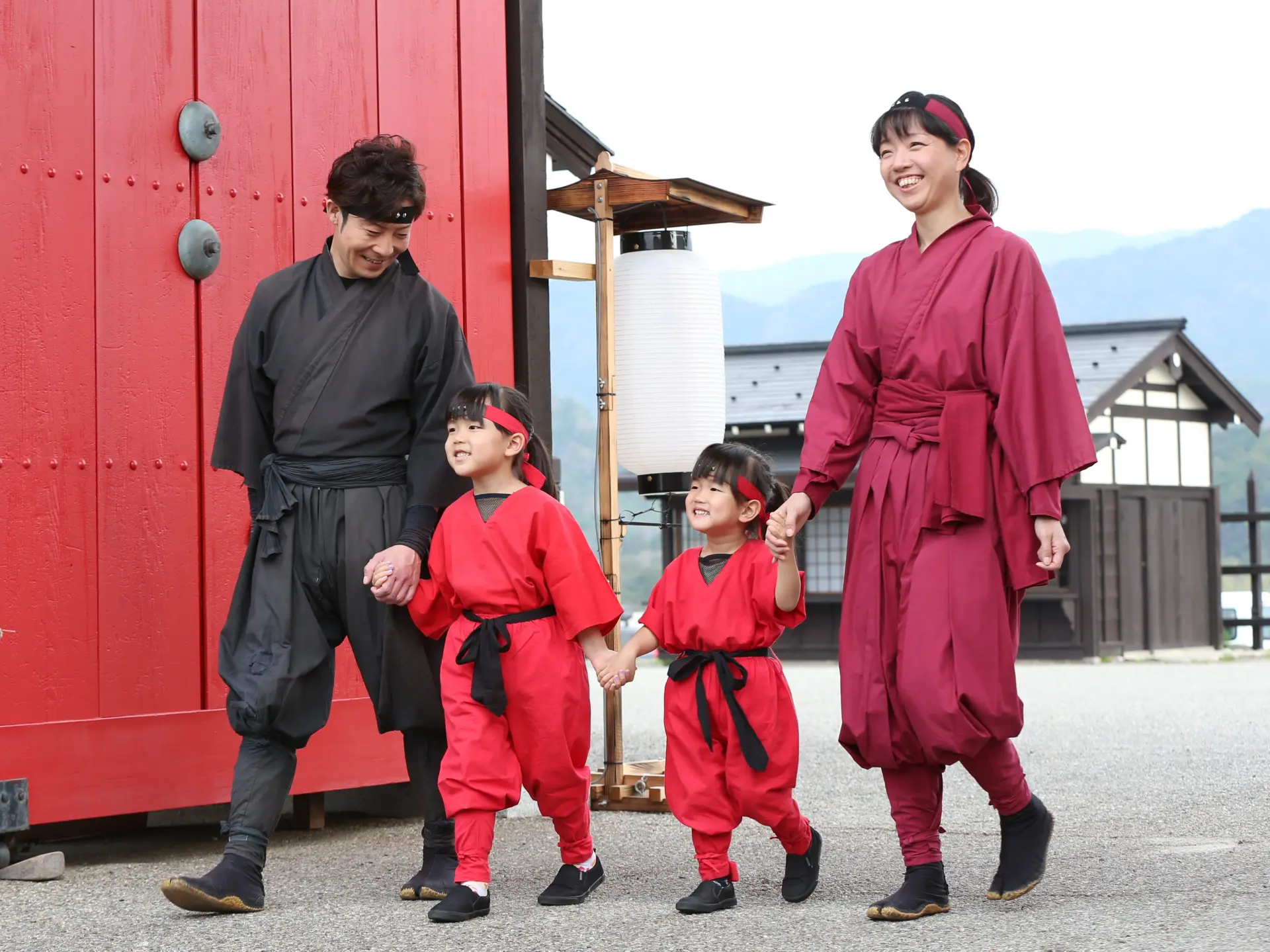
A theme park where you can experience Japanese history and culture, symbolized by a life-size reproduction of Azuchi Castle’s main keep.
Inside the park are plenty of attractions that let you feel like a ninja, including a shuriken dojo, archery experiences, the “Real RPG” ninja training challenge, and “Ninja Forest Adventure,” an authentic tree trekking course with heights from 1 m to 10 m.
9. Mie Pearl
A specialty store that has processed and sold pearl jewelry for many years in Ise-Shima, an area known for active pearl production and as the “home of pearls.”
It is located near Futami Meoto Iwa, one of the representative sightseeing spots of Ise-Shima.
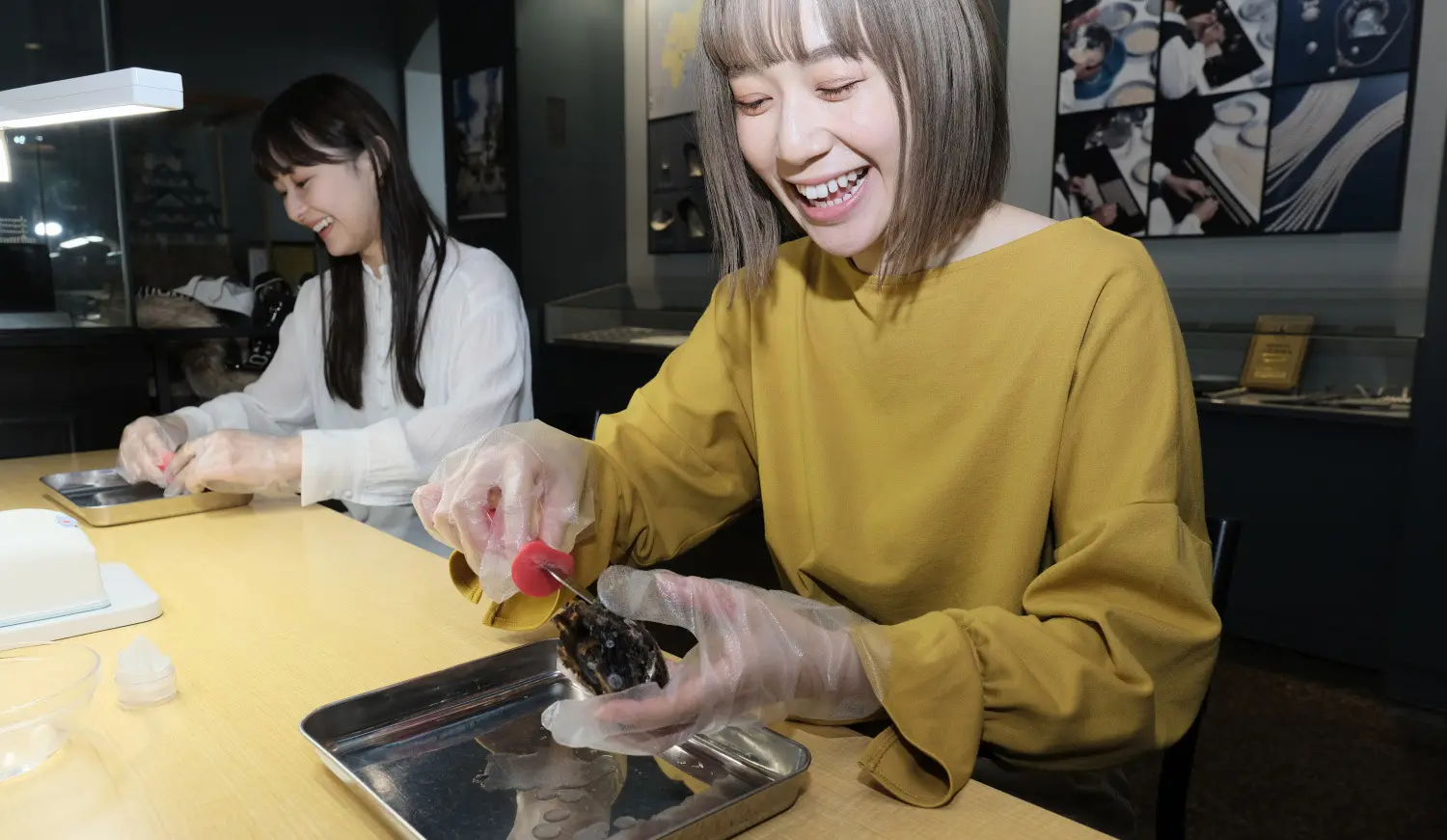
In addition to enjoying a relaxed shopping experience in a space filled with beautiful pearls and jewelry, the Akoya pearl extraction experience is especially popular.
It offers the rare opportunity to take a real Akoya pearl out of a genuine Akoya oyster.
10. Garuda Ise
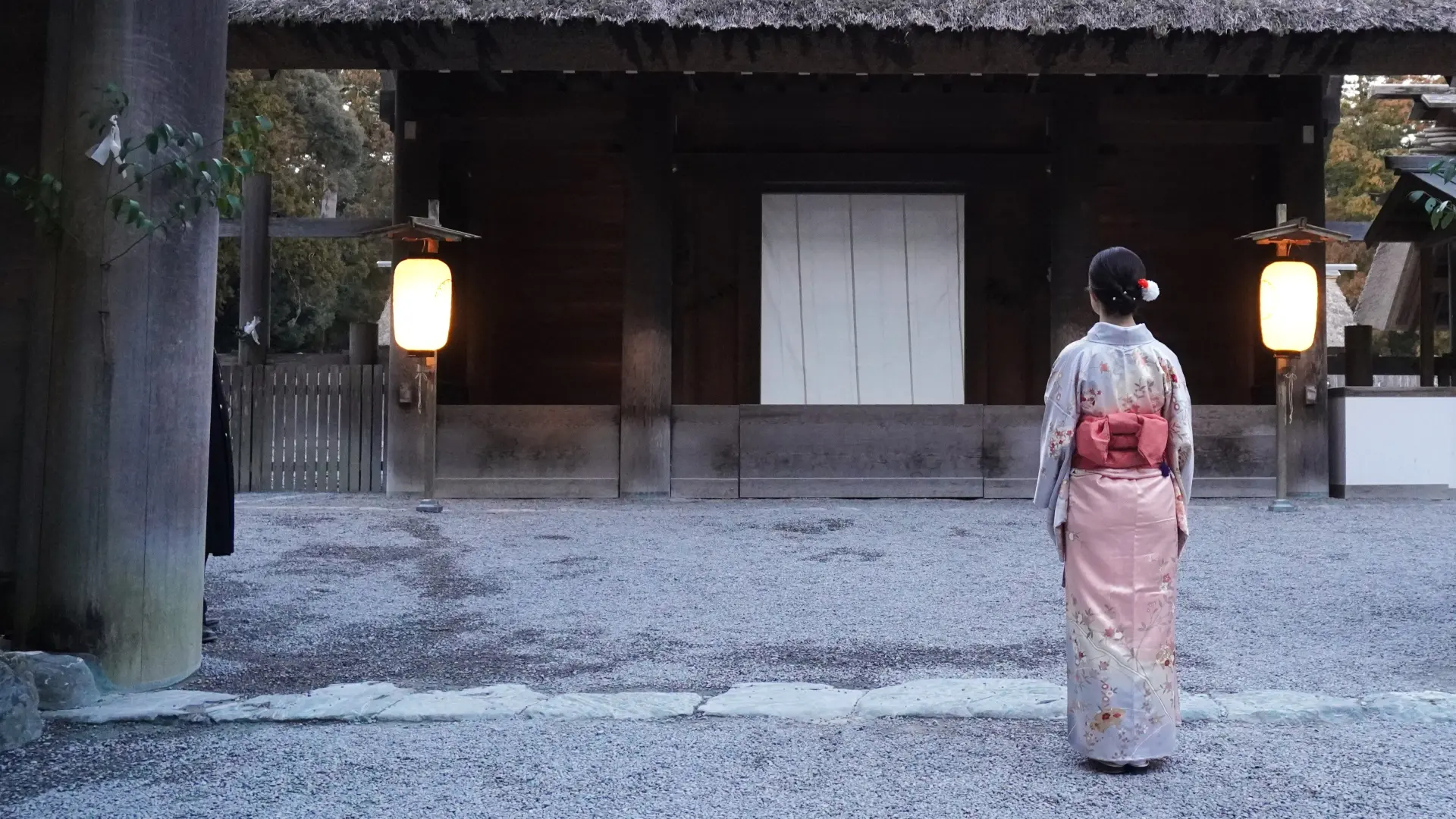
Garuda Ise is a kimono rental shop that opened in front of Ise City Hall in September 2024.
Ise Jingu Geku is just a 3-minute walk from the shop, and the bus stop for buses bound for Naiku is also only a 2-minute walk away, making it popular for visiting Ise in kimono.
In addition to a wide variety of kimono, guests can easily enjoy wearing traditional Japanese clothing with colorful options such as obi belts, footwear, hair accessories, umbrellas, and bags, along with dressing assistance from staff.
11. Ise Kawasaki Historic Townscape
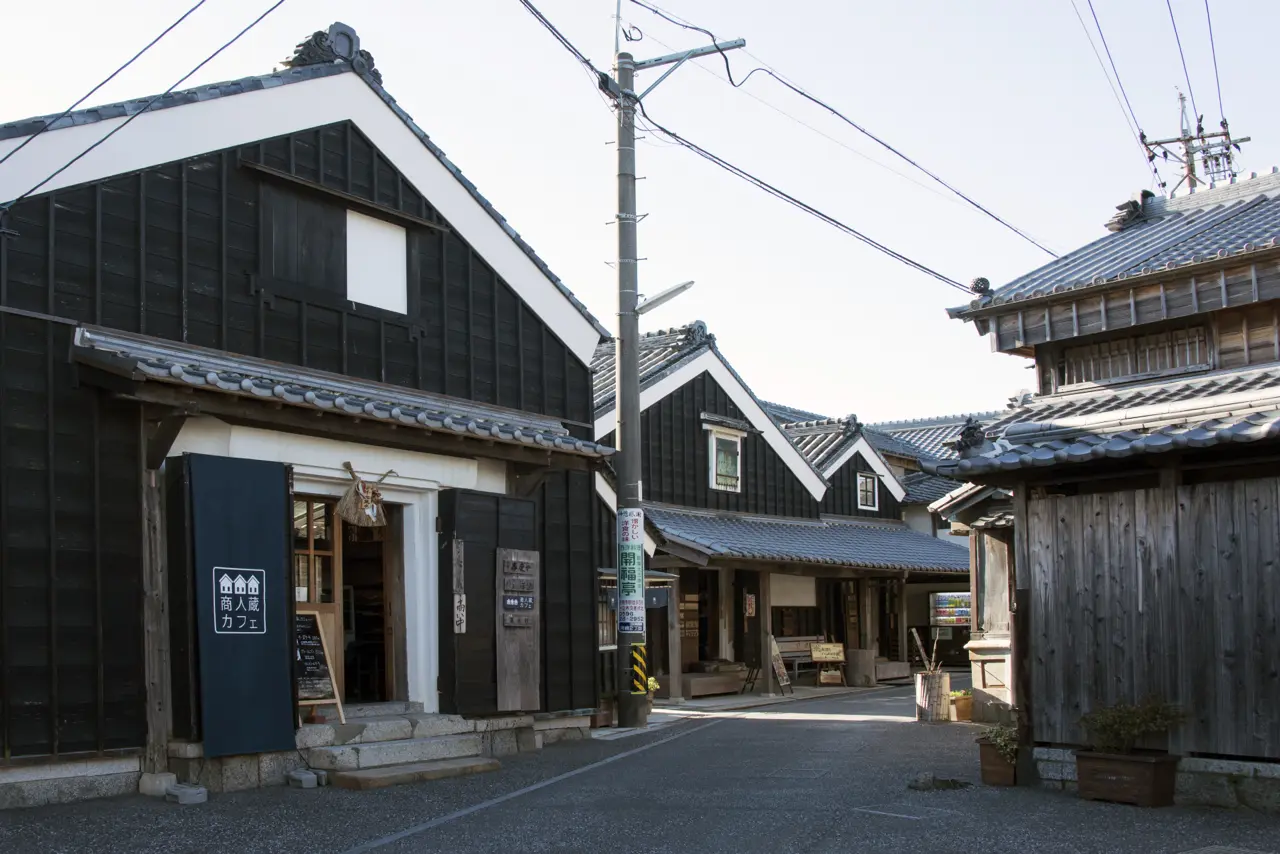
Located northeast of Ise Jingu, Kawasaki is a town that prospered from the Edo period as the “kitchen of Ise,” supplying goods to people visiting on pilgrimage.
It spreads along the middle reaches of the Seta River flowing through Ise City, and although some townhouses and storehouses were lost due to river improvement work following flood damage, its historic streetscape still remains today.
Along Kawasaki Hondori, which runs parallel to the Seta River, townhouses and storehouses with kirizuma-style roofs line the street.
It is fun to stroll mainly along this street, stopping by cafes, places where you can eat Ise udon, and small goods shops.
5 Popular Restaurants Where You Can Enjoy Ise Gourmet
Here are five popular restaurants where you can enjoy Ise gourmet.
Each is a well-regarded establishment that values Ise’s unique culinary traditions while offering visitors a relaxing space and warm hospitality.
They are also particular about their ingredients and cooking methods, allowing you to fully enjoy local flavors and regional dishes.
Each restaurant serves a different type of cuisine, so choose the one that catches your interest and enjoy a memorable meal.
1. Butasute Main Store
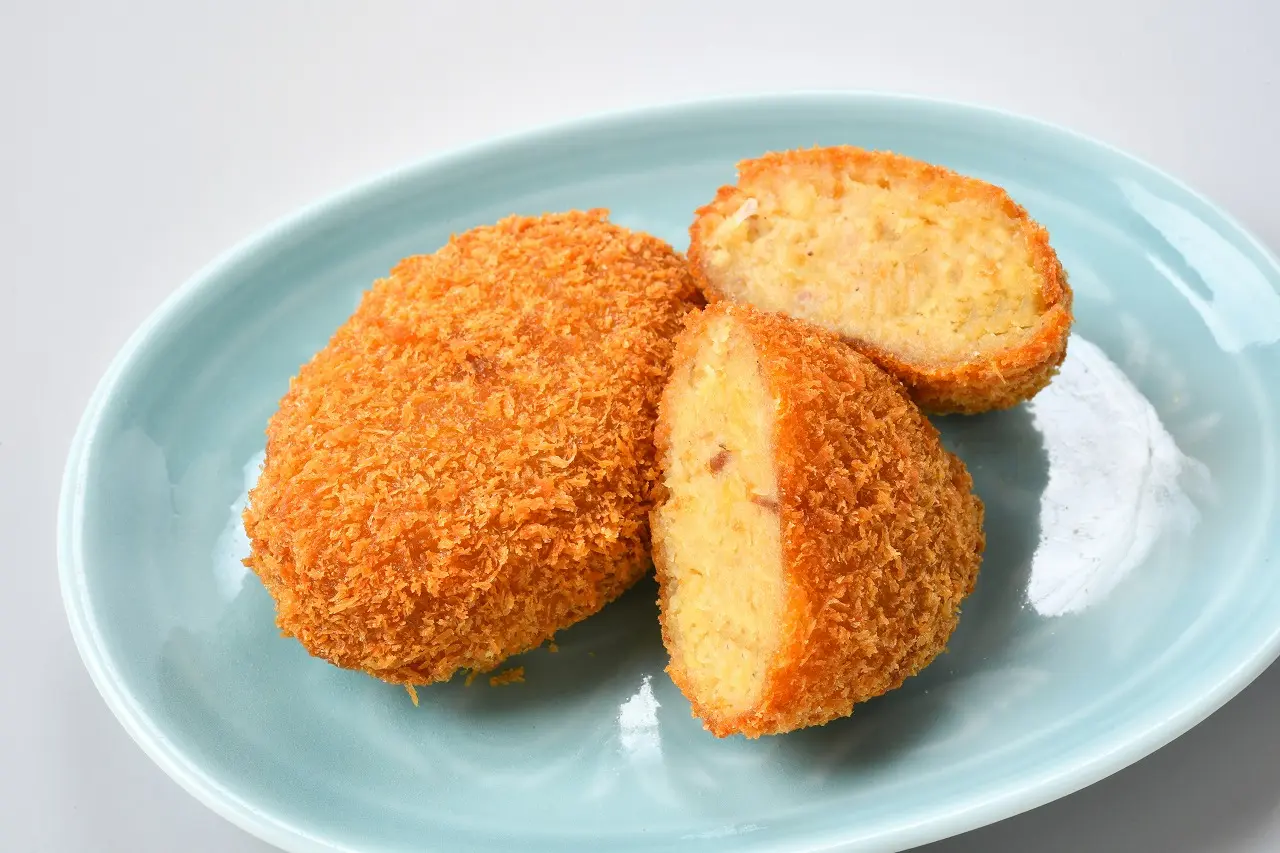
A long-established wagyu specialty shop with more than 110 years of history. It sells only female Japanese Black cattle that have never calved, carefully raised by exclusive contract farmers near Ise.
The croquettes, widely known as a Butasute specialty, quickly became popular after takeout sales began at the Okage Yokocho branch. Made generously with minced Japanese Black beef, they offer the kind of delicious flavor only a butcher shop can provide, letting you casually enjoy the rich taste of high-quality Ise beef.
2. Fukusuke
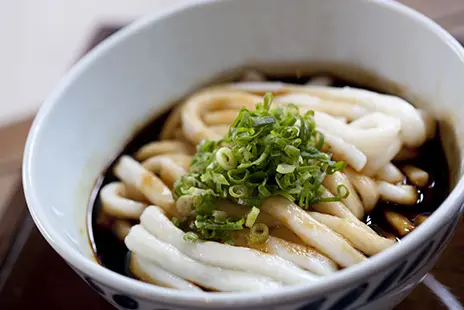
A udon restaurant located in Okage Yokocho, in the middle of Oharai-machi, the lively street in front of Ise Jingu Naiku. It serves Ise udon, a local specialty that has long been loved as an essential taste of the Ise pilgrimage.
What defines Ise udon is its thick, soft noodles and rich sauce. Fukusuke’s Ise udon stays true to that tradition, using thick noodles with a soft yet chewy texture. Its dark brown sauce is homemade, made with rich tamari soy sauce and natural dashi for deep flavor.
3. Sukikyu
Located in Okage Yokocho, the lively district in front of Ise Jingu lined with restaurants and souvenir shops.
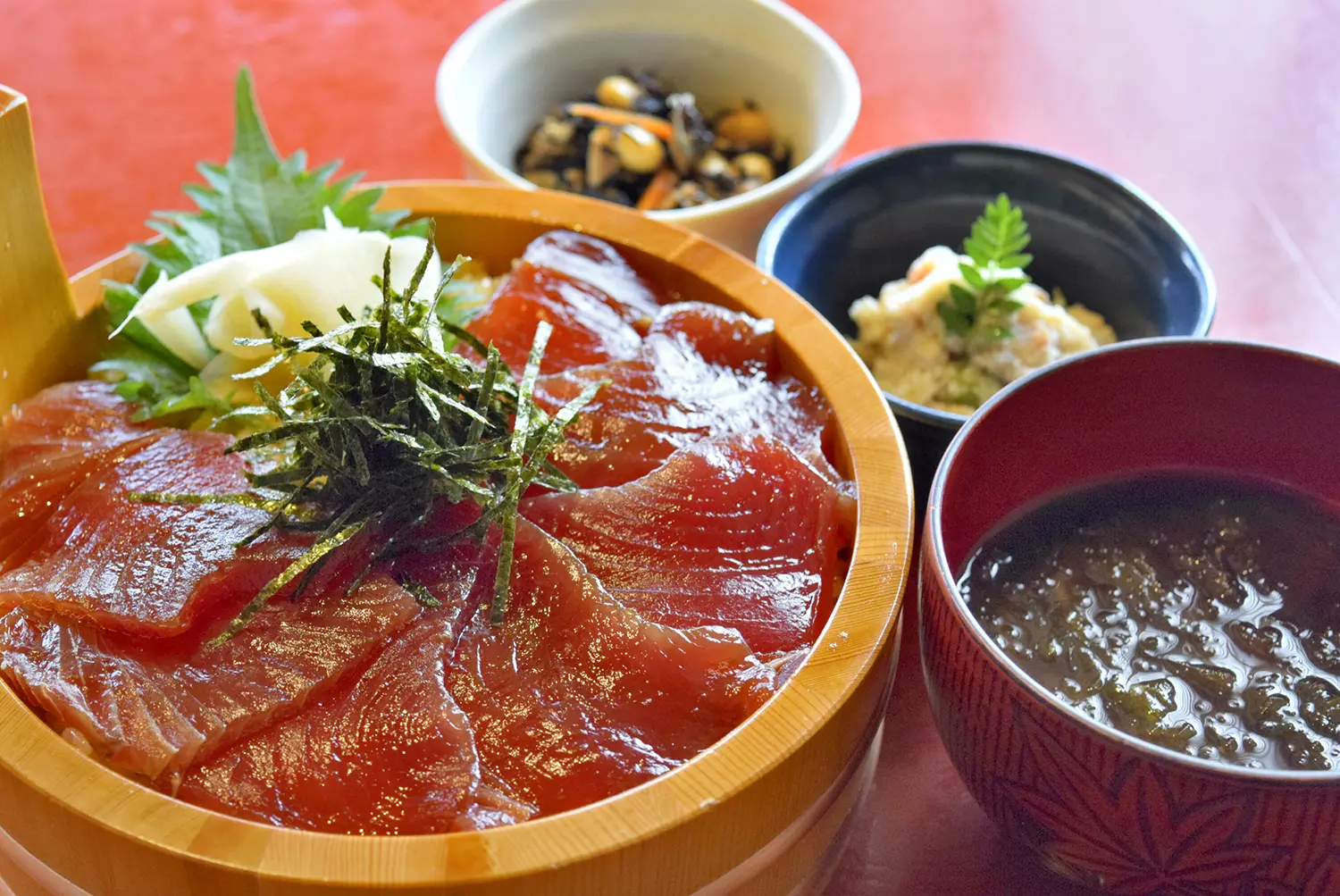
The specialty here is tekone-zushi, a local dish beloved in the Ise-Shima area.
Tekone-zushi is said to have originated as a hearty fishermen’s meal in Shima, where bonito fishing once flourished. Fishermen would slice freshly caught bonito on the spot, season it with soy sauce, and mix it by hand with rice before eating it.
4. Isuzugawa Cafe
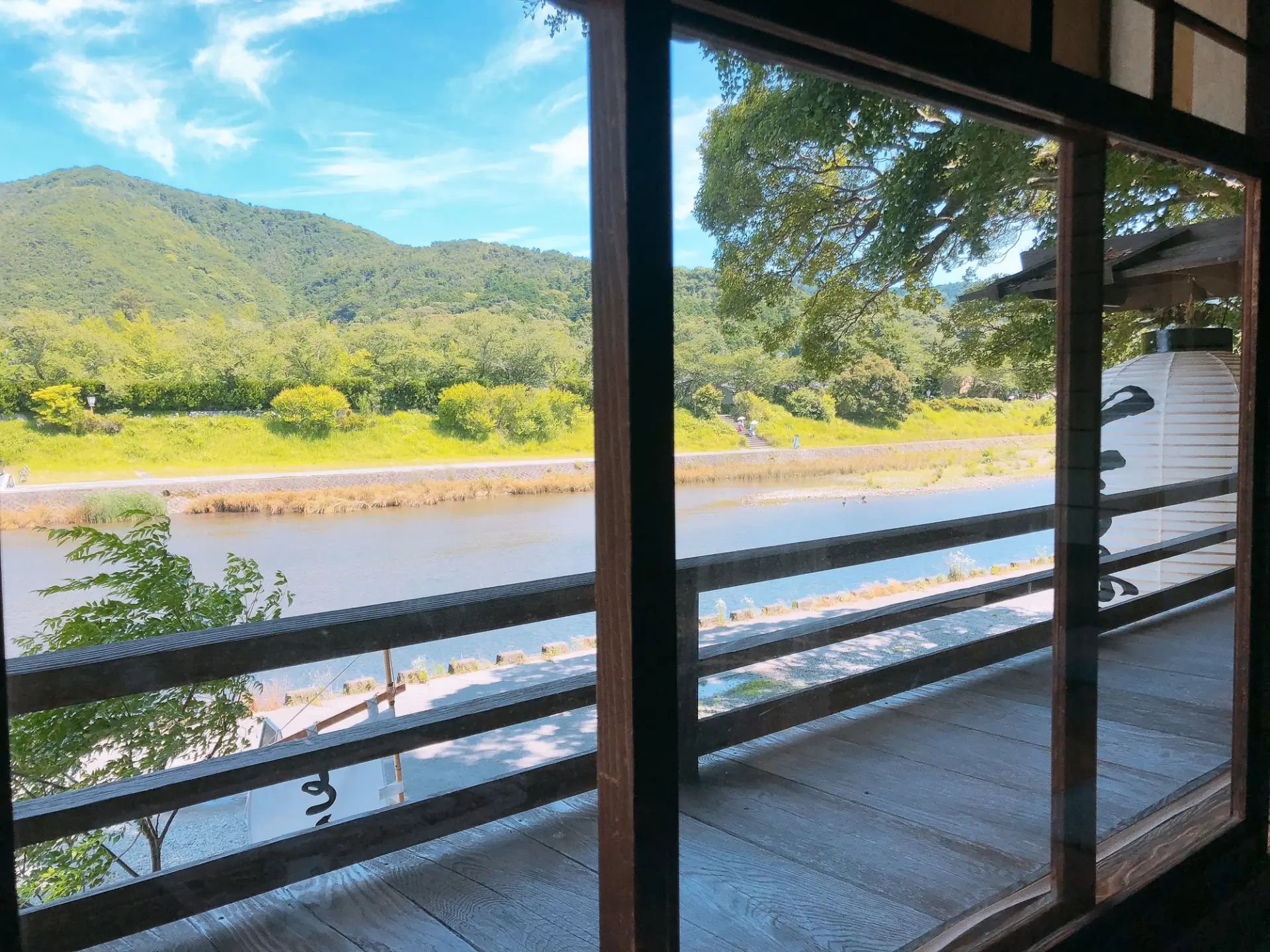
A traditional Japanese-style riverside café in Okage Yokocho, near the approach to the Inner Shrine of Ise Jingu. Every seat offers a relaxing view of the gently flowing Isuzu River. Exposed wooden beams create the atmosphere of an old Japanese home, making it an ideal place to unwind between shrine visits and strolls. Isuzugawa Café is known for its authentic flannel-drip blend coffee, available in medium and dark roasts, with meticulous attention paid to every step from bean selection to roasting and brewing. Enjoy its smooth, low-acidity flavor with a seasonal dessert.
5. Kappo Daiki
Daiki is a long-established kappo restaurant founded in 1945 and in business since just after World War II.
Although it is a prestigious establishment patronized by the Imperial Household Agency and the Jingu Administration Office, it is also popular with both tourists and locals for its approachable service and heartfelt hospitality.
The cuisine is based on Japanese dishes made generously with the rich bounty of the mountains and sea of Ise-Shima, and the menu caters to a wide range of needs with course meals, set meals, rice bowls, and à la carte dishes.
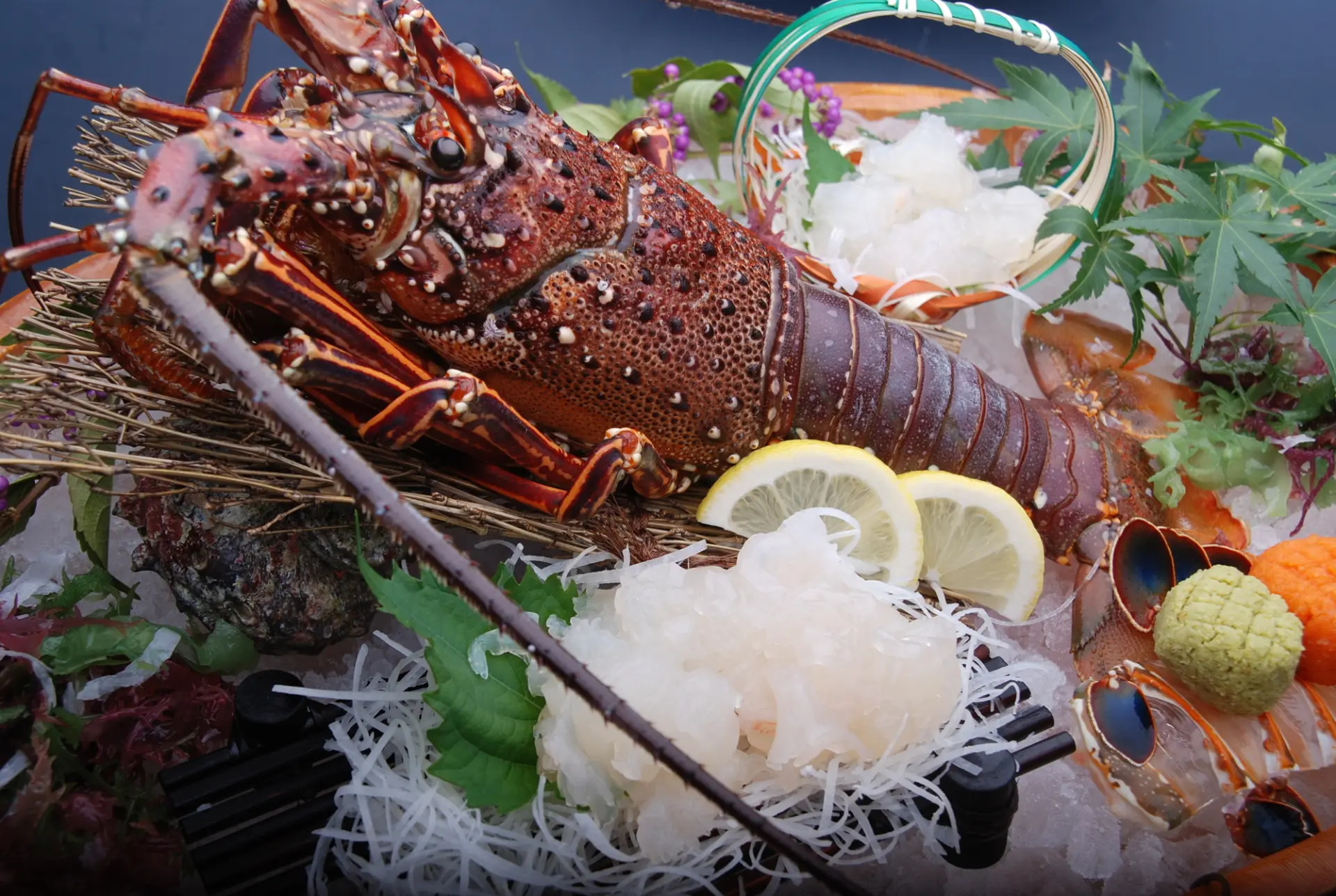
In particular, dishes made with Ise-Shima’s famous spiny lobster are a specialty, prepared in various ways such as ikezukuri sashimi, grilled in the shell, and stewed armor-style.
3 Places to Stay Where You Can Fully Enjoy the Charms of Ise
Here are some recommended places to stay in Ise.
These popular hotels offer convenient access within walking distance of Iseshi Station, along with facilities and services designed for guest comfort.
With delicious meals and hot springs to soothe your travel fatigue, they make ideal bases for sightseeing.
We selected three accommodations with different features, so choose the one that best suits your preferences and travel companions.
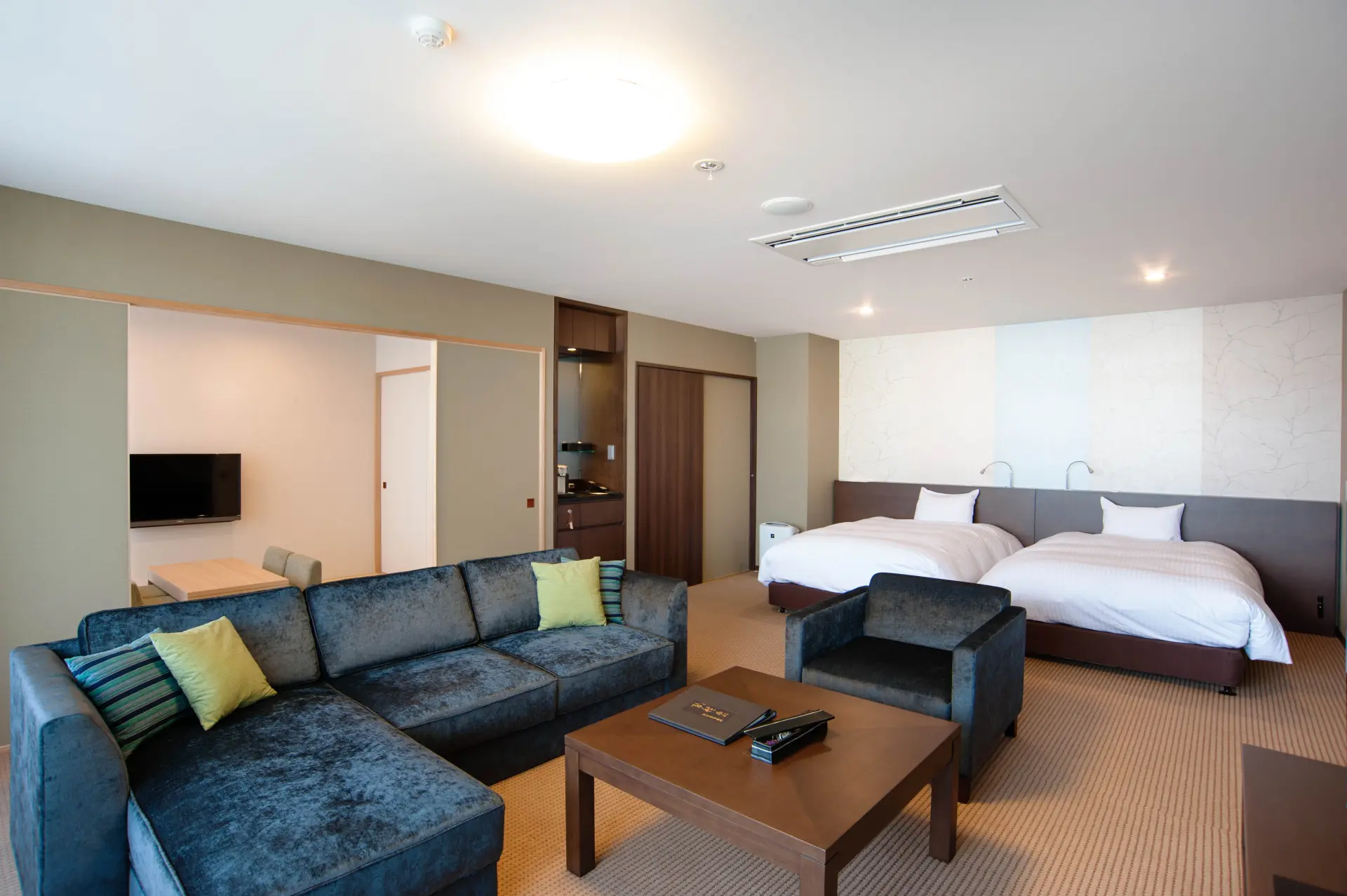
1. Ise Geku Sando Ise Shinsen
A hot spring ryokan located right by Iseshi Station at the entrance to the approach road leading to Ise Jingu Geku.
Its greatest feature is that it has the only natural hot spring that springs up in central Ise City, and all 45 guest rooms come with their own private open-air bath.
The spring water is alkaline and is known as “Bijin no Yu,” or “beauty bath,” because it helps break down old skin cells.
The guest rooms are mainly Japanese-Western style and offer spacious layouts, allowing guests to relax in a private setting after visiting Ise Jingu.
The property also features a large open-air bath and a loyly sauna, and its carefully prepared meals made with local ingredients are highly regarded, resulting in high overall guest satisfaction.
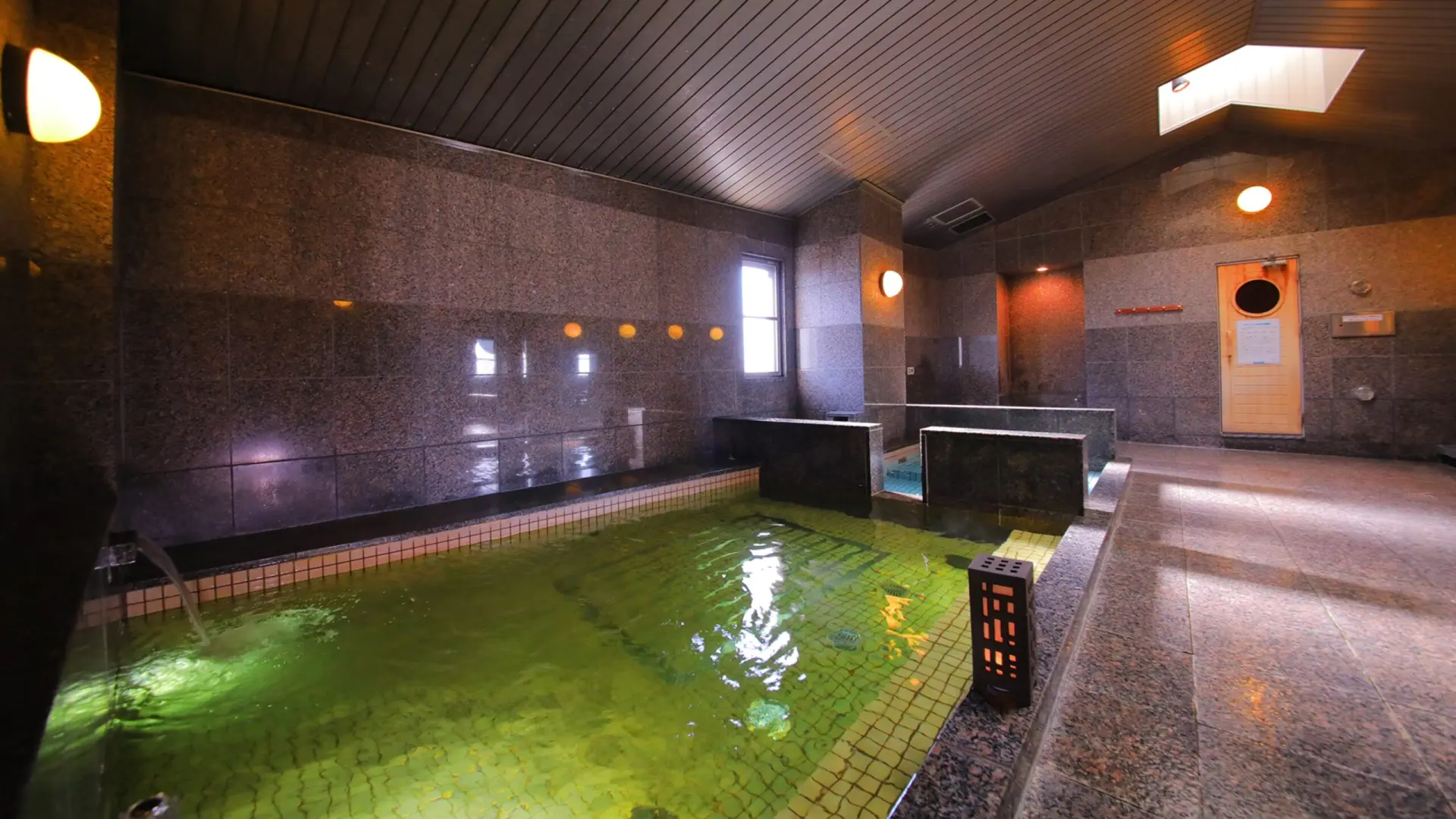
2. Ise Pearl Pier Hotel
A city hotel in an excellent location, just Approx. 2 minutes on foot from the north exit of Kintetsu Iseshi Station.
It is ideal as a base for sightseeing in Ise, with Ise Jingu Geku about Approx. 15 minutes away on foot, Naiku about Approx. 15 minutes by car, and free parking available with unlimited entry and exit during your stay.
With around 100 guest rooms and a full range of facilities including free Wi-Fi, humidifiers, and a coin laundry, it is easy to use in a variety of travel situations.
In particular, guests highly praise the large public bath and sauna (with outdoor/indoor air bath spaces), which are perfect for relaxing after sightseeing.
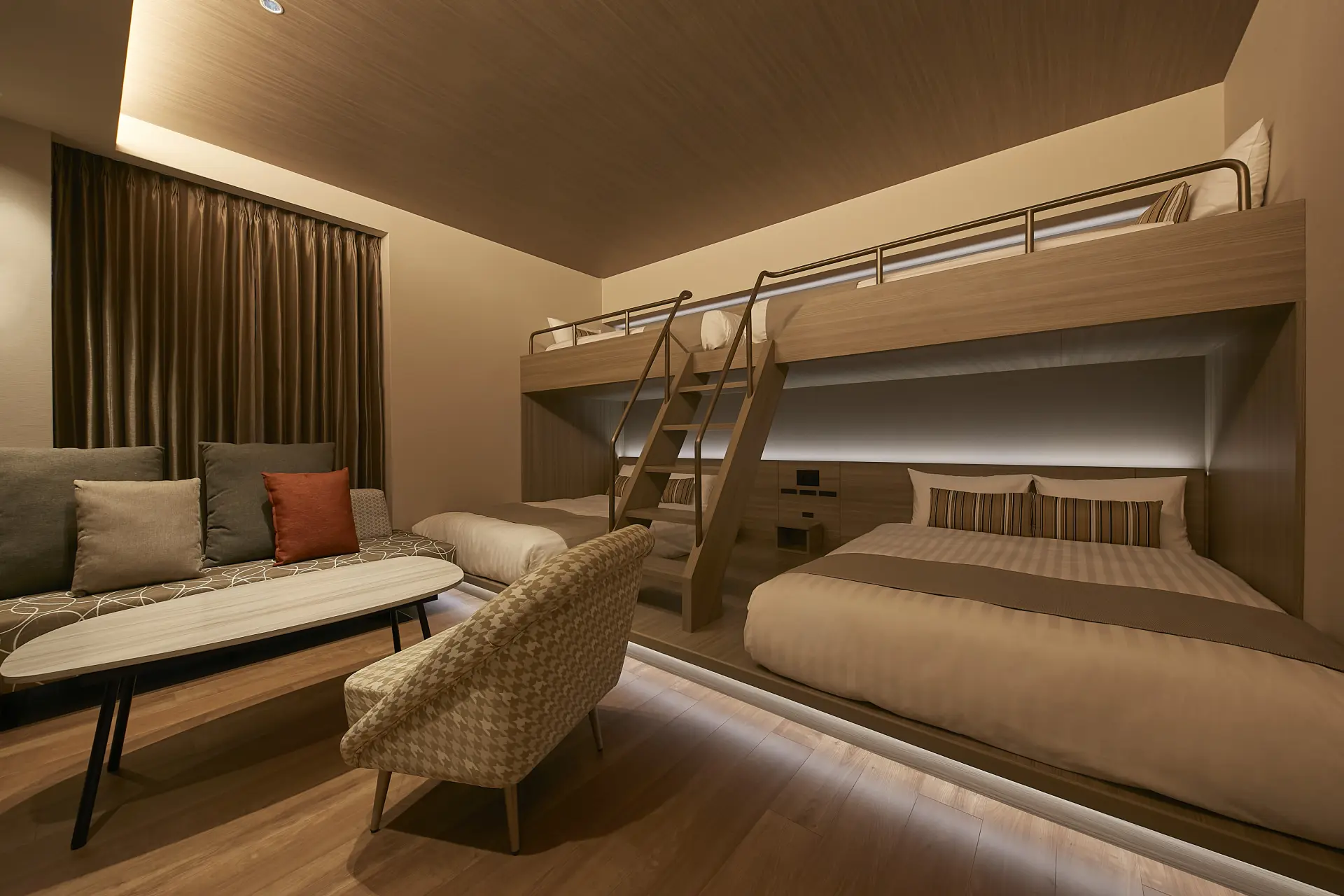
3. fav ISE
An apartment-style hotel located about a 7-minute walk from Iseshi Station on all lines.
Opened in December 2021, it is a newer property, and its interiors inspired by Ise Jingu offer a stylish Japanese-modern atmosphere.
All 36 guest rooms come equipped with a full set of amenities and basic facilities, as well as a kitchen, microwave, refrigerator, and cooking utensils.
Its appeal lies in the home-like comfort, making it well suited for families, groups, and travelers staying for a longer period.
The popular Nagasaki bakery cafe JUNE COFFEE, attached to the lobby, is also worth checking out.
Extend Your Trip to Toba and Shima and Enjoy the Ise-Shima Area!
The Ise-Shima area refers to a scenic coastal and island region in southeastern Mie Prefecture centered on the cities of Ise, Toba, and Shima, and also including Minamiise Town and part of Watarai District.
It is often grouped together as “Ise, Toba, and Shima,” and is a popular travel destination with diverse attractions including shrines and temples, activities, and luxury ingredients.
Stay one night in Ise and extend your trip to Shima and Toba to fully enjoy the Ise-Shima area.
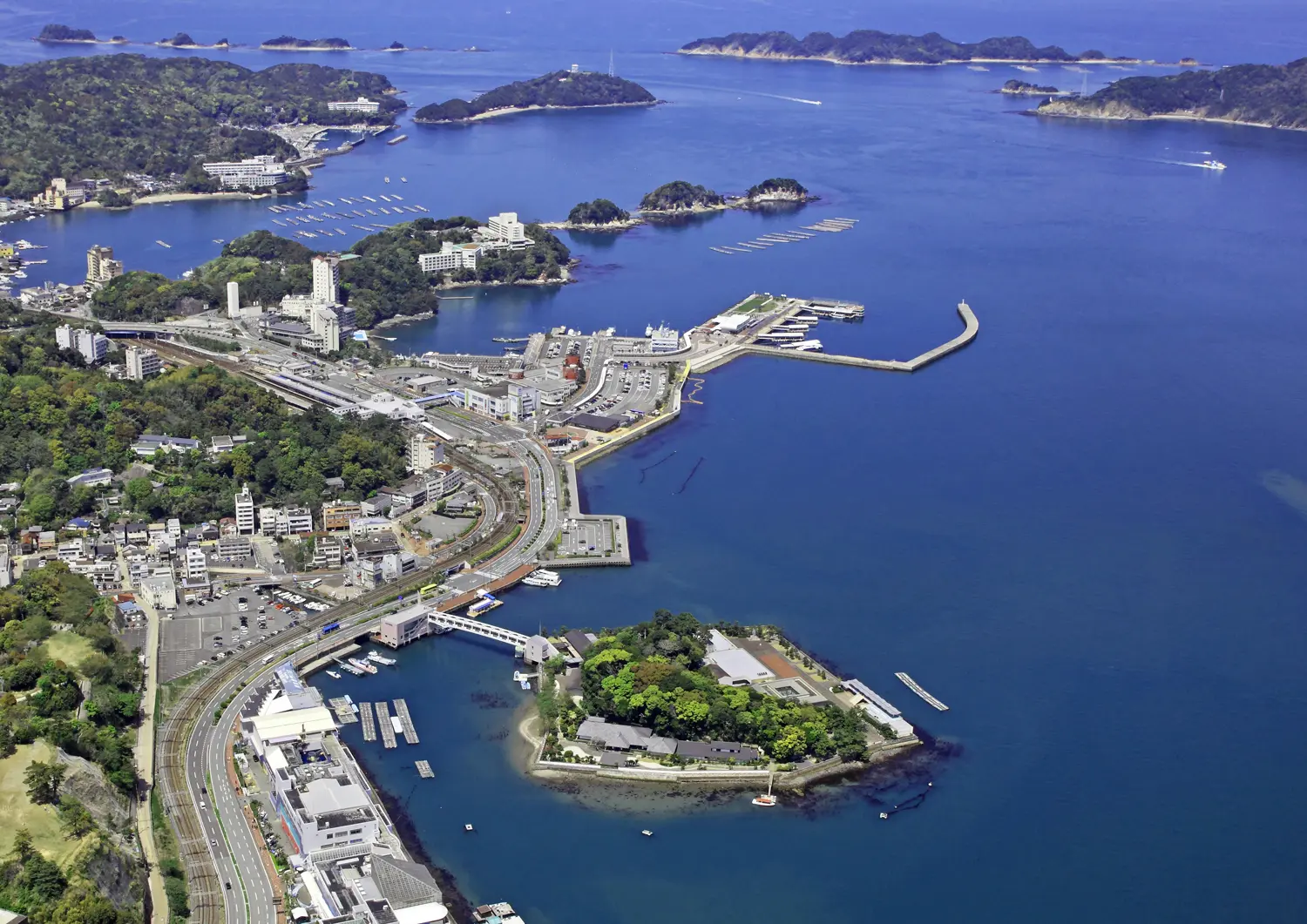
3 Popular Sightseeing Spots in Toba, a Coastal City Approx. 20 Minutes from Ise
Toba is a coastal city centered around Toba Station, which can be reached directly from Iseshi Station in Approx. 20 minutes on the JR Sangu Line.
It is a sightseeing destination where you can enjoy the seascapes of Ise-Shima, including beautiful ria coast inlets, many remote islands, and crystal-clear waters.
It offers a well-balanced mix of nature, history, culture, hands-on experiences, and gourmet food, with plenty to see and do.
It is also a center of ama diver culture and is registered as a Japan Heritage site under the title “Toba and Shima, the Town Where You Meet Ama Women—Women Living by Skin Diving.”
Here, we’ll introduce some of the most popular sightseeing spots.
1. Mikimoto Pearl Island
An island where Kokichi Mikimoto succeeded in the world’s first cultured pearl production in 1893.
On the island, you can visit the Pearl Museum, the Kokichi Mikimoto Memorial Hall, and watch demonstrations by ama divers.
At the Pearl Museum, in addition to antique jewelry from the natural pearl era and artworks made with pearls, there is also an area where expert staff explain how pearls are formed using real objects, specimens, and video.
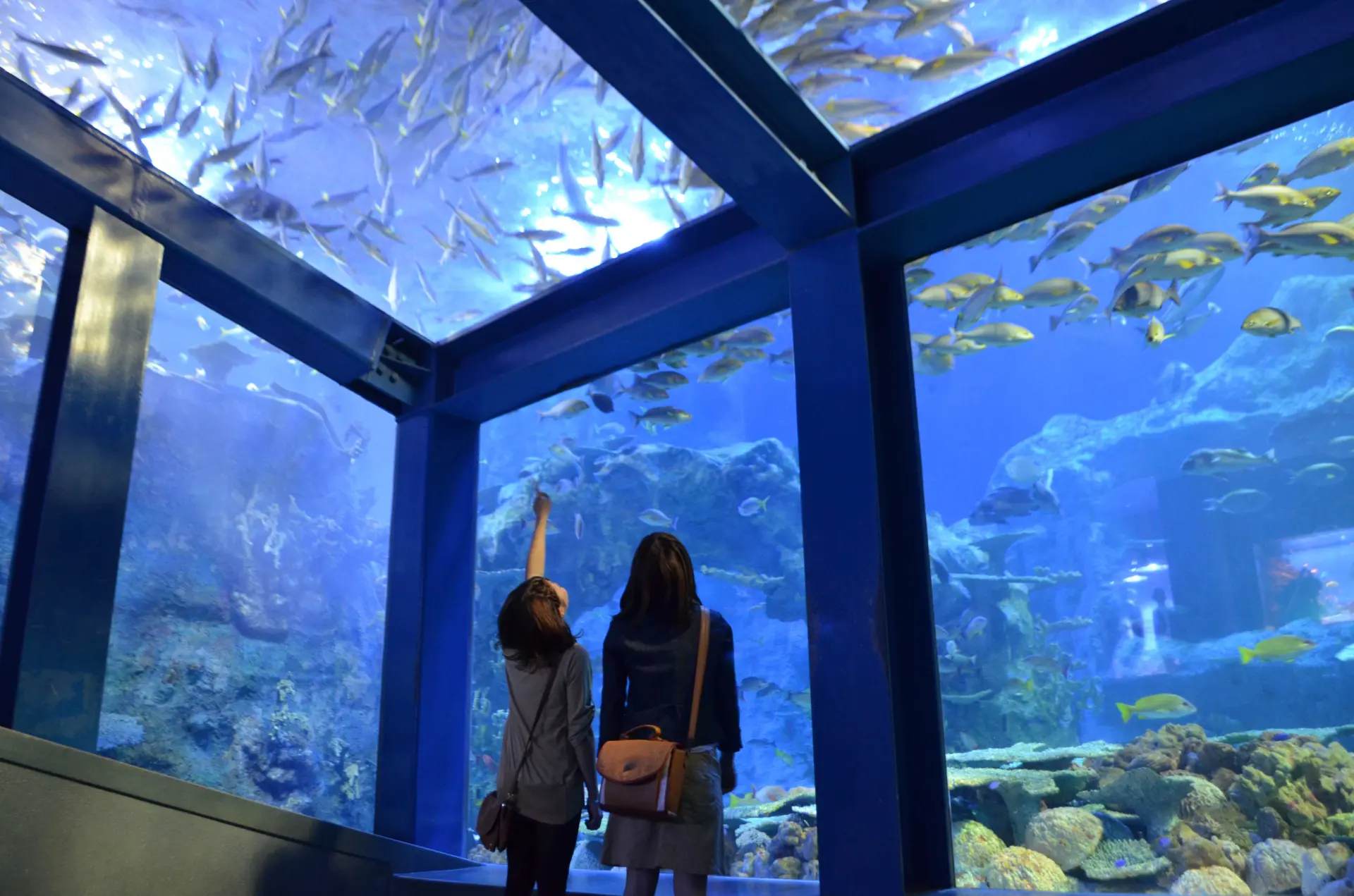
2. Toba Aquarium
A historic aquarium opened in 1955, where the number of species on display, around 50 at the time of opening, grew to over 1,200 by 2013, making it the largest in Japan.
It is also the only aquarium in Japan that keeps dugongs, and it offers a wide range of shows and exhibits.
Along with exhibits of African manatees and the “Kingdom of Marine Animals,” where you can walk through a transparent underwater tube, the “Sea of Ise-Shima and the Sea of Japan” area also gives you the chance to see the adorable finless porpoise.
3. Toba Bay Cruise and Dolphin Island
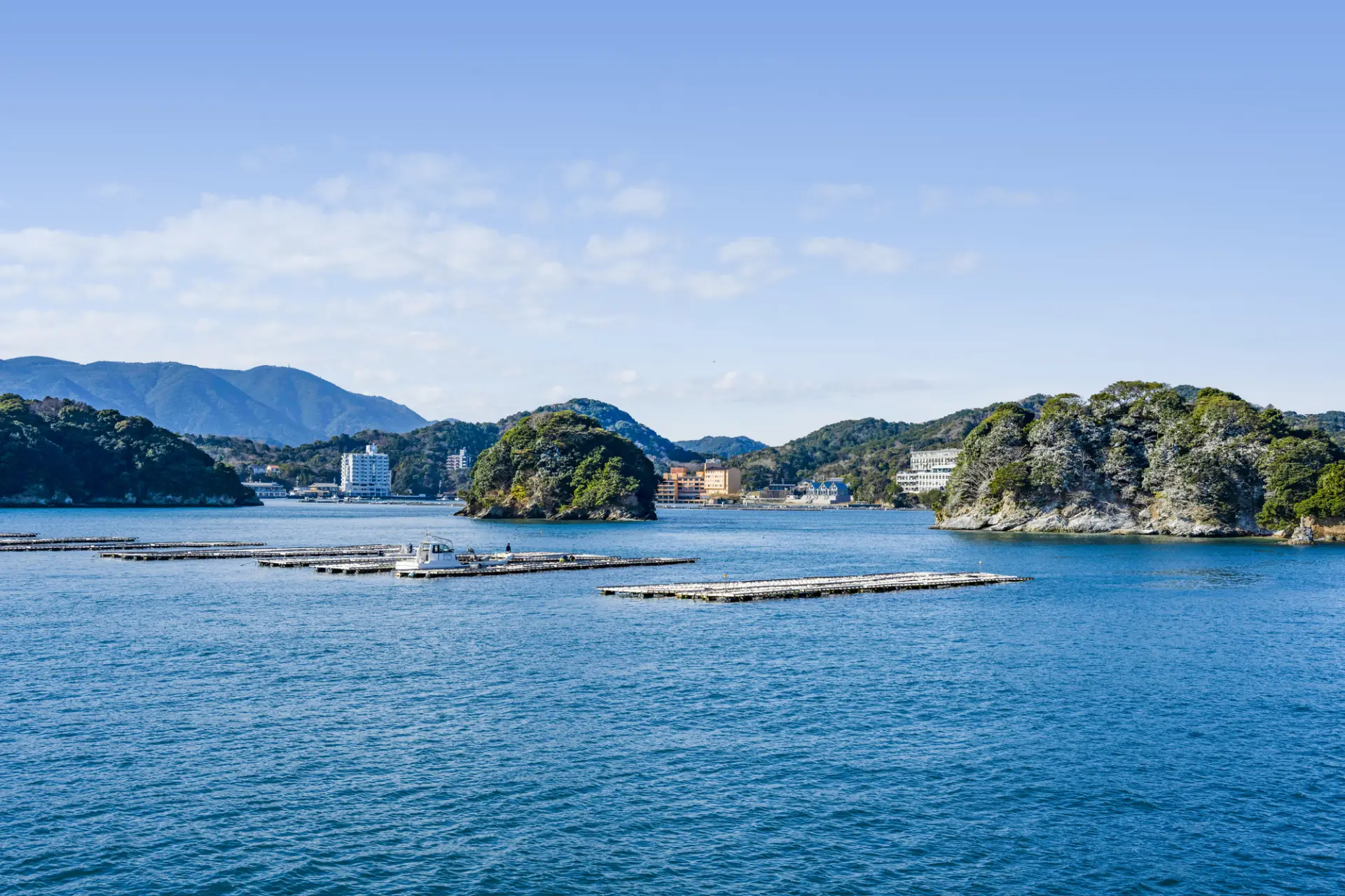
A sightseeing cruise of Approx. 50 minutes around Toba Bay, departing from Toba Marine Terminal.
Its main attraction is the chance to fully enjoy Toba’s seascapes up close while passing through intricate island scenery, pearl rafts, and places such as Mitsushima.
The sightseeing boats named Ryugujo and Flower Mermaid feature distinctive designs, with plenty of touches to enjoy on board as well.
One of the ports of call for the cruise boats is Dolphin Island, a marine leisure facility built around an uninhabited island.
In addition to dolphin and sea lion shows, it also offers many hands-on programs where visitors can interact with the animals.
Easy to Reach in Approx. 50 Minutes from Ise! 3 Popular Sightseeing Spots in Shima
Shima is an area centered around Ugata Station, which can be reached directly from Iseshi Station in Approx. 50 minutes on the Kintetsu Yamada Line.
Internationally, it is known as the host location of the 2016 Ise-Shima Summit.
The entire city lies within Ise-Shima National Park, and its blend of beautiful nature and rich culture attracts many visitors.
In particular, the spectacular ria coastline stretching across Ago Bay is breathtaking, with scenery formed by islands of all sizes so beautiful that it is often called “the original landscape of Japan.”
It also offers plenty of sea-related experiences such as pearl workshops and marine activities.
Here, let’s take a look at some of its most popular sightseeing spots.
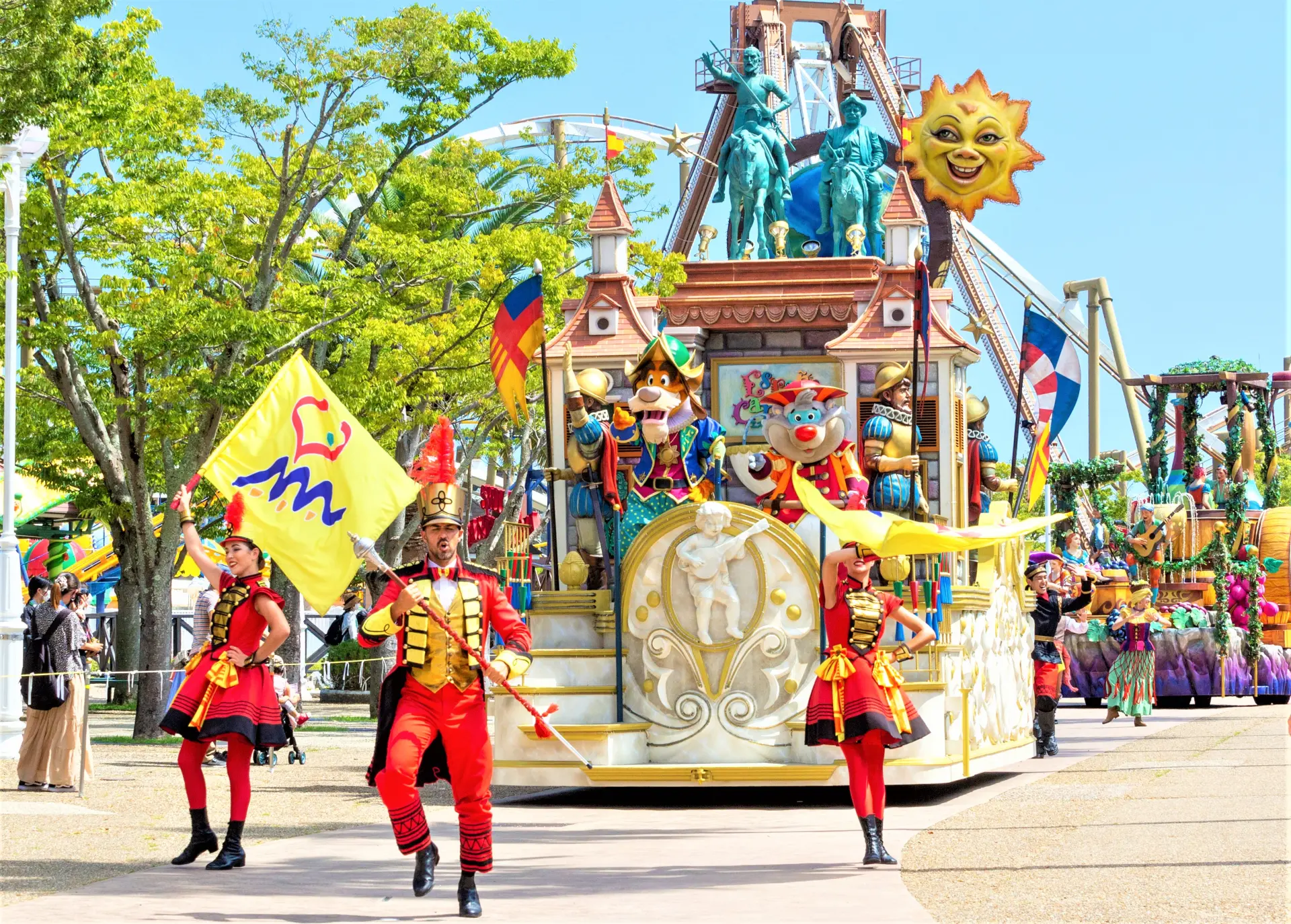
1. Shima Spain Village
A theme park where you can enjoy attractions, parades, and shows.
Many of its features are themed around Spain, and one of the highlights is its authentic flamenco show.
There are many photogenic spots throughout the park where you can capture special shots unlike your everyday photos.
The attractions are wide-ranging, including thrilling roller coasters, rides and boats for small children, and a museum where you can experience the history of Spain.
2. Amanoiwato
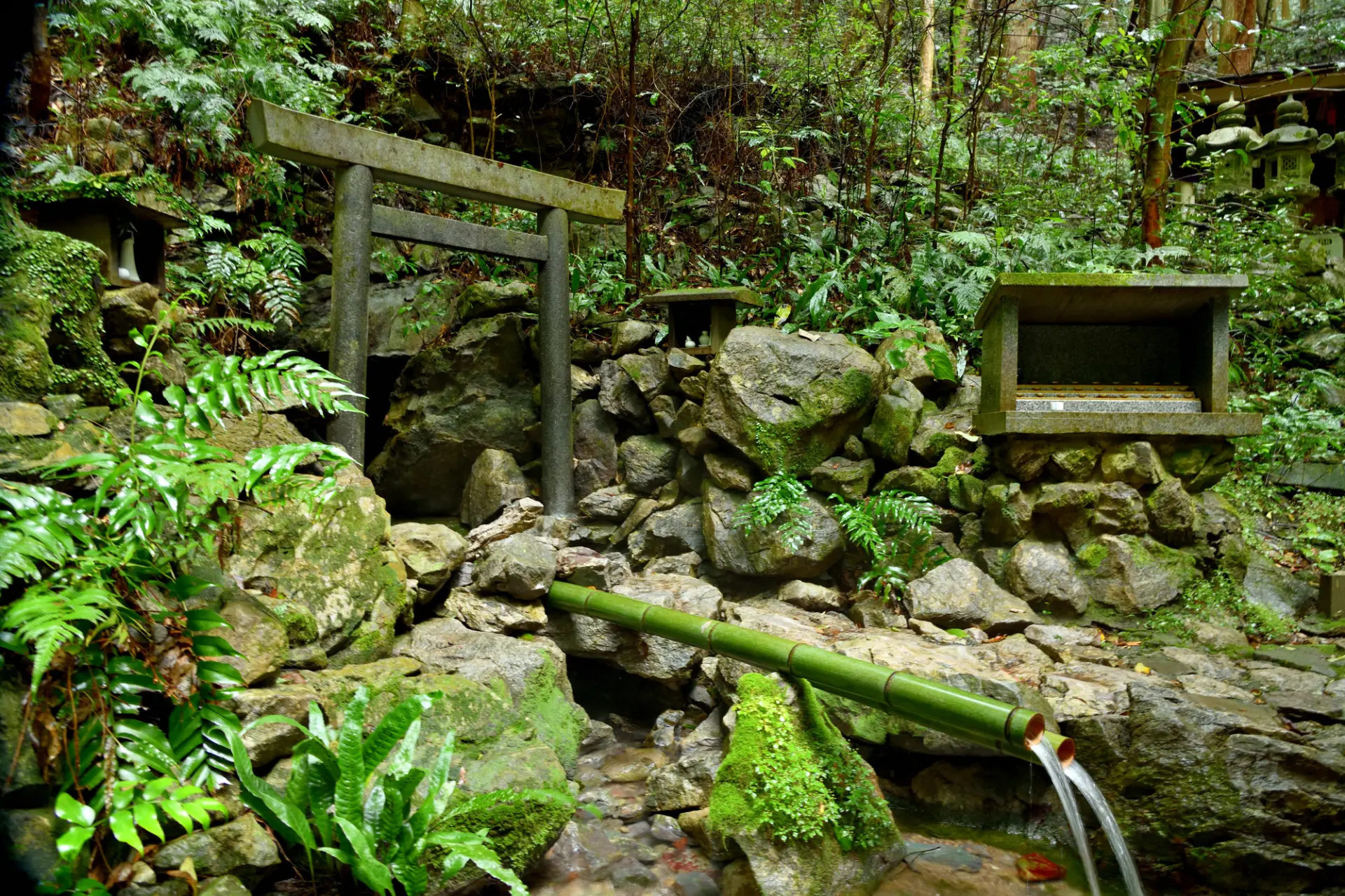
A mystical natural power spot connected to the Amanoiwato legend found in the Kojiki and Nihon Shoki.
It is said to be the place where Amaterasu Omikami shut herself away in a cave, a story known for the episode in which the world was plunged into darkness when the sun goddess disappeared.
In front of the cave hangs a sacred shimenawa rope, and the area has a solemn atmosphere with a small shrine, a purification waterfall, and clear spring water flowing nearby.
The pure water springing from the rock cave has been selected as one of Japan’s 100 Famous Waters, and many visitors take the cold, crystal-clear water in their hands to purify body and mind.
Also along the way is an Oshima-zakura cherry tree over 360 years old, called Iwato-zakura, and the spring scenery when its pure white flowers bloom is another highlight.
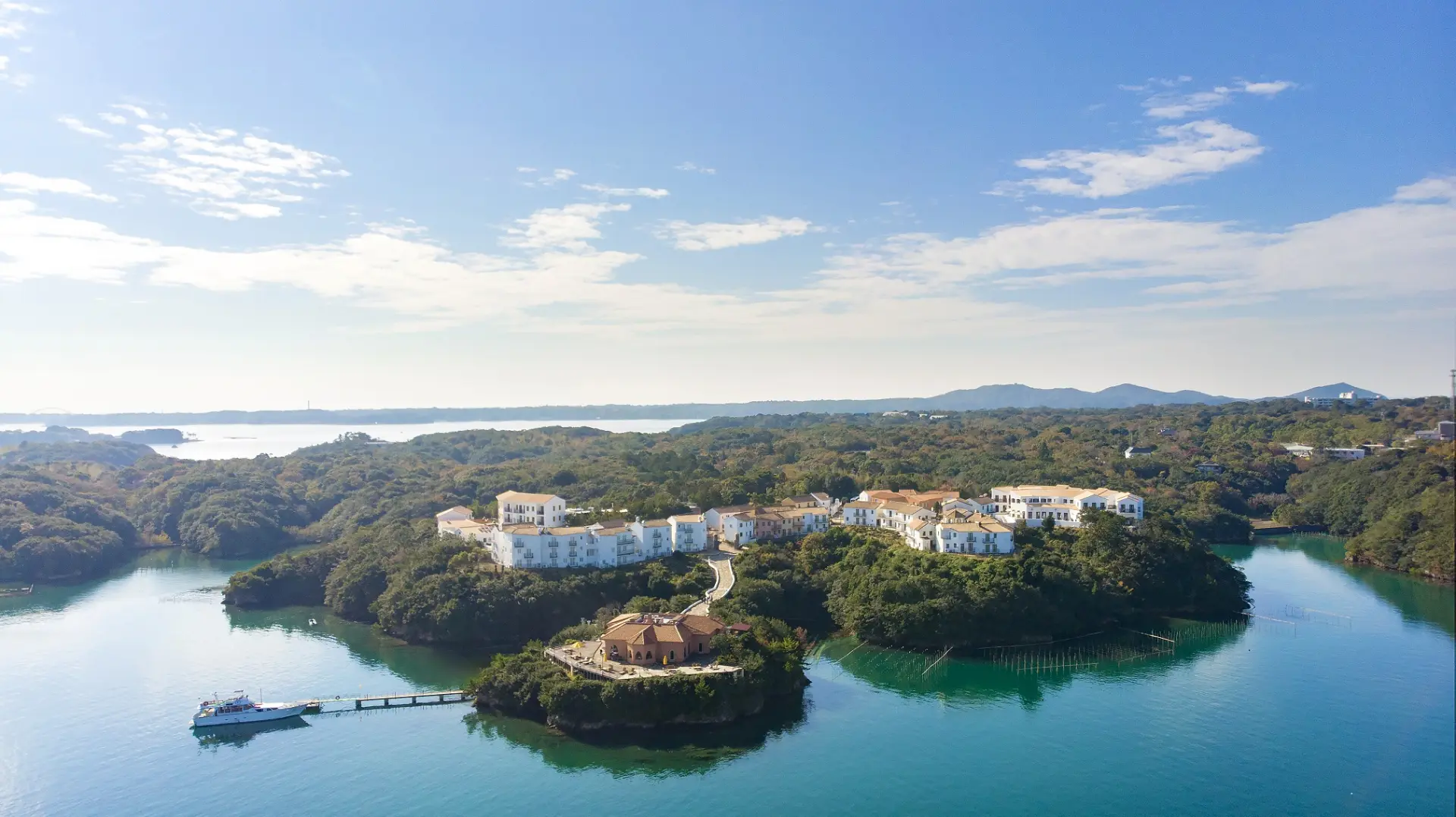
3. Shima Mediterranean Village
A large resort facility where you can enjoy white streetscapes inspired by Mediterranean resorts and spectacular views of Ago Bay.
Within its vast 33,000 m² grounds are areas with distinct personalities, including the Micolca Zone, which recreates townscapes inspired by Mykonos in Greece and Menorca in Spain, the exotic Alhambra Zone, and the Castilla Zone, inspired by towns in central Spain with a mountainous atmosphere and dry landscapes stretching into the distance.
FAQ about Sightseeing in Ise
Q
What are some famous sightseeing spots other than Ise Jingu and Okage Yokocho?
Famous spots include Futamiokitama Shrine, known for blessings related to matchmaking and marital harmony, the Ise-Shima Skyline with its spectacular views, and Ise Sea Paradise, where you can interact with animals.
Q
How long does it take to visit Ise Jingu?
As a guide, Geku alone takes 30 minutes–1 hour, and Naiku alone takes 45 minutes–1 hour 30 minutes. If you visit both, it takes around 3 hours. If you want to sightsee at a leisurely pace, it’s best to allow half a day to a full day.
Summary
We’ve introduced the highlights of Ise, including its popular sightseeing spots and recommended restaurants.
In sacred Ise, where Japanese traditional culture and history are still alive, you can feel the beautiful spirit of Japan that has been passed down through the ages, beginning with Ise Jingu.
In addition to shrine visits, Ise offers a wide range of attractions such as spectacular natural scenery and local food to enjoy while walking around, so choosing spots to match your interests is sure to make your trip memorable.
Be sure to also check out this article, which brings together useful information for planning your trip, including Mie’s classic sightseeing and shopping spots.