
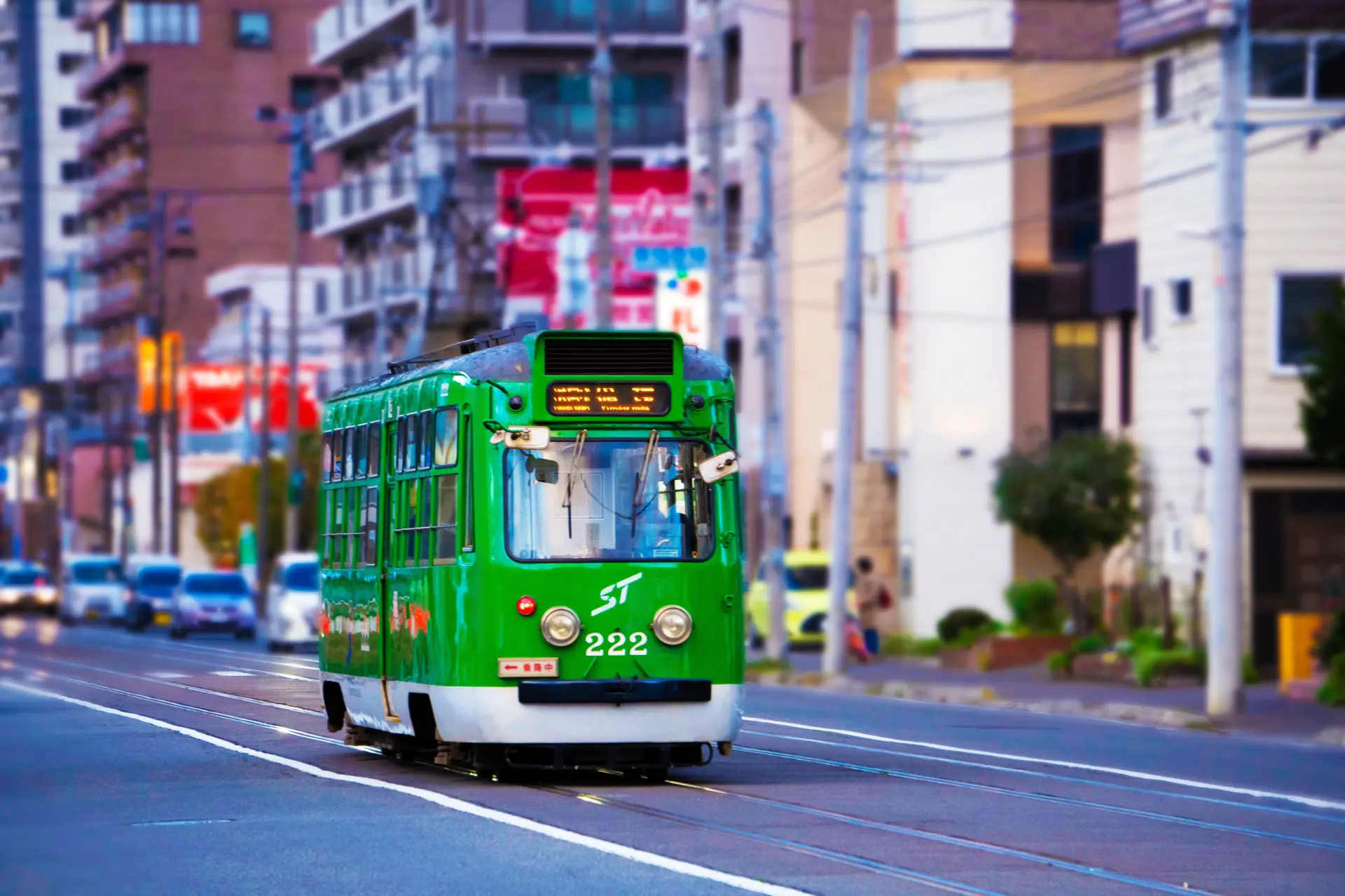
Your Next Travel Fix via Streetcars and Trams! 16 Top Lines Selected by a Lifelong Streetcar Enthusiast
Track the historic tale of streetcars and trams in Japan back to its start 130 years ago in Kyoto, where the nation’s first city tram line opened in 1895. Different lines and streetcar names have come and gone since, but today you can still find this front-and-center way of getting around town all across Japan.
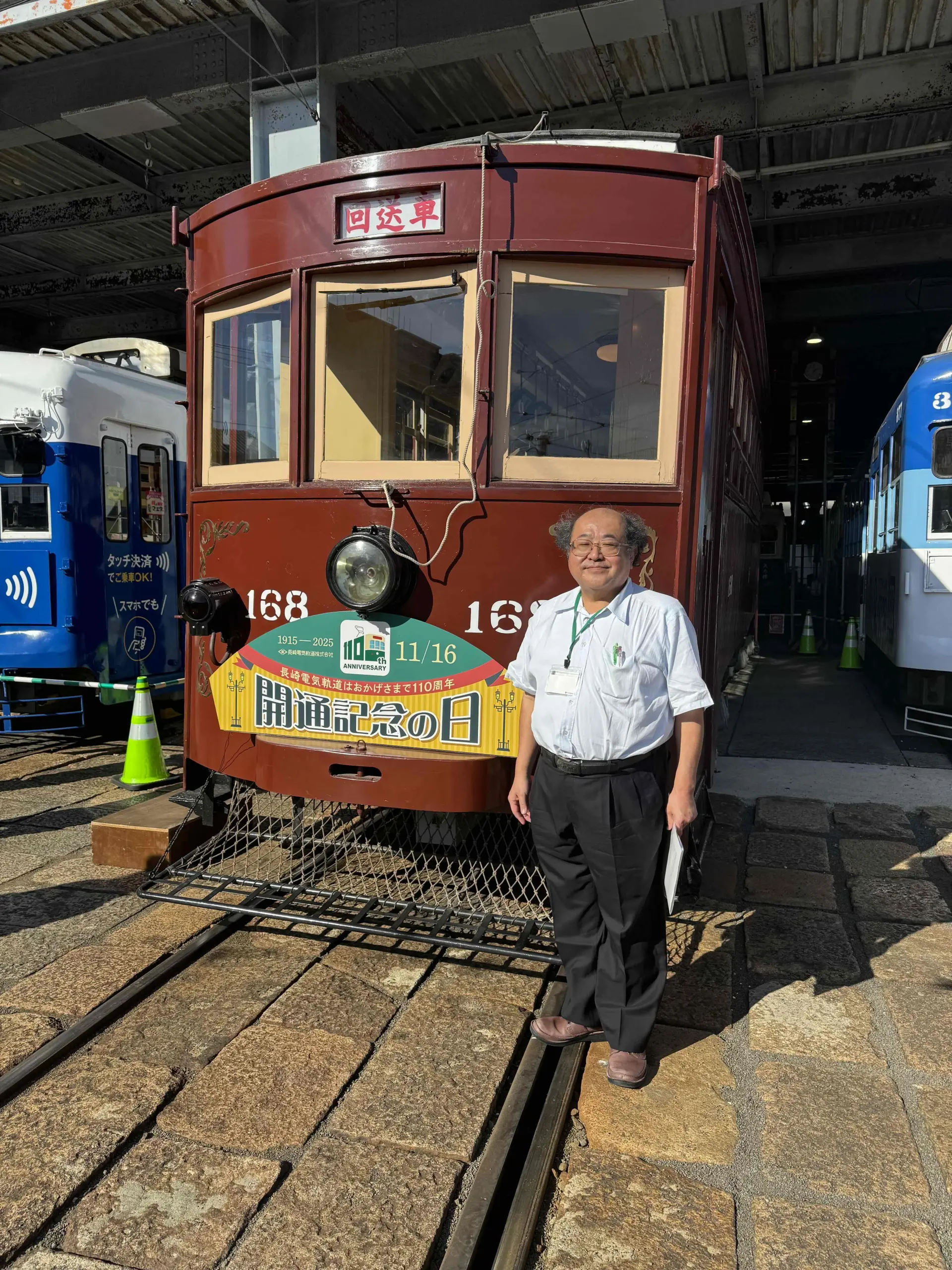
One streetcar and tram enthusiast named Kenji Iwanuma sat down to tell us that “Streetcars and tramways are special kind of experience that locals and overseas travelers should all try”. Below we’ve rounded up his insider look and top-recommended lines to try when booking your next adventure in Japan.
University Days in Nagasaki Jumpstart a Lifelong Love of Streetcars
I started out as a train-loving kind of kind and somehow that turned into over half a century as a full-fledged fan of tramways and streetcars.
As a footnote, I’ve ridden on every train line in Japan except the Kurobe Gorge Railway (in Toyama) and the extended sections of Yui Rail (Okinawa). My specific love for streetcars though began during my university days at Nagasaki University. Up until that point I spent my life in the chummy downtown of Tokyo so I knew at least about the Toden Arakawa Line streetcar, but I wasn’t into the fandom yet. In Nagasaki, there’s something about the tramway that brings the city buzz even closer, especially as it just zips right in front of the normal day-to-day scenery. I realized there’s an extra special something that’s even different from what even makes trains so cool. I’ll get back on topic but I feel like I had to say I’m also a fan of normal trains, too (haha).
So eventually I become a true-blue enthusiast of streetcars and tramways, traveling to every single one in Japan. I’m a member of fanclubs like the Nagasaki Streetcar Club and have generally made a hobby of the whole thing.
Streetcars on the Open City Roads. Hop on For an Insider’s Look!
Thinking about the actual place where trams run is a hint into what makes them so special and different from railway trains.
Classic railways and train tracks don’t typically run along city streets. Instead of house fronts and store fronts, they run along the back where everyone hangs their laundry or leaves out old furniture. Streetcars on the other hand are designed to pass the frontside of homes and shops. You can see the literal front door of the town, and get a better look into where you are just by peeking out the window. Plus, the speeds tend to be slower so you can really soak in the town sights.
I think another something special is how much closer the town feels from inside the tram. It’s not just close, it’s physically designed into the city center, and you can feel it. If you’ve ever ridden a streetcar you know what I mean, but you when you step off of one you’re right there, directly on the city streets. You’re staring right into the face of the city.
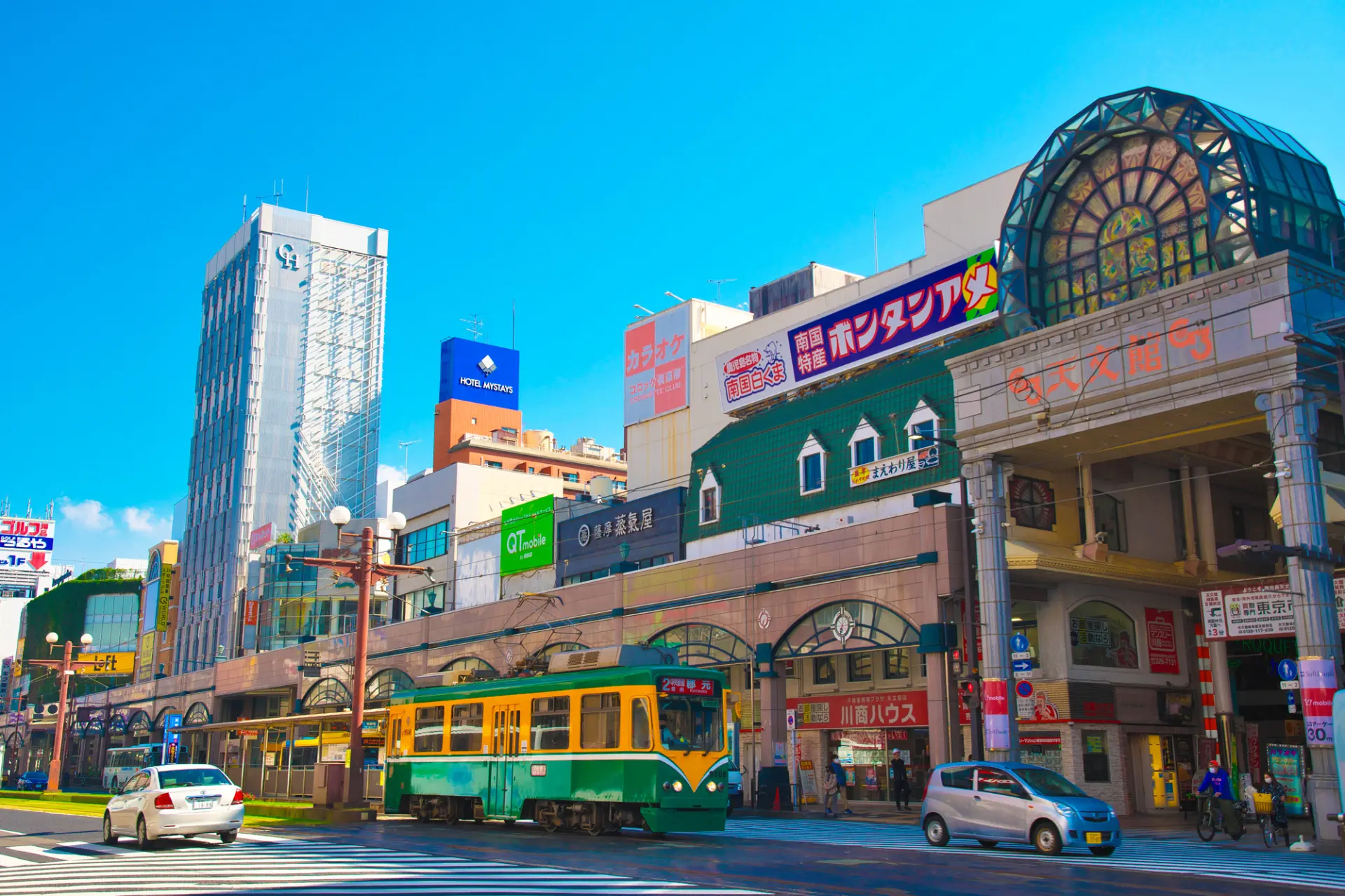
Streetcars are a Traveler’s Delight
This closeness to the city is what gives trams that down-to-earth, local flair. I hope more tourists feel welcome to hop on and ride. If you do, you’ll realize how it makes a succinct and cozy first impression when you visit a place.
The tram travels different routes that buses and cars can’t even take, and it’s much more compact and streamlined than a railway train. Even if you somehow got on the wrong one all the way to the end of the line, you don’t really end up ridiculously far away and can always find your way back. I think just riding from one end to another is a special treat.
You can truly see where you’re going so you can look around and see what your destination looks like as you get closer. It’s not like a subway when you accidently take the wrong exit and pop out onto the street completely lost (haha).
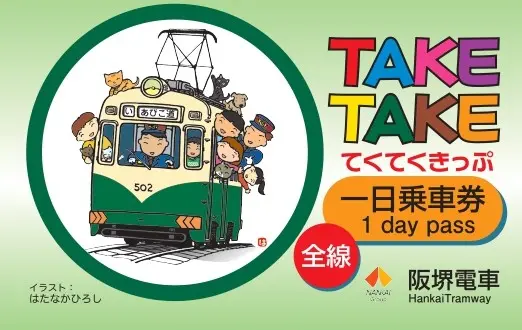
Tram fares are typically cheap and wallet-friendly. It’s usually a flat rate instead of zoned rates, meaning you might even be able to find discount or special rate day-passes that make it extra fun as a tourist.
Extra Ease Along the Way with a Streetcar
Maybe I should have led with this, but there’s something extra special I love about streetcars. Unlike classic trains and buses, the stops along a tramway are usually spaced closer together. This means if you somehow miss your stop you can easily get off at the next stop and walk back. It’s just all the more fun when you put down your smartphones and guidebooks, keep an ear out or the streetcar sounds and announcements and just do some people watching as you pass through the town.
As you keep an eye out for wherever you’re headed, there’s a bit of a rush at that “ahah!” moment when you find your stop and push the button to get off. Even before you get there you might spot something curious and figure “I’ve gotta check that spot out to on the way back”.
It’s fun, it’s an easy ride and it’s just something everyone should try.
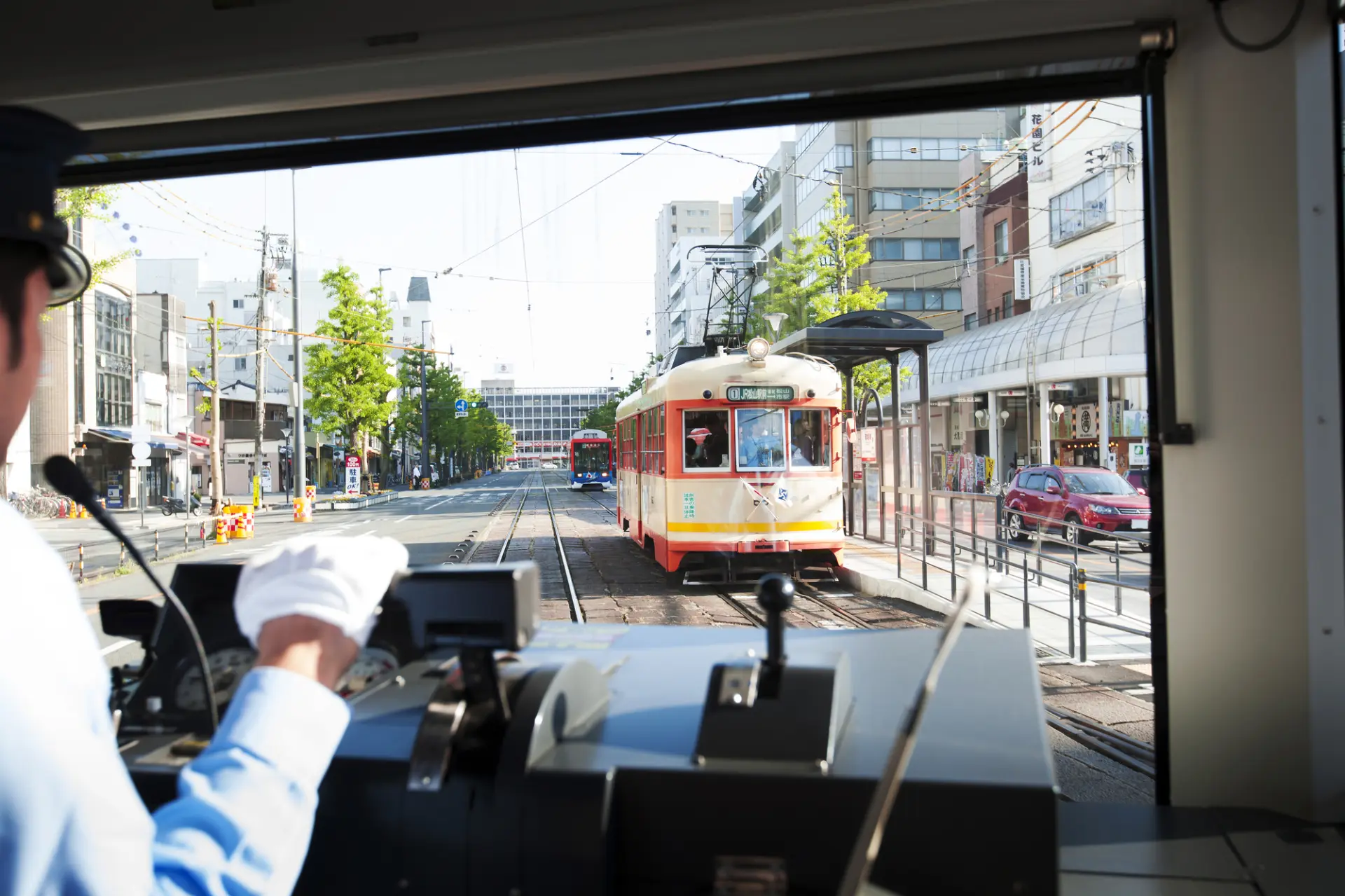
Curated Tips from a Streetcar Expert. the Best. 16 Streetcars and Trams to Check for a Ride
Streetcars, trolleys, and trams -no matter what you call them they each have something a little different across every line and town. The car designs, the sights outside, or maybe how the stops are arranged can make for a very different experience. At the risk of sounding a little obsessed (hehe), I’m going to layout a guide to my absolute favorite, recommended streetcars and tramways with a personal spin of what makes each one fantastic.
1. [Hokkaido Region] The Sapporo Streetcar “Shiden” (Sapporo City, Hokkaido)
Curbside Route for Easy On and Off
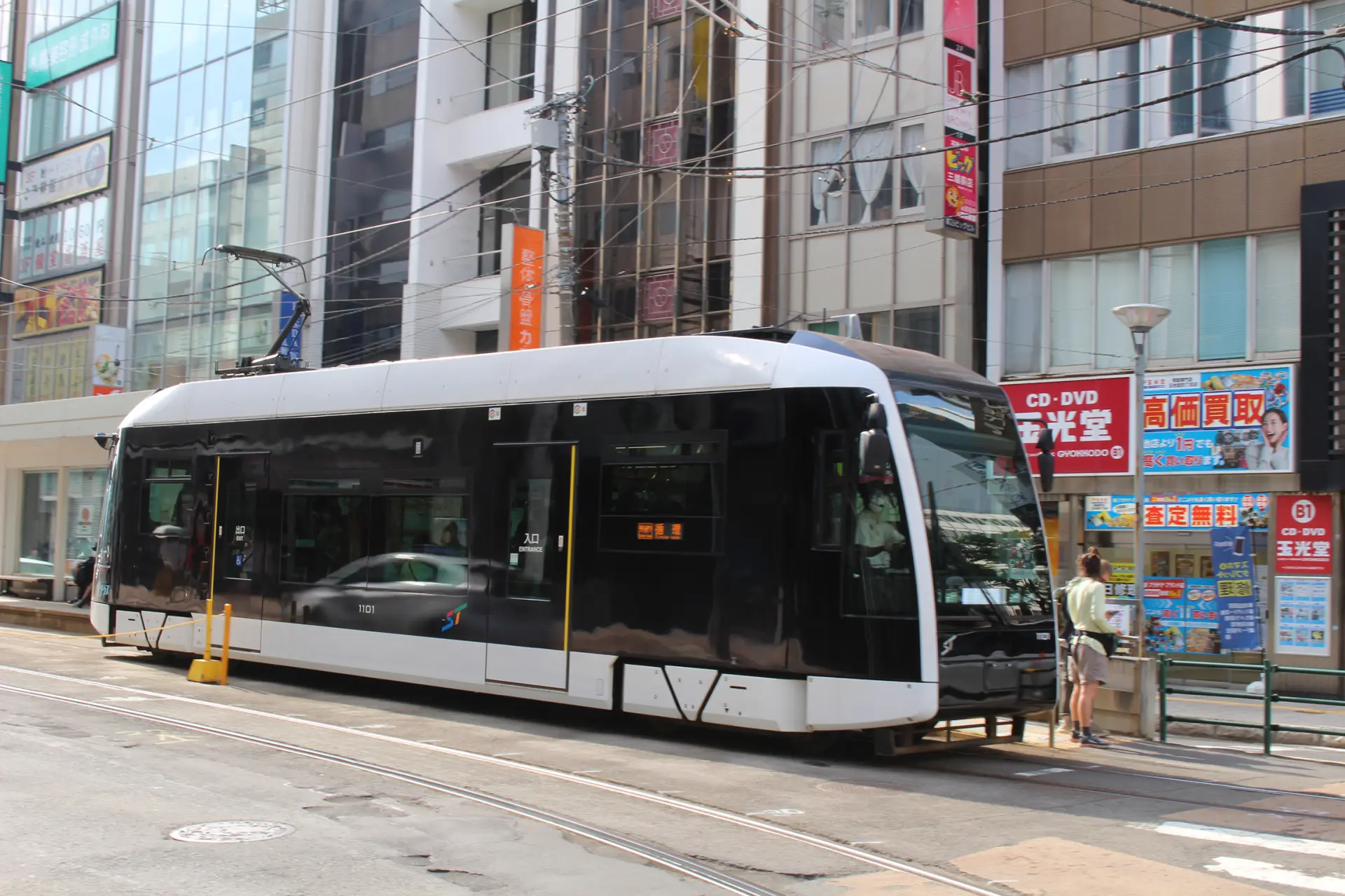
The “Shiden” streetcar in Sapporo is quite the interesting ride. A good many streetcars are positioned to run down the center of the road, but the one in Sapporo has a new curbside circle section that was newly opened between the Nishi 4 Chome and Susukino stops. You can hop on right from the side of the street, making it especially easily to come and go, even more so than other streetcars or sections on the same line in Sapporo. You can see tourists with this easy air of like “Huh, ok this works!”.
2. [Kanto Region] Tokyo Sakura Tram (Toden-Arakawa Line) (in Tokyo’s Arakawa Ward and More)
The Only Toden Tram Line left in Tokyo. Trolleying Along Sloping Roads
The lovingly nicknamed “Tokyo Sakura Tram”, the Toden-Arakawa Line is the only “Toden” city tram left in Tokyo. The section between Asukayama Station and Oji Station is the only section of the Toden Line that runs alone the street. This is a pretty rare moment to experience, that just so happens to run over a very steep slope. Too step for a standard railway train, the tram trolleys up and down with great eae.
It’s quite the spectacle to watch. There are no special cars or upgrades, it’s the same city tram running on the same city tracks up and down like the trams of yesteryear.

3. [Kanto Region] Enoshima Electric Railway (Between Fujisawa and Kamakura in Kanagawa)
Enoden Crossing the Streets for a Sacred Mikoshi Cameo
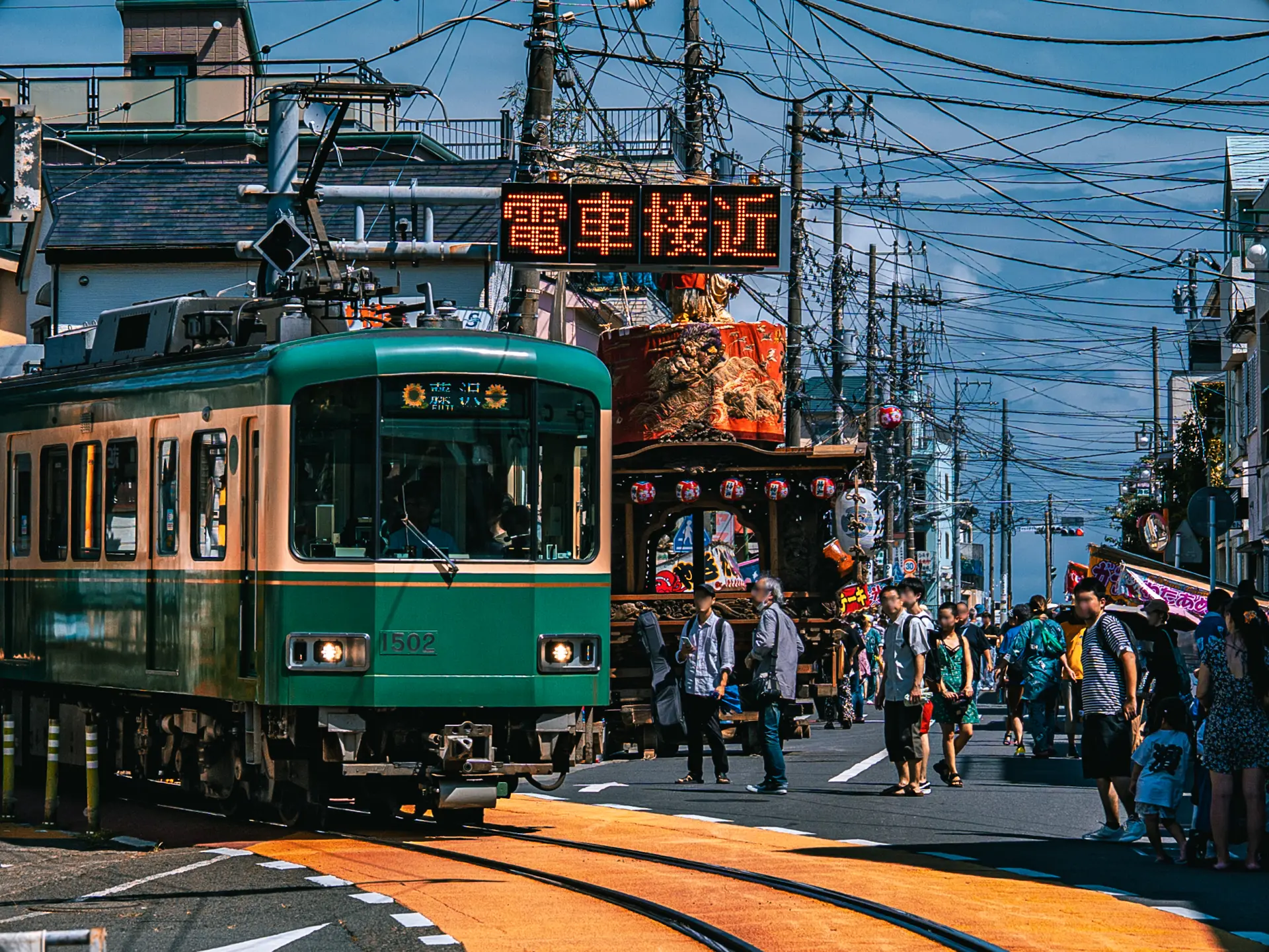
Enoden is the world-famous nickname for the Enoshima Electric Railway. Some of you may have even seen the famous snap of a scared mikoshi shrine being carried alongside the streetcar as it goes. The section between Enoshima and Koshigoe stations is the sole area where it trolleys through the streets before returning to its dedicated track. This one of a kind paved section cuts across the middle of the road in a peculiar way that’s all its own. Take a look on Google maps to see what I mean.
4. [Chubu Region] Toyohashi Railway City Line (Toyohashi City in Aichi Pref.)
Catch Japan’s Only Streetcar Known to Steer Clear around a Sharp Curve
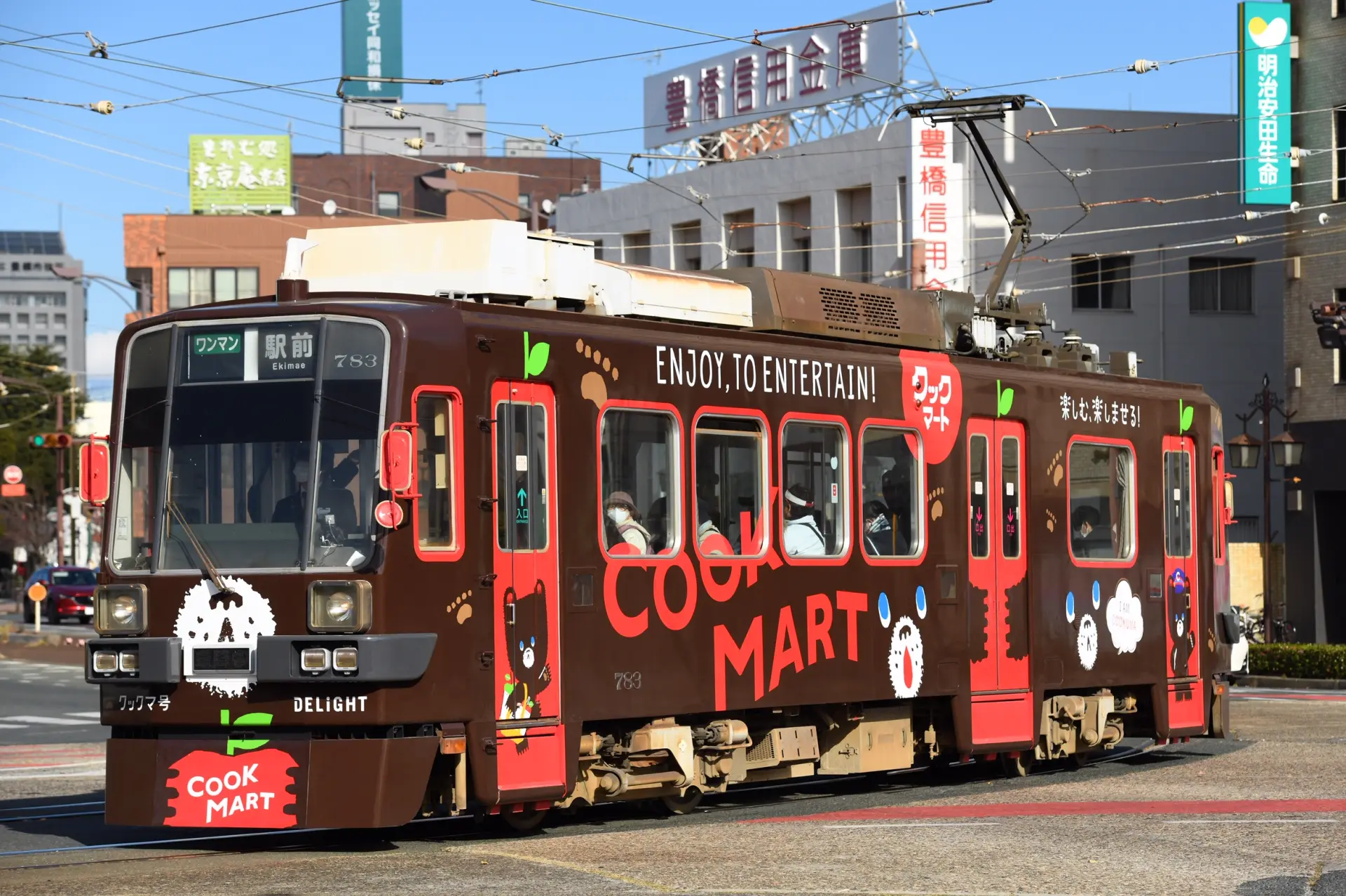
Over in the Chubu Region, let’s start with the Toyohashi Railway City Line. There’s one line that branches off from Ibara Station towards Undo Koen-mae Station. The original main line continues on a straightaway but the curving section after Ibara Station is a dramatically sharp curve. It’s unusual even on curves, but at this point the car of the axels under the tram jut out as if nearly drifting. If you see it careening around even just once it’s sure to leave quite the impression.
5. [Chubu Region] The Kyoto City Tram Ride at Meiji Village Museum
Japan’s Oldest Streetcar Awaits
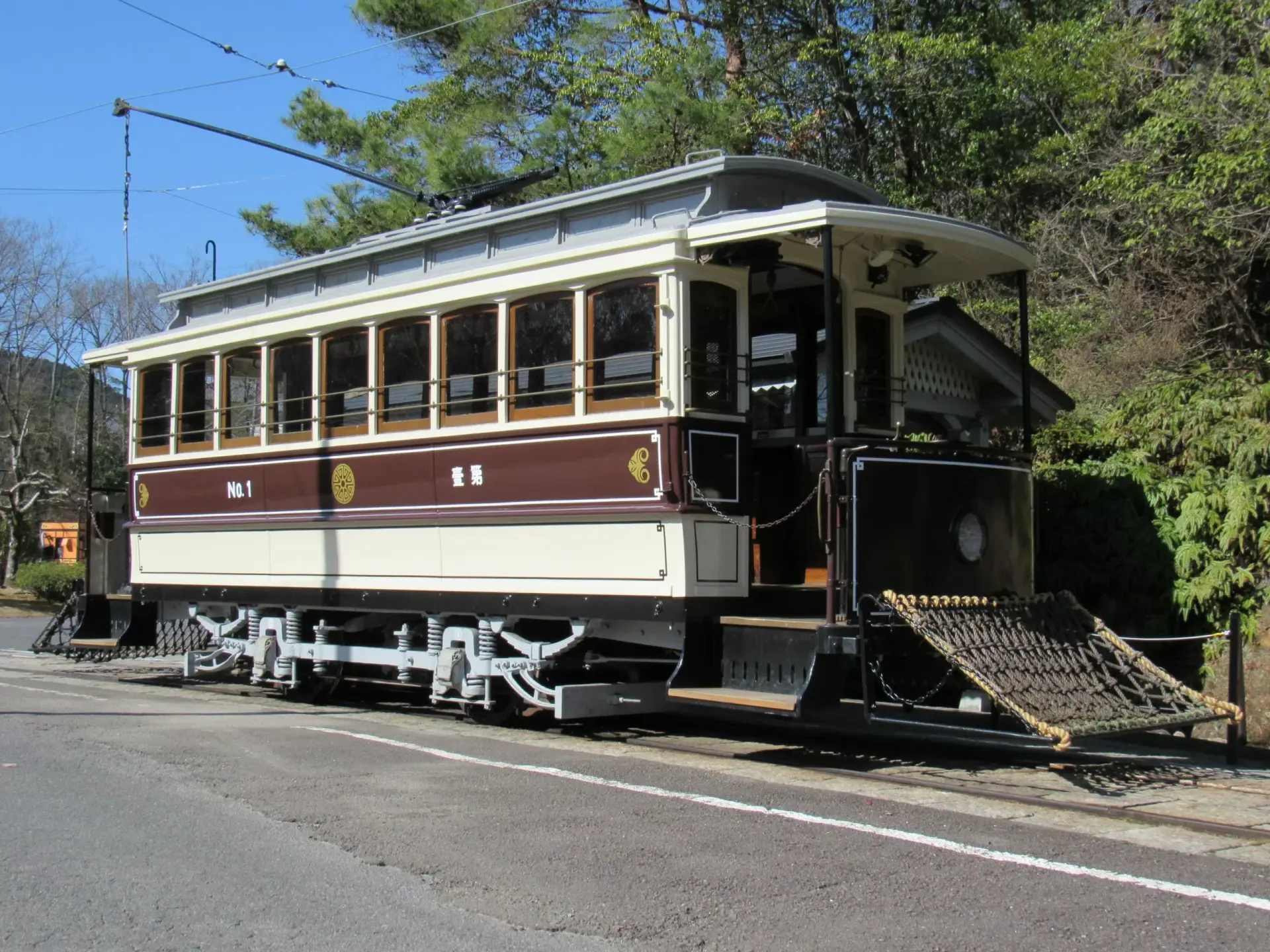
Another must in the Chubu Region is a slightly odd variant, it’s the city tram that waits over in Meiji Village. The train here resembles Japan’s first streetcars that use to run in Kyoto. The electric turns the motor, and to stop you simply hit the breaks. It’s a straightforward old school train that you can see up close. Many also love to see the trolley pole drawing electricity from overhead wires as they train turns around.
6. [Hokuriku Region] Toyama City Tram Line by Toyama Chihou Tetsudou (Toyama City, Toyama Pref.)
East Meets West in this Unforgettably Designed City
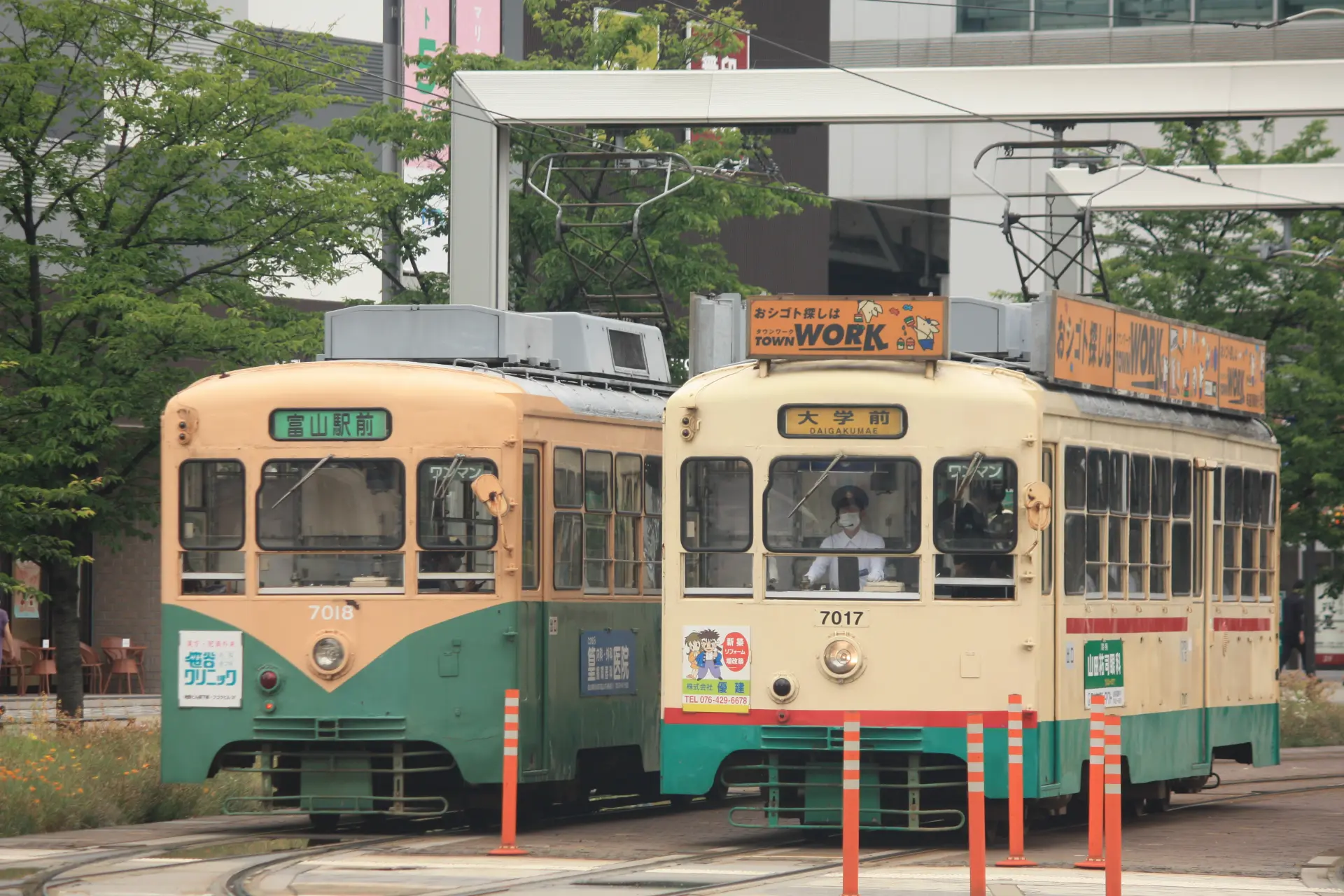
Turn your eyes over to the Hokuriku Region and the first streetcar most people mention is the Toyama Chiho Dentetsu city tram.
The big draw here is the single-track section that opened in 2009 between Marunouchi Station and Nishimachi Station on Line 3 (Loop Line). The tracks are designed into the interlocking pavement in a way that almost nods at the cobblestone streetscapes in European towns. The tram stops have stylish designs that have a more global flair, complete with transparent back wall and roof. Towering all of this is Toyama Castle. Buzzing with a blend of east meets west, the finished look of this urban landscape is one that makes you want to stop and stare.
7. [Kansai Region] Hankai Tramway (in Osaka and Sakai Cities of Osaka, Japan)
From Osaka City Center to the Sakai Old Town Area
For Kansai, it’s all about the “Hankai Tramway”, or “Hankai Densha” as the nickname goes in Japanese.
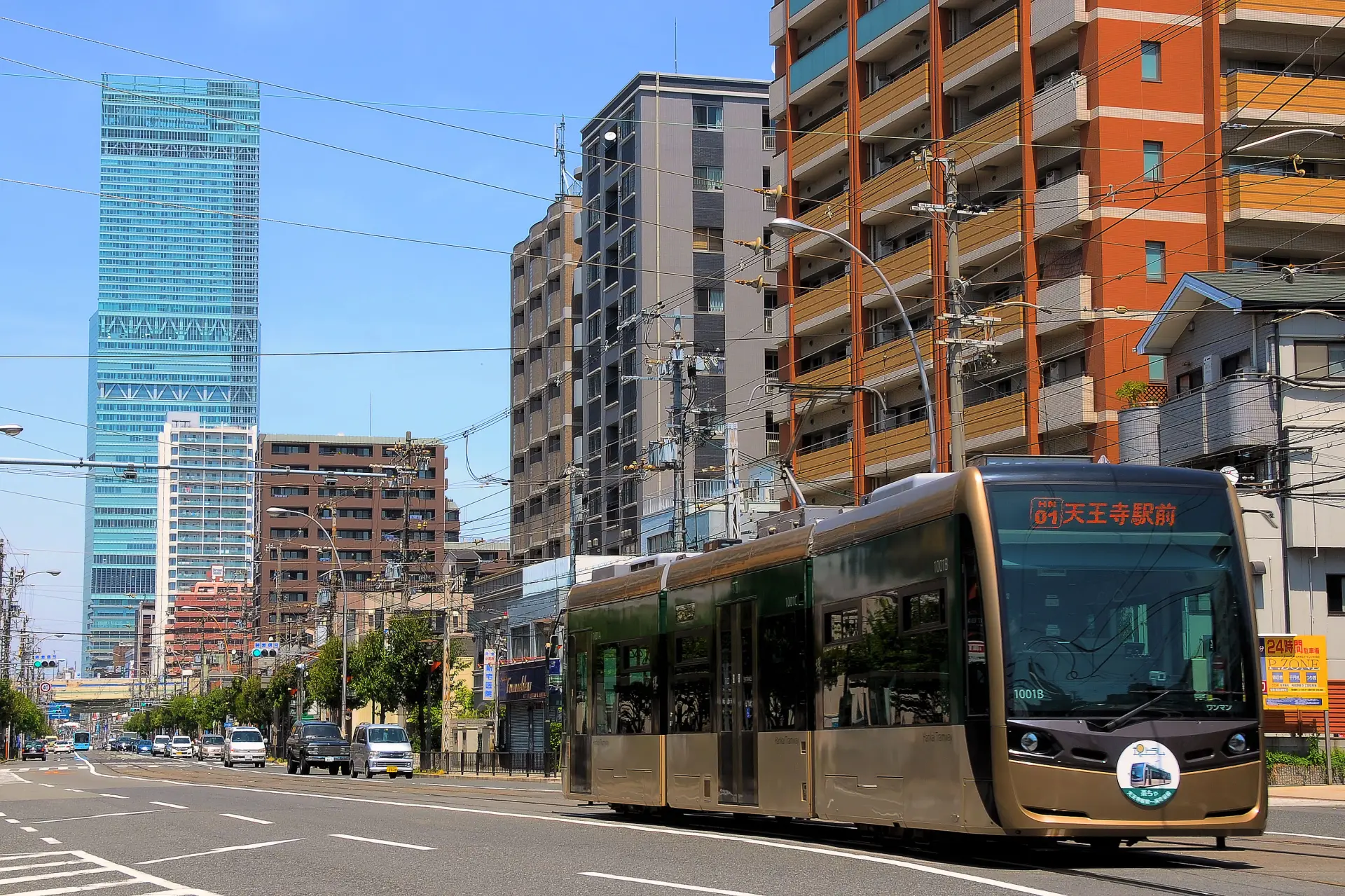
There at the foot of Abeno Harukas, the famed 300m-tall skyscraper you might look down to find a tramline scooting along the streets between Abeno and Tennoji Station, the start of the Uemachi Line. If you happen to catch one of the more retro builds it looks especially snapworthy as it scoots by the modern buildings.
To top it off, the Sakai area around the Uemachi Line is always worth a visit. From Ayanomachi to Goryomae the track runs straight down the center of the road in Sakai’s Old Town district. The road along the way is dotted with old-timey shops like confectioneries, food stalls and crafts stores that make for a perfect stopover if you want to get out and explore.
8. [Kansai Region] Keihan Electric Keishin Line (Kyoto City, Kyoto Pref. to Otsu City in Shiga Pref.)
A Special 4-Car Tram that Runs the Along the Streets
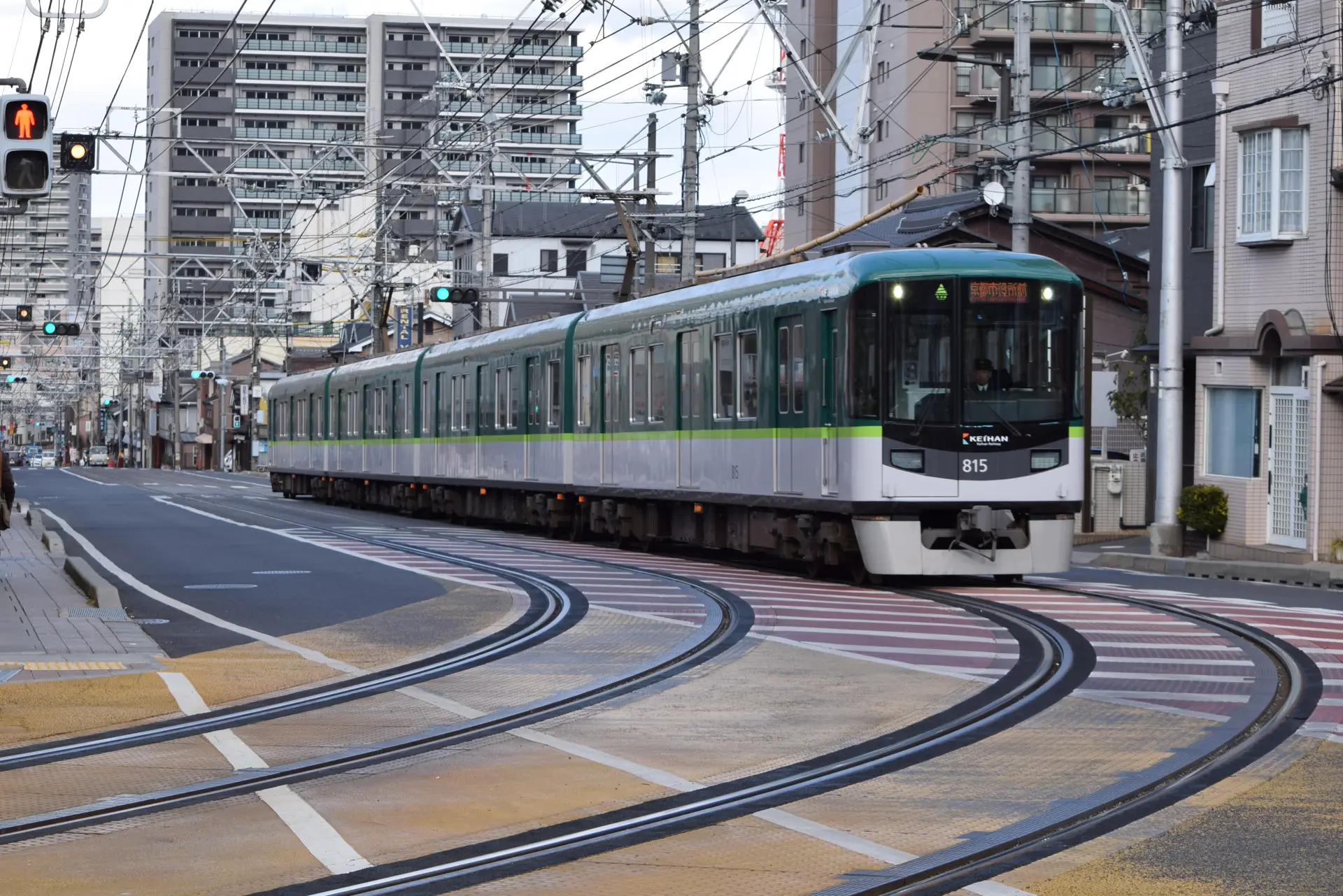
Another name in the Kansai Region that can’t be missed is the Keishin Line by Keihan Electric. Kick off in Kyoto and head over the mountains into Otsu City where it starts cutting through the middle of the road. The line has a direct connection to the Kyoto Municipal Subway Tozai Line, so in a special feat the normal train cars run above the street pavement. Usually streetcars are registered at 30 meters in length or less, but cars on the Keishin Line measure in at 66m, with a total 4-car build. There is no other place where you’ll see the trains running on the street pavement like this. They also bank across dramatic curves that are almost as fun to watch as they are to ride.
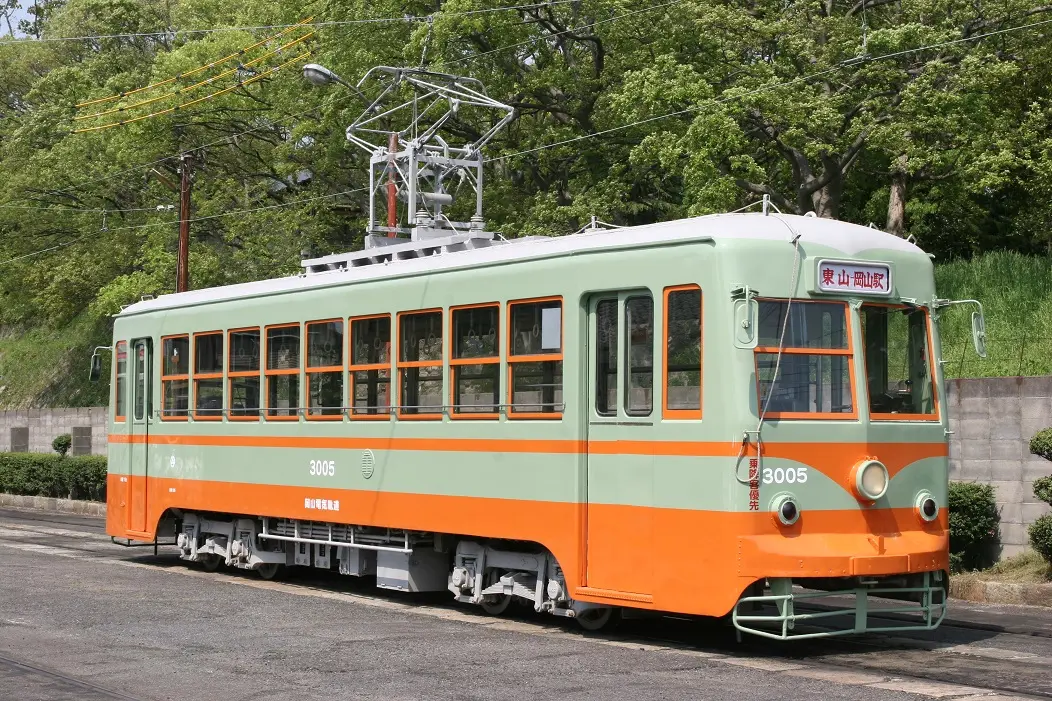
9. [Chugoku/Shikoku Region] Okayama Electric Tramway (Okayama City, Okayama Pref.)
A Line with No stations or Platforms, but Designated Stops
The Chugoku and Shikoku Region are so hard because there are so many candidates, but let’s take a look at the Okayama Electric Tramway, or “Okaden” as it’s known for short.
The big reason here are the stops. There’s a stop called Chunagon on the Higashiyama Line, but it is literally nothing more than line drawn on the road, something I’ve only seen in traffic manuals (haha). There’s absolutely no platform, and no zones or precautions that life it above the level of the road. Even so you’ll fin dlocals hopping on and off like usual. There’s a veteran kibi dango shop in front of this shop that you might also want to grab as souvenirs.
10. [Chugoku/Shikoku Region] Hiroshima Electric Railway (Hiroshima City to Hatsukaichi City in Hiroshima Pref.
The Last Flat-top Stop in Hiroshima
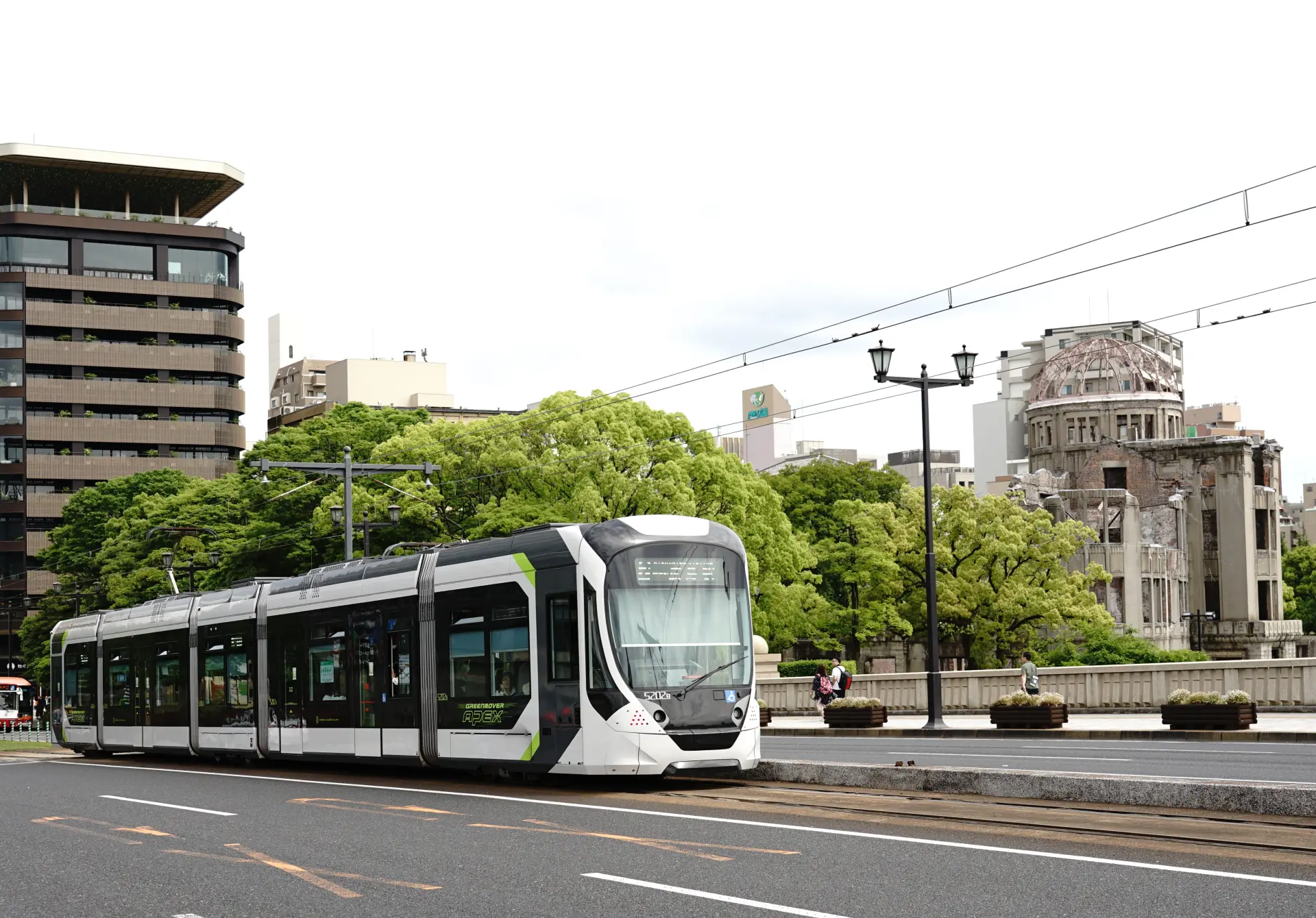
Next up is Hiroshima. The “Hinoden”, as many lovingly call it is, is the nickname for the Hiroshima Electric Railway. This is another one with peculiar stops.
A quick look at Koamicho Station on the Miyajima and 3 city lines and you’ll notice that this stop also has no physical platform. There’s a white line of paint on the pavement that’s labeled “Platform”. This is the last stop on the Hinoden that doesn’t have a physical platform. It would even make more sense if it was a single-car tram, but with multiple cars and people get off at different doors it seems rather peculiar.
Here’s another note about the Hinoden that’s all the buzz over at Hiroshima Station. in August 2025 the first ever direct connection between a streetcar and 2nd level of the JR station building was unveiled via elevated transfer. I went and tried it out, and I have to say this really streamlined the JR transfer.
11. [Chugoku/Shikoku Regions] Iyo Railway in Matsuyama, Aichi Pref.
A Retro Streetcar Stylized as a Locomotive Pulling Passenger Cars
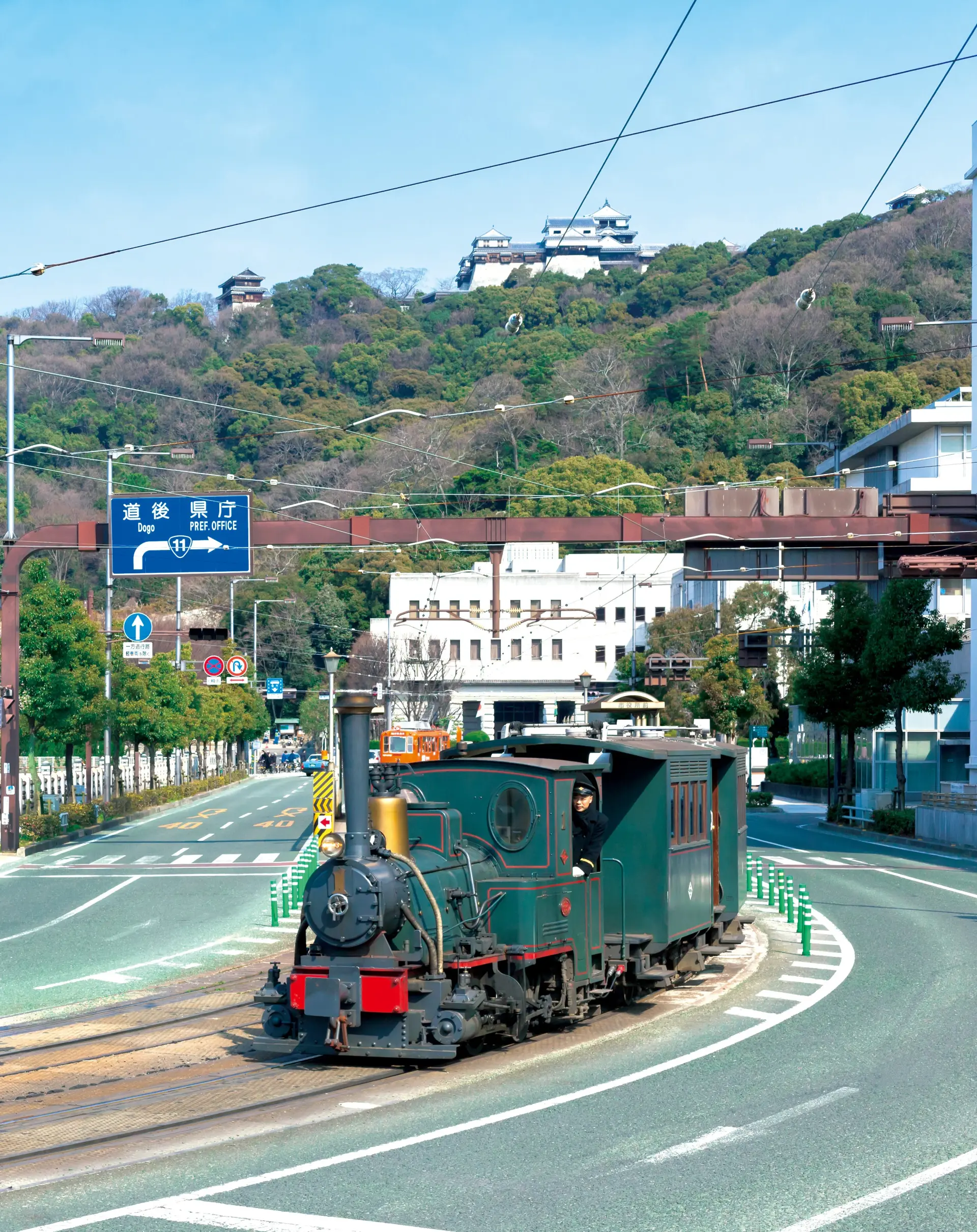
Over in the Shikoku Region, you have to note the Botchan Train run by Iyo Railway in Matsuyama City.
The sightseeing trolly operates only on weekends and holidays, but if you time a visit you’ll find a line of passenger cars pulled by a diesel locomotive designed like the train from Natsume Soseki’s novel of the same name. The interior of the cars and crew uniforms have all be restored for an extra old-world flavor you can’t resist. Even if you’re not a full-on fan like me, the view and ride itself are undeniably charming.
12. [Chugoku/Shikoku Regions] Streetcar by Tosaden Traffic (Kochi, Nankoku, Ino Towns in Kochi Pref.)
Streetcar Fans Unite! The Triple Crossing of Tosaden Trams
Next up in the Shikoku Region is the Tosaden over in Kochi. The roads are an easy grid format, known to run short north and south but especially long across east and west.
Along those roads a few lucky travelers might just see the “Diamond Crossing”. This four-way intersection just begs to be photographed. Among tram fans, we like to use the world “triple cross” to describe the magical moment when streetcars come from 3 different directions and pass at the same time (haha). The track areas are also manicured with grass along some points. The route seems almost romantic as the cars trolley along lush green grass.

13. [Kyushu Region] Heisei Chikuho Railway (Kitakyushu to Nogata City in Fukuoka )
A Streetcar that Doesn’t Run Along Streets?!
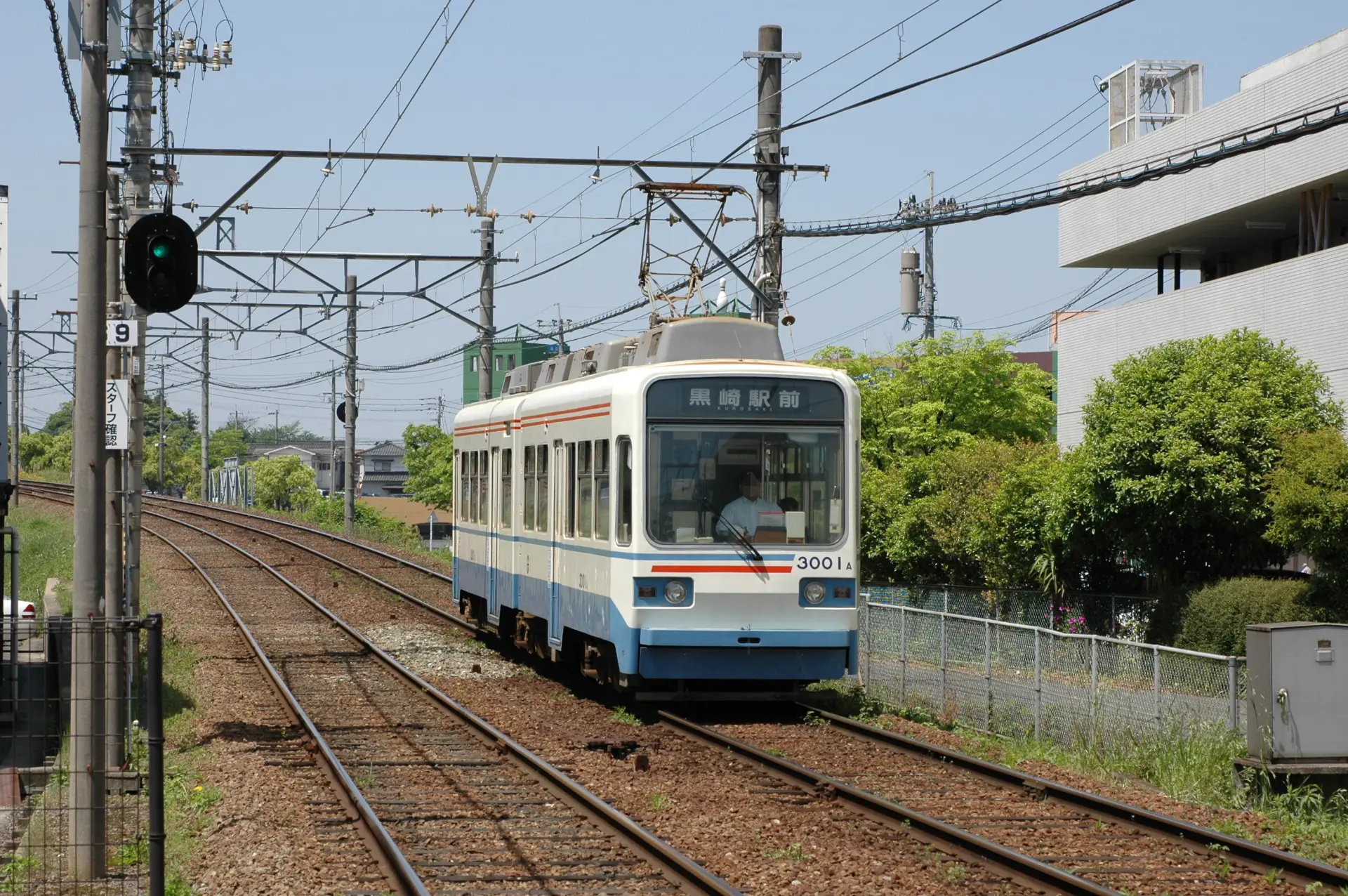
Kyushu is another hot hub for streetcars, but one especially noteworthy line is the Chikuho Electric Railway in Fukuoka Prefecture.
The line is warmly coined the “Chikutetsu”, referring to the line that connects Kurosaki Ekimae Station in Kitakyushu City with Chikuho-Nogata Station in Nogata City. What makes this one special is that even though it’s a streetcar, it doesn’t run on the streets (haha). It has a dedicated track made specially for tram-type cars, a remnant that nods to the days when it originally ran the tram section of the Nishitetsu Kitakyushu Line.
14. [Kyushu Region] Nagasaki Electric Tramway (in Nagasaki, Nagasaki Pref.)
Reeling over Stops, Rails and Unbeatable Views
Now we’ve made it to my own hometown in Nagasaki, so I’ll have to hold back a bit to note play favorites (haha).
Let’s start with the stops. Over at Sofukuji Station, the terminus of Line 1, you’ll find a river underneath the tracks as the platform just out over the water. Then there’s the line. Between Dejima Station and Shinchi Chinatown Station, the old track system remains intact, with tracks laid in two lanes of the three-lane road. As there is only one lane for cars in each direction, this is the only section of Nagasaki Electric Tramway where cars are allowed to run onto the tracks. And then, the scenery. Sakuramachi Street near Nagasaki City Hall, as its name suggests, has beautiful cherry blossom trees flanking its sides. You can see them from the tram, and you can even take photos of the train and cherry blossoms together for something truly splendid.

15. [Kyushu Region] Kumamoto City Tram “Shiden” (Kumamoto City, Kumamoto Pref.)
Splendid views of Kumamoto Castle through the Day and After Dark
Next up is Kumamoto City Tram, a streetcar operated by the Kumamoto City Transportaton Bureau.
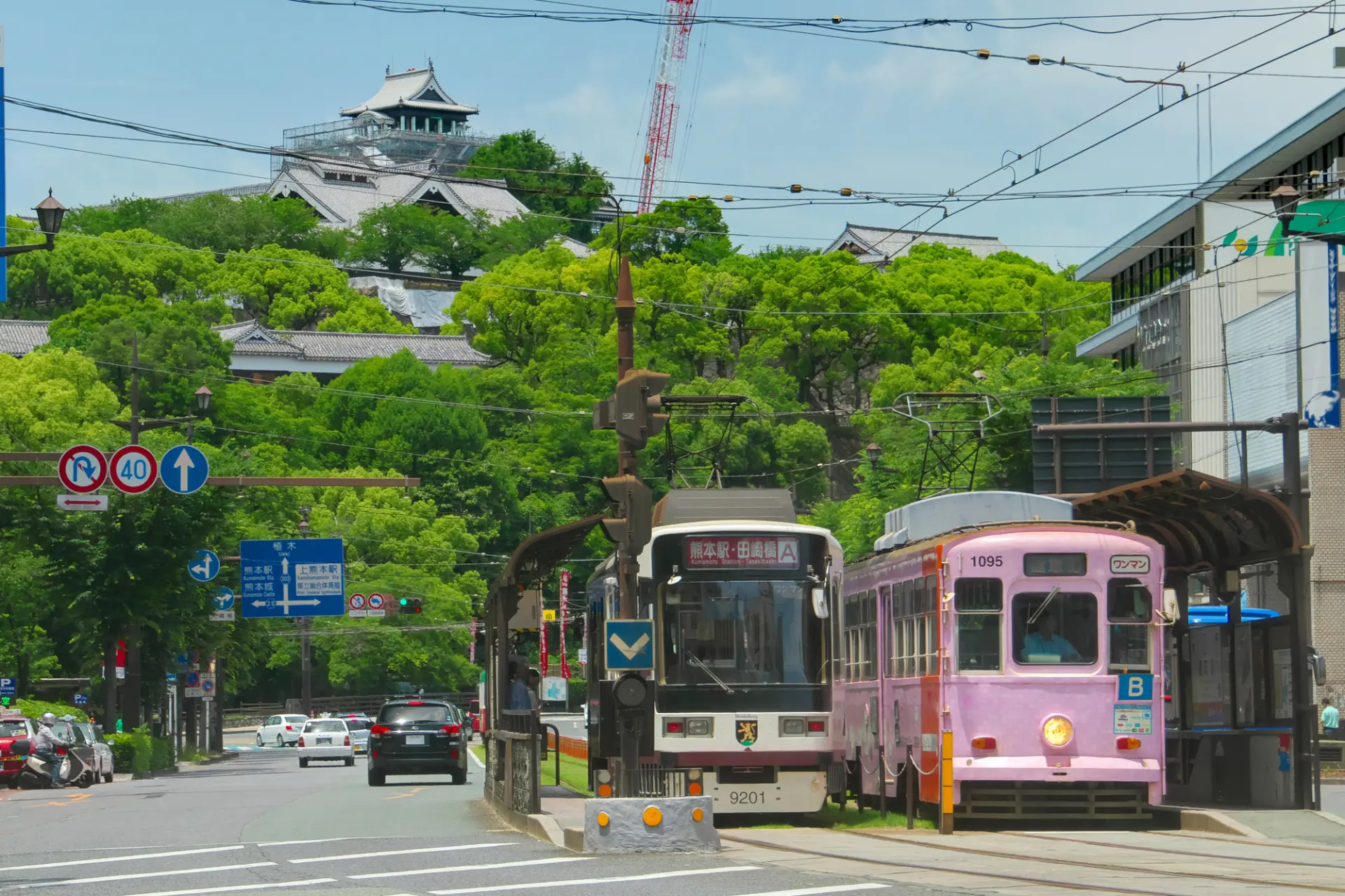
The hands-down draw here is the view of Kumamoto Castle, one of the 3 most famed castles in all of Japan. Riding from the Torichusuji tram stop through the Kumamoto city downtown, you can watch as Kumamoto Castle looms right before your eyes. This is the perfect spot to snap a photo of a castle and streetcar in the same frame. It’s obviously gorgeous in daylight, but the view after dark is especially dazzling when the castle is all lit up. You might want to make a few rounds to catch all the different Kumamoto-tastic views during your stay.
16. [Kyushu Region] Kagoshima City Tramway (Kagoshima City, Kagoshima Pref.)
Top Views of the City and Sakurajima from Inside the Tram!
The last, but certainly not least, is my take on the Kagoshima City Tramway.
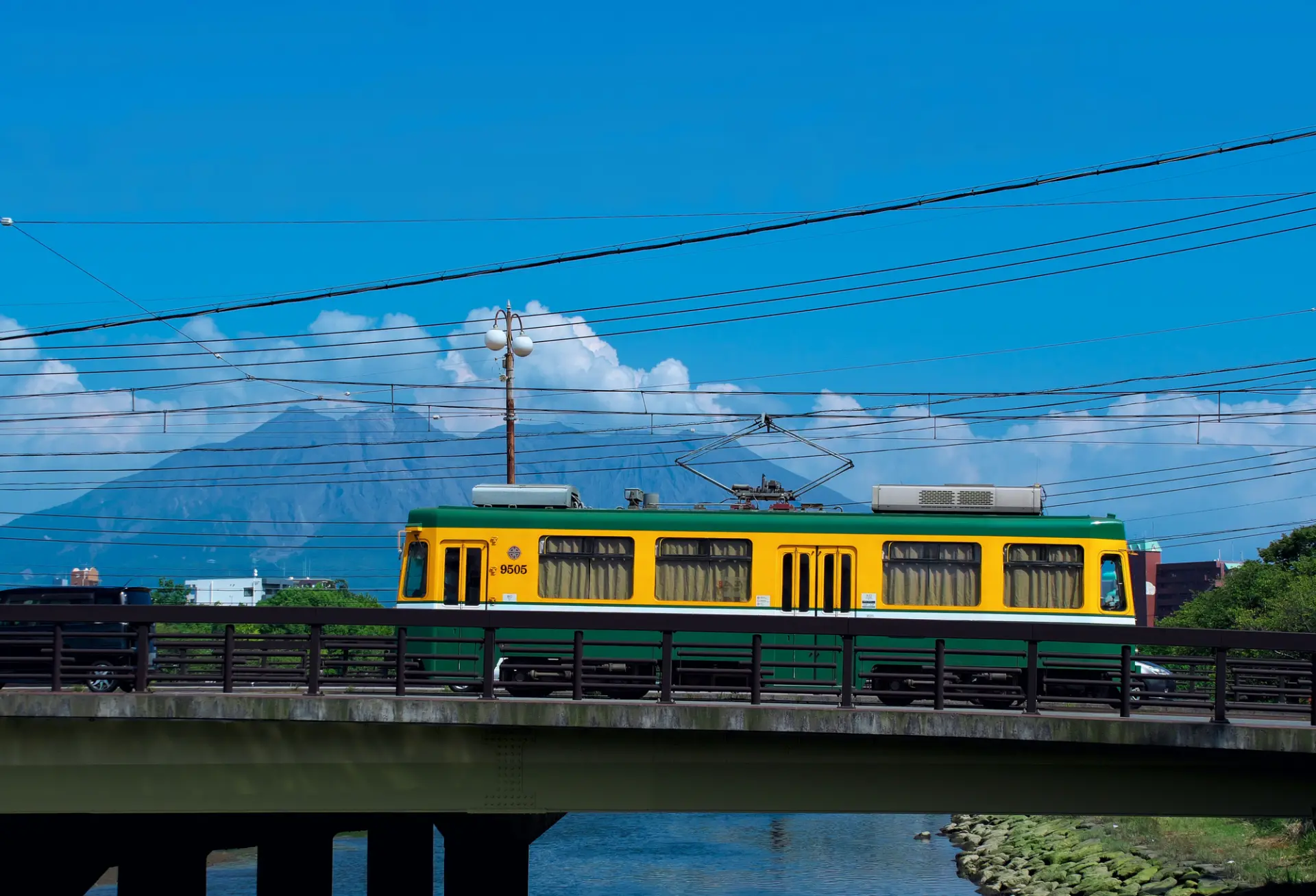
When most people bring up Kagoshima, they have to mention Sakurajima, too. With the city tram you can get around the city sights easily, but there’s the added bonus of these amazing views of Sakurajima along the way. The only catch is that the spots where you can see it from inside the tram or where you can see the tram running with the mountain in the background are a limited few.
I have an absolute best spot, over at Takenohashi Bridge between the two Shinyashiki and Takenohashi stops aong Route 1. From there there’s a wide open view of Sakurajima without any buildings getting in the way. Obviously the view from inside the tram is great, but you might also want to get off at the next stop, Takenohashi, and wait for a chance to snap the next tram as it goes by in the foreground. It’s a rare moment that’s truly worth the stop.
Wrap-Up
A Front-Row Look at the City via Streetcars and Trams. No Reason NOT to Ride!
Just as local aficianado Mr. Iwanuma pointed out, streetcars and trams are a savvy way to get up front and center when navigating a new area. The town gets a little closer, along with its people and places. With the added bonus of sheer fun, there’s no reason not to hop on during your next trip. For your next travel inspo’, narrow down your sights to the many places that come with a streetcar.
Supervising Editor
Street Car Aficionado
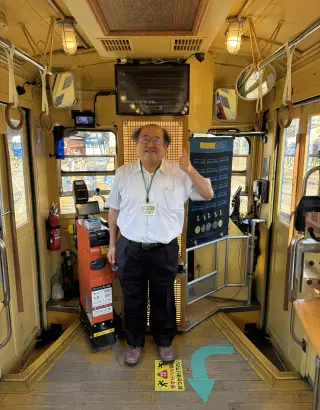
Kenji Iwanuma
Your Next Travel Fix via Streetcars and Trams!