
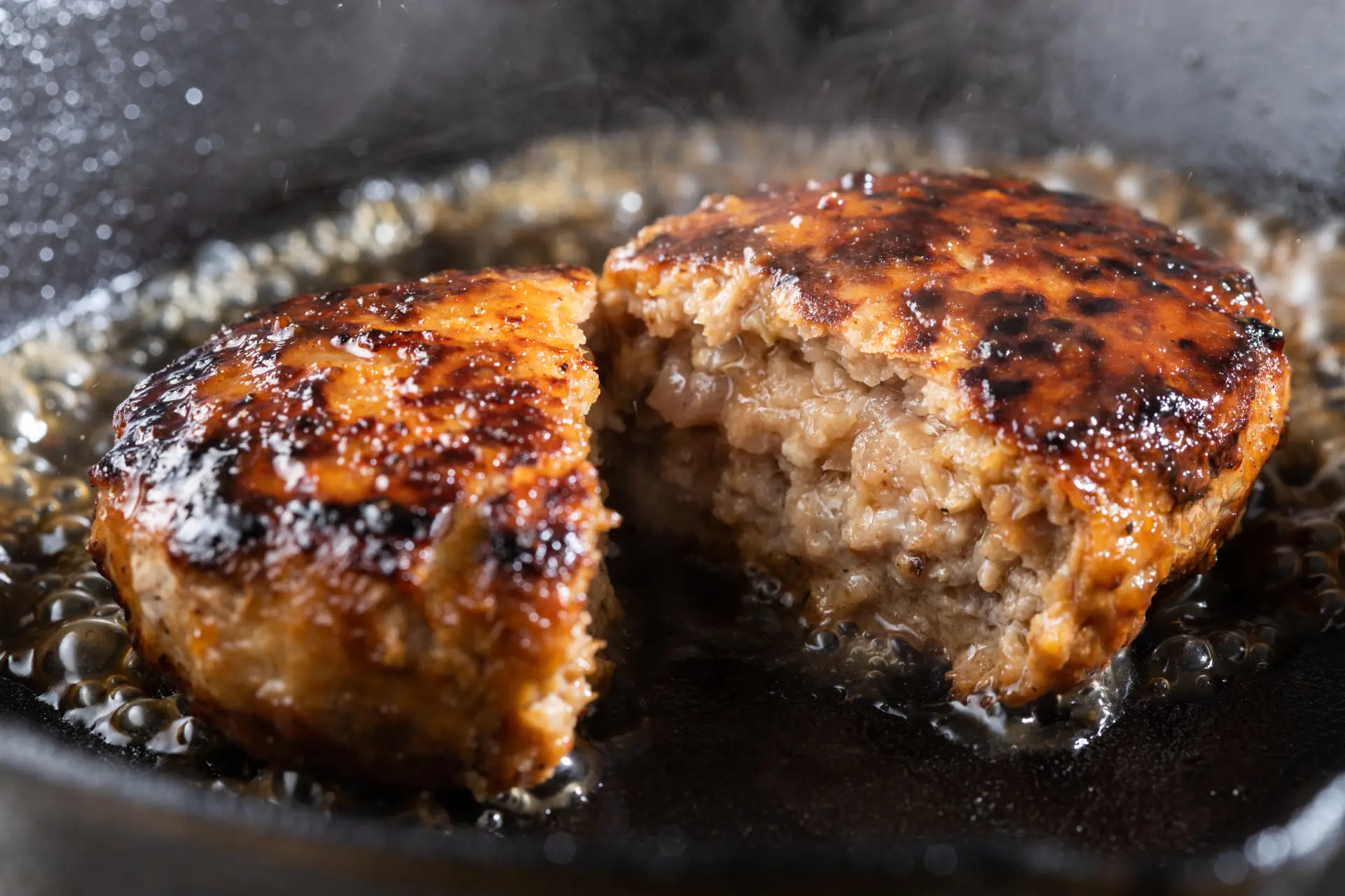
NO HAMBURG, NO LIFE! The Complete Guide to Japanese Hamburg Steak and 10 Recommended Restaurants
Loved by everyone from children to adults, Japanese hamburg steak is both a home-cooking staple and a perennial favorite when dining out. It would not be an exaggeration to call it one of Japan’s defining national dishes. In recent years, a fourth major boom has arrived, and the world of hamburg steak in Japan is hotter than ever. This time, Burgman Tagata, chairman of the Japan Hamburg Association and a hamburg steak expert and communicator, offers a thorough guide to the appeal of Japanese hamburg steak from every angle. NO HAMBURG, NO LIFE!
Expanding the Circle of Communication through Hamburg Steak
I am Burgman Tagata, a hamburg steak expert and hamburg steak communicator.
While working in design based in Shizuoka Prefecture, I also serve as chairman of the Japan Hamburg Association. The Japan Hamburg Association is a general incorporated association whose motto is “to promote the development of hamburg steak culture and expand consumption.” I felt there was no one out there truly telling the story of Japanese hamburg steak and its appeal, so I simply charged ahead on my own, working to grow the number of hamburg steak fans. I do more than simply eat my way around Japan and talk about how delicious Japanese hamburg steak is. I also share its cultural and historical background, explain the reasons behind each boom, and take part in regional revitalization activities centered on hamburg steak.
As I have continued to share the appeal of hamburg steak from many different angles, I have built connections with manufacturers, the family restaurant industry, individual restaurants, and many other people. I want to present the many kinds of information I have gained through those connections in a way that is easy to understand and expand the circle of communication through hamburg steak. That is the meaning I put into the title “hamburg steak communicator.”
In the 2025 ranking of annual household spending on hamburg steak announced by Japan’s Ministry of Internal Affairs and Communications, Shizuoka City, which had ranked first the previous year, fell to fourth, while Hamamatsu City, which had been second, slipped to third, so it was a disappointing result... I am going to work even harder, both to push my home prefecture of Shizuoka back into the top two and to energize Japan’s hamburg steak world as a whole.
Everyone, let’s eat hamburg steak!

Awakening to a Love of Hamburg Steak in Boyhood
What first drew me into the appeal of hamburg steak was Marushin Hamburg, a chilled product I encountered as a child. It tasted clearly different from the hamburg steak we had at home, and whenever it appeared in my lunch box, I got excited. Then, when I was around 10 years old, I had a life-changing encounter with restaurant hamburg steak.
I was born in Fujieda, Shizuoka Prefecture, and there was a large Japanese restaurant in the port town of Yaizu, about 30 minutes away by car. The hamburg steak I had there was unbelievably good. It was meaty, fluffy, and covered in plenty of sauce. I could never forget the impact of that hamburg steak, which was completely different from both homemade versions and Marushin Hamburg, and it gradually rose to the top of my personal list of special treats.
From that point on, I became increasingly interested in hamburg steak served at restaurants. I have probably eaten around 4,000 servings so far. As I have gotten older, I do not eat it quite as often as before, and although I do not quite manage the association’s recommended “one burg a day,” I still eat about 200 servings a year.
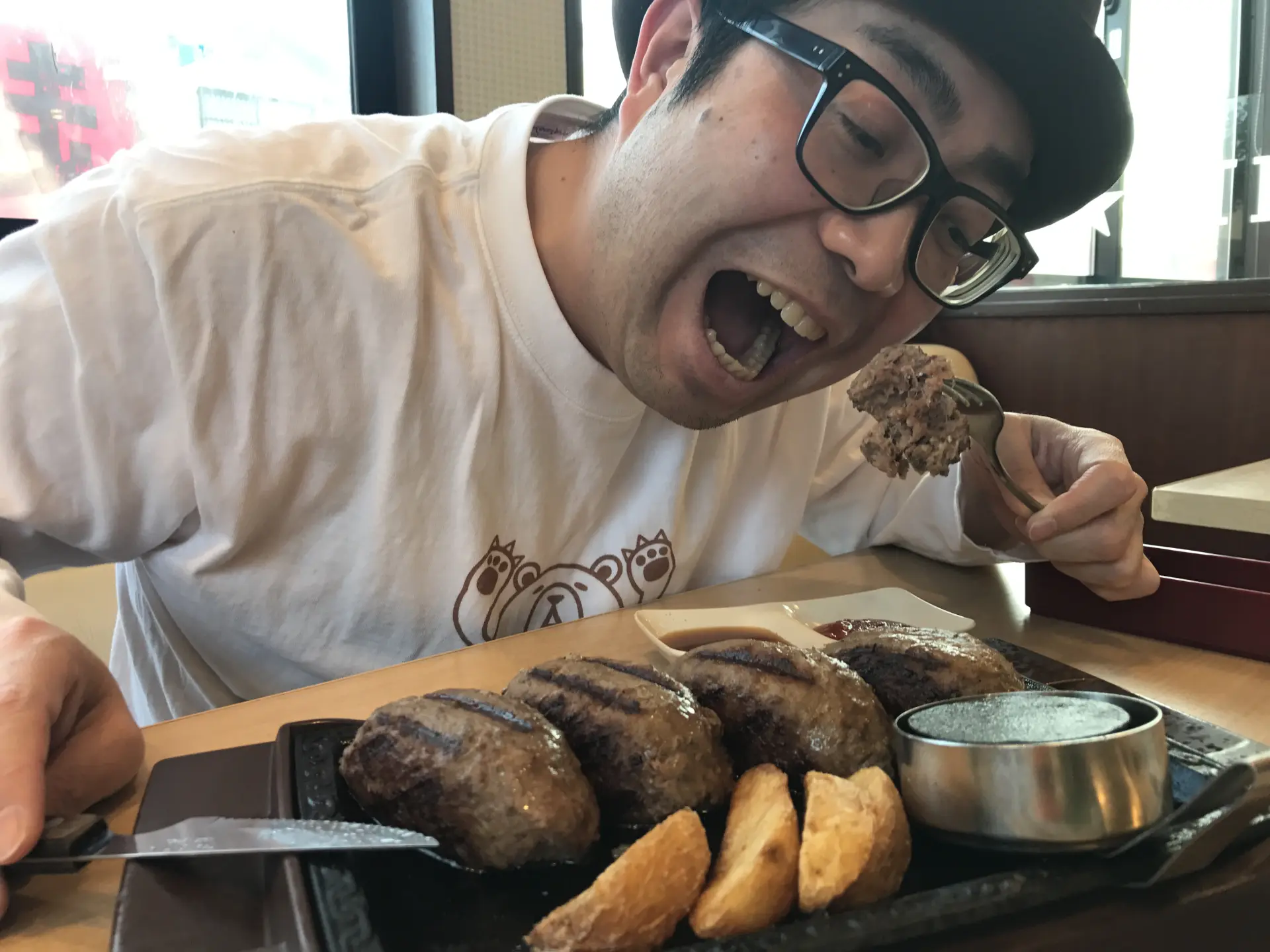
Japan’s Uniquely Evolved Hamburg Steak Culture
The roots of hamburg steak are said to lie in tartare steak, a raw meat dish associated with the Tatar people, Mongol-descended nomads who supposedly softened tough horse meat by placing it beneath their saddles during long journeys. That idea spread to Europe, where it came to be cooked and eaten in Hamburg, Germany, and then spread to the United States as “Hamburg-style steak.” When it arrived in Japan, “Hamburg” was transformed in pronunciation and became “hamburg.”
What people ate in Hamburg was a beef-meatball-like dish called “Frikadelle,” something closer to a homestyle side dish or deli item. But once it came to Japan, factors such as the cost of beef, the prevalence of pig farming, and a food culture built around eating with rice all played a role, and a fluffy, juicy blended-meat hamburg steak made with pork began to emerge.
A culture also developed in which hamburg steak was eaten as a complete dish alongside sides such as grilled vegetables, potatoes, and salad. This style exists only in Japan. In fact, I often hear that people from Europe and North America are moved the first time they try hamburg steak in Japan. To me, Japanese hamburg steak is something unique that evolved in its own Galapagos-like way, much like omurice or Napolitan.
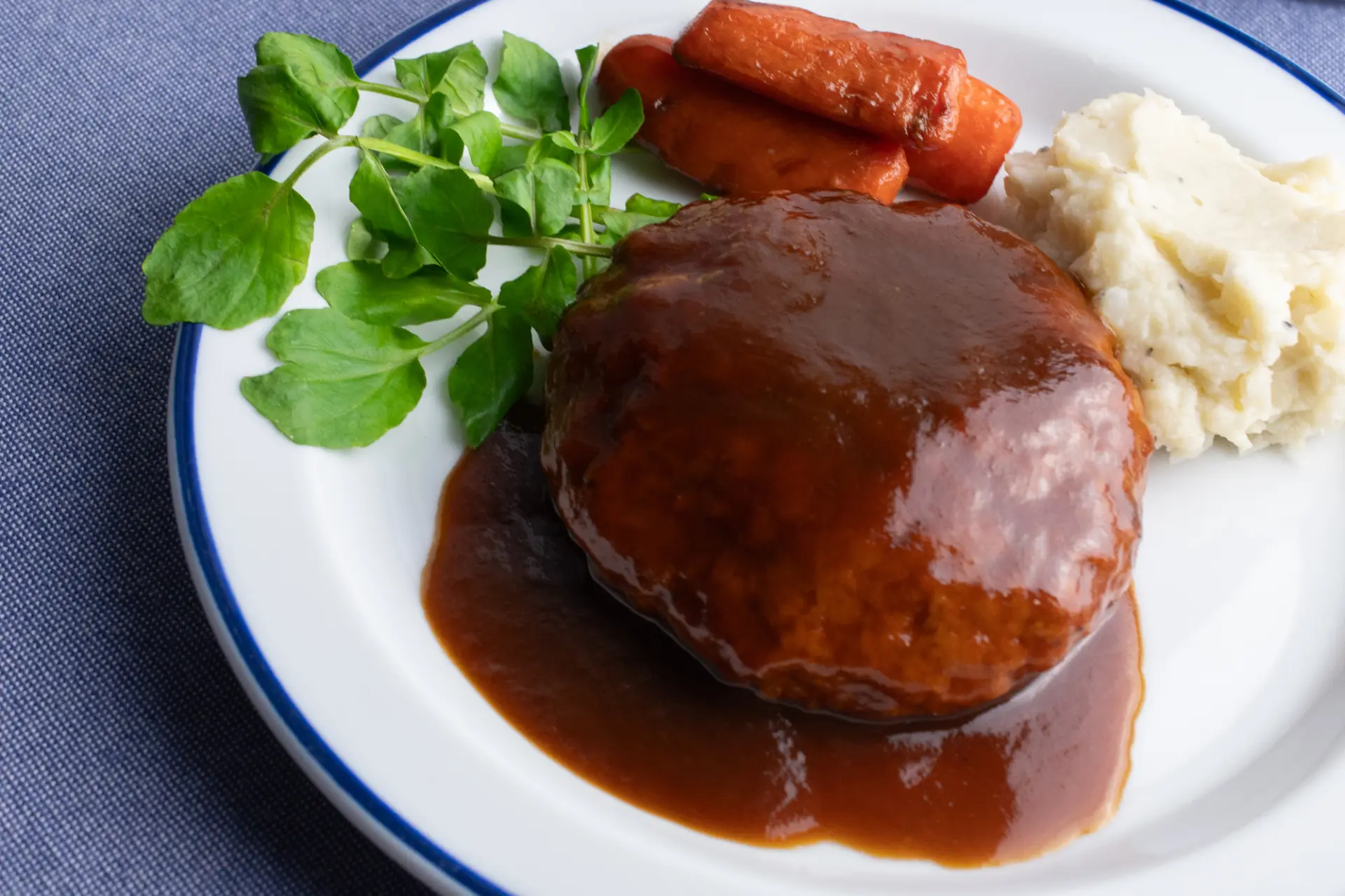
The Wide Variety of Sauces Is Distinctively Japanese Too
The incredible variety of sauces is another feature that defines Japanese hamburg steak. To begin with, the standard image many people have of hamburg steak sauce is demi-glace from French cuisine. The word “demi-glace” comes from the French for “reduced by half.” That said, in the world of French cuisine, traditional demi-glace, which takes a long time to simmer, has almost disappeared.
In Japan, however, it seems to have been a perfect fit, perhaps because there is already a culinary culture of straining and replenishing sauces again and again, as with kabayaki eel sauce or yakitori sauce, in order to deepen their flavor. As Western-style food continued to evolve in its own uniquely Japanese, Galapagos-like way, hamburg steak became more and more of a Japanese feast dish. Japan may be the only country that consumes this much demi-glace sauce.
And the Japanese way does not stop at demi-glace. Japanese hamburg steak is also enjoyed with tomato sauce, cheese sauce, Japanese-style sauces, and many others. Teriyaki sauce, too, is distinctly Japanese.
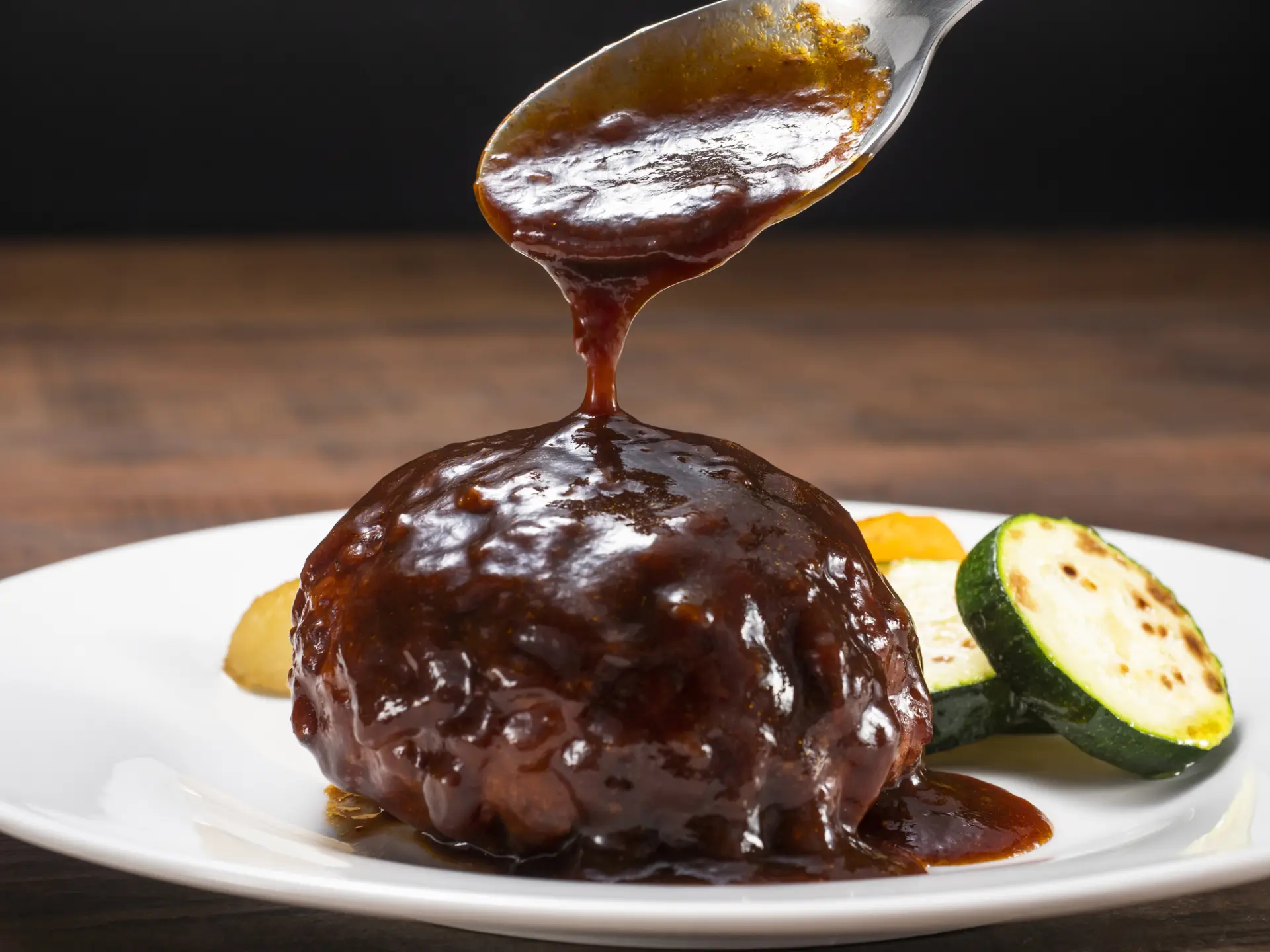
Inside Juicy, Outside Crispy
Another crucial point when it comes to hamburg steak is how it is cooked.
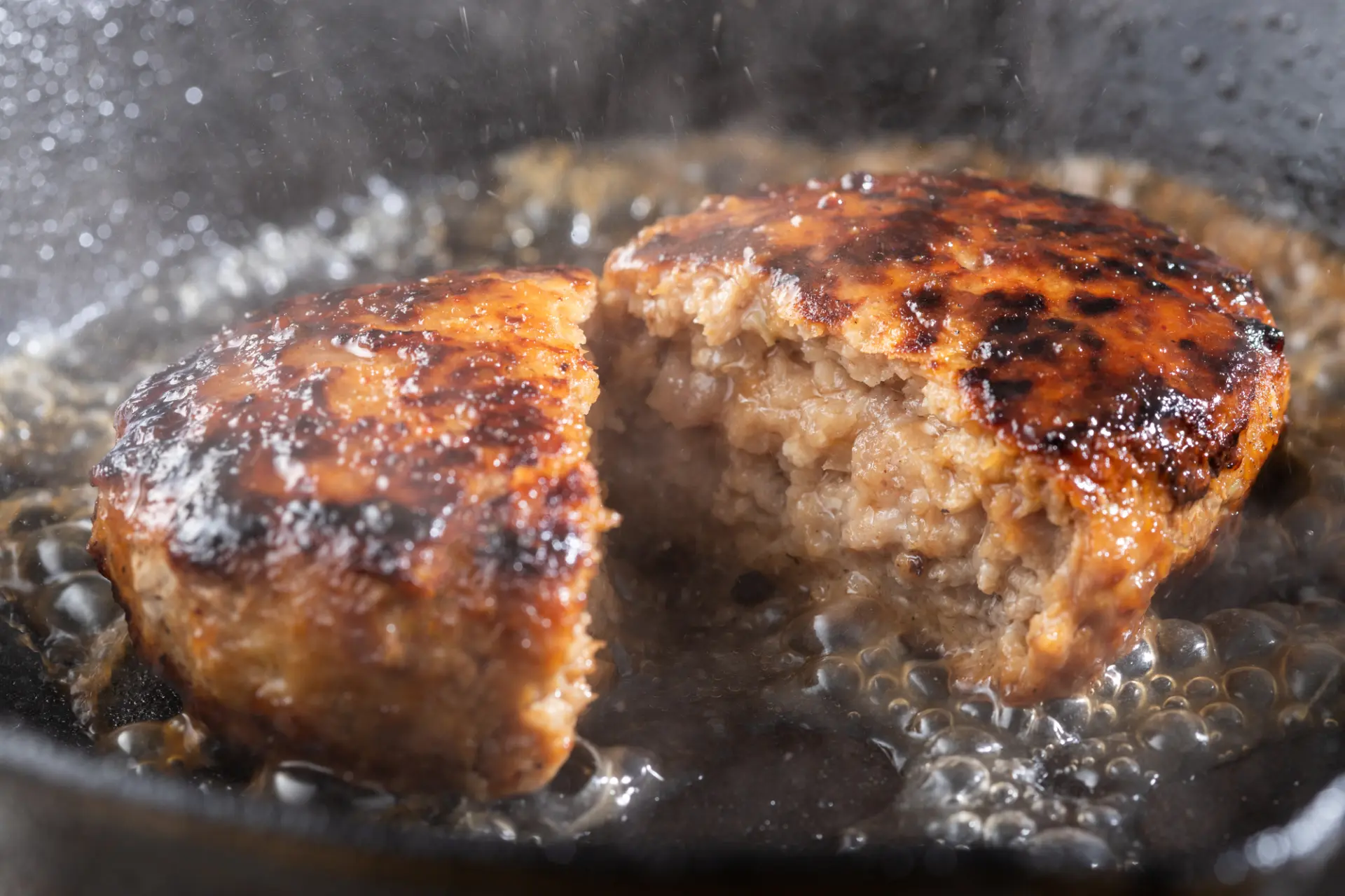
At the Japan Hamburg Association, we use the phrase IJOC, which stands for “Inside Juicy, Outside Crispy.” It describes the ideal state of hamburg steak: soft and juicy on the inside, crisp and fragrant on the outside. When people talk about what makes hamburg steak delicious, they tend to focus on the juices sealed inside. But in order to keep those juices in, it is essential that the outside be seared until crisp and aromatic. I think the appeal of hamburg steak lies not only in tenderness, but also in its bite and its variety of texture. A steak is a single cut of meat, so if the first bite disappoints, it feels as though the whole thing is beyond saving. Hamburg steak, by contrast, is a dish where technique and ingenuity can make all the difference.
As you eat, pay attention to how much flavor has been locked in by the cooking, and enjoy it through the lens of IJOC, “Inside Juicy, Outside Crispy.”
A Deep, Flexible Everyday Treat with Many Places to Encounter It
Odd as it may sound to say this now, hamburg steak actually has no clear-cut definition. In most cases, it is made by kneading minced meat and grilling it, but there are also versions made with tofu, okara, plant-based ingredients, or fish, as well as versions that are simmered or steamed rather than grilled. In that sense, dishes such as shumai dumplings, gyoza, and tsukune meatballs could also be considered part of the hamburg steak family. If you force it into a rigid mold and try to classify it too strictly, the fun disappears... To me, hamburg steak is a deeply rewarding, highly flexible everyday treat.
Another unique feature of hamburg steak is the freedom it offers on the dining side as well, because you do not have to go to a specialty restaurant to enjoy it. Of course you can find excellent hamburg steak at restaurants and classic yoshoku spots, but also at cafes, Italian restaurants, and teishoku set-meal places.
By the way, one thing I have been especially into lately is hamburg steak served at izakaya pubs. In my home prefecture of Shizuoka, there are many izakaya that serve serious 100% beef hamburg steaks. So I coined the term “Sakabag” for izakaya hamburg steak and have been promoting a culture of enjoying it with beer or a highball. I need to spread that idea even further.

The Fourth Hamburg Steak Boom Is Here!
And since the early 2020s, a fourth hamburg steak boom has been underway.
The leading players are these “evolved-style” hamburg steaks. They are particular not only about the meat but also about the rice, and they pursue the perfect pairing between hamburg steak and rice so thoroughly that they feel like an advanced version of the classic hamburg steak set meal. Another distinctive feature is that they are often served on an iron plate or with a shichirin, a small charcoal grill, so the customer finishes cooking them personally. This style has been spreading rapidly, especially in central Tokyo.
At the same time, while 100% beef and beef-pork blends used to be the standard for hamburg steak, new versions have appeared using beef-pork-lamb blends as well as fish such as tuna and sea bream.
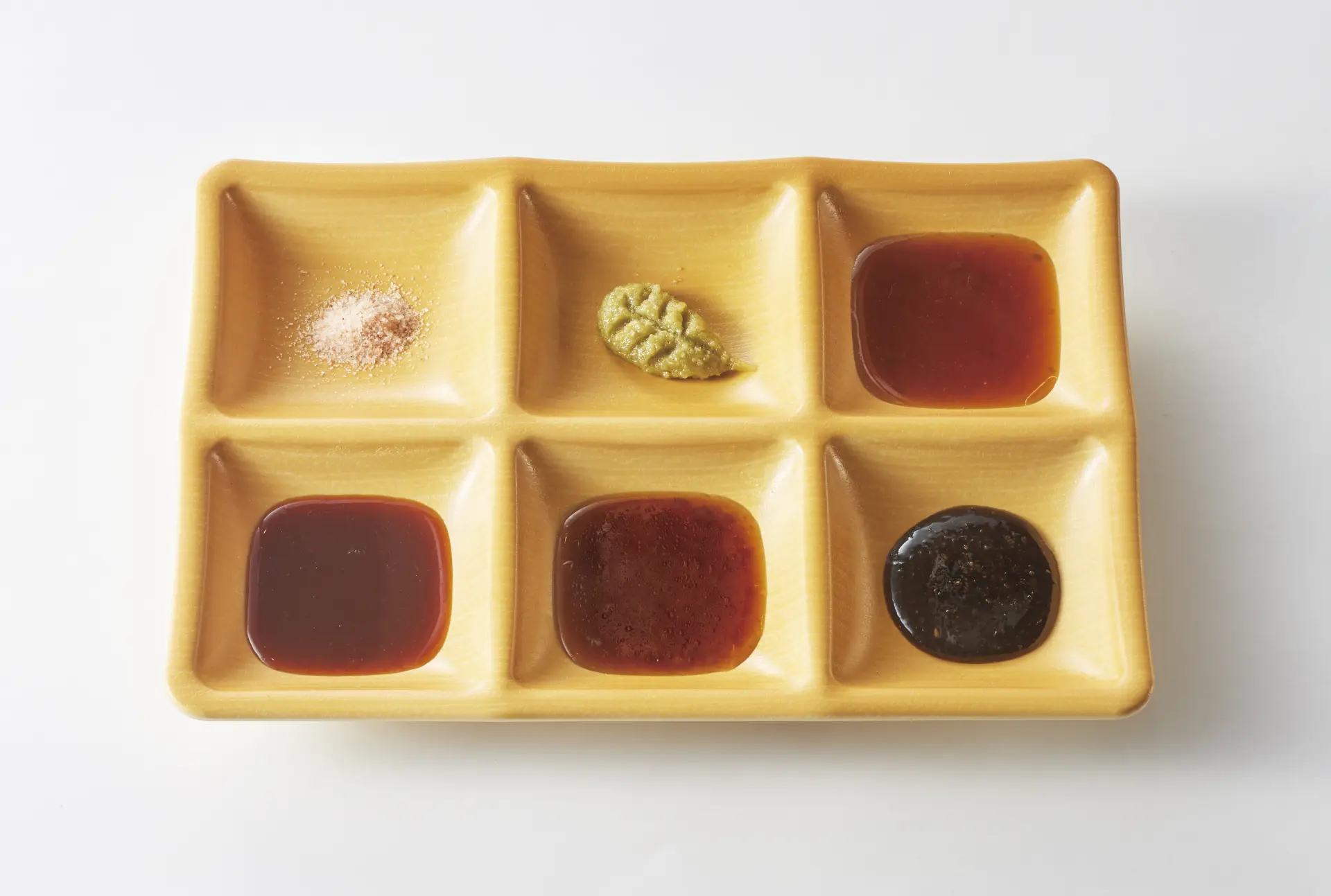
On top of that, styles centered not on sauce but on condiments and dipping sauces are also trending, including wasabi, salt, yuzu kosho, a spicy citrus-pepper condiment, onioroshi, coarsely grated daikon radish, and spicy sauces. With these fourth-wave hamburg steaks, one part of the fun is to taste them plain first and explore what goes best with them. Because multiple condiments and dipping sauces are provided as part of the entertainment, today’s boom has created a flow in which people keep changing the flavor as they eat.
What all of these share is a strong Japanese element and an appeal that suits Japanese tastes.
At this point, they have moved beyond yoshoku and entered the realm of washoku. I would love visitors from overseas to experience hamburg steak in Japan as a form of Japanese cuisine.
Enjoy It With Your Own Benchmarks: 10 Recommended Hamburg Steaks from Around Japan
Because hamburg steak is such a flexible and deep dish, it is hard to classify neatly by genre or category. Unlike ramen or curry, it is not the kind of food whose information can be clearly turned into numbers and specs. And in fact, the world of hamburg steak often has the opposite problem from ramen, which people sometimes say is a dish consumed through information, because there is so little information available. Most restaurants do not tell you the blend ratio of their mixed meat or even what they use as binders. The same goes for how they cook it. That is exactly why you should enjoy the lack of information for what it is. To do that, you need to have your own benchmark when you eat hamburg steak. It can be based on taste, mood, or anything else, but start by having just one point of comparison. Once you have that, and you dig a little deeper into how each new hamburg steak compares with it, the range of enjoyment opens up dramatically. If you are in the mood for a meaty hamburg steak and a fluffy, juicy one appears instead, that is disappointing, is it not?
With that in mind, let me introduce 10 recommended hamburg steaks from all across Japan that I truly hope you will try.
1. Hokkaido | Yoshoku CONOYOSHI Kita 18-jo Honten (Sapporo, Hokkaido)
Beautiful Presentation That Heightens the Sense of Occasion
This is a long-beloved yoshoku restaurant in Hokkaido. They operate multiple locations within Sapporo, but the Honten still stands apart. They are especially committed not only to beef and pork, but also to local ingredients, and they serve truly high-quality hamburg steak.
Of course it tastes excellent, but the presentation is also very beautiful, giving it a sense of occasion that really stimulates the appetite. It is close to Kita 18-jo Station, the second subway stop from Sapporo Station, so I think it is in an easy-to-find location for visitors as well.
2. Hokkaido | Toshi (Sapporo, Hokkaido)
Superb Hamburg Steak by a French-Trained Chef
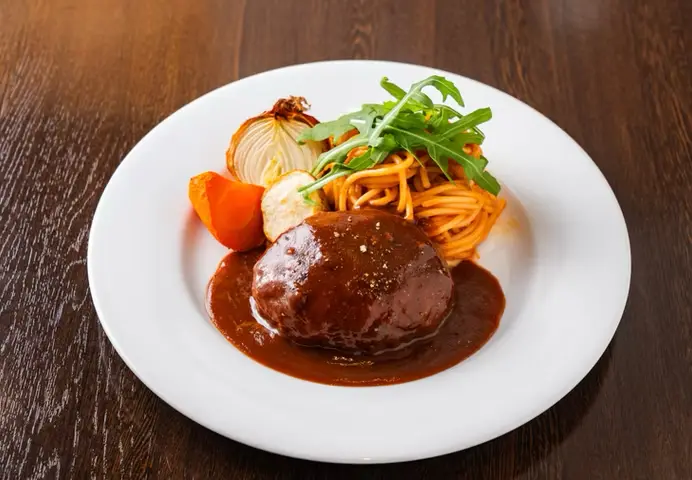
Another Hokkaido restaurant I highly recommend is Toshi, which won a gold prize in a grand prix hosted by the Japan Hamburg Association. Owner-chef Toshiya Mano, who honed his skills in the world of French cuisine, serves exquisite hamburg steak that has been calculated down to the moment it reaches your table.
My recommended dish is the restaurant’s most popular item, “Plenty of Mountain Wasabi Hamburg Steak.” Freshly grated Hokkaido mountain wasabi piled generously on top enhances the flavor of the juicy, tender hamburg steak beautifully.
3. Tohoku | HACHI Natori Honten (Natori, Miyagi)
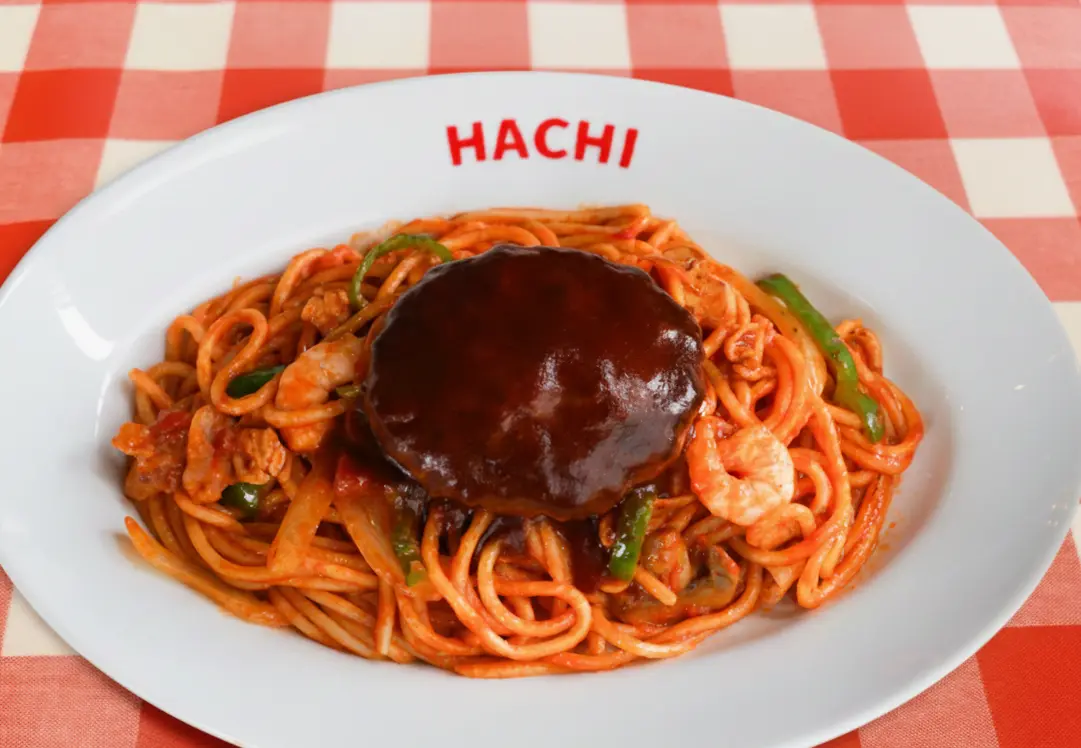
The Golden Combination of Napolitan and Hamburg Steak
From the Tohoku region, I recommend HACHI, a celebrated Napolitan restaurant with multiple locations in Miyagi Prefecture.
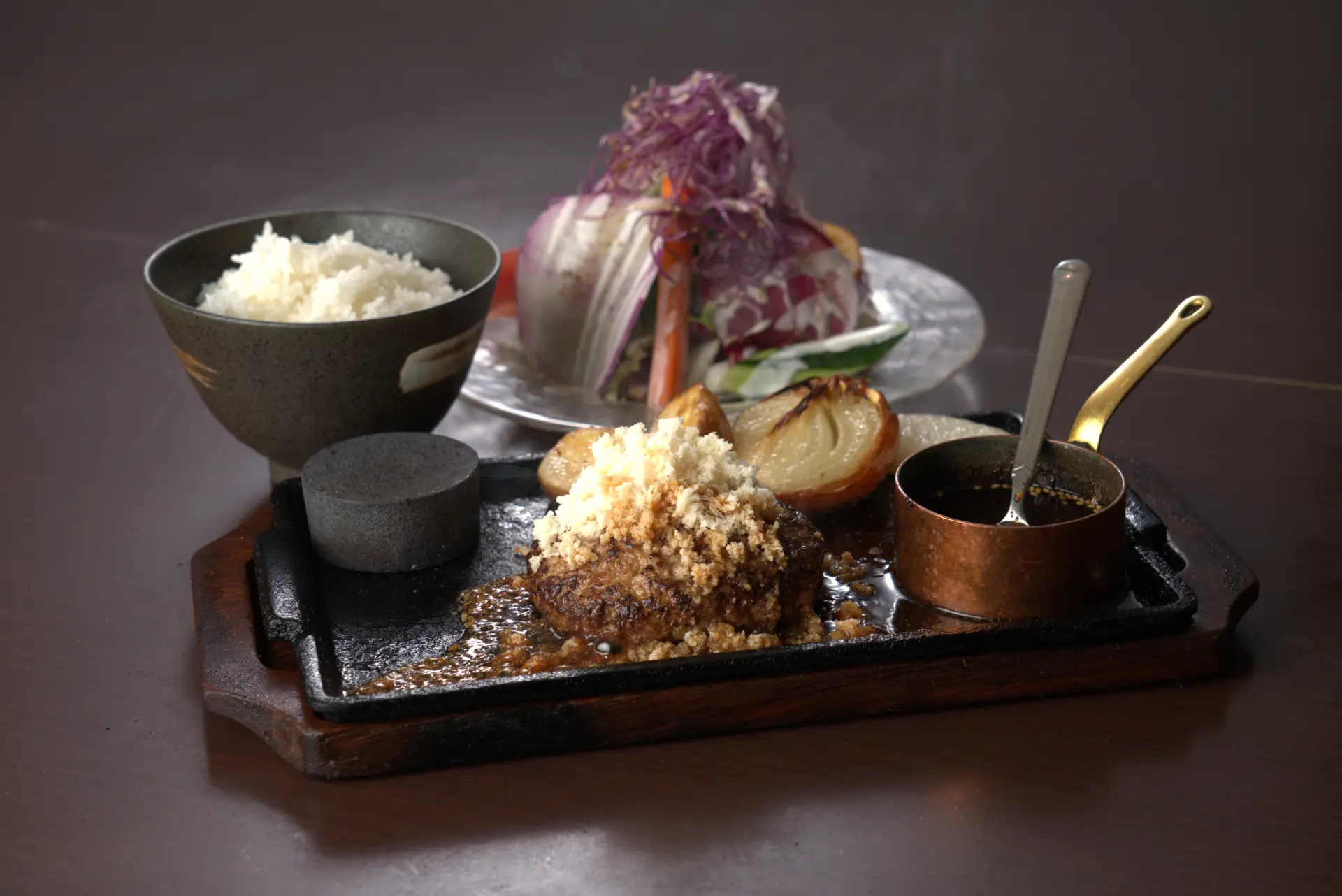
Its undisputed signature item is Hamburg Napolitan, which was crowned number one in Japan at a Napolitan grand prix. The visual impact of a classic plate of Napolitan topped with a full hamburg steak is enough to make you happy just looking at it. And the hamburg steak more than holds its own against the pasta. You can choose between two versions: a golden-ratio beef-pork blend or 100% Sendai beef.
4. Kanto | UCHOUTEN (Toshima-ku, Tokyo)
A Famous Restaurant That Reigns Supreme in Ikebukuro’s Fierce Battleground
Among all the restaurants I want to recommend in the Kanto region, Ikebukuro is an especially fascinating battleground.
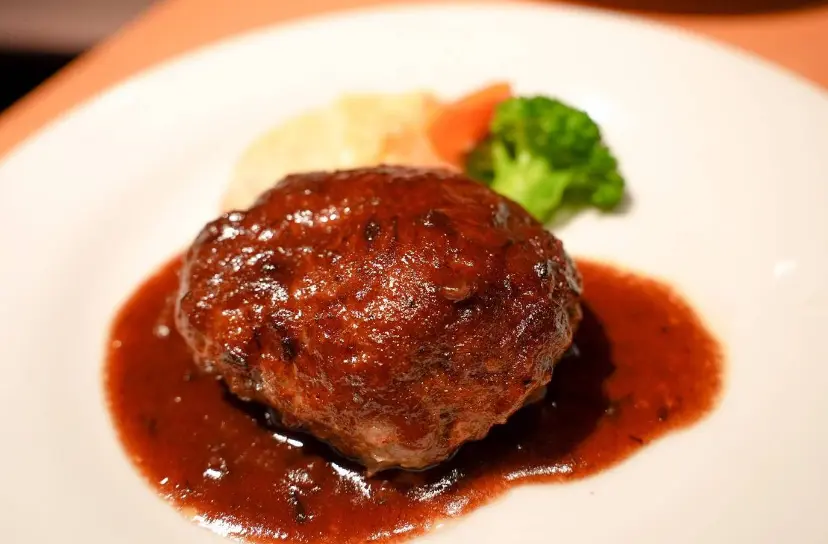
The phrase “the four heavenly kings of Ikebukuro hamburg steak” has even been coined, and at the top of that group is UCHOUTEN. It has won many grand prix titles and awards, and to me it is one of the very best restaurants there is. The way it is cooked follows the IJOC ideal and locks in an extraordinary amount of juice, and even the demi-glace uses oxtail. According to the owner, “it has the highest ingredient cost in Japan.” Above all, the match between the hamburg steak and the sauce is magnificent, and the result is absolutely delicious.
5. Kanto | Sapporo Ushitei Nishi-Ikebukuro Store (Toshima-ku, Tokyo)
Meltingly Tender Despite Being 100% Beef
My second Kanto recommendation is also from Ikebukuro’s four heavenly kings: Sapporo Ushitei. It is so popular that last year it even expanded to two locations in Ikebukuro.
As the name suggests, its Honten is in Sapporo, but I actually think the Ikebukuro location tastes even better. It seems to use the same ingredients, but I suspect the method, especially the way it is cooked, is different. Even though it is 100% beef, it is astonishingly tender and feels like one of the pioneers of the melt-in-your-mouth style of hamburg steak. Another distinctive feature is its addictive spicy sauce, unlike anything I have seen elsewhere.
6. Chubu | Soyokaze (Numazu, Shizuoka)
A Steak-Like, Extra-Meaty Hamburg Steak
Since Shizuoka is my home turf, I feel especially passionate about the Chubu region. My first recommendation here is Soyokaze in the port city of Numazu.
Shizuoka is home to a famous chain called Sawayaka, which operates 35 locations around the prefecture, and Soyokaze in the port city of Numazu is often described as the restaurant most likely to succeed it.
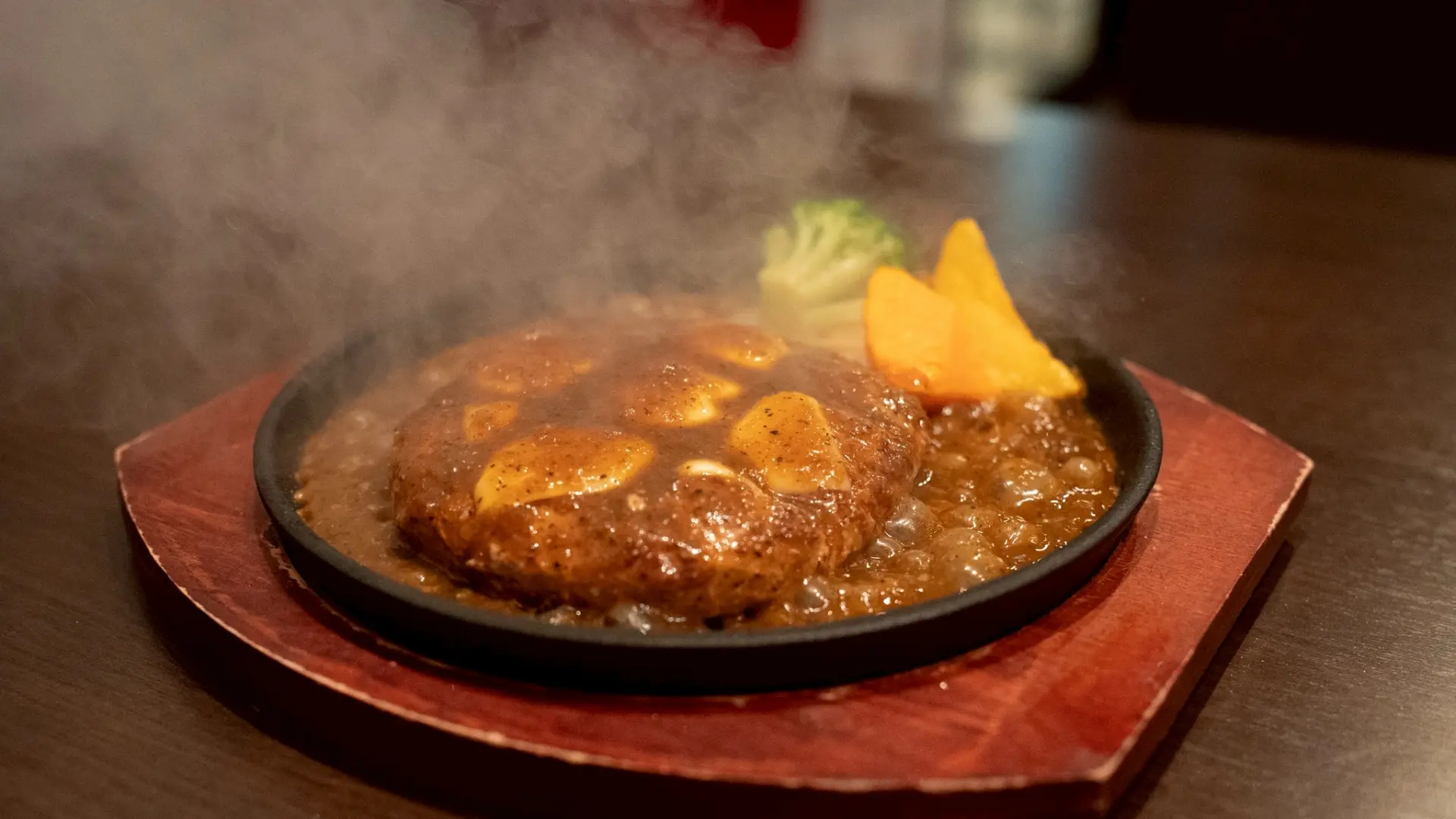
Like Sawayaka, it serves 100% beef hamburg steak with no binders, but it also mixes in various additional elements, including what seems to be thinly sliced meat. It feels closer to steak than most hamburg steaks, yet it is still distinct from steak, with a uniquely meaty character all its own. In any case, the texture is intensely meaty. It is exactly the kind of Japanese hamburg steak I would love people from overseas to try.
7. Chubu | Hanayori, Hamburg. ASTY Shizuoka Store (Shizuoka, Shizuoka)
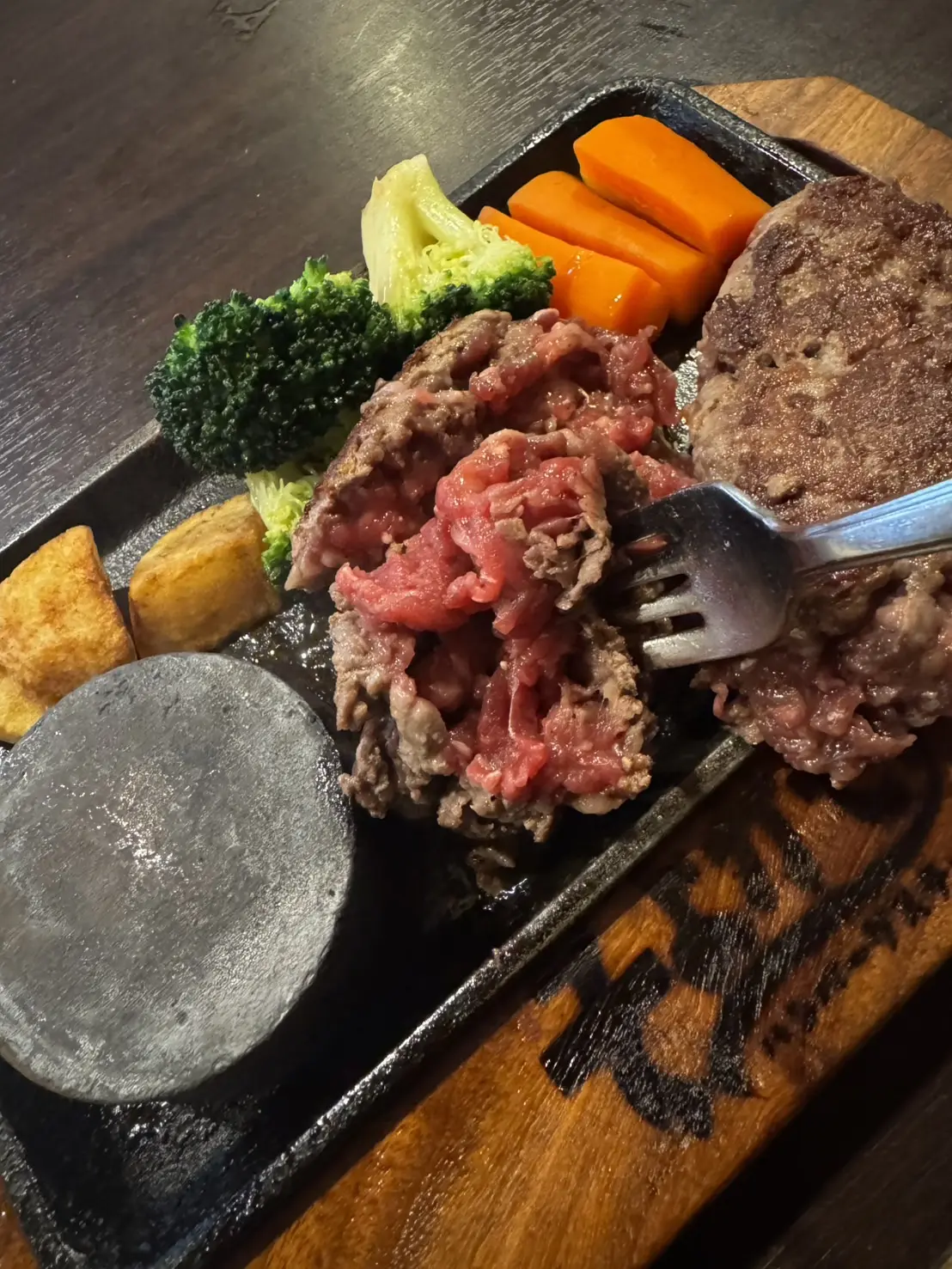
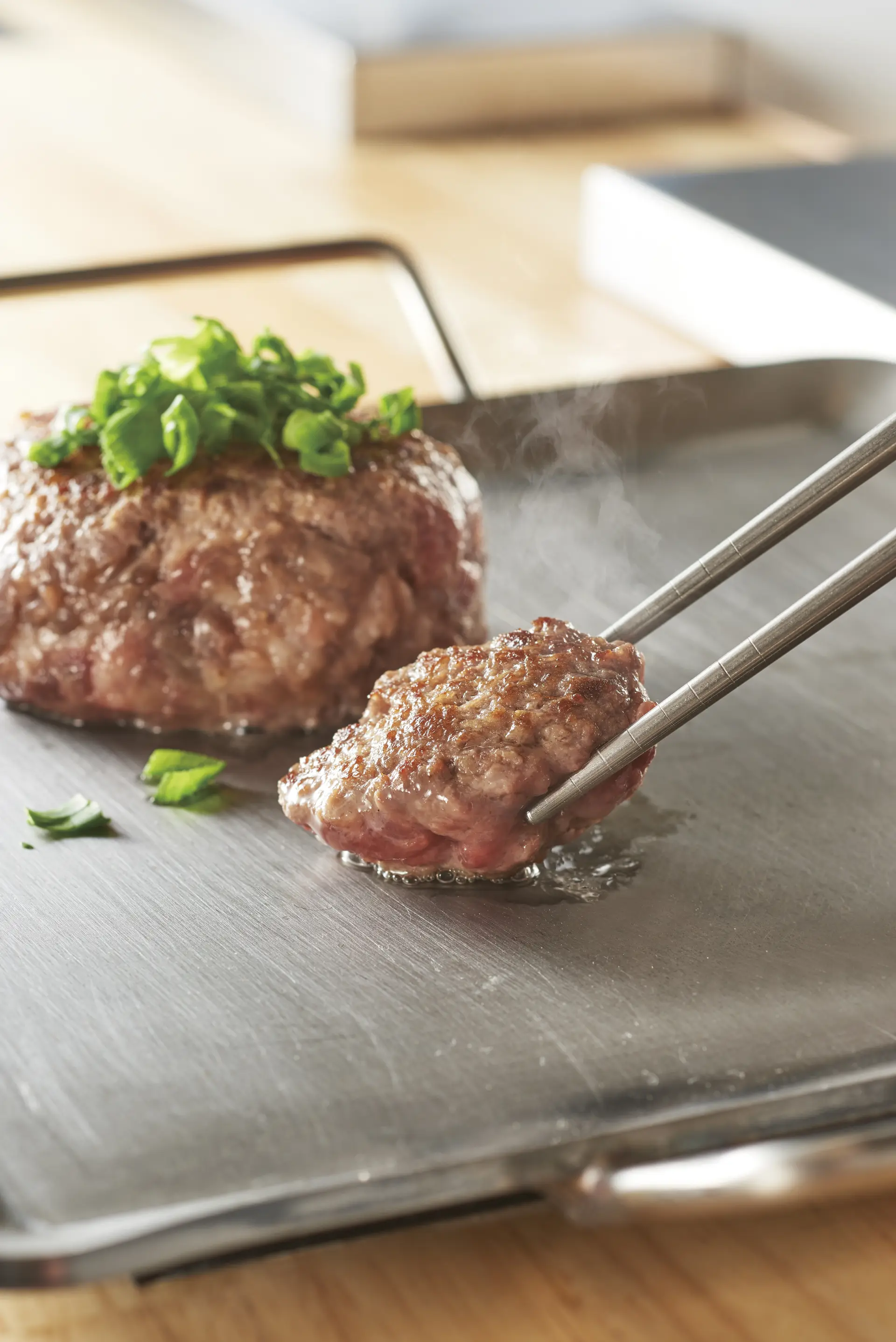
An Evolved Style You Tear Apart with Chopsticks and “Raise” to Your Preferred Doneness
My second Chubu recommendation is a restaurant called Hanayori, Hamburg., whose roots lie in Yokohama. In Yokohama, there is a chain called Hungry Tiger that has been around since around 1960 and is often described as the original 100% beef, no-binder hamburg steak restaurant.
Hanayori, Hamburg. was one of the hit restaurants to emerge from that Yokohama lineage. Created by a Shizuoka meat company, it presented itself as a post-Sawayaka restaurant. As I mentioned earlier when talking about the current boom, it takes the self-cooking style even further. The hamburg steak is lightly seared first, and then you tear it apart yourself with chopsticks and continue cooking it to your preferred doneness as you eat.
Here too, the style centers not on sauce but on condiments, and it also expresses a clear sense of place by highlighting Shizuoka specialties such as wasabi.
8. Kansai | Yoshoku no Mise Monami (Osaka, Osaka)
Flat, Oversized Patties Packed with Kobe Beef Flavor
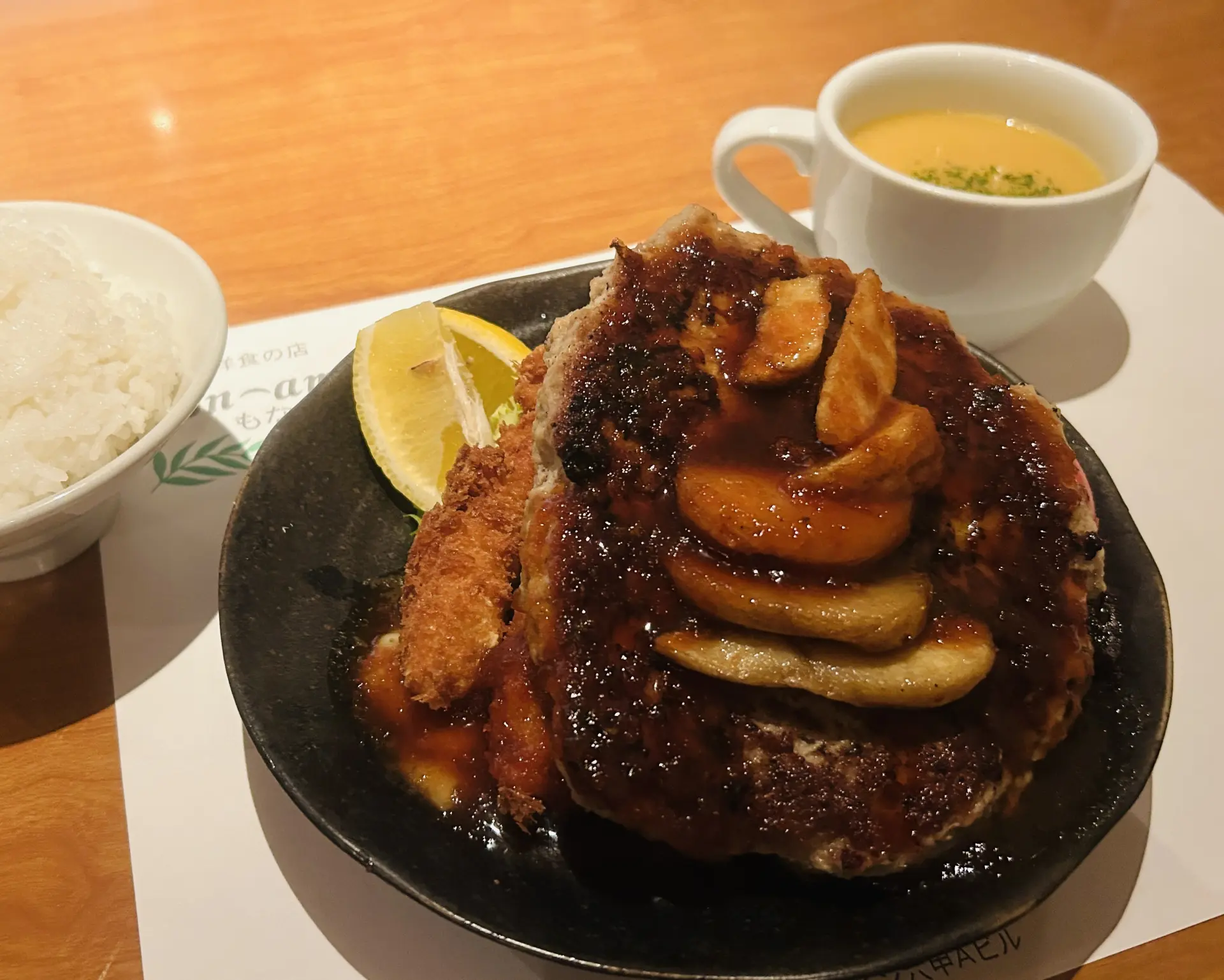
The Kansai region is another difficult one to narrow down, but Yoshoku no Mise Monami simply cannot be left out. Located in one corner of Karahori Shotengai, a shopping street that still preserves the atmosphere of old Osaka, it is a hugely popular yoshoku restaurant with lines that never seem to end.
Its signature dish, so compelling that it makes even Osaka locals, who hate lining up, wait patiently, is a large, flat hamburg steak that spreads boldly across the plate. The minced meat is made with generous amounts of Kobe beef, and the patty is grilled so that the outside is deeply browned and fragrant while the inside stays soft and fluffy. The sauce is a light Japanese-style one based on soy sauce, fruity and slightly sweet. It brings out the rich flavor of the domestic beef perfectly.
9. Chugoku and Shikoku | WUTO-WURK (Anan, Tokushima)
More Than 10 Hamburg Steaks Showcasing Local Ingredients
From the Chugoku and Shikoku region, I recommend WUTO-WURK in Tokushima Prefecture.
This goes back quite a while, but it won an award at Izakaya Koshien, a competition in the restaurant industry, which is especially striking because it is an Italian restaurant rather than an izakaya. It has that kind of passionate energy, and it is also involved in all sorts of efforts for the local community.
The restaurant offers more than 10 varieties of hamburg steak, and it does an especially good job of highlighting the fact that it uses local Tokushima ingredients. For that reason as well, it is a dependable restaurant that has helped establish the popularity of hamburg steak within its region.
10. Kyushu and Okinawa | Hamburg House Gyusha (Kurume, Fukuoka)
A Rare Local Sauce in the Hamburg Steak World, and It Is Outstanding
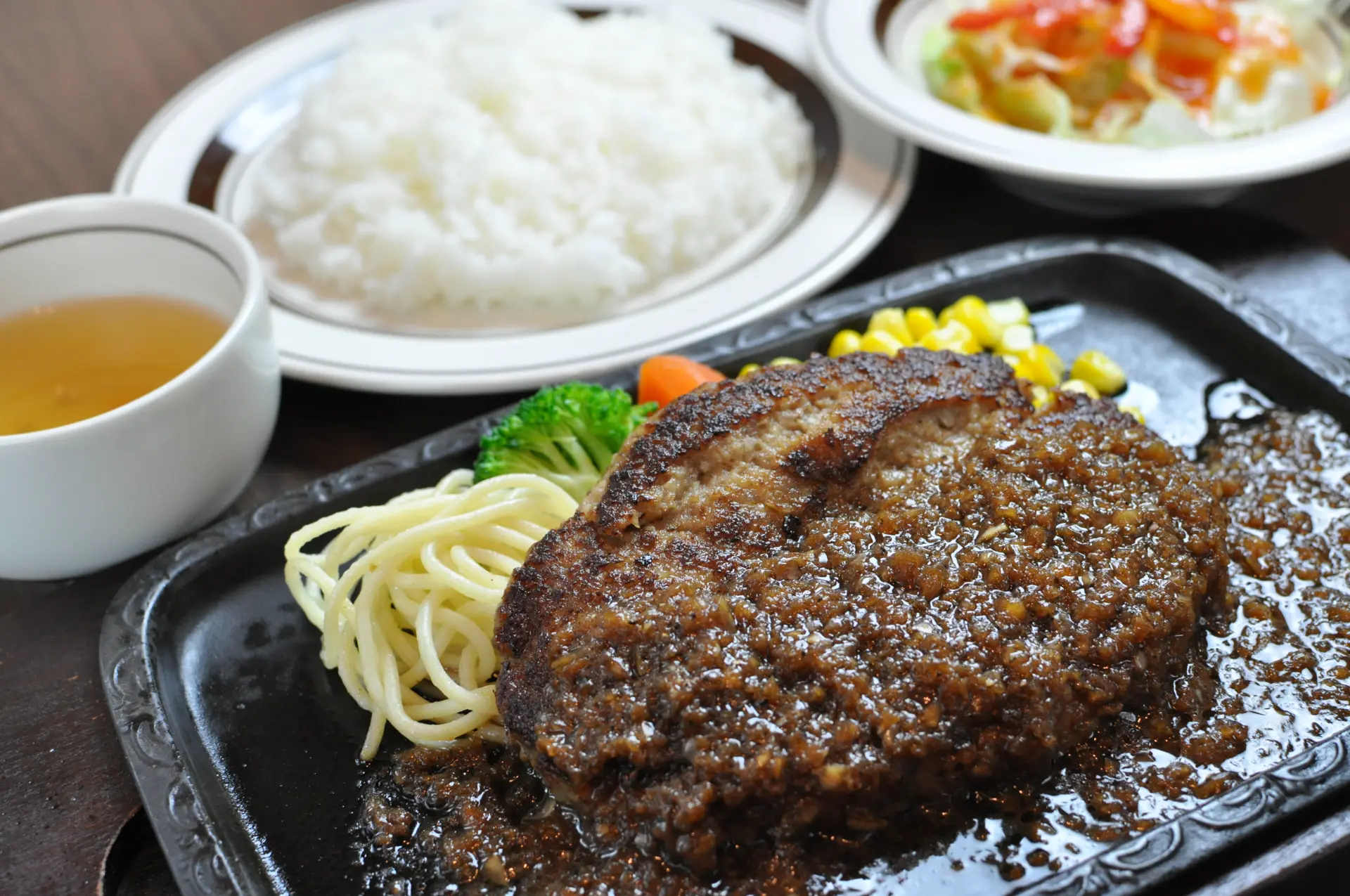
And finally, for Kyushu and Okinawa, my pick is Hamburg House Gyusha in Kurume, Fukuoka Prefecture. Here, tender hamburg steak made with Wagyu beef is enjoyed with a sauce called “Japone Sauce,” which is said to have originated here.
“Japone Sauce” is a local sauce made with Kyushu’s sweet soy sauce, aromatic vegetables such as ginger, onion, and garlic, and an oil-based element. There are not many examples of truly local sauces in the hamburg steak world. In a field where demi-glace, tomato, and cheese sauces are the norm, I think there is real value in using a regional sauce beloved by people in Kyushu. It is a rare kind of hamburg steak restaurant, one that lets you feel a strong local identity.
Summary
The Wonderful World of Japanese Hamburg Steak: From Classics to Evolved Styles, It Deserves to Be Explored in Full!
Even though we casually call it hamburg steak, each restaurant’s version differs completely in flavor and style, and the more you learn, the deeper you fall into its fascinating world.
From old-school yoshoku styles to evolved forms that can now be considered Japanese cuisine, an astonishing variety of hamburg steaks is waiting all across Japan. You cannot talk about Japanese food without eating hamburg steak!

Supervising Editor
Hamburg Steak Expert / Hamburg Steak Communicator
Burgman Tagata
NO HAMBURG, NO LIFE!