
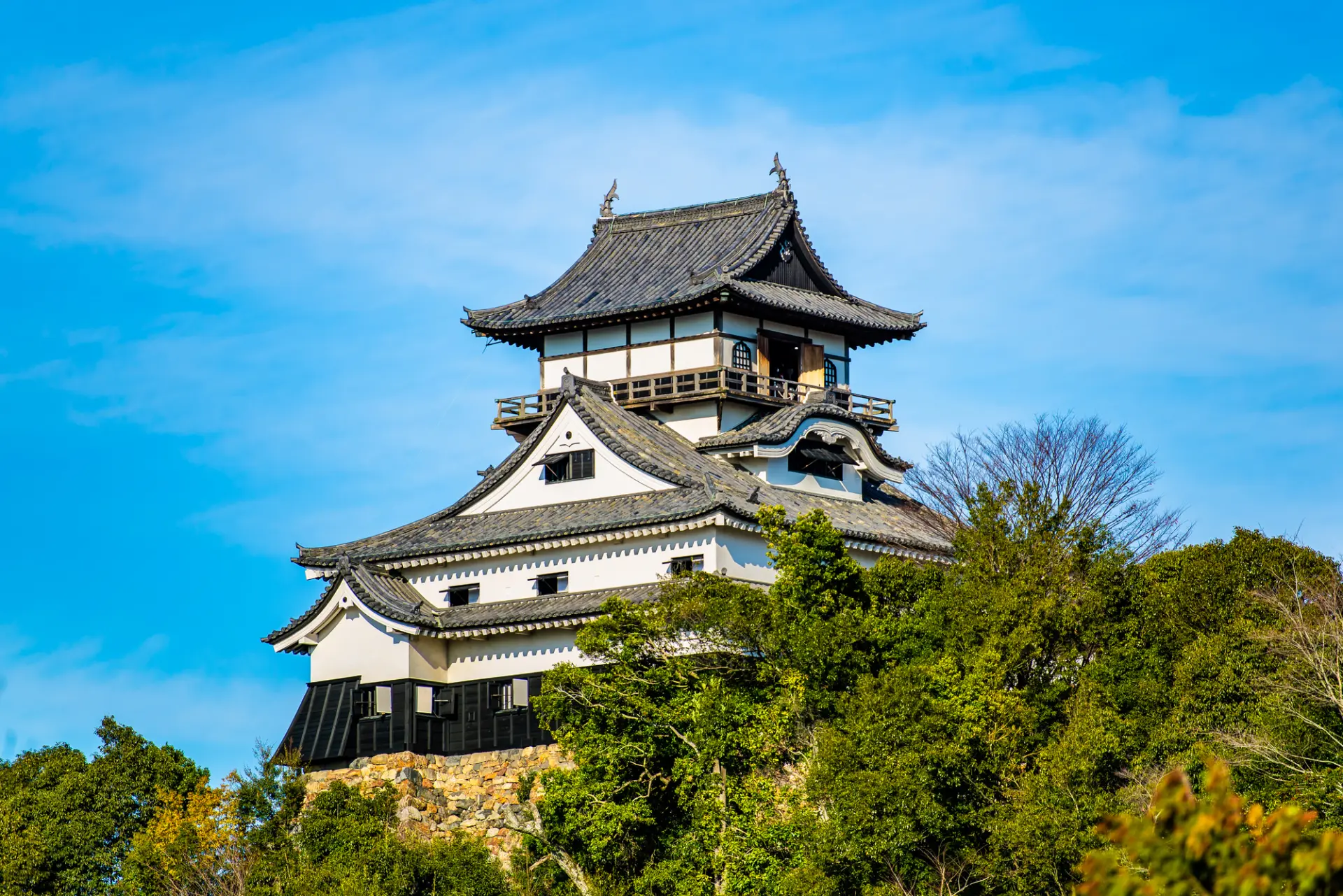
Complete Travel Guide to Inuyama Castle, Home to Japan’s Oldest Existing National Treasure Castle Keep
Inuyama Castle in Aichi Prefecture is a historic landmark with Japan’s oldest existing castle keep.
Strategically located during the Sengoku period (1467–1573), it was fought over by many warlords, and its castle town still preserves streetscapes from the Edo period.
With photogenic spots, street food, and hands-on activities, it has become especially popular with younger travelers in recent years.
This article introduces Inuyama Castle’s basic information, highlights, and the best ways to enjoy it.
We’ve gathered all the key details first-time visitors need, so be sure to read to the end.
What is Inuyama Castle Like?
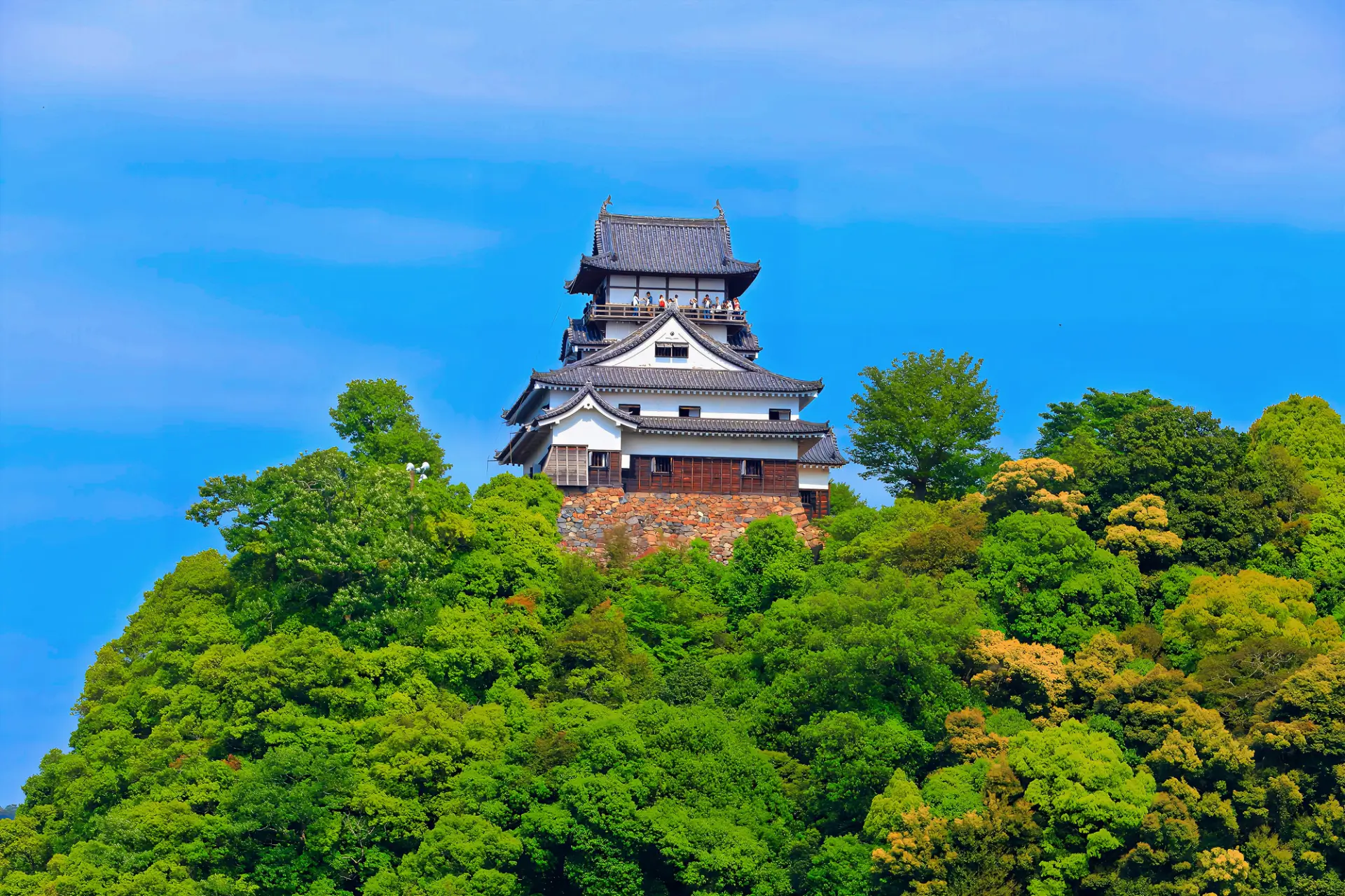
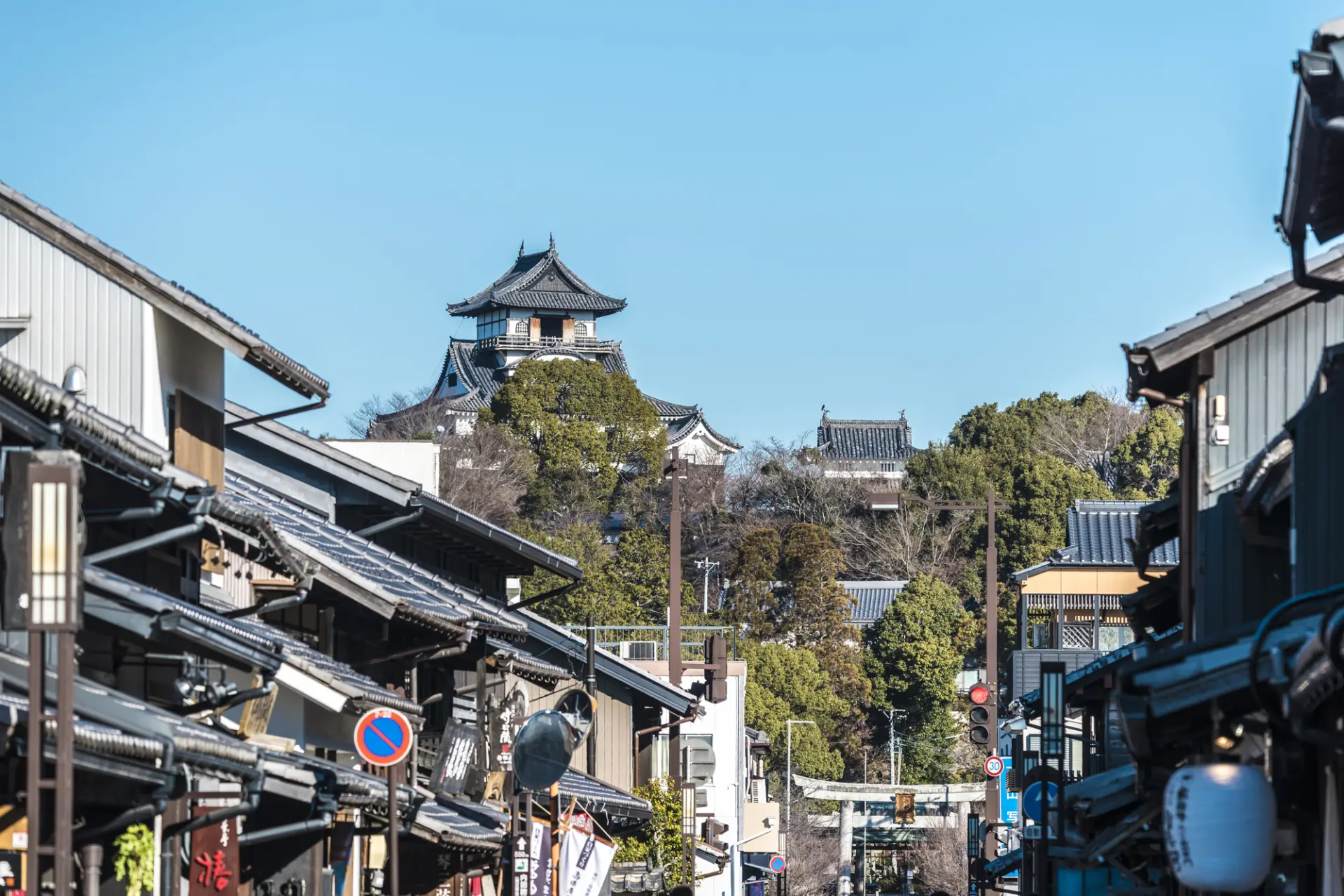
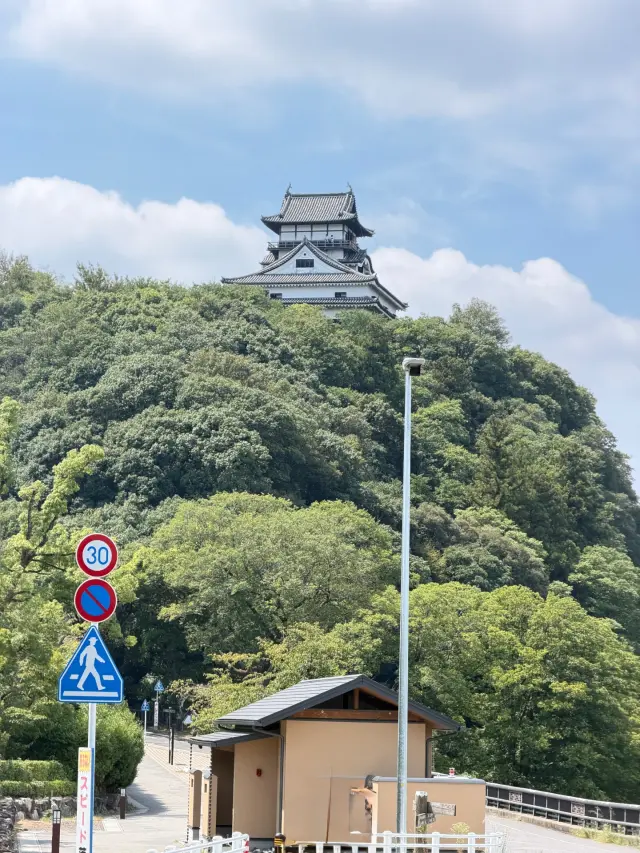
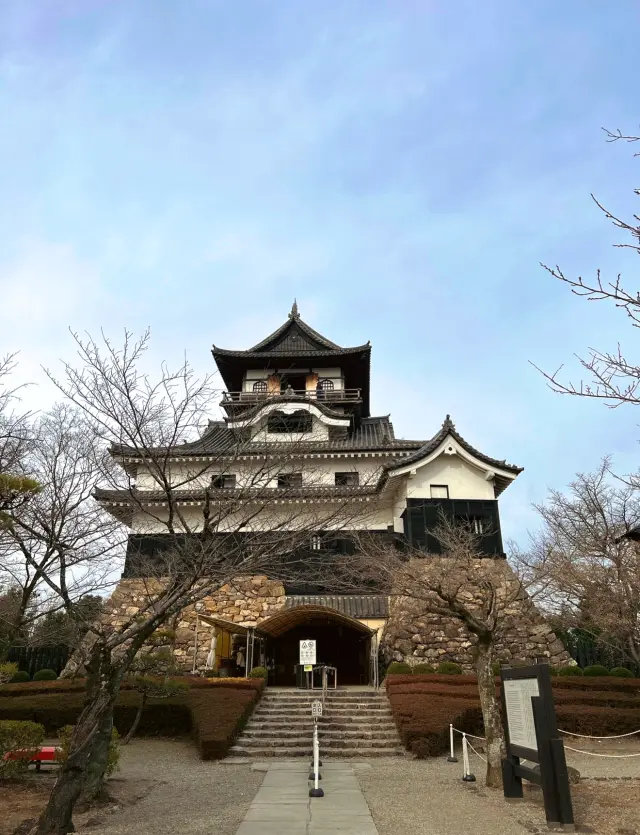
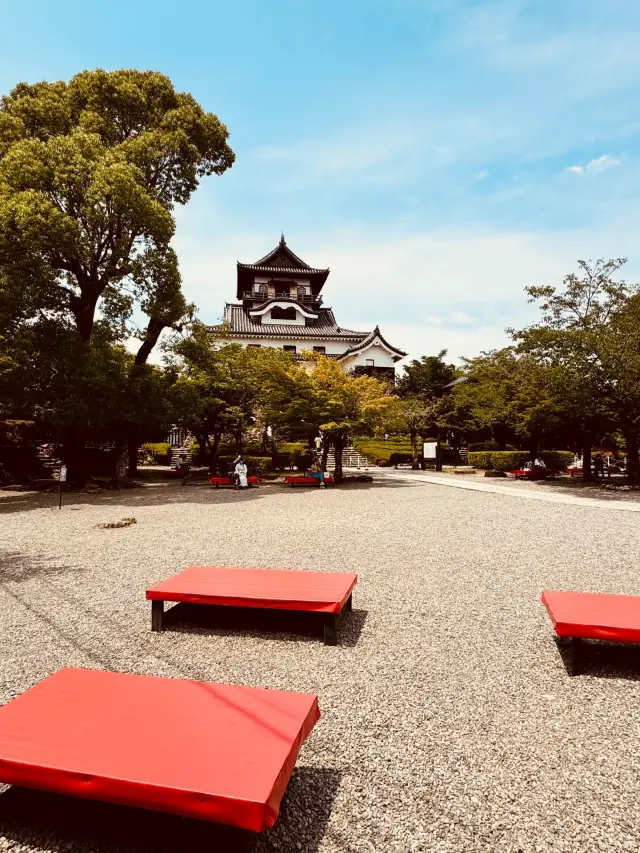
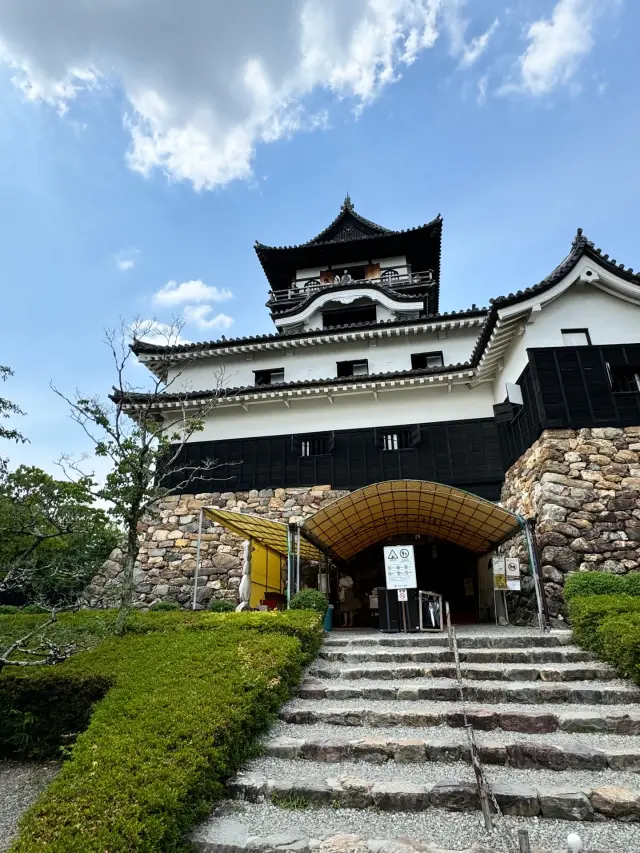
Perched on a cliff above the Kiso River in Inuyama, Aichi Prefecture, the National Treasure Inuyama Castle is a historic landmark with Japan’s oldest existing castle keep.
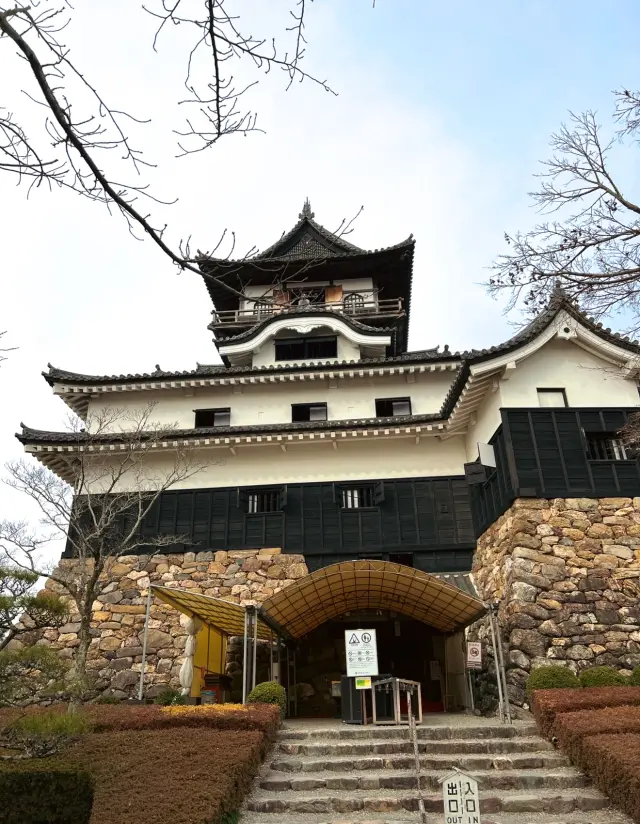
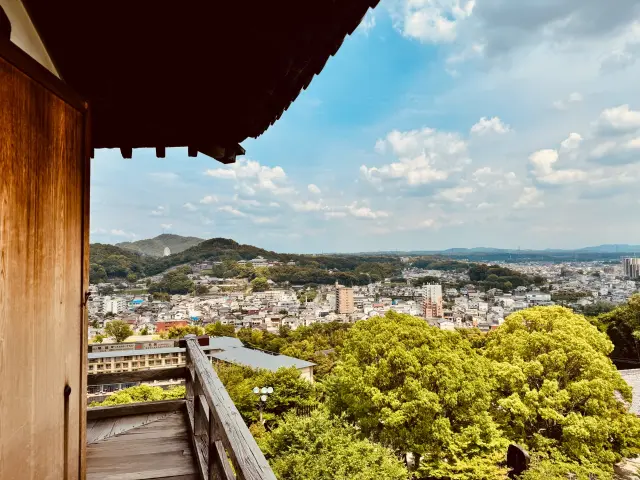
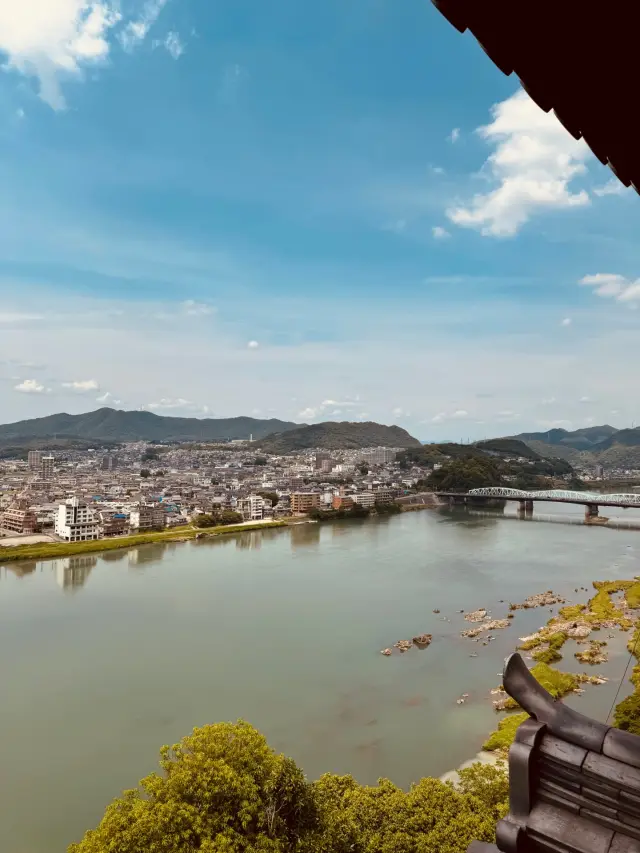
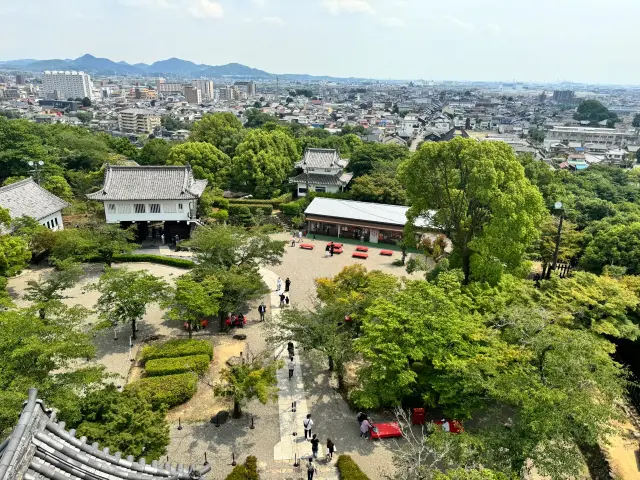
The keep has three exterior tiers, four interior floors, and two basement levels, preserving architectural features from the Sengoku period. From the wraparound balcony on the top floor, you can take in sweeping 360-degree views of Mount Ontake and Gifu Castle.
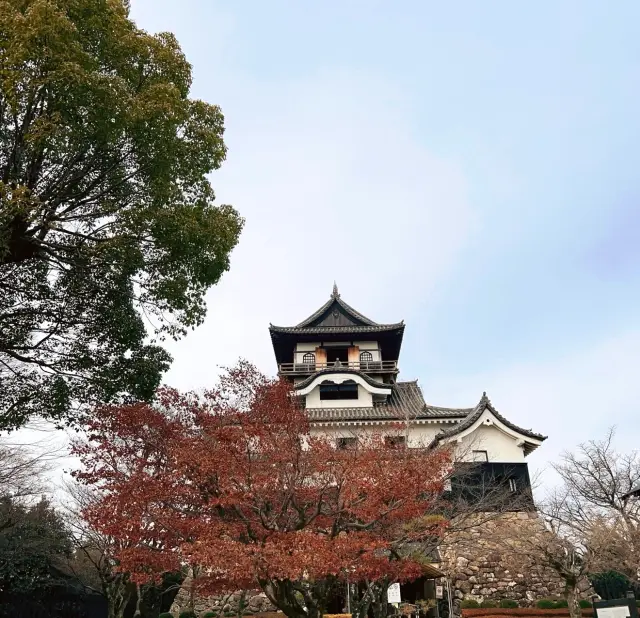
Cherry blossoms in spring and fall foliage in autumn add seasonal color to the castle, while the castle town below still retains a street layout largely unchanged from the Edo period (1603–1868).
Traditional buildings from the Edo through Showa periods line the streets, drawing many visitors who enjoy strolling and sampling local food while soaking up the atmosphere.
Inuyama Castle is also famous as “the last privately owned castle in Japan,” as it was unusually owned by the Naruse family until 2004.
The History of Inuyama Castle
Inuyama Castle is said to have been built in 1537 by Nobuyasu, the uncle of Oda Nobunaga.
With a cliff at its back that made it difficult for enemies to attack and a strategic position along the Kiso River, it became an important military base over the long term.
After the Honno-ji Incident in 1582, the situation changed dramatically, and in the Battle of Komaki and Nagakute in 1584, Toyotomi Hideyoshi occupied the castle.
As the castle’s lords changed rapidly, Ogasawara Yoshitsugu, aligned with Tokugawa Ieyasu, entered the castle in 1600.
In 1617, Naruse Masanari, a senior retainer of the Owari Tokugawa family, became lord of the castle. The Naruse family then ruled and protected it for Approx. 250 years over nine generations.
During the Meiji period (1868–1912), the Nobi Earthquake partially destroyed the keep, but it was restored through the efforts of the Naruse family and local residents, and it was designated a National Treasure in 1935.
Access to Inuyama Castle
The nearest station to Inuyama Castle is Inuyama Station on the Meitetsu Inuyama Line.
It is a bit of a walk from the station at Approx. 20 minutes, but the route passes through the castle town, making it enjoyable for a stroll.
If you are short on time or have a lot of luggage, taking a taxi is recommended, which takes around 5 minutes.
Below is access information starting from Nagoya Station, a base for sightseeing in Nagoya, as well as Tokyo Station and Shin-Osaka Station.
| Starting Point | Route | Travel Time |
|---|---|---|
| Nagoya Station |
From Meitetsu Nagoya Station, take the Meitetsu Inuyama Line Rapid Limited Express bound for Shin-Unuma, get off at Inuyama Station, and arrive *Direct access from Chubu Centrair International Airport is also possible |
Approx. 30 minutes |
| Tokyo Station |
1. From JR Tokyo Station, take the JR Shinkansen Nozomi to Nagoya Station, then transfer to the Meitetsu Line 2. From Nagoya Station, take the Meitetsu Inuyama Line Rapid Limited Express bound for Shin-Unuma, get off at Inuyama Station, and arrive |
Approx. 2 hours 25 minutes |
| Shin-Osaka Station |
1. From JR Shin-Osaka Station, take the JR Shinkansen Nozomi toward Tokyo to Nagoya Station, then transfer to the Meitetsu Line 2. From Nagoya Station, take the Meitetsu Inuyama Line Rapid Limited Express bound for Shin-Unuma, get off at Inuyama Station, and arrive |
Approx. 1 hour 40 minutes |
Inuyama Castle Hours and Admission
Inuyama Castle’s hours and admission fees are as follows.
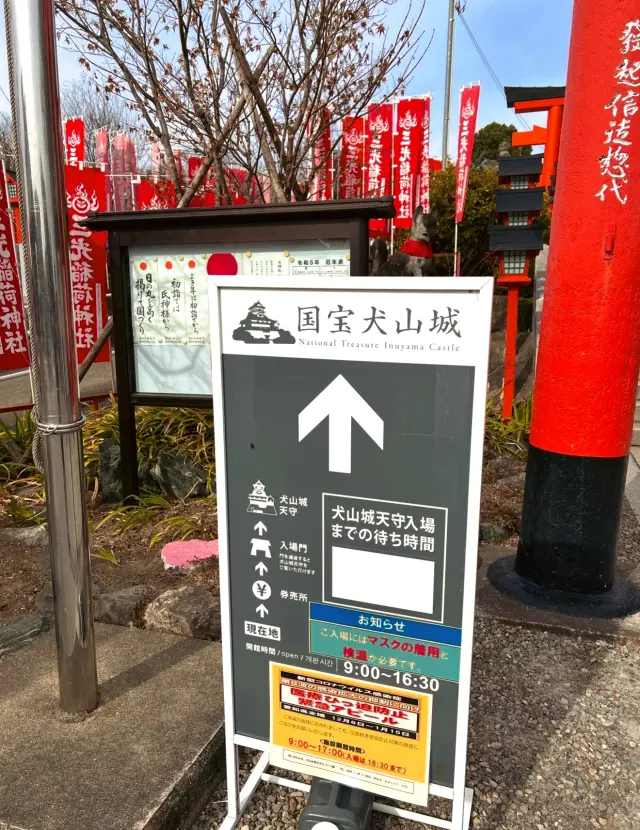
Show your purchased ticket at the entrance to enter, and when crowded, line up according to the signs.
Please note that large luggage cannot be brought inside and should be stored in a coin locker.
Discounted tickets such as the Inuyama Castle Town Tour Ticket and the Inuyama Castle + Meiji Mura Set Ticket are also recommended.
- Hours
-
9:00am–5:00pm (Last admission at 4:30pm)
*Admission may be restricted depending on crowd conditions; closed from December 29 to 31 - Admission
-
Adults: 1,000 yen
Elementary and junior high school students: 200 yen
*Free for preschool children; group rates available
When Is the Best Season to Visit Inuyama Castle?
Inuyama Castle can be enjoyed in any season, but spring is especially recommended when the cherry blossoms are in full bloom.
The blossoms typically peak from late March to early April, when Approx. 400 cherry trees bloom around Inuyama Castle and along the Kiso River.
The view from the keep is spectacular, of course, and the contrast with the sturdy stone walls is especially atmospheric, offering different impressions depending on the angle.
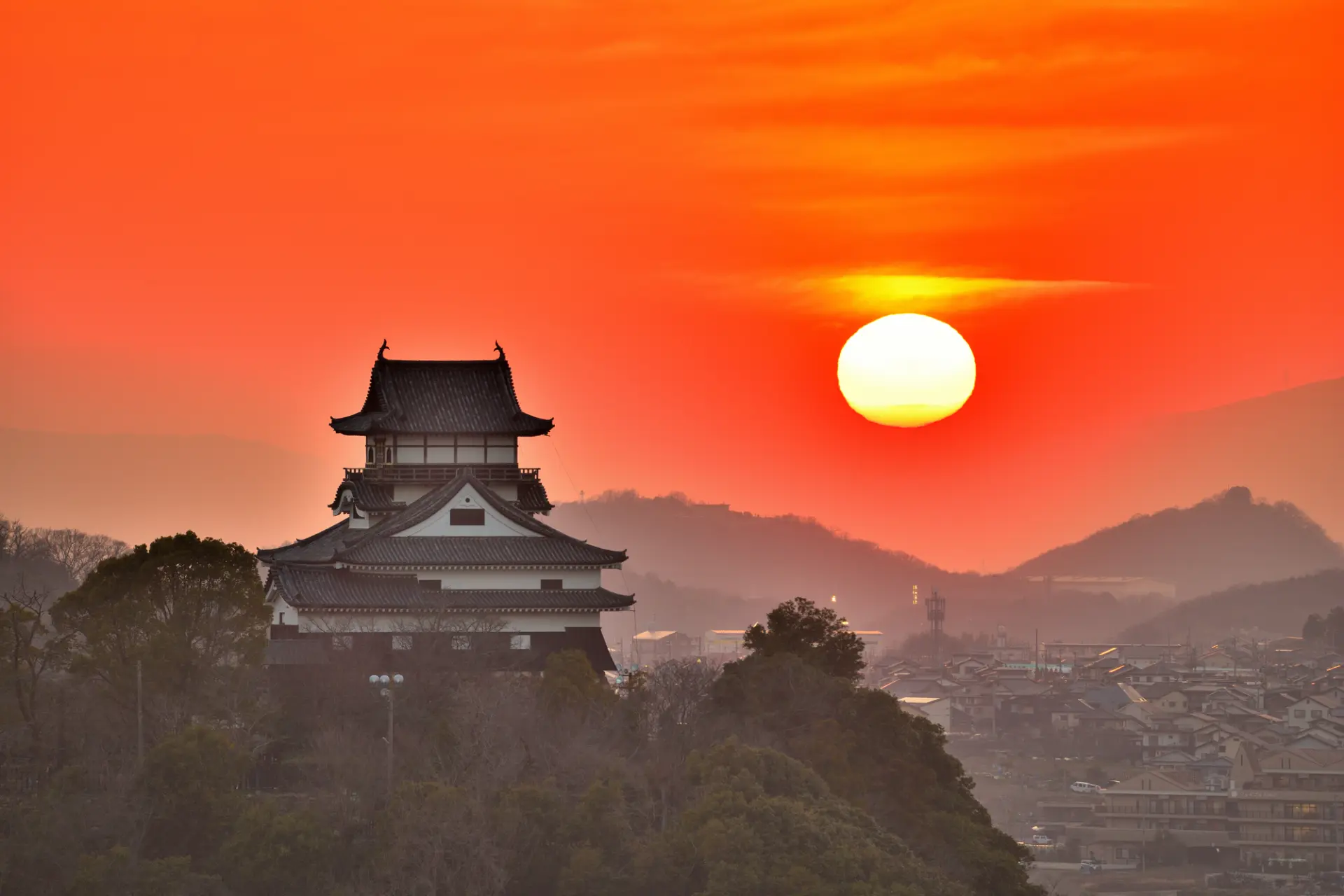
After sunset, the illuminated scenery glows beautifully, creating a dreamlike atmosphere quite different from the daytime view.
Also, the Inuyama Festival, a UNESCO Intangible Cultural Heritage event, is held on the first Saturday and Sunday of April and is the most exciting time of the year.
Don’t Miss These 5 Highlights of Inuyama Castle
Here are five highlights of Inuyama Castle.
Each is a famous spot where you can experience Inuyama’s history and culture, and even though they are in different locations, you can feel how they are connected.
There is both quiet and lively energy here, along with many photogenic views, so even moving between spots becomes part of the sightseeing experience.
Use the following information to help plan your trip.
1. Castle Keep
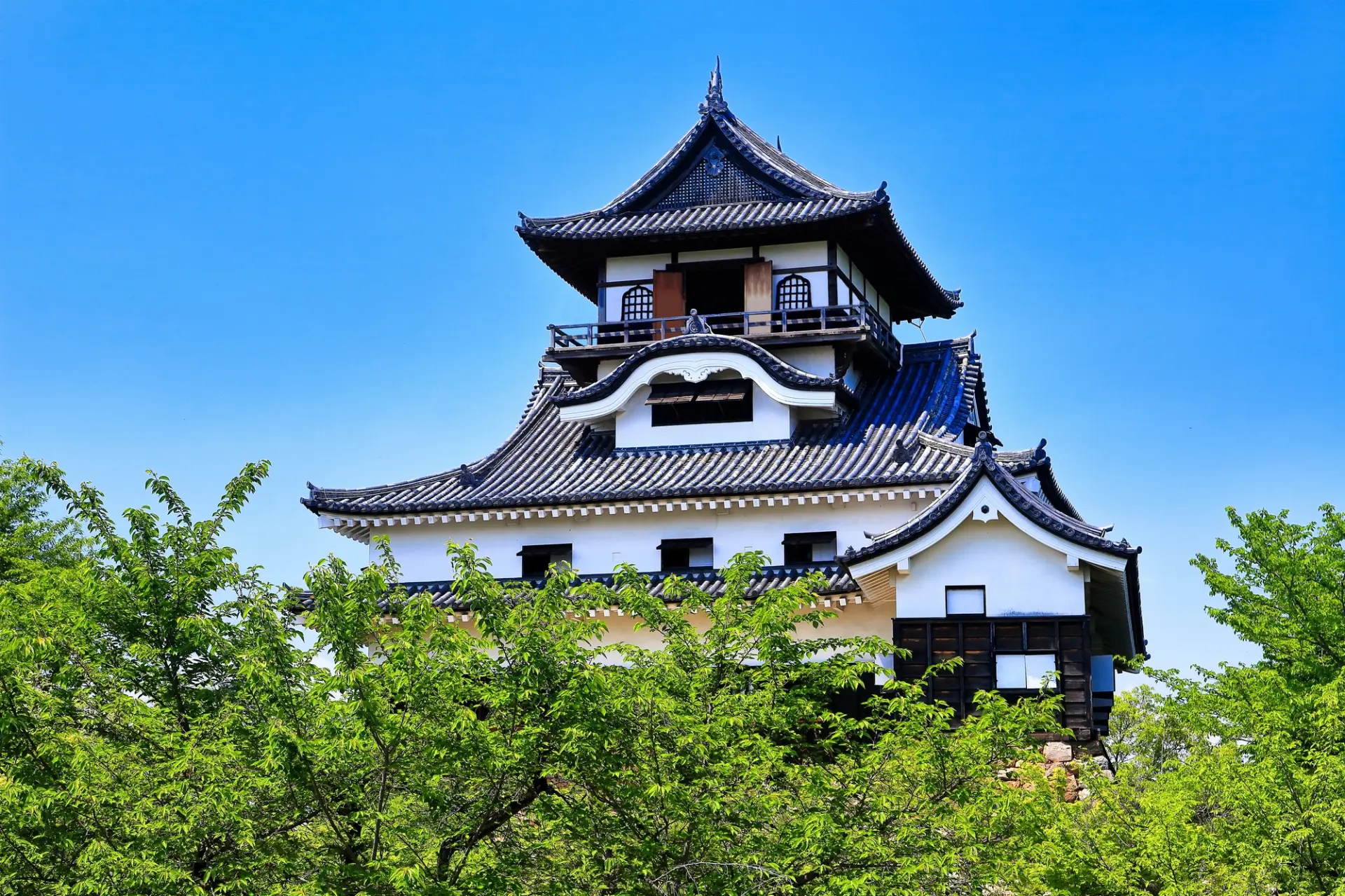
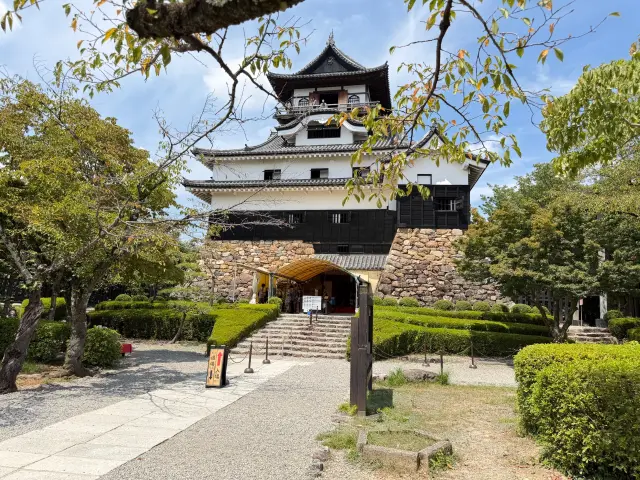
The greatest appeal of Inuyama Castle is, of course, Japan’s oldest wooden castle keep.
While it appears to have three tiers from the outside, the interior has four floors, preserving a classic structure. The north-south kara-hafu gables and east-west irimoya gables give it an elegant look.
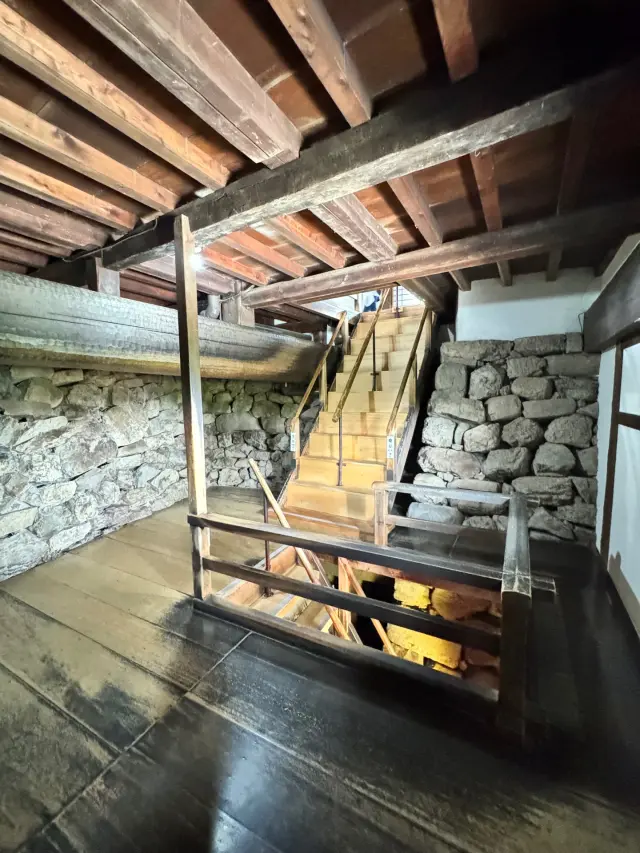
Inside, thick beams and pillars remain as they are, and the creaking floorboards let you feel the breath of history firsthand.
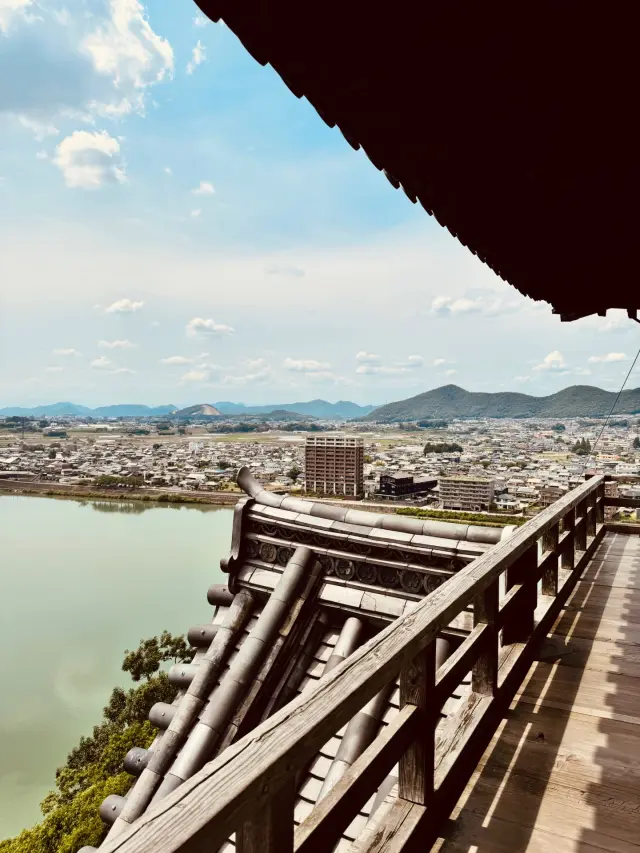
Also not to be missed is the top-floor wraparound balcony, the only one among Japan’s five National Treasure castles where visitors can step outside and walk all the way around.
It is an extremely rare experience, and the view overlooking the Kiso River below is sure to leave you impressed.
2. Sanko Inari Shrine
Sanko Inari Shrine, located at the foot of Inuyama Castle, is a historic shrine long worshipped as the guardian deity of the Naruse family, successive lords of Inuyama Castle.
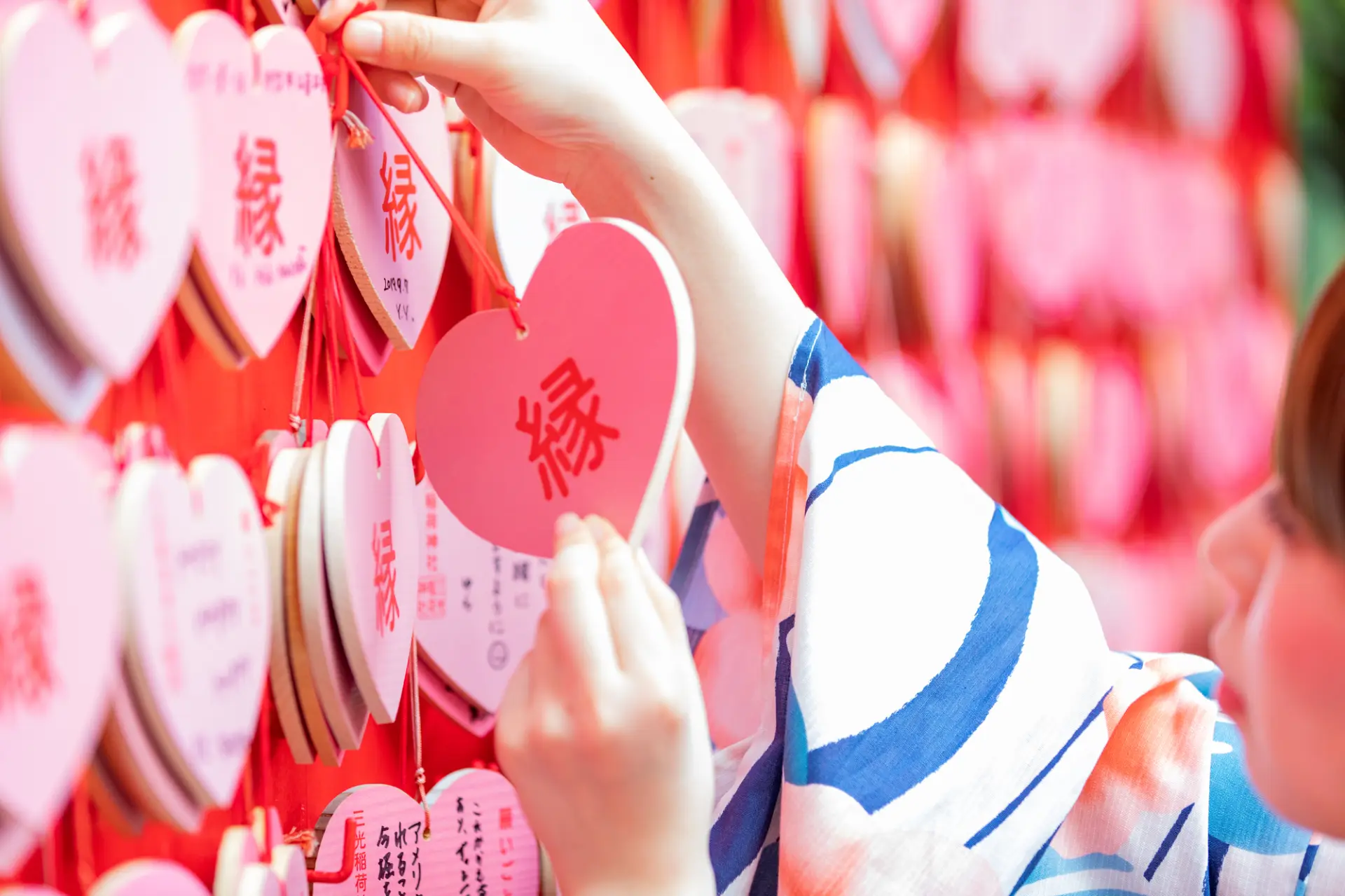
Because it sits along the route up to the castle, it is easy to visit. Its rows of vermilion Senbon Torii gates are an iconic sight and are said to make wishes come true when you pass through them.
Especially popular are the pink heart-shaped ema prayer plaques associated with blessings for matchmaking.
It has even ranked third nationwide among social media–friendly photo spots, and the rows of ema boards create a cute, wall-art-like scene.
You can also try a unique experience at the shrine’s Zeniarai Pond, where washing money in the sacred water is said to bring it back many times over.
3. Castle Town Honmachi Street
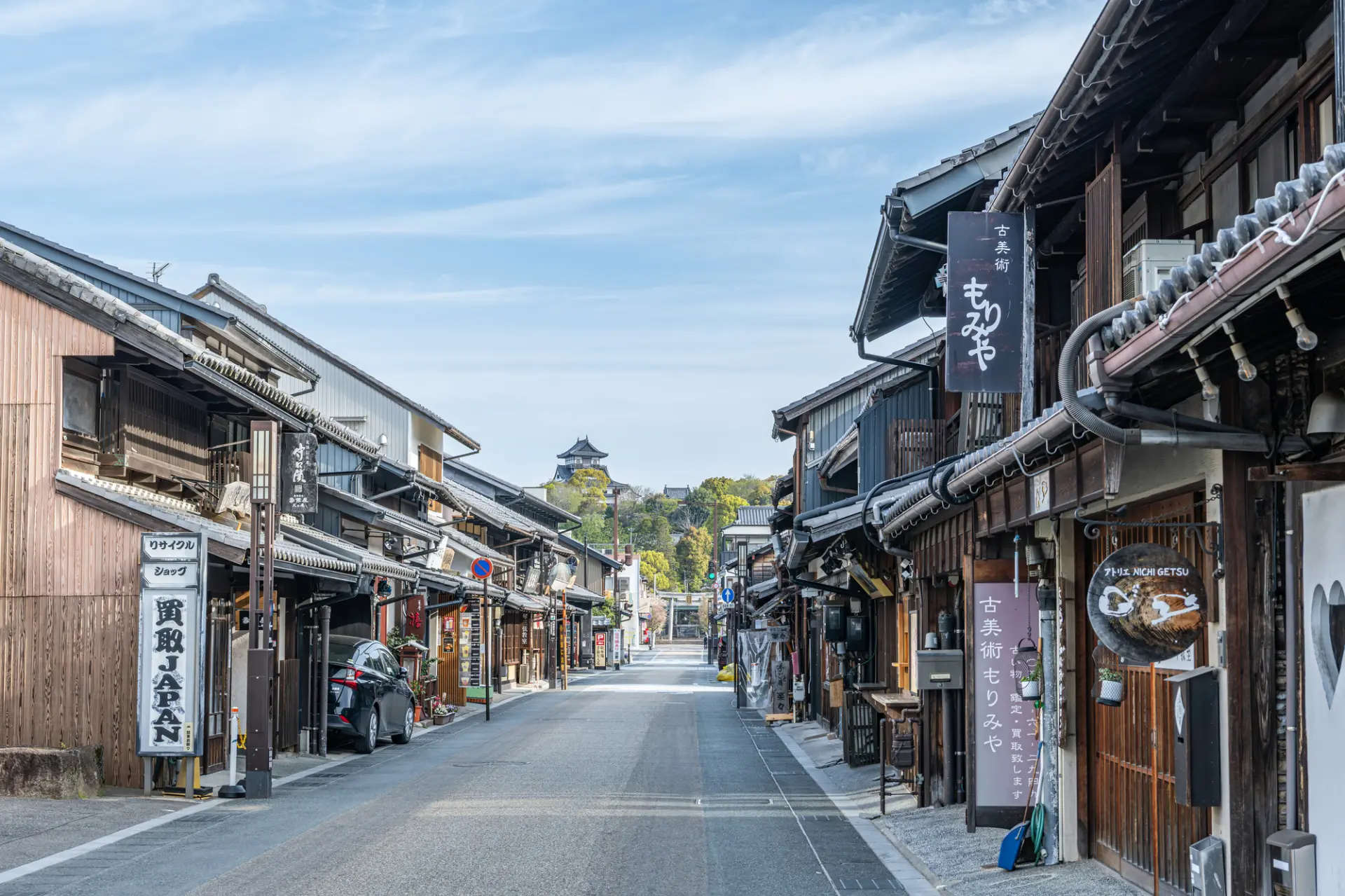
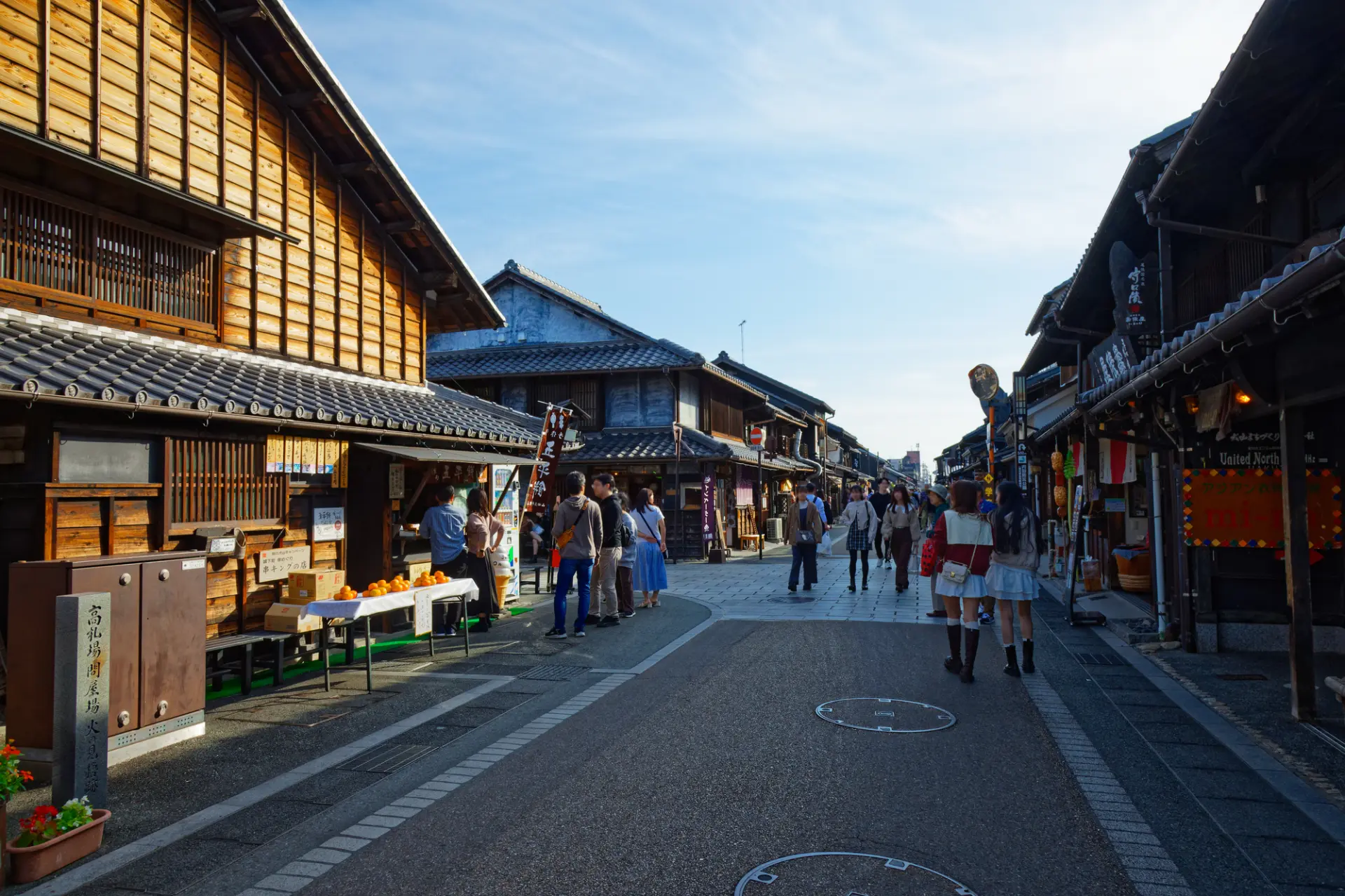
Castle Town Honmachi Street is a beautiful area where the Edo-period town layout remains strongly visible and utility poles have been removed.
This classic route from Inuyama Station to Inuyama Castle is popular for strolling, as the castle keep gradually appears on the hill ahead as you walk.
Historic buildings are scattered throughout, letting you enjoy the area while immersing yourself in its unique atmosphere.
Along the Approx. 600-meter street, cafés, Japanese sweets shops, local cuisine restaurants, and many other stores line the road, while enticing aromas and lively crowds enhance the travel mood.
There is also plenty of street food such as gohei mochi, kushikatsu, and Koikomachi dango, along with shops selling traditional crafts and miscellaneous goods, making it perfect for souvenir hunting.
4. Urakuen Japanese Garden
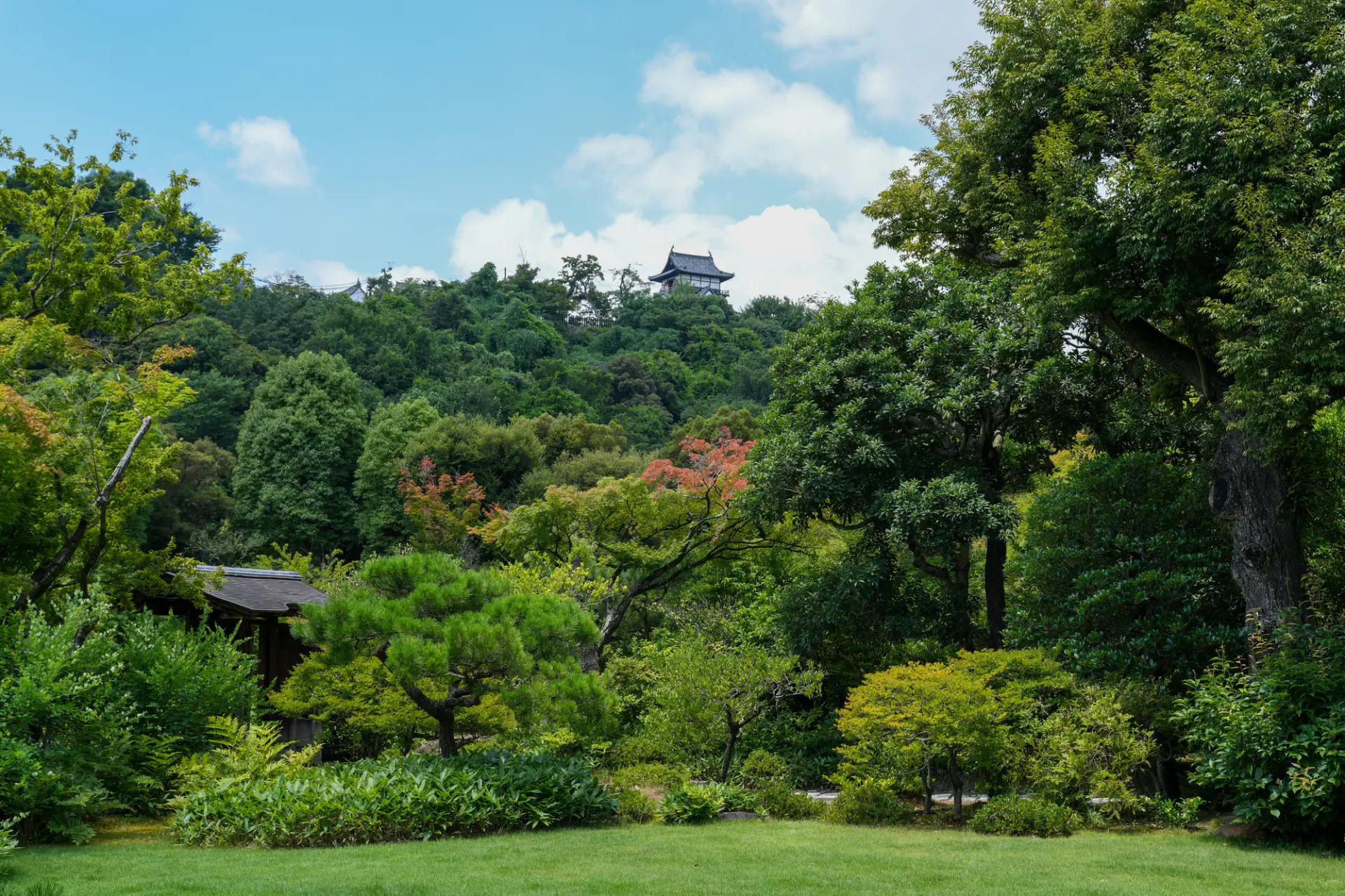
Urakuen Japanese Garden was created under the supervision of Horiguchi Sutemi, a leading architect of the Showa period.
Its pond garden, dry landscape garden, and roji tea garden are skillfully arranged, offering seasonal scenery such as cherry blossoms in spring, fresh greenery in early summer, fall foliage, and snowy winter views.
The main highlight is Jo-an, a National Treasure tea room built at Kennin-ji Temple in Kyoto by Urakusai, Nobunaga’s younger brother and a great tea master.
It is one of the three surviving National Treasure tea rooms and the only place where you can see one up close at all times.
Inside the garden, you will also find a variety of tea ceremony buildings, including the Important Cultural Property Former Shoden-in Shoin and Gen-an, which was reconstructed based on old drawings.
At Ko-an in particular, matcha and Japanese sweets served in Inuyama ware tea utensils are popular, offering a moment to immerse yourself in tea culture while viewing the garden.
5. Osugi-sama
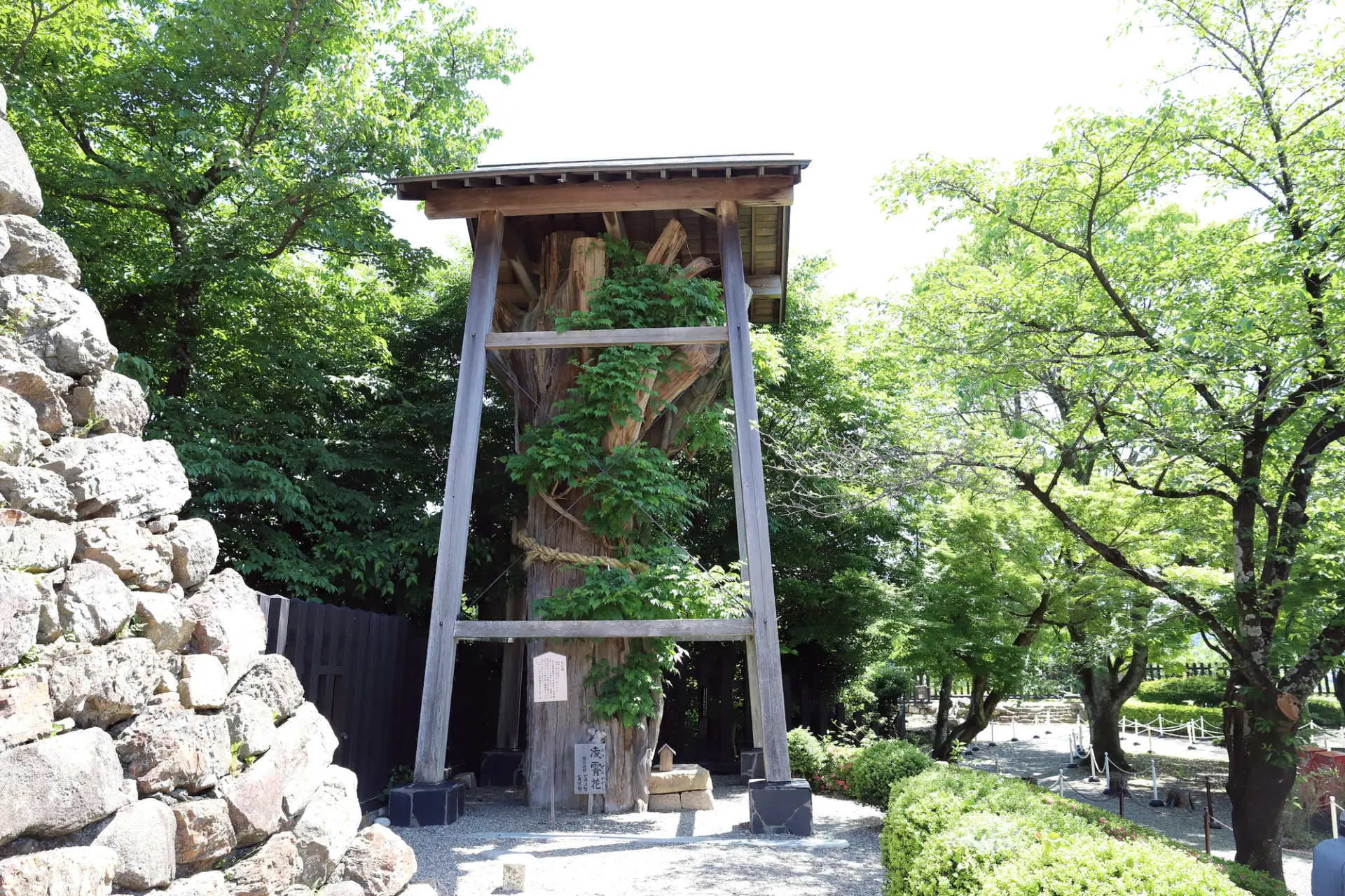
Osugi-sama is a cedar tree surrounded by a turret on the east side of the castle keep, quietly radiating a strong presence.
Approx. 650 years old, it is said to have existed before Inuyama Castle was built and originally stood about as tall as the keep.
Sadly, it withered in 1965, but local residents continue to revere it as a sacred tree that protected the castle for many years, carefully replacing its shimenawa sacred rope.
Also, every June, trumpet vine flowers from China bloom on the trunk, making it a special presence where the breath of life can still be felt.
When you visit, be sure to put your hands together and express gratitude to Osugi-sama, which has watched over hundreds of years of history.
How to Enjoy Inuyama Castle to the Fullest
Next, here are recommended ways to enjoy Inuyama Castle.
All of them are hands-on experiences that let you fully enjoy the area while feeling Inuyama’s unique historical atmosphere.
They are easy to capture in photos and memories, and they are relatively accessible, so consider them according to your interests.
Gojoin Castle Seal
A “gojoin” castle seal is a keepsake received as proof of visiting a castle.
The Inuyama Castle gojoin uses Mino washi paper made in the production area of Honminoshi, a UNESCO Intangible Cultural Heritage.
The characters for “National Treasure Inuyama Castle” are written in brush calligraphy by local calligrapher Matsuura Hakuseki, and the background is stamped with the family crests of the related Oda, Toyotomi, Tokugawa, and Naruse families.
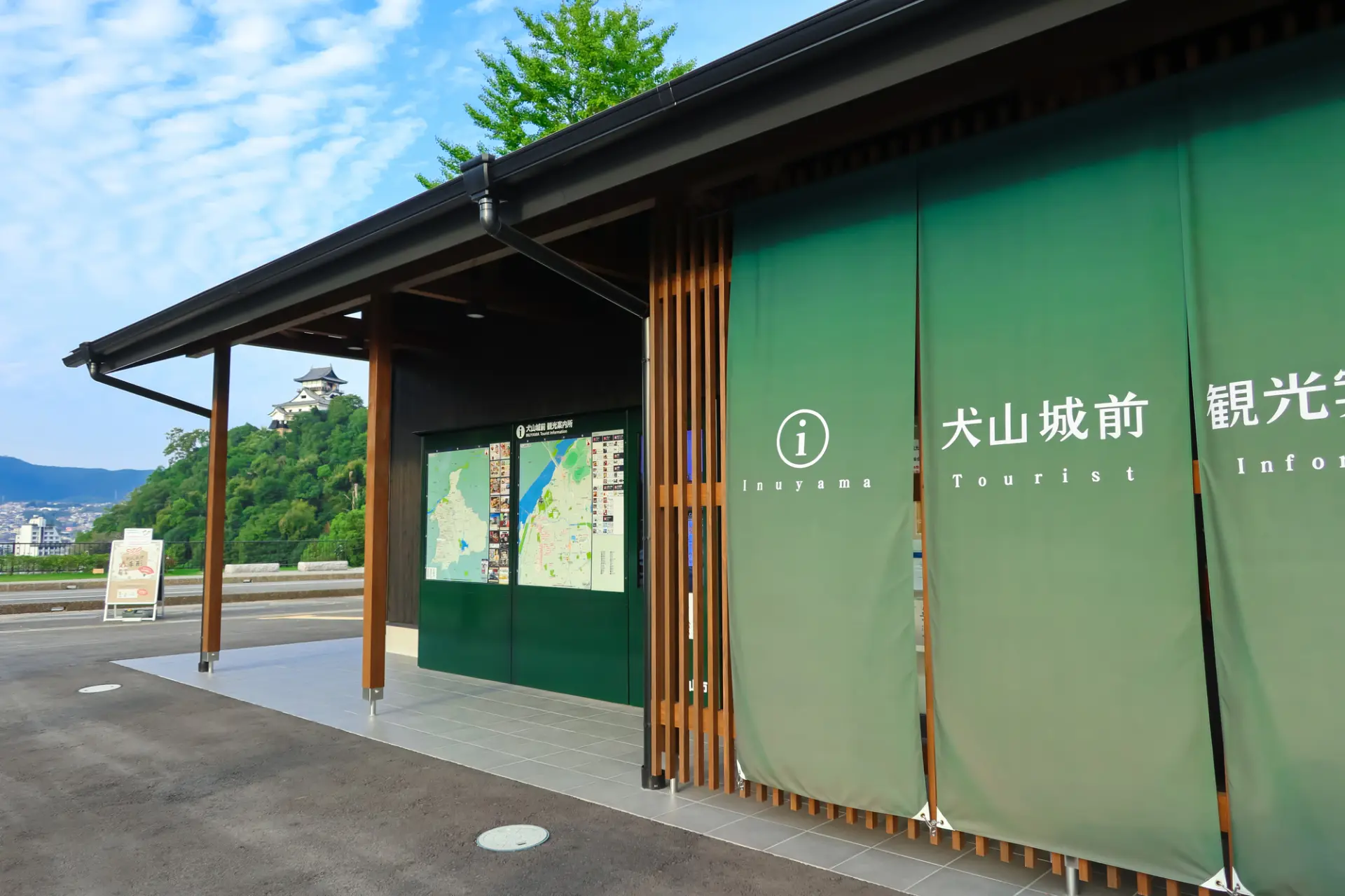
Including the gojoin for its other name, Hakutei Castle, it is sold only at the Inuyama Castle Tourist Information Center (9:00am–4:30pm), and because it is prewritten, you can receive it right away (300 yen per sheet).
It is a great way to visually preserve your travel memories and learn more about the castle’s history, so be sure to get one.
Kimono Rental
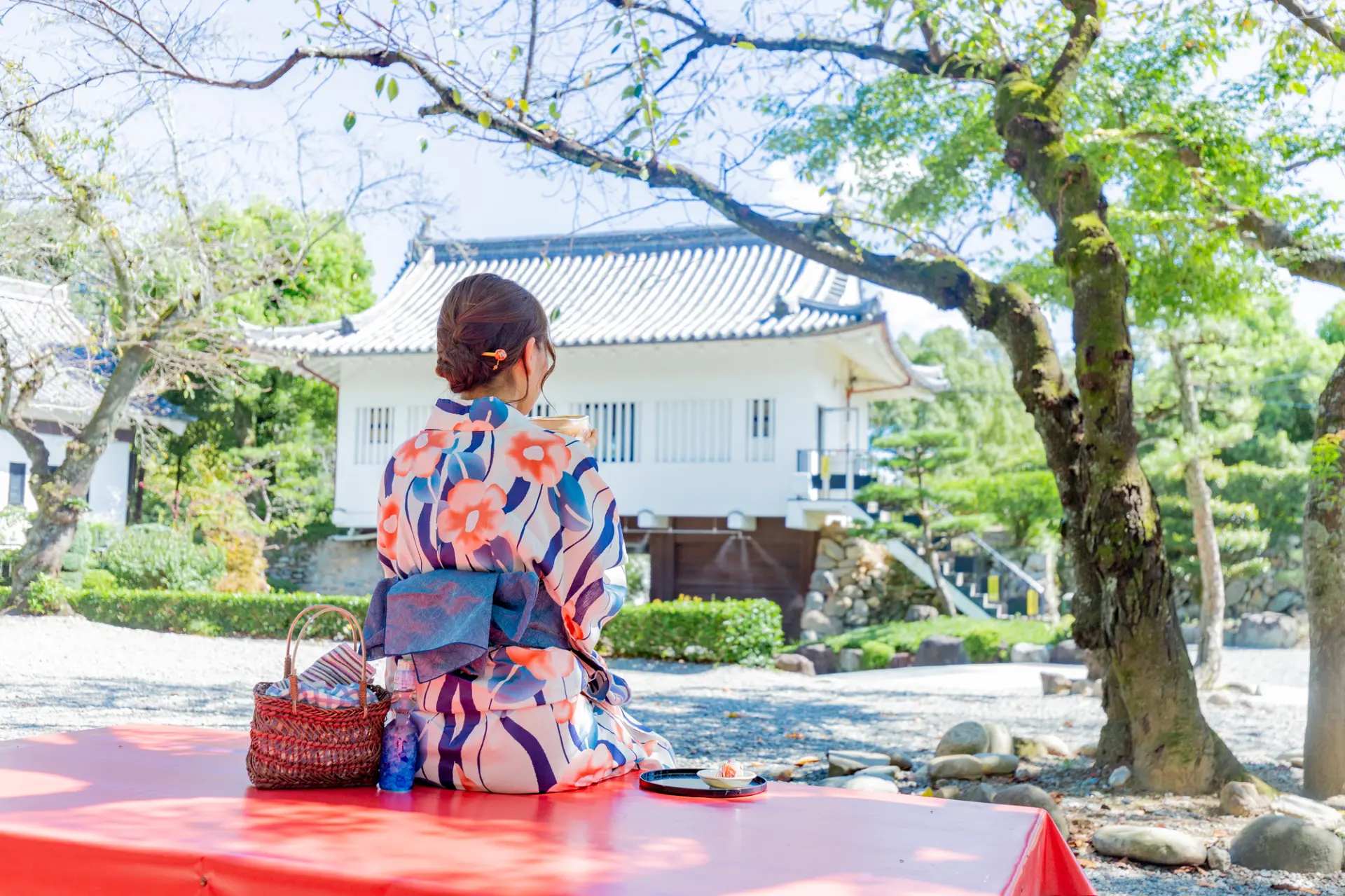
If you want to experience Inuyama Castle’s castle town more deeply, kimono rental is recommended.
Several kimono rental shops are located along Castle Town Honmachi Street, and a full set typically costs 4,400 yen, making it easy to try.
You can choose from a wide range of styles, from retro patterns to modern designs, and dressing, hair styling, and all necessary accessories are included, so you can come empty-handed.
Historic streetscapes and kimono go beautifully together, making old townhouse streets and stone-paved alleys even more photogenic. Enjoying street food or visiting cafés in kimono also adds to the travel atmosphere.
It also makes taking photos more fun and is perfect for creating special memories.

Comedy Rickshaw
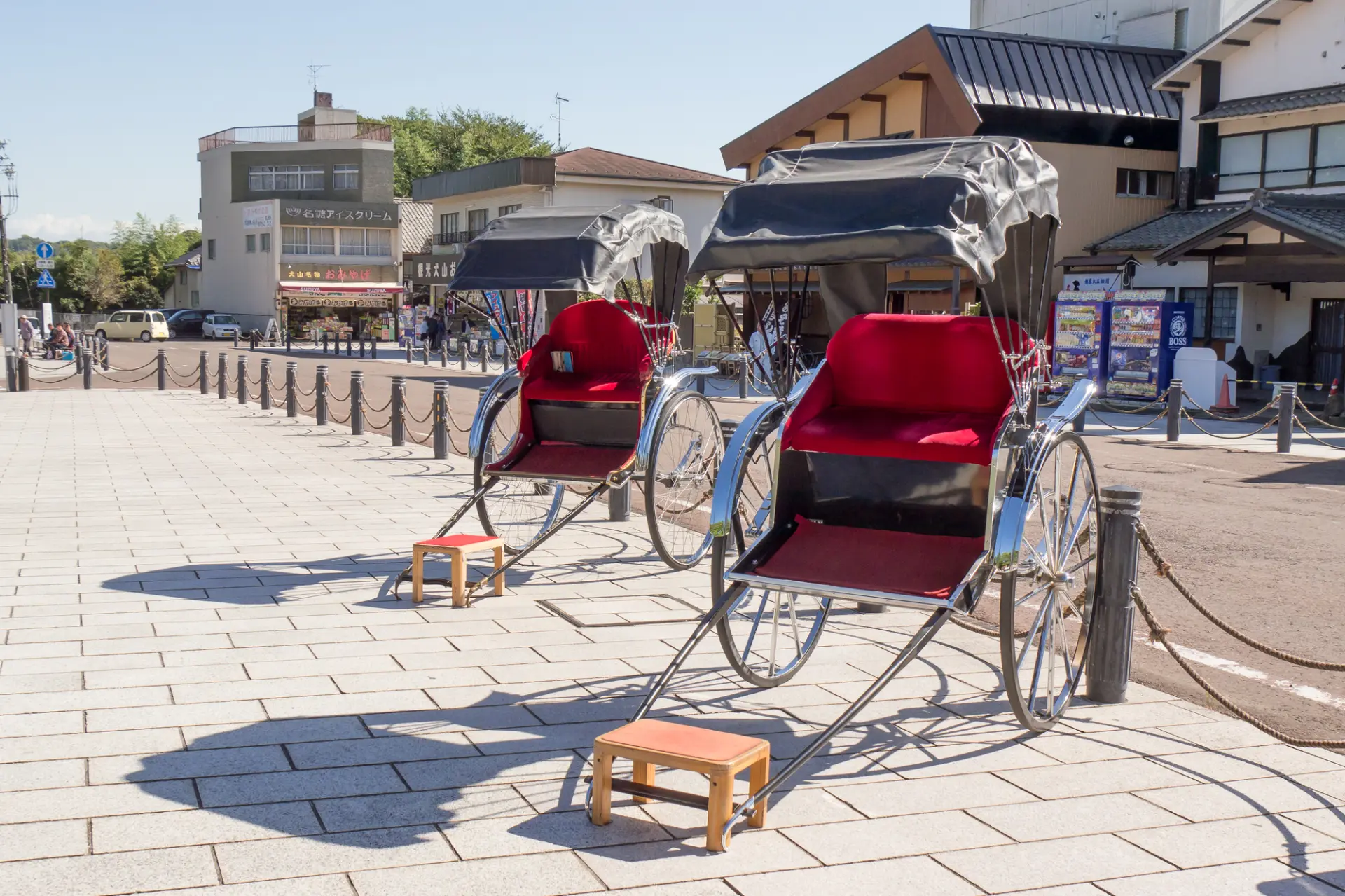
Outside of Inuyama Castle Town, the “Comedy Rickshaw” is a sightseeing style you rarely get to experience.
Its distinctive feature is that the rickshaw pullers are young comedians from Yoshimoto Kogyo Co., Ltd., who introduce the history of Inuyama Castle and the castle town in an easy-to-understand way, sometimes with humor mixed in.
By the way, all of them have received rickshaw operation training in Asakusa, the home of rickshaw tours, so you can feel comfortable about their riding skills.
You can enjoy a unique guide experience that combines lively talk with historical commentary and discover points that are easy to miss by simply walking.
Another appeal is hearing information you won’t find in guidebooks, such as tips for taking photos at scenic spots and little-known behind-the-scenes stories.
Combining it with photogenic kimono rental is recommended.
Kiso River Cormorant Fishing
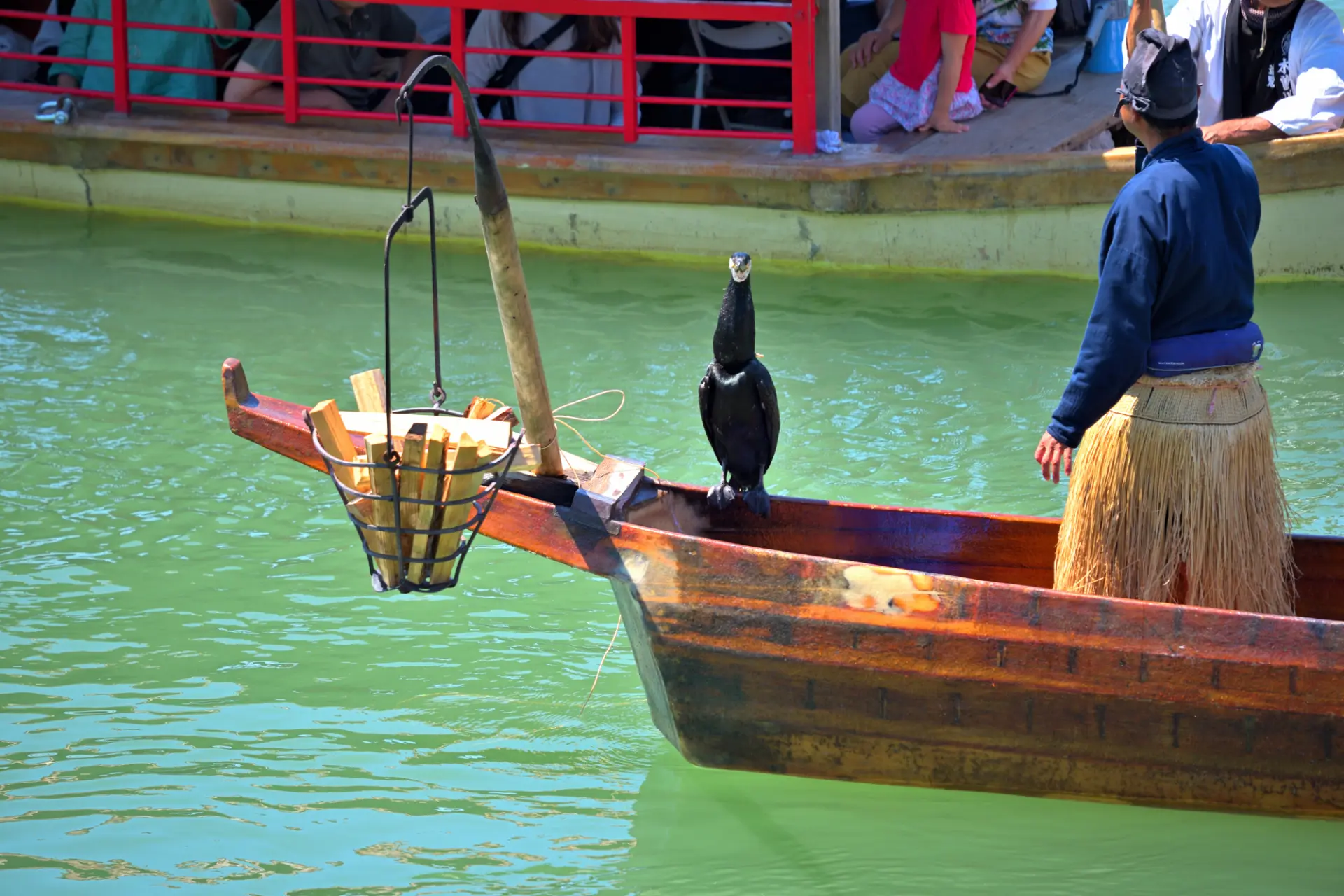
Kiso River cormorant fishing is a traditional fishing method that has continued for more than 1,300 years since the Edo period.
You can watch up close as cormorant masters and boatmen board the fishing boats and handle 10 cormorants to catch ayu sweetfish and other river fish.
There are two sessions with different atmospheres, daytime and nighttime, and two plans to choose from depending on your interests: an easy plan or a plan with a meal on board.
Daytime cormorant fishing, which offers a vivid sense of realism, is held only on the Kiso River in all of Japan, while nighttime cormorant fishing features a fantastical scene lit by flickering bonfires.
This rich experience, where you can enjoy history, nature, and traditional culture all at once, makes a fitting travel memory.
*Season: June 1–October 15 (advance reservation required)
3 Popular Attractions Near Inuyama Castle
Here are popular attractions near Inuyama Castle.
Each one carries Inuyama’s culture into the present through architecture, festivals, and faith, letting you encounter the region’s memories as you stroll.
Rather than simply looking at history, you can experience the depth of time and the local atmosphere, so be sure to visit them along with Inuyama Castle.
1. Museum Meiji-Mura
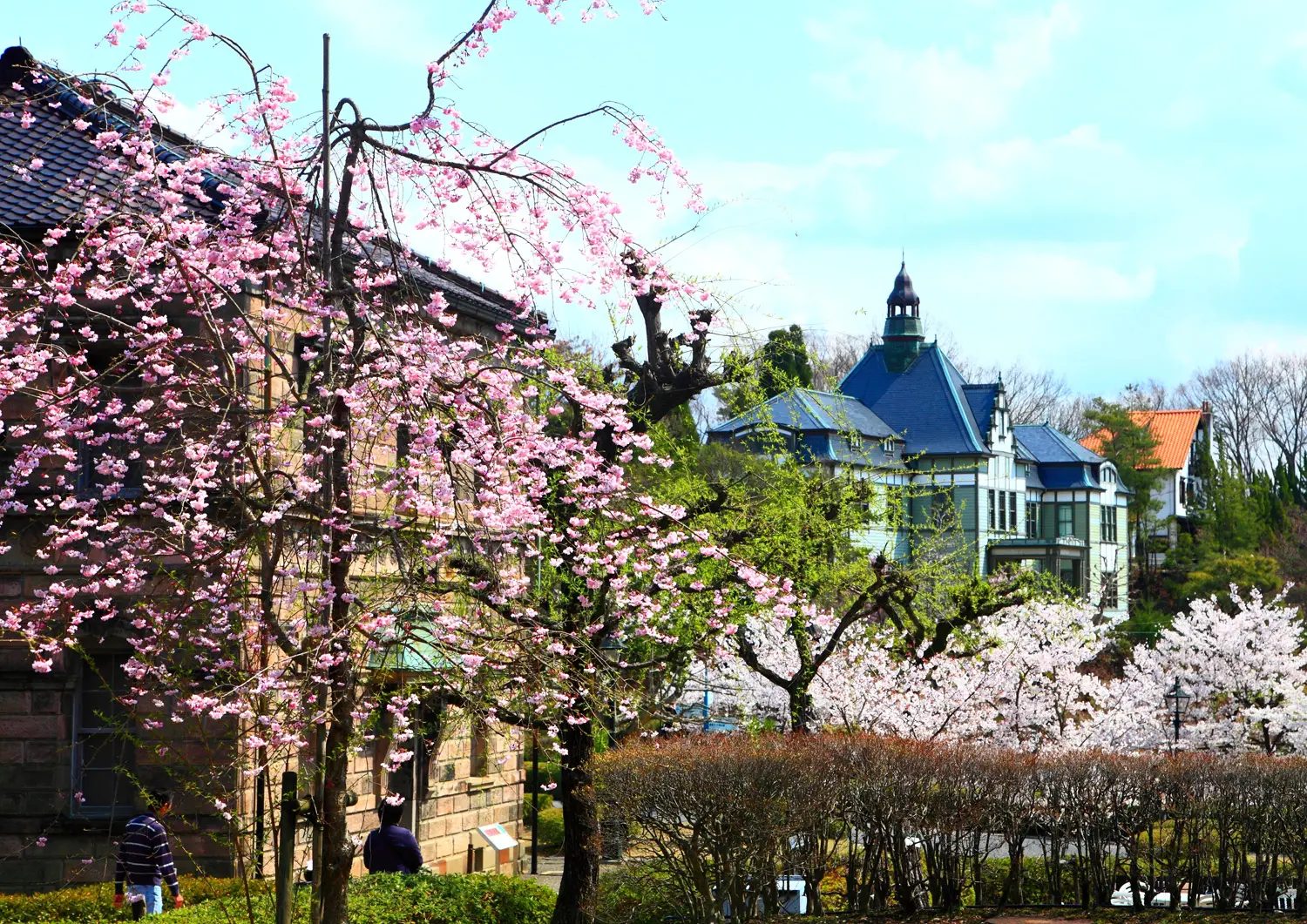
This open-air museum opened in 1965 and relocates, preserves, and exhibits buildings of artistic and historical value, mainly from the Meiji period. Visitors can see numerous cultural properties up close, including 11 Important Cultural Properties.
One of the most popular is the main entrance hall of the Imperial Hotel, designed by the famous American architect Frank Lloyd Wright. Completed in 1923, it features beautiful geometric carvings and openwork terracotta decoration. Other relocated buildings include the Important Cultural Property St. John’s Church, the former residences of Mori Ogai and Natsume Soseki associated with great figures of the Meiji period, and Koda Rohan’s Snail House.
2. Dondenkan
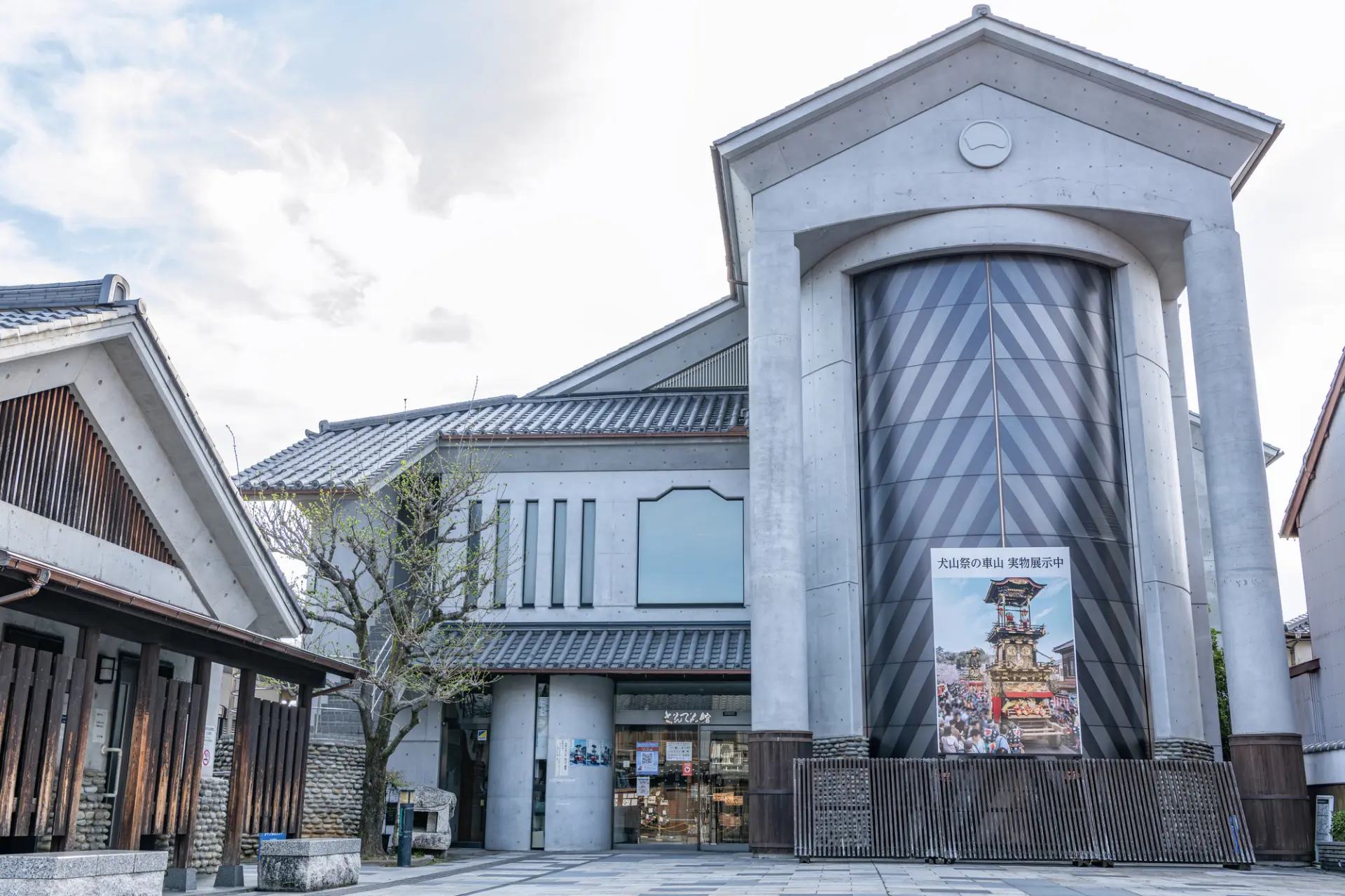
Dondenkan is a museum displaying yama festival floats that are actually pulled in the Inuyama Festival, a UNESCO Intangible Cultural Heritage event. The floats are Approx. 8 meters tall and weigh over 3 tons.
It was named after the festival highlight “donden,” a powerful movement in which one side of a float is lifted and turned dramatically.
Inside, four of the 13 yama floats are displayed, allowing you to see decorations packed with craftsmanship up close, including intricate carvings, gold leaf, and embroidered curtains.
A six-minute light and sound production that condenses a full festival day is another highlight, letting you enjoy the excitement of the festival atmosphere year-round, even in a simulated form.
With detailed explanations of the mechanisms and structures, as well as extensive historical materials, it is an engaging spot where you can learn about Inuyama culture from multiple angles.
3. Haritsuna Shrine
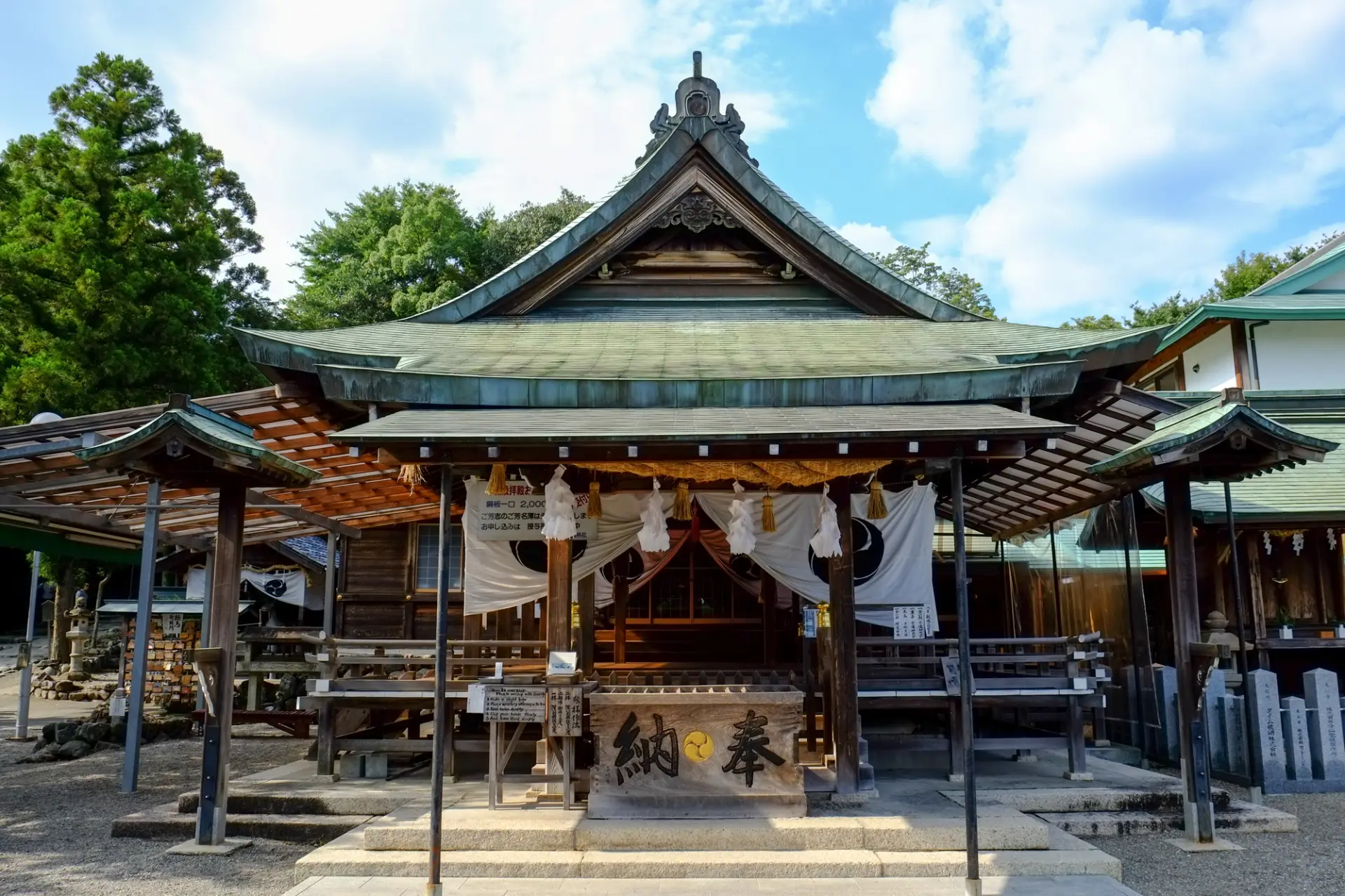
Haritsuna Shrine, which has stood in Inuyama for more than 1,000 years, has long been revered as the guardian shrine of Inuyama Castle.
When you step into the grounds, you will find a magnificent worship hall and old trees, along with highlights such as the Shinmesha sacred horse stable and Chikara-ishi strength stones, all evoking its long history.
Because Oda Nobuyasu is said to have dedicated a hand-carved dog in prayer for safe childbirth and longevity, the shrine is especially believed to offer blessings for safe childbirth, conception, and long life.
It is also deeply connected to the Inuyama Festival, where the yama floats are dedicated at this shrine, creating a festive atmosphere in spring.
3 Popular Restaurants Near Inuyama Castle
Here are restaurants where you can enjoy food unique to Inuyama’s castle town.
Each is a popular spot that is easy to stop by while strolling and lets you casually experience flavors and atmosphere unique to Inuyama.
Not only is the food high quality, but the time you share there can become part of your travel memories, so be sure to visit.
1. Honmachi Saryo
Honmachi Saryo, located in the middle of Castle Town Honmachi Street, is a Japanese-style café renovated from a 100-year-old traditional house.
The warm wooden interior is comfortable and perfect for taking a break during your walk.
With the concept of “traditional × cute,” it offers many photogenic menu items that are sure to look great on Instagram.
A top recommendation is the Colorful Dengaku Set Meal, which includes seven kinds of dengaku, nameshi rice, clear soup, and Inuyama tea (sencha or hojicha).
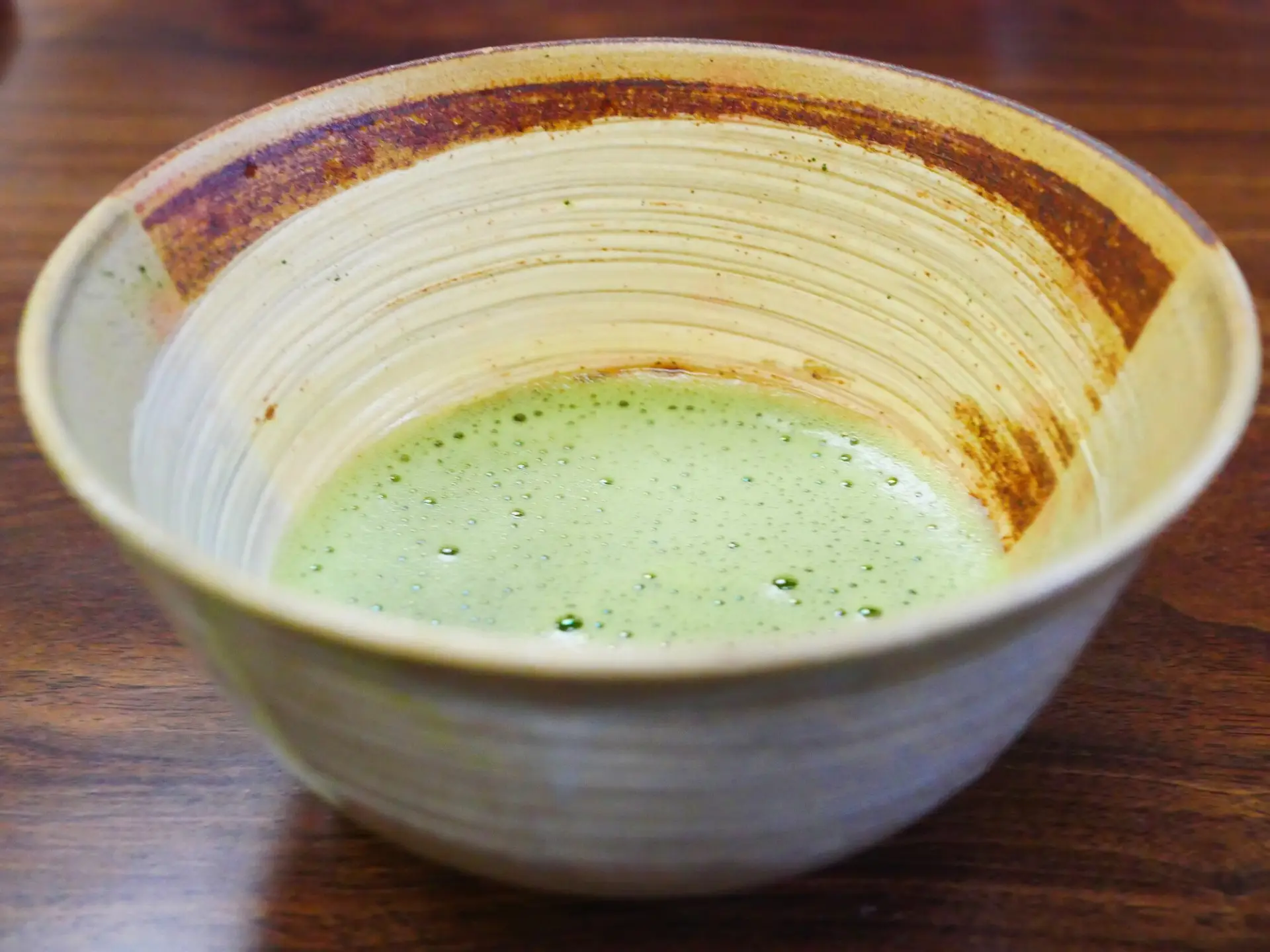
Another nice point is that the matcha and matcha zenzai are served in Inuyama ware vessels, a cultural property designated by Inuyama City.
2. Yamada Gohei Mochi Shop
Yamada Gohei Mochi Shop is a long-established gohei mochi specialty shop beloved for many years in Inuyama Castle Town.
The shop building is designated as a Registered Tangible Cultural Property of Japan, and it is so popular that long lines form with people waiting for freshly made handmade gohei mochi.
Its homemade sauce, made with crushed sesame seeds, walnuts, peanuts, and soy sauce, is known for its delicious flavor and is generously spread over mochi that grills in Approx. 3 minutes.
The appetizing aroma and simple yet deep flavor make it easy to understand why so many people return.
The reasonable price of 100 yen per skewer is also part of its appeal.
*Open only on Fridays, Saturdays, Sundays, and holidays
3. Kisogawa Shoten
Kisogawa Shoten, located in Inuyama Castle Town, is a popular street food spot to stop by while exploring.
Its biggest appeal is that you can enjoy Inuyama’s specialty, salt-grilled ayu sweetfish.
Because it is slowly grilled for one hour, it becomes tender enough to eat whole from head to bones, and a skewer enjoyed in the atmosphere of the castle town tastes exceptionally delicious.
The shop’s original shio-koji soft serve, made with salted rice malt, is also well liked for its refreshing, easy-to-eat flavor.

Inuyama Castle One-Day Sightseeing Itinerary
Based on the spots introduced so far, here is a sample one-day sightseeing itinerary for Inuyama Castle.
There are also seasonal highlights, such as cherry blossoms and the Inuyama Festival in spring, Kiso River cormorant fishing from summer to autumn, and Inuyama Castle covered in snow in winter, so adjusting your plans to the season is recommended.
Also, depending on your travel companions and interests, adding kimono rental, the Comedy Rickshaw, or Kiso River cormorant fishing can make the trip even more satisfying.
| Time (Approx.) | Spot | Overview |
|---|---|---|
| 10:00am | Inuyama Station | Walk to Haritsuna Shrine while enjoying the castle town atmosphere |
| 10:20am | Haritsuna Shrine | Receive blessings for safe childbirth, protection from misfortune, and longevity |
| 10:35am | Sanko Inari Shrine | Experience heart-shaped ema, Zeniarai Pond, Omokaru-ishi stones, and more |
| 10:55am | Osugi-sama | Put your hands together before the sacred tree that has continued to protect the castle keep |
| 11:00am | Inuyama Castle | Enjoy the spectacular view of the Kiso River from the National Treasure castle keep |
| 12:00pm | Urakuen Japanese Garden | Enjoy the tranquil garden scenery |
| 12:40pm | Lunch | Take a lunch break at a food spot of your choice |
| 1:40pm | Dondenkan | See the magnificent Inuyama Festival yama floats up close |
| 2:00pm | Castle Town Honmachi Street | Stroll along the Approx. 600-meter main street and check out street food, miscellaneous goods, souvenirs, and more |
| 3:00pm | Inuyama Station | Head home |
Reviews
Some reviews are AI-translated.
-
Inuyama Castle had even more character than I imagined. Walking all the way up through the castle town and seeing this small, historic keep really gave me the feeling of an old Japanese castle.
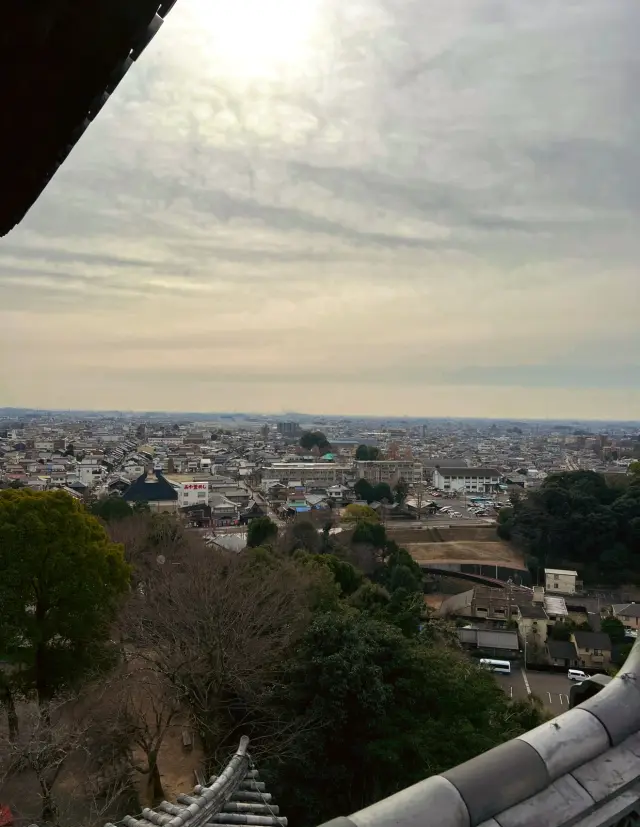
After climbing to the top of the keep, the view was very expansive. You could see the Kiso River and the streets below Inuyama Castle. Looking out from the top floor, the old castle, river, and entire landscape came into view all at once. It was really beautiful! -
-
When I reached the entrance of Inuyama Castle, a National Treasure, the wind carried the dry chill of winter. Looking up at this famous wooden castle, home to the oldest surviving castle keep in Japan, its weathered wood grain and solid stone walls truly conveyed the weight of history.
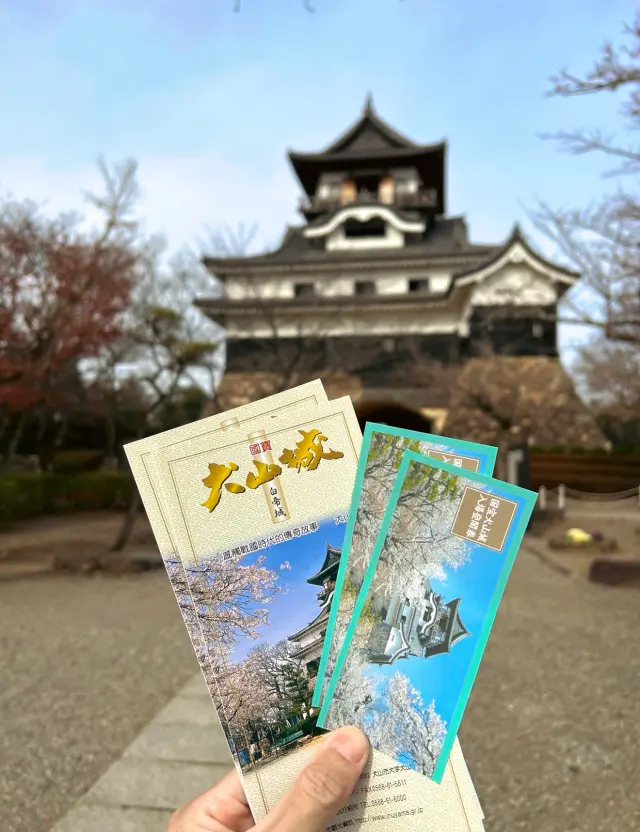
Holding the ticket I had just bought, I took a commemorative photo in front of the old castle, then climbed the wooden stairs step by step. The solid sound of wood beneath my feet made me feel as though I had stepped back into the Sengoku period.
After some effort, I reached the wooden veranda on the top floor of the castle keep. Leaning against the low railing and looking out, I saw an endless cityscape beneath the gray-white sky and the Kiso River flowing below the castle. Feeling the breeze brush against my face was truly breathtaking.
Actually standing inside this centuries-old castle and seeing with my own eyes the scenery once viewed by Sengoku-era warriors created such a vivid sense of being there that I couldn't bring myself to leave.
I highly recommend going all the way to the top of Inuyama Castle to experience it for yourself. Whether touching the weathered traces left by history up close or standing outside the castle keep and taking in the sweeping view of the Kiso River, it will leave you with incomparably vivid memories of your trip! -
-
If you're traveling to Nagoya, you definitely shouldn't miss a day trip to Inuyama Castle. Inuyama Castle is the oldest of Japan's 12 surviving original castle keeps. Although it isn't as imposing as Himeji Castle or Matsumoto Castle, looking up at the keep from the foot of the mountain gives you a better sense of its commanding position and how difficult it would have been to conquer, as well as its importance at the time. To visit the keep, you first have to tackle an 85-degree wooden staircase. From the top floor, you can see the Kiso River and enjoy a wide-open view. Of course, the most important thing is to walk all the way around the outside. When you step onto the wooden walkway, you can hear the interlocking wood creak. The railing isn't very high, so it's a little nerve-racking, but you can fully experience the history of this old castle keep, almost as if you've traveled back in time. After your visit, you can also head to Inuyama Castle Town for local food, a kimono experience, and the atmosphere of the old streets. I recommend getting off at Inuyama-Yuen Station and departing from Inuyama Station on the way back. This lets you avoid the crowds and experience a different route.
-

FAQ about Inuyama Castle
Q
How long does it take to visit Inuyama Castle?
It depends on crowds and the season, but if you visit only Inuyama Castle, plan for around 1 hour. If you also stroll through the castle town, Approx. 2–3 hours is a good estimate.
Q
Which month is recommended for visiting Inuyama Castle?
Late March to early April, when the cherry blossoms are at their best, and mid-November to early December, when the area is surrounded by arches of fall foliage, are recommended.
Q
What makes Inuyama Castle appealing?
You can experience spectacular views from Japan’s oldest National Treasure castle keep and a historic landscape integrated with the castle town.
Summary
We’ve introduced an overview of Inuyama Castle, ways to enjoy it, and a sample one-day sightseeing itinerary.
Combining historical value, natural beauty, and castle town culture, Inuyama Castle conveys both the practical design of a Sengoku-period castle and the dignity of a structure that has survived over many years.
Its appeal also lies in the many things to see and do beyond the National Treasure castle keep, including food, strolling, and power spots.
It is only 30–40 minutes one way from Nagoya, making it easy to enjoy even as a day trip, so be sure to visit.
Also check out this article summarizing must-see classic spots and popular restaurants in Nagoya.