Shimanto River

Verified [Verified] denotes information that has been published with confirmation of its owing parties.

Shimanto River

The Longest River in the Shikoku Region, Known as “Japan’s Last Clear Stream”.

3.39 6

Last update :

Shimanto River is the longest river in the Shikoku region, flowing through the western part of Kochi Prefecture and boasting a total length of 196km. The river begins at Mt. Irazu in the town of Tsuno.
Known as “Japan’s last clear stream,” the river offers beautiful natural scenery for every season of the year.

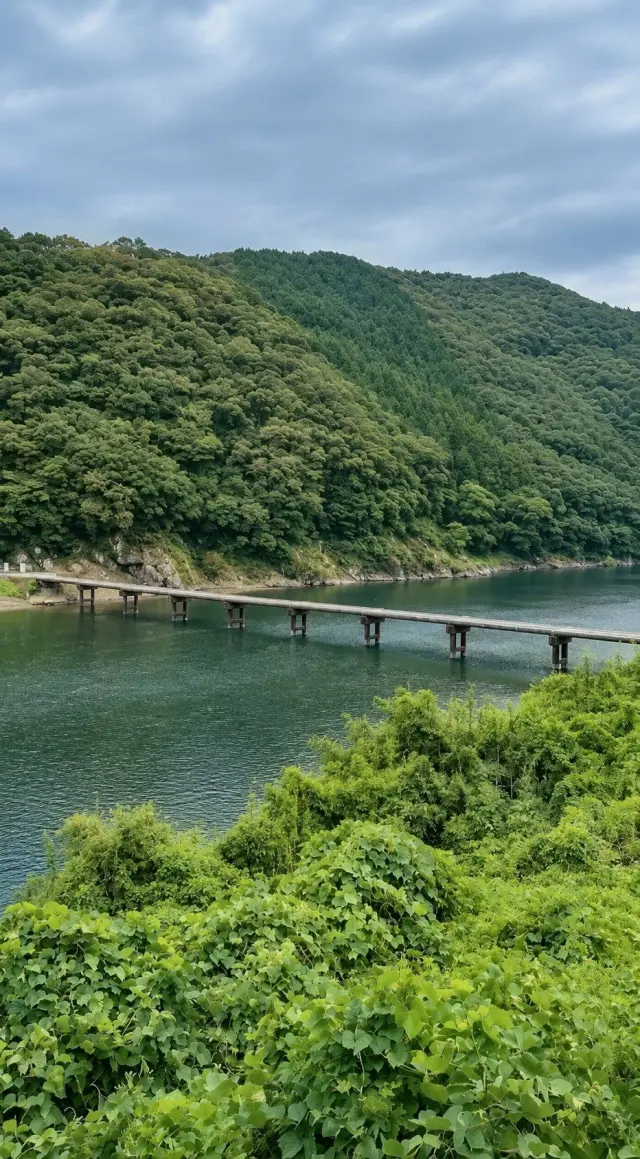
There are 48 low water crossings across the Shimanto River, designed so that they will not be washed away by the river’s currents when the water level rises.
Particularly famous among them is the “Sada Low Water Crossing (Imanari Bridge),” located the farthest downstream and boasting a total length of 291.6 meters. As it is the closest low water crossing to the city of Shimanto, it is often visited by tourists.

Highlights

  • The beautiful scenery of the no-rail low water crossings, river, and mountains is quite popular.
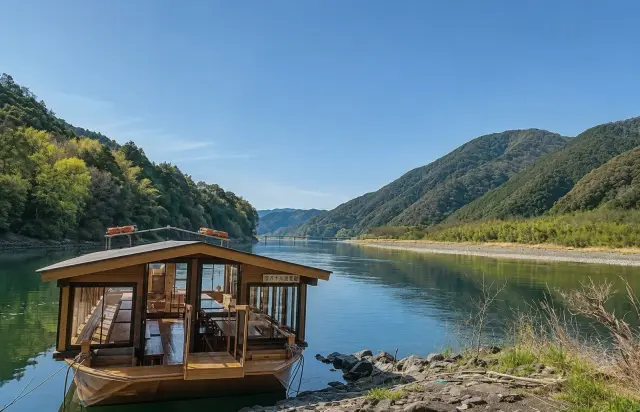
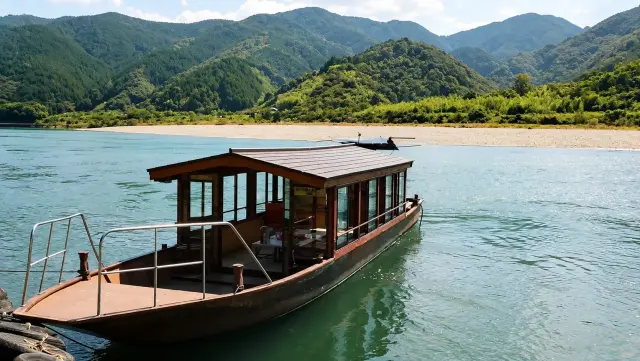
  • Taking in the river’s scenery from a sightseeing boat is another option.
  • There are many bicycle rental facilities, so taking a bike ride through the abundant nature is a great choice.
  • The low water crossings are also used as residential roads for locals.

Photos

  • Sightseeing by pleasure boat is also recommended.

    Sightseeing by pleasure boat is also recommended.

  • Sada low water crossing

    Sada low water crossing

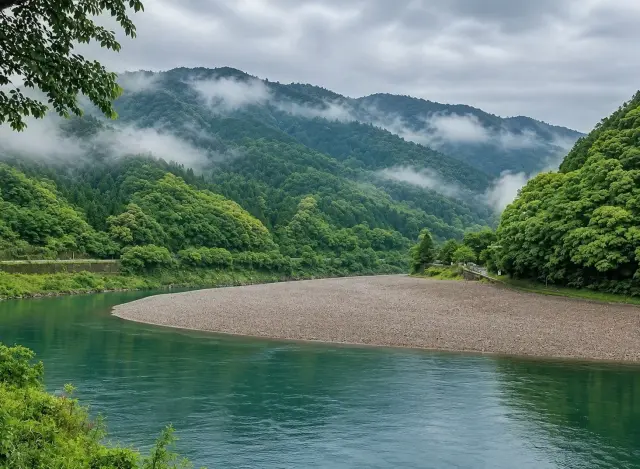
  • Beautiful scenery unfolds.

    Beautiful scenery unfolds.

  • Near the Iwama low water crossing

    Near the Iwama low water crossing

  • The low water bridges are also used as residential roads for locals

    The low water bridges are also used as residential roads for locals

  • The longest river in Shikoku, spanning 196 kilometers.

    The longest river in Shikoku, spanning 196 kilometers.

Official FAQs

Frequently Asked Questions have been vetted and answered directly by each listing.

Q

Do you have signs or pamphlets in foreign languages? (If you do, which languages are available?)

A

There are pamphlets and signage available in English, Traditional Chinese, Simplified Chinese, and Korean.

Q

Is free Wi-Fi available in the area?

A

Free Wi-Fi is available at our association's office.

Q

Are coin lockers available?

A

Luggage storage is offered at our association, and there are coin lockers available at Nakamura Station of the Tosa Kuroshio Railway.

Q

Are there restrooms available?

A

Yes, there are restrooms at Nakamura Station.

Q

Are there smoking areas?

A

Yes, there is one at Nakamura Station.

Reviews

6

Some reviews are AI-translated.

  • See More

    On this trip to Shikoku, I made special plans to take a sightseeing boat on the Shimanto River because I wanted to see this river, known as “Japan’s last clean stream,” with my own eyes.

    After boarding the sightseeing boat, we slowly traveled along the river while enjoying the scenery on both banks. Lush green mountains and forests stretched out before us, the water was clear and calm, and the air was especially fresh. Away from the noise of the city, sitting on the boat with the breeze blowing really made me feel like I could slow down and enjoy the trip.

    What I looked forward to most was seeing the Shimanto River’s famous chinkabashi bridges along the way. From the river, the low bridges stretching across the water, together with the surrounding mountains and river scenery, really had the feel of the Japanese countryside.

    The entire boat ride lasted 60 minutes and cost JPY 2,000. I originally thought it would just be a boat ride to see the scenery, but it turned out to be more relaxing and worthwhile than I expected!

    There weren’t many visitors on a weekday, so there were no crowded groups. I could take my time enjoying the views, taking photos, and appreciating the beauty of nature.

    There are no flashy tourist facilities here, but the natural scenery makes it hard to leave. The Shimanto River really is a great place to slow down and enjoy a relaxing time.

  • See More

    The Shimanto River, known as “Japan’s last pristine river,” truly lives up to its name!
    Driving along the riverbank, you’ll see crystal-clear water and lush green mountains, and occasionally come across a “submersible bridge” with no guardrails. Walking across one gives you the thrilling feeling of, “Wait! Are we really allowed to walk on this?”
    If you have enough time, I recommend taking a yakatabune boat ride to leisurely enjoy the river scenery, or renting a bike and cycling along the river. Finish it off with some sweetfish or Shimanto eel—perfect! It doesn’t have the bustle of a big city, but it has a relaxing, soothing atmosphere that makes it hard to leave.

  • See More

    The Shimanto River is known as one of Japan’s last clear-flowing rivers. Its clean, pure water has helped shape the area’s unique natural landscape.

    I’ve heard that many nearby Japanese sake breweries even use water from the Shimanto River, which gives the sake an especially smooth, mellow taste.

    This time, I took a sightseeing boat and enjoyed the scenery along the riverbanks. The gently flowing water and lush green mountains created such a peaceful, beautiful atmosphere. It was an unforgettable nature-filled trip.

  • See More

    Since it's a pretty rural area, there hasn't been any major development or industrial pollution. The scenery remains pristine and simple. It's an incredibly clean and beautiful river.

  • See More

    It's one of Japan's top 100 famous waters and also one of the top 100 hidden spots. People even call it the last clear stream in Japan.

Details

Name in Japanese
四万十川
Address
Kochi Prefecture (Tsuno-cho, Nakatosa-cho, Shimanto-cho, Shimanto City)
Tel
0880-35-4171 (Shimanto Tourist Information Center)
Closed
Free to walk
Hours
Walk anytime
Admission Fare
None
Access
Access to the Shimanto River is via the Tosa Kuroshio Railway, with Nakamura Station as the nearest stop.
Official Website
Official Website (English)
Hokkaido Tohoku Kanto Chubu Hokuriku Kansai Chugoku Shikoku Kyushu Okinawa