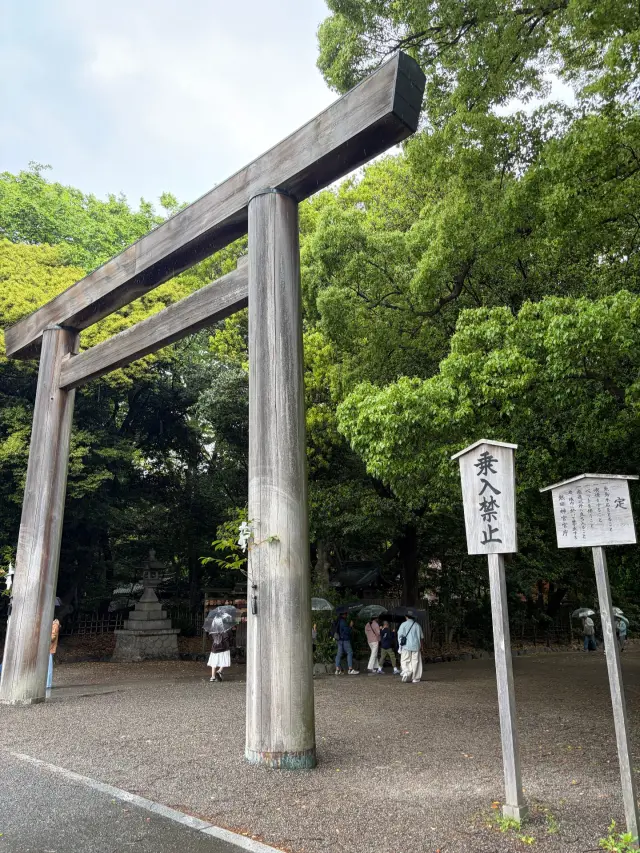
Atsuta Jingu (Atsuta Shrine)

Verified [Verified] denotes information that has been published with confirmation of its owing parties.

Atsuta Jingu (Atsuta Shrine)

The shrine that houses the sacred sword mentioned in “Kojiki” and “Nihon Shoki” (Chronicles of Japan including myths, legends, songs, genealogies and oral traditions).

3.60 13

Last update :
Supervised by :  Atsuta Jingu

About 1900 years ago, one of the Three Sacred Treasures (in Japanese mythology, the goddess, Amaterasu-Omikami, conferred on them. They were handed down as the proof of imperial succession), Kusanagi-no-tsurugi (sacred sword) , was dedicated here, which is said to be the beginning of this shrine.

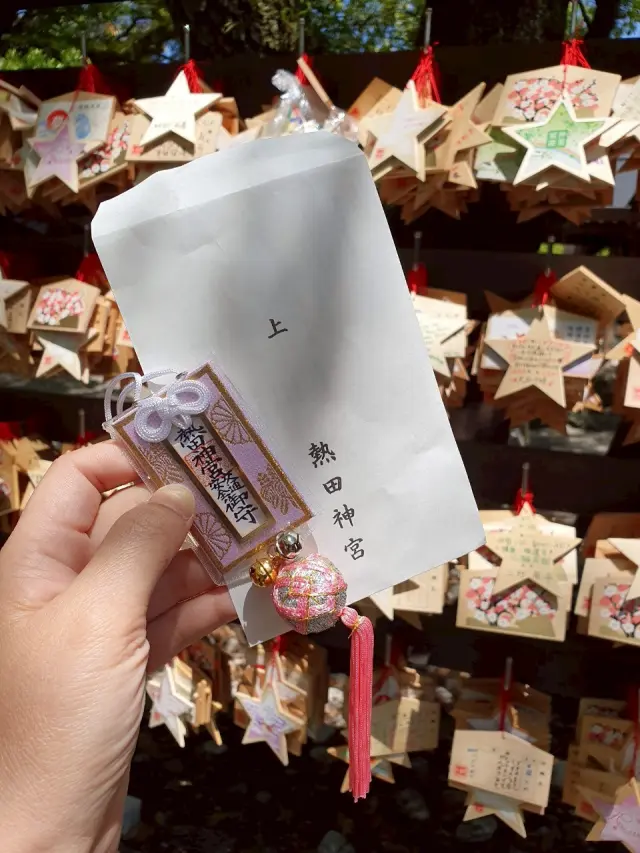
There are total of 45 shrines besides the main hall, including separate halls, auxiliary shrines, and subordinate shrines, such as Kamichikama Shrine , where Ema ("picture-horse", a small wooden plaque, in which worshippers write prayers or wishes) are dedicated to pray for passing exams and for academic achievement, and Kusunomimaesha Shrine , which is worshipped by women as the god of safe childbirth. The war lord Oda Nobunaga visited here to pray for a victory before the Battle of Okehazama. It was known for the many believers among war lords. After the victory, Nobunaga dedicated an earthen wall as a token of appreciation, which still stands in front of the main hall.

One of the highlights is the Treasure Hall , which houses many valuable cultural assets and materials. It features a particularly large collection of swords and knives, including the National Treasure Rai Kunitoshi. In addition, there are more than 6,000 cultural assets, such as masks used in sacred dance rituals, displayed on a monthly basis (Contact office about the items on display).

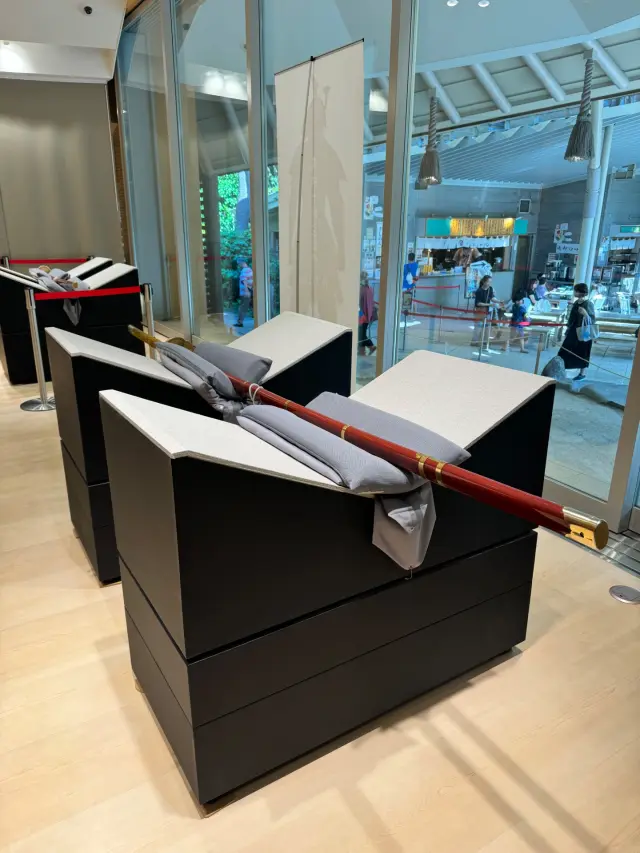
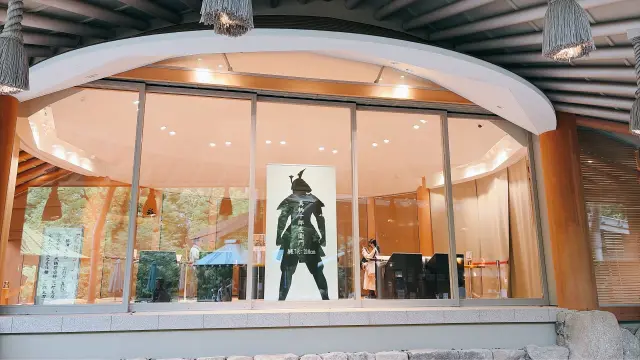
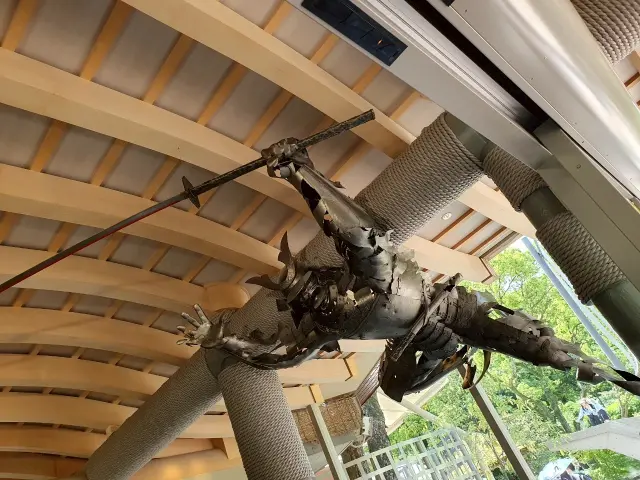
In October 2021, a new sword exhibition facility called the “Kusanagi-no-Tsurugi Museum: The Treasury of Swords” (Ken no Hōko Kusanagikan) opened its doors. The museum showcases around 450 historically significant blades, including National Treasures and Important Cultural Properties, as well as sacred swords that were offered to the gods as prayers since ancient times.

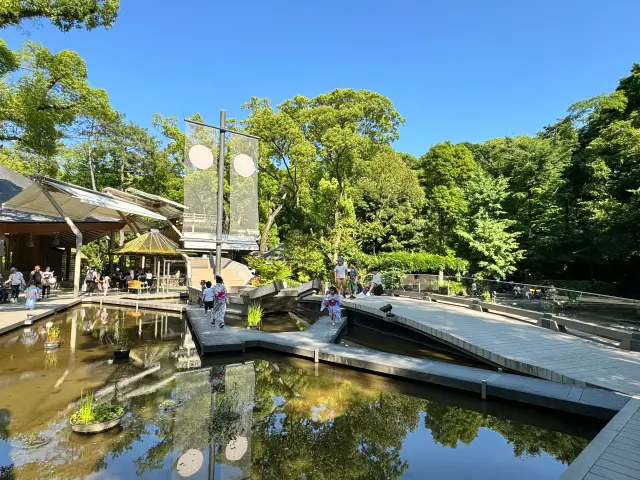
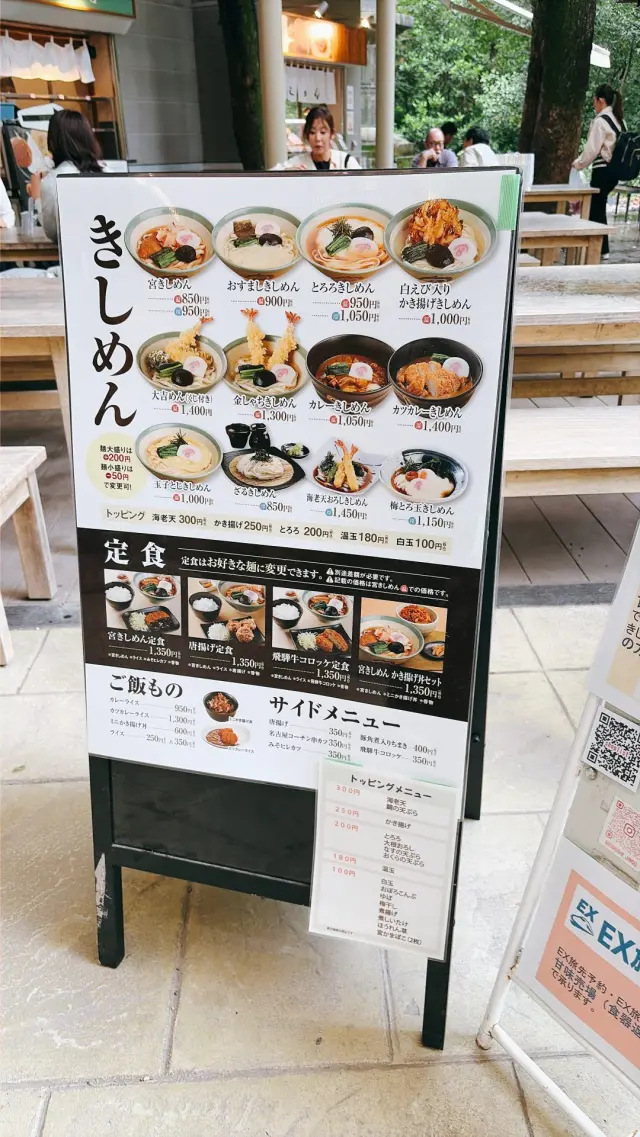
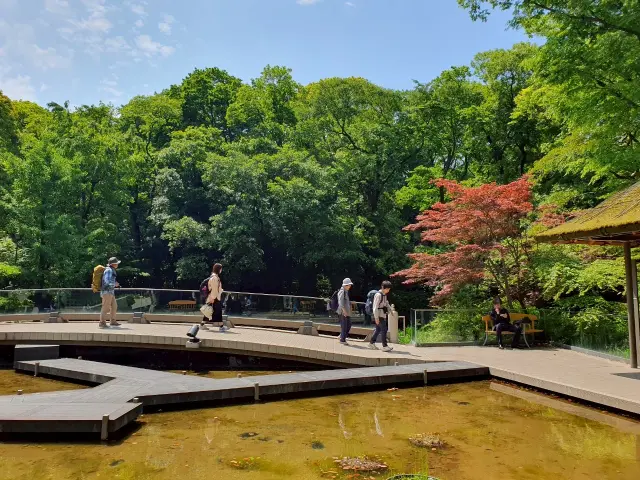
In July of 2021, the surrounding area of Minami-shinike Pond was redesigned as Kusanagi Hiroba (plaza). There is a restaurant serving Nagoya’s famous Kishimen noodles, as well as other rest facilities for visitors.

Highlights

  • One of the Three Sacred Treasures, Kusanagi-no-tsurugi (sacred sword) is dedicated here.
  • Has a large collection of valuable swords and knives, and the “Treasure Hall” and "Sword Treasury, Kusanagikan” are worth seeing.
  • Oda Nobunaga and other war lords worshipped here.
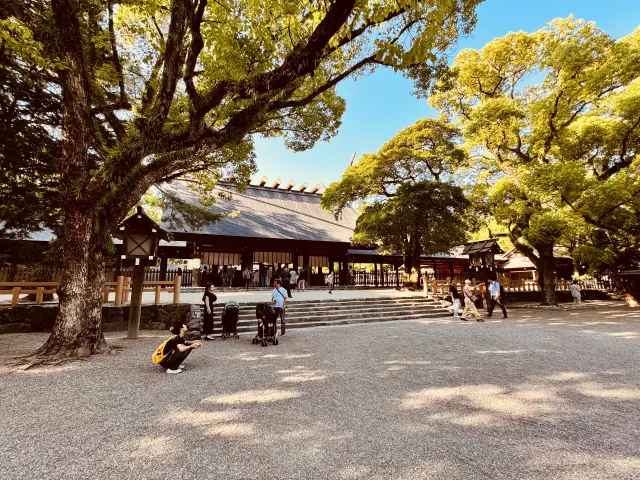
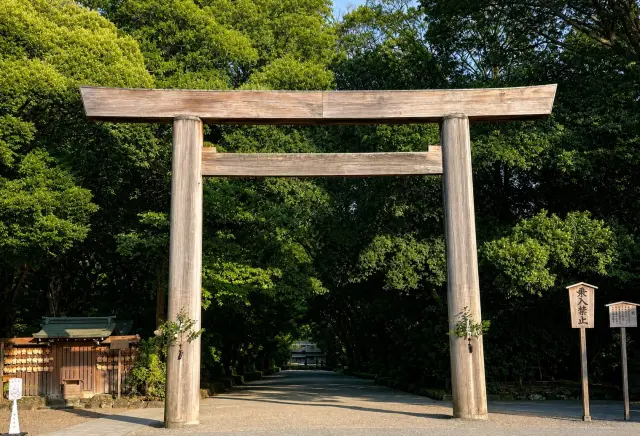
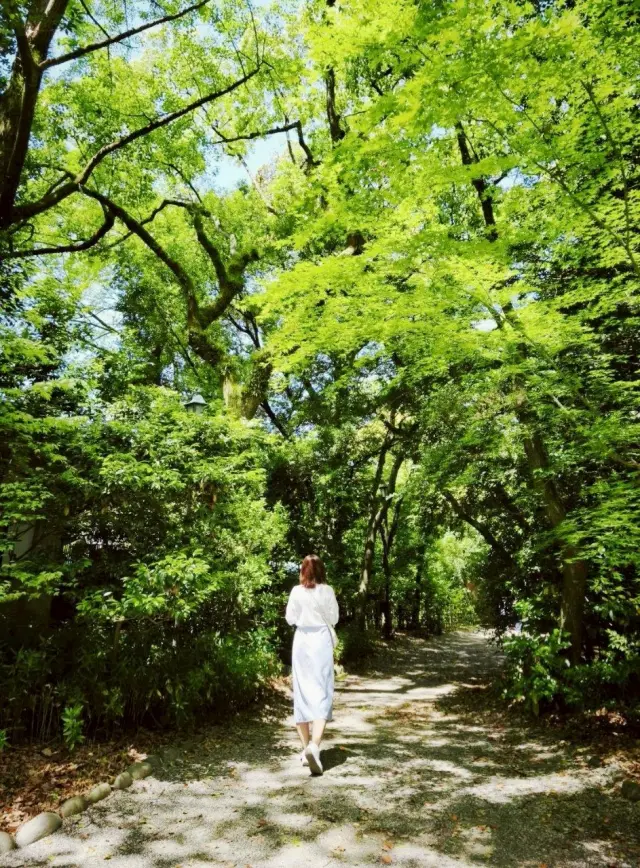
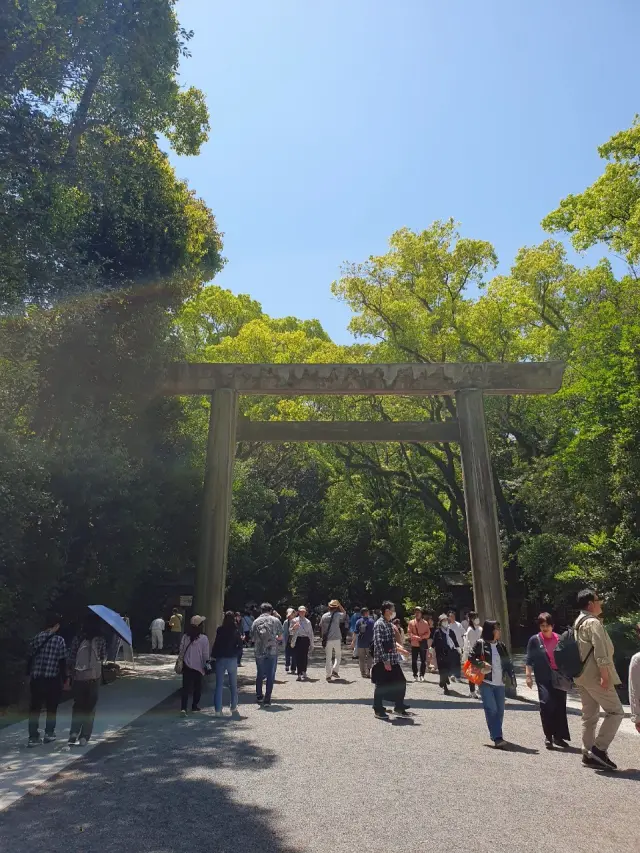
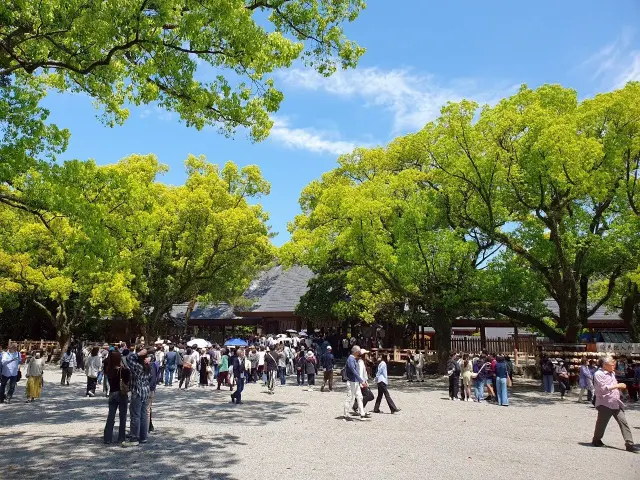
  • The vast temple yard is so refreshing to walk around.

Photos

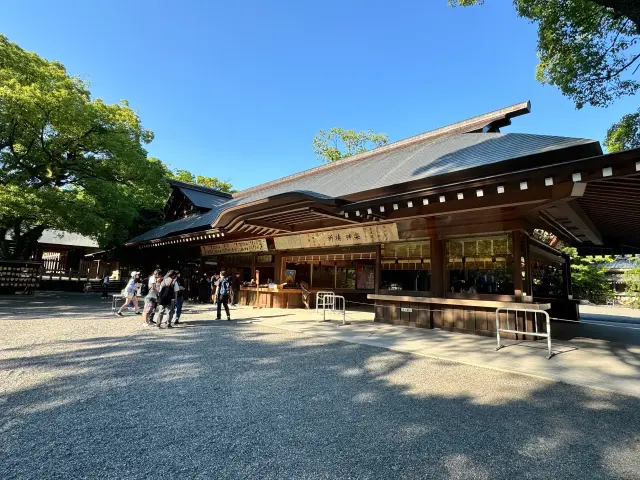
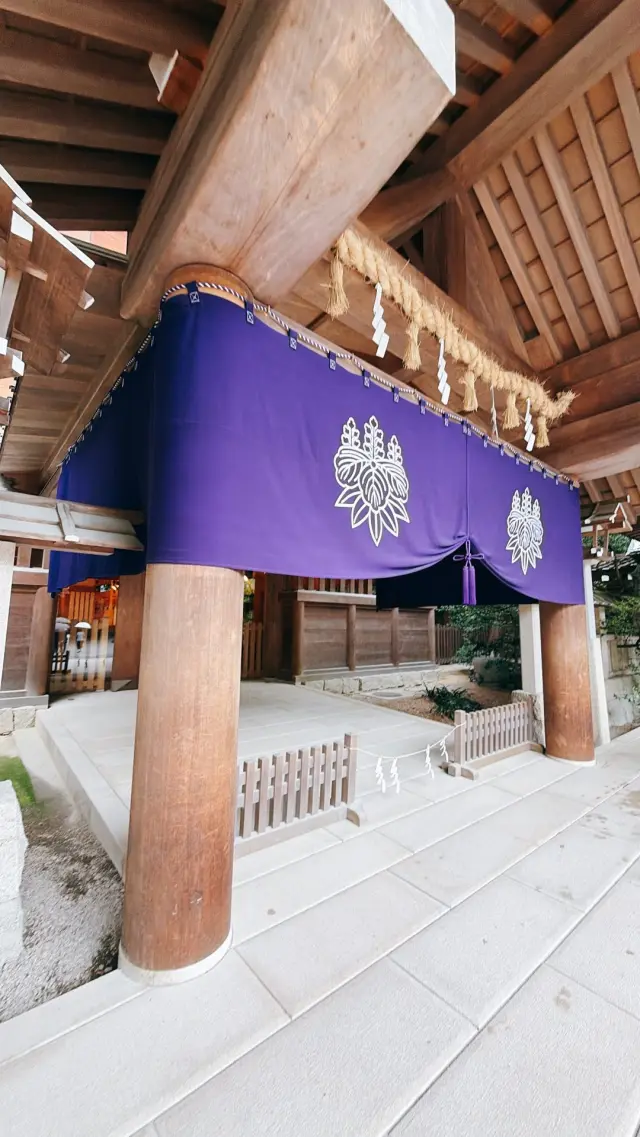
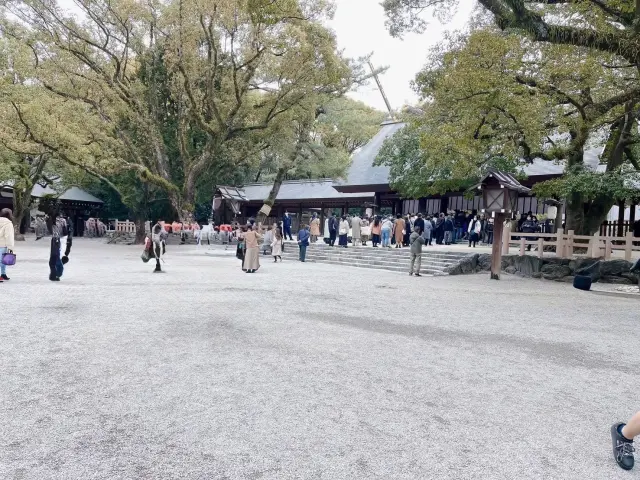
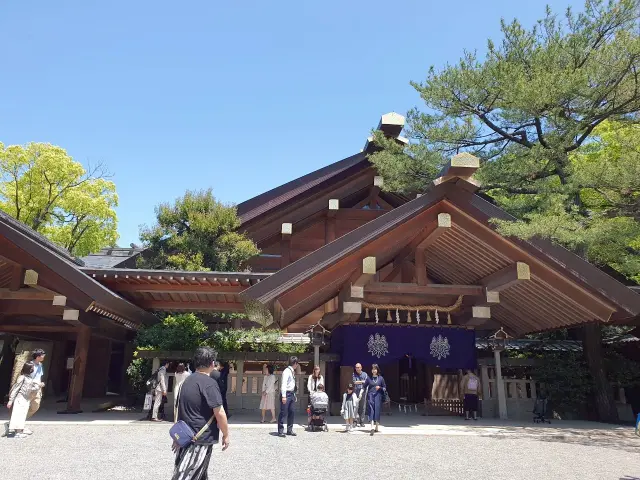
  • The main worship hall

    The main worship hall

  • The path is so refreshing to walk along.

    The path is so refreshing to walk along.

  • The wall dedicated by Oda Nobunaga as a token of thanks for his victory in the Battle of Okehazama.

    The wall dedicated by Oda Nobunaga as a token of thanks for his victory in the Battle of Okehazama.

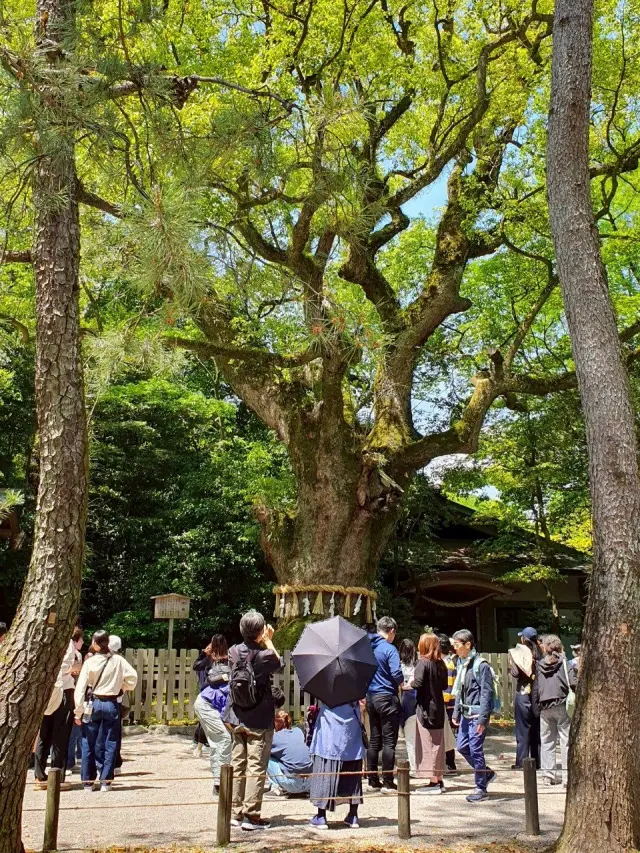
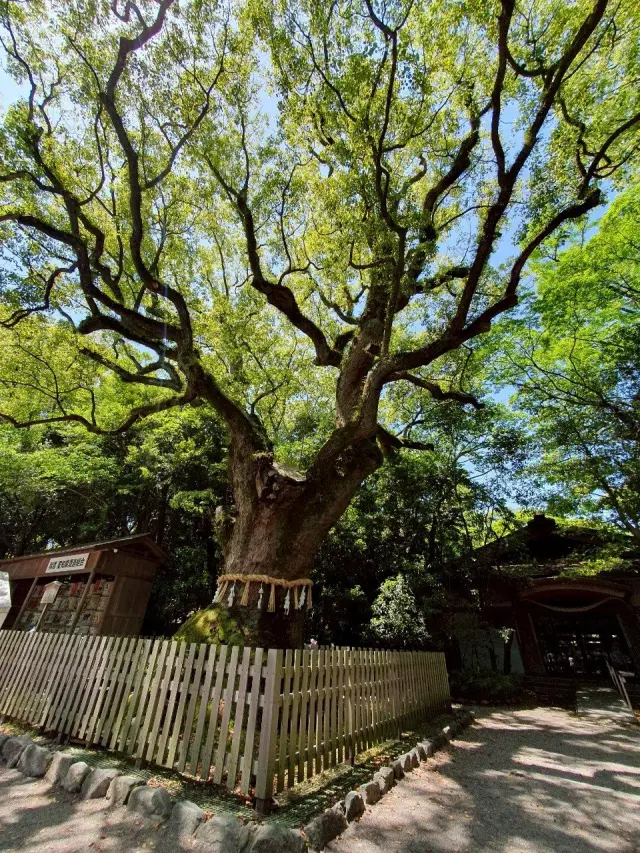
  • The 20-meter-tall "Okusu" camphor tree.

    The 20-meter-tall "Okusu" camphor tree.

  • The Treasure Hall displays many valuable cultural treasures and materials.

    The Treasure Hall displays many valuable cultural treasures and materials.

  • Sword treasury, Kusanagikan

    Sword treasury, Kusanagikan

Reviews

13

Some reviews are AI-translated.

  • See More

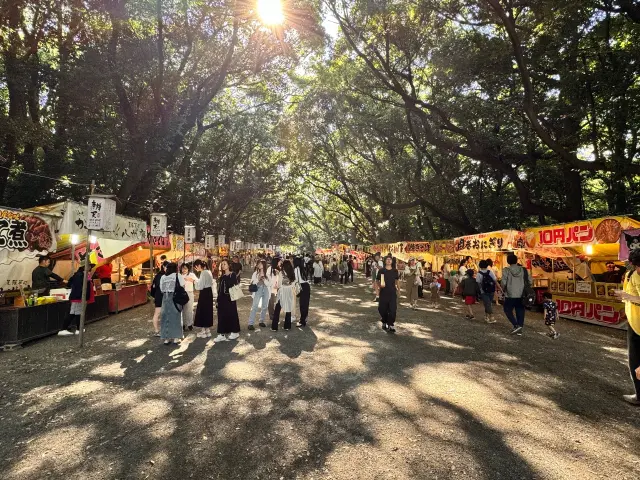
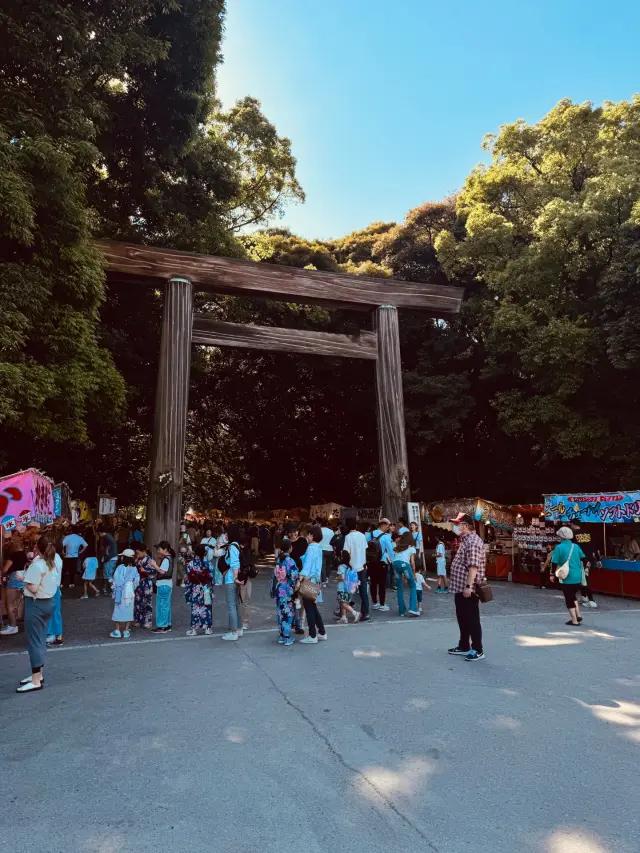
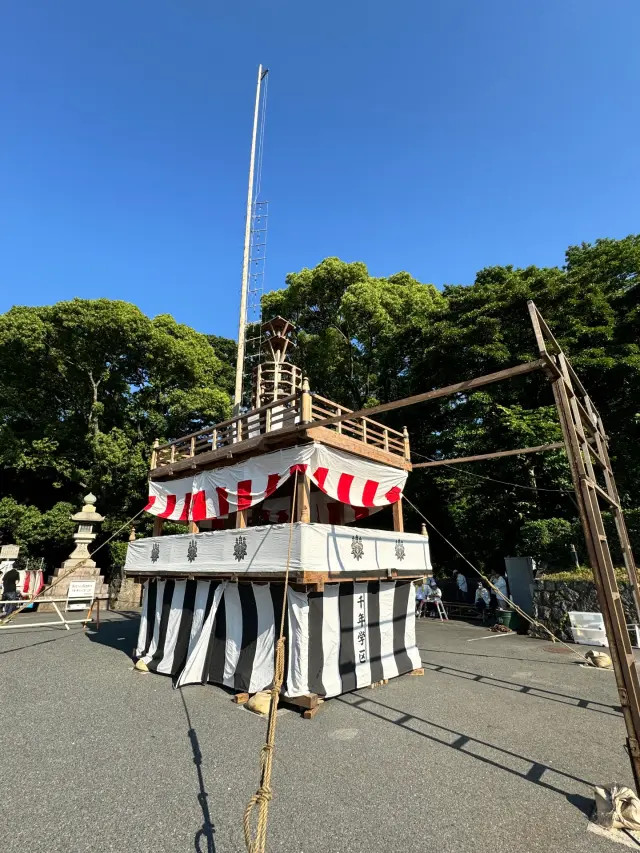
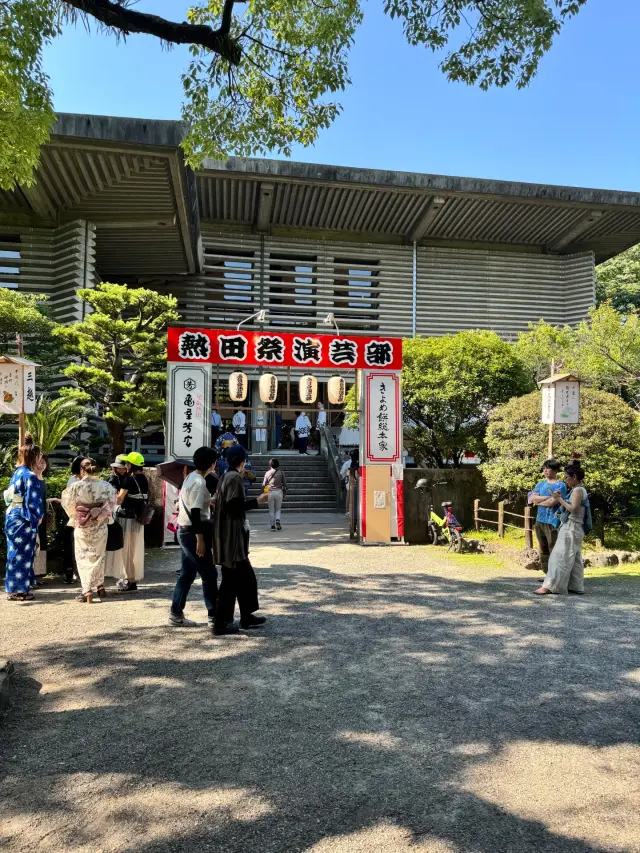
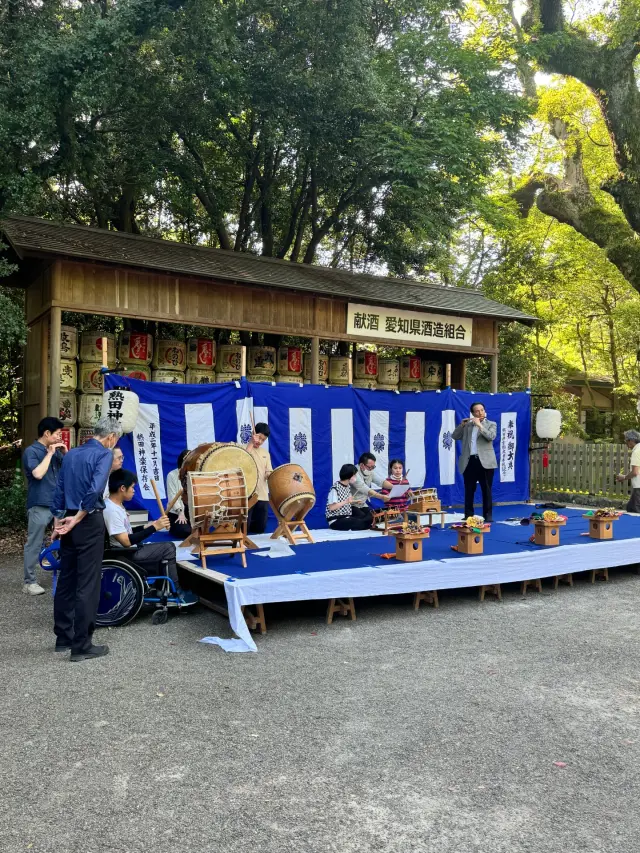
    Atsuta Jingu, one of Japan’s three major shrines, enshrines the Kusanagi Sword, one of the three sacred swords. The shrine grounds are spacious and quiet, surrounded by ancient camphor trees. Many people make sure to visit when they come to Nagoya, and it is a place filled with energy. I recommend visiting during the Atsuta Festival, when the shrine suddenly comes alive with food stalls, taiko drumming, sumo and kendo performances, and locals and tourists dressed in yukata. Of course, there are also lantern floats, and at night, dedicated fireworks light up the sky. Come in early June to experience the prelude to summer, as Atsuta Jingu transforms from solemn and quiet into a lively festival feast. It is well worth visiting at this time and is guaranteed to be worth your while, offering a different kind of shrine visit.

  • See More

    With over 1,900 years of history, Atsuta Jingu is one of Japan's most important shrines. It is said to house the Kusanagi Sword, one of the Three Sacred Treasures of the Japanese imperial family, and is also mentioned in the Kojiki and Nihon Shoki.

    What I liked most when entering the shrine grounds was the atmosphere, which felt completely different from the city. Towering old trees and lush greenery make the entire grounds quiet and solemn. Walking around naturally makes you slow down and clear your mind.
    This is also one of Nagoya's most iconic spiritual spots. Besides praying for blessings, it's also a great place to take a walk and experience history and Japanese shrine culture.
  • See More

    Atsuta Jingu is located in Nagoya and has a history spanning more than a thousand years. It is one of Japan's most revered and important shrines, famous for enshrining the Kusanagi-no-Tsurugi, one of the Three Sacred Treasures. The shrine grounds are filled with towering ancient trees and have a quiet, solemn atmosphere, making it an important sacred place of worship for Japanese people.

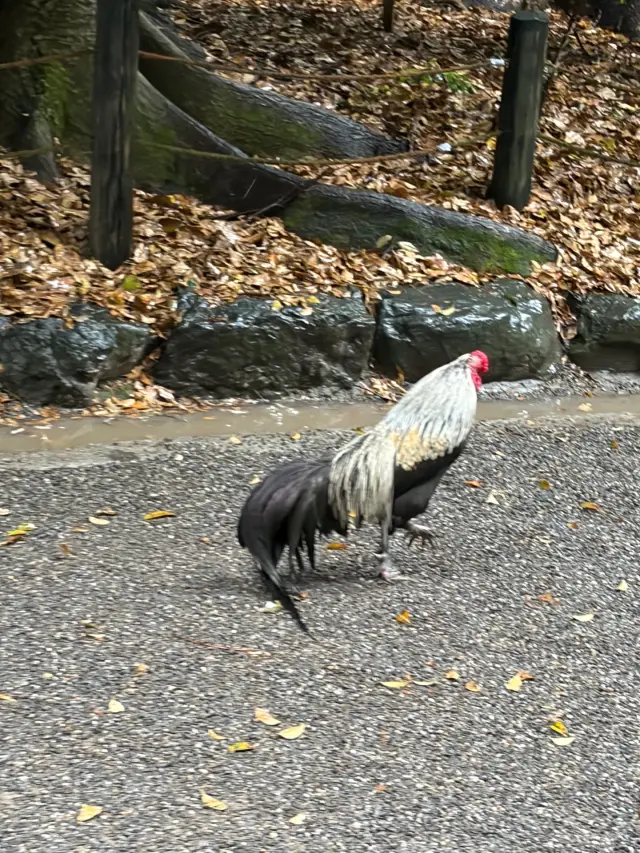
    If you happen to see the “sacred chickens” strolling leisurely along the wooded paths during your visit, don't forget to pay your respects. They are regarded as messengers of the gods and are said to bring good luck to those who encounter them.

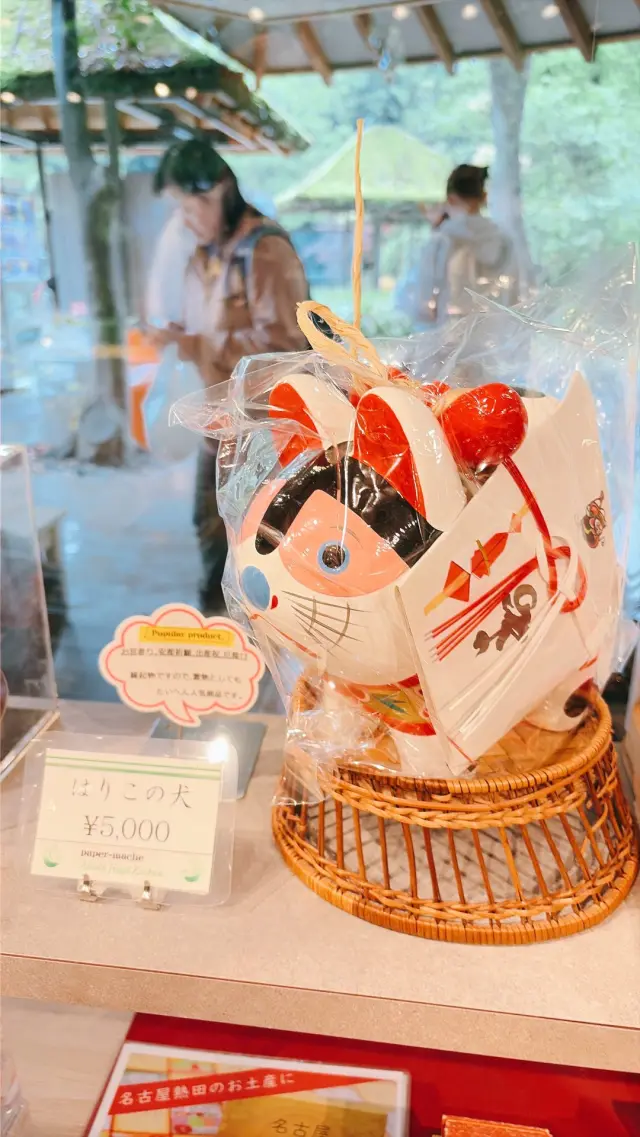
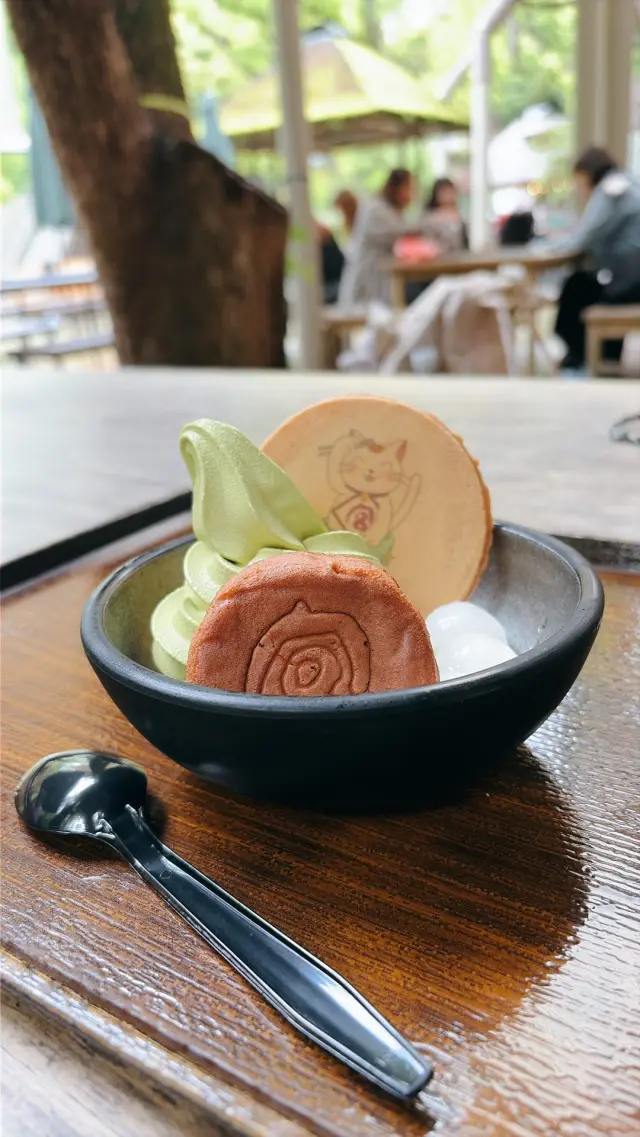
    After your visit, don't miss the smooth, pleasantly chewy specialty udon and traditional sweets served at the teahouse surrounded by shade trees within the shrine grounds. This is also one of the birthplaces of the lucky charm known as the “Inuhariko.” Choose a charming Inuhariko to take home—not only is it said to ward off evil and misfortune, but it can also protect your home and keep your whole family safe.

  • See More

    Atsuta Jingu is a very famous shrine in Nagoya. As soon as you enter the approach, you can feel the peaceful and solemn atmosphere, and the tall trees make you feel as if you're in a forest. As you stroll around and worship, your mind also becomes calm, creating a striking contrast with the bustling city. Afterward, you can enjoy local specialties at the shrine or nearby, such as the famous eel rice, making the trip even more fulfilling.

  • See More

    Atsuta Jingu is one of the classic must-visit spots on a trip to Nagoya, with a long history and a solemn, peaceful atmosphere. Once you step inside the shrine grounds, you’re surrounded by towering old trees, giving you a strong sense of traditional Japanese charm. Each season offers its own beautiful scenery: lush greenery in spring, vibrant energy in summer, stunning maple leaves in fall, and an even more dignified feel in winter. No matter when you visit, it’s worth taking your time to appreciate.

Details

Name in Japanese
熱田神宮
Postal Code
456-8585
Address
1-1-1 Jingu, Atsuta-ku, Nagoya City, Aichi
Tel
052-671-4151
Closed
Open all year round (The Treasure Hall closes on the last Wednesday of the month and the following day)
Hours
Open all year round (The Treasure Hall 9:00am - 4:30pm)
Admissions
Free (for the Treasure Hall, Adults 500yen, Elementary and Junior high school students : 200yen (Fees may change when special exhibitions or feature exhibitions are held)
Directions
1) Approx. 3 minutes walk from Jingumae Station on Nagoya Railroad (Meitetsu)
2) Approx. 7 minutes walk from Atsuta Jingu Nishi Station on Nagoya Municipal Subway
3) Approx. 7 minutes walk from Atsuta Jingu Temma-cho Station on Nagoya Municipal Subway
Credit Cards
Not accepted
Official Website
Official Website (English)
Hokkaido Tohoku Kanto Chubu Hokuriku Kansai Chugoku Shikoku Kyushu Okinawa