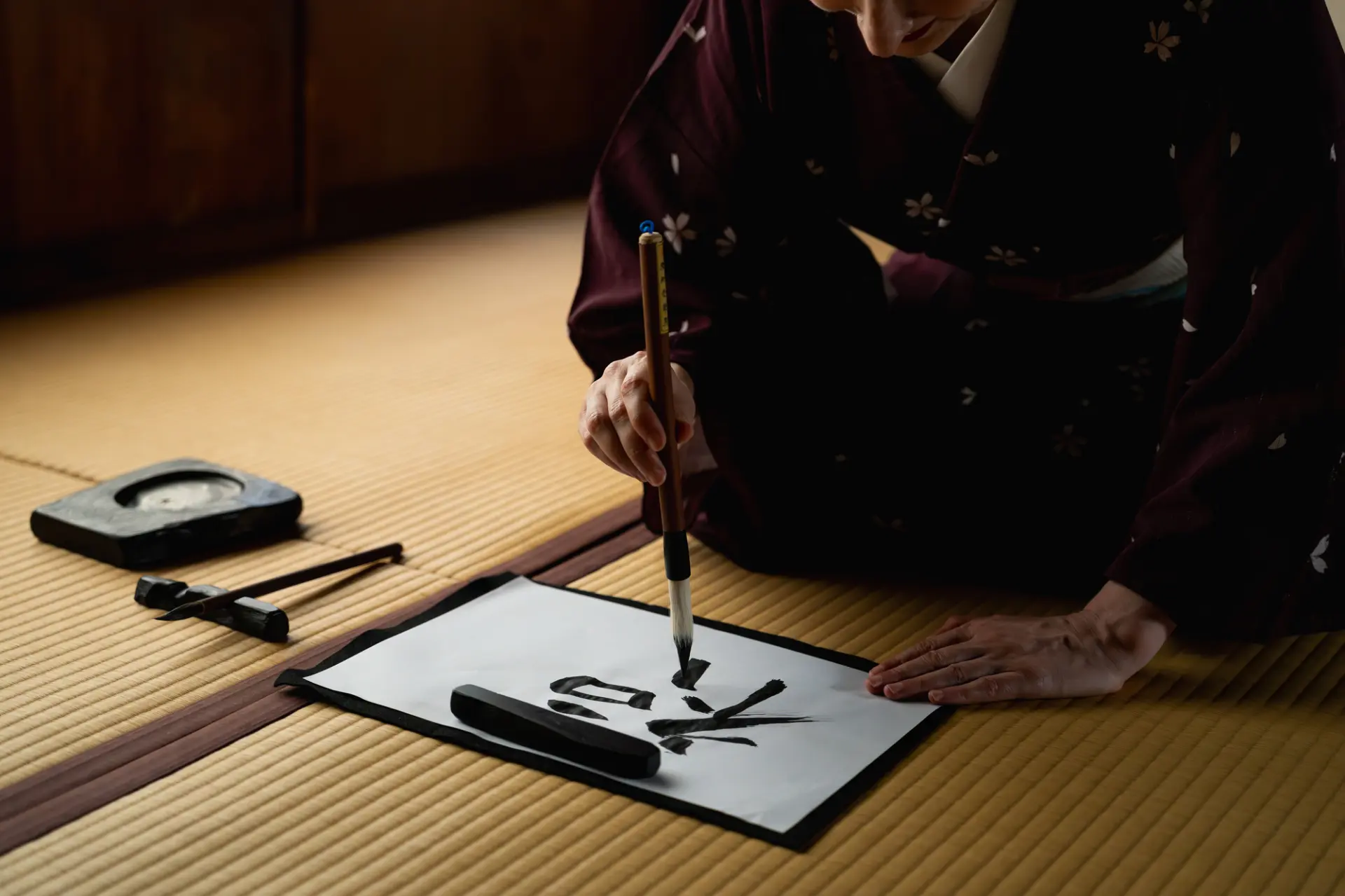
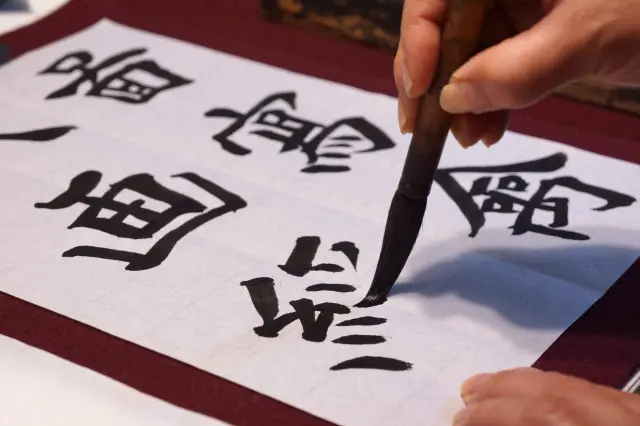
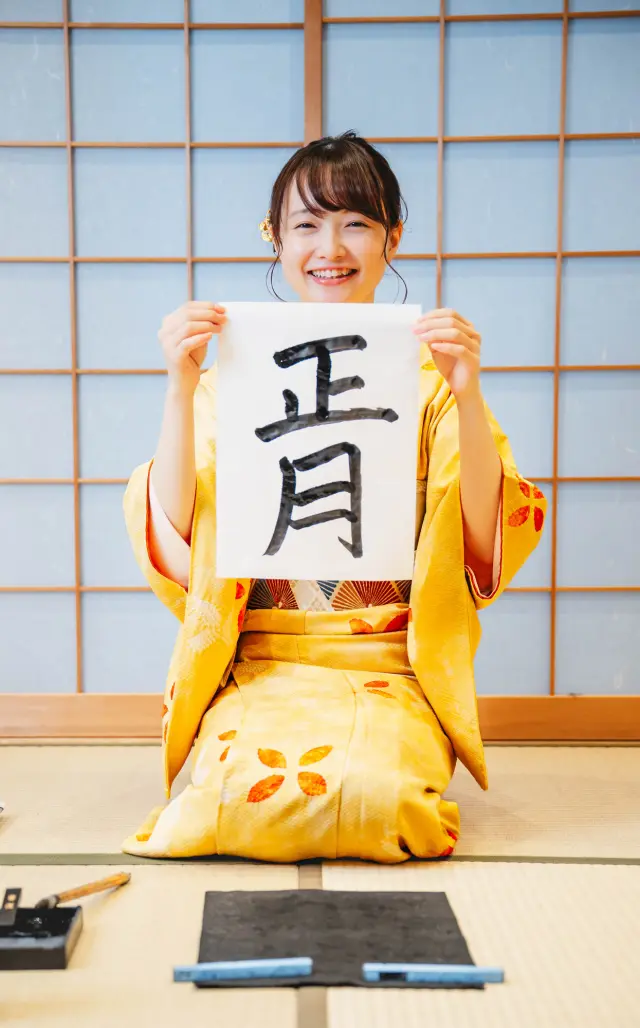
Shodo is a traditional Japanese art of writing characters with a brush and ink, going beyond a simple means of recording words to become a form of artistic expression. Each stroke reveals variations in strength and rhythm, while line thickness, ink bleed, and harmony with empty space create its distinctive beauty. Different styles, such as kaisho, gyosho, and sosho, are used depending on the purpose and expression. Works are appreciated not only as art to view, but also as a way to convey spirituality and a sense of beauty, and they are also enjoyed as gifts and decoration.
Its origins lie in China, and it was brought to Japan along with the arrival of kanji culture. From ancient times, it developed in connection with aristocratic culture and the practice of copying sutras, and in the Heian period (794–around 1185), a distinctly Japanese style of calligraphy using kana was established. After that, it spread widely as part of education and etiquette. It became rooted as a cultural practice for cultivating concentration and mental focus. Time spent facing one's inner self through the act of writing characters is highly valued.
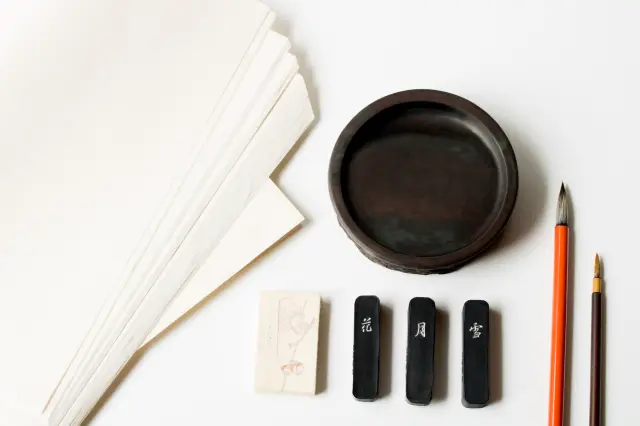
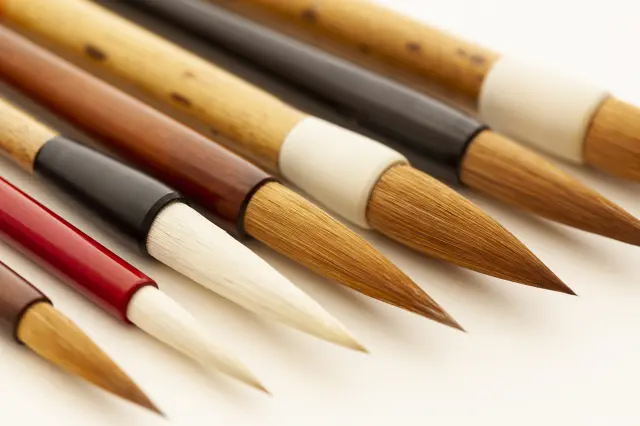
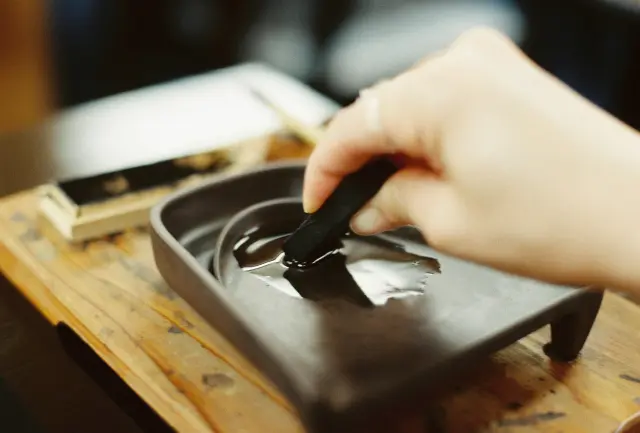
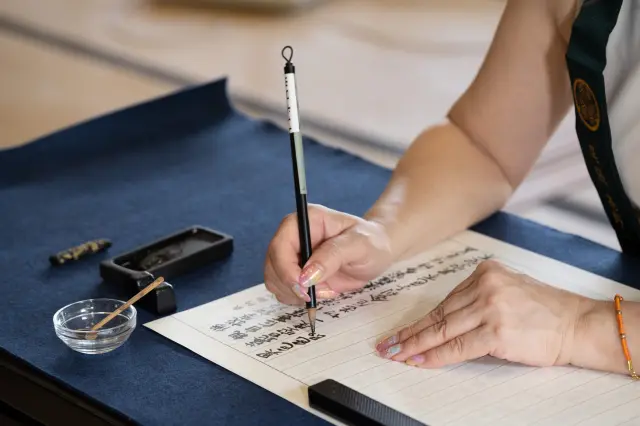
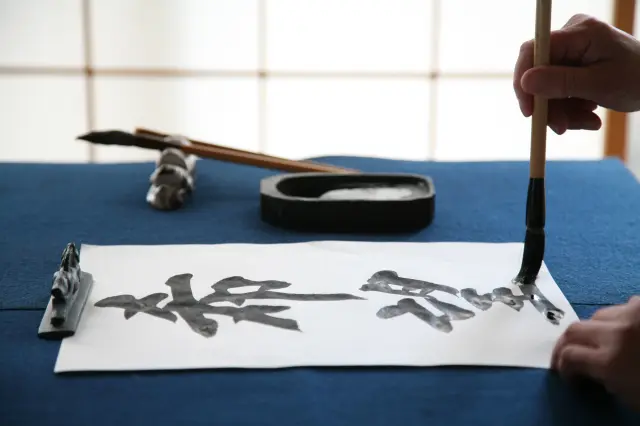
The materials used are brush, ink, suzuri inkstone, and mainly washi paper. One of its defining features is the wide range of expression made possible by the flexible movement of the brush tip and the varying density of the ink. The character of each line changes depending on brush pressure, speed, and the flow of the strokes, so even the same character reveals a different individuality with each writer. It is basically done by hand in a single attempt, and the tension of not being able to make corrections is also part of its appeal.
Today, it is applied not only as part of education, but also in a wide range of fields such as art, design, and performance. New forms of expression, including calligraphy performances and digital works, have also emerged. It is also incorporated into spatial design and interior decor. While preserving tradition, it continues to develop as a new culture connected with contemporary sensibilities.
Highlights
-
A traditional Japanese art that expresses characters with a brush and ink.
-
A unique culture that expresses beauty through variations in lines and empty space.
-
A variety of styles exist, including kaisho, gyosho, and sosho.
-
Widely practiced as a culture for learning mental focus and etiquette.
-
Today, it has also expanded into art and performance.