
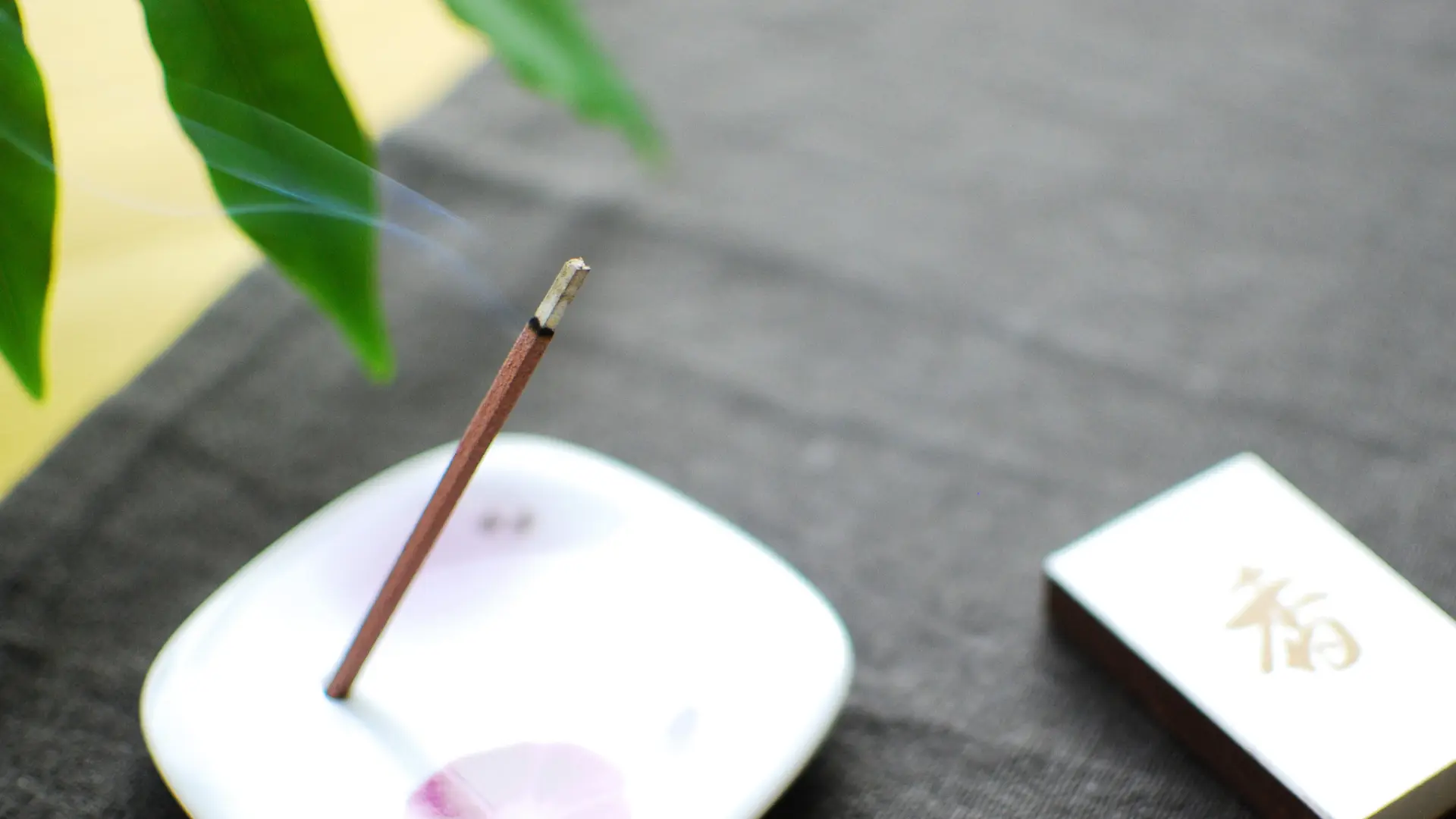
Incense
Japan’s incense culture was introduced along with Buddhism and developed as fragrance became part of daily life and aesthetics.
Incense, which is enjoyed by burning fragrant woods and other plants, is one of Japan’s traditional cultures.
It arrived along with Buddhism over 1,400 years ago and was first used for religious purposes, but it eventually spread among the aristocracy.
In the Heian period (794–1185), the custom of scenting clothes and rooms with fragrance became established among nobles.
In the Edo period (1603–1868), incense spread not only among nobles and samurai but also among townspeople.
By this time, tools for appreciating fragrance were made, and etiquette for enjoying incense was also established, solidifying it as the cultural practice known as “Kōdō.”
The three most representative fragrant woods are agarwood (jinkō), sandalwood (byakudan), and kyara.
Some materials are highly rare, and they are processed into various forms depending on their use.
The forms of fragrant wood may be used differently in line with the concepts of “hare” and “ke,” which Japanese people have long valued.
“Hare” refers to special days such as festivals and rituals, while “ke” means everyday life.
Irregularly shaped fragrant wood is more affordable and used daily as “ke incense,” while neatly shaped fragrant wood is used on special days as “hare incense.”
There are many types of incense, including stick incense called “senkō,” cone-shaped incense, and “nioibukuro” scented sachets that let you enjoy fragrance without using fire.
Even in modern Japan, incense is used in many everyday situations, such as when you want to reset your mood or create a certain atmosphere in a space.
Highlights
-
Incense was introduced to Japan along with Buddhism and was initially used for religious purposes.
-
In the Heian period, the custom of scenting spaces with fragrance became established among the aristocracy.
-
In the Edo period, it spread to townspeople as well and developed as a culture of appreciating fragrance.
-
Fragrant woods such as agarwood and sandalwood are used differently depending on their form and purpose.
-
There are many types of incense, including stick incense, cone-shaped incense, and scented sachets.
Photos
-
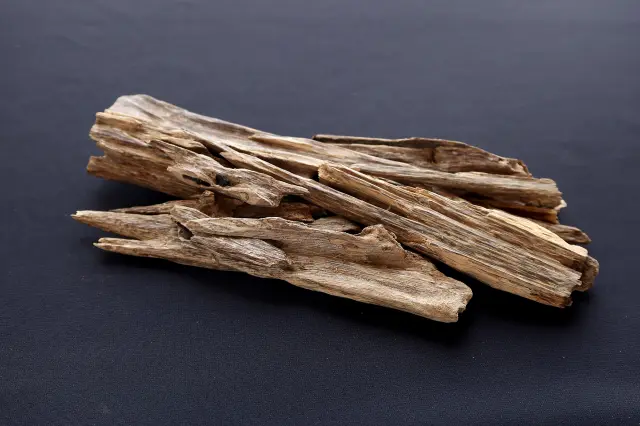
A representative fragrant wood, agarwood
-
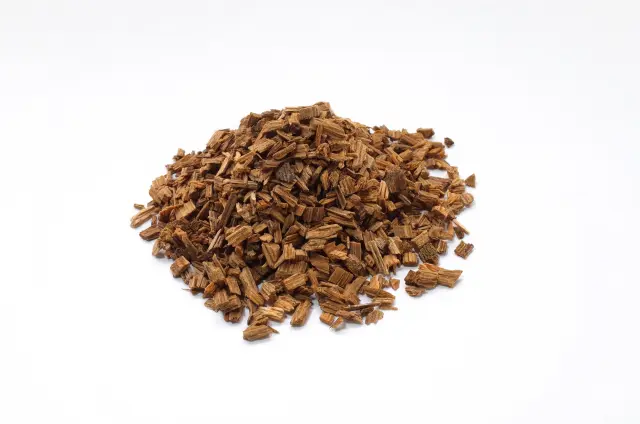
Uses also vary depending on how the fragrant wood is processed
-
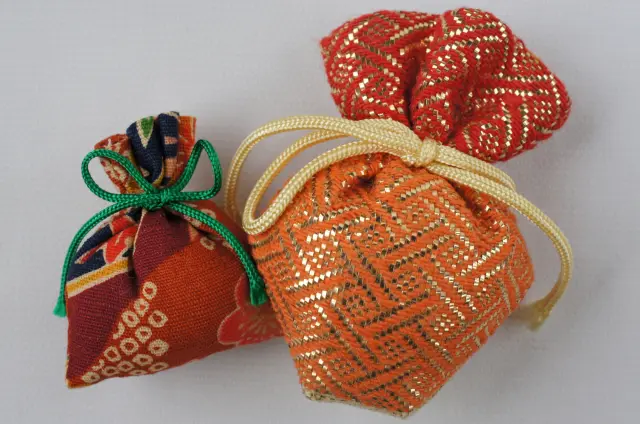
Some types release fragrance at room temperature without using fire
Details
- Name in Japanese
- お香
- Main Ingredients
-
Sandalwood
Agarwood
Kyara - Types of Incense
-
Stick incense (senkō)
Cone-shaped
Spiral-shaped
Scented sachets (nioibukuro)
Nerikō (kneaded incense)
Inkō (pressed incense)
Long stick incense
Zukō (incense powder applied to the body)
Makkō (incense powder)
Shōkō (incense offered by burning)
Popular Articles