
Verified [Verified] denotes information that has been published with confirmation of its owing parties.
Wakuya Manyo no Sato Tenpyo Roman-kan
A multi-purpose facility where you can learn about the history of gold production and try gold panning.
Wakuya Town in Miyagi Prefecture is known as the first place in Japan where gold was produced. It is also famous for the 900 ryo of gold (Approx. 13 kg) presented to the capital of Nara and used for the Great Buddha of Todai-ji Temple. At Wakuya Manyo no Sato, centered around the nationally designated historic site Koganeyama Gold Production Ruins, you can learn about the history of gold production that has been passed down in this area.
The site is made up of three areas: a historic site zone centered on the grounds of Koganeyama Shrine, a Japan Heritage site worshipped as a deity of good fortune in money matters, a ruins plaza developed as a park where you can enjoy traces of the Manyo period and the changing seasons, and Tenpyo Roman-kan, which introduces gold production techniques from the Nara period and the construction of Todai-ji Temple through a variety of materials. At Tenpyo Roman-kan, you can try gold panning and gemstone hunting. The gold flakes and gemstones you find can be taken home, making it a popular activity for visitors of all ages.
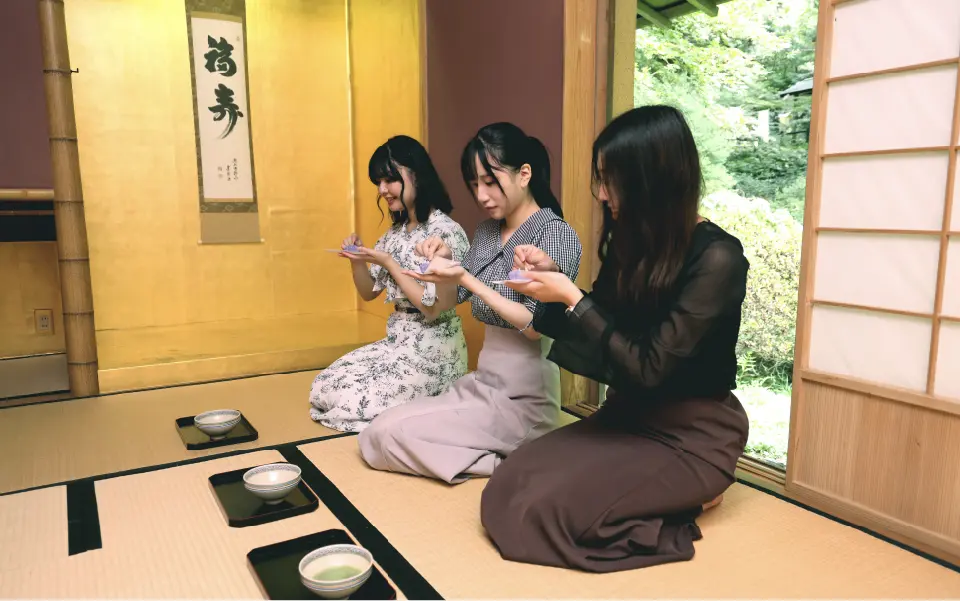
There is also a restaurant where you can enjoy seasonal local ingredients and regional specialties, as well as a market that is convenient for picking out souvenirs such as sweets and gold leaf crafts. At the tea room Kugané-an, notable for its striking golden alcove, you can also enjoy a set of tea and Japanese sweets (extra charge).
Highlights
-
A facility in Wakuya Town, Miyagi Prefecture, where gold was first produced in Japan.
-
Made up of three areas: the historic site zone, ruins plaza, and Tenpyo Roman-kan.
-
At Tenpyo Roman-kan, you can learn about Nara-period gold production techniques and the construction of Todai-ji Temple.
-
Gold panning and gemstone hunting are popular activities.
-
A restaurant and souvenir shop are also available.
Photos
-
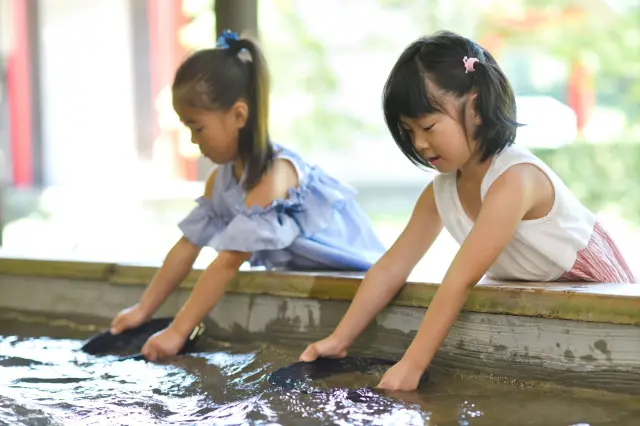
The popular gold panning experience
-
You can also enjoy tea in the golden tea room (extra charge)
-
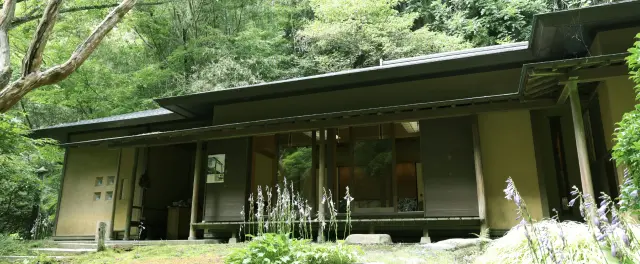
The ruins plaza dotted with Manyo poetry monuments and memorials
Official FAQs
Frequently Asked Questions have been vetted and answered directly by each listing.
Q
Is there free Wi-Fi available in the area?
Yes. (Tenpyo Roman-kan area only)
Q
Are there coin lockers?
No, there are not.
Q
Is re-entry allowed?
You may re-enter the history museum by showing your ticket stub.
Q
Is there a smoking area?
No, there is not.
Q
Are there any sightseeing spots nearby?
Konpoji Temple and the Wakuya Castle Ruins (Shiroyama Park).
Q
Are all facilities open year-round?
The history museum and market inside Tenpyo Roman-kan are open year-round. The gold panning facility and tea room Kugané-an are closed for winter from December to March. (Gold panning is available with advance reservations for groups of at least 10 people.) The restaurant is open only on Saturdays, Sundays, and holidays.
Reviews
Details
- Name in Japanese
- わくや万葉の里 天平ろまん館
- Postal Code
- 987-0121
- Address
- 1-3 Koganeyama, Wakuya, Wakuya-cho, Toda-gun, Miyagi
- Phone
- 0229-43-2100
- Closed on
- Open daily
- Hours
- 9:30am–5:00pm (through March, 9:30am–4:30pm)
- Admission
- History Museum: Adults and university students 500 yen, elementary, junior high, and high school students 200 yen / Gold panning experience: Adults and university students 1,000 yen, elementary, junior high, and high school students 900 yen / Combined ticket for the History Museum and gold panning experience: Adults and university students 1,300 yen, elementary, junior high, and high school students 900 yen *Gold panning is closed in winter (December to March)
- Access
-
(1) Approx. 10 minutes by car from Wakuya Station on the JR Ishinomaki Line
(2) Approx. 45 minutes by car from Furukawa IC on the Tohoku Expressway - Credit Cards
- Accepted
- Official website
- Official website (Japanese)