
Kensho-ji Temple (Katsushika-ku, Tokyo)

Verified [Verified] denotes information that has been published with confirmation of its owing parties.

Kensho-ji Temple (Katsushika-ku, Tokyo)

A temple with over 400 years of history, home to a legend told through Mujina-zuka.

Last update :
Supervised by :  Kensho-ji Temple

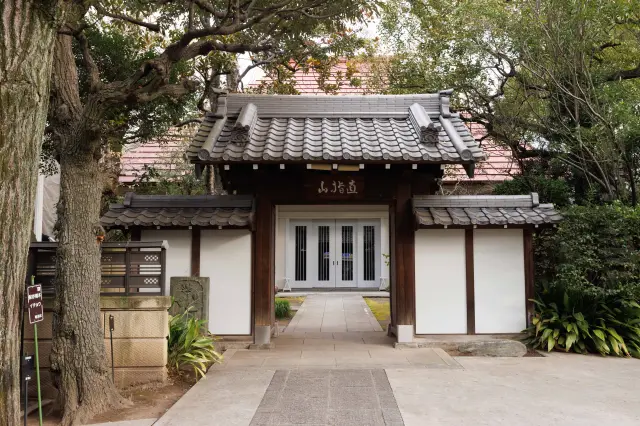
Kensho-ji Temple, located in Kameari, Katsushika City, Tokyo, is a temple with a history of more than 400 years since its founding in 1620. It is about a 4-minute walk from Kameari Station on the JR Joban Line. Though it stands in the middle of the city, the grounds are filled with greenery and a calm, quiet atmosphere.

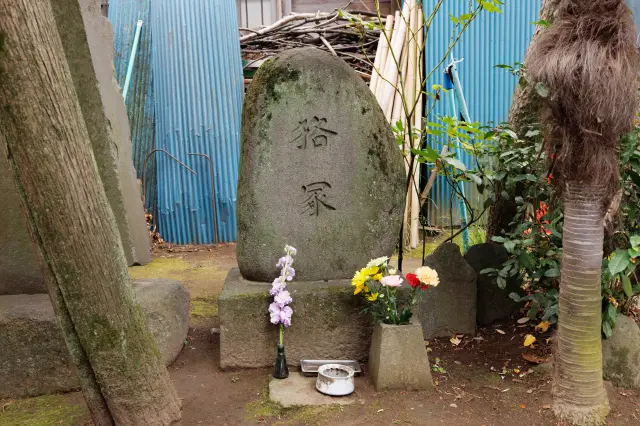
On the grounds is Mujina-zuka, which preserves a legend passed down for more than 100 years.
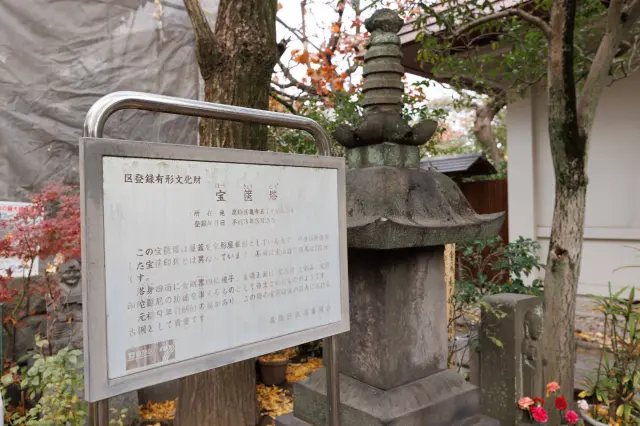
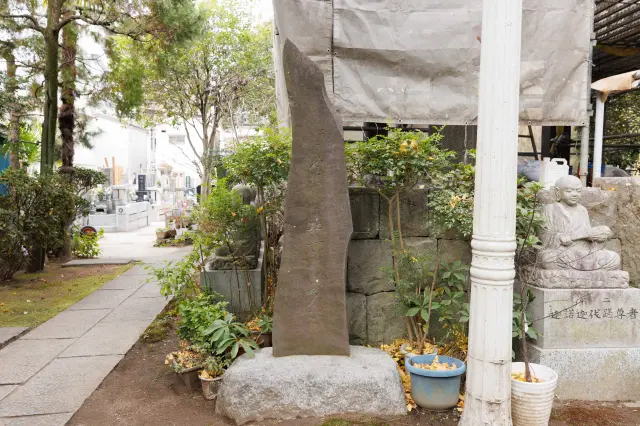
The mound was built to memorialize a tanuki (raccoon dog) said to have disguised itself as a train and was hit by a train when the railway first opened. The current mound was built in 1953. There is also a stone monument inscribed with a haiku by the Japanese poet Masaoka Shiki, and the temple is known for its connection to haiku. Another highlight is the hokyointo (a stone pagoda), a tangible cultural property of Katsushika City.

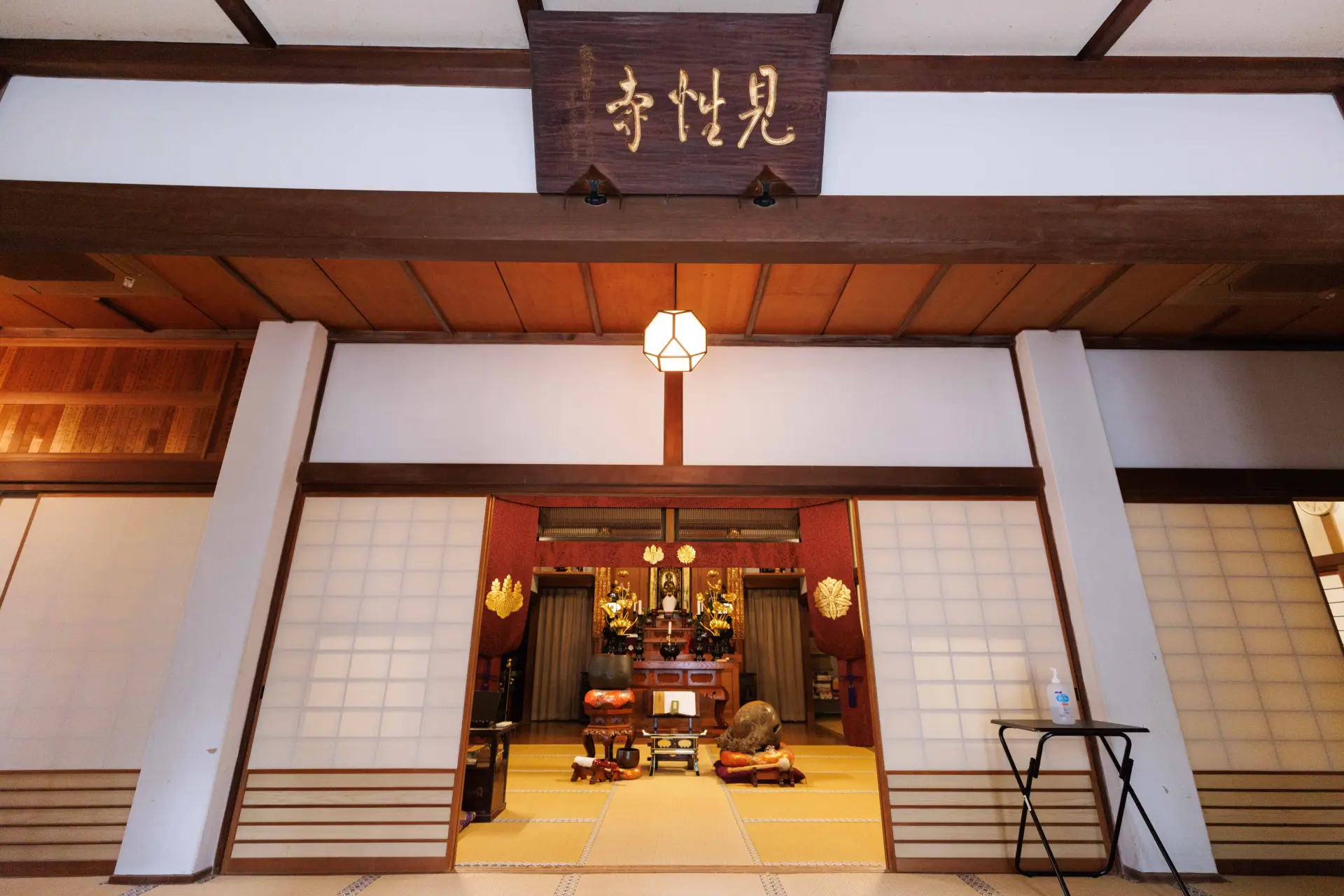
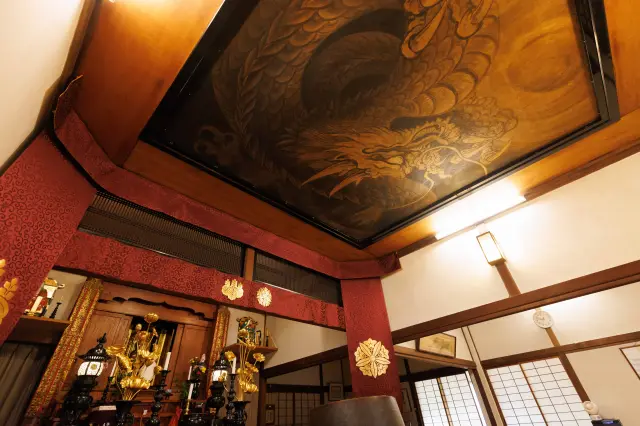
A large dragon painting spans the ceiling of the main hall. A zazen (seated meditation) session is held on the fourth Saturday of every month, and you can experience zazen along with your visit. It is a temple where you can encounter local history and Japanese culture in the area around Kameari Station.

Highlights

  • A Soto sect temple with over 400 years of history since its founding in 1620.
  • About a 4-minute walk from Kameari Station on the JR Joban Line.
  • Famous for Mujina-zuka, which tells a legend about a tanuki said to have disguised itself as a train.
  • The hokyointo (a stone pagoda) on the grounds is one of Katsushika City’s tangible cultural properties.
  • Known for its ties to haiku, with a monument inscribed with a poem by Masaoka Shiki.

Photos

  • A greenery-filled temple about a 4-minute walk from Kameari Station.

    A greenery-filled temple about a 4-minute walk from Kameari Station.

  • Mujina-zuka, known for preserving a legend about a tanuki.

    Mujina-zuka, known for preserving a legend about a tanuki.

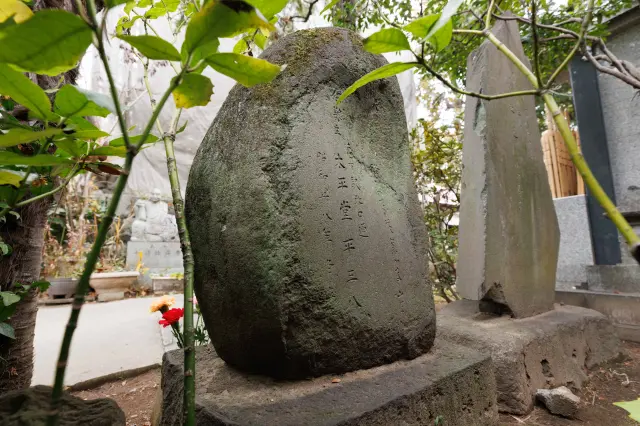
  • The back is engraved with the names of those who built the mound, among other details.

    The back is engraved with the names of those who built the mound, among other details.

  • The hokyointo (a stone pagoda), a tangible cultural property of Katsushika City, is also a highlight.

    The hokyointo (a stone pagoda), a tangible cultural property of Katsushika City, is also a highlight.

  • A stone monument inscribed with a haiku by Masaoka Shiki is also on display.

    A stone monument inscribed with a haiku by Masaoka Shiki is also on display.

  • A powerful dragon painting spans the ceiling of the main hall.

    A powerful dragon painting spans the ceiling of the main hall.

Official FAQs

Frequently Asked Questions have been vetted and answered directly by each listing.

Q

Is admission free?

A

Yes. You can visit and pray for free.

Q

Can anyone join the zazen session?

A

Yes. It is held on the fourth Saturday of every month, and anyone is welcome to join.

Q

Are there any sightseeing spots nearby?

A

Kameari Katori Shrine is within a 5-minute walk, and there is also the Ryotsu Kankichi statue in front of Kameari Station.

Reviews

Details

Name in Japanese
見性寺
Postal Code
125-0061
Address
5-54-25 Kameari, Katsushika-ku, Tokyo
Closed
Open year-round
Visiting Hours
7:00 am-5:00 pm
Access
About a 4-minute walk from Kameari Station on the JR Joban Line
Official Website
Official Instagram