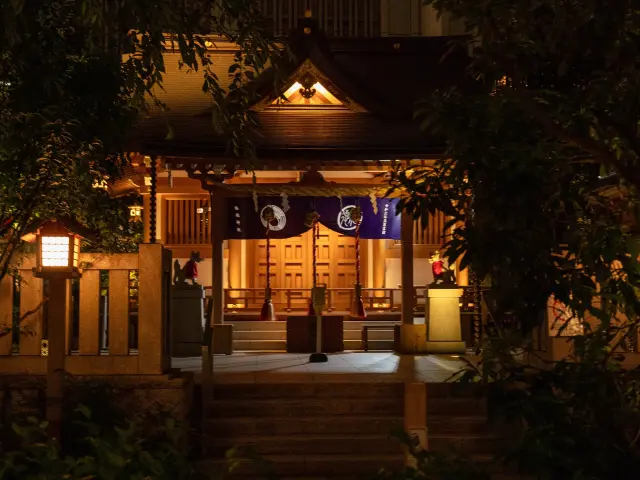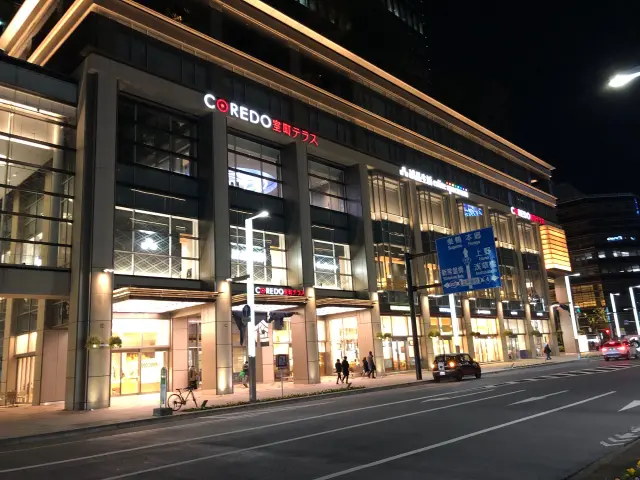
My impression of COREDO Muromachi is that it's not just a large commercial complex in the Nihonbashi area, but a district that blends a "new shopping complex" with the historic atmosphere of old Nihonbashi quite naturally. The most representative example is Fukutoku Shrine right next door. At first glance, it's easy to assume it's just a small shrine that was restored after urban redevelopment, but Fukutoku Shrine actually dates back to the Heian period and is a very old center of Inari worship in the Nihonbashi area.
What's even more interesting is that during the redevelopment of Nihonbashi Muromachi, Mitsui Fudosan didn't treat the shrine as something that had to make way for commercial space. Instead, it incorporated Fukutoku Shrine and the adjacent Fukutoku Garden into the overall plan, allowing the shrine to remain part of the district. That's what I find most impressive about COREDO Muromachi.
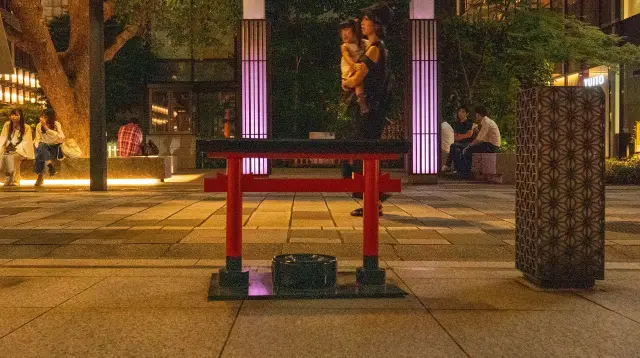
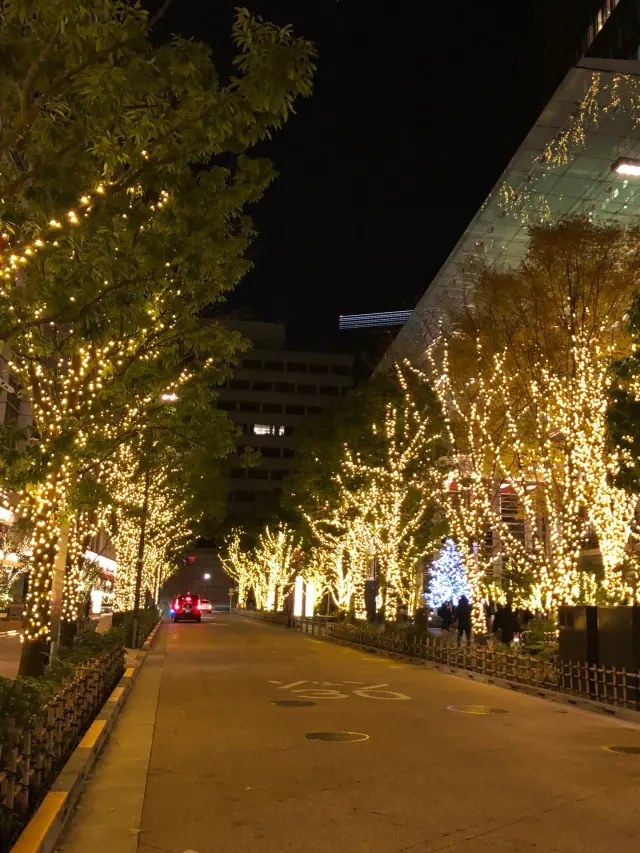
It reconnects Nihonbashi's long-established shops, shrines, and street history with modern commercial spaces. The vermilion torii gate and wooden shrine buildings are surrounded by modern high-rises, with restaurants, cafes, and office buildings nearby. They clash visually, yet somehow feel harmonious when you're actually walking around. COREDO Muromachi itself is also enjoyable to browse, with plenty of dining, desserts, souvenirs, and household goods. Nearby, you can also visit Nihombashi Mitsukoshi, long-established shops, and all kinds of distinctive stores, so it's perfect for a half-day walk around Nihonbashi.
When you get tired from shopping, you can sit for a while in Fukutoku Garden, then stop by Fukutoku Shrine to pray and see if you can win the lottery and achieve financial freedom. This means there isn't a strong boundary between the shopping complex and the shrine; instead, it feels like you're naturally moving between them within the same district.