wendy's Reviews Page 1/31

wendy’s Profile Page
  • Jishu Jinja (Kyoto, Kiyomizu)

    Kyoto’s famous tourist spot in Kiyomizu Temple near the Stage of Kiyomizu. It is said to have been built before the country of Japan was established while Kyoto Valley was still a lake. The shrine was worshipped as the place for longevity. The halls and the ground are designated as national important cultural properties and the world cultural heritage site.

    • Gion, Higashiyama, Yamashina
    • Shrines & Temples
    See More

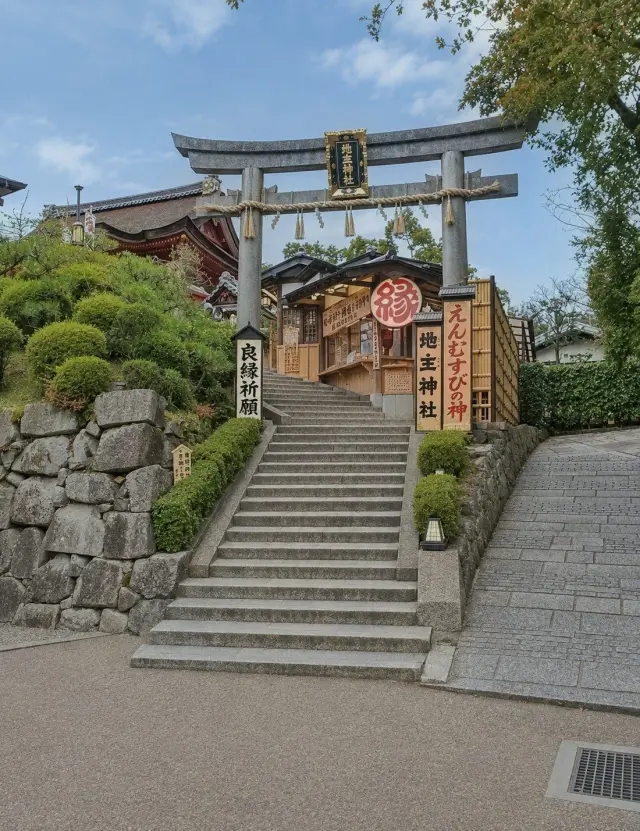
    When visiting Kiyomizu-dera, you also can’t miss Jishu Shrine, which is famous for prayers for good matches and luck in love! Jishu Shrine is said to have been built in the age of the gods. It’s a very famous matchmaking shrine in Kyoto and is also part of a World Heritage Site. The shrine is located to the left of the Kiyomizu Stage at Kiyomizu-dera. Although it isn’t very large, it’s filled with an atmosphere of prayers for love.

    The most famous attraction here is the “love fortune-telling stones.” It’s said that if you close your eyes and successfully walk from one stone to the other, your luck in love will go UP UP! You can also see quite a few people seriously trying it with their eyes closed, which is pretty amusing to watch.

    The shrine’s main deity is Okuninushi-no-Mikoto, and there are also cute rabbit statues nearby. They are said to represent the White Rabbit of Inaba, a messenger of Okuninushi-no-Mikoto. Behind them is a mallet bearing the character for “bond,” so everywhere you look is filled with symbols of prayers for a good match. There is also water fortune-telling to try, which makes you want to test your own luck too.
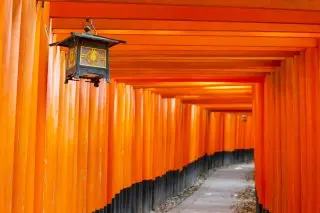
  • Fushimi Inari Taisha

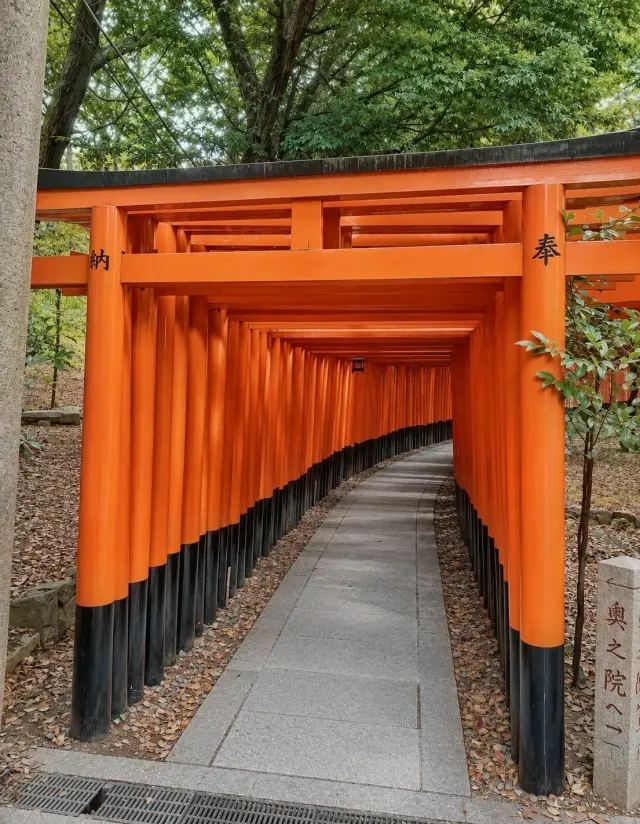
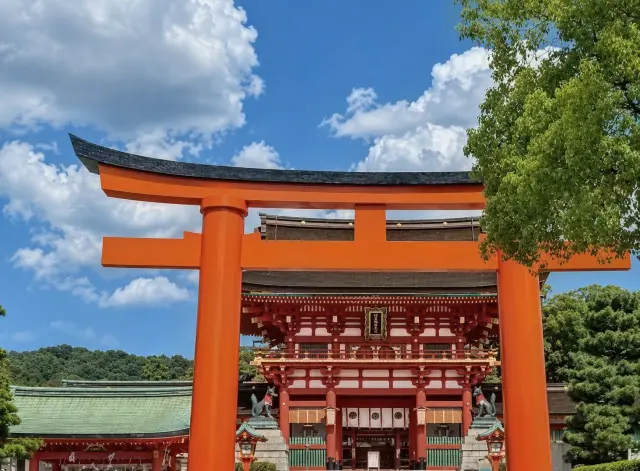
    The head shrine of the approximately 30,000 Inari shrines found throughout Japan, Fushimi Inari Taisha is worshiped for blessings including abundant harvests, business prosperity, household safety, recovery from illness, and the fulfillment of wishes. It was founded in 711. Its best-known attraction is the Senbon Torii, a tunnel-like pathway of vermilion torii gates behind the main shrine.

    • Fushimi, Rakunan
    • Shrines & Temples
    See More

    When visiting Kyoto, of course you can't miss the hugely popular Fushimi Inari Taisha! It's best known for its seemingly endless vermilion Senbon Torii gates, a classic photo spot for many visitors to Kyoto.

    Once you actually step into the tunnel of torii gates, the sight before you is truly captivating! One vermilion torii gate after another lines the mountain path. Whether you look up or straight ahead, the gates stretch as far as you can see. It's a spectacular sight, with a mysterious and solemn atmosphere.

    We slowly made our way up, taking photos as we walked and often stopping to admire the unique scenery. Partway up, we came to a fork where turning left would take us farther up the mountain. We considered challenging ourselves a little more, but we were worried that if we kept going, it would be like hiking in Taiwan and just get more and more tiring〜

    In the end, we decided not to put too much strain on our feet. We bought some omamori charms midway, then turned and headed back down. Since we don't get to come here often, taking it easy, strolling around slowly, and soaking in the experience felt more important!

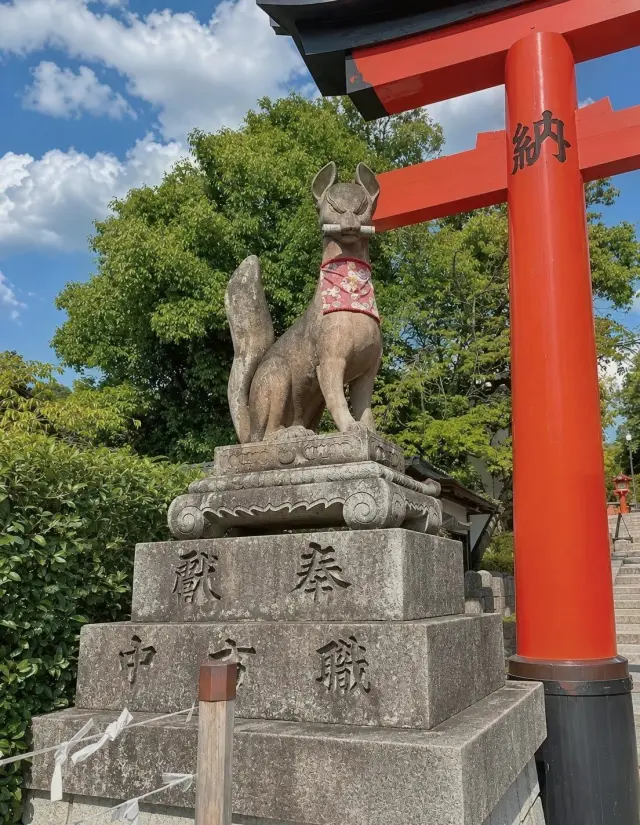
    Along the way, you can also see many fox statues, some holding objects in their mouths, quietly guarding different parts of the shrine. It turns out that foxes are the messengers of Inari Okami. Seeing the foxes in their various forms was quite interesting and added even more mystery to the shrine.

    This place is definitely worth experiencing in person, especially the feeling of walking among the Senbon Torii gates, which is completely different from simply looking at photos! Although we didn't make it all the way to the summit, even this part of the journey left a very deep impression on us.

  • Gin no Yu

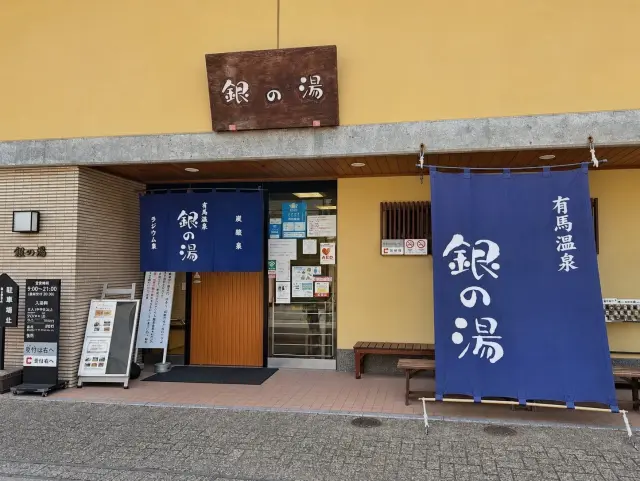
    Arima Onsen, one of Japan's three oldest hot springs, was beloved by Toyotomi Hideyoshi. Make your way here for a time of ease in the "Ginsen” silver sourced springs known as one of Arima Onsen's two types of hot springs, with the other being the reddish-brown "Kinsen”. The silver Ginsen spring is rich in carbonic acid and radium, said to alleviate ailments such as nerve and joint pain, while leaving the skin smooth and hydrated after bathing.

    • Kobe
    • Bathing & Spa Facilities
    See More

    When visiting Arima Onsen, of course you can't miss the experience of bathing at one of Japan's three oldest hot springs! Arima Onsen has a long history and is said to have been beloved by Toyotomi Hideyoshi. Its most distinctive features are the reddish-brown Kinsen, or Gold Spring, and the clear, colorless Ginsen, or Silver Spring, each with its own unique qualities.

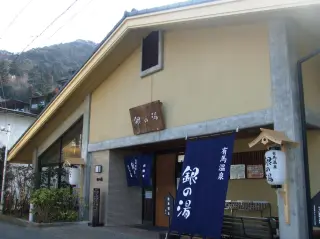
    This time, we specifically planned to bathe in the Silver Spring during the day and experience the Gold Spring at night, enjoying both types of hot springs in a single day! We visited Gin no Yu during the day. From the outside, it had the atmosphere of a traditional Japanese bathhouse, with a blue noren curtain hanging at the entrance. Even before going in, it already put us in the mood for a hot spring bath.

    The interior was a little smaller than expected, without any luxurious or elaborate decor. It felt more like a public bathhouse that locals would visit in their daily lives. The changing room and baths weren't very large either, so it can feel a little crowded when there are a lot of people.

    The Silver Spring water is clear and colorless, completely different from the reddish-brown Gold Spring. After entering the bathing area, I first let my body slowly adjust to the water temperature, then soaked comfortably in the bath. It felt like the fatigue built up from walking all day gradually faded away.

    Since I wasn't in any particular hurry, I let myself fully enjoy those 20 minutes. After getting out, my whole body felt much more relaxed, and both my body and mind got a brief rest. Although Gin no Yu isn't very large, it's very convenient for travelers taking a day trip to Arima Onsen. With the Silver Spring during the day and the Gold Spring at night, we were able to experience two different types of hot springs, making this a memorable part of our trip to Arima Onsen!

  • Kin no Yu

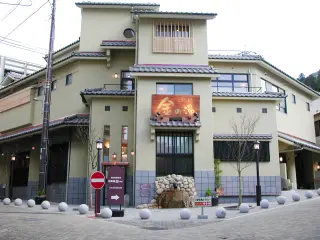
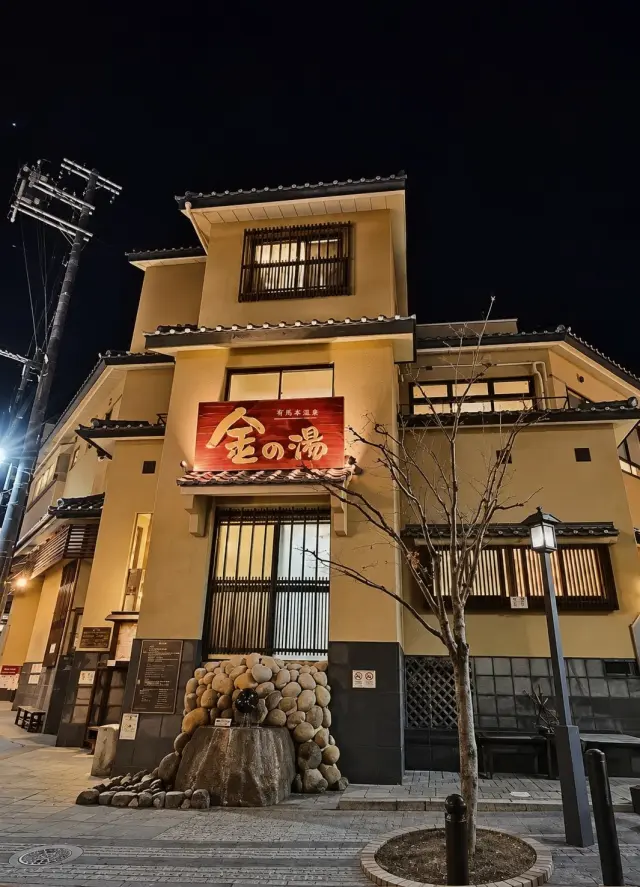
    Ranked among Japan's three oldest hot springs, Arima Onsen is a historic site beloved by the likes of Toyotomi Hideyoshi. Among its two spring types, the reddish-brown "Kinsen" and the clear "Ginsen", "Kinsen" can be enjoyed for drop-ins at Kin no Yu springs. This hot spring is a rich, iron and salt-laden sodium chloride strong saline spring (high-concentration neutral hot spring). Although the water is colorless when it first emerges, it oxidizes when exposed to air, turning a distinctive reddish-brown.

    • Kobe
    • Bathing & Spa Facilities
    See More

    When visiting Arima Onsen, of course you have to experience its most famous hot spring, “Kinsen”! Arima Onsen is said to have a history of around 1,400 years and is one of Japan’s most iconic ancient hot springs. Since I was already here, I naturally wanted to try soaking in it myself. Kin no Yu is a public bath that welcomes day visitors, so you can enjoy the hot spring without staying at a ryokan.

    Once inside, I found it simpler than I had imagined. It felt more like a traditional public bath, and the space wasn’t very large. There were two pools of brown hot spring water, which is Arima Onsen’s famous Kinsen, at temperatures of 42°C and 44°C. I had planned to enjoy a leisurely soak, but the water was actually quite hot, especially the 44°C pool! The baths weren’t very big either and felt nearly full with around 10 people. When it gets busy on holidays, it can feel a little crowded.

    Honestly, the setting wasn’t as spacious or luxurious as I had imagined, and it was somewhat different from the typical image of a hot spring ryokan. Still, since I had made it all the way to Arima Onsen, getting to experience the legendary Kinsen for myself was definitely worthwhile! Since you’re already here, you shouldn’t miss this signature Arima Onsen experience.

  • Arima Onsen

    A famous hot spring that represents Kansai, which springs at the northern foot of Mt. Rokko. It is a historical hot spring that appears in "Nihon Shoki" and "Fudoki", and is one of the "Three Ancient Springs of Japan".

    • Kobe
    • Hot Springs & Hot Spring Resorts
    See More

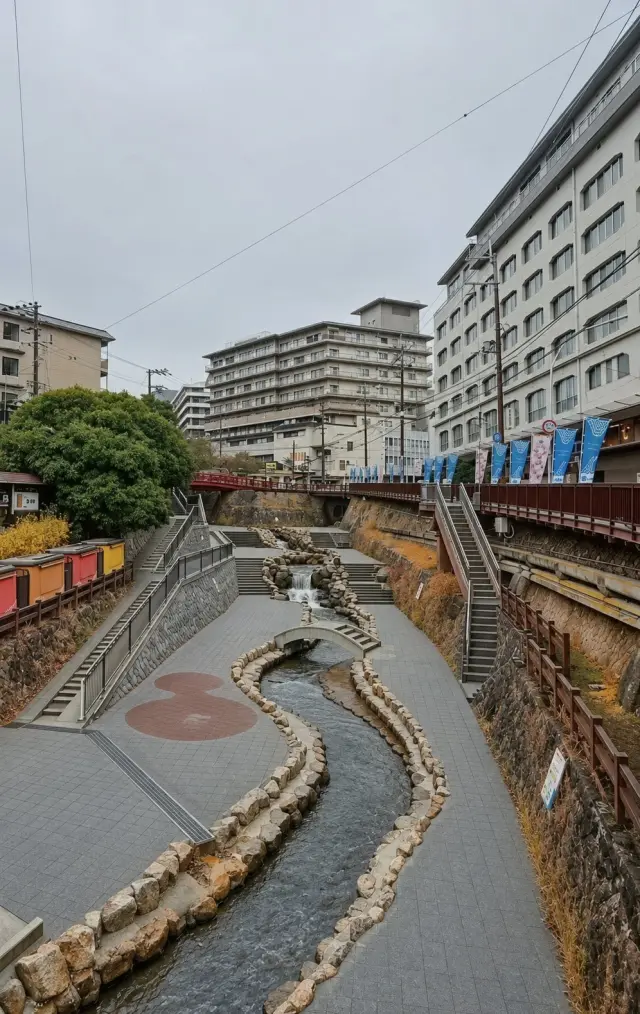
    While visiting Kobe, I set aside some time to explore Arima Onsen and experience the historic atmosphere of this hot spring town. Arima Onsen is one of Japan's three ancient hot springs and is best known for its two different types of spring water, the “Gold Spring” and “Silver Spring.” The Gold Spring has a distinctive reddish-brown color, while the Silver Spring is clear and transparent, each with its own unique qualities.

    Once I actually walked around Arima Onsen, I really loved the atmosphere here! The town isn't very big, and there are many traditional Japanese buildings, unique shops, and places to eat along the way. Strolling around slowly and taking photos made me feel like my whole pace had slowed down. I browsed and ate along the way and also tried the famous Kobe beef. It was hot and delicious and made me want another serving!

    Unlike a bustling big city, this place doesn't feel rushed and has a more relaxed, nostalgic charm. Even if you only come for a walk and some food, it's well worth it.

  • Takenaka Meat Shop

    Located just a 6-minute walk from "Arima Onsen" Station, this long-established shop specializes in domestic black Wagyu beef, particularly Kobe beef. In addition to supplying local inns, the shop also offers retail sales to the public, with an option for dining in. Inside, you can enjoy beef croquettes, minced meat cutlets, and beef skewers.

    • Kobe
    • Light Meals
    See More

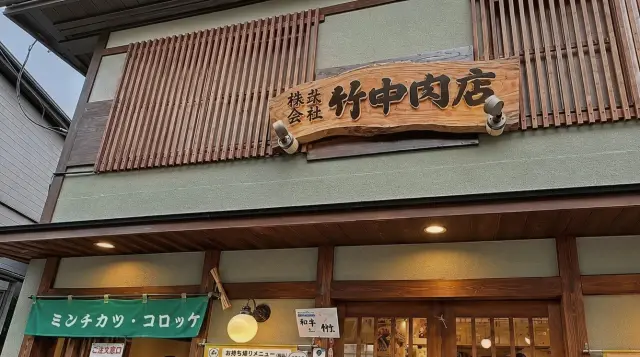
    While walking around Arima Onsen and browsing the streets, I happened to pass by Takenaka Meat Shop. I saw that they sold Kobe beef croquettes and figured that since I was already here, I might as well buy one and try it!

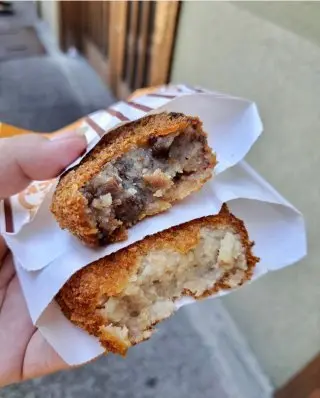
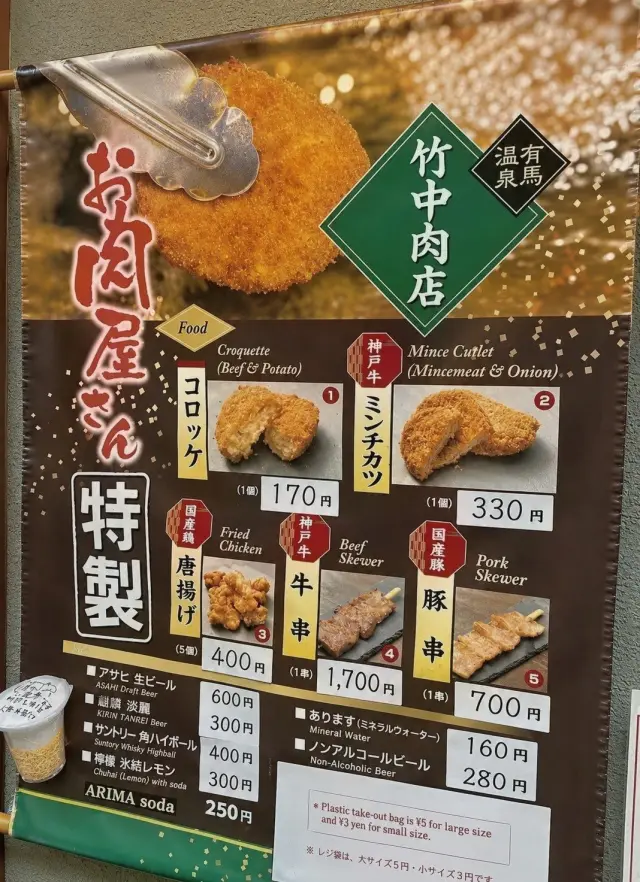
    The piping-hot croquette felt warm in my hand, and the outside was fried golden and crispy. It was full of flavor when I bit into it and honestly tasted even better than I expected! There are two types of croquettes here. No. 1 has beef and potatoes, with a more noticeable potato texture. No. 2 is a Kobe beef croquette, so if you like meat and want to enjoy the flavor of the beef, I'd recommend No. 2.

    This time, I just bought one to eat while walking, and it turned out to be unexpectedly delicious! When exploring the streets of Arima Onsen, a piping-hot snack is perfect when you're tired from walking. It feels especially satisfying after soaking in the hot springs.

  • Ganso Gyoza-en

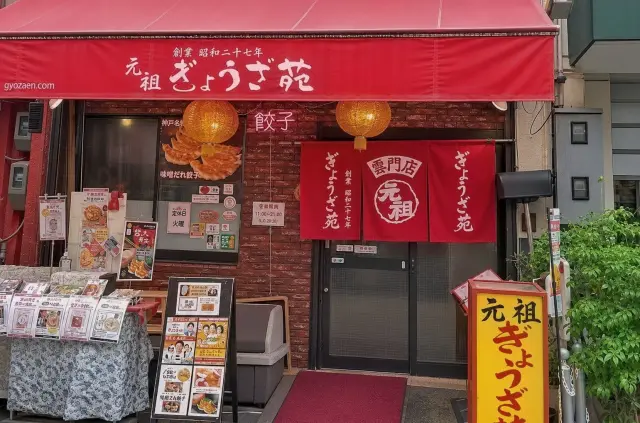
    Established in 1951, Ganso Gyoza-en is a celebrated gyoza specialty shop located in Kobe’s vibrant Nankinmachi Chinatown, renowned as the birthplace of Kobe's beloved miso-based dipping sauce gyoza.

    • Kobe
    • Chinese Food
    See More

    While exploring the area around Kobe’s Nankinmachi, I saw the famous Ganso Gyoza-en and decided to give it a try! This long-established restaurant has been open for over 70 years and is also the birthplace of gyoza served with miso dipping sauce.

    I usually eat gyoza with soy sauce or vinegar, so this was my first time trying it with miso sauce. I was a little curious about what it would taste like, but I fell in love with it after the first bite!

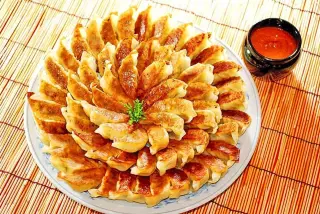
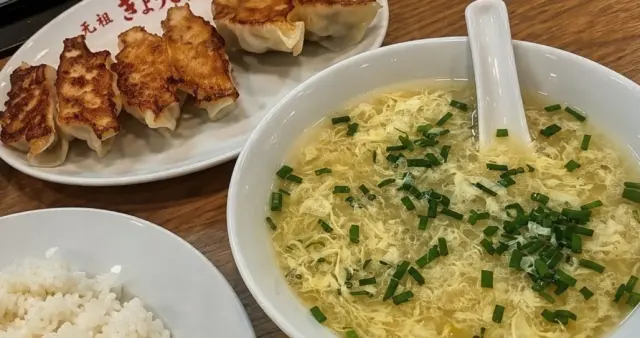
    The gyoza were beautifully pan-fried until golden brown, with slightly crispy wrappers. Paired with the restaurant’s special miso sauce, they had a rich, savory flavor and were really delicious! The miso sauce in particular went perfectly with white rice. I couldn’t help alternating between bites of gyoza and rice, and the more I ate, the more I wanted another few bites of rice.

    The restaurant is also very thoughtful, letting you adjust the proportions of miso sauce, soy sauce, and vinegar to suit your own taste. Also, the gyoza don’t contain garlic, so there isn’t a strong garlic smell afterward, which I really liked.

    This time I ordered the lunch set, which came with pan-fried gyoza, white rice, and egg drop soup. The soup had plenty of egg and bean sprouts, and the hot bowl was very comforting. The entire set was quite filling and reasonably priced.

    I originally just wanted to get some gyoza near Nankinmachi, but I unexpectedly discovered this distinctive flavor. My first experience with miso gyoza left a very good impression, and the next time I visit Kobe, I’ll definitely want to come back!

  • Misaku Kobe Sannomiya Branch

    Located just steps from the Sannomiya subway station, this long-standing okonomiyaki restaurant has been serving the taste of home-style cooking since its founding in 1972. Today, the founder’s son continues to carry on the tradition.

    • Kobe
    • Japanese Cuisine
    See More

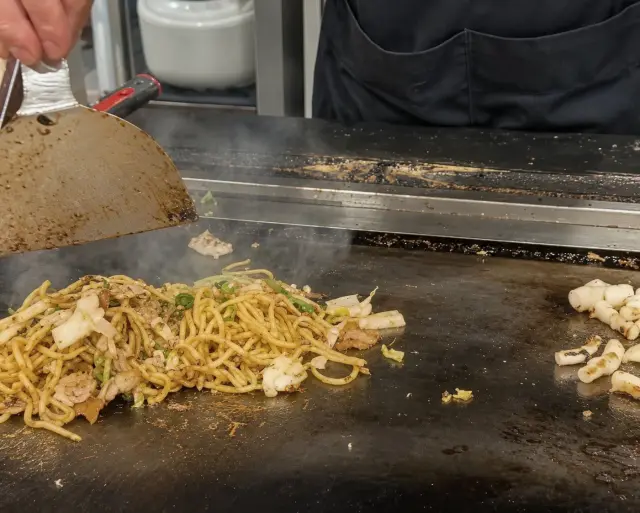
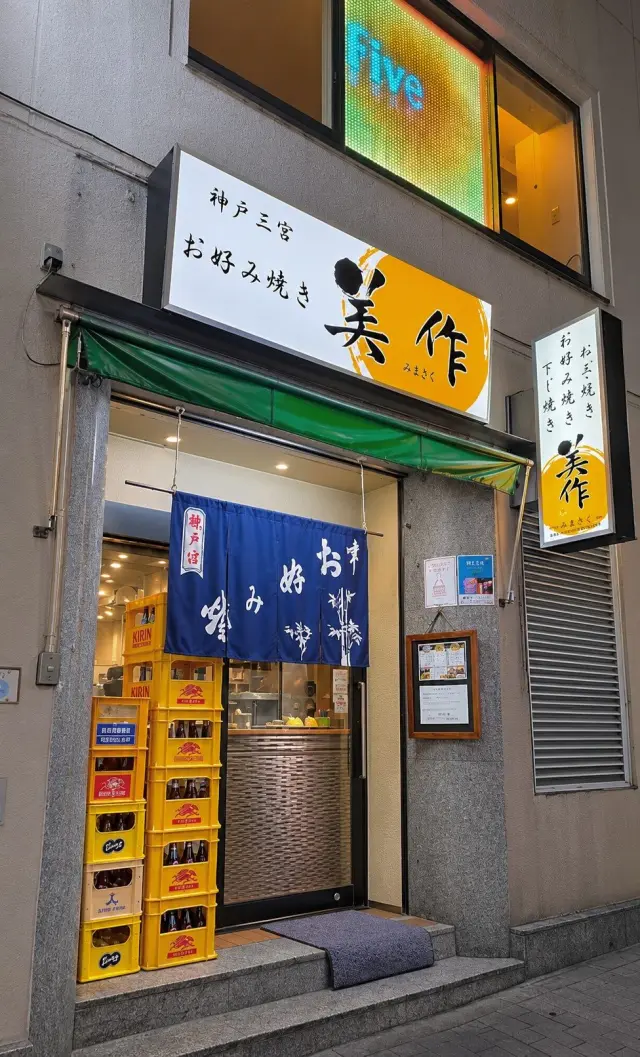
    When visiting Kobe Sannomiya, of course you have to plan a meal featuring a local specialty! This time, I visited Misaku, an okonomiyaki restaurant known for Kobe's famous beef tendon.

    This restaurant is quite popular in Sannomiya. Even on weekdays, there are often one or two groups waiting outside, which shows just how popular it is.

    The interior isn't large, with mainly a counter and one table for four. There aren't many seats, but since many customers choose to sit at the counter, quickly eat one serving, and leave, the turnover is fairly fast. If you're dining alone or with one other person, you usually have a better chance of being seated quickly.

    There are two types of okonomiyaki here:
    - **Regular okonomiyaki**: A mixed okonomiyaki that leans toward Osaka style.
    - **Thin and crispy okonomiyaki**: Kobe-style layered okonomiyaki with a more distinctive texture.

    Each has a different flavor. The batter has the rich aroma of broth, and the texture is fluffy and layered, making it hard to stop after just one bite.

    It's no wonder so many customers make a special trip here even on weekdays. Being able to enjoy okonomiyaki with such a distinctive local character in Kobe really makes it worth adding to your food itinerary.

  • Hyogo Prefectural Museum of Art

    An art museum located in HAT Kobe in Kobe, Hyogo Prefecture. Opened in 2002 as a symbol of cultural recovery from the Great Hanshin-Awaji Earthquake, it is known for its architecture by architect Tadao Ando and its collection of modern and contemporary art from Japan and abroad.

    • Kobe
    • Museums
    See More

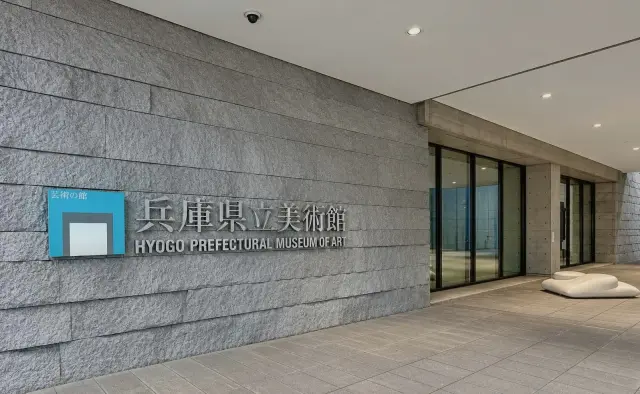
    On my trip to Kobe, I made a special visit to the Hyogo Prefectural Museum of Art. It’s not just an art museum—the building itself is also well worth appreciating.

    We took the Hanshin train to Iwaya Station, then walked at a leisurely pace for about 10–15 minutes to get there. It wasn’t actually that far, and when the museum building came into view, I started looking forward to seeing what kinds of unique designs were inside.

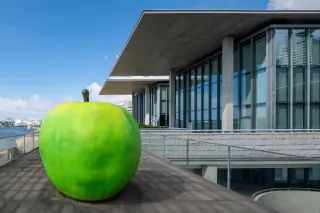
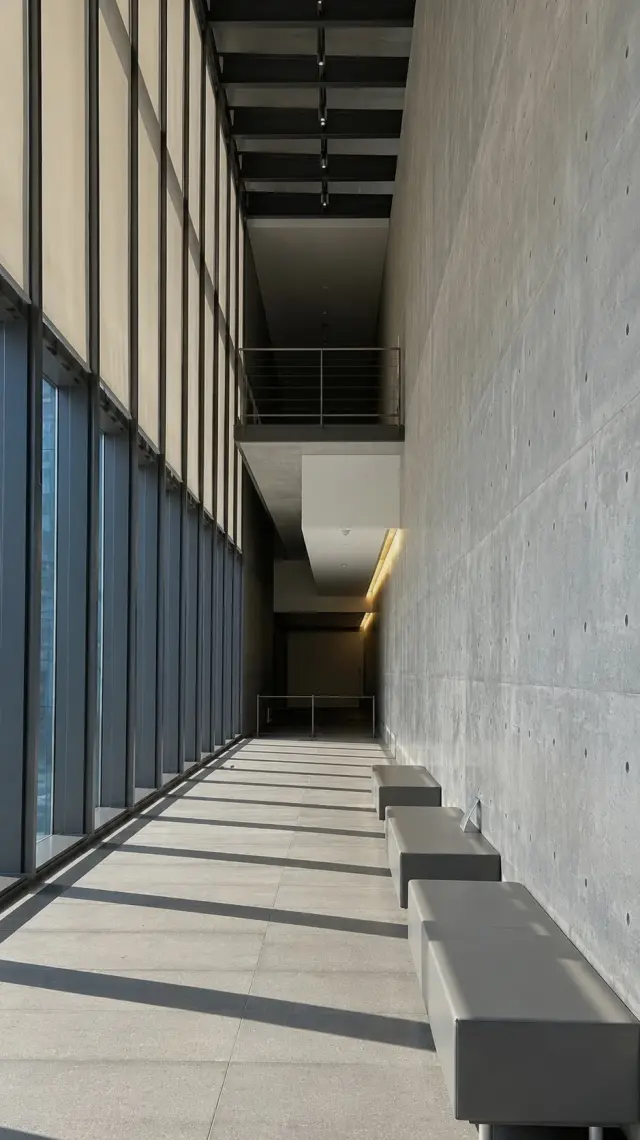
    The museum was designed by world-renowned architect Tadao Ando, and what impressed me most was the overall exposed-concrete architectural style. The gray concrete walls may look simple, but their lines and spatial layers are very captivating. Combined with the natural light, they give the entire building an artistic atmosphere.

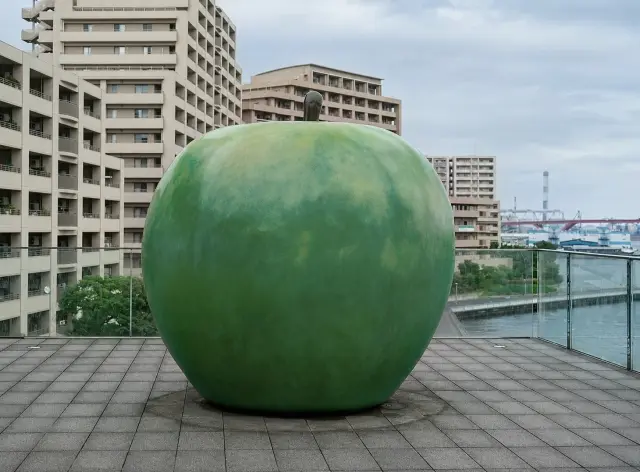
    And what caught my eye the most was definitely the huge “Green Apple” outside the museum! As soon as I got close, I couldn’t resist taking more photos. The vivid green really stands out against the gray building, creating a wonderful visual effect. I originally just wanted to take one photo as a keepsake, but I ended up shooting it from several different angles. It looks distinctive from every angle and is definitely the most eye-catching landmark here.

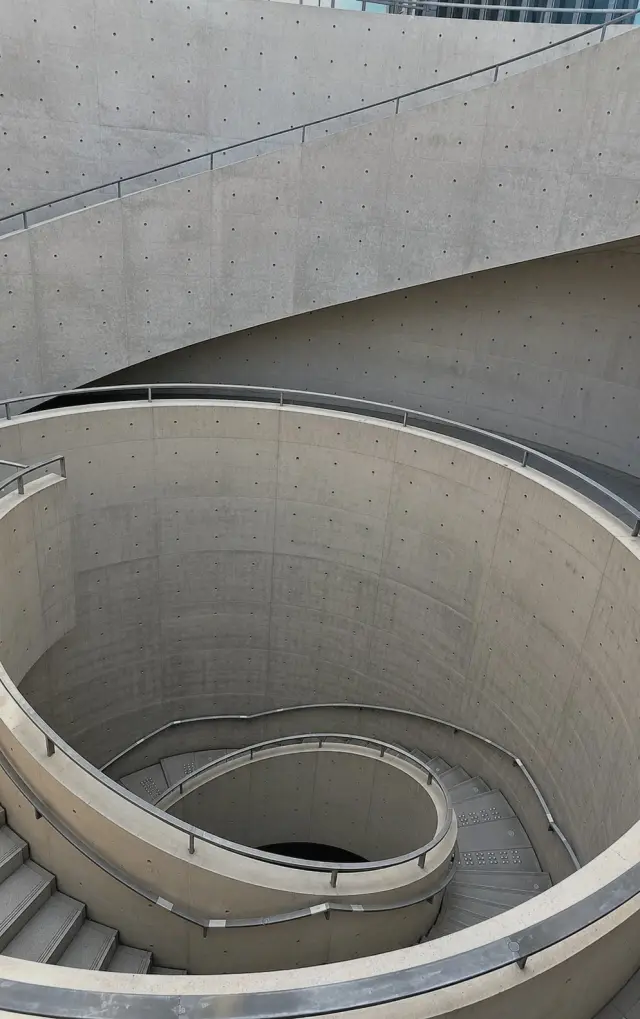
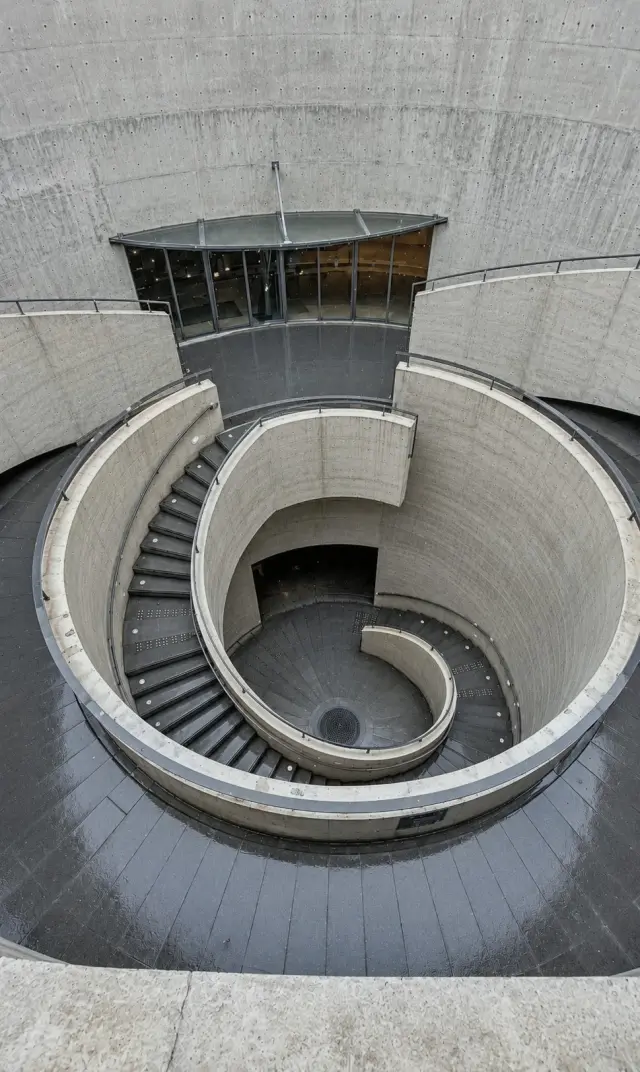
    Besides the Green Apple, the interior design also made the museum very interesting to explore. The large spiral staircase was especially impressive. Looking down from above, the curved concrete walls extend downward in concentric circles. The lines are beautiful and visually striking. The view looks a little different from each floor, so I couldn’t help stopping to admire it and take quite a few photos.

    There are many small details here that are worth observing closely. There aren’t any ornate decorations, but the lines of the architecture itself, the interplay of light and shadow, and the changing spaces all reveal the thoughtful design. As you walk through the museum, you naturally slow down and enjoy the quiet, comfortable atmosphere.

    This visit made me realize that appreciating architecture can also be a very enjoyable part of traveling. Even without specifically planning to see an exhibition, simply admiring the building and looking for different photo angles made the trip well worth it!

    If you’re planning an independent trip to Kobe, I highly recommend taking the train here for a walk and appreciating Tadao Ando’s architectural aesthetics. And don’t forget to take a photo with that super eye-catching Green Apple!

  • Kirin Beer Kobe Factory

    A popular spot where you can tour the Kirin Beer production process. Learn how Kirin Ichiban Draft Beer, known for its first-press brewing method, is made through aromas, flavors, and videos.

    • Kobe
    • Experiences Facilities
    See More

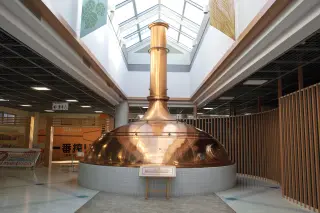
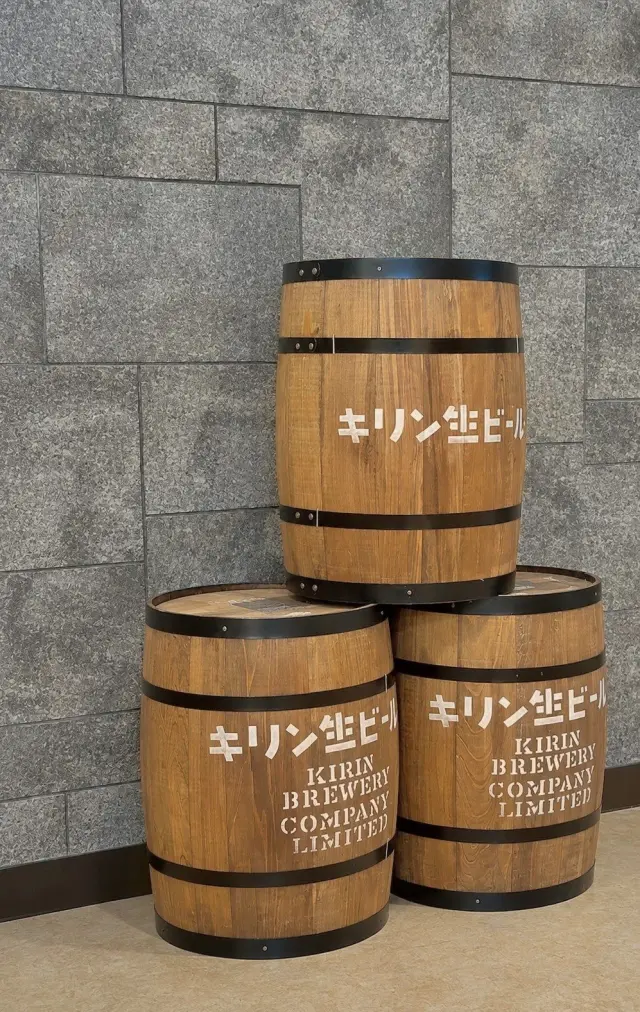
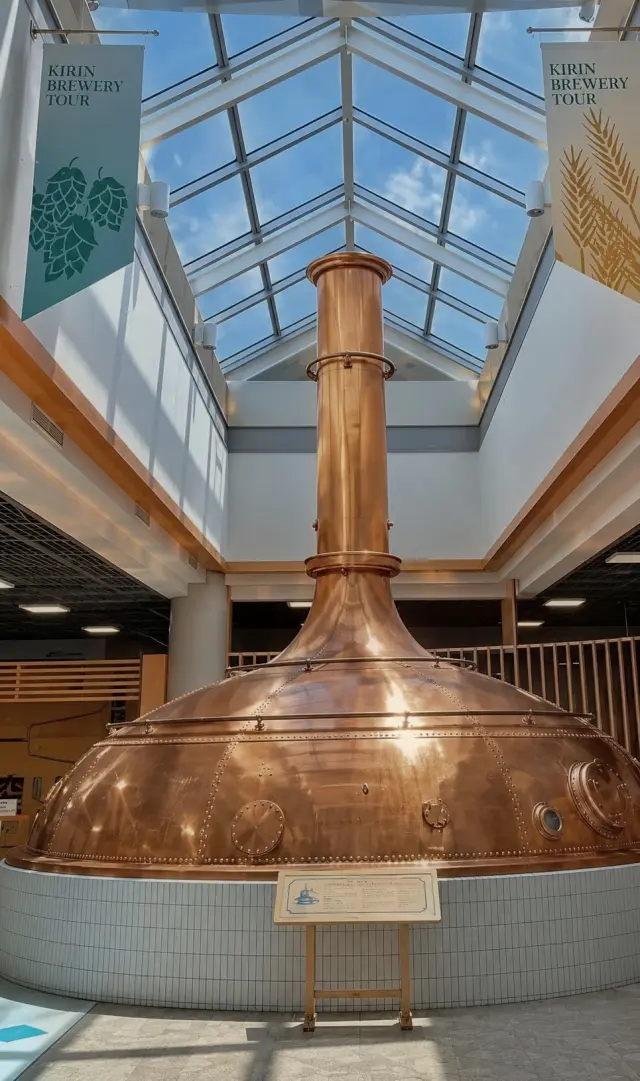
    After visiting Mentaiko Park, we stopped by the nearby Kirin Beer Kobe Factory. Since the two attractions aren't far apart, we decided to add the beer factory to this trip. It was my first time there, and I was curious and excited to learn how beer is actually made.

    We had reserved a factory tour in advance. Once we arrived, we followed the guide and learned about the beer-making process step by step, from the ingredients to brewing. Although we usually just drink beer, this gave us a chance to learn about how it's made. It turns out there's so much that goes into making a glass of beer!

    Of course, the part we were looking forward to most was the tasting at the end! For just JPY 500, you can have three glasses of beer and try different flavors, which was pretty nice. However, I was the designated driver this time, so of course I couldn't drink alcohol and chose soft drinks instead. To my surprise, I could also have three glasses of soft drinks, which was really thoughtful.

    The only disappointing part was that we visited on a weekend, when the factory wasn't operating, so we couldn't see the large machines running or the beer being produced in person. Without the excitement of seeing the actual production process, it felt like something was missing. It also made me look forward to coming back on a weekday to see what the factory looks like when it's actually operating.

    This unexpected beer factory tour added an interesting experience to what was originally just a quick stop along the way. With the tour, learning, and tasting, it was a pretty full itinerary!

    If you like beer, consider stopping by when you visit Kobe, and remember to make a reservation in advance! Next time, I'd also like to come back on a weekday to see the production floor that I missed this time!

Hokkaido Tohoku Kanto Chubu Hokuriku Kansai Chugoku Shikoku Kyushu Okinawa