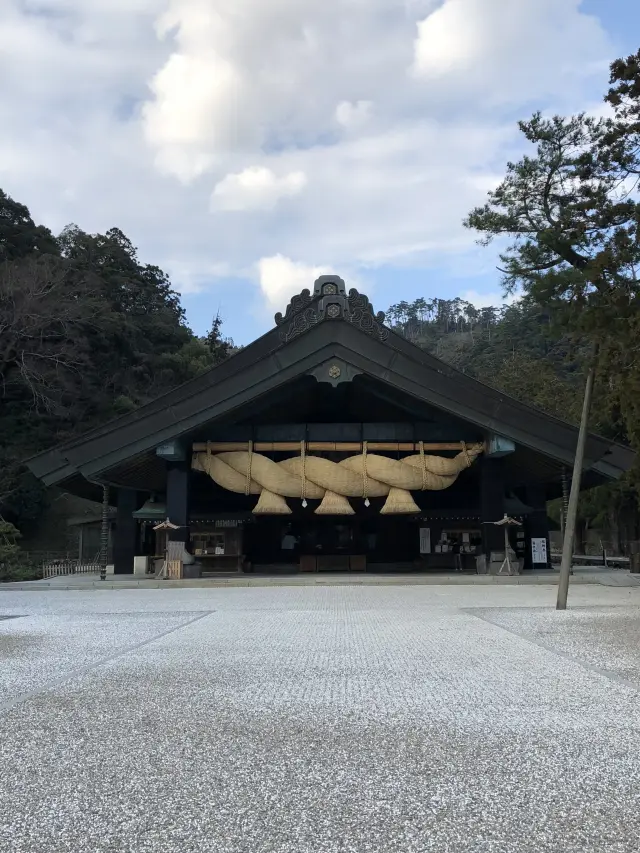
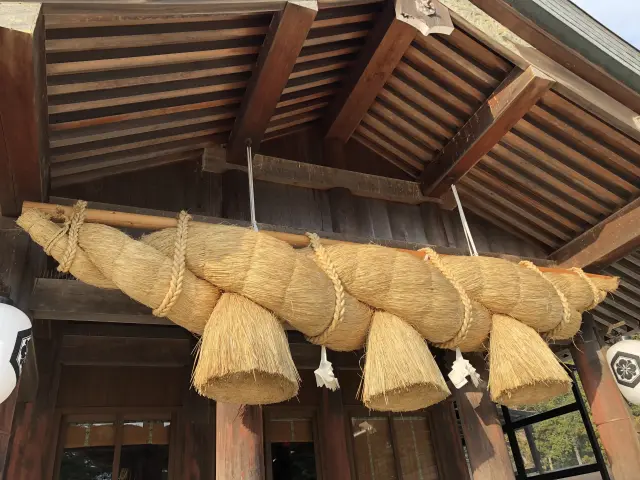
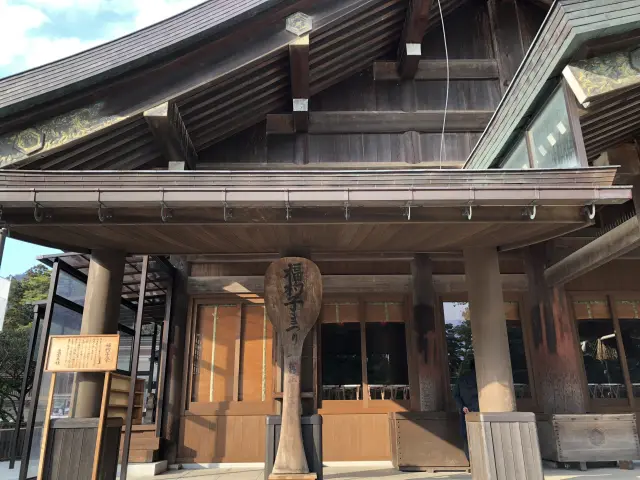
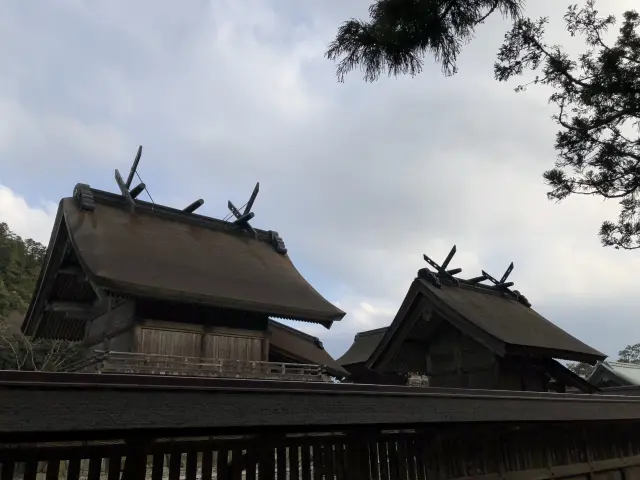
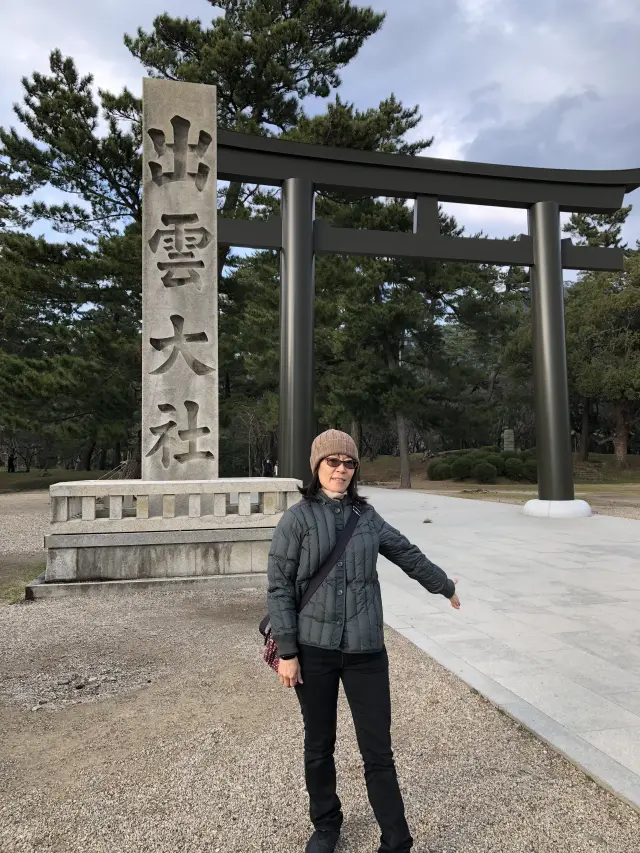
Izumo Taisha enshrines Okuninushi no Okami, the Shinto deity of relationships, and is built in Japan’s ancient Taisha-zukuri architectural style. The giant shimenawa hanging at the Kaguraden is one of the largest sacred ropes in Japan and is truly impressive.
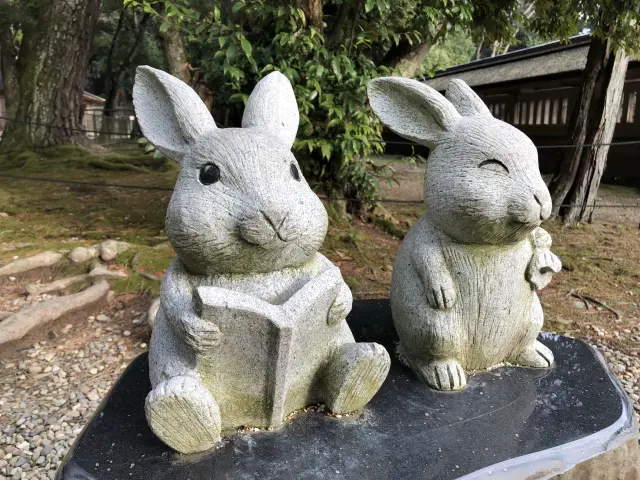
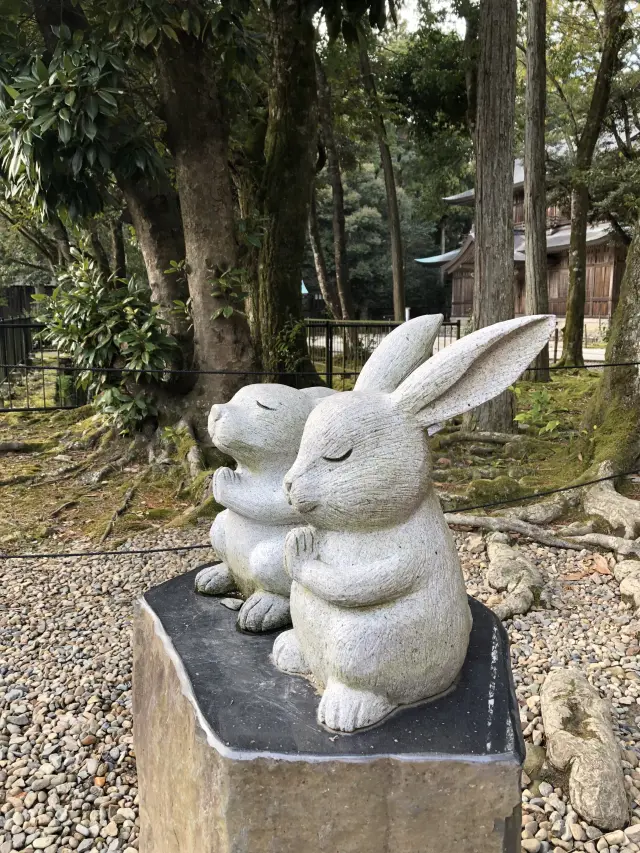
There are nearly 50 stone rabbits of all kinds around the shrine grounds. Some are playing, some are praying, and they all look vivid and adorable. According to legend, rabbits repaid a kindness by bringing together Okuninushi and Princess Yagami, so at Izumo Taisha, rabbits are seen as symbols of good matches and messengers of connection.
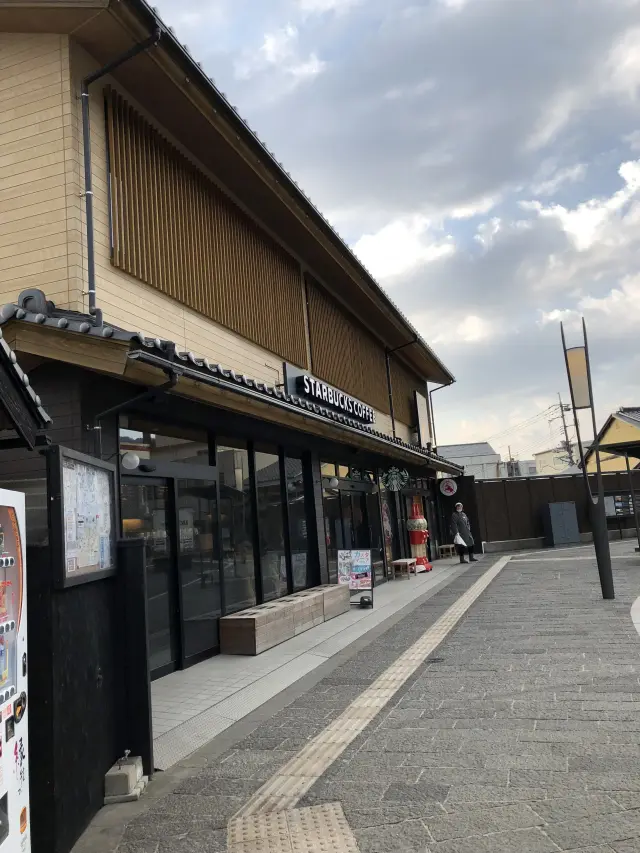
In front of the shrine, there’s a Starbucks, Nakagawa Masashichi Shoten, and more. You can also find wooden rice paddles, many of them decorated with matchmaking symbols from Izumo Taisha or delicate wood carvings. They represent connection and good luck, making them a nice gift for friends and family.
Izumo Taisha | Review by 周黛西
Other Reviews by 周黛西
-
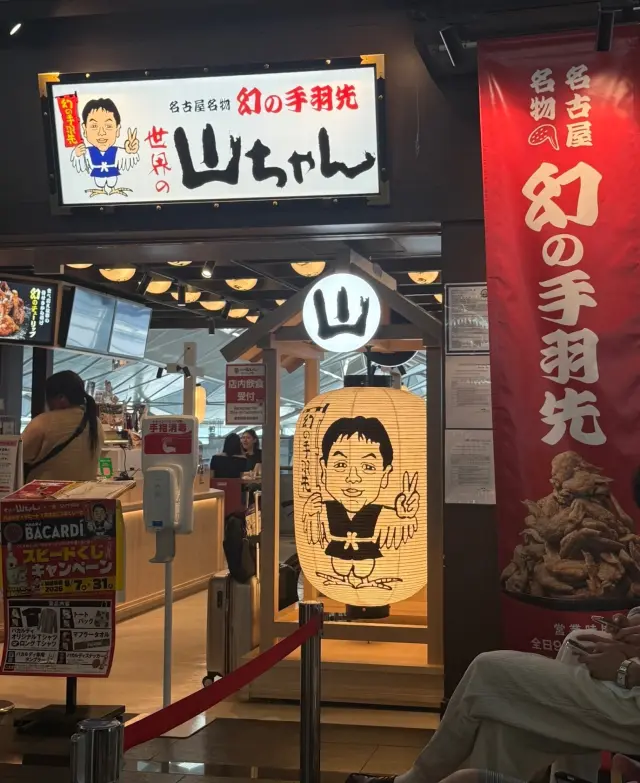
Sekai no Yamachan Main Store
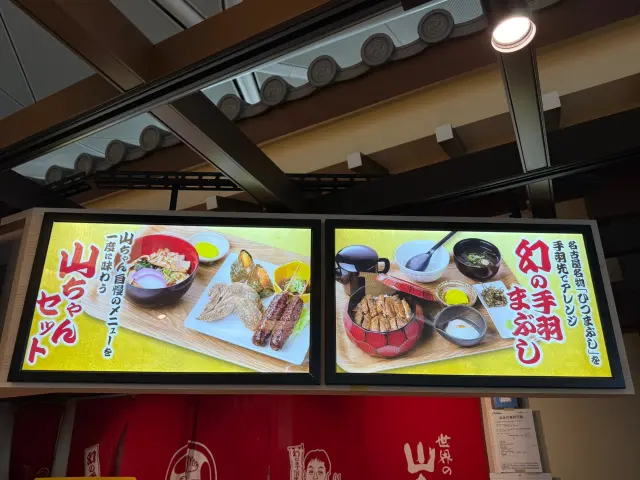
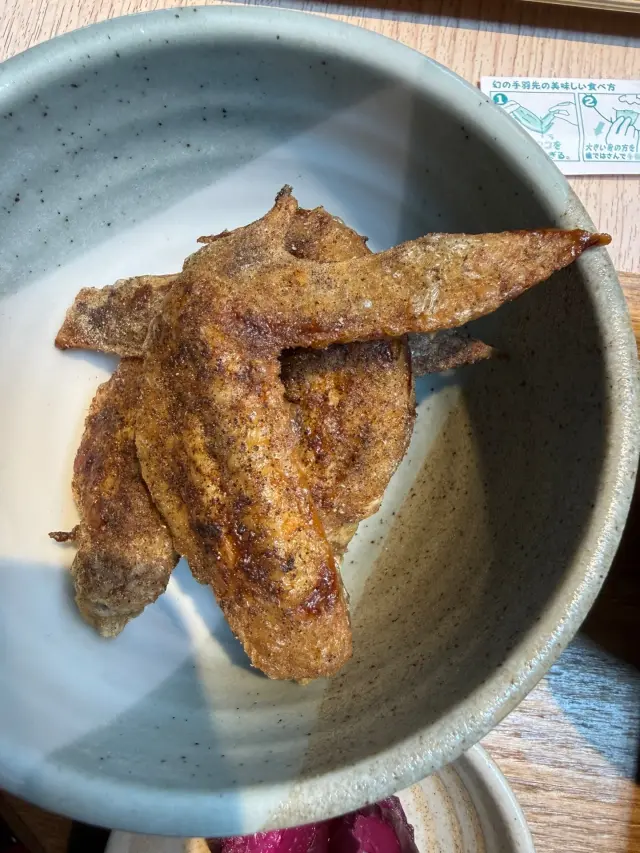
The specialty of this restaurant is the "Maboroshi no Tebasaki", which would make you absolutely addicted for its spiciness and flavor of the "Maboroshi no Kosho(Phantom pepper)" and "Hiden no Tare(Secret sauce)".
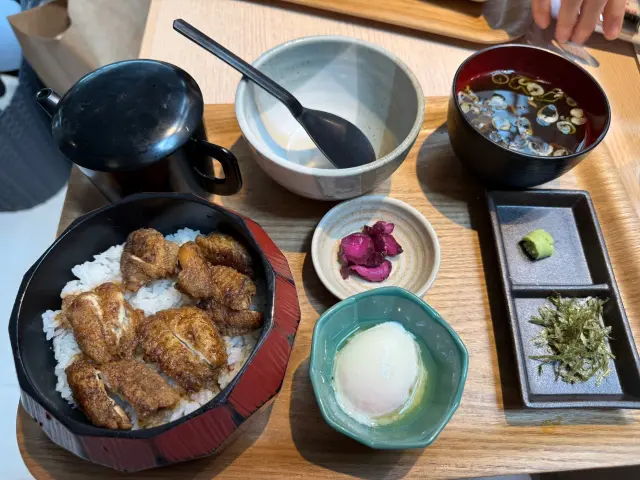
A friend recommended Sekai no Yamachan as a must-eat in Nagoya, especially their signature tebasaki—fried chicken wings. If you want something lighter with more variety, order one of their set meals. The chopstick sleeve has fun illustrations showing “How to Enjoy Maboroshi no Tebasaki.” Follow the instructions and you can eat the wings completely clean〜 The outside is crispy without being greasy, while the meat is tender and juicy. The salty, fragrant pepper seasoning has a slight kick that leaves you licking your fingers and wanting more.
Besides the fried chicken wings, we also had miso fried pork skewers and fried shrimp rice balls that day. Very satisfying! Although Sekai no Yamachan also has a location in Taipei, when you're in Nagoya, you have to eat it locally for the real experience.
-
-
Chunichi Building
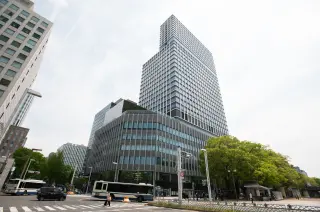
Chunichi Building, which opened in April 2024, is a mixed-use complex in the Sakae area of Nagoya. From B1F to 5F, it offers a wide variety of shops, including restaurants, cafes, general goods stores, and local product shops, and its greatest appeal is that visitors can enjoy food, shopping, and sightseeing all in one place. Directly connected to the underground mall and easy to access, it is also conveniently located as a base for sightseeing.
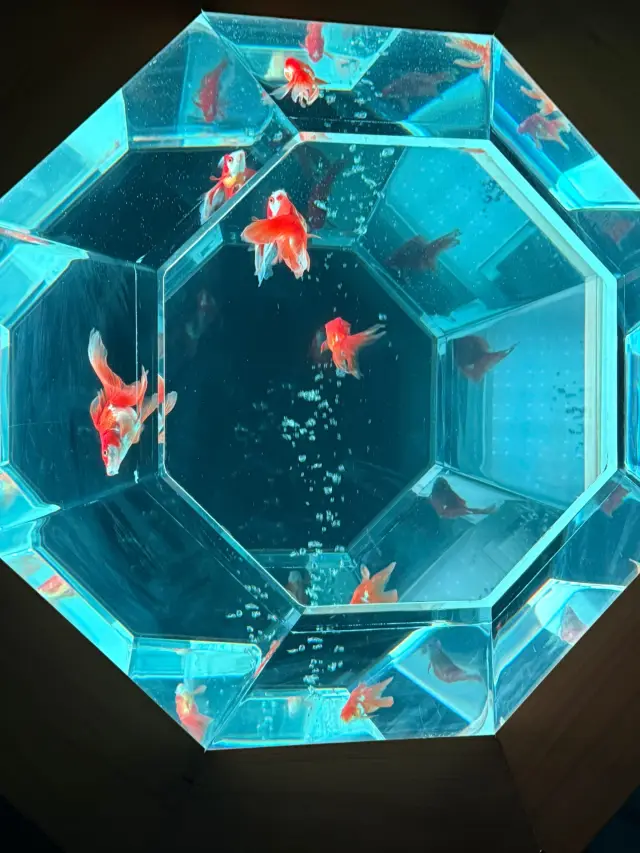
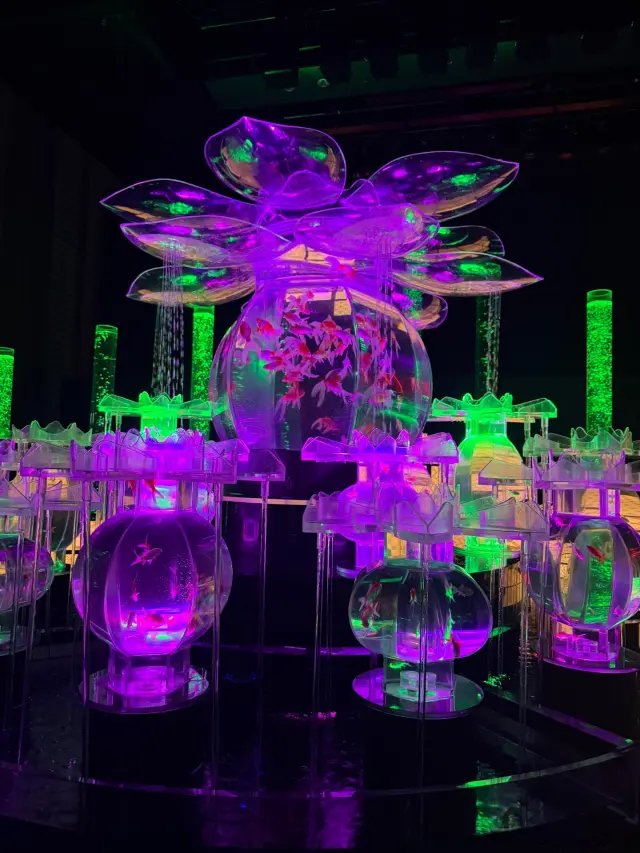
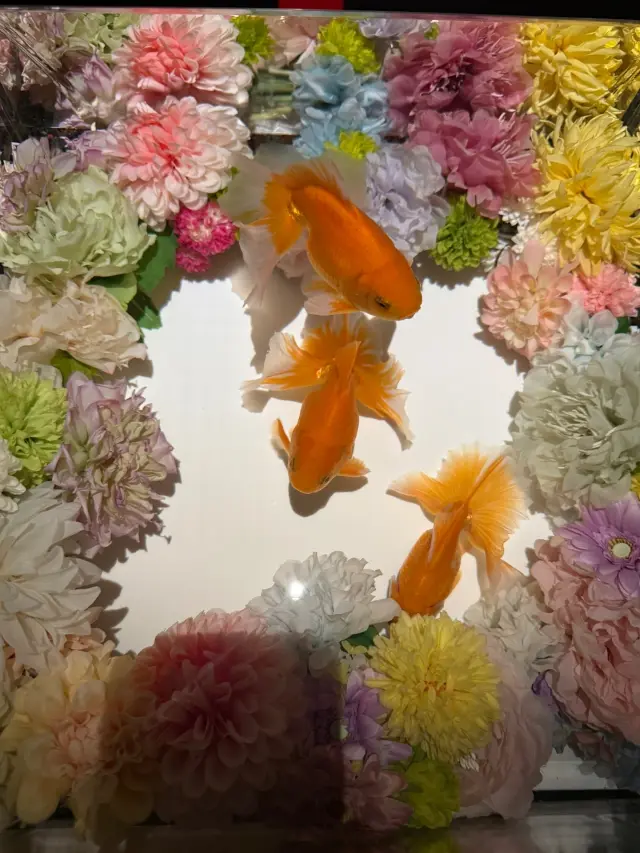
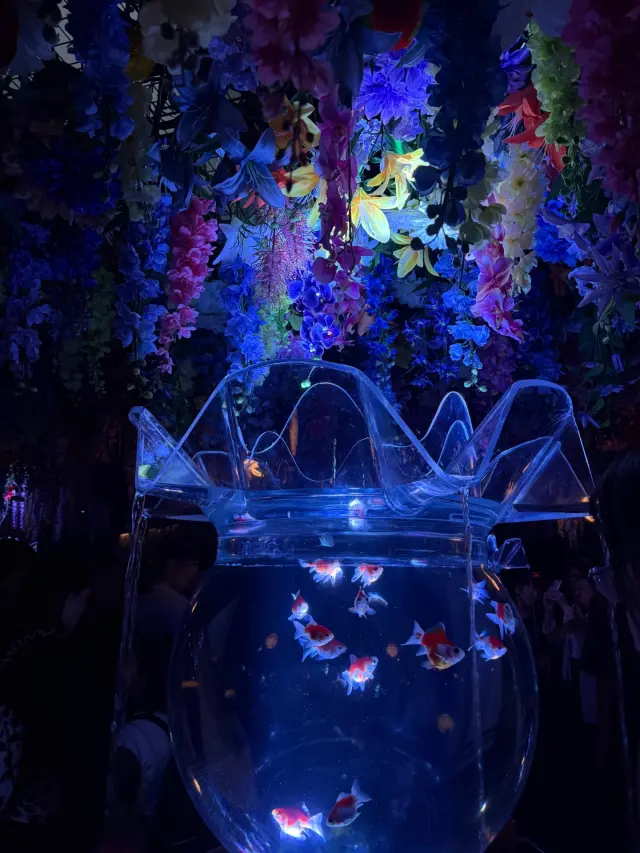
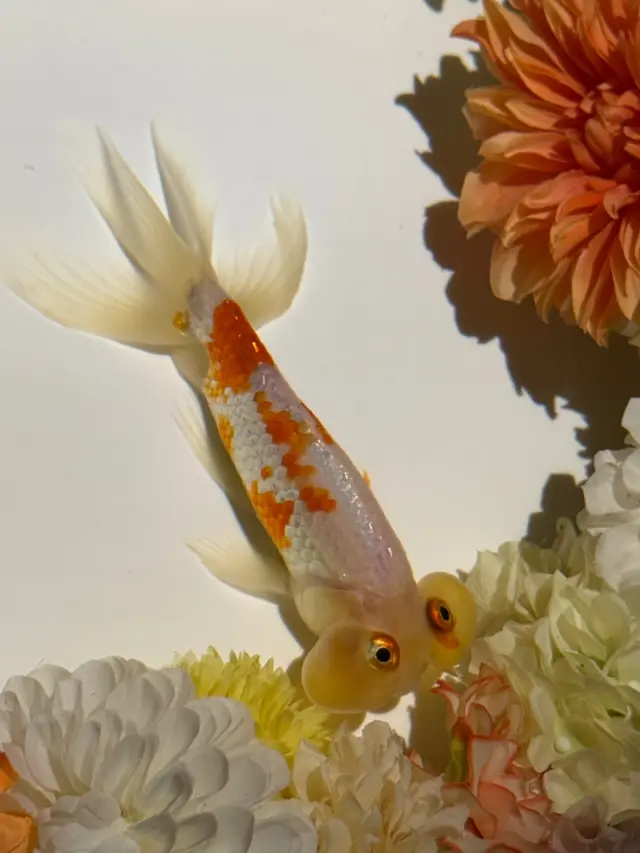
Drawn in by the “Art Aquarium Exhibition Nagoya 2026” poster at the entrance of the Chunichi Building, I went inside and bought a ticket to see the exhibition combining goldfish, aquarium art, lighting, music, fragrances, and more. It was eye-opening.
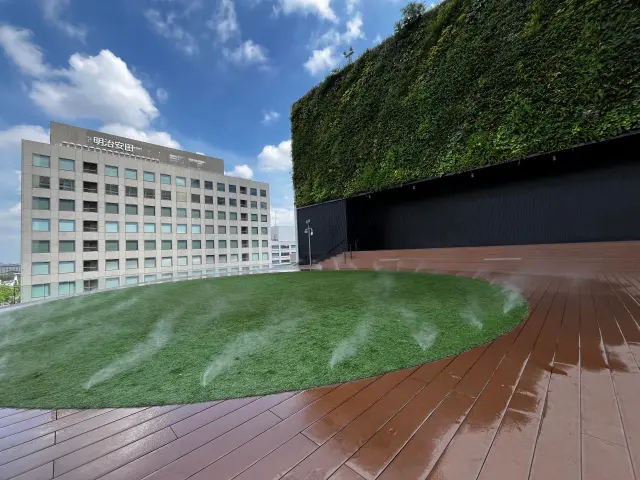
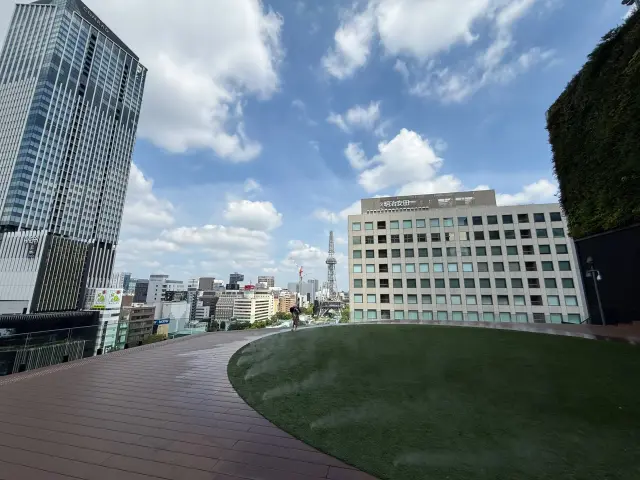
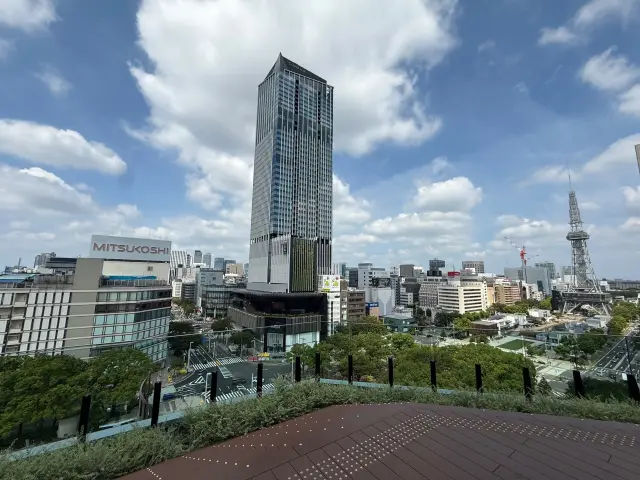
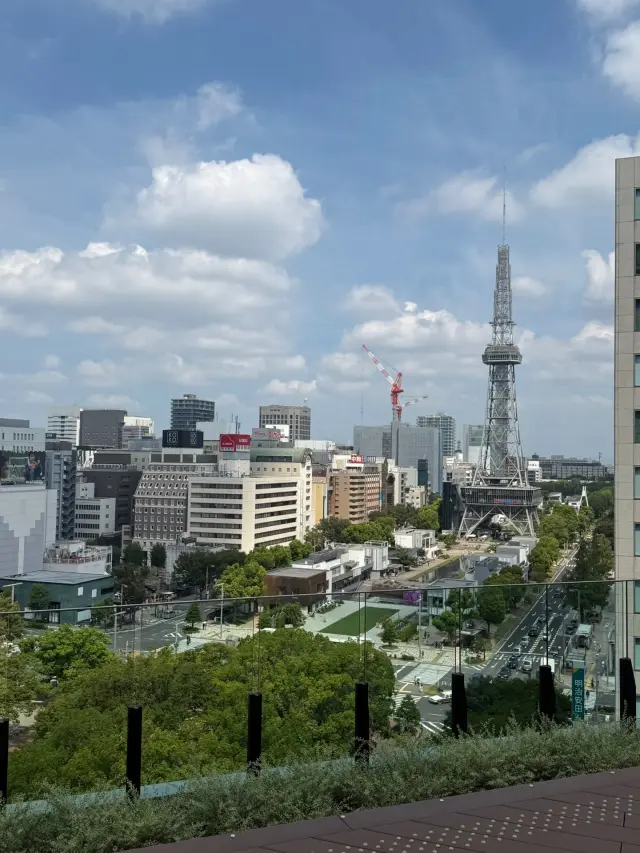
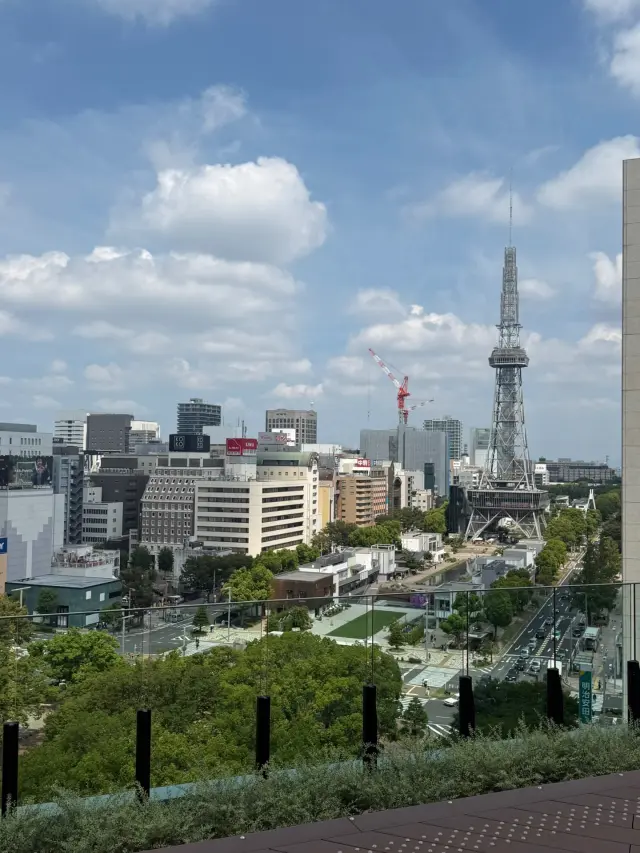
After leaving the exhibition, I went up to the observation deck on the 7th floor. I didn’t expect to find such a great view overlooking downtown Sakae and the city streets. Those who aren’t afraid of heights might want to get a little closer to the parapet for a bird’s-eye view.
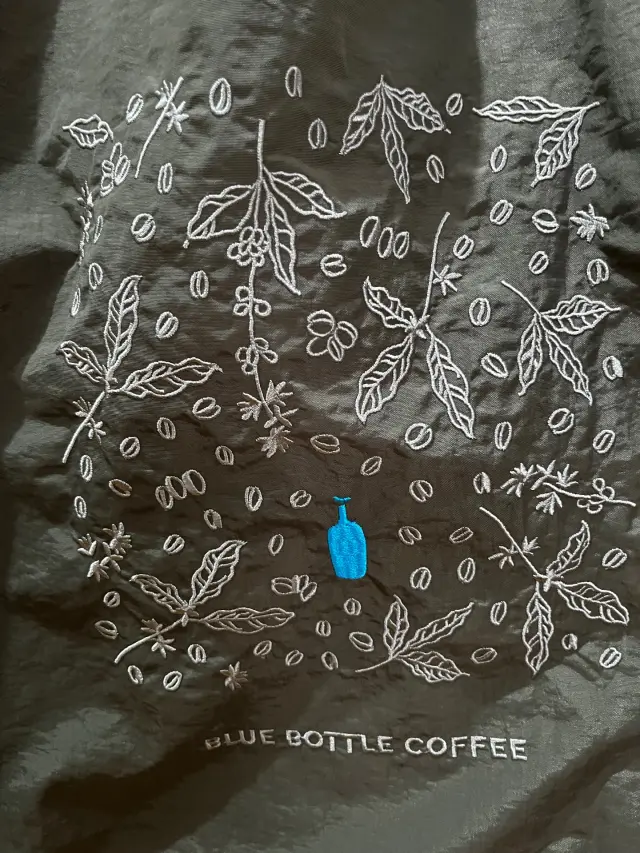
The building has well-known outdoor brand stores and popular home goods shops, as well as all kinds of restaurants on B1. Before heading home, I walked around, did some shopping, and had a cup of Blue Bottle Coffee, bringing my summer 2026 trip to Japan to a perfect close. -
-
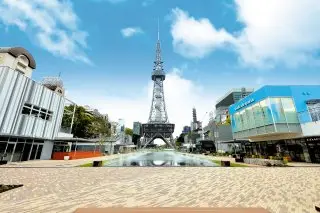
Hisaya-odori Park
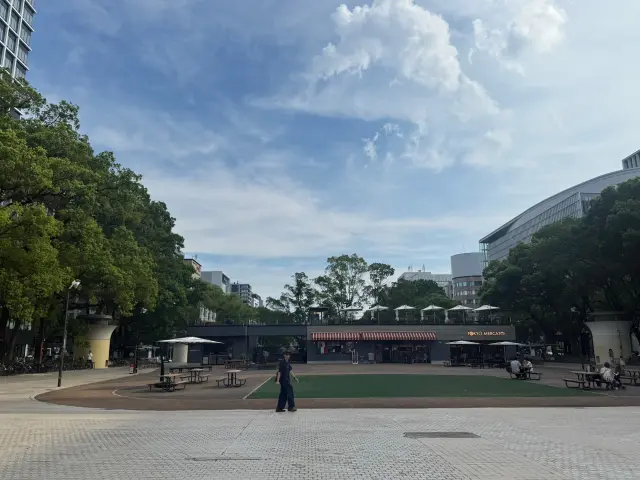
Hisaya-odori Park is a long, linear urban park located along Hisaya-odori Avenue, recognized as one of Japan's "100 Best Roads." Combining parkland with commercial amenities, visitors can enjoy shopping and dining amidst lush greenery.
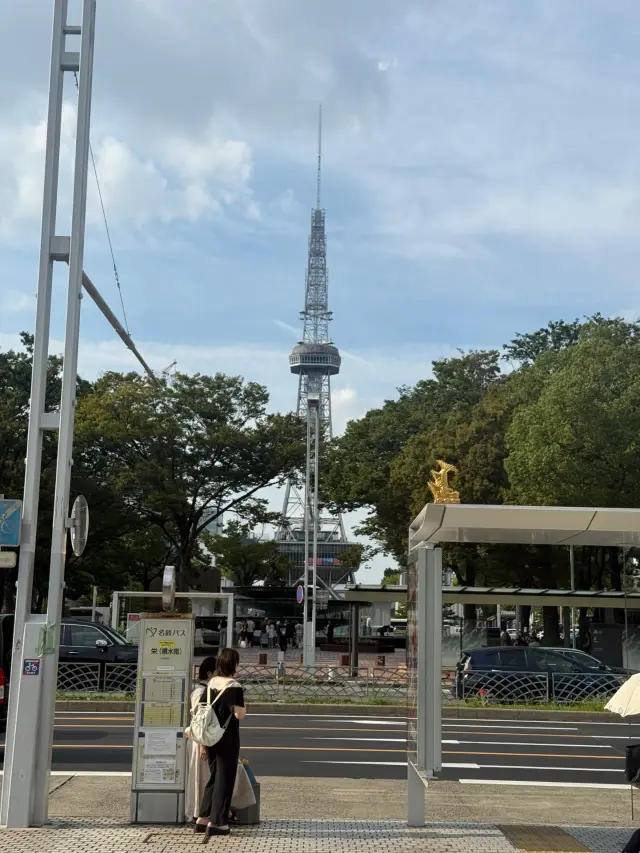
A major city needs a park that can breathe, and Hisaya-odori Park in Nagoya not only has trees but also green spaces. The fountain and TV tower also make you want to stop and take them in.
-