Shibamata Taishakuten Sando, Tokyo | Nostalgic Old-Town Charm
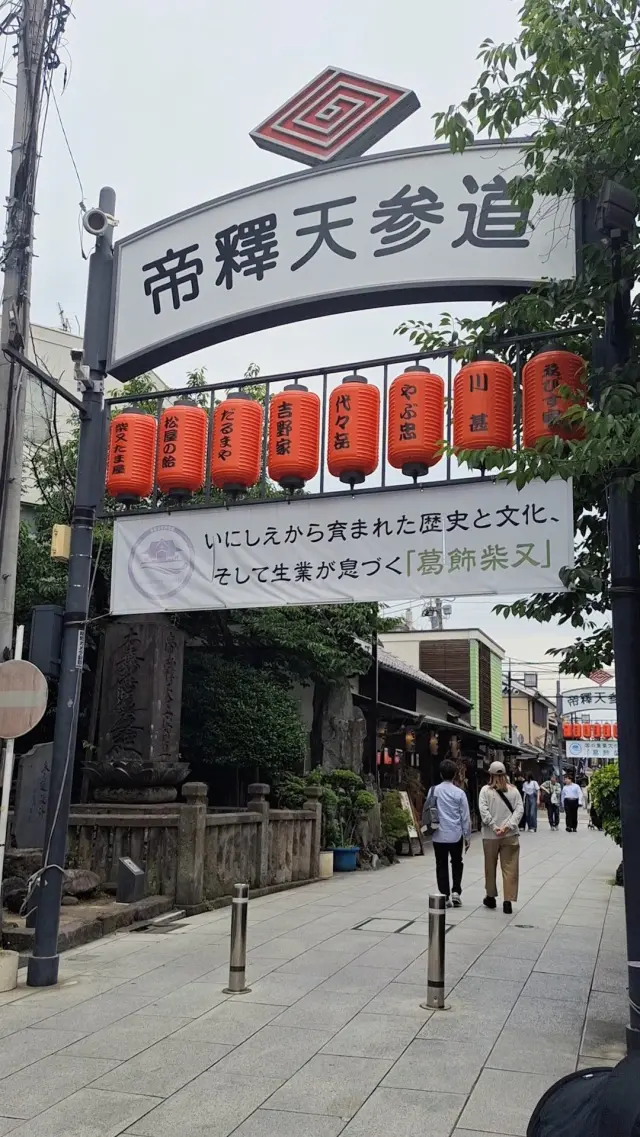
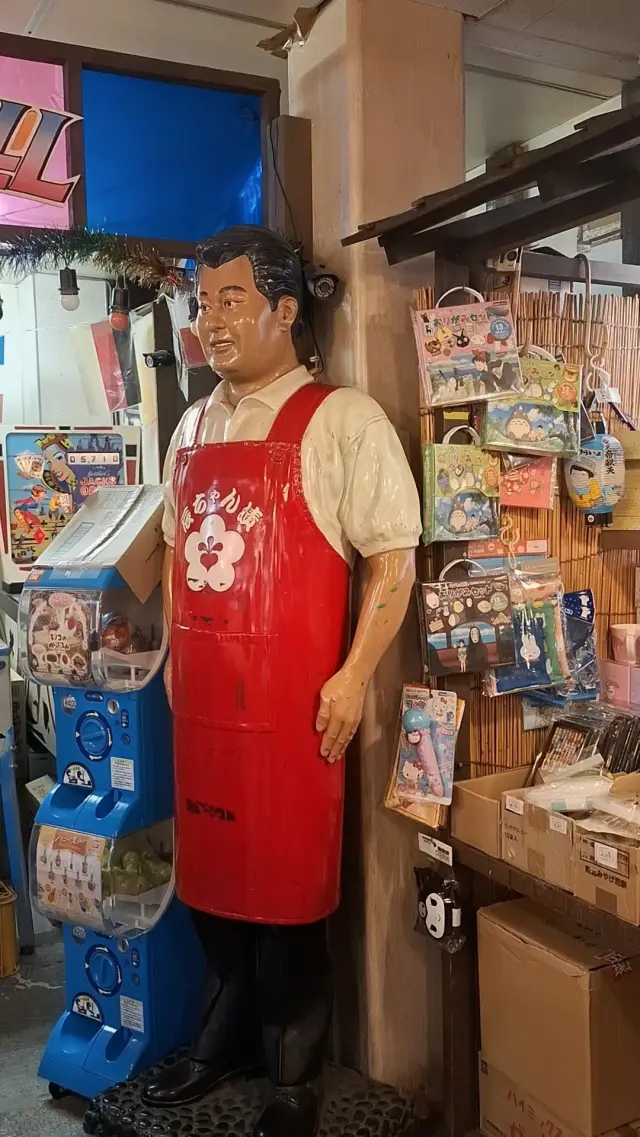
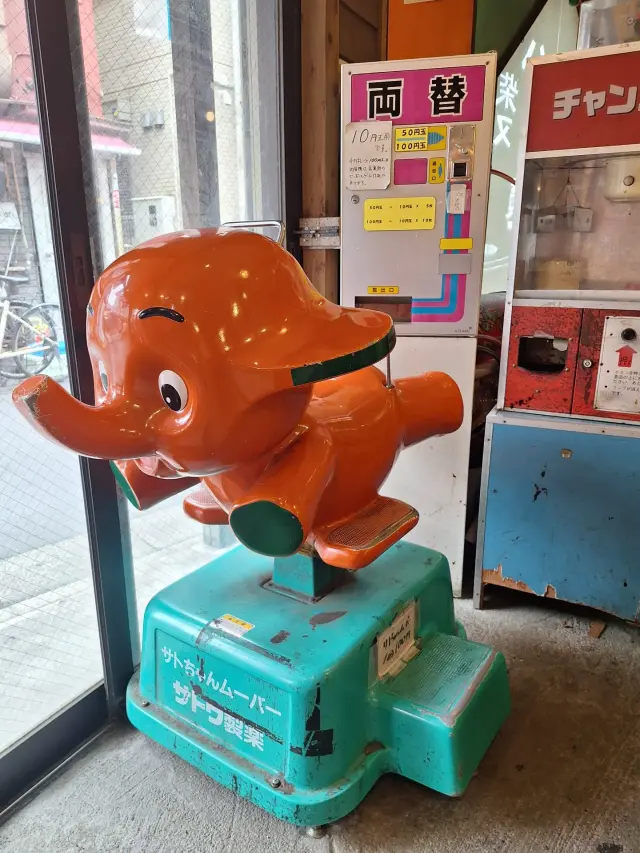
Shibamata Taishakuten Sando is a traditional old shopping street in Tokyo filled with nostalgic charm. Japanese wooden buildings and quaint old-fashioned shops line the street, creating a strong Edo-period atmosphere. As you stroll along, you can enjoy freshly grilled rice crackers, kusa dango, and a variety of traditional Japanese sweets while experiencing the appeal of the local food. Visiting this area feels like traveling back in time to old Japan, allowing you to experience a different side of Tokyo’s culture and scenery at a leisurely pace.
Shibamata Taishakuten Sando | Review by Sue
Other Reviews by Sue
-

TOKYO SKYTREE(R) TOKYO SKYTREE TOWN(R)
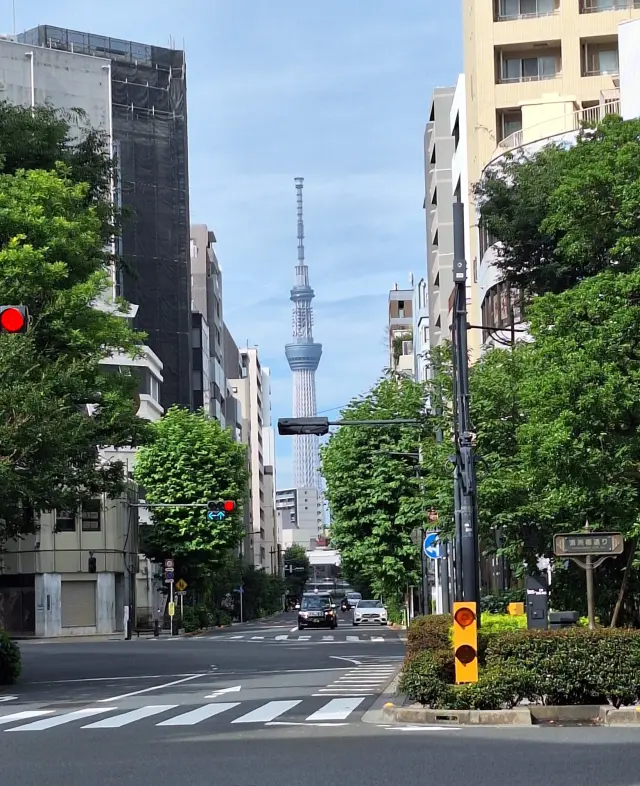
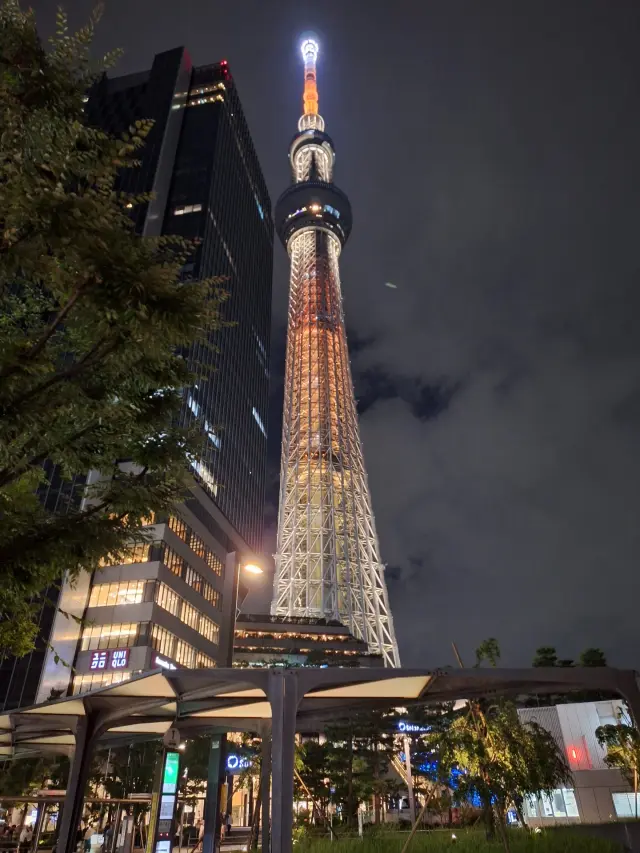
At the heart of TOKYO SKYTREE TOWN is TOKYO SKYTREE, a 634-meter-tall broadcasting tower and tourist attraction. The tower has two observation areas: the Tembo Deck at 350 meters and the Tembo Galleria at 450 meters.
Tokyo Skytree | A Stunning Landmark Overlooking Tokyo
Tokyo Skytree is one of Tokyo's most iconic city landmarks and a world-famous tower. During the day, you can admire the city skyline, while at night, you can enjoy the captivating sight of dazzling lights. There are also shopping areas nearby where you can sample local specialties and shop for souvenirs. From panoramic views high above the city to the fun of shopping, this is a classic Tokyo attraction you won't want to miss, guaranteed to leave you with unforgettable memories of your urban trip. -
-

Ine Town Tourism Exchange Facility Funaya Biyori
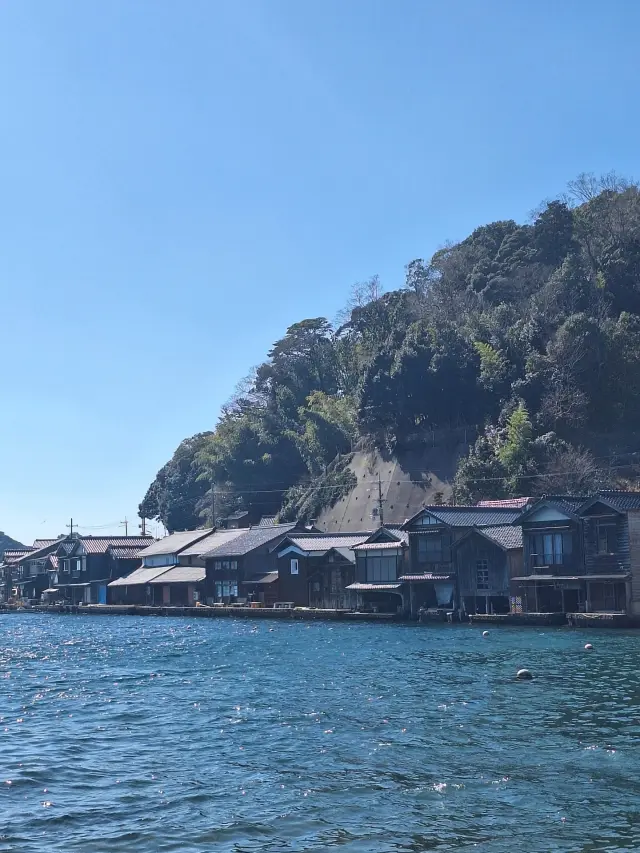
Located in Ine Town on the Tango Peninsula in northern Kyoto Prefecture, Funaya Biyori is a tourism and exchange facility where visitors can enjoy local food and culture while gazing out at the famous “funaya” boat houses along Ine Bay. Since opening in 2017, it has become a lively base for exploring the area, with a seaside café (INE CAFE), a dining spot (Wadatsumi), seasonal pop-up shops, and even a boathouse for festival ships.
Kyoto Ine Funaya | A Dreamlike Harbor Hideaway
A charming hidden town along the Sea of Japan, with traditional funaya boathouses stretching along Ine Bay. The first floor of each building serves as a boat garage, while the second floor is a living space, creating a unique waterfront village landscape. The deep blue water reflects the rustic wooden buildings, making it feel as though you’ve stepped into a tranquil harbor painting. Stroll through the fishing village alleys, enjoy the relaxed pace far from the hustle and bustle of the city, and experience Japan’s purest harbor charm. -
-

Togetsukyo Bridge
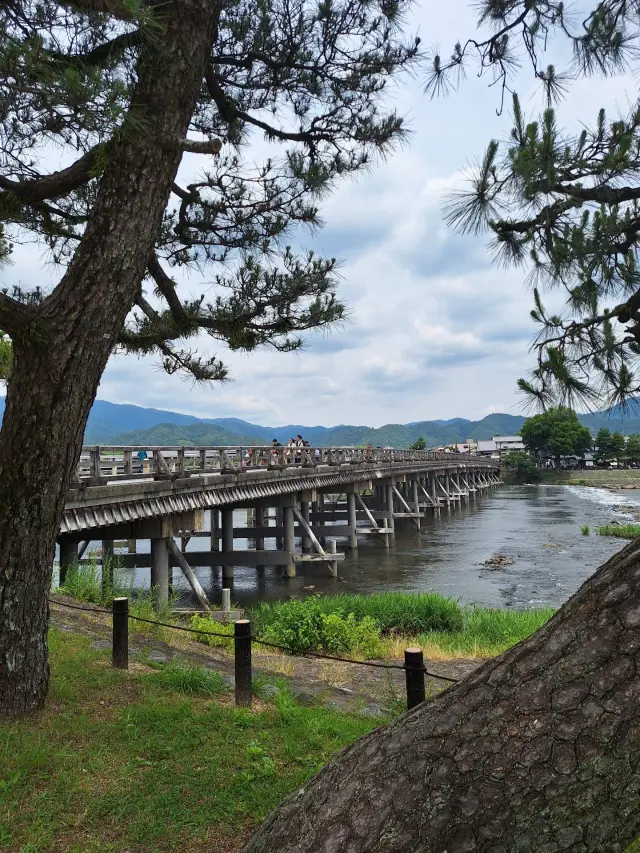
The bridge was built in the first half of the 9th century during the Heian period (794-1185). It has been washed out many times, but each time it has been rebuilt. It is said that the name was given by Emperor Kameyama in the Kamakura period (1185-1333), as the moon moved across the bridge as if it were crossing over it.
Kyoto Togetsukyo Bridge | An Iconic Arashiyama Landmark
Togetsukyo Bridge spans the Katsura River against the beautiful mountain scenery of Arashiyama, making it one of Kyoto’s most iconic scenic spots. During this summer visit, both riverbanks were lush and green, with a gentle breeze blowing. Walking along the riverside and across the bridge, I experienced Kyoto’s uniquely Japanese poetic charm and relaxed atmosphere, creating unforgettable memories of a summer trip. -