

Essential Sushi Basics and Etiquette: What to Know Before You Eat in Japan
Sushi is one of Japan’s signature foods, and “SUSHI” is now a familiar word around the world.
You may have tried localized sushi in your home country, but many people still want to taste sushi in its birthplace, Japan.
In this article, we’ll clearly explain sushi history, types, and dining etiquette and manners so you can enjoy sushi in Japan to the fullest.
If you’re planning to eat sushi in Japan, use this as a quick guide.
What Is Sushi?
Sushi is a Japanese dish made by combining sushi rice and a topping.
Sushi rice is vinegared rice, and the topping is what’s placed on top of the rice.
Toppings aren’t limited to fresh seafood, meat and eggs are also common, so the range is wide.
Beyond nigiri (hand-pressed sushi), there are many styles such as maki (rolled sushi) and chirashi (scattered sushi).
In many countries and regions, you’ll also find local twists like California rolls or even dessert-style rolls.

The History of Sushi
Sushi is said to have originated from fermented sushi in Southeast Asia called nare-zushi.
It’s known to have arrived in Japan during the Nara period (710–794) and was offered as tribute to the imperial court.
In the Muromachi period (1336–1573), as rice became common among ordinary people, namanare emerged, shortening the fermentation time.
The name comes from being closer to “raw,” and it’s considered a prototype of modern sushi.
In the Edo period (1603–1868), haya-zushi, which is eaten without fermentation, appeared, and later evolved into nigiri sushi, the hand-pressed style.
In the Meiji period (1868–1912), advances in ice-making improved storage, and toppings began to be served as sashimi-grade fish.
The standard way sushi is served today was largely established then.
Sushi was once considered a luxury, but with the spread of conveyor-belt sushi, it became an affordable everyday meal.

Edomae Sushi vs. Kansai Sushi: Regional Styles
Edomae sushi is closely associated with nigiri sushi, referring to sushi in a form similar to what developed in the Edo period.
It traditionally features seafood caught around Tokyo Bay and nearby waters, with lightly seasoned sushi rice.
Kansai sushi often refers to fermented sushi that carries on the tradition of nare-zushi.
Because it uses more sugar to improve preservation, the rice tends to be sweeter and richer, while the toppings are made to highlight the ingredients’ natural flavor.
Fast-paced Edo culture favored sushi that could be eaten right away, while Kansai culture valued sushi that could be kept and carried.
These regional differences are reflected in the distinct styles known as Edomae sushi and Kansai sushi.

Three Ways to Write “Sushi” in Japanese
In kanji, “sushi” can be written three ways: 鮓, 鮨, and 寿司.
Signage varies by restaurant, so it’s worth knowing these when you’re looking for a sushi place.
- 鮓
-
鮓 is considered the oldest written form for sushi.
It tends to be used for fermented sushi (rather than the vinegared-rice sushi most people picture).
You’ll often see it at Kansai-style sushi restaurants that preserve traditions like nare-zushi. - 鮨
-
鮨 is the next oldest form after 鮓.
It’s often used for sushi made with vinegared rice and seafood, such as nigiri and oshizushi, and it can also imply Edomae sushi.
Because of that, it’s commonly seen at restaurants that serve Edomae-style sushi. - 寿司
-
寿司 is the most widely used spelling.
It’s an ateji (phonetic kanji) coined in the Edo period for its auspicious meaning (celebration, longevity).
Because it can be used regardless of topping or style, many sushi restaurants use this spelling.
Types of Sushi Restaurants
Sushi restaurants generally fall into three main types: conveyor-belt sushi, takeout-only shops, and counter-style restaurants.
Conveyor-belt sushi chains like Sushiro, Hama Sushi, and Kura Sushi are popular for their low prices, wide variety, and easy, family-friendly vibe.
At counter-style sushi restaurants, you can enjoy the atmosphere and watch the chef’s technique up close, with carefully selected toppings served at their best.
Takeout-only shops let you order by phone or online and pick up your sushi at the store.
They’re ideal when you’re short on time or want to eat at your own pace.
When you visit Japan, we recommend trying a counter-style sushi restaurant for a truly authentic experience.

How to Eat Sushi
As long as it’s within common sense, it’s fine to eat sushi in whatever way feels comfortable.
That said, at counter-style sushi restaurants, there are a few customs worth knowing.
Try the tips below to enjoy sushi even more.
Chopsticks or hands, both are fine
Sushi was originally eaten by hand, but today it’s perfectly acceptable to use either your hands or chopsticks.
Choose hands if you want a more traditional feel, or chopsticks if you prefer to keep things cleaner.
Note, however, that it’s considered polite to eat gari (pickled ginger) with chopsticks.

Turn the sushi sideways and dip the topping in soy sauce
When using soy sauce, the proper way is to dip the topping, not the rice.
If you dip the rice, it absorbs too much soy sauce and the flavor balance is lost.
For nigiri, gently turn it on its side before dipping.
For gunkan-maki, it’s common to dab soy sauce onto the sushi using gari or cucumber.

Eat it in one bite, with the topping facing down
It’s not a strict rule, but we recommend putting the topping side down on your tongue when you eat sushi.
It improves texture and makes the flavors come through better.
Also, sushi is generally meant to be eaten in one bite.
Splitting it, biting it in half, leaving the rice, or separating the topping and rice is considered poor manners and can be disrespectful to the restaurant and chef.
If a piece feels too big, you can ask for less rice.

Start with lighter flavors
The order you eat sushi is up to you, but the sequence can make a difference.
A common approach is to start with lighter items, then move to richer flavors, and finish with rolls.
If you begin with strongly flavored pieces, it’s harder to notice the subtle taste of lighter fish.
A typical order is: white fish (hirame, tai) → red fish (maguro) → silver-skinned fish (kohada, aji) → anago/unagi → rolls.
If you’re not sure what to order, ask for omakase or okimari, where the chef selects seasonal items or a set flow for you.
If you choose omakase, tell the chef in advance about any dislikes or allergies.

Sushi Restaurant Manners to Know
If you’re going to a counter-style sushi restaurant, avoid wearing perfume.
Sushi is a refined dish where you enjoy not just taste, but also delicate aromas like fish, wasabi, and yuzu.
Strong perfume can overwhelm the space and bother other guests.
If you smoke, be mindful of cigarette odor as well.
Remove watches and bracelets so you don’t scratch the counter, and don’t place phones or bags on the counter.
Also, eat sushi soon after it’s served, and ask before taking photos, basic manners go a long way.

5 Classic Sushi Categories
Sushi menus are often grouped by ingredient and flavor profile.
For example: akami (lean, umami-forward fish), shiromi (delicate white fish), hikari-mono (silver-skinned fish often cured with vinegar or salt), and gunkan (seaweed-wrapped sushi for softer toppings).
Below are the key features of each category.
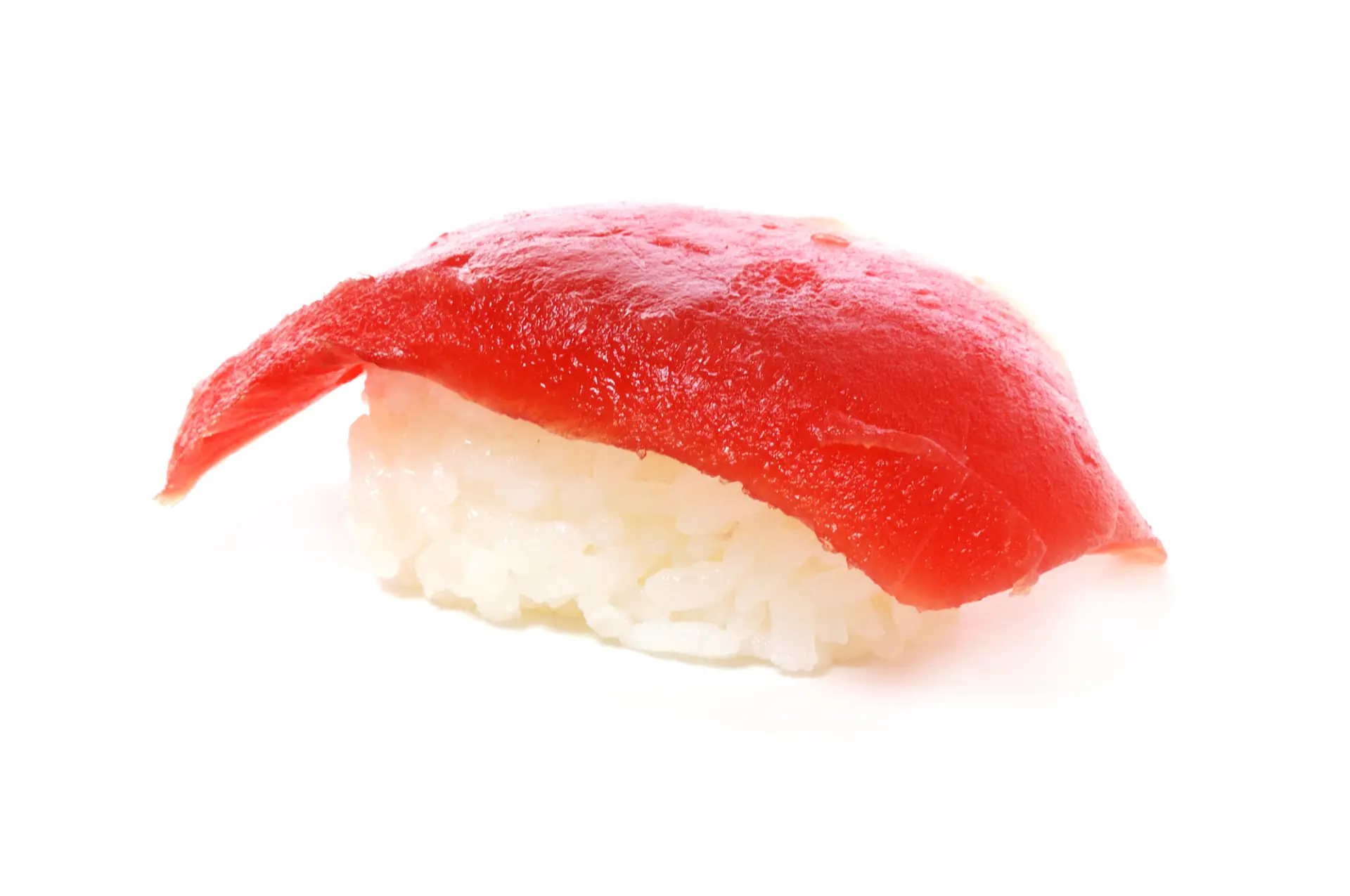
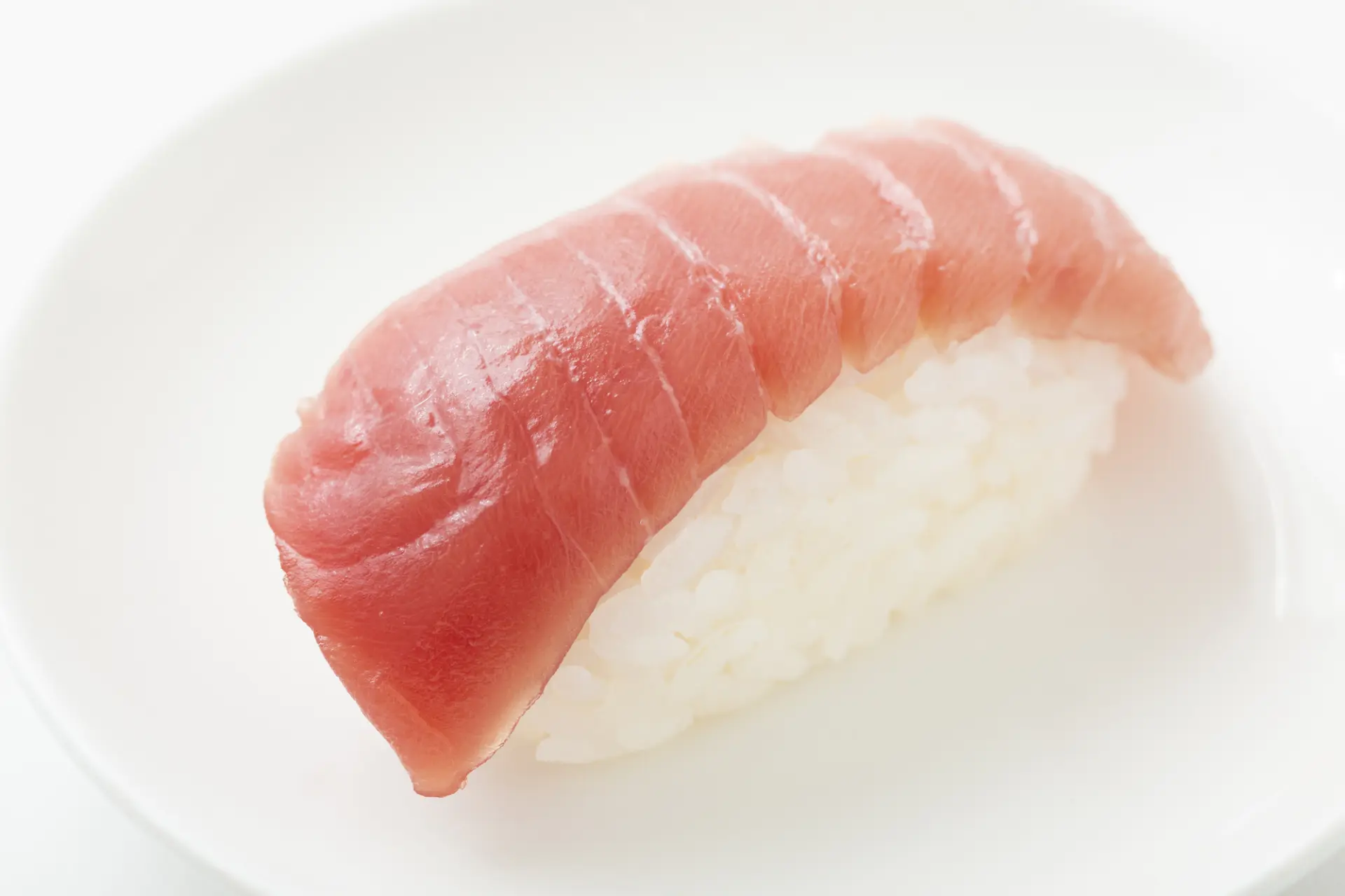
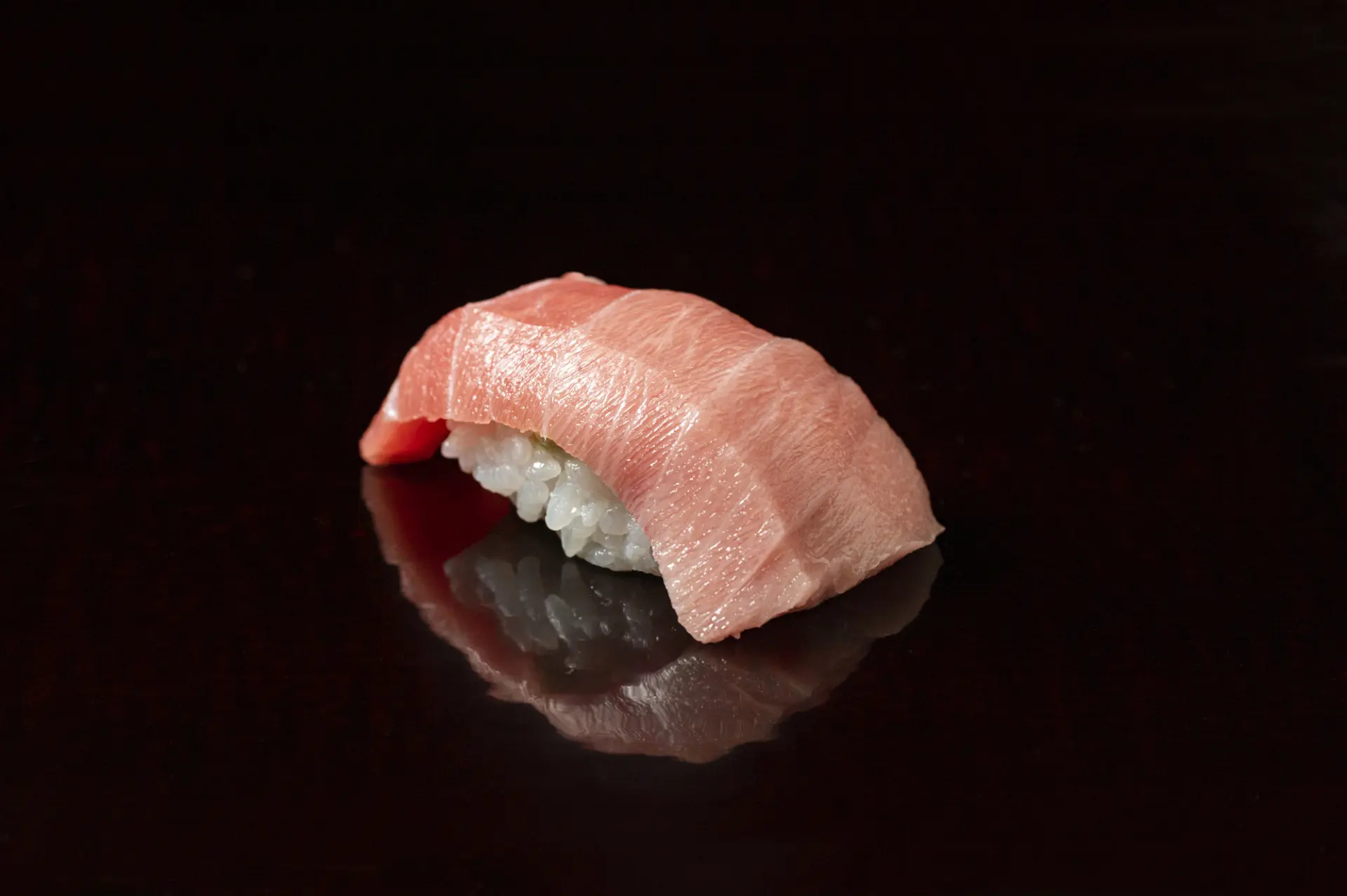
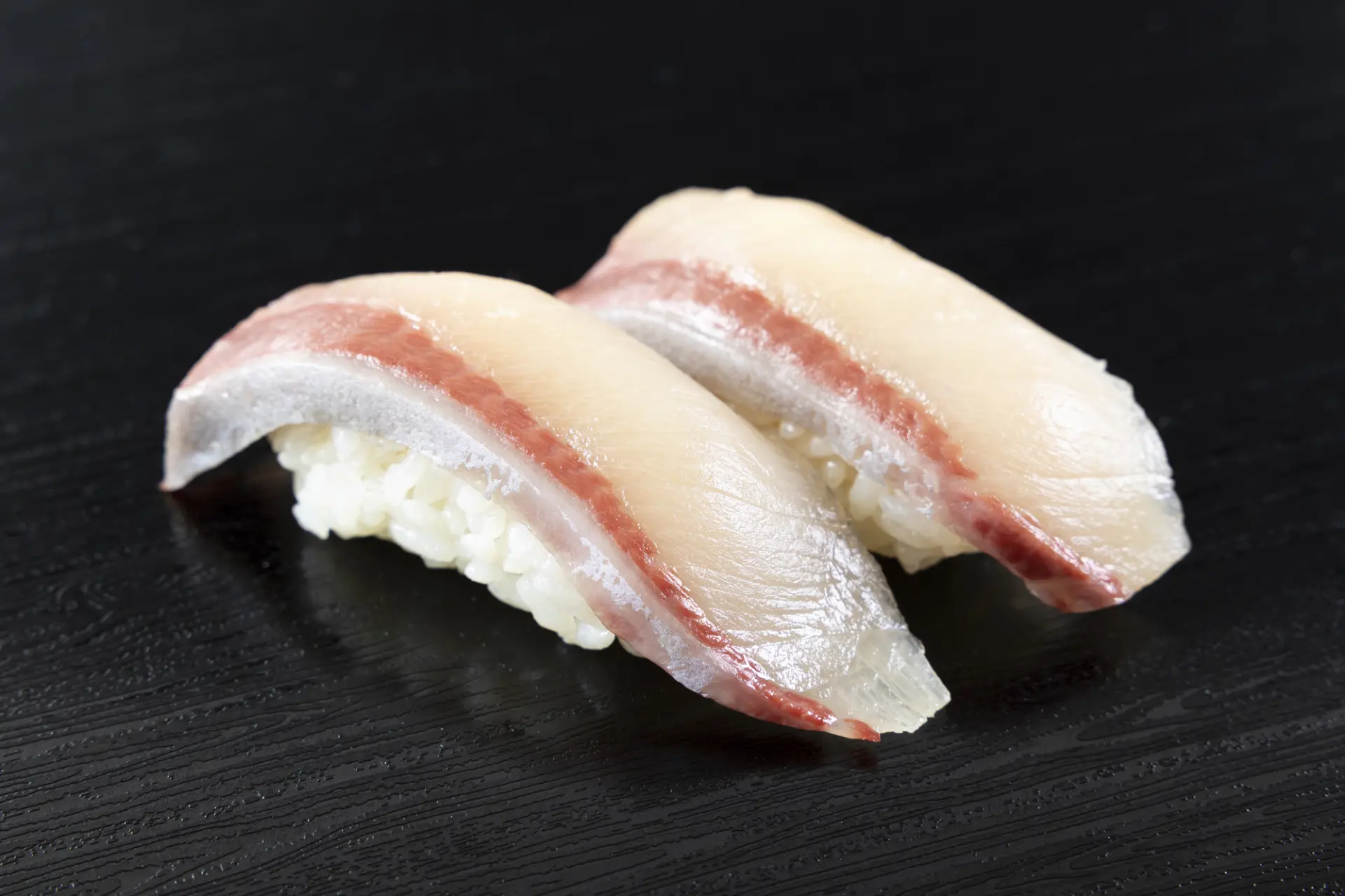
1. Akami (Lean Fish)
The appeal is pure flavor, rich umami and depth without relying on fat.
It delivers a bold taste the moment it hits your mouth, with a clean finish, a classic staple of sushi.
Differences in freshness and aging stand out clearly, and it pairs especially well with wasabi and sushi rice.
-
Maguro (tuna)
-
Chutoro (medium fatty tuna)
-
Otoro (extra fatty tuna)
-
Buri (yellowtail)
-
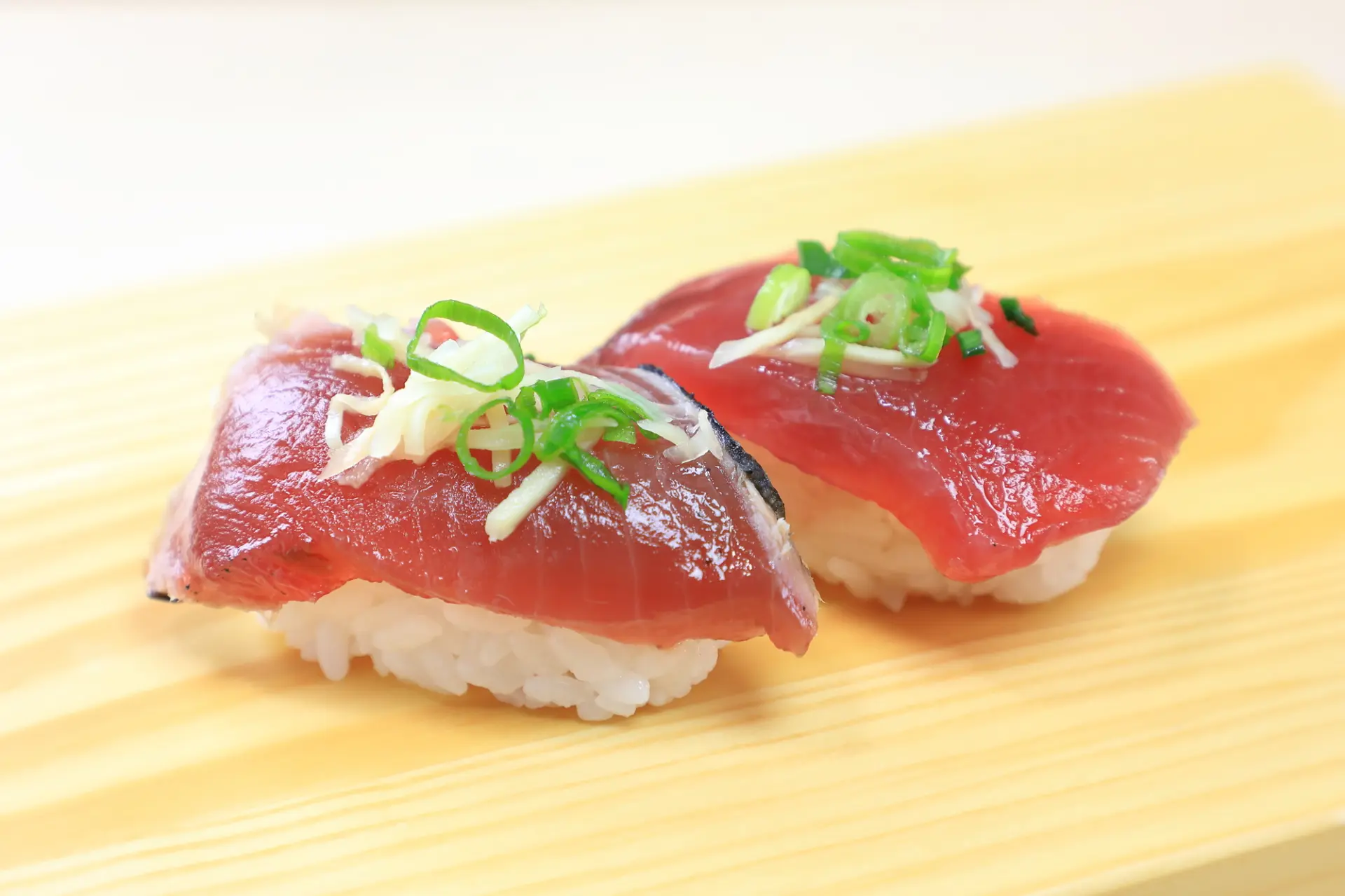
Katsuo (bonito)
2. Shiromi (White Fish)
Low in fat, it highlights the ingredient’s natural flavor and texture.
Mild and clean, it reveals a subtle sweetness as you chew, along with the firmness of the flesh.
It’s delicious even with just salt, sudachi, or wasabi, and the chef’s knife work and freshness make a big difference.
-
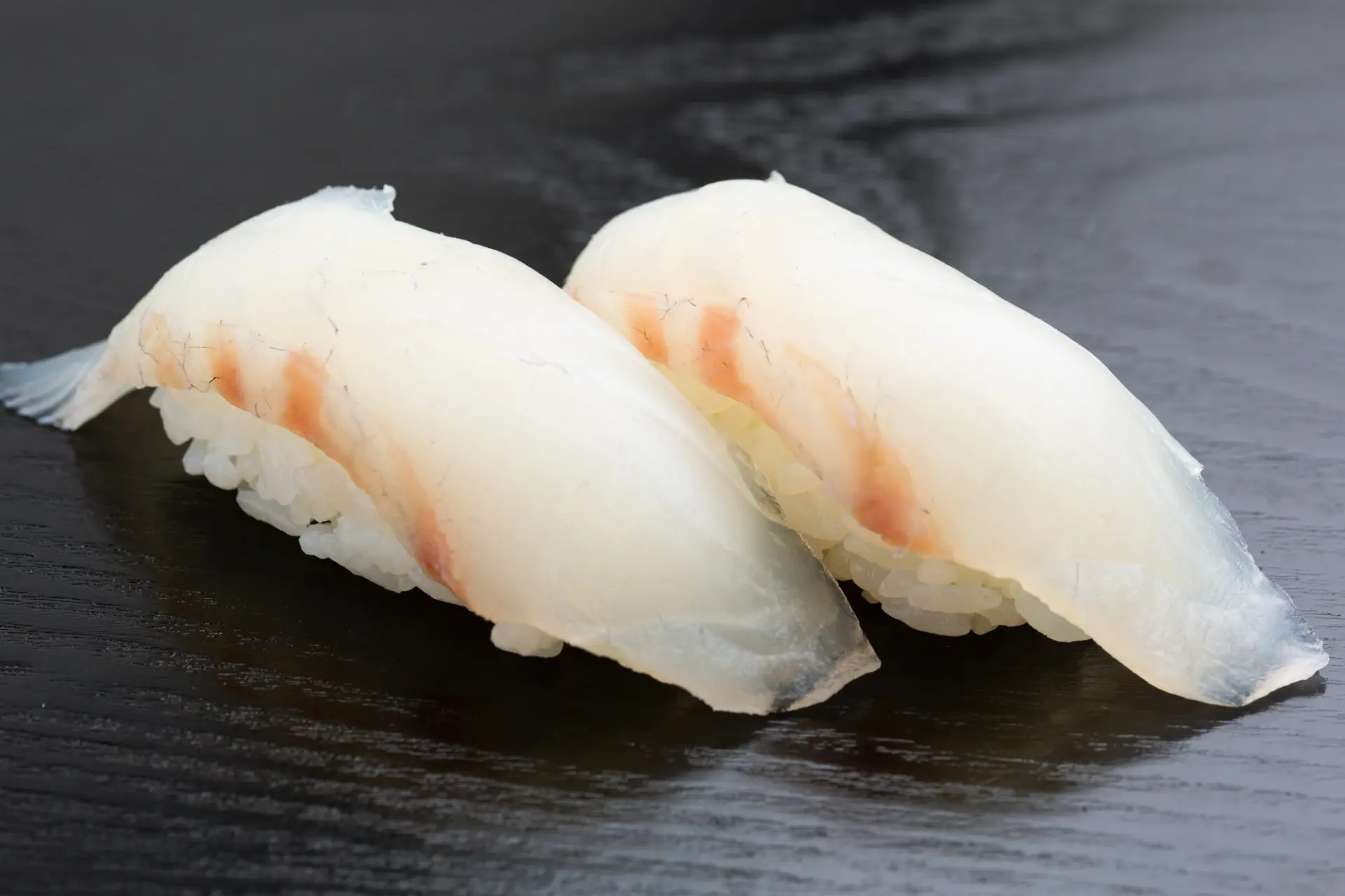
Tai (sea bream)
-
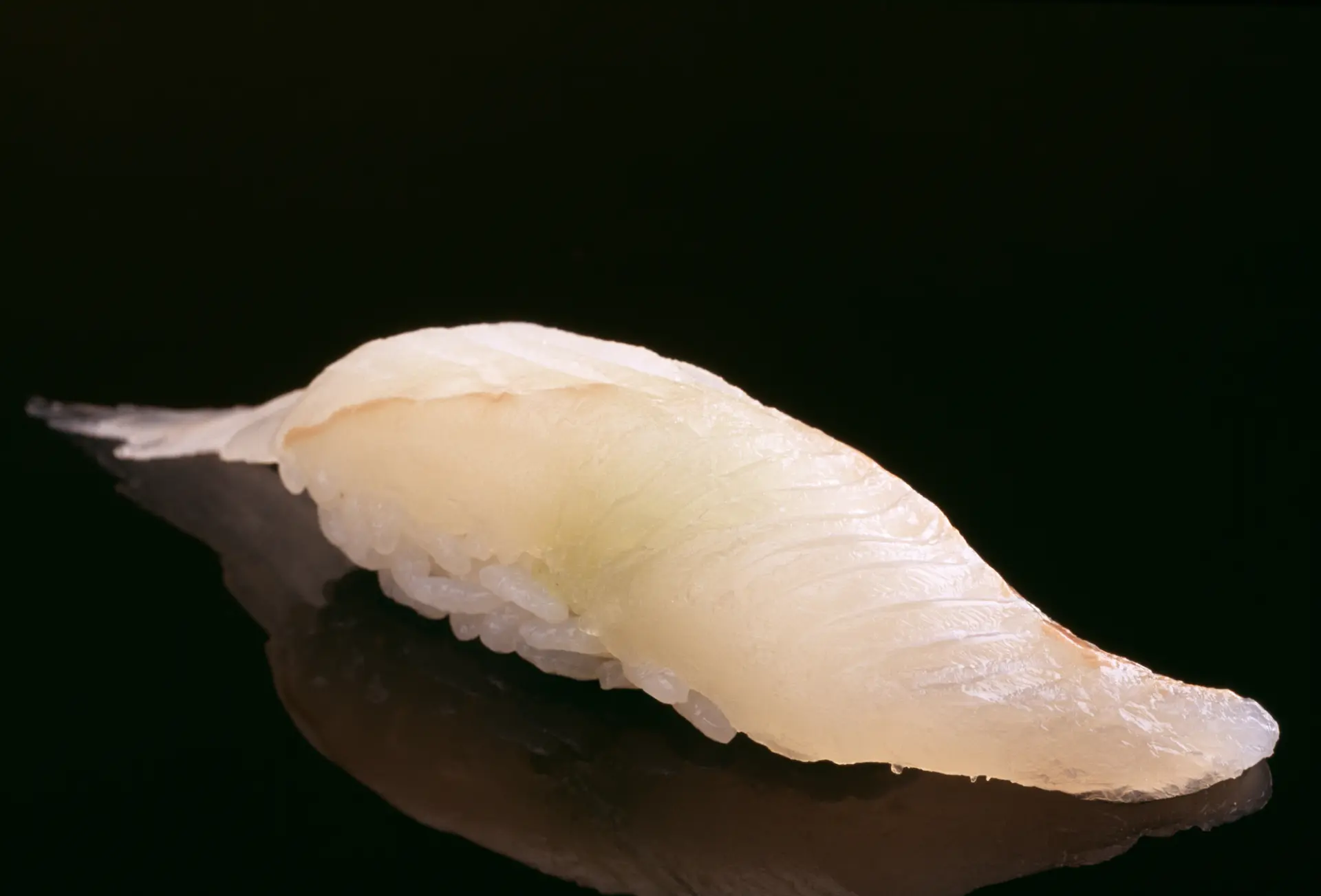
Hirame (flounder)
-
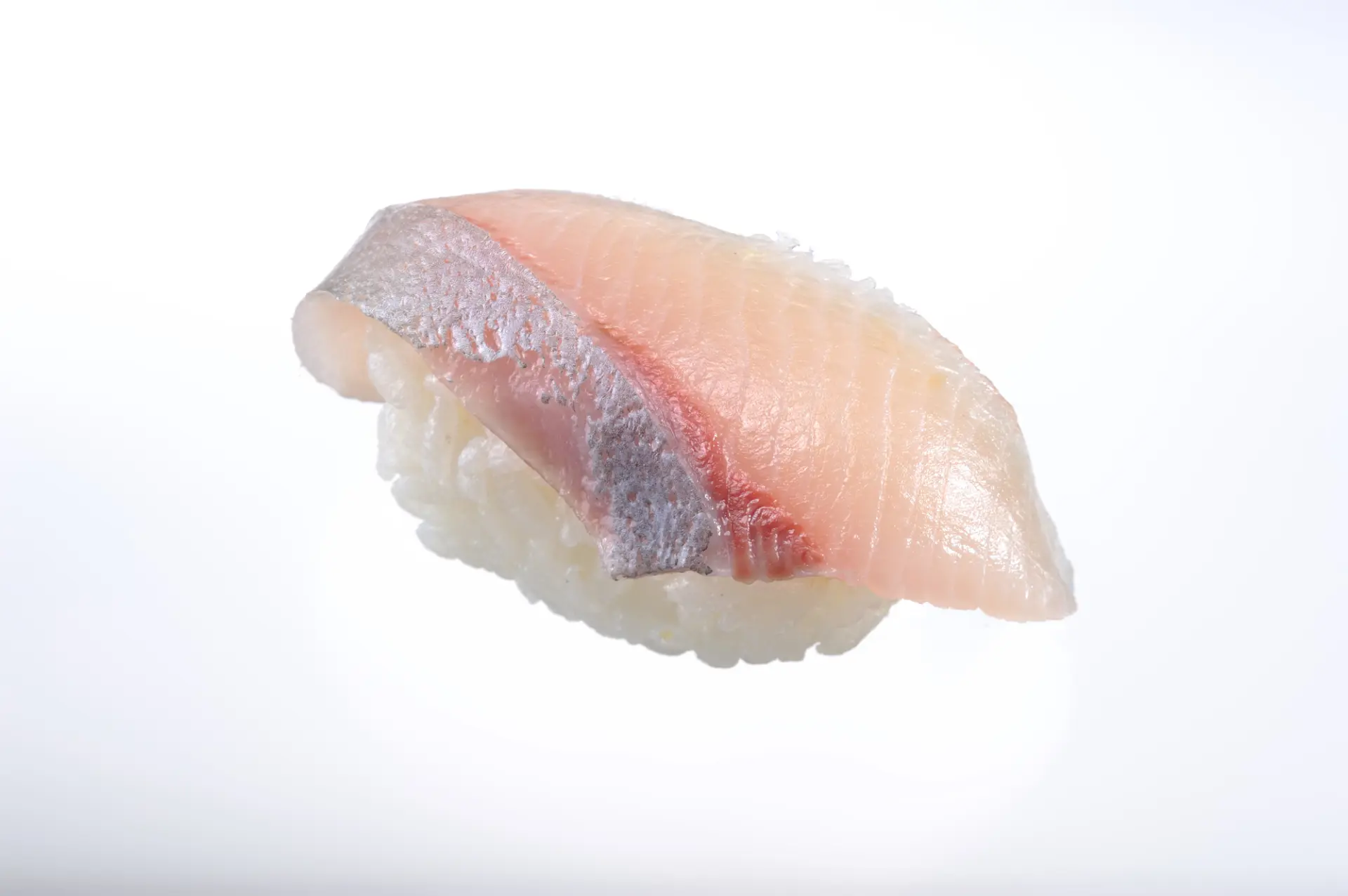
Kanpachi (greater amberjack)
-
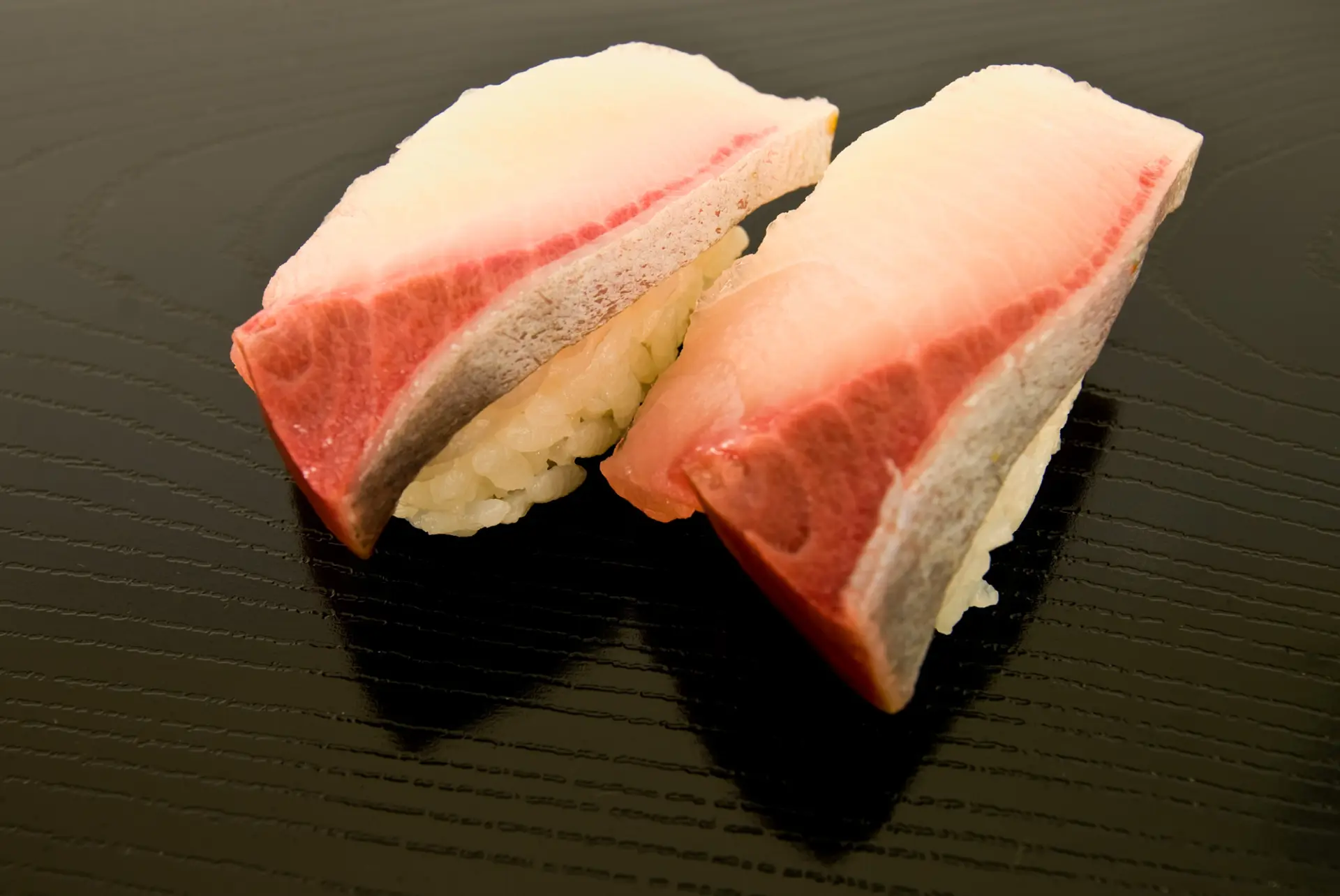
Hamachi (young yellowtail)
-
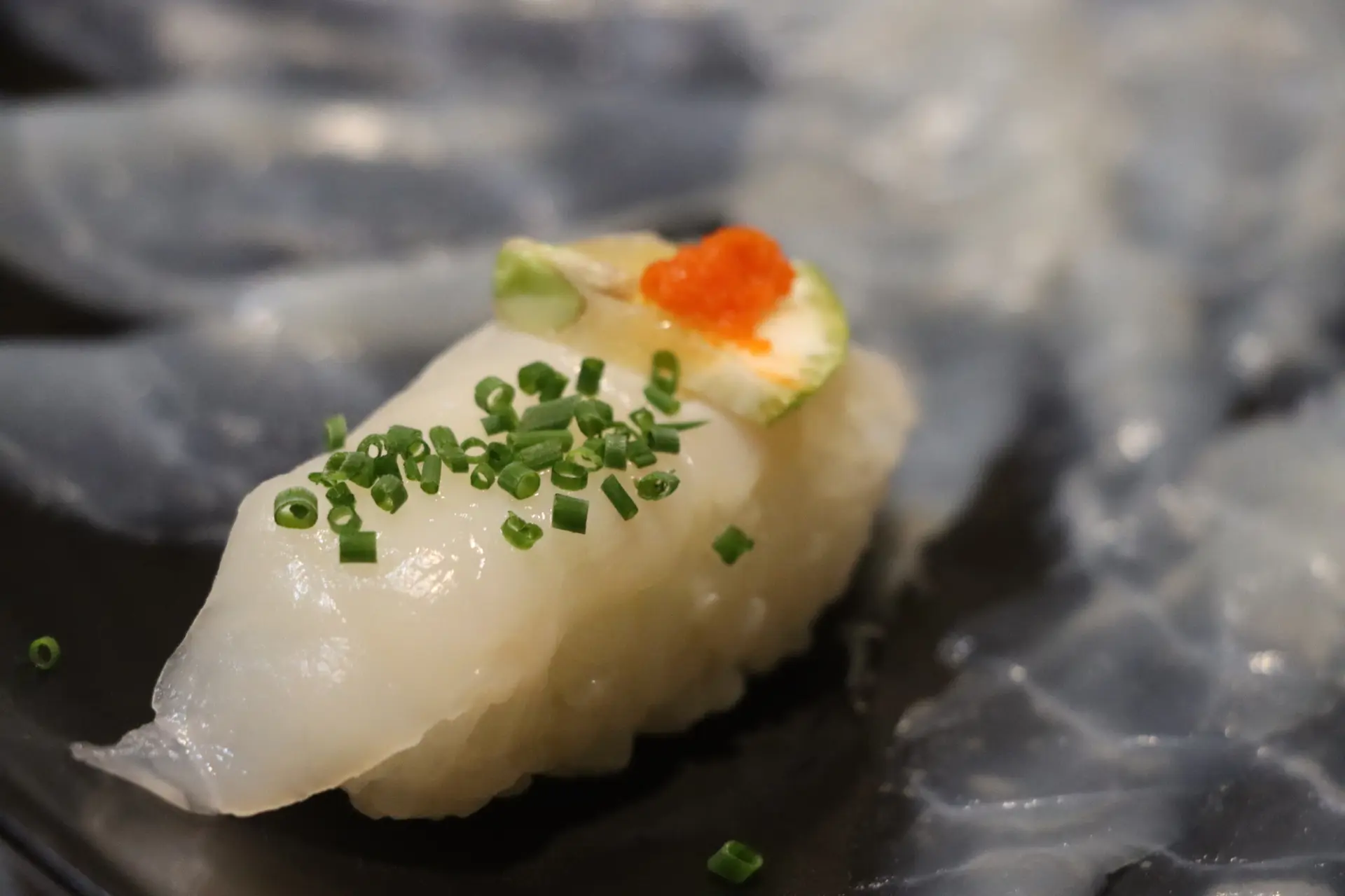
Fugu (pufferfish)
3. Hikari-mono (Silver-Skinned Fish)
Often shiny and silver on the surface, these fish are prized for a balance of umami and acidity. With rich fat and a distinctive aroma, their flavor is enhanced by curing with vinegar or salt. Because freshness control is tricky, the chef’s skill really shows, which is why they’re beloved by sushi enthusiasts.
-
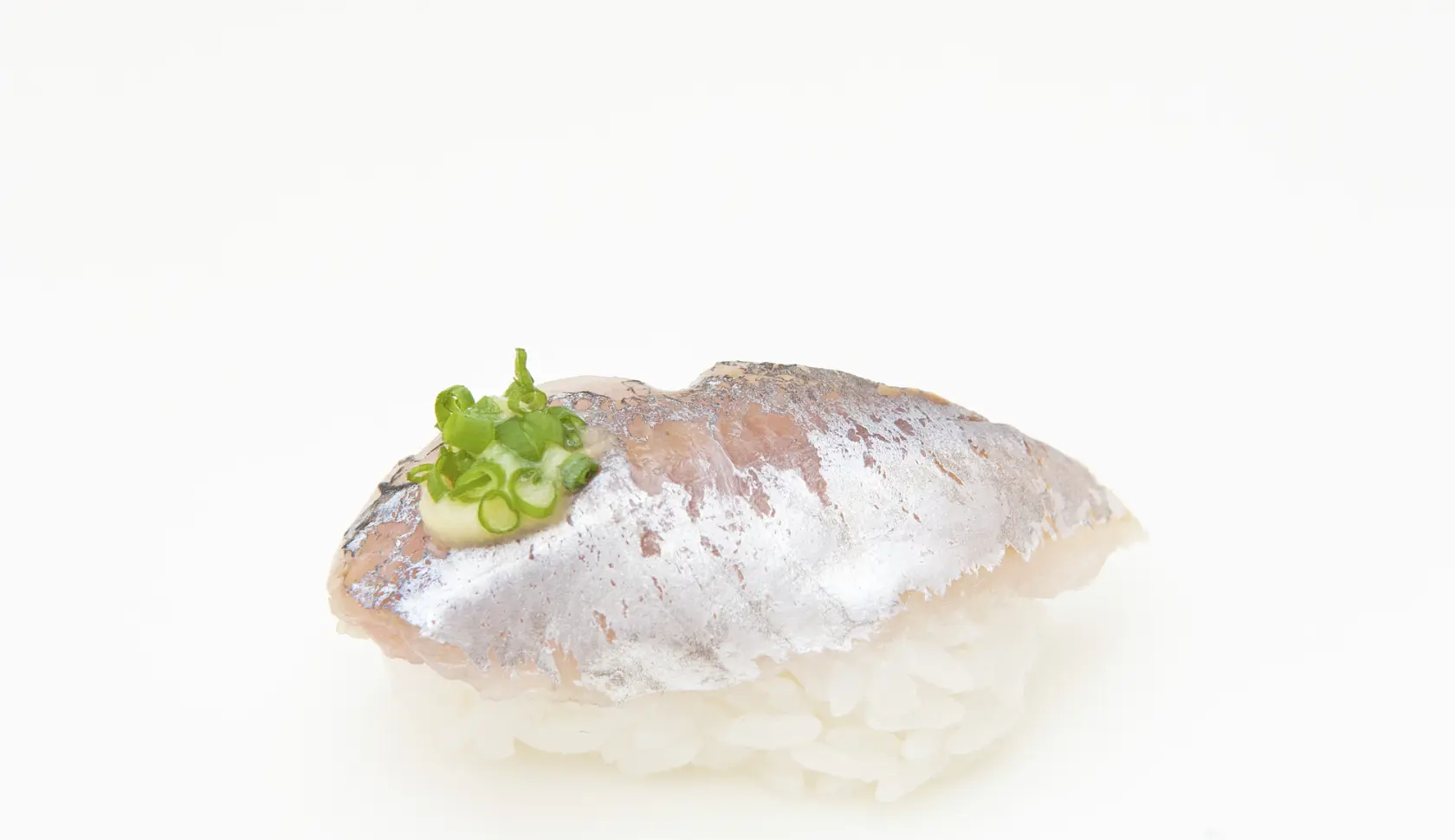
Aji (horse mackerel)
-
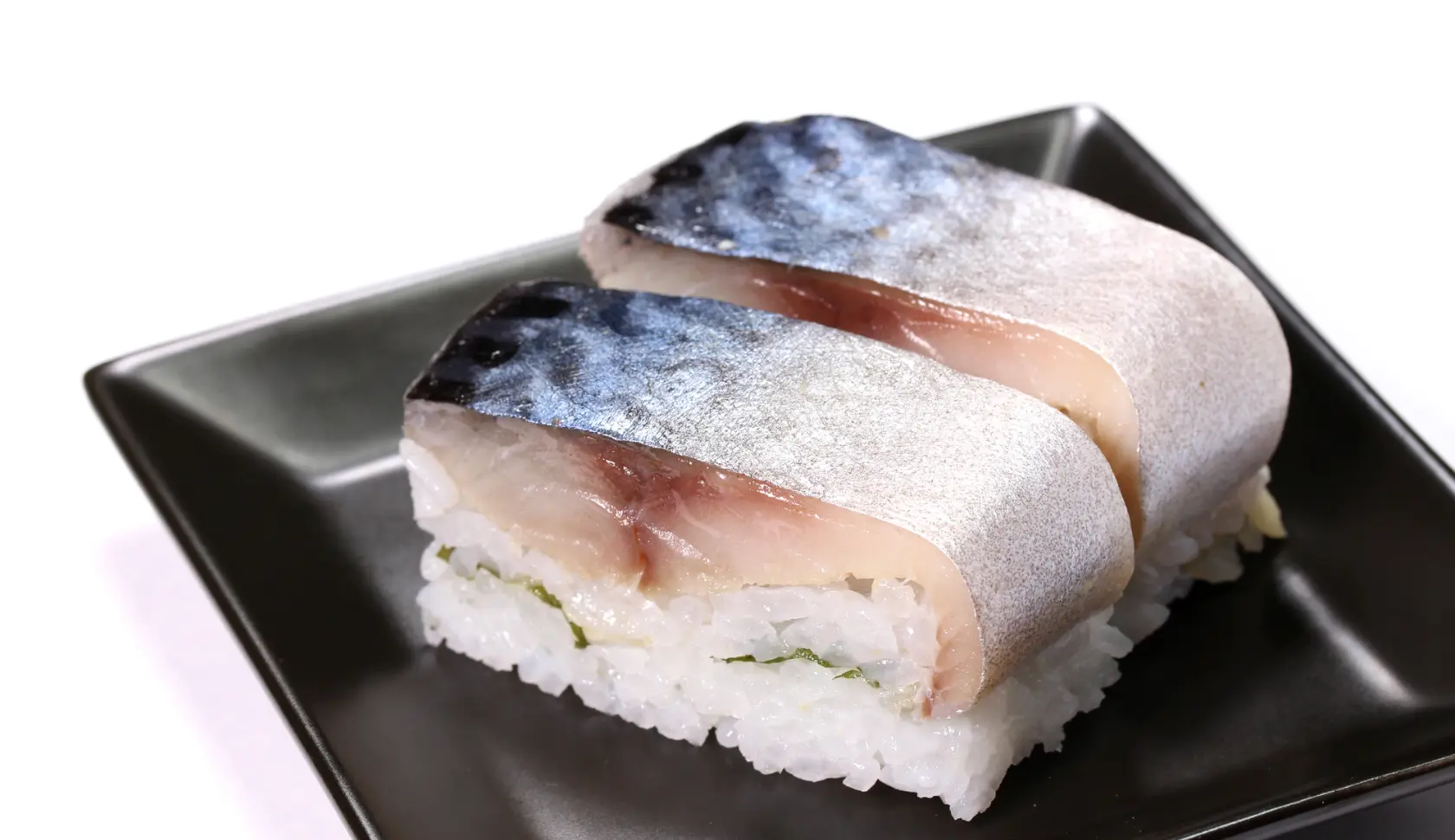
Saba (mackerel)
-
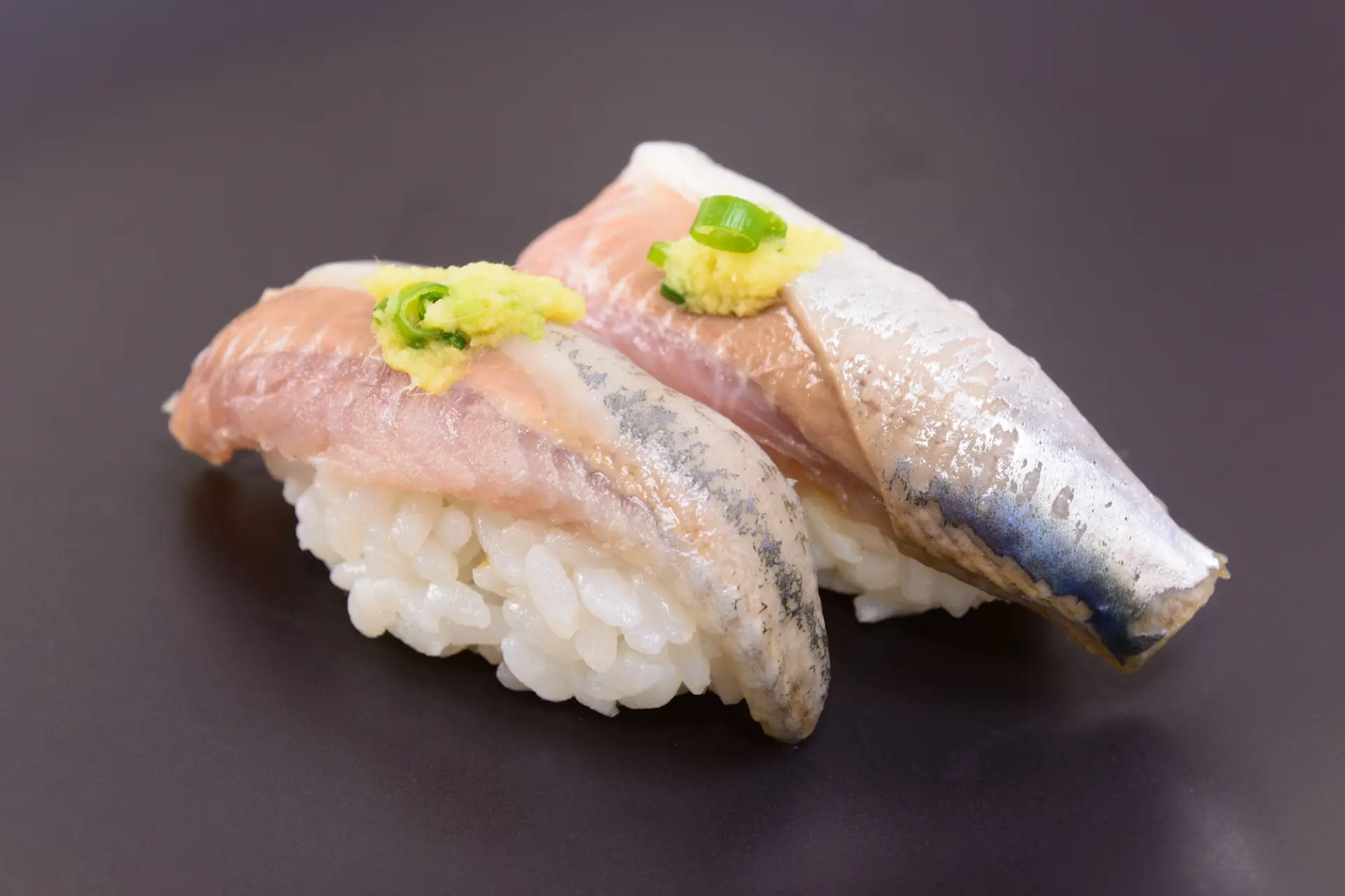
Iwashi (sardine)
-
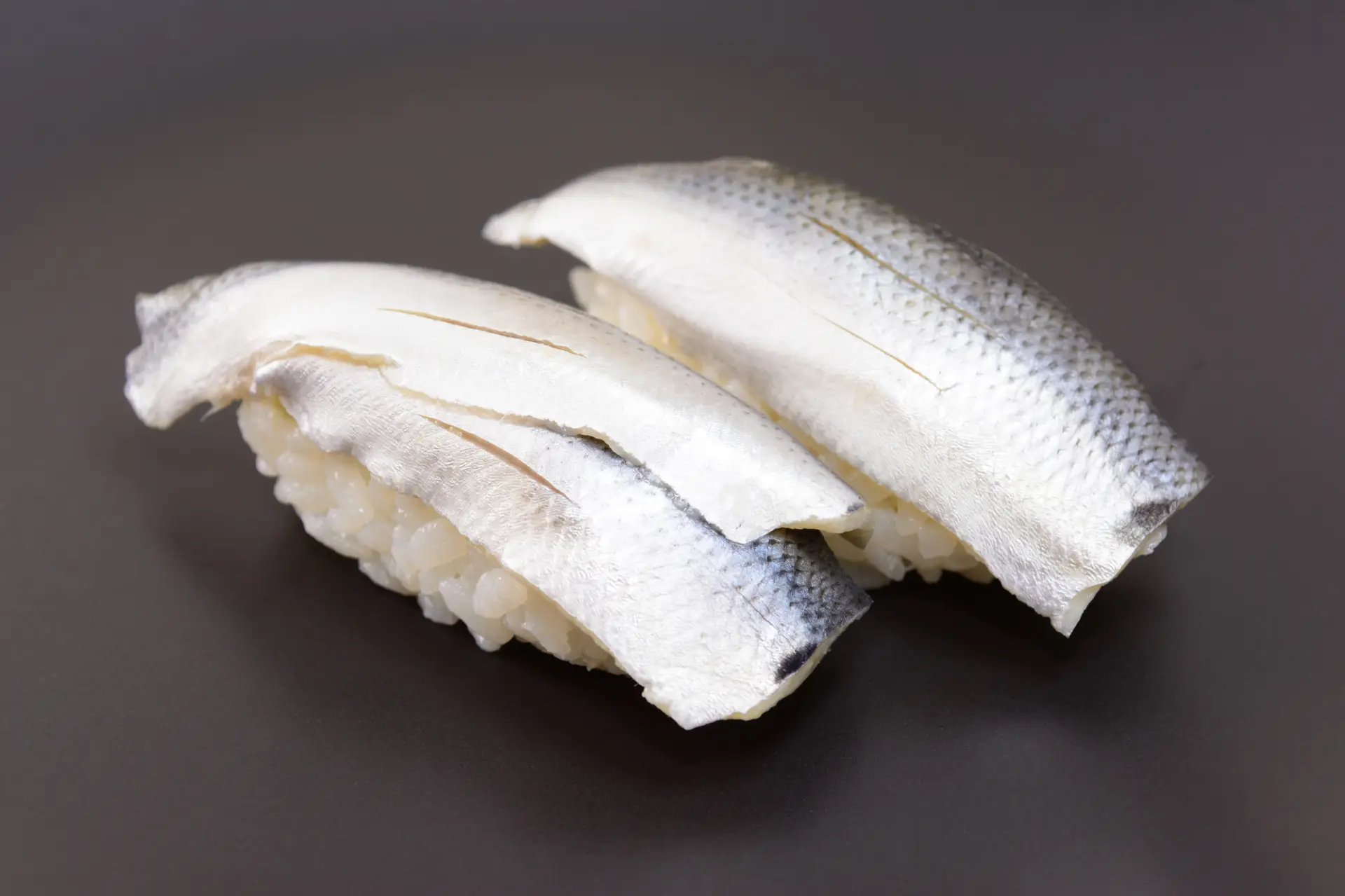
Kohada (gizzard shad)
-
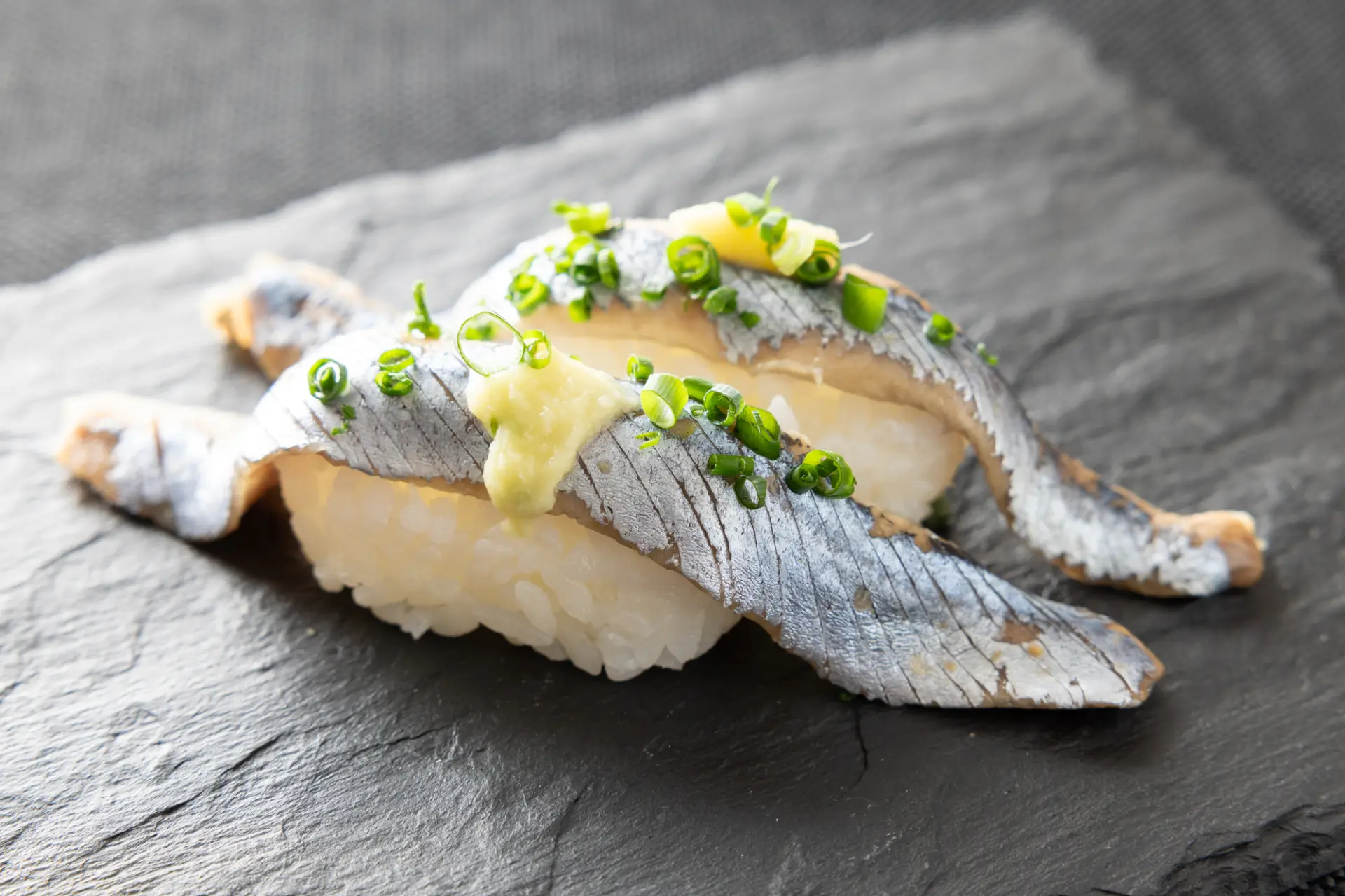
Sanma (Pacific saury)
4. Shellfish
Known for their satisfying crunch and sweetness that grows as you chew.
They offer a different kind of umami than fish, with a clean finish that works well as a palate reset.
Texture varies greatly with freshness, and careful preparation and cutting can change the impression.
-
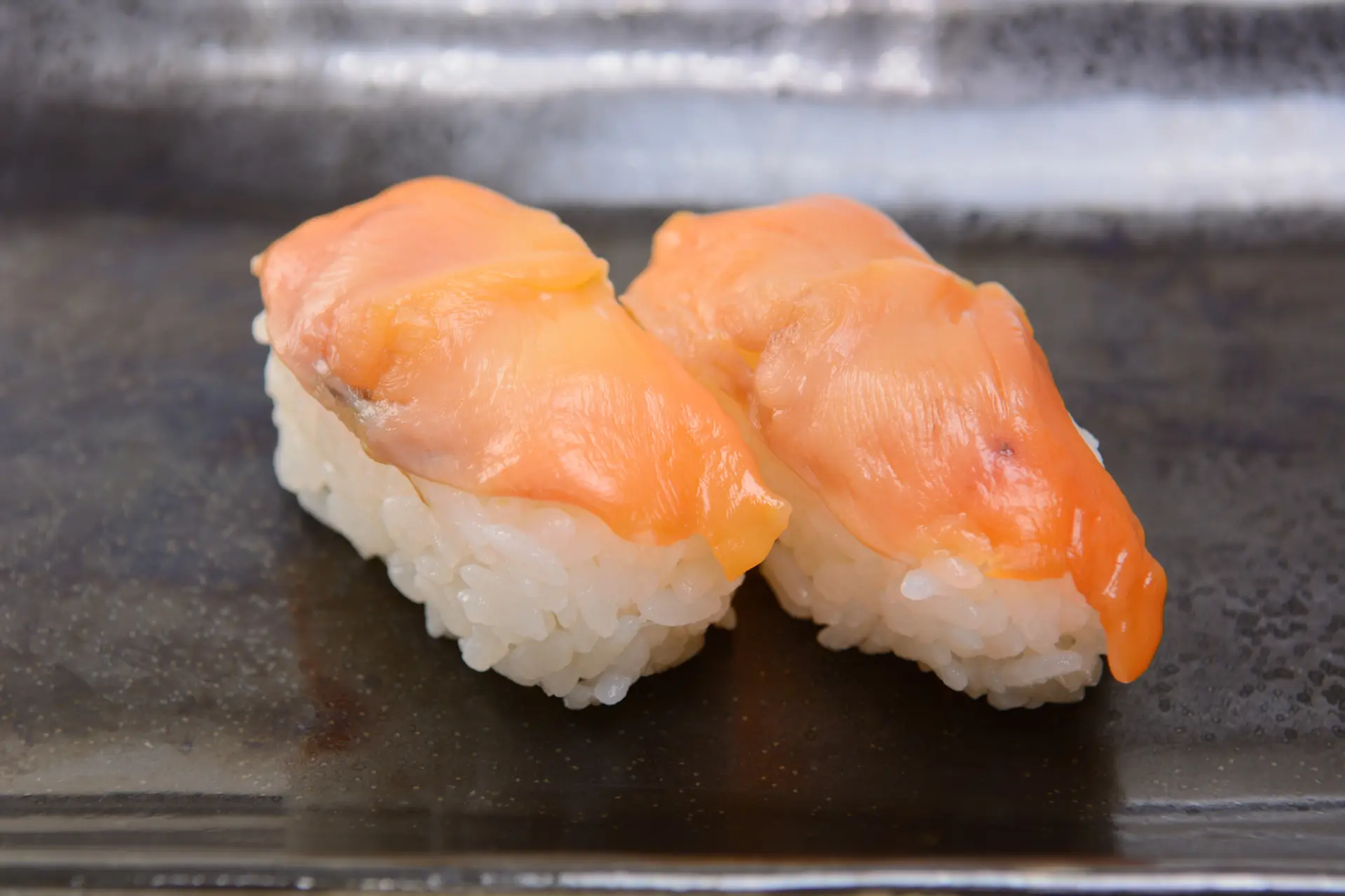
Akagai (ark shell)
-
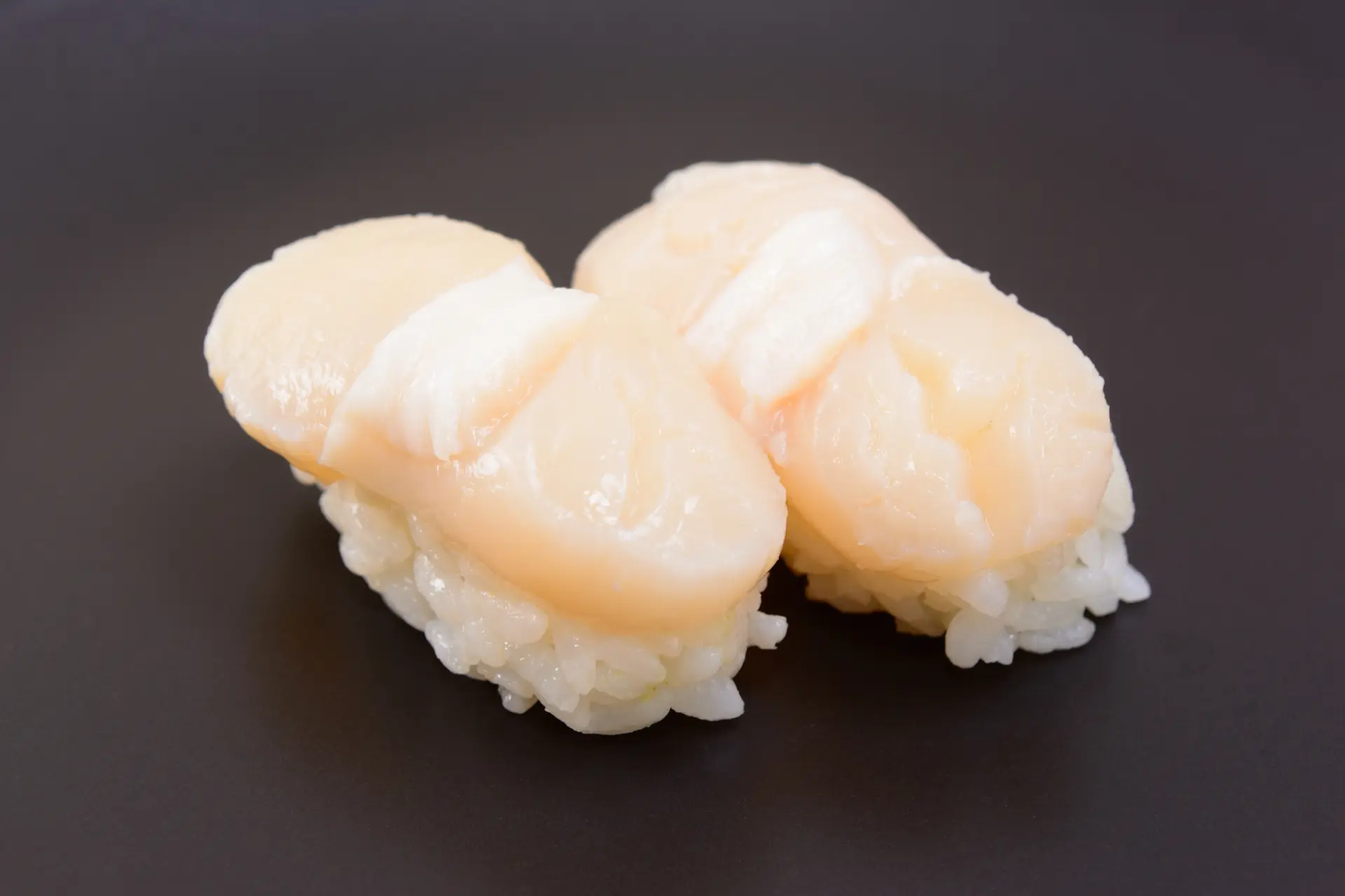
Hotate (scallop)
-
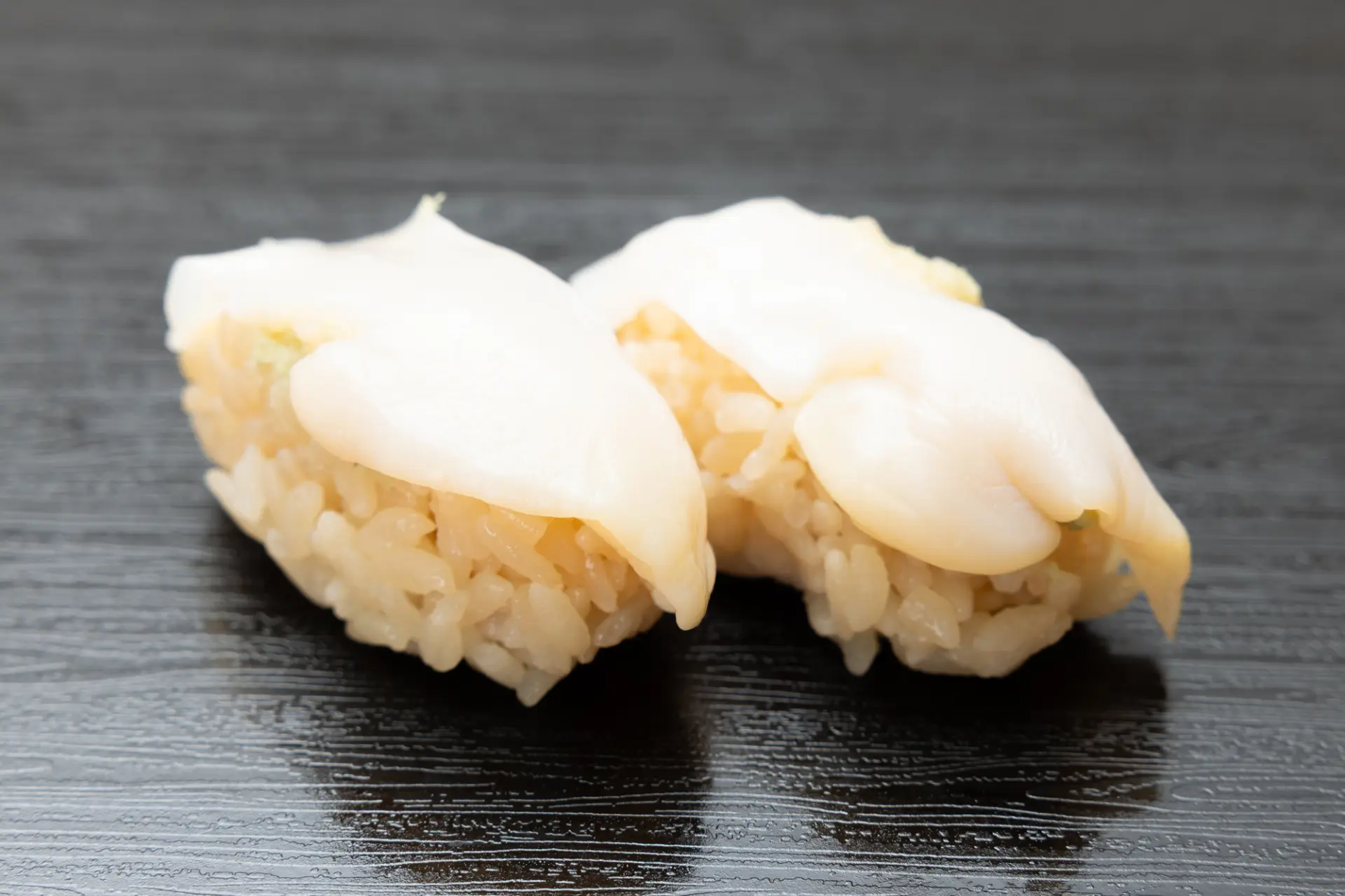
Tsubugai (whelk)
-
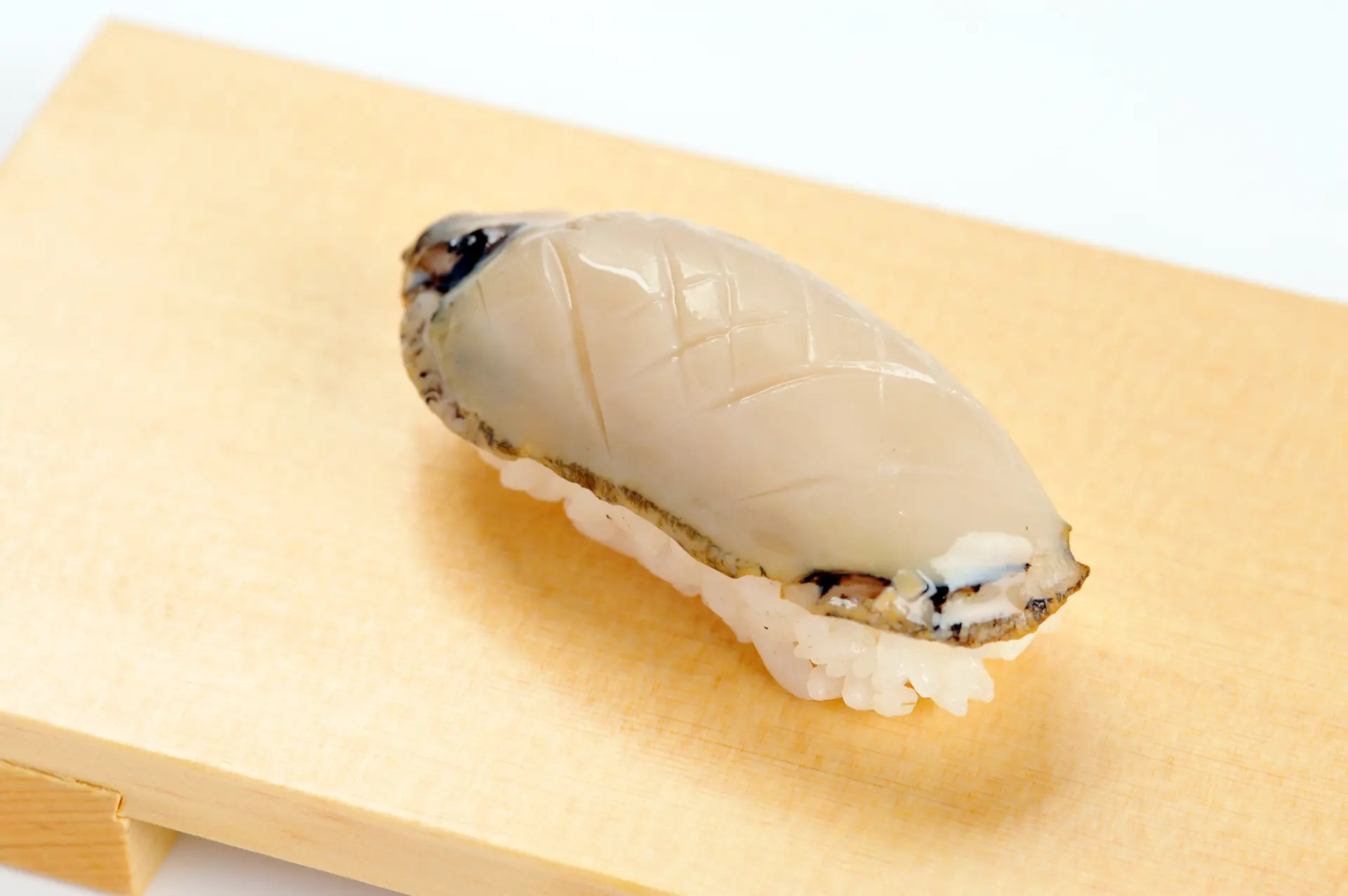
Awabi (abalone)
5. Gunkan-maki (Battleship Sushi)
A sushi style wrapped with nori to hold softer toppings like ikura (salmon roe), uni (sea urchin), and negitoro.
You can fully enjoy the rich flavor and texture of the topping, and it also looks impressive.
Quality makes a big difference, and a good piece is deeply satisfying.
-
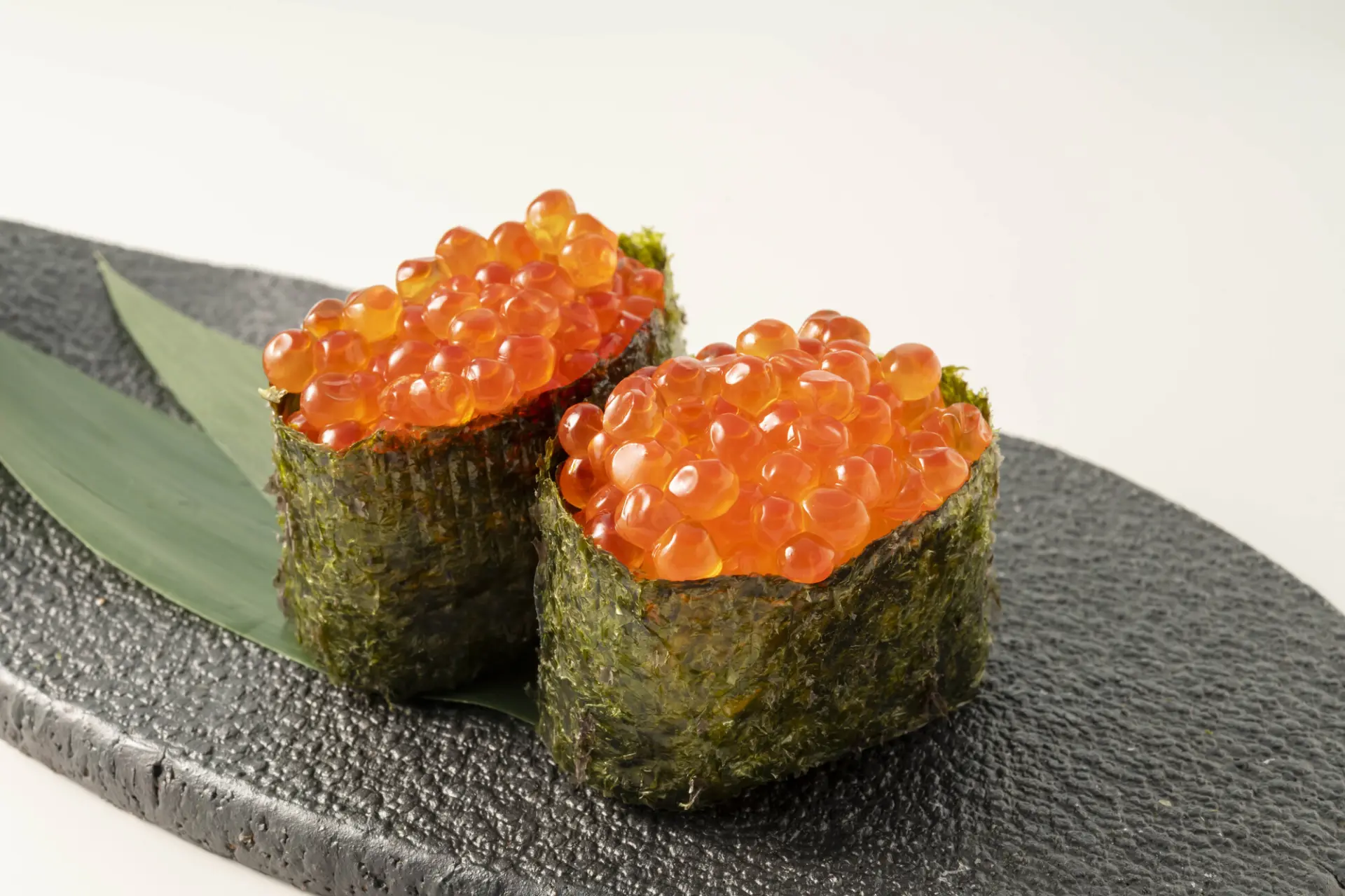
Ikura (salmon roe)
-
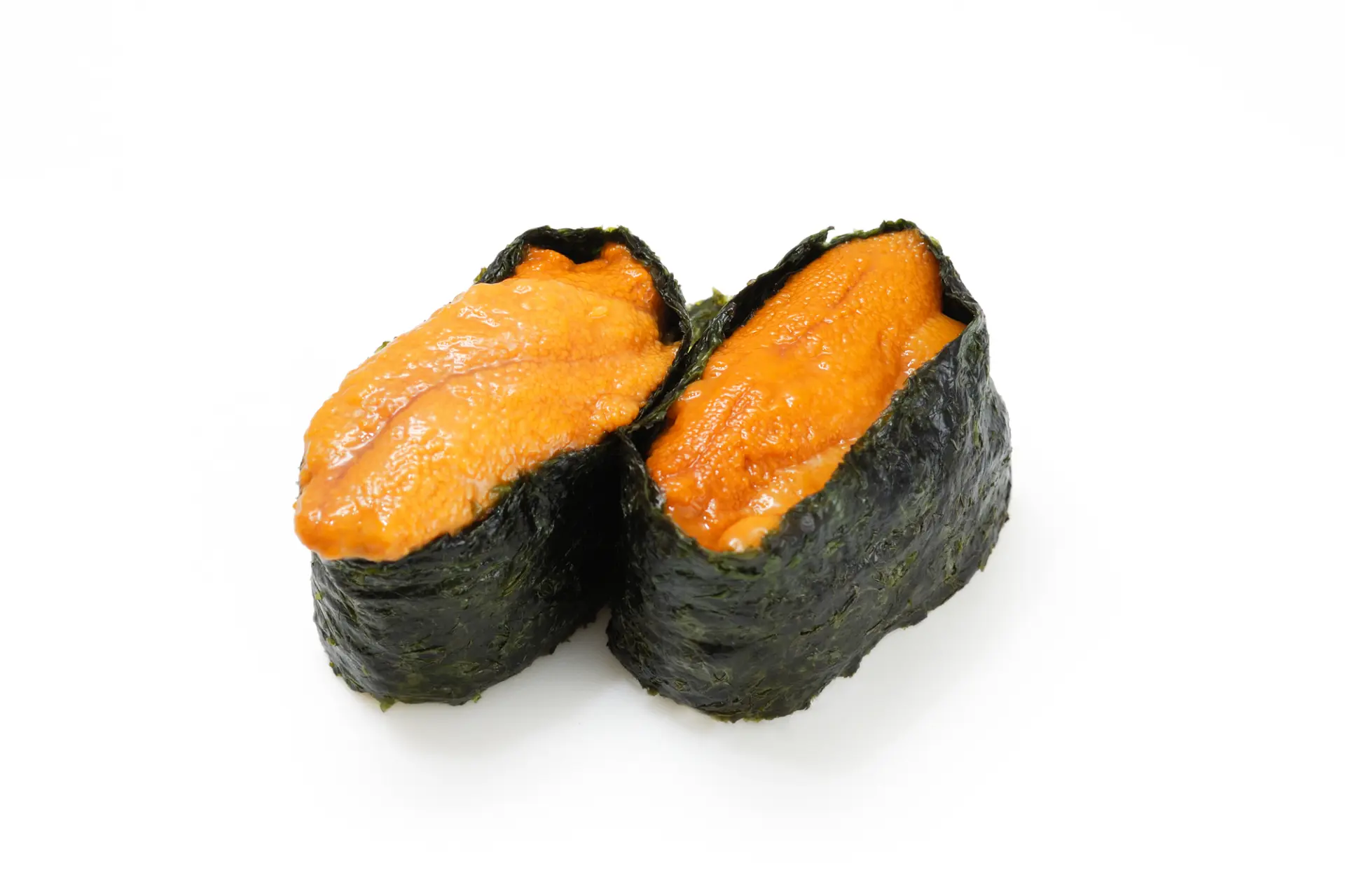
Uni (sea urchin)
-
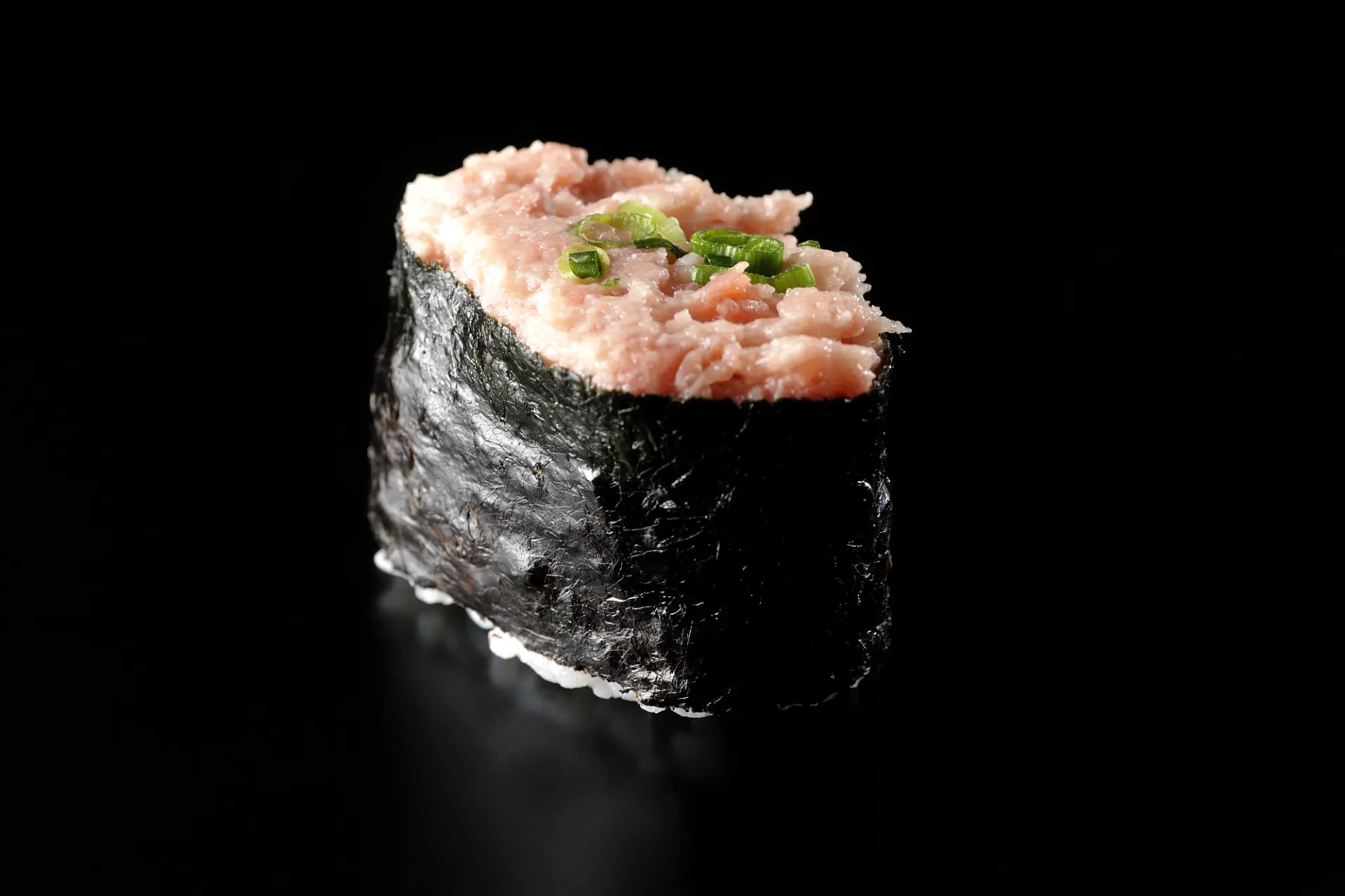
Negitoro
-
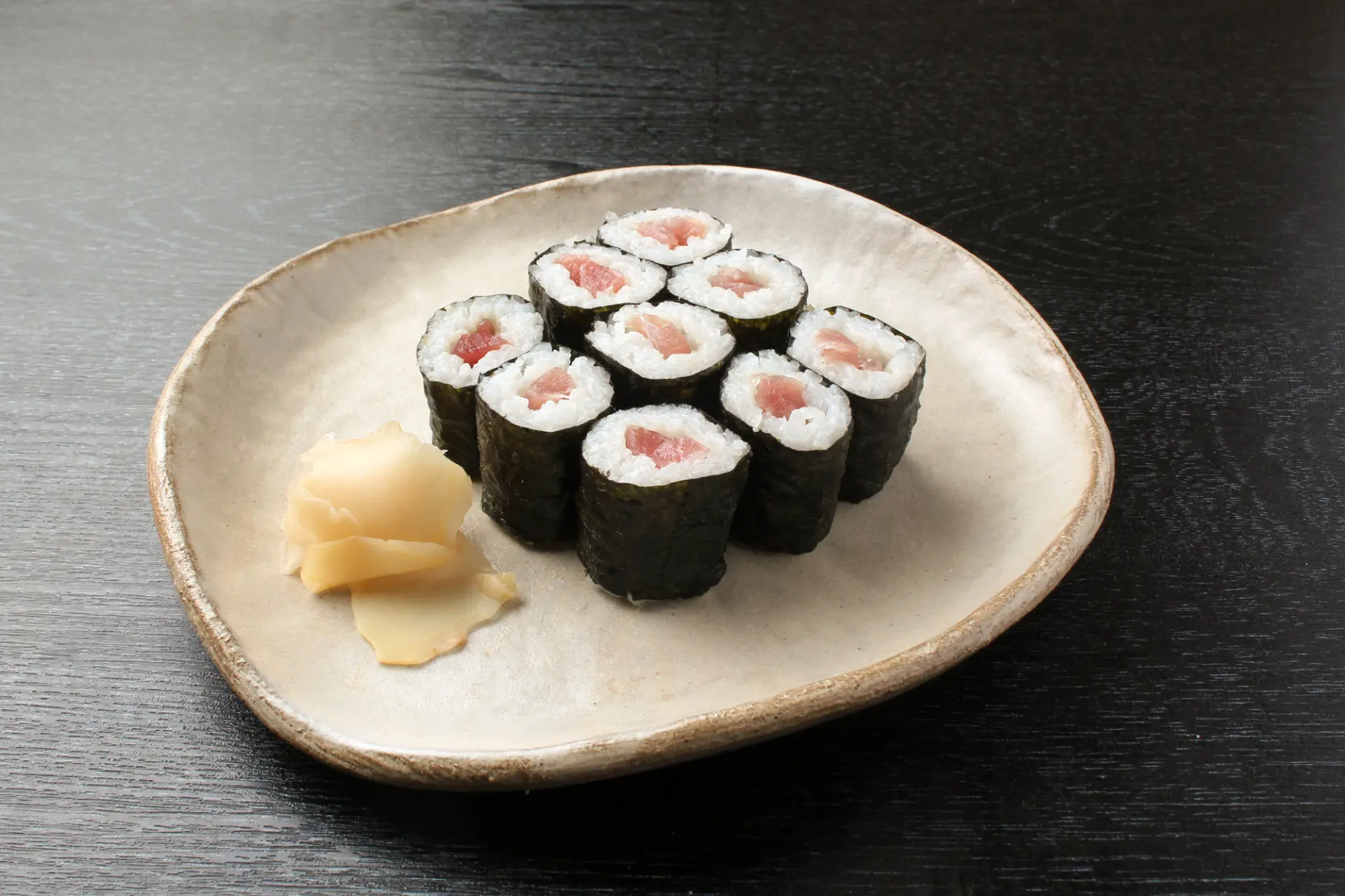
Tekka-maki (tuna roll)
-
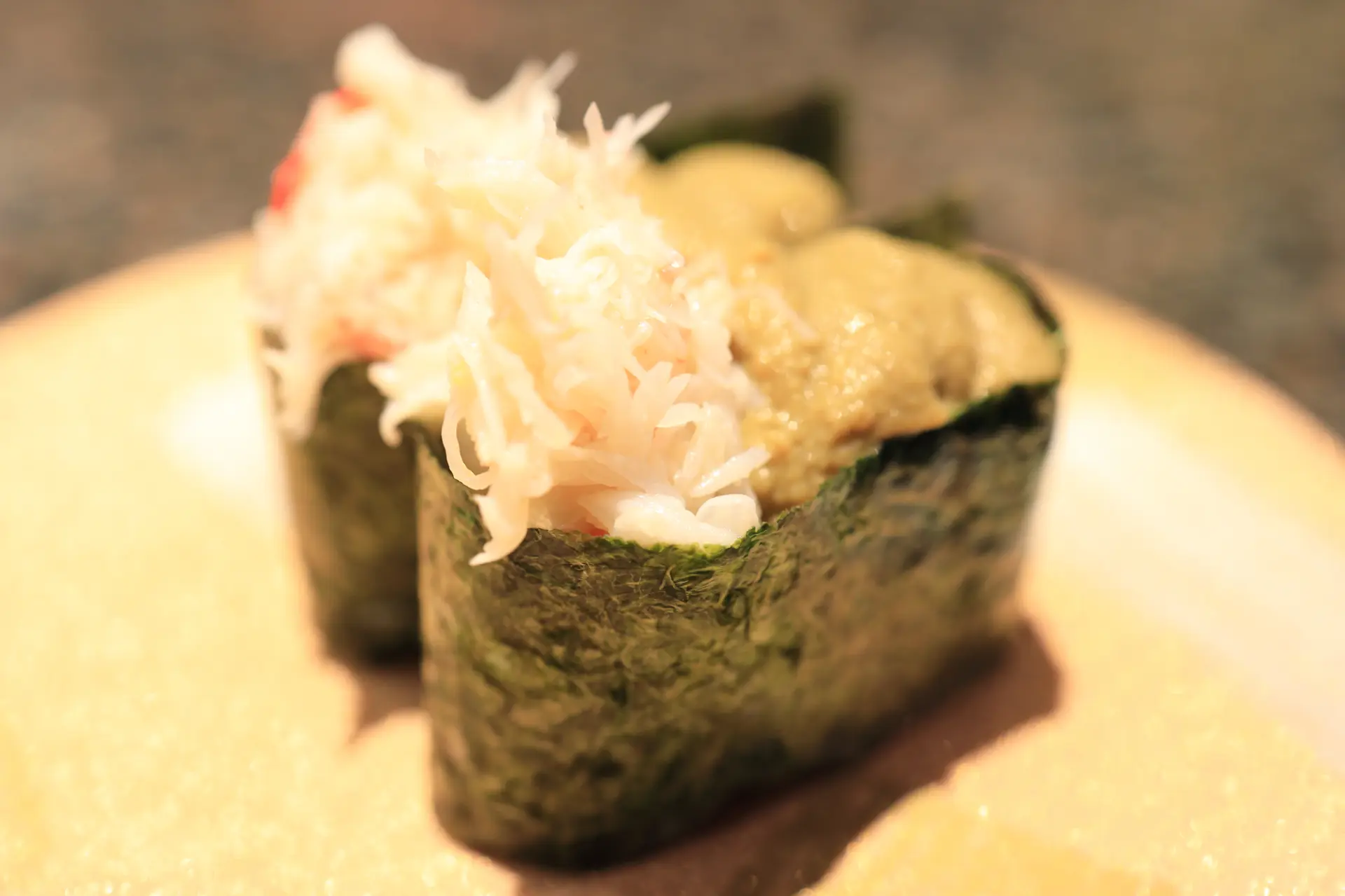
Kani miso (crab innards)
Other Sushi Types to Try
Many international visitors are familiar with nigiri, gunkan, and rolls, but may not know much about other types of sushi.
If you love sushi, give these styles a try too.
Oshizushi (Pressed Sushi)
Oshizushi is made by layering sushi rice and toppings into a square wooden mold and pressing it into shape.
It’s a traditional Kansai dish and is also broadly known as hako-zushi.
Popular examples include saba-zushi and battera.
Unlike nigiri, it isn’t hand-formed, it’s made in larger blocks and then cut into pieces.
Because the flavors soak in well, it’s often delicious even without soy sauce.

Chirashizushi (Scattered Sushi)
Chirashizushi is made by arranging toppings (seafood, shredded egg, nori, shiitake, and more) over sushi rice.
The name is said to come from “scattering” a variety of ingredients.
Ingredients vary by region and household, and it’s also known by names like maze-zushi and gomoku chirashi.

Inarizushi
Inarizushi is made by stuffing sushi rice into a sweet-savory simmered aburaage (fried tofu pouch), and it’s also casually called oinarisan.
In eastern Japan, it tends to be rectangular and more strongly seasoned; in western Japan, it’s often triangular and lighter in taste.
It’s affordable and popular, and has long been loved as an everyday sushi.

FAQ about Sushi
Q
What are the famous conveyor-belt sushi chains in Japan?
A
Some of the best-known chains are Sushiro, Kura Sushi, Hama Sushi, and Kappa Sushi.
Q
What manners should I know before going to a sushi restaurant?
A
The basics are: don’t wear perfume, remove watches and bracelets, and don’t place bags or phones on the counter.
Wrap-up
This article covered what you should know to enjoy sushi in Japan, including its history, types, and key etiquette and manners.
If you’re traveling in Japan, don’t limit yourself to conveyor-belt sushi, try a counter-style sushi restaurant where a chef makes sushi right in front of you.
With the tips in this guide, you’ll be set.
And if you love sushi, be sure to explore styles beyond nigiri too.