
![[Hokkaido Shrine Travel Guide] Enjoy One of Hokkaido’s Top Power Spots!](https://static.gltjp.com/glt/data/article/21000/20333/20230718_131613_ad5020a4_w1920.webp)
[Hokkaido Shrine Travel Guide] Enjoy One of Hokkaido’s Top Power Spots!
Hokkaido Shrine is one of Hokkaido’s most iconic Shinto shrines, watching over the region’s development and people’s happiness.
It’s also famous as a “power spot,” drawing many visitors who come to receive blessings.
In this article, you’ll learn not only the must-see highlights of Hokkaido Shrine, but also the key places to visit and the proper way to pray so you can receive its blessings.
If you want to take in all the blessings Hokkaido Shrine has to offer, or enjoy its nature-rich scenery, use this guide when you visit.
What is Hokkaido Shrine Like?
Hokkaido Shrine is a spacious Shinto shrine located in central Sapporo.
Its enshrined deities are the three pioneer gods and Emperor Meiji, for a total of four.
As one of Hokkaido’s top power spots, it’s especially popular with visitors hoping to improve their career luck and competitive luck.
Surrounded by nature, Hokkaido Shrine also lets you enjoy beautiful scenery in every season.
From cherry blossoms in spring and deep greenery in summer to fall foliage in autumn and snowy landscapes in winter, you can enjoy the blend of nature and shrine views throughout the year.
It’s also next to Maruyama Park, home to a primeval forest designated as a natural monument, so if you want to enjoy Sapporo’s nature, try strolling around both Maruyama Park and Hokkaido Shrine.

The History of Hokkaido Shrine, Watching Over Hokkaido Since the Start of Settlement
Hokkaido, once known as Ezochi, was officially recognized as Japanese territory in 1869 and named “Hokkaido.”
As Japan moved forward with settlement and development, Emperor Meiji ordered that the three pioneer gods be enshrined as a spiritual anchor for the settlers.
The “three pioneer gods” are Okunitama-no-Kami, Onamuchi-no-Kami, and Sukunabikona-no-Kami—guardian deities of settlement and development.
The yorishiro (objects such as mirrors and swords in which the deities reside) of these three gods were moved from Tokyo to Hakodate, and then from Hakodate to Sapporo, where Sapporo Shrine was built.
In 1964, Emperor Meiji—who laid the foundation of modern Japan—was added to the three pioneer gods, and the name changed from Sapporo Shrine to Hokkaido Shrine.
It burned down in 1974, but was restored over four years.
Hokkaido Shrine is truly a shrine that stands alongside Hokkaido’s history.

Blessings at Hokkaido Shrine
The blessings brought by the enshrined deities of Hokkaido Shrine range widely, including better financial luck, business prosperity, matchmaking, and household safety.
There are also torii gates and smaller shrines throughout the grounds where you can receive blessings by passing through or visiting them, so it’s no exaggeration to say there’s no blessing you can’t ask for at Hokkaido Shrine.
That’s why it’s known as one of Hokkaido’s top power spots.

Shrines Within the Hokkaido Shrine Grounds
Within the grounds of Hokkaido Shrine, there are three smaller shrines.
They offer different blessings from the main hall, so be sure to visit not only the main hall but also these shrines to receive a variety of blessings.
1. Kaitaku Shrine
It was built in 1938 to enshrine those who made major contributions to the settlement of Hokkaido.
The worship hall has no walls, and you can feel a sacred atmosphere created by the open space.
It’s said to bring better “career luck” and “competitive luck,” and many business owners come here to pray.
2. Sapporo Koryo Shrine
Sapporo Koryo Shrine enshrines those who died while working in mining, dedicating their lives to the settlement of Hokkaido.
It stands quietly among greenery and can be easy to miss, so keep an eye out.
This shrine is said to bring blessings for safety.
3. Hotaki Shrine
Next to Sapporo Koryo Shrine, Hotaki Shrine features bronze komainu guardian dogs that welcome visitors.
Stone komainu are more common, so don’t miss these rare bronze ones.
It also enshrines contributors to the Hokkaido Takushoku Bank, which supported Hokkaido’s economy, and is said to bring better financial luck.

Access to Hokkaido Shrine
To enjoy your visit to Hokkaido Shrine to the fullest, we recommend taking the route through the beautiful nature of nearby Maruyama Park on your way there.
Here’s how to get there from JR Sapporo Station, a common sightseeing hub.
Walk from JR Sapporo Station to Sapporo Station on the Sapporo Municipal Subway Namboku Line.
Transfer to the Tozai Line at Odori Station and get off at Maruyama Koen Station.
From Maruyama Koen Station, it’s a 5-minute walk to Maruyama Park.
Enjoy the scenery of Maruyama Park as you make your way to Hokkaido Shrine.
Hokkaido Shrine Admission and Opening Hours
Admission to Hokkaido Shrine is free.
Opening hours vary by season, so please be aware.
Year-round
| Period | Opens | Closes |
|---|---|---|
| February 1–end of February | 7:00am | 4:00pm |
| March 1–March 31 | 7:00am | 5:00pm |
| April 1–October 31 | 6:00am | 5:00pm |
| November 1–December 31 | 7:00am | 4:00pm |
Special Hours During the New Year Period
| Period | Opens | Closes |
|---|---|---|
| New Year’s Day | 12:00am | 7:00pm |
| January 2–January 3 | 6:00am | 6:00pm |
| January 4–January 7 | 6:00am | 4:00pm |
| January 8–January 31 | 7:00am | 4:00pm |
Recharge in Beautiful Nature and a Power Spot! 5 Highlights of Hokkaido Shrine
If you’re visiting one of Hokkaido’s top power spots, you probably want to receive as many blessings as possible!
For those who want it all, here are the must-visit spots and key highlights for receiving blessings and spiritual power.
1. Kaitaku Shrine for Better Career Luck and Competitive Luck
Kaitaku Shrine is one of the most popular power spots within Hokkaido Shrine.
Because it enshrines workers who devoted their lives to settling Hokkaido, it’s said to bring better “career luck” and “competitive luck.”
Kaitaku Shrine has a unique layout, with an open worship hall at the front and the main sanctuary behind it.
Kaitaku Shrine is located a short walk past the “Park Entrance Torii.”
Since the Park Entrance Torii connects Maruyama Park and Hokkaido Shrine, we recommend exploring Maruyama Park before heading to Hokkaido Shrine.
This is a great spot for business owners, anyone aiming for a promotion, or those facing a big challenge.

2. Do the Blessings Change by Which Torii You Pass Through? 5 Torii Gates in the Grounds
Hokkaido Shrine has five torii gates of various sizes, including beautifully designed gates as well as ones said to grant blessings when you pass through.
Take a stroll around the grounds and try to find all five.
The Powerful Presence of the “First Torii”
The First Torii stands more than 700 meters away from the entrance to the approach, outside the shrine grounds.
At Approx. 19 meters tall, this massive torii spans the road and has an overwhelming presence.
The “Second Torii,” Said to Bring the Blessing of Cutting Ties
The Second Torii is located at the entrance to the approach at Hokkaido Shrine.
It stands in the kimon (unlucky direction) and is said to bring the blessing of “cutting ties.”
It’s said not only to cut off illness, misfortune, and bad connections, but also romantic ties—so it’s a torii to keep in mind.
The “Third Torii,” Perfect for Those Who Want to Increase Their Money
The Third Torii is near Hokkaido Shrine’s “South First Parking Lot.”
It’s a popular torii said to bring better financial luck.
In feng shui, it’s located in the direction associated with “savings,” so if you want to grow your money, try passing through the Third Torii.
The “Park Entrance Torii,” Leading to a Path Where You Can Visit All 3 Smaller Shrines
The Park Entrance Torii serves as the gateway to the route that takes you through Maruyama Park as you explore Hokkaido Shrine.
From the Park Entrance Torii to the main hall, you can visit all three smaller shrines along the approach, making it our top recommended entrance.
The Beautiful Stainless-Steel “Reiwa Torii”
Built to commemorate the 150th anniversary of the enshrinement of Hokkaido Shrine, the “Reiwa Torii.”
It’s the newest torii at Hokkaido Shrine.
Made of stainless steel, its glossy, elegant design is a highlight.
The “Rokkatei Jingu Chaya” on the grounds is right in front of it, so take a break and enjoy the view.

3. Beautiful Seasonal Nature Scenery
Nature-rich Hokkaido Shrine changes its look with each season, but you’ll find beautiful scenery no matter when you visit.
Being soothed by nature’s energy is also one of the shrine’s charms.
Spring: A Beautiful Showcase of Cherry Blossoms and Plum Blossoms
In spring at Hokkaido Shrine, Approx. 1,100 cherry trees—including Ezo-yamazakura, Somei Yoshino, and yaezakura—plus over 200 plum trees bloom across the grounds.
The types and number of trees vary by area, so you can enjoy many different views.
The most popular spot is the Omotesando approach.
The cherry blossom tunnel formed by Somei Yoshino and Ezo-yamazakura lining both sides of the path is breathtaking.
Don’t miss the plum grove with Approx. 200 trees along the stretch from the Second Torii to the Park Entrance Torii, either.
Since cherry blossoms also bloom there, you can enjoy plum and cherry blossoms together.
Go see the northern cherry and plum blossoms at their best from late April to early May.

Summer: Feel a Japanese Summer with Lush Greenery and Festivals
In summer, the greenery and dappled sunlight at Hokkaido Shrine feel refreshing, letting you enjoy Hokkaido’s pleasant summer.
Every June, the Hokkaido Shrine Festival (Sapporo Festival), held for over 100 years, takes place.
Food stalls line the grounds, so you can enjoy casual festival eats as you explore.
There are also events where you can enjoy traditional performing arts such as kagura and gagaku.
Experience the feeling of a Japanese summer in the deep greenery and festive atmosphere of this historic festival.

Autumn: A Sacred Space Colored by Vibrant Fall Foliage
In autumn, vibrant fall foliage—such as ginkgo and maple leaves—colors Hokkaido Shrine.
The foliage along the Omotesando approach and around the main hall, the Yoshitake Shimamura bronze statue, and Kaitaku Shrine is especially beautiful.
Rather than a single color covering everything, you’ll enjoy a richly layered mix of green, red, and yellow in a sacred setting.
Fall foliage is typically best from early October to early November.
In early November, fallen leaves form a carpet-like view that lets you feel autumn deepening.

Winter: A Mystical, Dreamlike Shrine Grounds
Sapporo is a snowy area, with annual snowfall of Approx. 5 meters.
In winter, the shrine buildings and approaches are covered in snow, transforming the grounds into a magical scene.
Ezo squirrels and red foxes also live here, and if you’re lucky, you might spot these adorable animals in the snowy landscape.
Since winter gets dark early, you can stroll around Hokkaido Shrine illuminated by lights.
The sight of the snow-covered grounds lit up is mysterious and beautiful.
Experience the quiet, snow-blanketed Hokkaido Shrine for yourself.

4. Cafes on the Grounds to Soothe You After a Walk
There are two cafes on the grounds, where you can relax on the terrace with popular sweets and soothe yourself after your walk.
Rokkatei Jingu Chaya
A teahouse by Hokkaido’s famous confectionery maker Rokkatei, located right near the Reiwa Torii.
A popular menu item is “Hangan-sama,” a grilled rice cake named after Yoshitake Shimamura, who began building Sapporo and is known as the “father of Hokkaido’s settlement.”
Grilled to order on a hot plate, the mochi filled with plenty of sweet red bean paste is outstanding.
Especially for autumn and winter visits, this piping-hot treat is a must.
Jingu Chaya
Jingu Chaya is located along the approach that runs from the main hall past Kaitaku Shrine toward Maruyama Park.
Freshly baked “Fukakashiwa” sable cookies and soft-serve ice cream made with fresh Hokkaido milk are sweets you can only enjoy if you stop by Jingu Chaya.
Relax at the tables and benches made from a sacred tree, enjoy something sweet, and ease your travel fatigue.
How to Pray: What to Know When Visiting Hokkaido Shrine
There are established manners (rules) for praying at a shrine.
By following proper etiquette, you can receive the deities’ blessings properly—and by the time you leave Hokkaido Shrine, you’ll likely feel refreshed.
Shrine etiquette isn’t difficult.
Since you’re making the trip to Hokkaido Shrine, follow the steps and etiquette below when you visit.

Bow Before and After Passing Through a Torii
A shrine’s torii acts like a boundary separating the everyday world from the sacred grounds.
Bow before passing through, as if you’re visiting the “home of the gods.”
When you finish your visit and leave the grounds, turn back toward the shrine buildings and bow once more.
Don’t Walk in the Center of the Approach
The center of the approach is considered the path for the gods.
When walking along the approach, avoid the center and walk along the side.
Purify Yourself at the Temizuya
Purify your body and mind with water at the temizuya before proceeding to the front of the shrine.
The steps are as follows.
- Hold the ladle in your right hand and wash your left hand
- Switch the ladle to your left hand and purify your right hand
- Switch the ladle back to your right hand, pour water into your left hand, and rinse your mouth (be careful not to touch your mouth to the ladle)
- Hold the ladle upright, rinse the handle with water to purify it, and return it
Two Bows, Two Claps, One Bow
The worship etiquette at Hokkaido Shrine is as follows.
- Two bows: bow deeply twice
- Two claps: bring your hands together at chest height, pull your right hand slightly back, open your hands to about shoulder width, and clap twice
- One bow: bow once at the end

3 Tourist Spots Near Hokkaido Shrine
Around Hokkaido Shrine, you’ll find plenty of attractions, including Hokkaido’s first zoo and viewpoints with panoramic views of Sapporo.
After you’ve enjoyed Hokkaido Shrine, head out to the sightseeing spots below and make the most of what Sapporo has to offer.
1. Maruyama Park
Located on the north side of the Maruyama primeval forest, Maruyama Park has long been loved as a cherry blossom spot. About 120 cherry trees, including Ezo-yamazakura and Somei Yoshino, are planted in the park, and it gets lively with hanami visitors in spring.
The park also features cedar groves and large katsura trees, making it ideal for nature watching with squirrels, wild plants, and birds. Also, around mid-October each year, fall foliage such as katsura and Japanese maple reaches its best viewing period.

2. Sapporo Maruyama Zoo
In 1950, a traveling zoo from Tokyo’s Ueno Zoo was held in Sapporo. After its success, this “Maruyama Zoo” opened the following year as Hokkaido’s first zoo.
At first it was positioned as a children’s park, but it gradually expanded its animals and facilities, and today it’s a zoo loved by both tourists and locals.
One of its highlights is the Polar Bear House, where you can watch polar bears swim from an underwater tunnel. The pool is divided between polar bears and seals, and if your timing is right, you may see a polar bear stalking a seal.

3. Okurayama Ski Jump Stadium (Okurayama Observatory)
Located near the summit of Mt. Okura, Okurayama Ski Jump Stadium was a venue for the 1972 Sapporo Winter Olympics.
Built along the ridgeline as a 90m-class (now Large Hill) ski jump, it attracts visitors looking back on those memories.
The view from the observatory is also a major draw.
This one-of-a-kind viewpoint lets you take in a sweeping view of Sapporo beyond the ski jump, with vistas of the city and the Ishikari Plain from an elevation of 307 meters, looking out past the inrun.

3 Popular Restaurants Near Hokkaido Shrine
Near Hokkaido Shrine, you’ll find a green, peaceful area despite being right in the city of Sapporo.
After your visit—or even mid-walk—there are actually quite a few great places to eat that you’ll want to drop into.
Here, we’ve handpicked some of the most popular restaurants in the Hokkaido Shrine area.
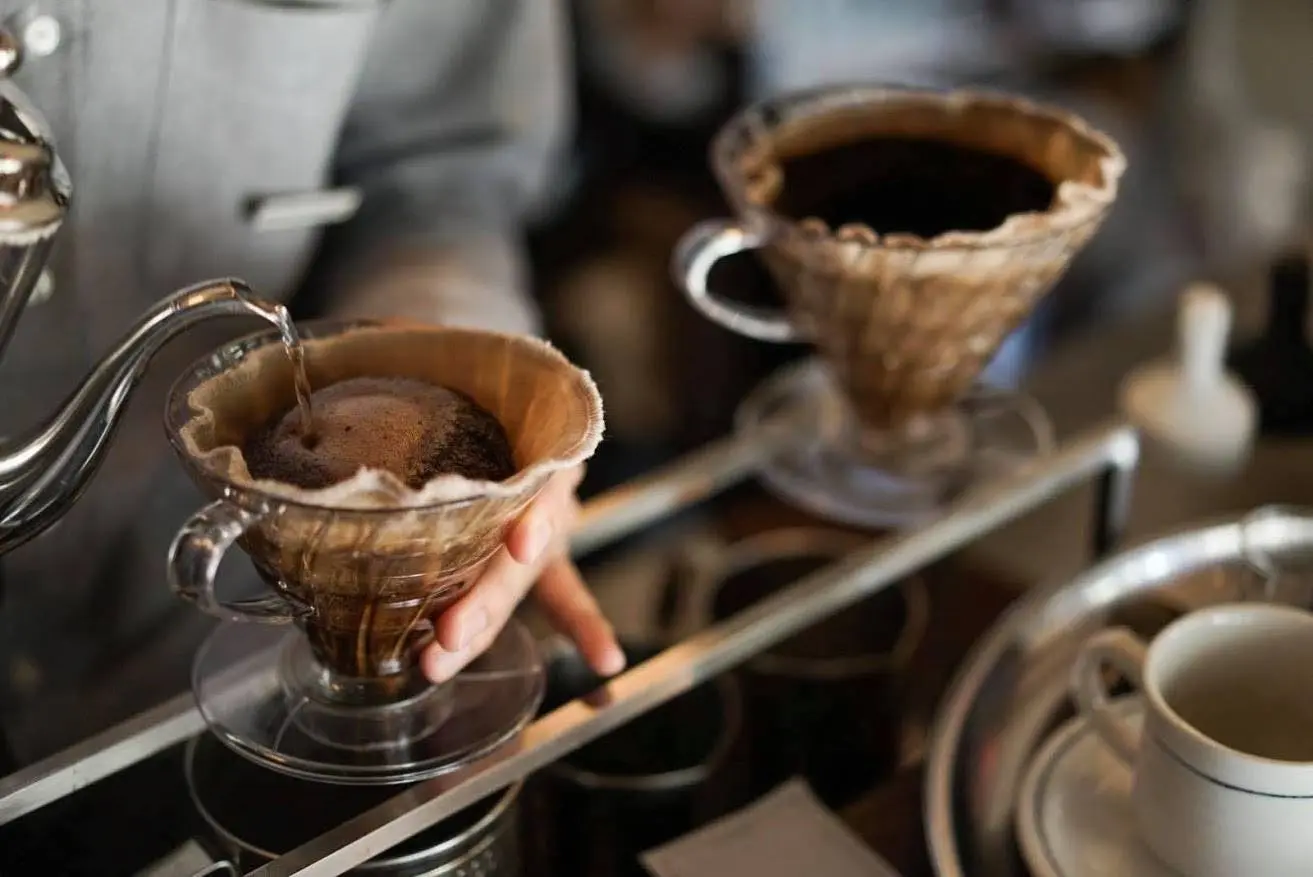
1. Morihico
MORIHICO. is hugely popular not only in Sapporo but across Hokkaido.
Its origin and main store, Morihico, began in 1996 as a small wooden house tucked away in a back alley.
You can enjoy coffee amid scenery that changes with the seasons: crocuses in spring, lush ivy in summer, wild grapes in autumn, and snowy blossoms in winter.
2. Sushi Sai Wakichi
Hokkaido is a “treasure trove of gourmet food,” bringing together seafood from the northern seas and farm produce nurtured by vast land—and Sapporo is its hottest battleground for great dining.
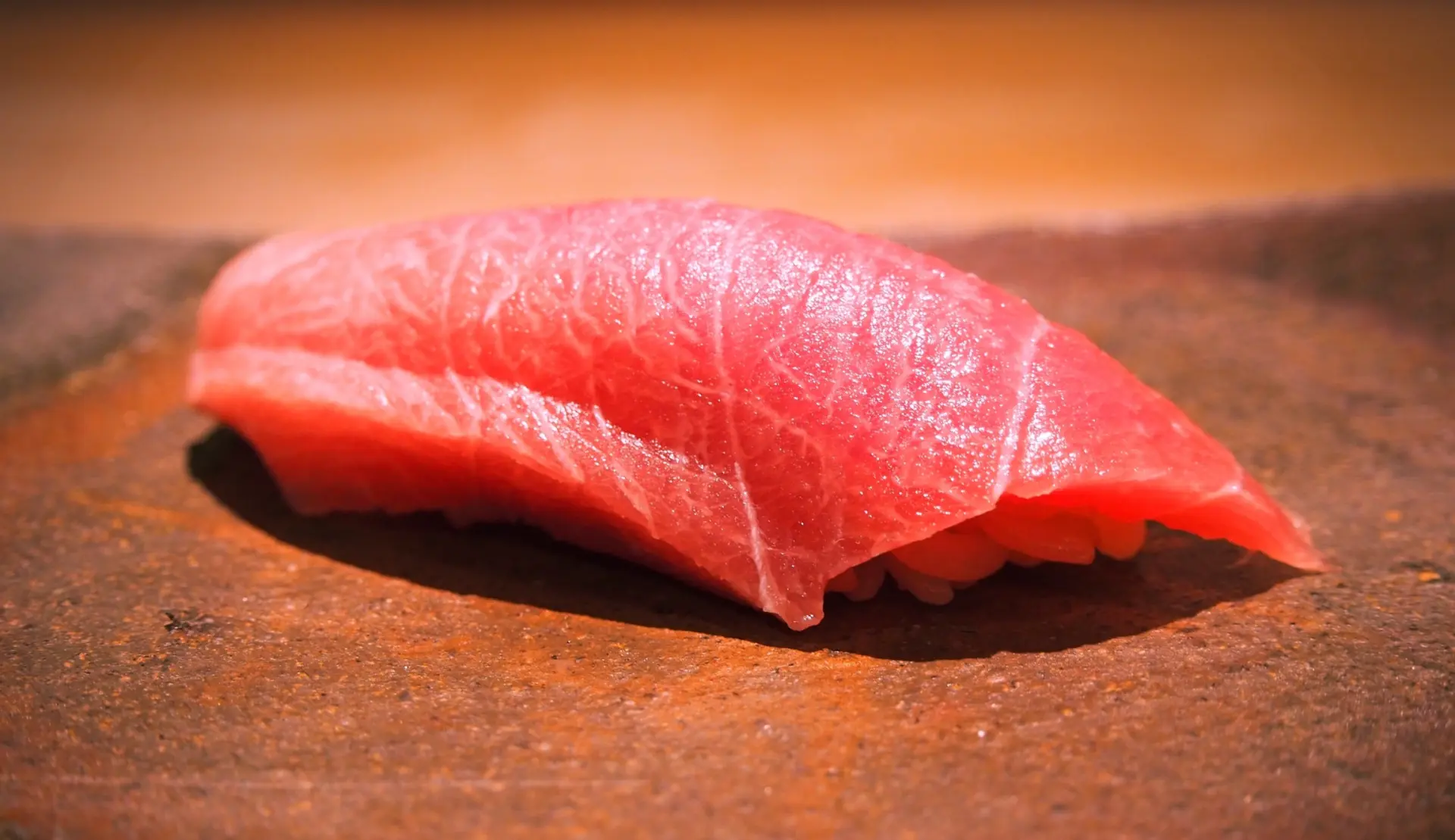
In Sapporo, one ultra-famous restaurant said to be known by every foodie is the two-Michelin-star Sushi Sai Wakichi.
It’s a luxury sushi restaurant style where you face the chef across a whitewood counter, and the chef serves each dish one by one, timed to your pace.
3. KITCHEN Yarimizu Shoten
A set-meal izakaya near Nishi 18-chome Station on the Sapporo Subway Tozai Line.
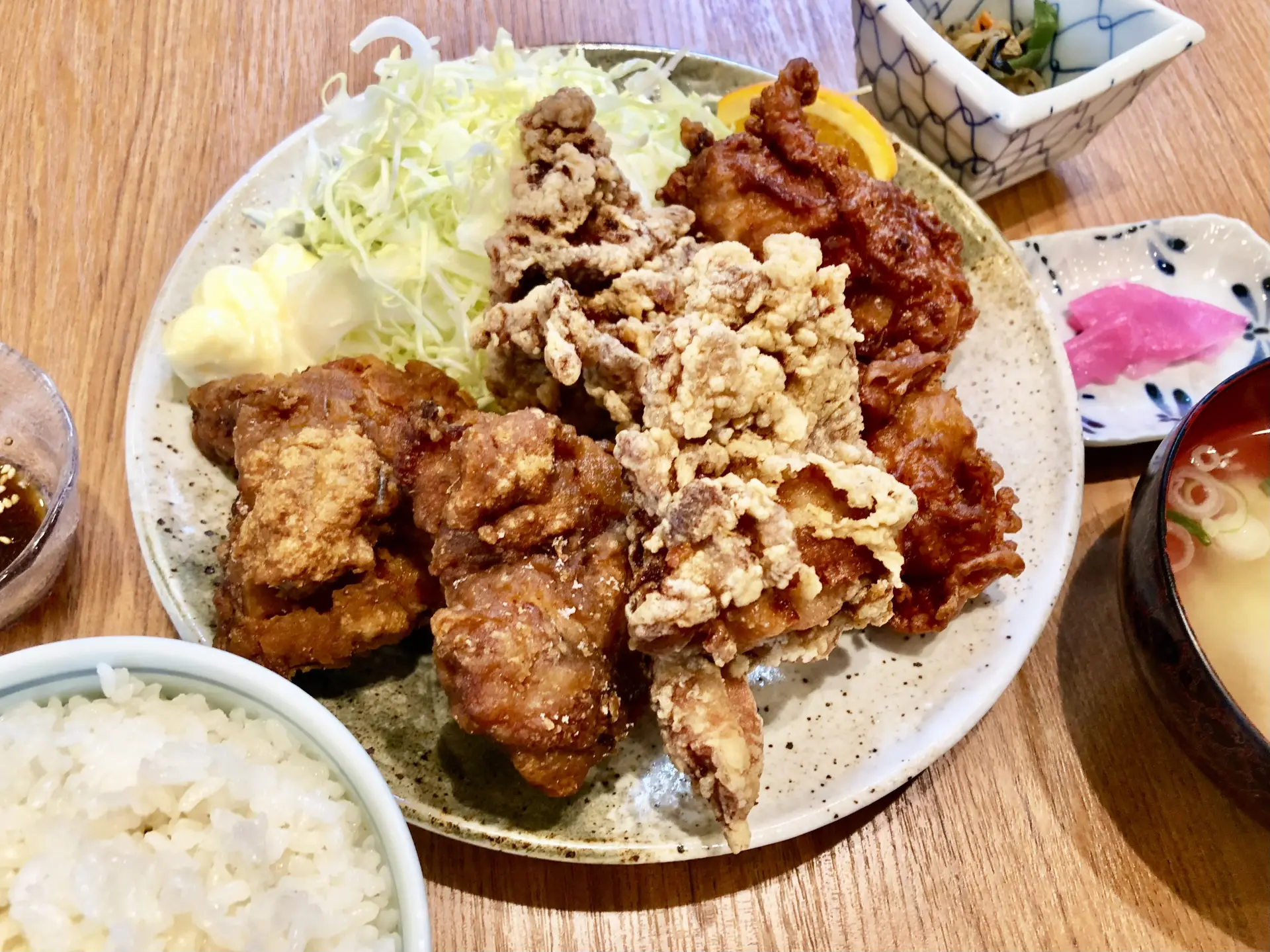
Locals love it for its great value: generous portions at low prices, with favorites like zangi (Hokkaido-style fried chicken) and gyoza.
The signature zangi comes in three flavors: original, salt, and sauce.
They also offer a “zangi taste-comparison set meal,” making it a great pick for anyone who wants to try them all.
3 Recommended Places to Stay Near Hokkaido Shrine
If you’re visiting Hokkaido Shrine and exploring the Maruyama area, choosing a comfortable place to stay is also important.
Nearby, you’ll find accommodations that balance great locations and comfort while keeping costs down.
They’re well equipped with what you need and make an easy base for sightseeing.
1. Hotel WBF Sapporo Chuo
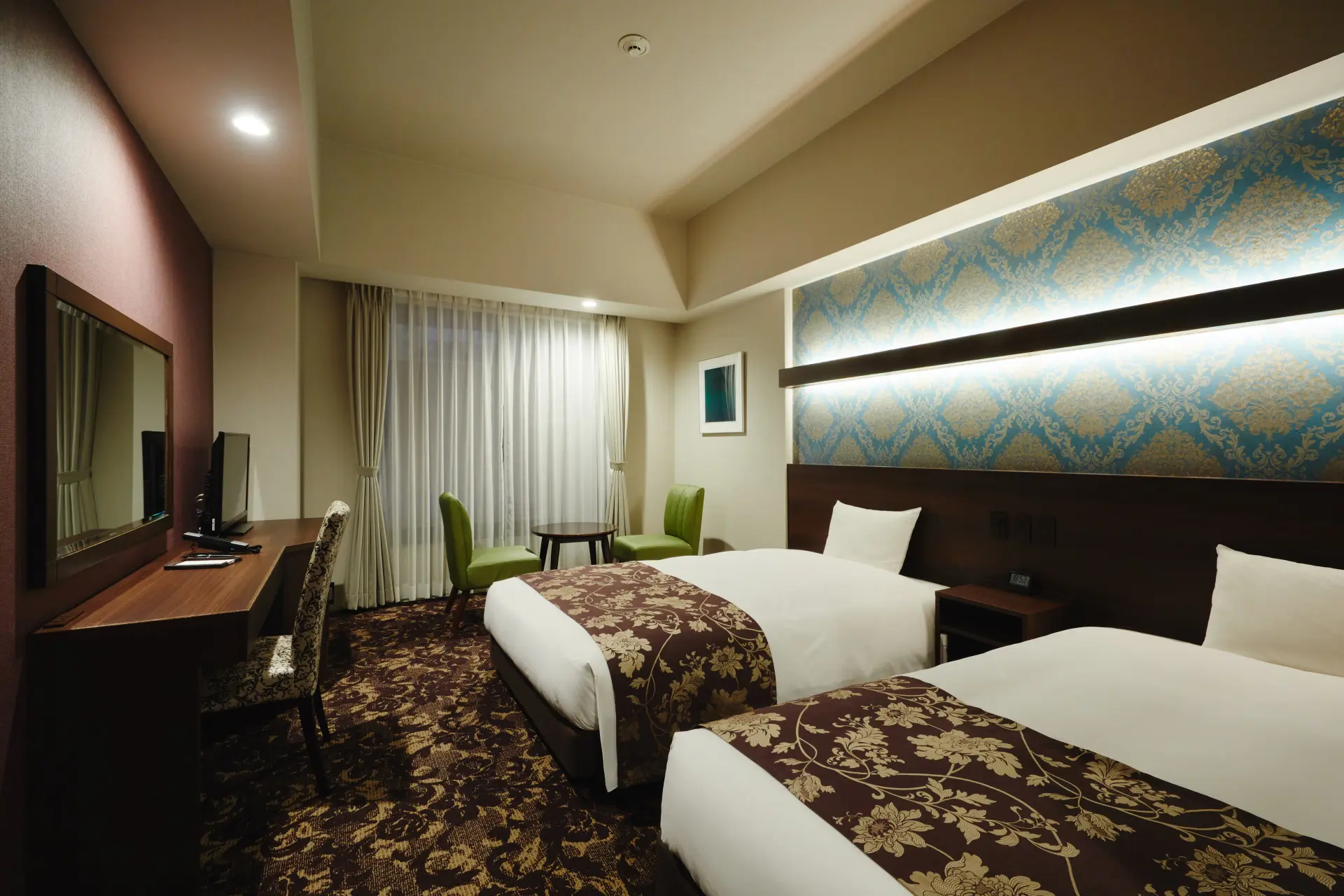
A hidden-city hotel with outstanding convenience, located a 2-minute walk from Odori Station on the subway and within walking distance of major central Sapporo attractions like the TV Tower, Odori Park, and Susukino.
In addition to comfortable rooms, it offers attentive services and is a popular base for sightseeing in Sapporo.
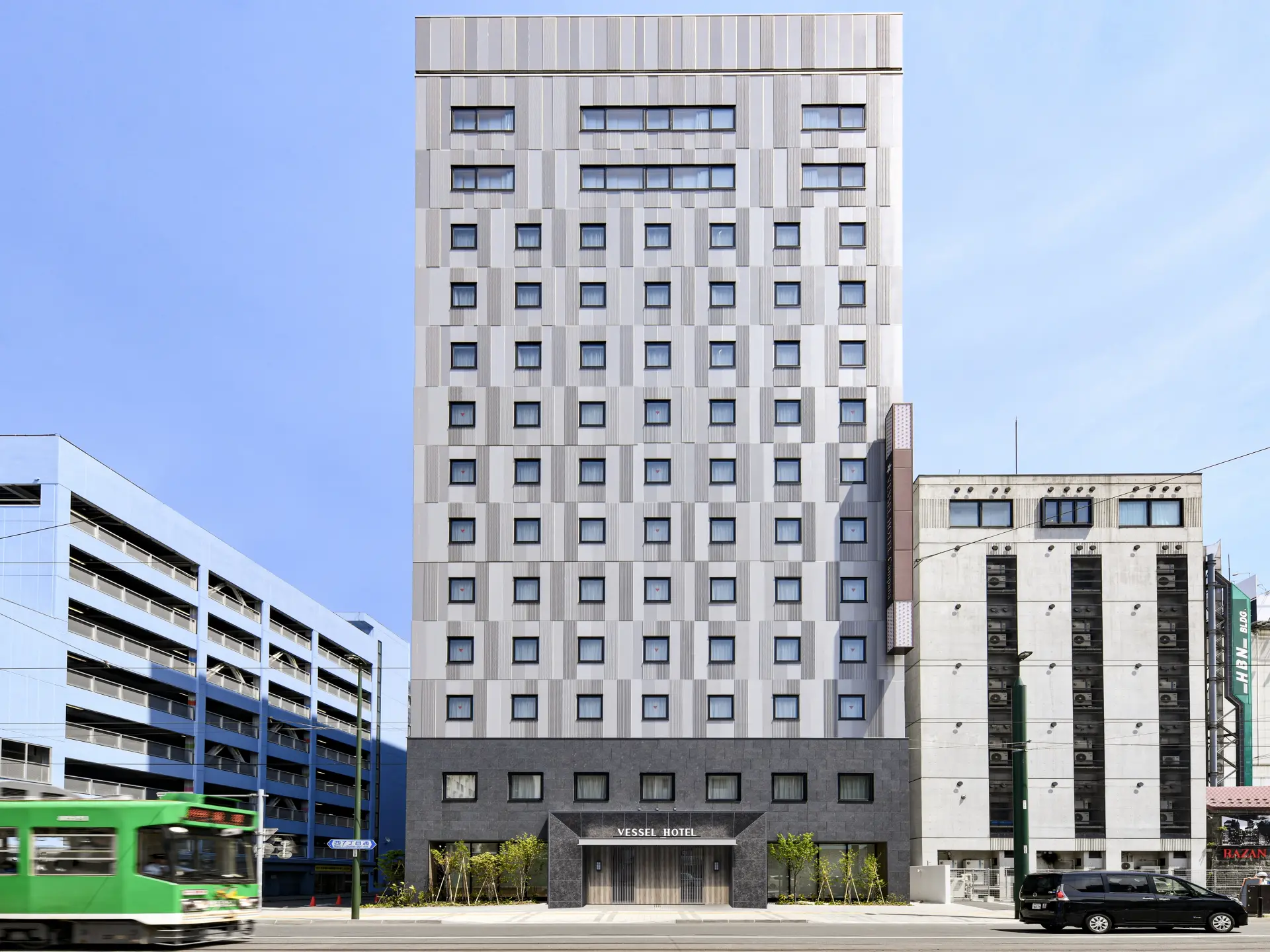
2. Vessel Hotel Campana Susukino
Vessel Hotel Campana Susukino is in a great location, a 4-minute walk from Susukino Station on the Namboku Subway Line.
It also has parking, making it useful as a base for both sightseeing and business.
At the breakfast buffet, you can enjoy original dishes using plenty of local ingredients, including seafood like salmon roe and crab, plus fresh milk and bread made with Hokkaido wheat.
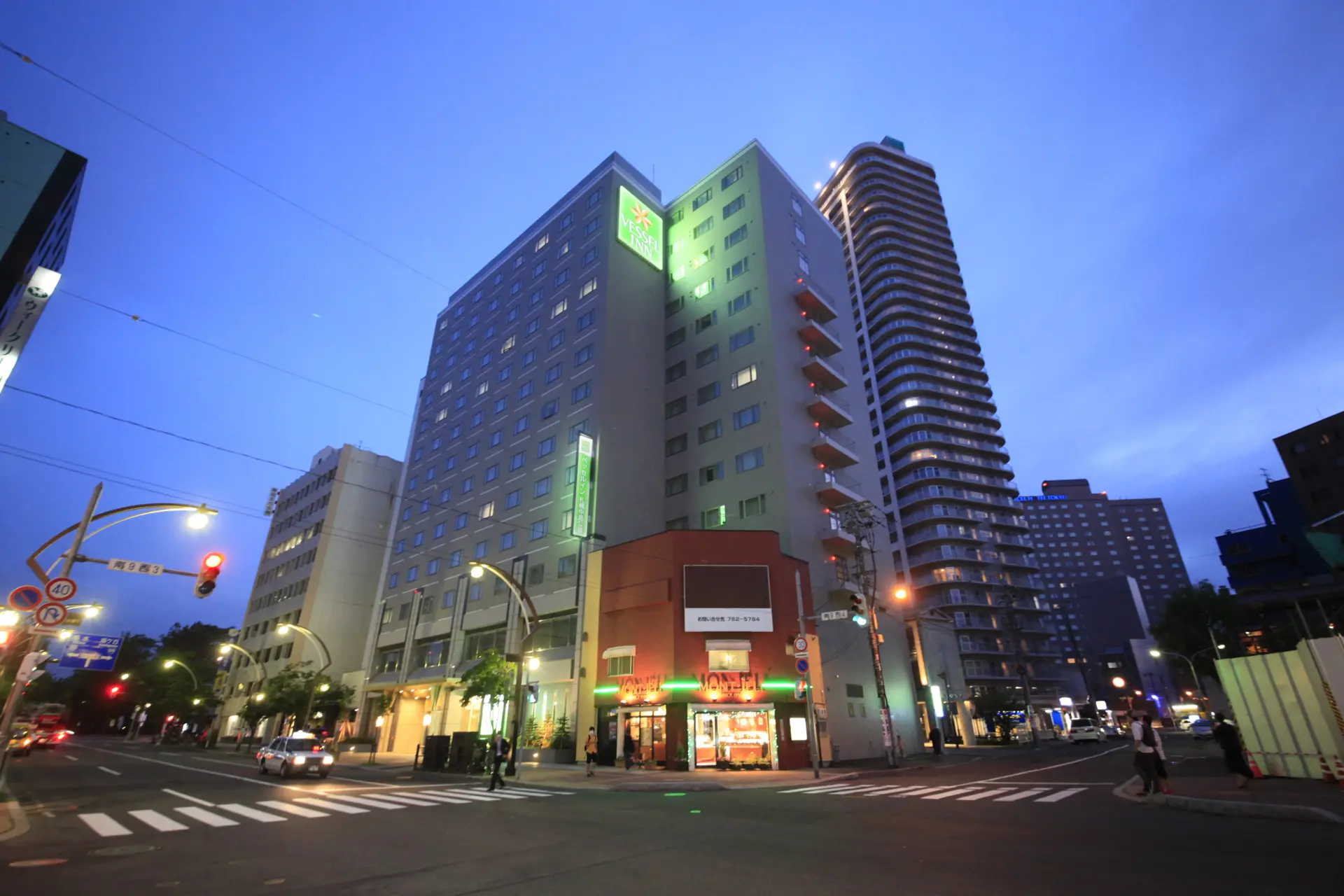
3. Vessel Inn Sapporo Nakajima Park
A conveniently located hotel for staying in Chuo Ward, Sapporo, with easy access just Approx. 1 minute on foot from Nakajima Koen Station on the subway.
Nearby is Nakajima Park, recognized as one of Japan’s “Top 100 Urban Parks,” and loved as a relaxing spot rich in water and greenery.
It’s also Approx. an 8-minute walk to Susukino, making it easy to head out for work or fun.
Reviews of Hokkaido Shrine
4.21
Some reviews are AI-translated.
-
This shrine is dedicated to the three deities of Hokkaido’s development, making it really representative of the region’s history. It’s not as crowded as the big shrines in Tokyo, so it’s a comfortable place to visit.
-
Hokkaido Shrine is famous for its rich historical atmosphere and sacred feeling. It's a place that really purifies your soul.
-
There are tons of cherry trees planted near the shrine, and when they're in full bloom, the scenery is just breathtaking. It's also a major center of faith for locals in Hokkaido.
FAQ about Hokkaido Shrine
Q
When is the best time to see cherry blossoms at Hokkaido Shrine?
A
They’re typically at their best from mid-April to early May, and you can enjoy plum blossoms and cherry blossoms at the same time.
Q
When is the best time to see fall foliage at Hokkaido Shrine?
A
It’s typically best from early October to early November, when you can see vivid fall colors across the grounds.
Q
When can you see snowy scenery at Hokkaido Shrine?
A
From mid-December to early March, you can see Hokkaido Shrine covered in snow.
Summary
We’ve covered Hokkaido Shrine’s highlights, blessing-related spots, and teahouses with famous sweets—along with many ways to enjoy your visit.
If you use what we introduced in this article, you’ll be able to receive plenty of blessings at Hokkaido Shrine, one of Hokkaido’s top power spots. Seasonal nature scenery is also a major highlight, so if possible, visit during the time of year when you can see the landscape you like best.
Sapporo also has many other tourist spots, and just a short trip from the city brings you to spectacular nature.
If you want to enjoy Sapporo even more, check out the article below as well.