

Aso Travel Guide: Experience the Power and Grandeur of an Active Volcano
Mount Aso is a symbol of Kumamoto Prefecture and one of Japan’s most prominent active volcanoes.
In addition to its magnificent scenery, one of its greatest attractions is the opportunity to see an active volcanic crater up close.
A visit to Mount Aso offers an unforgettable opportunity to experience the raw power of nature firsthand.
This guide covers the essential information you need to know about Mount Aso, along with recommended sightseeing spots and the best times of year to visit.
Read on before your trip to make the most of your visit to Mount Aso.
What is Mount Aso Like?
There are several theories about the origin of the name, but Kumamoto Prefecture is widely known by its nickname, the “Land of Fire.” Mount Aso is one of the most iconic symbols of this Land of Fire.
Located in the Aso region of Kumamoto Prefecture, Mount Aso is the collective name for a mountain range stretching from east to west and centered around five peaks known as the Aso Gogaku (Five Peaks of Aso). In a broader sense, the name also encompasses the surrounding caldera rim and caldera floor.
A caldera is a large depression formed by volcanic activity, while the mountains and ridges surrounding its edge form the caldera rim. The relatively flat area within a caldera is known as the caldera floor.
Mount Aso is home to one of the world’s largest calderas, surrounded by an impressive caldera rim. Measuring approximately 25 km from north to south and 18 km from east to west, the caldera covers an area of around 350 square kilometers.
Within this vast caldera are three municipalities-Aso City, Takamori Town, and Minamiaso Village-where approximately 50,000 people live. Remarkably, a railway also runs through the caldera.
While Mount Aso is renowned for its immense scale and dramatic volcanic landscape, one of its most extraordinary attractions is the opportunity to visit an active crater up close.
Access to the crater area may be restricted depending on volcanic activity, volcanic gas levels, and other conditions, so be sure to check the latest information before your visit.

Access to Mount Aso
Here is how to get to Mount Aso from Kumamoto Airport (Aso Kumamoto Airport), which offers international flights.
You can get there on a single bus from the airport, so there is little chance of getting lost.
- Route
- Take the Aso Sanjo Line bus from Aso Kumamoto Airport and get off at Aso Sanjo Terminal
- Travel time
- Approx. 1 hour 20 minutes
What Is the Best Season to Visit Mount Aso?
If you are visiting Mount Aso, autumn is likely the best season for sightseeing.
The caldera is home to vast grasslands, offering wide-open scenic views.
The autumn landscape, when the great grasslands turn into fields of silver grass, is especially spectacular, and the area is also famous as a silver grass viewing spot.

Mount Aso’s Main Sightseeing Areas and Attractions
Mount Aso can be broadly divided into three main sightseeing areas, each offering its own unique attractions.
In addition to spectacular natural scenery, visitors can enjoy local cuisine and shop for souvenirs.
There is much more to Mount Aso than its magnificent landscapes.
Discover the highlights of each area below and use them to plan your visit to Mount Aso.
1. The Kusasenri Area, Home to Vast Grasslands
The Kusasenri Area is located slightly west of the center of Mount Aso’s caldera.
Also known as Kusasenrigahama, it is a popular sightseeing area that attracts many visitors. Its main highlight is the vast grassland, where cattle and other animals graze.
The colorful scenery changes with the seasons, creating landscapes that contrast sharply with the barren image often associated with active volcanoes.
The area also offers plenty of dining options where you can enjoy Kumamoto specialties such as horse meat and Akaushi beef.
There is also a café where you can shop for souvenirs, making it a great place to take a break during your visit.

2. The Aso Sanjo Area, Filled with a Variety of Attractions
The Aso Sanjo Area lies at the foot of Nakadake, home to Mount Aso’s active crater.
The area is home to Aso Sanjo Terminal, where buses from Kumamoto Airport (Aso Kumamoto Airport) arrive, as well as Aso Sanjo Chamise, a shop offering a variety of unique souvenirs.
Be sure to stop by before leaving Mount Aso.
One of the area’s main highlights is Saigandenji Okunoin Temple.
Mount Aso has long been revered as a place associated with matchmaking, and visiting the temple is believed to bring blessings for finding a good match and forming meaningful relationships.
With its extraordinary setting unlike that of an ordinary temple, a visit here is sure to become a memorable part of your trip.

3. The Nakadake Crater Area, Where You Can See the Crater of an Active Volcano
As its name suggests, the Nakadake Crater Area encompasses the crater of Nakadake, one of the five peaks that make up Mount Aso.
The opportunity to see the crater up close is the area’s main highlight and one of the most iconic experiences Mount Aso has to offer.
It is a remarkable place where you can experience the raw power and rugged beauty of nature firsthand.
Nakadake remains an active volcano, with its crater still showing signs of volcanic activity today.
As a result, access to the crater may be restricted depending on volcanic conditions, so be sure to check the latest information before your visit.
A paved road leads all the way to the crater area, making it remarkably easy to get close. In fact, it is often said that you can even visit the crater in high heels.

10 Must-Visit Spots at Mount Aso for Spectacular Volcanic Landscapes
One of the main attractions of Aso Mountain is the chance to enjoy vast natural scenery that makes you feel the pulse of the earth.
From here, we introduce some of the sightseeing spots at Aso Mountain that we especially recommend visiting.
Be sure to check them out before planning your trip.
1. The Aso Nakadake Caldera
Nakadake (1,506 m), located at the center of Mount Aso, remains an active volcano, and visitors can get an up-close view of its crater as it sends plumes of volcanic fumes into the air.
Of Nakadake’s seven craters, Crater No. 1 is currently active and open to visitors. You can approach the edge of this massive crater, which measures approximately 4 km in circumference.
When the volcanic gases clear, you may catch a glimpse of an emerald-green crater lake at the bottom. Its highly acidic water reaches temperatures of 50-60°C.

2. Daikanbo
Daikanbo is located along the northern rim of the Aso caldera and offers spectacular panoramic views across its vast landscape.
Perched at an elevation of 936 m, the viewpoint overlooks the towns and fields of Aso, the five peaks of Aso Gogaku, and even the Kuju mountain range in the distance.
Seen from here, the five peaks of Aso Gogaku are said to resemble a reclining Buddha and are sometimes referred to as the “Nehanzo,” or reclining Buddha.
On early mornings from autumn through winter, you may also be lucky enough to witness the mystical sight of a sea of clouds blanketing the landscape below.

3. Kusasenrigahama
Kusasenrigahama is a vast grassland stretching across the northern foothills of Eboshidake, one of the five peaks of Aso Gogaku that form the heart of Mount Aso.
Celebrated by poets for centuries and even featured in school textbooks, Kusasenrigahama has become such an iconic landscape that many people picture it when they think of Aso.
Located at an elevation of approximately 1,140 m, Kusasenrigahama lies within a crater formed around 30,000 years ago. Its vast grassland stretches approximately 1 km across and features two ponds formed by water collecting within the remains of overlapping craters.
Against the backdrop of Nakadake sending volcanic plumes into the sky, horses graze quietly across the seemingly endless grassland-a breathtaking scene that evokes the immense power and scale of nature.

4. Shirakawa Springs
Shirakawa Springs is one of several natural springs in Minamiaso Village, fed by groundwater flowing beneath the Aso caldera.
It is the source of the Shirakawa River, a major river that flows through Kumamoto City, and was selected as one of Japan’s 100 Remarkable Waters by the former Environment Agency, now the Ministry of the Environment.
Shirakawa Springs lies within the grounds of Yoshimi Shrine, which enshrines Mizuhanome-no-Kami, the guardian deity of water. The shrine was historically protected by the Hosokawa family, the feudal lords of the Kumamoto Domain.
The crystal-clear water remains at a constant temperature of 14°C and gushes from the ground at an impressive rate of 60 tons per minute. Visitors can even watch the force of the rising water stir the sand on the spring bed.
As sunlight filters through the remarkably clear water, shifting shades of light and color shimmer across the spring, creating a scene of extraordinary beauty.

5. Aso Shrine
Aso Shrine is dedicated to Takeiwatatsu-no-Mikoto, the deity believed to have opened up the Aso region, along with 12 members of his divine family.
With a history said to span more than 2,000 years, it is the head shrine of approximately 500 affiliated shrines throughout Japan. Its traditions became closely intertwined with the worship of Mount Aso as a sacred volcano, with its crater revered as an object of worship. Aso Shrine also held the prestigious status of ichinomiya, the highest-ranking shrine of the former Higo Province.
No records remain to indicate exactly when the shrine was first established at its present location.
The current shrine buildings were reconstructed between 1835 and 1850 with support from the Kumamoto Domain.

6. Aso Milk Road
The Aso caldera is immense, with a rim stretching approximately 128 km around its perimeter.
Running for 45 km along the northwestern ridge is a spectacular scenic route comprising Prefectural Route 339, the Kita-Gairinzan-Ozu Line, and Prefectural Route 45, the Aso-Koen-Kikuchi Line. Together, they are popularly known as the “Milk Road.”
The route was originally developed as a farm road for transporting milk from ranches in the surrounding area, which gave rise to its distinctive nickname.
True to its name, the road winds along the caldera rim through rolling green grasslands and pastures, offering quintessential Aso scenery along the way.

7. Komezuka
At the foot of Kishimadake, one of the five peaks of Aso Gogaku that form the heart of Mount Aso, stands a small, cone-shaped volcano.
Rising approximately 80 m, it is believed to have formed during an eruption around 3,300 years ago.
Its slopes are covered in grass, turning the entire mountain a vivid green from spring through summer.

8. Takamori Yusui Tunnel Park
The Takamori Yusui Tunnel stretches approximately 2 km and is known for its abundant flow of spring water. About 550 m of the tunnel has been developed as a park and is open to visitors.
You can walk along a pathway inside the tunnel and visit the Yusuikan Water Museum, where exhibits introduce the importance of water and the history of the tunnel.

9. Aso Cuddly Dominion
Located at the foot of Mount Aso, this zoo is home to animals from around the world across its expansive 300,000-square-meter grounds.
Visitors can enjoy a variety of up-close animal encounters, as well as popular shows featuring the animals.
The zoo is also known for its animal celebrities that have appeared on Japanese television, including Pan-kun the chimpanzee.

10. Aso Farm Land
This wellness resort, designed under the guidance of health experts, spans an expansive one-million-square-meter site and offers a wide range of facilities for visitors of all ages.
There is plenty to enjoy throughout the day, including sports facilities, an interactive park, hot springs, dining options, and a variety of hands-on activities. Visitors can also stay overnight in distinctive dome-shaped accommodations nestled in the forest.

3 Popular Restaurants Around Mount Aso
Around Mount Aso, you’ll find plenty of restaurants showcasing fresh local ingredients shaped by the region’s rich natural environment, making it easy to enjoy the flavors of Aso along the way.
With its simple, comforting flavors and warm hospitality, Aso’s local cuisine is sure to make your journey even more memorable.
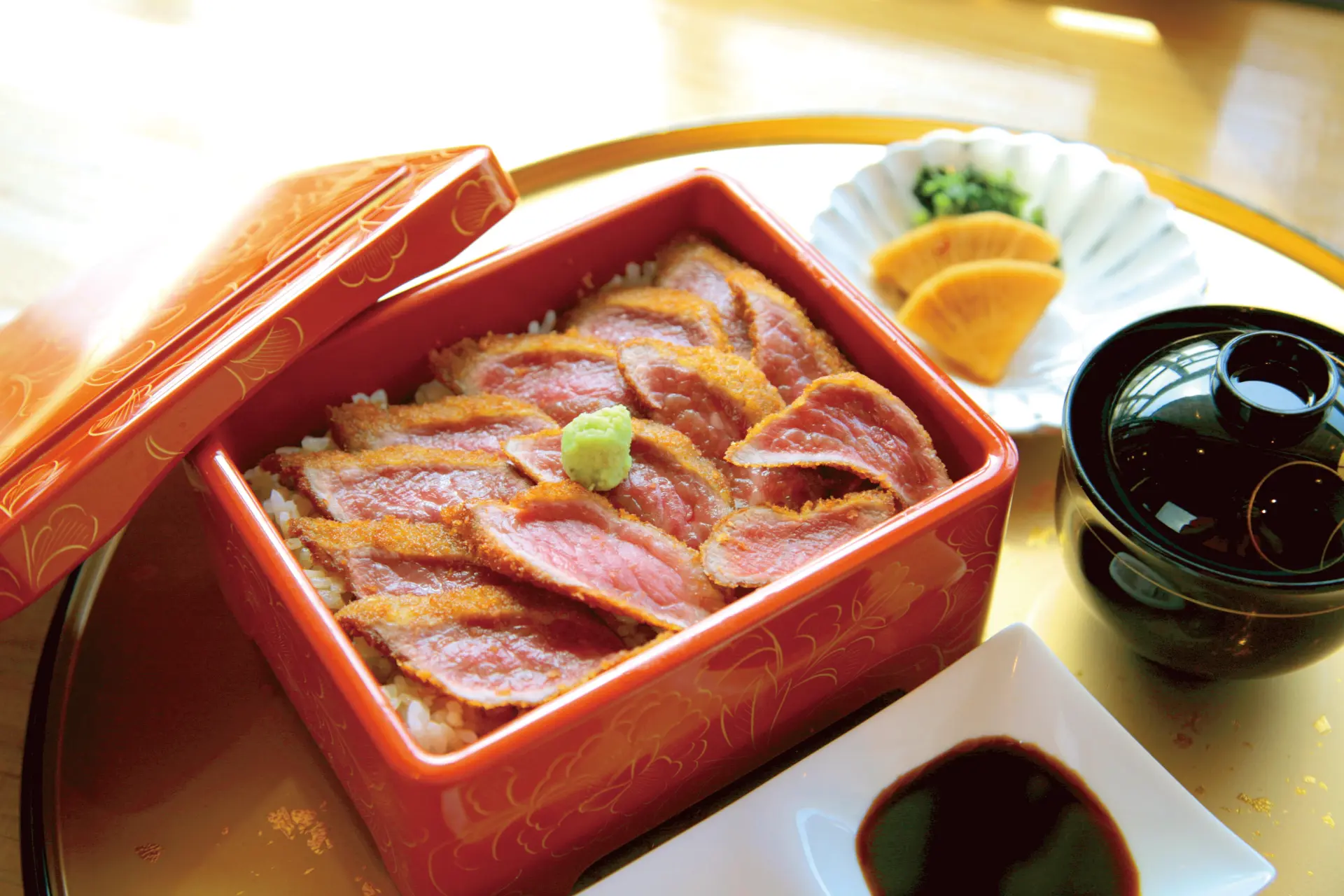
1. Aso Hanabishi
Located just a short walk from Aso Shrine, this restaurant specializes in the traditional cuisine of the Aso region.
To showcase the flavors of Aso’s rich natural surroundings, the restaurant uses mainly fresh, seasonal ingredients from the local area, including locally grown vegetables, prepared using time-honored cooking methods.
The extensive menu features a mix of Japanese and Western-style dishes, including beef cutlet served over rice, sukiyaki, soba, and dago-jiru, a traditional local dumpling soup.
2. Teppanyaki Aso Mabo
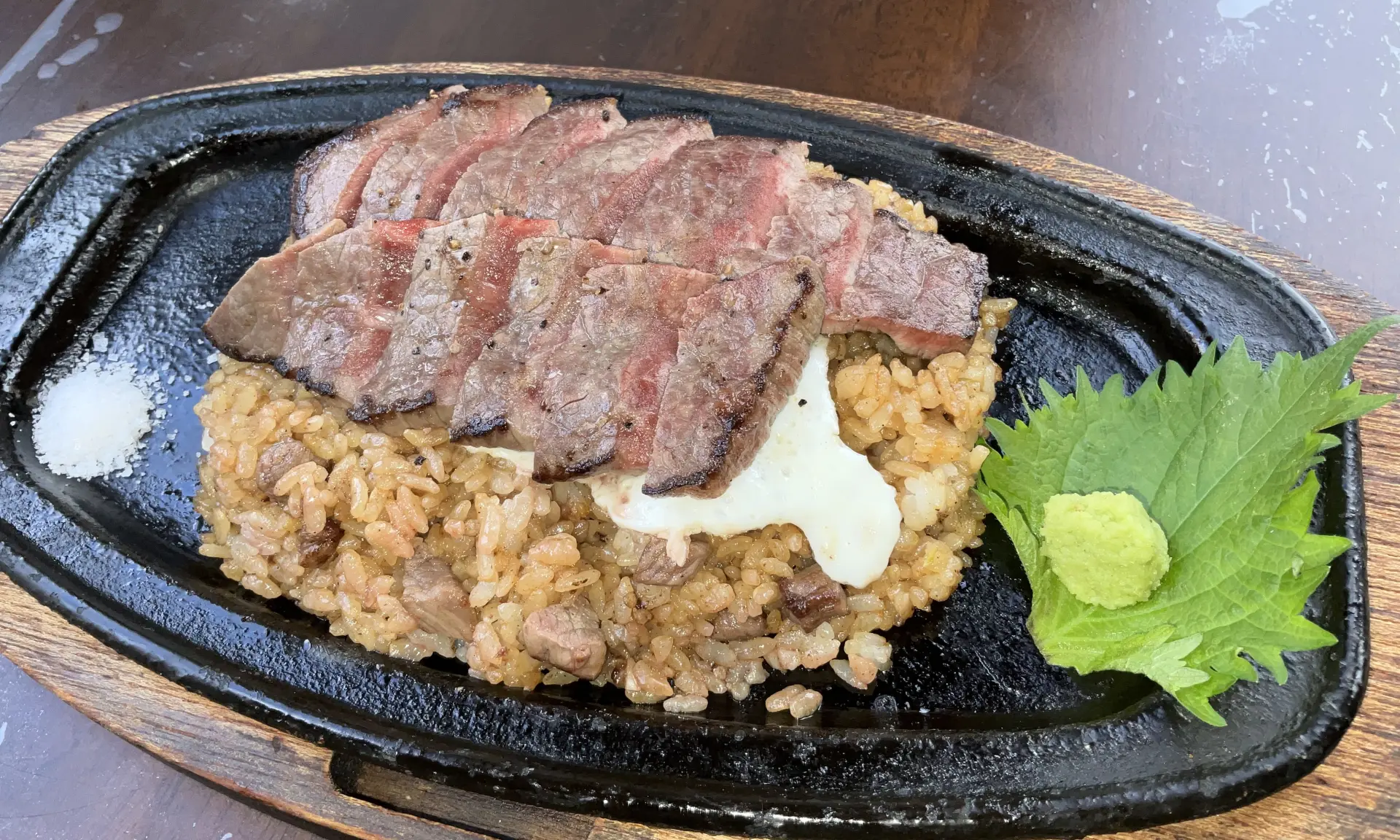
A teppanyaki restaurant specializing in Akaushi beef, located in the Monzenmachi shopping street near Aso Shrine.
It serves hearty dishes made with Akaushi beef, a local specialty of Aso.
The most popular item is Akaushi Garlic Rice. This appetizing dish features spiced Akaushi steak on top of garlic rice. The moderately marbled steak pairs perfectly with rock salt and wasabi.
3. Aso Confectionery Tanoya
Located in the Monzenmachi shopping street near Aso Shrine, this pastry shop is run by third-generation pastry chef and owner Masafumi Tano.
The shop’s signature treat is the Tano Shu, a cream puff created by Tano with a particular focus on the quality of the fresh cream.
Beneath a crisp choux pastry shell topped with fragrant almonds is a rich custard blended with pure fresh cream, which oozes deliciously with every bite.

FAQ about Aso Mountain
Q
When did Aso Mountain last erupt?
It is said to have last erupted on October 20, 2021.
Q
Are there currently any access restrictions around the crater?
There are restrictions in some areas, and conditions can change depending on the situation, so you should check the latest information.
Summary
This article has covered the essential information you need to know about Mount Aso, along with some of its best sightseeing spots.
Perhaps Mount Aso’s greatest appeal is the opportunity to experience the immense power of nature and witness landscapes unlike anywhere else.
Visit for yourself and experience the remarkable power of this active volcano firsthand.
Beyond Mount Aso, Kumamoto is home to many other fascinating destinations worth exploring.
The article below features a carefully selected list of the best places to visit in Kumamoto, so be sure to check it out when planning your trip.