

One of Japan’s Three Great Castles! A Travel Guide to Kumamoto Castle, Where Defensive Design Meets Beauty
Kumamoto Castle, a symbol of Kumamoto and a source of pride for local residents, has a history spanning more than 400 years and stands among Japan’s finest castles.
Its ingenious design and beautiful scenery, shaped through many hardships, continue to captivate visitors.
The castle suffered major damage in the 2016 Kumamoto Earthquake, and restoration work is still underway today.
In this article, we’ll introduce the notable highlights of Kumamoto Castle, along with its history and current restoration status after the earthquake.
We’ve also included popular nearby spots so even first-time visitors to Kumamoto can enjoy sightseeing, so be sure to read to the end.
What is Kumamoto Castle Like?
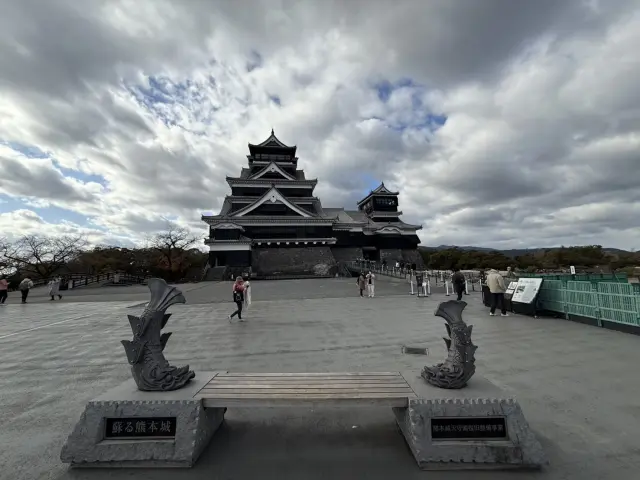
Located in the center of Kumamoto City in Kumamoto Prefecture, Kumamoto Castle is a historic landmark counted among Japan’s Three Great Castles.
Built by the master castle builder Kato Kiyomasa, it is known for its imposing appearance and robust structure.
Its many-tiered stone walls and intricately winding passageways created a formidable defense system designed for battle, making it truly worthy of the name “impregnable.”
It also holds great historical value, with all 13 structures designated as Important Cultural Properties of Japan.
In addition to keeping enemies out, one of its charms is the beautiful scenery created by the changing seasons.
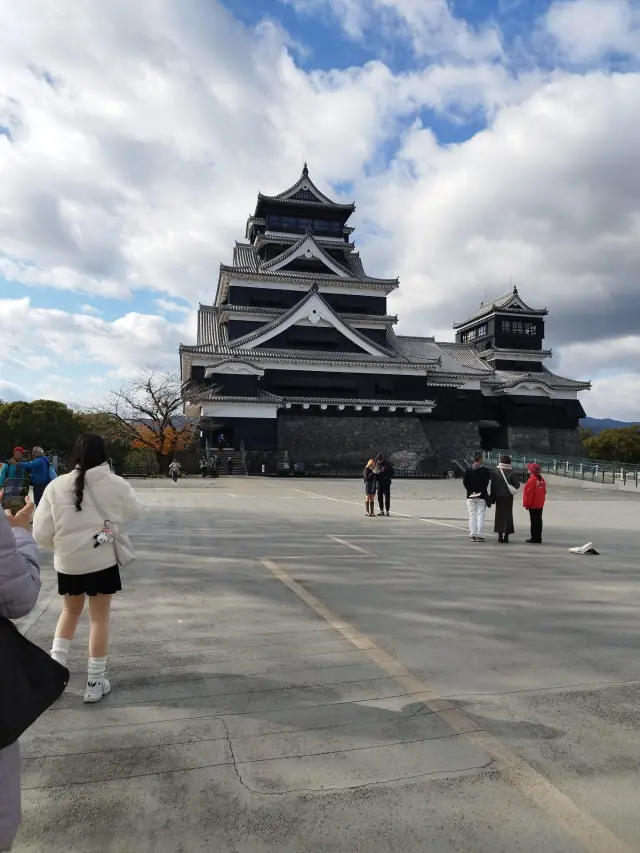
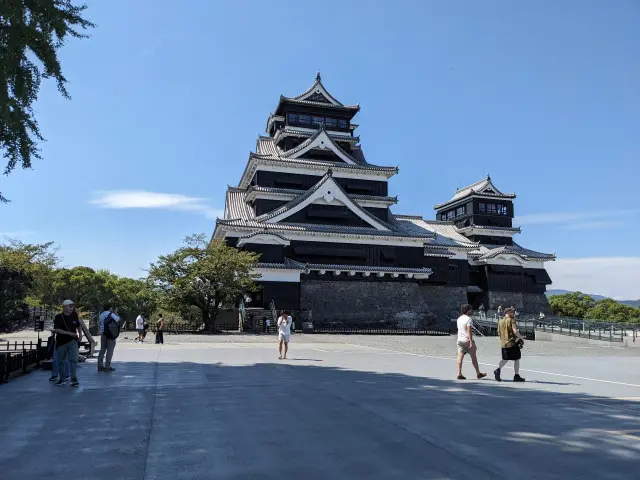
From the symbolic castle keep, with its striking contrast of black lacquered walls and white plaster, to picture-perfect spots throughout the grounds, there is plenty to see.
Although it suffered severe damage in the 2016 Kumamoto Earthquake, the main keep was fully restored in 2021 and now stands as a symbol of recovery and hope.

History of Kumamoto Castle
Kumamoto Castle was built across the Chausuyama Hills by Kato Kiyomasa, a retainer of Toyotomi Hideyoshi.
After becoming lord of Higo Province, now Kumamoto Prefecture, in 1588, Kato Kiyomasa began construction of a highly defensive castle using the most advanced technology and labor of the time.
The castle keep was completed in 1601, the castle itself was completed in 1606, and in 1607 the name was changed from its former name, Kumamoto, to Kumamoto, becoming the Kumamoto Castle known today.
After Kiyomasa’s death, the Kato family was dispossessed by the Edo shogunate, and in 1632 Hosokawa Tadatoshi became lord of the castle.
From then until the end of the Edo period, the castle continued to develop under the rule of the Hosokawa family and prospered as the center of the Kumamoto Domain.
However, during the Seinan War in 1877, it was surrounded by the Satsuma army led by Saigo Takamori, and many buildings, including the castle keep and Honmaru Palace, were destroyed by fire.
It was designated a Special Historic Site of Japan in 1955, and the castle keep was reconstructed in 1960, bringing Kumamoto’s symbol back to life.

Access to Kumamoto Castle
Here, we’ll introduce how to get to Kumamoto Castle from Aso Kumamoto Airport, the gateway to sightseeing in Kumamoto, and from Kumamoto Station, a major travel hub.
Please note that local buses, streetcars, and railways in Kumamoto Prefecture no longer accept nationwide transportation IC cards such as Suica and PASMO.
Payment is limited to cash or the Kumamon IC card, so please keep that in mind while traveling.
Access from Aso Kumamoto Airport
The route from Aso Kumamoto Airport to Kumamoto Castle is as follows.
Multiple routes operate from bus stop No. 4, so be careful not to board the wrong one.
- Route
-
1. Walk from Aso Kumamoto Airport to Airport Bus Stop No. 4
2. Take the Kyushu Sanko Bus airport limousine bus from Airport Bus Stop No. 4 and get off at Kumamoto Sakuramachi Bus Terminal
3. Walk Approx. 10 minutes from Kumamoto Sakuramachi Bus Terminal to reach Kumamoto Castle - Travel Time
- Approx. 1 hour
Access from Kumamoto Station
There are three ways to get to Kumamoto Castle from Kumamoto Station.
All cost 180 yen, so choose the sightseeing loop bus if you want to get close to the castle, the streetcar if you want to enjoy a sightseeing atmosphere, or the local bus if you want to arrive quickly.
Sightseeing Loop Bus Route
- Route
-
1. Walk from Kumamoto Station Shirakawa Exit to Kumamoto Ekimae Bus Stop No. 2.
2. Take the Kumamoto Castle sightseeing loop bus, Shiromegurin, from Kumamoto Ekimae Bus Stop No. 2, get off at Kumamoto Castle, Ninomaru Parking Lot, and arrive - Travel Time
- Approx. 30 minutes
Streetcar Route
- Route
-
1. Walk from Kumamoto Station Shirakawa Exit to the Kumamoto Ekimae streetcar stop.
2. Take Kumamoto City Tram Line A bound for Kengunmachi from Kumamoto Ekimae and get off at Kumamoto Castle, City Hall Front
3. Walk Approx. 10 minutes from Kumamoto Castle, City Hall Front to reach Kumamoto Castle - Travel Time
- Approx. 27 minutes
Local Bus Route
- Route
-
1. Walk from Kumamoto Station Shirakawa Exit to Kumamoto Ekimae Bus Stop No. 2.
2. Take a Kyushu Sanko Bus service such as the one bound for Miyaodai from Kumamoto Ekimae Bus Stop No. 2 and get off at Sakuramachi Bus Terminal
3. Walk Approx. 10 minutes from Sakuramachi Bus Terminal to reach Kumamoto Castle - Travel Time
- Approx. 20 minutes
Admission and Opening Hours of Kumamoto Castle
Admission, closing days, and opening hours for Kumamoto Castle are summarized in the table below.
- Hours
- 9:00 am–5:00 pm
- Closed on
- December 29
- Admission
-
High school students and older: 800 yen
Elementary and junior high school students: 300 yen
Preschool children: Free
What Is the Best Season to Visit Kumamoto Castle?
The best seasons to visit Kumamoto Castle are spring and fall.
If possible, try to plan your trip to visit in one of these seasons.
We’ll introduce the highlights of each, so use them to decide which one suits your preferences.
Kumamoto Castle in Spring, Adorned with Beautiful Cherry Blossoms
One of Kumamoto’s top cherry blossom spots, Kumamoto Castle bursts into bloom with Approx. 800 cherry trees in spring.
Centered around Somei Yoshino cherry trees, the entire castle grounds are tinted pale pink, making the black-and-white contrast of the castle keep look even more beautiful than usual.
The best viewing season is usually from late March to early April, and the sight of cherry blossoms in full bloom surrounding Kumamoto Castle, a symbol of recovery, is truly impressive.
This scenery can only be seen in spring and will surely remain a lasting travel memory.
There are also many excellent cherry blossom viewing spots nearby, and the lively atmosphere and warm spring weather create a relaxing mood.
At night, the cherry blossoms are illuminated, allowing you to enjoy a magical nighttime scene different from the daytime view.

Kumamoto Castle in Fall, Where You Can Feel the Origin of Its Nickname, Ginkgo Castle
In fall, Kumamoto Castle is wrapped in vibrant autumn leaves, and their beautiful harmony with the historic structures creates a stunning landscape.
Because many ginkgo trees were planted when the castle was first built by Kato Kiyomasa, Kumamoto Castle is also known by the nickname “Ginkgo Castle.”
The many trees planted throughout the grounds usually reach their best from mid-November to early December.
The sight of maples, ginkgo trees, and momiji turning red and yellow and setting off the castle keep even more is breathtaking.
The autumn leaves beside the stone walls and turrets create an atmospheric scene, making you feel as if you have wandered into a historical picture scroll.
Fallen leaves on the elegant stone pavement also evoke the quietness of autumn, while the foliage swaying in the evening breeze creates a memorable moment.

Restoration Status of Kumamoto Castle
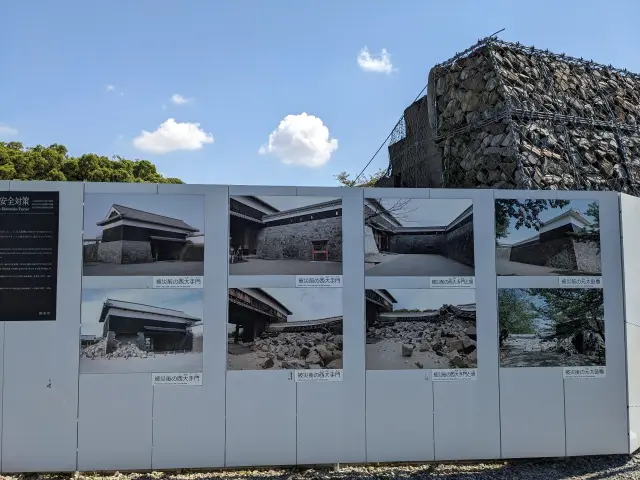
Kumamoto Castle suffered devastating damage in the Kumamoto Earthquake of April 2016, which reached seismic intensity 7.
All 13 Important Cultural Property structures were damaged, the roof tiles on the top floor of the castle keep mostly fell off, and Approx. 30% of the stone walls collapsed.
Restoration work began immediately after 2016, and repairs to the castle keep were completed in 2021, welcoming many visitors as a symbol of recovery.
However, extensive restoration work is still ongoing, and full restoration is expected to take until 2052, as of February 2025.
You can view some of the damage and restoration work in progress, so take the chance to see Kumamoto Castle as it can only be seen now and witness this rare moment of renewal.
The current restoration status is as follows, and one can only hope for as swift a recovery as possible.
- Main Keep
- Restoration completed
- Kenmotsu Turret
- Restoration completed
- Long Wall
- Restoration completed
- Former Hosokawa Gyobu Residence
- Under restoration
- Inui Turret
- Under restoration
- West Otemon Gate
- Under restoration
- South Otemon Gate
- Under restoration
- Uto Turret
- Under restoration
- Hira Turret
- Under restoration
- Honmaru Palace Great Hall
- Under restoration
- Iidamaru Five-Story Turret
- Under restoration
- Bagu Turret
- Under restoration
- Kita Juhachiken Turret, Higashi Juhachiken Turret, Goken Turret
- Under restoration
- Tago Turret, Nanaken Turret, Juyonken Turret, Yonken Turret, Gennoshin Turret
- Under restoration
*Restoration status as of February 2025.
5 Must-See Highlights of Kumamoto Castle
Kumamoto Castle is a massive castle with a total area of Approx. 980,000 square meters and a perimeter of Approx. 5.3 km.
There are many attractive spots within the grounds, and even a regular visit will take around 2 hours, while fully enjoying everything may take a full day or more.
So here, we’ve narrowed it down to five highlights of Kumamoto Castle that you should not miss.
Each one lets you experience both its historical value and architectural beauty, so be sure to see at least these.
1. Castle Keep
The castle keep of Kumamoto Castle, a symbol of recovery, is known for the sturdy structure and beautiful design created by Kato Kiyomasa.
The compound-style keep consists of a large keep with three exterior tiers, six interior floors, and one basement level, and a small keep with three exterior tiers and five floors, all showing a striking contrast between black lacquered board walls and white plaster walls that gives it an imposing presence.
Inside is a history museum displaying materials related to Kumamoto Castle and Kato Kiyomasa, as well as armor from the Sengoku period, from 1467 to 1573, and castle models.
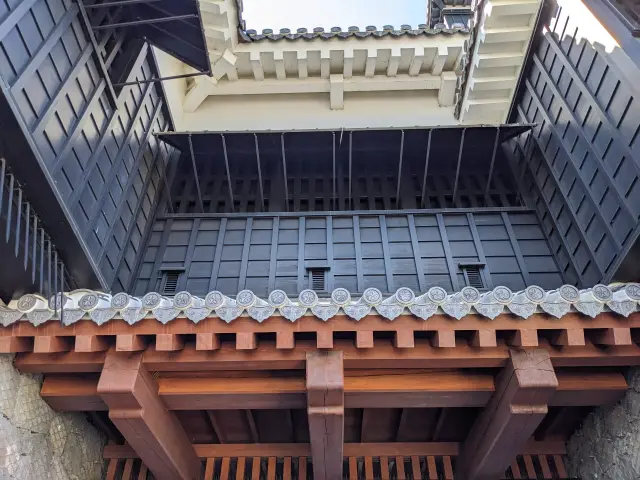
There are many highlights inside, including the seismic reinforcement features that were intentionally left visible after the restoration was completed.
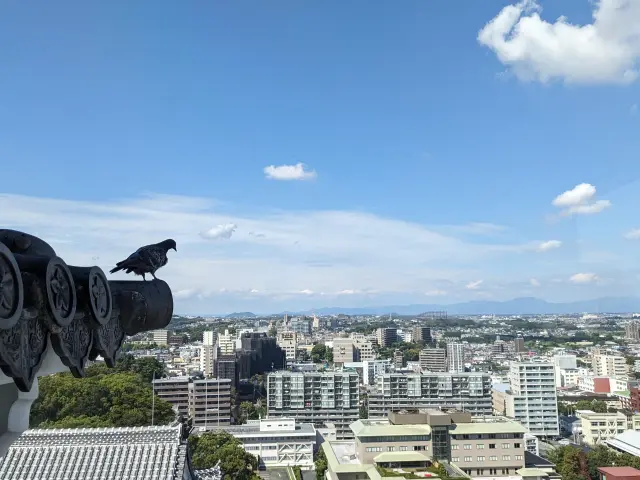
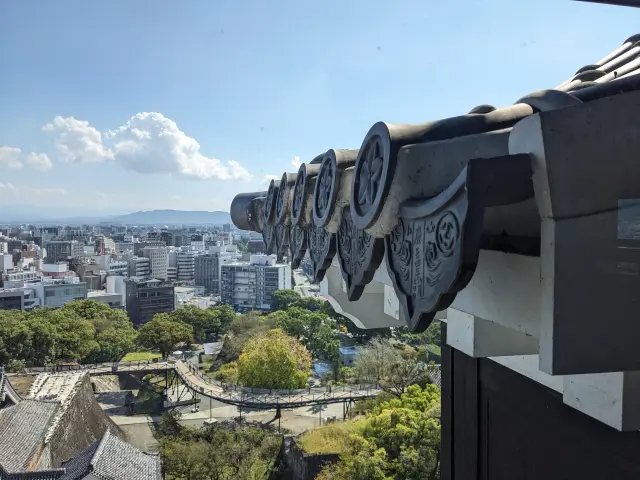
The panoramic view over Kumamoto City from the top-floor observation space is also a must-see attraction.
You can enjoy the blend of historic scenery and modern cityscape, and on clear days you can even see the mountains of Aso.

2. Honmaru Palace
Honmaru Palace was built when Kumamoto Castle was first constructed as the residence and administrative center of the domain lord, but it was destroyed by fire during the Seinan War in 1877.
In 2008, it was faithfully restored using traditional techniques and the skills of artisans, bringing back its former appearance.
Its most notable features are its luxurious design and the beauty of its details.
Inside the palace are tatami-floored grand halls and dignified decorations that show the authority of the samurai, strongly conveying the atmosphere of the time.
In particular, the room called Shokun-no-Ma, used by the domain lord to entertain honored guests, stands out with its lavish gold-leaf sliding door paintings and intricate ceiling artwork.
Another highlight is the hidden passage at the rear known as the Kuragari Passage.
It offers a moving glimpse into Kato Kiyomasa’s focus on defense and functionality in castle design.
*The interior is not open to visitors (as of February 2025).

3. Uto Turret
Uto Turret is one of the few Important Cultural Properties still standing at Kumamoto Castle.
It is a precious structure that has remained since its original construction in 1607.
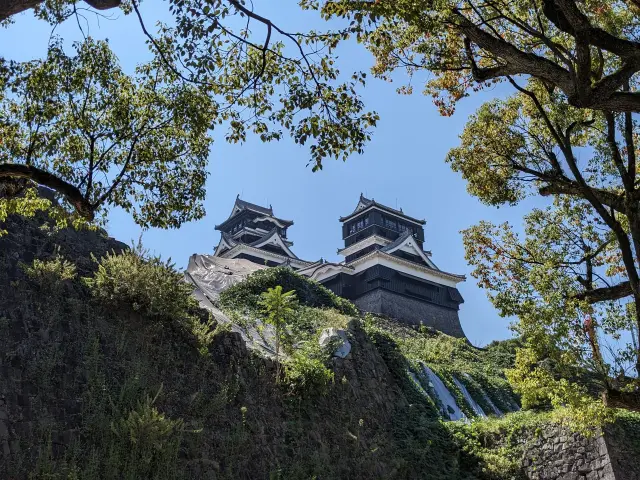
This three-tier, five-story turret rivals the castle keep in both structure and scale, and its robust construction and stately appearance have earned it the nickname “the third castle keep.”
Its highlight is the architectural beauty that still conveys the appearance of the castle when it was first built.
Though simple in appearance, it has a powerful presence, and inside, its thick beams and pillars create a heavy wooden structure that speaks to Kumamoto Castle’s long history.
Unfortunately, it suffered serious damage in the Kumamoto Earthquake, so full dismantling began in December 2024.
It is now only the frame, but you can still view valuable details from outside, such as traces of past repairs and damage from the earthquake.
Dismantling is scheduled to continue until the end of 2025, with restoration expected to be completed in 2032.
*Open to the public: every second Sunday of the month from February 9, 2025 (9:00 am–5:00 pm). It may not be held depending on construction conditions.

4. Stone Wall Complex
The stone wall complex of Kumamoto Castle, known as one of the finest in Japan for its scale and craftsmanship, symbolizes the “impregnable famous castle” built by Kato Kiyomasa.
The stone walls supporting the castle keep were built with steep slopes, making them look simple but extremely difficult to climb.
The intricate construction combines defensive strength and beauty, creating a dynamic yet delicate impression that surprises visitors.
Because of its power to repel enemies, it is also known by the nickname Musha-gaeshi.
The distinctive color and texture of the stone materials that bring unity to the whole are also noteworthy, and it is interesting to take a close look at each one.
Restoration work is currently underway, but the stone walls around areas such as Inui Turret and Iidamaru Five-Story Turret each have their own character, so it is also interesting to compare them.

5. Long Wall
The Long Wall, a nationally designated Important Cultural Property, is a defensive structure with a total length of Approx. 242 meters.
It is known as one of the longest surviving castle walls in Japan, with various features designed to prevent enemy intrusion.
Its grand scale, the beauty of its well-balanced wooden architecture, and its harmony with the surrounding scenery make it well worth seeing, so take your time walking along it and experience its length for yourself.
There are also many benches, making it a nice place to relax midway while enjoying the pleasant breeze.
The view from Ninomaru Square, where you can take in the Long Wall as a whole, is also recommended.
In spring and fall, the castle grounds are colored by cherry blossoms or autumn leaves, creating an atmospheric scene woven by nature.

Highlights of the Special Viewing Route Where You Can See the Restoration Process
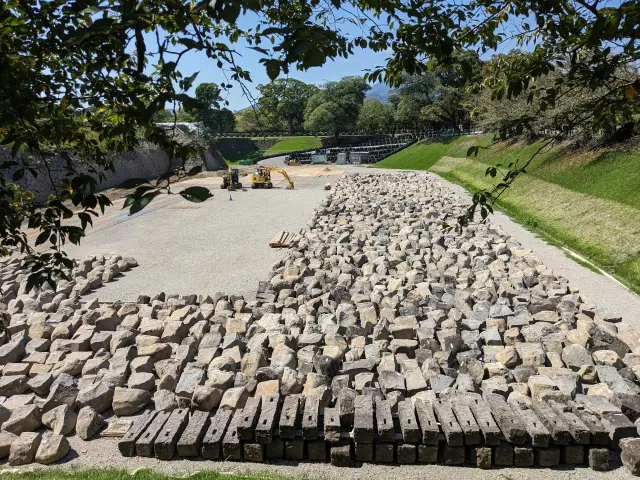
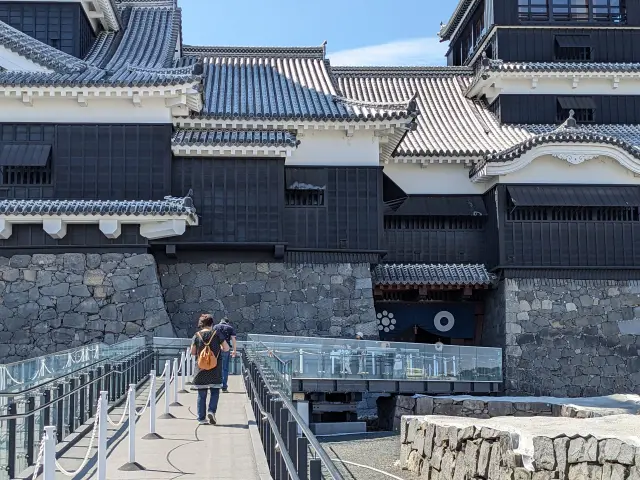
The Special Viewing Route is a 350-meter path where you can closely observe the restoration process of the castle, which suffered major damage in the 2016 Kumamoto Earthquake.
It was designed so visitors can witness the repair work on collapsed stone walls and damaged structures up close, allowing them to experience the progress of the restoration project in real time.
The careful inspection of each stone and the process of returning them to their original positions show a fusion of original castle-building techniques and modern restoration technology.
There are also points where you can look up at the castle keep from nearby, and its dignified appearance and beautifully restored exterior offer a precious sight that can only be captured now.
As you experience the efforts and passion of the many people supporting Kumamoto Castle during its recovery, take the opportunity to truly feel this journey connecting history and the future.

3 Recommended Tourist Spots Near Kumamoto Castle
Finally, here are three recommended sightseeing spots near Kumamoto Castle.
All of them are popular places where you can experience Kumamoto’s history and traditions while also enjoying food and shopping.
Visiting them after exploring Kumamoto Castle will make your trip even more fulfilling, so be sure to add them to your itinerary.
1. Kumamoto Prefectural Traditional Crafts Center
Located on the north side of Kumamoto Castle, this facility lets you deepen your knowledge of Kumamoto Prefecture’s traditional crafts. It opened in 1982 with the aim of connecting everyday life and traditional crafts through exhibitions, sales, and hands-on events.
The permanent exhibition room on the second floor displays a variety of traditional crafts passed down in different parts of Kumamoto. Kumamoto Prefecture is home to Approx. 90 traditional crafts, including nationally designated traditional crafts such as Higo Zogan, Shodai Ware, Amakusa Pottery, and Yamaga Lanterns.

2. Sakura no Baba Josaien
An open-air tourist exchange facility at the foot of Kumamoto Castle that recreates a castle town from the Edo period.
It features restaurants where you can enjoy Kumamoto’s local cuisine, shops where you can find local specialties, and facilities where you can learn about Kumamoto’s history in a fun way.
At Sakura no Koji, where more than 20 restaurants and shops line the street, you can enjoy local specialties from across Kumamoto Prefecture, including horse meat sashimi, Akaushi beef from Aso, and seafood from Amakusa.

3. Suizenji Jojuen Garden
This strolling garden uses natural spring water and originated when Lord Tadatoshi, the first lord of the Hosokawa clan, built a teahouse on this site, where underground water from Aso springs up.
Later, the third lord of the domain, Lord Tsunatoshi, carried out large-scale garden construction, and the garden came to be called Jojuen after a poem by Tao Yuanming.
Within the garden stand Izumi Shrine, which enshrines the Hosokawa family, a Noh theater, and Kokindenju-no-Ma, which was relocated from the Kyoto Imperial Palace. Garden trees including cherry and pine, stepping stones floating in the pond, and an artificial hill modeled after Mt. Fuji all convey the atmosphere of the Edo period to the present day.

3 Popular Restaurants Near Kumamoto Castle
Around Kumamoto Castle, which rises powerfully as a symbol of recovery, you’ll find plenty of restaurants where you can enjoy Kumamoto cuisine along with the charm of a traditional castle town.
Here are some of the most popular ones.
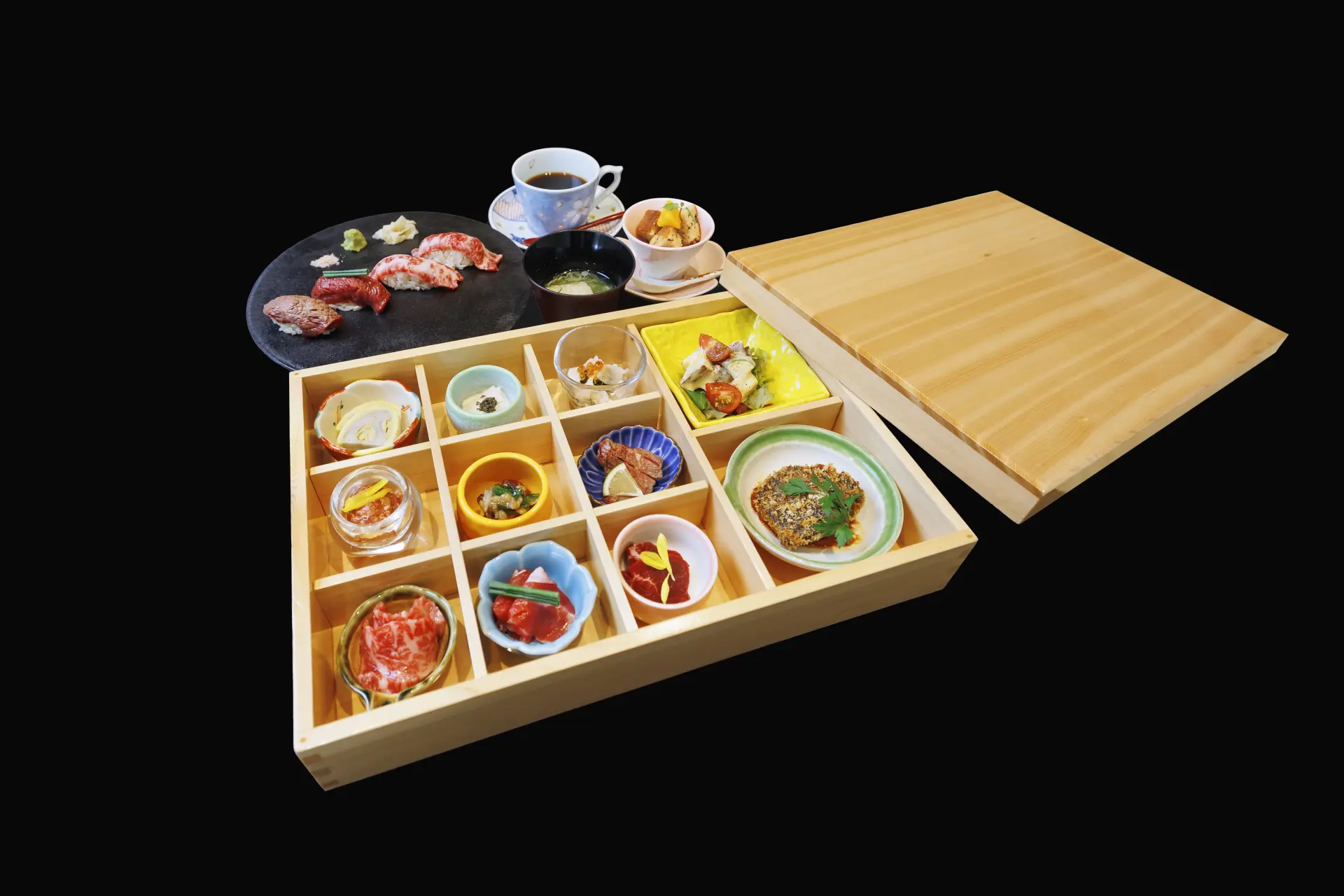
1. Suganoya Ginza-dori Branch, Authentic Kumamoto Horse Meat Specialty Restaurant
A specialty restaurant serving horse meat dishes made with horse meat carefully raised on the company’s vast private farm of Approx. 900,000 tsubo in the great natural surroundings of Kumamoto and Aso. Raised with nutritious pasture grass, pure famous spring water, and carefully prepared in-house fertilizer, the horses produce tender meat with rich flavor.
With a spirit of gratitude for “using every part” of these precious horses, which give birth to only one foal a year, the restaurant serves almost every cut, including rare parts.
2. Komurasaki Kamitori Chuo Branch
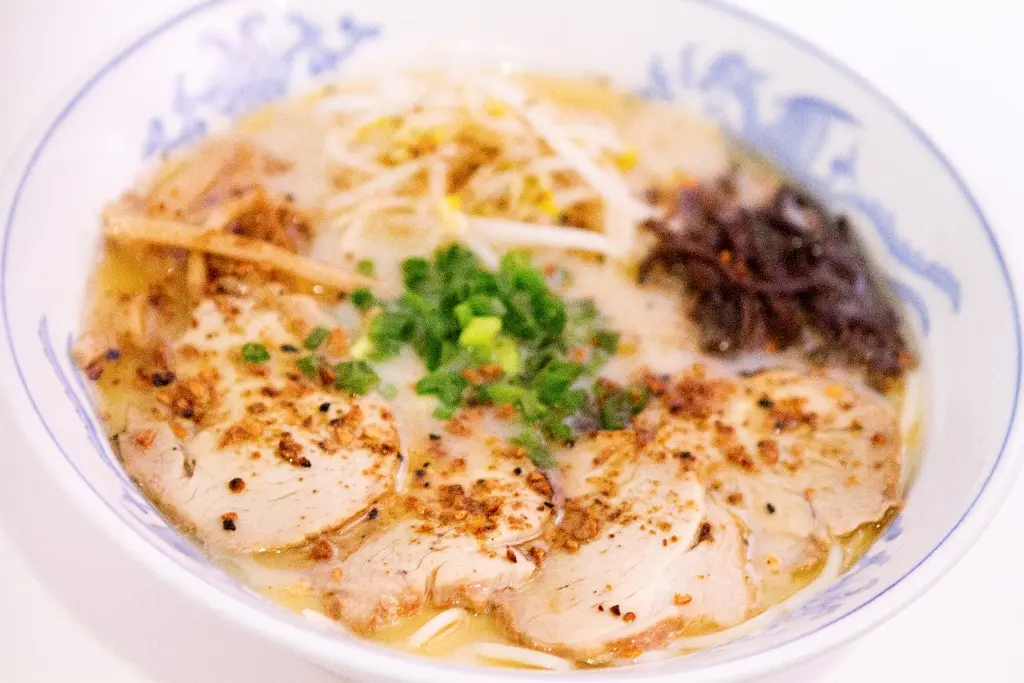
Komurasaki in Kumamoto Prefecture is a long-established ramen restaurant that cannot be left out when talking about Kumamoto ramen.
Since opening in 1954, it has attracted not only locals but also ramen fans from all over Japan, and is often called the original Kumamoto ramen shop.
The menu is extensive, featuring the standard Ousama Ramen, the hearty Special Chashu Ramen, and unique options such as Pizza Ramen and Natto Ramen.
You can also add toppings and customize your bowl to suit your taste.
3. Korantei Shimotori Main Branch
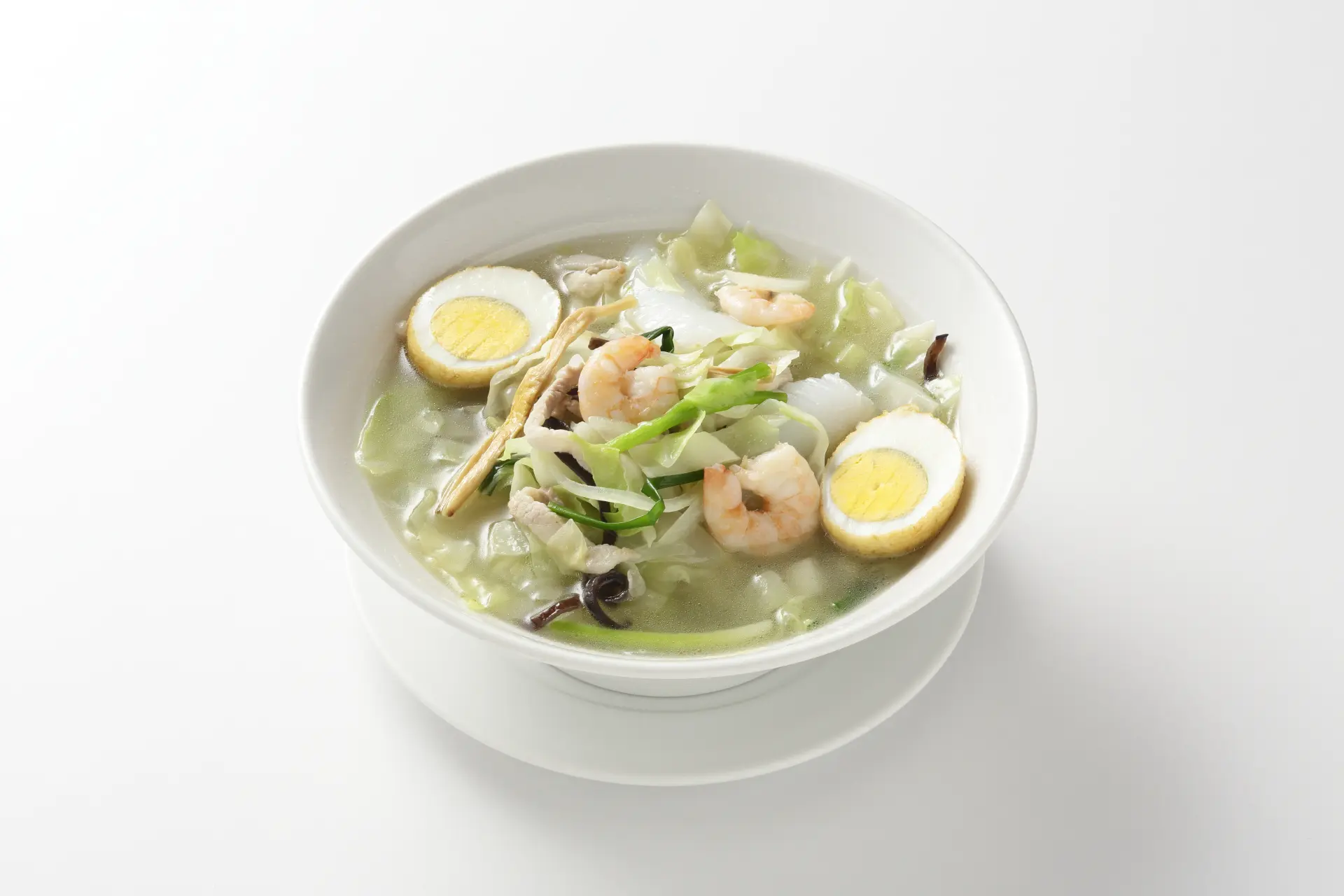
Located in Shimotori, one of the leading shopping districts in central Kumamoto City, Korantei Shimotori Main Branch is a long-established Chinese restaurant founded in 1934.
It is a popular restaurant loved by both locals and tourists, and its Kumamoto specialty Taipien is especially a must-try.
The cloudy soup, made with a chicken and pork bone base, is filled with 100% mung bean glass noodles as well as several kinds of seafood and vegetables.
Reviews
Some reviews are AI-translated.
-
Kumamoto in December was cool and refreshing. As soon as I left the station, I could see Kumamoto Castle towering in the distance. It looked exactly like it did in the photos—the entire castle was dark and imposing, with such a commanding presence that I couldn’t help but stop in my tracks.
What I wanted to see most on this visit was the legendary “Musha-gaeshi” stone walls. Seeing in person how the gently sloping walls suddenly became vertical, I couldn’t help but admire the castle-building craftsmanship of the Sengoku period. Just standing below and looking up, I could feel their overwhelming presence.
The inside of the castle keep has a modern exhibition style, documenting the battles the castle has endured and the reconstruction process following the major 2016 earthquake. The best part was reaching the top floor. The clear December air made the visibility incredibly good, with sweeping views of downtown Kumamoto and the distant Aso mountain range. The cool breeze was so relaxing.
After exploring the castle grounds, I stopped by Josaien, walking over a carpet of golden ginkgo leaves and buying some piping-hot local snacks to tide me over. Although it lacked the greenery of summer, the quiet, clear weather of early winter gave this castle visit a more serene atmosphere.
-
-
Kumamoto Castle, one of Japan’s most renowned castles, was built by the famous general Kato Kiyomasa. It is known throughout the country for its impregnable stone walls and stately black castle keep, steeped in centuries of history from the Warring States period.
This fortress, which embodies the spirit of Kumamoto, has endured many hardships. After the long and difficult reconstruction following the powerful 2016 earthquake, it unexpectedly faced another major earthquake recently, which was deeply distressing. I sincerely hope that, with everyone’s support, this beautiful castle can once again be restored to its former appearance.
This time, I visited at sunset in October, when the castle grounds were open for special nighttime viewing. As dusk fell, I slowly walked from the lively castle town, looking at the carefully restored and neatly numbered stones and the imposing castle towers. Everywhere, I could see the extraordinary resilience of the people of Kumamoto and the dedication of its craftspeople.
Once night had fully fallen, warm golden lights illuminated the towering black castle keep, making it appear even more mysterious, composed, and majestic against the deep blue night sky. Walking beneath the ancient castle walls in the darkness, I was deeply moved by the spiritual strength of a place that has overcome disaster and continues to stand firm. It left a lasting impression on me.
-
-
Standing tall in the heart of the city, Kumamoto Castle is not only Kumamoto's most iconic landmark but also one of Japan's important historic castles. Its majestic main keep, sturdy stone walls, and historic castle buildings make you feel the weight and solemnity of its centuries-long history as soon as you approach.
The Kumamoto earthquake several years ago caused severe damage to this famous castle. Many stone walls collapsed, and some buildings were also damaged. After years of effort, many exterior walls and parts of the castle are still undergoing restoration. Walking through the castle and seeing the areas still under construction, it may not look as complete as it once did, but it also gives you a deeper appreciation of how difficult it is to restore a historic site.
I never expected another major earthquake to strike this year, once again putting the weathered Kumamoto Castle to the test. The road to restoration may be long, and it may take many years to regain its former glory. I hope Kumamoto recovers soon and returns to its former splendor.
-



FAQ about Kumamoto Castle
Q
Has the restoration of Kumamoto Castle been completed?
As of February 2025, restoration is about 20% complete. It is behind the original schedule, and full restoration is expected to take until 2052.
Q
Who built Kumamoto Castle, and when?
It was built across the Chausuyama Hills by the master castle builder Kato Kiyomasa over about 15 years, and was completed in 1607.
Q
What is appealing about Kumamoto Castle?
Its appeal lies in the harmony between its historical value as one of Japan’s Three Great Castles and its robust structural beauty. The scenery of each season also adds color to the castle grounds.
Summary
So far, we’ve introduced the appeal and highlights of Kumamoto Castle, one of Japan’s Three Great Castles, along with the restoration status of its buildings.
Even now, about eight years after the earthquake, the sight of collapsed wall debris and fallen stone walls in various places is still painful to see.
Even so, Kumamoto Castle is overcoming the damage, preserving its history, and gathering hope as a symbol of building a new future.
Visit in person and see this precious moment, one that can only be witnessed now, with your own eyes.
Be sure to also check out this article, which brings together useful information to know before your trip to Kumamoto, including classic sightseeing spots and popular restaurants where you can enjoy local food.