
![[Ujibashi Bridge Travel Guide] A Scenic, Historic Symbol of Uji](https://static.gltjp.com/glt/data/article/21000/20524/20231118_105639_94dc9f42_w1920.webp)
[Ujibashi Bridge Travel Guide] A Scenic, Historic Symbol of Uji
Ujibashi Bridge is one of Japan’s three oldest bridges.
Its stately appearance and refined design blend beautifully with the scenic surroundings, making it a symbolic landmark in Uji City, Kyoto.
This article covers basic information about Ujibashi Bridge, the best season to visit, and nearby sightseeing spots.
By reading this article, you’ll discover the charm of Ujibashi Bridge and helpful information to know before you go.
What Is Ujibashi Bridge Like?
Ujibashi Bridge is located in Uji City, in southern Kyoto.
Uji is home to many temples and shrines, including the World Heritage-listed Byodoin Temple, and is also famous for local specialties such as Uji tea and sweets made with Uji matcha.
Ujibashi Bridge stands in the heart of Uji sightseeing and is beloved as a symbol of the city.
Along with Seta no Karahashi Bridge and Yamazaki Bridge, it is counted among Japan’s three oldest bridges, and the first Ujibashi Bridge was built in 645.
One of the bridge’s main charms is its elegant appearance, which harmonizes with the tasteful townscape around it.
A highlight is the open view of the Uji River from the bridge, so be sure to enjoy the refreshing scenery.
Slightly west of the center of Ujibashi Bridge is a small projection called San-no-Ma, said to be the remnant of a shrine dedicated to the guardian deity Hashihime.
There is also a legend that Toyotomi Hideyoshi had water drawn here for use in the tea ceremony.
You’ll likely cross this bridge often while sightseeing in Uji, so take time to admire both the views from Ujibashi Bridge and the bridge itself, and reflect on its history and legends.

The Legend of Ujibashi Bridge
Ushi no koku mairi, an ancient Japanese curse ritual, is said to be connected to the Hashihime legend of Ujibashi Bridge.
During the reign of Emperor Saga (809–823), a woman driven mad by jealousy prayed at Kifune Shrine to be transformed into a demon. She then received a divine message telling her to change her form and immerse herself in the Uji River for 21 days.
After carrying this out, she became a demon and is said to have eventually killed many people.
This legend is considered the origin of ushi no koku mairi, and the Uji River and Ujibashi Bridge are known as places associated with it.

Access to Ujibashi Bridge
Here’s how to get to Ujibashi Bridge from JR Kyoto Station, a major transportation hub for sightseeing in Kyoto.
If you take the rapid service on the JR Nara Line, you can arrive a little faster than the travel time listed below.
- Route
-
1. Take the JR Nara Line from JR Kyoto Station and get off at Uji Station.
2. Approx. 10 minutes on foot from Uji Station. - Travel time
- Approx. 35 minutes
What Is the Best Season to Visit Ujibashi Bridge?
If you’re planning to visit Ujibashi Bridge, spring is the most recommended season.
That’s because cherry blossoms bloom upstream of the bridge, creating beautiful scenery.
There are Approx. 2,000 cherry trees upstream of Ujibashi Bridge, and when they are in full bloom, they color the banks of the Uji River beautifully.
The combination of scenic Ujibashi Bridge and Japan’s iconic cherry blossoms creates a bright and atmospheric landscape.
It’s also a popular photo spot, so be sure to capture both the bridge and the blossoms together.
The best time to see the cherry blossoms upstream of Ujibashi Bridge is said to be from late March to early April.

Experience Japanese History and Culture! 5 Sightseeing Spots Around Ujibashi Bridge
There are many historic temples and shrines scattered around Ujibashi Bridge.
Among them are many sites designated as UNESCO World Heritage Sites and Important Cultural Properties of Japan.
Here are some sightseeing spots you should visit along with Ujibashi Bridge.
1. Byodoin Temple
Originally used as a villa by the powerful Heian-period statesman Fujiwara no Michinaga, it was inherited by his son Yorimichi and converted into a temple in 1052.
It was registered as a World Heritage Site in 1994. After renovations in 2014, it is said to have come closer to its original appearance at the time of its founding.
The Amida Hall, which houses the principal image of Amida Nyorai, is a must-see. Its magnificent symmetry is sure to captivate you.
At the time of its construction, belief in rebirth in the Pure Land was widespread, and the hall was built in the image of a palace in the Pure Land.

2. Ujigami Shrine
An ancient shrine registered as part of the UNESCO World Heritage Site Historic Monuments of Ancient Kyoto.
It is said to have been founded in 1060 as the guardian shrine of Byodoin Temple in Uji, which was built in 1053.
As the guardian deity protecting the land of Uji, it has been worshipped by a wide range of people, from commoners to nobles, and continues to attract deep reverence today.

3. Uji Shrine
The tutelary shrine of Uji, with a history of 1,710 years since its founding in 313, the year Emperor Nintoku ascended the throne.
The shrine grounds at the eastern end of Asagiri Bridge over the Uji River are said to be the site of a villa once belonging to Emperor Ojin, father of Emperor Nintoku, as well as the former palace of Emperor Nintoku’s younger brother, Prince Uji no Wakiiratsuko no Mikoto.

4. Koshoji Temple
Koshoji Temple in Uji City was the first Zen temple established in Japan by Dogen, the founder of the Soto school of Zen Buddhism.
It was originally founded in 1236 in Fukakusa, Fushimi Ward. Although it was once destroyed in war, it was rebuilt at its current location in 1645 in the early Edo period.
You can enjoy its changing beauty through the seasons, including cherry blossoms in spring and autumn leaves in fall, and it has also been designated as a Place of Scenic Beauty by Kyoto Prefecture.

5. The Tale of Genji Museum, Uji City
A public museum themed around The Tale of Genji, the timeless classic written by Murasaki Shikibu in the Heian period and still read more than 1,000 years later.
Through models and videos, it clearly introduces the Uji Chapters, in which Uji is depicted as a main setting, as well as the story’s protagonist, Hikaru Genji.

3 Popular Places to Eat and Drink Around Ujibashi Bridge
Around Ujibashi Bridge, you’ll find excellent spots where you can fully enjoy the charm of Uji tea.
From hands-on tea houses where you prepare your own tea to long-established tea shops known for seasonal sweets, here are some popular places that offer a special time shaped by Uji’s culture and fragrant tea.
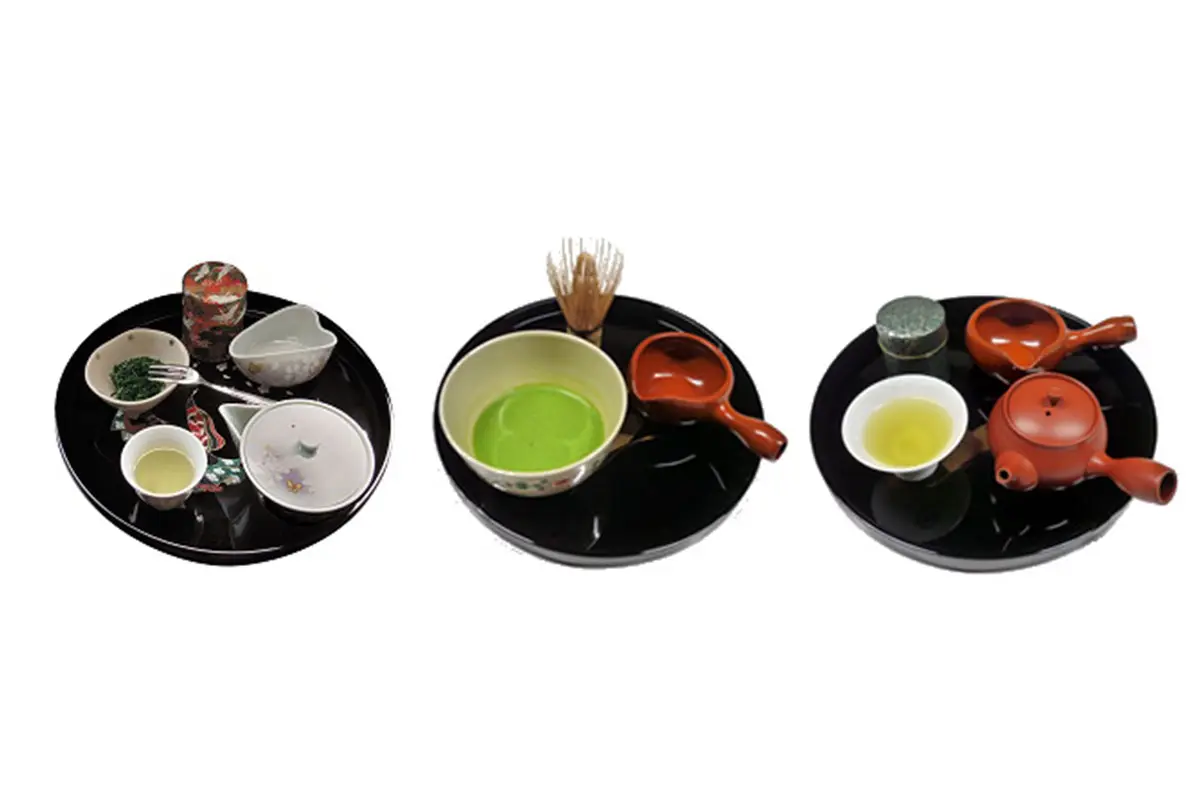
1. Uji Tea Dojo Takumi no Yakata
A tea specialty café where you can enjoy Uji tea, a local specialty of Uji, while overlooking the Uji River.
You can choose your favorite Uji tea from the café menu and prepare it yourself while being guided by staff qualified as Japanese tea instructors.
Each step is explained carefully, so even first-timers can feel at ease.
2. Itoh Kyuemon Uji Main Store Tea Room
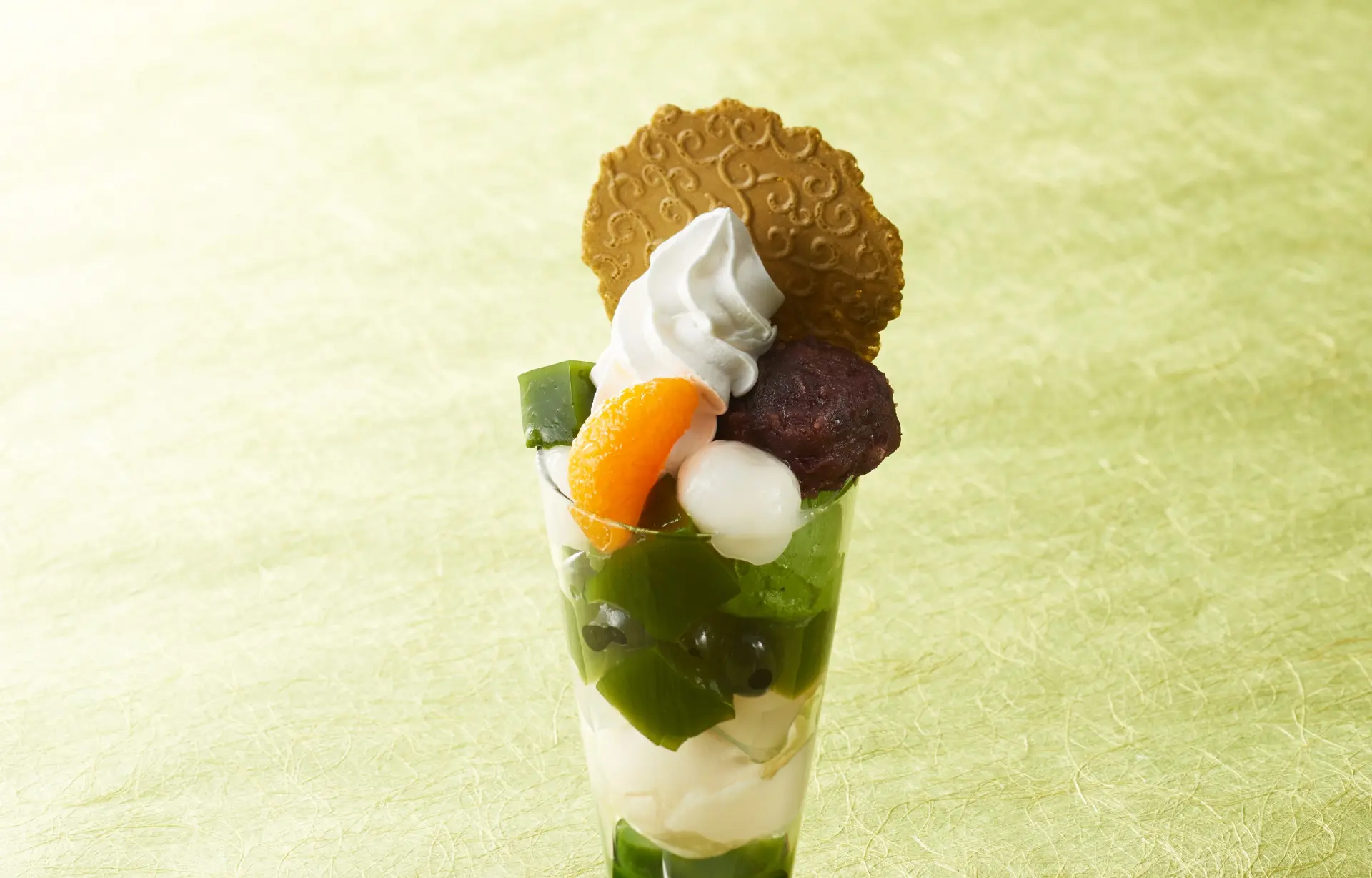
A long-established tea shop founded in 1832, with its main store in Uji, one of Japan’s leading producers of high-quality tea leaves.
While cherishing traditions passed down since its founding, it continues to develop new matcha sweets and share new value in tea.
At the main store tea room, you can enjoy a menu filled with matcha made from premium tea leaves.
3. Nakamura Tokichi Honten
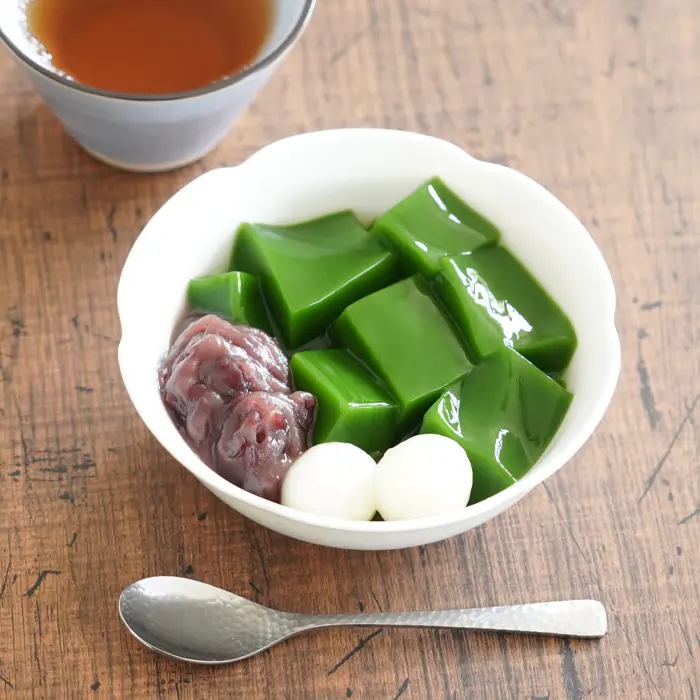
A Japanese tea specialty shop founded in 1854 in Uji, a place known nationwide as a producer of high-quality Japanese tea.
From its original Nakamura-cha, a mellow yet refreshing signature tea not sold outside the shop, to sencha with a fresh, crisp character and gyokuro with rich umami, it continues to offer celebrated teas chosen for how delicious they are to drink rather than for their shape or appearance.
In a charming space selected as an Important Cultural Landscape of Japan, enjoy luxurious sweets unique to a Uji tea specialty shop with 170 years of history.
3 Recommended Places to Stay Around Ujibashi Bridge
Around Ujibashi Bridge, where views of the Uji River and calm streetscapes unfold, you’ll find charming accommodations for a relaxing stay.
Here are some places where you can spend peaceful time surrounded by the quiet warmth that is unique to Uji.
1. Uji Ichiban Yado Nigauri
A private rental-style ryokan in Uji City, Kyoto Prefecture, where you can stay as if relaxing at your own villa.
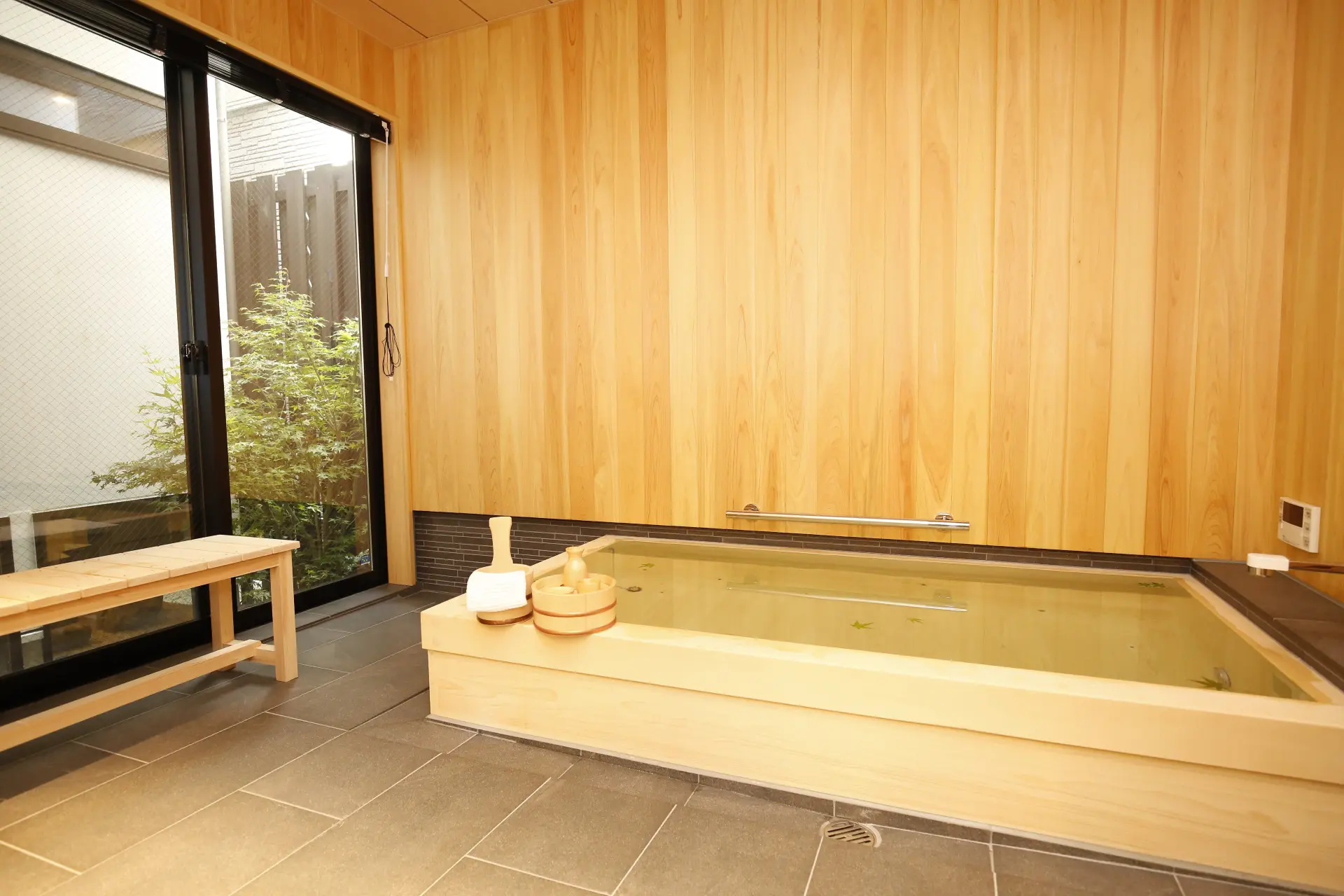
Limited to one group per day and accommodating up to four guests, this inn offers a charming Japanese-Western interior and a bath made of natural hinoki cypress.
The guest area is spacious, with two rooms, one Japanese-style and one Western-style, making it suitable for a variety of needs including families with children and long stays.
The inn’s signature bath is a roomy tub made entirely of natural hinoki, filled with the fragrance of wood and designed so multiple people can soak comfortably together.
Since the entire building is reserved for your group, you can enjoy the bath anytime without worrying about the clock.
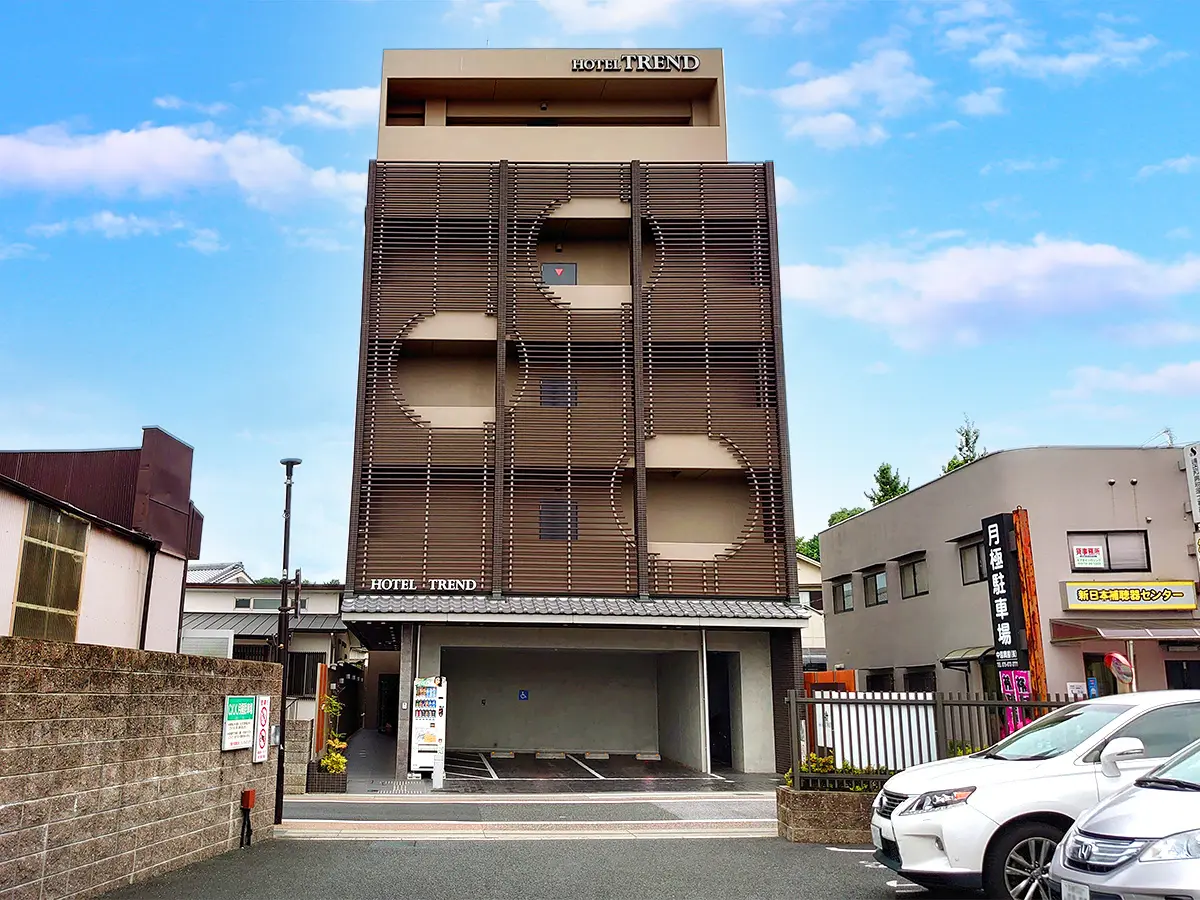
2. Hotel Trend JR Uji Ekimae
A well-located hotel just Approx. 3 minutes from the south exit of JR Uji Station.
It is Approx. a 9-minute walk to the World Heritage Site Byodoin Temple, and Ujigami Shrine, The Tale of Genji Museum, and Nintendo Museum are all within a 25-minute walk, making it ideal for exploring Uji’s famous spots.
It also offers convenient access to both Kyoto City and Nara City, making Uji a great base for efficiently visiting both historic capitals.
Room types include single, double, and twin rooms, and a full range of amenities is provided.
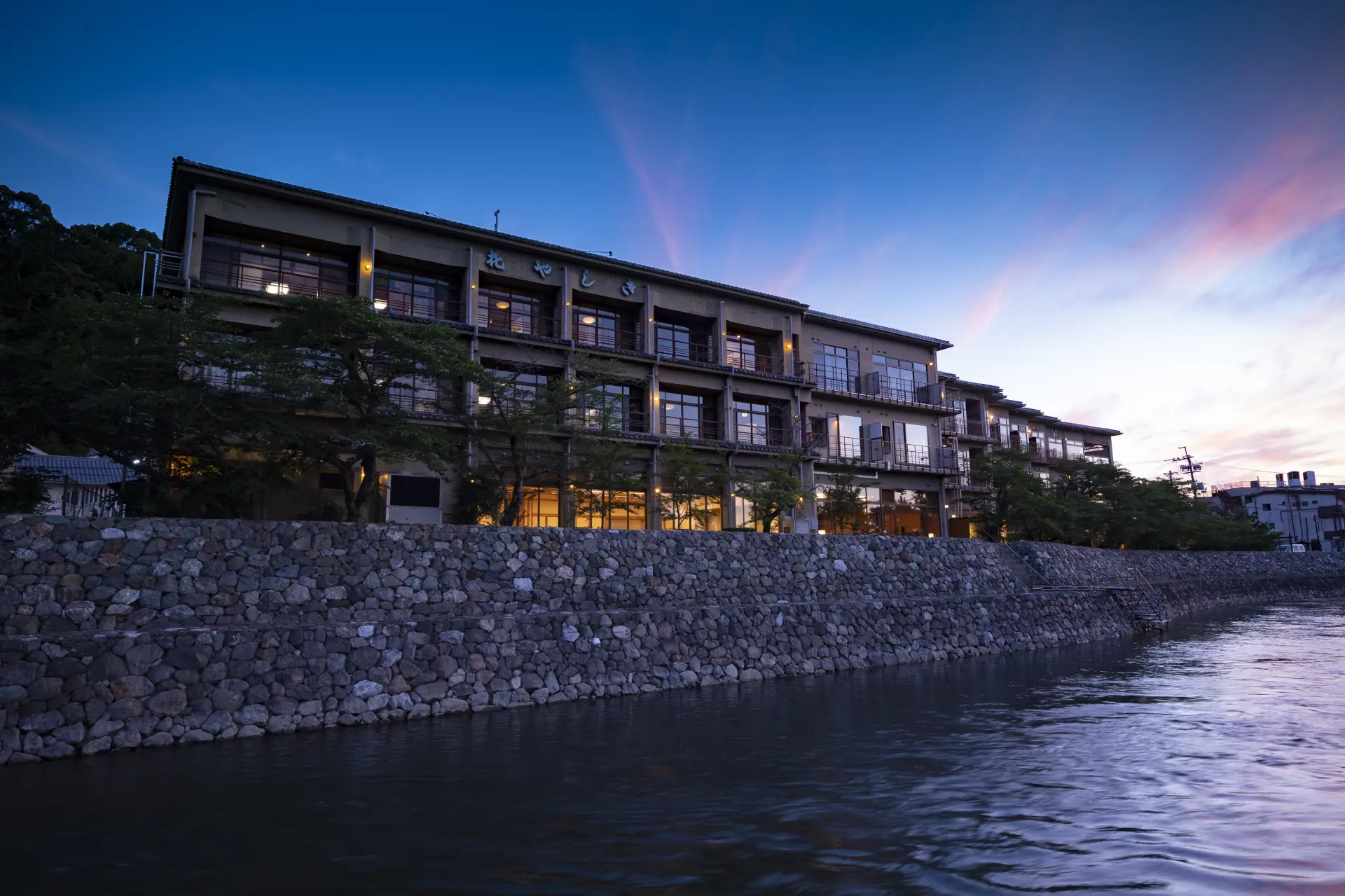
3. Hanayashiki Ukifune-en
Approx. 5 minutes by car from JR Uji Station.
This ryokan stands near the Uji River and also offers easy access to Uji’s proud World Heritage Sites, Ujigami Shrine and Byodoin Temple, in an area rich in historical romance.
All guest rooms overlook the Uji River, and you can also see Tonoshima Island in the middle of the river.
Another appeal is the chance to enjoy the dreamlike and elegant scenery as the seasons change along the Uji River.
Reviews
3.00
Some reviews are AI-translated.
-
There were so many people, it was just a sea of crowds. It was hard to really enjoy or appreciate the place.
-
As soon as you step out of Keihan Uji Station, you can see it right away. The views from Uji Bridge are truly moving and peaceful.
FAQ about Ujibashi Bridge
Q
When was Ujibashi Bridge first built?
A
It is said to have been built in 645 during the Asuka period (592–710).
Q
Can you see cherry blossoms at Ujibashi Bridge?
A
Yes, you can see them upstream of Ujibashi Bridge, and the best time to view them is from late March to early April.
Summary
This article introduced the stories and legends of Ujibashi Bridge, the best season to visit, and nearby sightseeing spots worth exploring together.
The charm of Ujibashi Bridge lies in the harmony between the scenic Uji River and the bridge’s stately yet refined appearance.
If you’re sightseeing in Kyoto, be sure to make your way to Ujibashi Bridge.
The article below also features a carefully selected list of popular sightseeing spots in Uji.
Use it as a reference and enjoy your trip to Kyoto and Uji.