
![[Yokohama Chinatown Travel Guide] Enjoy Food and an International Vibe in Japan’s Largest Chinatown](https://static.gltjp.com/glt/data/article/21000/20570/20231226_211041_7620fa29_w1920.webp)
[Yokohama Chinatown Travel Guide] Enjoy Food and an International Vibe in Japan’s Largest Chinatown
Yokohama Chinatown is one of Yokohama’s most iconic attractions.
Beyond authentic Chinese cuisine, its ornate gates and bustling streets create an energetic atmosphere that delights all five senses.
It also has an amusement-park-like side, with seasonal festivals and events that bring the whole neighborhood together.
In this article, we’ll introduce the best ways to enjoy Yokohama Chinatown, popular places to eat, and nearby sightseeing spots—everything you’ll want to know to make the most of your visit.
Use this guide and you’ll be able to fully experience the appeal of Yokohama Chinatown.
What is Yokohama Chinatown Like?
Yokohama is a historic port city, located around 30 minutes from central Tokyo.
One of its signature attractions, Yokohama Chinatown, is within walking distance of the Minato Mirai 21 area, where many major sights are concentrated.
That makes it easy to visit along with Minato Mirai 21’s attractions—another part of its appeal.
Thanks to its size, popularity, and name recognition, Yokohama Chinatown is considered one of Japan’s three biggest Chinatowns, alongside Kobe and Nagasaki.
In an area of around 500㎡ surrounded by lavish gates to the north, south, east, and west, you’ll find an energetic cityscape with over 600 shops, including restaurants, variety stores, and souvenir shops.
It offers many ways to enjoy yourself: as a foodie destination for authentic Chinese cuisine, and as a sightseeing spot for strolling and street food.
Even within “Chinese cuisine,” there are many regional styles—Beijing, Sichuan, Shanghai, Cantonese, and more. Being able to compare them all in one place is unique to Yokohama Chinatown.
Another highlight is its spectacular, colorful parades during seasonal festivals and events that get the whole neighborhood involved.

Access to Yokohama Chinatown
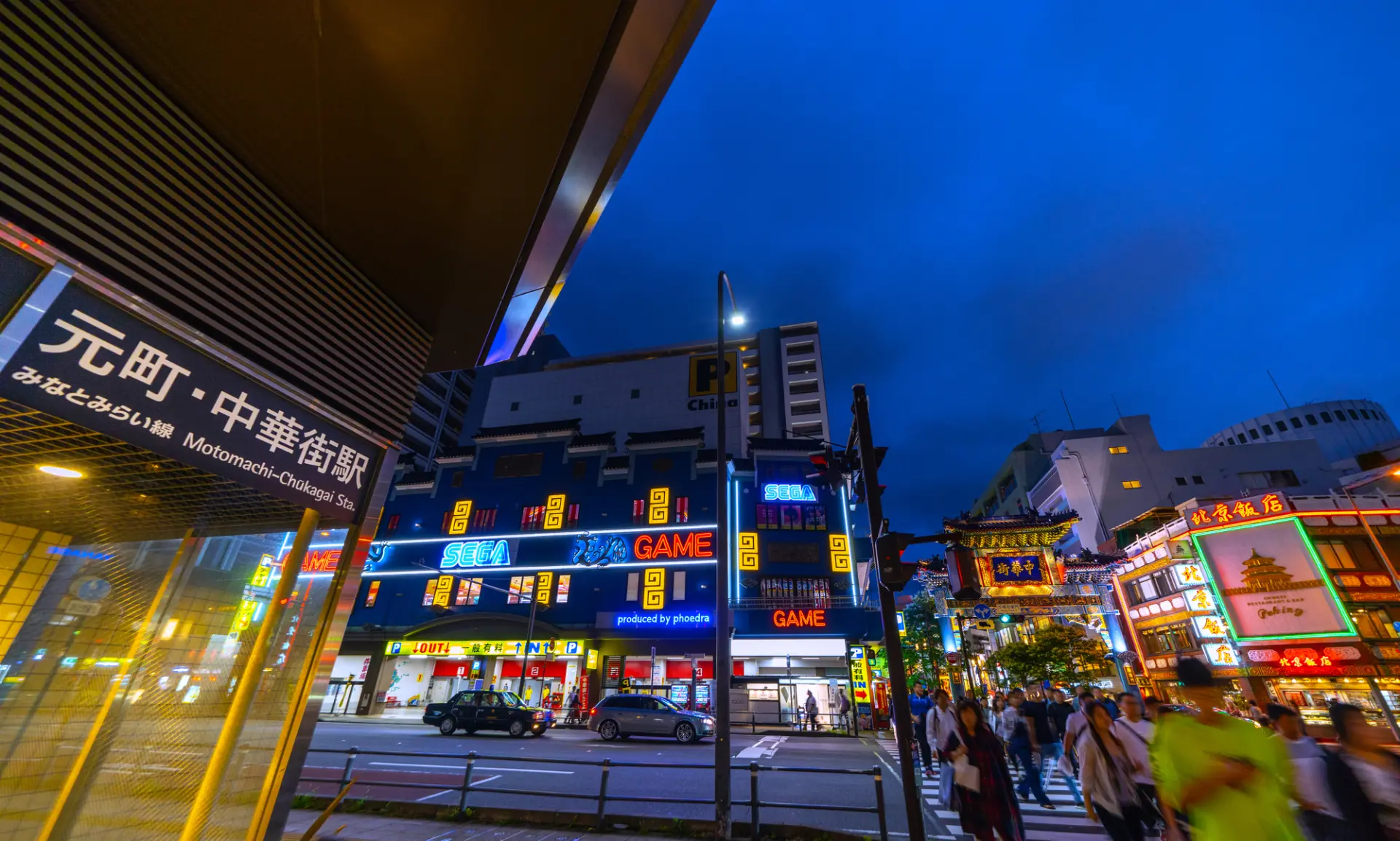
Here’s how to get from Yokohama Station—often the starting point for sightseeing in Yokohama—to Motomachi-Chukagai Station, the closest station to Yokohama Chinatown.
From Motomachi-Chukagai Station, Yokohama Chinatown is just a short walk away.
Exit through Exit 1 and you’ll be so close you can see Chukagai’s “Choyo-mon (East Gate)” right in front of you, so Motomachi-Chukagai Station is recommended.
- Route
-
1. From “Yokohama Station,” take the Minato Mirai Line bound for Motomachi-Chukagai
2. Get off at “Motomachi-Chukagai Station,” exit via Exit 1, and you’ll arrive right away - Travel Time
- Approx. 10 minutes
What’s the Best Season to Visit Yokohama Chinatown?
The best seasons to visit Yokohama Chinatown are spring and fall.
With mild, comfortable weather in the Kanto region, it’s ideal for strolling and trying street food.
It’s also recommended because the Mazu Festival (Maso-sai), which celebrates the opening of the Yokohama Mazu Temple (a building dedicated to the goddess of the sea), is held every March, and China’s National Day celebration (Guoqing Festival) is held on October 1 each year with great fanfare.
Yokohama Chinatown’s signature festive parades, plus a city already full of color made even more vibrant with extra decorations, are sure to make your heart race.

3 Ways to Enjoy the Best of Yokohama Chinatown
With countless different types of shops and visitors of all ages enjoying it in different ways, Yokohama Chinatown has something for everyone.
From here, we’ll introduce how Japanese visitors typically enjoy Yokohama Chinatown.
1. Eat your way through classics, trends, and authentic Chinese cuisine
In Yokohama Chinatown, you’ll find everything from high-end restaurants serving authentic Chinese cuisine to shops where you can casually grab the latest Chinese street food to go.
Even within “Chinese cuisine,” the four major regional styles—Beijing, Sichuan, Shanghai, and Cantonese—each have distinct characteristics.
Being able to compare those differences all in one place is a perk of a large-scale Chinatown.
Also worth checking out: the creative, trend-forward Chinese street food offered by famous shops.
From classic Peking duck to jumbo Taiwanese fried chicken and extra-large soup dumplings you sip with a straw, the lineup is packed with unique bites.
Enjoy the classics while keeping up with the latest Yokohama Chinatown food trends—and savor it all.

2. Get your fortune told between bites
Yokohama Chinatown is also gaining attention as a hotspot for fortune-telling. Every street has several fortune-telling shops, and it wouldn’t be an exaggeration to call it Japan’s most competitive fortune-telling district.
True to the name “Chinatown,” many places specialize in Chinese-derived Eastern astrology, but you’ll also find many other styles—from tarot and palm reading to healing and therapy-style add-on options.
Because it’s such a competitive area, Yokohama Chinatown’s fortune-telling shops are known for their quality, with skilled fortune tellers on hand. Many shops have lines even on weekdays.
Whether you have a specific concern or just want to try it for fun, it might lead to an unexpected turning point.

3. Enjoy Taiwanese food in Japan
Yokohama Chinatown isn’t just about Chinese cuisine—there are also many places where you can enjoy Taiwanese food.
You’ll likely feel the Taiwan vibe in the atmosphere, from the exterior to the interior design.
If you’re traveling in Japan and start craving Taiwanese food, a trip to Chinatown might lead you to familiar flavors.
From staples like xiaolongbao and lu rou fan to sweets like bubble tea, douhua (tofu pudding), and Taiwanese shaved ice, there’s plenty to try.
It’s also fun to taste Taiwanese dishes in Japan with an eye toward what’s popular here—and how it differs from the flavors back home.

Best for Street Food Classics in Yokohama Chinatown! 3 Must-Visit Steamed Bun Shops
When it comes to Chinese street food, you can’t go wrong with steamed buns.
There are many shops in Yokohama Chinatown that sell steamed buns, but the three introduced here are all famous names that always come up when people talk about Chinatown’s steamed buns.
Be sure to taste for yourself the depth of flavor that makes them stand out from the rest.
1. Edosei Chinatown Main Store
Edosei is always bustling with crowds, and it often has lines on weekends. Founded around 130 years ago in the Meiji era as a butcher shop, it’s now especially popular as a specialty steamed bun shop.
The signature pork bun uses generously selected ingredients, including high-quality domestically sourced pork, fresh vegetables, and seafood such as shrimp and snow crab.

2. Kocho Dim Sum Shop Main Store
Kocho is home to past champions of international Chinese cooking competitions.
Kocho Dim Sum Shop Main Store, located in the heart of Chinatown, makes it easy to enjoy the restaurant’s wide variety of dim sum.
The signature item is the “Original Handmade Champion Meat Bun,” made with lao mian dough using naturally fermented wild yeast.

3. Kaikarou Yokohama Daisekai Store
Kaikarou is one of Yokohama Chinatown’s most popular spots for authentic Chinese food to go.
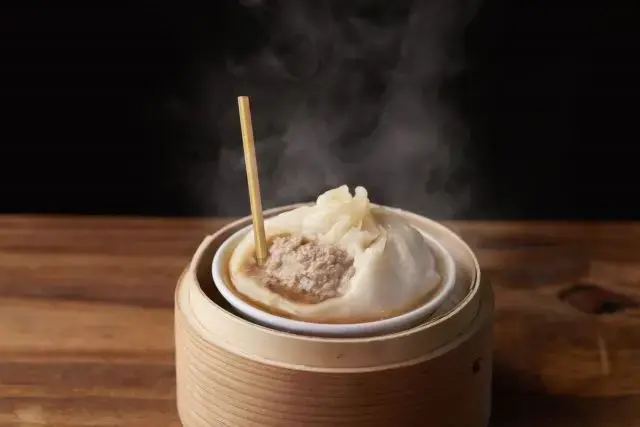
The signature item is the “Daironpo,” a giant soup dumpling that’s Approx. 10 cm in diameter—around three times the size of a regular xiaolongbao.
It’s known for its soup-like, juicy broth packed with flavor. A great way to enjoy it is to use the included straw to sip the juices first, then eat the dumpling itself.
7 Popular Restaurants for Authentic Chinese Food in Yokohama Chinatown
Yokohama Chinatown offers everything from casual street food to Chinese restaurants where you can enjoy a relaxed lunch or dinner in an upscale setting.
The restaurants introduced next are reliable places for authentic Chinese cuisine, backed by years of history and proven track records in Yokohama Chinatown.
You’re sure to be satisfied with both the food and the atmosphere.
1. Chukagai Daihanten
One of Yokohama Chinatown’s largest all-you-can-eat restaurants, in a neighborhood packed with outstanding food.
This isn’t a buffet—it's made-to-order, so you can relax and enjoy each dish freshly prepared.
The all-you-can-eat plan can be ordered for parties of two or more. Along with favorites like Peking duck, the menu includes representative dishes from Cantonese, Shanghai, and Sichuan cuisine, plus many types of dim sum popular in the Tohoku region.

2. Saiko Shinkan (さいこうしんかん)
A well-known, long-established restaurant in Yokohama Chinatown, opened in 1988.
With five floors and around 400 seats, this large venue serves authentic Cantonese cuisine and a wide selection of high-quality dim sum.
One of China’s four major cuisines, Cantonese cuisine is known for simple seasoning that brings out the natural flavors of rich ingredients from both land and sea.
Here, you can enjoy authentic flavors passed down from the founder couple, originally from Guangdong.

3. Yokohama Chinatown Ichiraku
A long-established Chinese restaurant founded in 1926, with nearly 90 years of history.
Based on Cantonese and Sichuan cuisine, you can enjoy the restaurant’s traditional dishes infused with elements from across China, including Shanghai and Beijing.
There are many course options to fit your preferences and budget, including the “Shunsai Course,” which features seasonal ingredients—bamboo shoots in spring, mushrooms in fall, oysters in winter—prepared with Chinese techniques, as well as courses centered around braised whole shark fin and Peking duck.

4. Chinatown Yokohama Daihanten
A long-established restaurant founded in 1962, located on the corner by Zenrinmon Gate on Yokohama Chinatown’s main street.
With the concept “Enjoy authentic Chinese food casually,” it uses carefully selected ingredients to serve dishes made with time and care.
The menu covers the four major Chinese cuisines: Cantonese, Shanghai, Sichuan, and Beijing.

5. Jukeihanten Main Building
A Sichuan restaurant that opened in 1959.
In 2018, to mark its 60th anniversary, the seven-story main building reopened on its founding site as a flagship store. Its stately exterior and calm interior were designed by world-renowned designer Alan Chan.
Floors 6 and 7 operate as “Yokohama Hinkan,” with a full range of private rooms and special suites.

6. Manchinro Main Store
Manchinro Main Store stands out with its impressive, traditional Chinese-style architecture.
It’s a long-established Cantonese restaurant with over 130 years of history since its founding in 1892.
Here, you can enjoy authentic Cantonese cuisine by an executive chef who trained in Hong Kong and worked on Cantonese cuisine in Shanghai.
With a focus on domestically sourced ingredients, the restaurant offers a range of dishes that bring out each ingredient’s natural flavors to the fullest.

7. Gokuu Tea House
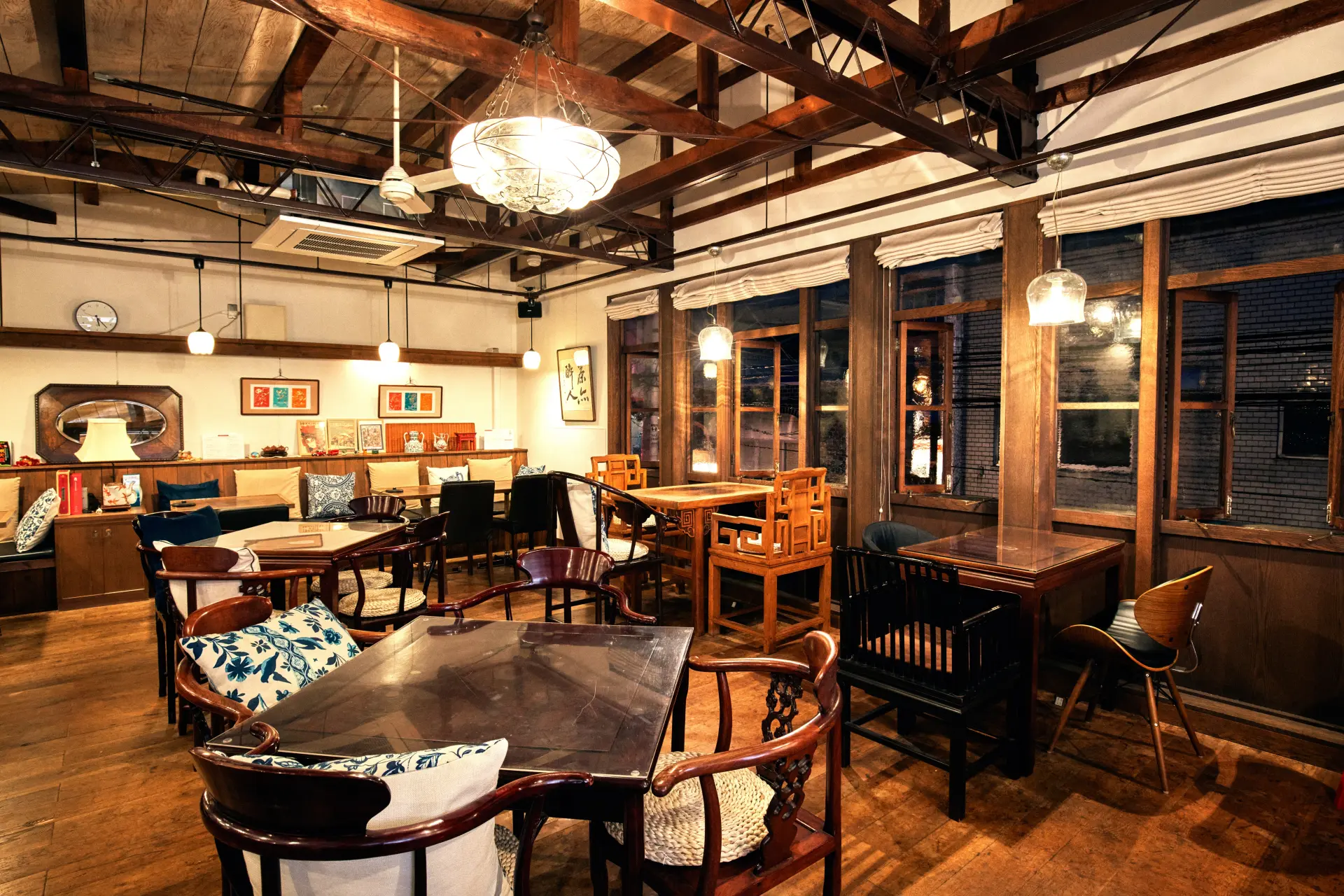
Gokuu Tea House is a cafe in Yokohama Chinatown where you can experience authentic Chinese tea. Located Approx. 10 m from Kanteibyo Temple, a Chinatown symbol, it has brought fresh delight to visitors since opening in 2001, with a selection that satisfies everyone from beginners to serious tea lovers.
The second floor is a teahouse (cafe floor), where you can enjoy around 40 types of Chinese tea at any time, along with desserts and light meals. In the relaxed, calm interior, it’s perfect for sipping tea while daydreaming—or enjoying a chat.
The Great-Value “Yokohama Chinatown Tabigurume Ticket”
The “Yokohama Chinatown Tabigurume Ticket” is a great-value special ticket set that includes a one-day pass for unlimited rides on all Tokyu lines and the Minato Mirai Line, plus a meal voucher you can use at designated restaurants in Yokohama Chinatown and the Minato Mirai area.
There are two ways to buy it. You can purchase a magnetic ticket with cash at ticket windows at Tokyu line stations (not sold at Setagaya Line and Kodomonokuni Line stations). The other option is to buy it online as a digital ticket through the “Q SKIP” service.
On the day, this single ticket lets you hop on and off Tokyu lines and the Minato Mirai Line freely, making it easy to use Motomachi-Chukagai Station as your base to visit popular sights such as the Red Brick Warehouse and Yamashita Park. The meal voucher lets you enjoy a special menu at participating restaurants, and each voucher can be used by one person only. It’s a convenient ticket for enjoying both Yokohama sightseeing and Chinatown food.
- Price
-
Adults: 3,300 yen; Children: 2,200 yen
※Same price for both digital and magnetic tickets - Official website
- Official website (Japanese)
3 Nearby Sightseeing Spots Around Yokohama Chinatown
After enjoying Yokohama Chinatown, it’s also recommended to take in the sea, modern architecture, and shopping nearby.
From here, we’ll introduce popular Yokohama sightseeing spots you can reach on foot from Yokohama Chinatown.
1. Yokohama Motomachi Shopping Street
A shopping street that developed around the time Yokohama Port opened, more than 150 years ago, as shops catering to foreigners gathered here.
Along its 600 m main street, you’ll find a wide range of stylish shops, including apparel, general goods, interior design, and accessories, all in an elegant Western-inspired atmosphere.
With many sophisticated cafes and restaurants, it’s also great for taking breaks as you enjoy shopping at a relaxed pace.

2. Yamashita Park
A waterfront park just a short walk from Yokohama Chinatown.
It opened in March 1930 after land was reclaimed from the sea using rubble from the Great Kanto Earthquake.
Spanning 7.4 hectares, it features wide promenades, flower beds, fountains, and more, making it a relaxing spot for Yokohama locals and visitors alike.
The beautiful scenery—Yokohama Port and the city’s skyline including Landmark Tower—is a highlight, and the night views are also popular.

3. Yokohama Red Brick Warehouse
The Red Brick Warehouse served as a state-of-the-art warehouse that Japan proudly showcased to the world from the Meiji to Taisho periods. Today, two buildings that preserve the look and feel of the era have been transformed into a culture and shopping destination with shops, restaurants, multi-purpose halls, and more.

FAQ about Yokohama Chinatown
Q
How long does sightseeing in Yokohama Chinatown take?
A
If you want to explore thoroughly, plan for half a day to a full day. For a light stroll, you can see the main streets in around two hours.
Q
How long does it take to get to Yokohama Chinatown from Minato Mirai?
A
Approx. 15 minutes on foot. If you take the Minato Mirai Line, you’ll arrive in Approx. 3 minutes.
Summary
In this article, we introduced the features of Yokohama Chinatown, how to enjoy it, and must-visit food spots.
Enjoy the neighborhood’s energy, classic Chinese cuisine, trend-forward street food creations, and even Taiwanese dishes.
Since Yokohama Chinatown is in a convenient location for Yokohama sightseeing, it’s easy to add to your itinerary.
Yokohama also has many other charming attractions with an international vibe, so use the articles below to plan a fuller trip.