
![[Shitennoji Temple Travel Guide] Experience Culture and History at Japan’s Oldest Temple](https://static.gltjp.com/glt/data/article/21000/20673/20260328_074445_b7ea1dc6_w1920.webp)
[Shitennoji Temple Travel Guide] Experience Culture and History at Japan’s Oldest Temple
Founded by Prince Shotoku, a great historical figure known to nearly all Japanese people, Shitennoji Temple is one of Japan’s oldest temples.
It is known for its ancient architectural style, considered the oldest in Japan.
It also features a Japanese garden where you can enjoy beautiful natural scenery and a classic Japanese atmosphere, making it a great place to experience Japanese history and culture.
This article introduces the history and highlights of Shitennoji Temple.
Its spacious grounds are packed with attractions, and this guide will help you make the most of your visit.
What is Shitennoji Temple Like?
Located in Tennoji Ward, Osaka City, Shitennoji Temple also gave the area its name.
Along with Asukadera Temple in Nara, it is one of Japan’s oldest temples and one of the seven temples said to have been founded with the involvement of Prince Shotoku.
Prince Shotoku was an imperial prince and politician of the Asuka period (592–710) who worked to establish a centralized state under the emperor by introducing Buddhism.
Horyuji Temple in Nara, the world’s oldest wooden structure and a UNESCO World Heritage Site, is also one of the seven temples associated with Prince Shotoku.
Shitennoji Temple is also famous as the first state-sponsored temple in Japanese Buddhism.
A state-sponsored temple was one that received financial support in exchange for being supervised by the state.
It also referred to a formally recognized temple status.
The temple is known for the Shitennoji-style temple layout, the oldest architectural arrangement in Japan, in which the Inner Gate, Five-Story Pagoda, Main Hall, and Lecture Hall are aligned in a straight line from south to north, with corridors built around them.
From the iconic Five-Story Pagoda to many other sights, the temple grounds are full of highlights.
The Treasure House, where you can view National Treasures and Important Cultural Properties, is also not to be missed.

History of Shitennoji Temple
Shitennoji Temple was founded in 593.
When the war against anti-Buddhist forces was turning against him, Prince Shotoku carved statues of the Four Heavenly Kings, guardian deities of the Buddhist world, and prayed for victory in battle.
He also vowed that if he won, he would build a temple to enshrine the Four Heavenly Kings and save all people in the world.
Perhaps thanks to that prayer, he won the war against the anti-Buddhist forces and fulfilled his vow by actually building the temple.
Later, even when buildings on the grounds were destroyed by natural disasters and war, people worked together to restore them each time. Even today, the temple welcomes many visitors every day.

Access to Shitennoji Temple
Here is how to get to Shitennoji Temple starting from Osaka Station, a major transportation hub for sightseeing in Osaka.
You can also get there by limited express on the JR Tokaido Main Line, but it only takes around 6 minutes longer than the route below, so keep that in mind.
- Route
-
1. Take the JR Osaka Loop Line from Osaka Station and get off at Tennoji Station
2. Walk north from Tennoji Station for Approx. 12 minutes - Travel time
- Approx. 30 minutes
Shitennoji Temple Hours and Admission
Please refer to the table below for Shitennoji Temple’s Hours and Admission.
The gates are open 24 hours a day, and you can visit and pray outside the temple buildings at any time.
- Hours
-
・April–September 8:30am–4:30pm
・October–March 8:30am–4:00pm - Admission
-
・Central Precinct: Adults 500 yen, high school and college students 300 yen, junior high school students and younger free
・Garden: Adults 300 yen, high school and college students 200 yen, elementary and junior high school students 200 yen
・Treasure House: Adults 500 yen, high school and college students 300 yen, junior high school students and younger free
What Is the Best Season to Visit Shitennoji Temple?
If you are planning to visit Shitennoji Temple, spring is the best season for cherry blossoms.
You can see cherry trees throughout the grounds, but the Japanese garden known as the Garden of the Pure Land of Paradise offers especially beautiful scenery.
A stroll through the garden lets you enjoy cherry blossoms that add color to a range of distinctly Japanese landscapes.
The elegant Five-Story Pagoda seen through the blossoms is another sight you should not miss.

Don’t Miss These! 5 Highlights of Shitennoji Temple
Shitennoji Temple has many things to see, but if you cover the five highlights introduced below, you will get a real sense of Japanese history, culture, and the appeal of Japanese Buddhism.
Pay attention to the buildings designated as Important Cultural Properties and the temple’s ancient architectural style, and make the most of your time exploring the grounds.
1. The Central Precinct, Built in Japan’s Oldest Architectural Style
The Central Precinct is where you can see the oldest architectural style in Japan, a defining feature of Shitennoji Temple.
It consists of the Lecture Hall, Main Hall, Five-Story Pagoda, Inner Gate, and West Great Gate, and you can enjoy both the architectural style and the unique attractions of each structure.
Please refer to the table below for the highlights of each building.
- Lecture Hall
-
The Lecture Hall is a place where sutras are read and Buddhist teachings are explained.
The interior is divided into the Natsudo on the west side and the Fuyudo on the east side.
The current Lecture Hall is a reconstruction, but Prince Shotoku is said to have used the original hall.
Highlights include the murals inside and the faithfully recreated architectural style of an ancient temple. - Main Hall
-
The Main Hall enshrines Kuse Kannon, the principal image of Shitennoji Temple.
Its imposing appearance and exterior decorated in vivid vermilion are part of its appeal.
The statues of the Four Heavenly Kings arranged around Kuse Kannon are also a highlight. - Five-Story Pagoda
-
The Five-Story Pagoda can be called the symbol of Shitennoji Temple.
At the time of the temple’s founding, Prince Shotoku is said to have placed six Buddhist relics and six strands of his own hair in the central foundation pillar of the pagoda, expressing his wish to save the six realms, hell, hungry ghosts, beasts, asura, humans, and heaven. For this reason, it is also known as the Pagoda of Salvation for the Six Realms.
You can enter the building, and from the top floor you can look out over Osaka City. - Inner Gate
-
The Inner Gate at the southern end of the Central Precinct has statues of the guardian deities Kongorikishi placed on both sides.
Because another name for Kongorikishi is Nio, it is also called the Nio Gate.
When passing through the Inner Gate, take a close look at the powerful guardian statues. - West Great Gate
-
The West Great Gate is the entrance to the Central Precinct, and this is also where you pay the admission fee.
Take your time admiring the beautiful contrast of vivid white and vermilion on its exterior.
As the place where you step into the Central Precinct, it has a mysterious atmosphere that is sure to heighten your anticipation.

2. The Japanese Garden “Garden of the Pure Land of Paradise,” Where You Can Enjoy Beautiful Scenery and Classic Atmosphere
The Garden of the Pure Land of Paradise is a stroll garden centered around a large pond, designed to be appreciated while walking along its paths.
The Approx. 10,000-square-meter garden has two streams and two ponds fed by natural spring water,
creating scenic views and a uniquely Japanese atmosphere.
A walk through the garden lets you enjoy seasonal scenery such as cherry blossoms, fresh greenery, and autumn leaves.

3. The Treasure House, Home to National Treasures and Important Cultural Properties
The Treasure House preserves and displays more than 500 cultural assets owned by Shitennoji Temple, including National Treasures and Important Cultural Properties. In addition to the permanent exhibition, special and themed exhibitions are also held on a variety of topics.
Depending on the time of year, there may also be special or themed exhibitions focused on Prince Shotoku.

4. Rokuji Raizando Hall, Designated an Important Cultural Property
Located in the center of the temple grounds, Rokuji Raizando Hall is an Important Cultural Property.
Its name comes from the Buddhist service called Rokujiraisan, in which prayers are offered six times a day.
It is also a place for memorial services and interment, making it one of the central structures of Shitennoji Temple.
The Stone Stage in front of Rokuji Raizando Hall is also an Important Cultural Property and counted among Japan’s three great stages, so be sure not to miss it.

5. The Stone Torii, a Rare Sight at a Modern Temple
Originally made of wood, the Stone Torii took its current stone form in 1294.
Torii gates were originally structures placed around sacred sites to mark off holy ground, so their presence at a temple is not unusual in itself.
However, in modern Japan, torii are mainly associated with shrines, so seeing one at a temple is rare.
To see this unusual sight, be sure to visit the Stone Torii, which is designated as an Important Cultural Property.

A Must-See: Shitennoji Temple’s “Doya Doya,” the Midwinter Naked Festival
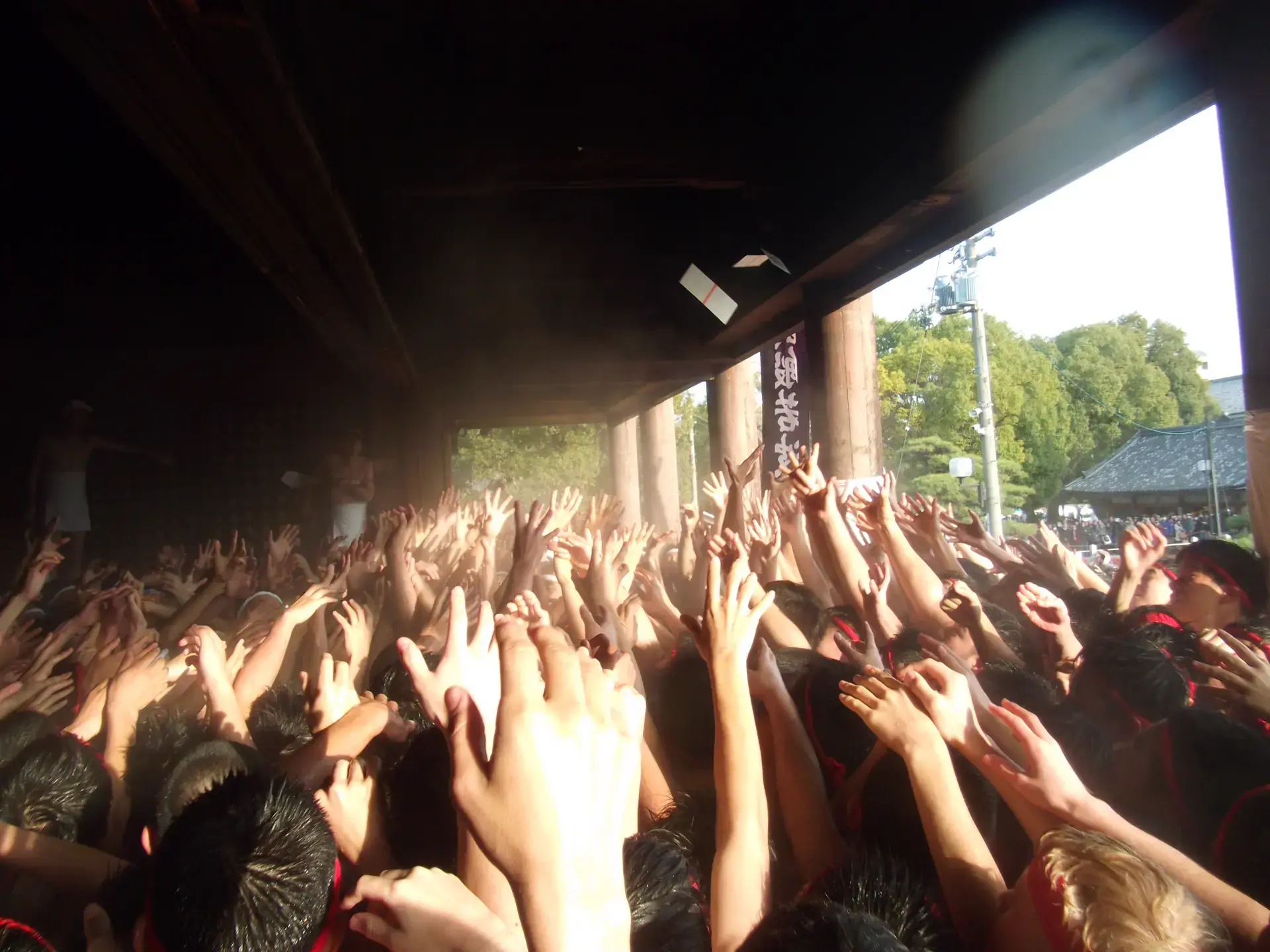
At Shitennoji Temple, the New Year Buddhist service called Shusho-e begins on New Year’s Day to pray for national peace and a bountiful harvest. On January 14, the final day of the observance, Doya Doya, famous as Osaka’s only naked festival, is held.
After the concluding Shusho-e service is performed inside the hall, men wearing red and white fundoshi loincloths and headbands gather in the temple grounds and scramble for protective talismans blessed during the service. This traditional event began in the Edo period, has continued for over 300 years, and is sometimes called one of Japan’s three great strange festivals.
On the morning of January 14, when Doya Doya is held, the Shitennoji Tondo Fire Ritual also takes place, in which New Year decorations, sacred straw ropes, and old talismans and amulets used over the past year are brought together, piled up, and ritually burned.

Shitennoji Antique Market, One of the Largest Antique Markets in Kansai
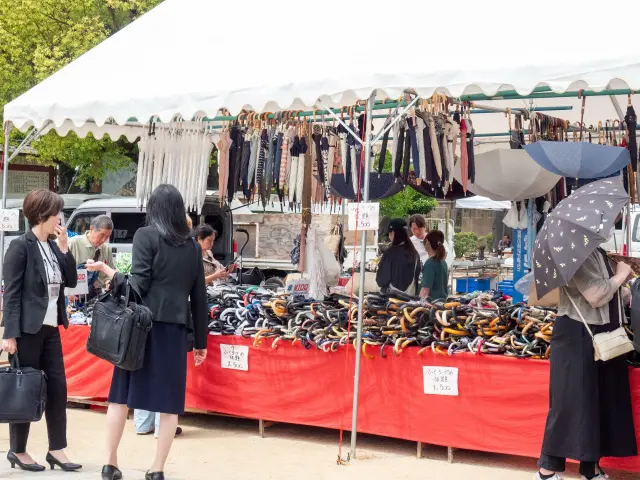
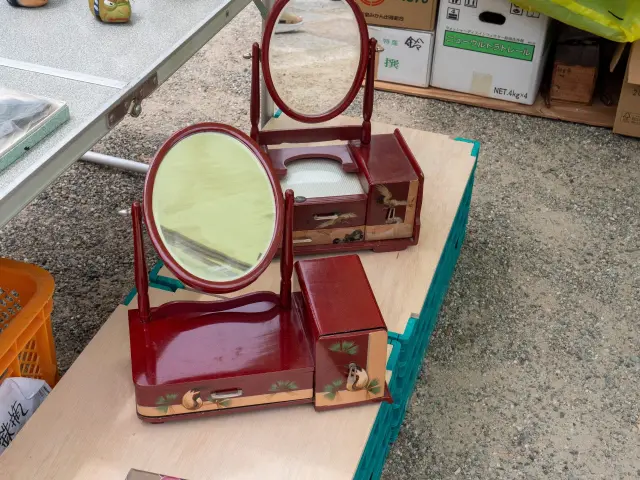
Held on the 21st and 22nd of every month, the Shitennoji Antique Market is one of the largest antique markets in the Kansai region.
During the event, 300–500 stalls set up across the temple grounds.
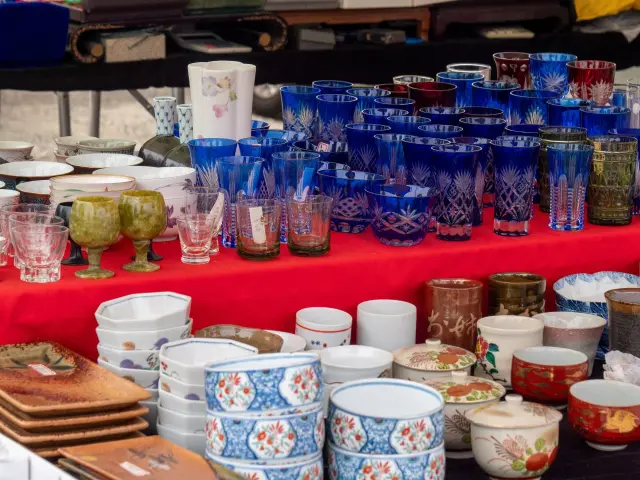
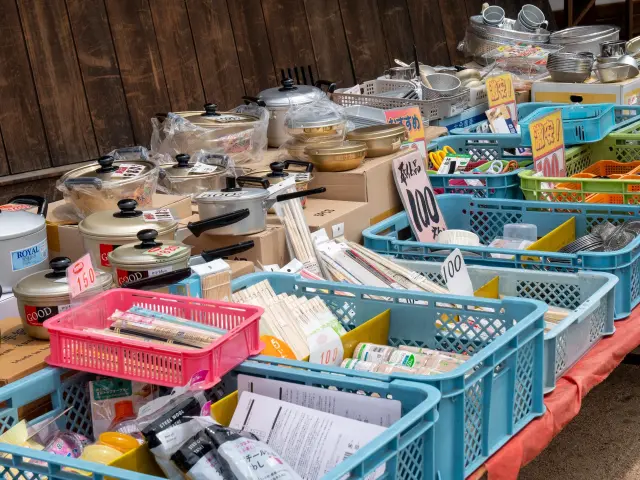
Not only tableware and small goods, but also furniture, kimono, paintings, and many other items are sold.
There are also food stalls, so you can enjoy street eats such as takoyaki and buttered potatoes while you browse.
The lively grounds during the event feel more like a festival than a market.
If your timing works out, try hunting for a special find at the Shitennoji Antique Market.

5 Nearby Attractions Around Shitennoji Temple That Capture the Charm of Osaka
There are many popular sightseeing spots in Osaka around Shitennoji Temple.
It is also close to the Namba area, where you can fully enjoy Osaka’s lively character, making it easy to plan your itinerary.
If you are not sure where to go, visit the five spots introduced below.
They are not only close to Shitennoji Temple, but also among Osaka’s most popular attractions with plenty to see.
1. Tsutenkaku Tower
Tsutenkaku Tower consists of five above-ground floors and one basement level below the special outdoor observation deck. On the 5th floor, 87.5 meters above ground, you will find the gold-decorated Golden Observation Deck and Billiken, the deity said to bring good luck when you rub the soles of its feet. The current Billiken is the third generation and is known for its blond hair.
At the top, 94.5 meters above ground, the special outdoor observation deck called Tenbo Paradise has a circular observation corridor with a diameter of 8.5 meters, as well as the projecting observation platform TIP THE TSUTENKAKU, whose tip has a see-through floor.


2. Abeno Harukas
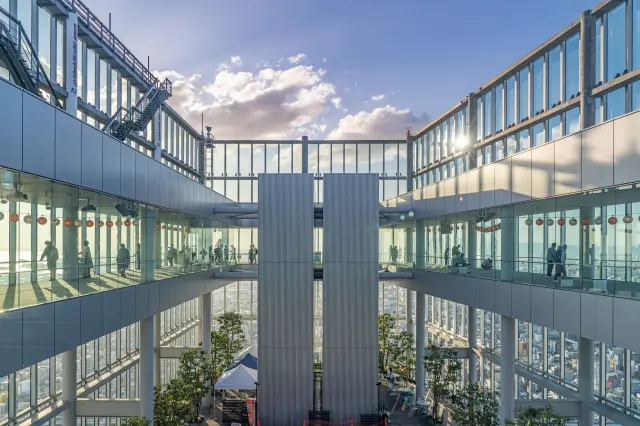
A 300-meter-tall super high-rise complex that opened in 2014.
Floors from the 2nd basement level to the 14th floor house Abeno Harukas Kintetsu Main Store (Kintetsu Department Store) and Abeno Harukas Dining.
The Harukas 300 observation deck spans three levels, on the 58th, 59th, and 60th floors.
The top 60th floor is an impressive indoor corridor enclosed in glass from floor to ceiling, offering the sensation of walking in the sky.

3. Tennoji Zoo
Tennoji Zoo opened on January 1, 1915, and marked its 100th anniversary in 2015.
About 1,000 animals from Approx. 170 species are kept in the Approx. 11-hectare zoo. Areas such as the reptile house IFAR and the African Savanna Zone, home to hippos, giraffes, lions, and more, use ecological exhibits that recreate the animals’ natural habitats as closely as possible.
Various events are also held throughout the zoo.
With seasonal events such as feeding experiences in the petting area and the limited-time Night ZOO, there are plenty of ways to enjoy the zoo throughout the year.


4. Tennoji Mio
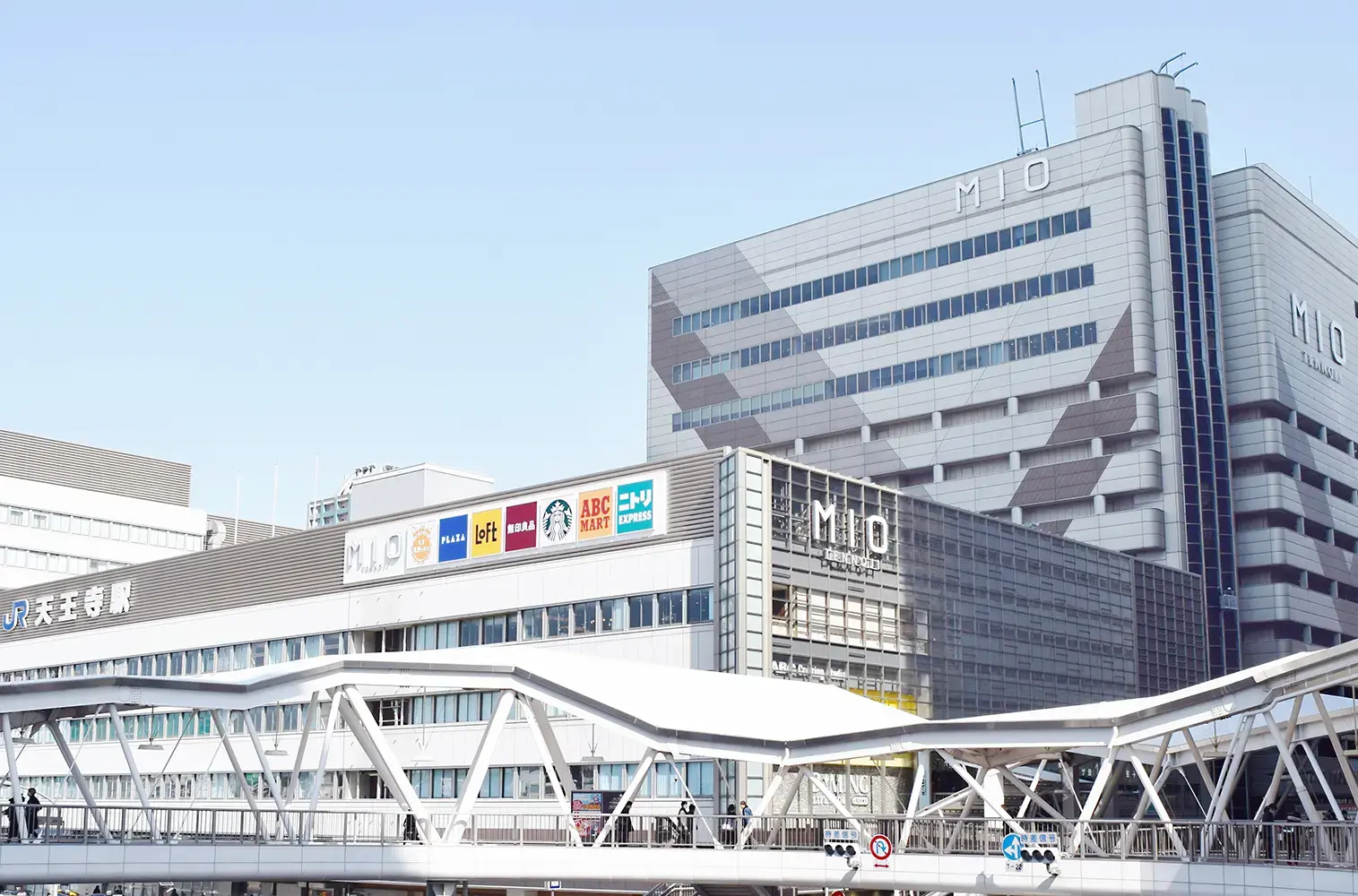
A highly convenient shopping complex directly connected to JR Tennoji Station and easily accessible from other public transportation as well.
Made up of the Main Building and Plaza Building, it brings together around 340 shops focused mainly on fashion, along with accessories, cosmetics, and miscellaneous goods. It also has handy 100-yen shops and stores selling popular anime and manga character goods, making it popular with a wide range of visitors.
5. Chausuyama
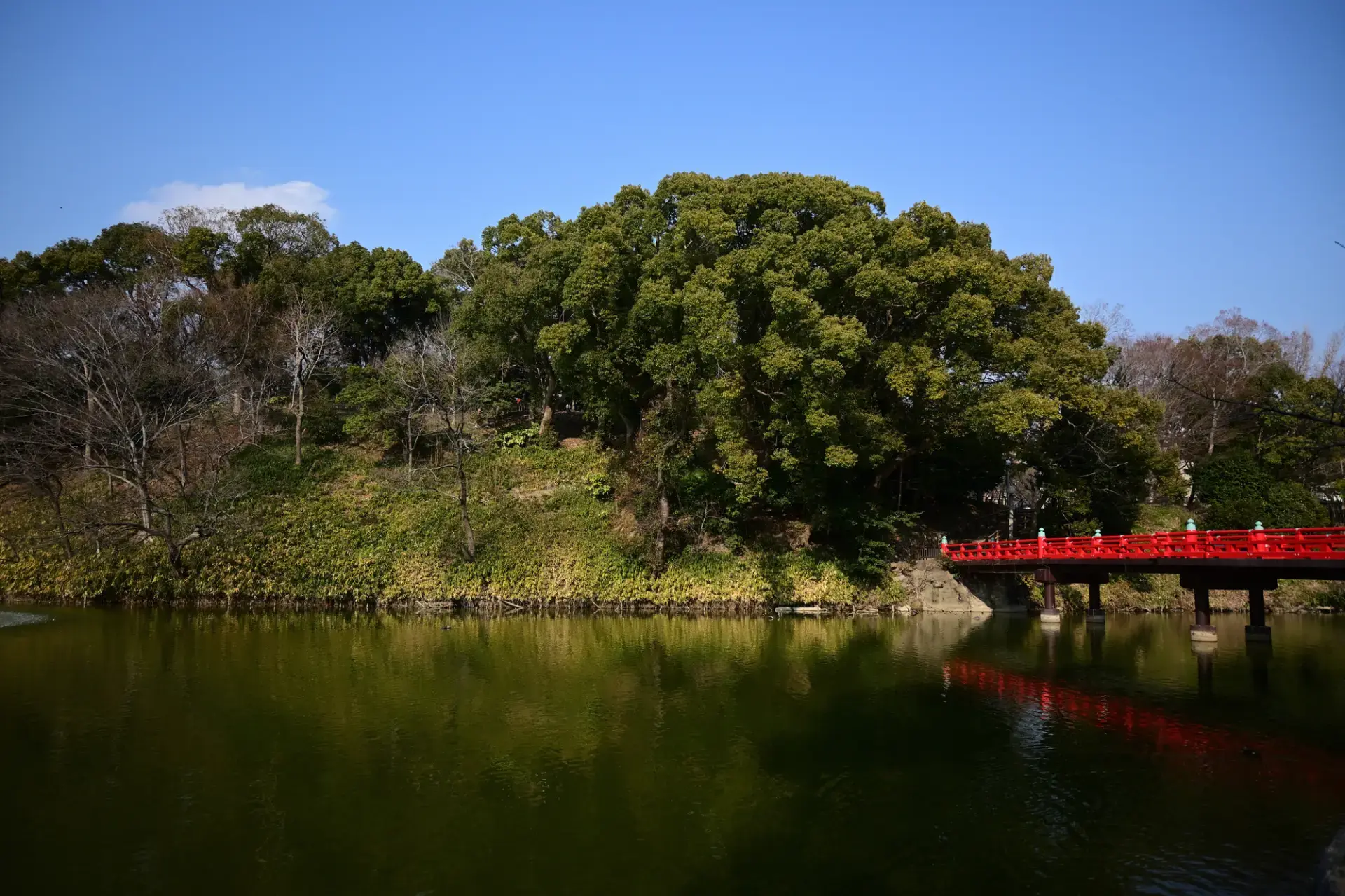
A small hill with an elevation of 26 meters, Chausuyama is counted among Osaka’s five low mountains along with Mt. Tempozan and Tezukayama.
It is also famous as a battlefield from the Siege of Osaka in the early Edo period, serving as the site of the Battle of Chausuyama, where Tokugawa Ieyasu set up his main camp during the Winter Campaign and Sanada Yukimura did the same during the Summer Campaign.
At the foot of the hill is Kawasoko Pond, and Wakihashi Bridge connects it to Tennoji Park.

3 Popular Restaurants Near Shitennoji Temple
The area around Shitennoji Temple is home to appealing dining spots in a variety of styles, from casual solo shabu-shabu to restaurants with sweeping city views.
Whether you want to relax after a day of exploring history or savor the moment while enjoying the scenery, these are well worth a stop.
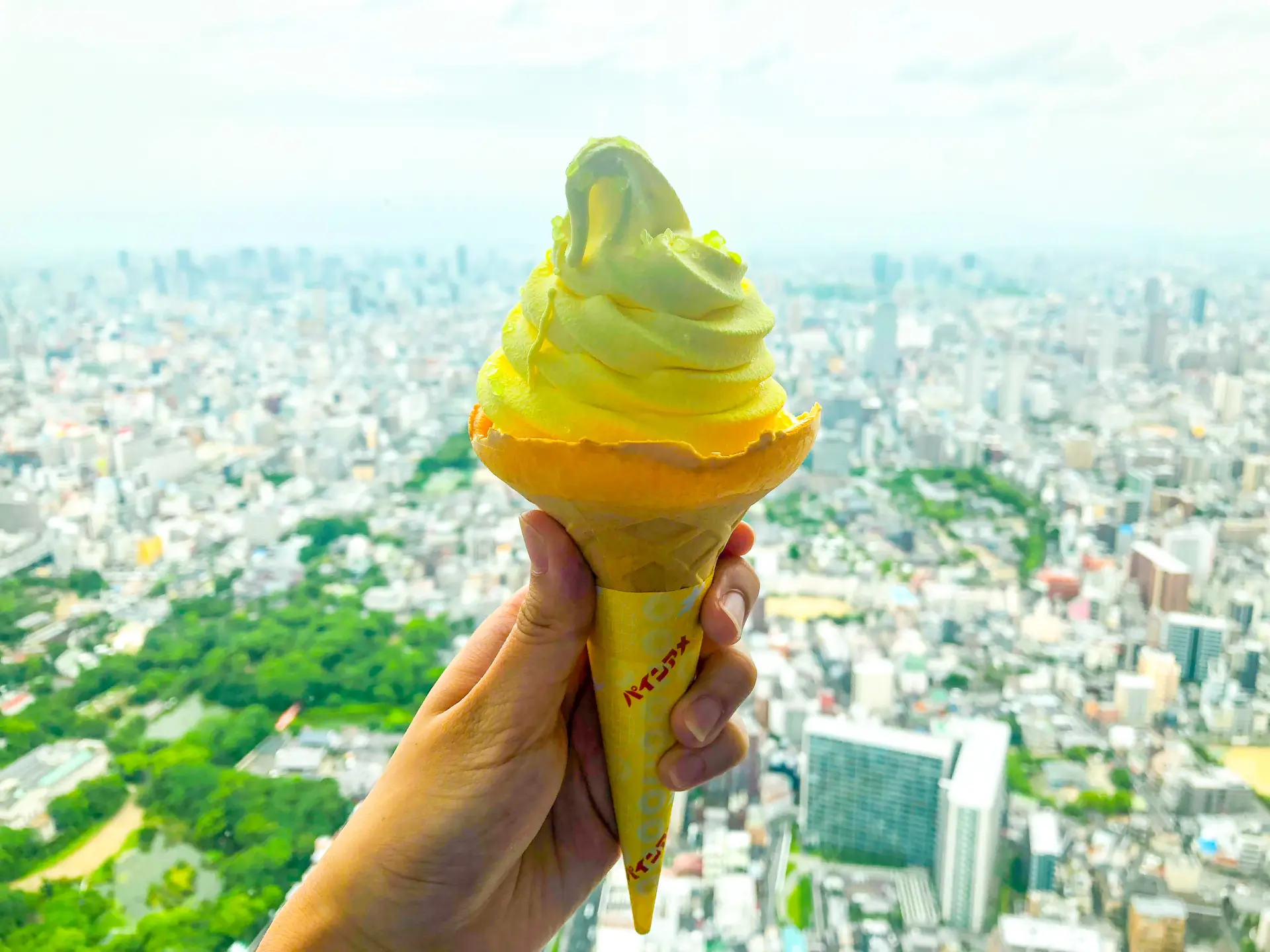
1. SKY GARDEN 300
A cafe, dining, and bar venue located in Harukas 300, the observation floors on the 58th to 60th floors of Abeno Harukas.
From the interior, 300 meters above ground, you can see across Osaka and, on clear days, as far as the streets of Kyoto, the Rokko mountain range, and even Akashi Kaikyo Bridge.
You can enjoy different views depending on the time of day, from bright daylight, to sunset as the sky changes color moment by moment, to strikingly beautiful night views.
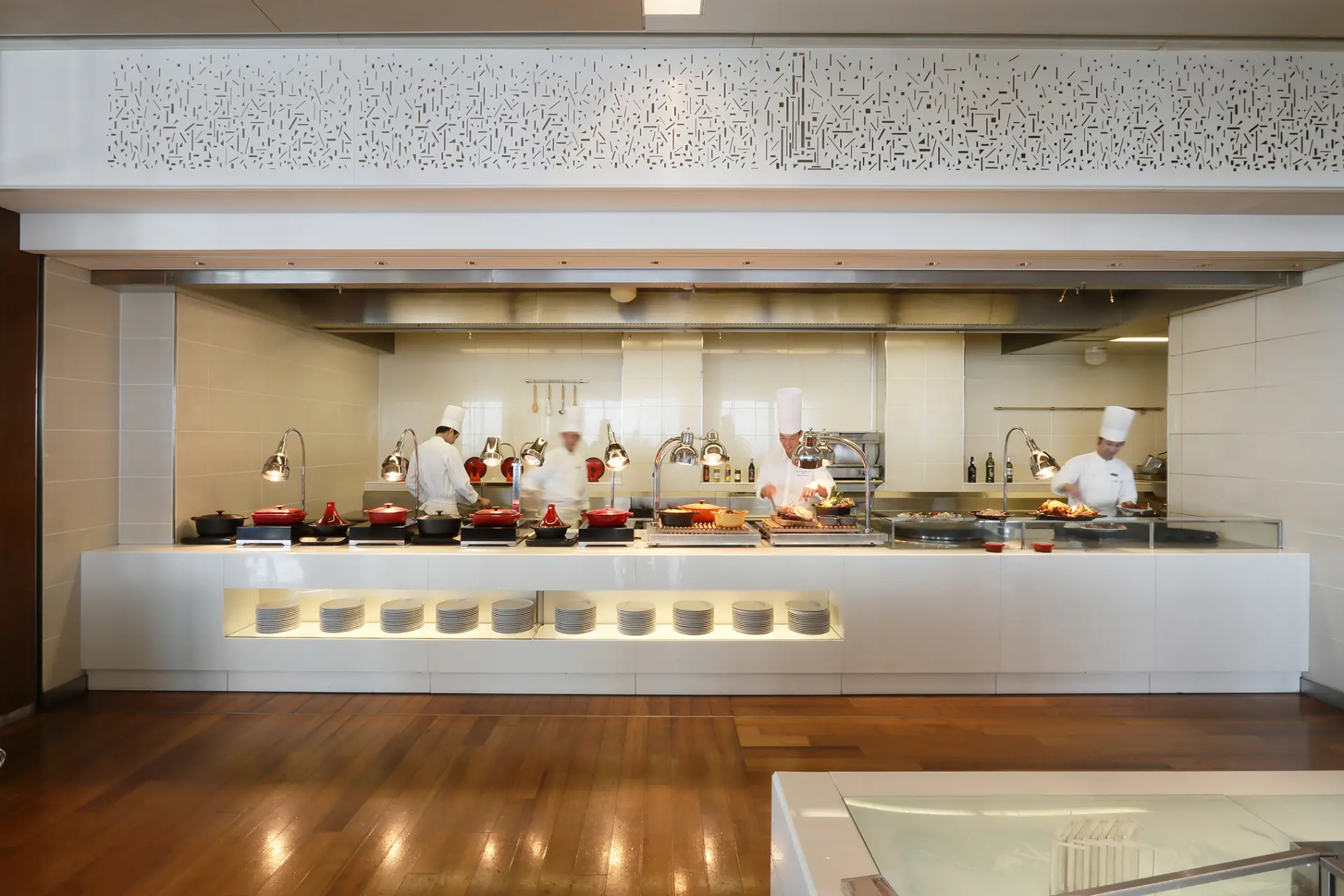
2. Live Kitchen “COOKA”
A buffet-style restaurant located on the 19th floor of Osaka Marriott Miyako Hotel, Approx. 100 meters above ground.
As soon as you step inside, a sweeping panorama beyond the large floor-to-ceiling windows comes into view.
The vista is breathtaking, looking out over Osaka’s cityscape below and stretching from Osaka Bay all the way to Awaji Island.
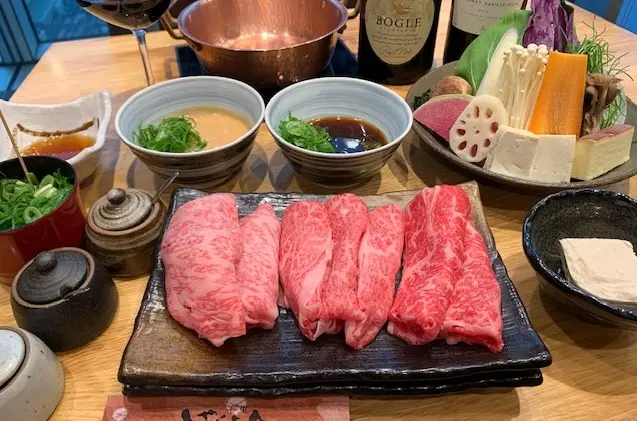
3. Senri Shabuchin
The second branch of a solo hot pot shabu-shabu specialty restaurant founded in 1972 in Senri Chuo, located in Senri New Town in Toyonaka City.
When the main branch first opened, shabu-shabu was considered a luxury dish shared by several people around one pot.
The idea of enjoying it in your own personal pot was revolutionary and quickly became popular. Its casual counter-style setting also helped overturn the image of shabu-shabu as something formal and intimidating.
3 Recommended Places to Stay Near Shitennoji Temple
If you are looking for a place to stay near Shitennoji Temple, Namba is a great choice as a convenient base for sightseeing.
From the many hotels available, we have selected stylish properties with distinctive character where you can enjoy a comfortable, high-quality stay.
Choose the one that best matches your travel style.
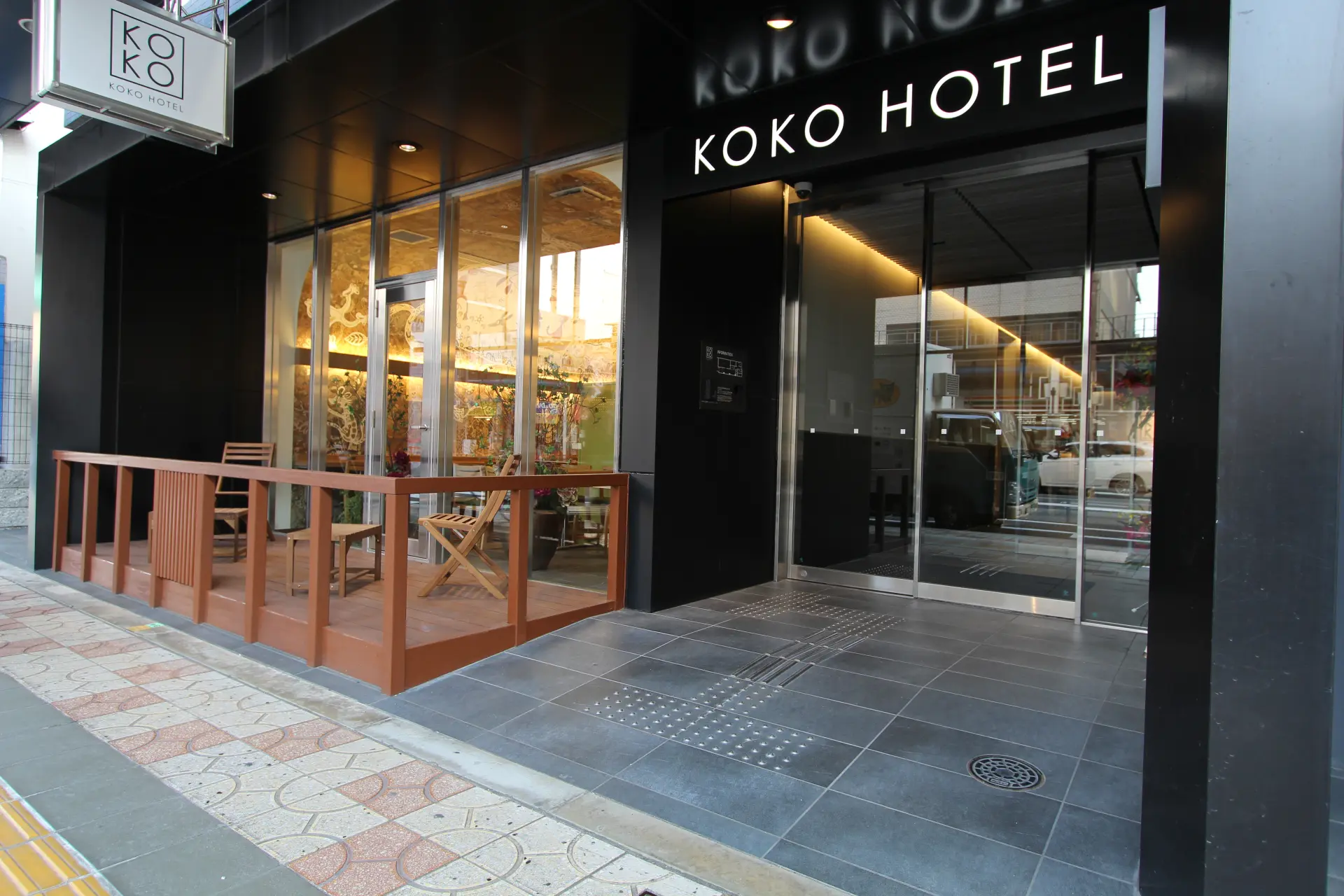
1. KOKO HOTEL Osaka Namba
This hotel stands in the Nipponbashi area, known as the center of subculture in Osaka, lined with shops selling anime goods, figures, plastic models, and IT devices.
In addition to its convenient location with easy access to Namba and Shinsaibashi, it is also well regarded for its refined interiors, fully renovated as part of its 2021 rebranding.
The guest rooms, all equipped with Wi-Fi, come in four types.
2. Citadines Namba Osaka
A hotel that opened in 2020 inside the Takashimaya East Building Annex, close to Kuromon Market, Osaka’s famous food marketplace, and the Nipponbashi Den Den Town electronics district.
Located in the heart of Minami, Osaka, it is about a 10-minute walk from Namba Station, offering excellent access.
In 2021, the building was designated an Important Cultural Property of Japan and is one of Osaka’s representative examples of modern architecture. Citadines Namba Osaka has 313 rooms inside this notable building.

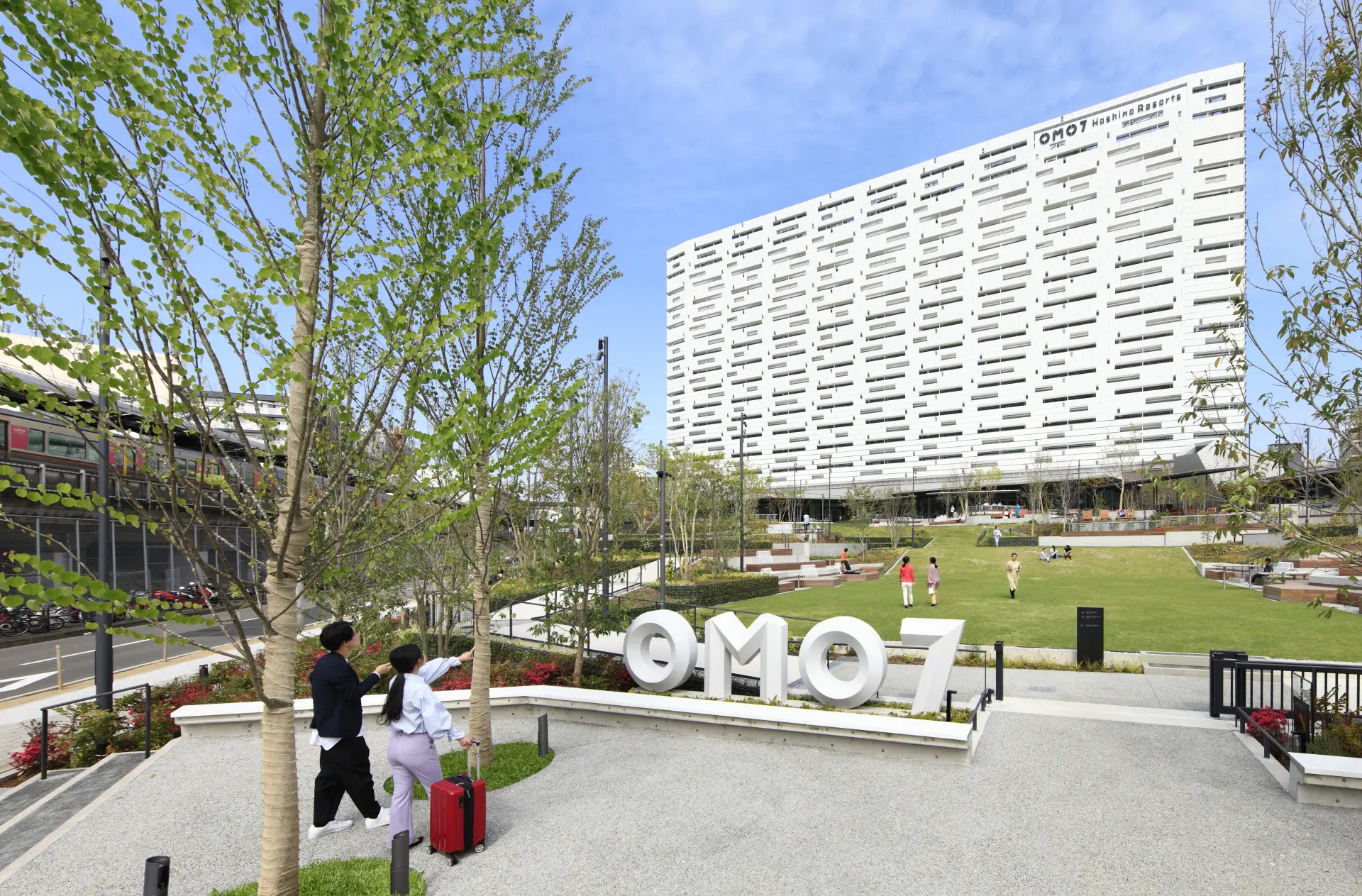
3. OMO7 Osaka by Hoshino Resorts
A hotel in the Shinsekai area, one of Osaka’s most atmospheric neighborhoods, home to the iconic Tsutenkaku Tower and the old-fashioned shopping street Janjan Yokocho.
The garden area Miyagurin, with its lush green lawn, feels like an urban oasis, complete with a symbolic bathhouse and seasonal events that may feature neon art.
The guest rooms come in a wide variety, from unique rooms displaying an OSAKA Board featuring major sightseeing spots in the living space to more refined deluxe rooms with a calm, upscale feel.
Reviews
Some reviews are AI-translated.
-
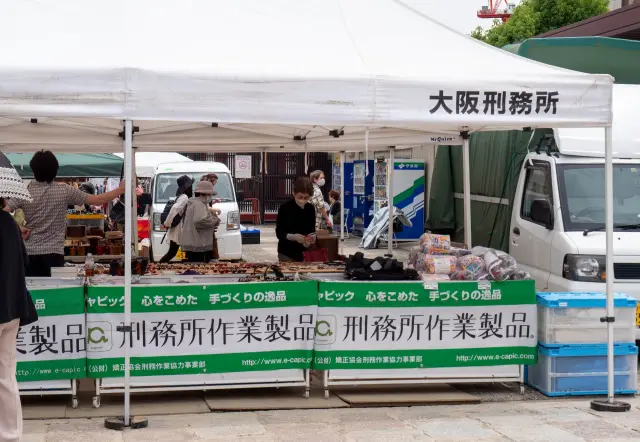
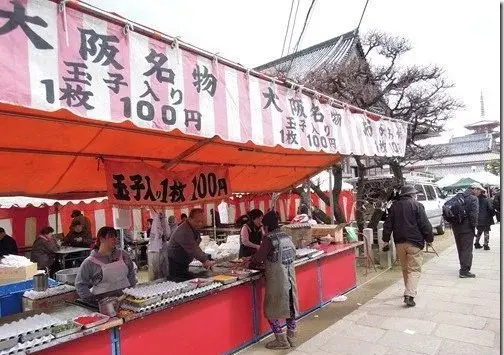
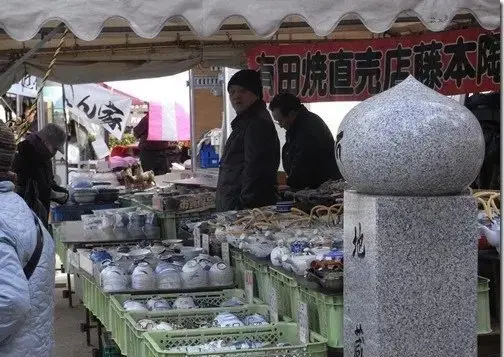
If you like antiques, secondhand kimono, vintage household items, or flea markets full of everyday character, the market at Shitennoji Temple in Osaka is worth planning a special trip for. While researching, I found that there are markets on both the 21st and 22nd. I originally thought they would be about the same, but after visiting, I found clear differences in the crowds, number of stalls, and overall atmosphere.
The Daishi-e on the 21st is the largest. It has almost everything, including antiques, vintage items, secondhand kimono, clothing, household goods, and food stalls. The temple grounds are packed with stalls and people, like a large flea market combined with a festival. The atmosphere is lively and energetic, but it's also more crowded, so you may not always be able to stop and look closely at something you like. To see everything, it's best to allow at least half a day, or even plan to spend the entire day there.
The Taishi-e on the 22nd has a completely different feel. The first time I went, I briefly wondered if the event had been canceled because the crowd was so much smaller than on the 21st. You can sense the difference even on the way there. After shopping there twice, I feel this is probably what the Taishi-e is normally like. Although there isn't as much variety as on the 21st, there are still plenty of antiques, vintage items, and secondhand goods. Without the crowds pushing around you, you can take your time and make several rounds. However, there are far fewer food vendors, so I recommend bringing some snacks just in case.
Although the 22nd is less crowded, I actually bought even more things that day than on the 21st. I think it's probably because my view wasn't constantly blocked by people, and I could crouch down and slowly look through the old items laid out on cloth, making it easier to find things I truly liked. I've found reasonably priced Edo Kiriko glassware, vintage tableware, and a maxi dress that suited me here. I had more fun treasure hunting than on the 21st.
If you want a lively market with a full range of stalls and a festival-like atmosphere, I recommend going on the 21st. If you prefer quietly hunting for treasures and don't want to squeeze through crowds, the 22nd is actually more comfortable. Each day's market has its own appeal. For anyone who likes antiques, kimono, and vintage items, Shitennoji Temple is worth a special trip for a leisurely visit, no matter which day you happen to go. -
-
The temple grounds are huge. Once you enter, you can really feel the peaceful and solemn atmosphere. You can easily combine this with a half-day trip to Tsutenkaku and Shinsekai nearby.
-
-
There’s a stone torii gate right in front of Shitennoji’s entrance, which is a pretty historic landmark. Torii gates ⛩ are usually placed in front of Japanese shrines or temples, and the whole hillside is filled with them. Many were donated by people who made wishes and wanted to give back ❤️. It’s also a popular photo spot.






FAQ about Shitennoji Temple
Q
When is the best time to see cherry blossoms at Shitennoji Temple?
From late March to early April.
Q
When is the flea market at Shitennoji Temple held, and what kind of event is it?
It is held on the second Sunday of every month. A wide variety of items are sold, including antiques, artworks, vintage clothing, and miscellaneous goods.
Summary
This article has introduced ways to enjoy Shitennoji Temple, focusing on its history and highlights.
The temple’s appeal lies in its solemn buildings and the grounds filled with a strong sense of history.
To experience the subtle elegance that Japanese people value and the spirit of Japanese Buddhism, be sure to visit Shitennoji Temple.
The article below introduces recommended sightseeing spots in Osaka, home to Shitennoji Temple.
If you are planning to visit Shitennoji Temple, be sure to check it out as well.