

One of Kagawa’s Top Power Spots! A Sightseeing Guide to Kotohiragu Shrine
Known by the affectionate nickname “Konpira-san,” “Kotohiragu Shrine” is one of Kagawa’s most iconic historic shrines.
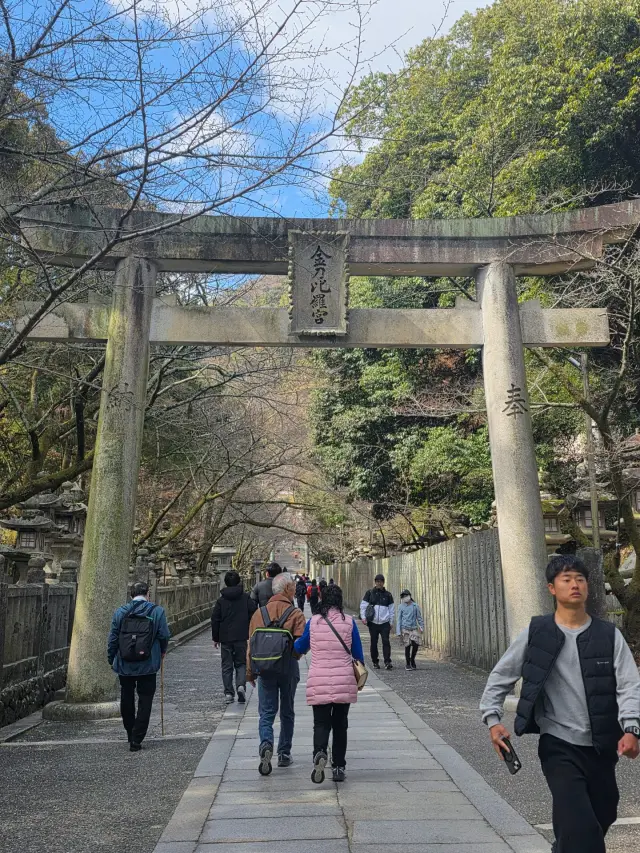
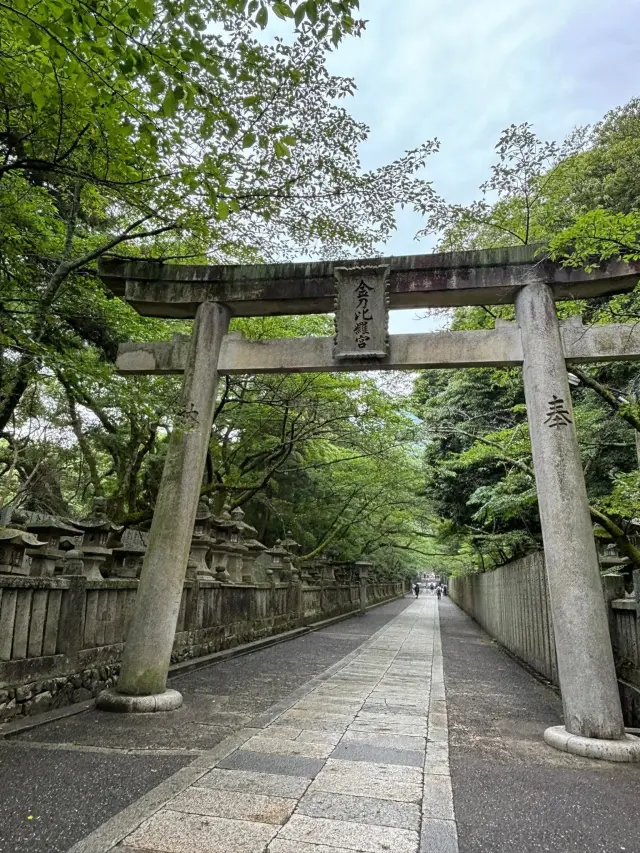
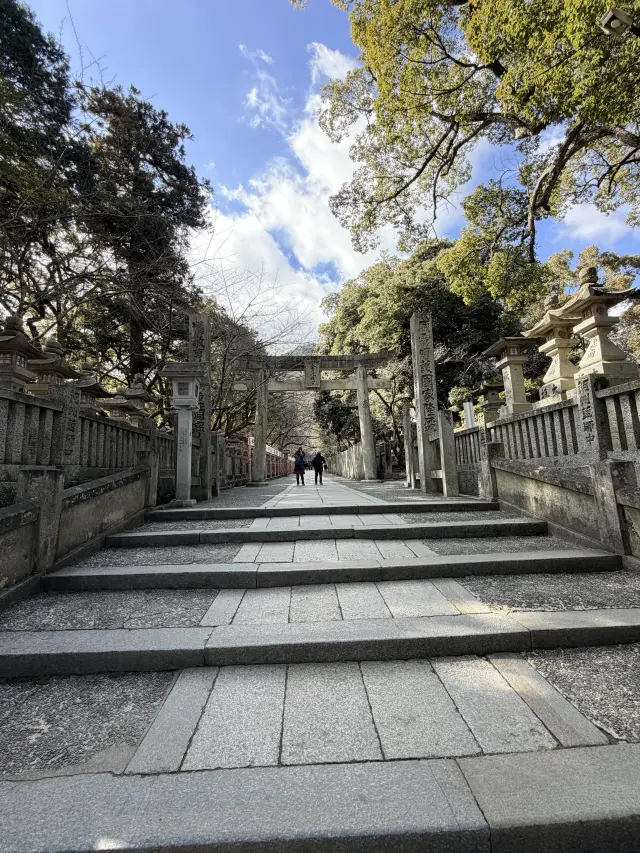
It is especially famous for its long stone staircase leading up to the main shrine, with plenty to enjoy along the way, including natural beauty, tradition, and cultural richness.
The lively atmosphere, filled with many visitors, also makes for a pleasant worship experience.
This article introduces the highlights and charms of “Kotohiragu Shrine.”
It covers the key points so even first-time visitors can enjoy it, so be sure to read to the end.
What is Kotohiragu Shrine Like?
Located in Kotohira Town, Nakatado District, Kagawa Prefecture, “Kotohiragu Shrine” stands halfway up Mt. Zozu, which rises 521 meters above sea level.
With a history of more than 1,000 years, it serves as the head shrine of around 600 Konpira shrines across Japan.
It is also famous as one of Shikoku’s leading power spots, attracting as many as 4 million worshippers from Japan and abroad each year.
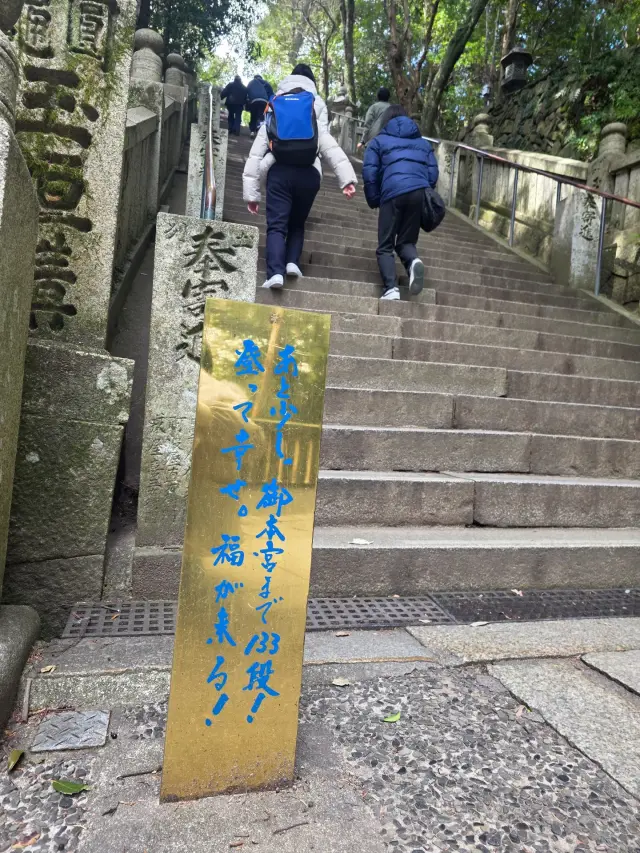
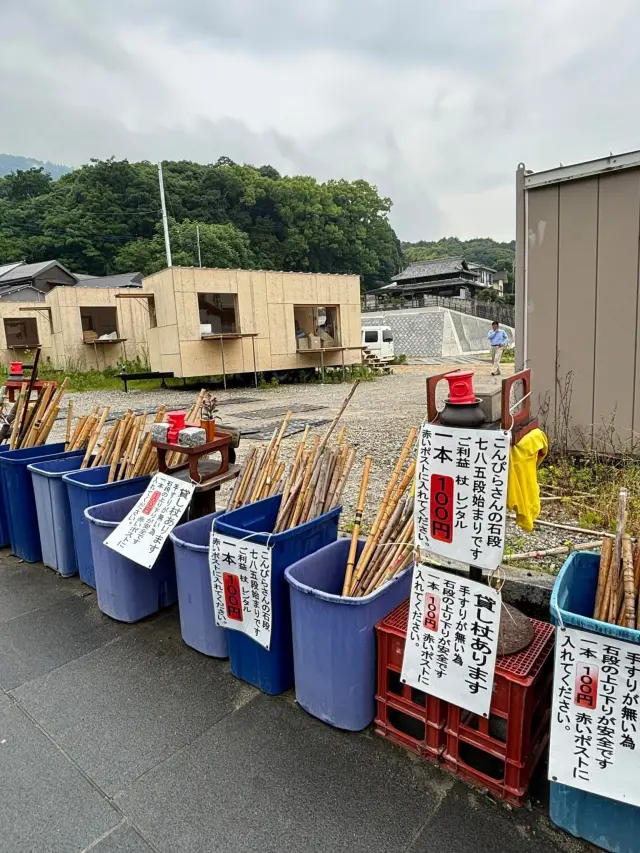
Its approach is known for its many steep stone steps, and visitors must climb 785 steps in Approx. 40 minutes to reach the main shrine, or 1,368 steps in Approx. 1 hour 20 minutes to reach the inner shrine.
That is exactly why the sense of accomplishment when you reach the top is so rewarding, and the beautiful views from above help soothe your fatigue.
When visiting, make sure you are well-rested and wear comfortable clothes that are easy to move in.
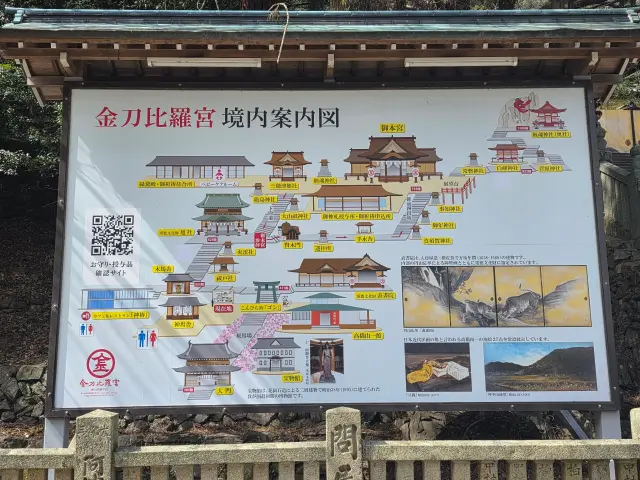
Starting from the Omotesando approach, the route is also full of appealing architecture, natural scenery, and shops.
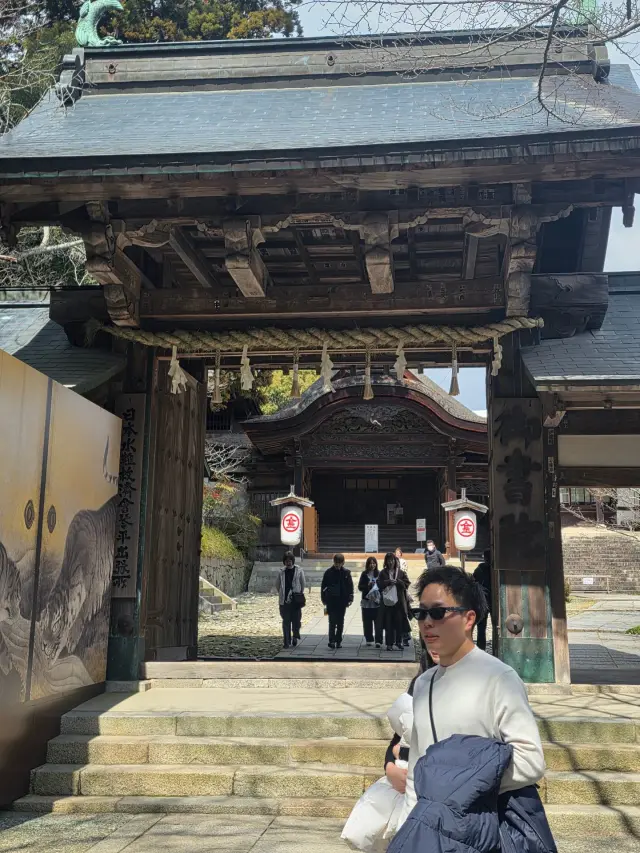
Examples include important cultural properties such as the Omoteshoin, which displays valuable wall paintings, and the Asahisha Shrine, known for its intricate carvings.
The main deities enshrined here are Omononushi no Kami, the guardian deity of maritime traffic, and Emperor Sutoku.
The shrine is said to bring blessings for prosperous business, abundant harvests, recovery from illness, and more.

The Origins of Kotohiragu Shrine
There are several theories about the origins of “Kotohiragu Shrine,” but it is said to have begun with “Kotohira Shrine” (estimated founding: 668–671), where Omononushi no Mikoto enshrined a temporary palace on Mt. Zozu.
From the Heian period (794–1185) onward, it became associated with the Buddhist deity Konpira through the honji suijaku theory, in which Buddhas appear in the form of Shinto gods, and was renamed “Konpira Daigongen.”
In 1165, Emperor Sutoku was also enshrined there together with the main deity.
Following the 1868 order separating Shinto and Buddhism, it returned to the name “Kotohira Shrine,” and was later renamed “Kotohiragu Shrine,” which it remains today.
Access to Kotohiragu Shrine
Here is how to get to “Kotohiragu Shrine” from “JR Takamatsu Station,” a convenient base for sightseeing in Kagawa.
If you want to keep costs down, another option is to walk Approx. 5 minutes to Takamatsu-Chikko Station and take the train route to “Kotoden Kotohira Station.”
- Route
-
1. Take the JR Yosan Line bound for Kotohira from “JR Takamatsu Station” and get off at “JR Kotohira Station”
2. From “JR Kotohira Station,” continue to “Kotohiragu Shrine” on foot (20–30 minutes) or by taxi
※The direct JR Yosan Line train bound for Kotohira runs Approx. once per hour, and routes with transfers at Tadotsu Station or Sakaide Station are also available - Travel Time
- Approx. 1 hour 40 minutes (if walking from JR Kotohira Station)
The Convenient “Konpira Worship Climbing Shuttle Taxi”
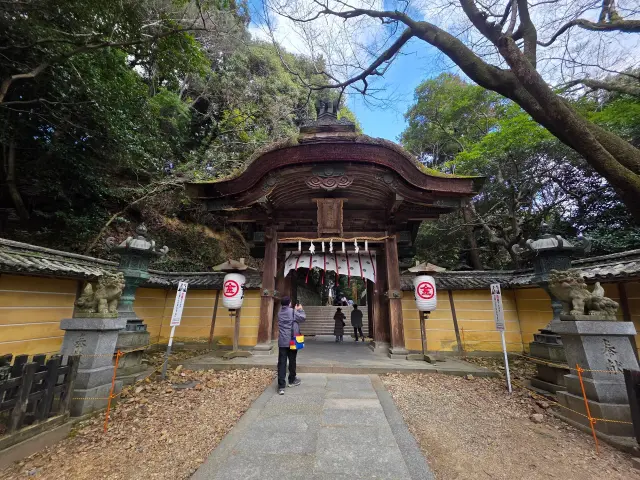
The “Konpira Worship Climbing Shuttle Taxi” is a reservation-only taxi service that takes visitors to the “Omon Gate” (the 365th step), the halfway point along the approach to “Kotohiragu Shrine.”
Because it uses a special access road closed to regular vehicles, it can reach the “Omon Gate” in as little as 10 minutes.
You can board it from anywhere in Kotohira Town, and it will also drop you off at a location of your choice, not just the Omon Gate, which is another great feature.
The fare is set at 700 yen one way, so you can use it just for the uphill ride or just for the downhill ride.
As mentioned above, “Kotohiragu Shrine” is quite far from the nearest station, so this is a recommended service for those who want to sightsee efficiently, those who are not confident about climbing all 785 steps, or those traveling with small children.

What Is the Best Season to Visit Kotohiragu Shrine?
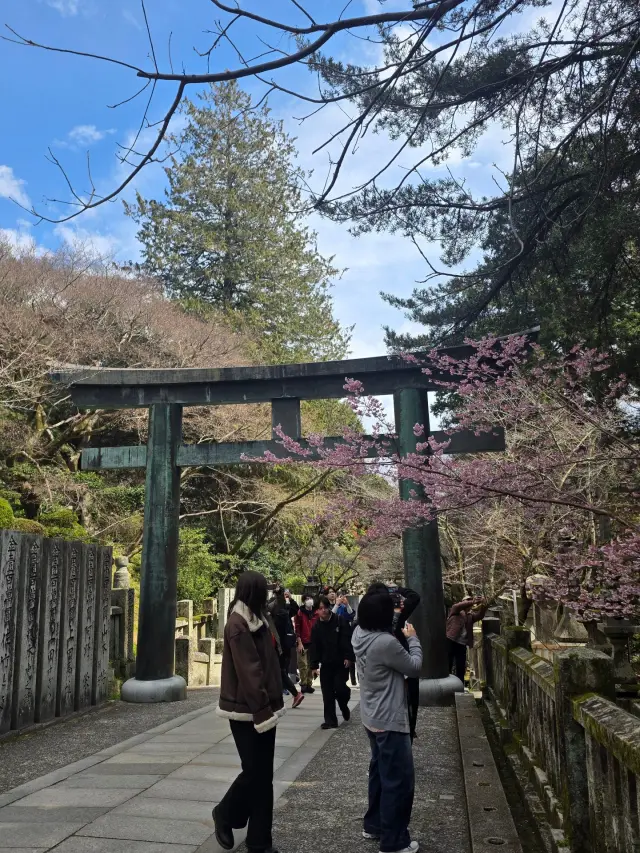
Spring is especially recommended for visiting “Kotohiragu Shrine,” when beautiful cherry blossoms color the shrine grounds.
Every year, the best viewing season usually falls from late March to early April, when Approx. 3,500 Somei Yoshino and mountain cherry trees bloom in full and blanket the area.
One of the most famous spots is Sakura no Baba on the Omotesando approach, near the 370th step, where the elegant row of cherry trees is perfect for a stroll.
You can also enjoy events such as the Oka-sai, which announces the full arrival of spring, and the Otaue-sai, a festival held to pray for abundant harvests.

5 Must-Visit Highlights at Kotohiragu Shrine
“Kotohiragu Shrine,” the most famous temple in Kagawa, is filled with diverse charms, including important cultural properties, works of art, historic buildings, and spectacular views.
As you climb the stone steps, one highlight after another comes into view, making the visit enjoyable all the way up.
Here are five spots you should not miss, so be sure to visit them when you come to “Kotohiragu Shrine.”
1. The Main Shrine, the Main Destination of a Visit to Kotohiragu Shrine
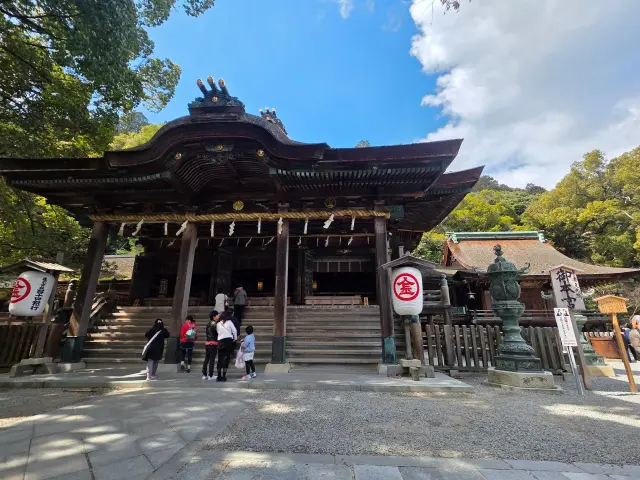
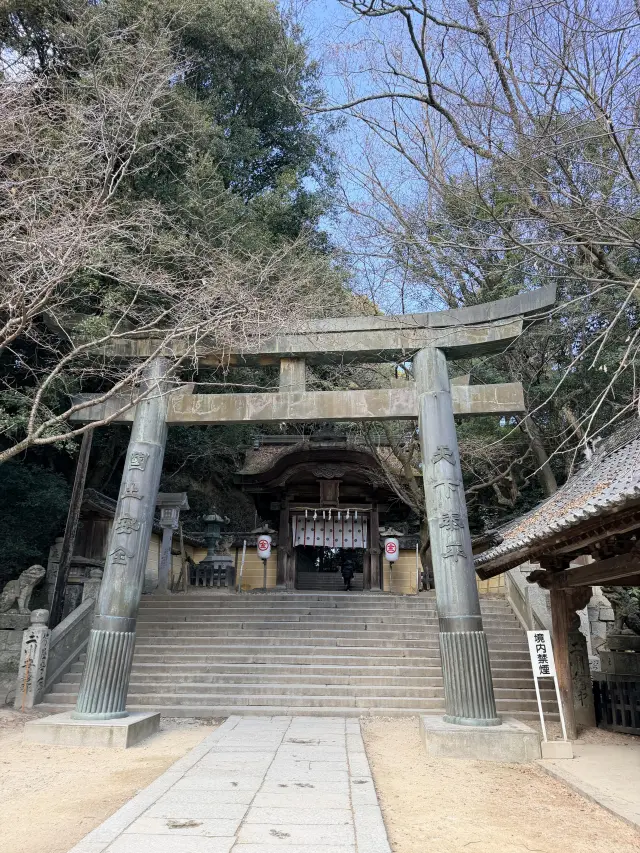
The “Main Shrine” is a solemn shrine building located at an elevation of 251 meters, after climbing 785 stone steps.
It features traditional Japanese hiwadabuki cypress bark roofing and a distinctive architectural style called taisha-sekimune-zukuri, rarely seen elsewhere.
The current shrine building was reconstructed in 1878, but it is said that its origins date back to before 645.
The enshrined deities, Omononushi no Kami and Emperor Sutoku, are widely revered by the public as gods granting a broad range of blessings, including agriculture and medicine, though they are especially strongly associated with the sea.
The open plaza and the observation area on the northwest side also offer attractive views.
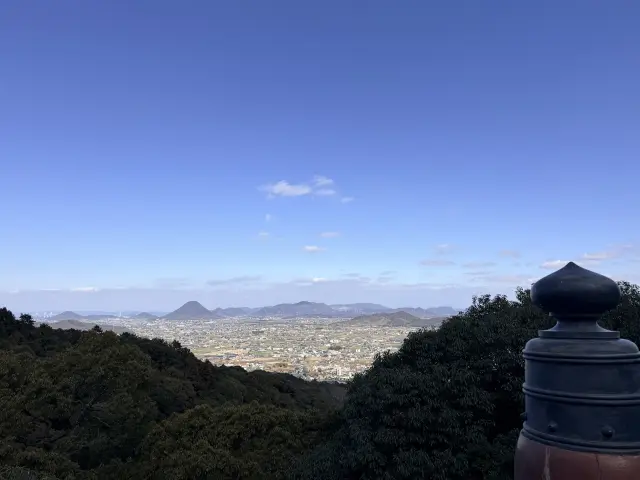
If the weather is clear, you can enjoy a spectacular view stretching as far as the Seto Ohashi Bridge and Sanuki Fuji.

2. The Bronze Statue of the Konpira Dog, Telling a Story of History
During the Edo period (1603–1868), there was a custom in which dogs made pilgrimages on behalf of their owners.
Dogs traveling to “Kotohiragu Shrine” were called “Konpira dogs,” and they were said to wear a pouch around their necks marked “Konpira pilgrimage.”
The pouch contained things like wooden prayer tablets and offering money, and the dogs completed the pilgrimage with help from travelers and local residents along the way.
A bronze statue of the “Konpira dog,” honoring those dogs, stands at the 431st step.
The statue remains beloved today, and its historical background and adorable expression bring comfort to worshippers climbing the long staircase.
It also serves as a good spot to take a break, and many people stop to take photos of it.

3. The Beautifully Decorated Asahisha Shrine, Best Visited on the Way Back Down
Taking Approx. 40 years to complete and built in the late Edo period, “Asahisha Shrine” is an important cultural property located after climbing 628 stone steps.
There is a custom of visiting “Asahisha Shrine” on the way back, so you should head to the “Main Shrine” first.
It has an imposing double irimoya-style structure and a distinctive copper-sheet roof.
Throughout the shrine building, beautifully detailed carvings of swirling clouds, birds and animals, people, and flowers are carved into various places, and its lavish design is truly breathtaking.
At the large water basin in front of it, it is said that your wish will come true if a 1-yen coin floats, so give it a try.

4. The Shoin, Home to Artwork and Cultural Properties
Built in the early Edo period, the “Shoin” was a reception hall used for ceremonies and for hosting visitors who came to worship.
Today, the building itself is an important cultural property, and in addition to the cypress-bark-roofed Omoteshoin, there are also the Okushoin and Shiroshoin. ※Only the Omoteshoin is open to the public
Inside are valuable works of art and cultural properties.
Among the most notable are wall paintings by the artist Maruyama Okyo, the painter Murata Tanryo, and the artist Mori Kansai.
In particular, Maruyama Okyo’s fusuma paintings in the “Tiger Room,” depicting eight tigers across 16 sliding-door panels surrounding a 30-tatami grand hall, are overwhelmingly powerful.
The Okushoin also preserves wall paintings by Ito Jakuchu, a painter whose reputation has grown in recent years, and the artist Gantai.

5. Izutama Shrine (Inner Shrine), Worth Visiting If You Have Time
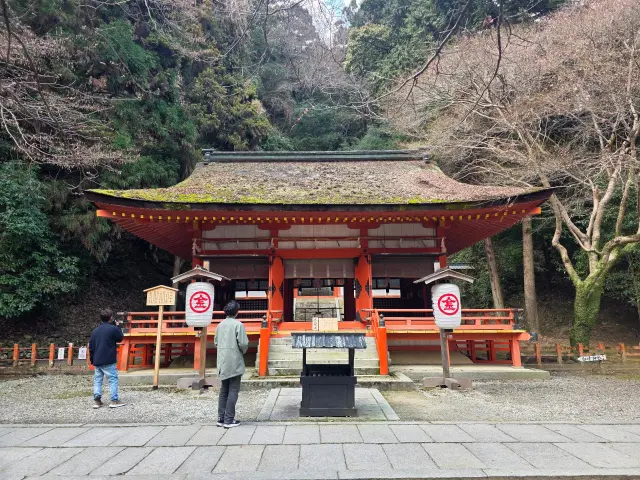
Located at the innermost point after climbing another 583 stone steps from the “Main Shrine” (1,368 steps in total), the shrine known as the inner shrine is “Izutama Shrine.”
Its main hall has a cypress bark roof, and the whole area is wrapped in a solemn atmosphere.
It enshrines Izutama Hikono Mikoto, the founder of the Konpira faith.
You may feel the mysterious power of Izutama Hikono Mikoto, who can be described as a guardian deity of “Konpira-san.”
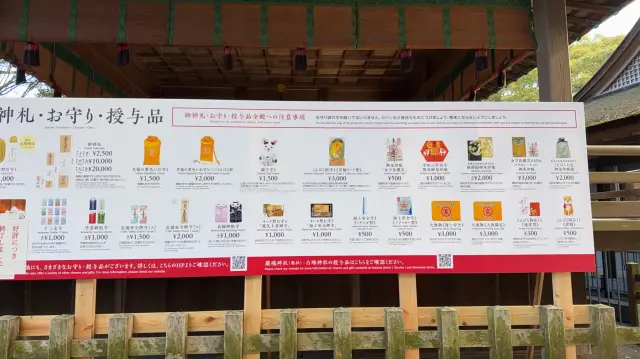
A purchase of the “Tengu Omamori (1,000 yen),” available only at “Izutama Shrine,” is also recommended. (It can also be purchased from the website.)
They are a little hard to spot, but the carvings of a tengu and a crow tengu on the upper left side of the cliff are also one of the highlights.
From the free binoculars installed behind the shrine, you can enjoy sweeping views of Kotohira Town.

Perfect Souvenirs to Remember Your Visit to Kotohiragu Shrine! 2 Must-Buy Items
If you visit “Kotohiragu Shrine,” here are two souvenir items you should consider buying.
Both are special local items that symbolize the deep tradition and history of “Kotohiragu Shrine.”
They can only be purchased here and are also believed to bring blessings, making them gifts that anyone would surely appreciate.
Of course, they are also recommended as souvenirs for yourself.
The Yellow Good Fortune Omamori
The “Yellow Good Fortune Omamori” is one of the signature lucky charms of “Kotohiragu Shrine.”
It is made with silk thread dyed with turmeric, which has long been used for medicinal purposes and to ward off evil and misfortune, and it features a simple design with the single character for “gold” on a vivid yellow background.
Yellow carries many meanings, including “overflowing blessings and love,” “energy-filled strength,” and “the ripening of rice and wheat.”
It is also imbued with prayers and blessings for protection from illness and misfortune, as well as for health and happiness.
It costs 1,000 yen and is only available at the Main Shrine amulet office after climbing all 785 stone steps, making it feel especially meaningful along with the sense of accomplishment. (It can also be purchased from the website.)
It also serves as proof that you visited “Kotohiragu Shrine,” so be sure to pick one up.

Kamiyo Ame from the Gonin Hyakusho
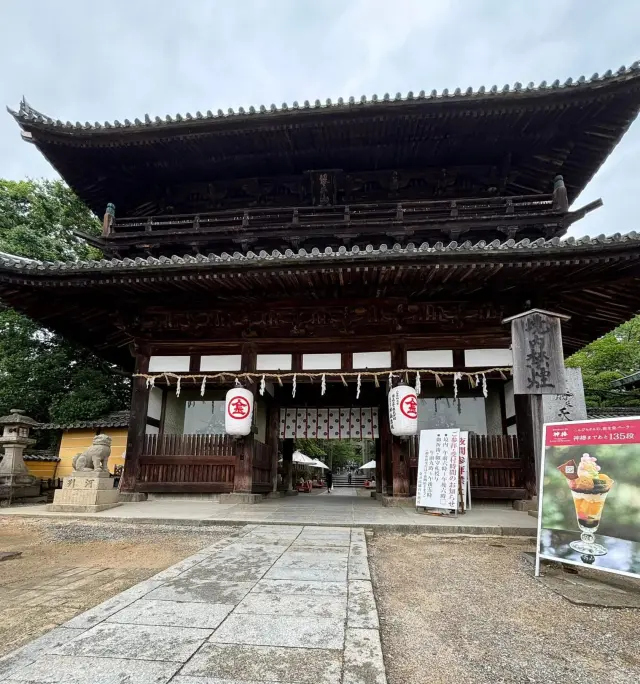
Once you pass through the “Omon Gate” at the 365th step, five large white umbrellas come into view.
They belong to the five candy shops collectively known as the “Gonin Hyakusho,” special shops that have been permitted to do business within the sacred shrine grounds since the Kamakura period (1185–1333).
Under the umbrellas, they sell “Kamiyo Ame” (amber candy), a long-loved specialty of Kotohira Town.
Fan-shaped “Kamiyo Ame” may be simple, but it has a gentle flavor with the distinctive aroma of added yuzu oil.
Unlike ordinary candy, one of its unique features is that you break it with the small hammer included before eating it.
“Kamiyo” refers to the age of the gods, and the act of breaking and sharing the candy is said to represent sharing the shrine’s blessings not only with worshippers, but with everyone.
Buy some as a souvenir so your family and friends can share in the blessings too.

3 Food Spots Worth Stopping by on Kotohiragu Shrine’s Omotesando Approach
Kotohiragu Shrine’s Omotesando approach is the road connecting the Kinryo no Sato sake brewery and the Omon Gate.
Along the Omotesando and nearby area, many restaurants and souvenir shops line the street, creating a lively atmosphere.
Here are three places where you can experience Kagawa’s traditions, so stop by and enjoy a meal along with your visit to the shrine.
1. Konpira Udon Sando Branch (Main Store)
“Konpira Udon Sando Branch” is a udon restaurant with a history of more than 65 years.
Its stately exterior and interior are impressive, and the building itself, which is more than 100 years old, is designated as a registered cultural property.
Inside the spacious 100-seat dining area, tables and chairs made from zelkova and horse chestnut wood create a calm atmosphere.
Every step of the process, from flour to noodles, is done in-house, and the flavor created by that care and effort is exceptional.
The original blended broth, freshly fried tempura, and seasoned rice also bring out the deliciousness of the udon.
When you visit, order the most popular item, “shoyu udon,” with your choice of tempura on the side.

2. Honetsukidori Tanakaya
“Honetsukidori” is one of Kagawa’s signature local dishes.
One restaurant that features this traditional dish as its signature menu item is “Sanuki Specialty Honetsukidori Tanakaya.”
It is highly rated by both locals and tourists, and has become one of the go-to places to eat when visiting the shrine.
The restaurant’s honetsukidori stands out for bringing out the natural flavor of the chicken through a simple yet distinctive seasoning and high-heat grilling.
Seasoned only with salt, pepper, and garlic, the chicken has crispy skin, juicy meat, and plenty of flavorful juices.
You can choose whichever you prefer: the chewy and firm oyadori (adult chicken, better for adults and as a snack with drinks) or the plump and tender wakadori (young chicken, better for children and as a meal).
It is also recommended to order a set meal or try both separately to enjoy the difference in texture.

3. Shoyumame Honpo Omotesando Branch
“Shoyumame Honpo Omotesando Branch” is a casual eatery that sells creative sweets inspired by local food culture.
It is especially popular with tourists and international visitors, and is appreciated for respecting tradition while offering new flavor experiences.
Among its menu items, the unique soft-serve ice cream that is often featured on TV and in magazines is especially famous.
The “Kamatama Soft,” topped with green onions and soy sauce, surprises customers with its udon-like taste.
Another highlight is the lineup of special flavors you are unlikely to find elsewhere, including “Wasanbon Soft,” “Gold Leaf Soft,” and “Gold Soft.”
Its photogenic appearance is also part of the appeal, and you can enjoy it in many ways through its look, taste, and texture.

Be Sure to Visit Kotohiragu Shrine’s Rear Approach Too
The rear approach is a paved road connecting the Takahashi Yuichi Hall and the Treasure House.
It then continues downhill through Akeno, and if you follow the forest-lined path, it leads all the way to the town of Kotohira.
By the way, the area between the Omotesando and the rear approach is called the “Shinen.”
Along the rear approach, you can stroll through six areas including Aobaoka and Tokiwamori, where you can enjoy Japanese history and seasonal nature.
Cherry blossoms bloom magnificently in spring, azaleas add color in early summer, and autumn leaves capture the hearts of worshippers in fall.
Unlike the Omotesando, there are no stone steps here, and it is characterized by gentle beauty and quiet surroundings.
It also serves as a place to calm the mind, and since there are hardly any shops, it is a nice place to spend time at a relaxed pace.
Taking the Omotesando on the way up and the rear approach on the way down is also recommended.

3 Popular Tourist Spots in Kagawa to Visit Along with Kotohiragu Shrine
Kagawa Prefecture is full of appealing sightseeing spots besides “Kotohiragu Shrine.”
If you are sightseeing in Kagawa, be sure to visit these three popular spots as well.
Each of them is either designated as an important cultural property or a special place of scenic beauty, and all offer a sense of Japanese history.
1. Ritsurin Garden
Ritsurin Garden was completed nearly 300 years ago after successive lords of the Takamatsu Domain expanded and refined it as the Matsudaira family’s villa.
The flat garden area alone is a very large 16 hectares, but including the backdrop of Mt. Shiun, the total area reaches Approx. 75 hectares. Among cultural gardens designated by the Japanese government as Special Places of Scenic Beauty, it is the largest in Japan.

2. Marugame Castle
A symbolic landmark of Marugame with 400 years of history, this hirayamajiro hilltop castle was built over five years by the warlord Ikoma Chikamasa and his son Kazumasa.
The stone walls stacked from the inner moat to the keep rise to Approx. 60 meters, the greatest height in Japan, and are known as the “fan-shaped slope” because of their distinctive curve. The keep is also one of only 12 surviving original wooden keeps in Japan and is designated as an important cultural property.

3. Takamatsu Castle Ruins (Tamamo Park)
Takamatsu Castle was the residence of the successive feudal lords of the Ikoma family for four generations and the Matsudaira family for 11 generations.
Also known as Tamamo Castle, it was built facing the Seto Inland Sea and is counted as one of Japan’s three great water castles. Today, it is open to the public as “Tamamo Park.”
The castle keep, once the largest in Shikoku, was dismantled in 1884 due to deterioration, but buildings such as Tsukimi Yagura, Mizute Gomon, Watari Yagura, and Ushitora Yagura, all designated as important cultural properties, still remain and can be viewed.

Reviews
Some reviews are AI-translated.
-
Kotohiragu Shrine is a must-visit when you come to Kagawa. The stone steps along the approach keep stretching upward, earning it the nickname “the shrine path that challenges your stamina and faith.”
This time, we climbed all the way to the 977th step and reached the quiet, solemn Shiramine Shrine. The scenery along the way was beautiful, and the fresh air in the forest made every step feel like a conversation with nature.
We didn’t make it all the way to the final inner shrine, but getting this far already felt like a real achievement. Leaving a little unfinished gives us a reason to come back next time. Next time, we’ll definitely take on the rest of the stairs! ⛩️🌿
-
-
You’ll seriously question your life choices on the way up—there are so many stairs. But the sense of accomplishment when you finish feels amazing. Totally worth it!
-
-
Kotohiragu Shrine — I finally made it up all 785 steps! Halfway up, I really wanted to turn back, but I’m glad I kept going.
It was honestly a bit tiring the whole way up, but the moment I arrived, it felt so worth it.
I bought a golden omamori, and it felt full of blessings and strength.
-

FAQ about Kotohiragu Shrine
Q
Which deities are enshrined at Kotohiragu Shrine?
Omononushi no Kami and Emperor Sutoku are enshrined as the main deities.
Q
What blessings is Kotohiragu Shrine believed to offer?
It is believed to bring a variety of blessings, including maritime safety, prosperous business, abundant harvests, and recovery from illness.
Summary
This article introduced the highlights of “Kotohiragu Shrine,” along with recommended souvenirs and places to eat.
Climbing all 785 stone steps may sound tough, but there are many appealing spots along the approach.
If you stop along the way for sightseeing and breaks and make your way up at your own pace, you should be able to enjoy the visit.
Visit “Kotohiragu Shrine,” often described as a pilgrimage everyone should make at least once in their lifetime, and enjoy its uplifting energy.
Also check out this article, which brings together a wide range of useful information for planning your trip to Kagawa.