
Experience Everyday Japanese Culture: A Complete Guide to Sento Bathhouses and How to Enjoy Them
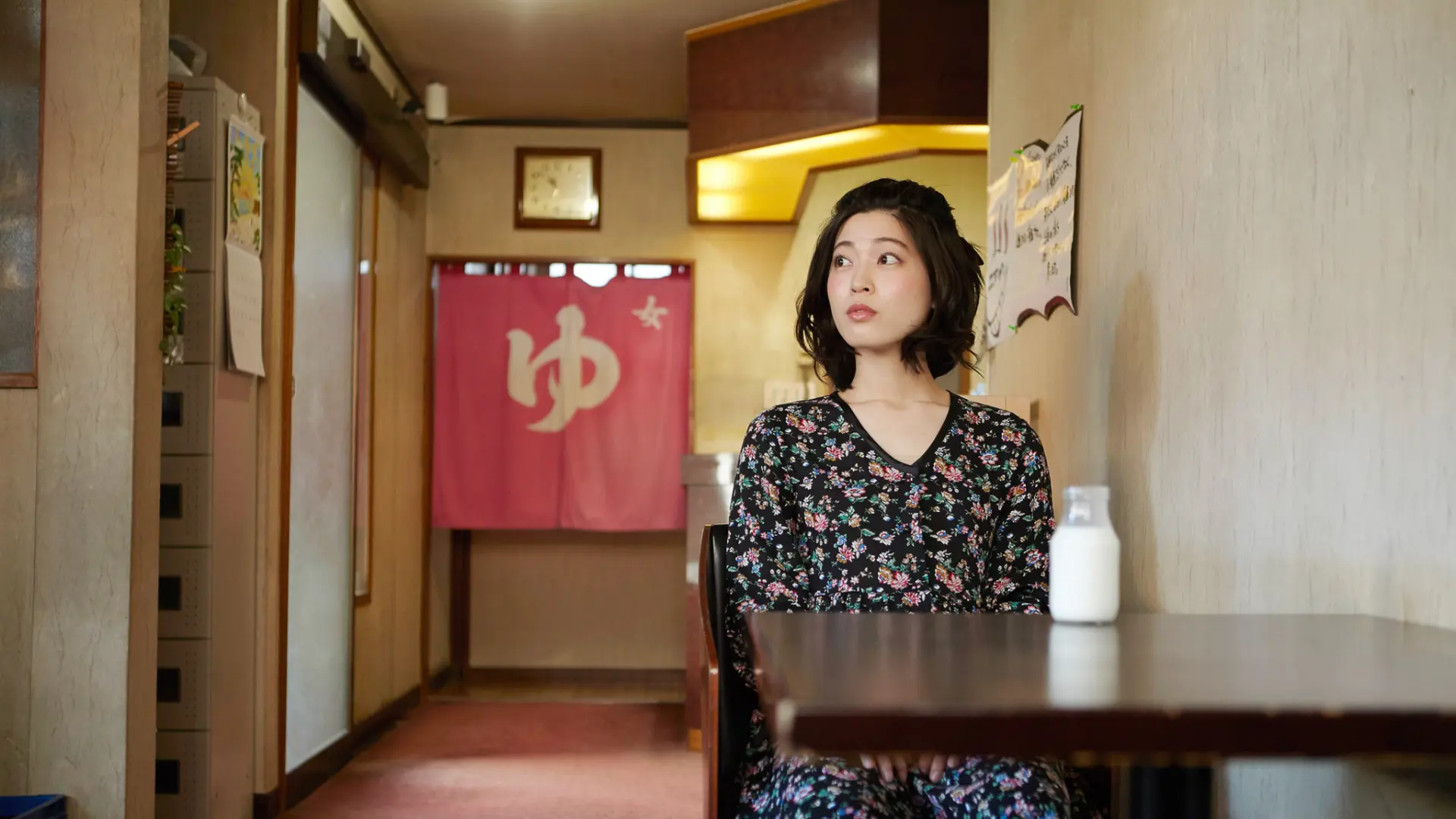
For Japanese people, a sento is a familiar yet special place where you can step out of the everyday.
It is not just a place to bathe. It also resets your mind and serves as a community hub, playing an important cultural role.
Over its long history, sento has changed in form but is still part of daily life in Japan.
This article explains what sento is and how to enjoy it, and also covers the flow of use and manners in detail, along with other key Highlights.
We also introduce recommended sento from around Japan, so if you are interested in sento culture, read on to the end.
Sento, the Public Baths Japanese People Use in Daily Life
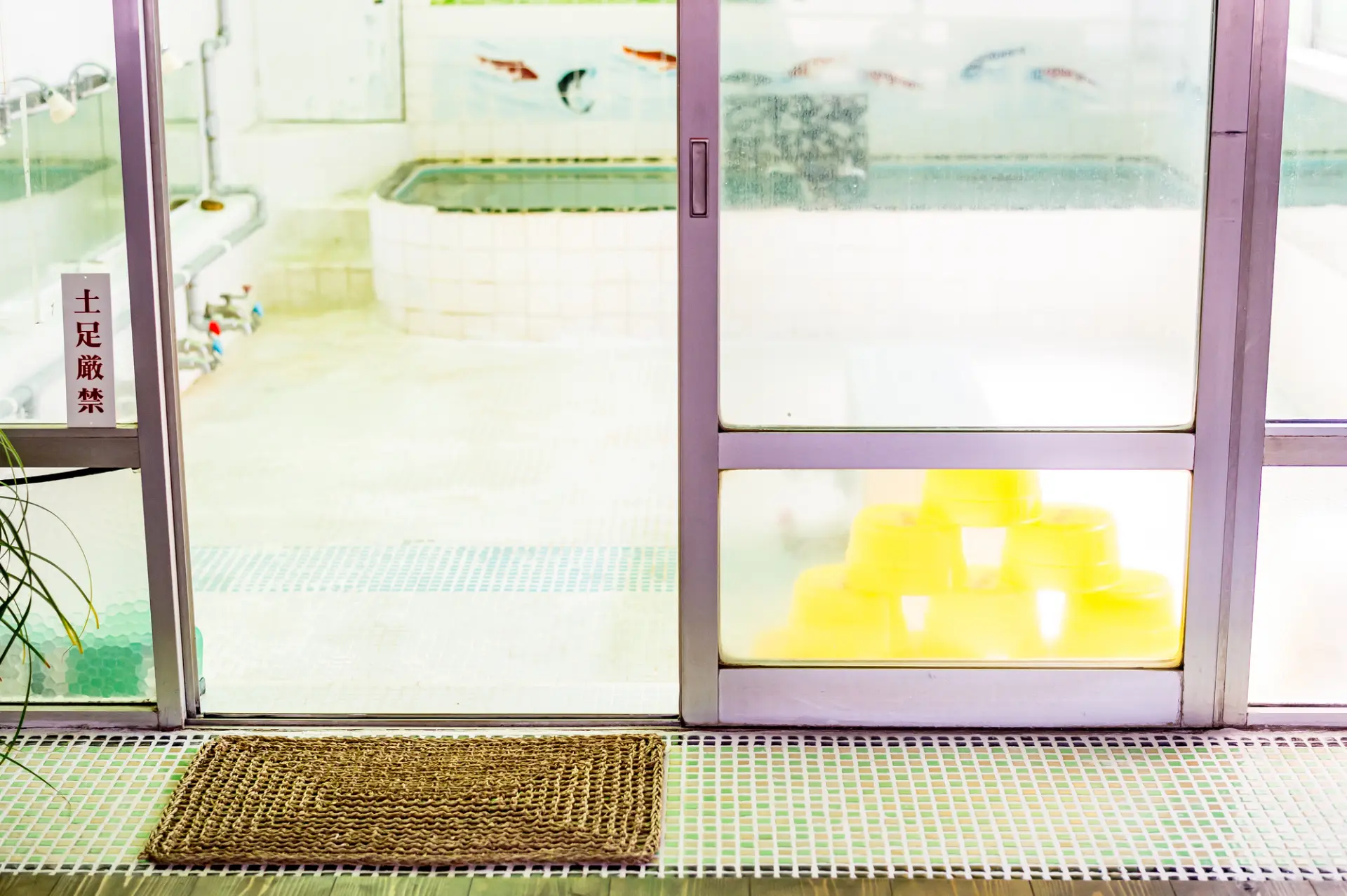
A sento is a public bathhouse used in everyday life by local residents.
These facilities operate under each municipality’s public bathhouse regulations (general public bathhouses). They mainly focus on bathing and are equipped with large segregated baths for men and women and washing areas.
Some sento use heated tap water, while others, called “onsen sento,” use natural hot spring water. Facilities and size vary from place to place.
For Japanese people, sento bathhouses have long served as community hubs-places where people of all ages can connect, relax, and refresh both body and mind. They have played an important role in local life for generations.
Although the number of sento is declining as times change, they remain important places in modern society.
The Long History of Sento in Japanese Life
The origins of sento date back to the Nara period (710–794).
At temples in those days, baths were built for “mokuyoku,” a purification ritual based on Buddhist teachings. “Seyoku,” which offered bathing to the poor and sick free of charge, was also practiced.
By the Kamakura period (1185–1333), bathing customs had spread among ordinary people. However, as the manorial system collapsed, temple finances became strained.
Bathhouses that charged a bathing fee appeared, and these paid bathhouses are thought to be the beginning of sento.
In the Edo period (1603–1868), sento spread rapidly and became part of everyday life.
From the Meiji period (1868–1912) onward, mixed bathing was banned and various facility upgrades pushed modernization forward.
After World War II, more homes installed their own bathtubs, and the number of users decreased. Later in the Showa era, however, “super sento” emerged and bathing culture diversified.
In recent years, their value has been reevaluated. Sento can be seen as a cultural heritage deeply rooted in the everyday lives of Japanese people since ancient times.
![[Dogo Onsen Travel Guide] Soak in Japan’s Oldest Hot Spring and Timeless Atmosphere](https://static.gltjp.com/glt/data/article/21000/20402/20230911_135804_770e1c80_w640.webp)
Sento as a Cultural Space
Sento are not only places to enjoy a bath. Their charm also lies in being “cultural spaces” where you can experience local life, architecture, and art.
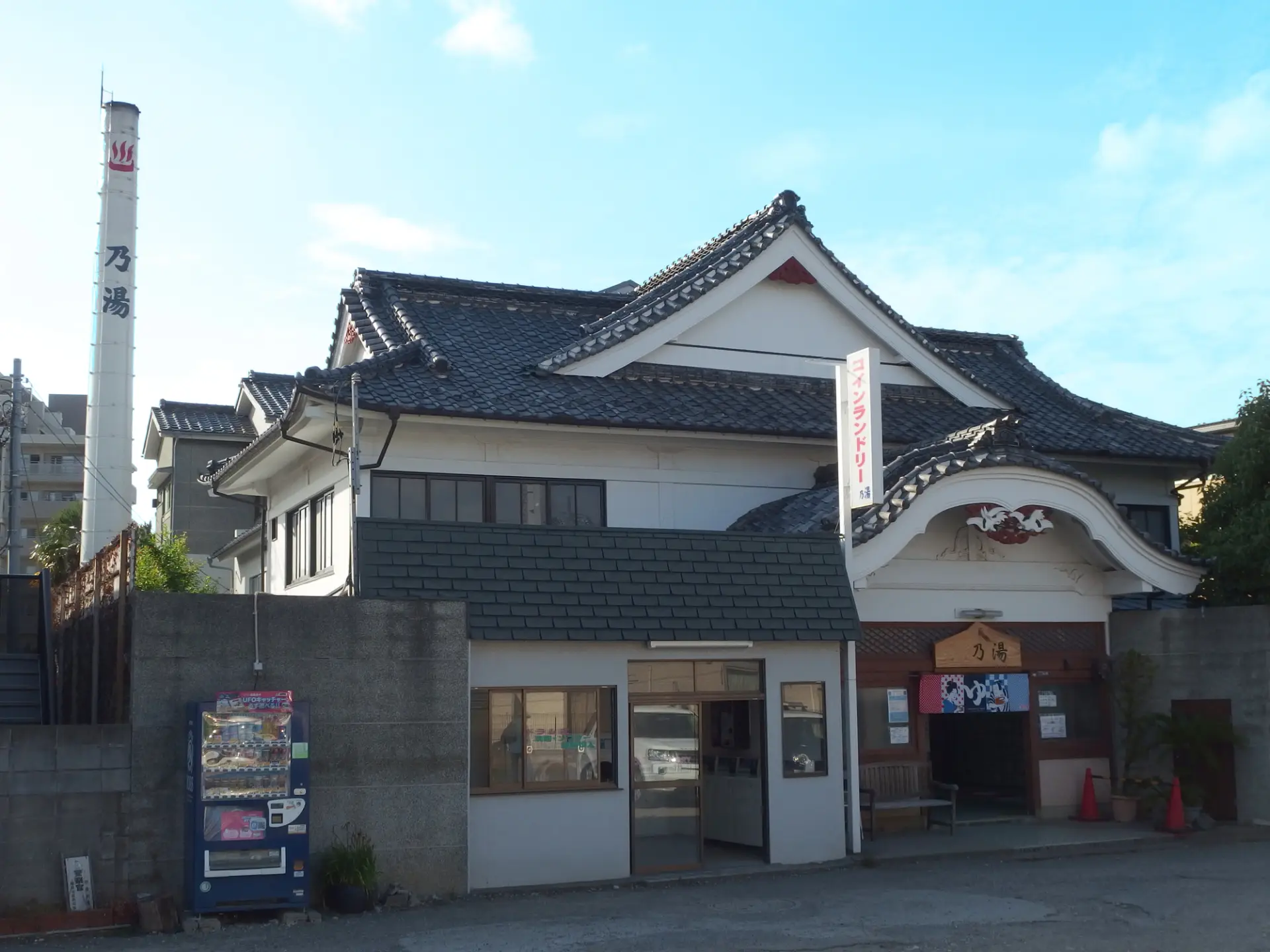
The tall chimneys that serve as landmarks even from afar, and the stately exteriors with tiled roofs and karahafu gables, give each neighborhood a distinctive presence.
Casual designs on signs and noren curtains, and entrances with colored glass, are some of the unique touches to look out for.
Looking inside, the iconic bandai-the attendant’s raised reception desk that also serves as a watchful presence-creates opportunities for friendly interaction between staff and guests.
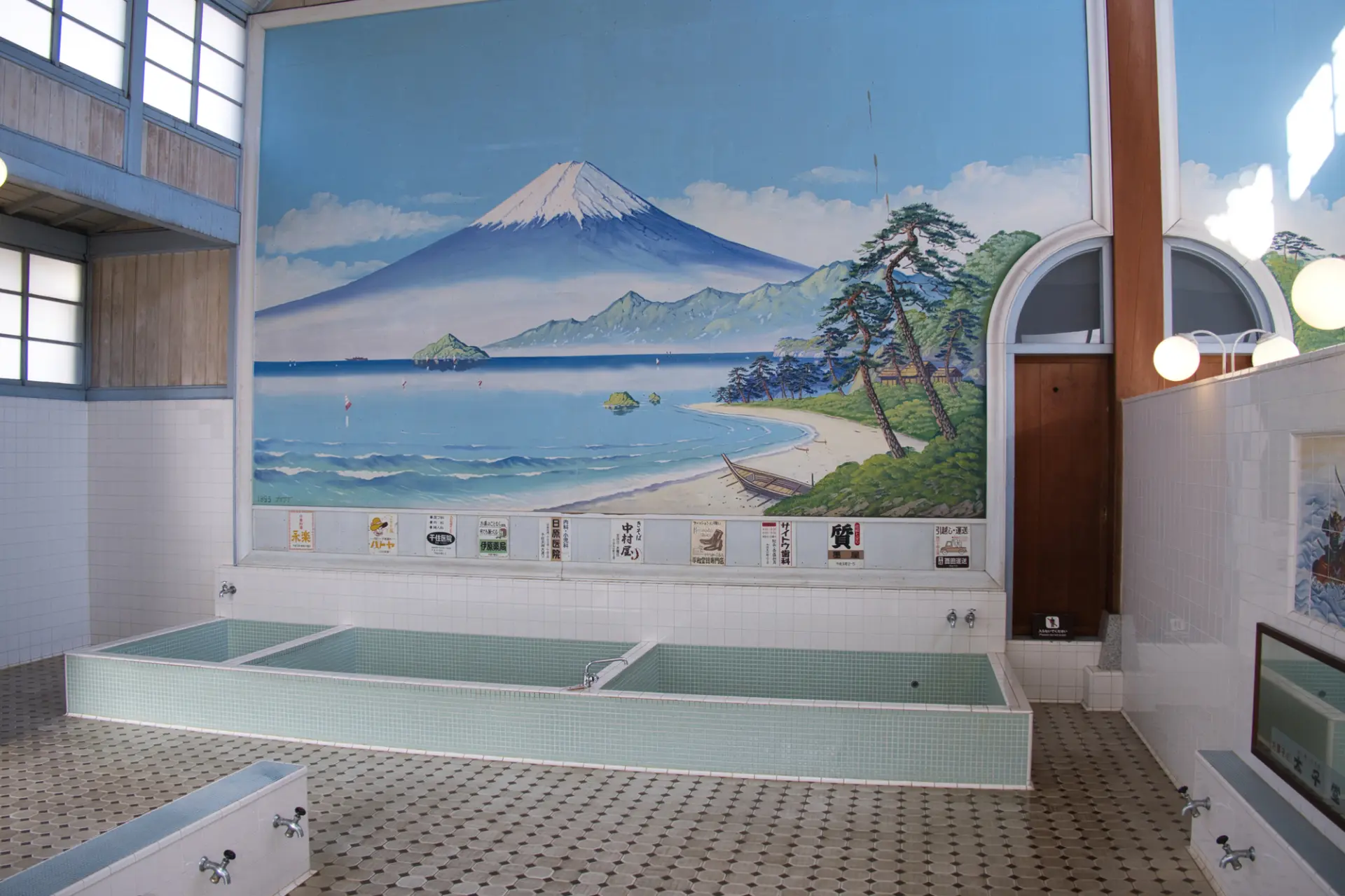
The large murals on the bathhouse walls, such as Mt. Fuji or seasonal landscapes painted in bright colors, are a classic sento sight that evokes a dreamy, out-of-the-ordinary feeling.
Also pay attention to the everyday wisdom and sense of beauty found throughout, from tilework to wooden lattice windows.
How Sento Culture Differs Between Tokyo and Osaka
Even though they’re all sento, their character can vary a lot by area due to history and how each city developed.
Here’s a table that sums up the main differences between sento in Tokyo (Kanto) and Osaka (Kansai).
You can really see the local character in things like the mood and daily habits, so it’s fun to try sento in different regions.
| - | Tokyo | Osaka |
|---|---|---|
| Overall | Focus on design and convenience, with many stylish facilities | Down-to-earth and warm-hearted, with many long-established and community-based sento |
| Features & atmosphere | Many are small and simple in layout, with a strong culture of regulars chatting together | Deep-rooted sauna culture and plenty of large-scale facilities, with lively spaces that feel very “Osaka” |
| Price (upper limit) | 550 yen | 600 yen |
| Wall art | Many painted murals, often of Mt. Fuji | Many long-lasting tile murals |
| Bathtub location | The tubs are placed at the back of the bath area | The tubs are set in the center of the bath area |
| Size of wash buckets | Larger (because people usually fill them from the faucets) | Smaller (because people usually scoop water from the tub) |
“Neo Sento,” Evolved for Modern Lifestyles
In recent years, “neo sento,” which are modern renewals of traditional public baths, have been getting a lot of attention.
They keep the nostalgic charm, but feature modern, stylish interior and exterior designs tailored to today’s lifestyles and taste in design.
They also come with a wider range of baths and services, such as saunas and carbonated hot springs. You can think of them as public baths that have taken sento to the next level.
Some places even have beer bars, DJ booths, or massage services, so you can enjoy more than just bathing.
They’re easy to drop by, and they offer a fresh way to rediscover Japan’s bathing culture, so be sure to visit one.
Differences Between Sento and Onsen
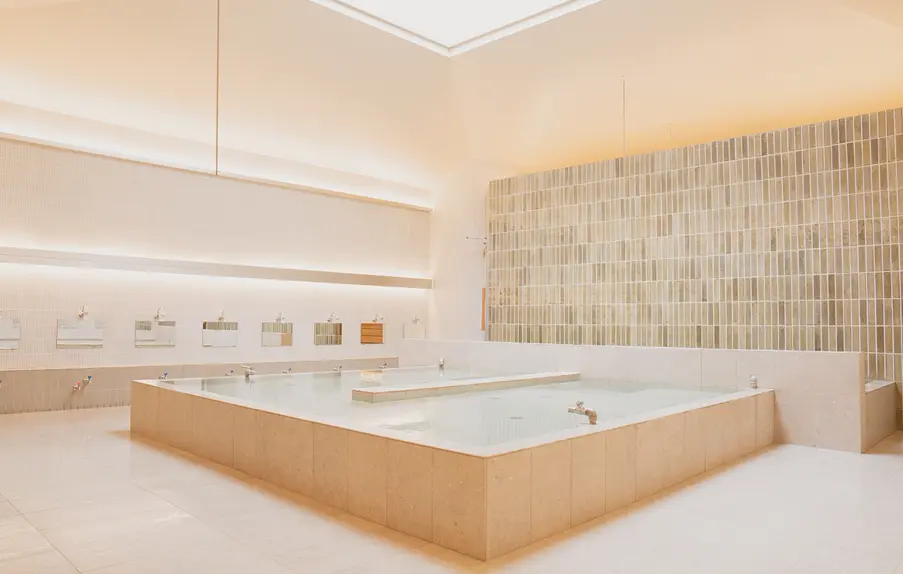
Onsen and “super sento” have roles and features similar to sento.
All are places where you relax in hot water, but there are some clear differences, which are summarized in the table below.
Put simply, sento are simple facilities rooted in daily neighborhood life. Onsen are travel-oriented facilities that make use of natural hot springs. Super sento are leisure-oriented facilities with extensive amenities.
| Category | Sento | Onsen | Super sento |
|---|---|---|---|
| Applicable law | “General public bathhouses” under the Public Bath Houses Act | Onsen Act | “Other public bathhouses” under the Public Bath Houses Act |
| Type of water | Mainly heated tap water *some use hot spring water | Natural hot spring water drawn from underground (that meets legal criteria) | Tap water or hot spring water (varies by facility) |
| Main purpose | Everyday bathing and hygiene | Sightseeing, therapeutic use, and relaxation | Entertainment, healing, and refreshment |
| Pricing | Unified by prefectural ordinance (300-600 yen) | No standard rules, varies widely with the quality of the facility or lodging | Set freely, generally higher than sento (from Approx 1,000 yen) |
| Scale & facilities | Relatively small, mainly tubs and washing space | Often includes open-air baths, private baths, and free-flowing spring baths | Many extra facilities such as bedrock baths, eateries, and relaxation spaces |
Three Ways to Fully Enjoy the Charm of Sento
Sento are places to bathe, but they offer many more attractions.
From exteriors and interiors that embody Japan’s unique architecture and aesthetics to the distinctive atmosphere you only find at sento, visitors from abroad will discover many surprises.
Here are three classic ways to enjoy sento. Use them as a reference for your visit.
1. Soak in the Bath and Enjoy the Backdrop Art
“Backdrop art” in a sento refers to a large mural painted across the entire front wall of the bath.
It’s a traditional decorative art found especially in sento around Tokyo and the Kanto region, often featuring famous sights and beautiful scenery from all over Japan.
There are regional differences, and in recent years more unique designs have appeared, such as overseas mountains or popular characters.
Mount Fuji is the most iconic backdrop, as it’s a symbol of Japan and considered lucky.
Many sento feature Mount Fuji because it has long been revered as sacred, and because the sense of depth in the scene helps you relax while bathing.
Sit back in the tub, gaze at the backdrop art, and unwind.
2. Enjoy Chatting with Locals
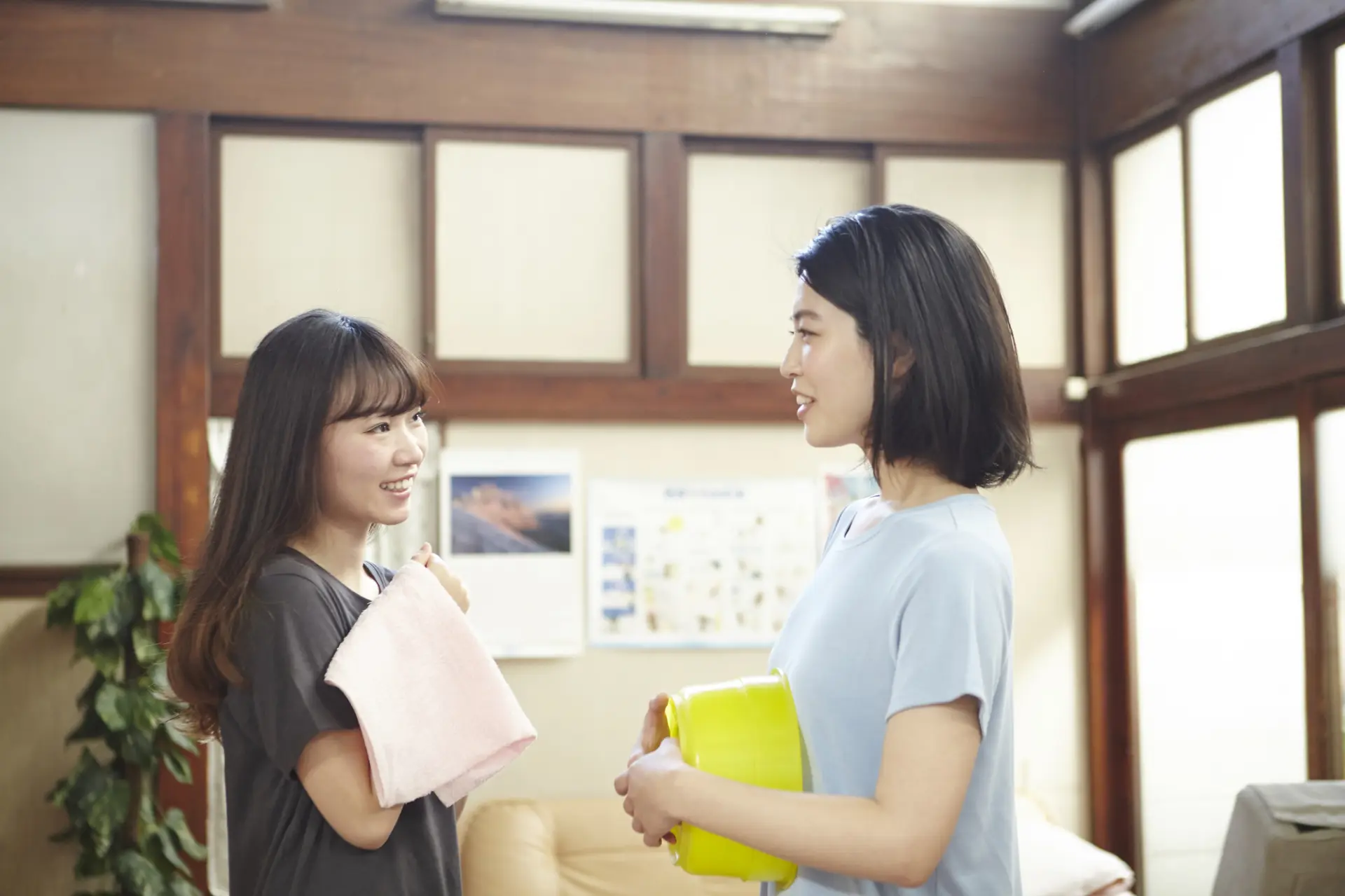
One of the unique pleasures of a sento is spending time with local people and getting to talk with them.
Chat with regulars and neighborhood residents in the changing room or rest area, then soak together in the tub to get a real feel for everyday life in Japan.
Since everyone shares the same space naked, barriers like nationality, social status, and occupation tend to fade away, making it easy to connect on equal footing.
Even first-time visitors can feel welcomed, and through this living community you can experience the daily life of the town in a way you can’t online.
3. Savor Bottled Milk After Your Bath
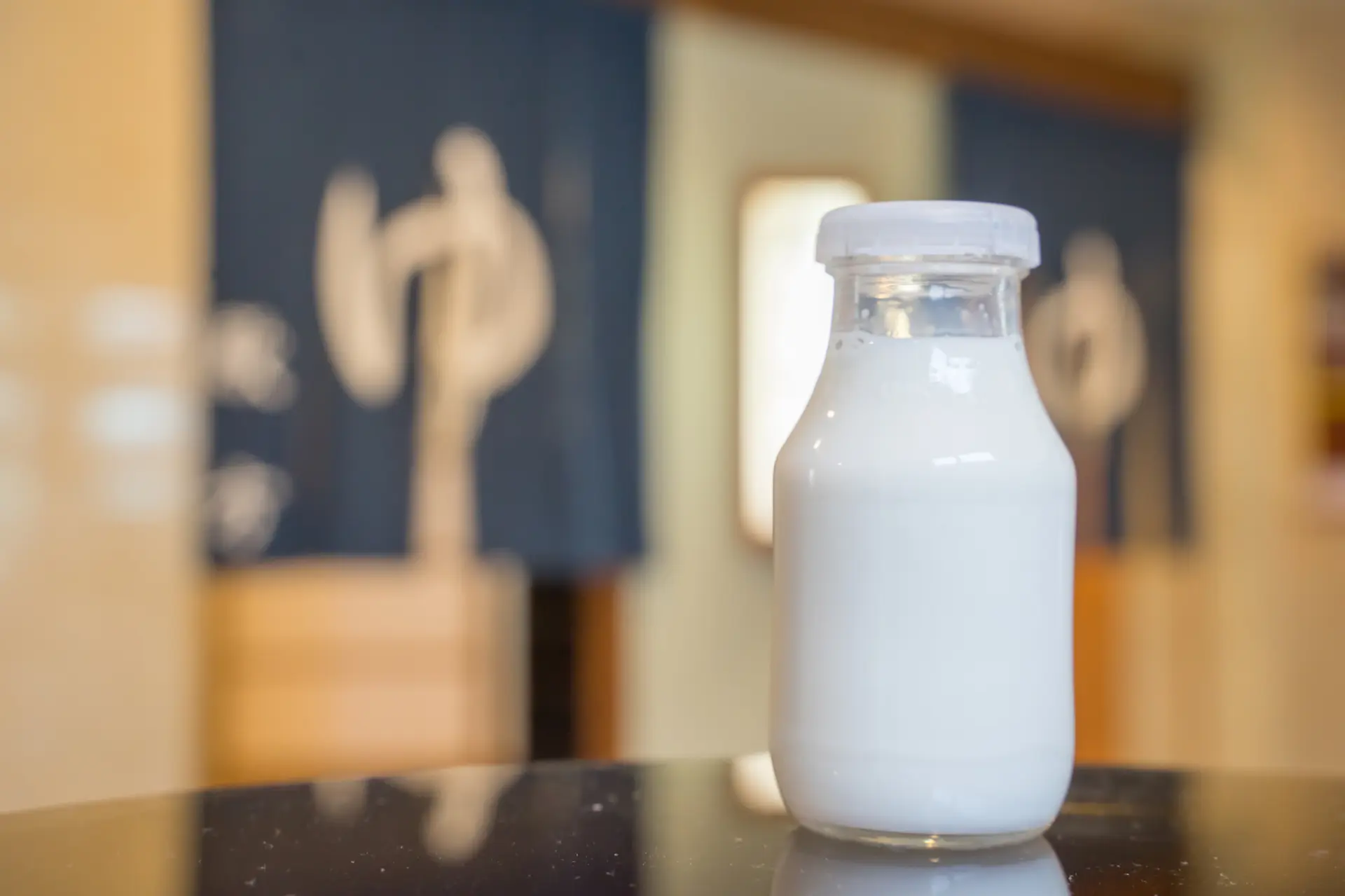
Drinking milk after a bath is one of the classic pleasures of sento and other public baths.
Downing a bottle of milk with your hand on your hip is a traditional Japanese style that makes your sento time even more satisfying.
The cool glass bottle feels great against skin warmed by the hot water, and the rich sweetness of the milk as it fills your throat and body is beyond words.
The look of the bottles is nostalgic, and even the rows of empties waiting to be collected have a certain charm.
These days you’ll often find coffee milk, fruit milk, and light snacks alongside regular milk, so you can pick whatever you like.
By the way, milk is sold at sento because dairy companies started using them as a sales channel in the 1950s to boost milk consumption.
What to Bring to a Sento (Public Bath)
Here are useful items to bring to a sento, sorted by category.
Facilities differ in equipment, rentals, and amenities, so at least prepare the essentials.
Essentials
- Cash
- Needed for the bath fee, vending machines, and bottled milk. Small change comes in handy.
- Towels
- Two types: a face towel for washing and a bath towel for drying off.
- Change of clothes
- A top and bottom to wear after bathing, plus underwear and socks.
- Shampoo, conditioner, and soap
- Some places sell, rent, or provide them, but bringing your own is safest.
Nice-to-Have Items
- Plastic bag
- For wet towels and underwear.
- Pouch
- To carry shampoo and other items into the bath area.
- Water bottle or PET bottle
- For rehydration after bathing. Some facilities don’t have water dispensers or vending machines.
- Hair ties and shower cap
- For people with long hair, as part of proper etiquette.
- Makeup remover and skincare items
- Bring them if you need them.
How to Use a Sento | Step-by-Step
Here is the usual flow when using a sento.
Rules vary by facility, but if you follow these steps, everything should go smoothly.
- 1. Arrival
- Put your shoes in the shoe locker. If it has a key, don’t forget to keep it safe.
- 2. Enter and pay
- Pay the bath fee at the reception. Rent towels and other items if needed.
- 3. Changing room
- Undress in the changing room and store your belongings in a locker. Be careful with valuables.
- 4. Rinsing and washing area
- Rinse your body with warm water first, then wash your hair and body at the washing area.
- 5. Bathing
- Relax in the tub. Don’t soak for too long.
- 6. Getting out and taking a break
- After bathing, rehydrate in the changing room or rest area and get dressed.
- 7. Leaving
- Check that you haven’t left anything behind, say thank you, and head out.
Sento Etiquette and Rules You Should Know
A sento is a public facility used by many people, including locals.
To make sure everyone has a pleasant time, it’s important to follow the basic rules.
Each person’s consideration helps keep the experience comfortable for all, so keep the rules below in mind.
- Basics
-
・Check the rules before entering and follow them
・Don’t go if you feel unwell or after drinking alcohol
・Be considerate of others and keep noise down
・Don’t use your smartphone in the changing room (to prevent secret filming)
・If you have tattoos, check the rules in advance (many places don’t allow them) - In the bathing area
-
・Avoid shouting and chatting loudly
・Bathe naked
・Always rinse your body before getting into the tub
・Sit while using the shower (to avoid splashing others)
・Rinse the stool and washbowl you used and put them back
・Do not put your towel in the tub (place it on your head or by your side)
・Tie up long hair with a hair tie (letting it into the tub is bad manners)
・Wipe off your body before going back into the changing room
Head to Tokyo and Osaka to Experience Sento Culture
If you want to dive into sento culture, Tokyo and Osaka are the places to go.
These two cities rank first and second in Japan for the number of sento (FY2023 Ministry of Health, Labour and Welfare “Sanitation Administration Report”), and are home to a huge variety of public bathhouses.
Both cities are also packed with Japan’s most popular sightseeing spots, so you can enjoy sightseeing as well as sento hopping.
Visiting different sento in each city lets you feel the local differences and experience Japan’s diverse bathing culture more deeply.
5 Recommended Sento in Tokyo Where Tradition Meets Trends
Here are some recommended sento in Tokyo.
All of them have a long history and make use of their traditional exteriors and historic architecture, while updating facilities and services to suit modern needs. They are popular with locals and visitors alike.
They are easy to drop by during your sightseeing, so if you are in the area, stop in for a soak.
1. Myojin-yu
This nostalgic sento sits in a quiet residential area of Ota City, Approx 14 minutes on foot from Yukigaya-Otsuka Station on the Tokyu Ikegami Line.
The exterior preserves a traditional shrine-style façade, and inside you will find a large painted mural of Mt. Fuji, a spacious changing room with coffered ceiling, and wooden lockers that create a charming retro Showa-era atmosphere.
You can enjoy different tubs each day, such as jet baths and herbal baths. Warm service from the attendant behind the elevated “bandai” counter keeps this bathhouse loved by the local community.
Its dignified look has made it a filming location for movies and TV dramas, and it is perfect for soaking up a nostalgic mood.
2. Kairyo-yu
This long-standing sento opened in 1916 and sits roughly halfway between Shibuya and Ebisu stations on the JR Yamanote Line (Approx 10 minutes on foot from each).
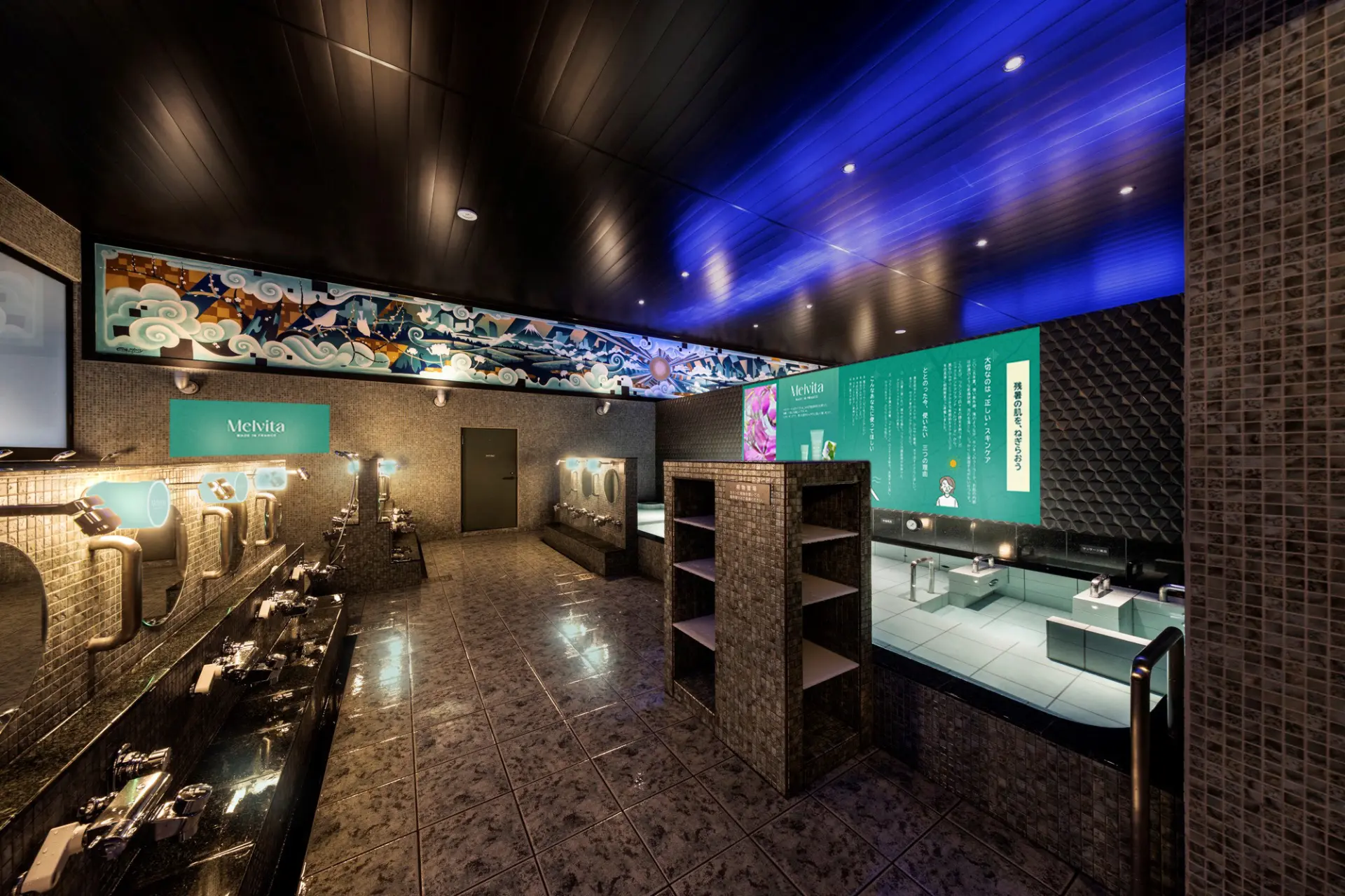
It was renovated in 2018, keeping the traditional sento feel that has lasted since the Showa era while adding comfortable modern facilities. It now attracts younger visitors and tourists, creating a relaxed mix of long-time regulars and new faces.
Look for the large whale mural on the outer wall. Inside, the design is modern, and the bath area features background art created by contemporary artists.
The baths use soft water that is gentle on the skin and include a carbonated bath, a medium-temperature bath, a cold bath, and a sauna (extra fee). There are also regular “event baths.”
Kairyo-yu is a popular urban hideaway where you can unwind in the middle of the city.
3. Takarayu
Takara-yu is Approx 20 minutes on foot from Kitasenju Station. Its stately gabled shrine-style architecture makes a strong impression.
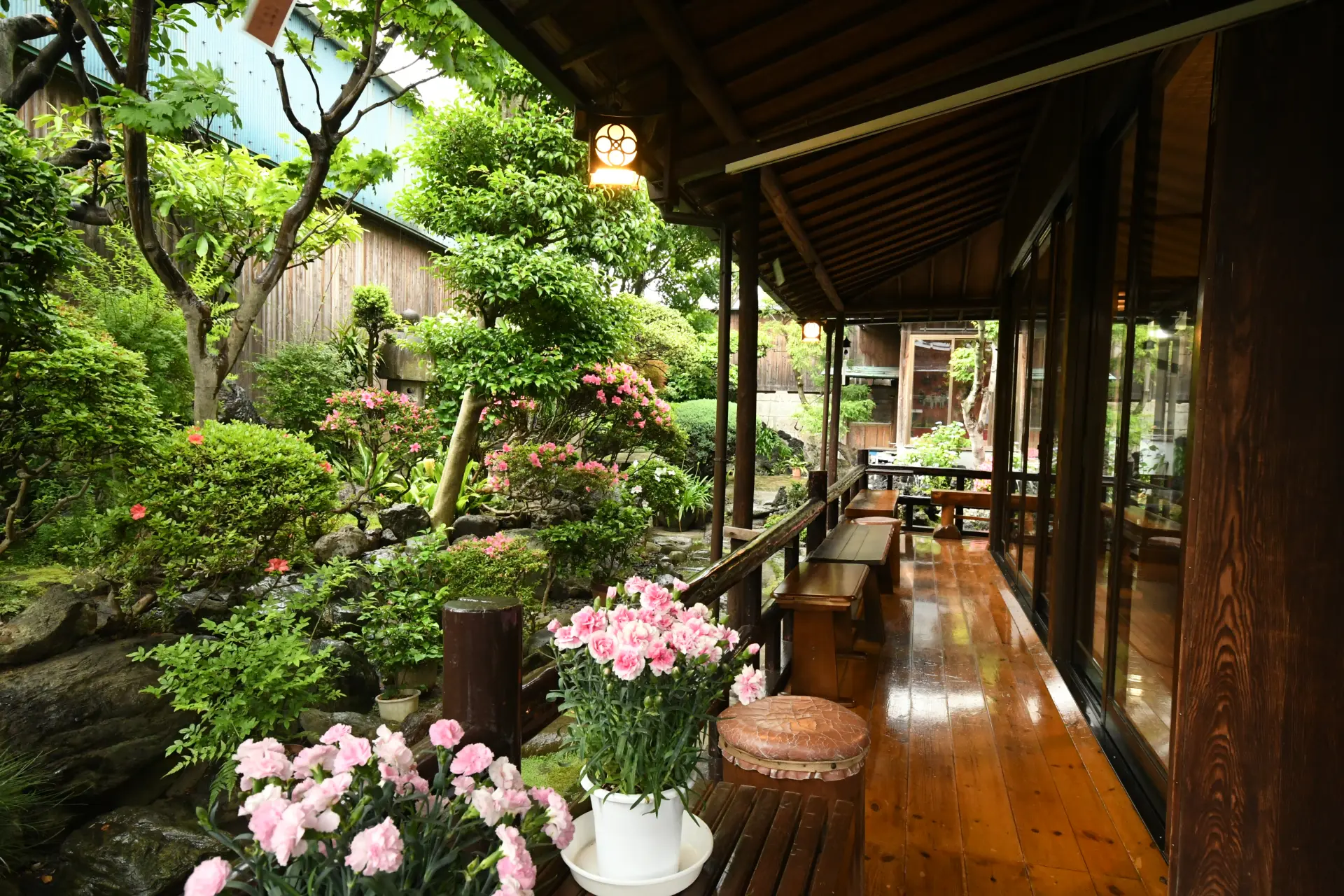
The highlight here is a beautiful Japanese garden, known as the “King of Engawa,” and some say its seasonal flowers are among the best in Tokyo.
You can sit on the wooden veranda after your bath and look out over the garden, which feels almost like staying at a traditional inn. The strong Showa-era retro touches also make for great photos.
From the bow-and-arrow object and wooden signboard at the entrance to the coffered ceilings and Mt. Fuji mural inside, there are many design details that tell the story of sento culture.
There are several kinds of baths, including herbal baths, bubble baths, and infrared baths. The soft hot water, heated with firewood and drawn from a well, is also highly rated.
4. Koganeyu
Approx 6 minutes on foot from JR Kinshicho Station, Koganeyu sits in a downtown area with a traditional Edo atmosphere and constantly explores new styles of sento.
It first opened in 1932, but a full renovation in 2020 transformed it into a modern and unique space.
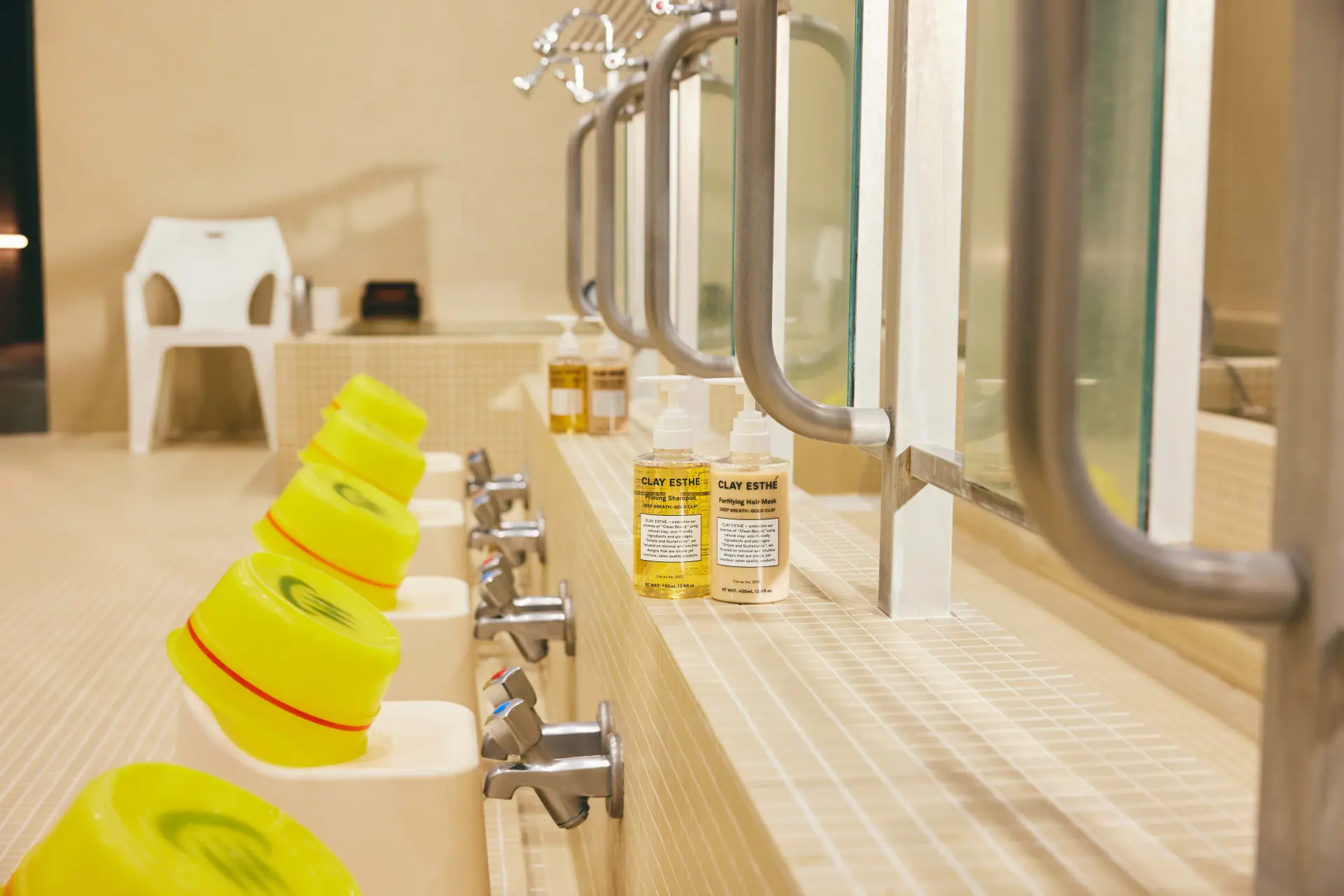
The “bandai bar” at the entrance doubles as a beer bar and DJ booth, where you can enjoy craft beer and socializing after your bath.
There are five types of baths, plus a “löyly” style sauna (extra fee), accommodation, and dining options. The extensive facilities make it a great place to experience a new kind of sento culture.
*Maximum stay is 1 hour 30 minutes (except for overnight guests). Guests with tattoos are welcome.
5. Musashikoyama Onsen Shimizuyu
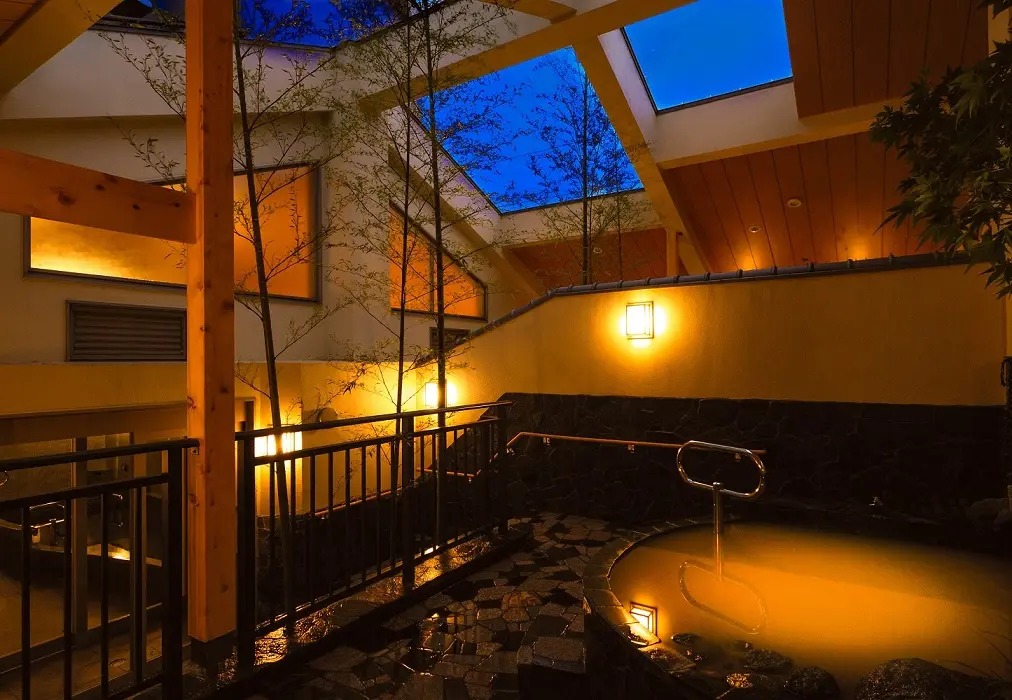
A long-running public bathhouse founded in 1923. Two natural hot springs, Kuroyu and Kogane-yu, bubble up on the grounds, and both are used in a free-flowing style straight from the source.
It’s popular because you can enjoy two kinds of natural hot springs at regular public bath prices.
The amber-colored Kuroyu drawn from a depth of 200 meters is especially fine-textured and clear, even among Tokyo’s black hot springs. It has excellent moisturizing and warming effects, and is known as a beauty-enhancing bath.
5 Recommended Public Bathhouses in Osaka with a Variety of Baths and Services
Next up are some recommended public bathhouses in Osaka.
They are places that symbolize Osaka’s sento culture, offering not only a wide variety of baths but also relaxing spaces and light meal corners.
You’ll find a different charm and atmosphere from Tokyo, so if any place catches your eye, be sure to drop by.
1. Yume no Koshū Yokujō Goshiki
A large public bathhouse in Shōnai Sakaemachi, Toyonaka City. It’s Approx a 15-minute walk from Shōnai Station on the Hankyu Takarazuka Line.
It is one of the largest facilities in Japan in the sento category, and offers 11 different types of baths, including high-temperature, open-air, and high-concentration carbonated baths.
The fountain with koi swimming in the center of the lobby, the mosaic tiles, and the painted murals in the bath area are also highlights and make the place visually enjoyable.
It’s open 24 hours a day all year round (closed on Monday mornings for equipment checks), has 60 free parking spaces, and no late-night surcharge, so it’s easy to use whenever you like.
2. Asahi Onsen
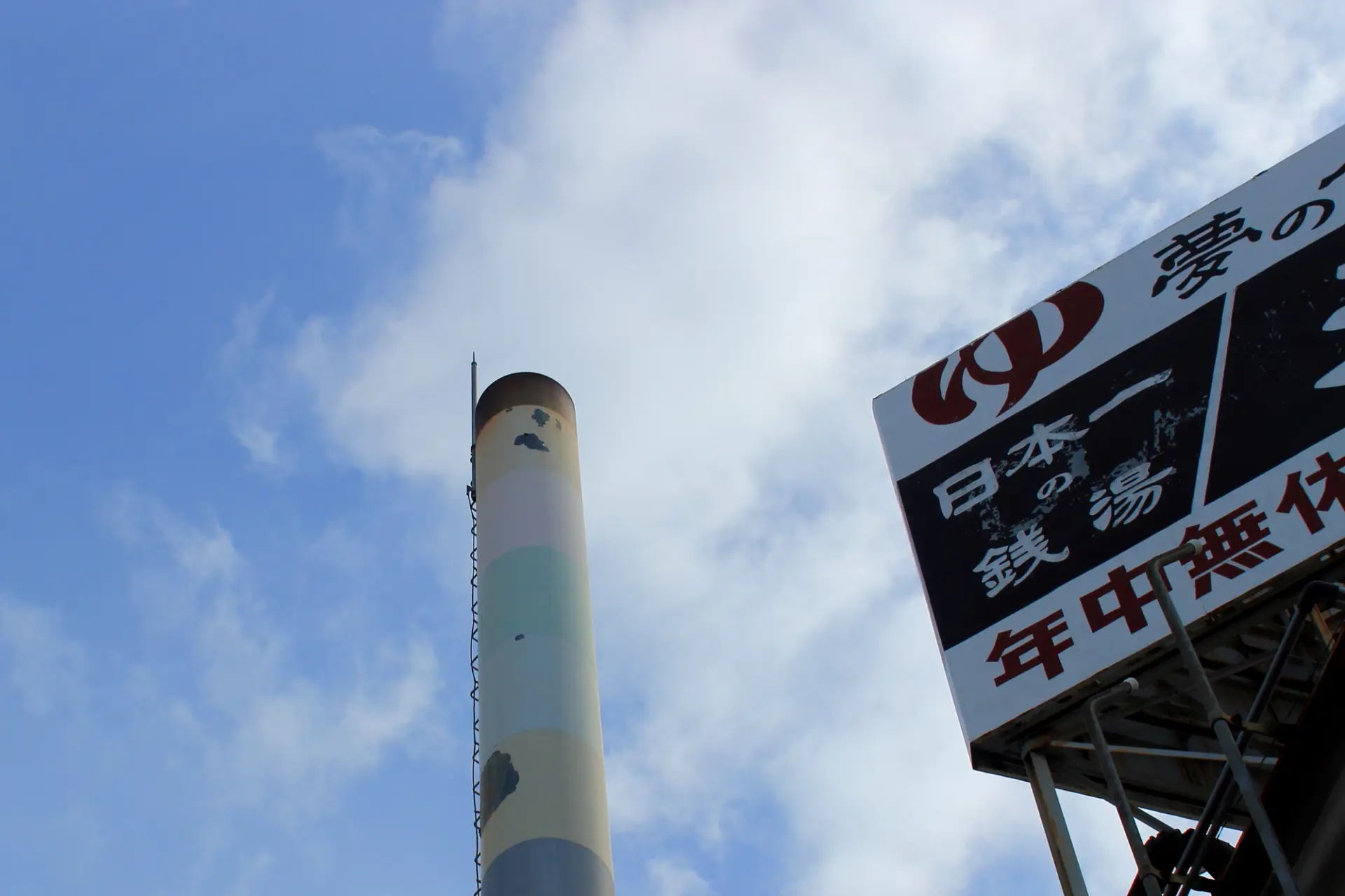
A community-based public bathhouse in Suminoe Ward, Osaka City. It’s Approx a 10-minute walk from Sawanochō Station on the Nankai Koya Line.
It often appears in local media and other outlets, and is a well-known spot thanks to its unique style of management.
Regular live music, kids’ events, curling tournaments, and fire shows create a packed entertainment lineup that is especially popular with families.
All baths use soft water, which is gentle on the skin and leaves it feeling smooth after your soak.
3. Healthy Onsen Tateba
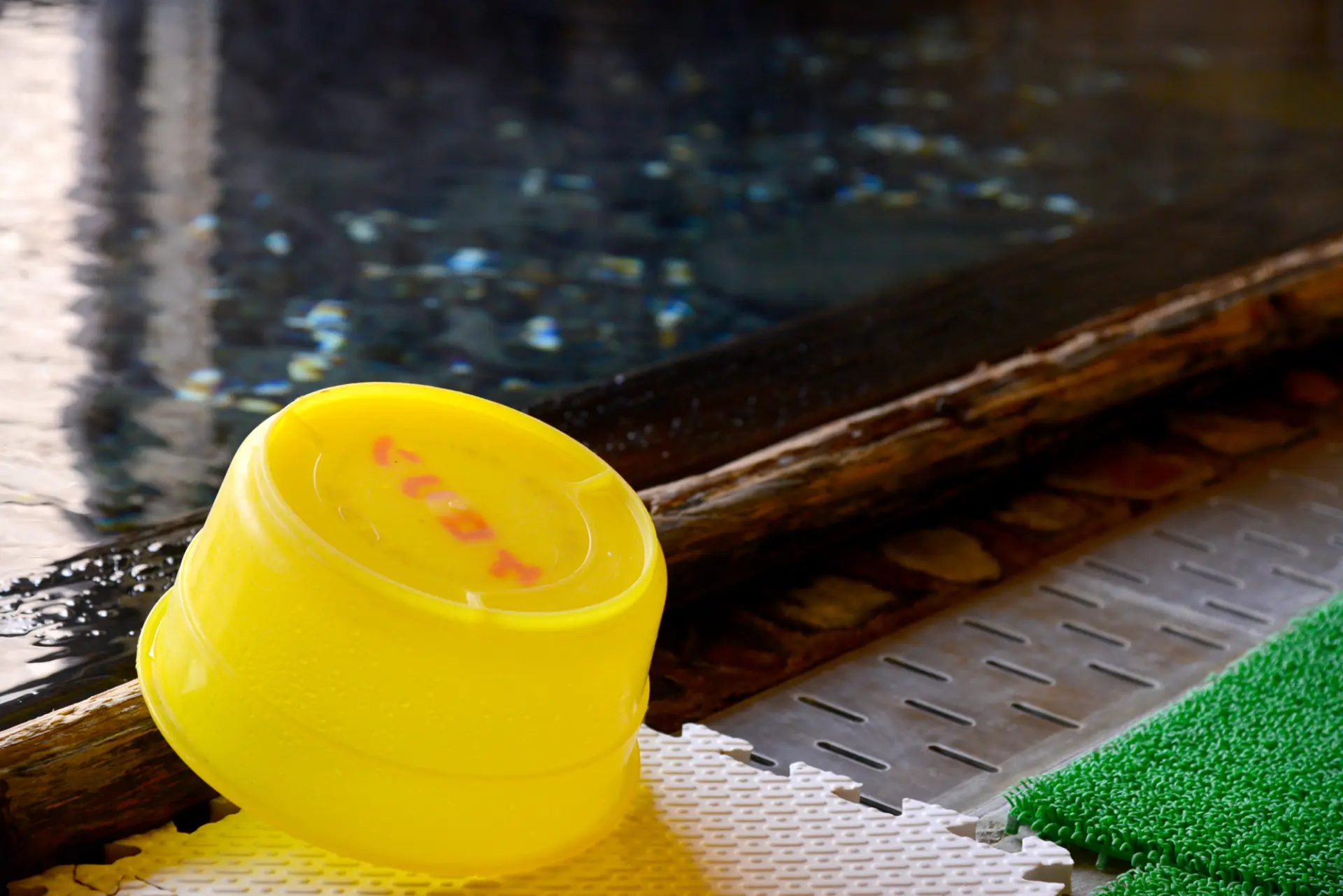
A public bathhouse in Naniwa Ward, Osaka City. It’s Approx a 10-minute walk from Sakuragawa Station on the Subway Sennichimae Line and Ashiharabashi Station on the JR Loop Line.
In addition to the many baths such as indoor, open-air, jet baths, and carbonated baths, one of its biggest features is the well-equipped saunas.
The dry sauna, salt sauna, and free steam sauna are alternated between men and women on different days, and the deep cold bath is designed so you can cool down thoroughly.
The layout makes it easy to move between the outdoor cooling area and rest space, which is ideal for sauna lovers.
There is also a light meal corner, drink sales, massage chairs, and a tanning salon, so you can come empty-handed and still have a great time.
4. Yudokoro Abenobashi
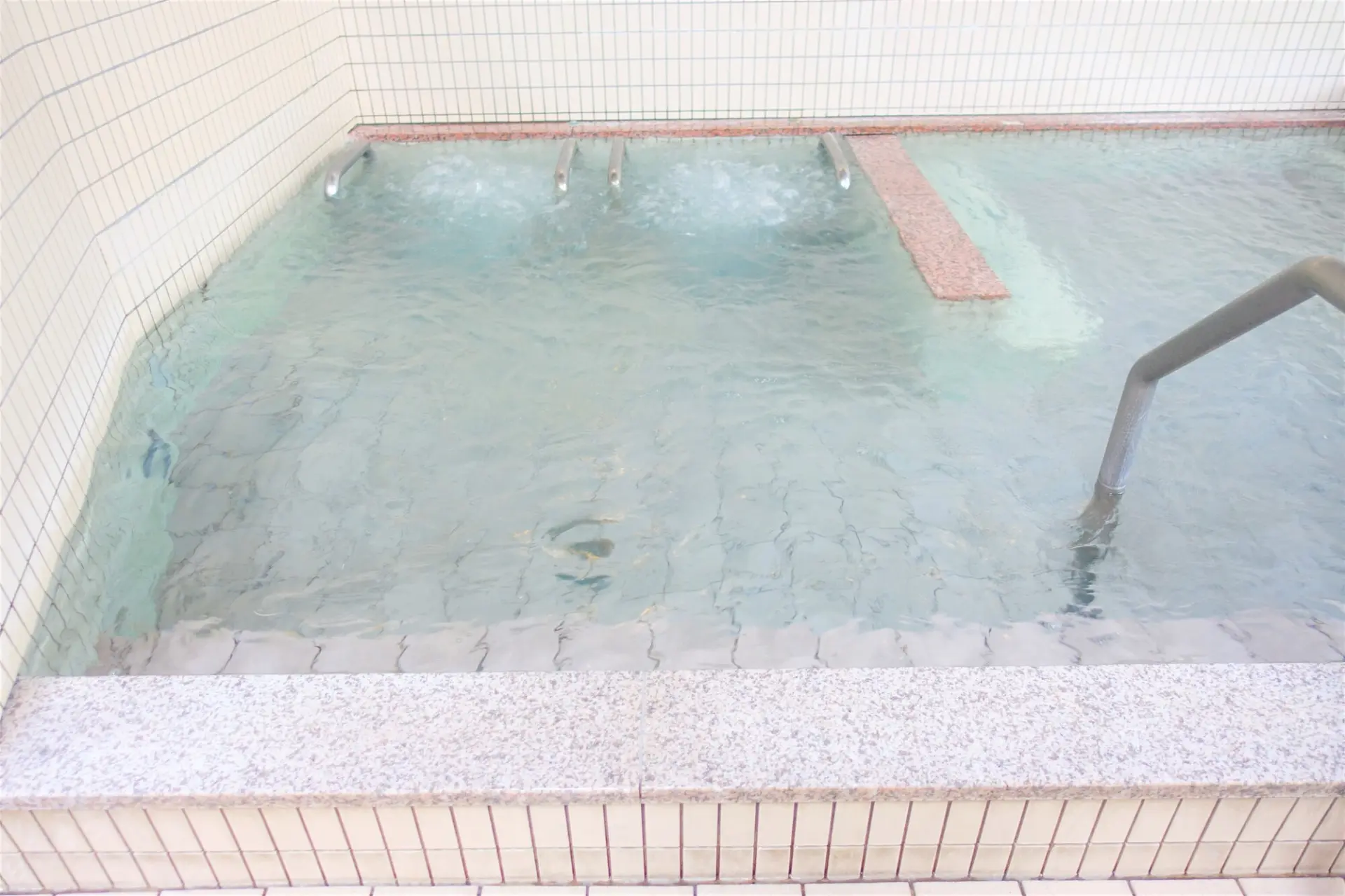
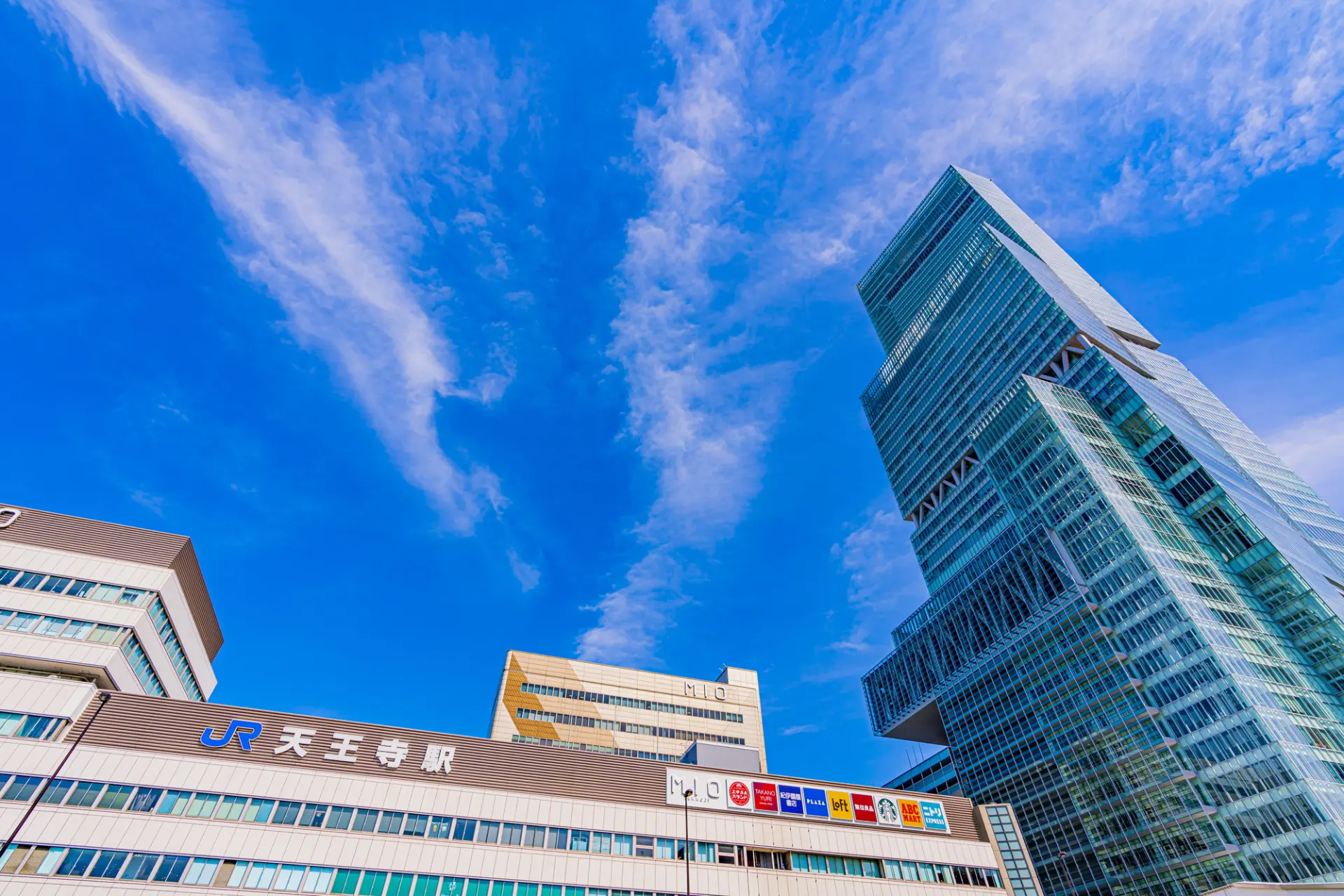
Just a 5-minute walk from Tennoji Station on all lines, this casual neighborhood bathhouse is located on the west side of Abeno Q’s Mall.
Natural hot spring water is brought in daily from “Natural Hot Spring Terume Ryugu” in Minato Ward, Osaka. The biggest draw is that you can enjoy clean, fresh hot spring water said to help with poor circulation and recovery after illness.
The large public bath is well equipped with a jet bath, hot bath, electric bath, and free steam sauna, so you can relax at your own pace.
There’s also a spacious lobby, luxury massage chairs, and a selection of drinks. You can enjoy a mini hot-spring-hopping experience at typical sento prices.
5. Chidori Onsen
A public bathhouse in Osaka City, a 6-minute walk from Chidoribashi Station on the Hanshin Namba Line.
The small Mt. Fuji mural in the bath, made from tiny mosaic tiles, is quite rare and something you don’t often see elsewhere. The bath and changing rooms have a nostalgic Showa-era vibe, but the bright, spacious waiting area makes it easy for anyone to drop in.
Another signature feature is the retro massage machine in the changing room. The fact that the sauna is free is also a nice highlight.
Beyond Tokyo and Osaka: 8 Must-Visit Sento Bathhouses Across Japan
Sento culture isn’t limited to Tokyo and Osaka. It can be found all over Japan, with each region and facility having its own history.
Here are some recommended sento across the country, from Hokkaido in the north to Fukuoka in the south.
Many of them retain traditional Japanese beauty in both their exteriors and interiors, so you can soak away your fatigue while enjoying the atmosphere.
They all offer reasonable prices and are easy to visit, so be sure to stop by when you’re sightseeing in the area.
Hokkaido: Tsukimiyu
A public bathhouse in Toyohira Ward, Sapporo, Approx a 10-minute walk from Fukuzumi Station on the Sapporo City Subway Toho Line.
There’s a free parking lot with space for over 100 cars, so it’s especially convenient if you’re driving.
Run by a family, it’s known for warm, homey service, a well-maintained and clean space, and a nostalgic retro feel. It’s also popular with tourists.
There are many different baths, including a high-temperature bath, bubble bath, and radon bath, and the sauna service is another major draw.
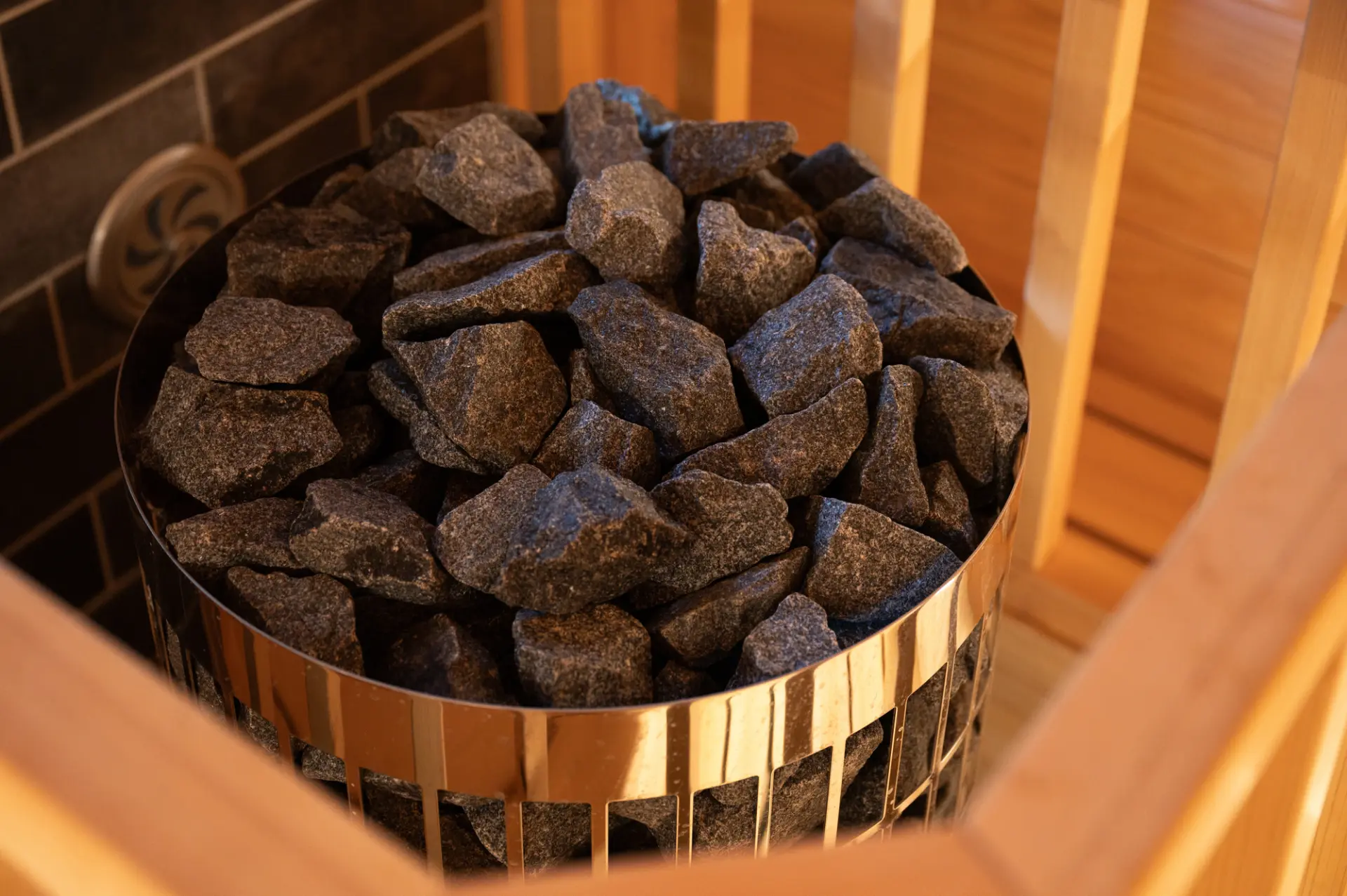
They use a HARVIA sauna heater, the world’s No.1 brand by market share, and hold regular löyly and heat-wave sessions led by dedicated staff, making it a must-visit for sauna fans.
Miyagi: Koma no Yu
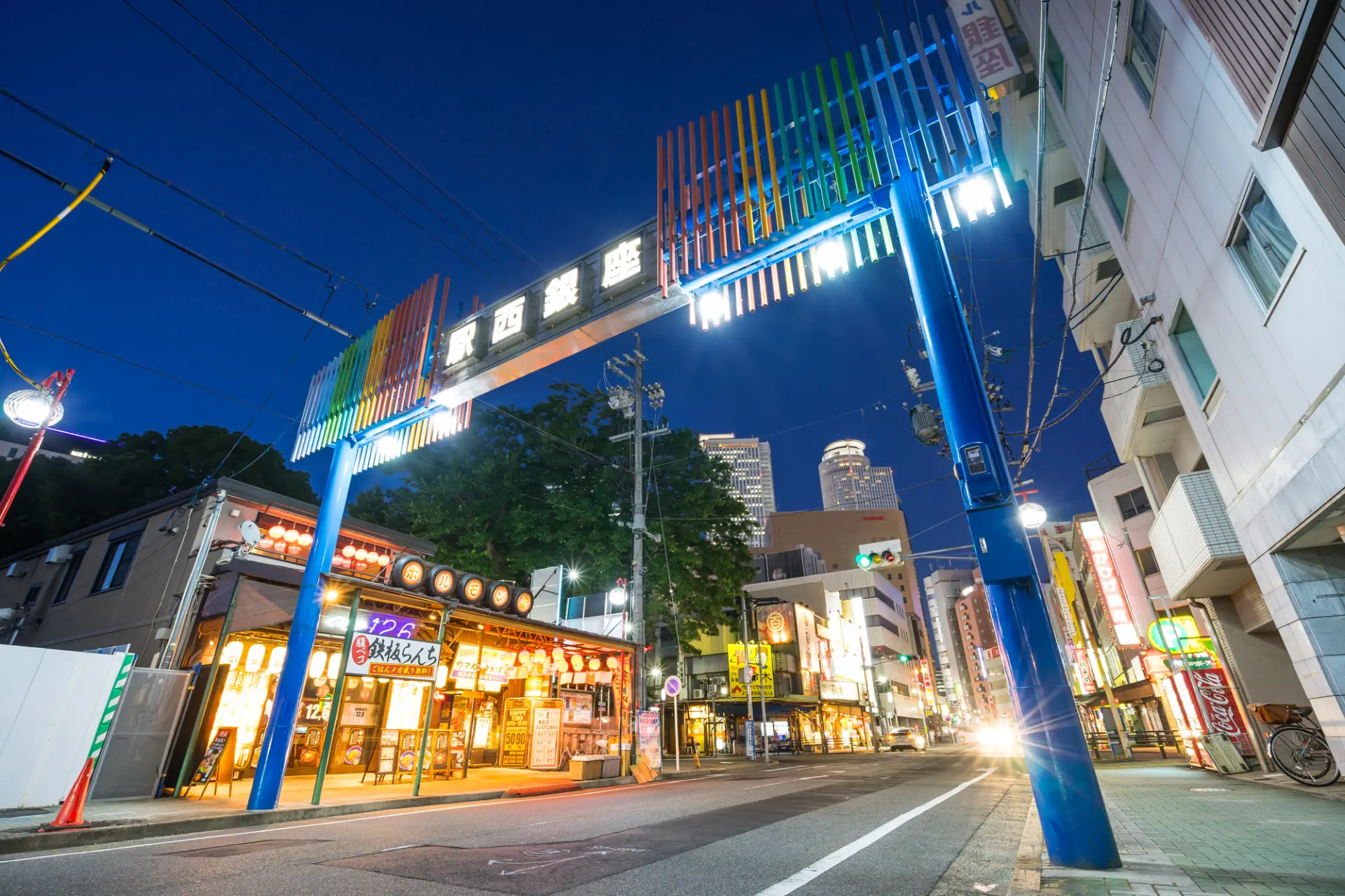
A long-established sento in the Kokubuncho area in central Sendai.
Although it’s right in the middle of the entertainment district, it still keeps the feel of the good old days, so you’ll feel as if you’ve slipped back into the Showa era.
Don’t miss the bathhouse mural, a painted scene of Matsushima, one of Japan’s Three Most Scenic Spots and a source of pride for Miyagi.
The facility is compact, but it offers a dry sauna, coin laundry, and sales of towels and shampoo, making it easy for travelers to use.
Another plus is the wallet-friendly admission fee, at around 500 yen per person.

Aichi: Kintoki-yu
A highly convenient public bath located Approx 10 minutes on foot from Nagoya Station on all lines.
Founded in 1928, it has a long history. The building, which is over 50 years old and has cultural value, is registered by Aichi Prefecture as “Registered Local Building Asset No. 90.”
They pump up groundwater from a depth of Approx 110–120 meters and heat it, creating soft, gentle water that’s easy on the skin and very popular.
The main tub has a two-level design so you can enjoy both half-body and full-body bathing. There are also electric and bubble baths, letting you relax in a retro atmosphere.
The mosaic-tile sign and the interior that still preserves the Showa-era look are also distinctive. You can really feel the charm of an old-school Japanese bathhouse here.
Fukui: Azumayu
A public bath in Ono City, Fukui Prefecture, Approx 10 minutes on foot from Echizen-Ono Station on the JR Etsumi-Hoku Line.
The wooden building itself is highly regarded as a symbol of the local scenery, and its historic appearance has earned it a place in the “Scenic Special Selection Ono.”
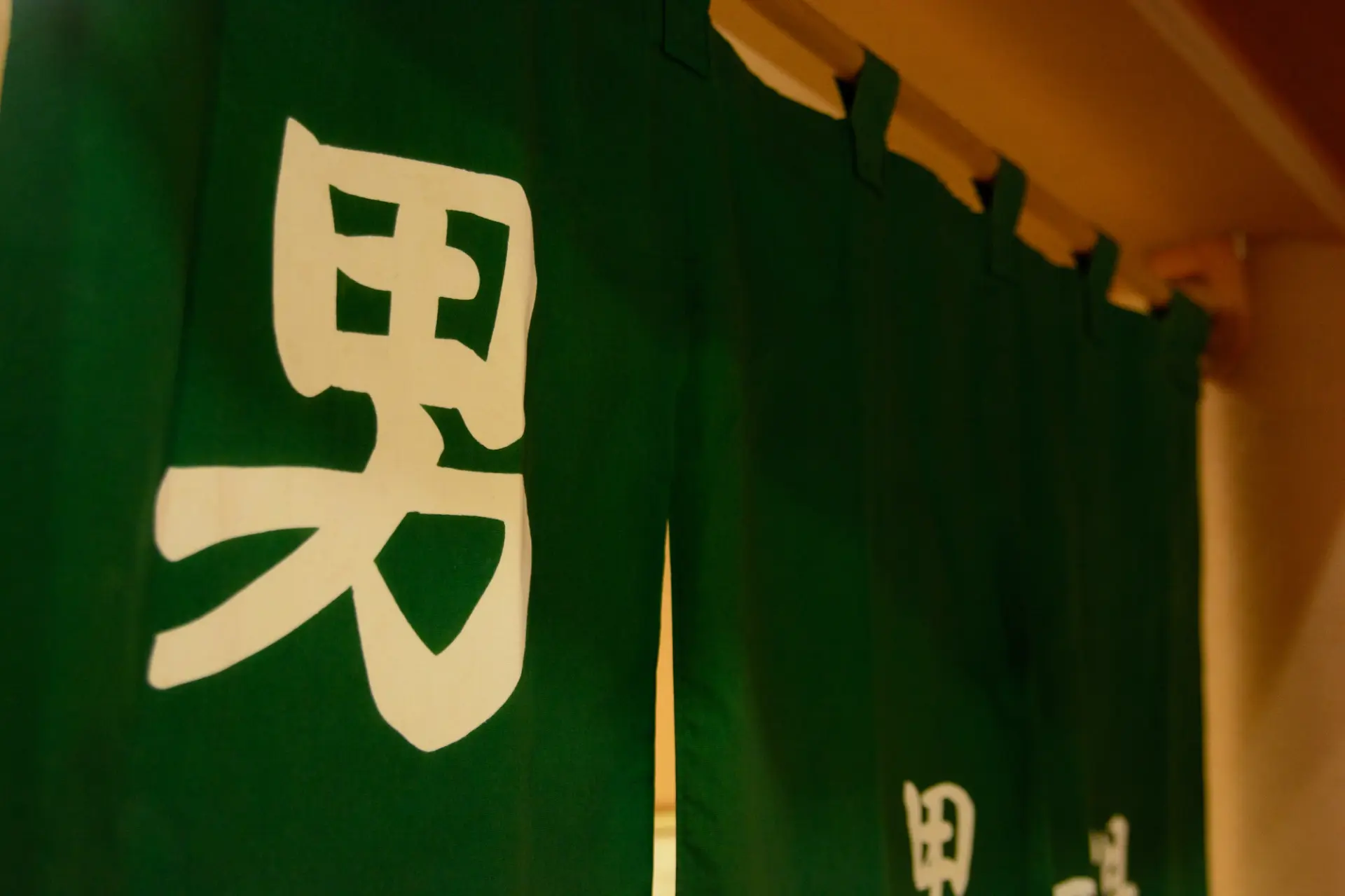
It strongly preserves the public bath culture of the Showa era. Once you pass under the entrance curtain, you’ll find a traditional attendant’s booth, wooden lockers, and a nostalgic post-bath area with bottled milk.
The bath area follows the classic style, with a large L-shaped tub and pebble tiles. Soaking in the hot water heated with firewood or in the herbal bath made with houttuynia and mugwort will ease away your travel fatigue.
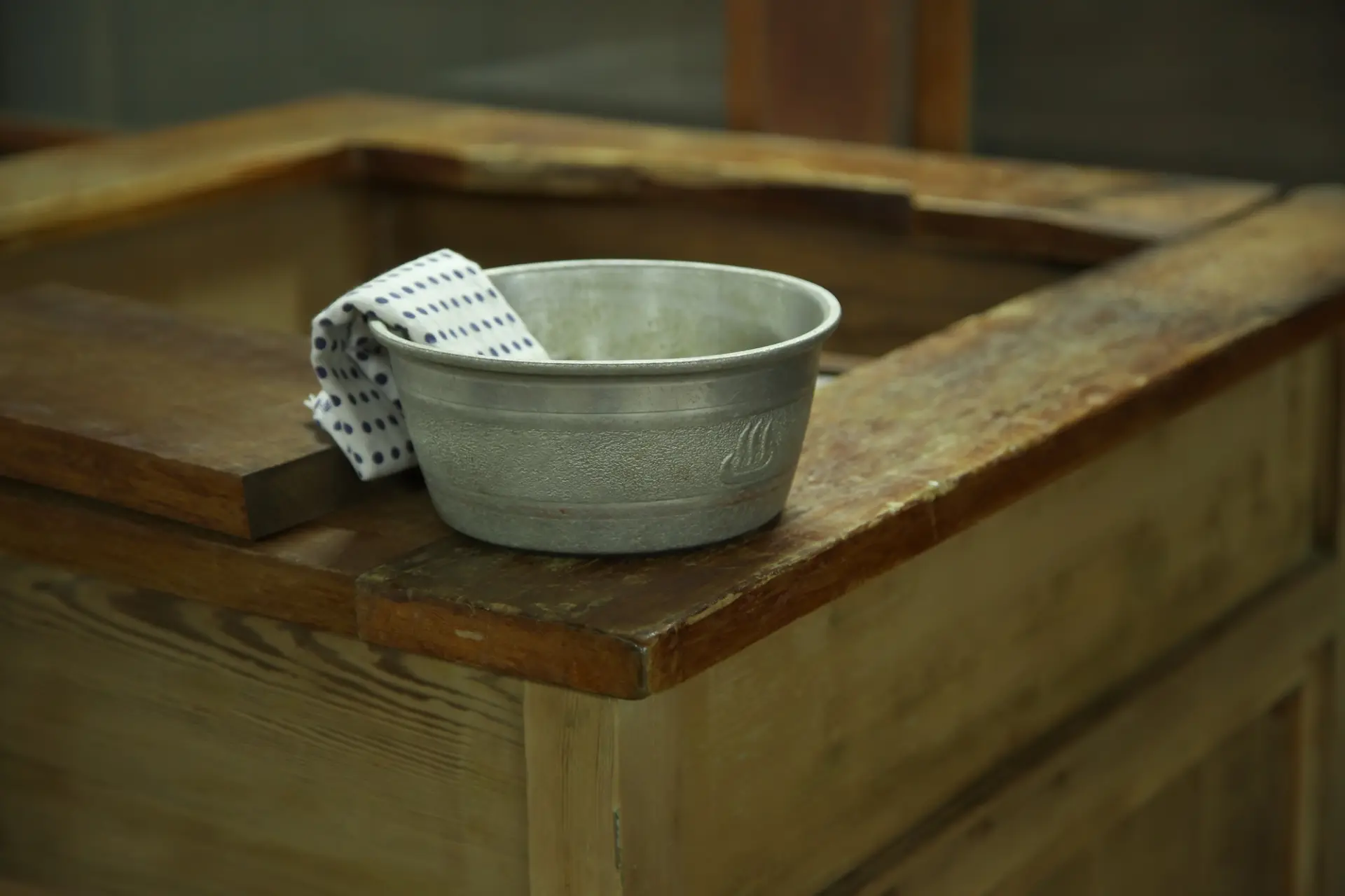
Kyoto: Funaoka Onsen
Funaoka Onsen is a public bath at the foot of Mt. Funaoka in Murasakino, Kita Ward, Kyoto, not far from Kinkaku-ji Temple.
From the changing area to the bath, it strongly preserves the atmosphere of the Taisho and early Showa eras. In July 2003, it became the third still-operating public bath in Japan, and the first in Kyoto, to be registered as a National Tangible Cultural Property.
Its electric bath, installed in 1933, was the first of its kind in Japan. The second-generation owner introduced it to gain hot spring certification in Kyoto, where there are no natural springs, and it was officially approved as “Special Funaoka Onsen.”
The open-air bath uses a lavish amount of Kibune stone, a rare and prized garden stone. This remarkable stone is said to change into seven colors when water is poured over it.
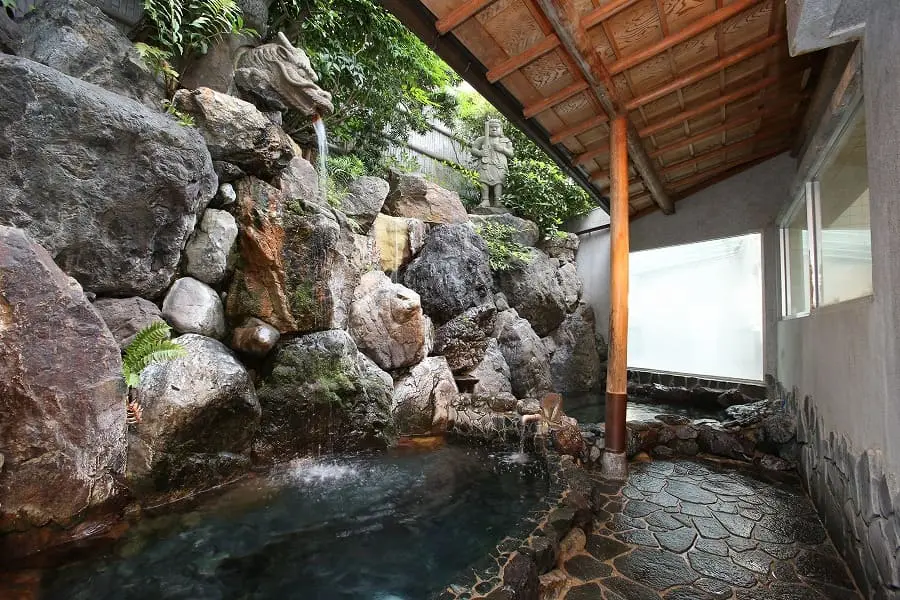
Hiroshima: yubune
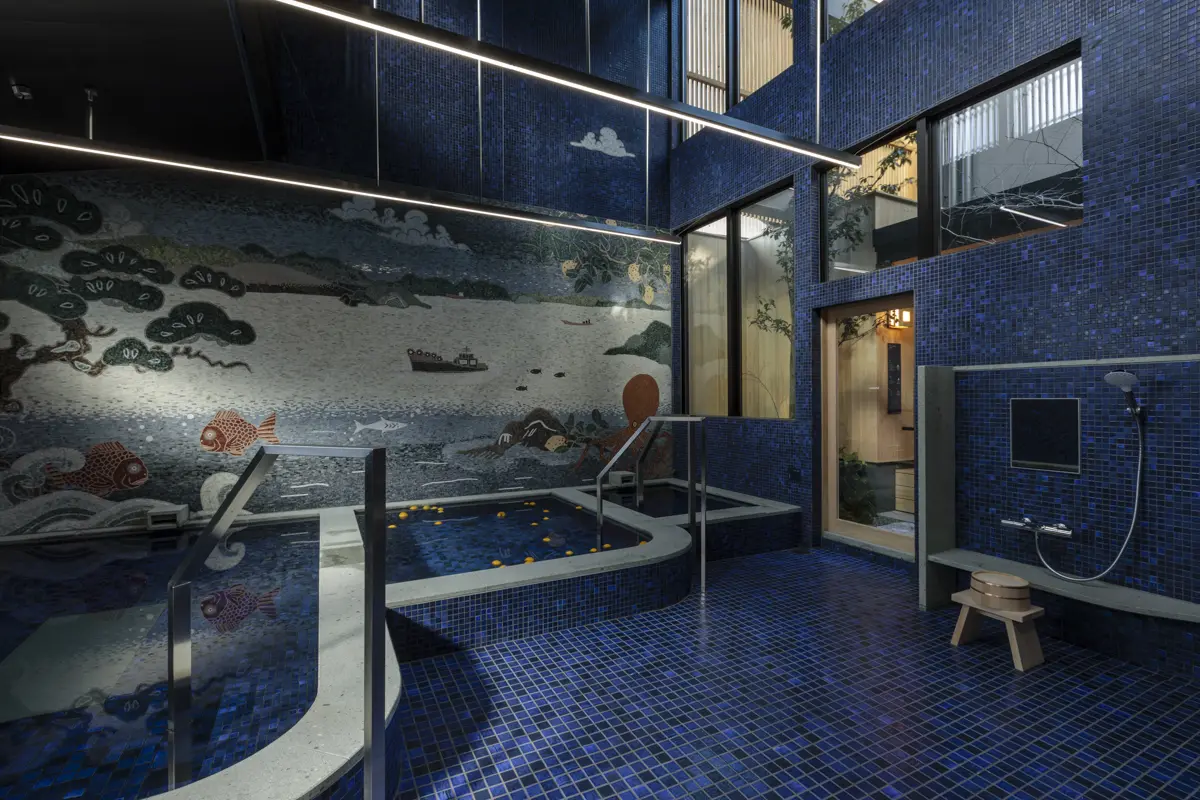
This lodging on Ikuchijima Island in Setoda has a public bath designed to help guests interact with local residents by sharing the same time and experiences.
The bathhouse walls are decorated with tile murals of Setoda’s scenery and fish, in true classic Japanese sento style. Soak in the tub, relax, and gaze up at the tile artwork.
Day-use bathing is also available.
Ehime: Dōgo Onsen Honkan
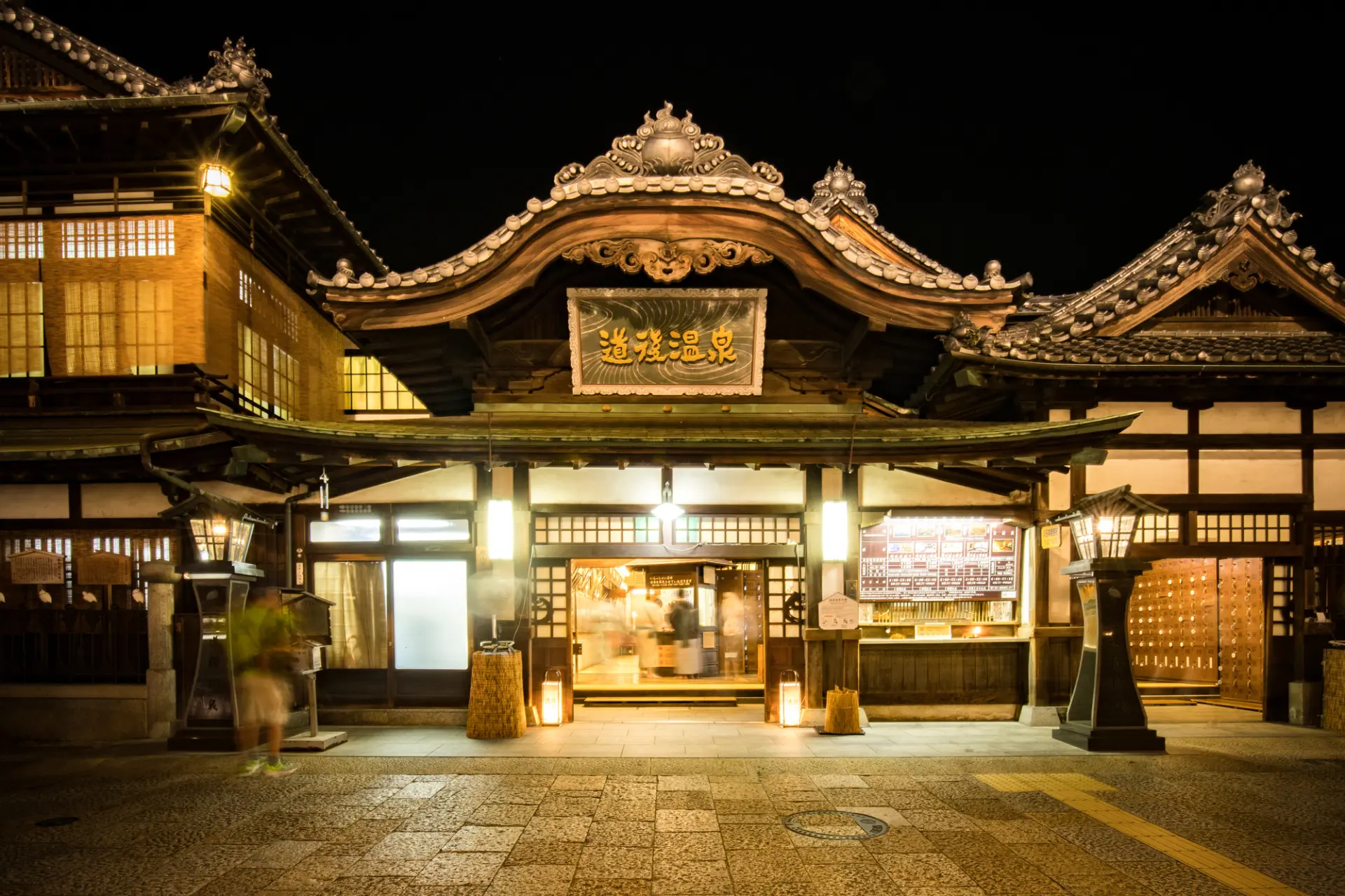
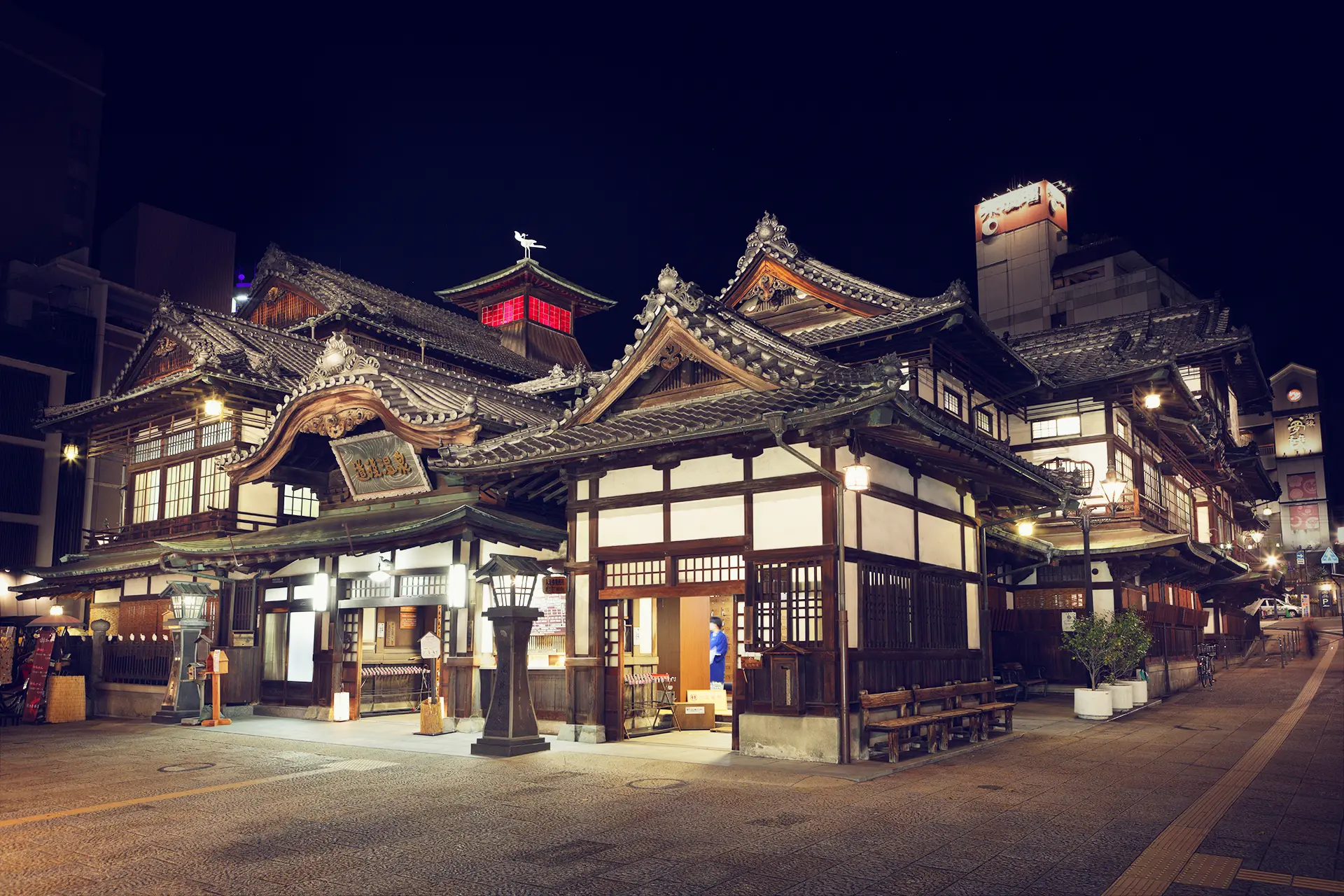
Dōgo Onsen is mentioned in the “Nihon Shoki” and is said to be Japan’s oldest hot spring. A legend tells of a white heron with an injured leg that healed its wounds in the waters of Dōgo Onsen.
The alkaline simple spring features smooth, gentle waters that are easy on the skin, making it suitable for therapeutic bathing as well as beauty benefits.
Dōgo Onsen Honkan itself is designated as an Important Cultural Property of Japan, and its magnificent architecture is steeped in history.
Fukuoka: Honjoyu
This public bath is within walking distance from Yakuin Station on the Nishitetsu Line and Tenjin-minami Station on the Fukuoka City Subway in Chuo Ward, Fukuoka City.
The building is small and retro, with the feel of the 1950s. The wooden interior, traditional reception counter, and tiled murals create a simple, nostalgic atmosphere.
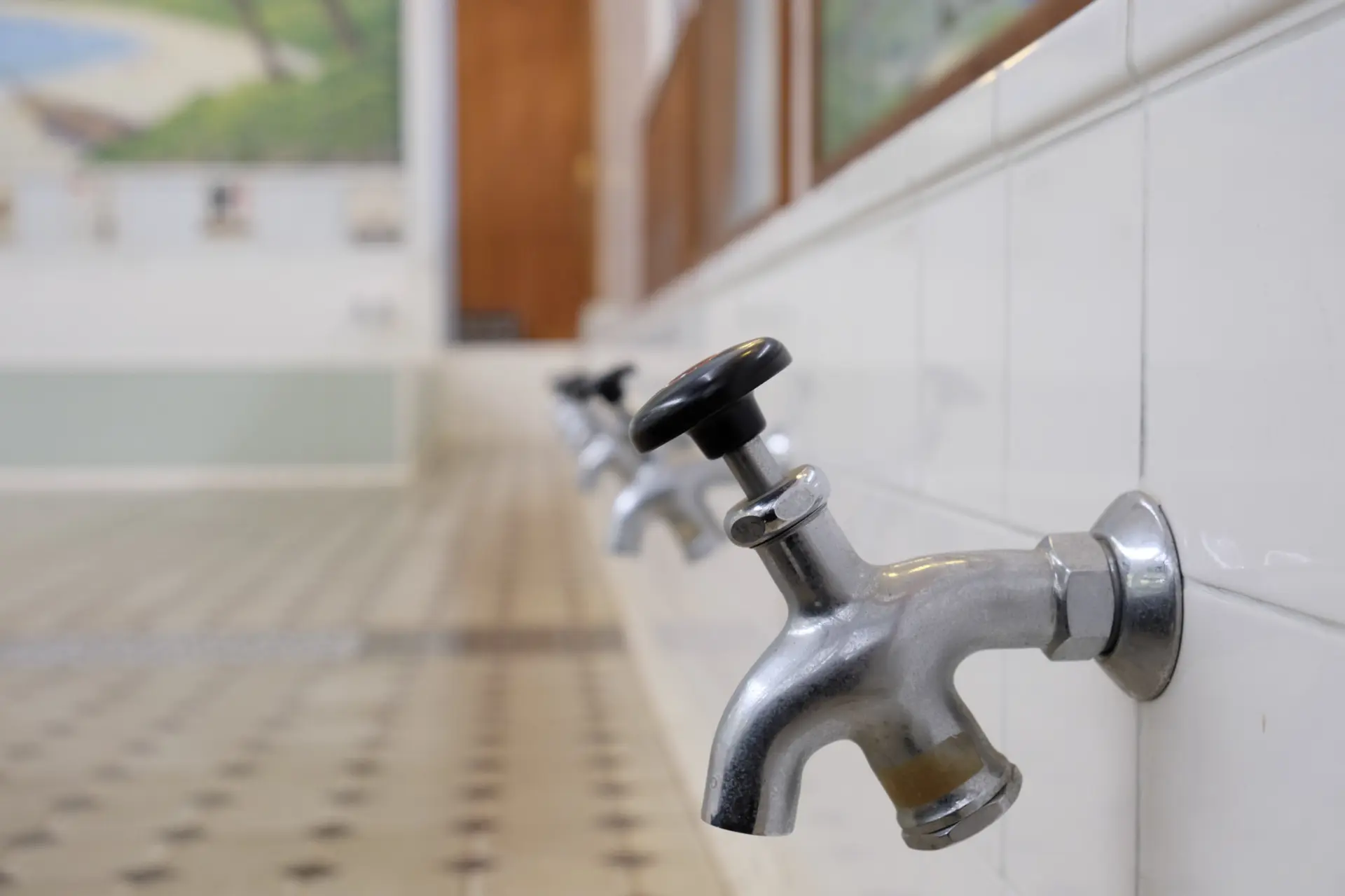
The showers are fixed in place and only have hot and cold water, so you adjust the temperature yourself. It’s a rare experience these days.
Tenjin’s downtown area is also nearby, so it’s a nice spot to drop by after a stroll.
FAQ about Sento
Q
Can I rent towels or shampoo at a sento?
A
Some places ask you to bring your own items. Others offer them for free or for a fee.
Q
Can I wear a swimsuit in a sento?
A
Most facilities do not allow bathing in swimsuits. Sento in Japan have long been places to wash and cleanse the body, and both hygiene and tradition are reasons for this rule.
Q
Can I take a bath if I have tattoos?
A
It depends on the facility, but in general you should assume you will not be allowed in. That said, some places may make exceptions for small tattoos on international visitors.
Wrap-Up
This article has covered the history of sento, how to enjoy them, and basic rules to know before visiting.
Sento are easy to enter thanks to their casual prices, and they offer many ways to experience Japanese culture with all five senses.
You can enjoy the traditional architecture, the unique interiors with Mount Fuji murals and reception counters, and chances to chat with locals.
Let the nostalgic atmosphere and small everyday pleasures lighten your mood. Try visiting one for yourself.
If you love hot springs, check out this article on Japan’s famous hot spring towns and hidden gems.