Kinkaku-ji

Verified [Verified] denotes information that has been published with confirmation of its owing parties.

Kinkaku-ji

A golden pavilion nestled in the greens of Kitayama.

4.58 25

Last update :
Supervised by :  Kinkaku-ji

During the Muromachi Period, the 3rd Ashikaga shogun, Yoshimitsu, made an abode in this temple called Kitayamadono. It was named as Rokuon-ji after the posthumous name of Yoshimitsu. He had also built Shokoku-ji Temple, and Rokuon-ji, his retirement home, was turned into a branch temple of Shokoku-ji.

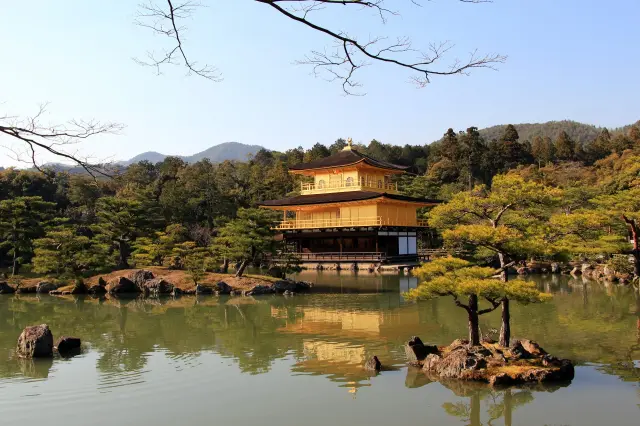
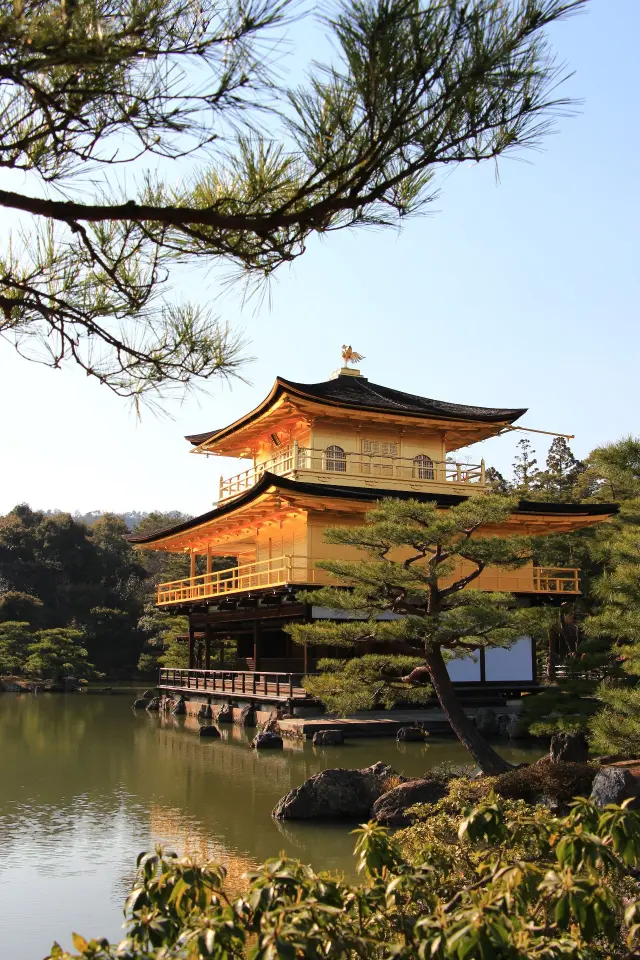
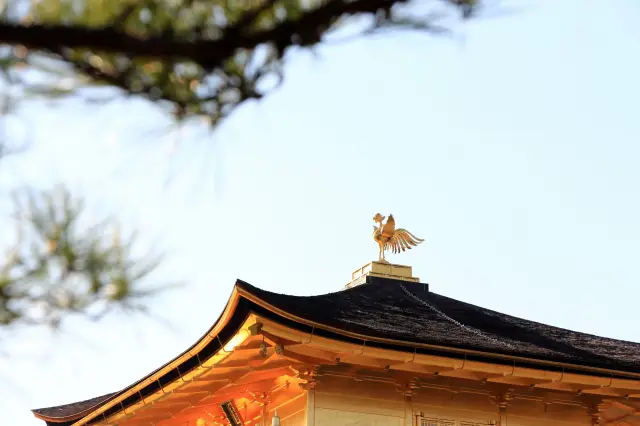
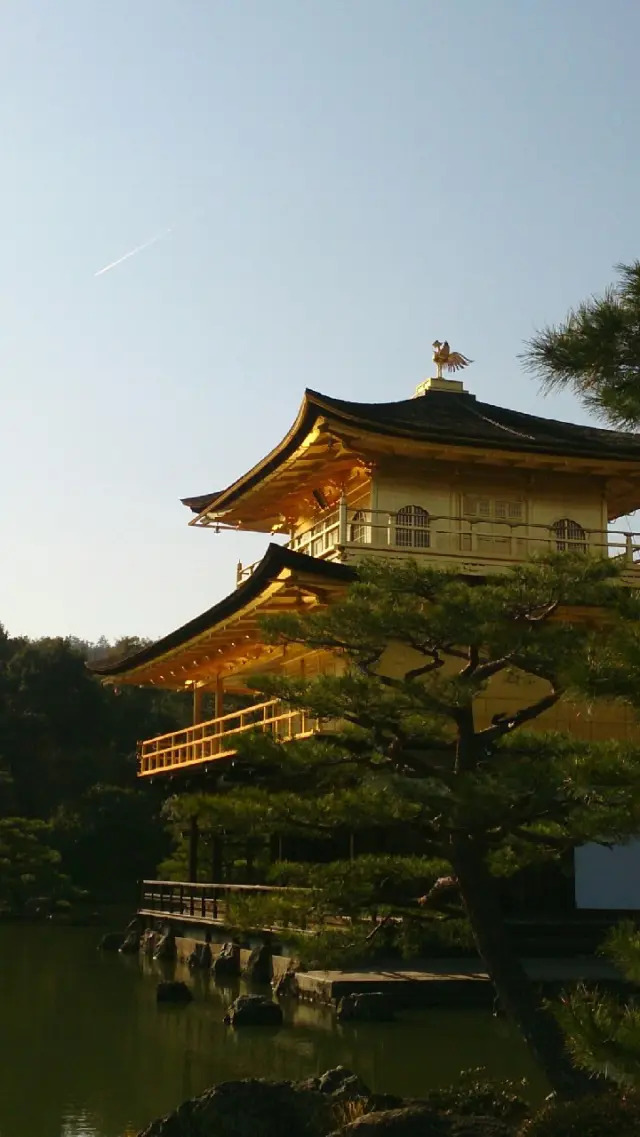
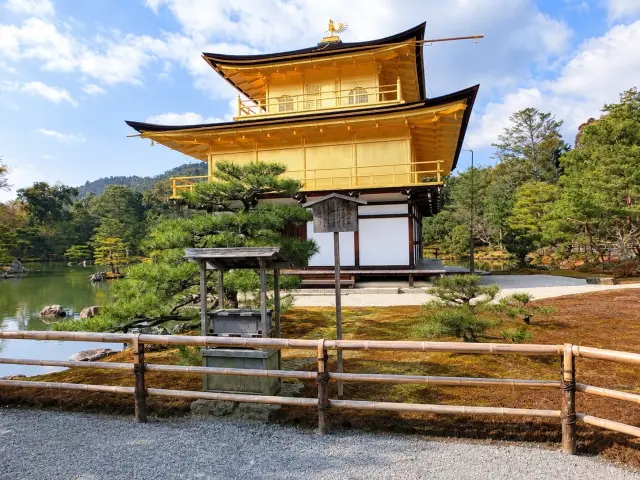
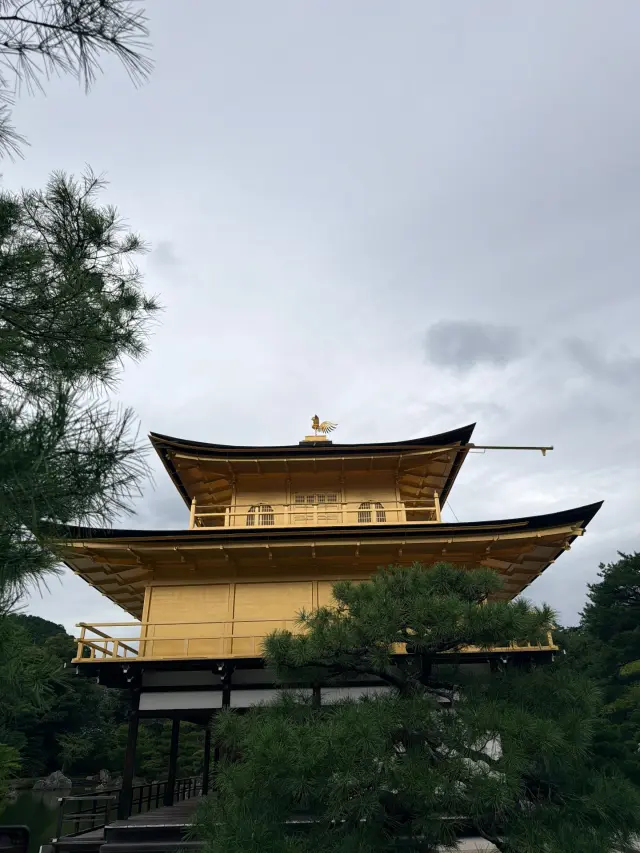
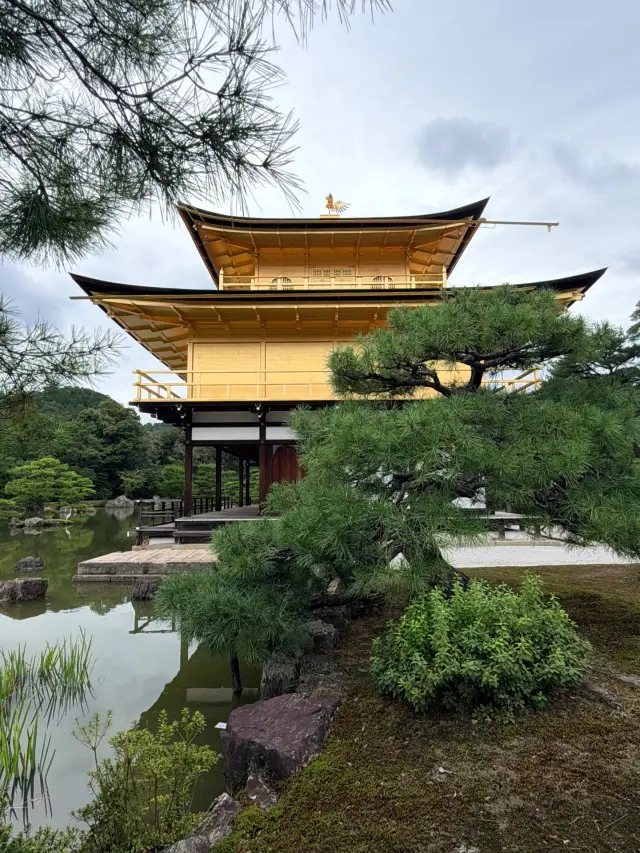
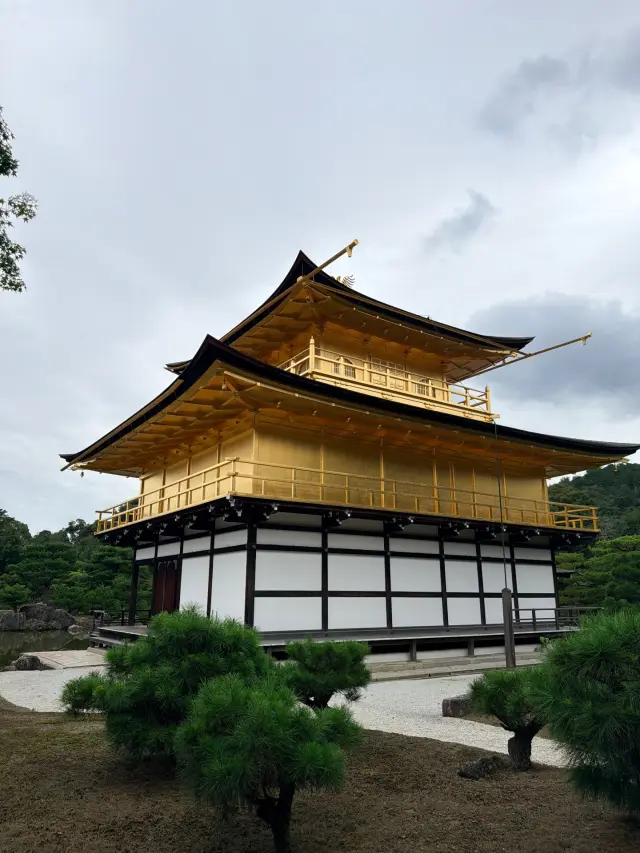
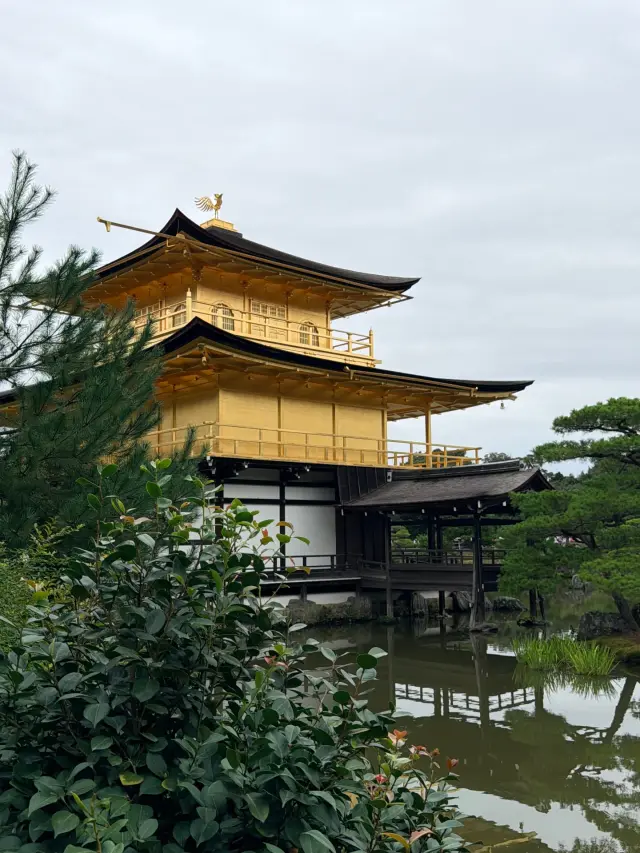
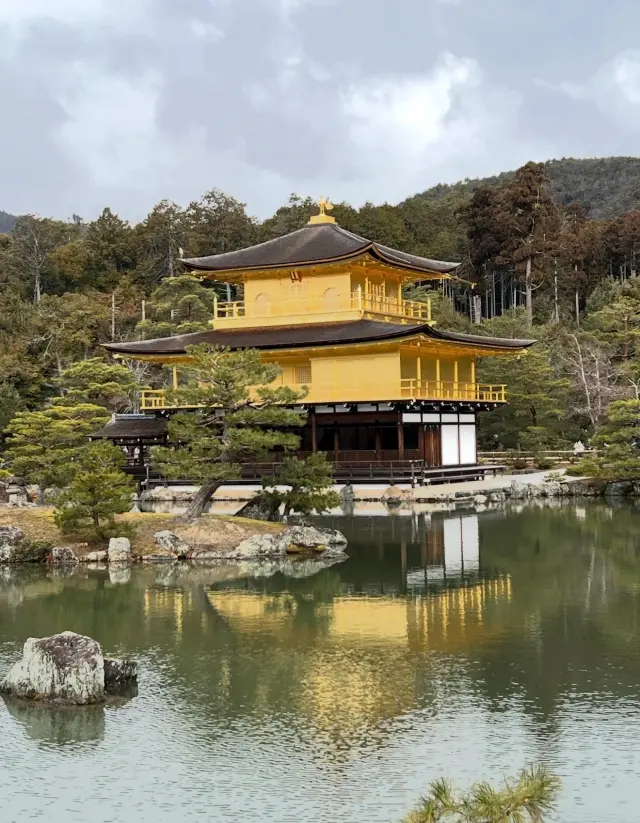
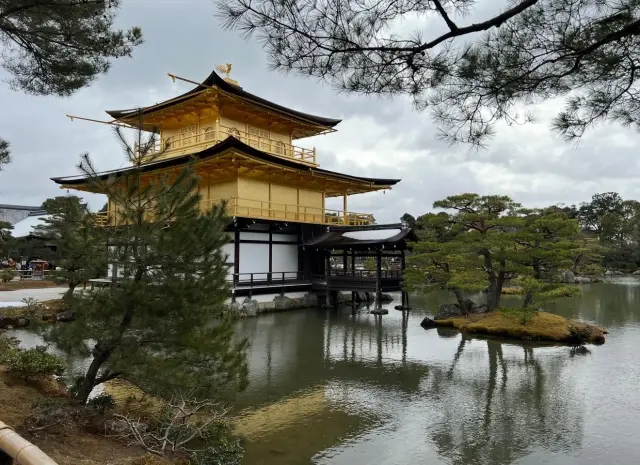
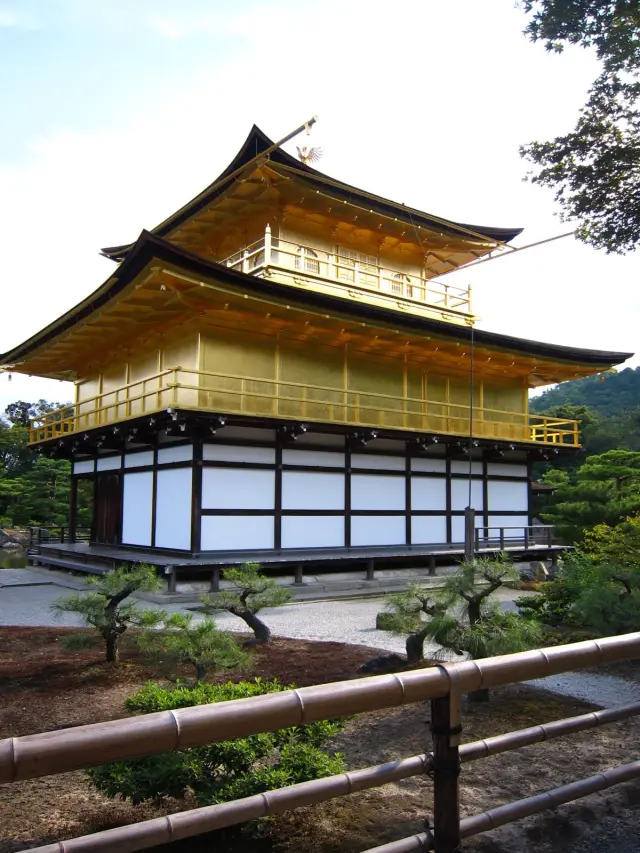
Right after passing the gate, You will see a big bell that was created in Oshiki-cho scale (closer to A in western music notation) back in Kamakura Period. The common name, Kinkaku-ji, came from the pavilion by the pond that is covered with gold foil. Thin pieces made of sawara tree (kokera) are used for the roof, two or three layers of gold foil glued on the pavilion with lacquer, etc. show off Ashikaga Yoshimitsu’s prosperity even to this day.

In 1950, a fire burned it down, but it was reconstructed in 1955. When it had been disassembled and repaired in Meiji Period, detailed drawings and information were preserved, which made the almost perfect restoration possible.

Walking further from the bell tower, you will see Sekkatei which is said to have been built by the direction of Horin Josho who was the chief priest at Kinkaku-ji during Edo Period, and Fudo-Do built by Ukita Hideie in the late 1500s.reliquary hall.

Highlights

  • The pavilion and the pond bring different beauty in each season.
  • The tour route is one way round. You are expected not to go back.
  • Next to the pavilion, there is clear water at Gingasen, which is said to have been used for tea ceremonies by Ashikaga Yoshimitsu.
  • Rikushu no Matsu in the shape of a ship is said to be Ashikaga Yoshimitsu’s bonsai pine transplanted here.

Photos

  • Kinkaku-ji (Photo Credit: PIXTA)

    Kinkaku-ji (Photo Credit: PIXTA)

  • Kinkaku-ji (Photo Credit: PIXTA)

    Kinkaku-ji (Photo Credit: PIXTA)

  • Kinkaku-ji (Photo Credit: PIXTA)

    Kinkaku-ji (Photo Credit: PIXTA)

Reviews

25

Some reviews are AI-translated.

  • See More

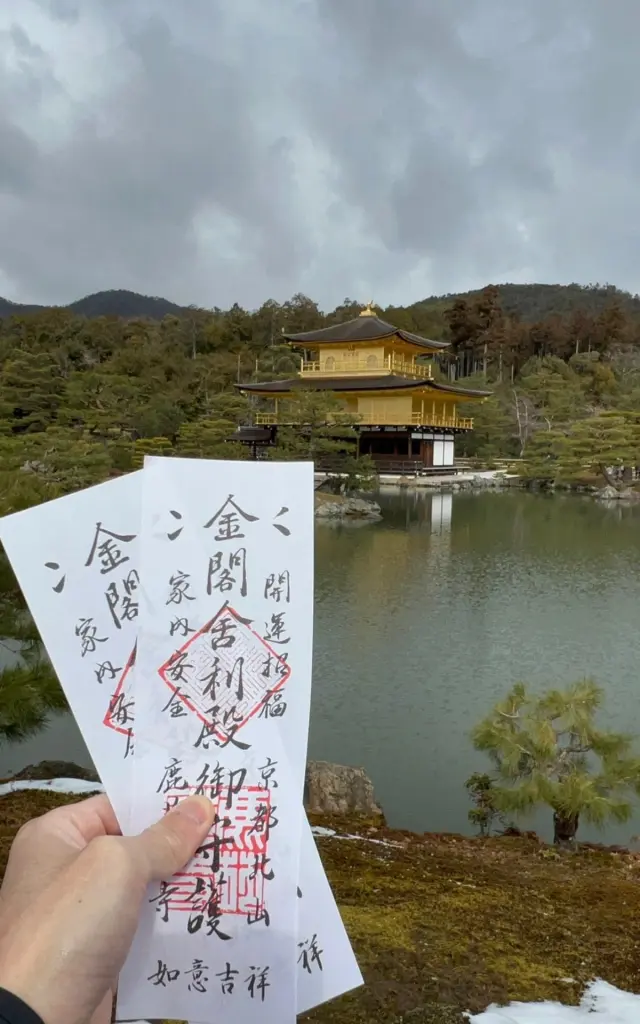
    The UNESCO World Heritage Site Kinkaku-ji is absolutely a timeless classic and top choice! After buying the unique paper admission ticket at the entrance, which looks like a protective charm, follow the lush garden path. The moment you turn the corner and the dazzling golden building comes into view, the visual impact is truly incomparable.

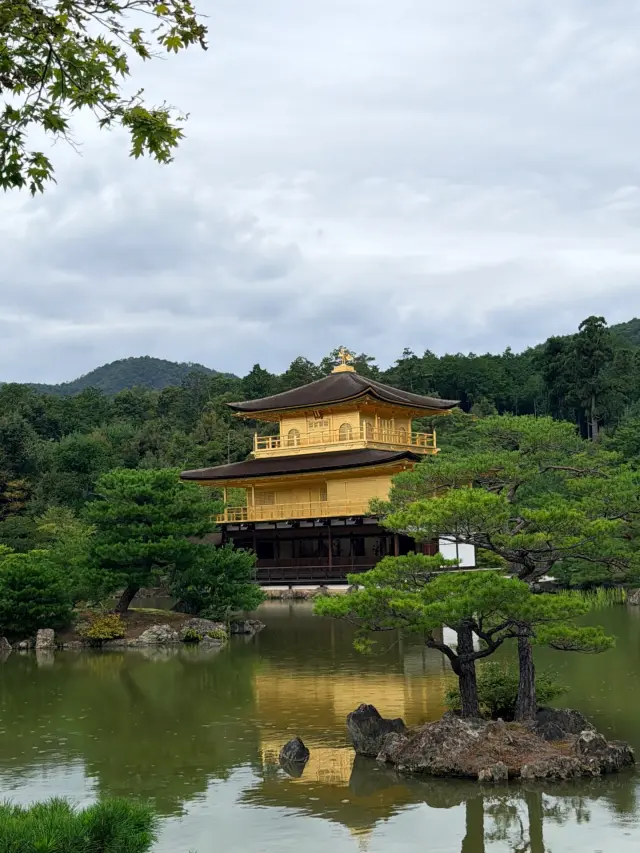
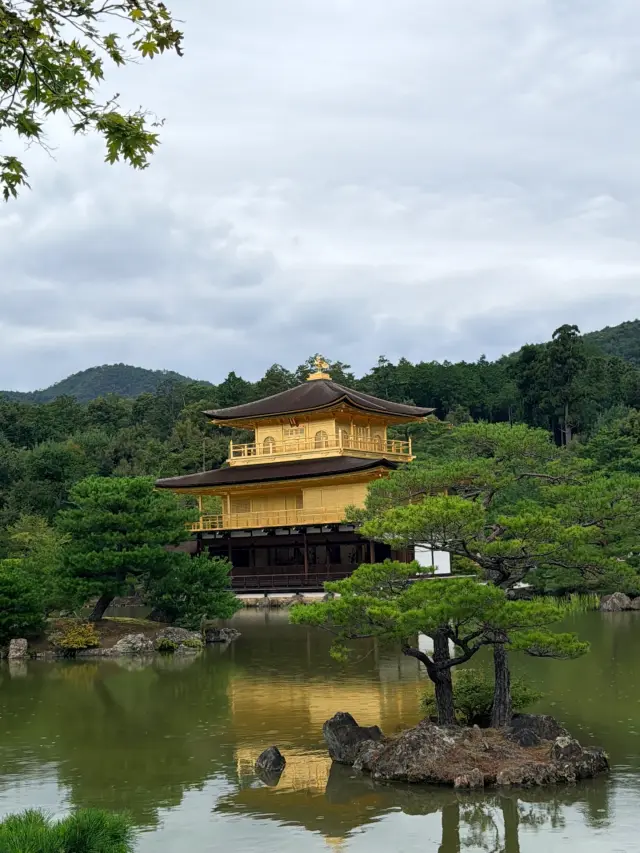
    Its exterior walls are covered in precious gold leaf, gleaming brilliantly in the sunlight. The most captivating classic view is from across the Kyoko-chi Pond, where Kinkaku-ji's elegant form is perfectly reflected on the calm water, framed by lush pine trees, blue skies, and white clouds. It looks just like a flawless postcard. Anyone standing here will find it hard to stop taking photos.

    After visiting Kinkaku-ji itself, stroll along the garden path to admire the Zen-like strolling pond garden, historic teahouses such as Sekka-tei, and various elegant landscape features. Although you can't go inside the building, simply walking around and experiencing the unique atmosphere that blends the lavish culture of the Muromachi period with the tranquility of Zen is well worth the admission price.

    I highly recommend adding Kinkaku-ji to your morning itinerary when visiting Kyoto. See the gold leaf sparkle when the sunlight hits at the best angle, and you're sure to come away with dazzling, unforgettable memories of your Kansai trip!

  • See More

    It was my first time visiting Kinkaku-ji, and I was truly amazed by the view! The golden Shariden reflected in Kyoko-chi Pond glistened in the sunlight, and together with the surrounding green trees and garden, the whole scene looked just like a postcard of Japan!

    I took a leisurely walk through the garden, admiring Kinkaku-ji's beauty from different angles while soaking in Kyoto's distinctive classical atmosphere.

  • See More

    Kinkaku-ji is so beautiful it looks like it has a filter on, but it’s a real historic landmark!

    It was originally the luxurious residence “Kitayama-dono” of Ashikaga Yoshimitsu, the third shogun of the Muromachi shogunate, and was later converted into a temple. Its official name is actually Rokuon-ji. The name most people know, “Kinkaku-ji,” comes from the glittering gold-leaf reliquary hall.

    Once you enter the grounds, the sight of the Golden Pavilion reflected on Kyoko-chi Pond is so stunning you can’t help but keep taking photos. No wonder almost everyone visiting Kyoto puts this place on their must-see list!

  • See More

    When visiting Kyoto’s famous Rokuon-ji Temple, the must-see highlight is its golden Shariden, Kinkaku-ji.

    Kinkaku-ji is world-famous for its exterior covered in gold leaf. Surrounded by Kyokochi Pond, the temple’s golden reflection shimmering on the water is dazzling and breathtaking. The “upside-down Kinkaku” reflection is one of Kyoto’s most iconic sights, and it was registered as a World Cultural Heritage Site in 1994.

    Kinkaku-ji offers different scenery in every season, and the constant crowds are proof of its popularity as a tourist destination. I hope to visit again in winter to see the Snow Kinkaku.

  • See More

    Seeing snow for the first time—it was absolutely beautiful!!!

Details

Name in Japanese
金閣寺(鹿苑寺)
Postal Code
603-8361
Address
1 Kinkakujicho, Kita-ku, Kyoto City, Kyoto
Telephone
075-461-0013 (Rokuon-ji Temple office)
Closed
Open every day
Hours
9:00am - 5:00pm
Admission
Adult: 500 yen, Elementary or Middle school student: 300 yen
Directions
From JR Kyoto Station, ride Kyoto Municipal Bus, Route MN205 that passes Hankyu Kyoto Line’s Shijo Kawaramachi Station, Keihan Main Line’s Sanjo Station or JR Enmachi Station, get off at Kinkaku-ji Michi, and walk 5 min.
Official Website
Official Website (English)
Hokkaido Tohoku Kanto Chubu Hokuriku Kansai Chugoku Shikoku Kyushu Okinawa