
![[Gifu 1-Night, 2-Day Model Course] A Romantic Journey Through Gifu Following the Footsteps of Sengoku Warlords](https://static.gltjp.com/glt/data/article/22000/21152/20260224_045707_0f510ee7_w1920.webp)
[Gifu 1-Night, 2-Day Model Course] A Romantic Journey Through Gifu Following the Footsteps of Sengoku Warlords
Gifu Prefecture offers a wide variety of attractions, including Shirakawa-go, a World Heritage Site known for its gassho-zukuri farmhouses, Hida Takayama, and Gero Onsen.
Its historic streetscapes, sweeping natural scenery, and living traditional culture continue to draw travelers from around the world.
This Gifu trip is themed around the “romance of history,” looking back on the Sengoku period.
On Day 1, visit Gujo Hachiman, a castle town also known as the “City of Water,” and on Day 2, explore Gifu Castle, where Oda Nobunaga built his base for unifying Japan, along with Sekigahara, famous as the site of the decisive battle that divided the nation.
Here is a 1-night, 2-day model course where you can experience dramatic historical settings while also enjoying spectacular views and local food.
Day 1 | Stroll through the castle town of Gujo Hachiman.
Day 1 begins in Gujo Hachiman, a historic town of water. Enjoy a walk through its charming castle town streets.
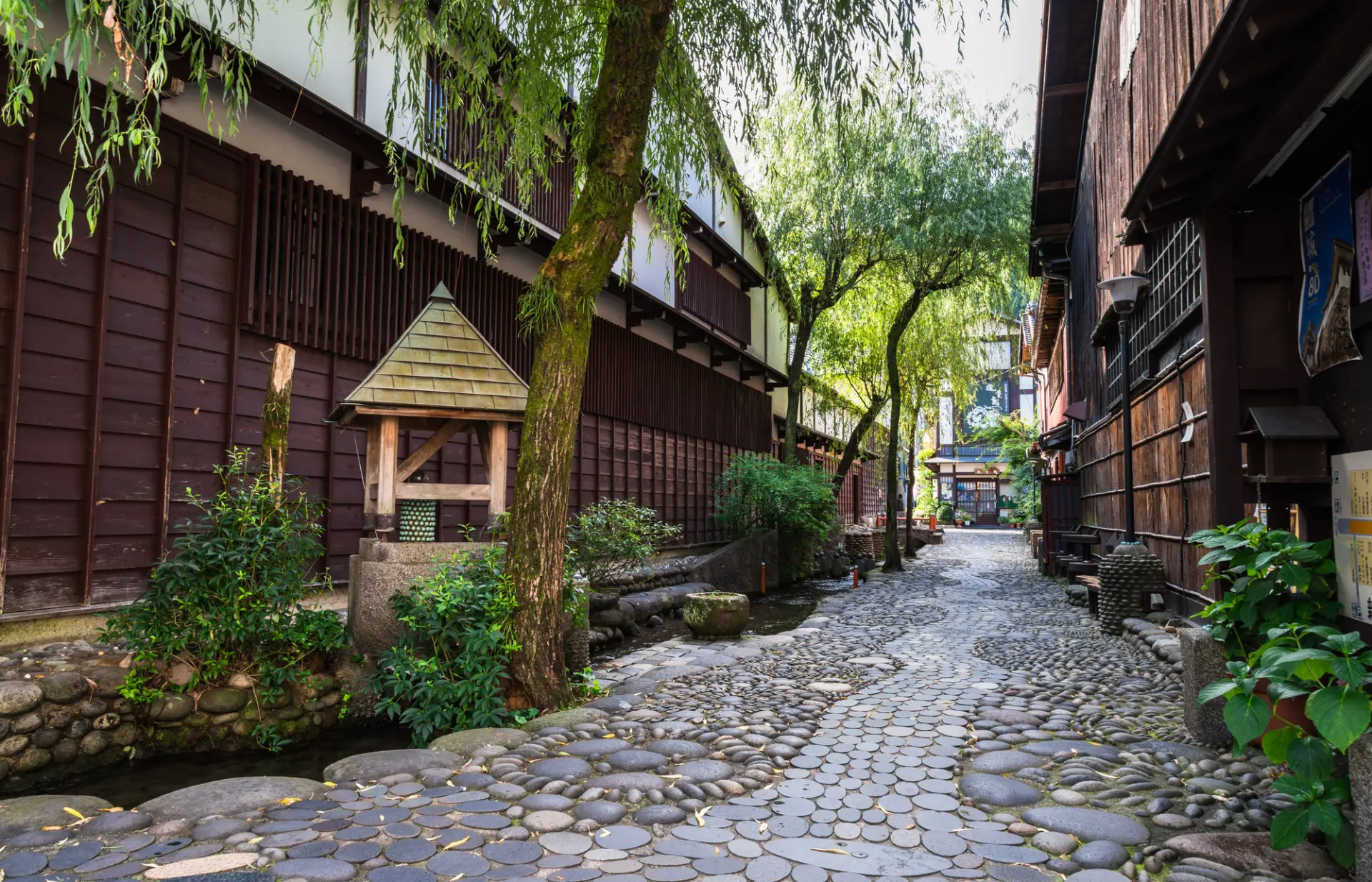
Take a walk through Yanaka Mizu no Komichi, a photogenic lane with picturesque scenery
The journey begins at Gujo Hachiman Station. Walk from the station to the “Gujo Hachiman Ekimae” bus stop, then take the Mame Bus Red Route for Approx. 10 minutes.
Get off at the “Jokamachi Plaza” bus stop, and after a 1-minute walk, you will arrive at your first destination, “Yanaka Mizu no Komichi.”
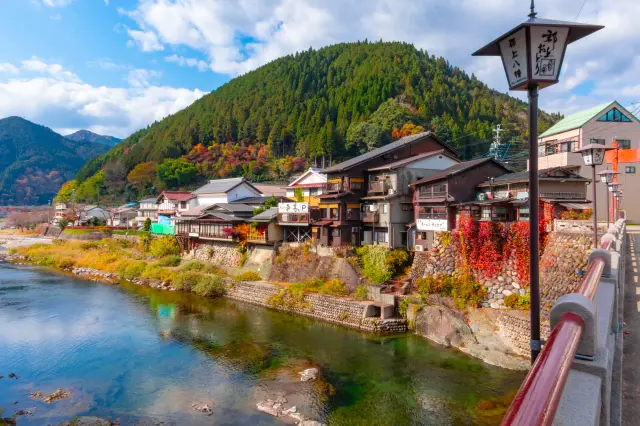
Yanaka Mizu no Komichi, a symbolic spot in Gujo Hachiman, is a charming path along a waterside canal, with cobblestone lanes and the soothing sound of flowing water.
The street blends beautifully with the surrounding traditional townhouses, and small water basins are scattered along the canal. As you stroll at a relaxed pace, you can enjoy the scenery of water and everyday life in Gujo Hachiman.
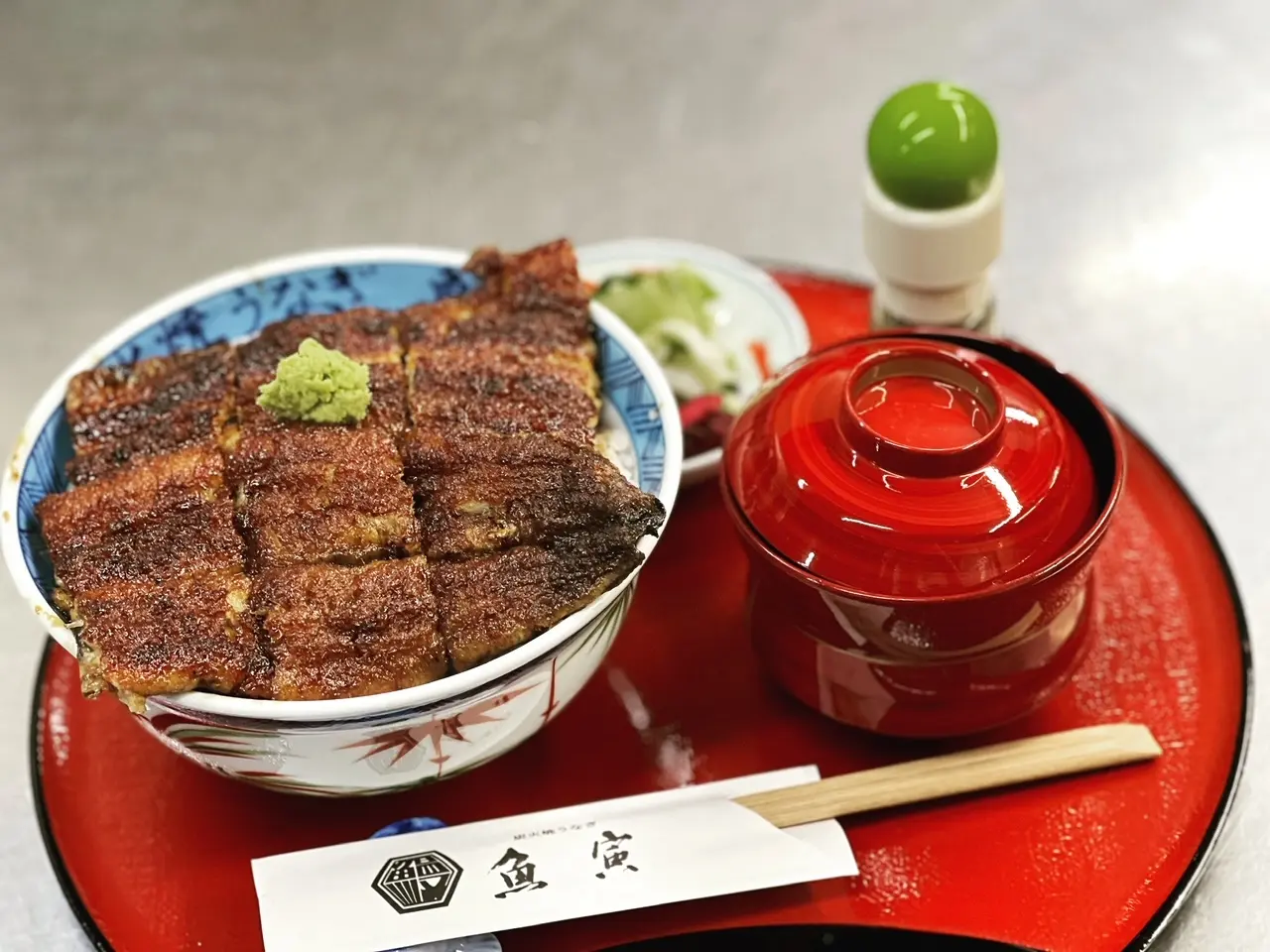
Savor exceptional eel at Sumibiyaki Unagi Uotora
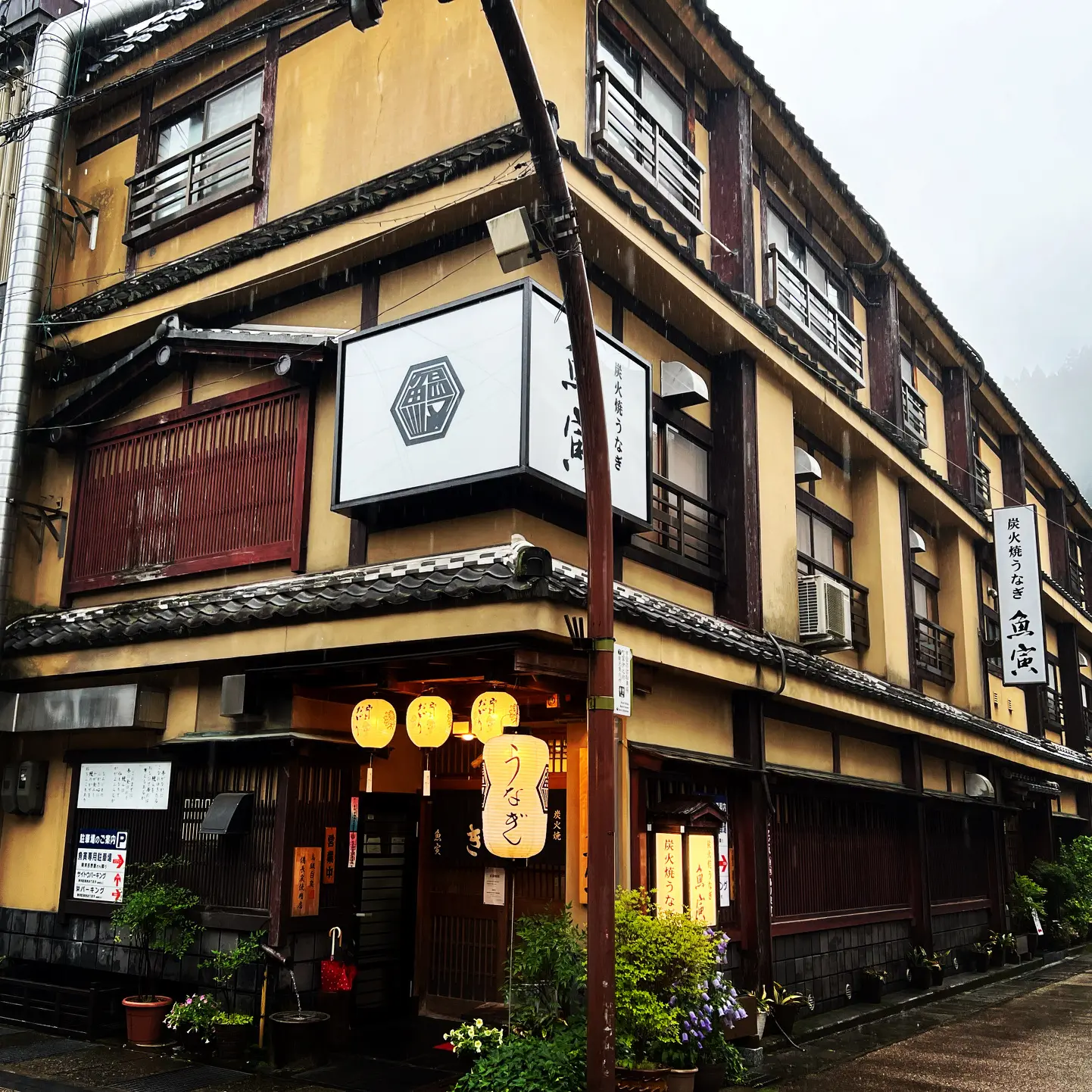
After enjoying the charming streets along the canal, it’s time for lunch at Sumibiyaki Unagi Uotora, a long-established restaurant in Gujo Hachiman.
Founded in 1930, this renowned restaurant prepares eel that has been kept for 2 days in water drawn from a Gujo well, selected as one of Japan’s 100 Famous Waters, then grills it over binchotan charcoal for a rich, fragrant finish.
The fluffy flesh, crisp grilled skin, and secret sauce passed down since the restaurant first opened are all exquisite.
Savoring the natural blessings of Gujo Hachiman makes the trip even more satisfying.
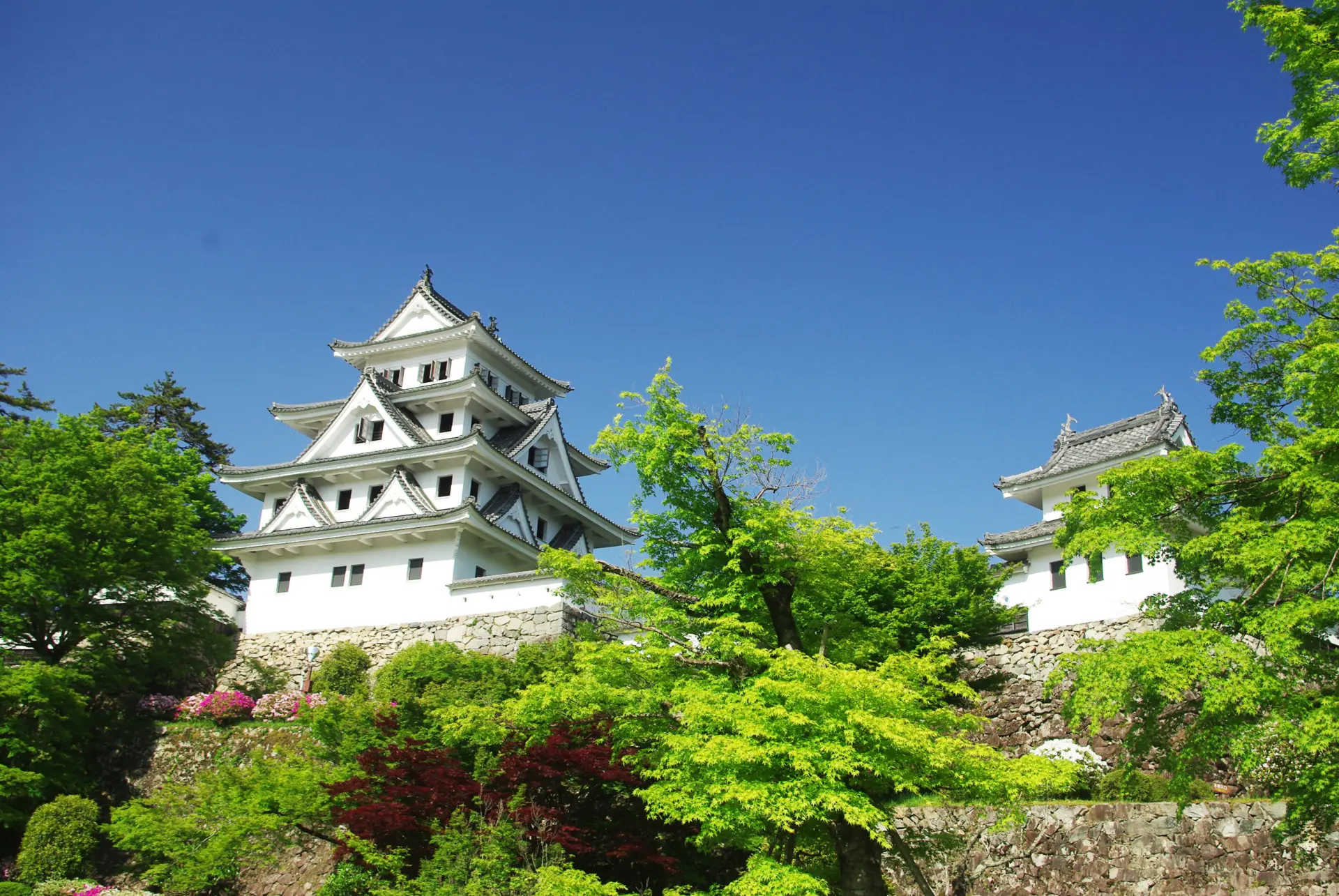
Visit Gujo Hachiman Castle, a late-Sengoku-period castle and Japan’s oldest reconstructed wooden castle
After lunch, head to Gujo Hachiman Castle. Since it stands on a hill, it takes Approx. 25 minutes on foot, but the leisurely walk through the castle town is part of the joy of the trip.
This castle on the summit of Mt. Hachiman began as a fortress built in 1559.
The current castle keep was reconstructed in 1933.
It is the oldest existing reconstructed wooden castle in Japan. From the top-floor observation area, you can take in sweeping views of the castle town and the mountains of Oku-Mino.
Don’t forget to pick up a castle seal made with hand-crafted Mino washi paper as a souvenir of your trip.
-
Inside the wooden castle keep, many items associated with Gujo Hachiman Castle are on display
-
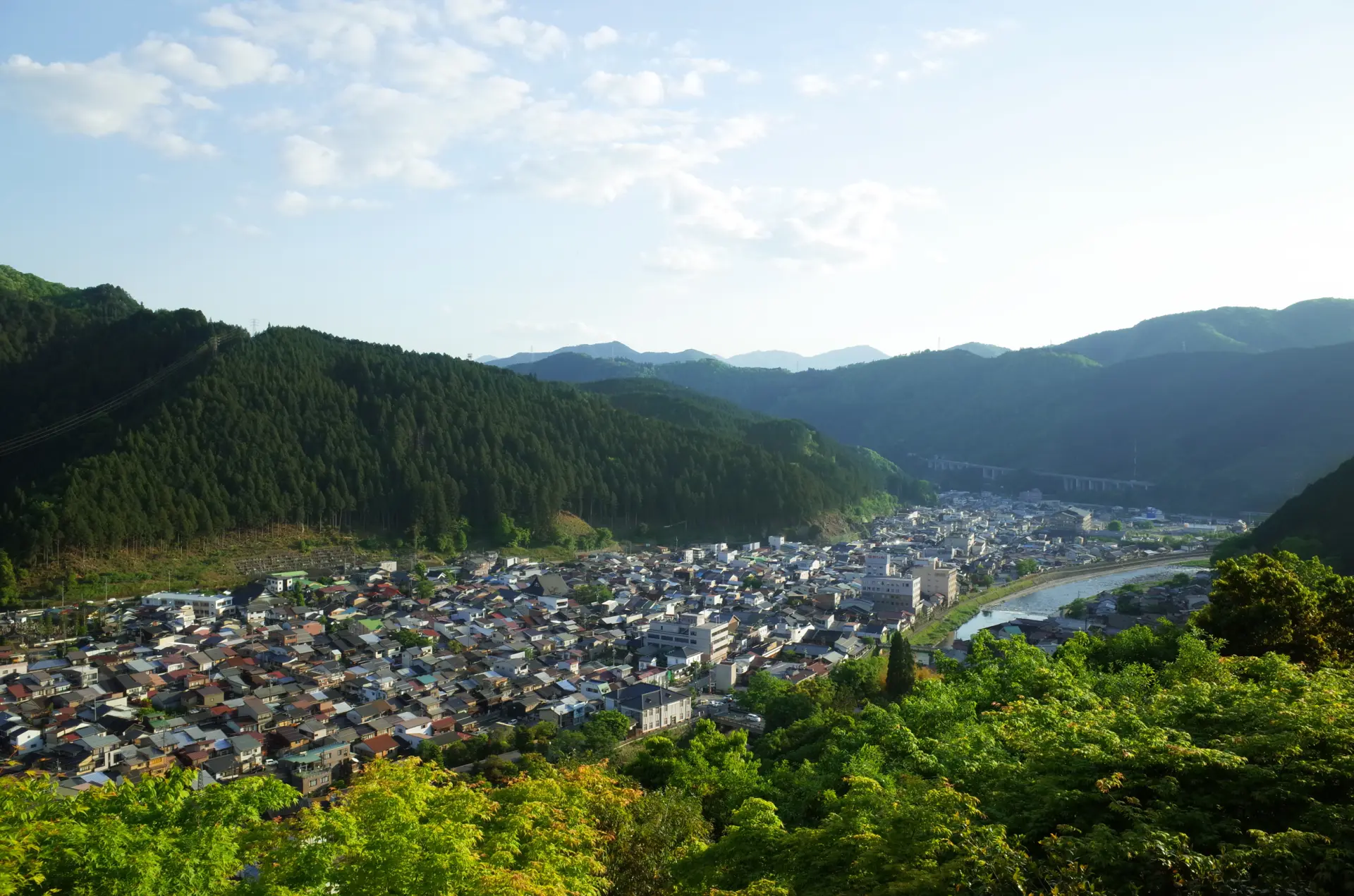
From the castle keep, you can look out over the townscape, said to resemble the shape of a sweetfish
Make a stop at retro architecture and shop for souvenirs at the Gujo Hachiman Old Government Office Memorial Hall
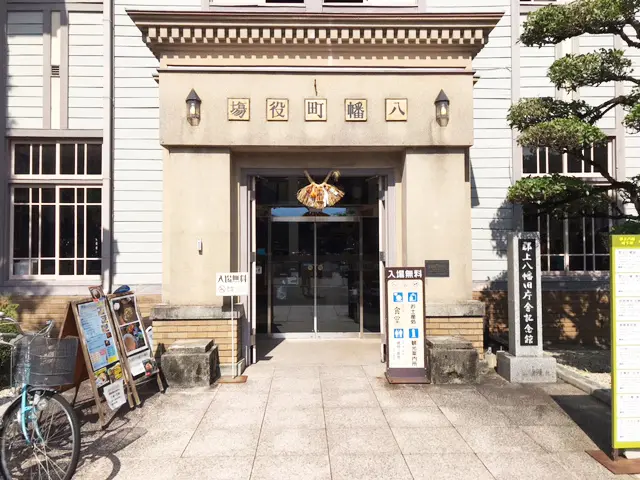
Next, visit the Gujo Hachiman Old Government Office Memorial Hall, a tourist information center housed in a former town office building constructed in 1936. It is about a 15-minute walk from Gujo Hachiman Castle.
This photogenic retro Western-style building is a valuable structure designated as a Registered Tangible Cultural Property of Japan.
Inside, you’ll find the Old Government Office Cafeteria, where you can try local dishes, as well as a shop stocked with souvenirs, making it a perfect place for a short break during your walk.
Take advantage of the wait for the bus to enjoy some souvenir shopping.
From Gujo Hachiman to Gifu City: Check in at Comfort Hotel Gifu near the station
After picking up some souvenirs, take the bus back to Gujo Hachiman Station, ride the Nagaragawa Railway for Approx. 80 minutes, transfer to JR at Mino-Ota Station, and continue to Gifu Station. It’s a relaxing train journey with peaceful scenery passing by the window.
Once you arrive at Gifu Station, check in at Comfort Hotel Gifu, about a 2-minute walk away.
After dropping off your luggage, take a short break in the spacious open area called the Comfort Library Cafe.
Once you’ve relaxed in the comfortable space and recovered from the journey, head out to enjoy the night in Gifu.
-
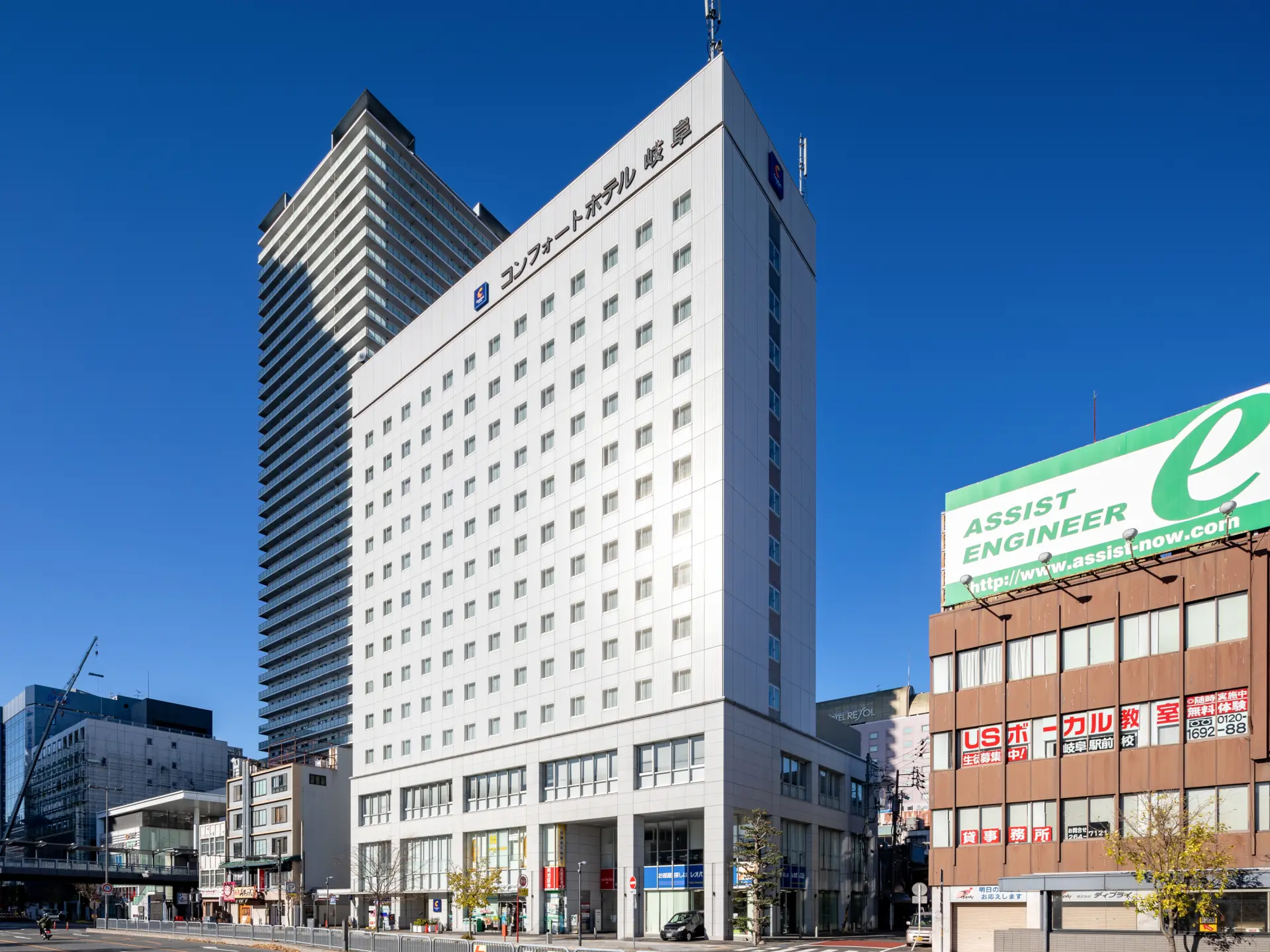
A highly convenient hotel about a 2-minute walk from the station and close to the downtown area
-
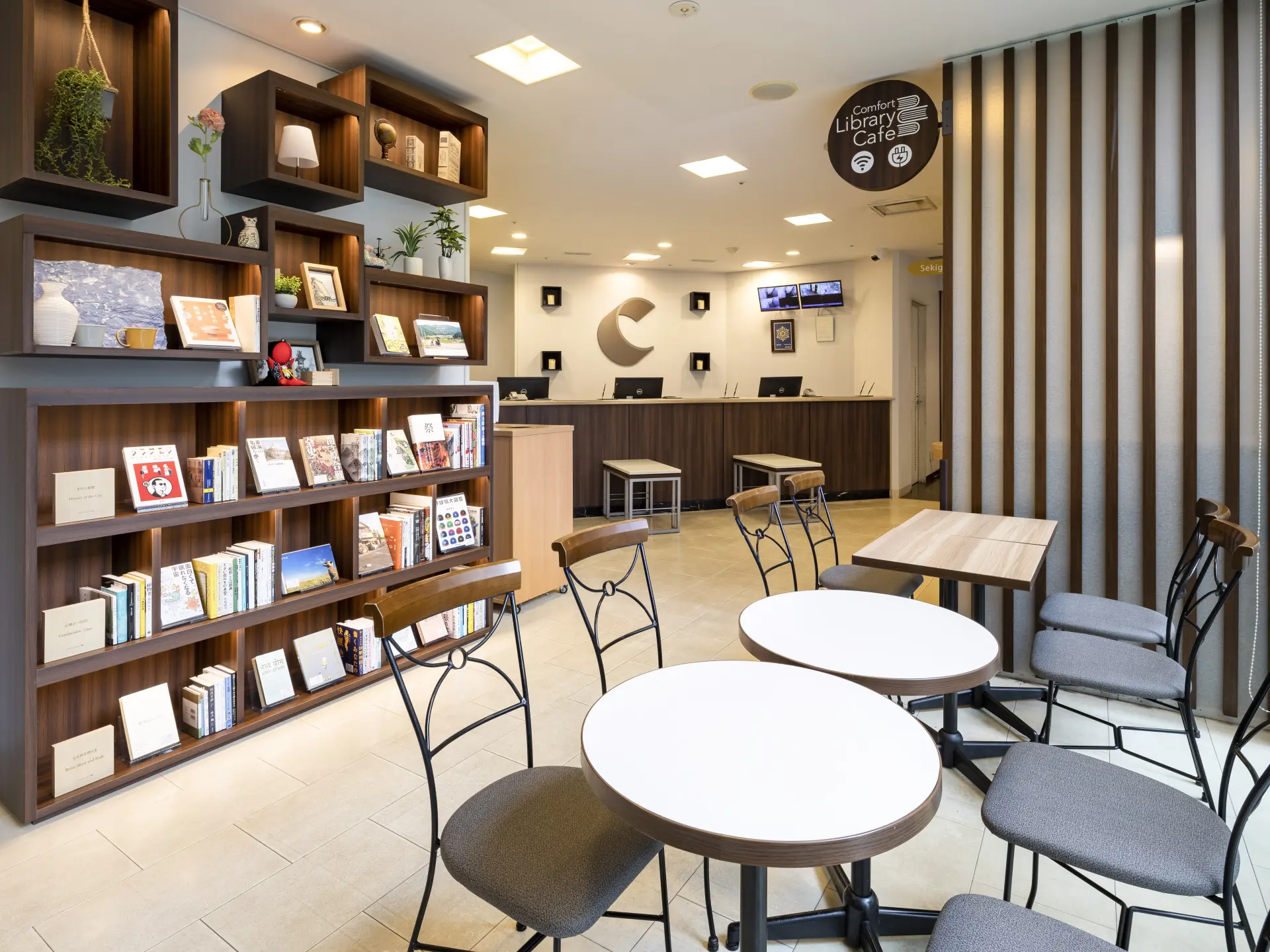
The Comfort Library Cafe, where you can enjoy complimentary drinks such as coffee and tea
Enjoy izakaya culture in Tamamiya, a retro downtown district with Showa-era charm
In the evening, head to Tamamiya, the entertainment district that spreads out north of Gifu Station. This area, known for its retro Showa-era atmosphere, is packed with more than 400 establishments, including izakaya and international restaurants, and is lively with both locals and visitors.
If you’re here, why not try a place where you can enjoy local specialties such as Gifu sake and Hida beef?
If you’re not sure where to go, it’s also a good idea to look for shops that accept the “Tamamiya Tourist Ticket.”
Spend the evening soaking up Japan’s izakaya culture in this energetic nightlife district.
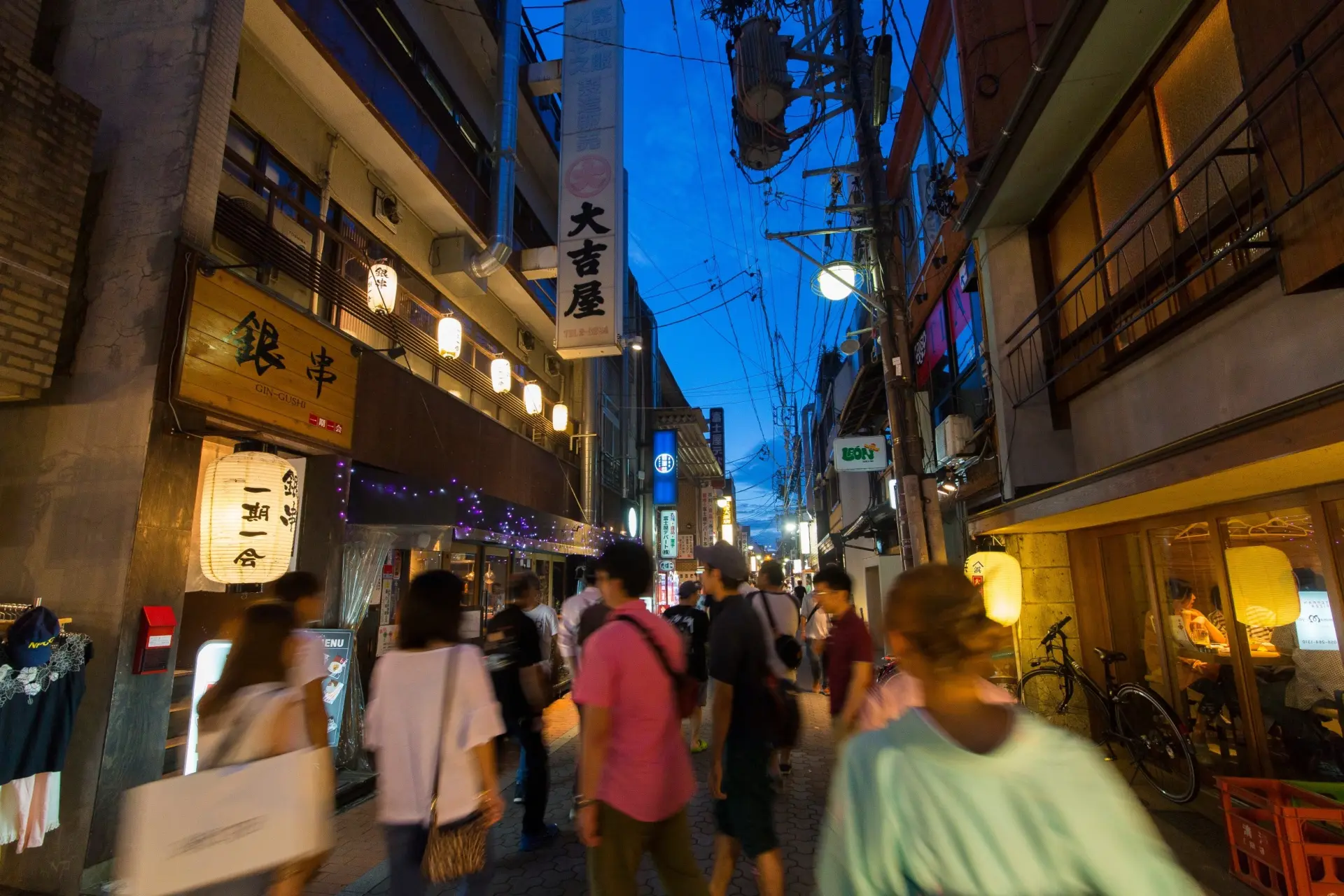
Day 2 | Wake up early and head to Gifu Castle, once the stronghold of the charismatic Sengoku leader Oda Nobunaga!
Day 2 takes you from Gifu Castle to Sekigahara. Visit places associated with Nobunaga and the site of the battle that decided the nation’s fate.
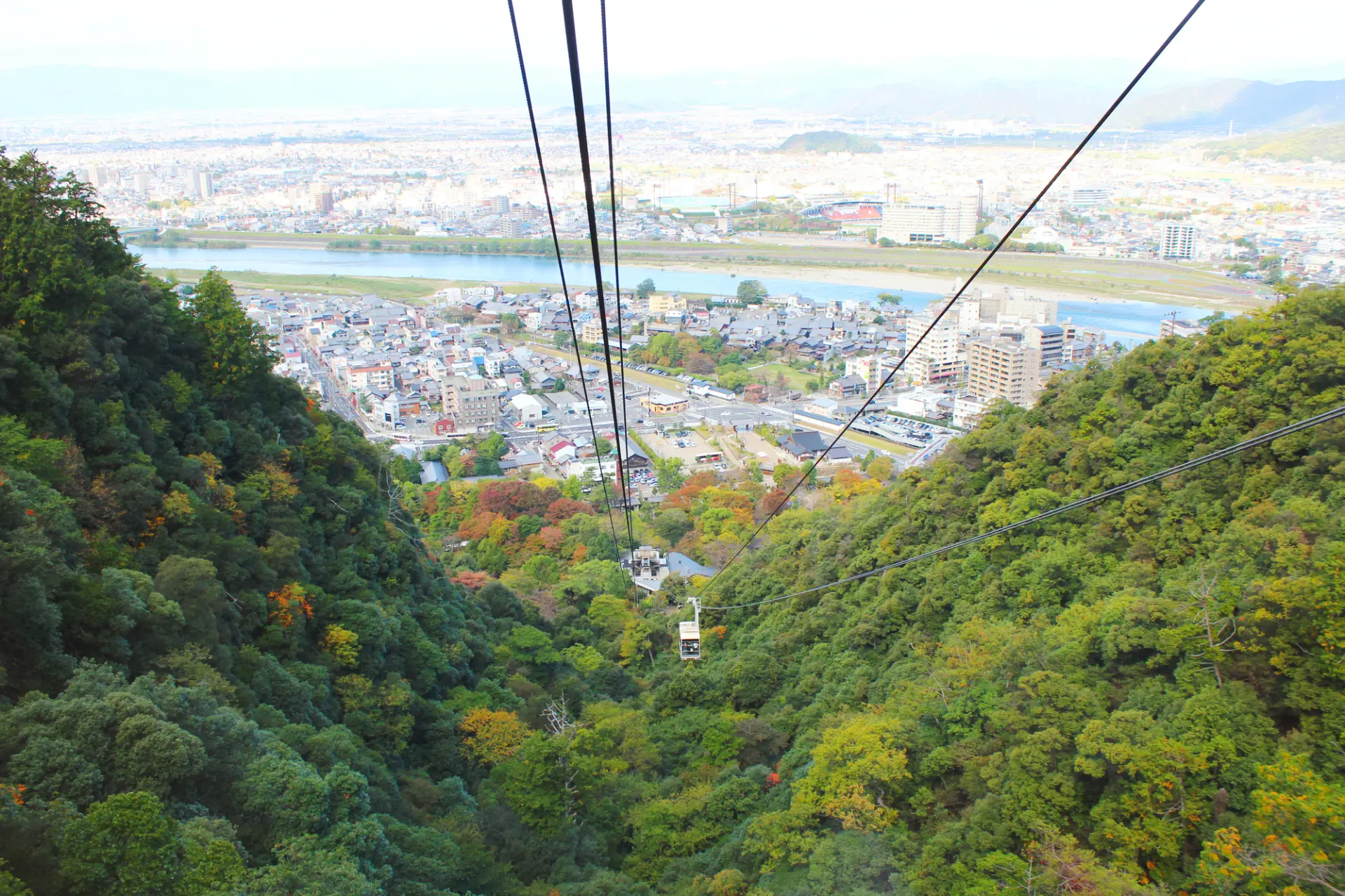
Enjoy an aerial stroll to the summit of Mt. Kinka on the Kinkazan Ropeway while taking in views of central Gifu City
From in front of Gifu Station, take a bus for Approx. 15 minutes, get off at Gifu Koen Rekishi Hakubutsukan-mae, and walk 3 minutes to the Kinkazan Ropeway station. From here, head for the summit of Mt. Kinka at an elevation of 329 meters.
The Approx. 4-minute aerial ride on the Kinkazan Ropeway is a refreshing experience with views of Gifu City and the Nagara River below. This historic ropeway first opened in 1955, and its sixth-generation gondolas are now in service.
Around the summit station, you’ll also find plenty of facilities, including shops, observation decks, and the restaurant Le Pont de Ciel.
After enjoying the view from the observation deck, it’s finally time to head to Gifu Castle, a place closely associated with Nobunaga.
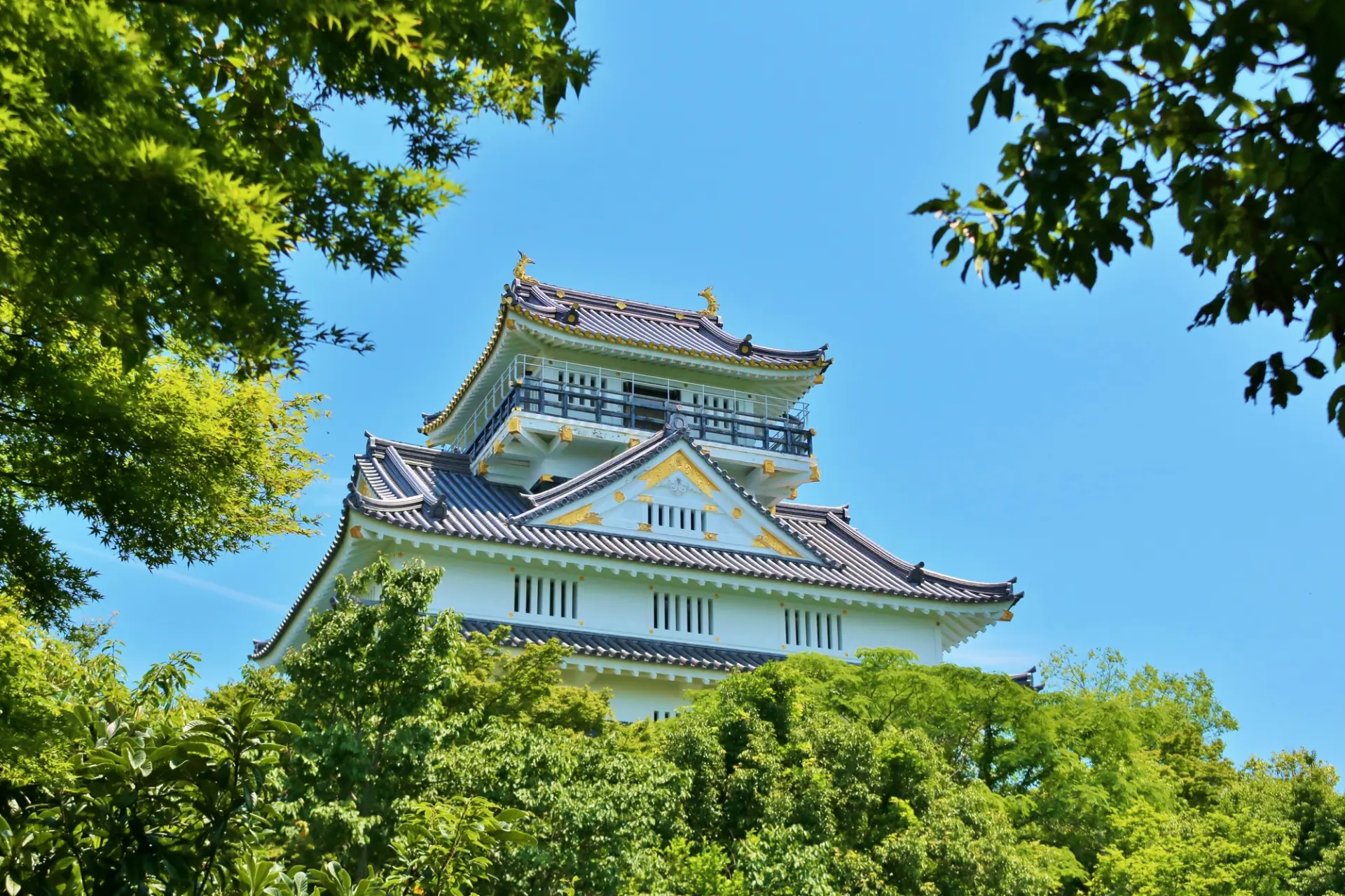
Visit Gifu Castle, the fortress that the charismatic Sengoku leader Oda Nobunaga used as a base for unifying Japan
An 8-minute walk from the summit station of the Kinkazan Ropeway brings you to Gifu Castle, standing proudly atop Mt. Kinka.
Once the residence of Saito Dosan, this castle is also known as the stronghold Oda Nobunaga used in his bid to unify Japan.
The current castle keep was restored in 1956, and inside you’ll find extensive exhibits introducing the history of Nobunaga and Gifu Castle.
From the top-floor observation deck, you can enjoy a 360-degree panoramic view.
Standing before scenery that Nobunaga himself may once have seen, you can fully immerse yourself in the romance of the Sengoku period.

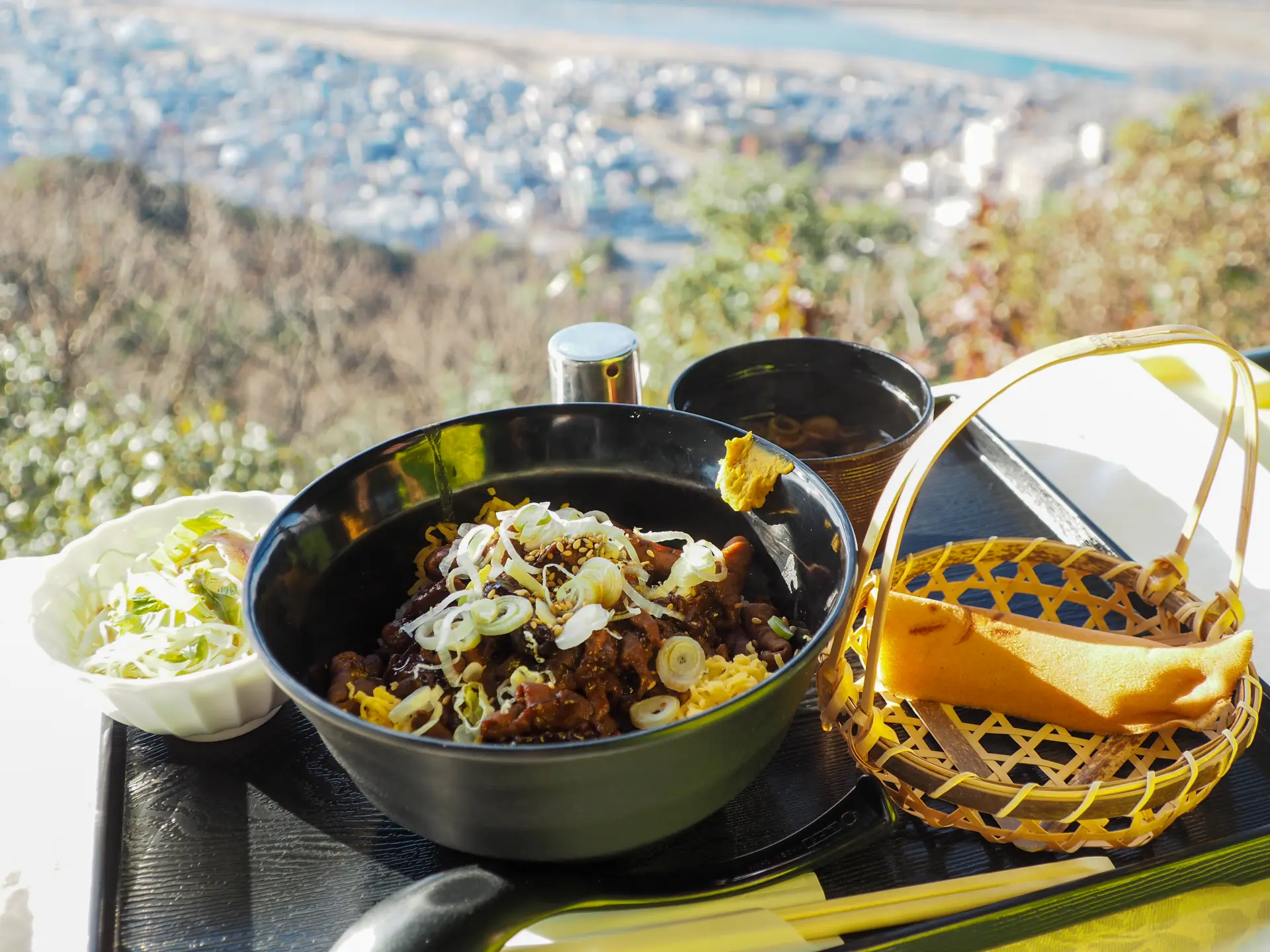
Enjoy an early lunch at Le Pont de Ciel while taking in spectacular views
After visiting Gifu Castle, enjoy a slightly early lunch at Le Pont de Ciel, a restaurant near the summit station.
From the window seats and the open-air “Nobunaga Terrace,” you can look out over Gifu City. The airy setting is part of the appeal too.
This restaurant is known for authentic dishes made with plenty of ingredients from Gifu Prefecture, including menu items inspired by Sengoku warlords connected to Gifu, such as the “Nobunaga Dote-don,” simmered with local miso, making it perfect after immersing yourself in Sengoku history.
The dessert menu is also extensive, with items such as waffles made with Gifu-grown strawberries and sets with Japanese black tea.
Enjoy a lunch break that satisfies both the eyes and the palate.
Experience a turning point in history! Head to the Gifu Sekigahara Battlefield Memorial Museum!
After descending the mountain on the Kinkazan Ropeway, transfer by bus and train from the foot of the mountain to Sekigahara.
From Gifu Station, take the JR Tokaido Main Line toward Ogaki and Maibara, and after Approx. 1 hour 30 minutes, arrive at Sekigahara Station.
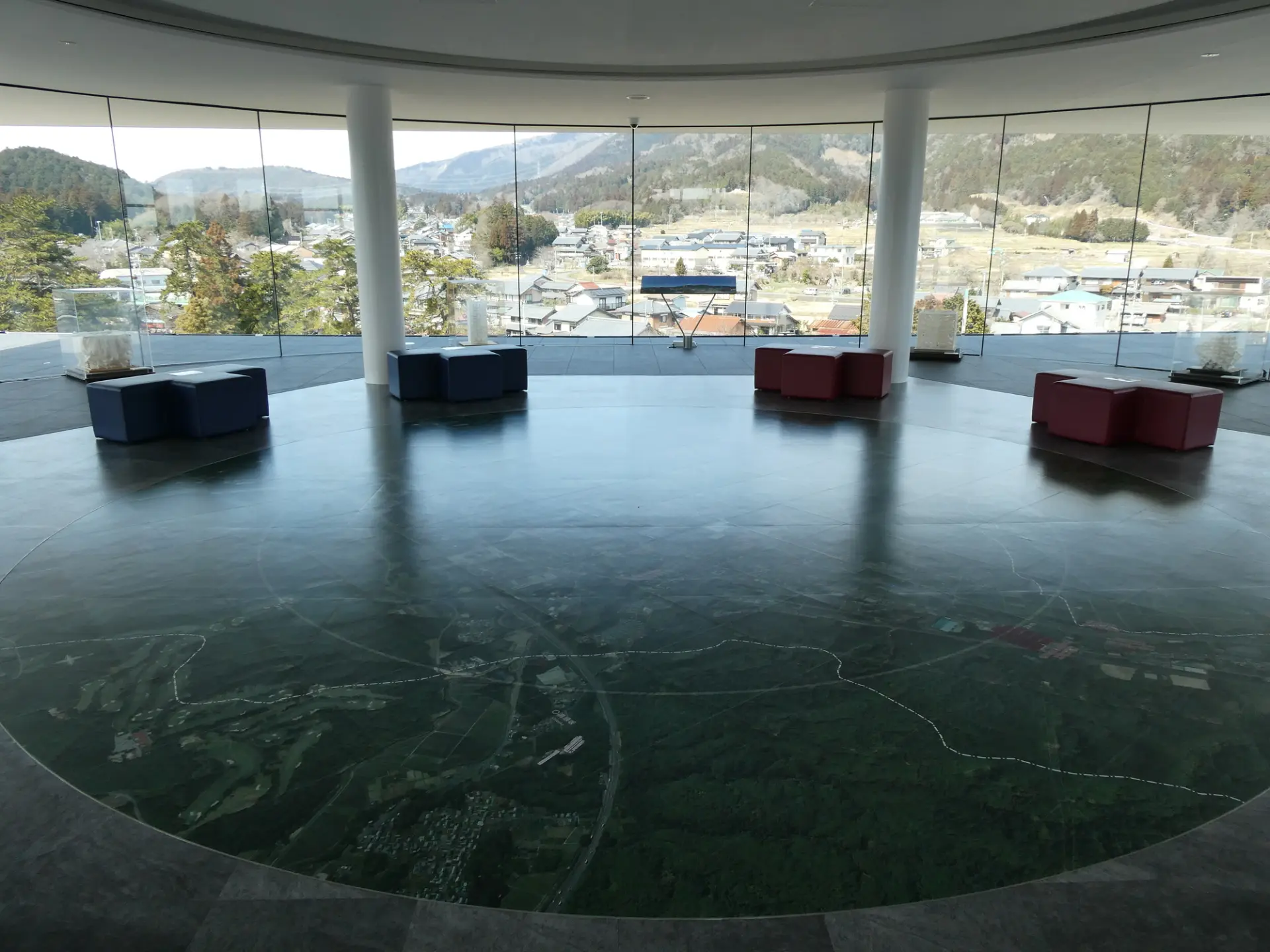
From the station, it is Approx. 10 minutes on foot to the Gifu Sekigahara Battlefield Memorial Museum. Here, you can learn about and experience the decisive Battle of Sekigahara, where Tokugawa Ieyasu and Ishida Mitsunari clashed, through videos and exhibits.
Highlights include the floor screen “Ground Vision” and the “Theater,” which recreates the battle with powerful visuals, giving you the feeling of being right in the middle of the Sengoku era.
In the exhibition room, you can learn about the background of the battle through armor and historical documents, and from the top-floor observation room, you can also look out over the sites where the warlords set up their camps. It is truly a place where you can relive a major turning point in history with all five senses.
Dress in armor like a Sengoku warlord and take commemorative photos at the Sekigahara Sasaoyama Exchange Center
After visiting the Gifu Sekigahara Battlefield Memorial Museum, head to the Sekigahara Sasaoyama Exchange Center, about a 2-minute walk away.
This tourist facility stands near the site of Ishida Mitsunari’s Western Army camp and occupies one of the most representative locations on the Sekigahara battlefield.
A major attraction is the paid armor-dressing experience. There is a wide variety of styles, from Sengoku warlord looks to ashigaru foot soldier outfits, and you can also rent items such as straw sandals and swords as part of the set. Staff will help you get dressed, so even first-timers can feel at ease.
Once fully suited up, you’ll instantly feel more immersed in the Sengoku spirit.
Of course, the finishing touch is a commemorative photo. If time allows, it’s also recommended to go explore the historic site while still dressed in armor.
Wrap up your trip with this memorable dress-up experience and create lasting Sekigahara memories in photos.
-
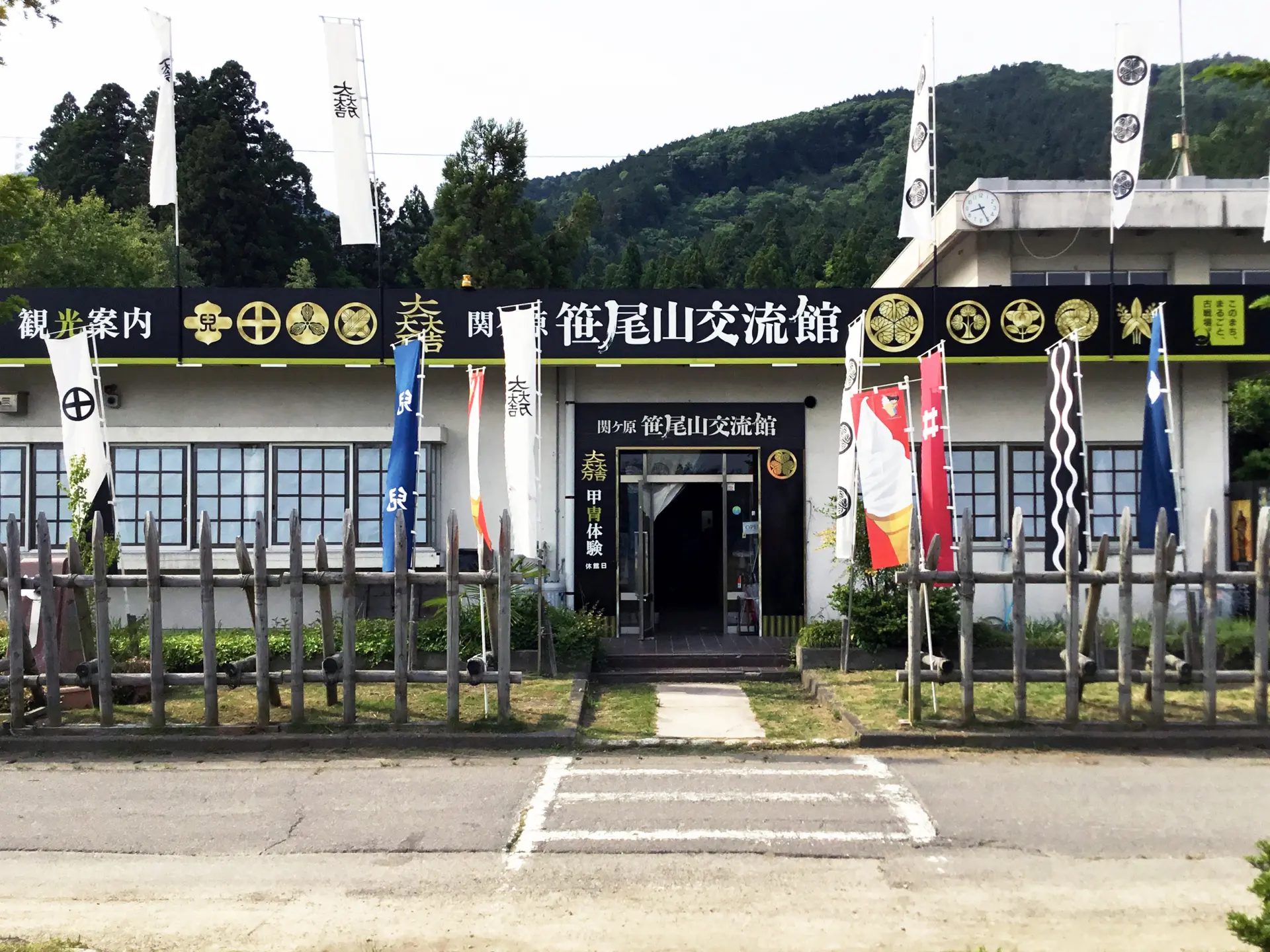
A tourist facility located inside the former Sekigahara Kita Elementary School building
-
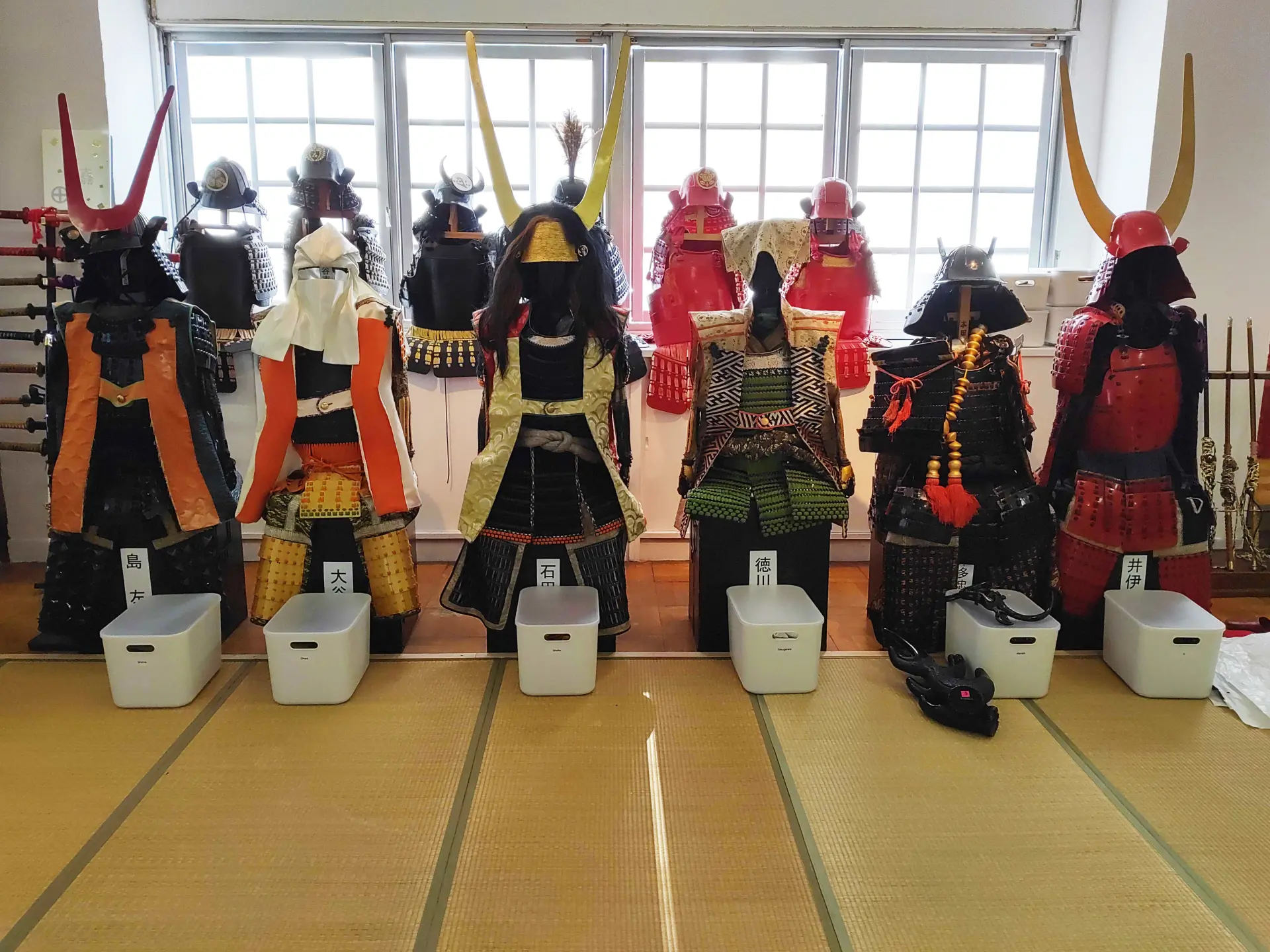
A wide variety of armor styles all in one place! On rainy days, armor can only be worn indoors
Schedule for the Gifu 1-Night, 2-Day Model Course
Day 1
- 11:00am JR Gujo Hachiman Station
- Gujo Hachiman Ekimae bus stop → Approx. 10 minutes on the Mame Bus Red Route → Jokamachi Plaza bus stop → 1-minute walk
- 11:00am Yanaka Mizu no Komichi
- Walk
- 12:00pm Sumibiyaki Unagi Uotora
- Approx. 25-minute walk
- 1:30pm Gujo Hachiman Castle
- Approx. 15-minute walk
- 2:50pm Gujo Hachiman Old Government Office Memorial Hall
- Kyuchosha Kinenkan-mae bus stop → Approx. 10 minutes on the Mame Bus Blue Route → Gujo Hachiman Ekimae bus stop → Gujo Hachiman Station → Approx. 85 minutes on the Nagaragawa Railway bound for Mino-Ota → Transfer at Mino-Ota Station to the JR Takayama Main Line bound for Gifu for Approx. 30 minutes → Gifu Station
- 6:15pm Comfort Hotel Gifu
- Walk
- 7:00pm Tamamiya
Day 2
- 9:15am Kinkazan Ropeway
- 4 minutes on the Kinkazan Ropeway
- 9:30am Gifu Castle
- Walk
- 11:00am Le Pont de Ciel
- 4 minutes on the Kinkazan Ropeway → 3-minute walk → Gifu Koen Rekishi Hakubutsukan-mae bus stop → Approx. 15 minutes by Gifu Bus → get off at Gifu bus stop → Gifu Station → Approx. 15 minutes on the JR Tokaido Main Line bound for Ogaki → transfer at Ogaki Station for Approx. 15 minutes → Sekigahara Station → Approx. 10-minute walk
- 1:40pm Gifu Sekigahara Battlefield Memorial Museum
- 2-minute walk
- 3:00pm Sekigahara Sasaoyama Exchange Center
Summary
How did you like this Gifu trip tracing the romance of Sengoku warlords?
This time, we introduced a 1-day journey across Gifu Prefecture, starting in Gujo Hachiman, the “town of water,” then heading to Gifu Castle, a place associated with Oda Nobunaga, and finally to Sekigahara, the site of the battle that divided the nation.
This route is packed with opportunities to enjoy the romance of history, from beautiful townscapes and spectacular ropeway views to immersive exhibition experiences and commemorative photos in armor.
Gifu Prefecture also offers many other atmospheric destinations, including Hida Takayama, Shirakawa-go, and Magome-juku.
If you are planning a trip to Gifu, be sure to check the article below, which introduces highlights of the Gifu area.

Author
Working at Travel Publishing
mizutama_renga
Based in Kansai, I enjoy visiting temples and art museums, especially around Kyoto, Osaka, and Kobe.