
9 Unexpected Experiences in Chiba: A World Right Next to Tokyo
Chiba Prefecture sits right next to Tokyo, yet it offers completely different landscapes and a different sense of time.
At spots like the Kasori Shell Mounds Museum and Oyama Senmaida, traces of ancient life and human activity remain clearly visible. In front of Chiba Shrine and Katsushika Hachimangu Shrine, a long history of prayer still lives on.
Flower-filled natural scenery and dramatic landscapes shaped by the land’s contours are scattered throughout the prefecture, offering a range of experiences that feels far broader than one prefecture alone. With just a short trip beyond Tokyo, you can discover a different rhythm of time.
Scenes That Evoke Life in the Past
The lives of people from the past remain in tangible form, and walking through these places gives you the feeling of traveling back in time. Through archaeological sites and reconstructed buildings, you can get a clear sense of what daily life once looked like. Rather than simply learning facts, you leave with a lasting impression of the world of the past.
1. Kasori Shell Mounds Museum (Chiba City)
This museum lets you explore life in the Jomon period through geological layers and artifacts. During the Jomon period, many people are believed to have lived in Chiba City, and more than 120 shell mounds have been discovered within the city.
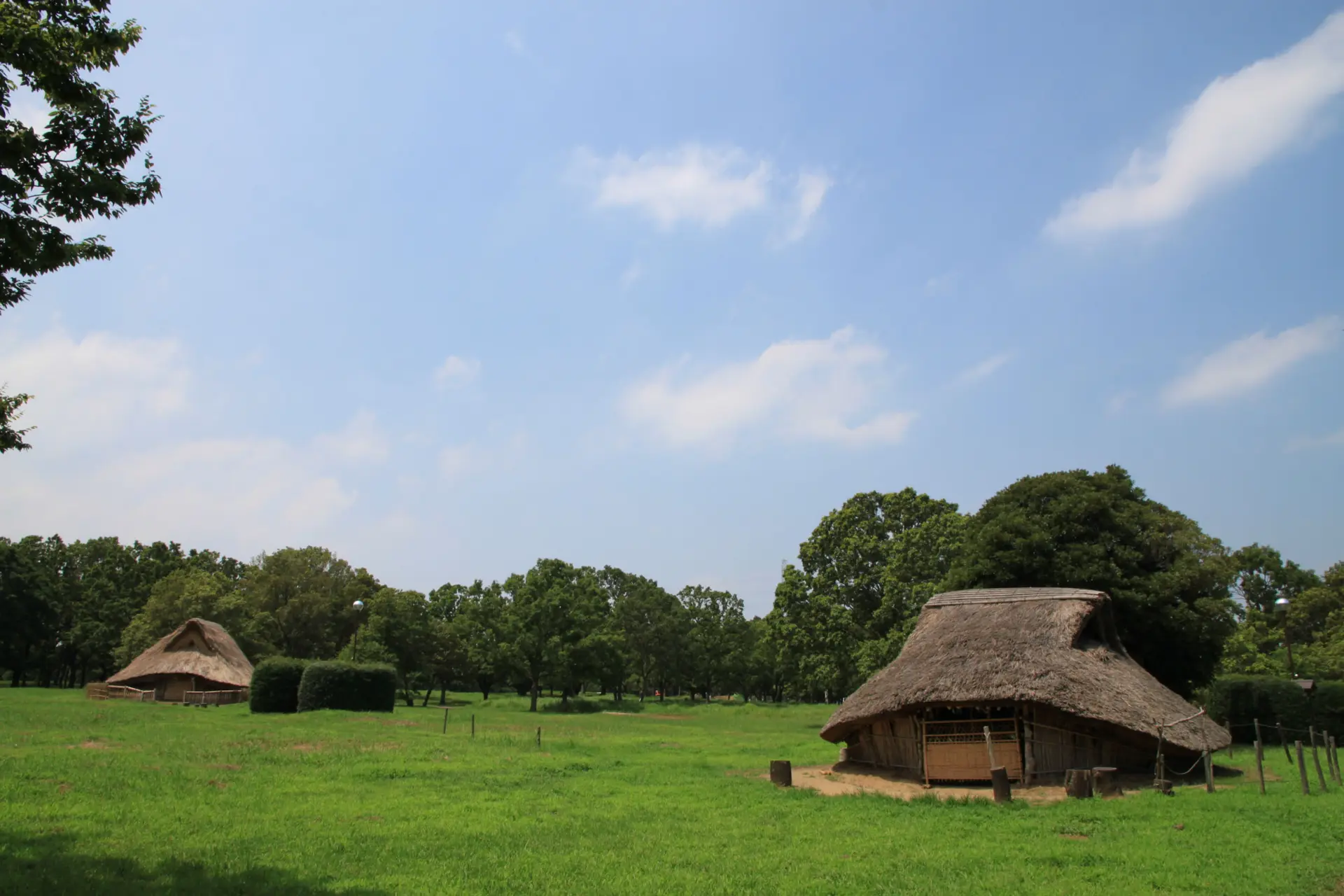
Thanks to the unique environment of the shell mounds, bones, antlers, and other materials have been preserved in good condition, allowing visitors to see concrete traces of life at the time. Outdoors, you’ll find remains of pit dwellings and facilities for observing cross sections of shell layers, giving you a direct sense of the excavation results. Together with displays of pottery and stone tools, this spot helps the outline of the era come alive in three dimensions.
2. Chiba Prefectural Boso-no-Mura (Sakae Town)
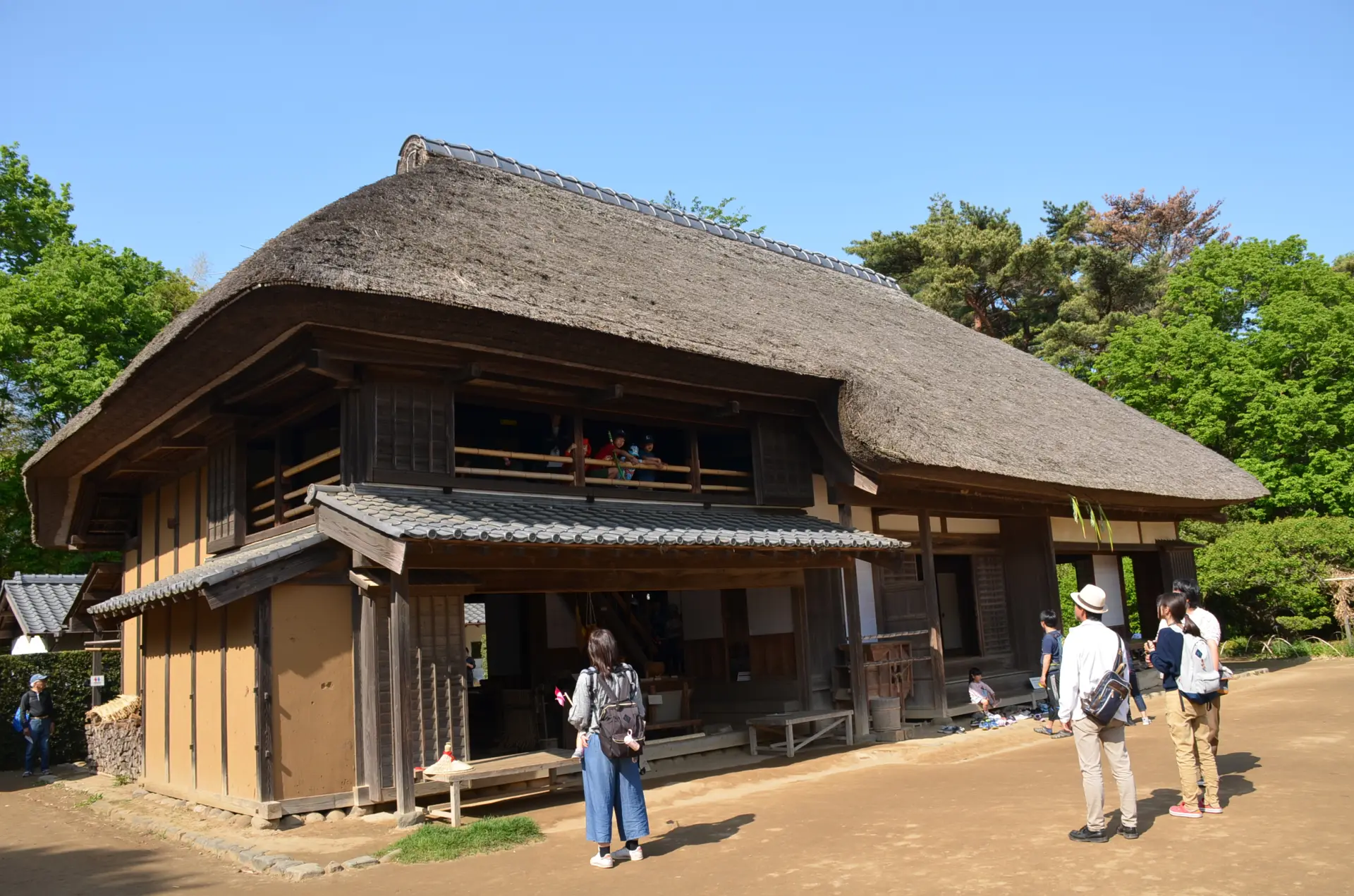
Chiba Prefectural Boso-no-Mura is a spot that recreates an entire living landscape from the late Edo period to the early Meiji period. Streetscapes and farmhouses are reproduced at full scale, vividly conveying the social structure and texture of daily life at the time.
The merchant townscape also features recreated Inari shrines, Jizo statues, and a fire lookout tower, making it well worth seeing. Across the grounds, where samurai residences, farming villages, and even a kabuki stage stand side by side, fragments of culture and technique can be found along with the architecture. Hands-on experiences such as weaving and painting let visitors connect with the feel of traditional handcrafts.
The Passage of Time in Shrines and Temple Towns
The time that has accumulated through prayer still remains in these spaces today.
Layers of history can be seen in the structure of the shrine buildings, the layout of the grounds, and the surrounding streetscapes. Through the act of worship, you can naturally sense the depth of time.
3. Chiba Shrine (Chiba City)
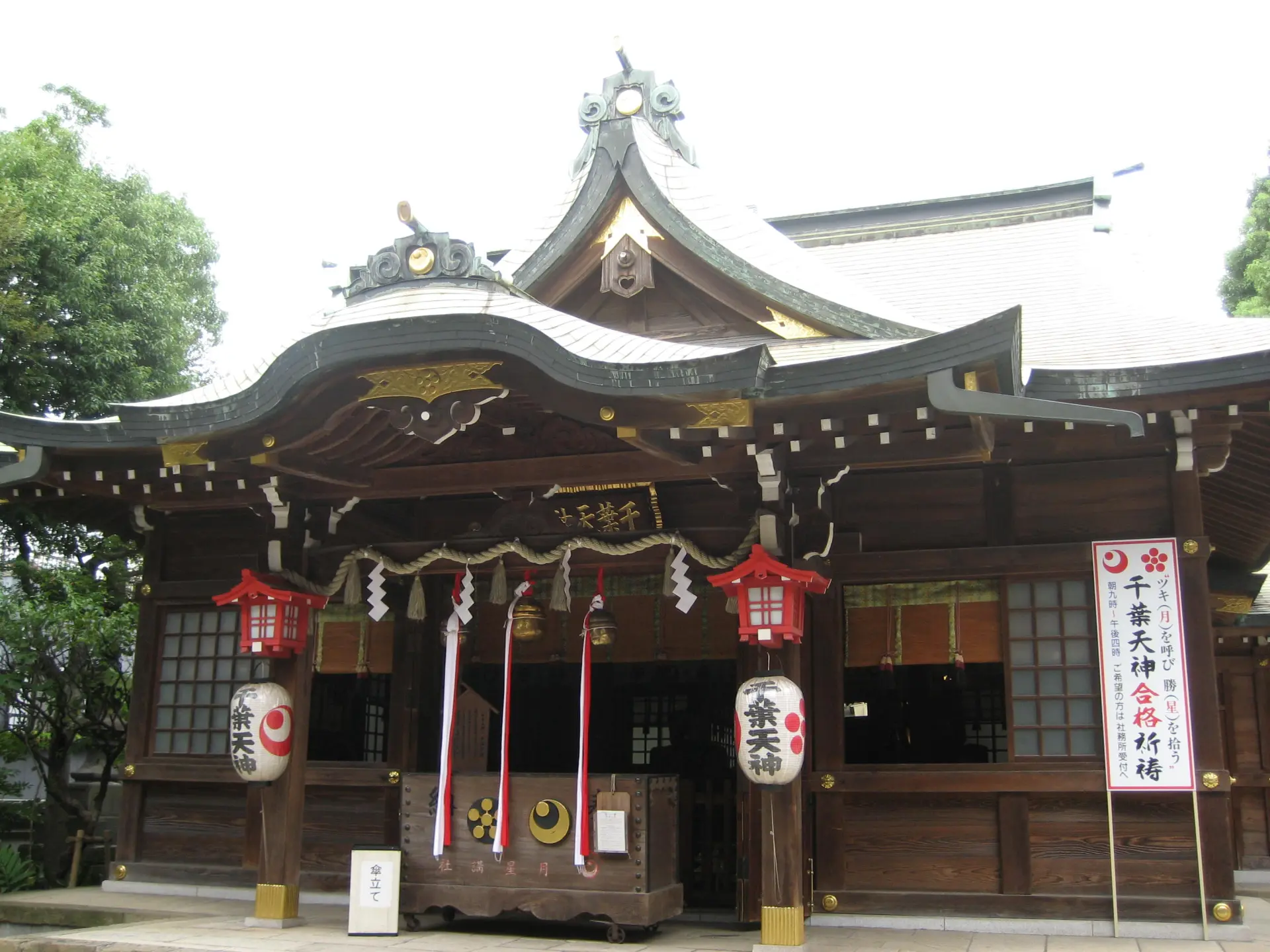
This shrine preserves the Myoken faith, which deifies the North Star, into the present day. With a background in beliefs related to warding off misfortune and bringing good luck, it has received people’s prayers throughout its long history.
The impressive shrine building is notable for its rare two-tiered structure, with worship halls on both the first and second floors. Within the grounds, you’ll also find a sacred spring and shrines dedicated to the deity of learning, reflecting a wide range of wishes. Symbols of faith are etched into the details, including charms decorated with star motifs.
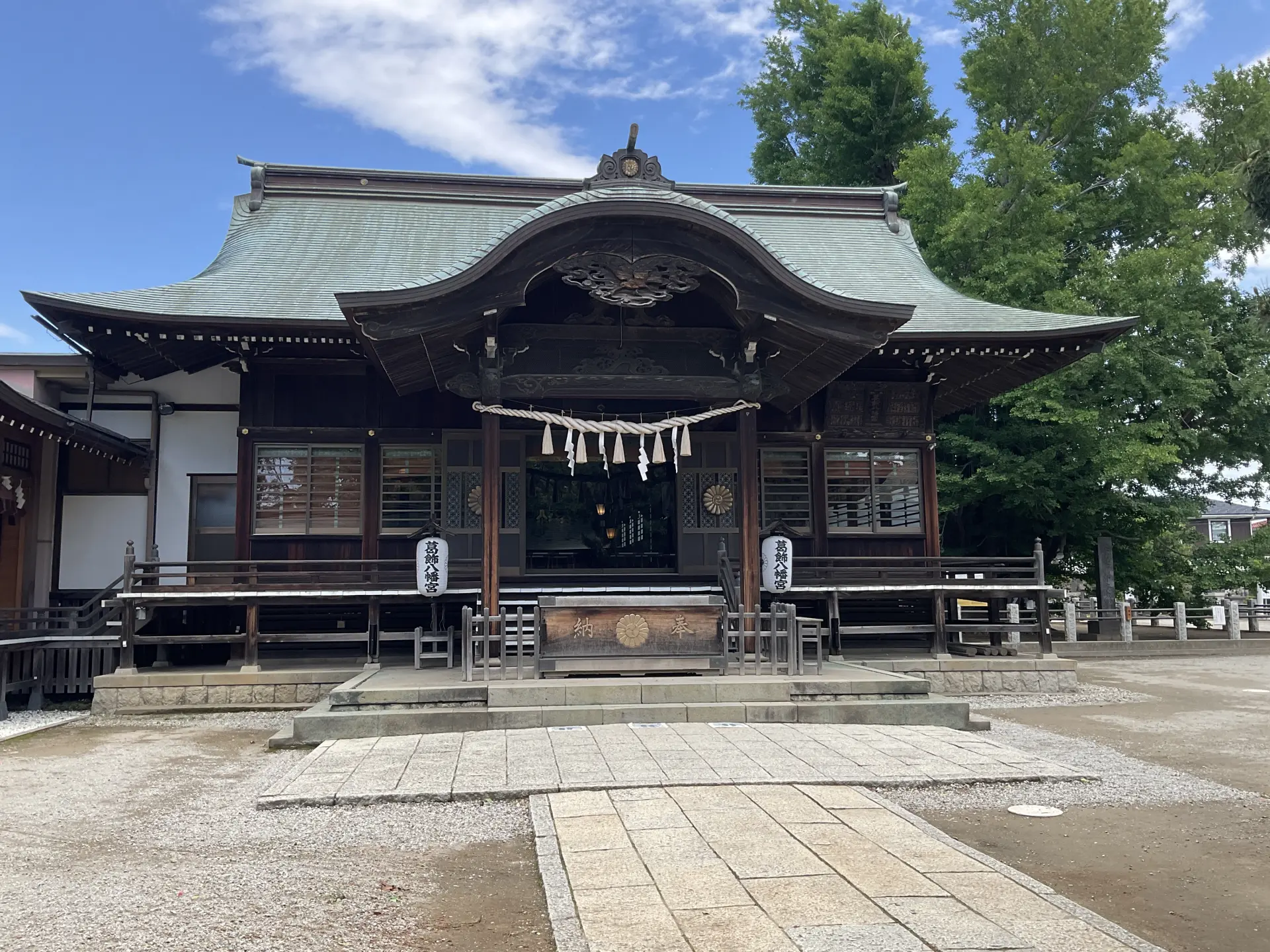
4. Katsushika Hachimangu Shrine (Ichikawa City)
Katsushika Hachimangu Shrine has long attracted faith as a center of the local community.
Since its founding in the Heian period, the shrine buildings are said to have been developed while receiving the reverence of military commanders. It is also the origin of the surrounding town name “Yawata.”
Sacred trees and historical relics are scattered throughout the grounds, revealing the relationship between faith and the land. By walking together with the surrounding streets, you can also feel the atmosphere of the temple town. It is an easy spot to combine with a stroll around the area.
Scenery Surrounded by Flowers and Nature
These nature spots place color and fragrance at the forefront, offering experiences to enjoy not only visually but with all the senses.
From well-maintained parks to flower-filled landscapes spread across local communities, you’ll find scenery on a scale that feels far removed from the Tokyo metropolitan area.
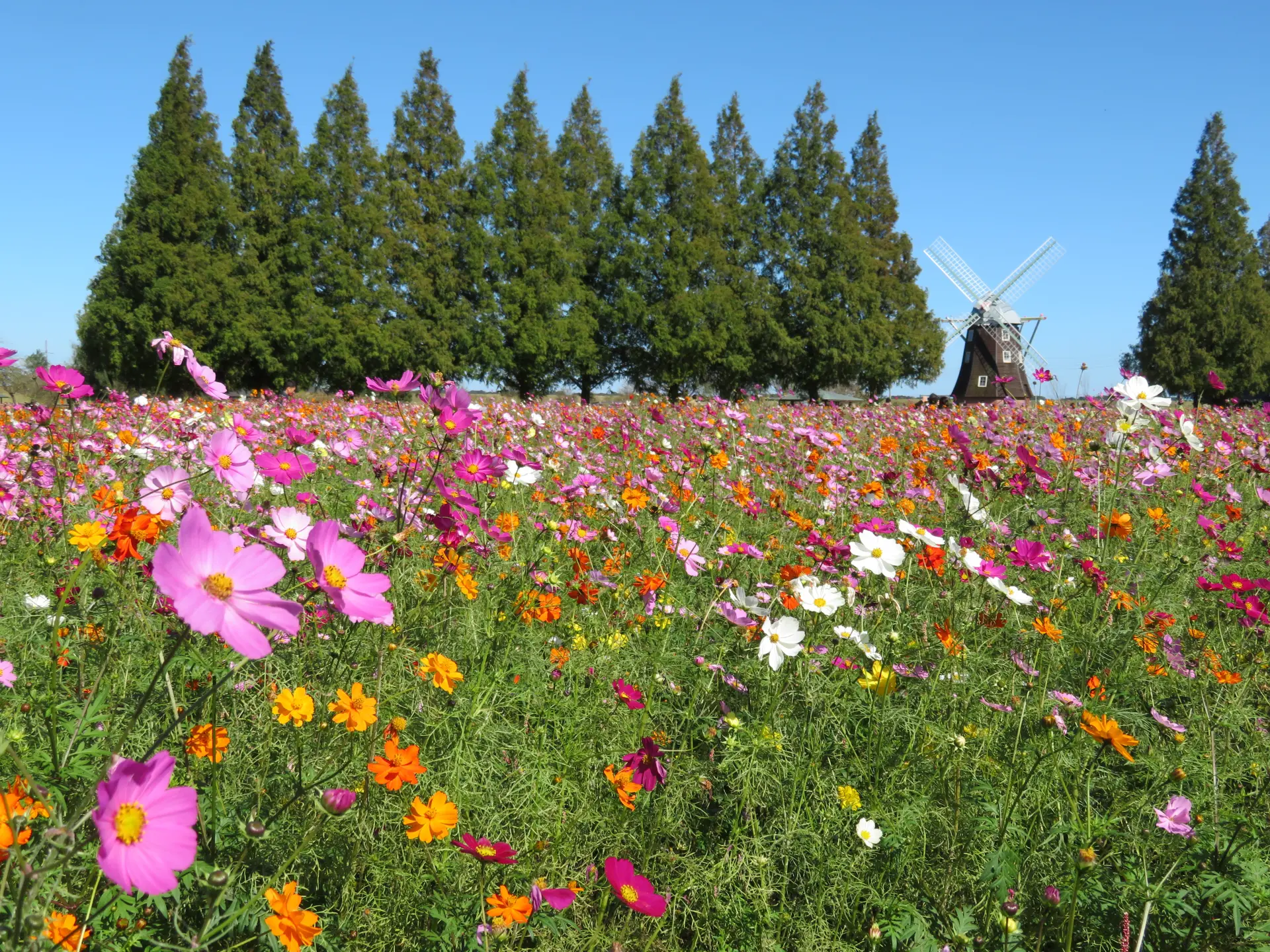
5. Akebonoyama Agriculture Park (Kashiwa City)
This agricultural park creates an impressive landscape with its combination of windmills and flower fields. Visitors are welcomed by seasonal flowers, starting with cherry blossoms and tulips in spring, followed by Approx. 300 hydrangeas in full bloom in early summer. Seasonal flowers are planted across the spacious grounds, bringing different colors with each visit.
The park also has BBQ facilities and harvest experiences, connecting the scenery with hands-on activities. With a lawn plaza and events as well, it can be enjoyed as a place to spend time at a relaxed pace, and the differences stand out especially when you visit according to the flower season.
6. BOTANICA MUSEUM (Chiba City)
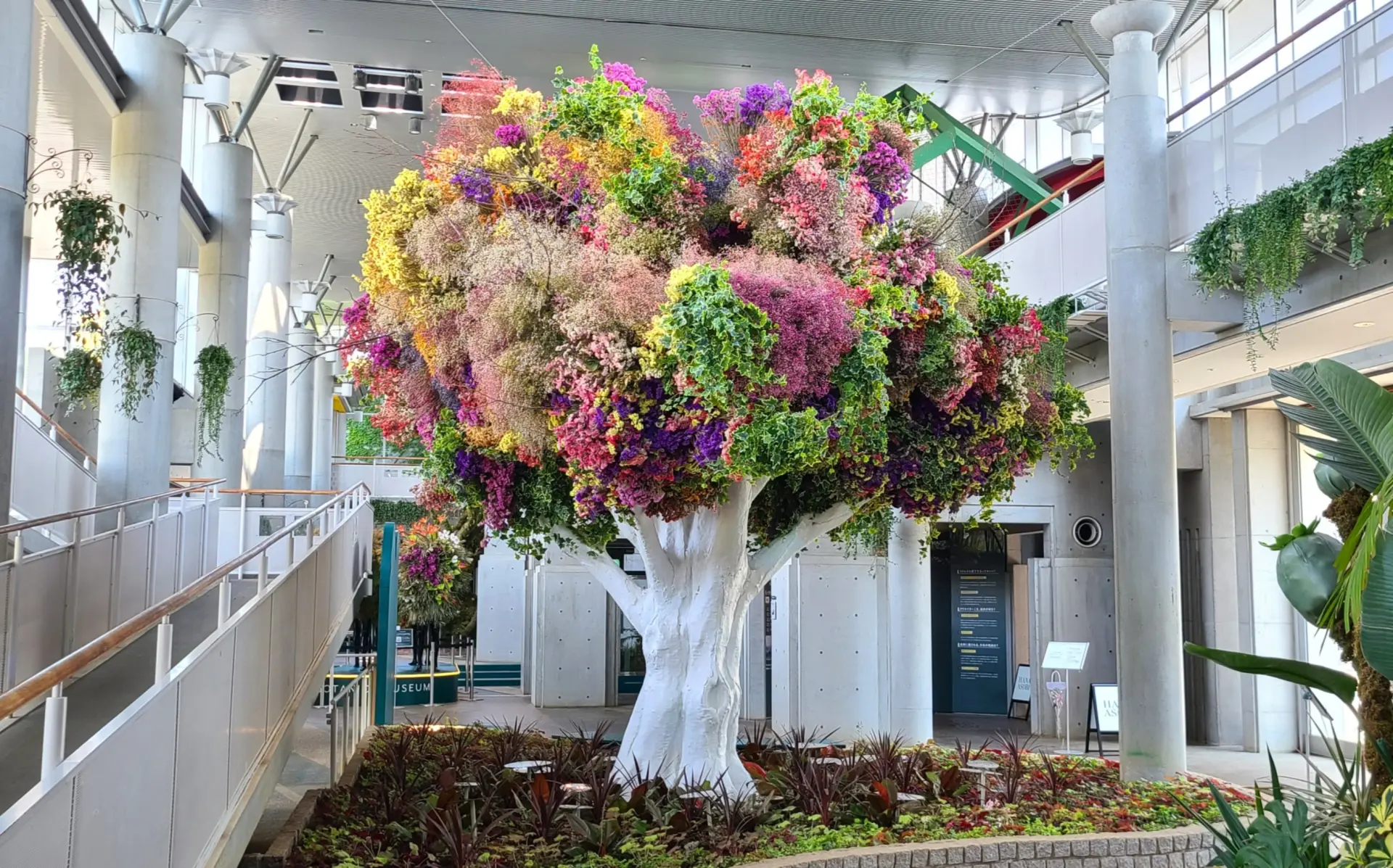
This popular museum is a space where you can experience the appeal of plants through all five senses. Large-scale floral works and dried flower displays create a strong visual impact.
Another feature is the spatial presentation that incorporates sound and fragrance, reconstructing nature through the senses as a whole. The restaurant represents taste, one of the five senses. With dishes using edible flowers, even the sense of taste becomes part of the plant experience.
7. Shiramazu Flower Fields (Minamiboso City)
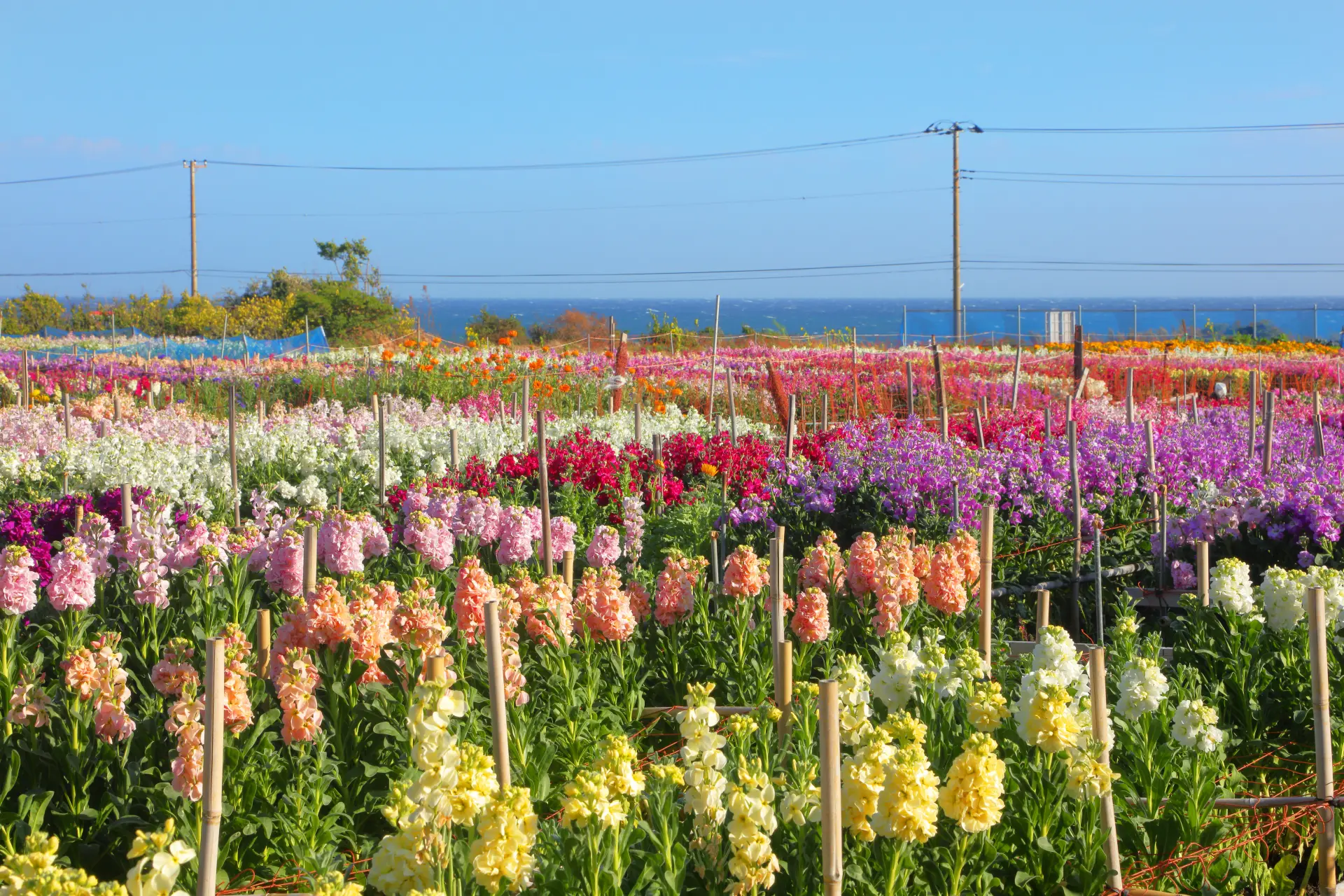
In the Shiramazu area of Chikura Town, Minamiboso City, flower gardens cultivating cut flowers are scattered along the coast, and flower-field scenery appears from winter to early spring. Unlike a park built for tourism, the activity of the local industry itself creates the landscape.
Each flower garden offers flower-picking experiences, and the appeal lies in being able to pick freshly bloomed cut flowers yourself and take them home. In some sections, you can see the sea and flower fields at the same time, revealing scenery unique to the area. With direct sales shops and nearby stopover facilities, it is easy to add to a drive and simple to visit.
Dynamic Landscapes Shaped by the Land’s Contours
These spots are shaped by the landforms themselves.
The flow of water and the sequence of slopes create visual expansiveness, and walking through them lets you feel their scale. Three-dimensional landscapes continue, where nature and human activity intersect.
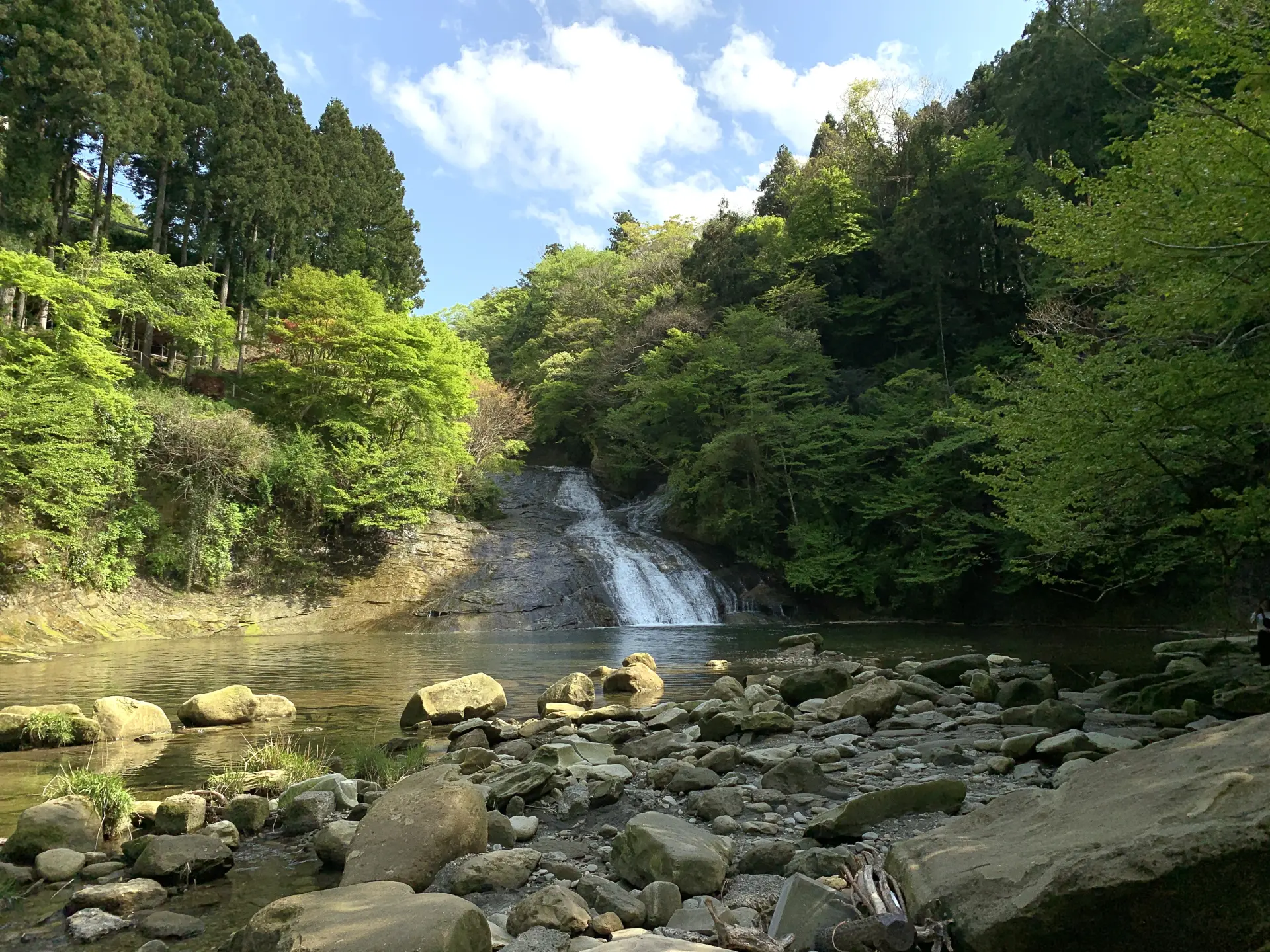
8. Awamata Falls (Otaki Town)
This waterfall presents a distinctive landscape, with water flowing as if tracing the rock surface. A gentle flow continues over a drop of Approx. 30 m and a length of Approx. 100 m, and it is also called a “sliding waterfall” (nametaki).
Unlike typical waterfalls with a steep drop, its broad flow is distinctive, and the river’s width and the continuity of the terrain are highlights. Walking paths are maintained around the area, so you can get close to the water, making it an easy stop during a valley walk.
9. Oyama Senmaida (Kamogawa City)
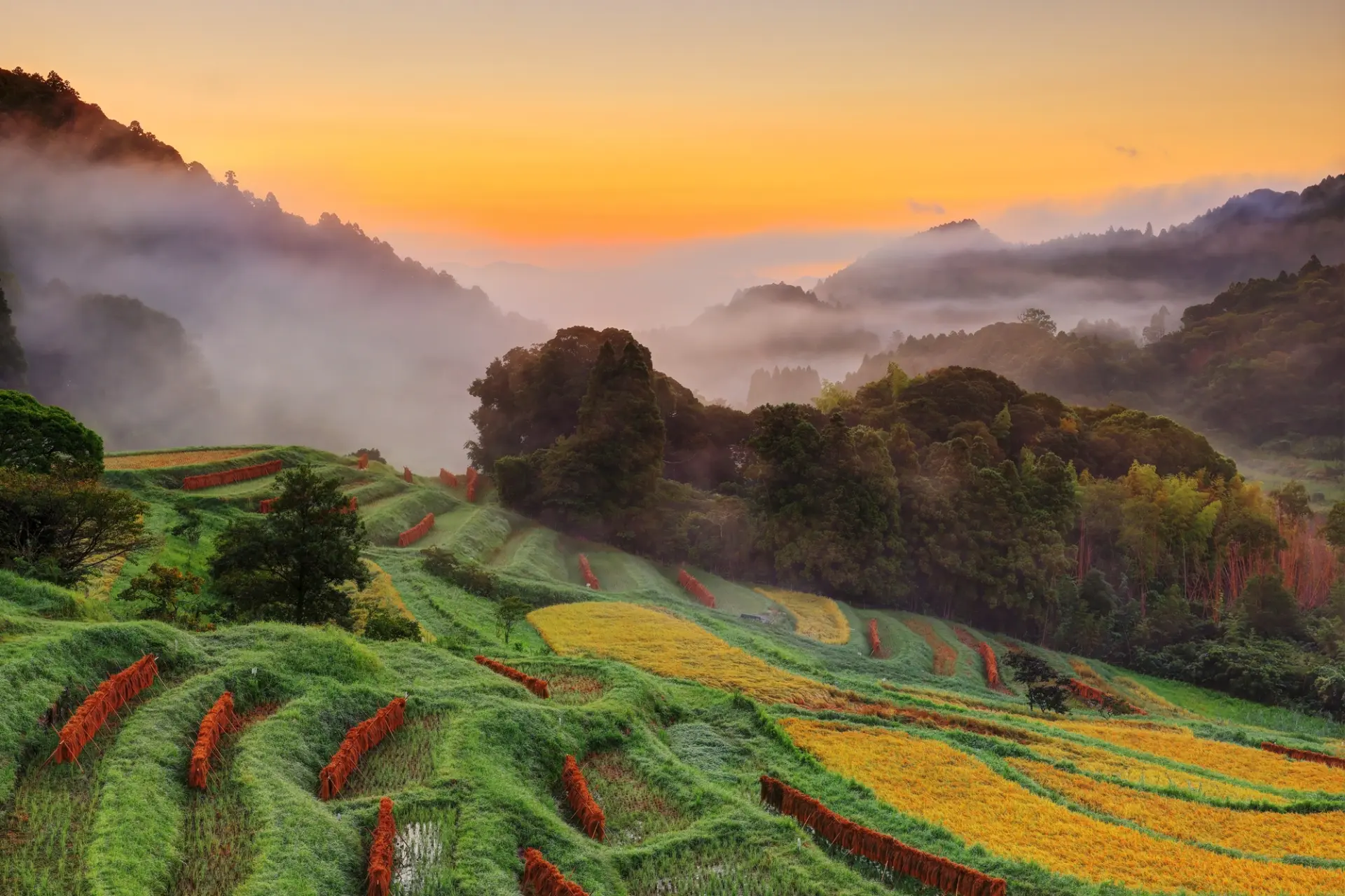
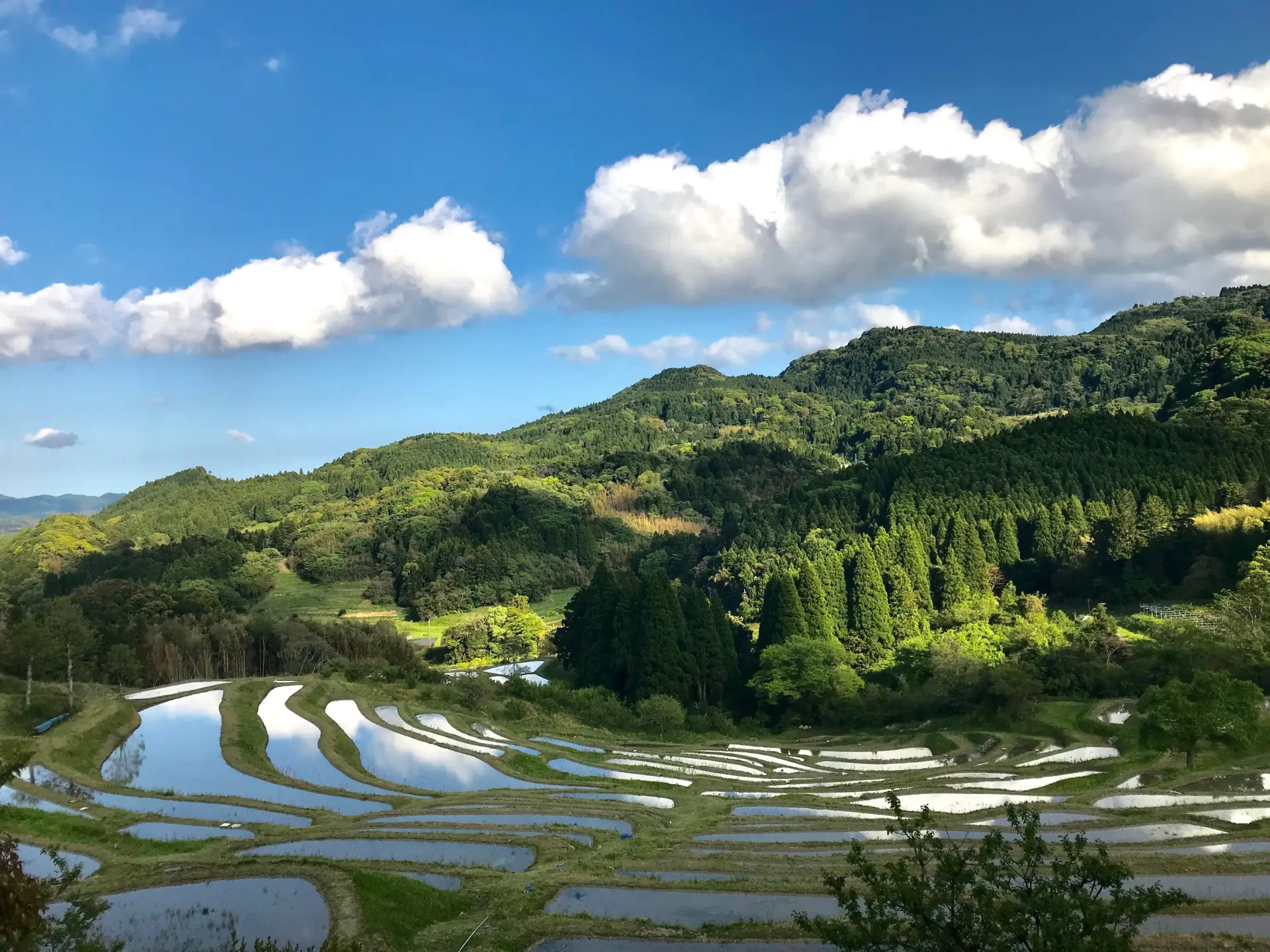
Oyama Senmaida creates an impressive landscape with its series of rice paddies spreading across a slope.
Across a slope of Approx. 3.2 hectares, 375 rice paddies of varying sizes are lined up. The rice paddies are arranged like steps, highlighting the harmony between a landscape shaped by human activity and nature.
It is also known as a “rain-fed rice field” (tensuiden), where rice is grown using only rainwater without an independent water source, making it an extremely rare example even nationwide. Hands-on programs and illumination events are also held, and the atmosphere changes depending on the time of day.
Summary
Chiba offers a wide variety of experiences, from ancient archaeological sites to terraced rice field scenery, making it hard to believe it sits right next to Tokyo.
Another defining feature is that each category, including shrines and flower-filled landscapes, has its own distinct appeal.
Simply choosing a theme that interests you makes it easy to plan a trip. Consider adding one of these spots to your next itinerary.