

The sunlight was lovely, the architecture was beautiful, and the atmosphere was relaxing, მშვიდ and clean.
Verified [Verified] denotes information that has been published with confirmation of its owing parties.
Taima-dera Temple
An ancient temple, the only one in Japan with a surviving east and west pair of three-story pagodas.
3.20
2
An ancient temple said to have originated with Manpōzōin, founded in 612 by Prince Maroko, the younger brother of Prince Shōtoku. It is known as the only temple in Japan where a pair of three-story pagodas in Tenpyo architectural style still stand to the east and west. The Main Hall (Mandala Hall) enshrines the Taima Mandala as its principal image, said to have been woven in a single night by Princess Chūjō, who is associated with the legend of journeying to the Pure Land while still alive.
Within the temple grounds, visitors can see valuable temple buildings and Buddhist statues, including National Treasures such as the Main Hall, the east and west pagodas, and the seated Miroku Buddha statue, as well as many Important Cultural Properties designated by the national government, including the Taima Mandala, the Golden Hall, and the Lecture Hall.
Each sub-temple on the grounds has its own garden, another part of the temple’s appeal, where visitors can enjoy the beauty of the four seasons through seasonal flowers such as cherry blossoms and peonies in spring, water lilies in summer, autumn leaves in fall, and sasanqua camellias and senryo in winter. The garden at Nakanobō in particular has long been counted among Yamato’s Three Great Gardens and is designated as both a National Historic Site and a Place of Scenic Beauty.
At Nakanobō, visitors can also try sutra copying based on scriptures said to have been written by Princess Chūjō and shakubutsu, the practice of tracing Buddhist images from the Taima Mandala. At Okuin, there is also a plan that allows visitors to enjoy traditional shojin ryori Buddhist cuisine while viewing a normally closed garden, with advance reservation.
Highlights
-
It began with Manpōzōin, founded by Prince Maroko.
-
The only temple in Japan with a surviving east and west pair of three-story pagodas.
-
Known for the legend of Princess Chūjō.
-
Home to many National Treasures and Important Cultural Properties.
-
Enjoy seasonal flowers throughout the year, as well as shakubutsu experiences and shojin ryori Buddhist cuisine.
Photos
-
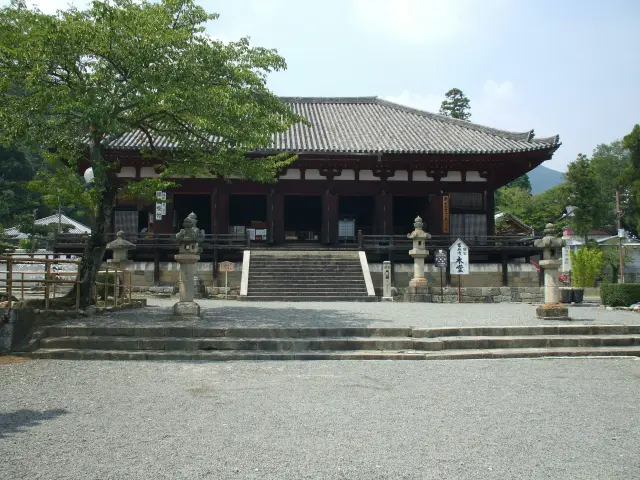
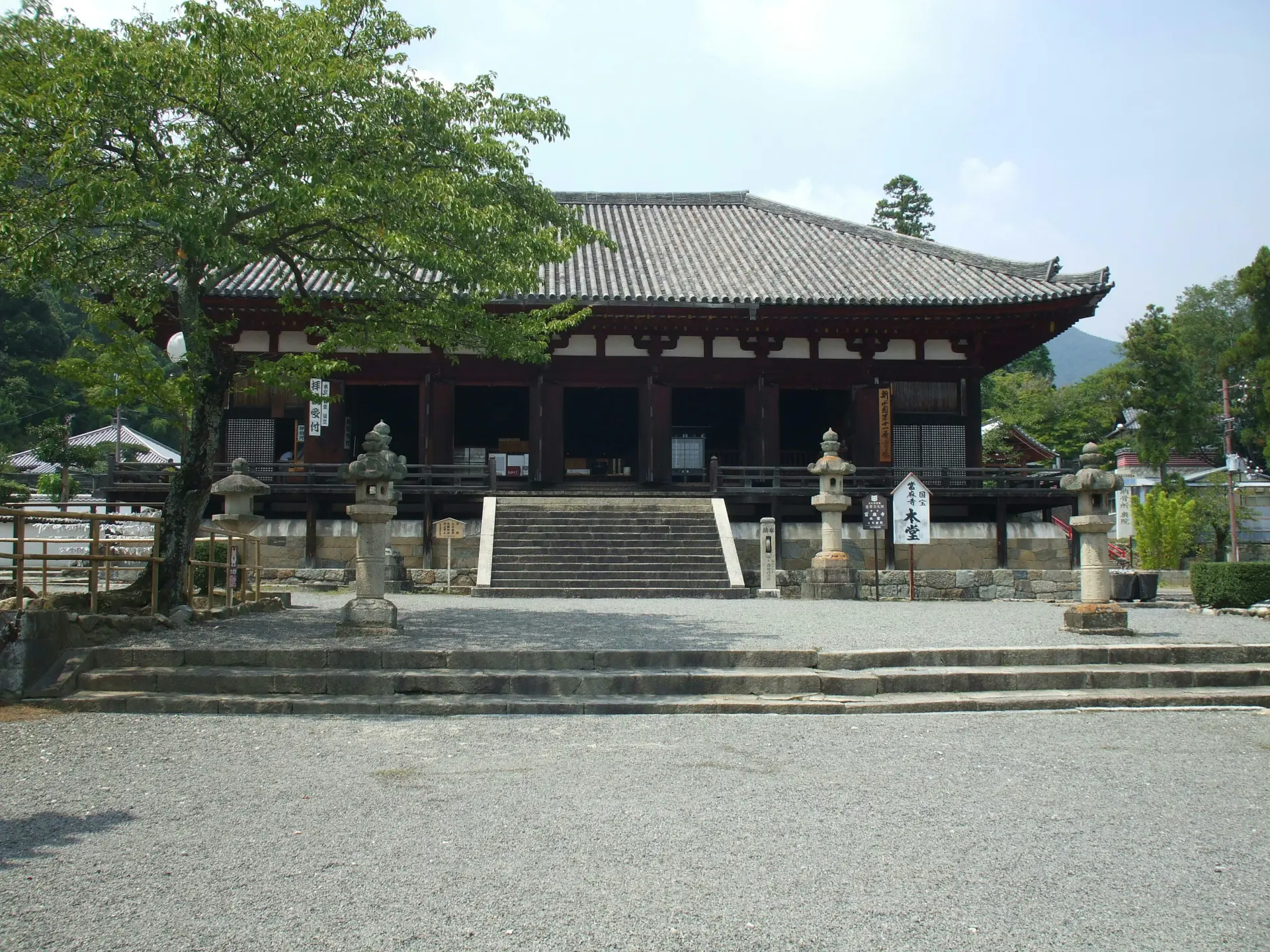
The Main Hall (Mandala Hall), where the Taima Mandala is enshrined
-
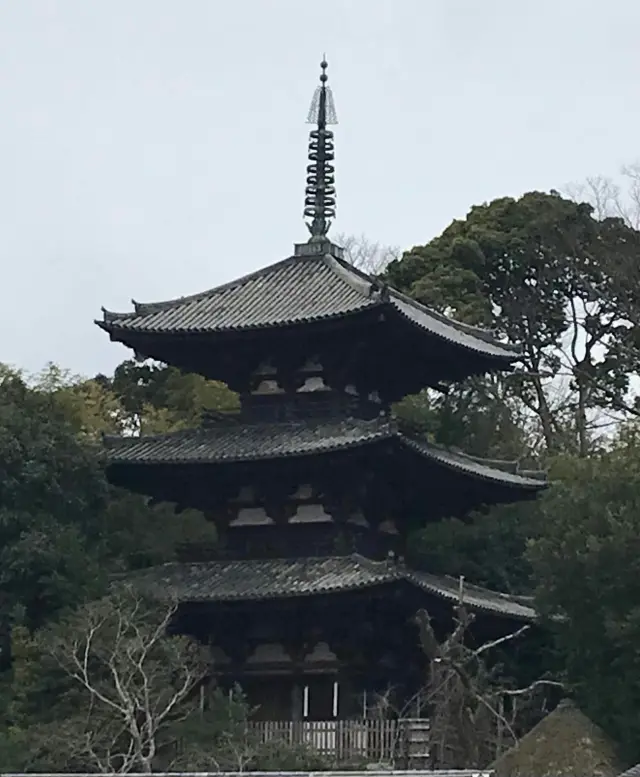
The only surviving east and west pagodas in Japan (East Pagoda)
-
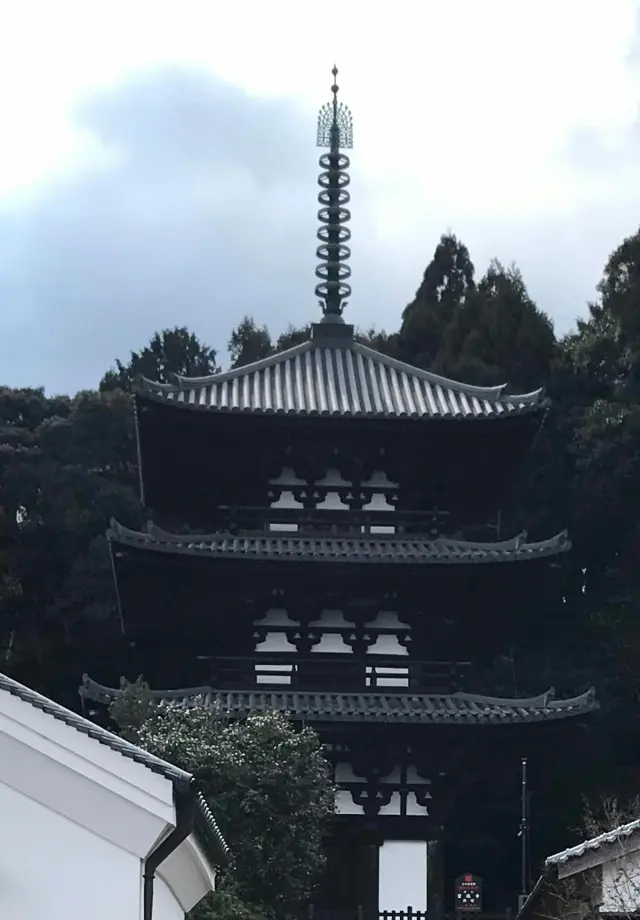
The only surviving east and west pagodas in Japan (West Pagoda)
-
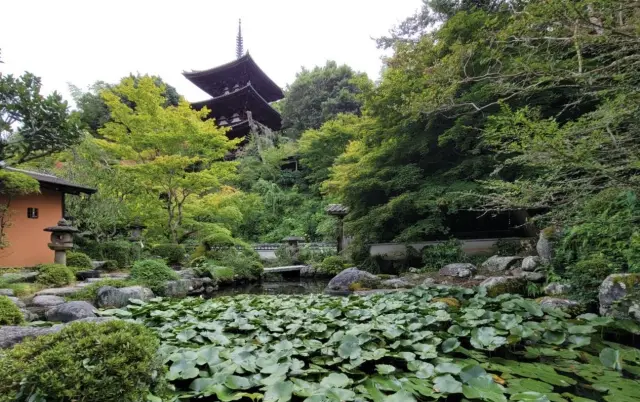
The garden at Nakanobō, a nationally designated Historic Site
-
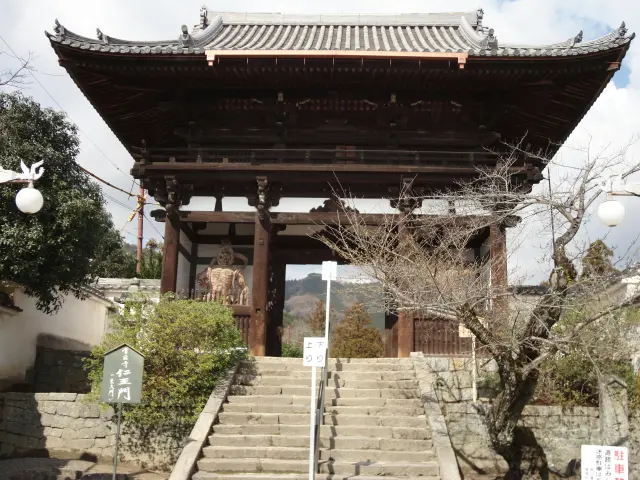
Niō Gate
-
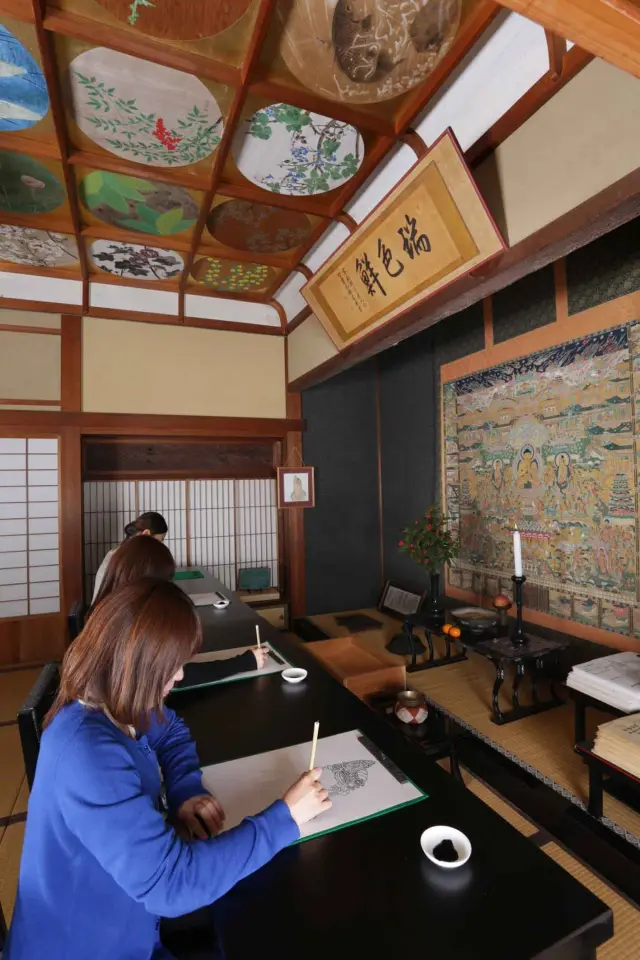
A shakubutsu experience tracing Buddhist images from the Taima Mandala
Official FAQs
Frequently Asked Questions have been vetted and answered directly by each listing.
Q
Are goshuin stamp seals available?
A
Yes, they are available at the Main Hall, Nakanobō, Okuin, and other locations.
Q
Is parking available?
A
Yes, there is a privately operated paid parking lot.
Q
Are there coin lockers?
A
Yes, they are available at Kintetsu Taima-dera Station.
Reviews
2
Some reviews are AI-translated.
-
-
Compared with the popular sights in central Nara, Taima-dera Temple is more low-key, but that actually gives it an even stronger old-temple atmosphere. The grounds feel very historic, especially the architectural details. If you enjoy culture, you’ll really appreciate this place.

Details
- Name in Japanese
- 當麻寺
- Postal Code
- 639-0276
- Address
- 1263 Taima, Katsuragi, Nara
- Phone
- 0745-48-2008 (Okuin) / 0745-48-2001 (Nakanobō)
- Closed on
- Open daily
- Hours
- 9:00am–5:00pm
- Admission
-
Garan Sando (Main Hall, Golden Hall, Lecture Hall): Adults ¥1,000, children ¥500
*Separate admission fees apply for each sub-temple, including Okuin and Nakanobō. - Access
- 15-minute walk from Kintetsu Taima-dera Station
- Credit Cards
- Not accepted
- Official website
- Official website (Japanese)