
Verified [Verified] denotes information that has been published with confirmation of its owing parties.
Chogakuji Temple
An elegant ancient temple surrounded by flowers and cultural treasures.
A Shingon Buddhist temple standing almost midway along Yamanobe no Michi, known as Japan’s oldest road. It is said to have been founded in 824, in the early Heian period, by Kobo Daishi Kukai at the imperial request of Emperor Junna. At its height, it flourished with 48 sub-temples and more than 300 monks.
This distinguished temple has a history spanning 1,200 years, and many temple treasures and cultural properties remain here. Five Buddhist statues, including the Amida Triad said to be Japan’s oldest Buddhist statues made with inset crystal eyes, and four buildings including the main hall that houses numerous temple treasures, have been designated Important Cultural Properties of Japan.
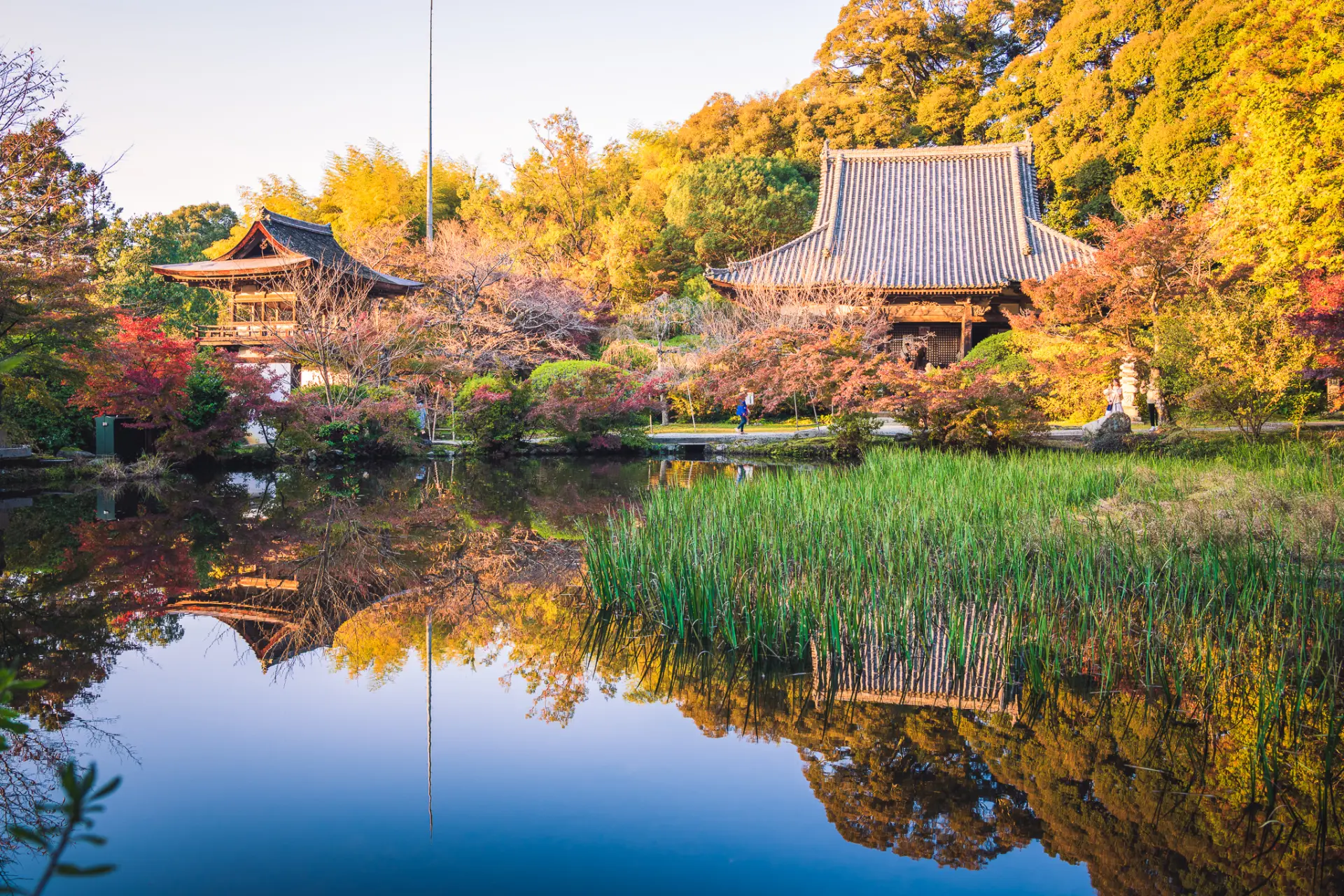
It is also counted among the Kansai Flower Temples 25 sacred sites, and seasonal flowers bloom across its vast 12,000-tsubo grounds throughout the year. Most striking are the Approx. 1,000 Hirado azalea bushes that bloom from late April to early May. The rabbit-ear iris blooming in the pond in front of the main hall from early to mid-May is also beautiful, as is the autumn foliage season, when the entire temple grounds turn fall colors. Seasonal flowers also brighten the Pure Land-style garden in front of the main hall, creating a wonderful contrast with the atmospheric buildings. In particular, the autumn leaves have been selected as one of the 100 Best Autumn Leaf Spots in Japan, and the view of the foliage from the main hall is especially beautiful.
Highlights
-
A famous temple said to have been founded in 824 by Kobo Daishi Kukai at the imperial request of Emperor Junna.
-
Many cultural properties remain, with five Buddhist statues and four buildings designated Important Cultural Properties of Japan.
-
Counted among the Kansai Flower Temples 25 sacred sites, with seasonal flowers coloring the temple grounds throughout the year.
-
From October 23 to November 30, the Great Hell Paintings (a prefecturally designated cultural property) are specially displayed in the main hall, and during this period, on Saturdays, Sundays, and national holidays from 1:00pm, the chief priest gives a slightly comical explanation of the hell paintings.
Photos
-
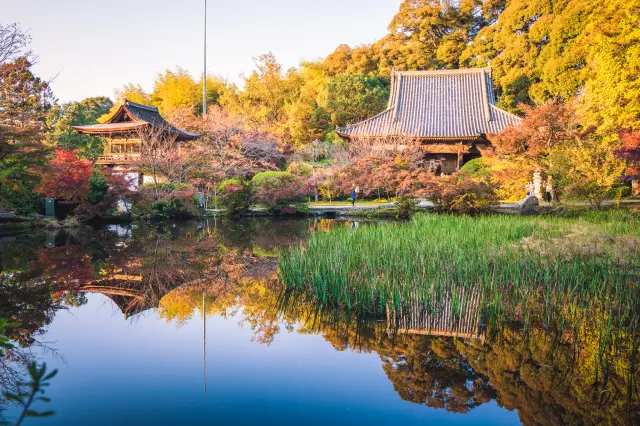
The main hall adorned with seasonal flowers, with the five Buddhist statues inside designated Important Cultural Properties of Japan
-
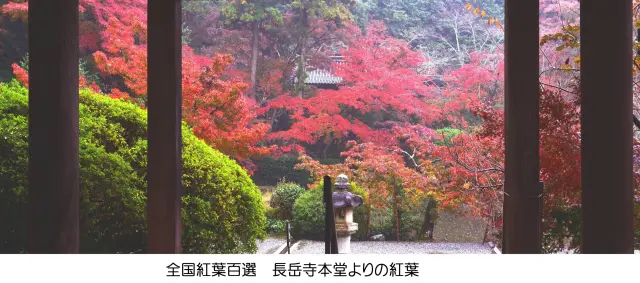
One of the 100 Best Autumn Leaf Spots in Japan (autumn foliage viewed from the main hall)
-
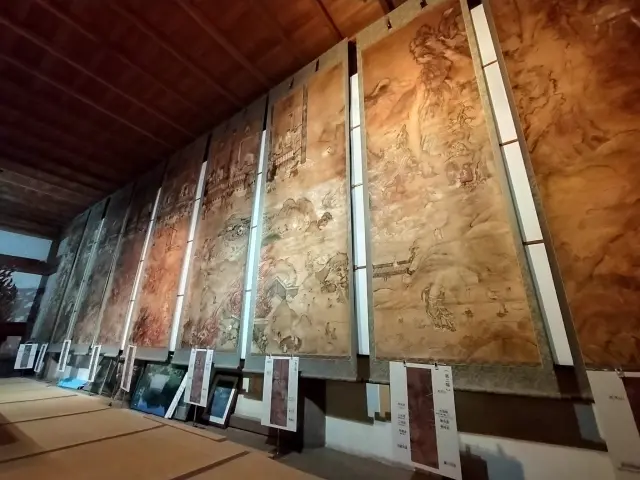
Great Hell Paintings, Scorching Hell
Official FAQs
Frequently Asked Questions have been vetted and answered directly by each listing.
Q
Are goshuin temple stamps available?
Yes.
Q
Is parking available?
Yes.
Q
Are there coin lockers?
No.
Reviews
Details
- Name in Japanese
- 長岳寺
- Postal Code
- 632-0052
- Address
- 508 Yanagimotocho, Tenri City, Nara
- Phone
- 0743-66-1051
- Closed on
- Open daily
- Hours
- 9:00am–5:00pm
- Admission
- Adults: 400 yen, university and high school students: 350 yen, junior high school students: 300 yen, elementary school students: 250 yen, under elementary school age: free
- Access
- Approx. 20 minutes on foot from JR Yanagimoto Station
- Credit Cards
- Not accepted
- Official website
- Official website (Japanese)