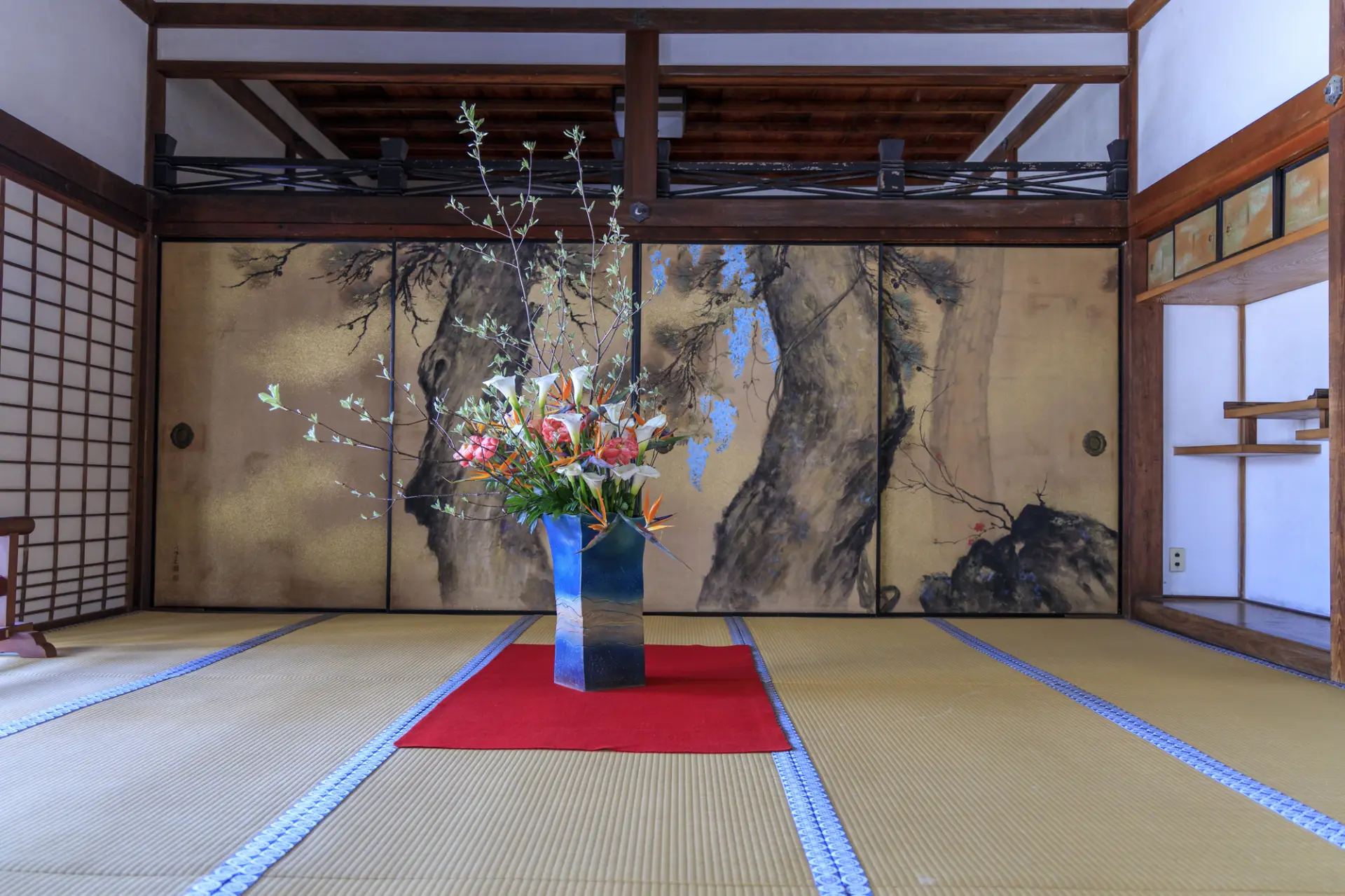
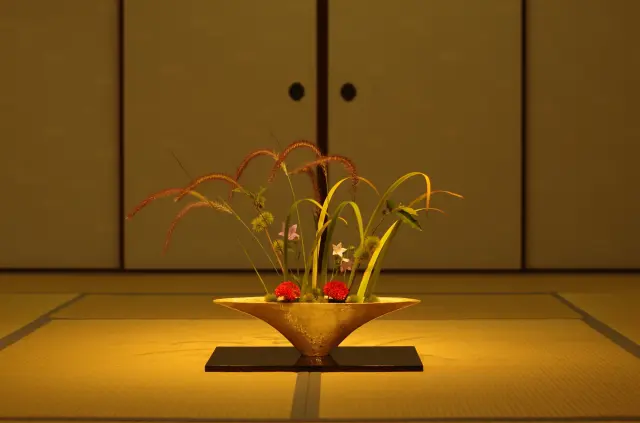
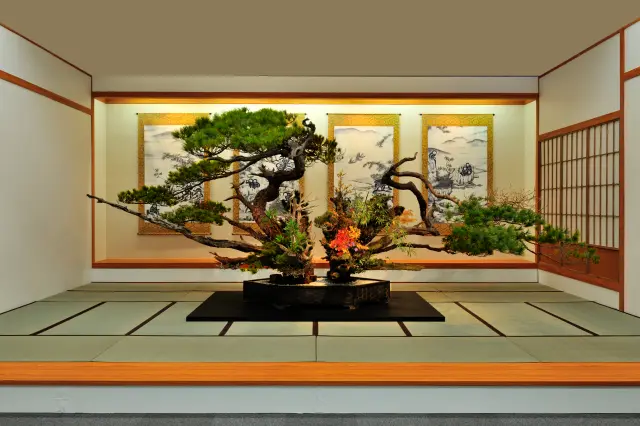
Ikebana is a traditional Japanese art form unique to Japan that expresses beauty by arranging flowers and plants in containers. It values the life of flowers and the beauty of nature, and is used as an art form that expresses the aesthetic of wabi-sabi. It has served not only a decorative role, but also cultural and religious purposes, such as floral offerings before Buddhist altars and hospitality at tea ceremonies. Representative styles include the classical rikka and shoka, as well as the unconstrained jiyuka. Each has its own philosophy and method of expression.
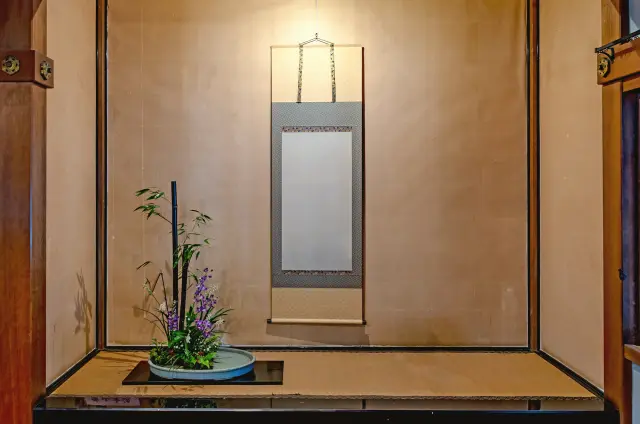
Its origins go back to ancient floral offerings before Buddhist altars and Shinto beliefs. During the Muromachi period (1336–1573), the custom of decorating tokonoma alcoves with flowers was born. Through figures such as Ikenobo Senkei, it developed into ikebana beyond the framework of religion. Later, during the Edo period (1603–1868), the shoka style spread among townspeople, and from the Meiji period onward, it became established in society by being taught at girls' schools. After World War II, jiyuka emerged, and expressions suited to modern lifestyles took root.
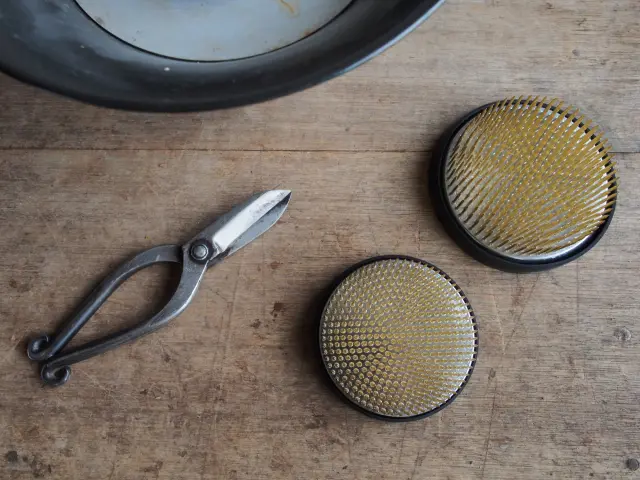
The materials of ikebana are living flowers and plants. Emphasis is placed on making use of the natural shapes, colors, and textures of plants. It has its own classifications, such as woody materials, herbaceous materials, fruits, and leaves. Tools such as flower containers and kenzan are used to create harmony within a space. One of its features is the "aesthetics of subtraction," creating a rich space with only a small amount of material. In some cases, dried or colored materials and even contrasting materials are also incorporated.
Today, it is enjoyed not only as decoration in homes and commercial spaces, but also in a wide range of settings such as events, stage productions, workshops, and hands-on classes for international visitors. While respecting traditional aesthetics, it is also used for contemporary art-style expression and collaborations with other fields.
Highlights
-
A traditional Japanese art form unique to Japan that expresses beauty through flowers and plants.
-
It values the life of flowers and the beauty of nature, pursuing the aesthetic of wabi-sabi.
-
Styles include classical rikka and shoka, as well as the unconstrained jiyuka.
-
Its materials are living flowers and plants, and space is composed through the aesthetics of subtraction.
-
Today, it is widely used in homes, commercial spaces, events, and more.