
Verified [Verified] denotes information that has been published with confirmation of its owing parties.
Tokoji Temple
The family temple of the Mori clan, lords of the Choshu Domain, known for its striking row of Approx. 500 stone lanterns.
Built in 1691 by Mori Yoshinari, the third lord of the Choshu Domain, this is one of Japan’s largest Obaku Zen temples. The Mori family graves behind the main hall are designated a National Historic Site, with the tombs of the odd-numbered domain lords from the third lord Yoshinari to the 11th lord, their wives, and Approx. 500 stone lanterns donated by domain retainers standing in rows.
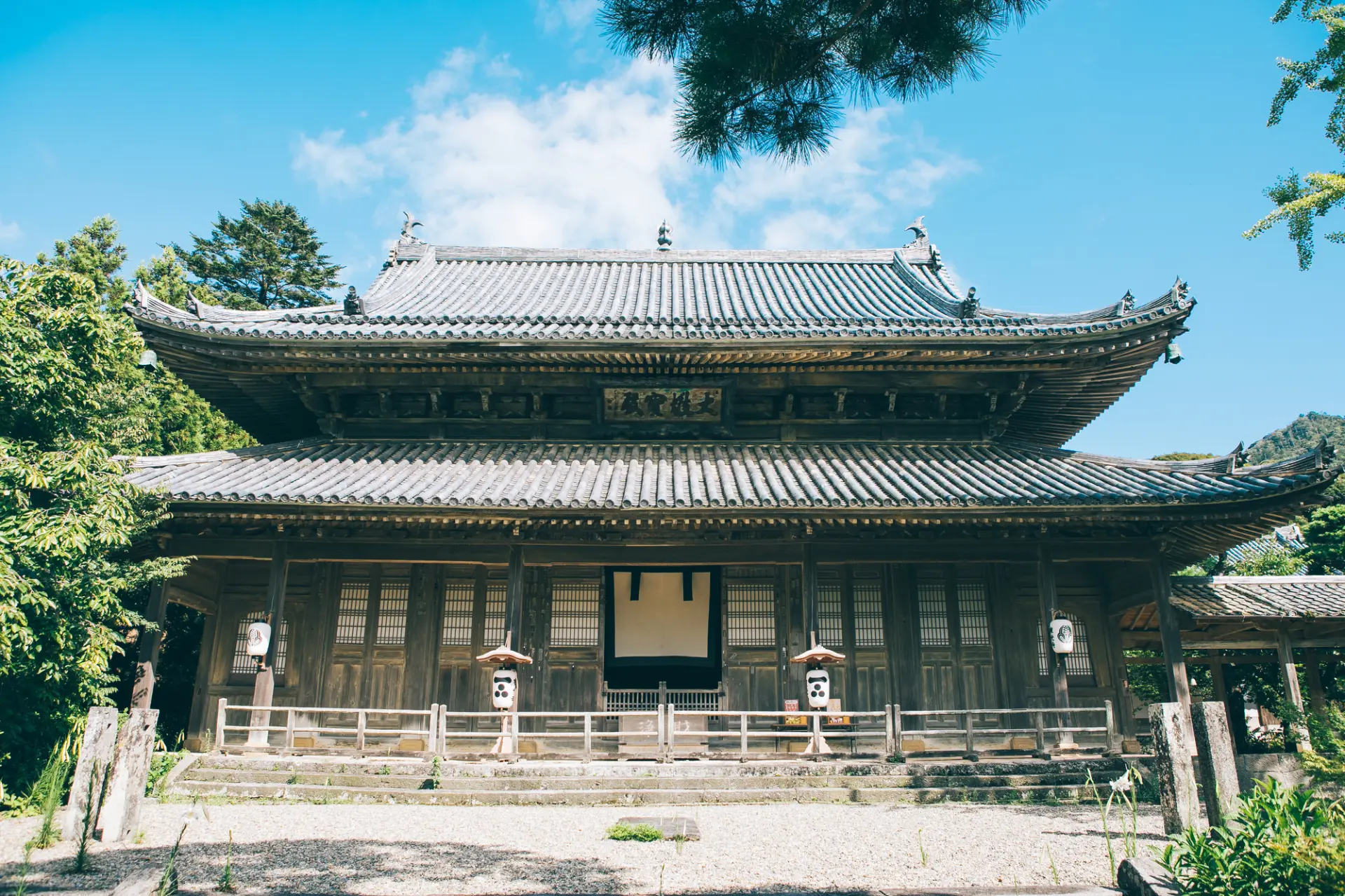
Among the buildings that incorporate Chinese Obaku temple architecture, the Somon Gate, Sanmon Gate, bell tower, and Daioboho-den (main hall) are designated Important Cultural Properties of Japan. All were built from the mid to late Edo period, and their appearance still preserves the atmosphere of that time, making them well worth seeing.
In spring, from late March to early April, the vivid pink Yokozakura cherry blossoms bloom slightly earlier than Somei Yoshino. In fall, from mid to late November, the autumn leaves of Iroha maple and ginkgo are beautiful. In autumn, special viewing is also offered for the back garden, which is not usually open to the public, so visitors can enjoy the fall colors there. In the parking lot, there is a bakery popular for its campagne and focaccia, and many people stop by while visiting the temple.
Highlights
-
An Obaku Zen temple built by Mori Yoshinari, the third lord of the Choshu Domain.
-
The Somon Gate, Sanmon Gate, bell tower, and Daioboho-den are designated Important Cultural Properties of Japan.
-
There are graves of successive Choshu lords and their wives, with Approx. 500 stone lanterns lined up.
-
Popular as a famous spot for cherry blossoms in spring and autumn leaves in fall.
-
A bakery operates in the parking lot.
Photos
-
The Daioboho-den (main hall) is one of the Important Cultural Properties of Japan
-
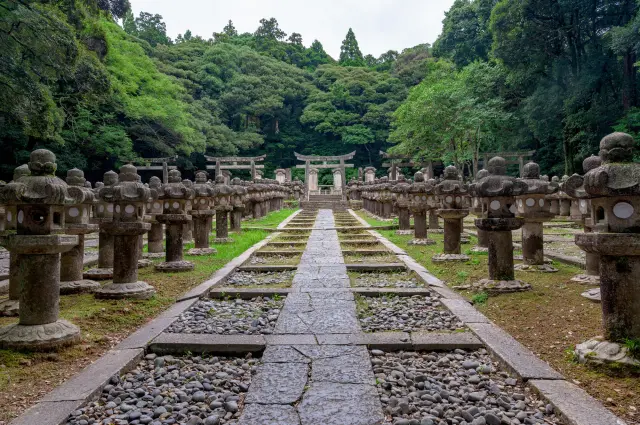
The graveyard of the Mori family, lords of the Hagi Domain, lined with Approx. 500 stone lanterns
-
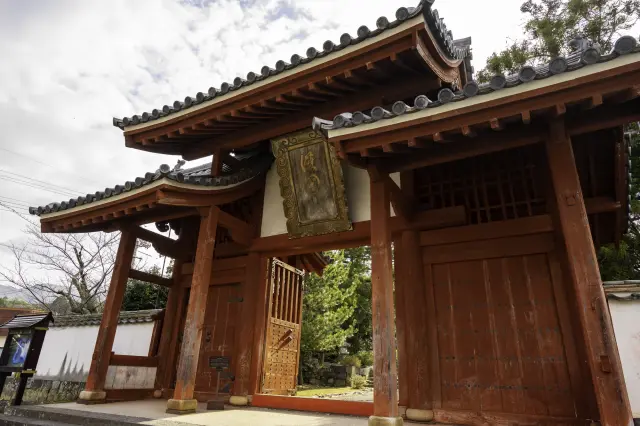
The bengara-painted Somon Gate is also an Important Cultural Property of Japan
-
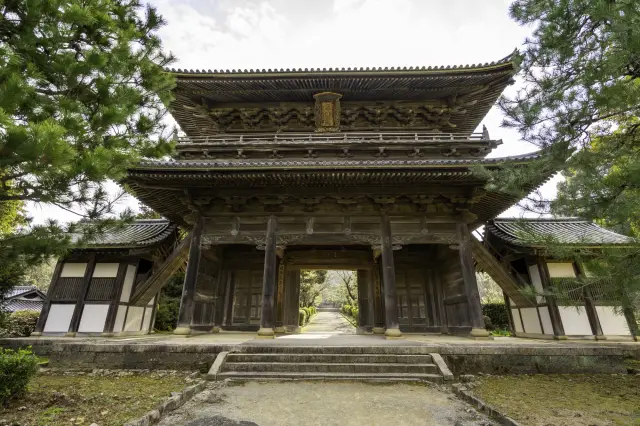
The massive Sanmon Gate, remarkable in scale for a regional temple
-
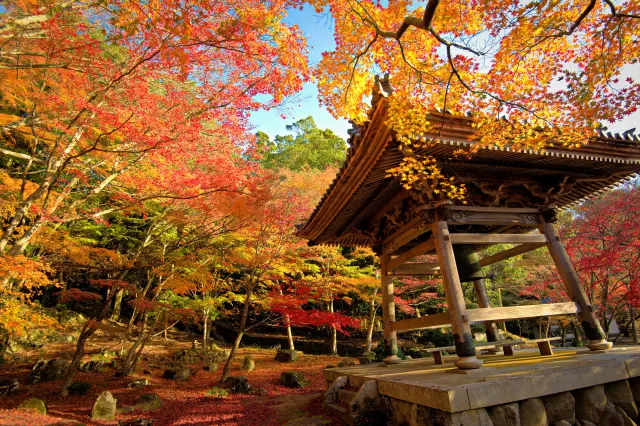
The temple grounds in autumn, colored by blazing fall foliage, are a must-see
Official FAQs
Frequently Asked Questions have been vetted and answered directly by each listing.
Q
Do you have goshuin temple stamps?
On holidays, they are available at the reception desk, and on weekdays, in front of the main hall (Daioboho-den).
Q
Is there a parking lot?
Yes, there is space for Approx. 20 cars in the upper and lower parking areas.
Q
Are there coin lockers?
No, there are not.
Q
Are there sightseeing spots nearby?
Yes, including Shoin Shrine and the birthplace of Shoin.
Reviews
Details
- Name in Japanese
- 東光寺
- Postal Code
- 758-0011
- Address
- 1647 Chinto, Hagi, Yamaguchi 758-0011
- Phone
- 0838-26-1052
- Closed on
- Open daily
- Hours
- 8:30am–5:00pm
- Admission
- Temple admission: Adults (high school students and older) 300 yen, elementary and junior high school students 150 yen
- Access
-
1) 5 minutes by car from Higashi-Hagi Station on the JR Sanin Main Line
2) Approx. 30 minutes from Hagi City Hall on the Hagi Junkan Maru Bus (East Route), get off at “Tokoji-mae,” then walk 1 minute - Official website
- Official website (Japanese)