• See More

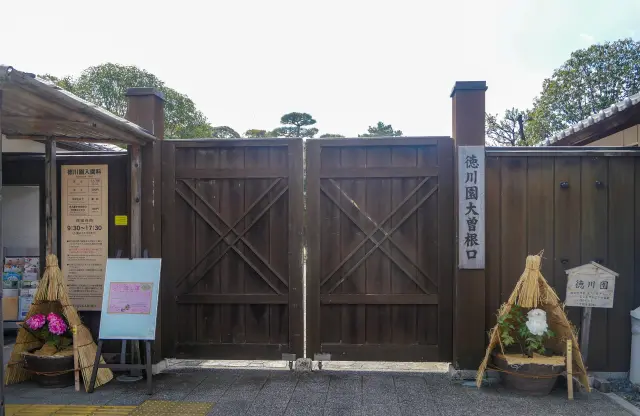
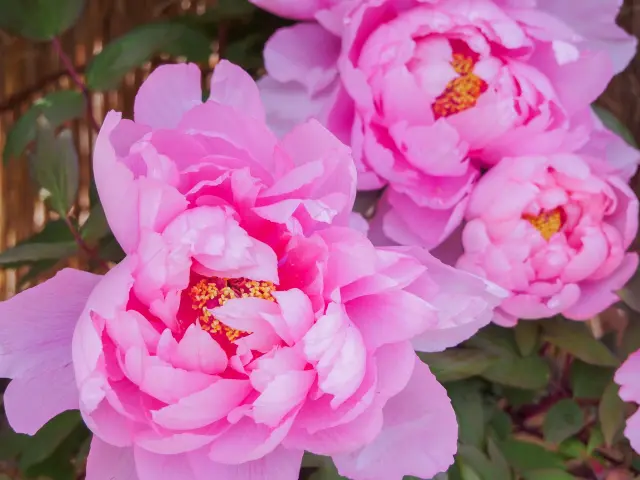
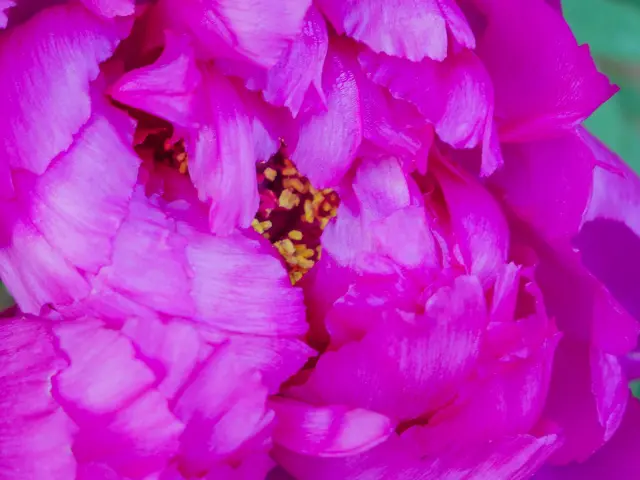
    I first stopped by a nearby kissaten for a classic Nagoya breakfast, so I decided to walk into Tokugawaen afterward. To my surprise, I happened to catch a winter peony exhibition. I honestly didn’t expect to see so many peonies in winter. Their delicate petals were layered beautifully, and the colors were so rich. After seeing them all, I understood why people in the past were so fascinated by peonies.

    I also happened to come across a nagashi-bina ceremony, which added movement and life to the otherwise quiet Hinamatsuri atmosphere. I didn’t expect to see this ceremony anywhere other than Shimogamo Shrine, and this one even allowed the general public to participate. Unfortunately, I didn’t have time to join because I wanted to see the hina dolls at the art museum.

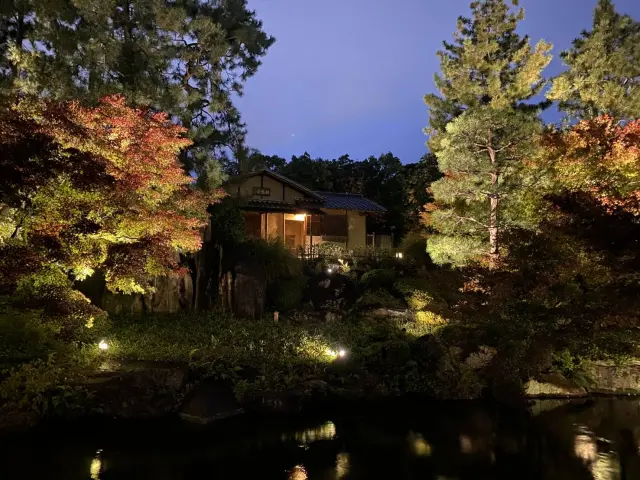
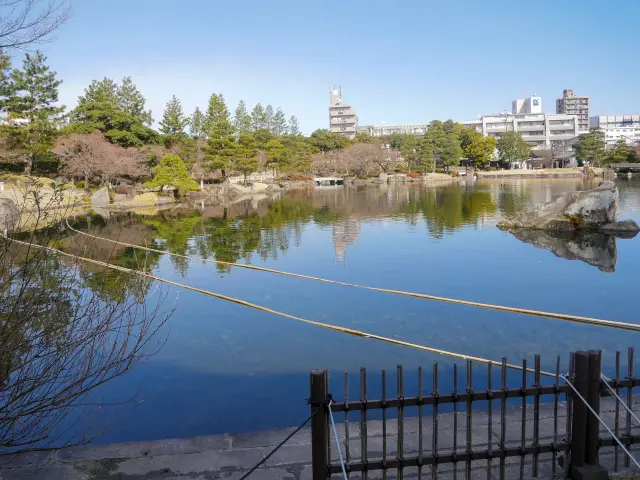
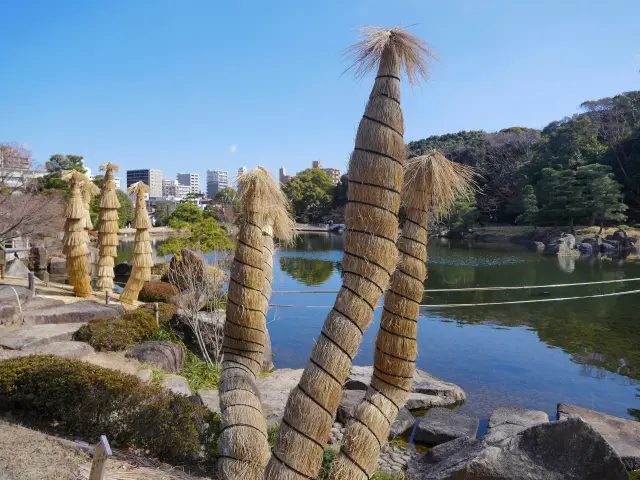
    I had assumed a winter garden would feel plain, but the waterfall, water features, and peonies made the garden feel alive even in winter. It also helped me understand what books mean when they describe how daimyo gardens reflected control over technique, resources, and space.

  • See More

    I really want to travel there again. So happy, love it 😁

  • See More

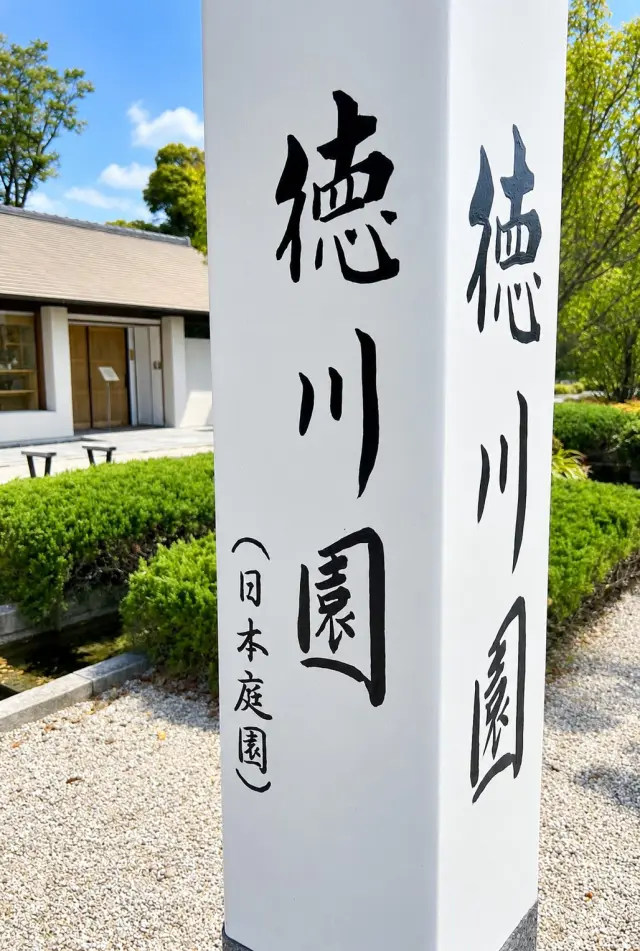
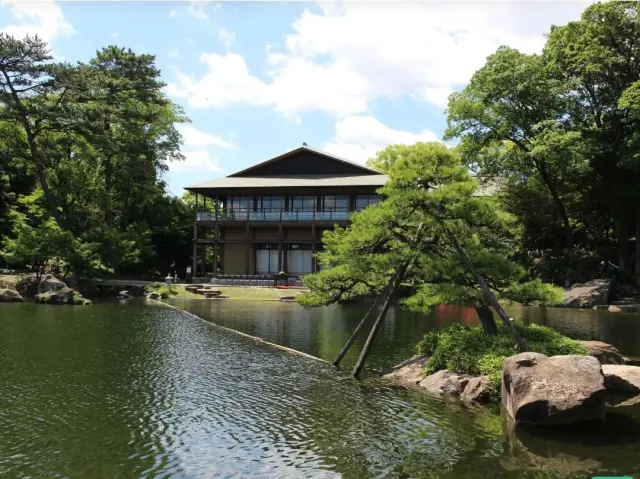
    This Japanese garden has a totally different style from Chinese pavilions and towers. The museum next door also has a large collection of items from the Tokugawa family.

  • See More

    Tokugawaen is also a famous spot for viewing wisteria flowers.

Hokkaido Tohoku Kanto Chubu Hokuriku Kansai Chugoku Shikoku Kyushu Okinawa