• See More

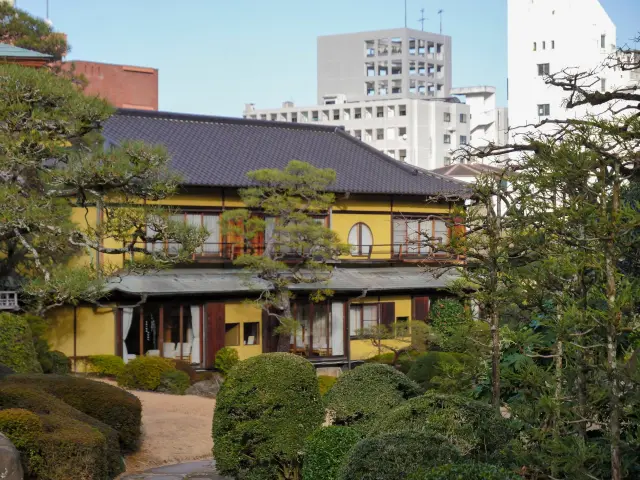
    Atami's Kiunkaku was built in 1919 and was once a villa for prominent political and business figures. It later became an upscale inn that welcomed writers and artists, including Osamu Dazai and Naoya Shiga.

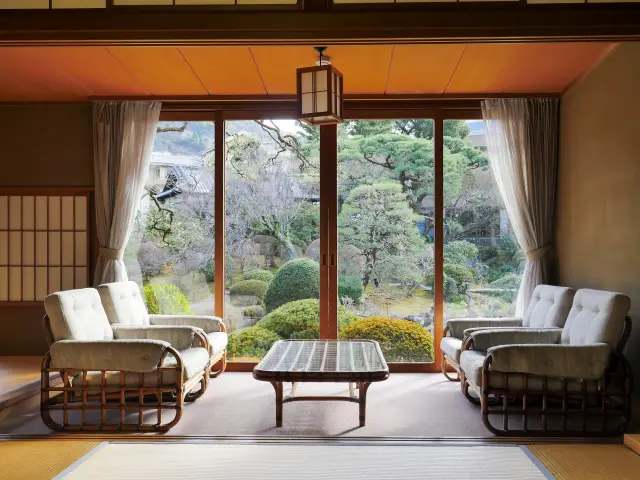
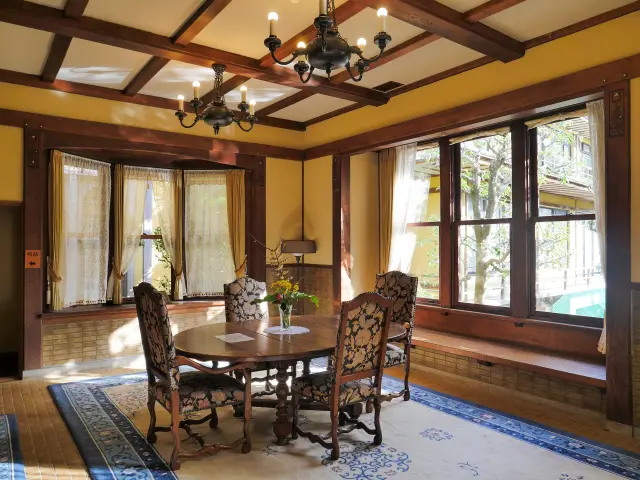
    As I walked around, what surprised me most was the architecture's clever blend of Japanese, Western, and Chinese styles. The elegant Japanese-style rooms, Western-style buildings, and tranquil garden all have plenty of character.

    It doesn't feel flashy or touristy, but instead has a sense of tranquility and elegance. Sitting by the window and looking out at the garden, it felt as if time itself had slowed down. I really like places like this, full of stories and traces of the passage of time.

  • See More

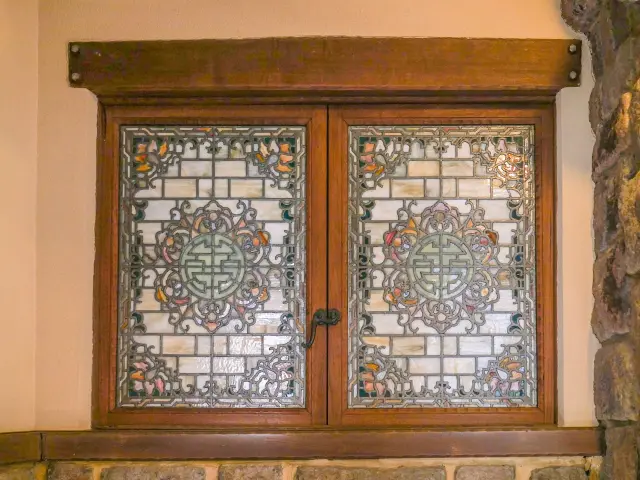
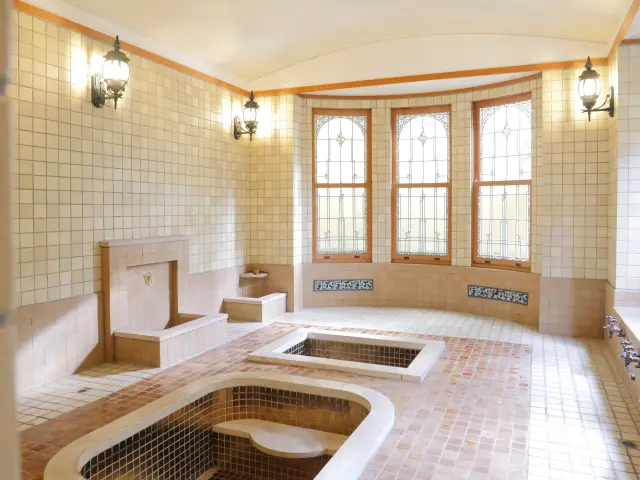
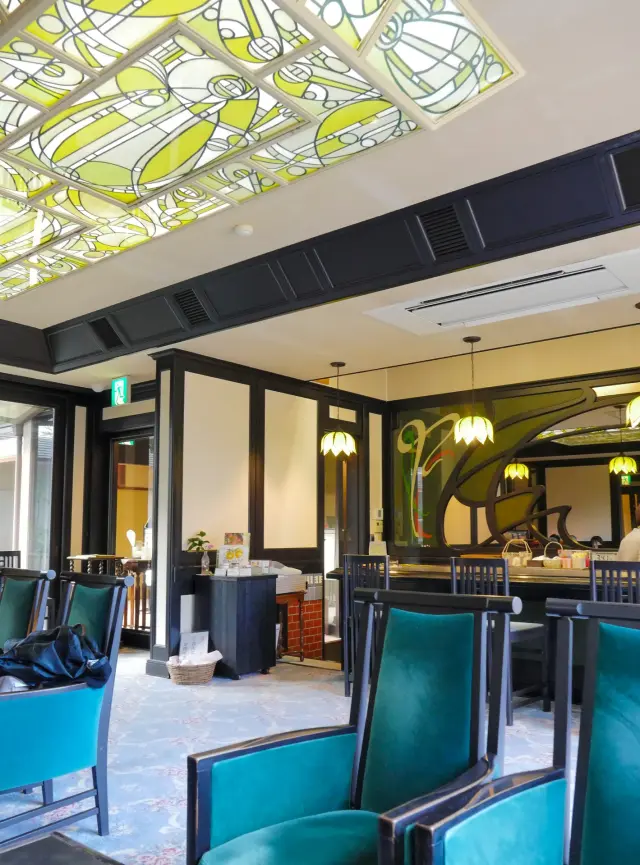
    Kiunkaku was bigger than I expected, and there was more to see than I had imagined. The Japanese-style corridors were quiet and bright, while the Western-style building’s stained glass and Roman bath were elegant without feeling gaudy. The two styles worked together surprisingly well. Personally, I thought they were the highlights of Kiunkaku.

    I especially loved the stained glass. Even by today’s standards, it still feels timeless.

    The café near the exit serves coffee and wagashi. The sofa was beautiful, but a little hard to sit on, so I ended up moving over near the counter. Unexpectedly, the retro space matched the colors of my kimono that day, and I got my favorite photo from the whole trip there.

    Overall, the building is very well preserved. It isn’t just sealed off as an exhibit, either. You can see that it’s still being used, with classes offered for local residents, which makes it feel like the old building is truly still alive.

  • See More

    You can stroll through the garden and enjoy the changing natural scenery throughout the year. The flowers in spring and the autumn leaves are especially beautiful.

Hokkaido Tohoku Kanto Chubu Hokuriku Kansai Chugoku Shikoku Kyushu Okinawa