楊雅雯

楊雅雯 's page

I love traveling, and I also enjoy capturing beautiful scenery along the way with my camera. I like exploring different cities, tasting delicious food, and collecting memories from every departure. For me, travel is not just about seeing the sights, but also a way of enjoying life.

Number of reviews 213/ Number of likes 1305

Reviews

  • Starbucks Coffee Dazaifu Tenmangu Omotesando Store

    Starbucks Coffee Dazaifu Tenmangu Omotesando Store opened in 2011, right next to the torii gate facing the Omotesando Avenue of Dazaifu Tenmangu Shrine. This is one of the "Regional Landmark Stores," originally designed by Starbucks in iconic locations throughout Japan to promote the attractive local culture to the rest of the world.

    • Aburayama, Dazaifu, Chikushino
    • Cafés
    See More

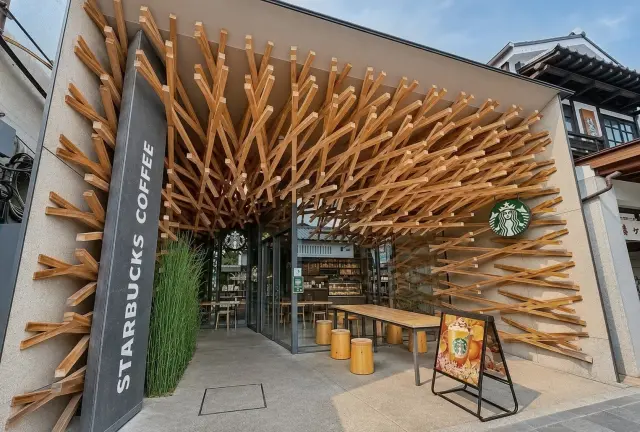
    When visiting Dazaifu Tenmangu Shrine, after walking along the lively Omotesando approach, of course you can't miss this distinctive Starbucks! Before I even entered, the exterior caught my eye! The most unique feature of the entire store is the design made from a large number of interlocking wooden beams. It stands out even from a distance, and I couldn't help stopping to take photos.

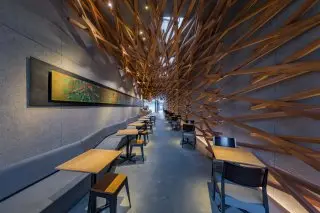
    This is the work of renowned Japanese architect Kengo Kuma, who used about 2,000 wooden beams to create a uniquely layered space. Once inside, you can really feel the warmth created by the wooden architecture. Looking up at the ceiling, the interlocking lines of the beams are truly beautiful, and together with the natural light, they give the entire space an artistic atmosphere.

    I originally just wanted to take a look at this distinctive Starbucks, but I didn't expect both the exterior and interior to be so interesting. Every angle is perfect for photos, and it doesn't feel at all like an ordinary coffee shop.

    Although it's a chain coffee shop, it has its own unique architectural appeal. When visiting Dazaifu, in addition to worshipping at Tenmangu Shrine and eating umegae mochi, this Starbucks is also well worth adding to your itinerary! Even if you aren't particularly interested in having coffee, I still recommend stepping inside to experience this special space.

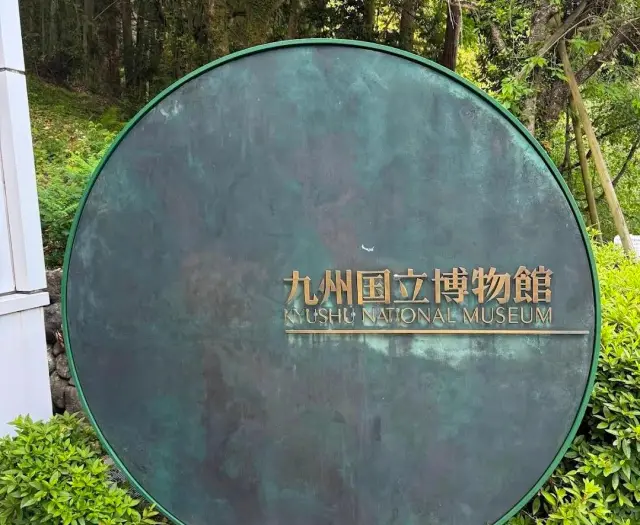
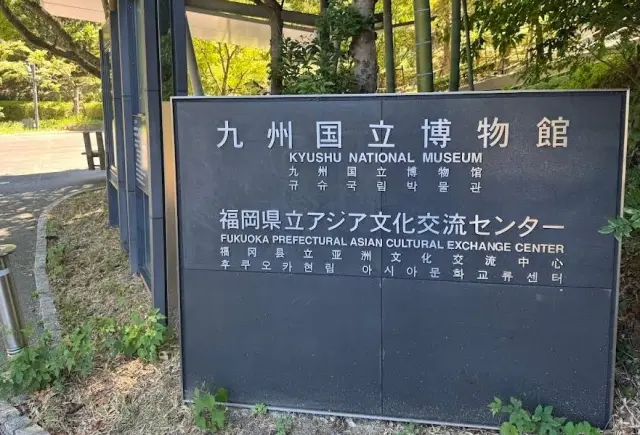
  • Kyushu National Museum

    Dazaifu, where the Museum stands, is an important hub in Japanese ancient history. It was a place to govern the Kyushu Region where lots of exchanges with the world were taking place. With that background, this 4th national museum was opened in 2005 with the unique concept “Understanding Japanese culture formation in the Asian historical view.”

    • Aburayama, Dazaifu, Chikushino
    • Museums
    See More

    Following Tokyo, Nara, and Kyoto, this is Japan’s fourth national museum, and it’s also an attraction well worth adding to your Dazaifu itinerary!

    When I visited the Kyushu National Museum this time, the first thing that struck me was its distinctive architecture and how spacious the entire place was. Before even entering the exhibition area, I was impressed by the tunnel leading up to it. Walking through it felt special. There’s also an interactive area on the first floor that was pretty fun and added a little more enjoyment to the visit.

    The museum mainly presents the history of cultural exchange between Japan and other Asian countries. Unfortunately, there were no special exhibitions during our visit, but the regular permanent exhibition alone was already very extensive! The exhibition area is huge, with more than a dozen galleries, and if you take your time, you can see many historical artifacts and cultural displays.

    If you’re just casually walking around and looking, you can finish in about an hour. But if you carefully explore every section, you could easily spend more than two hours here.

    After visiting, I felt that it was even bigger than I had imagined, and time passed quickly as I walked around. The only unfortunate thing is that the museum closes at 5:00 p.m. If you don’t plan your time well, it’s easy to feel like you didn’t get to see enough.

    Overall, I really liked this place. You can not only see historical artifacts but also learn about cultural exchange between Japan and different parts of Asia through the exhibitions. Besides visiting Tenmangu Shrine and Omotesando in Dazaifu, I also recommend adding this museum to your itinerary. If you like museums, it’s worth checking out!

  • Ichiran Dazaifu Sando

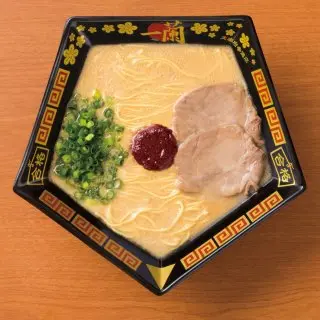
    Located on the path to Dazaifu Tenmangu Shrine, Ichiran Dazaifu Sando is famous for its "Ramen Focus Booth," where you can enjoy your tonkotsu ramen without distractions. This popular tonkotsu ramen chain has expanded both domestically and internationally, and the Dazaifu Sando branch is known for its unique "Success Ramen," which prays for the success of students.

    • Aburayama, Dazaifu, Chikushino
    • Ramen
    See More

    When visiting Dazaifu, besides exploring Tenmangu Shrine and eating desserts, I also made a special trip to this very distinctive Ichiran ramen location!

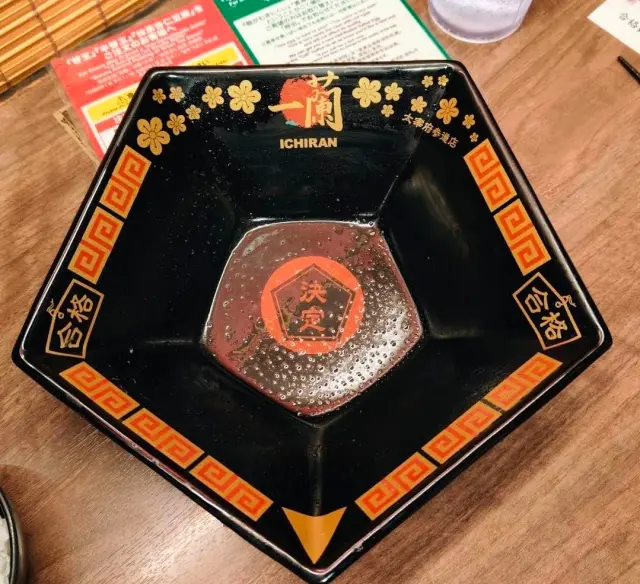
    The biggest difference between this location and a regular Ichiran is its Dazaifu-exclusive “Success Ramen,” served in a special pentagonal bowl. In Japanese, the word for pentagon sounds like “passing,” symbolizing success on exams and achieving excellent results. Since I was in Dazaifu, of course I wanted to try this exclusive version!

    However, what left a deeper impression on me this time was the wait. After arriving at the restaurant, you first have to get a numbered ticket. Then you can walk around Dazaifu Omotesando, and the system will notify you in advance when it’s time to return. I originally thought that once I had the ticket, that was pretty much it. I didn’t expect that after receiving the notification and returning to the restaurant entrance, I would still have to wait in line. This time, I waited about another 20 minutes.

    Just a reminder: the numbered ticket only guarantees that you can enter. It doesn’t mean you won’t have to wait in line! When I finally sat down and got my ramen, the first thing I looked at was, of course, the special pentagonal bowl. Its design really is distinctive, and it also makes for a memorable photo.

    As for the flavor, it’s the familiar Ichiran ramen! The broth is rich, and the noodles maintain the chain’s usual quality. It goes down smoothly, and anyone who likes Ichiran should find it familiar. But honestly, after finishing it, other than the distinctive design of the exclusive bowl, the flavor wasn’t very different from a regular Ichiran.

    My biggest takeaway from this visit was that I spent quite a bit of time waiting for this exclusive bowl of ramen. It tasted good, but not to the point where I felt it was a must-try.

  • Fukuya Dazaifu Store

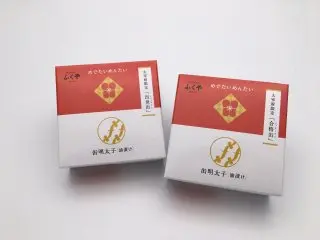
    The Dazaifu branch of Fukuya, the original creator of Fukuoka's famous spicy cod roe, Karashi Mentaiko. The founder, Toshio Kawahara, invented Karashi Mentaiko in 1948, and it was first sold at a shop in Nakasu the following year.

    • Aburayama, Dazaifu, Chikushino
    • Local Products Center & Souvenir Stores
    See More

    When in Fukuoka, of course you have to try the famous local mentaiko! This time, we specifically sought out the popular Fukuya Dazaifu Store after seeing it online. Since we were here, we wanted to try one of Fukuoka's local specialties.

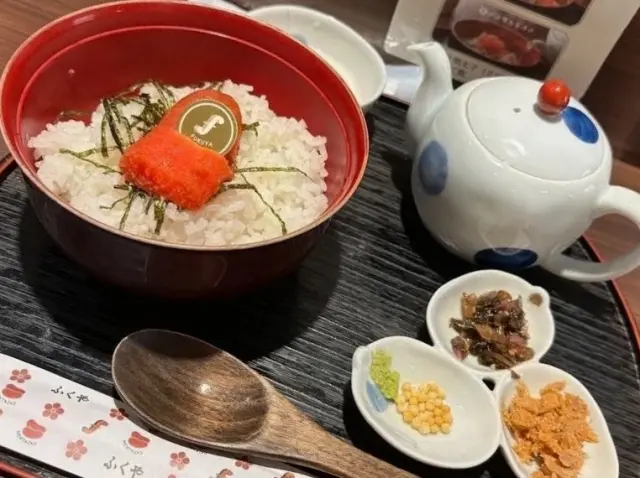
    This was also my first time having mentaiko ochazuke. Since I'd never tried it before, I was a little worried that I might not be used to the taste, so we started with the most basic option, served with just mentaiko, to try the original flavor first.

    The shop has a takeout area by the entrance as well as indoor seating. We chose to sit down and take our time. You order using a self-service machine, which is very easy to operate, and there are also clear illustrated instructions on the table showing you how to enjoy the dish step by step.

    I originally just wanted to try something new, but it turned out to be unexpectedly delicious! The mentaiko was savory and slightly salty, and it went well with the hot tea broth and rice. The whole dish was easy to eat, and I liked it more and more with every bite.

    What surprised me most was the grated yam! I wasn't particularly excited about it at first, but when I mixed it in, its smooth texture paired with the salty, savory mentaiko was really delicious. It actually made me like this way of eating it even more.

    My first experience with Fukuoka mentaiko ochazuke left a good impression. I was worried I might not be used to it, but it completely exceeded my expectations.

    If you're shopping along the approach to Dazaifu and want somewhere to sit down and grab a bite when you get tired, this is a good place to add to your plans. I think it was well worth coming here specifically to try it!

  • Homangu Kamado Jinja

    Kamado Jinja is a shrine with over 1350 years of history. It enshrines Tamayori-hime, who has been worshipped as a kami (Shinto god) of marriage since ancient times.

    • Aburayama, Dazaifu, Chikushino
    • Shrines & Temples
    See More

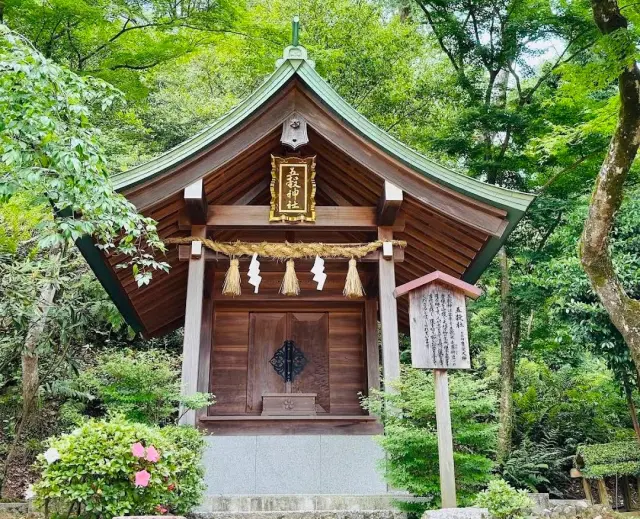
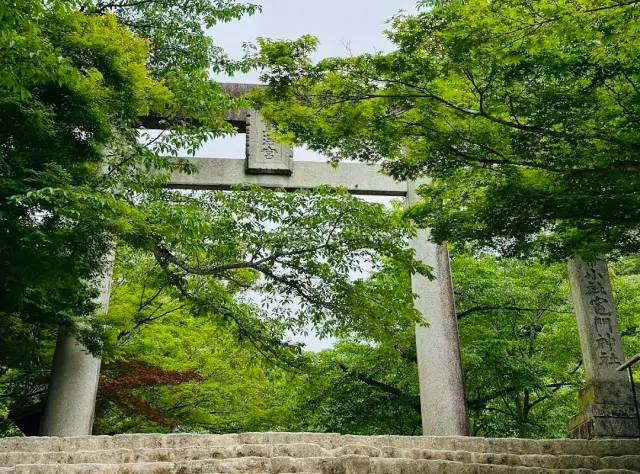
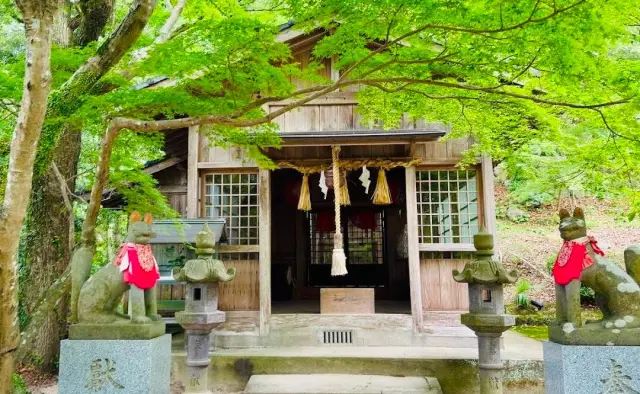
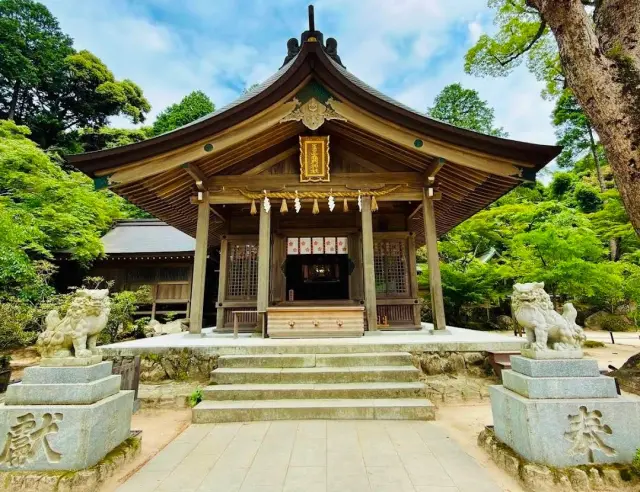
    On this trip to Dazaifu, in addition to Dazaifu Tenmangu, I also made a point of visiting the well-known Homangu Kamado Shrine. Also known as a shrine for love, it's a popular place to pray for a good match and success in romance, as well as a pilgrimage site for fans of the anime Demon Slayer: Kimetsu no Yaiba.

    From Dazaifu Tenmangu, you can walk here in about 25–30 minutes, or take the Mahoroba community bus, which takes about 10 minutes. It's fairly easy to get to.

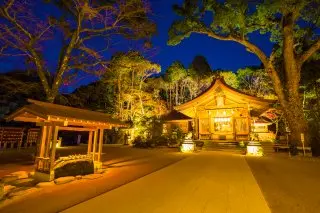
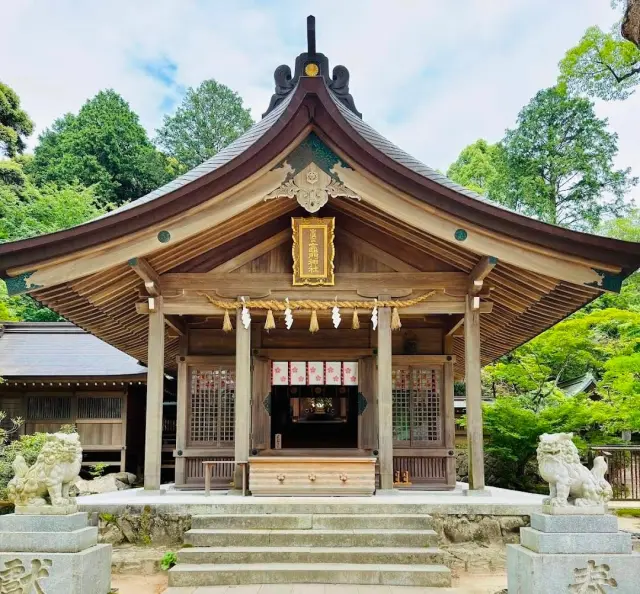
    The shrine is located at the foot of a mountain, and the overall setting is very quiet and peaceful, with a completely different feel from the lively approach to Dazaifu. Once inside the shrine grounds, you can take your time admiring the shrine buildings and surrounding natural scenery. Without the noise of the tourist area, it has a calmer and more relaxing atmosphere.

    The most interesting thing about this shrine is its connection to Demon Slayer: Kimetsu no Yaiba. The characters for “Kamado” in the shrine's name are the same as the surname of the main character, Tanjiro Kamado. Combined with the shrine's history of guarding against the demon gate and warding off misfortune and evil, this has attracted many Demon Slayer fans who come specifically to visit.

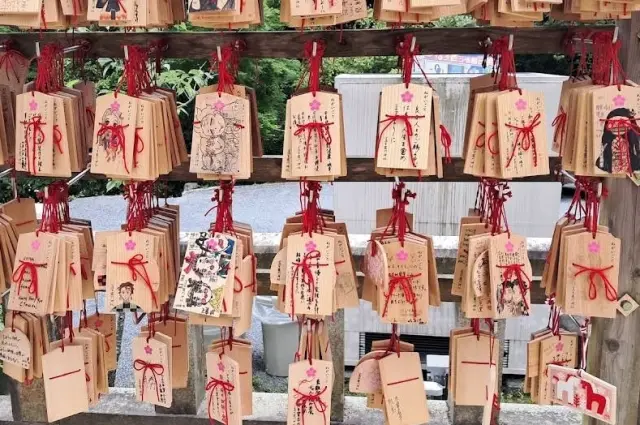
    Throughout the grounds, you can see many ema plaques featuring characters from Demon Slayer: Kimetsu no Yaiba. People write their wishes on them, adding a fun touch of anime culture to this traditional shrine.

    I think this is a great place to include in a Dazaifu day trip. Besides praying for a good relationship, you can also enjoy a relaxed atmosphere that's different from the bustling approach.

Hokkaido Tohoku Kanto Chubu Hokuriku Kansai Chugoku Shikoku Kyushu Okinawa