david

david 's page

I love Japan〜I’m passionate about Japan

Number of reviews 4/ Number of likes 1

Reviews

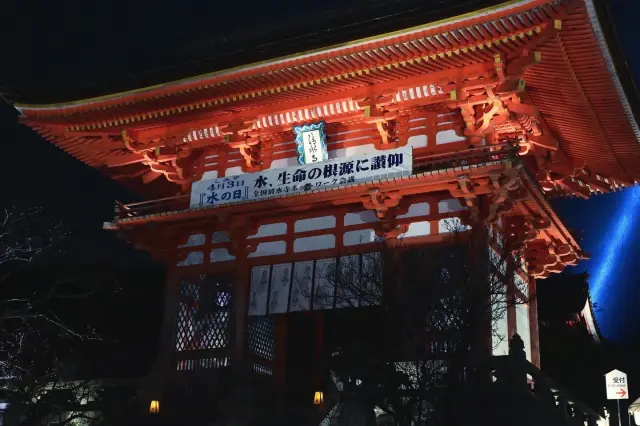
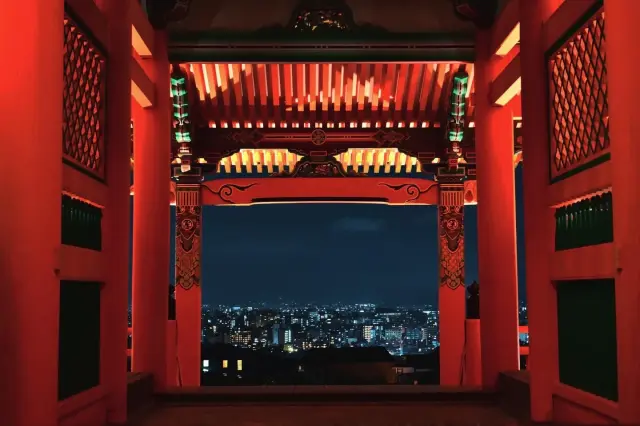
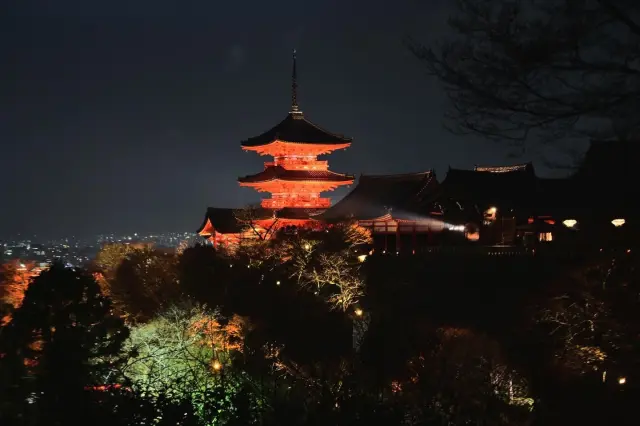
  • Mt. Otowa Kiyomizu-dera Temple

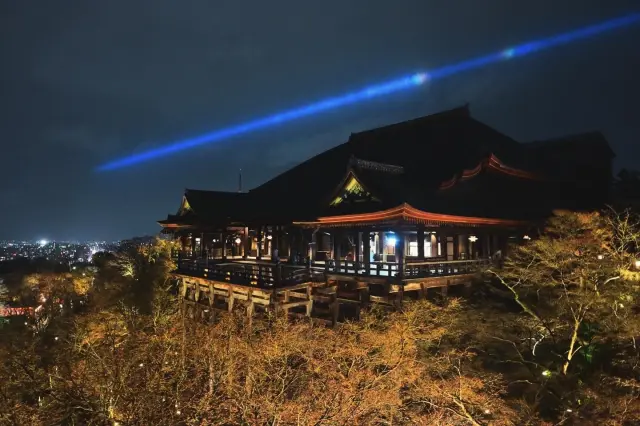
    Opened in the year 778, the temple was registered as a UNESCO World Cultural Heritage Site in 1994. In the 130, 000 m2 area of the precincts spread out on the hillside of Mt. Otowa, there are more than 30 cathedrals and monuments, including national treasures and important cultural properties.

    • Gion, Higashiyama, Yamashina
    • Shrines & Temples
    See More

    If you come to Kyoto and can choose only one temple to experience the history and beauty of the ancient capital, Kiyomizu-dera is definitely not to be missed.

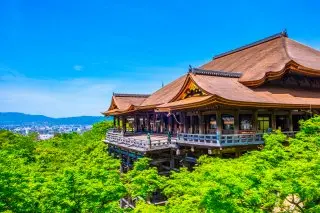
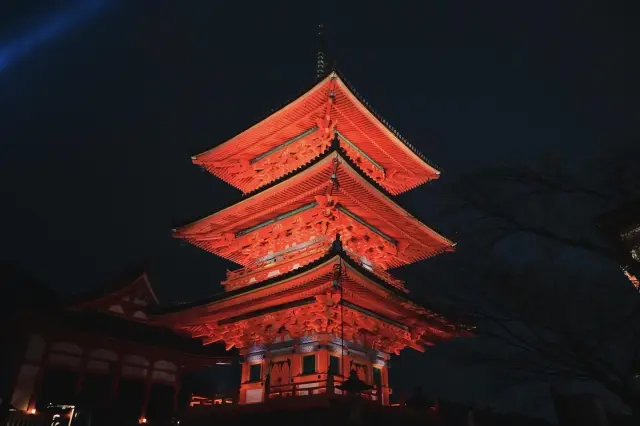
    Located on Mt. Otowa, Kiyomizu-dera was founded in 778 and has a history spanning more than a thousand years. It is one of Kyoto's most iconic temples and part of the UNESCO World Heritage Site known as the Historic Monuments of Ancient Kyoto.

    Walking slowly uphill along the approach and passing through the vermilion Nio-mon Gate, you are greeted by the temple's stately buildings. The most impressive feature of Kiyomizu-dera is undoubtedly the Kiyomizu Stage, built using traditional wooden construction techniques. Supported by numerous wooden pillars and extending over the hillside, its main structure was built without nails, showcasing the skill and ingenuity of ancient Japanese architecture.

    From the stage, you can take in sweeping views of Kyoto's cityscape and the mountains in the distance. The scenery changes completely with the seasons: soft pink cherry blossoms in spring, lush greenery in summer, layers of red maple leaves in fall, and a crisp, tranquil beauty in winter.

    Continuing along the temple path, you will come to Otowa Waterfall. The spring water flows down the rock face in three streams, traditionally associated with wishes for academic success, love, and longevity. Many travelers come here not only to admire the scenery, but also to pray for blessings for themselves and their loved ones.

    What I liked most, though, may not have been any particular magnificent view, but the way I naturally slowed down while walking through the temple grounds.

    In this ancient temple that has stood for over a thousand years, it feels as though you can sense the weight of time. It also reminds me that there is no need to rush through every step of life. Some things require patience, some answers take time, and the people who truly matter deserve to be cherished.

    Sometimes, the meaning of travel is not just about admiring the scenery, but also about rediscovering inner peace in an unexpected moment.
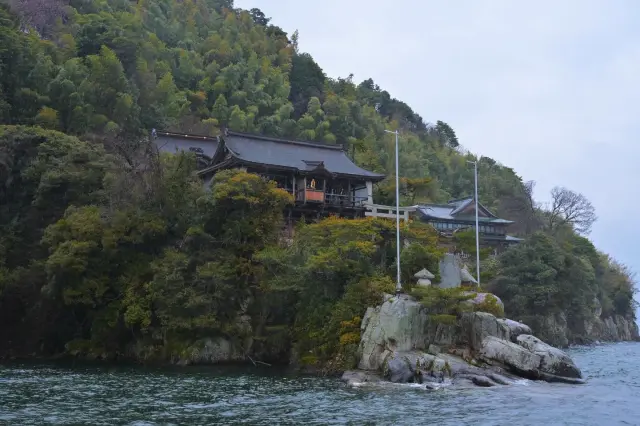
  • Chikubu Island

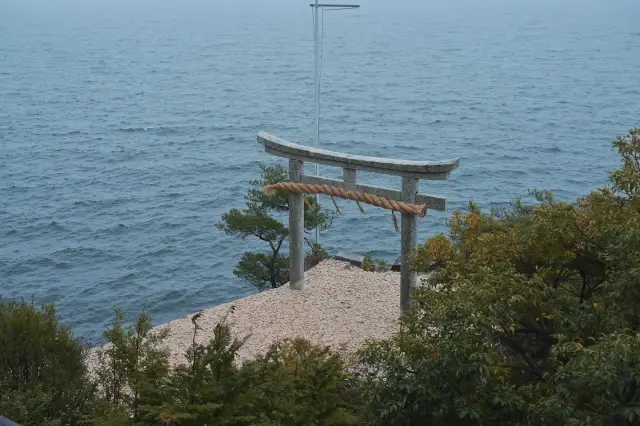
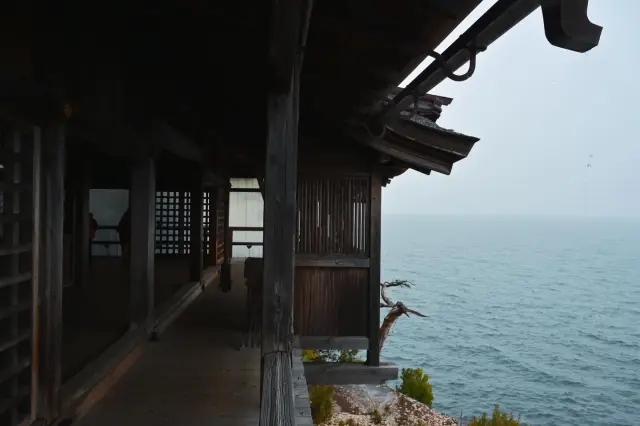
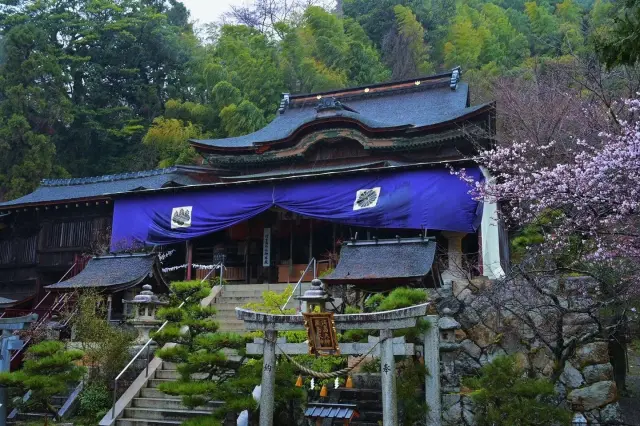
    Chikubu Island is a small island about 2 km in circumference, located about 6 km offshore in the northern part of Lake Biwa. On the island is Hogon Temple, one of the three Benzaiten temples in Japan, and the Tsukubusuma Shrine.

    • Shiga
    • Famous Places
    See More

    Some places are appealing not only for their scenery, but also for their power to take you away from the noise and help you quiet your mind.

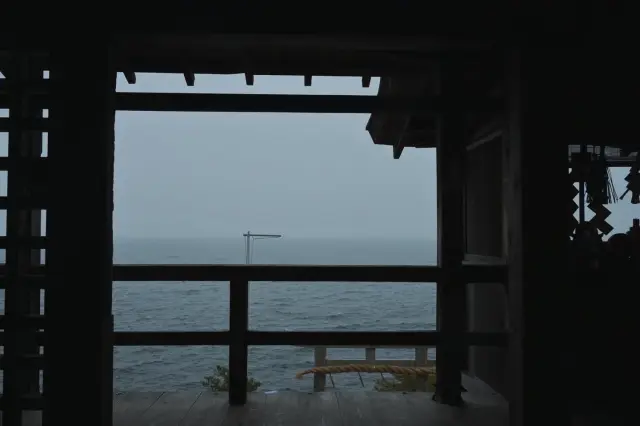
    On this trip to Shiga Prefecture, Japan, I took a sightseeing boat to Chikubu Island on Lake Biwa. As the boat slowly pulled away from shore, the vast lake gradually opened up before me, and the small island surrounded by mountains and water quietly came into view with an air of mystery.

    Chikubu Island is known as the “Island of the Gods” and has been an important sacred site in Japan since ancient times. The island is home to the historic Hogon-ji Temple and Tsukubusuma Shrine. The sight of a Buddhist temple and Shinto shrine coexisting also tells the story of how Japan’s religious cultures have blended over time. Hogon-ji Temple is also one of Japan’s three major sacred sites dedicated to Benzaiten.

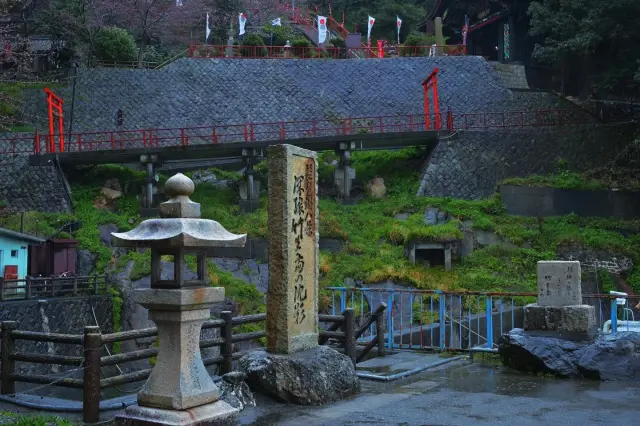
    Walking around the island and following the stone steps into the ancient temple and shrine, I was surrounded by dense greenery, and the air seemed to carry an added sense of tranquility and solemnity. The exquisitely ornate National Treasure buildings in particular made me slow down and carefully appreciate the traces left by history.

    At Tsukubusuma Shrine, don’t miss the famous kawarake throwing prayer ritual. You throw a small clay plate with your wish written on it toward a torii gate in the distance. It’s said that if the plate passes through the gate, your wish may come true. More than the result itself, it feels like entrusting the hopes in your heart to the lake breeze and the gods.

    When traveling, we’re always busy rushing to the next attraction and taking every photo, but on Chikubu Island, it feels more fitting to walk around quietly, take in the sights, and let your thoughts slowly settle with the waters of the lake.

    Perhaps travel isn’t only about how many places you’ve visited, but about finding your own sense of peace in an unexpected moment.
  • Himeji Castle

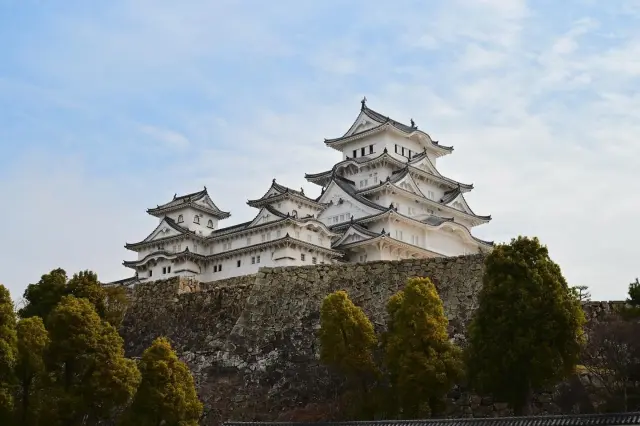
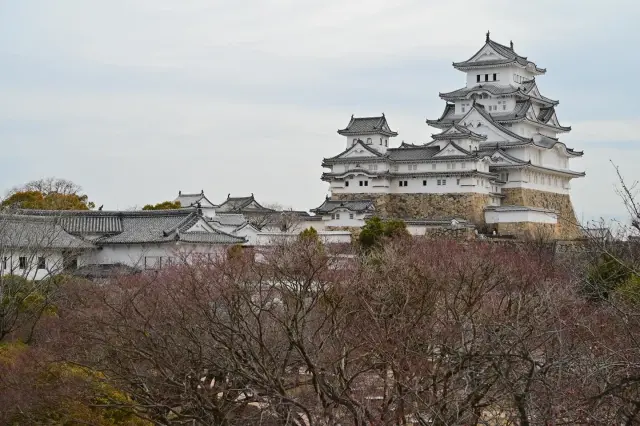
    This castle is a World Heritage Site and a Japanese castle masterpiece. The main keep, built by Ikeda Terumasa in the early Edo period, has a five-story exterior, one basement level, and six stories above ground on the inside, making it the largest Edo period castle tower still standing.

    • Hyogo
    • Tourist Attractions
    See More

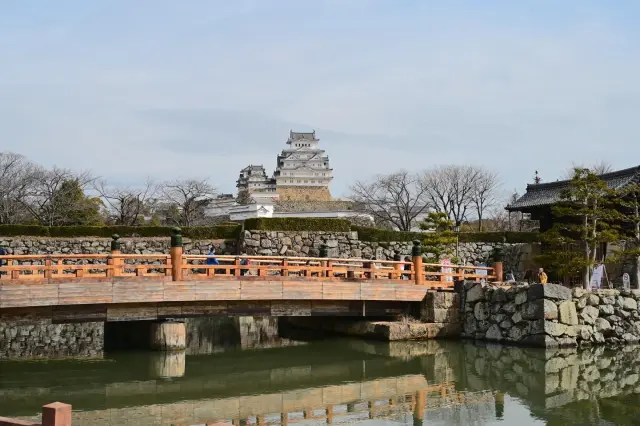
    When visiting Himeji in Hyogo Prefecture, Japan, you definitely shouldn’t miss Himeji Castle, known as the “White Heron Castle.”

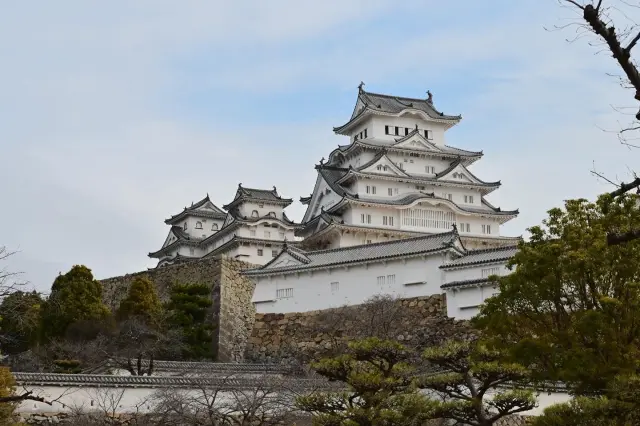
    From a distance, its white walls and layered eaves look especially elegant beneath the blue sky, like a white heron spreading its wings and standing quietly in the city. Himeji Castle is not only a National Treasure of Japan but also a UNESCO World Heritage Site, and it still preserves the appearance of a castle from more than 400 years ago.

    Once inside, the winding passageways, massive stone walls, and steep, narrow wooden staircases make you feel as though you’ve traveled back in time to Japan’s Sengoku and Edo periods. This is more than just a magnificent-looking historic castle; you can also see the architectural ingenuity used to defend against enemies at the time.

    Climb to the top of the main keep and look down over the Himeji cityscape, taking in the unique scenery where history and modern life intertwine. Rather than rushing to take photos and check in, I prefer to slow down, carefully appreciate every architectural detail, and experience the enduring charm of this historic castle after centuries of change.

    If you have enough time, I also highly recommend visiting nearby Koko-en Garden. A walk through its tranquil Japanese-style gardens adds a sense of peace and relaxation to this historical journey.

    Some places are worth visiting in person before you can truly appreciate their beauty.

    And the beauty of Himeji Castle lies not only in its pure white appearance, but also in the history and elegance shaped by more than 400 years of time.

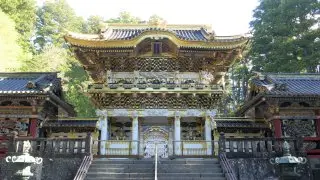
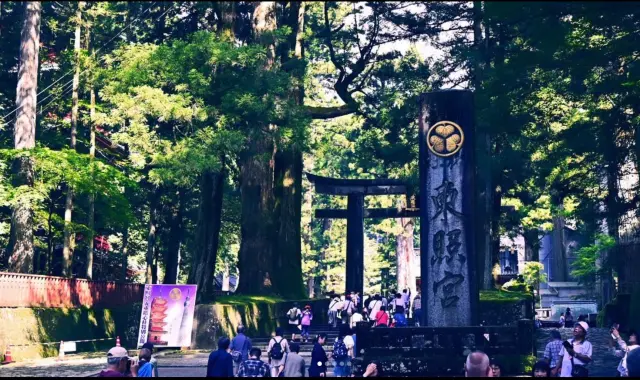
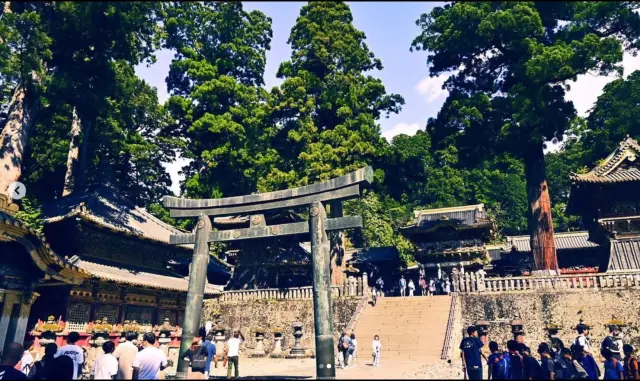
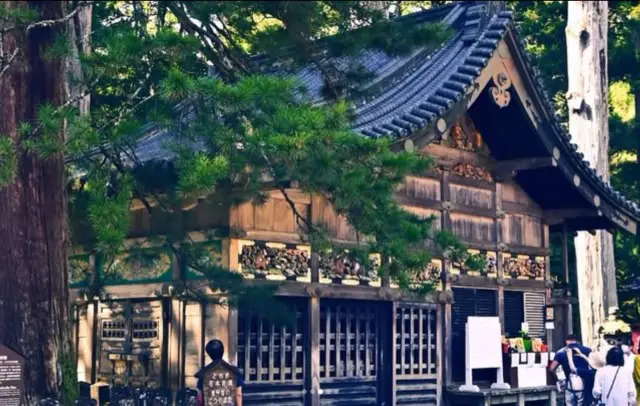
  • Nikko Toshogu

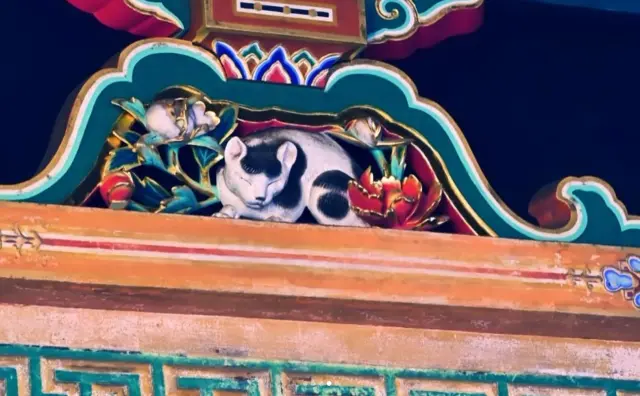
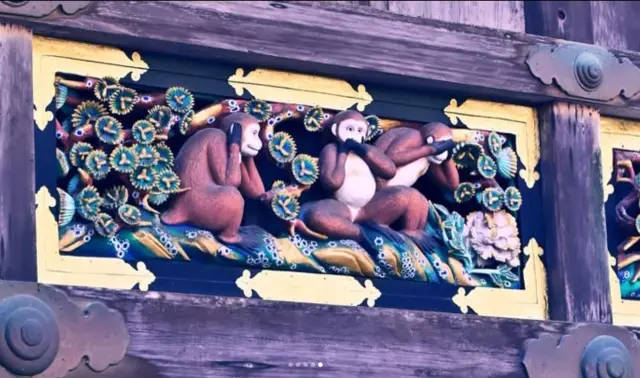
    Nikko Toshogu is a shrine dedicated to the Edo shogun Ieyasu Tokugawa. It is the most visited spot within the World Heritage Site “Shrines and Temples of Nikko,” and here you can see 55 exceptional buildings, including 8 that have been designated as national treasures and 34 that have been designated as Important Cultural Properties.

    • Tochigi
    • Shrines & Temples
    See More

    I really recommend setting aside a day to visit Nikko near Tokyo. Because I wanted to take my time appreciating the World Heritage Site, Toshogu Shrine, I didn't plan to see one of Japan's three great waterfalls 🥹🥹

    If, like me, you also enjoy hiking or visiting Japanese shrines and temples, a trip to Nikko is really perfect for you 🥰🥰

Hokkaido Tohoku Kanto Chubu Hokuriku Kansai Chugoku Shikoku Kyushu Okinawa